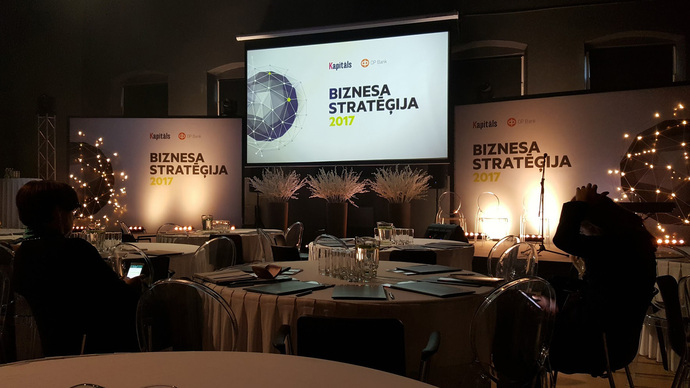
A Glimpse of the Business Strategy 2017 Conference
While the weather outside was still rather autumnal with a couple of degrees above zero, the hall at the Aldaris brewery was decked out in suitably December décor - blue lighting, frosted decorative branches, and a starry dome as an elegant element. Beautiful! But the conversation was serious - what will the coming year bring for Latvia, what are the global trends, and how will they affect the business environment.
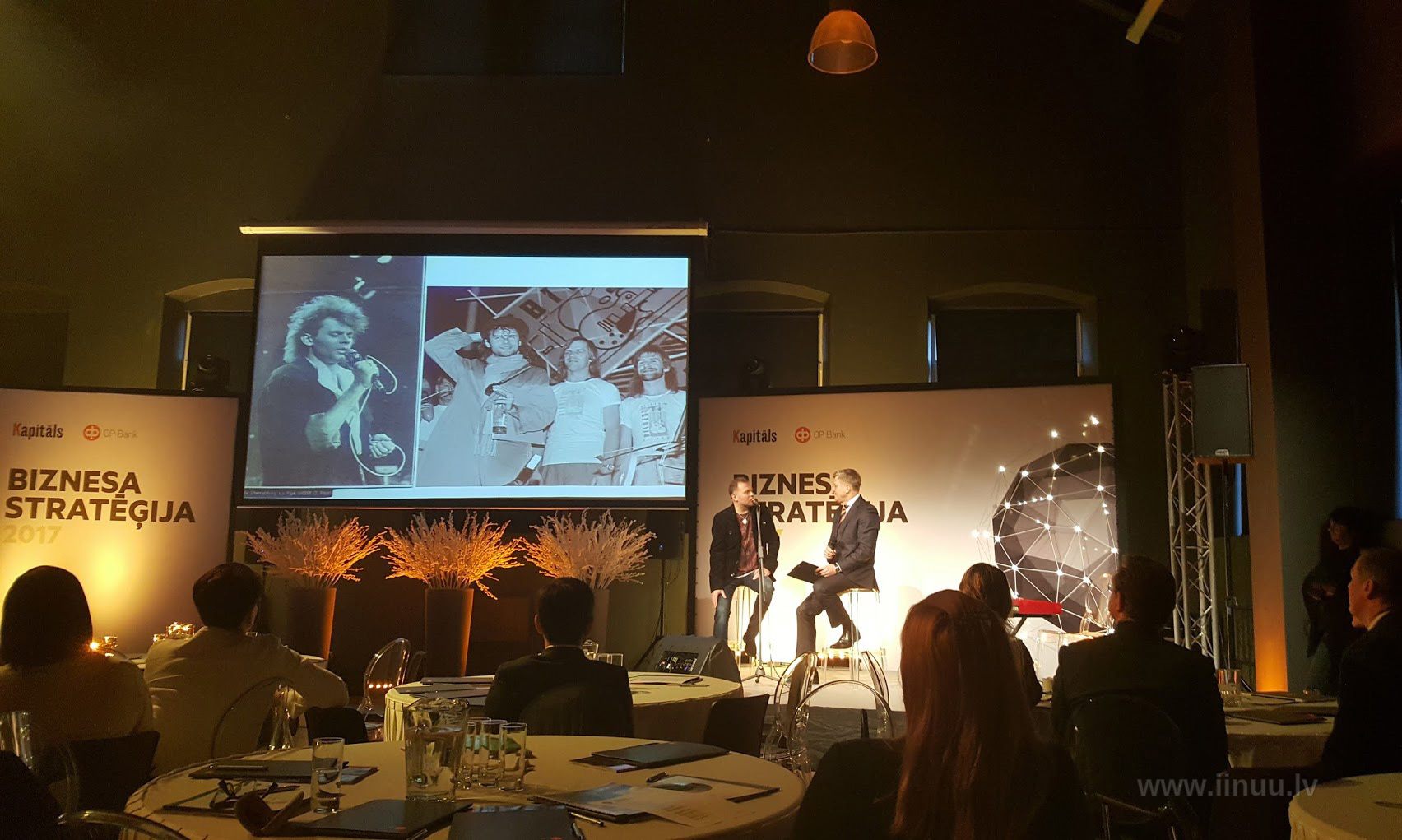
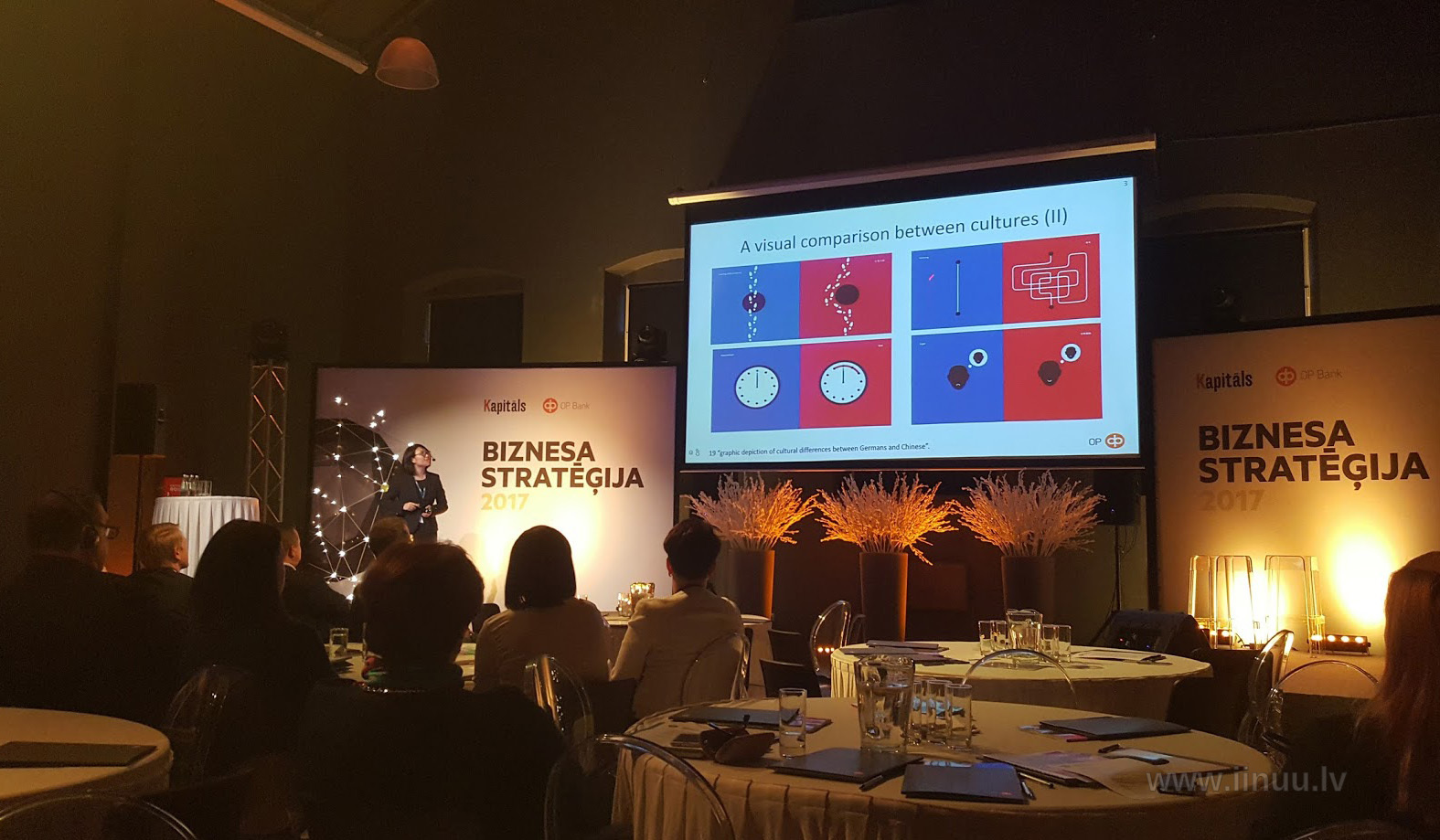
The speakers and their topics were varied - from the thought-provoking address of a Lutheran pastor on the meaning of life for a person and an entrepreneur, and the inspiring, sentiment-stirring music and song performed by Igo, to substantial research on the workforce, geopolitics, the economy, consumer behaviour, values, and motivation. That, it seems, was also the event's main charm.
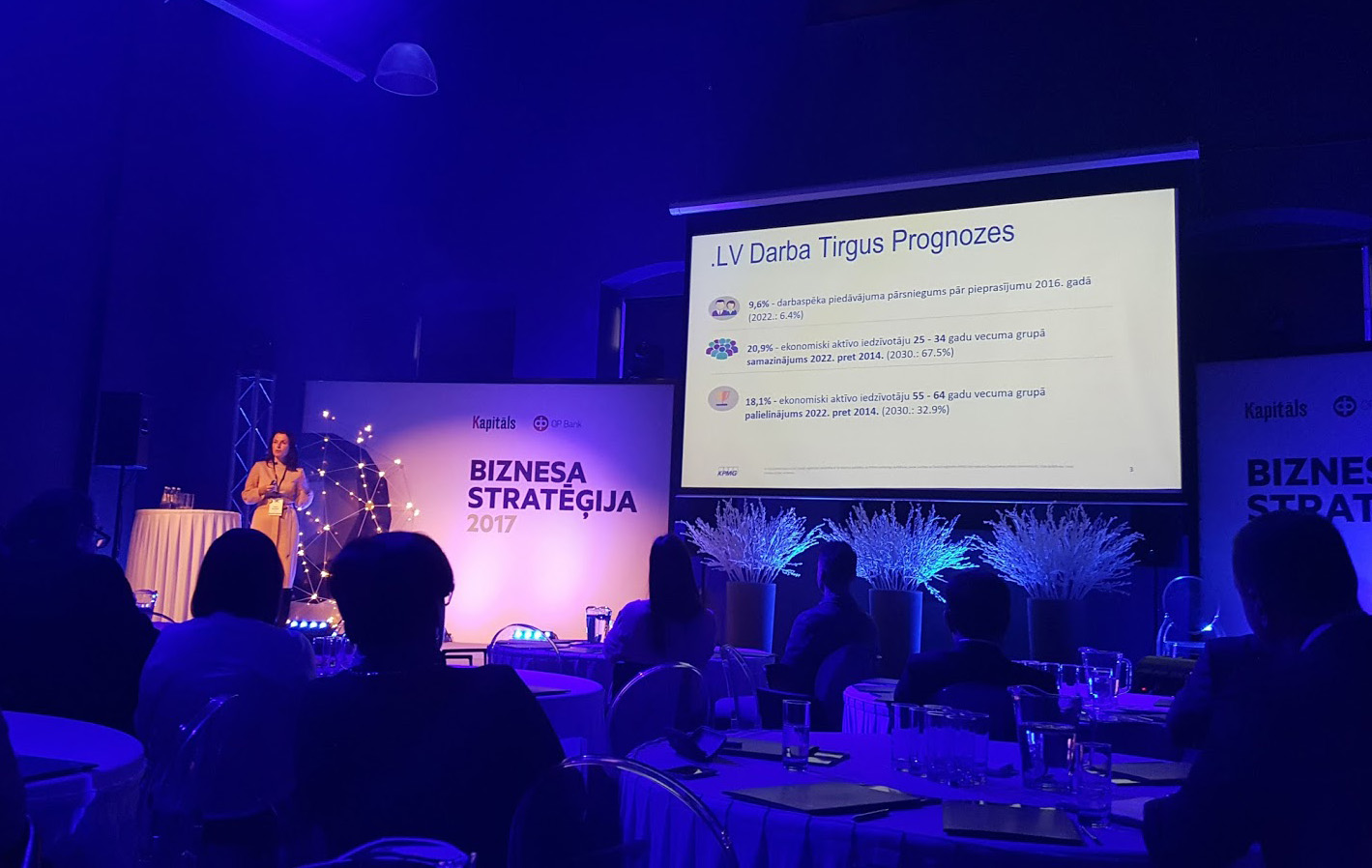
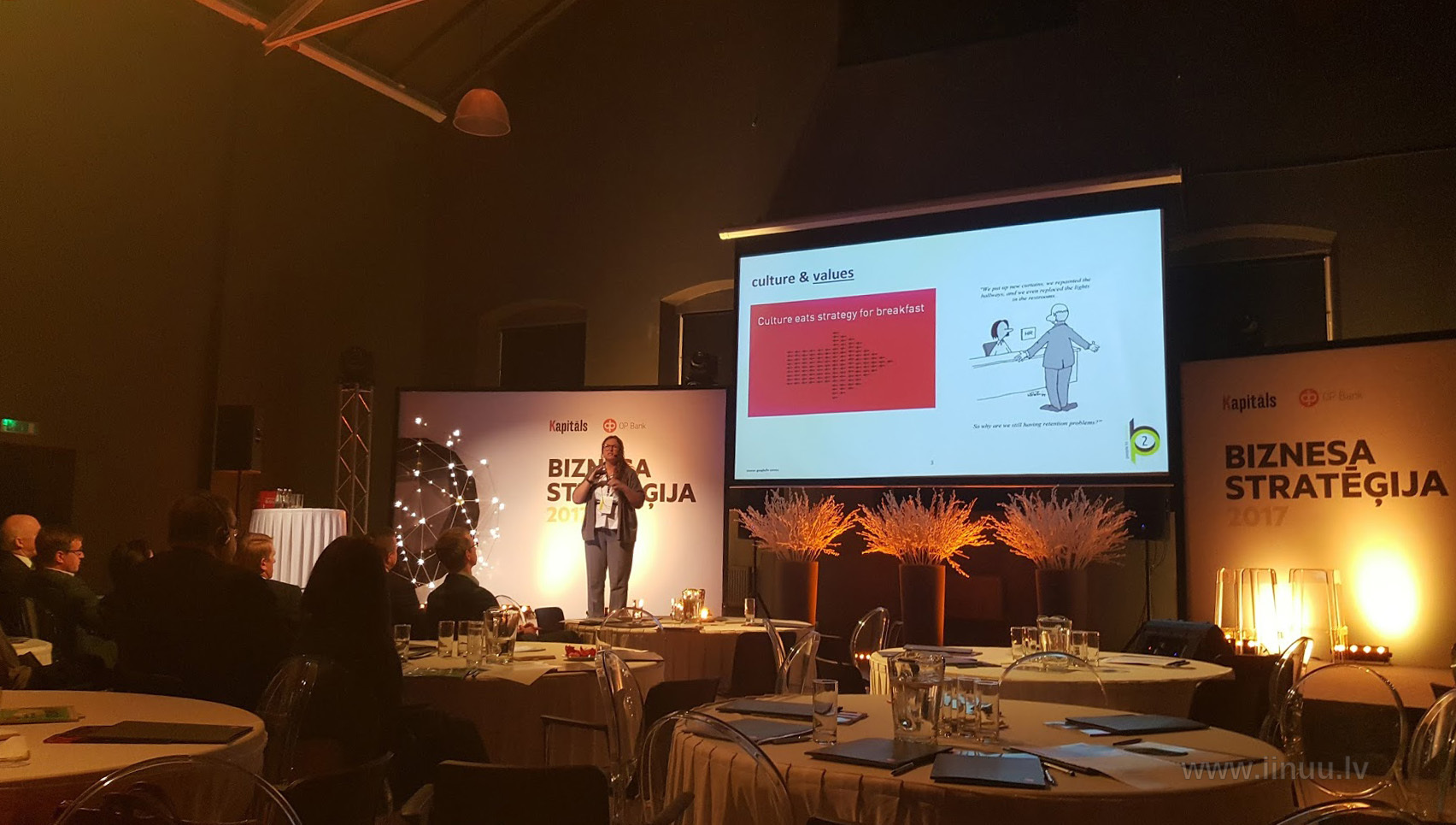
We cannot afford to be careless about talent in a company - Armine Movsisjana (KPMG BALTICS)
Particularly interesting and useful were the trends outlined by three speakers - global development in the 21st century (Andris Strazds, Bank of Latvia), future industry trends and their development worldwide (Zlata Elksniņa-Zaščirinska, PWC), and Latvia's consumer motivation since 2002 - what to expect in consumer behaviour in 2017 (Gatis Bolinskis, CIVITTA LATVIA).
A few insights:
- The centre of gravity of the world economy is shifting from the Atlantic (the USA and Western Europe) to the Pacific (China).
- The EU is unable to protect itself from external pressure. For comparison: government military spending - 43% USA, 57% the rest of the world; the highest social spending - 58% Europe (only 4 countries - Estonia, Poland, the United Kingdom, and Greece - fulfil the alliance's agreement on military spending).
- Western European countries are not ready for a very significant increase in human life expectancy (~90 years). Furthermore, Europe is characterised by prosperity built on debt.
- In Western society, frustration is observed that incomes are not growing.
- Schrödinger-ization (by analogy with Schrödinger's cat) - for example, freedom of movement in the Schengen Area simultaneously exists and does not exist, and so on.
- The age of metropolises. Large cities are far more productive than dispersed population clusters.
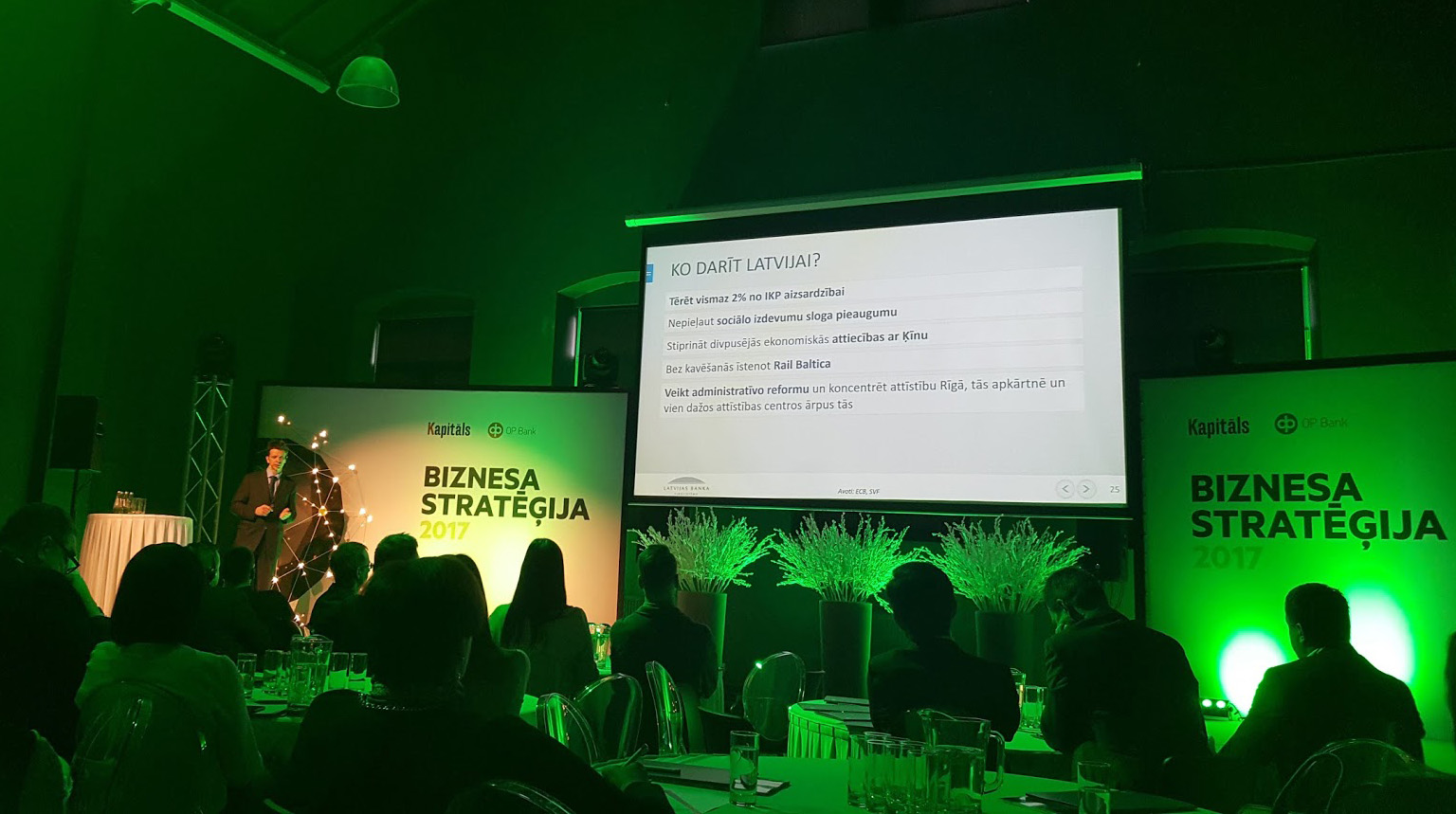
- Changes that might have taken 50 years now happen within 5.
- We are currently living in the whirlwind of the Fourth Industrial Revolution, connected to changes in consumer behaviour and resource availability and optimisation. Traditional sectors are being replaced by new ones.
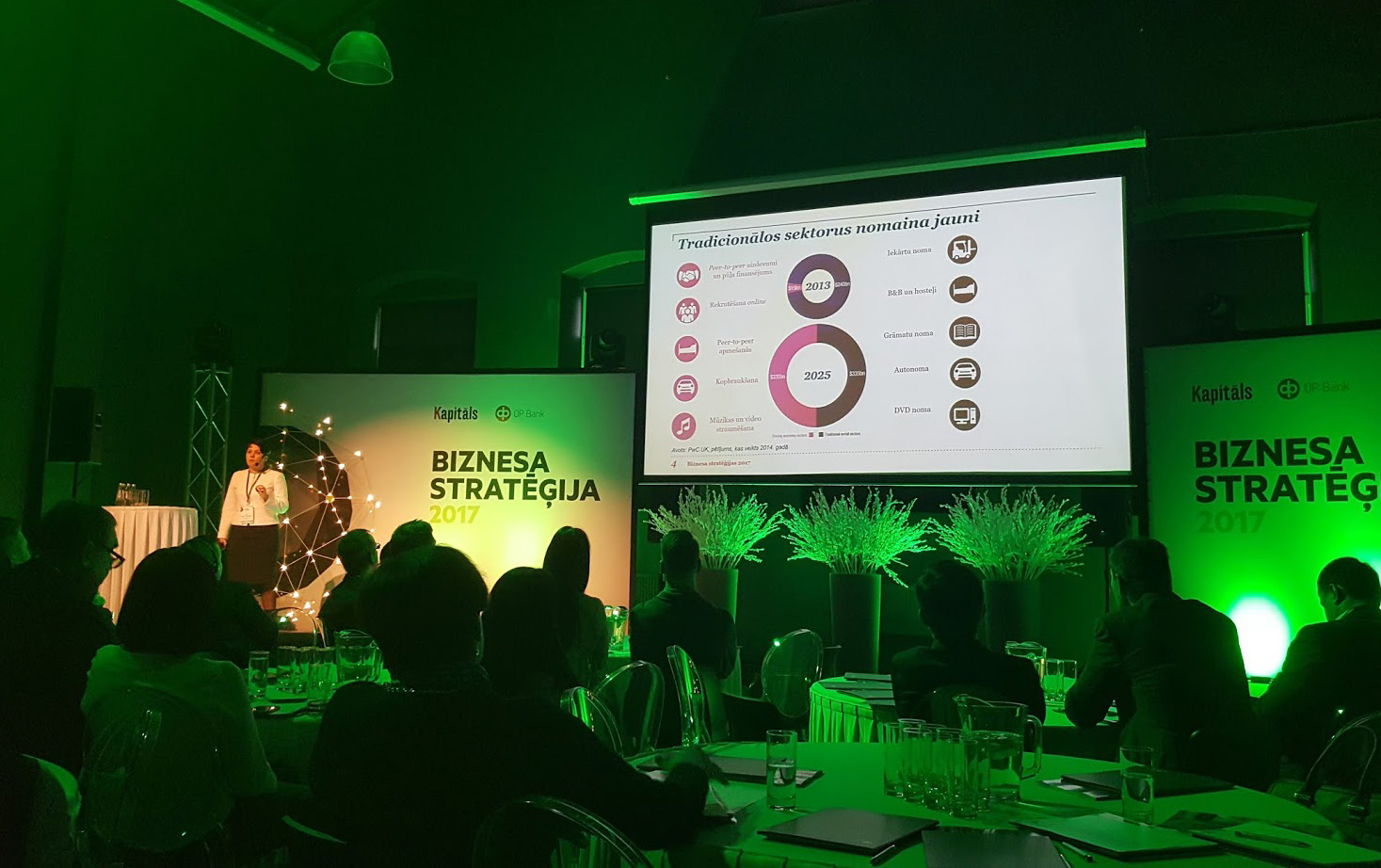
- IT companies will increasingly become UX companies.
- One of the expected technological breakthroughs by 2025 - 80% of people will have a digital presence on the internet.
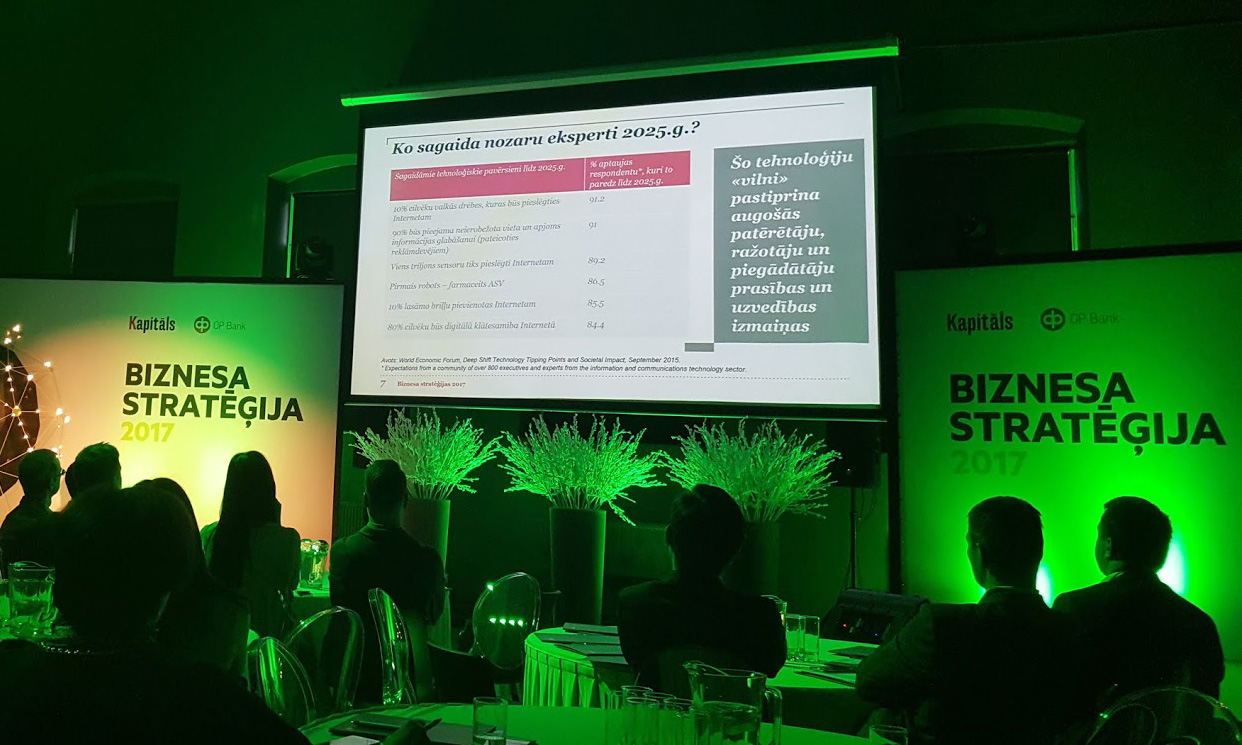
- By 2020, mobile devices will account for 50% of internet access revenue in more than 3/4 of countries worldwide.
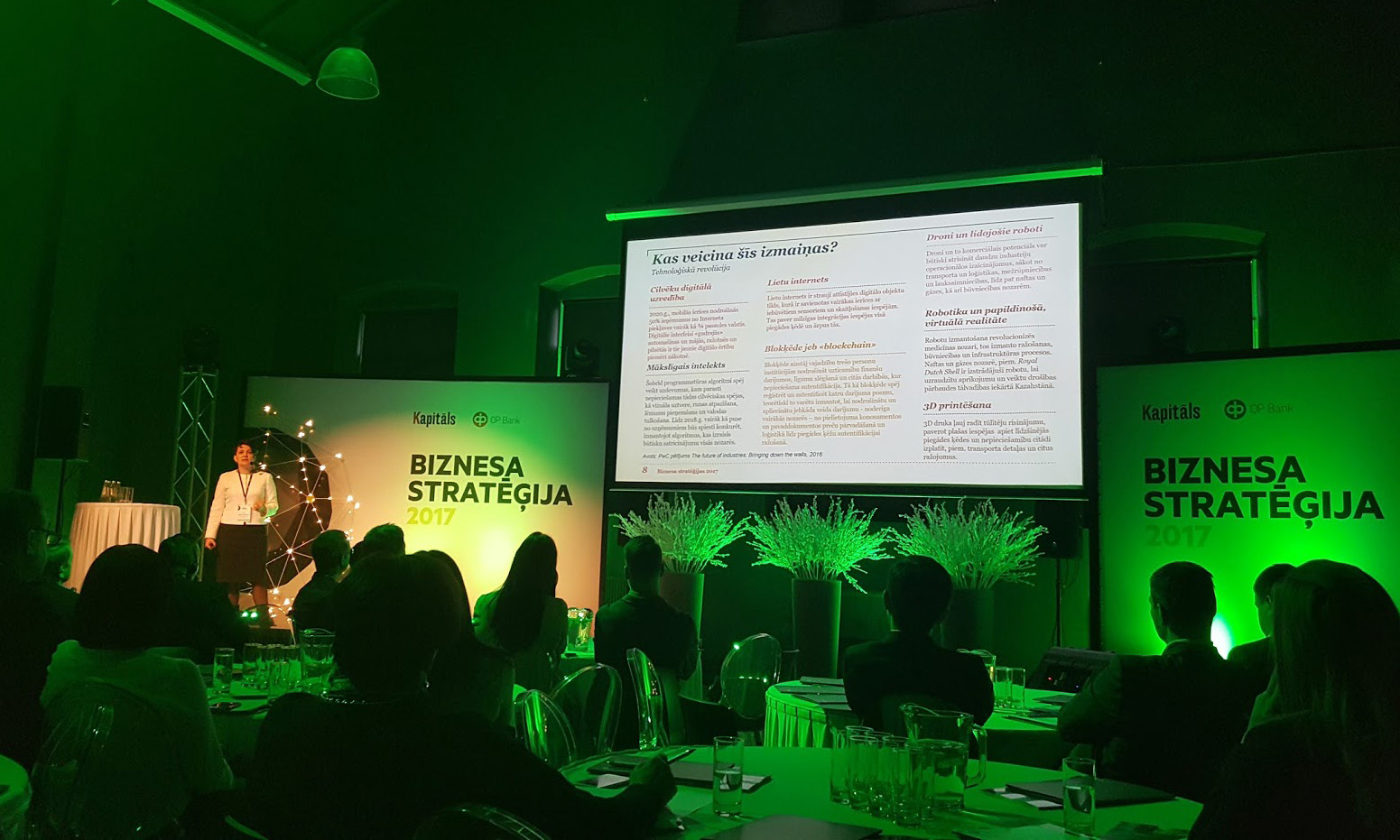
Business does not need a digital strategy, but a business strategy suited to the digital age - Zlata Elksniņa-Zaščirinska (PWC)
- In consumer behaviour, a pronounced shift towards traditional values - stability and security, direct contact, friendliness, providing useful information. A growing trend: "I buy only what I absolutely need"; a declining one: "I buy for my own enjoyment".
- Observation: if a person buys goods in line with their own values, they become more satisfied with their life.
- Popular image: sociable, emphasises cleanliness and health, does not stand out or draw attention. No longer as popular: purposeful, strong, strong-willed, ambitious, prestigious, successful, elegant.
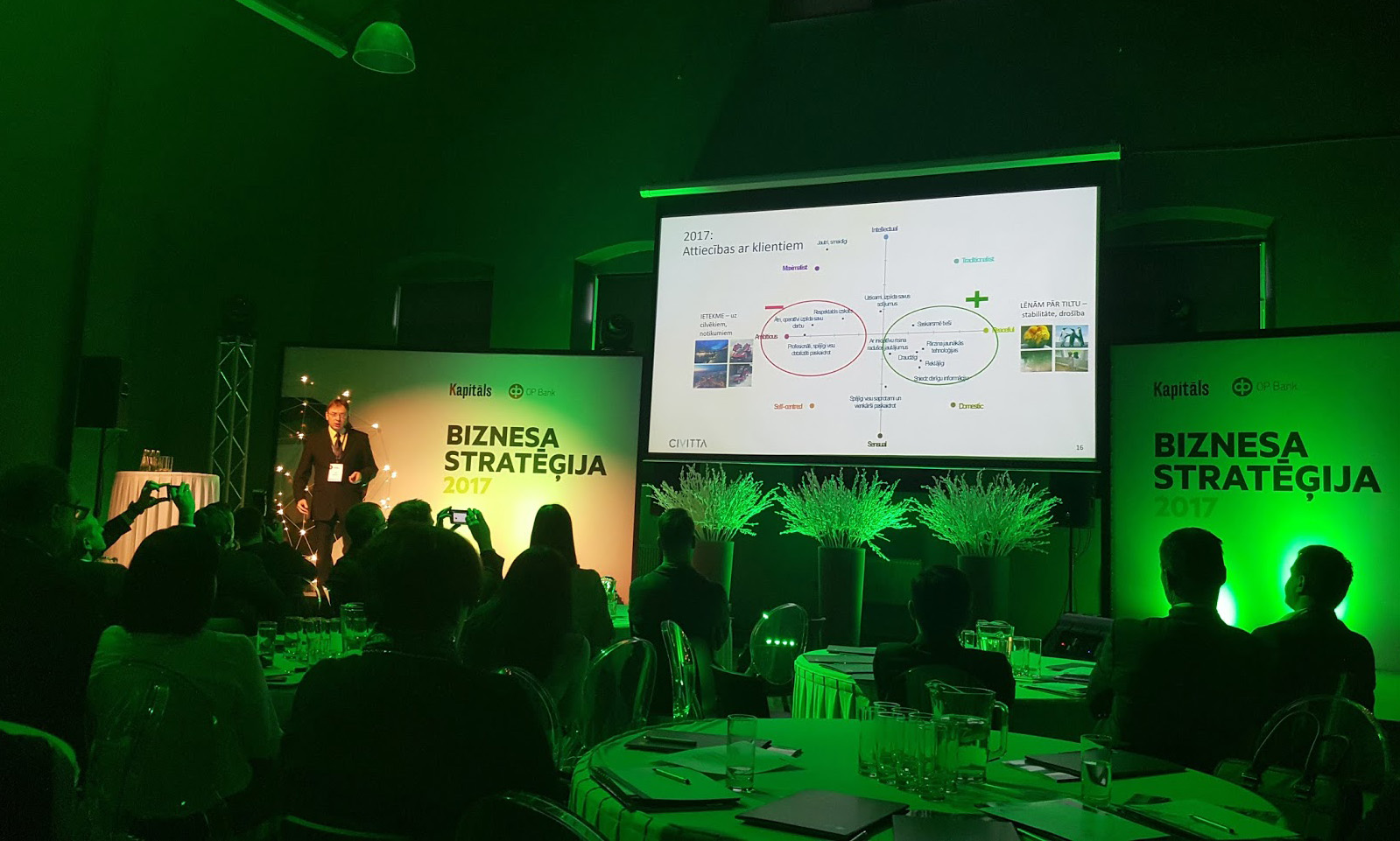
- Trend in offerings: the safety component over detail and distance - traditional/familiar, reputation, status information (providing it), package deals.
- Price: predictable, stable, affordable - rather than emotional triggers: buy more, great value, discount/promotion.
comments