Felting - a Lovely Hobby or a Fashion Trend?
Three weekends I attended wet felting classes at "Svētku darbnīca" in the delightful Kalnciema Quarter in Pārdaugava. I discovered what can be made from initially not-so-appealing wool roving and soapy water, and became genuinely hooked on creating various felted pieces.
Three weekends I attended wet felting classes at "Svētku darbnīca" in the delightful Kalnciema Quarter in Pārdaugava. I discovered what can be made from initially not-so-appealing wool roving and soapy water, and became genuinely hooked on creating various felted pieces.
Felting, or wool fulling, is done with a colourful and natural material - sheep wool - using a special needle, soapy water and tireless hands. Wool in every colour of the rainbow can be purchased in almost any craft shop, though it is better value to buy 500g of roving at once. I shop at and recommend the "Klippan Saule" shop at Bruņinieku Street 106, where such a roll of wool roving costs 3.75 LVL.
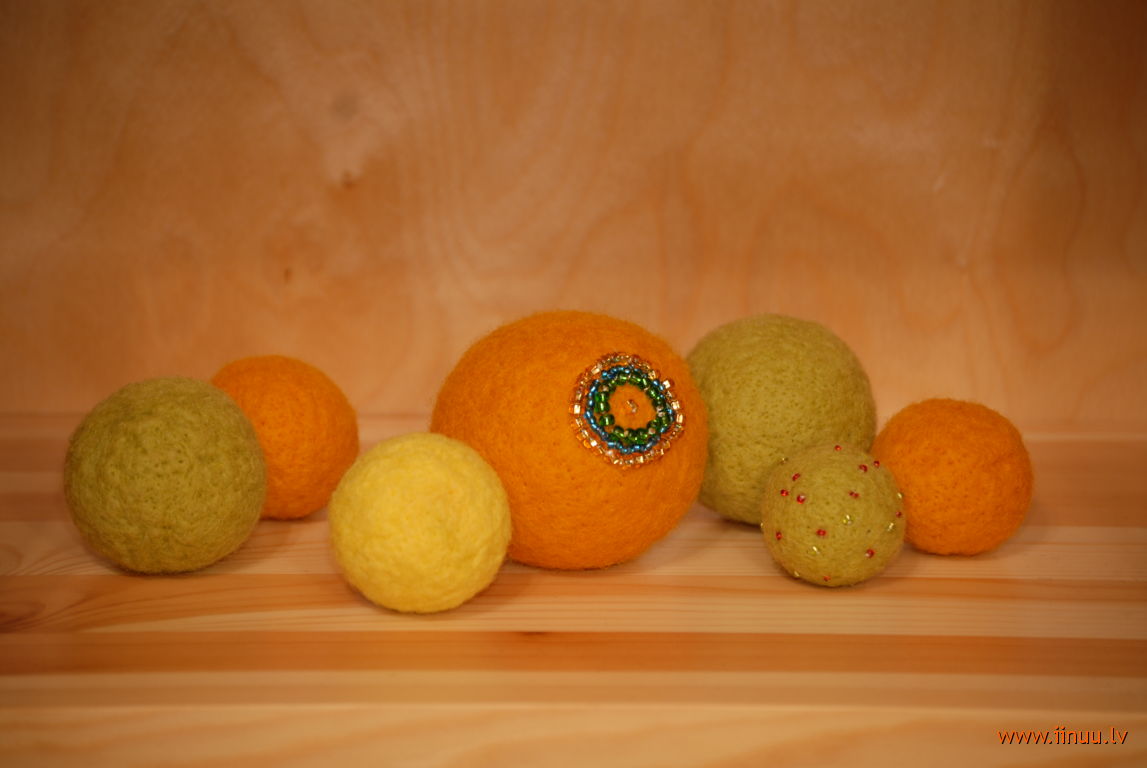
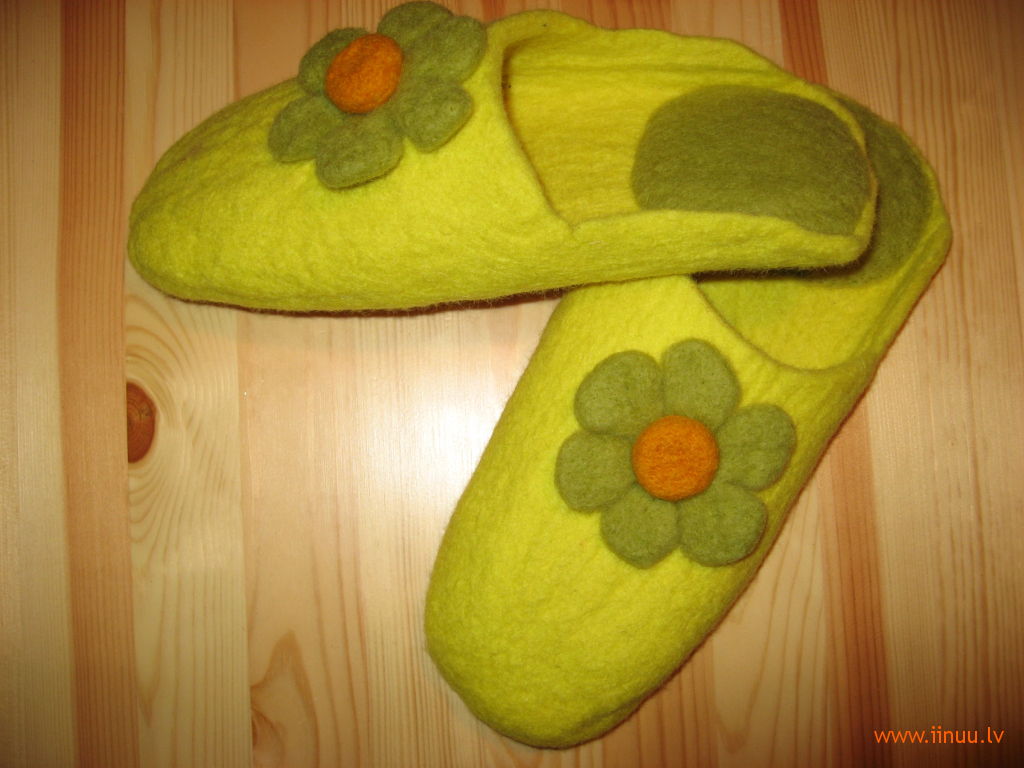
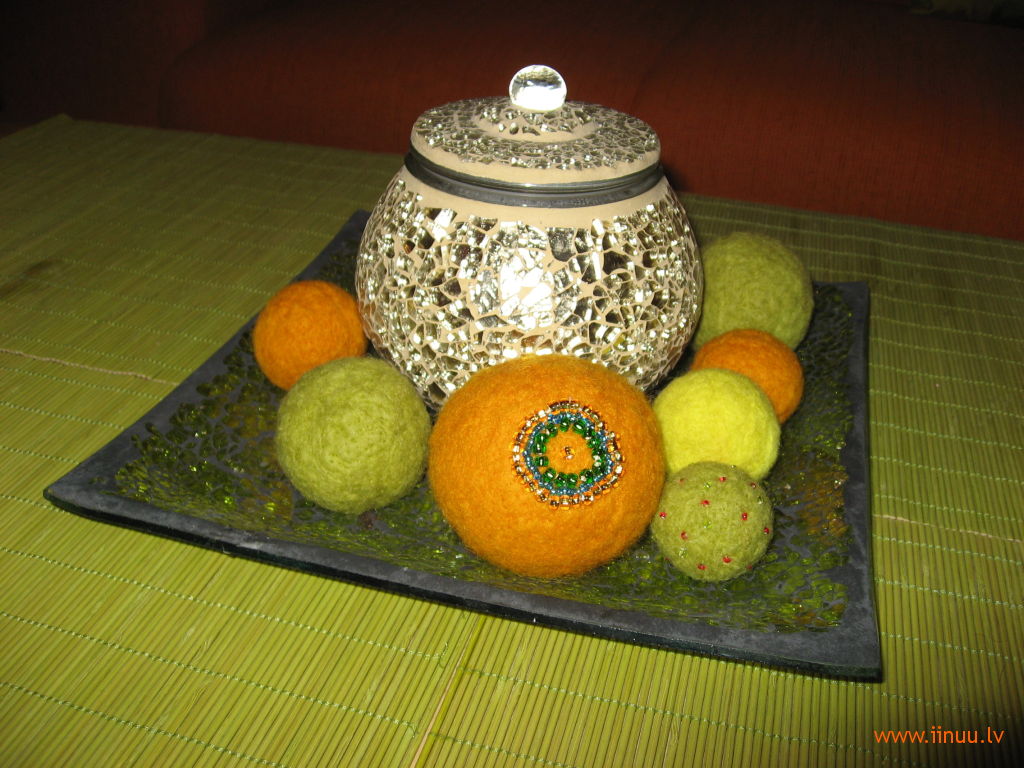
In the class we began by learning to make balls of various sizes using the dry technique - taking wool roving and simply stabbing it diligently with a special felting needle. Later we felted them by soaking in soapy water or "chestnut water". With the wet technique, larger items can be created - hats, bags, slippers, pillowcases and other things. Felting this way requires patience and strong hands, as the wet wool must be rubbed for a couple of hours at a stretch and then rinsed multiple times in warm and cold water. But in the end the satisfaction from the finished work is immense.
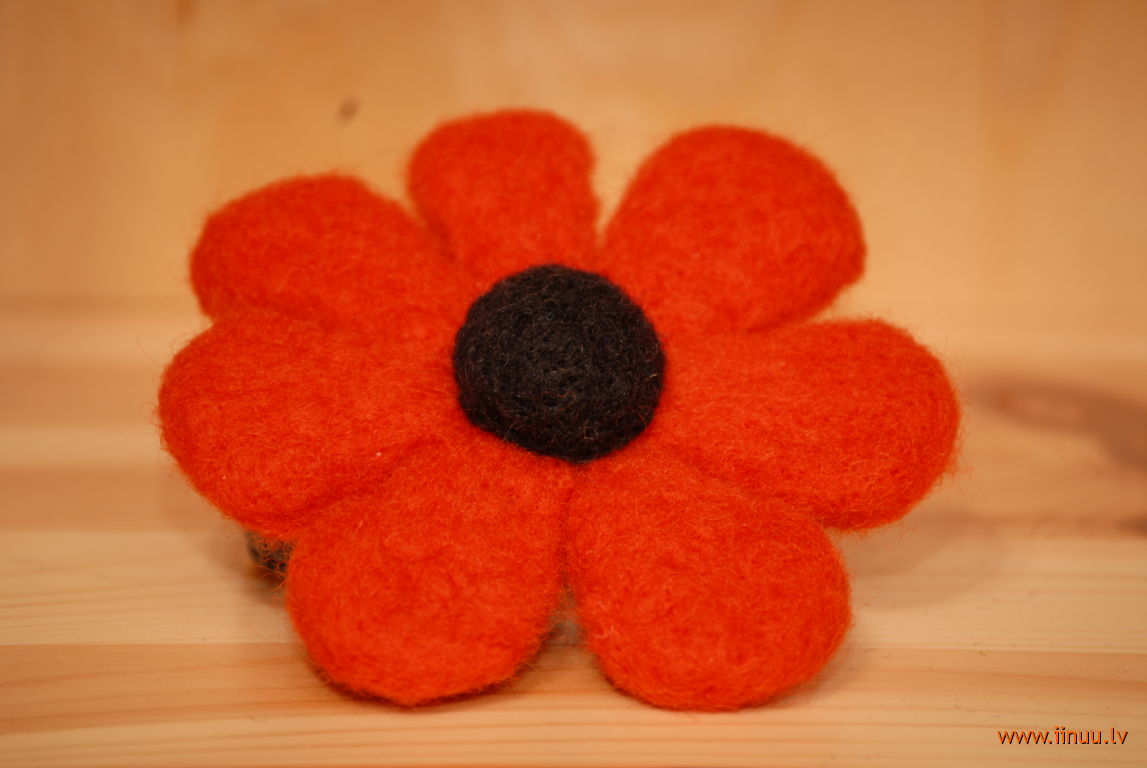
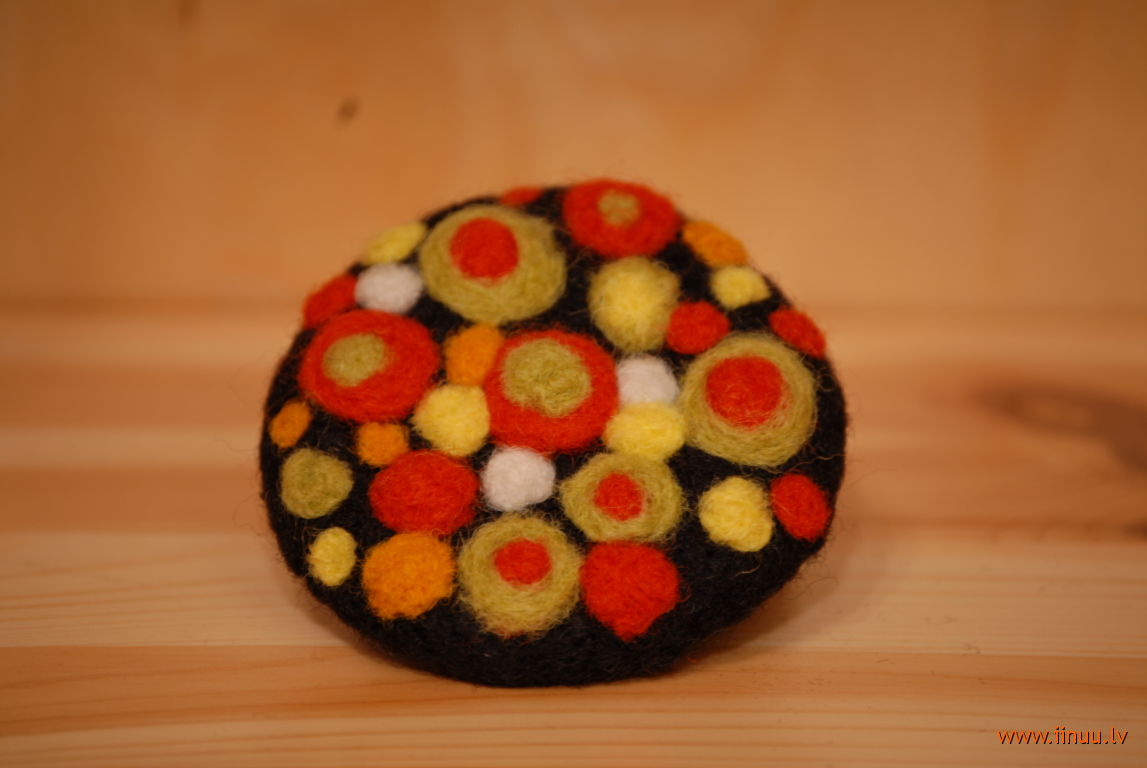
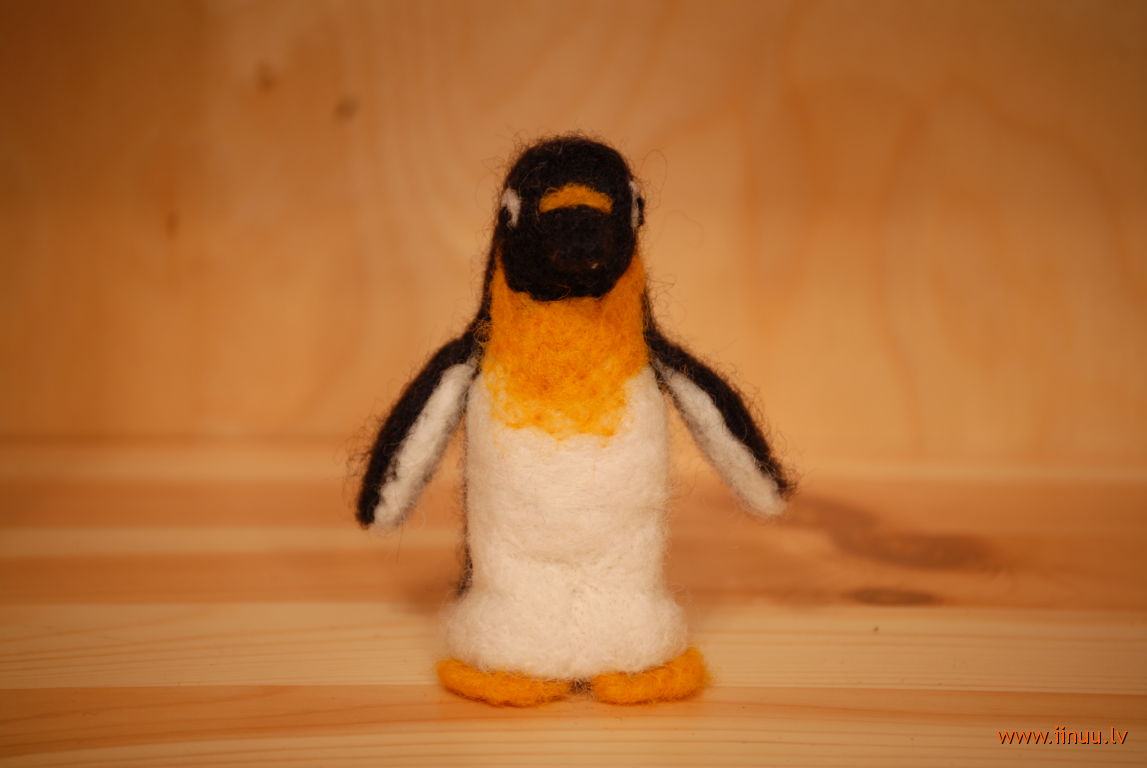
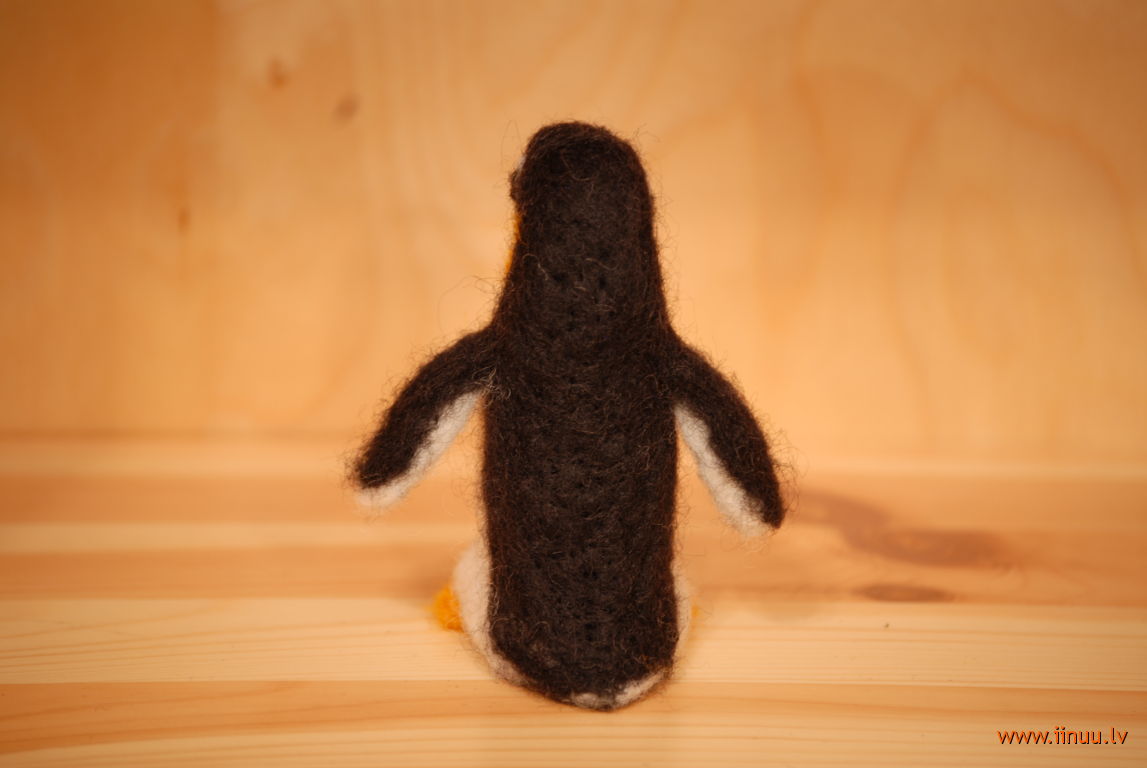
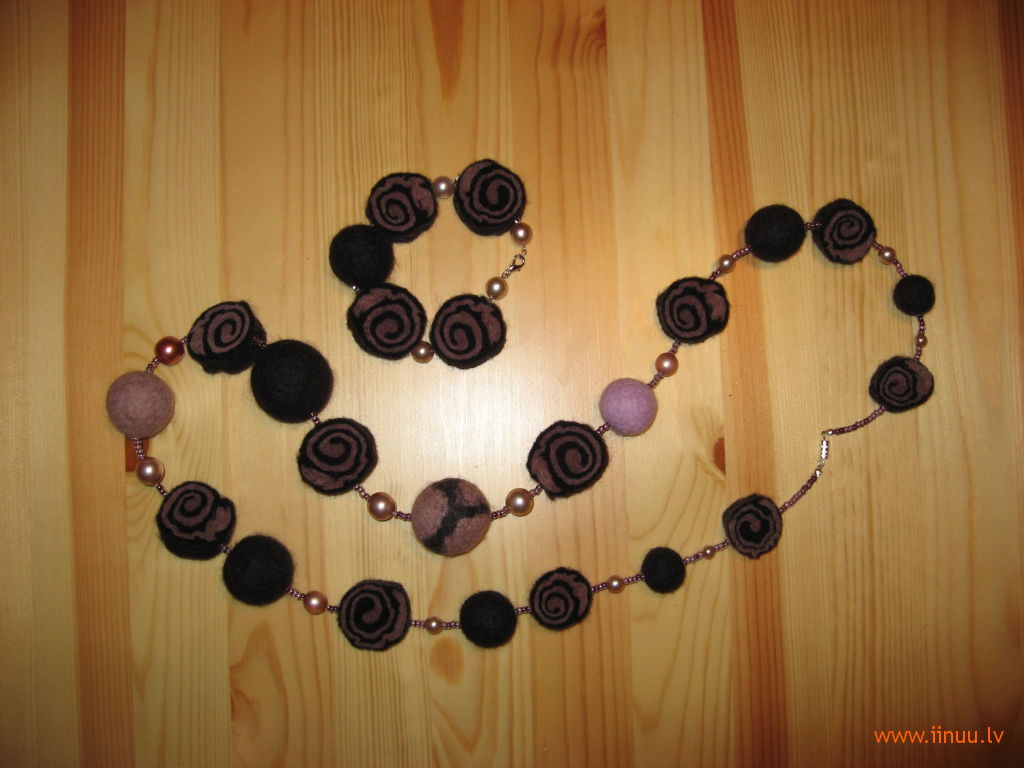
With the dry technique (using a needle), fine toys, jewellery, various brooches, flowers and decorations can be made. At home I tried making a penguin and some flower brooches. By combining felted balls of various colours with beads, original necklaces and chains can be created. The internet is full of ideas - search Google for "felt jewellery" or "войлочные изделия" and marvel at people's creativity. Although right now craftspeople in Latvia have become very active, as evidenced both by markets where you can wander for hours delighting your eyes, and websites like meistardarbs.lv. In Riga there are now plenty of bead and craft shops where you can purchase and browse both finished work and accessories and materials for making things.
In my opinion, felting is both a lovely hobby and an opportunity to create useful, original and unique things with your own hands that can serve as interior elements, jewellery and decorations, as well as heartfelt gifts.
The History of Felting
Felt (or voilok) is the oldest known form of textile. Archaeological finds provide evidence that felting was known in Turkey as far back as 6,500 years BCE. Higher quality artefacts were found in permafrost in Siberian burial sites, dated to 600 CE. A Sumerian legend tells that the secret of felting was discovered by Sumerian warrior hero Urnamman near the Tigris and Euphrates valley.
Another legend tells that felt was discovered during the Roman Empire in the first century CE, when men fleeing persecution stuffed their footwear with wool to prevent blisters. By the end of the journey, the movement and sweat had transformed the fibres into wool socks.
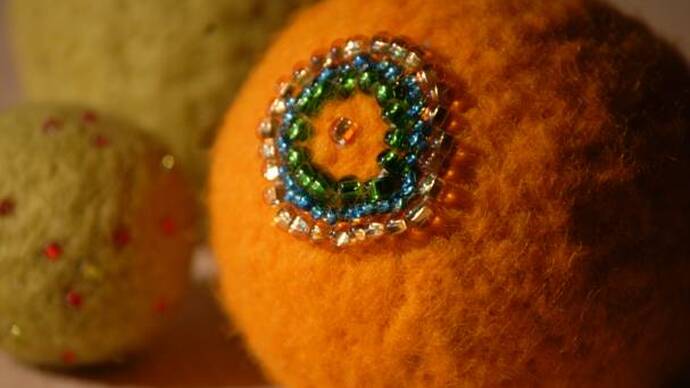
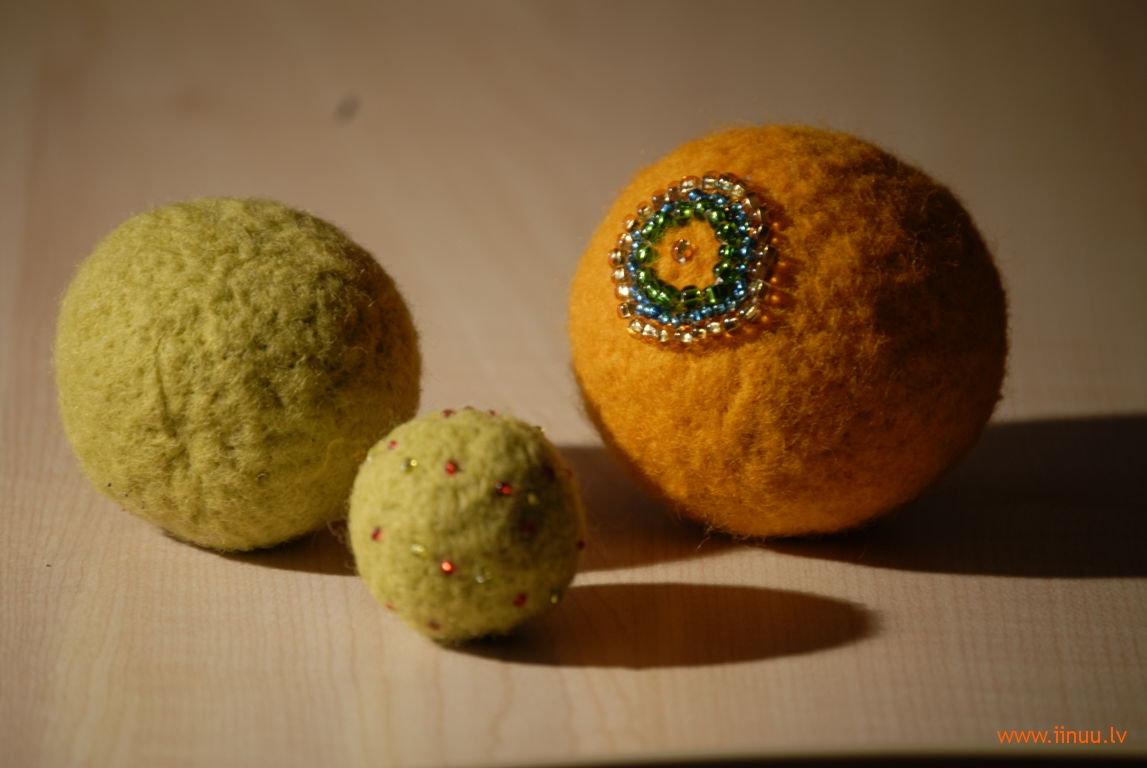
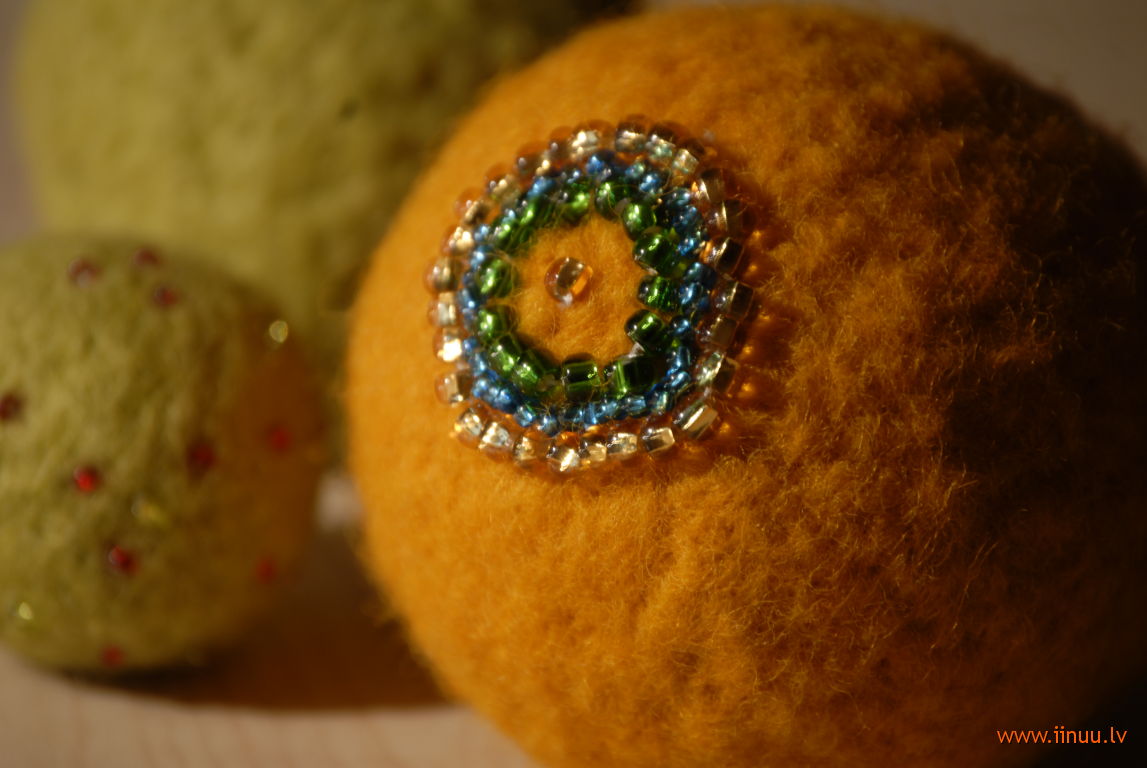
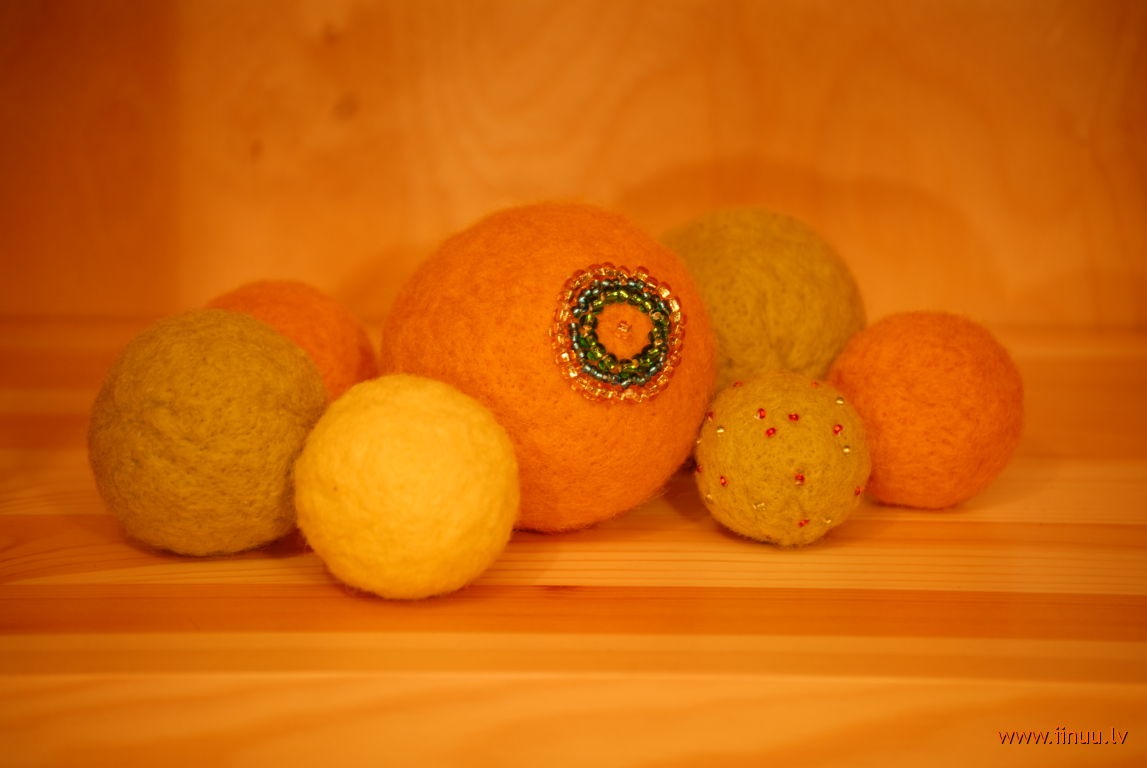
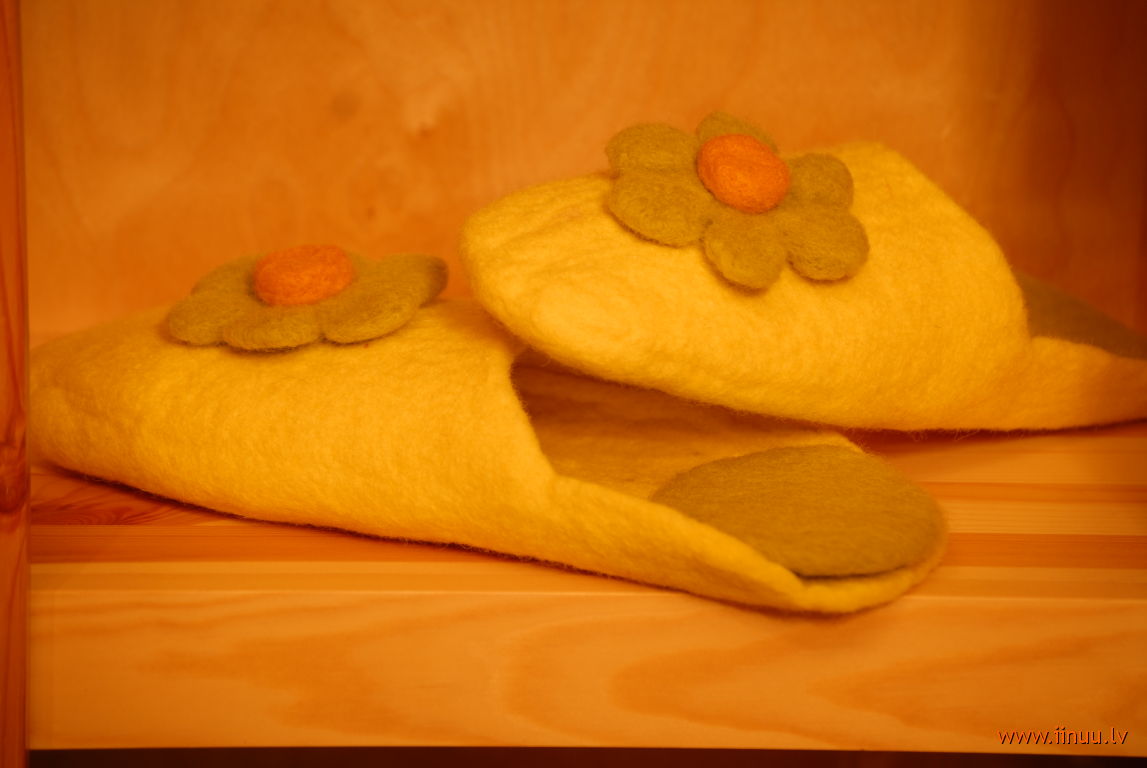
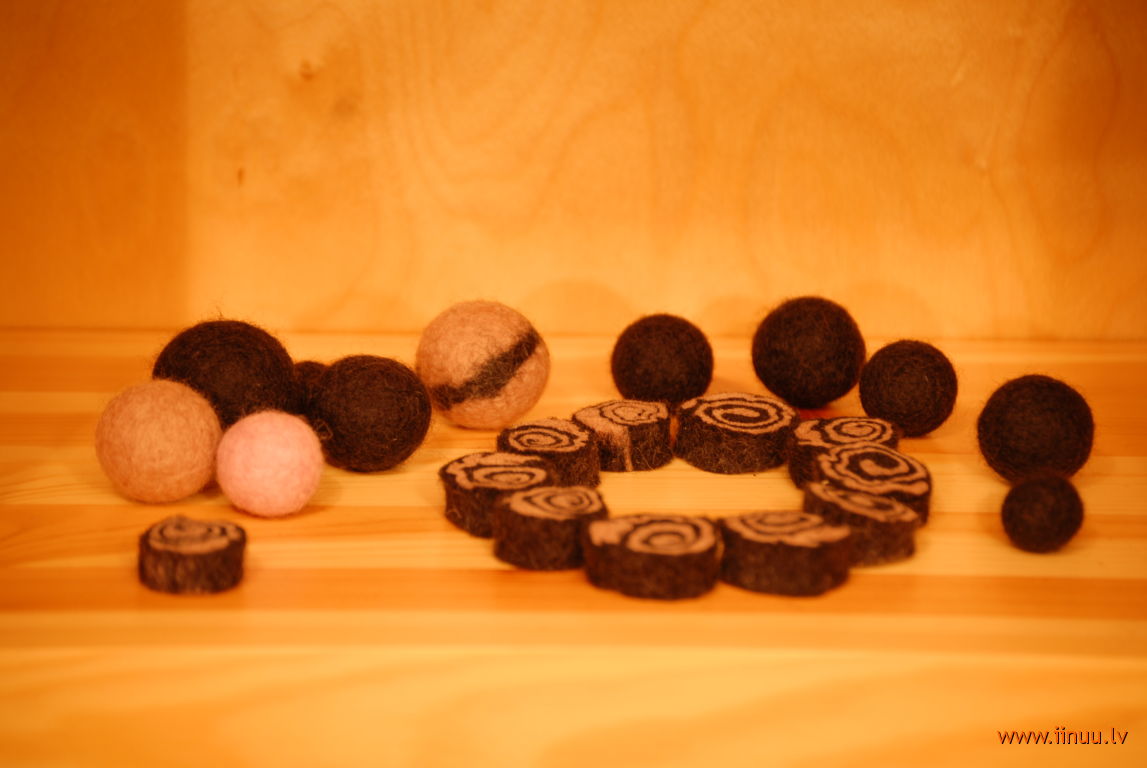
Here are some iinuu felted pieces:
comments