
In Search of Mandalas or the Golden Ratio
In the September issue of the magazine "LILIT" I read an interesting article by Jeva Karabeško titled "The Circle That Fulfils Wishes", which tells of a thing known to many - especially those interested in esoteric matters - the symbol and drawing called the mandala. I would not wish to agree with the invitation expressed in the article for everyone to create their own mandala in order to change their life. If you also want to create something and put it on the wall for the realisation of your wishes and dreams, then put up a proportional spiral formed in the golden ratio. Why? More on that below...
In the September issue of the magazine "LILIT" I read an interesting article by Jeva Karabeško titled "The Circle That Fulfils Wishes", which tells of a thing known to many (especially those interested in esoteric matters) - a symbol and drawing called the mandala. The article resonated, both because I once took a keen interest in the Eastern feng shui teaching and the arrangement of one's surroundings in harmony with the cosmos and the inner world - it was then that I first encountered mandalas and their deep energetic meaning - and also in terms of divided feelings: the circle as a static, closed and unchanging form has always, by virtue of its staticness, puzzled me and made me approach the whole mandala-making business with a certain distance.
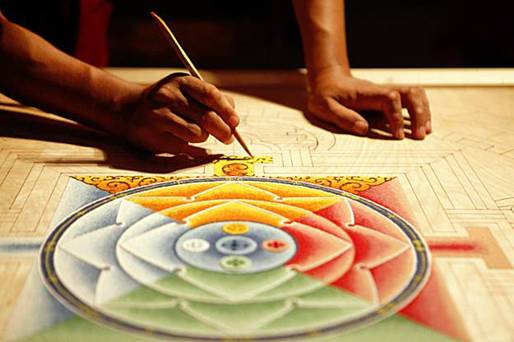
I agree with the thought expressed in the article that "in creating a mandala, we form an individual symbol that reflects who we are at that moment. [...] Therefore, by drawing mandalas, inner conflicts are resolved and tension is dispersed." Symmetry, of course, is something that people find pleasing - who does not like an orderly, predictable and comprehensible environment, arrangement of things or order. Mandalas also attract the eye with their colourfulness, diversity of colours, and - if one delves deeper - each colour has its own symbolic meaning. For example, yellow - stability, security, joy; red - love, passion, development; brown - peace, security, prosperity; orange - happiness, joy, leadership, and so on. A certain relaxing and reflective process takes place when drawing or creating a mandala from sand, stones, shells and similar.
As I perceive it - a mandala has hierarchy; four cardinal directions; a higher or divine power; law and order above all; a labyrinth from which an exit must be sought; a human creation, since nature's creations do not strive to be perfect - they simply are, from the moment of creation; complexity.
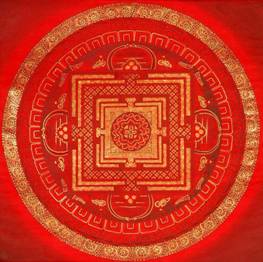
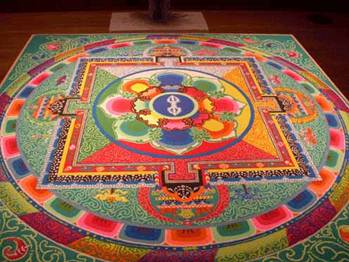
I would not wish to agree with the invitation expressed in the article for everyone to create their own mandala and display it on a wall at home, or insert it in a planner, or keep it on the work desk in order to change their life. In my view, one must know a little more about this energetically powerful symbol, the Buddhist teaching and the meditation ritual of creating a mandala and then destroying it. Do we clearly know what energy we wish to attract and what the consequences will be when this wish materialises in life? Moreover, the closed form of the circle is puzzling - it seems to gather energy and radiate it toward the person, yet it does not flow, does not change, does not develop and does not create new paths, new solutions and possibilities. I would sooner use the circle as a representation of the microcosm, as protection, as a representation of wholeness - but not as a symbol of development and advancement.
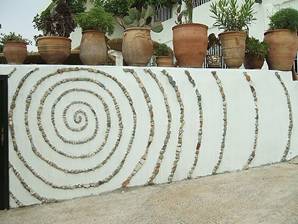
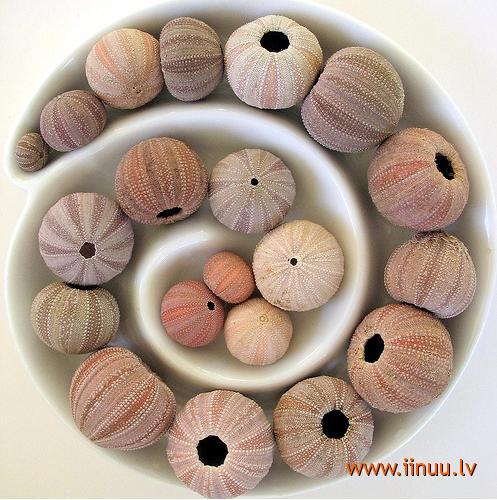
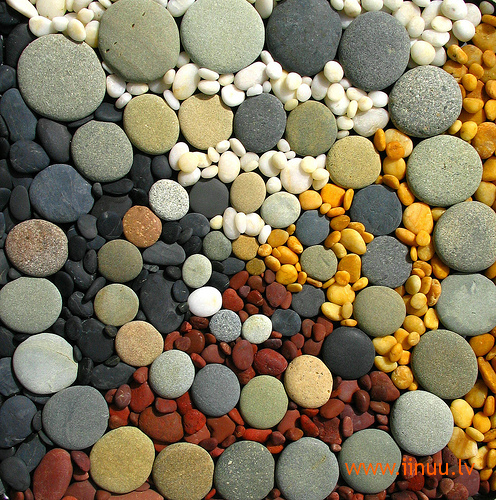
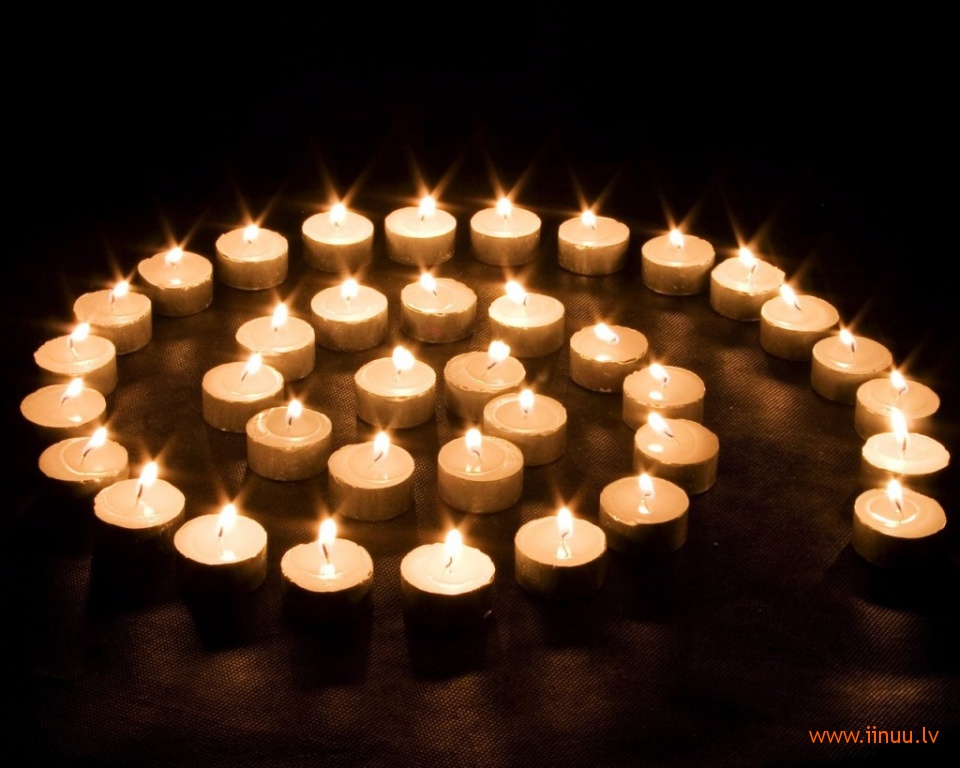
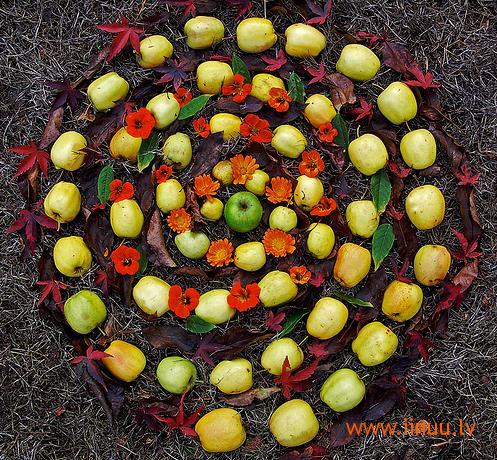
In this regard I would like to offer a counterpoint and say: if you also want to create something and put it on the wall for the realisation of your wishes and dreams, then put up a proportional (also symmetrical and harmonious) spiral formed in the golden ratio. In it, energy begins, continues, develops and moves forward without cease. Simply put, it has no closed sides, ends, restrictive square or triangular planes. Moreover, it is excellent if we can "set" this energy in a positive flow of thought using not coloured sand (which subjectively already gives me an impression of artificiality and energy foreign to the human body) but rather natural elements - pebbles, flowers, fragments of clay, peas, shells and similar.
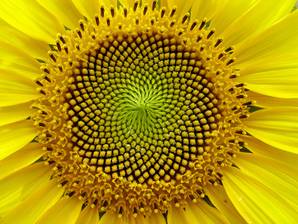
What is the golden ratio and how does it form? Those who have not previously studied drawing or composition evidently encountered the concept of the golden ratio for the first time a few years ago, when the wave of popularity of Dan Brown's novel "The Da Vinci Code" swept through. There the author described this concept in connection with Vitruvian Man - Leonardo da Vinci's sketch of the human body, observing and indicating the proportional regularities of the golden ratio in the figure.
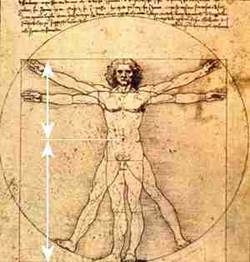
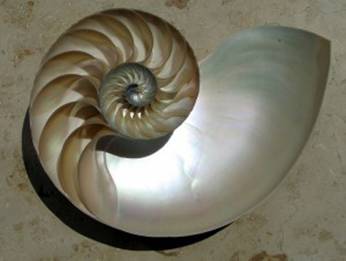
The golden ratio, or divine proportion, is visible everywhere in nature and in us as part of living nature. It can be expressed mathematically -
 A ratio of one to 1.618.
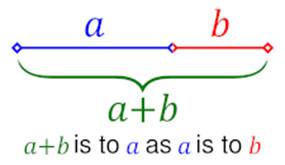
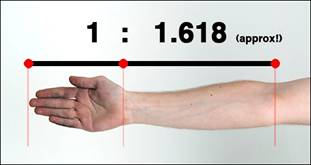
Everything harmonious in art and architecture is created by approximating proportions to this golden ratio - from the ancient Athenian buildings with their massive columns, to classical masterpieces by painters of all eras such as the Mona Lisa or The Last Supper, and all the way to modern interiors and advertising posters.
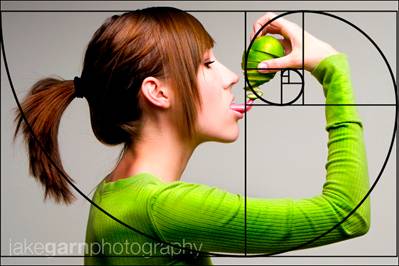
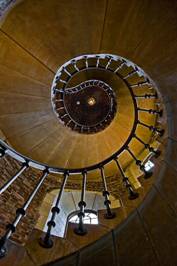
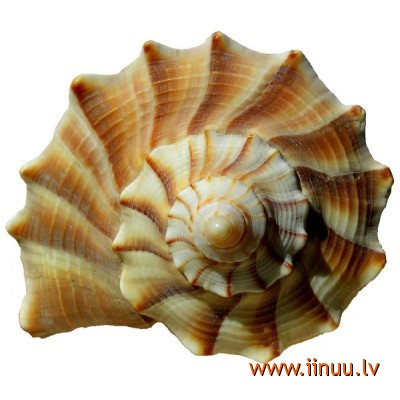
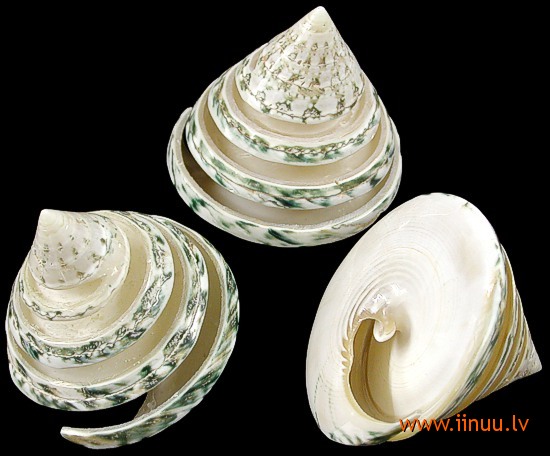
Along with the golden ratio comes another concept - the Fibonacci spiral, which best represents the divine proportion visually. Its simplest example in nature is a seashell. The name Fibonacci is known in mathematics for the number sequence - 1, 1, 2, 3, 5, 8, 13, 21, etc. An extremely simple idea - the first two numbers are equal to 1, and each subsequent number is obtained by adding the two preceding ones, and so on to infinity.
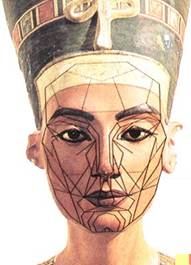
The standard of beauty across different eras: Egyptian queen Nefertiti, American sex symbol Marilyn Monroe, a model from the cover of a modern fashion magazine - a proportional and harmonious face and body. The golden ratio: 1.618.
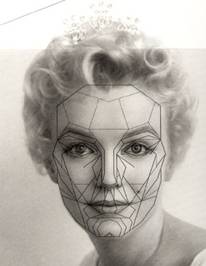
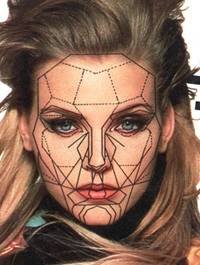
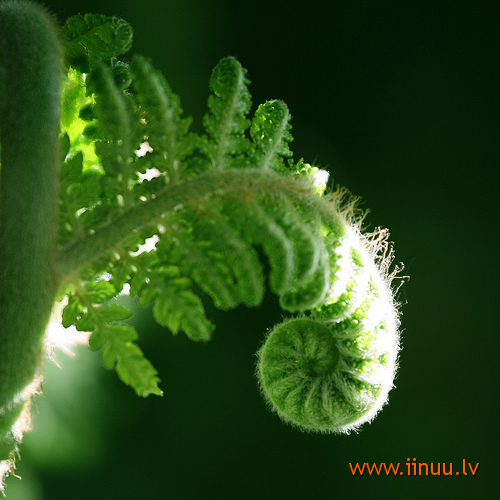
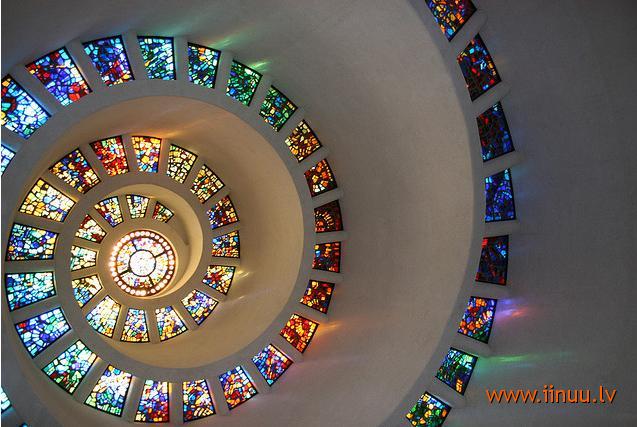
The golden ratio is an extraordinarily captivating subject, as old as the world itself, yet always relevant. This is something of a digression from the topic, yet in any case the best symbol for development or positive change is, in my view, precisely the spiral rather than a closed circle. All development occurs in a spiral manner. The spiral does repeat negative or positive manifestations, but each time differently, gradually drawing closer to the centre, winding upward. In learning from our mistakes we look back, as it were, at our previously gained experience - yet each time we become more mature and yet more experienced. Repetition occurs, but only at a new, higher level.
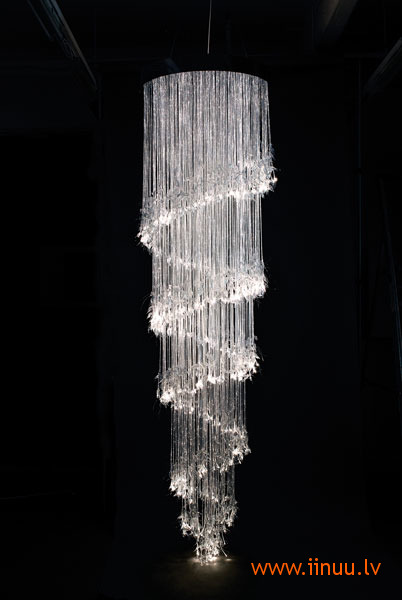
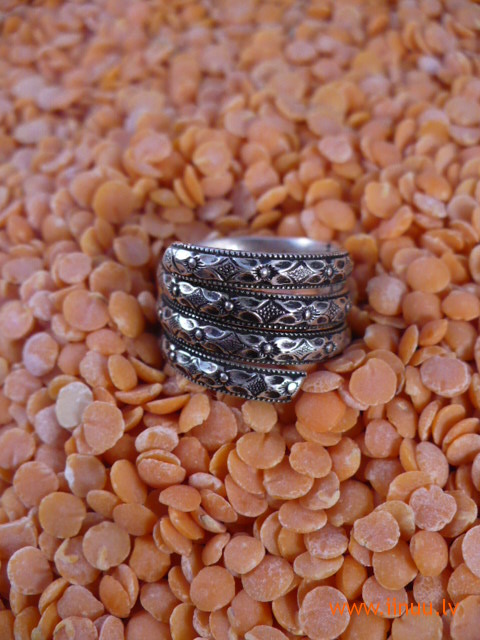
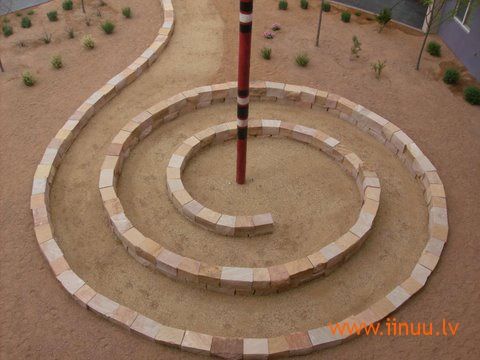
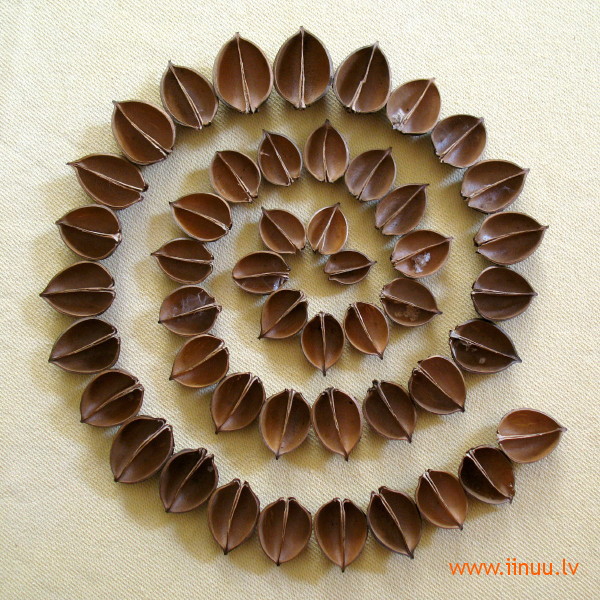
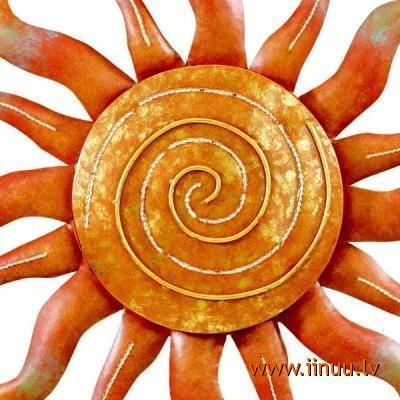
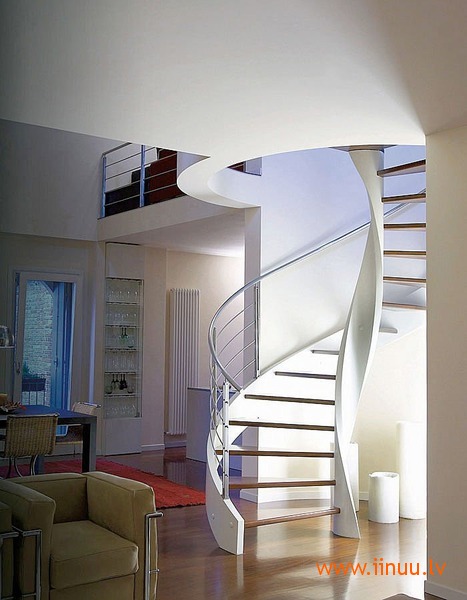
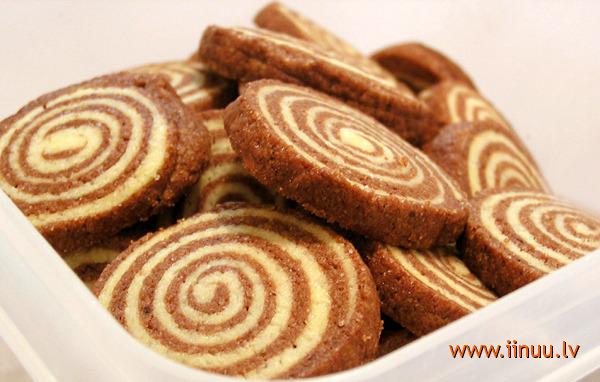
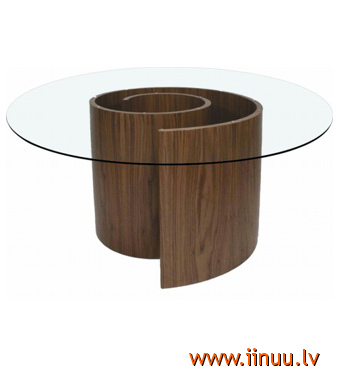
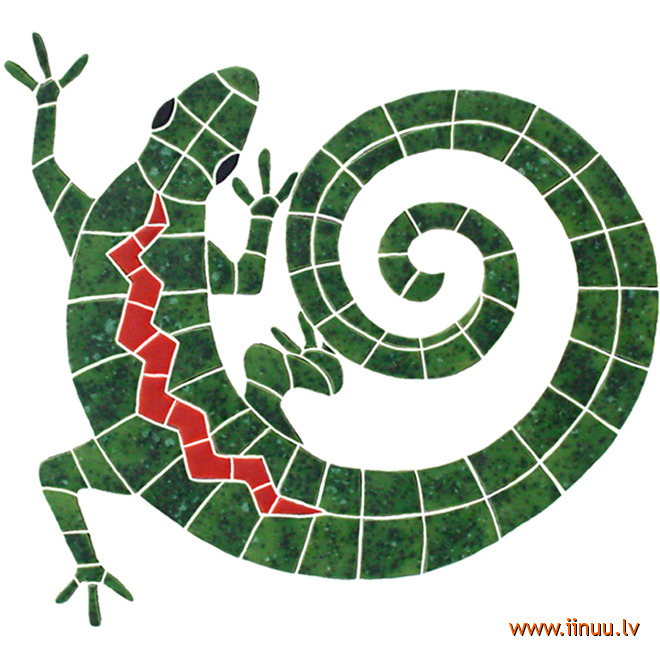
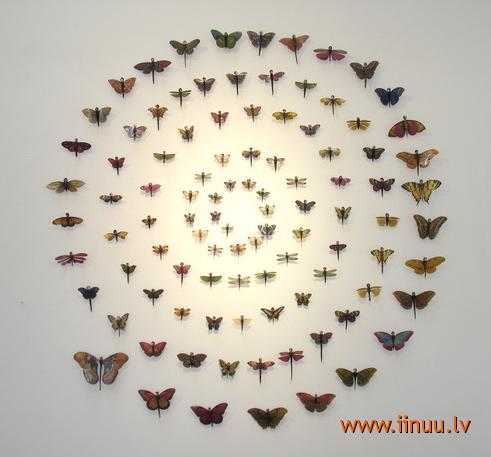
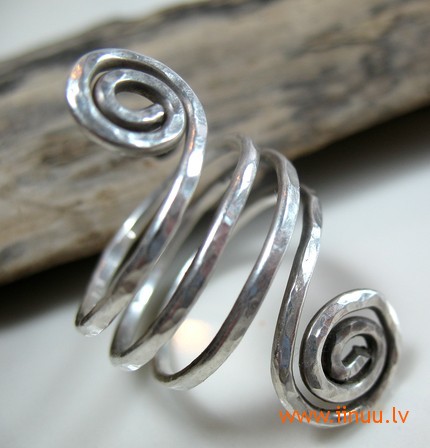
Below, see what I consider excellent ideas for developmental spirals.
Sources used:
http://creativesagest.blogspot.com/2009/03/golden-ratio-secret-to-aesthetics.html
http://en.wikipedia.org/wiki/Golden_ratio
http://en.wikipedia.org/wiki/Fibonacci_number
I found your article referring LILIT magazine. I see that you are familiar with the topic (mandala). I think it's great that you share your knowledge. Thank you :)
I appreciate if you found this article interesting! I will be waiting forwards on your future comments. You can find us on http://iinuuru.livejournal.com as well. ;)