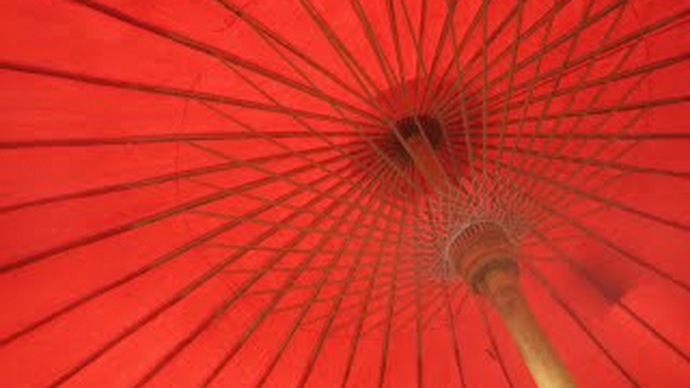
Autumn Haiku
Autumn strikes me as a very laconic month, with no superfluous words, needless movements or stormy expressions of feeling. My mind unexpectedly recalled a Japanese three-line poem read long ago and, for some reason, lodged in memory: "I depart. You remain. Two autumns." /Yosa Buson/ Tonight, as cold autumn rain falls outside the window, I invite you to read some haiku together.
Autumn strikes me as a very laconic month, with no superfluous words, needless movements or stormy expressions of feeling. My mind unexpectedly recalled a Japanese three-line poem I read in secondary school and, for some reason, lodged in memory: "I depart. You remain. Two autumns"./Yosa Buson/ Back then, the haiku collection "Shadow of Grass, Shadow of a Dragonfly", published in 1986 and found at the local library, was a whole revelation for me. At the time I did not delve into the correct syllable counts or metres, but the concentration of thought and the feeling of a moment in just a few words astonished me.
Later at university, studying literary theory, I also learned about the haiku form: three lines, no rhymes, and only 17 syllables, divided in the ratio 5-7-5 per line. Some sources call them "haika", declining the word according to all the rules of Latvian grammar (hmm, and for some reason assigning it feminine gender), while others preserve the undeclined form - haiku, which in my opinion is also closer to the truth, as it more accurately reflects the pronunciation in Japanese.
The history of haiku extends from 16th-century Japan to the present day, when both Easterners and Westerners alike attempt to write haiku. But reading Guna Eglīte's translations into Latvian, it seems I have found nothing better than the compositions of the classical haiku poets.
So tonight, as cold autumn rain falls outside the window, I invite you to read some haiku together. I have excerpted them here from the above-mentioned collection and from the newer anthology published by Jumava, "Together with Haiku Poets" (a pity that nowadays publishers have departed from the standard accepted in Soviet times of listing at the end of each publication not only the author or group of authors, but also the year, place and number of pages, and a brief 2–3 sentence annotation).
|
I will say a word,
Migratory birds!
I envy the maple leaves - |
I myself hung
The mountain darkens,
I wait for you. |
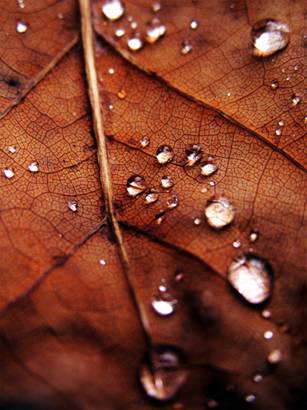
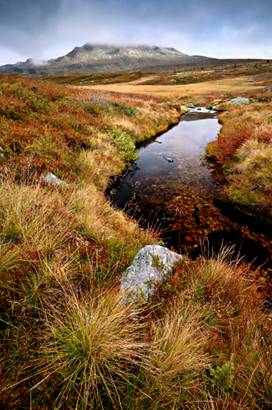
Photo: Paul Murray & Seung Kye Lee
|
Into the empty house
It shattered, broke apart
Whatever we wear, |
A hundred different gourds
Bush clover on the ground -
In my house there is nothing, |
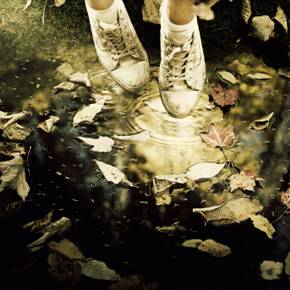
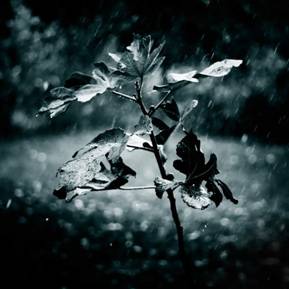
Photo: Martin Stranka & DREAMCA7CHER
|
Past me
Back home,
Two eyes |
The sound of raindrops
Autumn wind - |
comments