Latgalian Poetry - Antons Kūkojs
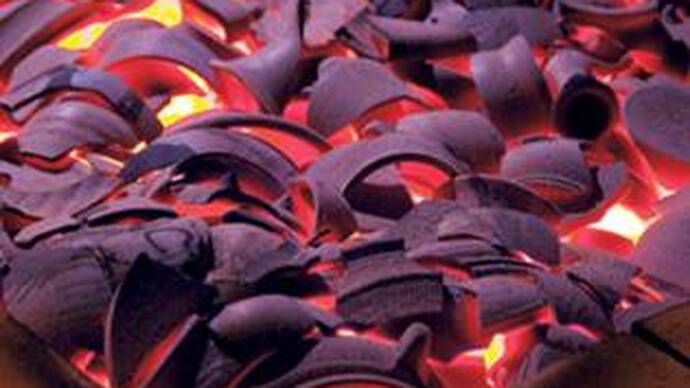
I knew him as the director of the Ludza Art School, a Latgalian poet and eccentric who, having invited one into his cramped studio where artistic disorder always reigned, could for hours speak of the beauty and power of the Latgalian word and the artistic soul of a Latgalian that must be preserved - written, painted, made into clay pots.
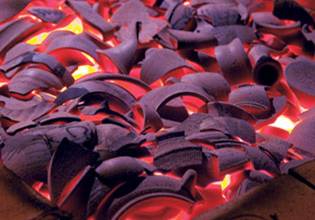 I knew him as the director of the Ludza Art School, a Latgalian poet and eccentric who, having invited one into his cramped studio where artistic disorder always reigned, could for hours speak of the beauty and power of the Latgalian word and the artistic soul of a Latgalian that must be preserved - written, painted, made into clay pots. I also remember a summer camp in his native Nautrēni - with en plein air sessions in a meadow of flowers, taking freshly fired grey clay pots from the kiln, and poetry readings at the local community centre.
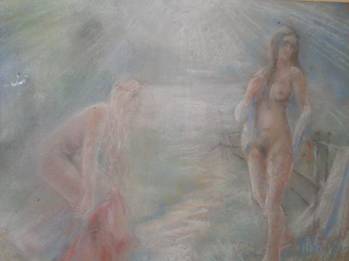
He himself enjoyed reading poetry, but he also gladly listened to the younger generation and encouraged them not to stop writing. At Ludza's "Dzejupīte" poetry group, in a small circle, poetry was read both in Latgalian and in Latvian. He - only in Latgalian. Kūkojs drew in pastels, colourful works which he often gave away as gifts. That is how his drawing of a view of a Rēzekne park came to be in my hands. Just recently again I stumbled upon someone selling his paintings online for 1,000 lats apiece. Back then they were simply piled in stacks in his little studio in the old Ludza Art School building, mostly unframed.
About Antons Kūkojs
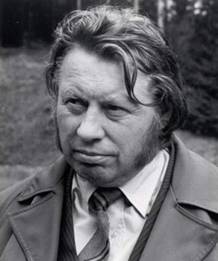
Antons Kūkojs was born on 23 December 1940 in the village of Ruduki in Nautrēni Parish, Ludza District, in a blacksmith's family. He studied at Nautrēni Secondary School, at the Rēzekne branch of the Riga Applied Arts Secondary School, and then at the Latvian Academy of Arts (1962–1964). In 1959 he began working at Nautrēni Secondary School as a laboratory assistant and later as a drawing teacher.
1965–1980 - scenographer and production manager at the Rēzekne People's Theatre. He created sets for more than 40 productions. Particularly notable are his sets for R. Blaumanis's plays "The Evil Spirit" and "The Prodigal Son", V. Vīgante's "The Palm is Always Green", J.B. Priestley's "Mr Kettle and Mrs Moon", A. Upīts's "The Enchanted Circle", V. Yozhov's "The Nightingale's Night", A. Galiyev's "Needle and Bayonet", V. Leonov's "The Golden Carriage", and others. Roles played: Pieteris ("The Evil Spirit"), Andžs ("The Prodigal Son"), Egdāls ("Northern Madonna"), Inspector Street ("Mr Kettle and Mrs Moon"), the matchmaker ("Wedding in Latgale"), grandfather ("The Time of Mountain Climbers"), and others. Scripts written: "Wedding in Latgale", "The Time of Mountain Climbers", "The Stage is Also Land", "Let's Put on White Shirts".
Kūkojs directed V. Yozhov's "The Nightingale's Night", R. Blaumanis's "From the Sweet Bottle" (in Viļāni), as well as his own scripts: "Man pateik byut kūpā ar brōlim un mōsom" (1970), "Griežas laika patmales, griežas" (1977, Ludza), "Baltābola kalniņā" (1983, Balvi), "Atvel velēnu, šūpuli kar" (1994, Ludza), "Kāzas Rogovkā" (1995, Nautrēni).
He wrote the play "Traks vai no Rogovkas" (Mad or from Rogovka). He participated in feature films: "Three Minutes of Flight" (consultant, matchmaker role) and "A Human Child" (the Kazach role). He wrote scripts for TV films: "Rūto saule, rūto bite" (1983) and "Mālā viss mūžs" (1990).
1980–1991 - worked at the Rēzekne Regional Studies Museum as an artist. From 1986 to 1991 he led the A. Paulāns People's Applied Arts Studio. From 1991 he was director of the J. Soikāns Ludza Art School.
In 2001 he was awarded the Order of the Three Stars, 4th class.
Antons Kūkojs wrote poetry, prose and essays: "Māla vezums" (1979), "Vārdaunieks" (1982), "Septiņkalne" (1985), "Sovā saimē" (1990), "Mīlesteiba Lelais līpu kolns" (1995), "Oka" (1997), "Rītu pusē" (1999), "Klēpis" (1999), "Laiks katram iezīmēties" (2000) and other works.
Since 1960 he participated in art exhibitions. Solo exhibitions in Rēzekne, Ludza, Nautrēni, Preiļi and Jasmuiža. Reproductions of paintings in the books "Oka", "Rītu pusē" and "Klēpis".
He died on 18 April 2007 and was buried at the Desetniki Cemetery in Nautrēni Parish, where many distinguished figures of Latgalian culture and public life rest, including Pīters Miglinieks, Andrievs Jurčs and Pēteris Jurciņš.
Poetry by Antons Kūkojs
Below are a few of his poems from the collection "Sovā saimē. Dzeja dzymtajā volūdā. 1970. – 1990.", published in 1990 by the Latgale Cultural Centre publishing house in Rēzekne.
VĪNU LELU DĪNU
Ai, pīškir,cylvāk, lobais cylvāk muns,
Man myuža vīnu lelu, lelu dīnu,
Kurā varātu es īkōpt dabasūs,
Pošai saulei pīsaglauzt pi byuda,
Kurā man byus symtu pōsoku,
Symtu krōsu, symtu ceiruļu,
Kas sovā teirskaneigā reita gavilē
Zemei pōri pōrklōs goldautu.
A uz tō – cik soldu mīlostu,
Na deļ mīsas, tikai dvēselei,
Ka es, apreibs zīdēšonas tvona,
Byušu mozs kai bērneņš šyupēlī.
Byušu mozs, jo mozam byut tik labi,
Kod zyni – vyss vēļ dzeivē prīkšā stōv:
Gon sulu laiks, gon brīds, gon apkyuleibas,
I varbyut paspēšu pat tū, kas garum laists ...
Ai, pīškir, cylvāk, lobais cylvāk muns,
Man myuža vīnu lelu, leu dīnu,
Kurā varātu es īkōpt dabasūs,
Pošai saulei pīsaglauzt pi byuda!
(1986)
***
Byut latgalīšam – ni prūjom īt, ni atsagrīzt.
Byut latgalīšam – ir īt un īt.
Meklēt latgalīšam ni keizarkrūni, ni sudobrbruni.
Meklēt – sovu dvēseli uzzīdynōt.
Atrast latgalīšam – ni vara lūi, ni naudas pūdu,
Atrast – osoru grumbainā sejā un pōrvērst par varaveiksni.
Atrast, pōrvērst un byut, sasīt atrostū nostā un īt.
Jo nosta rūku sōc viļkt, uzmest placūs un īt,
Tai myužeigi palīkūt latgalīšam.
(1985)
***
Īt muna tauta
otkon pi Dīva,
vysas varas kai spaļus
nu snōtines nūkrateidama.
Īt muna tauta
otkon pi Dīva,
godsymtūs izsapņōtu
boltu bazneicu caldama sevī.
Īt muna tauta,
sev myužeibu aizgōdōt,
palikt teirai
ka iudiņam olūteņā.
Performed by "Sovvaļnīks" (Ingars Gusāns)
comments