Easter Holidays in Paris - Part I
While the taste of Parisian spring is still on my lips, I must write. The weather there was not exactly spring-like but more closely resembled early June in Latvia. Despite the fairly expensive entry ticket, I would definitely recommend that all visitors to Paris visit the famous cabaret Moulin Rouge. A magnificent and unforgettable show that provides genuine pleasure.
While the taste of Parisian spring is still on my lips, I must write. The flight from Riga Airport to Paris Charles de Gaulle Airport took two and a half hours. The weather there was not exactly spring-like but more closely resembled early June in Latvia - the sun was generous with warmth, chestnut trees, lilac and apple trees were in bloom.
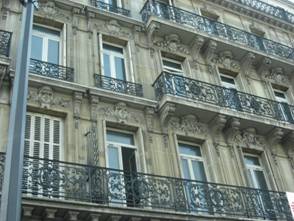
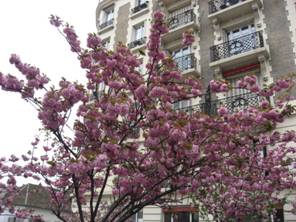
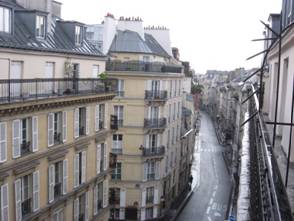
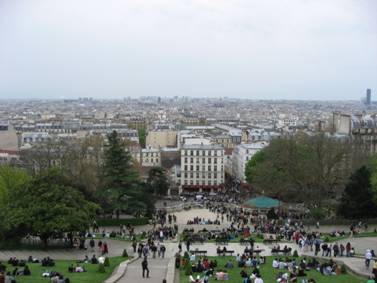
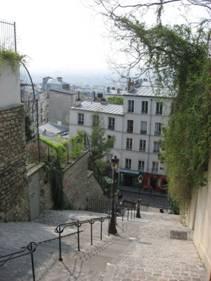
The view revealed Parisian buildings with unique metalwork wrought iron grilles on balconies and windows, reminiscent of black lace decorations. Tin roofs seemingly scattered with small chimneys, attesting to the many small rooms in each of these buildings. Terraces and small balconies, often adorned with green shrubs or pots of flowering plants.
We stayed at a small hotel in the Montmartre district on Rue Blanche. Although the hotel had seven floors, I say "small" because everything there was small - from the lift, which barely fit two people, to the narrow balcony and bathroom. When handing out the room keys, the hotel owner, in a show of national pride, stubbornly answered every question in English with a reply in French, explaining everything through gestures.
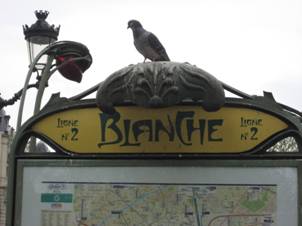
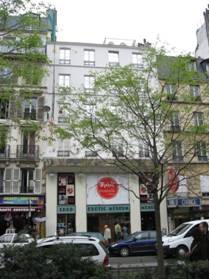
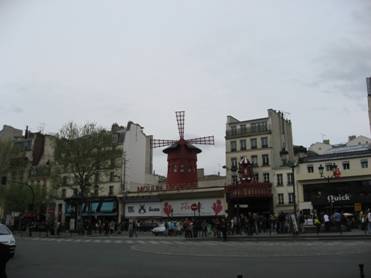
Having caught our breath a little, in the afternoon we went to explore the neighbourhood and its most notable sights. Montmartre has been a distinctly Bohemian district since the 19th century, visited by and still inhabited by many artists, writers, and bon vivants, who are also among the patrons of the many establishments, cabarets, and sex shops. The central boulevard de Clichy glitters with neon signs - sexy o!, erotic show, sexodrome, etc. Nearby is the world-famous cabaret theatre Moulin Rouge and the Paris Museum of Erotic Art, but more about both of those a little later.
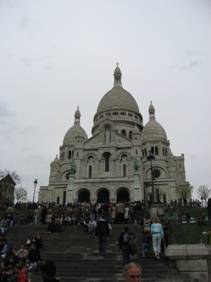
One of the notable sights is the Basilica of the Sacred Heart, or Sacré-Cœur, located on the hill of Montmartre. From it one has a magnificent view of the city. The white Romanesque-Byzantine basilica was built in memory of the French soldiers who fell in the Franco-Prussian War. The basilica was built over 39 years and consecrated in 1919. The great dome of the basilica turns out to be the second highest point in Paris after the Eiffel Tower. At the entrance stand two statues created by H. Lefebvre - Joan of Arc and Louis IX the Saint, both on horseback.
In this basilica, behind the altar, stands a bronze sculpture of St. Peter. There is a belief that if one touches the big toe of his right foot, there is every hope of entering heaven in the afterlife. :)
Walking up the hill along small cobblestone lanes one can reach a truly artistic atmosphere, where on every corner street sketchers and painters will invite you to have your portrait painted or, for 20 EUR, your silhouette cut from paper.
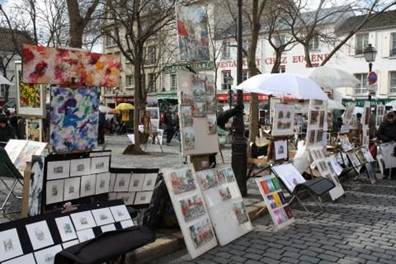
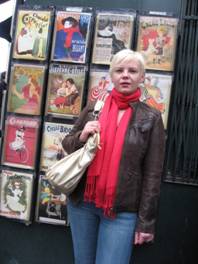
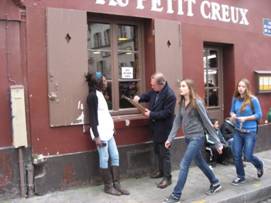
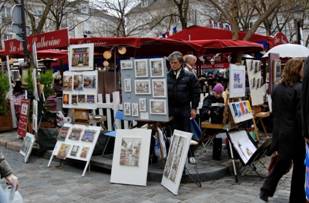
Outside the shops, salons, and the many cafés, artists' works or reproductions of paintings and posters are displayed. A particularly beloved gathering place for artists since the 19th century has been Place du Tertre - a square surrounded by colourful restaurants. In one of them we tasted crêpes - large thin pancakes with various fillings (averaging 5.50–7.50 EUR each), rosé dry wine, and enjoyed some piano playing.
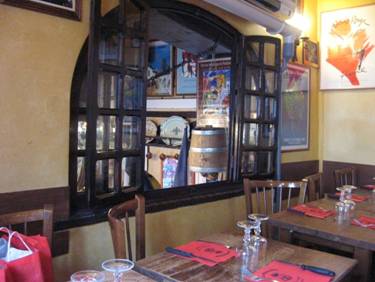
The waiters flirt outrageously, joke, and constantly pay compliments. When I ordered a bottle of white wine for the four ladies sitting at our table, the waiter replied in all seriousness - "very well, madam, I am noting - a bottle of wine for five." I tried to object, but he nimbly counted - well now, one, two, three, four and five, pointing to himself, then broke into a smile and said he would be right back with wine for four lovely ladies. :)
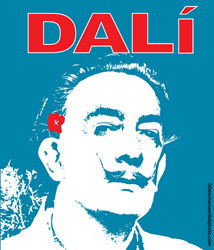
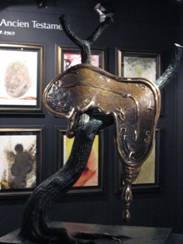
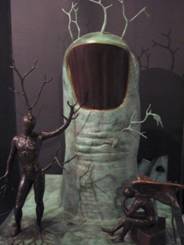
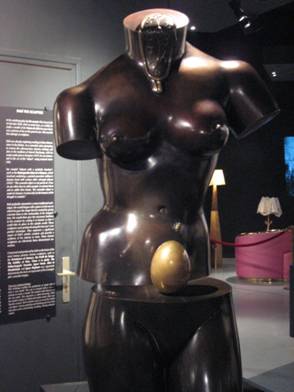
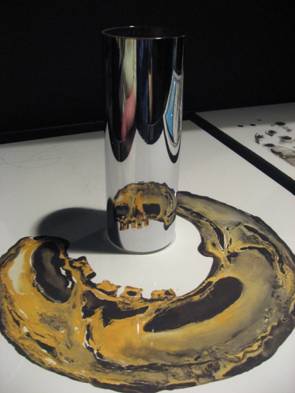
Not far from Place du Tertre is the Dalí Museum (http://www.daliparis.com). Entry to La monde fantasmagorique de Dali is 10 EUR per person. The museum contains the artist's paintings and sculptures, and one can also watch a few black-and-white films of Dalí's performances in Montmartre in the late 1970s.
Also on the Montmartre hill is a vineyard which still produces grapes for wines favoured by collectors. The gardens and the surviving wooden windmill bring to mind Montmartre's not-so-distant past, when this district was distinctly provincial. People would come here to rest from the bustle and noise of central Paris.
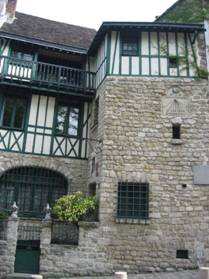
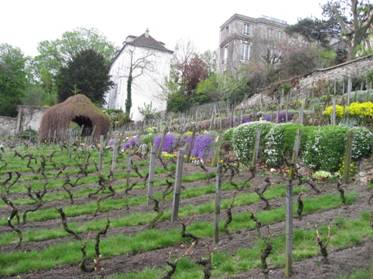
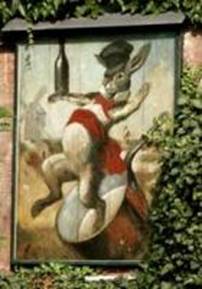
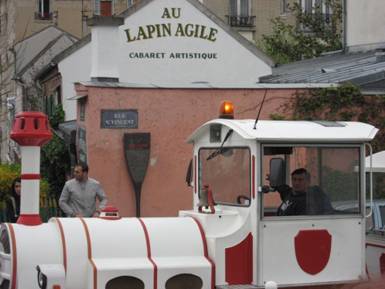
At the end of the vineyard is the cabaret-restaurant Au Lapin Agile, or the Agile Rabbit. This cabaret was particularly popular at the beginning of the last century. It was frequented by artists Picasso and Renoir, and poets Apollinaire and Verlaine. It acquired its name from a humorous painting by André Gill depicting a rabbit escaping from a pot.
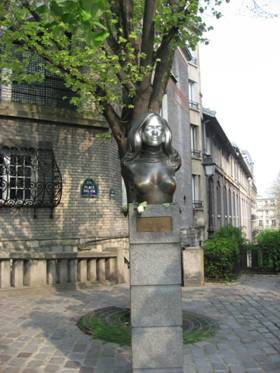
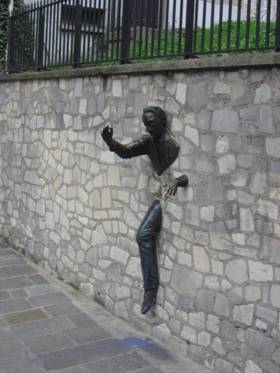
On the Montmartre hill there are several notable buildings where artists, actors, and singers have lived or worked. Here is the house of the famous French singer Dalida (who died by suicide). Picasso's painting studio. And the sculpture of a man walking through a wall.
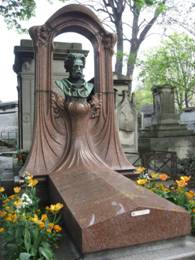
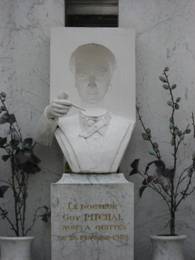
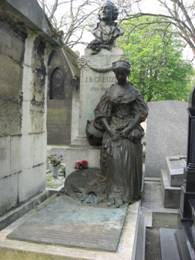
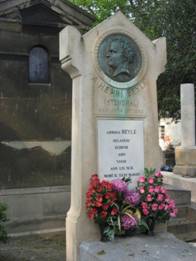
At the foot of the hill is another no less interesting sight - Cimetière de Montmartre, the Montmartre Cemetery. Strange and distinctive to the eye of a Latvian accustomed to the tradition of sand mounds, with its graves carved in concrete, granite and marble, sarcophagi, and mausoleum houses.
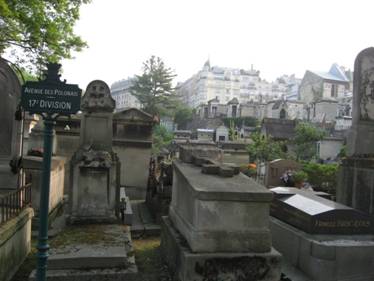
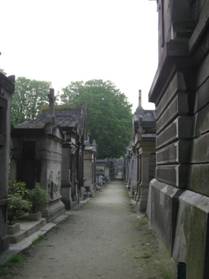
Buried here are Stendhal, H. Heine, Dalida, É. Zola, H. Berlioz, and other geniuses. Each grave is itself a work of architectural and sculptural art.
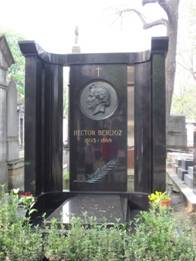
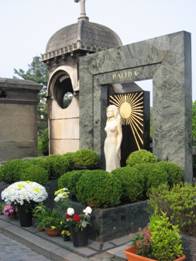
Returning from fatalistic matters to spiritual and bodily pleasures, a brief word about Paris's Musée de l'Érotisme (entry 8 EUR). Located at Boulevard de Clichy 72, 100 metres from Moulin Rouge (http://www.musee-erotisme.com/).
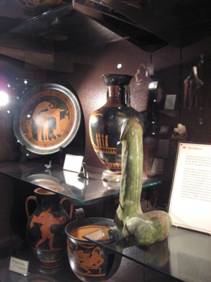
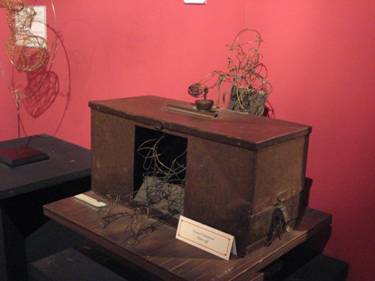
The depiction of eroticism and sexuality in various art forms - sculptures, paintings, films, posters, photographs, and the like - from antiquity to the present day. The exhibition is spread across seven floors.
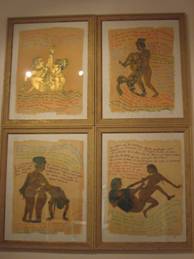
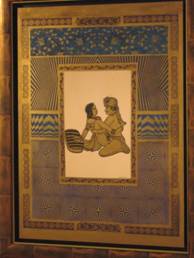
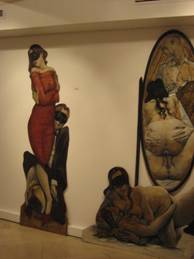
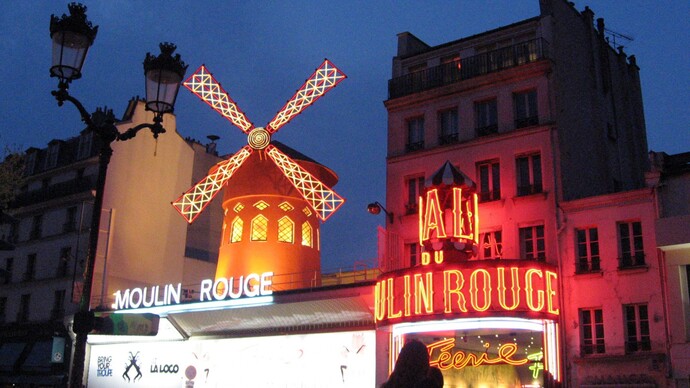
And finally the famous cabaret Moulin Rouge (http://www.moulin-rouge.com/). Despite the fairly expensive entry ticket (110 EUR per person), I would definitely recommend it to all visitors to Paris. A magnificent and unforgettable show that provides visual, auditory, and spiritual pleasure.
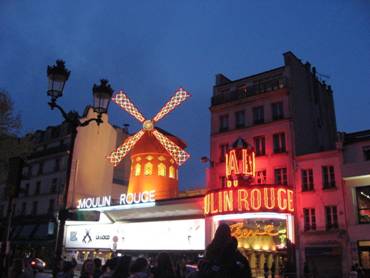
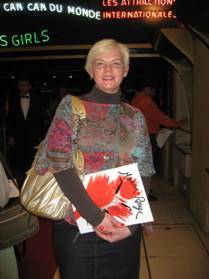
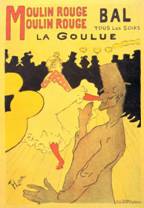
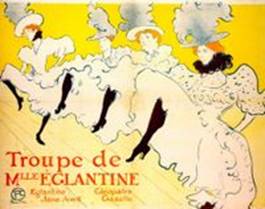
In 1900 Moulin Rouge became a dance hall. Although the cancan originated in Montparnasse, this dance has always been associated with the Moulin Rouge. Henri Toulouse-Lautrec immortalised this cabaret's exuberant dance shows in his posters.
Every cabaret visitor is greeted by attentive staff who escort you to a reserved table in a grand hall with multi-tiered balconies. Before entering, a thorough bag check is carried out so that no sharp objects or cameras are brought in. The show may not be recorded in any way, but a colourful, photo-rich programme is available for purchase at 8 EUR. Champagne glasses are constantly refilled - drink as much as you wish at no extra charge.
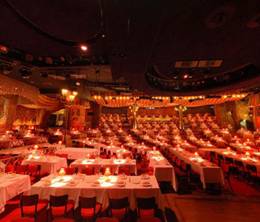
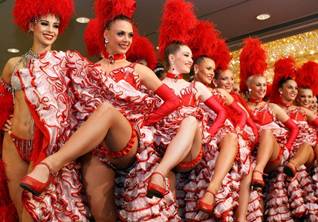
A show with beautiful and talented dancers, singers, ventriloquists, acrobats, and jugglers. Constantly changing sets, musical styles, and magnificent costumes. Simply a delight!
In brief, this is what was seen and enjoyed in just two days in Paris and in just one of this magical city's districts - Montmartre. More to follow about the heart of the city and the historic centre. One more thing I can say with confidence - the trip lasted only five days, yet even that was enough to feel nostalgia upon departure and a desire to return to this charming city again and again. Thank you to travel agency Dabas Draugi (http://www.dabasdraugs.lv/) and our group leader Silvija for the opportunity to enjoy Paris! :)
comments