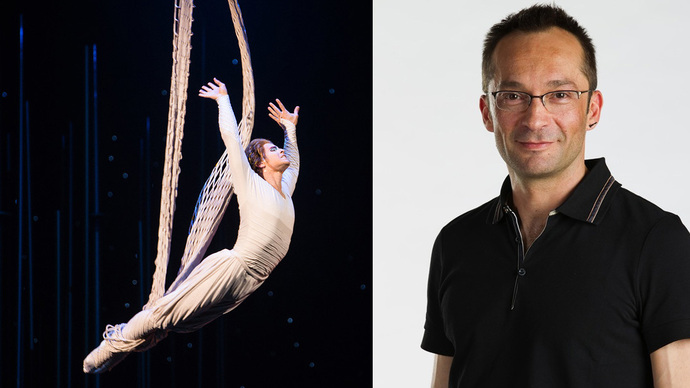
I don't believe in miracles, but I believe in what I think is much more powerful: every person's own commitment and responsibility. That is also our Icarus as an example. He will fight, he will not succeed, but he will try again and again until he achieves his goal. He certainly does not wait for a miracle. That moves me the most: when someone fights for what they believe in.
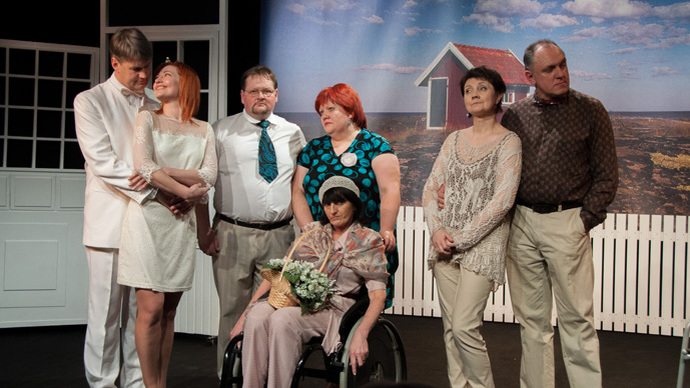
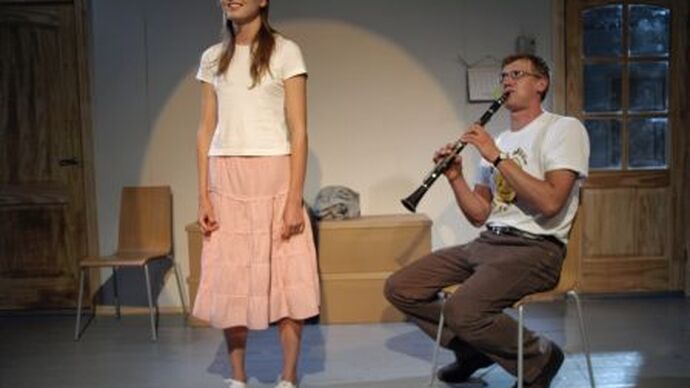
It was a premiere for which the Smiltene People's Theatre actors had been preparing for approximately half a year and now felt a certain excitement, offering their work to its first audience. Commendable is the theatre participants' desire to come and work on a voluntary basis, to stage demanding plays, to seek answers to life's questions, to make both themselves and the audience think and feel along. For as long as a person continues to ask themselves questions, so long do they live.
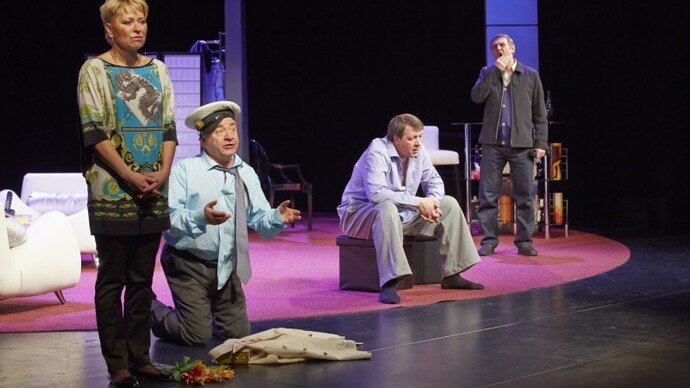
A story about two people who have lived together for twenty years, but have suddenly realised that the spark of love between them has faded. Both one and the other are looking for casual affairs or relationships that would bring vitality to their now settled, financially and otherwise stable everyday life. One can, of course, put it all down to a midlife crisis, but one can also think about how one would have acted, finding oneself in such a situation.
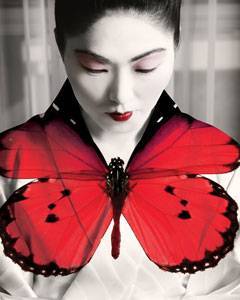
This Wednesday, 8 February, I watched at the LNO the widely known opera "Madama Butterfly" by Giacomo Puccini. Following - why this musical work and production touches the strings of the soul, but why this time it did not.
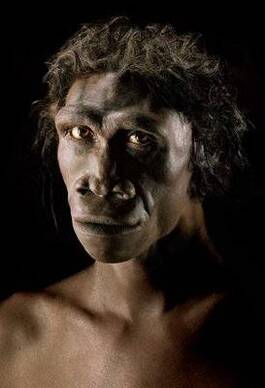
Yesterday, on 17 April, we watched at the National Theatre's New Hall a version of the play "Homo Erectus" (original title "Herniated Disc") by German playwright Ingrid Lausund (1964), in director Regnārs Vaivars's staging. "Homo erectus" or "upright man" - a theatrical dissection of how this concept applies to the modern office worker who spends most of their life hunched over a computer.
To paraphrase a saying about many small happinesses, one could say - there is no such thing as one single truth; there are many small truths. I would like to apply this saying to the chamber production "The Fundamentalist" recently watched at the JRT.
Four tonnes of Latvian clay have been brought onto the stage, though the story is about the lives of two brothers and their passion for a woman from a pleasure house somewhere on a distant South American ranch. In the production love is not separated from carnal desire. There is no "action," no noble feelings, no mystery or complex plot entanglement. Brutal tenderness.
This evening, thanks to two invitations won in a Twitter draw, we attended the Latvian National Theatre to see Viesturs Kairišs's new production "Pinocchio's Ashes". Initially after watching the performance I thought I would not be able to write anything about this work - it was too emotionally oppressive - but now I simply want to talk through this heaviness.
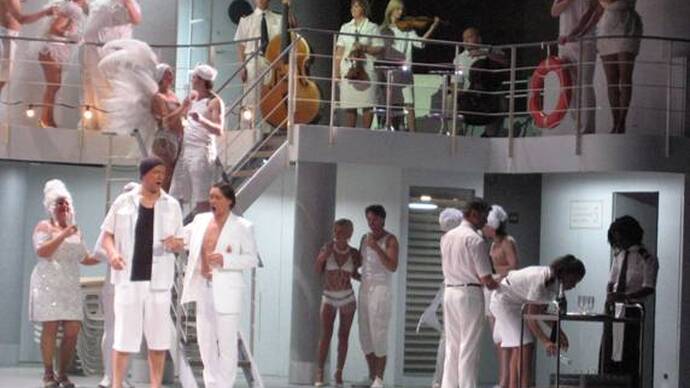
This evening on 16 May the premiere of Wolfgang Amadeus Mozart's opera "Don Giovanni" ("Don Juan") will take place at the Latvian National Opera. However, I had the opportunity on Thursday the 14th of May to be at the Opera House and see the final dress rehearsal of the opera. The dominant impression - a well-prepared and originally presented production.
.jpg?w=690&mode=16x9|crop)