Exploring Northeastern Estonia - Valaste, Toila, Narva
Last weekend, in honour of our tin/rose wedding anniversary, we decided to head to the northern coast of Estonia to discover the local nature and enjoy the pleasures of a SPA. The result: we once again confirmed the appealing tranquillity of Estonian life, discovered one little paradise beach, and visited a resort town we hope never to set foot in again.
Last weekend, in honour of our tin/rose wedding anniversary, we decided to head to the northern coast of Estonia to discover the local nature and enjoy the pleasures of a SPA. It was a journey of approximately 423 km (Rīga–Narva; about 5.5 hours by car without stops) with certain waypoints and noteworthy (in our opinion) attractions along the way. The result: we once again confirmed the appealing tranquillity of Estonian life, discovered one little paradise beach, and visited a resort town where we set foot for the first and, hopefully, the last time.
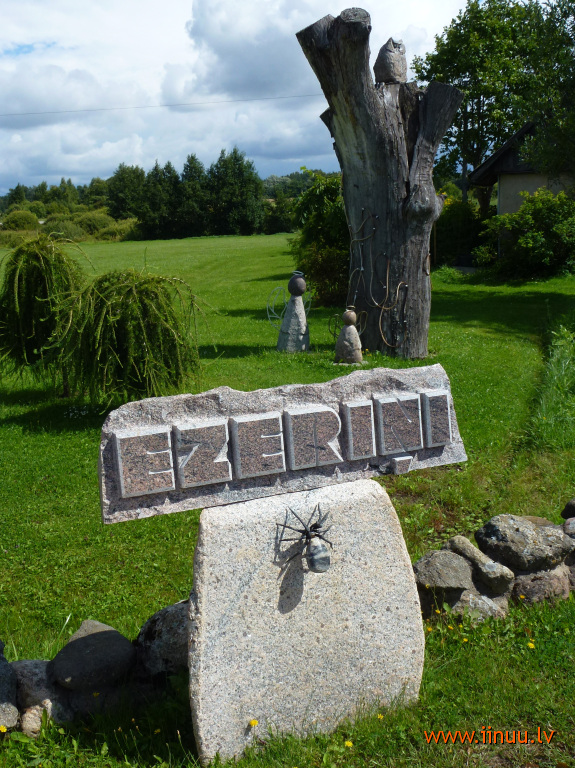
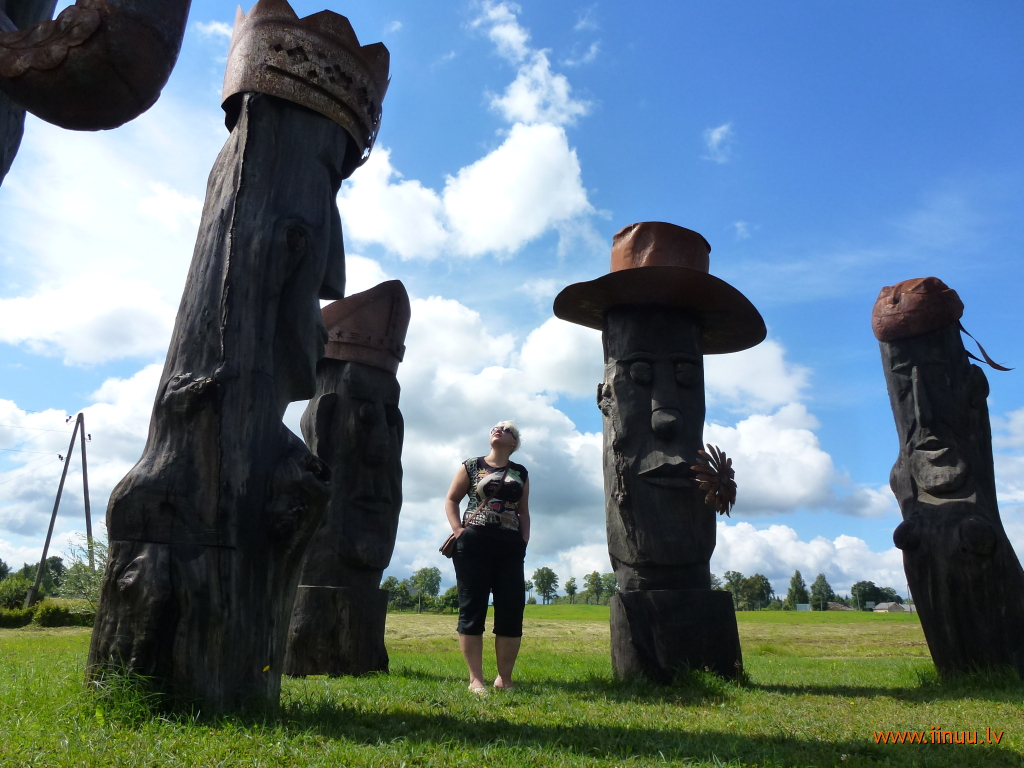
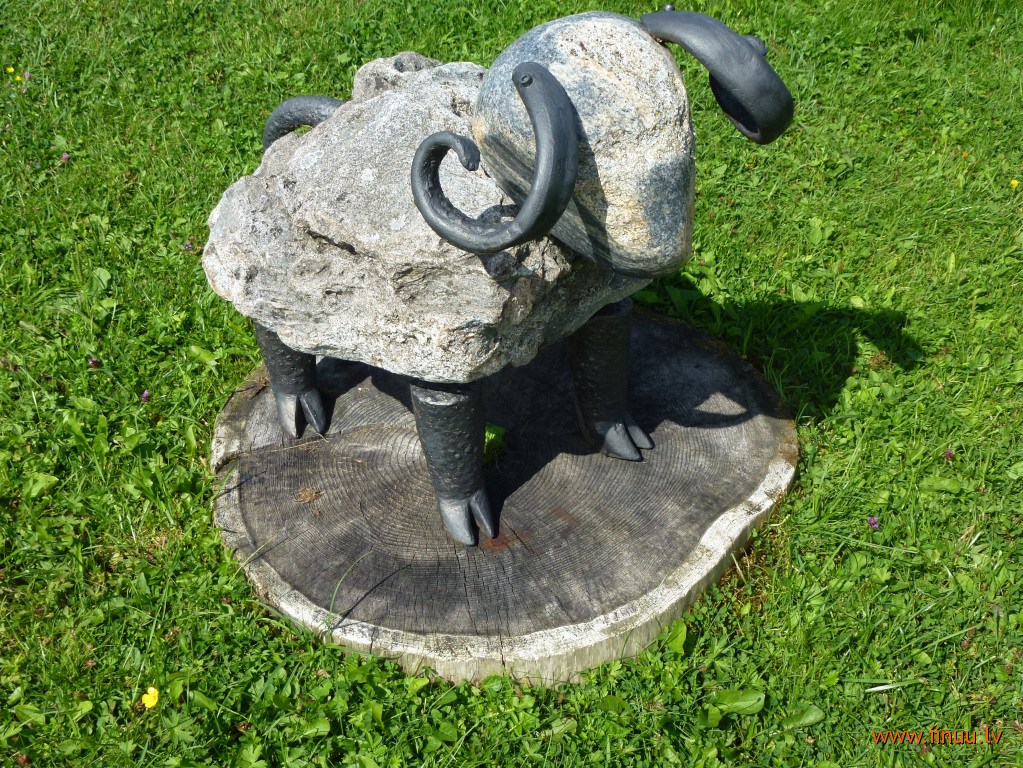
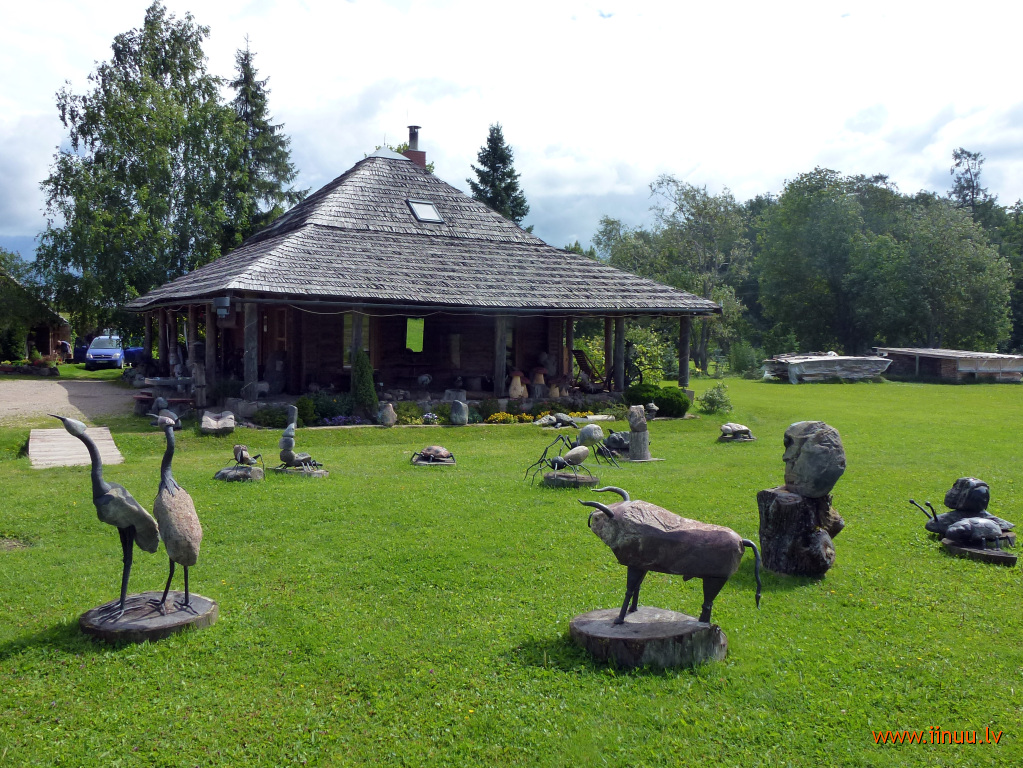
The first stop on the route Rīga–Valga–Tartu–Jõhvi–Toila was right here in Latvia - the stonemasons' garden and shop "Ezeriņi" on the Rīga–Valmiera highway, in Stalbe. One of the fieldstone penguins now proudly basking on a shelf for over a year came from here. So we could hardly pass by without stopping when we spotted the many and varied stone figures filling the meadow and the nearby little shop. The stop was significant, for the energy of stone accompanied us throughout the entire journey - from the Stalbe stone garden all the way to the pebble beaches of northeastern Estonia.
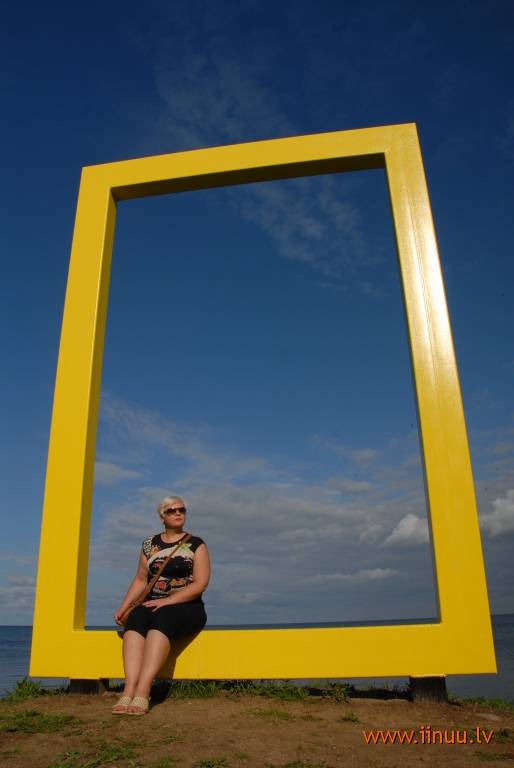
The next stop - the small Estonian town of Mustvee on Lake Peipus. An opportunity to wade in the rather cold water (cold compared to the sea we encountered later), to pose in a National Geographic frame right on the shore, and to enjoy the local fish, which are smoked and sold in abundance throughout the area all along the roadside (pike-perch EUR 12–14 per kg).
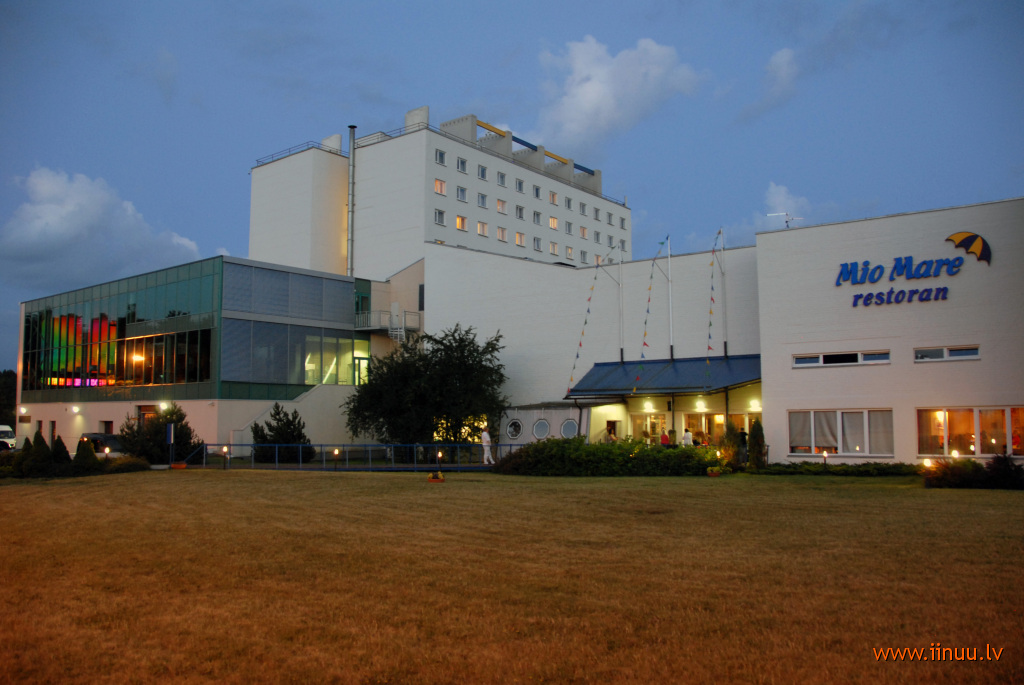
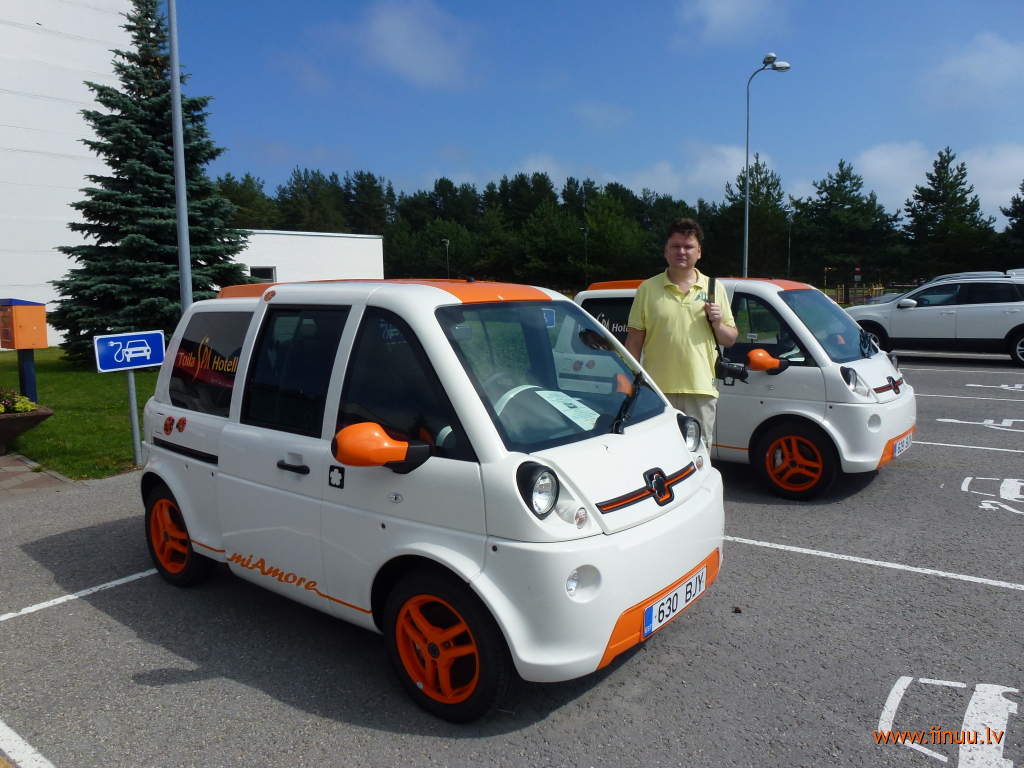
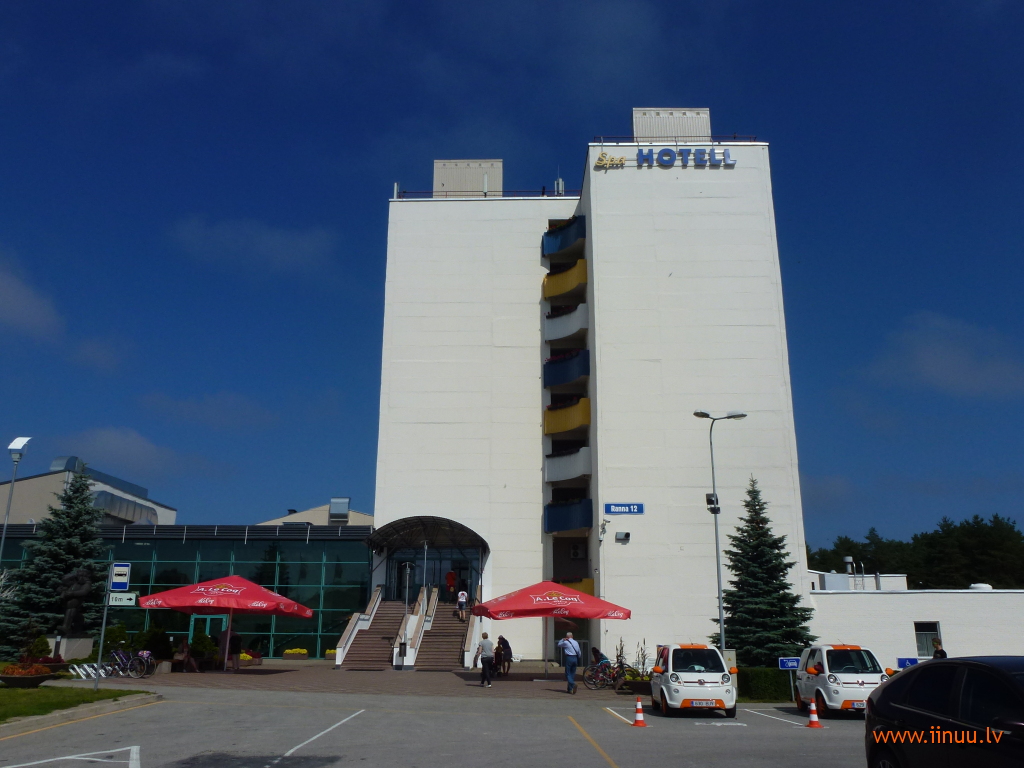
The town of Jõhvi was the next reference point, from which we turned off onto a smaller but equally well-surfaced road to the village of Toila, chosen as our base. Toila consists of a handful of private houses on the seashore and two noteworthy attractions - Toila-Oru Park and the Toila Hotel SPA. We stayed in a suite on the hotel's ninth floor, from which a view over the sea opened - the beach itself was not visible due to the trees and the steep coast. We were able, at no extra charge, to use the Toila SPA Thermae complex, with several pools, saunas, a salt and steam room, the characteristic outdoor hot tub on the hotel roof, and a relaxation room. A wonderful rest after the long journey.
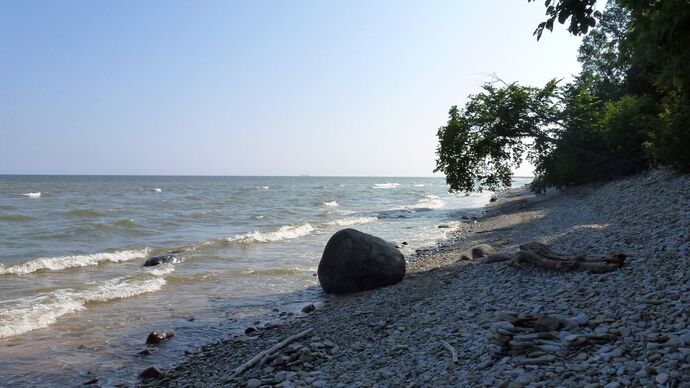
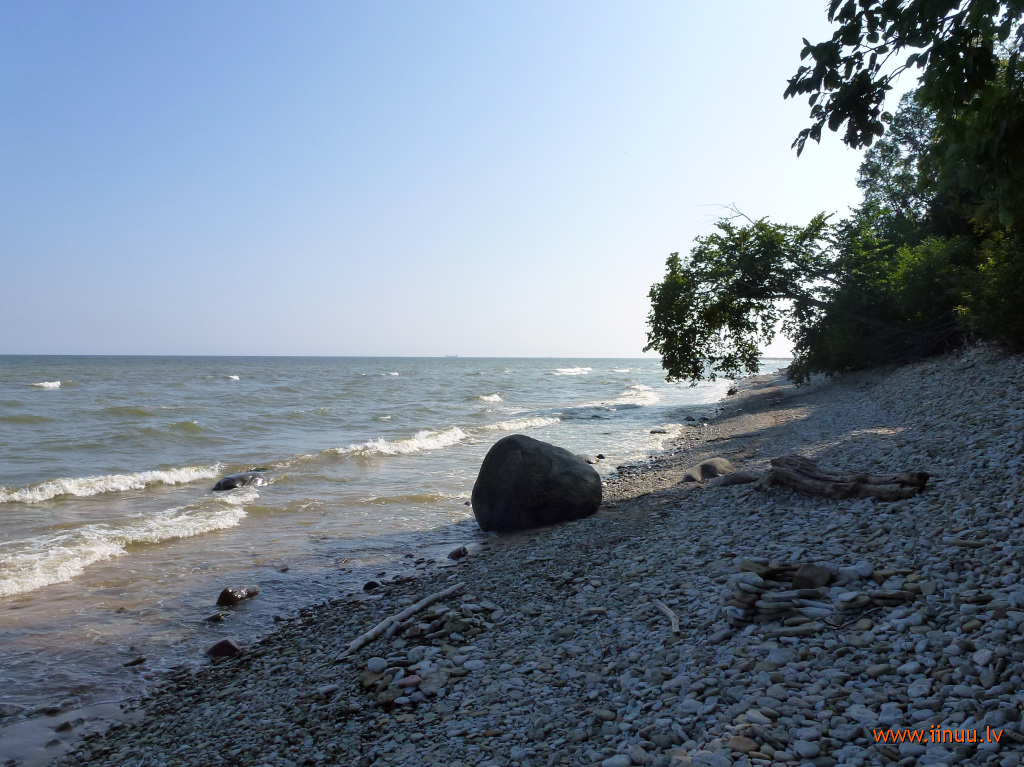
In the evening twilight we could not resist, however, and went for a walk down to the sea. To reach the pebble beach - with its artistically gnarled tree roots and trunks washed ashore - one had to descend a rather steep flight of stairs with at least a couple of hundred steps. No one could manage it without catching their breath, young or old. But the view of the sunset and the wild beach was worth it.
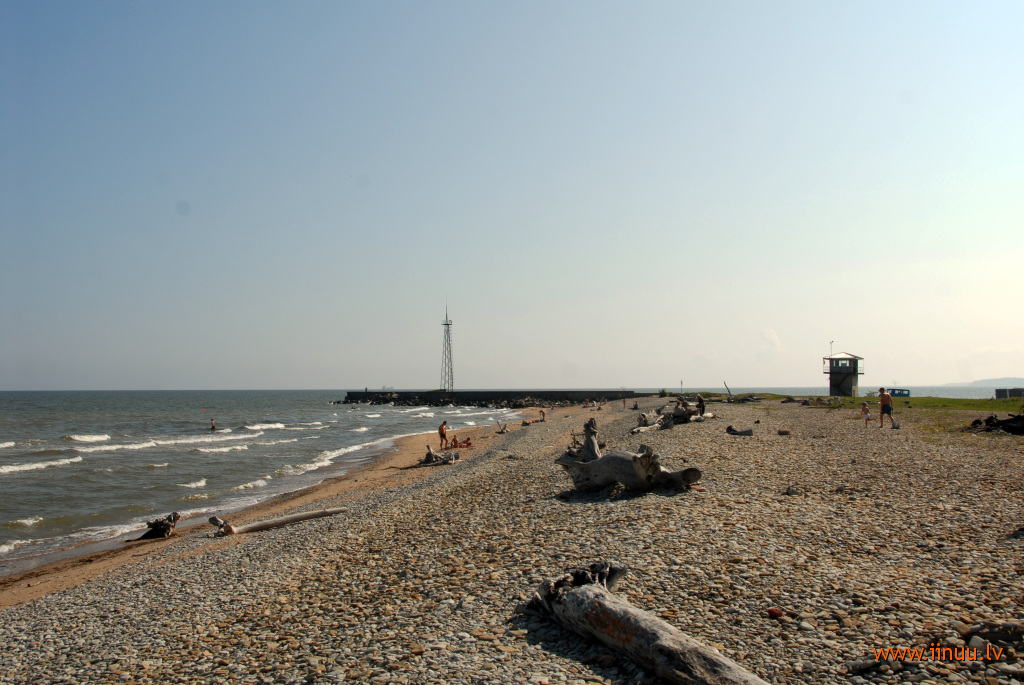
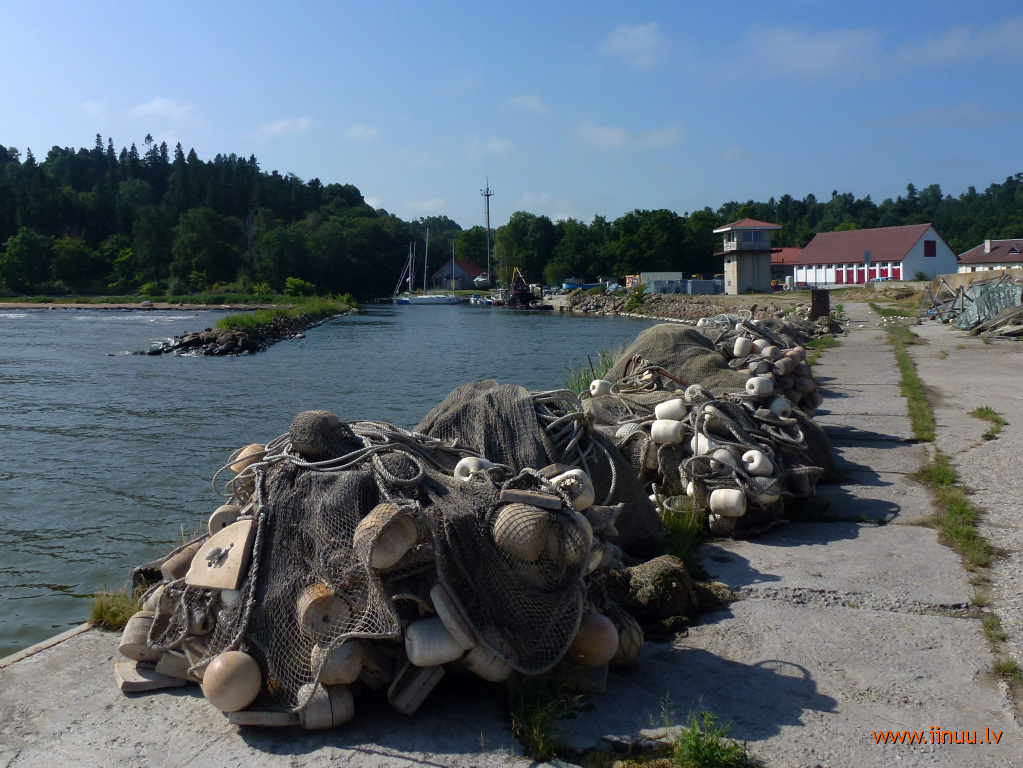
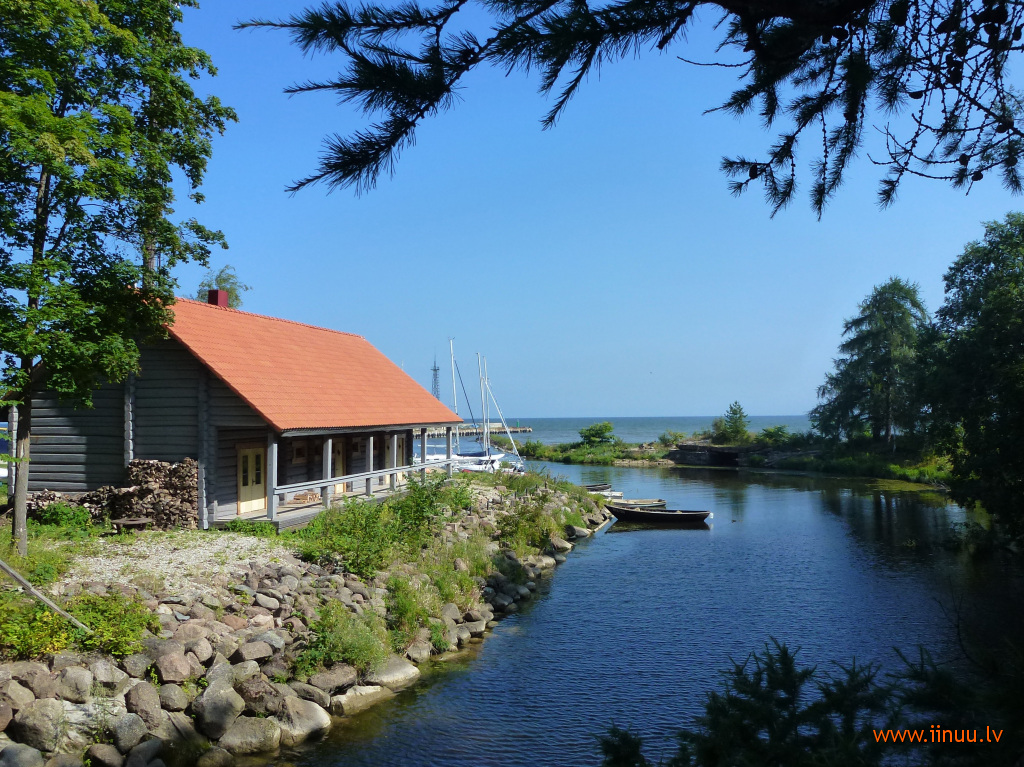
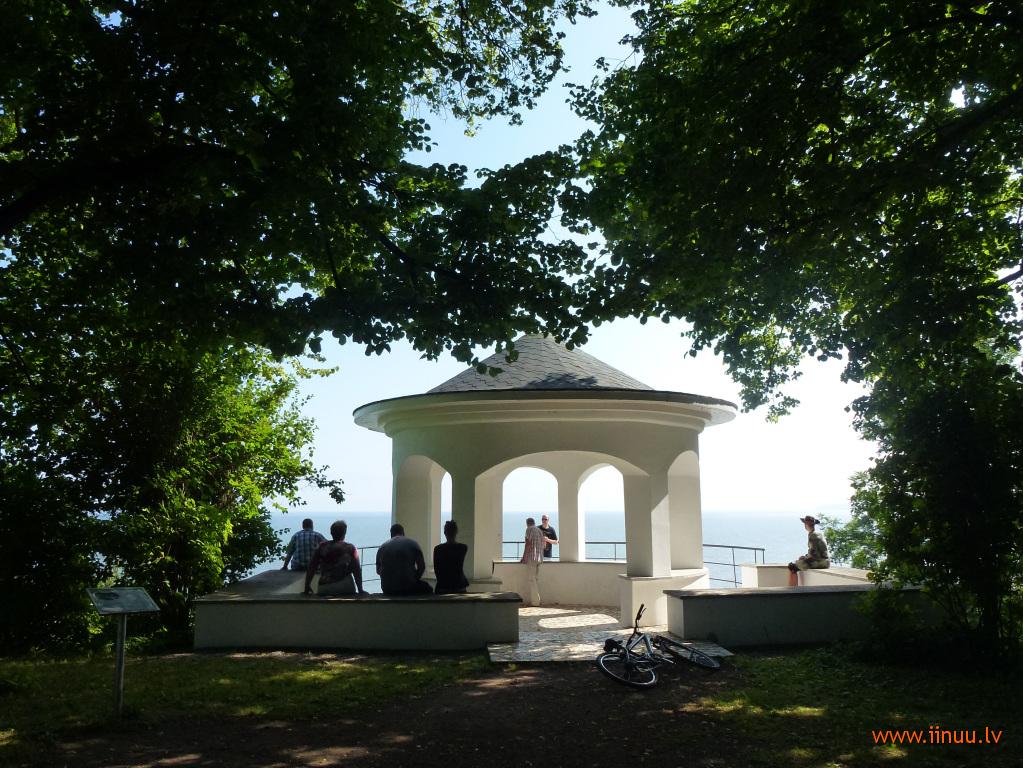
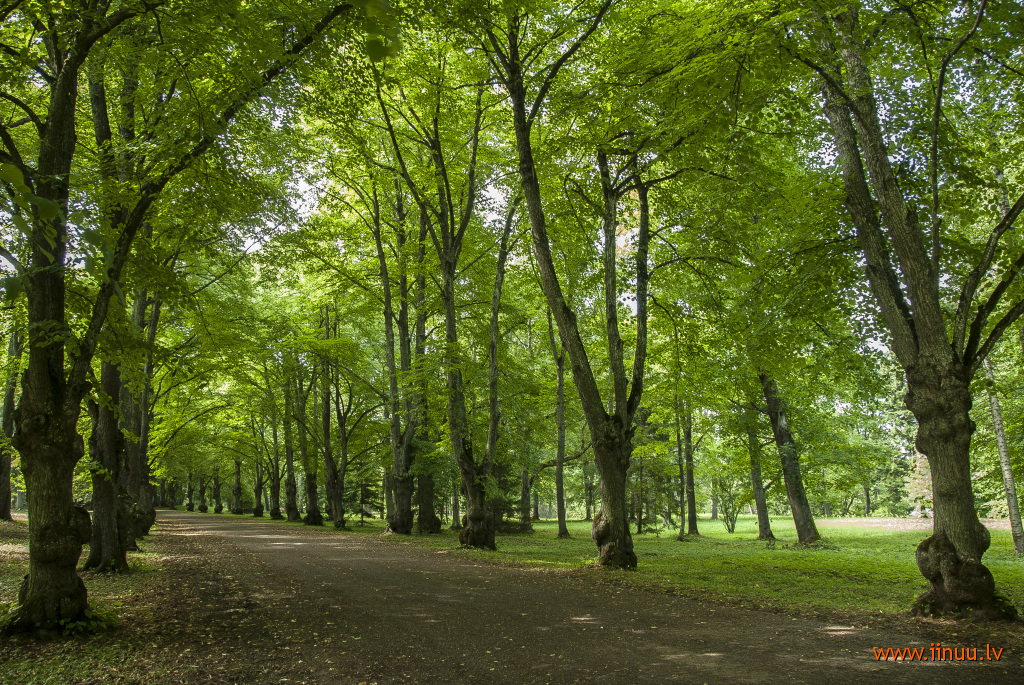
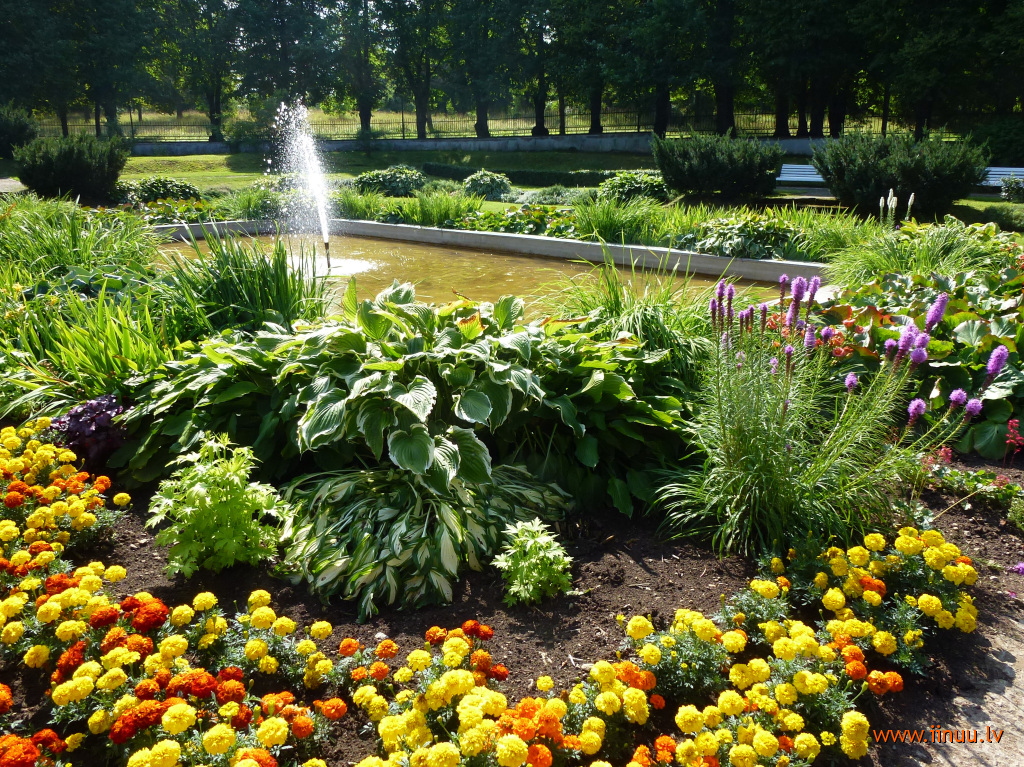
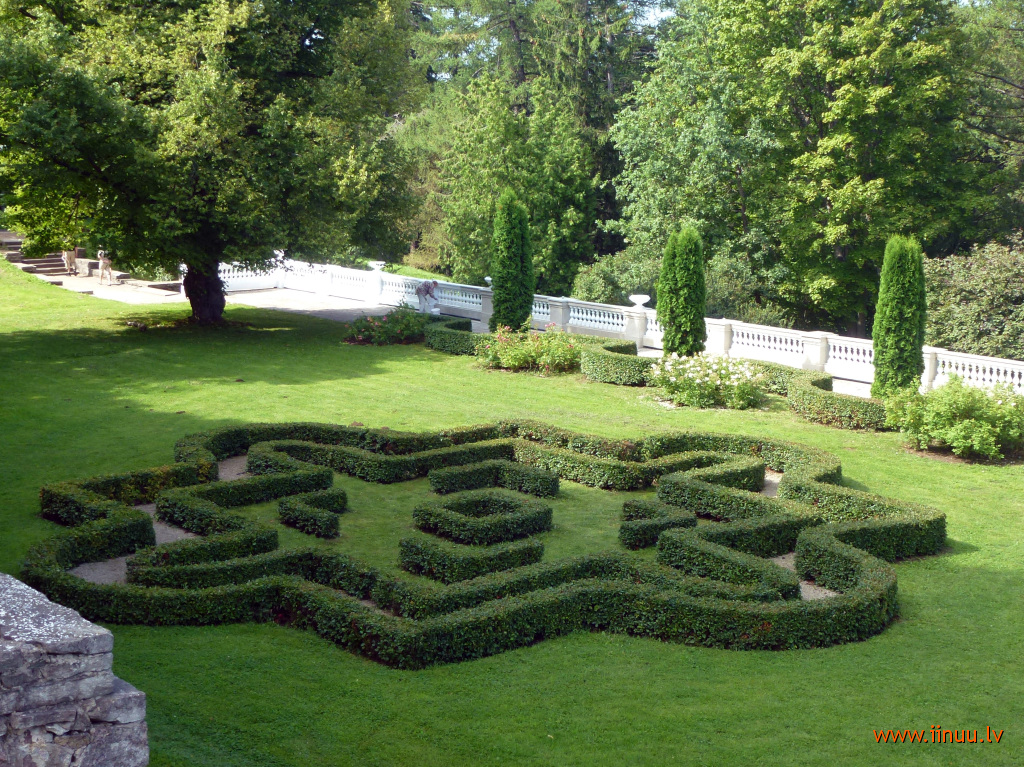
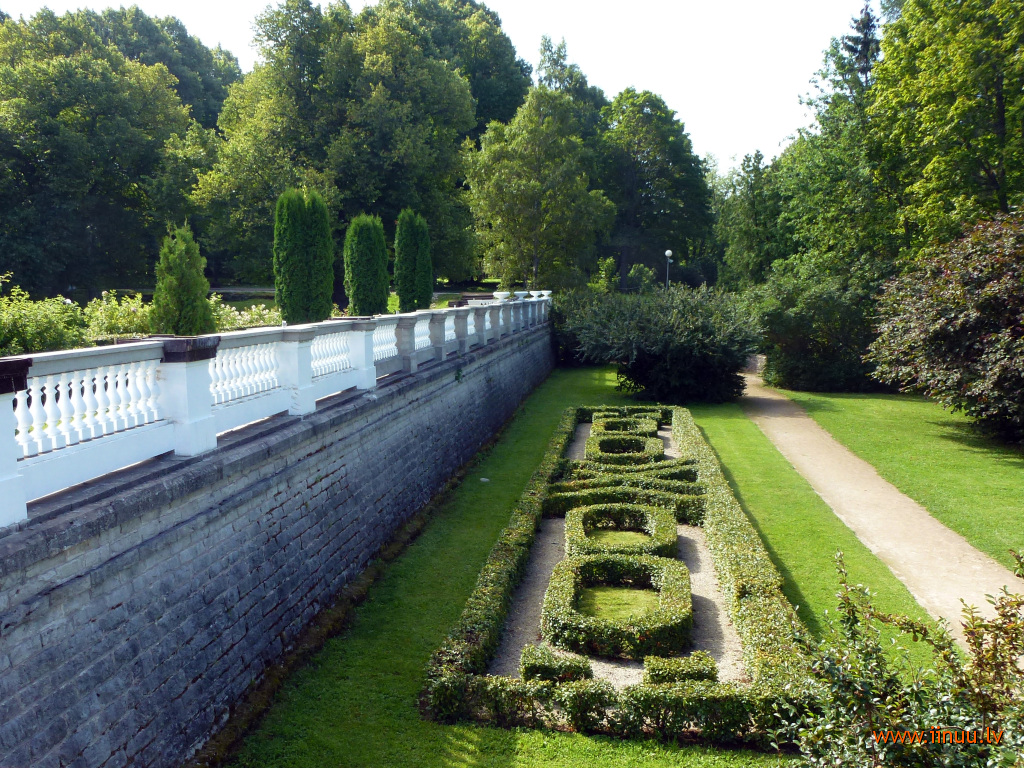
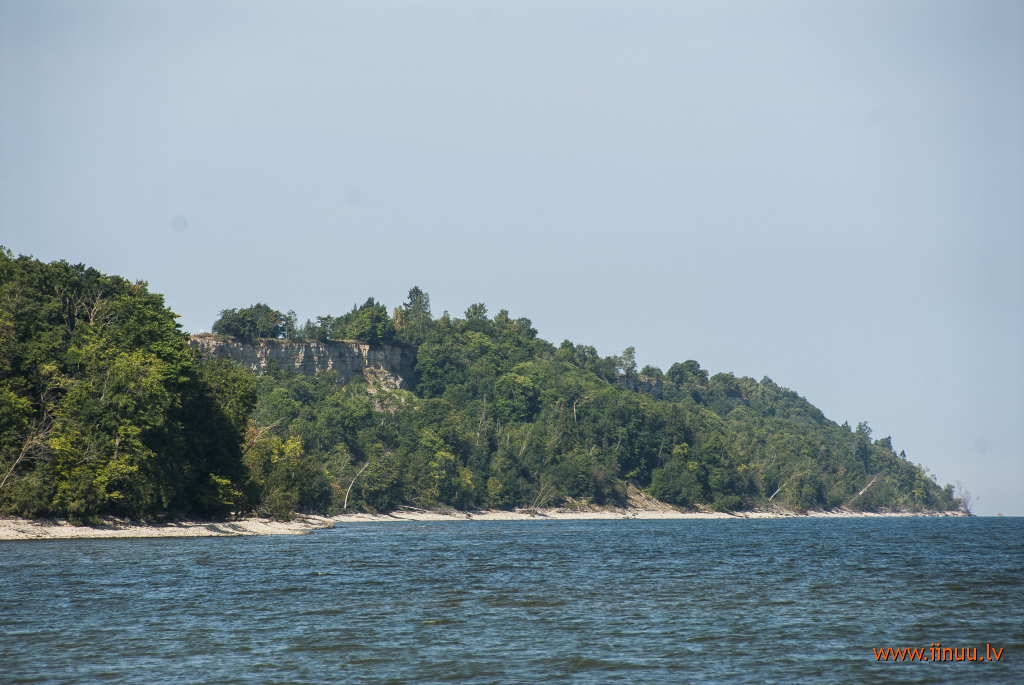
The next sun-filled morning and the warm day that followed invited a walk in the greenery. So, descending the steep stairs once more, we made our way along the pebbly beach towards the jetty, where at the mouth of a small river a few trawlers were moored, their fishing nets spread out or piled in heaps. That day the plan was to explore Toila-Oru Park, which surprised us with its spaciousness, green avenues, well-tended rose garden, snow-white railings, and fountains. From a bright gazebo at the edge of the cliff, a sweeping view opened over the waters of the Gulf of Finland.
Oru Park and the palace - of which, sadly, only the site remains thanks to the Second World War - were created by Grigory Yeliseyev, one of the wealthiest merchant magnates of 19th-century Russia. In 1935 three Estonian industrialists purchased the palace and park and presented them to President Päts as a summer residence.
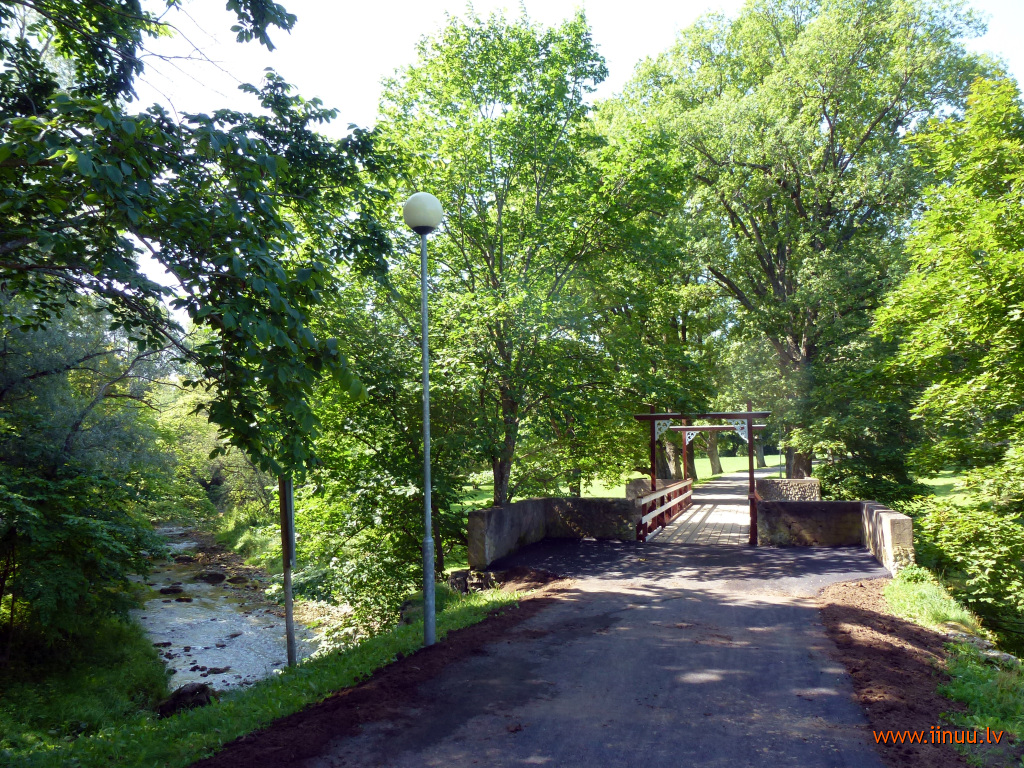
The park today is well maintained, thanks to Estonian enterprise and the effective use of EU funds. It is open around the clock and accessible to visitors free of charge. The promenades and comfortable benches in the shade of the foliage invite one to settle in and spend time - reading a book, admiring the rose varieties, or lingering in quiet contemplation.
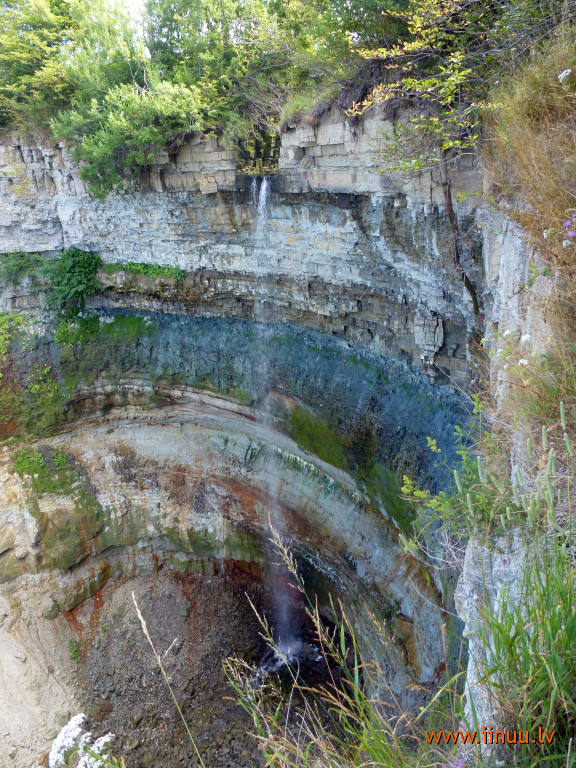
Inspired by the beautiful nature, we drove some 20 km further in the direction of Tallinn to seek out the celebrated Valaste Waterfall - the highest in Estonia at 30 m, situated on a cliff about 50 m high. It can be found on the map between the villages of Valaste and Ontika. The view in July is not so impressive, as the once mighty flow of water has now dwindled to a small stream trickling down the cliff. The viewing walkway is also damaged and closed to visitors. However, by making one's way to the other side of the waterfall, one can view the whole thing from the cliff edge without using the walkway at all. Next to the waterfall, across the road, there is a round-the-clock café with free Wi-Fi (ask the server for the password) - Foursquare and Instagram fans will rejoice.
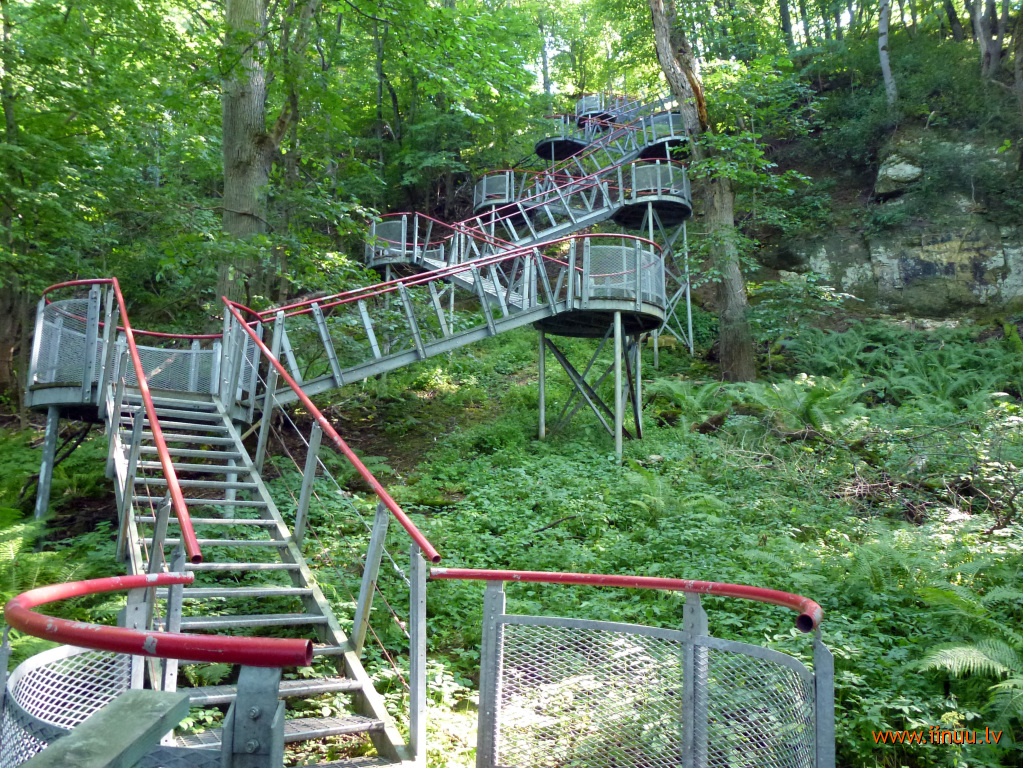
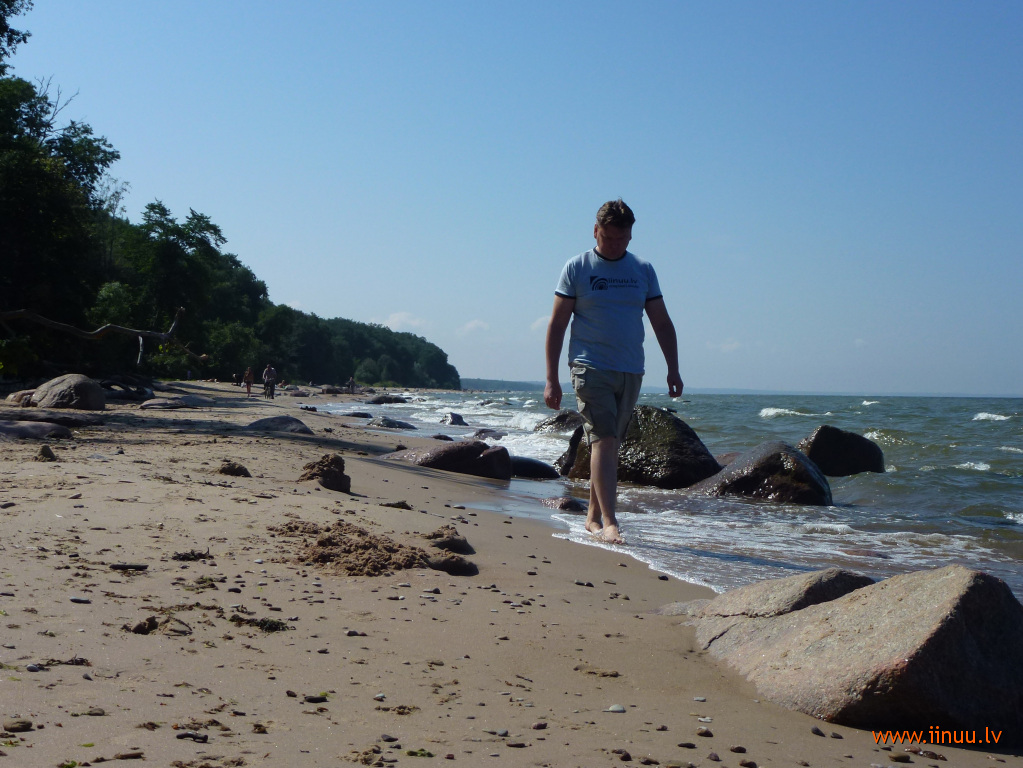
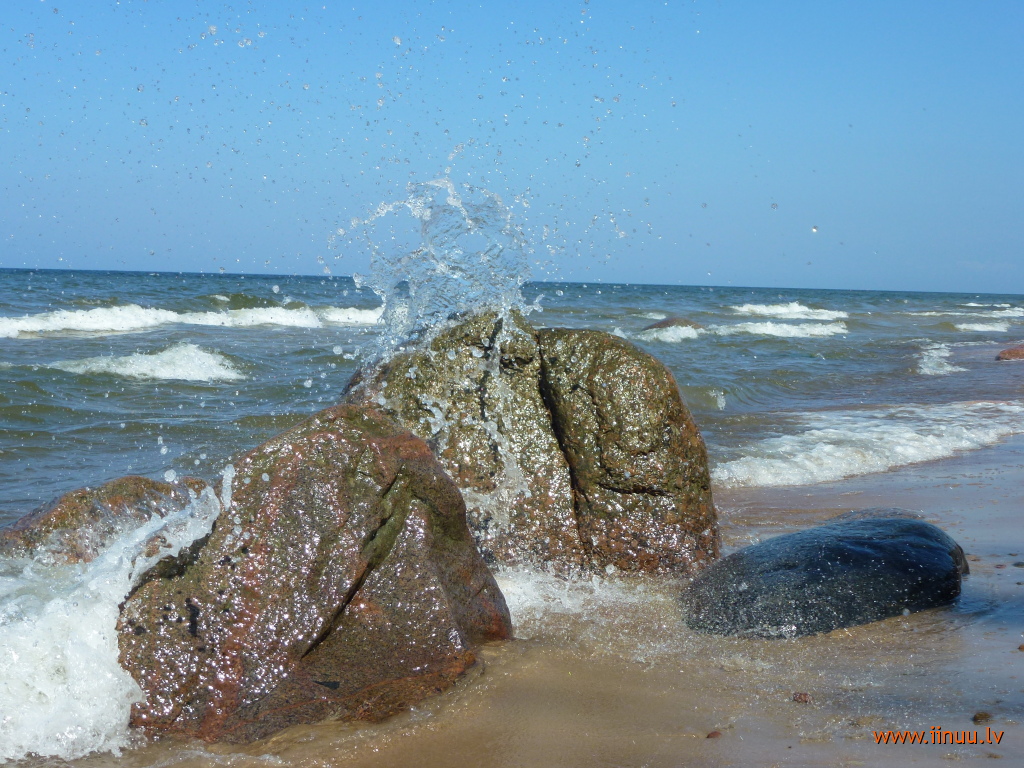
Continuing the journey, we came upon a little corner of paradise which, again thanks to the steep cliff, can only be reached via impressively long metal spiral stairs - considerably surpassing the previous set in number of steps. Below the stairs an almost untouched forest is visible with fallen trees and fern thickets. On the beach, pebbles alternate with sand, and on large, curved boulders one can settle as if in a bed and bask in the sun, listening to the lapping of the waves. We will share the coordinates of the spot (no settlement is nearby on the map): 59.43956; 27.17483.
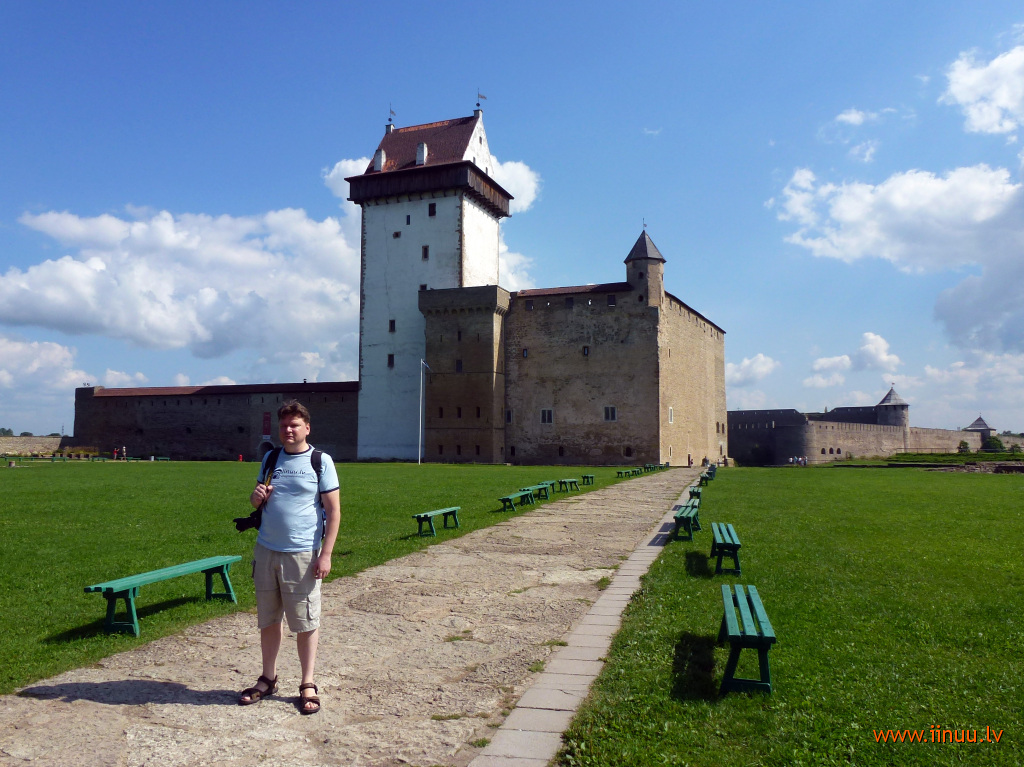
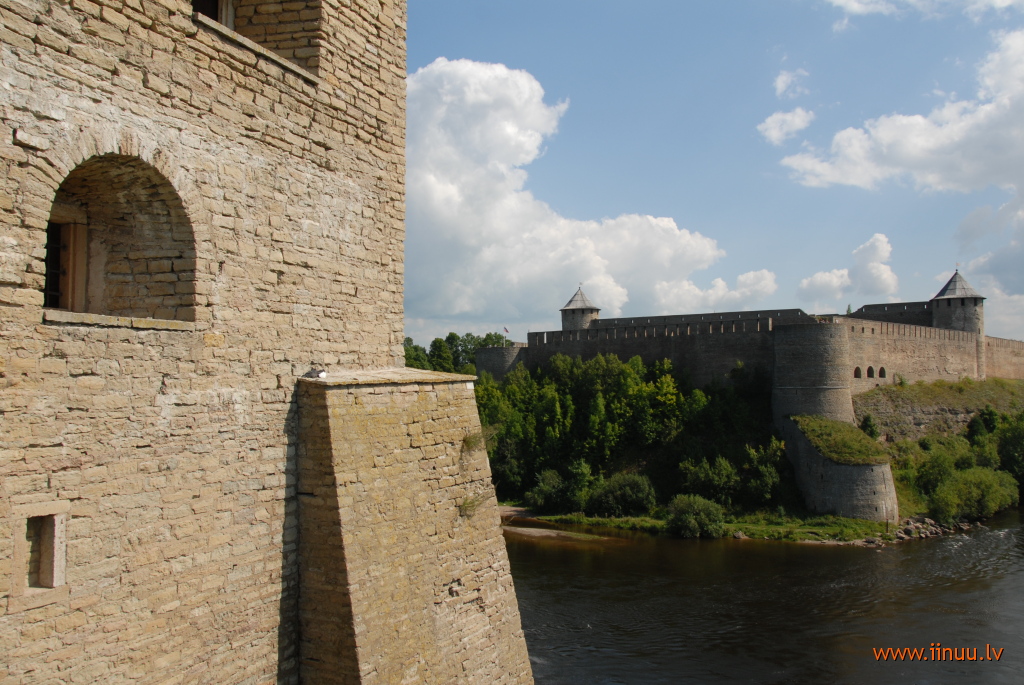
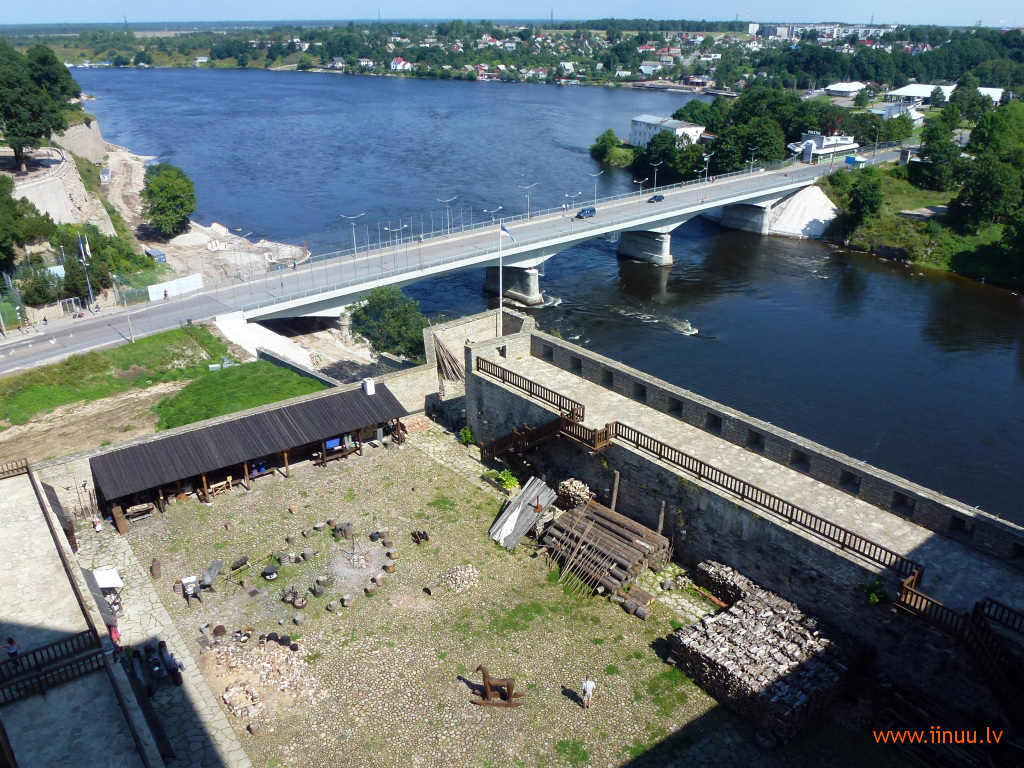
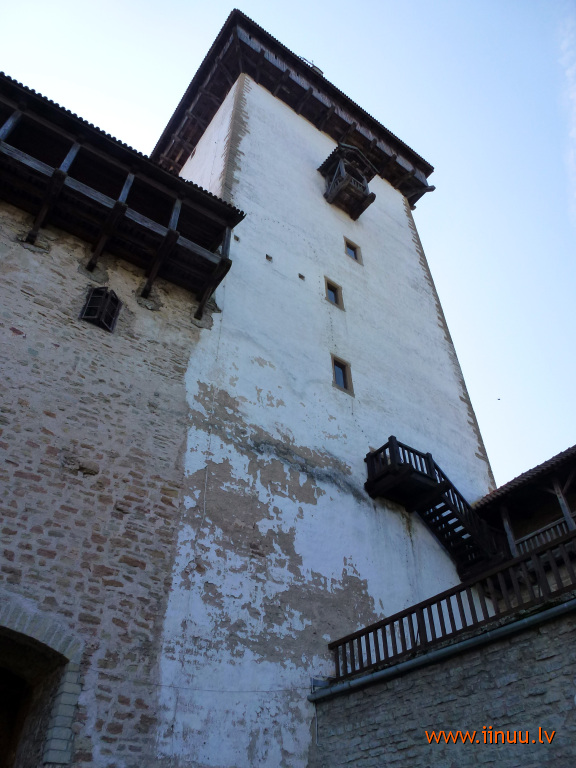
The following day, we headed to the very east of Estonia - the border town of Narva. Both the town and the river Narva separate Estonia from Russia, with old fortresses on both banks: on one bank the Estonian flag flies from a mast, on the other the Russian. Border control is right next to the fortress, and from the fortress tower queues of cars can be seen jostling and flowing across the bridge in both directions.
The town is very Russian - only 10% Estonian by national composition. Your English language skills can stay in your pocket; communication at the information centre is conducted in Russian. Signage and advertising billboards are duplicated in both languages. The coat of arms is "militantly penguin-like" - two fish and two swords.
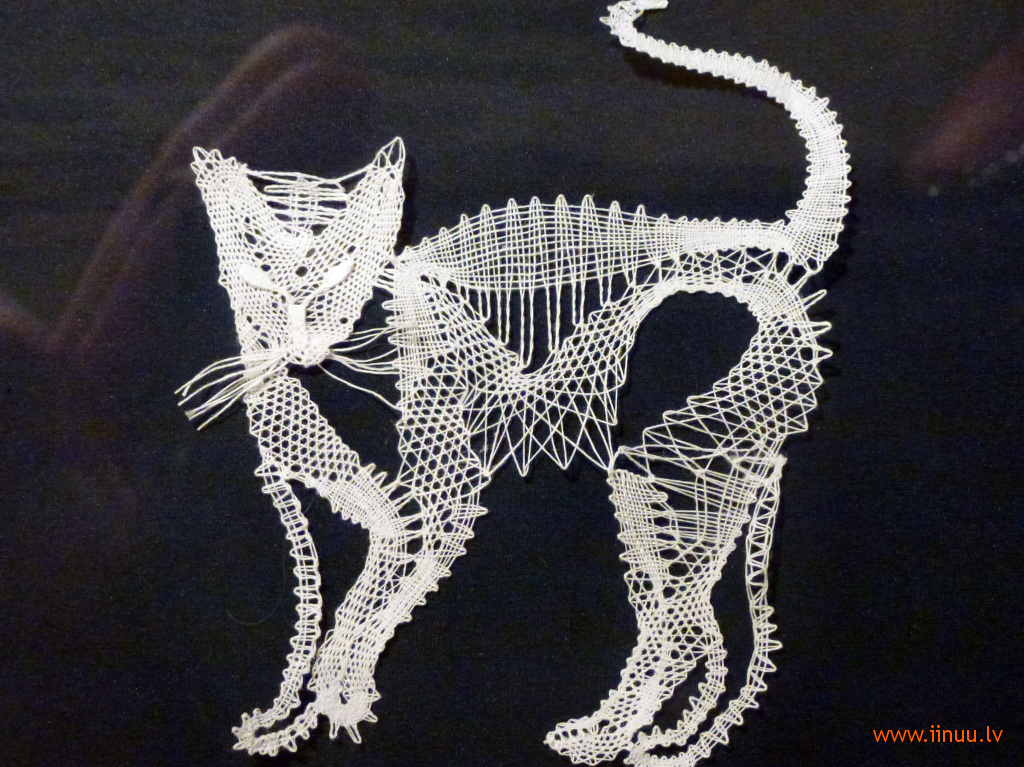
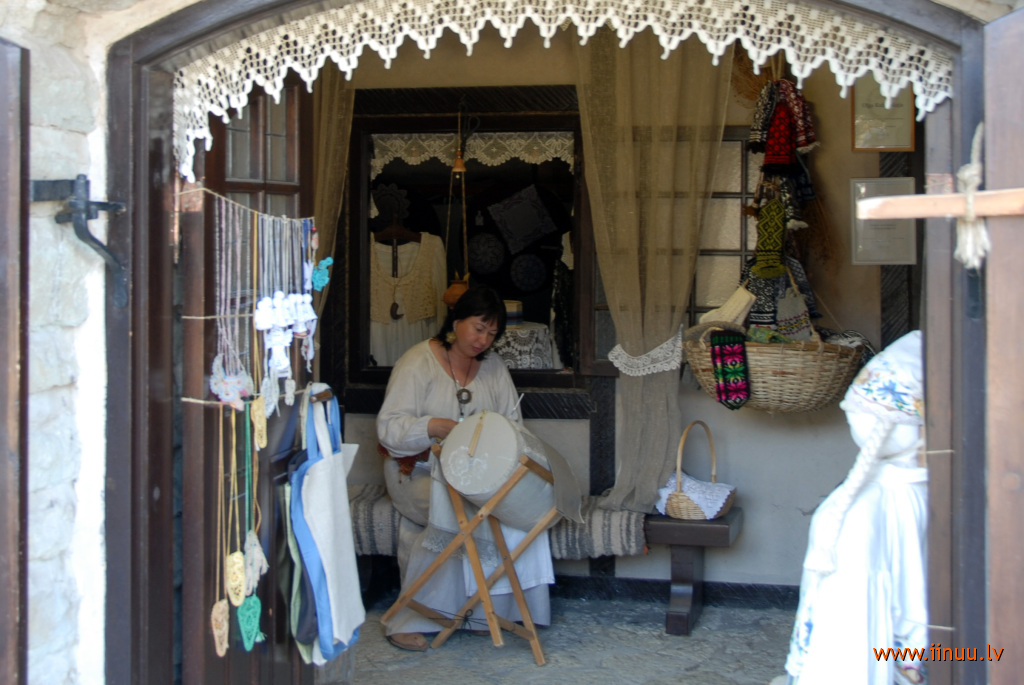
The Narva fortress and the northern garden (adult entry 6 EUR plus a commemorative struck coin as a gift) are interesting for their historical testimony. The walls are mighty - at least 2 metres thick - true fortress walls that immediately inspire a sense of security against enemy attacks. In the fortress courtyard, or northern garden, craftspeople are at work - a lacemaker, a blacksmith, a clay potter, a rag-rug weaver. By the entrance gate to the walls stands a Lenin monument, evidently removed from its pedestal in the main town square, its outstretched arm pointing in the direction of Russia - as if to say: if you don't like it here, you know where to go.
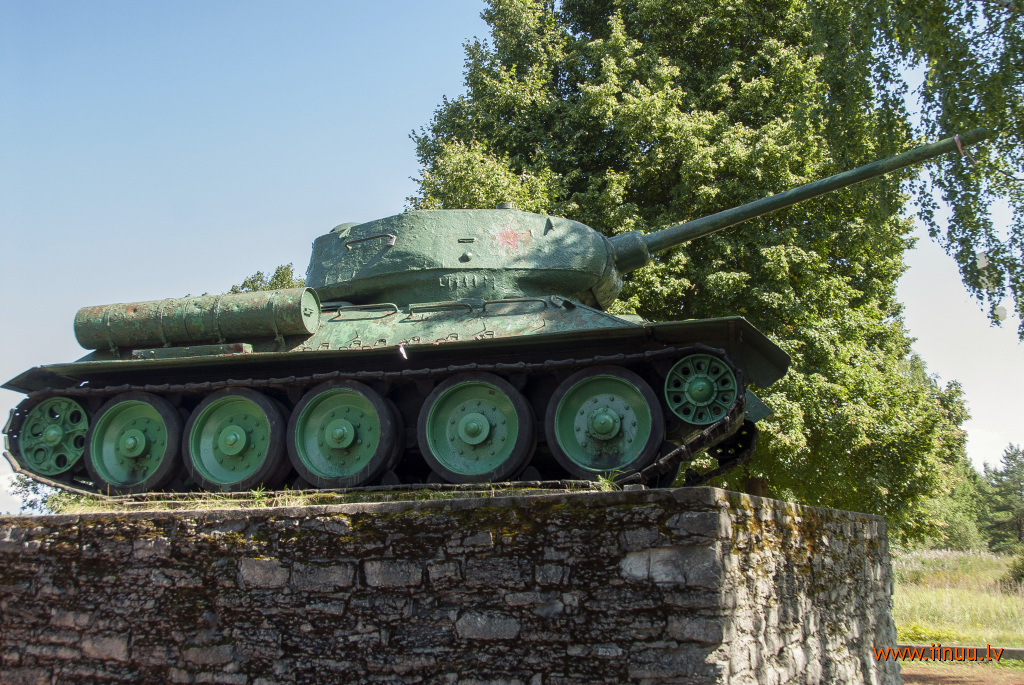
The surroundings of Narva are full of monuments and extensive German and Russian (at least so defined) war cemeteries of those who fell in the mid-20th century war. Driving along the main road towards Narva-Jõesuu, one can see a Soviet tank with a red star on its side - a well-known memorial for 9 May. Narva-Jõesuu itself, which at the information centre was compared to our Jūrmala, is not worth half of it. There are almost none of the old historic wooden houses, the park is unkempt, there is only an overcrowded sandy beach for sunbathers, dogs, intoxicated elements of humanity, a veteran selling his war medals, Russian children riding a padded artificial pony on wheels, the only shop - a Maxima - and all roadside spaces as paid parking, without particular justification. As you may have gathered, this is a place one would not wish to set eyes on a second time in one's life. There is simply nothing to see or anything one would even want to look at.
Be that as it may, on the whole it was a pleasant weekend trip. One must simply account for the travel time and a certain tiredness, which on the next working day adds to the burden. A pleasing fact was that beautiful, unspoilt beaches still exist, and there are people who care about preserving such places. Speaking of the energy of stones - a little pebble somehow ended up in a handbag; it still holds within it the warmth of the sun, the breath of the wind, and the murmur of the waves.
comments