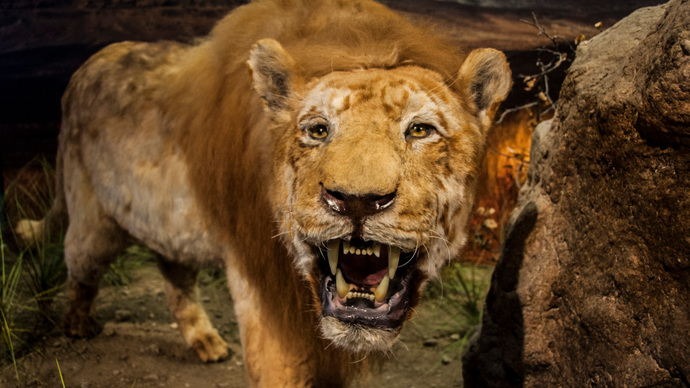
Ice Age Centre in Estonia
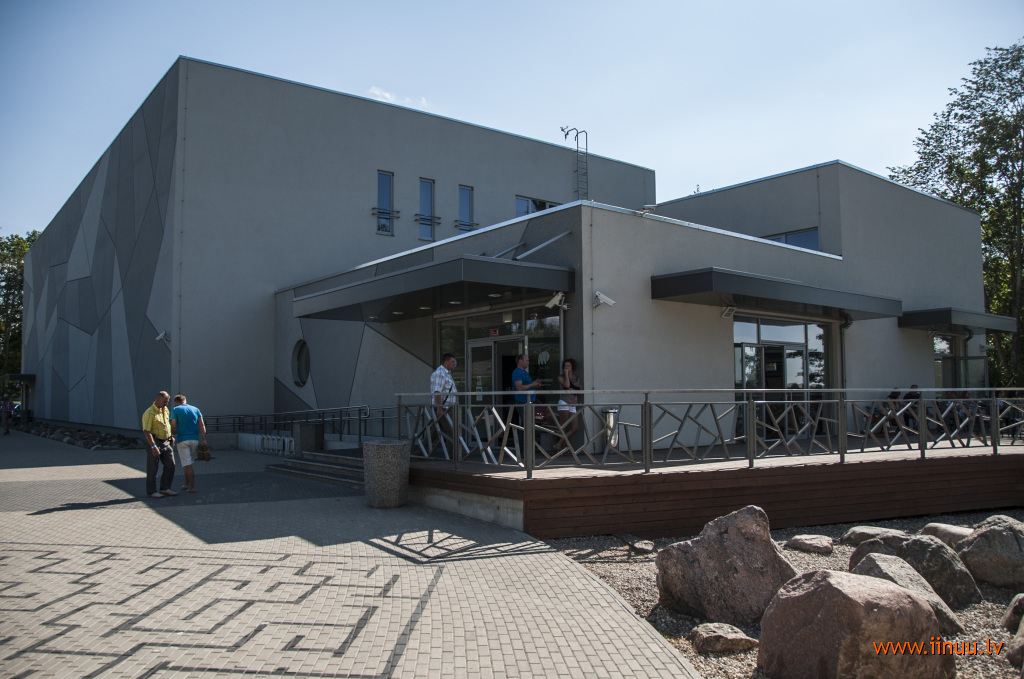
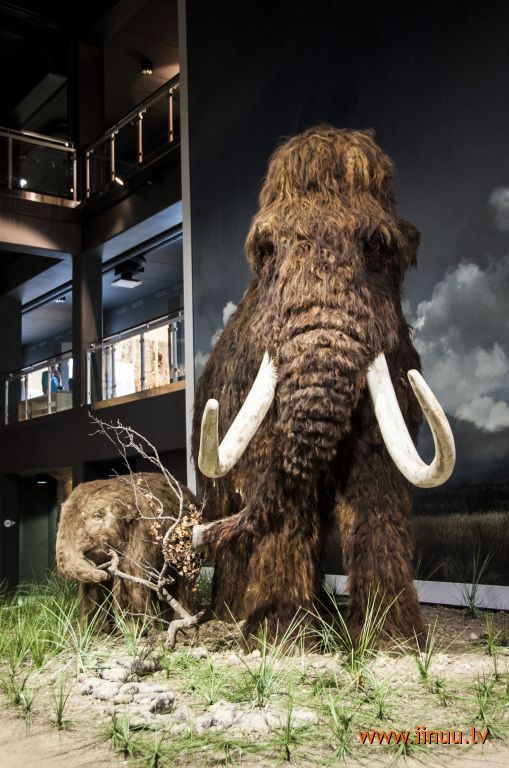
The Ice Age Centre is located not far from Tartu, a dozen or so kilometres to the north, in the small village of Äksi on the shore of a beautiful lake. The building itself resembles a large grey block, which inside consists of three floors with a sizeable open space in the middle, housing the centre's main star and logo symbol - a life-size mammoth.
The Ice Age Centre is located not far from Tartu, a dozen or so kilometres to the north, in the small village of Äksi on the shore of a beautiful lake where one can watch swans, swim, or go out in a rowboat. It must be said it would be hard to find without a sat-nav, as the village is small, quiet (barely a person in sight), with narrow lanes, tucked away in the forest. An atypical tourist destination - yet as we drew closer, we spotted a bus already there with visitors from Latvia.
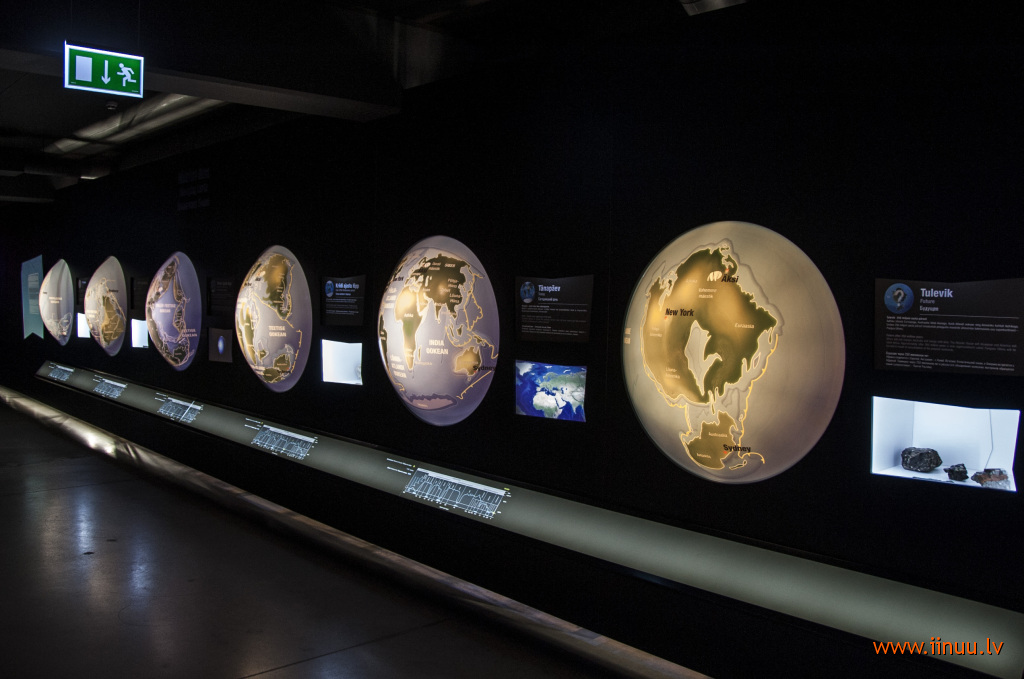
The building itself resembles a large grey block, which inside consists of three floors with a sizeable open space in the middle, housing the centre's main star and logo symbol - a life-size mammoth with a mammoth calf. On the first floor one can learn how the landmasses were formed, how the continents separated and assumed their current positions and shapes. Judging by the globe mounted into the wall and the visualisation, the territory corresponding to what is now Latvia and Estonia was once located where penguins roam the South Pole today. There's the real connection! :)
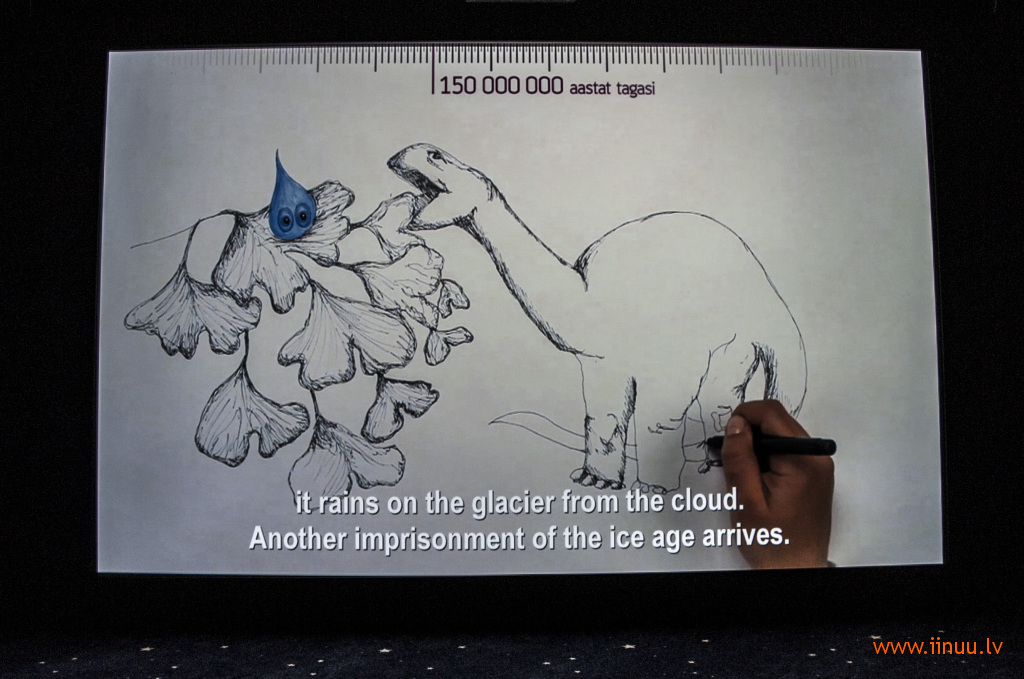
Also on the first floor, one can explore information about glaciers and learn that global warming as a result of human activity is a nonsense - the Earth is simply going through its natural cycle between ice ages. As the glacier retreated northward, the last place where a mammoth could be encountered was the territory of Estonia, which for some time afterwards was still largely under water, as was the northwestern coast of Latvia (where Kolka is today).
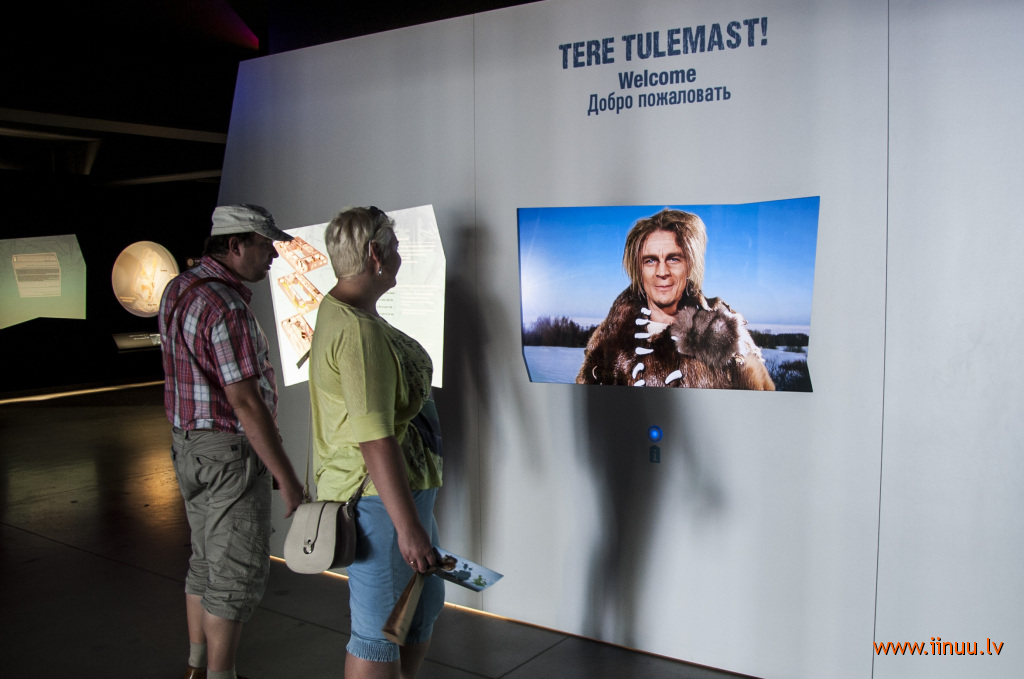
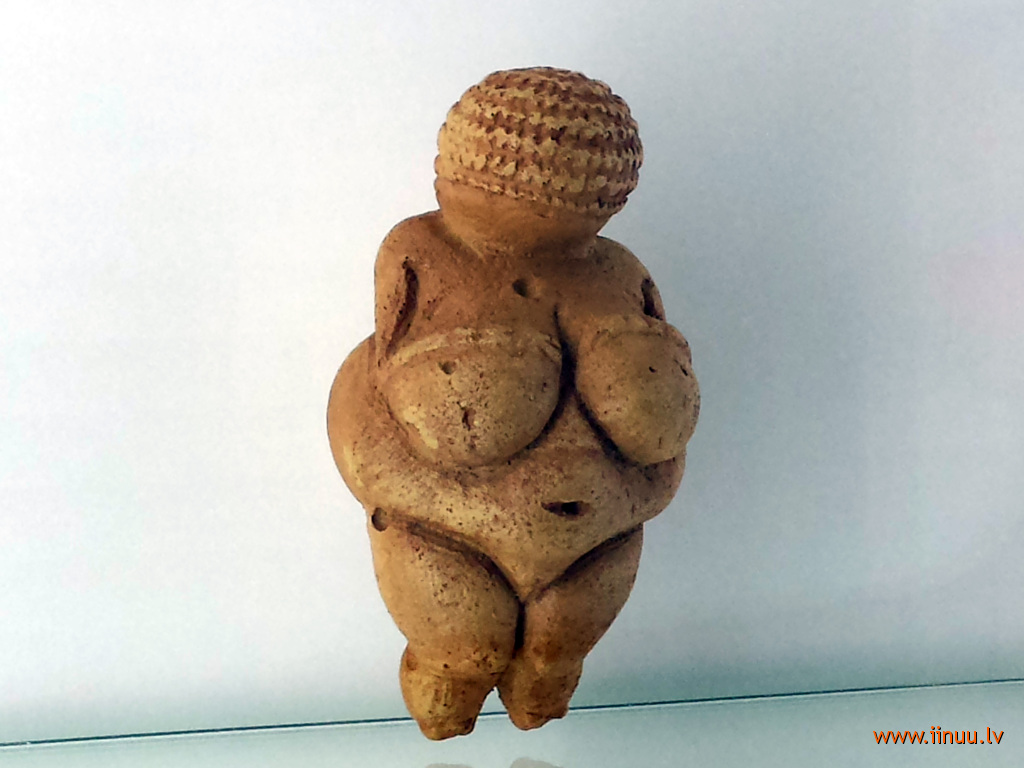
One could visit a recreated stone-age cave dwelling, and view a few valuable excavated finds from that period. On screen it showed how, using sharpened stone tools, one can successfully strip bark from a tree, and what a family living in one of the caves may have looked like.
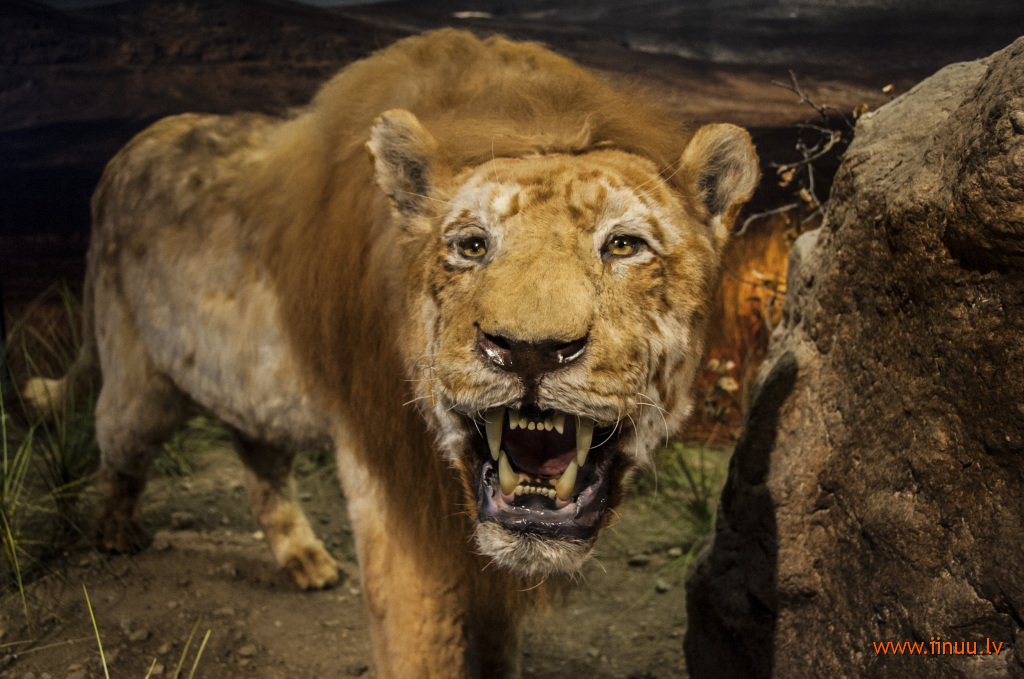
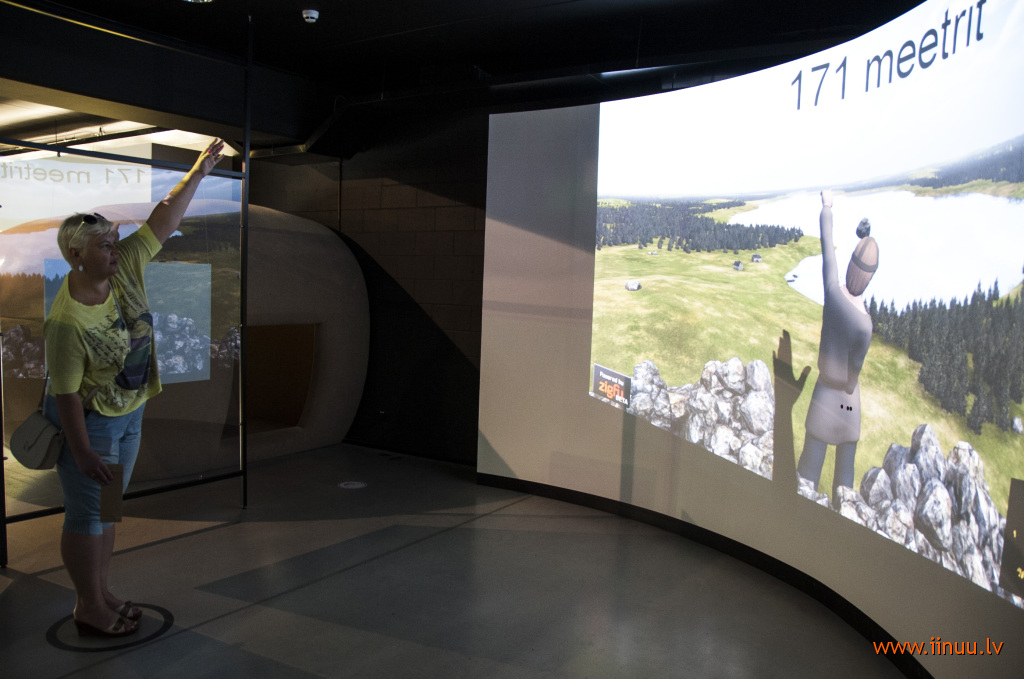
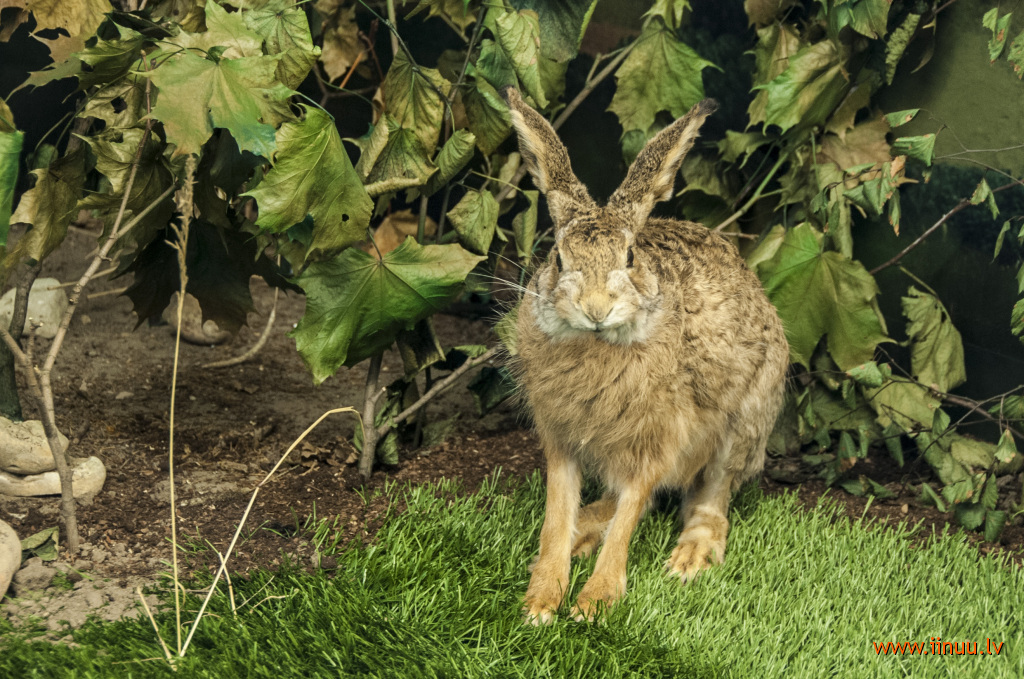
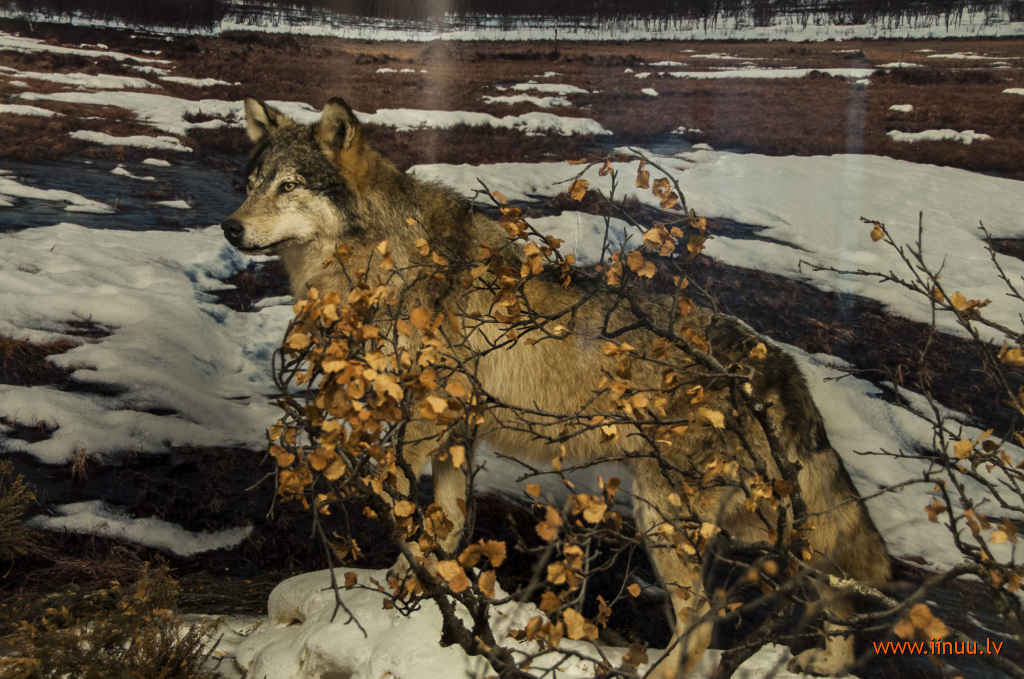
On the second floor there is a large taxidermy exhibition - birds, a beaver, hares, a wolf, a fox, an elk, and others. One can listen to the calls of various birds, stroke the fur of various forest animals, examine different types of rock and soil strata. Moreover, one of the rooms had an interesting simulator where you stand in a marked centre and, using hand movements, can hurl virtual stones. The pastimes of our ancestors.
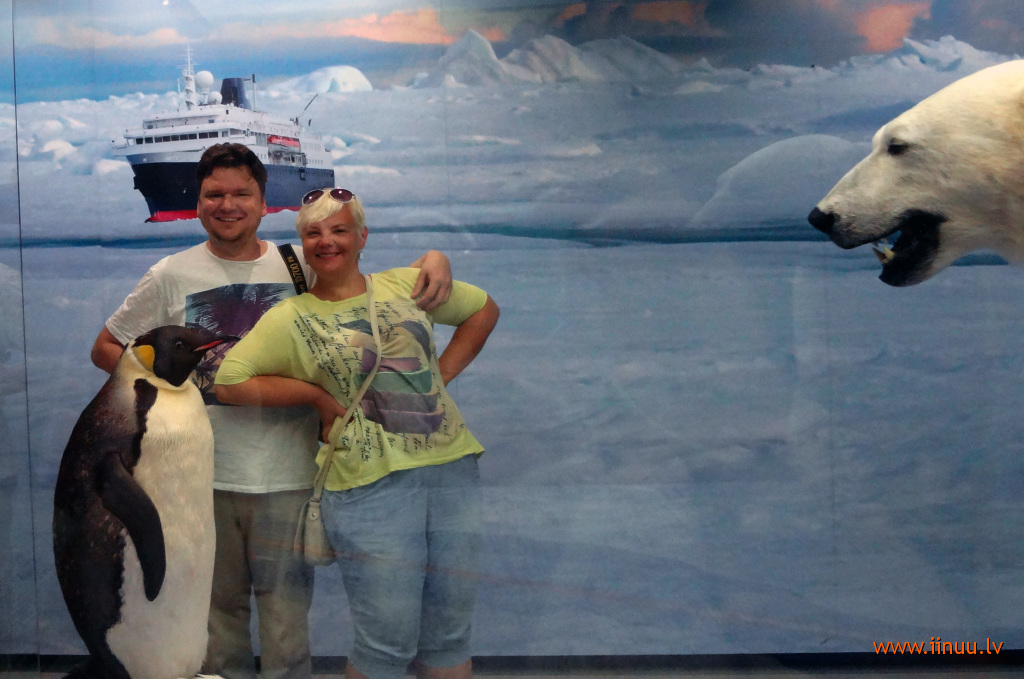
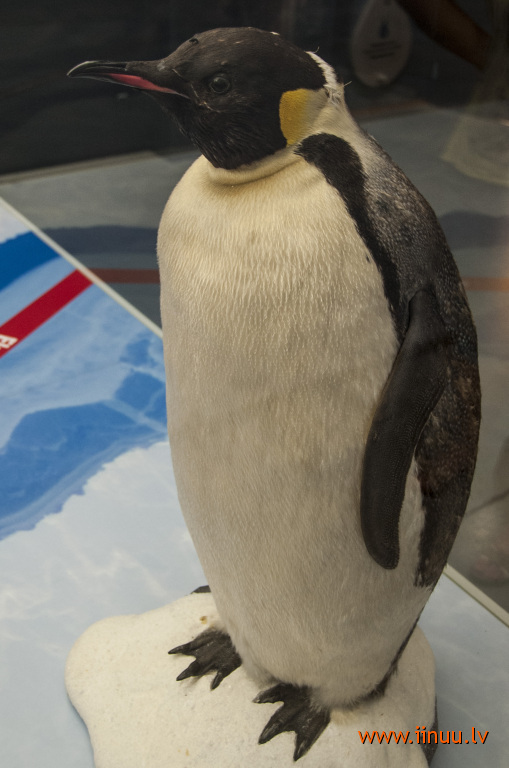
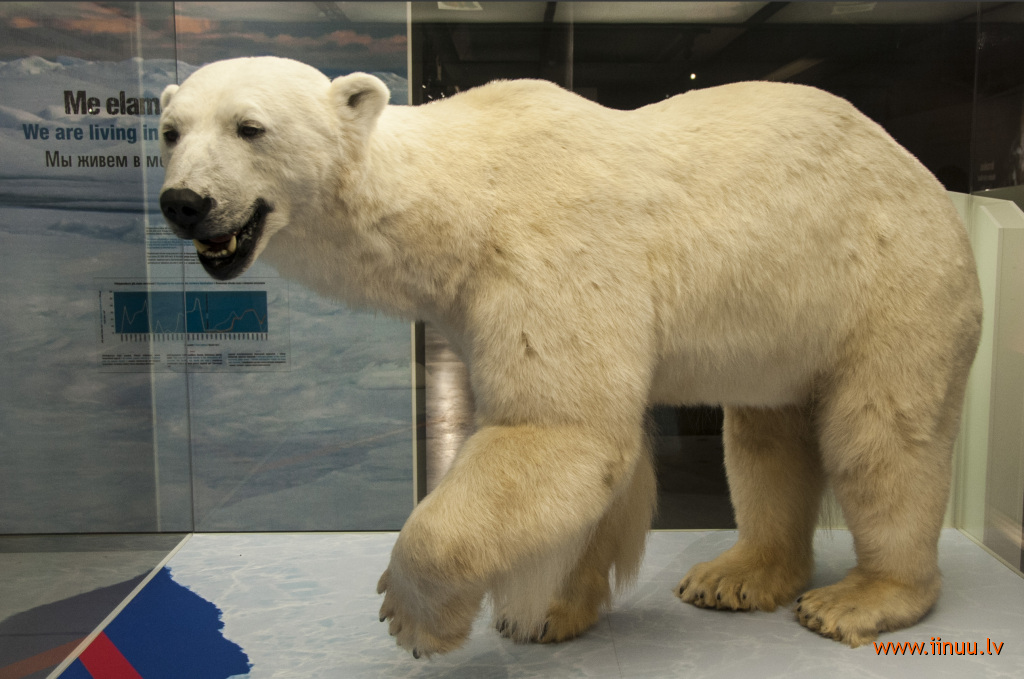
The third floor is dedicated primarily to ecological problems and human-caused pollution. A rather unattractive picture is vividly painted of what awaits humanity in 2050 - floods, wildfires, smog, and other calamities. However, one of the displays in this exhibition was particularly endearing - a white polar bear and an emperor penguin taxidermy specimen. And so, in a manner of speaking, we paid a little visit to Antarctica (using our imaginations rather liberally).
A visit is worthwhile, especially for families with children, for whom there is a great deal of interactive content - and everything that is not behind glass can be freely touched, turned, felt, smelled, and listened to. Not quite as impressive as the AHHAA Science Centre, but informative enough. Open every day from 11:00 to 18:00; adult ticket 7 EUR, children 4 EUR, free car parking. Coordinates of the Ice Age Centre: 58°31'33''N 26°40'34''E [map]
comments