Lithuania, Aukštaitija Region
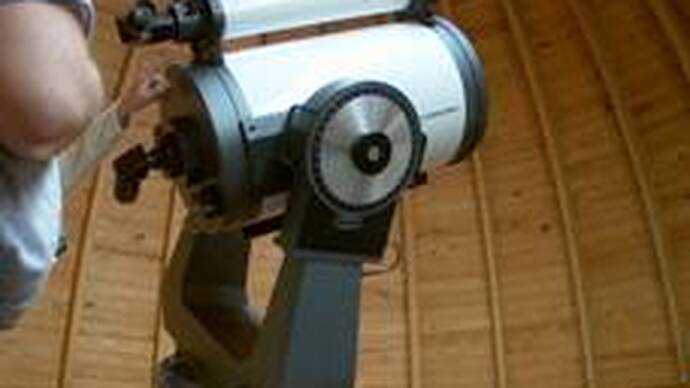
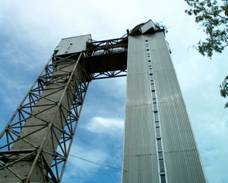
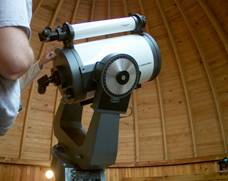
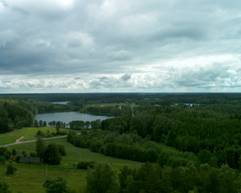
The Molėtai Observatory. A 40 m tall tower with a telescope room. At the top on the footbridge, with the naked eye in good weather one can see within a 30 km radius. In the basement an ethnocosmology museum, established only in 1990. The museum's collections include ancient calendars, audio and video materials about the interaction between humanity and the Universe. Here one can also see a star being born.
Aukštaitija - the largest of Lithuania's 5 regions. Nowadays the name Aukštaitija has come to encompass 2 cultural-historical regions - Western Aukštaitija with its centre in Panevėžys and Eastern Aukštaitija with its centre in Utena. The basis of this division is the Lithuanian language dialect, and over time differences have also become established in traditions, folk crafts, architecture, and elsewhere. Aukštaitija is rich in lakes and in nature resembles Latgale.
 (1)
(1)
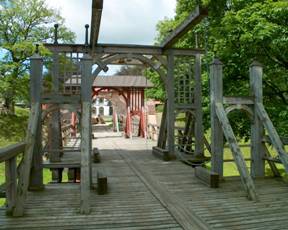
(1) A wooden bridge leading to Biržai Castle
 (2)
(2)  (3)
(3)
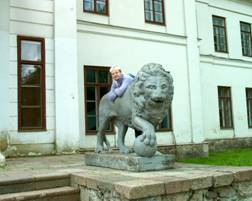
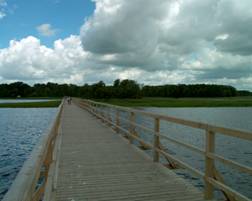
(2) Astravo Palace. (3) Wooden bridge 52.5 m long, 2.45 m wide.
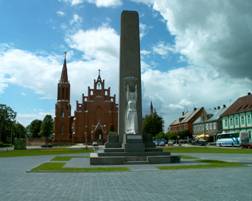 (4)
(4) 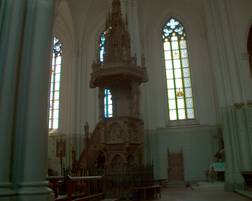 (5)
(5)
Rokiškis (transl. Rabbit Hunter). (4) Monument to freedom fighters. (5) Church with stained glass windows. The pulpit is a treasure of the church.
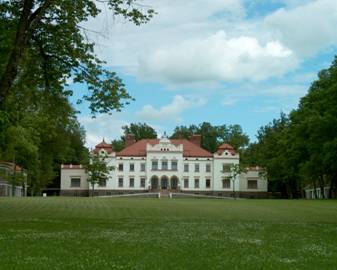 (6)
(6)
(6) Rokiškis Palace. Witches' Museum.
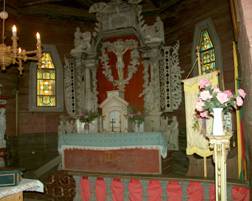 (7)
(7) 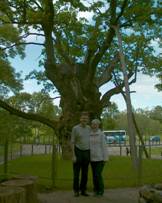 (8)
(8)
Stelmužė - 1.5 km from the Latvian border. (7) 17th century wooden church with unique wood carvings. (8) Lithuania's largest oak tree - 11 m in circumference.
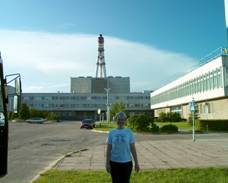 (9)
(9) 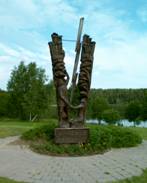 (10)
(10)
Ignalina. (9) Nuclear reactor. (10) Monument to the cursed love between a German prisoner Ignalas and a Lithuanian farmer's daughter Lina. Both were slaughtered on their wedding day. As punishment the god Perkūnas submerged the palace of Paplovinis in the lake.
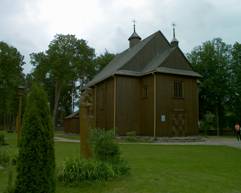 (11)
(11) 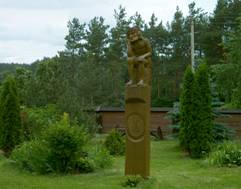 (12)
(12)
(11) Wooden church by Lake Palūšė. This church was built by a certain pastor who used only an axe as his sole construction tool. (12) The Seated Christ - the Son of God depicted as human and earthly, just as tired from the day's burden as a Lithuanian peasant.
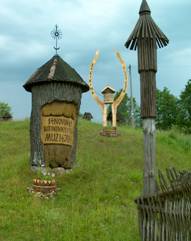 (13)
(13) 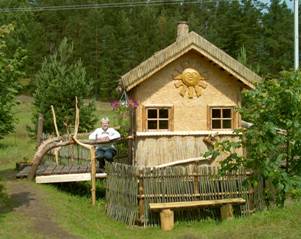 (14)
(14)
(13–14) Beekeeping Museum. Located within the territory of Aukštaitija National Park, in the Ignalina district. Open to visitors since 1984. The exhibition consists of numerous wooden sculptures, beehives with hundreds of buzzing inhabitants, and beekeeping equipment. Honey can also be purchased here. The apiary's keeper told us - to collect one spoonful of honey, 200 bees work an entire day.
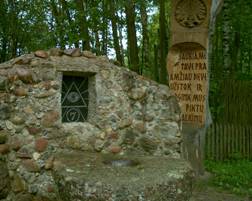 (15)
(15)  (16)
(16)
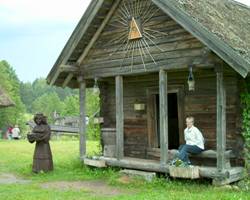
(15–16) The ever-present all-seeing Eye of God, guardian of nature's harmony.
 (17)
(17)  (18)
(18)
(17–19) Molėtai Observatory. A 40 m tall tower with a telescope room. At the top on the footbridge, with the naked eye in good weather one can see within a 30 km radius.
 (19)
(19)  (20)
(20)
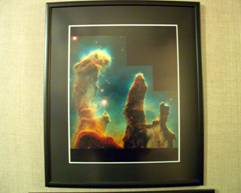
In the basement an ethnocosmology museum, established only in 1990. The museum's collections include ancient calendars, audio and video materials about the interaction between humanity and the Universe. (20) Here one can also see a star being born.
comments