Midsummer Days in Latgale
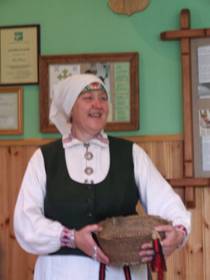
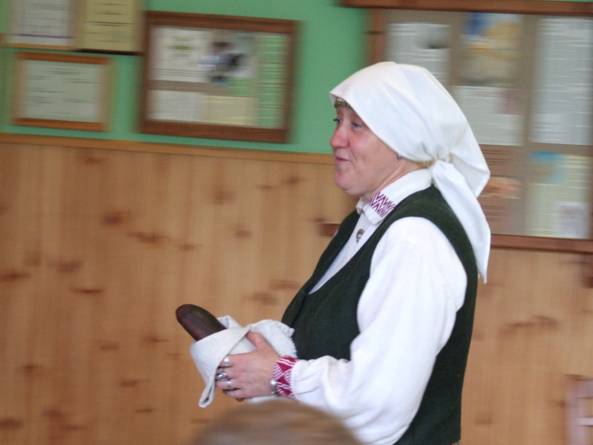
On the way to Aglona Basilica we discovered and visited the Bread Museum, where the hostess welcomed everyone in a Latgalian folk costume, with folk songs and a speech. I must say that the museum's founder and bakery manager Vija is a very charismatic, energetic Latgalian woman who is herself this museum. It is precisely her storytelling and personality (not the exhibition itself) that lures hundreds of tourists to visit her home each summer.
The sunshine and warm weather on Midsummer Eve and St. John's Day indulged us this year, so alongside the traditional gatherings around the bonfire, barbecuing, beer drinking, and singing, there was also a little excursion around the eastern edge of Latgale.
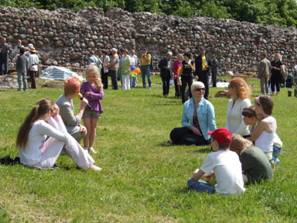
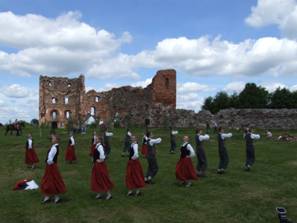
21 June we visited the Great Latgalian Market held at Ludza Hill Fort. The event was organised by custodians of Latgalian and ancient crafts heritage from the Ludza Crafts Centre, Ēriks and Līga Kondrāti (about them you can read at http://www.diena.lv/lat/dzive/attiecibas/ludza-svetki-viena-gabala).
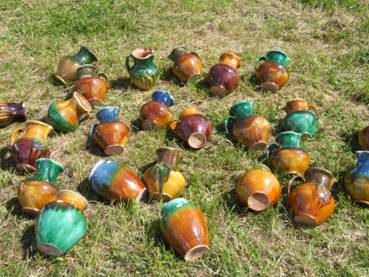
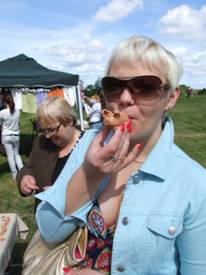
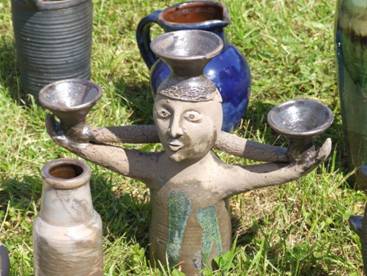
Here there were all manner of ceramic pieces - vases, pots, candlesticks, and the like. A wide selection of unglazed clay whistles, among which I was particularly taken by one - a charming little pig into whose tail you can blow.
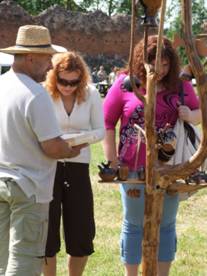
Wood carvers, weavers, and blacksmiths were also selling their creations, the latter demonstrating their craft in person.
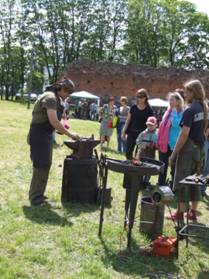
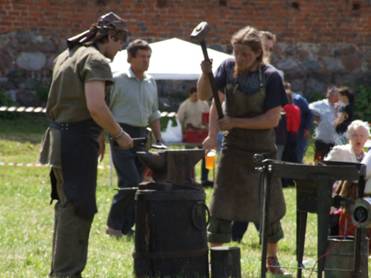
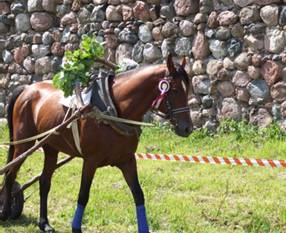
While the older market visitors observed the craftsmen's dexterity, the younger ones crowded mainly around the vendors selling various animals. There were white goats, ferrets, and horses. A sizable queue had formed of those wanting a ride either in a carriage or on horseback.
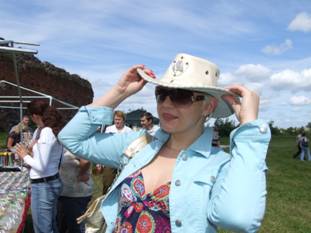
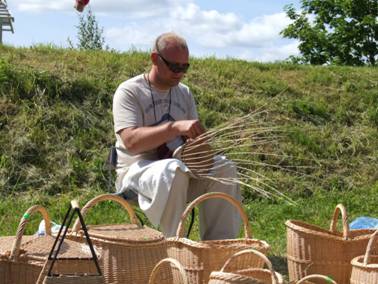
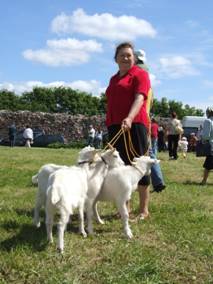
Latgalian folk songs also rang out, and the Pušmucovas dance ensemble delighted the audience with several folk dances. Young and old could also join in games right there in the middle of the hill fort.
22 June we set off on a drive towards Rāzna. Along the way we stopped at small wooden churches that still hold together small rural congregations and have preserved their original charm. The dark red Brodaižu St. John the Baptist Orthodox Church in Pilda parish. The church was built by the estate owner Vercengofs in 1751 on the site of a former chapel; a rebuilding was carried out in 1832. In the 16×6×10 m church the walls are built from thick logs. Although the doors were closed on that day, it is said that the ancient icon paintings inside are impressive and count among the oldest in Latgale.
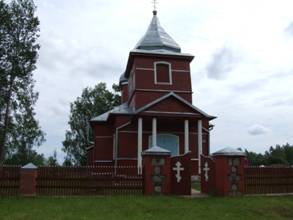
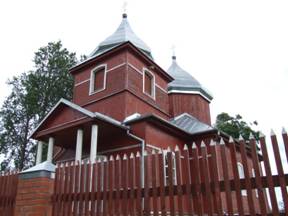
Zosna St. Archangel Michael Roman Catholic Church is located very close to the shores of the beautiful Lake Rāzna. The church was built in 1800 through popular donations. The log structure was made using only an axe, with hand-forged nails. Later the building was clad with planks and painted. In 1882 a choir room and a small tower were added, decorated with a wrought iron cross. The church doors are locked with a key that is said to be about 100 years old. To the left of the church there is a small tower with an ancient copper bell. The church gateway is an arch-shaped structure with three small towers. It is believed that some of the paintings and ritual objects are 50 years older than the church itself, having been brought from the demolished Regži church. The church has 3 altars. The central one is dedicated to Guardian Angel Michael.
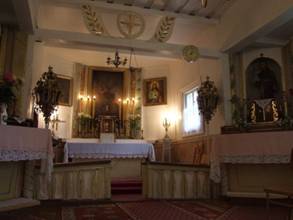
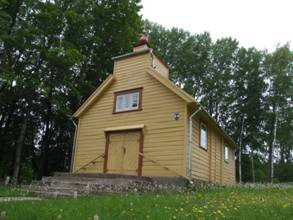
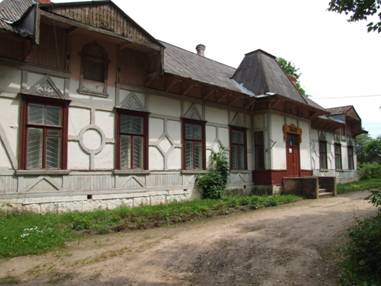
Thanks to the care of a woman living in the adjacent house, who unlocked the church doors especially for us, we were able to enjoy the church's pleasant coolness and tranquillity on the hot day. Quite nearby, on the shore of the lake, can be found the Zosna manor house, which now houses a library and a school.
The refreshment for eyes and soul is, of course, Lake Rāzna itself - by surface area (57.564 km²) the second largest lake in Latvia, and by volume the largest. In short, the local Latgalian sea.
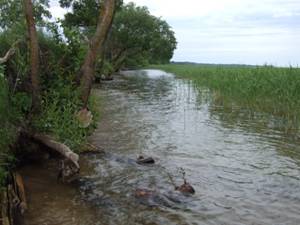
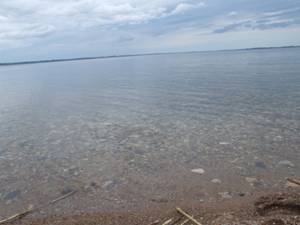
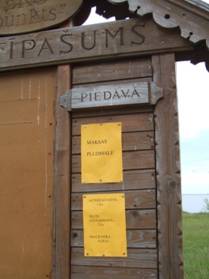
A popular spot for recreation and swimming, and for others a place to spend money. The price list is one that even Jūrmala's organised bathing areas could only dream of.
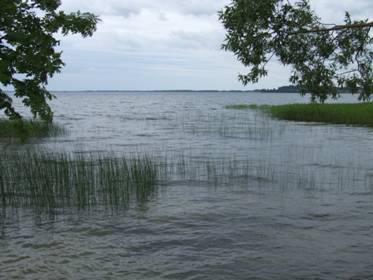
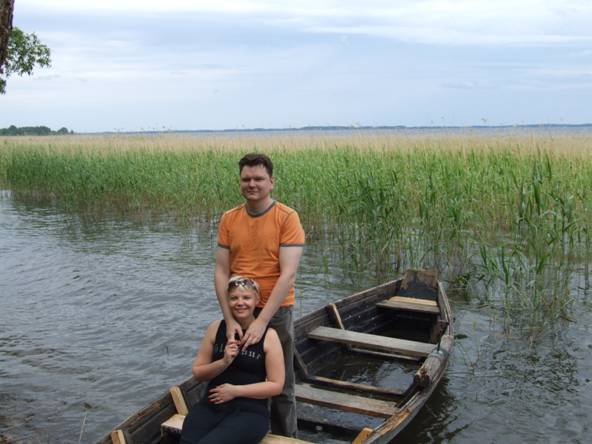
The lake has 10 larger and smaller islands. Two more pronounced bays - Zosnasgals and Dūkstgals. Picturesque inlets with reed beds and willows leaning over the banks. The expanse is difficult to describe in words - one must go and experience it!
In fact, our planned final destination was Aglona with its famous basilica, but on the way we discovered and visited the Bread Museum, where the hostess Vija Ancāne welcomed everyone in a Latgalian folk costume, with Latgalian folk songs and a Latgalian-dialect address.
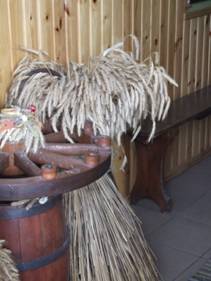
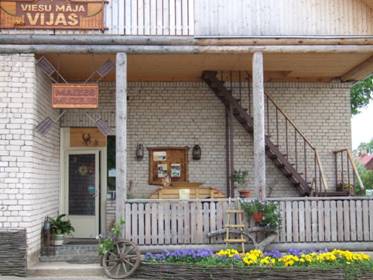
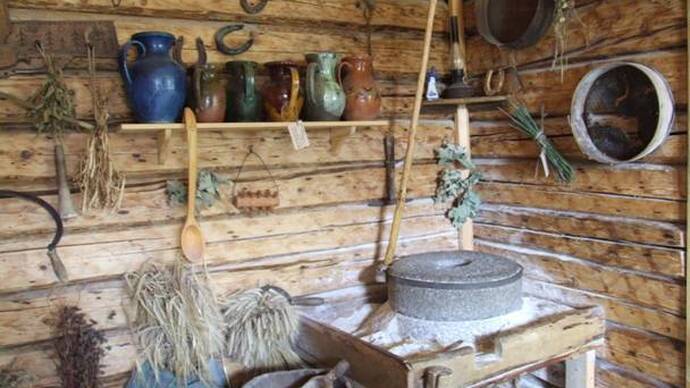
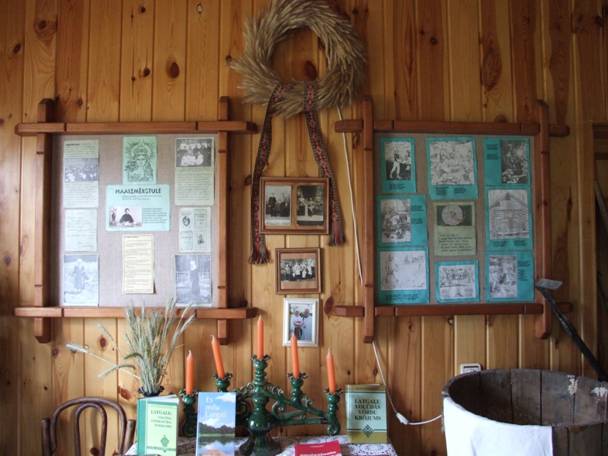
I must say the entire museum consists of one sizeable room in which are gathered various grain processing and bread baking tools, household objects, crockery, and Latgalian poetry books and vocabulary collections.
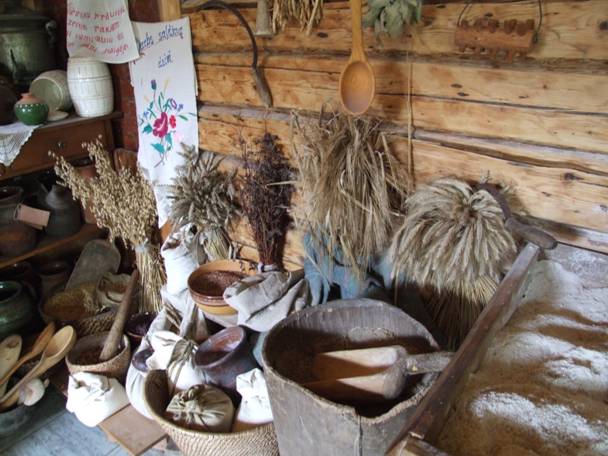
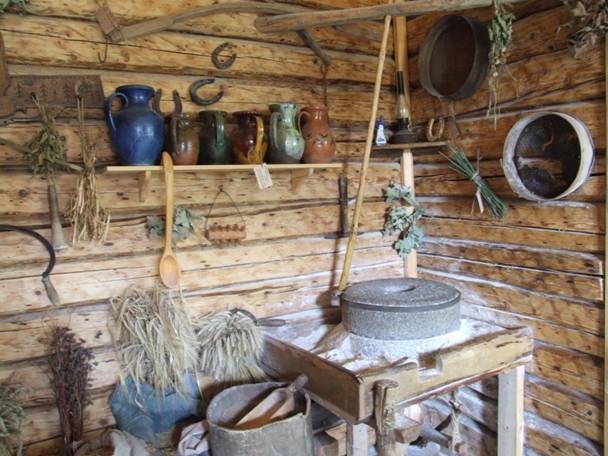
From the hostess's passionate storytelling we learned that this house formerly housed a school, which was once run by the Latgalian poetess Neaizmērstule. A small memorial corner dedicated to her is also here.
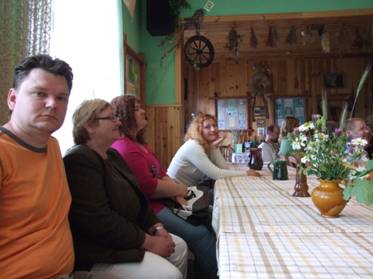
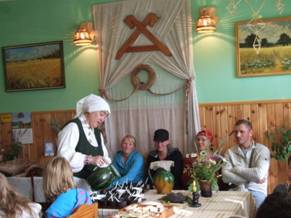
I must say that the museum's founder and bakery manager Vija is a very charismatic, energetic Latgalian woman who is herself this museum. It is precisely her storytelling and personality (not even the exhibition itself) that lures hundreds of tourists to visit her home each summer from near and far. That day the storytelling was also listened to by Latvian schoolchildren from Australia, Canada, and the USA alongside us. Vija's story struck a deeply emotional, patriotic, and family chord, so that half of those present had genuine tears in their eyes. The impression - if Latvia had half a dozen such Vijas, the Latvian spirit, and the Latgalian spirit, would never perish. Energy and vitality shone from her in every way.
But here one could not only listen but also taste everything - starting from the grey rye grain and the sourdough starter right through to a warm rye loaf freshly pulled from the oven.
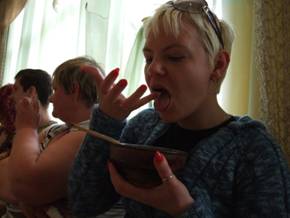
If at first we hesitated whether we wanted to pay Ls 2.50 for a ticket that promised essentially one hour of storytelling, then at the end, when we actually came forward to pay, we felt genuine satisfaction from what we had heard and tasted. And that is not all - Vija is also the founder of Latvia's (and not only Latvia's) "Vijas" organisation, which brings together all women who share the name. On the upper floor there is a small guesthouse for travellers to stay. At the end of the house there is a shop where freshly baked bread can be purchased. About this place - www.aglonasmaize.viss.lv
Aglona Basilica is usually associated with 15 August, when most Catholics make their way to the celebrations of the Feast of the Assumption of the Blessed Virgin Mary. In fact, on that day the entire large square was empty, as was the church itself, save for three or four quiet worshippers. Perhaps that is even better - to visit the basilica on a non-feast day so as to avoid the exhausting crowds. (about the basilica - http://www.visitaglona.lv/index.php/component/content/article/76-dievnami-svtvietas/98-aglonas-bazilika)
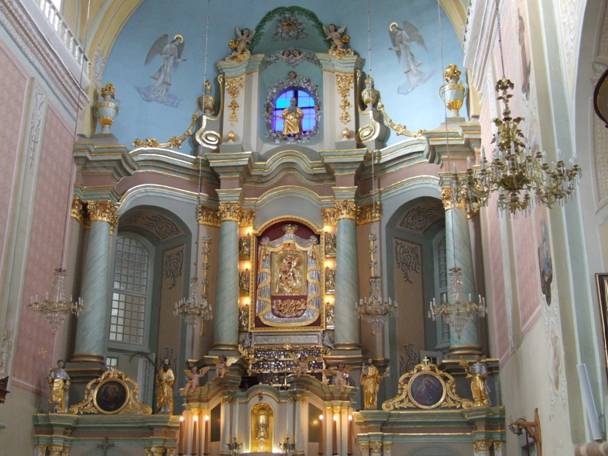
There we prayed at the altar of Mary, viewed a photo exhibition of Latvian churches, and descended into the crypt (the basement where Cardinal Julians Vaivods is buried). Quite nearby, thirst could be quenched with the ice-cold water of a holy spring.
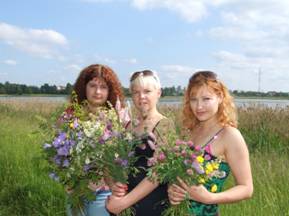
23 June the day was particularly hot. After a swim in Little Ludza Lake we went to gather Midsummer herbs and decorate the homestead.
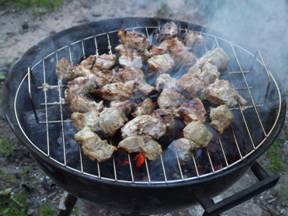
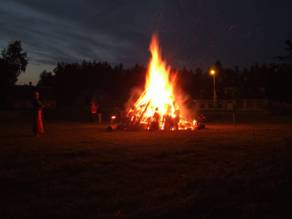
Then Latvia's now virtually "national dish" - barbecuing, singing Midsummer songs by the bonfire, and dancing at a country garden party.
Farewell now, St. John's Day,
Till the coming year;
The days will pass, the days will come,
Till we see you once again.
comments