The Tranquil Resort Town - Haapsalu, Estonia
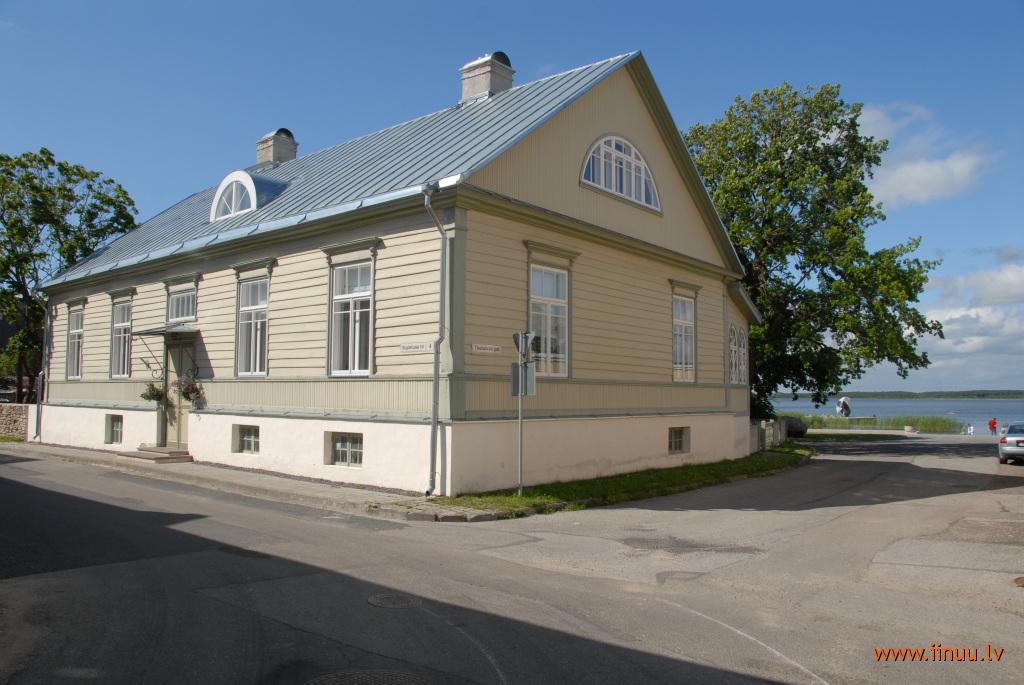
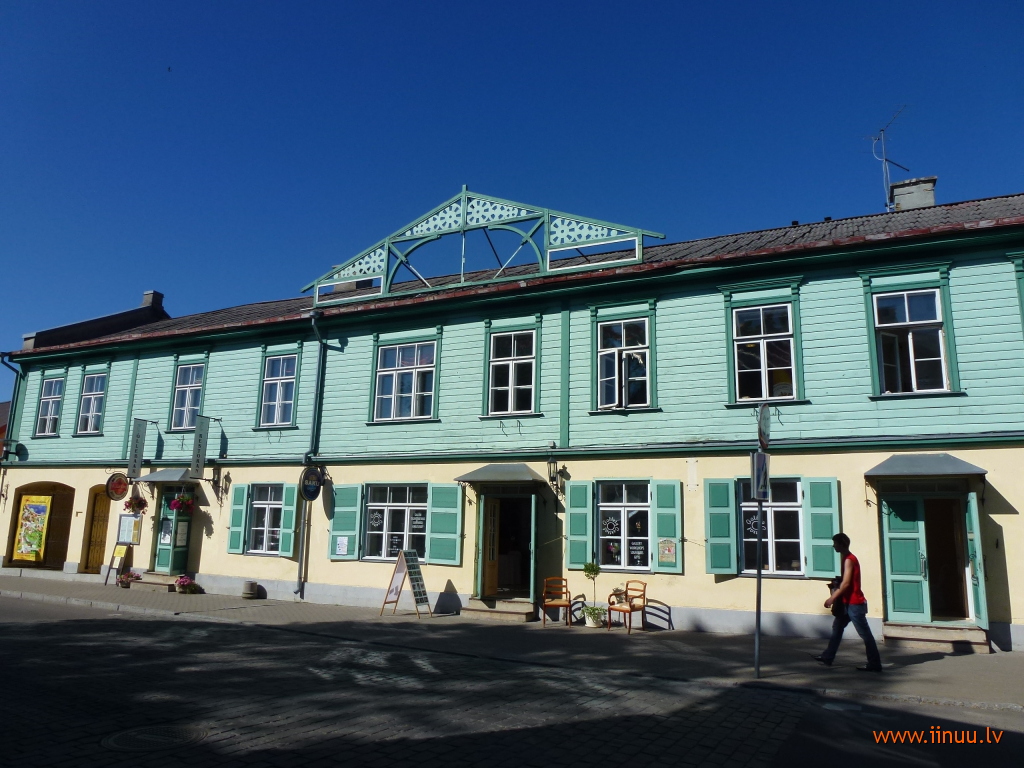
This time the destination of our trip through Estonia was a town on the western coast - Haapsalu. We chose it for its celebrated restorative atmosphere, beautiful old wooden architecture, and proximity to the sea.
This time the destination of our trip through Estonia was a town on the western coast - Haapsalu. We chose it for its celebrated restorative atmosphere, beautiful old wooden architecture, and proximity to the sea.
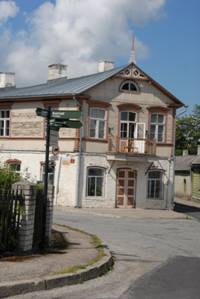
The town is ancient (since the 13th century) and small - it can be briskly walked from end to end in a single day. All life and activity is concentrated around one main street, Karja, which transitions into Posti mnt. At the junction of the two streets is the information centre, where we picked up a map for easier navigation.
Haapsalu is a decidedly Estonian town. Russian is practically never heard here. Many Finnish tourists, judging by the car number plates.
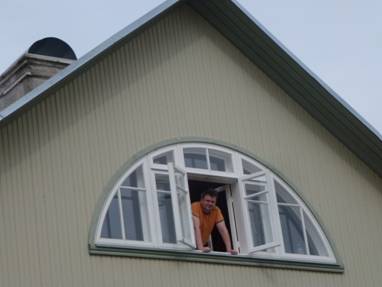
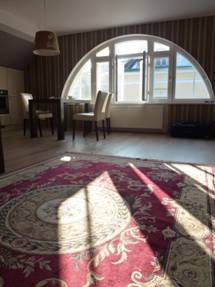
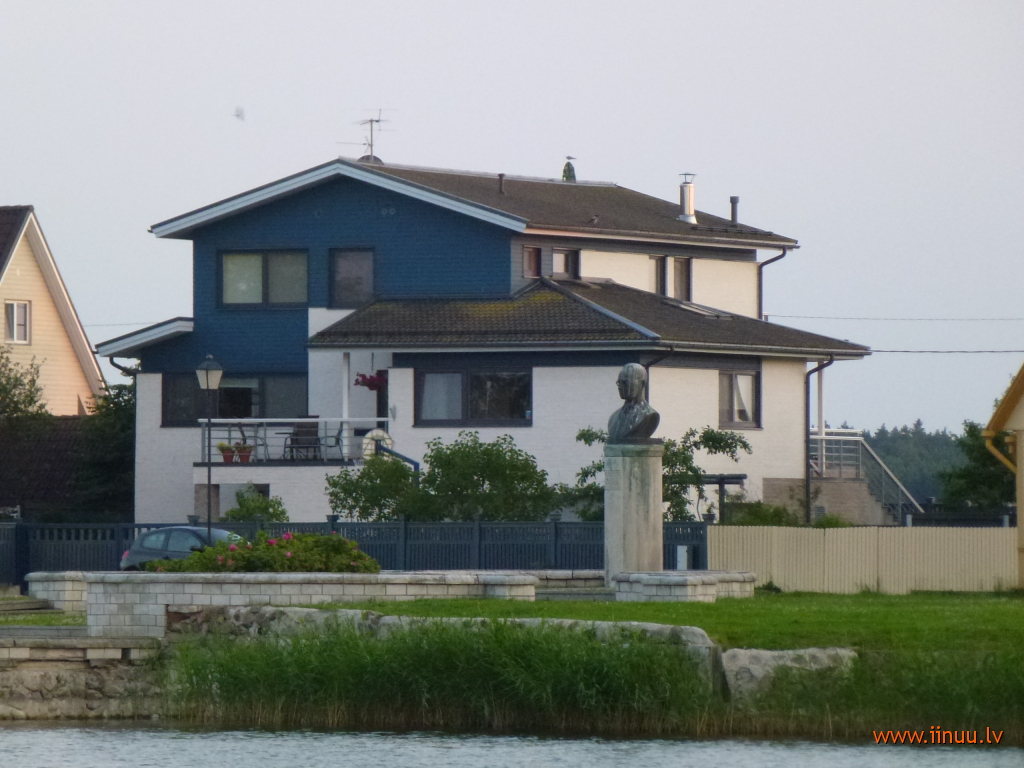
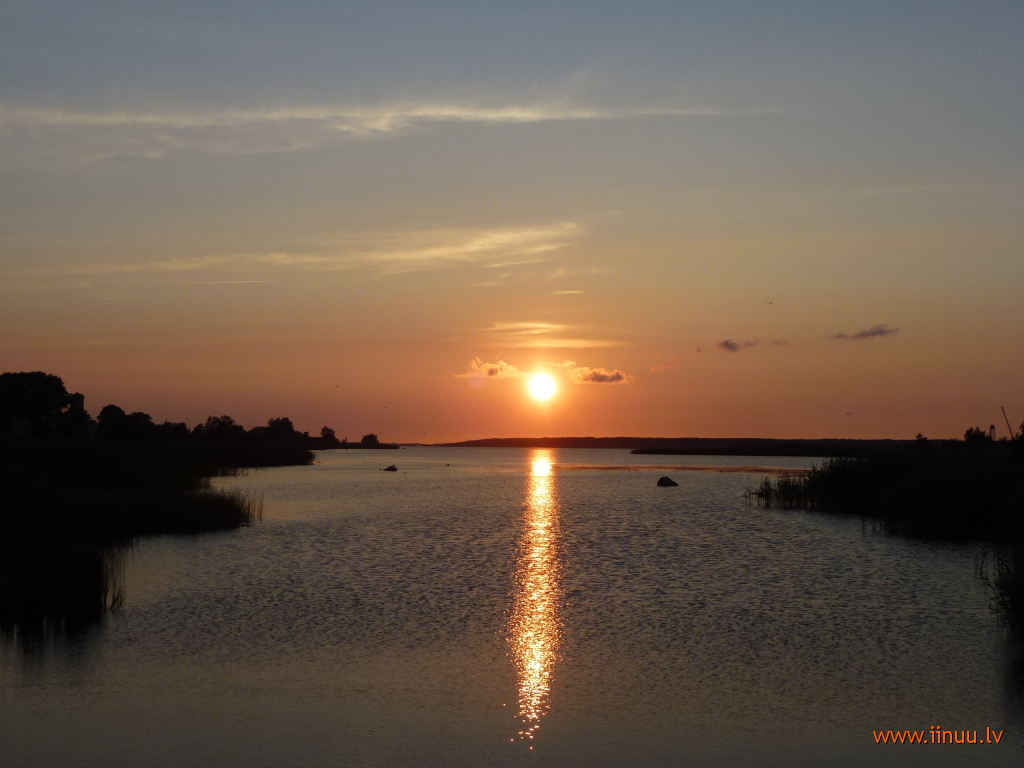
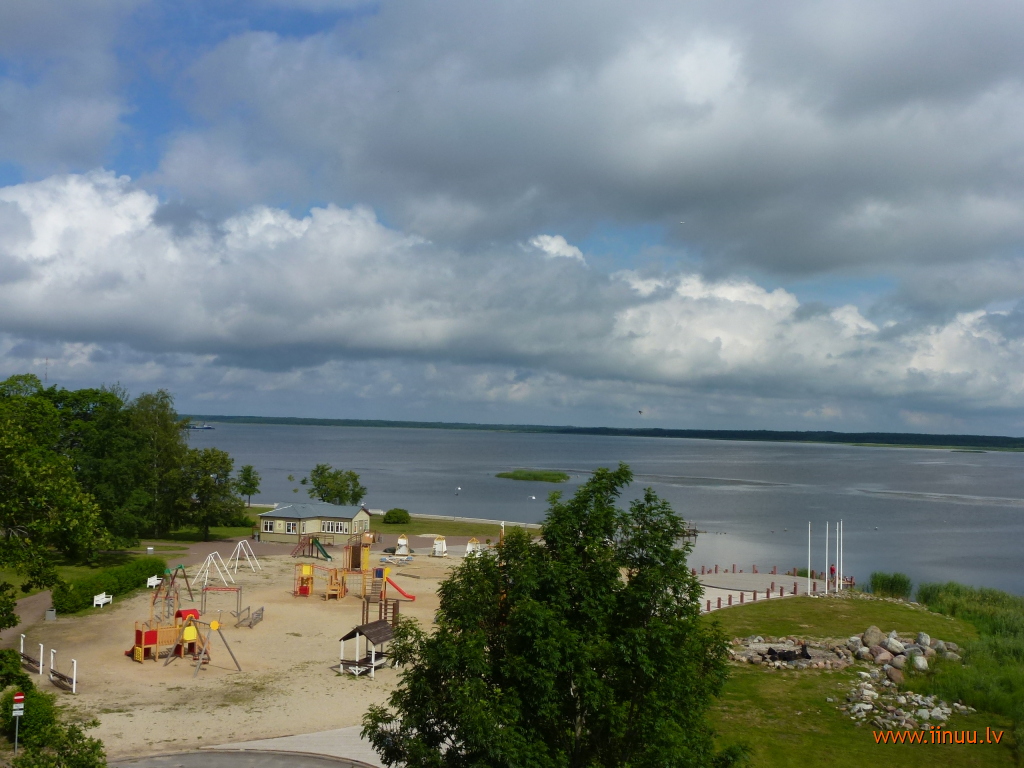
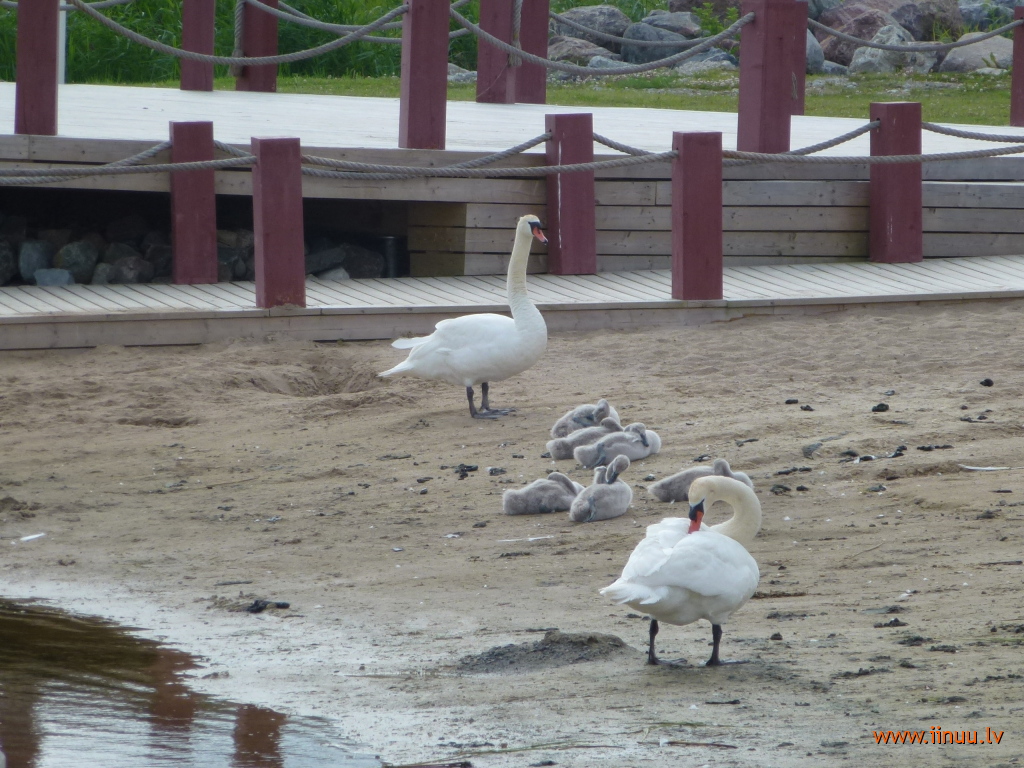
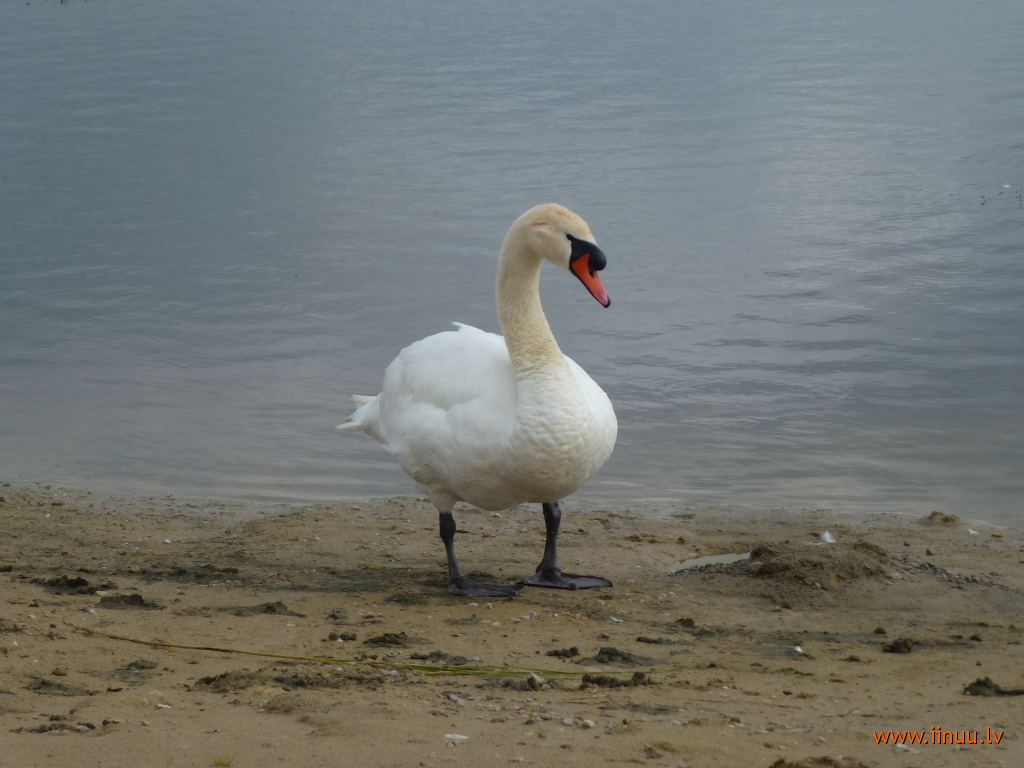
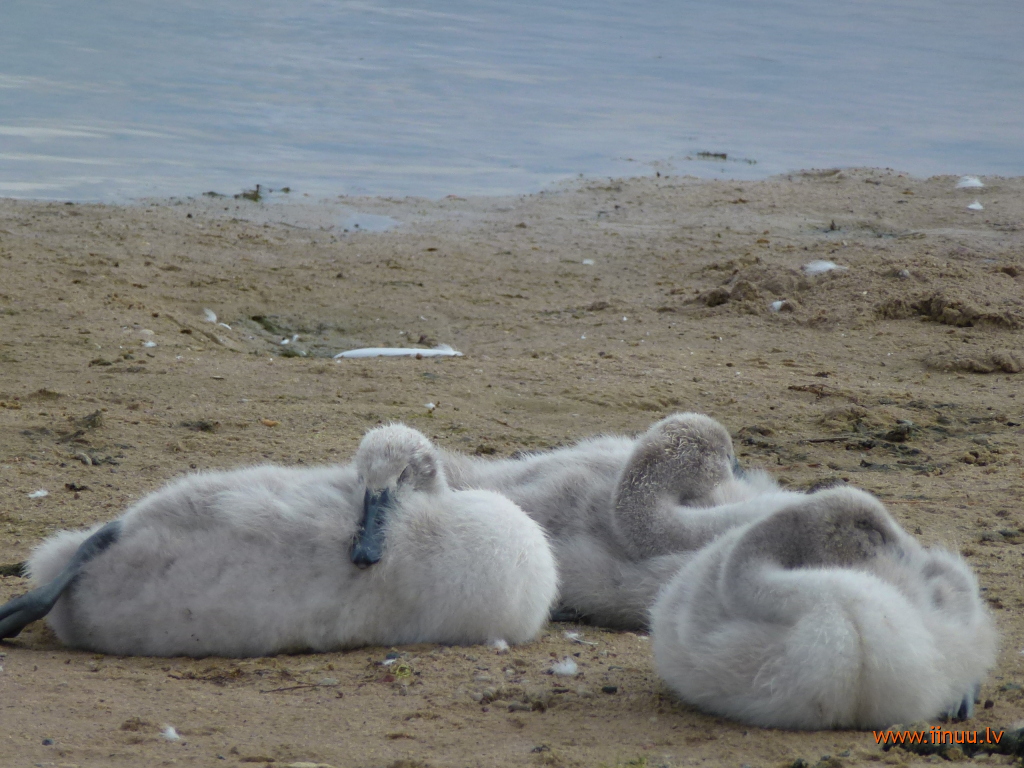
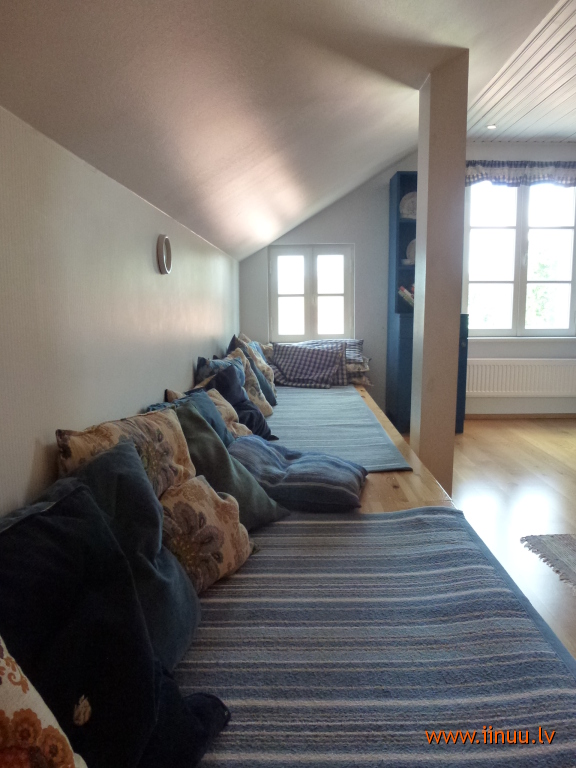
We stayed in a loft apartment in a wooden house (booked in advance via onlineluxuryapartments.com) on one of the land spits that extends quite far into the sea, next to the promenade with views over the old town and the bay waters. A place made for resting. Despite the season (midsummer, no less), crowds were noticeable neither in the town, nor in the outdoor cafés, nor on the town beaches - one of which (Africa Beach) was comfortably occupied by a swan family: two adults and six cygnets.
What to see?
Haapsalu Promenade
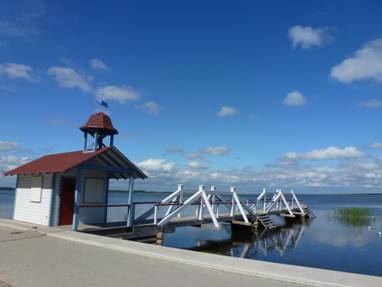
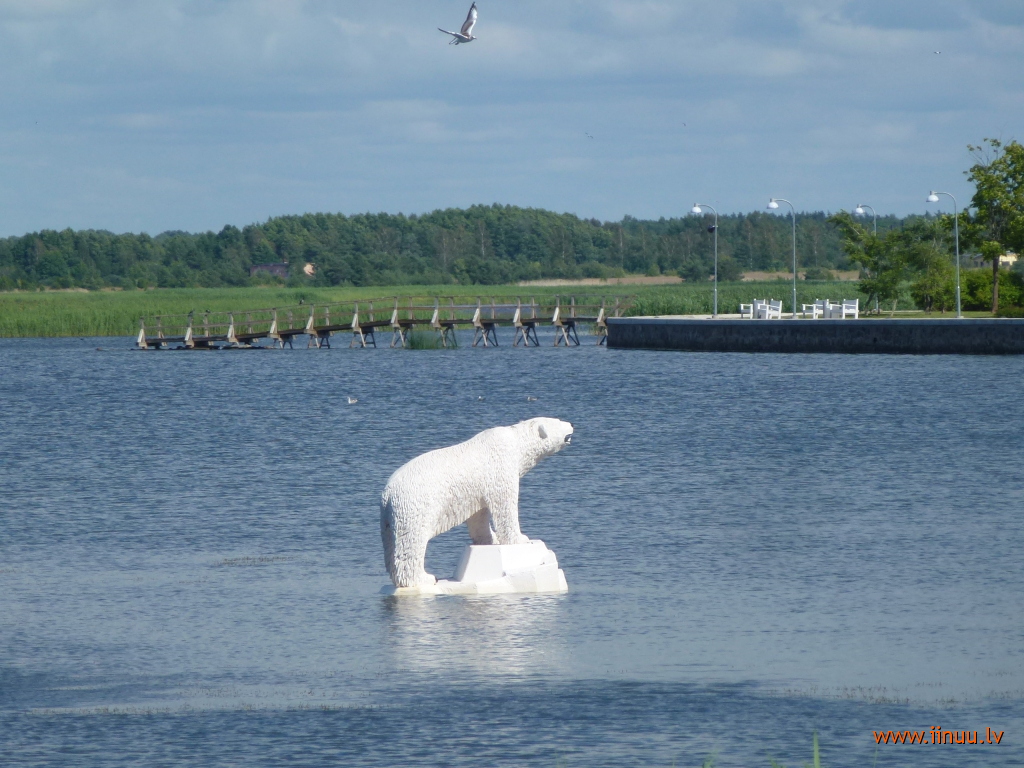
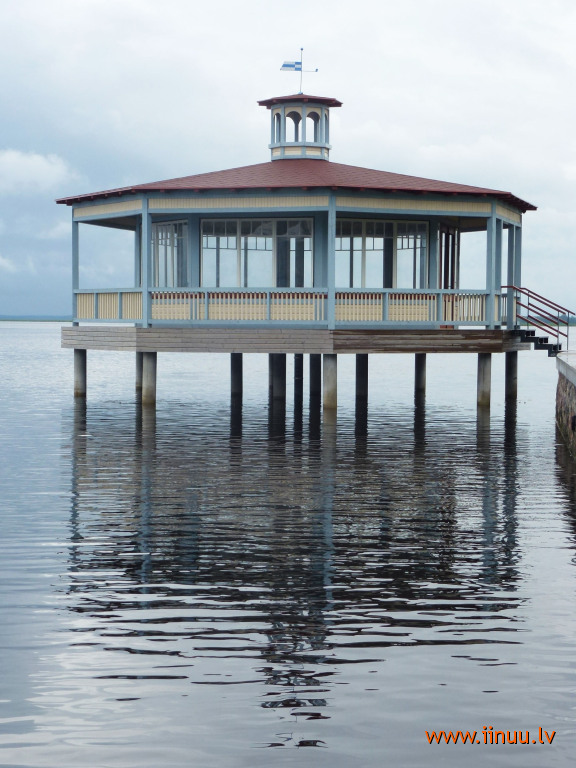
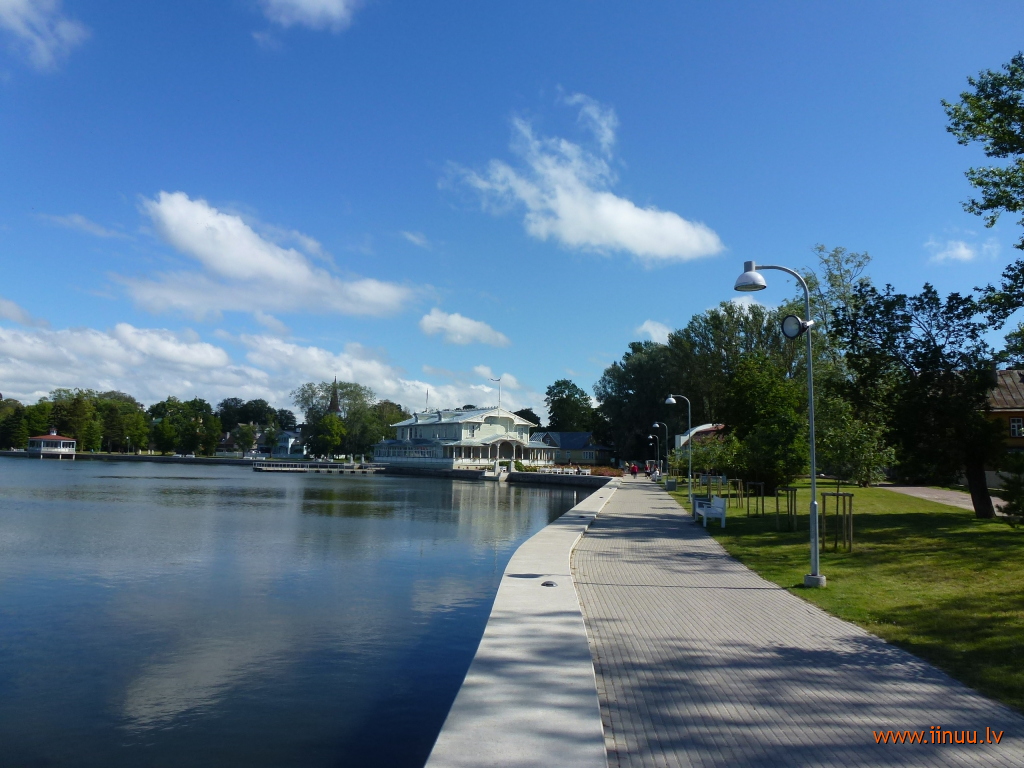
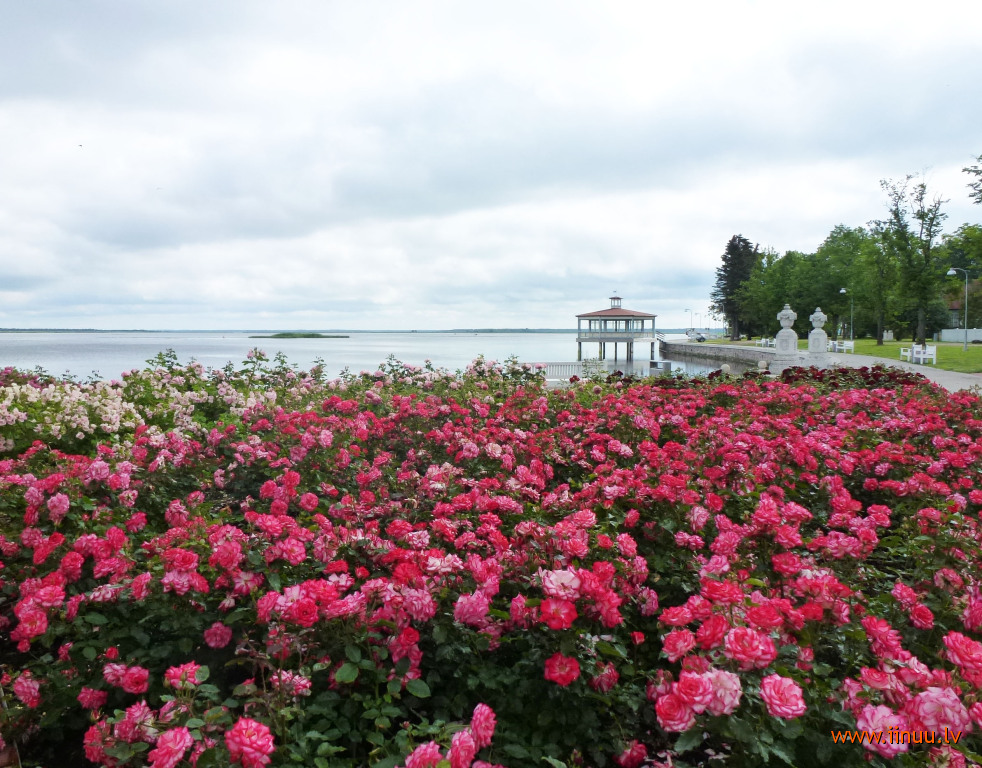
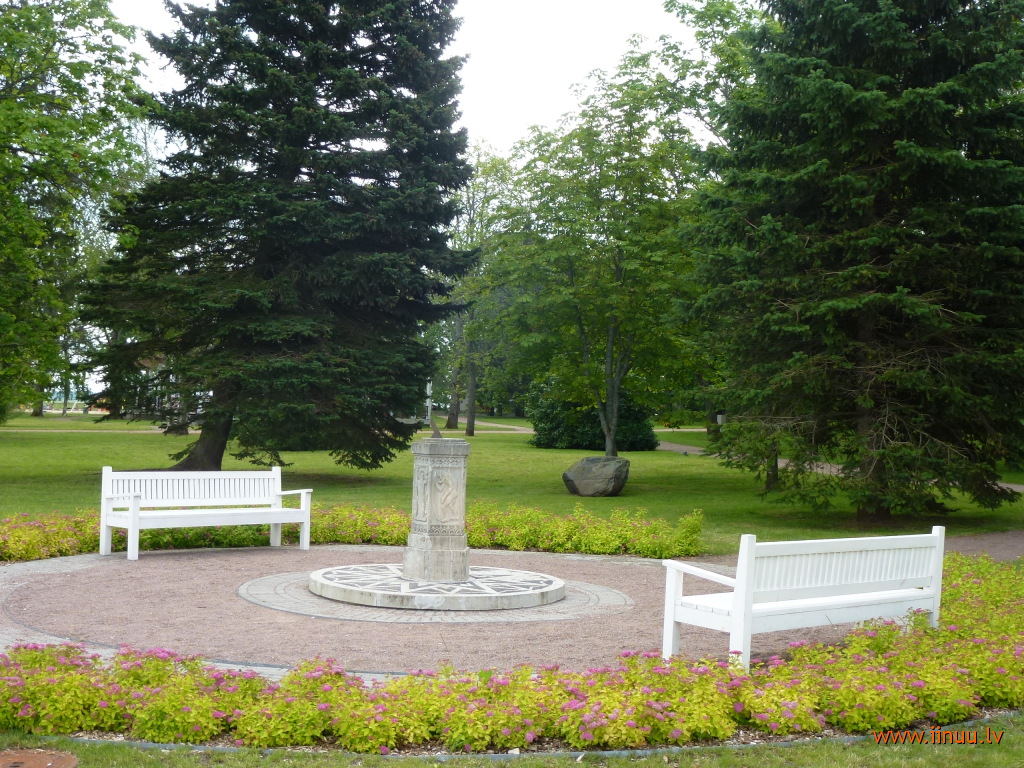
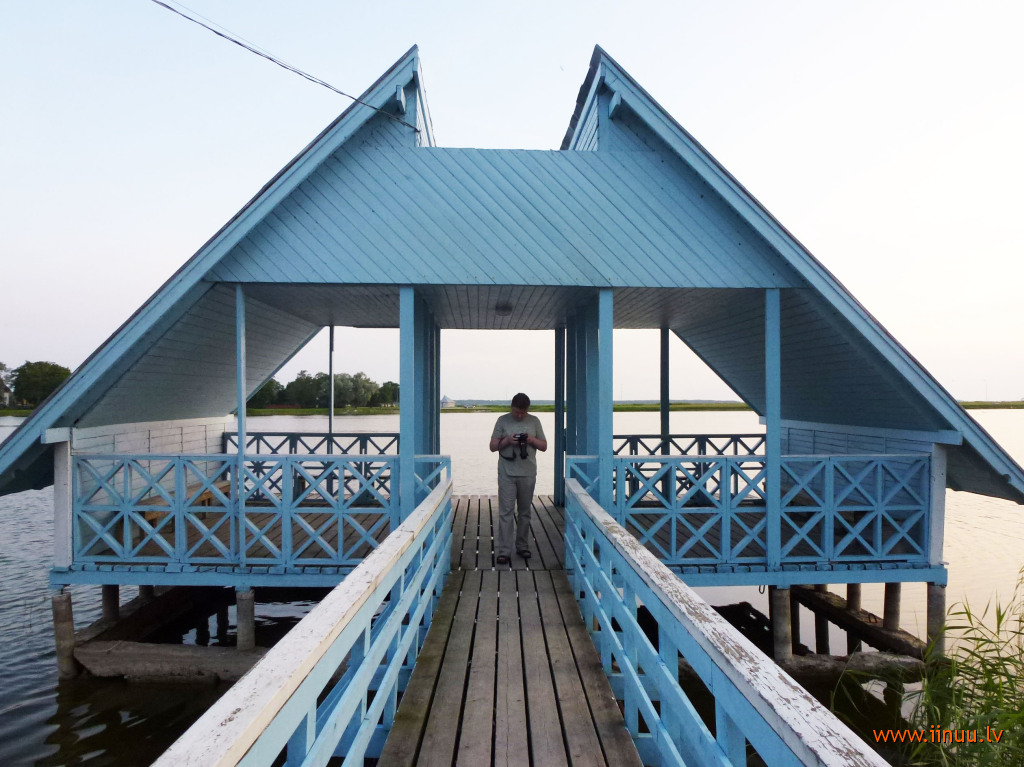
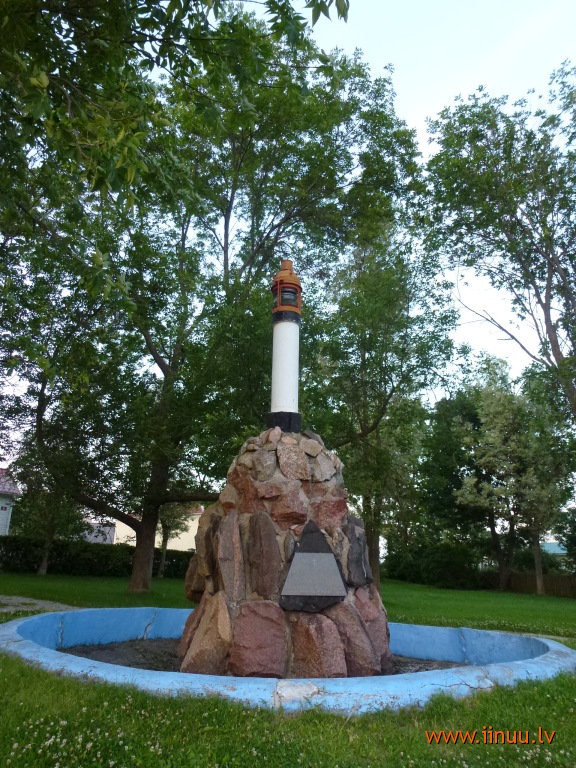
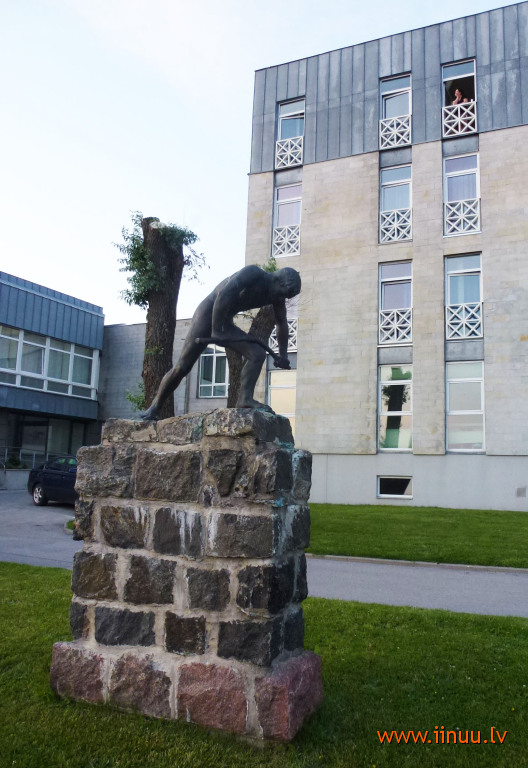
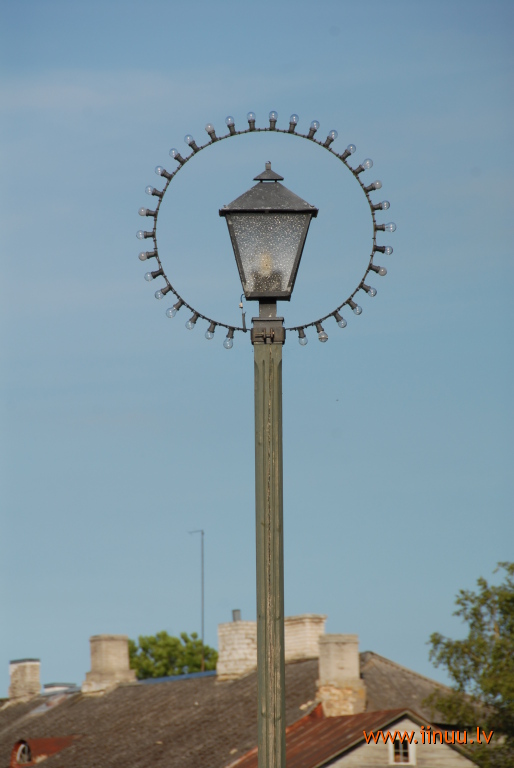
A magnificent place for an early morning stroll in the first golden light of day and an evening walk lit by lanterns. The air is fantastic. Silence, space, and sea. Decorative jetties and little wooden houses over the water. White-painted benches at regular intervals along the full length of the promenade. Sculptures, a sundial, a fountain.
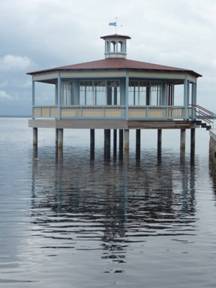
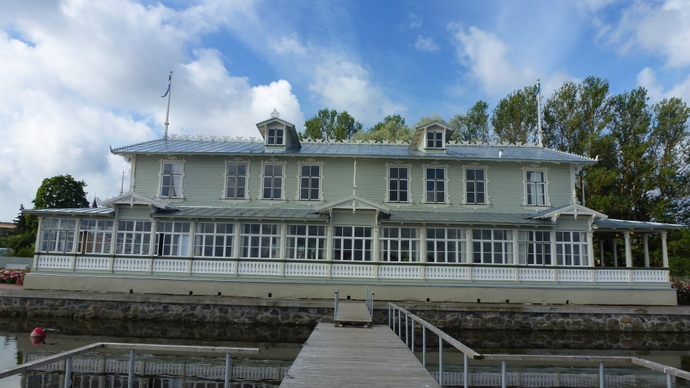
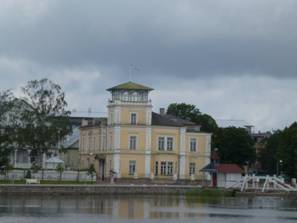
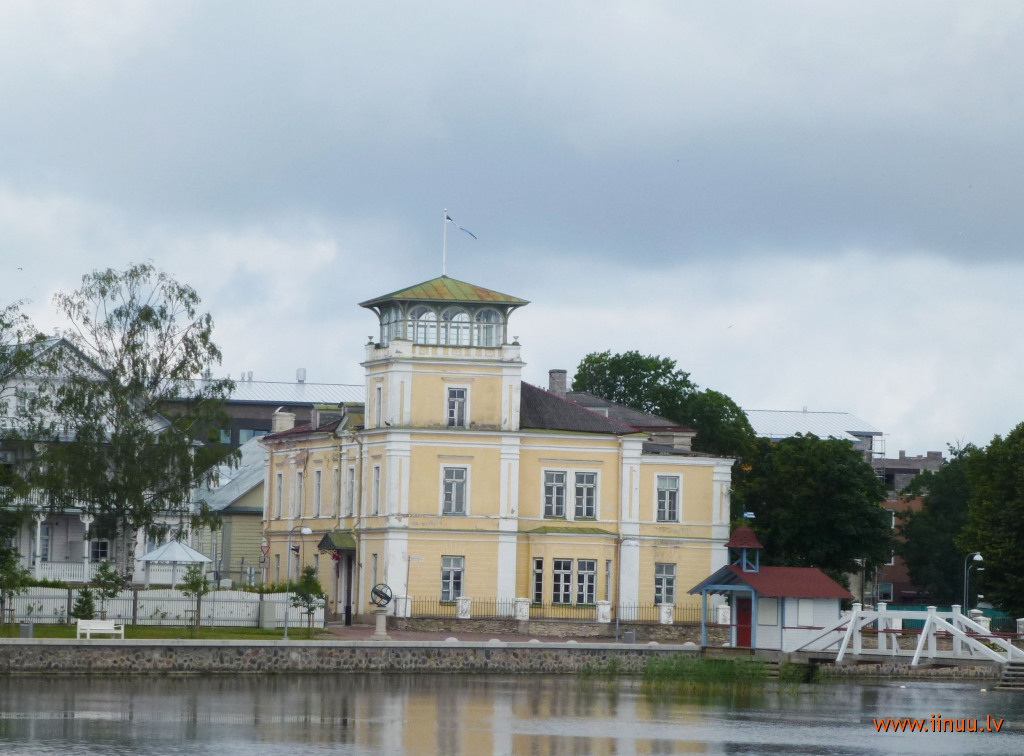
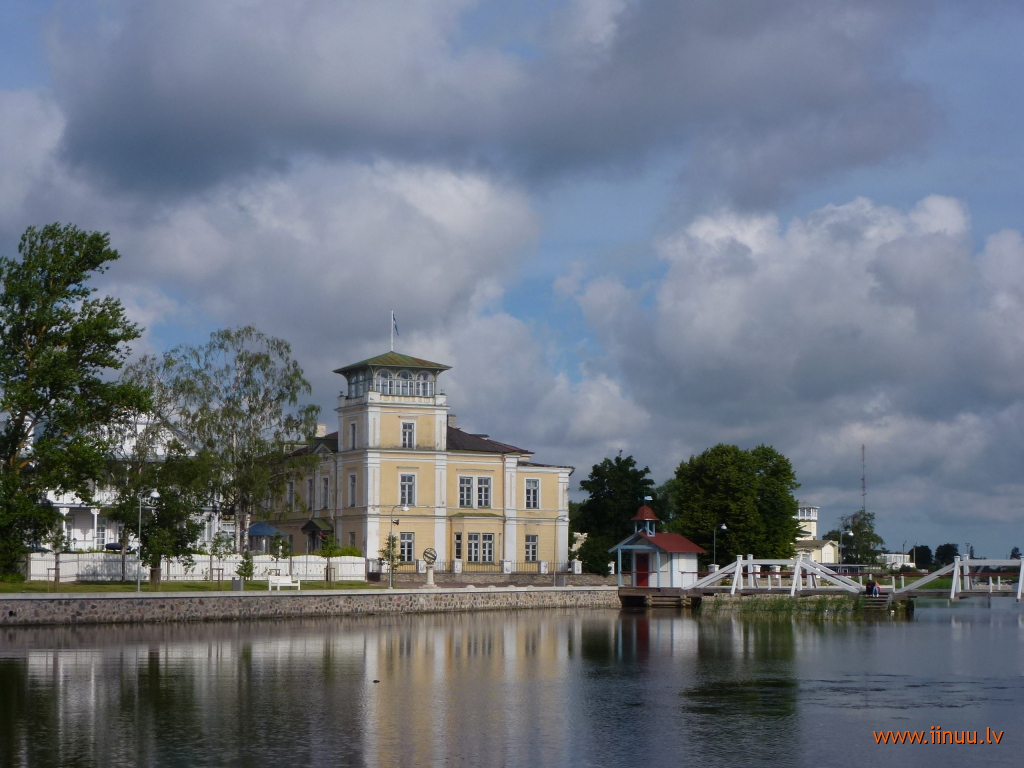
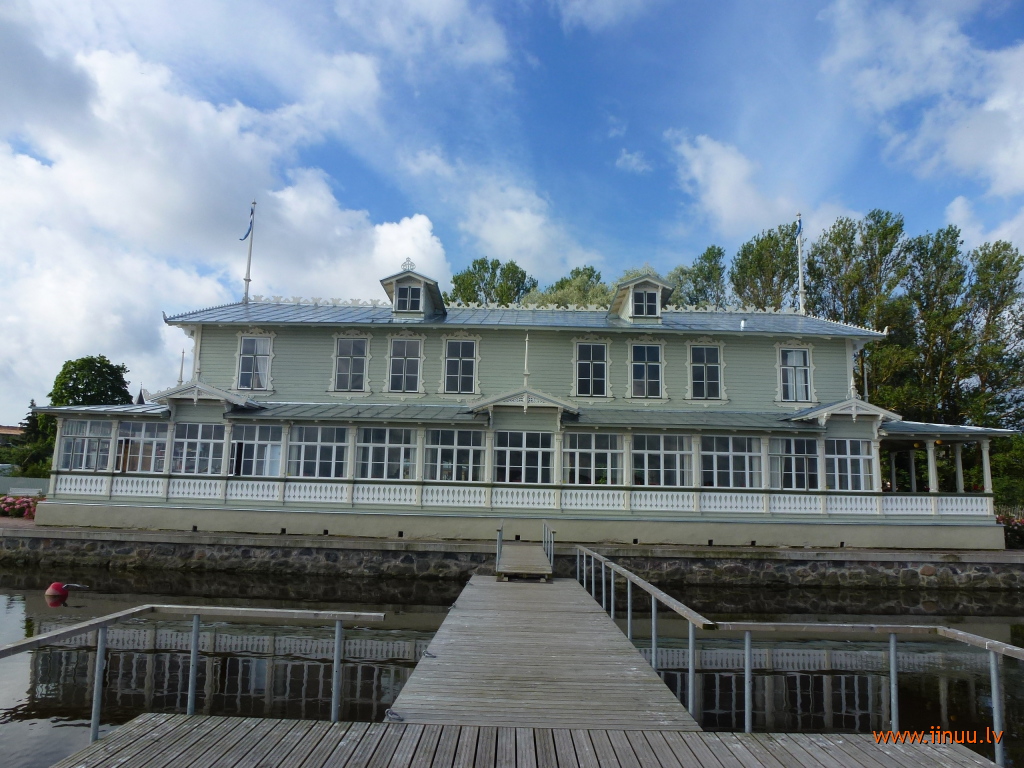
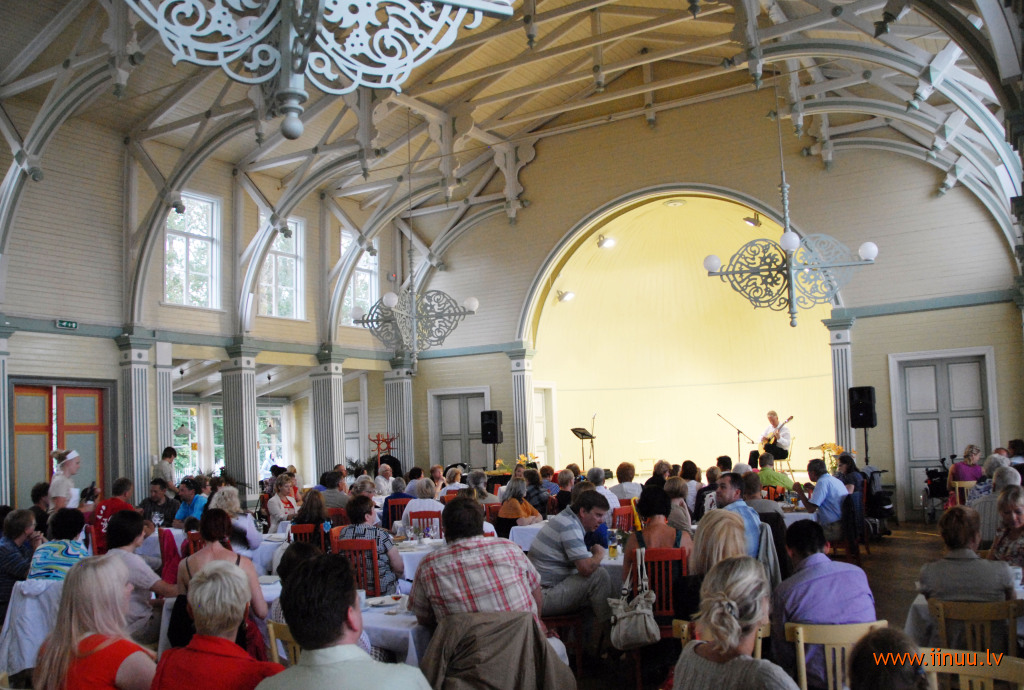
The eye is immediately drawn to the Kurhaus, built at the end of the 19th century and adorned with wooden lacework trim, preserved in its original appearance. Inside is the café Kuursaali Suvekohvik and concerts or private evening events take place there from time to time.
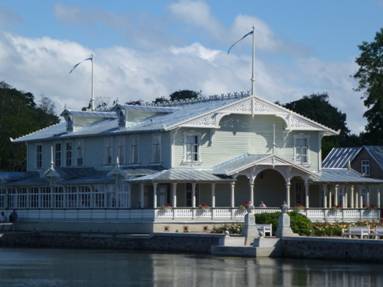
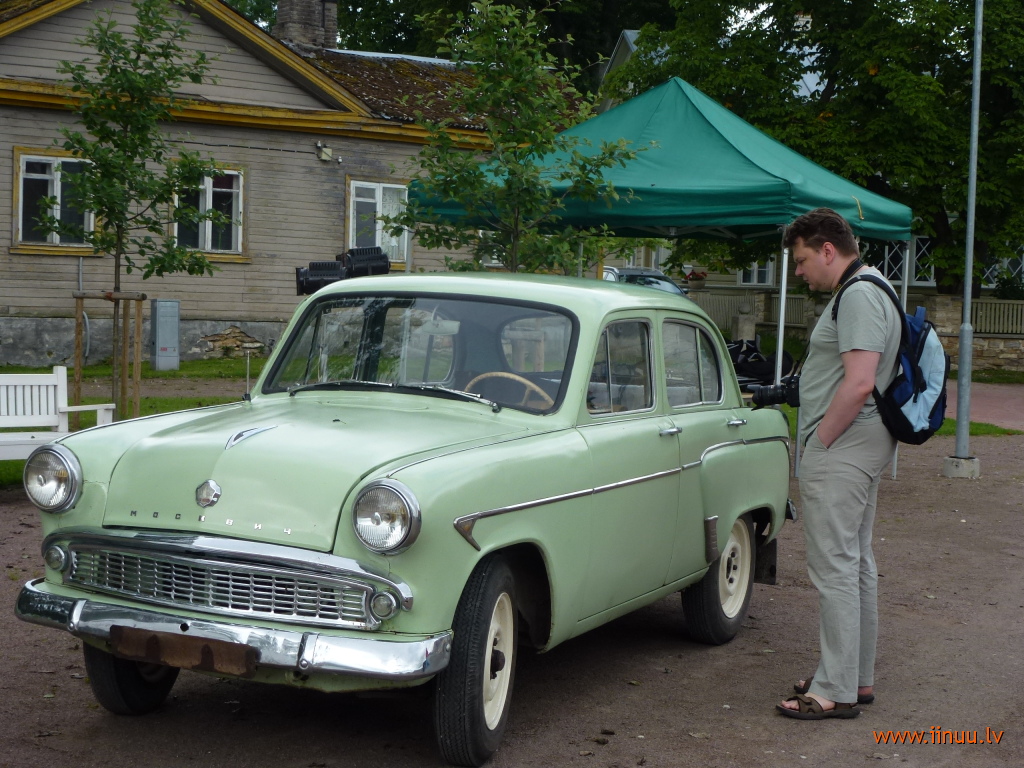
We happened to observe the filming of a movie set in Soviet times. A sign praising Stalin appeared on the Kurhaus on a red drape, and the flags of all the fraternal republics were fluttering in the air. An old Volga car, a lorry, and other props.
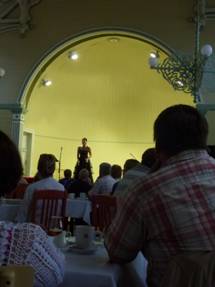
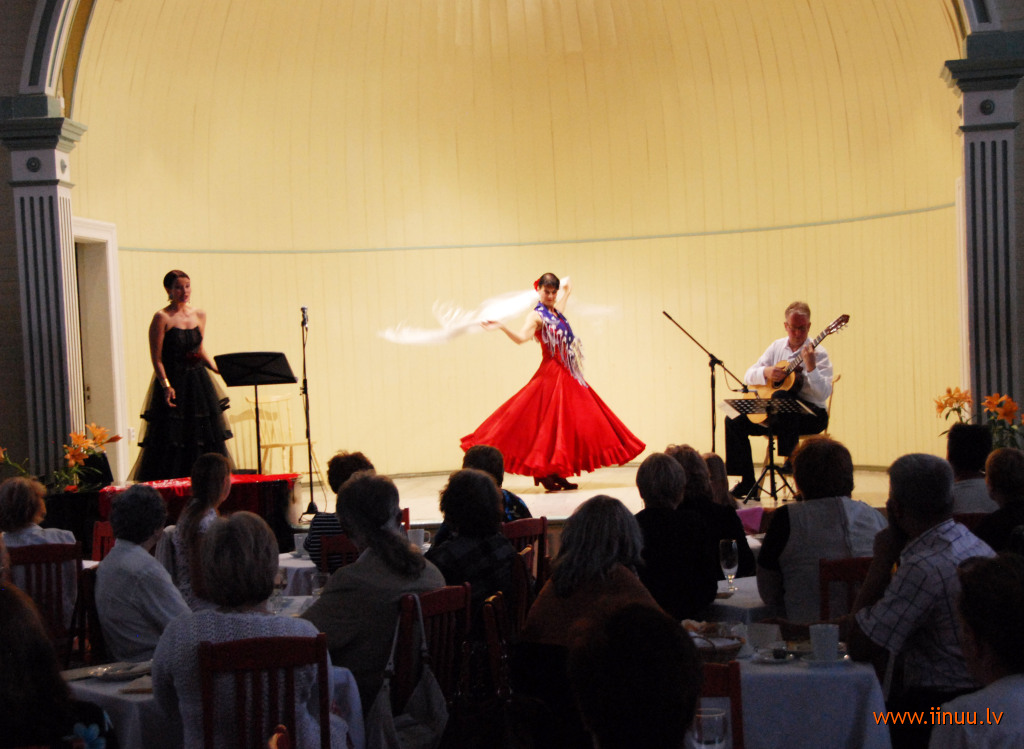
We also attended an evening concert of Spanish music and dance. Performing were soprano Janne Ševtšenko and flamenco dancer Claudia Ševtšenko, guitarist Tiit Peterson, and piano maestro Tarmo Eespere.
In honour of the world-famous Russian composer Pyotr Tchaikovsky's stay in Haapsalu in 1867, a Tchaikovsky Bench has been erected on the promenade. The composer had heard the Estonian folk song "Kallis Mari"; he later used this melody in his famous 6th Symphony, and the opening notes of the melody are also engraved in this dolomite bench.
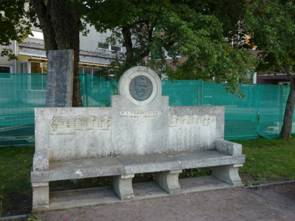
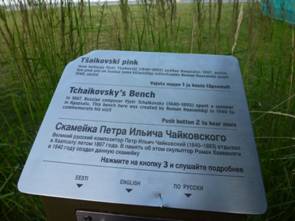
A device installed nearby was designed to allow one to listen to a short story about Tchaikovsky in three languages and to hear music from the composition. Unfortunately it was not working. :(
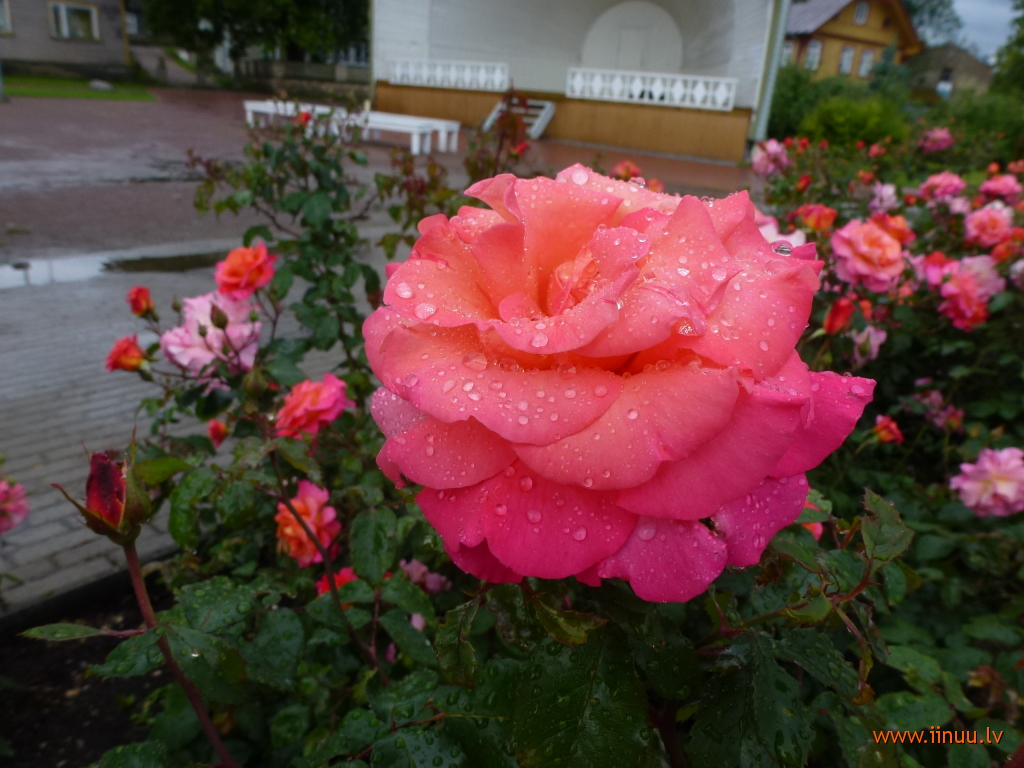
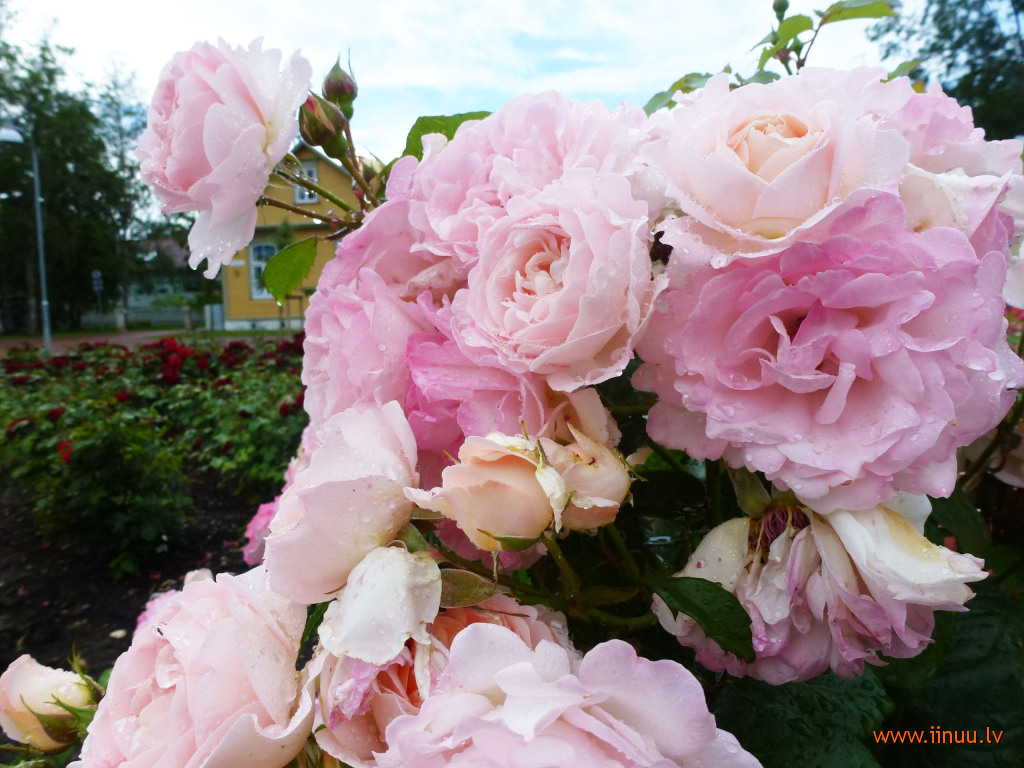
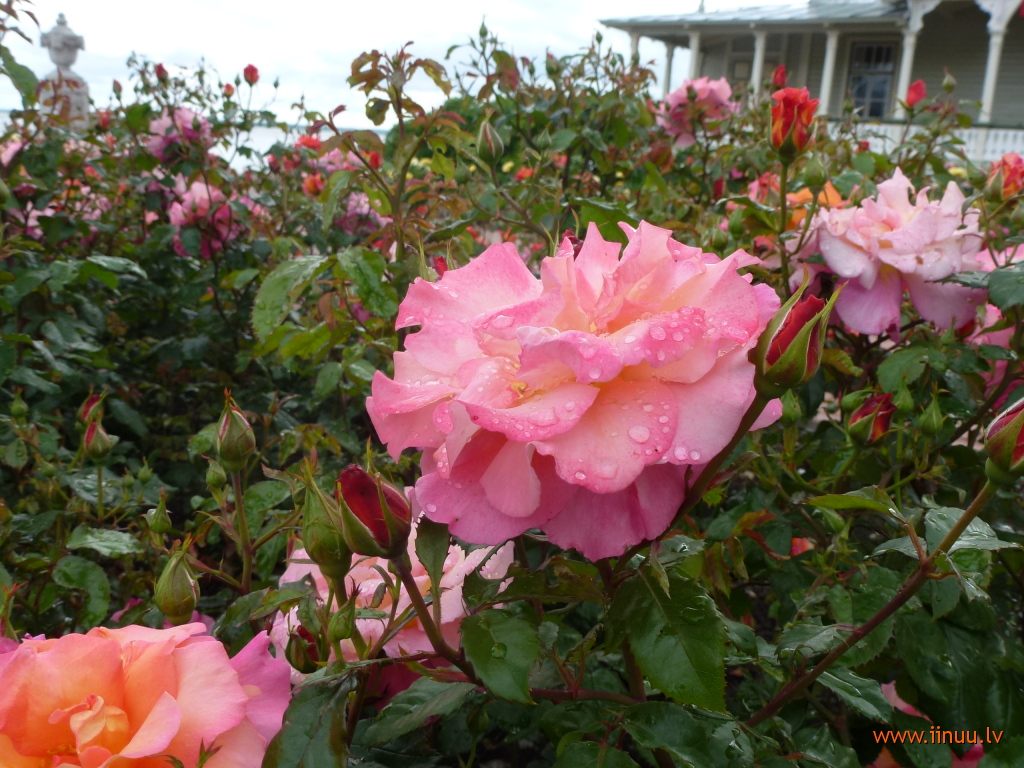
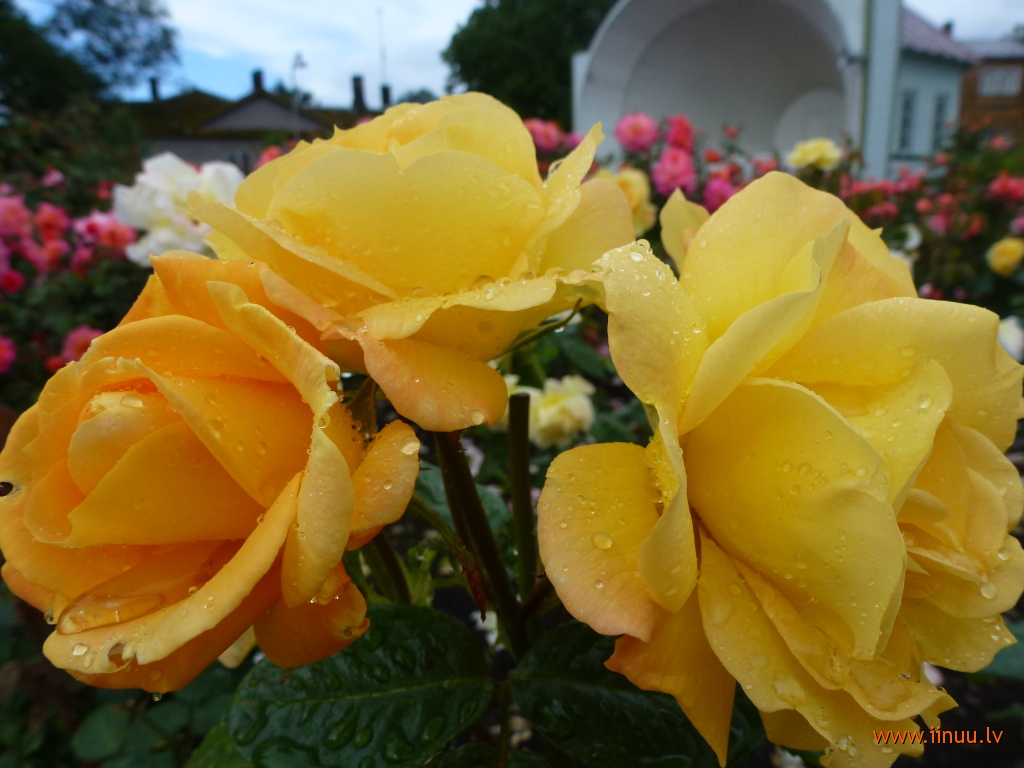
Meanwhile the many rose bushes both by the Tchaikovsky Bench and at the Kurhaus lend the promenade the aura of a fairytale land.
Ilona Vikland's House
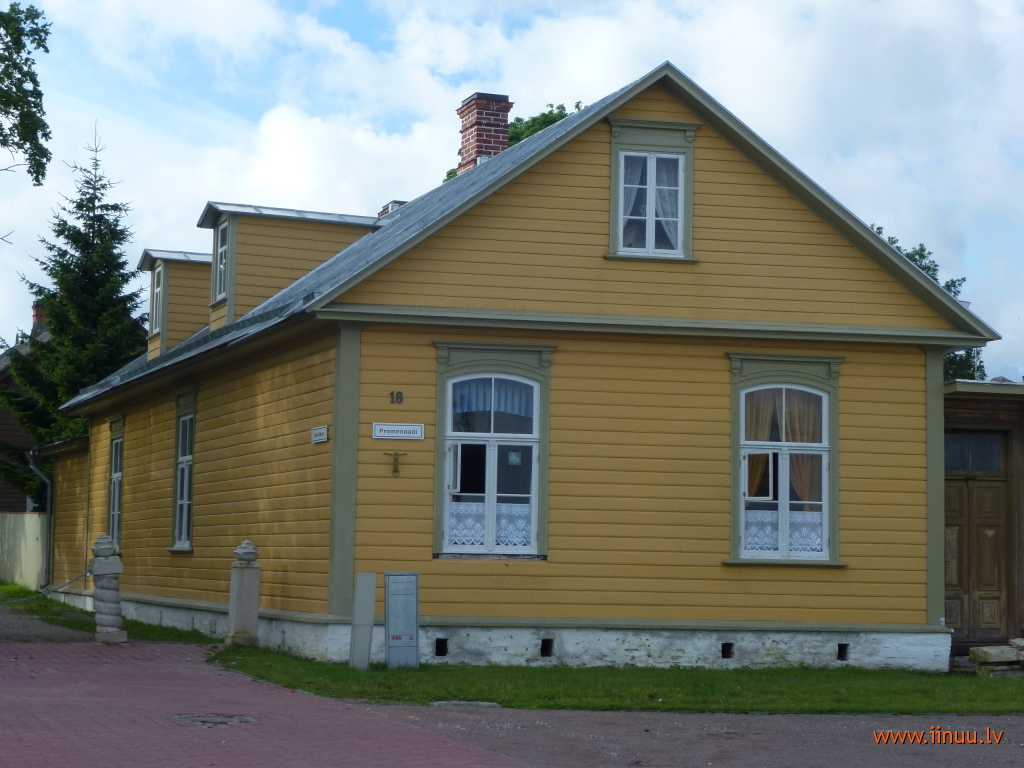
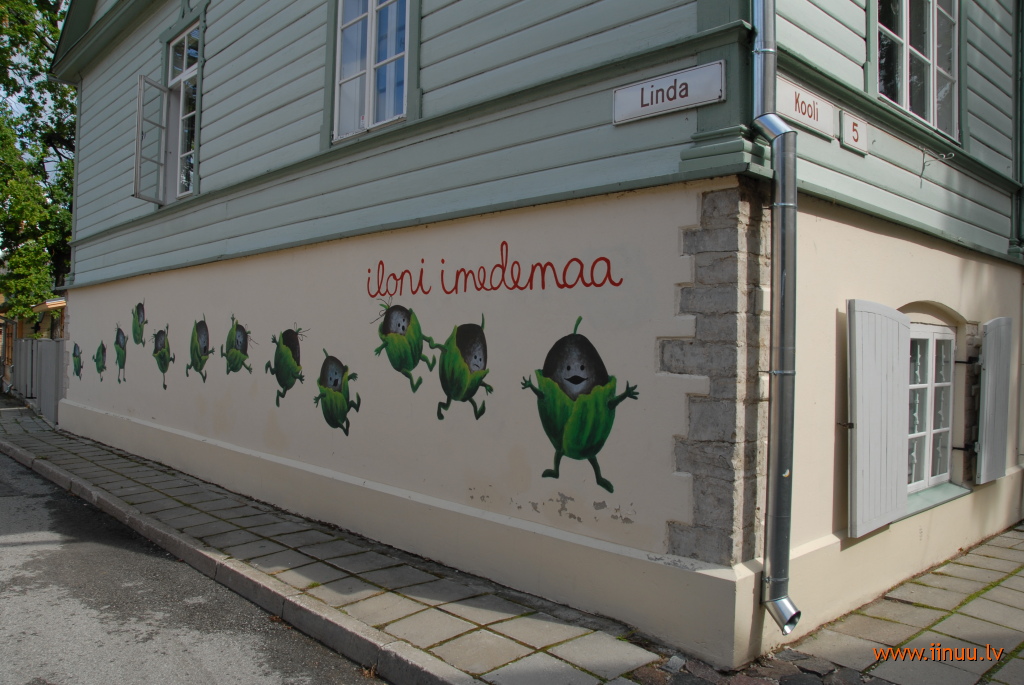
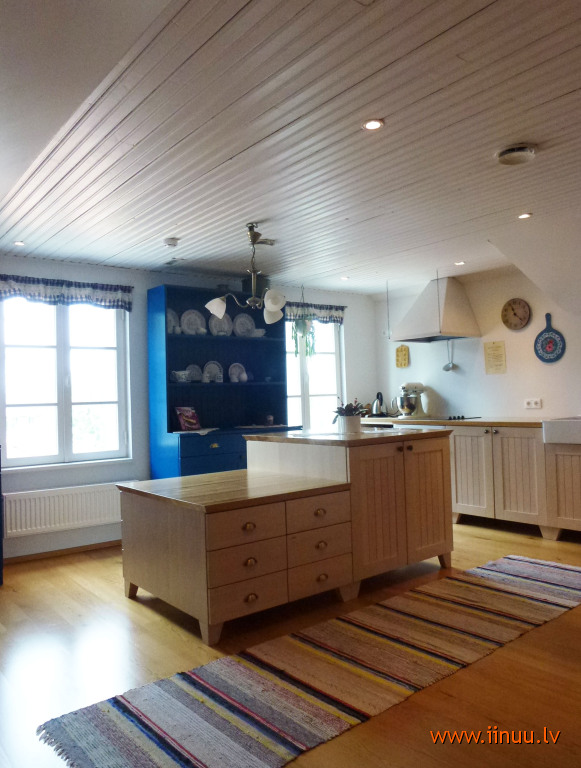
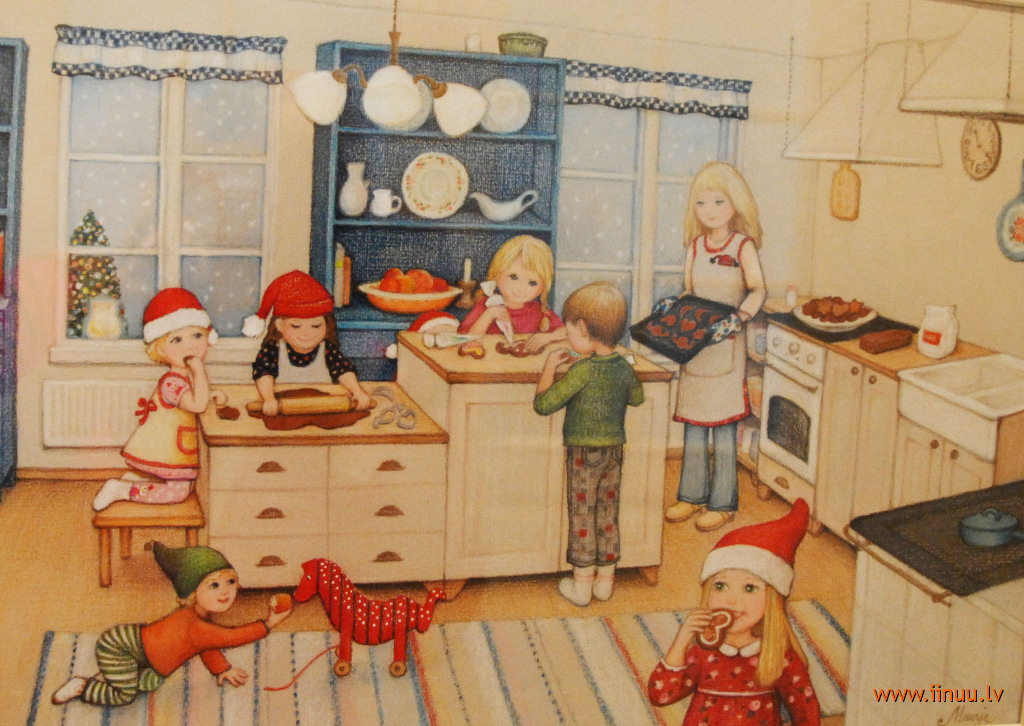
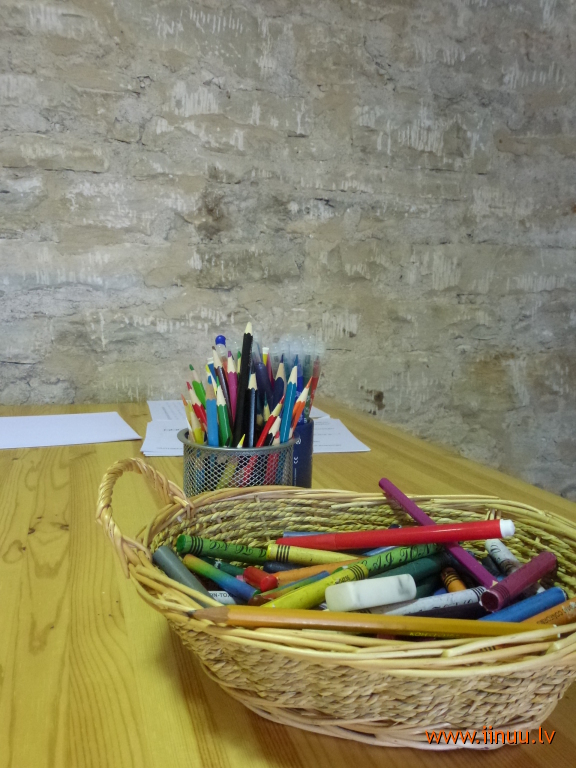
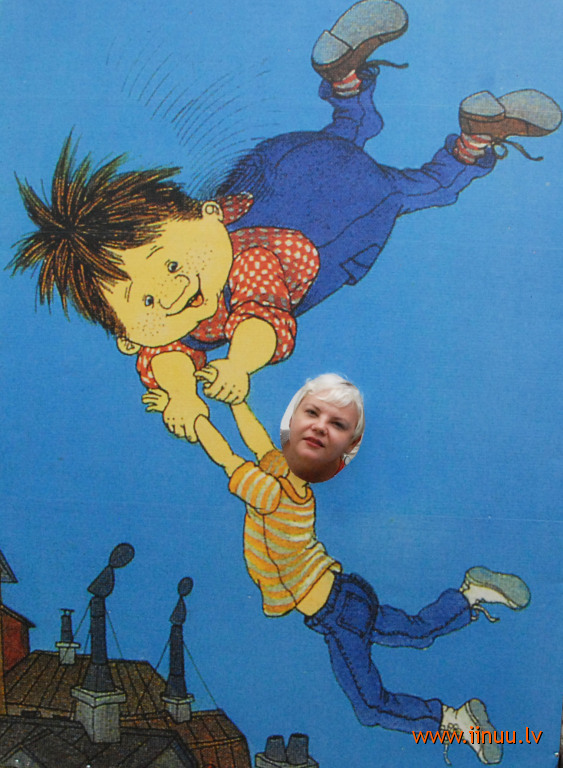
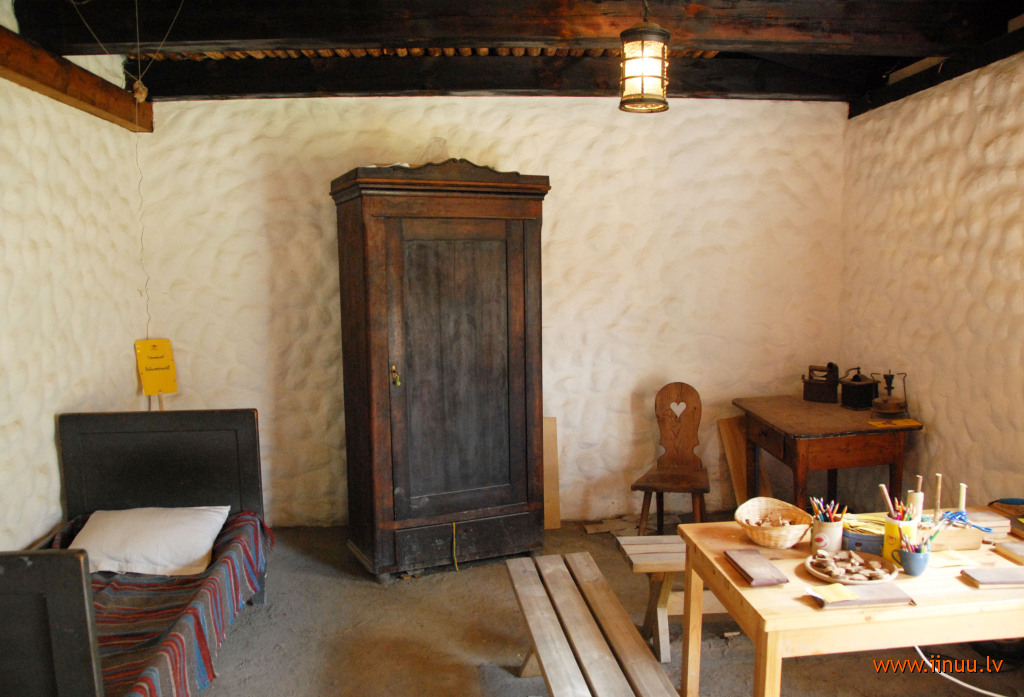
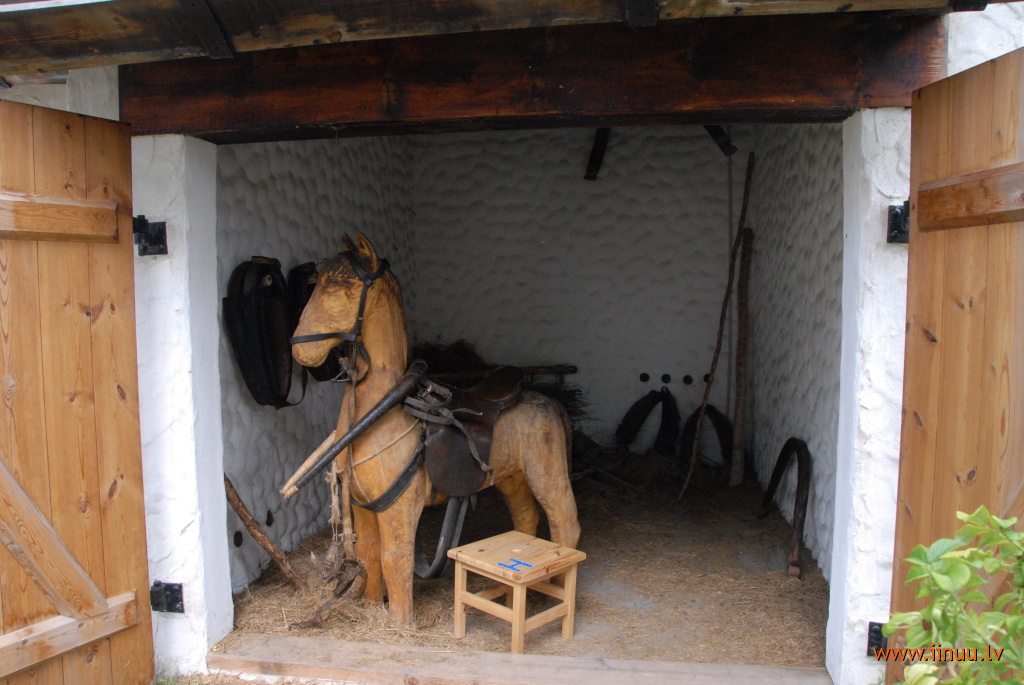
In the yellow house at the corner of Linda and Rüütli streets is now the Ilona Vikland Museum, dedicated to the world-famous children's illustrator of Astrid Lindgren's books. Ilona's childhood passed here, and everything is intended entirely for children - from the little kitchen and the craft and drawing workshop, right through to riding a wooden horse. Here one can write and send a letter to Karlsson-on-the-Roof, and also peek into his room. Entry for adults: 5 EUR.
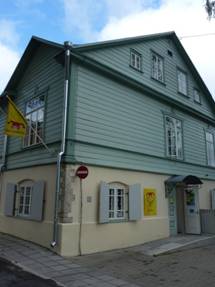
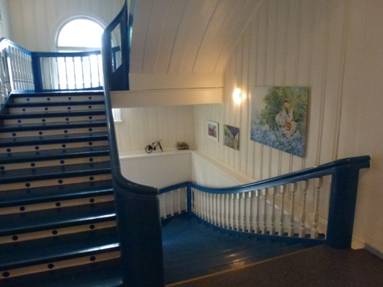
Here one can also buy a postcard with a reproduction of Ilona Vikland's illustration and send it by real post with an original postmark in the shape of Pippi Longstocking.
Haapsalu Bishop's Castle
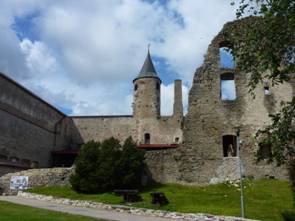
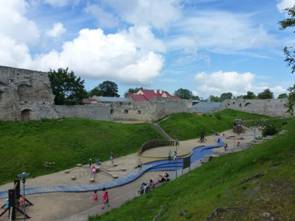
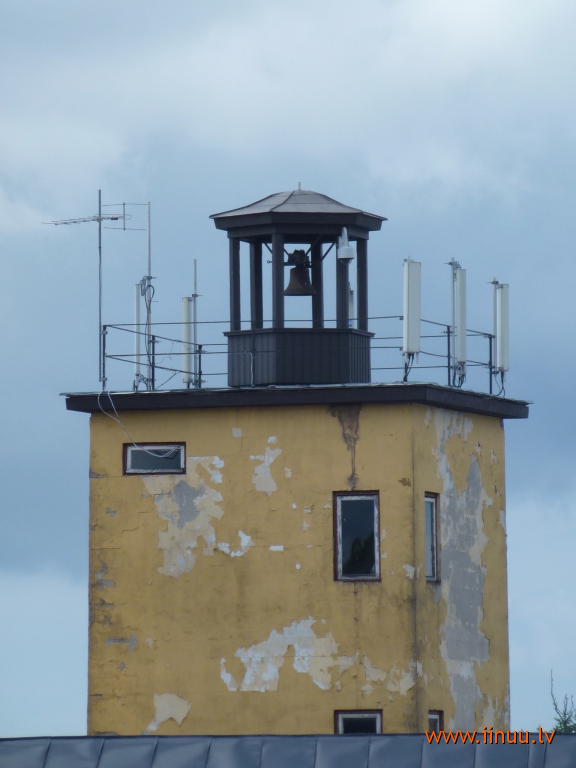
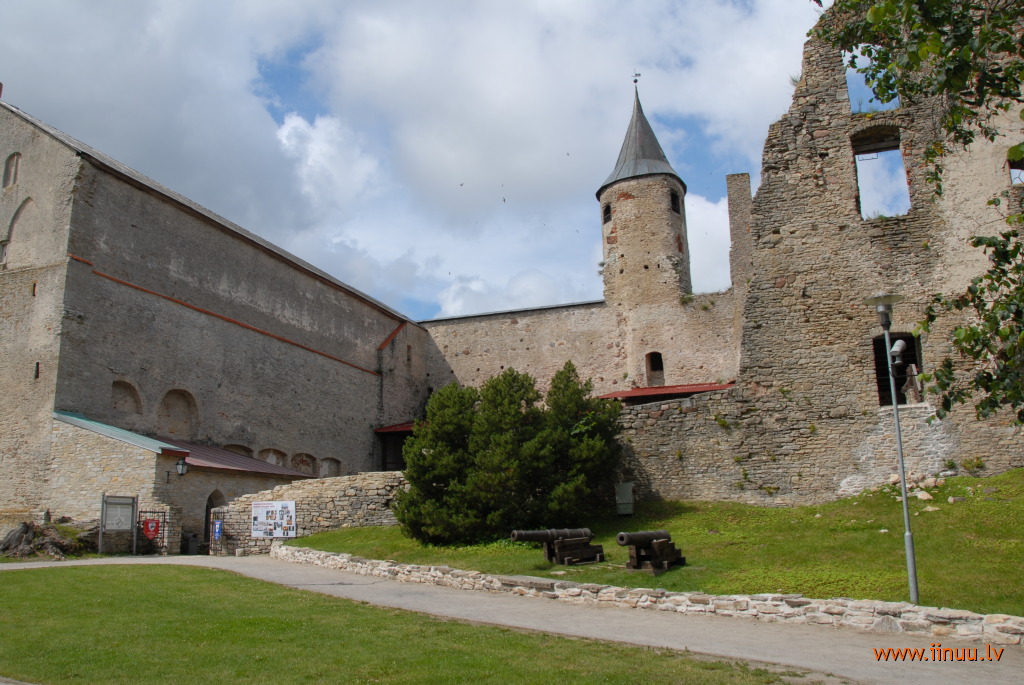
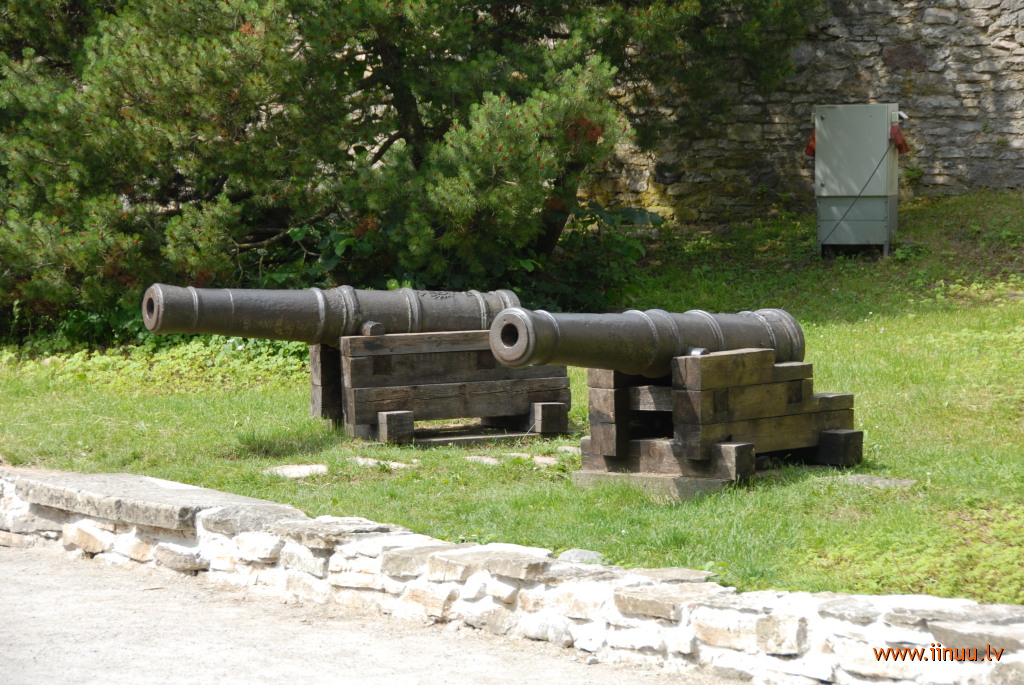
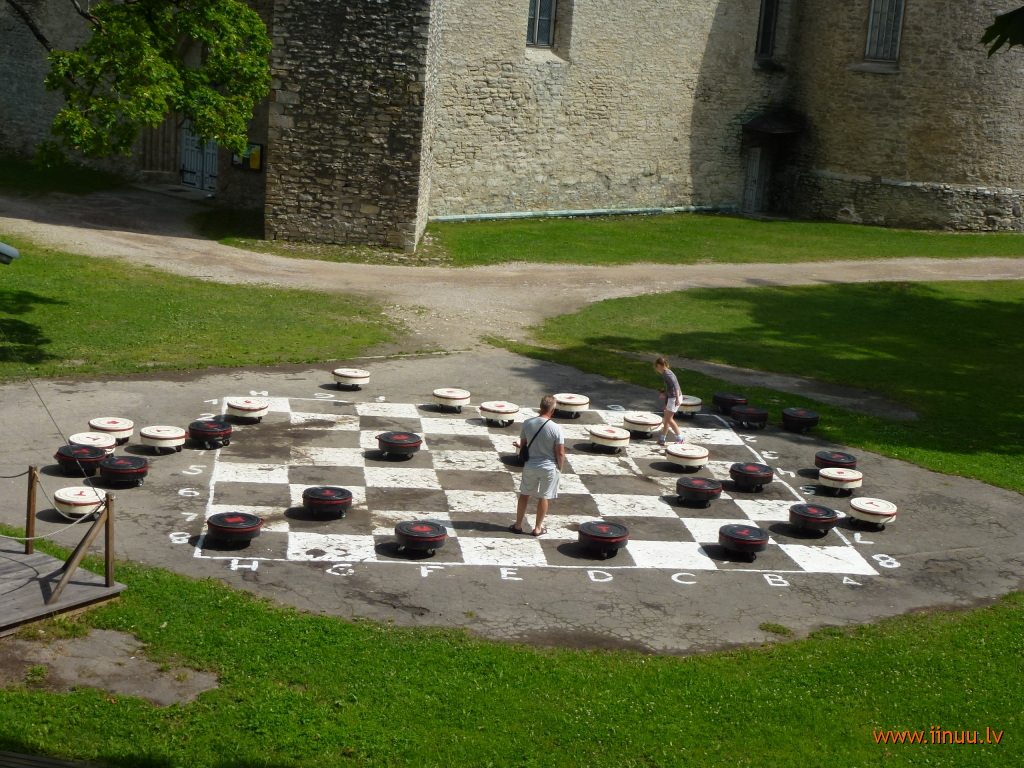
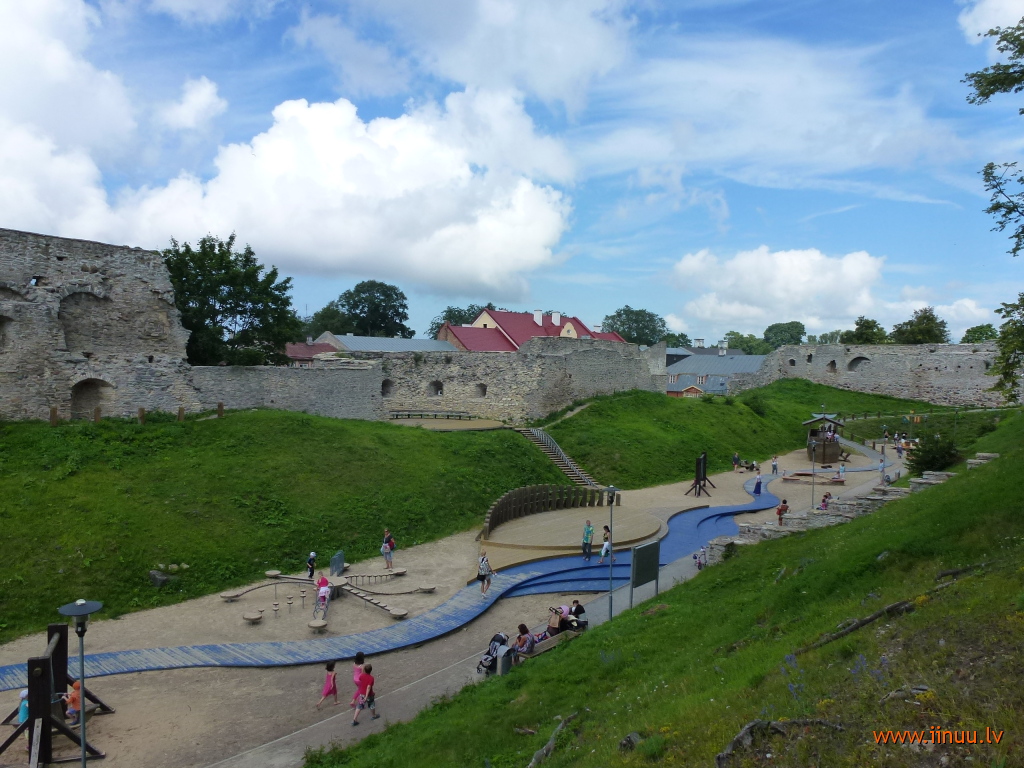
A fairly large territory enclosed by 13th-century walls. The castle tower with a bell and clock that strikes the half and full hours for the city. Here one encounters Estonia's most famous ghost (especially on August full-moon nights) - the White Lady. In the moat area there is a stylised medieval-themed children's playground, a large chess board, an archery spot, and a ceramics workshop that also serves as a shop.
Estonian Railway Museum
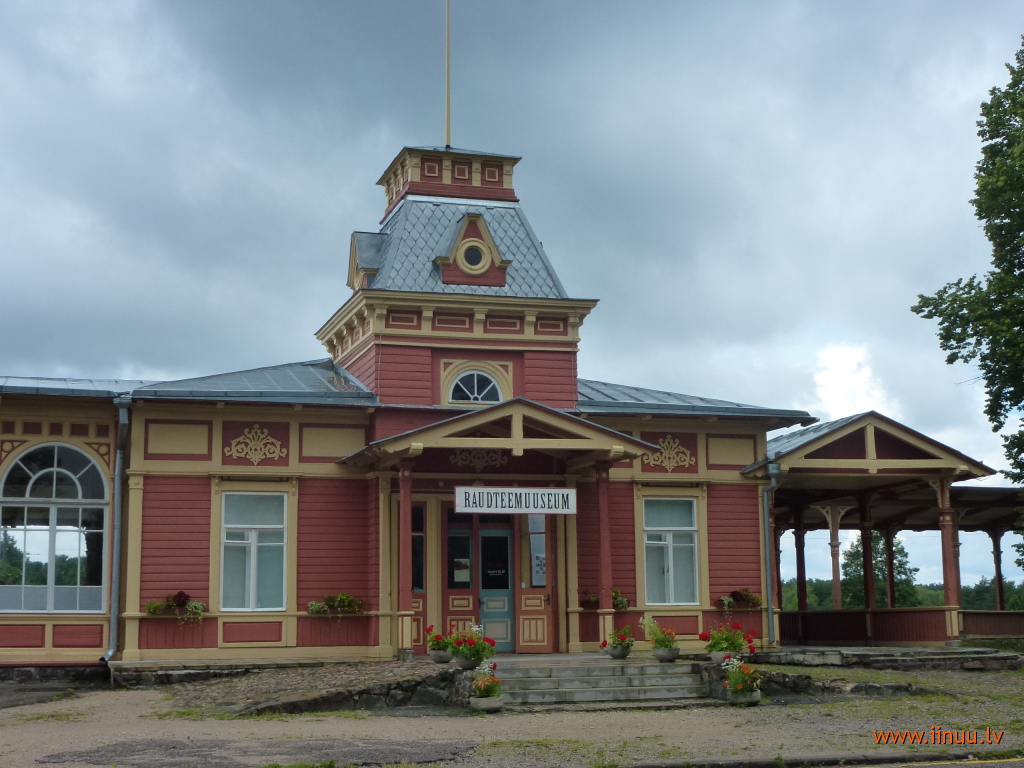
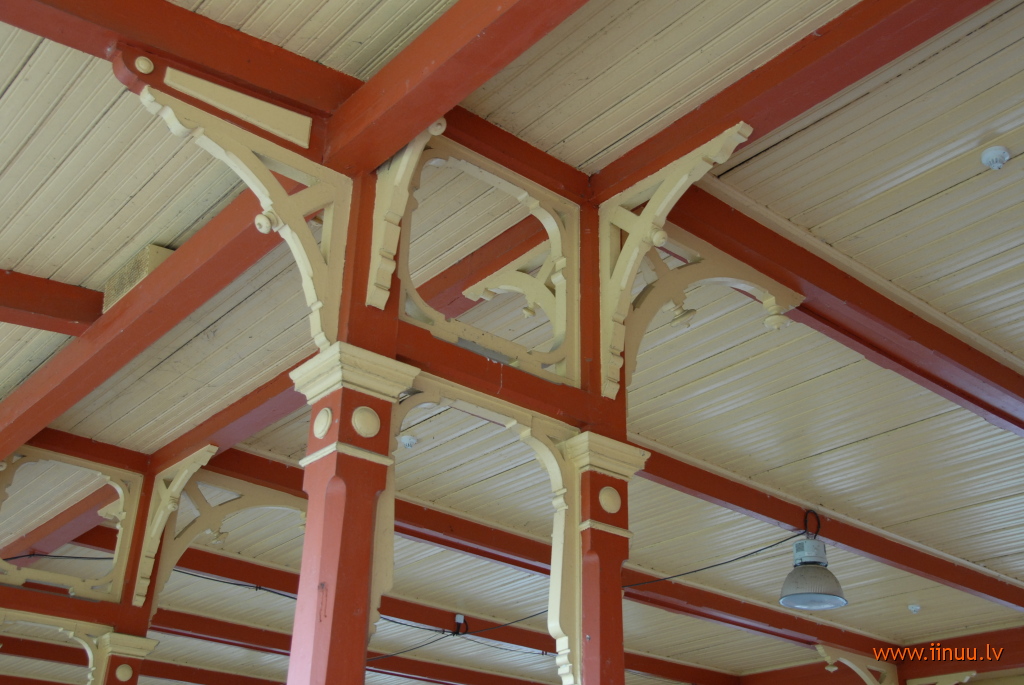
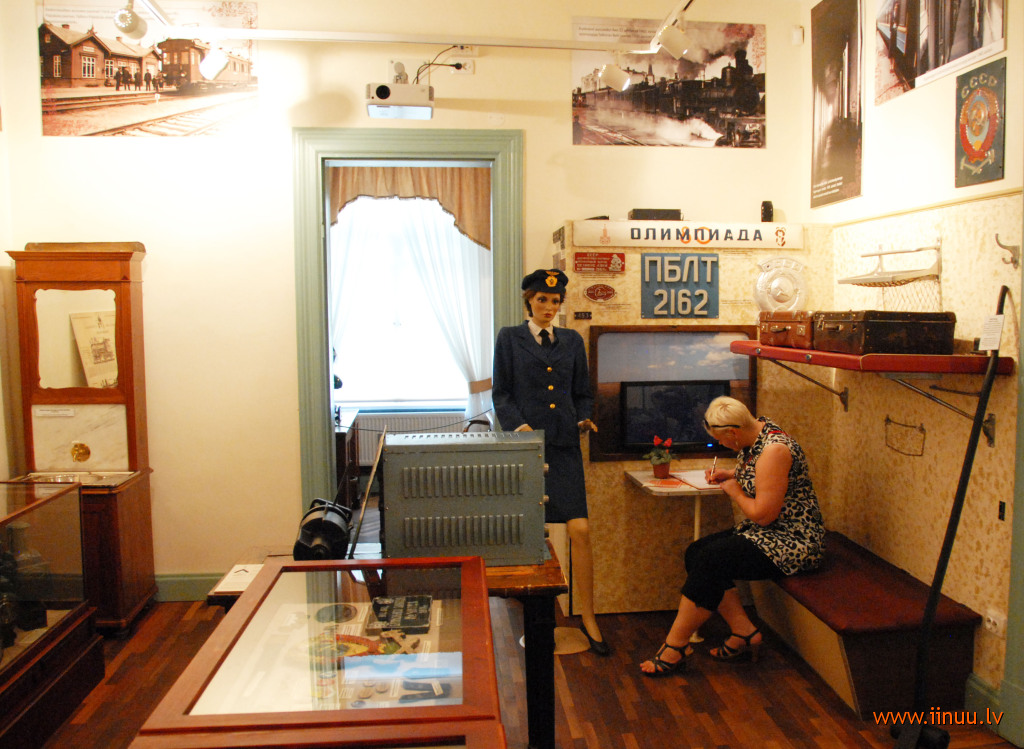
The museum is located on the outskirts of the town and is set up in the old station building. The exhibition consists of three small rooms, plus outside one can view locomotives and carriages from various eras placed on tracks.
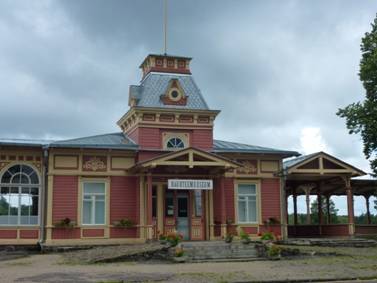
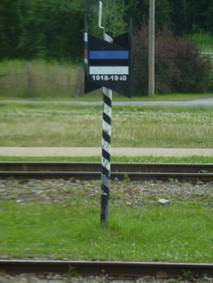
Entry for adults, in the form of a train-ticket stub: 2 EUR. Filming and photography are not permitted in the museum.
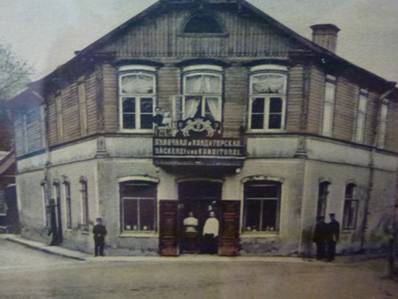
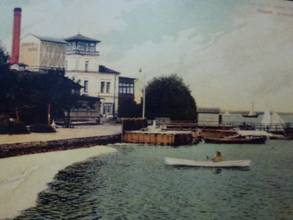
On that very day in one of the station halls we came across an exhibition of old stamps and postcards. It was possible to observe and compare how places in Haapsalu looked a century or two ago and how they look now.
Haapsalu Shawl Museum
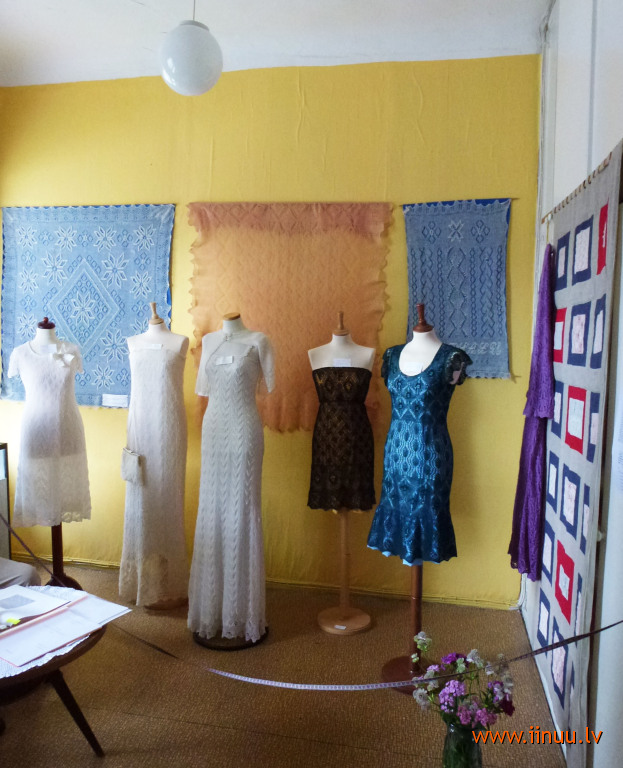
Located at Ehte tn 4, not far from the Bishop's Castle by the Swedish Market Square with its fountain. Not marked on the tourist map, perhaps because it shares a building with other craft galleries and small shops. Entry by donation. The exhibition occupies one room, where a craftswoman who knits continuously awaits visitors and is happy to show off her creations.
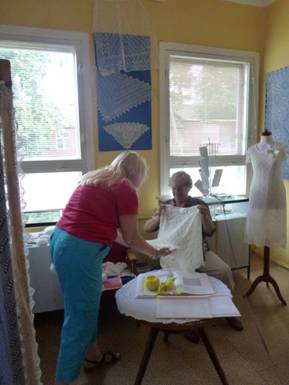
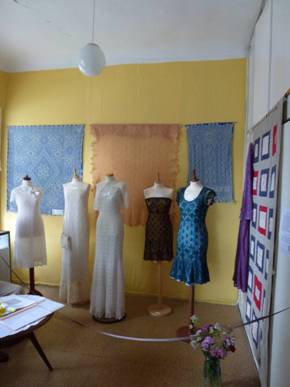
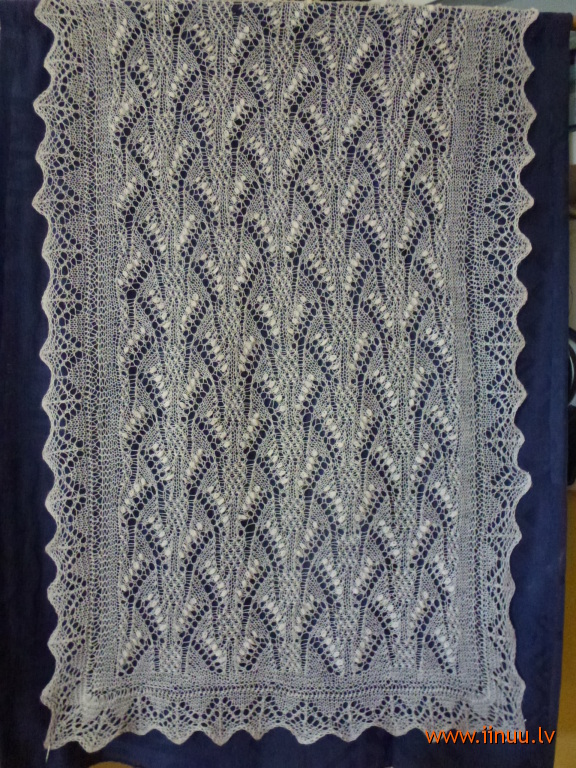
Here there are not only shawls or shoulder scarves, but entire dresses and even bags made from fine yarn. Fantastic handwork. It turns out that delicate lacework knitting has been a symbol of Haapsalu since the last century.
In the adjacent shop one can buy the yarn itself, needles, various handmade items, glass-fused jewellery by the artist Tiiu Randmann (13–25 EUR), and so on. One such fine shawl costs around 200 EUR. Taking into account the time invested, the work, and the mastery, that is not so much at all.
What to buy?
Next to the museum, at Karja 4, is the sizeable craft shop Ehe ja Ehtne Käsitöö, where all items are mainly made of wood. Here one can buy very fine wooden jewellery, toys, traditional wooden knives, coasters, boxes, and all manner of things.
In the art workshop at the Bishop's Castle territory one can buy various ceramics in a wide range of colours. Earrings from 3 EUR, necklaces, key chains, magnets, and so on.
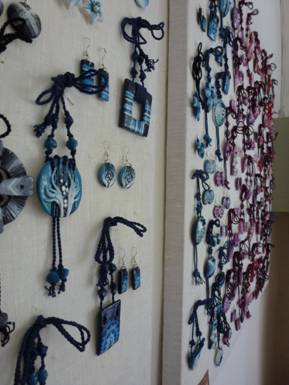
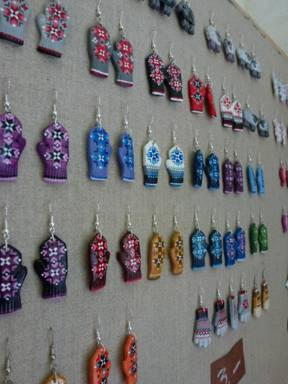
At the café Rondo Kohvik (Posti 7) various marzipan figurines can be purchased. The price depends on weight. Medium-sized ones: 2.50 EUR.
Where to eat?
The dining options are fairly numerous, but all establishments are concentrated along the main street and along or near the promenade.
Having spent a few days in the town, we ate in several places. The first was Hermannuse Maja next to the Bishop's Castle - expensive and not up to restaurant standard. Then the outdoor terrace of the restaurant Soffa on Posti street (easy to spot): service was good, food was quite tasty, but on the pricier side.
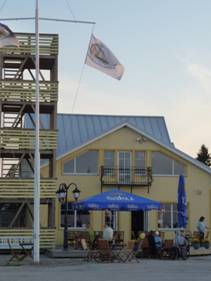
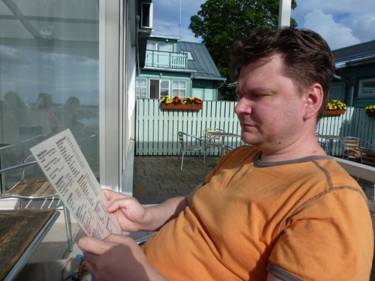
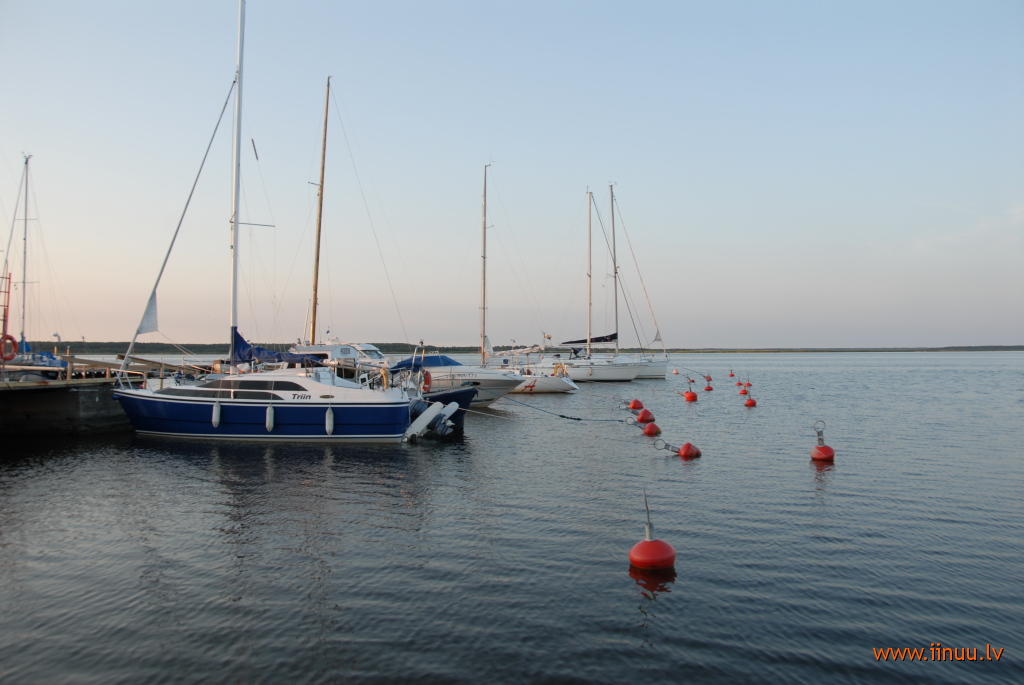
I want to recommend two places on the spit where the food is genuinely tasty and the prices are reasonable, or at least commensurate with the quality. Veskiviigi Trahter at the yacht marina, and Wiigi kohvik with its glazed hall and open terrace overlooking the bay waters.
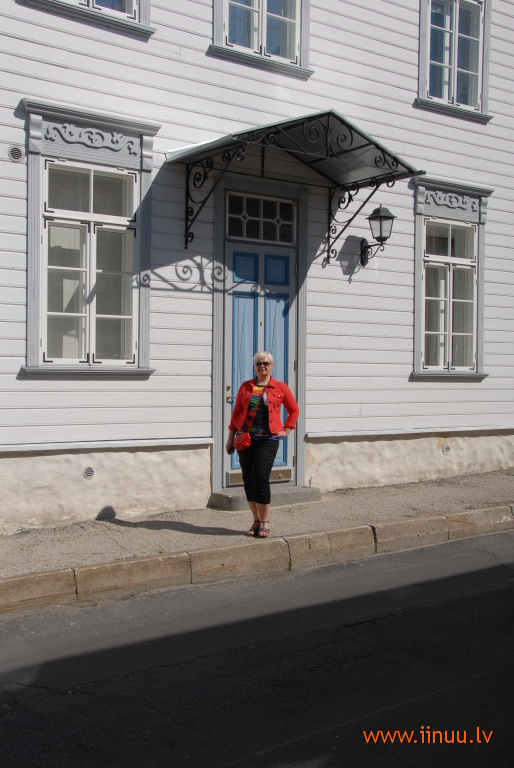
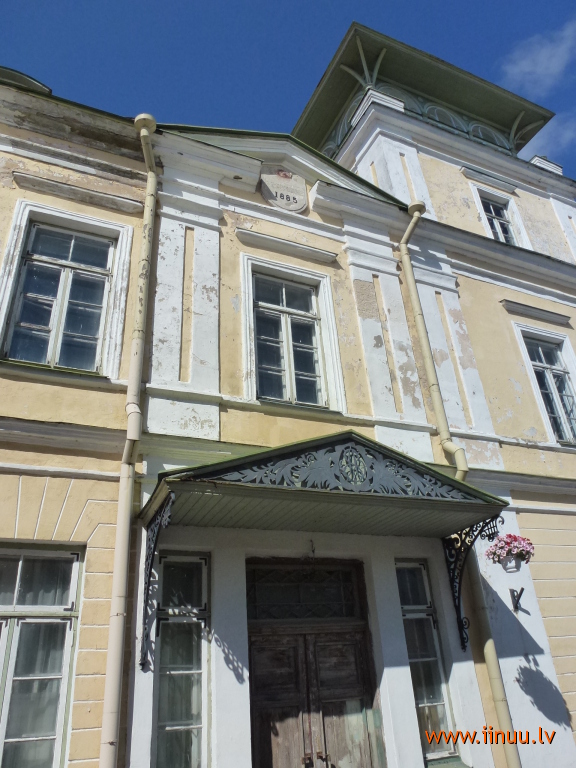
More about the town also in the photo gallery:
comments