White Night in Sarkandaugava
This year White Night in Sarkandaugava was more active than ever before. Neither interested visitors nor volunteers were in short supply. But the greatest satisfaction for the Sarkandaugava residents themselves was that the district had become a gathering place for creative and active people who care about the environment they live in and who wish to foster joy in life and a sense of responsibility in those around them.
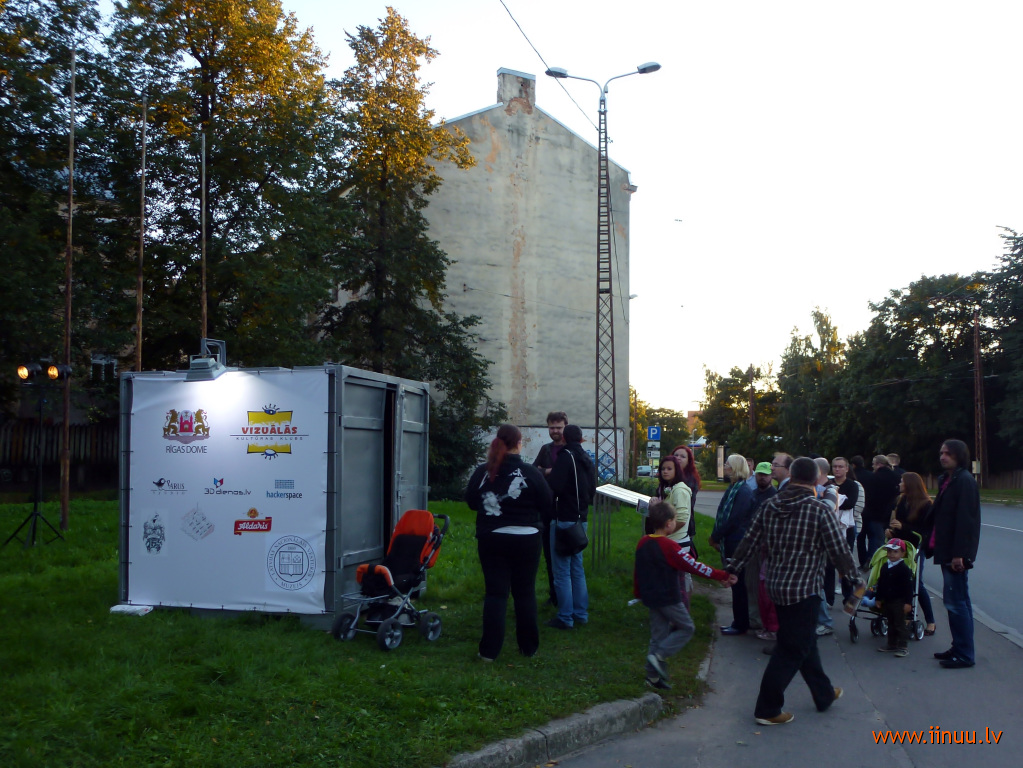
This year White Night in Sarkandaugava was more active than ever before. All the action took place in the Sarkandaugava centre and the old part of the district. In Alekša Square stood an installation - a Time Machine - at which a queue of curious visitors formed to travel through time and view the district in cross-sections from various periods. Inside an enclosed cube, putting on 3D glasses, one could for a moment find oneself in another reality.
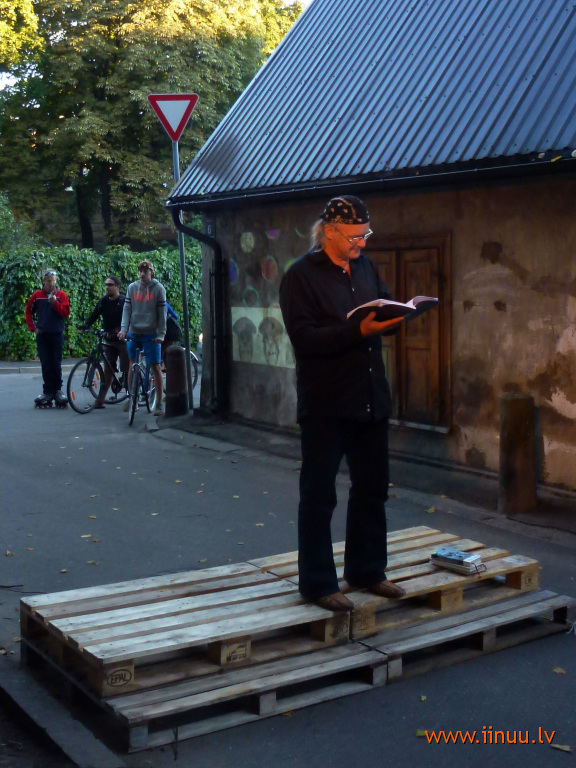
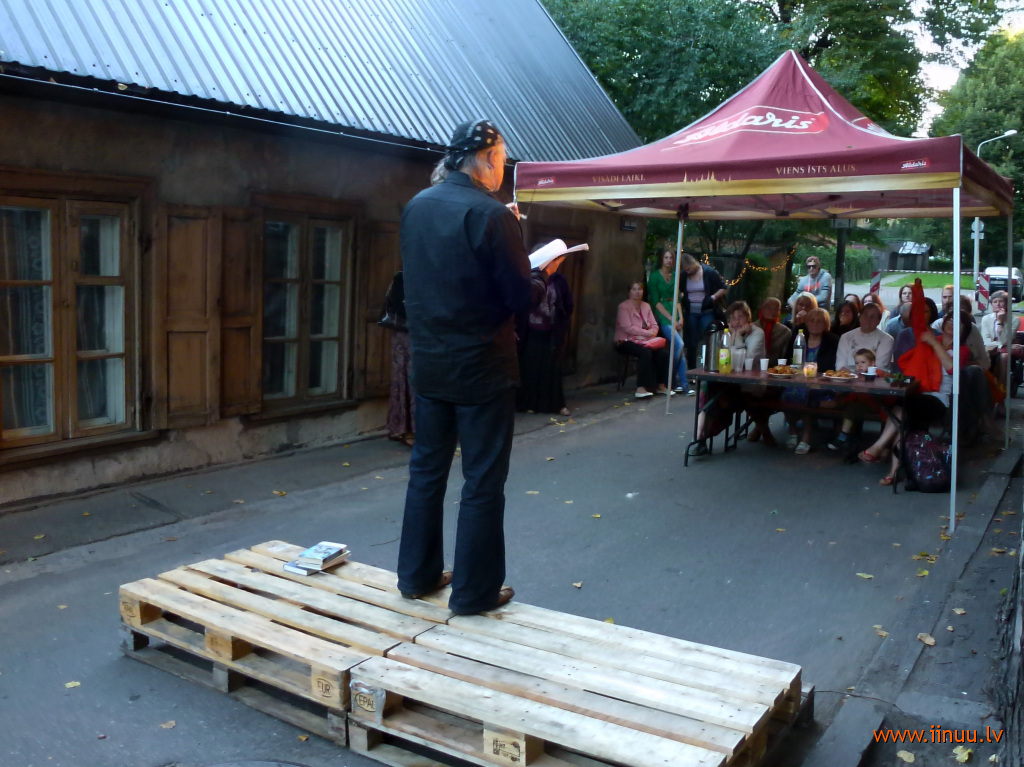
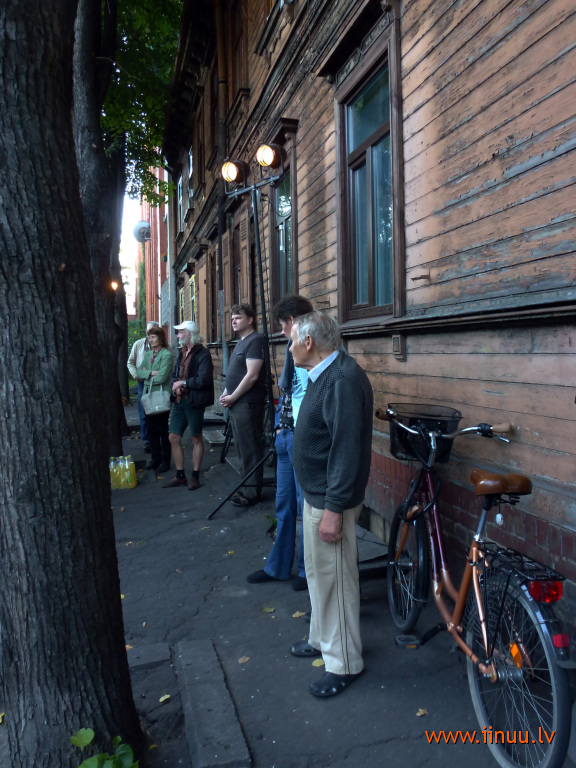
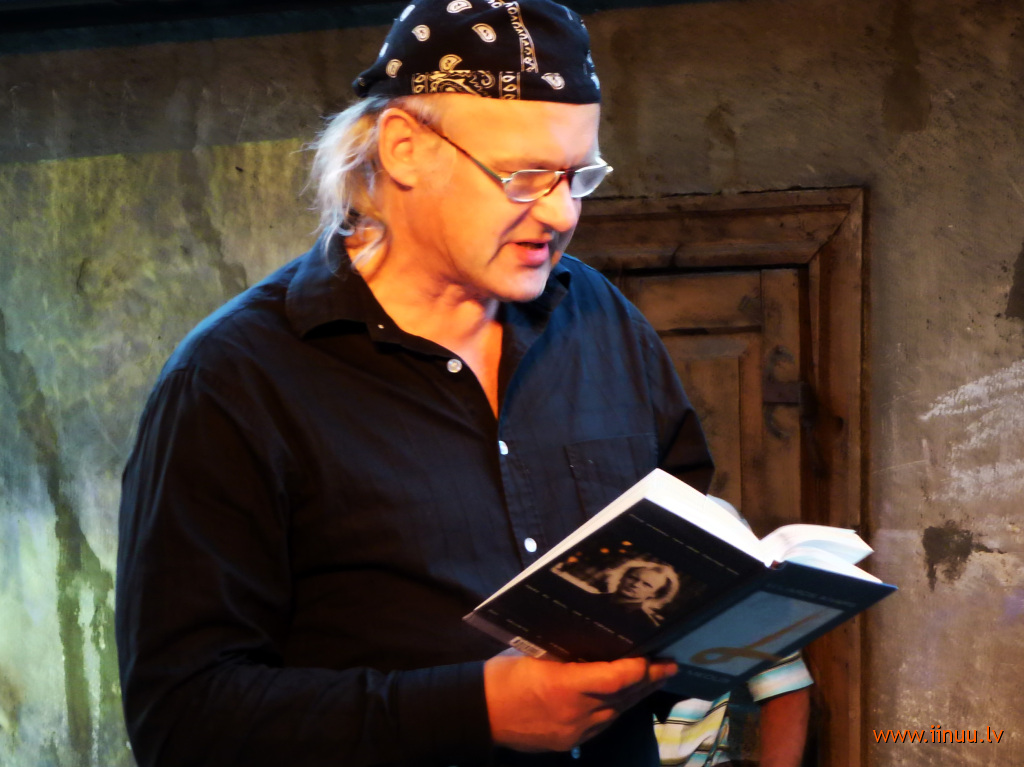
The next stopping point was on the short Āžu Street, where images and photographs of the poet were projected onto the wall of A. Neibarts's house. Listeners who had gathered and settled on benches could enjoy poetry readings by poets in person.
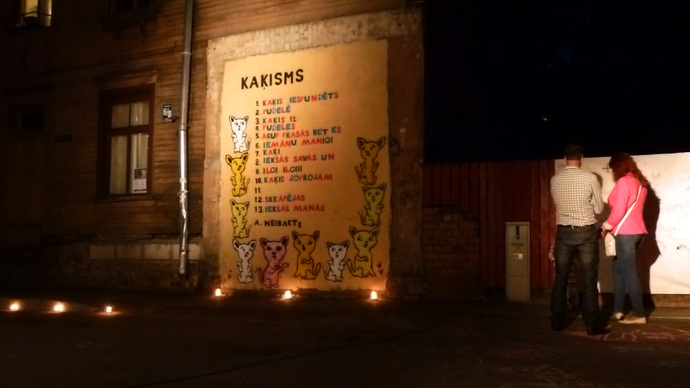
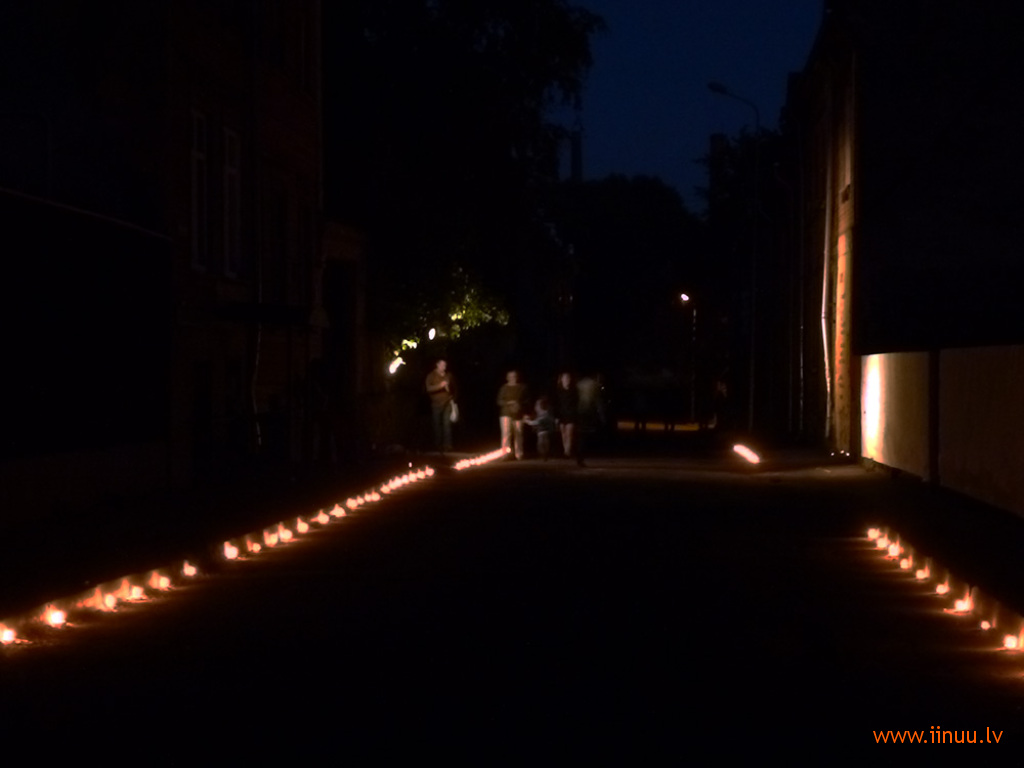
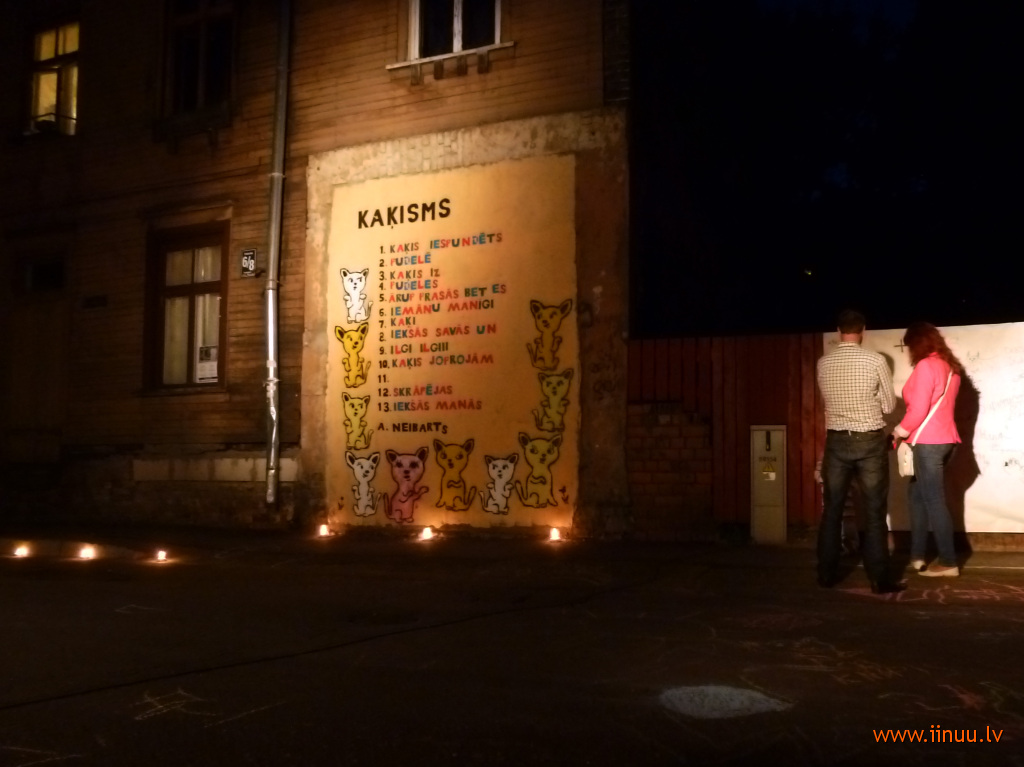
When darkness fell - which on autumn evenings arrives rather swiftly - the most mysterious and airfield-like street, lit by rows of candles, was Priežu Street, where one could view the street art "Catism" created by Finnish artist Heidi, featuring lines of poetry by A. Neibarts, and express oneself on a long fence. Walking down the street, I noticed that children had already expressed themselves on the asphalt underfoot with many chalk drawings. Although they were hard to see in the dark, the outlines could still be made out.
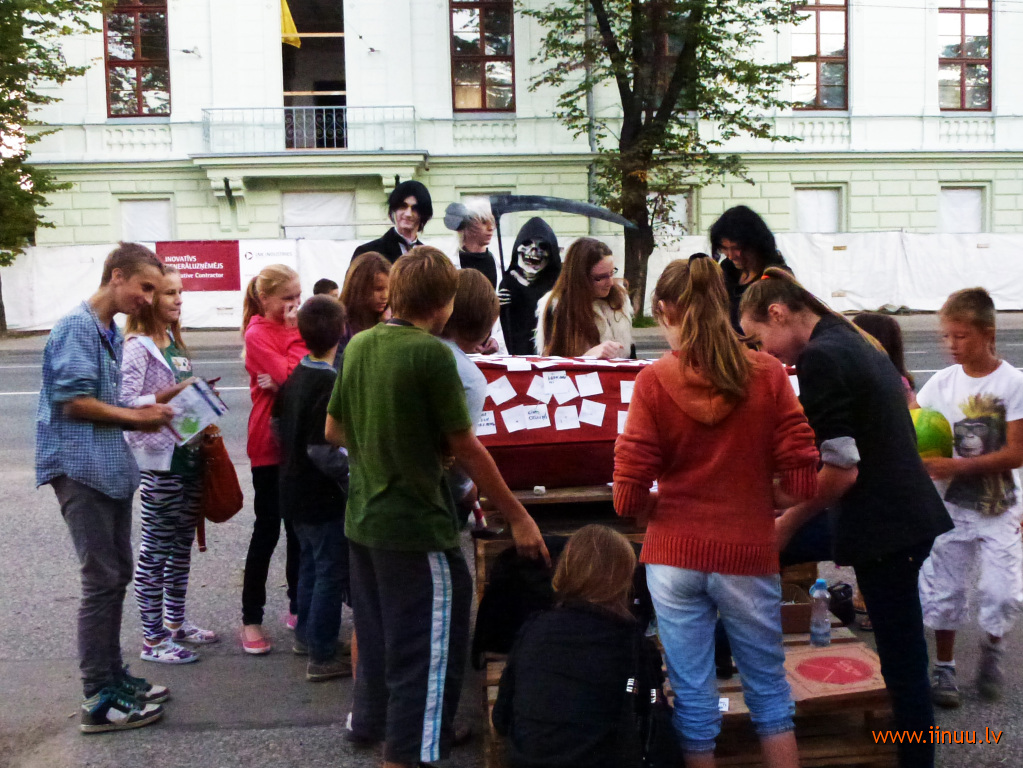
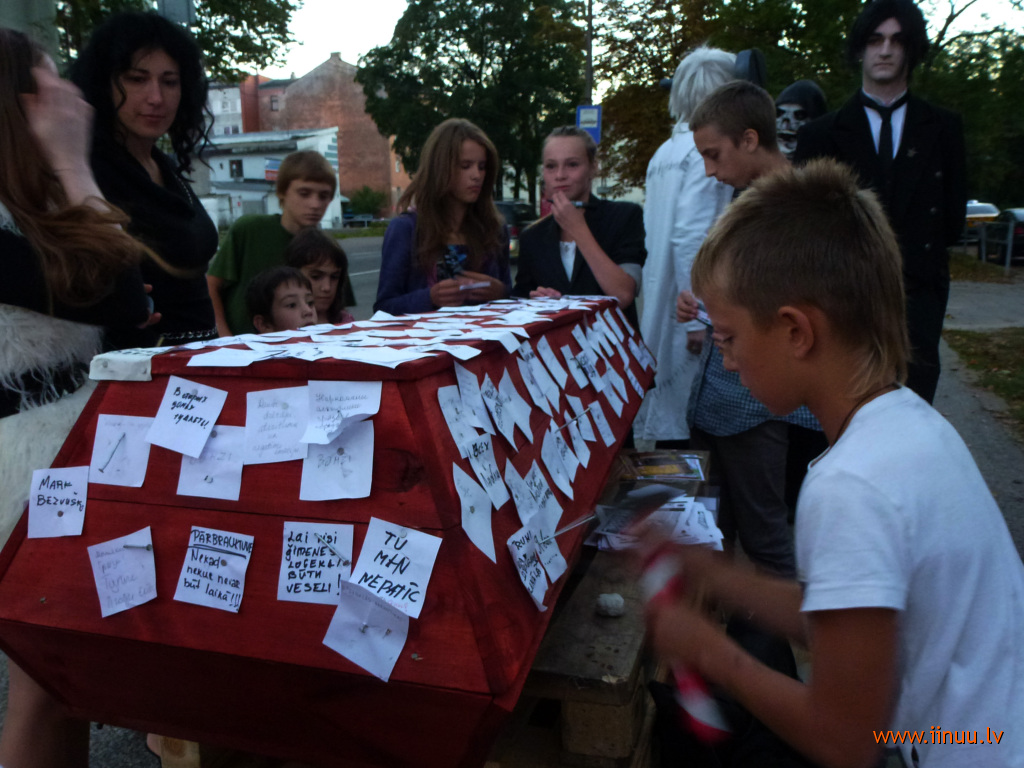
At the former culture house "Draudzība" a distinctive event took place, during which shortcomings, flaws, anger, envy, and the like were "buried". On the red wooden coffin, slips of paper were nailed with the negatives from which the district should free itself. Milling about were not only the curious and the nail hammerers, but also Death with a scythe, vampire-like figures, and Frankenstein with a hammer in his head. All of this was followed by a torch procession. Accompanied by a brass band, the coffin was conveyed to the Sarkandaugava centre, where the event continued.
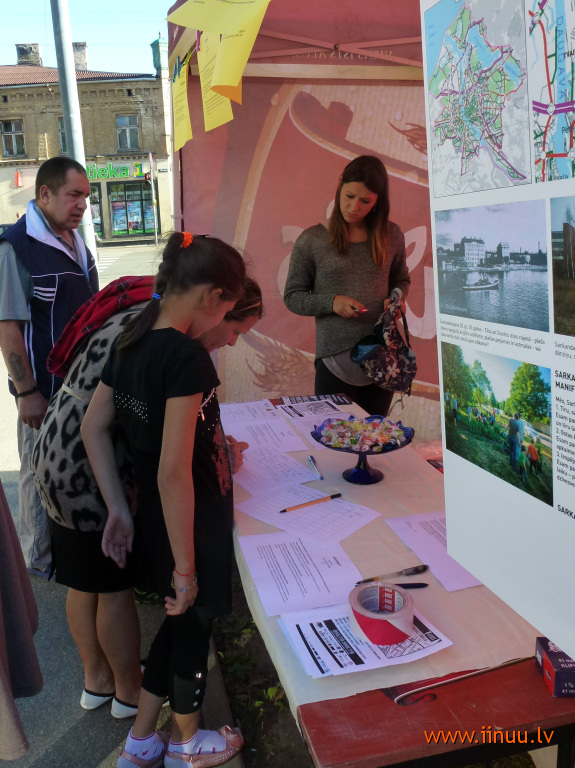
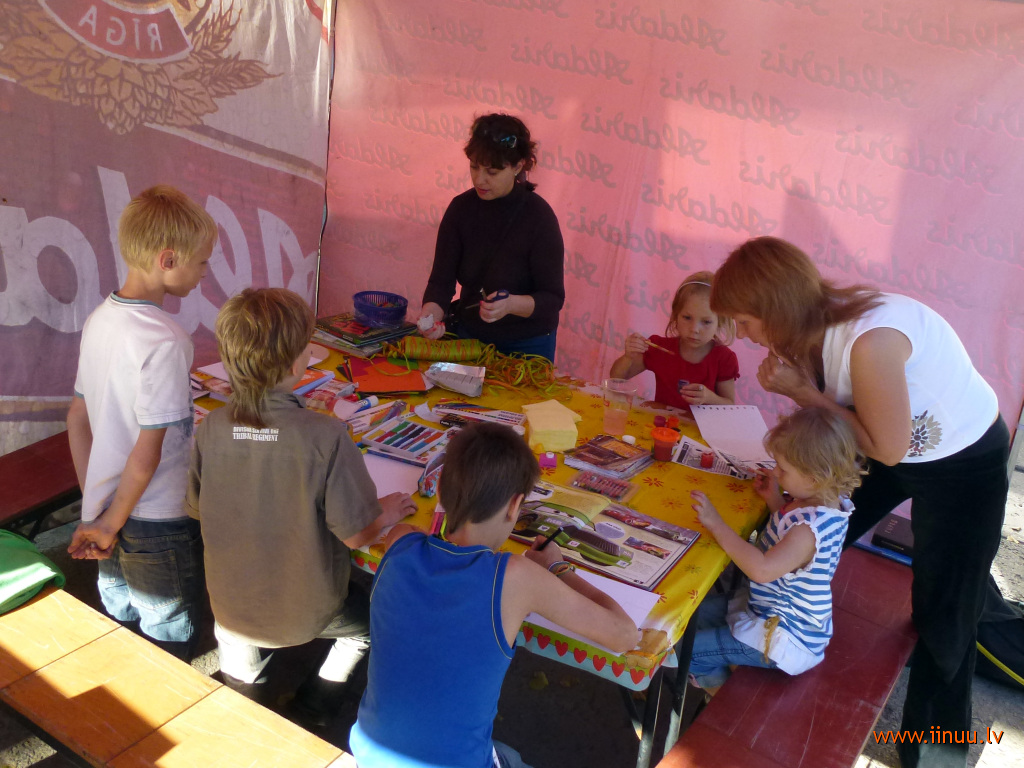
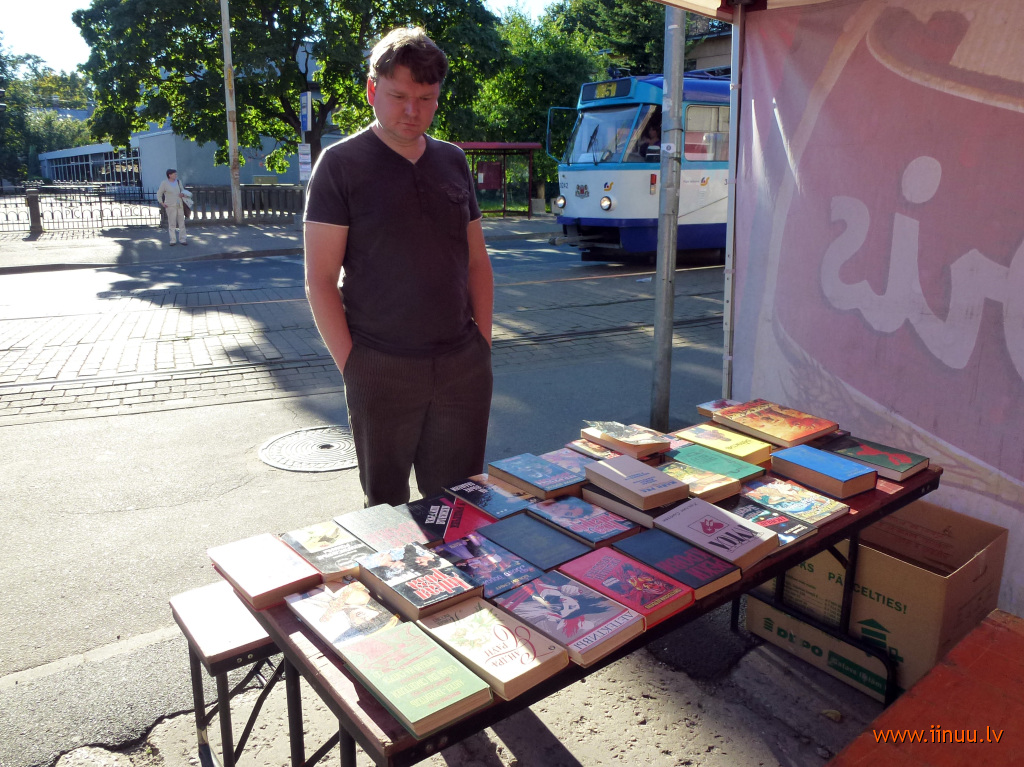
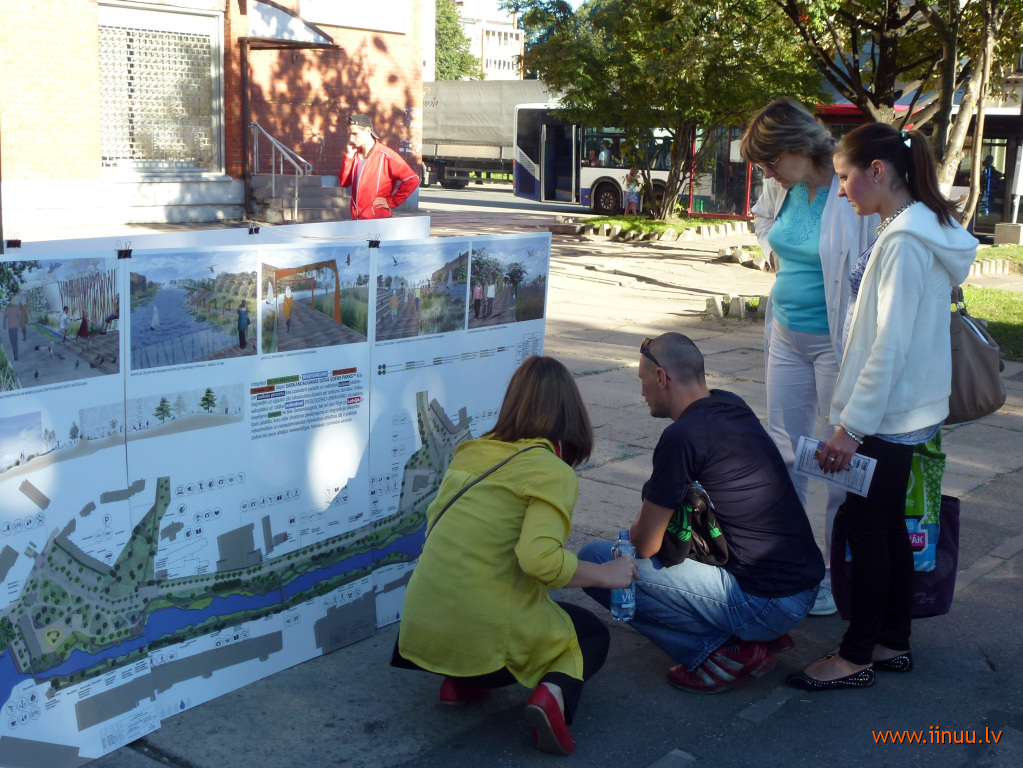
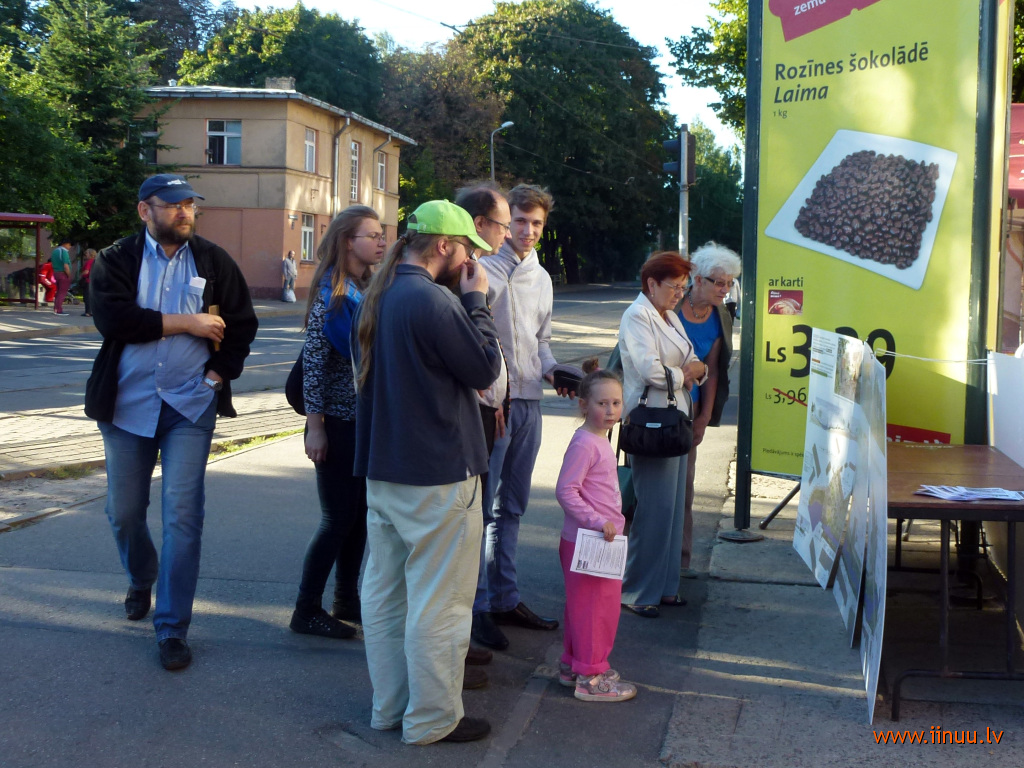
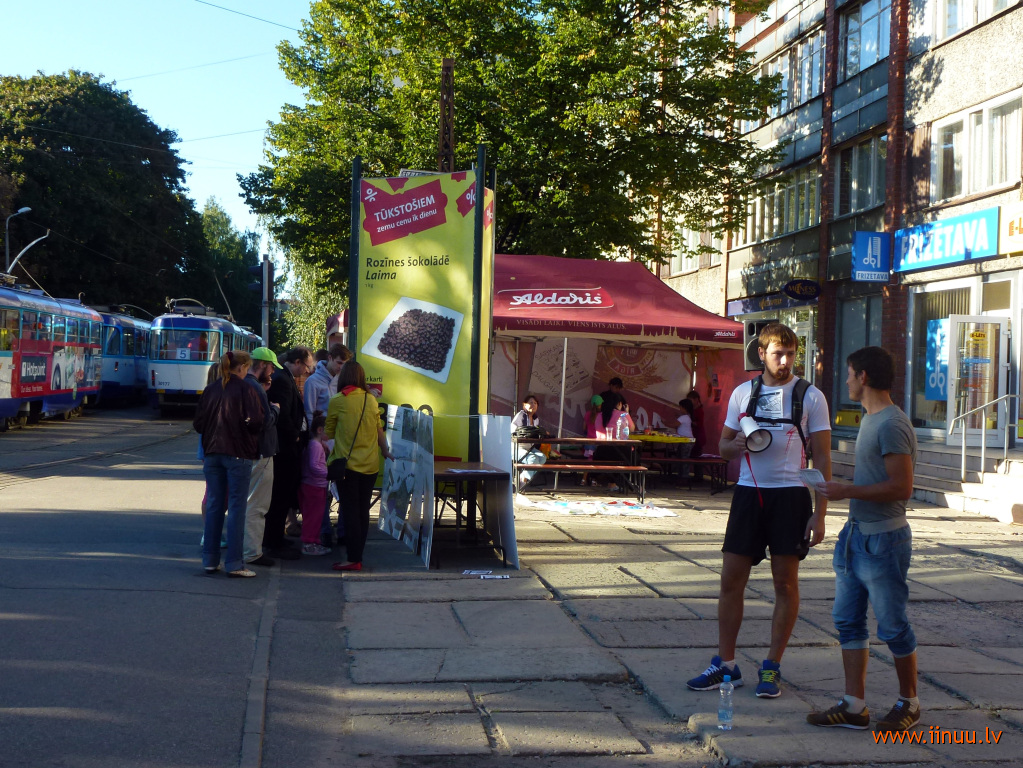
Here, in the Sarkandaugava centre, activity was at its greatest. Two tents had been set up - in one, a book exchange point and a children's corner where drawing, crafting, and playing were on offer; in the other, the signing of a manifesto for a tidy environment free of pollution. Those present could also view posters with project visualisations - the improvement of Alekša Square and a boardwalk with a viewing area by the Sarkandaugava stream. The response from residents was fairly large; many signed and studied the displayed materials with interest. But there were also those attracted solely by the prospect of getting a free Aldaris beer, and upon learning that no such thing was being distributed left, right, and centre, they grumbled with dissatisfaction and wished nothing good upon the enthusiasts and volunteers.
Those gathered could also take part in a trivia quiz and answer questions about the history, geography, and culture of Sarkandaugava. Many gladly visited all five stopping points, checked in on Foursquare, and received an incentive prize. But the greatest satisfaction, in my view, was felt by the Sarkandaugava residents themselves - that the district had become a gathering place for creative and active people who care about the environment they live in and who wish to foster joy in life and a sense of responsibility in those around them.
comments