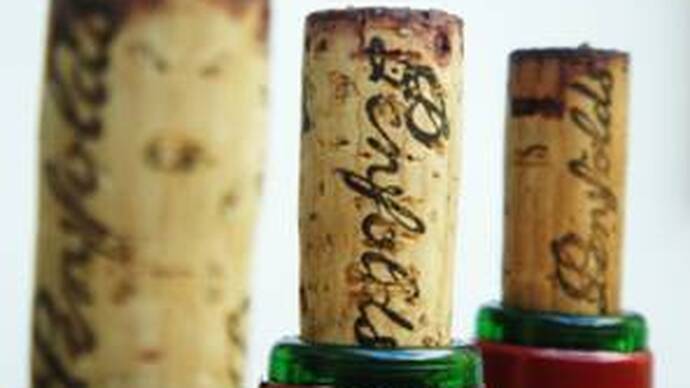
Australian Wines
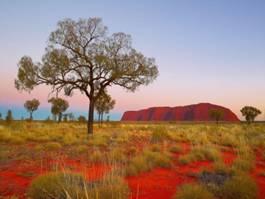
The first associations with Australia are undeniably heat, red earth, kangaroos, koalas - and also wines, as these are widely represented on supermarket shelves in Latvia too. How many are truly quality wines is another question. Because the development and spread of Australian wines in the world has been explosive, to the point of claiming the prestigious fourth place among wine-exporting countries.
The first associations with Australia are undeniably heat, red earth, kangaroos, koalas - and also wines, as these are widely represented on supermarket shelves in Latvia too. How many are truly quality wines is another question. Because the development and spread of Australian wines in the world has been explosive, to the point of claiming the prestigious fourth place among wine-exporting countries.
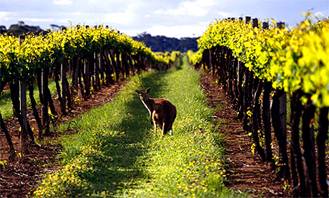
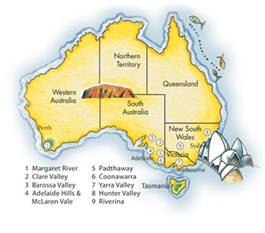
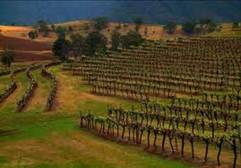
Just like the entirety of Australian history, the history of Australian wines has been thoroughly shaped by immigrants from Europe and colonisers. The beginning of Australian wine history can be traced to 1788, when English colonist Captain Arthur Phillip planted the first vineyard in Sydney. A significant contribution to this country's wine industry in the 19th century was made by Germans, who emigrated to Australia in large numbers and adapted the finest European grape varieties - including the popular Riesling grape - to Australian conditions. They began grape cultivation in Australia's most famous wine region: the Barossa Valley.
Right up to the 1960s–70s of the 20th century, two thirds of Australian wines were sweet or fortified, as the continent's climate is particularly favourable for their production. Then came a turning point towards dry wines. The most serious players in wine production today are Yalumba (Hardys), Pernod Ricard (with the brand Jacob's Creek, widely known in Latvia) and Foster's Group (Penfolds, Wolf Blass).
Wine critics acknowledge that Australian winemakers are literally flooding the world with commercial wines tailored to consumer demands - smooth, fruity, easy to understand, with no particular pretensions to uniqueness or character. The Australian wine producer motto: "Spend less. Drink more." The Latvian market is full of Lindemans, Jacob's Creek, Yellow Tail, and other wines, but a truly good Australian wine requires careful searching - and most likely not on supermarket shelves but in specialist wine shops.
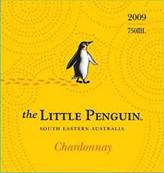
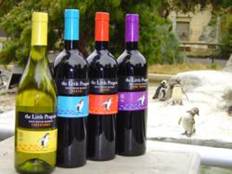
For us too, perhaps unlike others, Australia - and especially neighbouring New Zealand - also evokes associations with clumsy waddling birds: penguins. Browsing the internet I came across an Australian wine producer called The Little Penguin, which caught my attention with the said creature - but according to experts, it too represents the commercial wine segment, and Latvia has not yet been found as a market for its wines. Meanwhile its wine promotion is quite fun and appealing - with wine personality tests such as "What Wine are you?", animated penguins, and brightly coloured bottle labels.

The white wine bouquet of Australia can be characterised by notes of vanilla, oiliness, toastiness, pear, apple, melon, pineapple, and peach. The most popular white grape is Chardonnay. Furthermore, white wines in Australia dominate over reds in terms of volume.
The red wine bouquet of Australia: cherry, blackcurrant, coffee bean, dried plum, leather, vanilla, chocolate, blackberry. The most popular red grape is Shiraz.
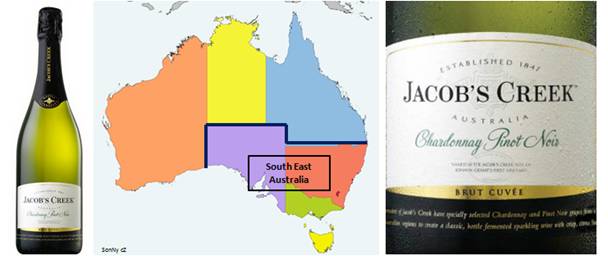
We opened the Australian wine evening with an aperitif - the sparkling wine Jacob's Creek Brut Cuvée from Chardonnay and Pinot Noir grapes. Refreshing; citrus and toasted cashew notes dominate.
The first white wine: Annie's Lane Riesling 2006 from the Clare Valley. A pale yellowish colour, reminiscent of a clear drop of oil, a pronounced white rim. In the aroma: petroleum. In the flavour: oiliness, a pleasant acidity, and a pronounced lime character.
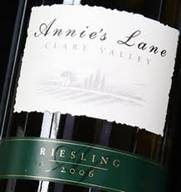
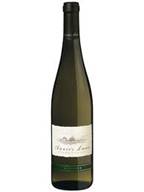
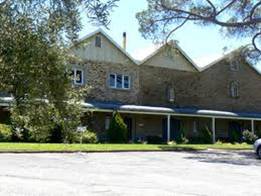
Opinions among tasters were divided. Those accustomed to German Rieslings found this one unfamiliar; others were drawn to its distinctiveness. The wine is 12.5% alcohol. Available in Riga at the specialist wine shop "Arka" for Ls 9.30.
The next wine became my favourite of the evening - Rosemount Estate Roxburgh Chardonnay 2005 from Hunter Valley. The wine is aged 9 months in French oak barrels. Colour: pale, clear but not dull yellow. Very thick consistency; the legs slide slowly, almost reluctantly, down the sides of the glass.
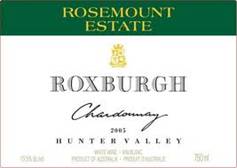
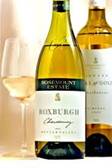
In the aroma: classic Chardonnay. In the flavour: melon, gentle spice, calls for food. Paradoxically, it pairs very well both with salmon in lavash and soft cheese, and with beef - roast beef. A respectable 13.5% alcohol. Also available in Riga at "Arka" for Ls 12.50.
The red wine Peter Lehmann Layers Red 2009 was the discovery of the evening for several people, myself included. It comes from South Australia's famous Barossa Valley. Grape blend: 46% Shiraz, 20% Mourvèdre, 15% Grenache, 17% Tempranillo, 2% Carignan. Wine potential: 6 years.
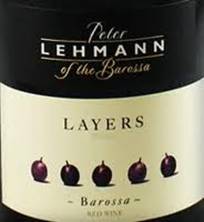
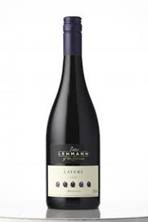
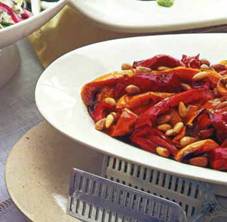
Appearance: ruby red colour, medium consistency. In the aroma: pronounced fruit. The flavour is round, plummy. Gentle tannins. Serving temperature: 18°C. Alcohol content: 14.5%. Available at "Vīna Studija" for Ls 9.95.
Noted as pairing well with Mediterranean and Indian cuisine. It seems it will also go well with the stuffed peppers beloved at home. ;)
The next red wine, Katnook Estate Cabernet Sauvignon Coonawarra 2005, has been highly rated by the wine magazine Decanter and awarded bronze, gold, and silver medals in various years. Wine potential: 8–12 years. Matured in small French oak barrels for 2 years, as evidenced by the presence of tannins in the flavour.
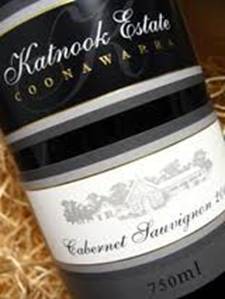
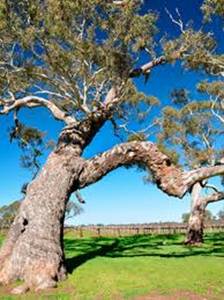
Appearance: deeply rich red, dark, full-bodied. In the aroma: ripe dark plums, warmth. In the flavour: fruitiness, vanilla, tannins - but no earthy heaviness. An all-encompassing association: the height of summer. Good with semi-hard cheese and meat. Available at "Vīna Studija" for Ls 17.99.
The final red wine also comes from the Barossa Valley and the renowned Penfolds producer - Penfolds BIN 28 Kalimna Shiraz 2007. Alcohol: 14.5%. Aged 12 months in American oak barrels.
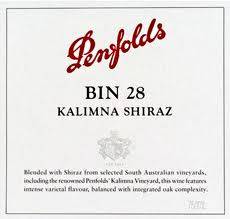
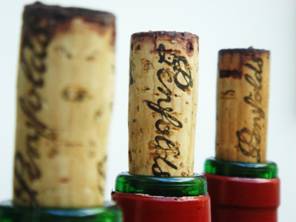
Appearance: dark red cherry, medium consistency. In the aroma: plums, mocha, dark chocolate. In the flavour: spice, pronounced tannins, quite robust. Calls for a meat dish to balance the tannins. Available at "Arka" for Ls 16.20.
Article prepared using Larisa Krūmiņa's independent wine course notes
comments