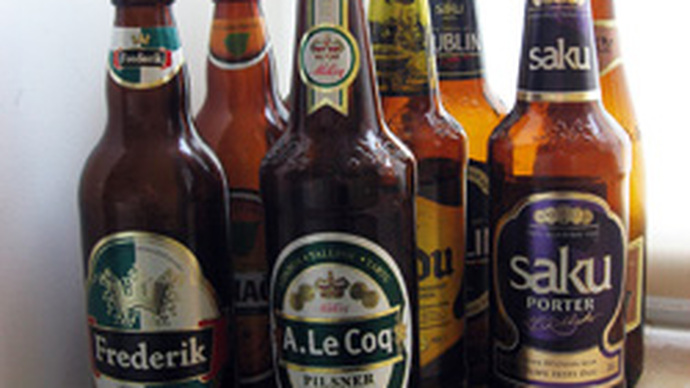
Estonian Beer
Beer tasting or evaluation is very similar to tasting other drinks, including wines. Assessed are: the bottle, beer colour, consistency, aroma, flavour, and finally the finish. Although taste is a personal matter, we tried to be as objective as possible in our descriptions. The result revealed the most and least drinkable beer.
An indispensable part of every trip, including this summer's journey through Estonia, was tasting the local beers. Beer tasting or evaluation is very similar to tasting other drinks, including wines. Assessed are: the bottle, beer colour, consistency, aroma, flavour, and finally the finish. Although taste is a personal matter, we tried to be as objective as possible in our descriptions. The result revealed the most and least drinkable beer.
Tasting methodology. The beer was purchased in Estonia at various shops (without any particular system). Brought to Latvia and left to stand in a cool, dark room for several days. Two persons participated in the tasting, each giving their verdict. Tasted in the order described below. Initially each type of beer was tasted by pouring 25 cl. Later, in various combinations, some descriptions were supplemented as a result.
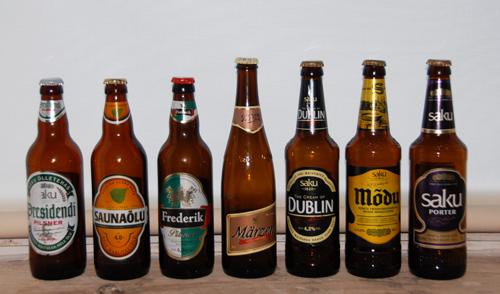
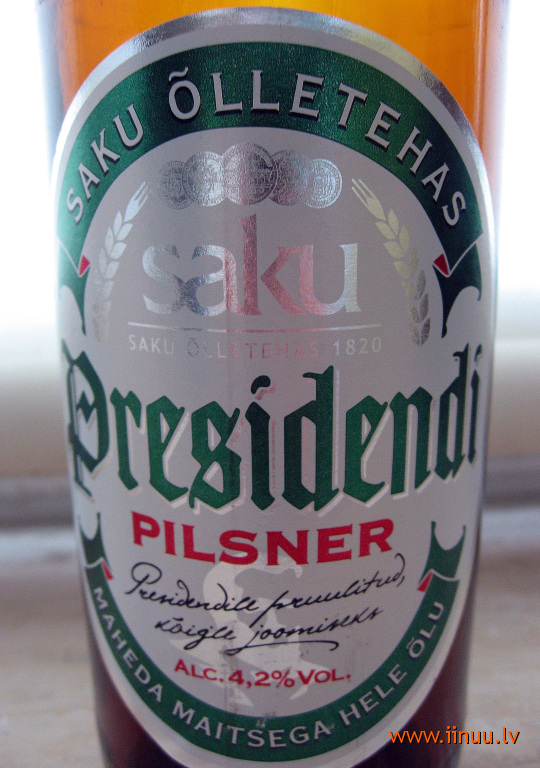
1. Saku Presidenti
Standard bottle. The beer has a pale yellow colour, foams well. Fine foam. In the flavour a "rubbery" aftertaste is noticeable, of the kind most commonly found in Russian beers. The flavour is mild and rich. Sweet finish.
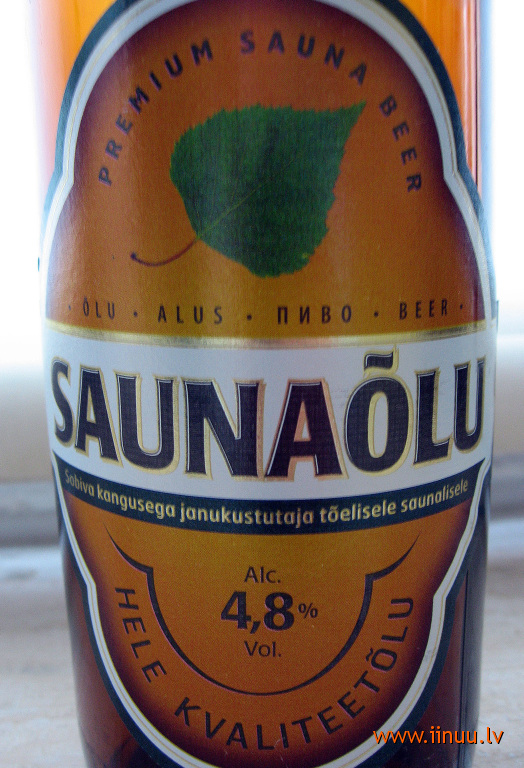
2. Saunaolu
Standard bottle. A rich yellow colour. Coarse foam. Clean, unassertive aroma. In flavour similar to Piebalga Jubilee beer. A bitter finish with a noticeable juniper note.
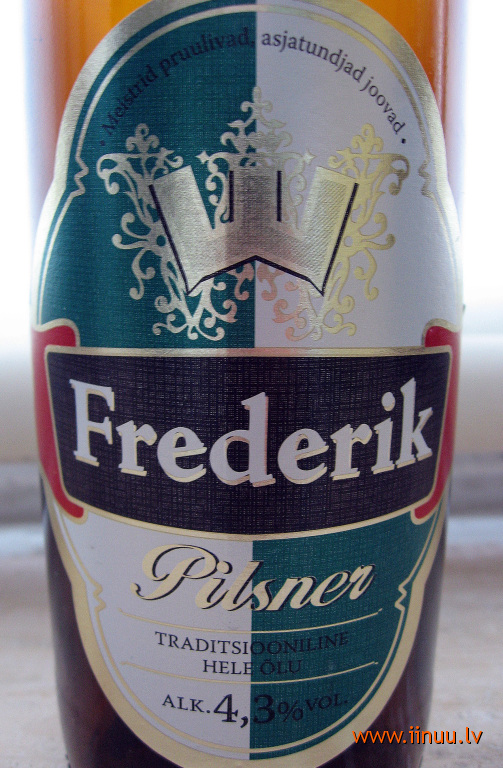
3. Frederik Pilsner
Very foamy. Rich yellow colour. A pronounced hop aroma. Caramel notes in both aroma and flavour. Thick consistency. The flavour is sweeter than the previous one. A juniper note in the finish.
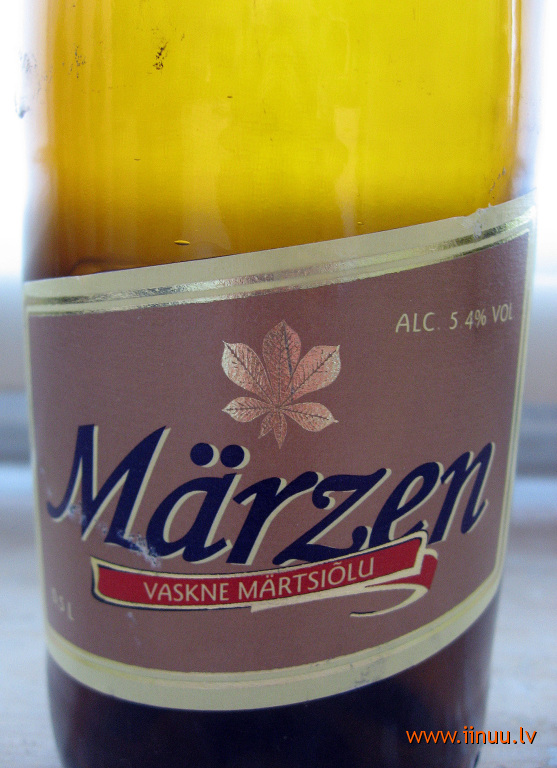
4. Marzen
A slender, elongated bottle with an extended neck. The beer has an amber dark-brown colour. Caramel aroma. A pronounced, mild, and rich flavour. A distinct caramel note is felt in the flavour. The bitterness is not pronounced. Toasted rye bread notes in the finish.
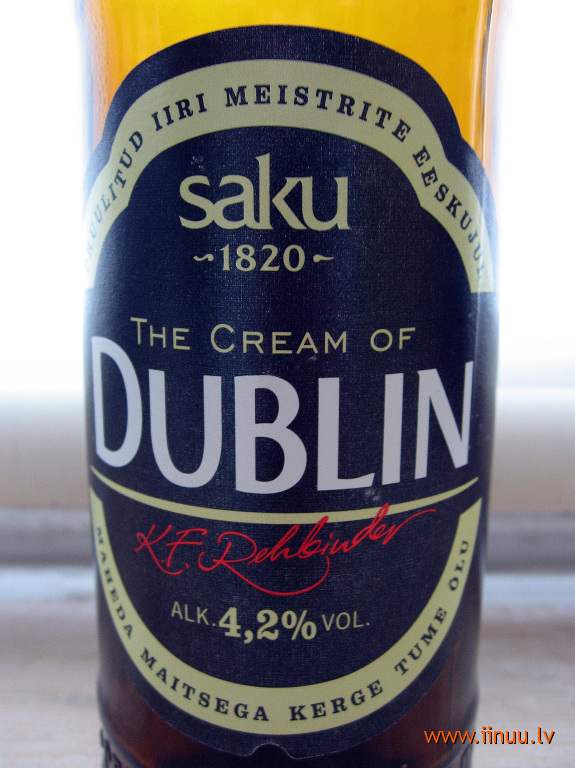
5. Dubliner Saku
The bottle is non-standard but tasteful. Dark brown chestnut colour. The aroma is honeyed, sweet-and-sour. Flavour association: honey and rye bread. Pronounced tannins, which by analogy could be compared to the sediment in hibiscus tea. A slightly bitter finish. The beer would likely gain in flavour if served chilled.
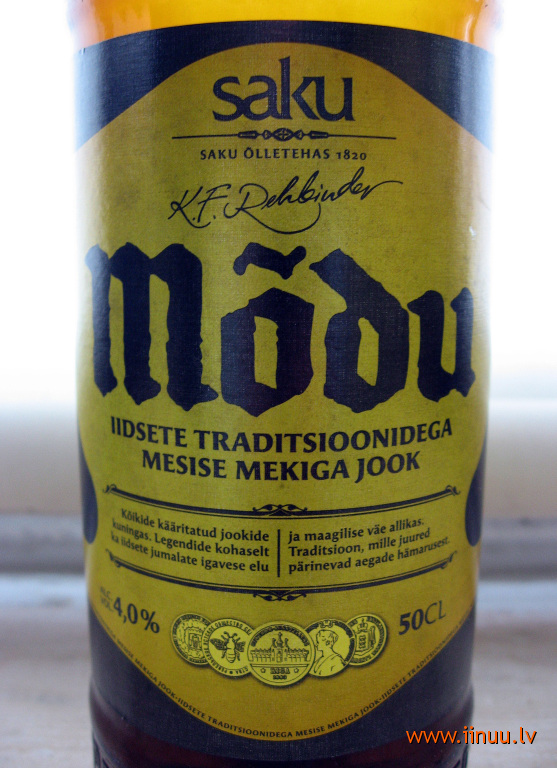
6. Modu Saku
The bottle is non-standard but tasteful. Distinctly fizzy, with persistent foam. Dark amber colour. A pronounced honey aroma. The sensation is as if freshly collected honey. Could be compared to honey water with a malt flavour. The bitterness characteristic of beer is not felt.
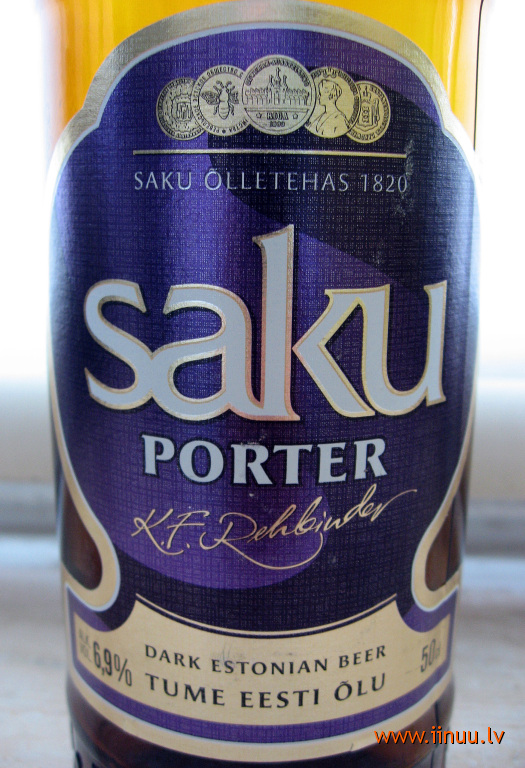
7. Porter Saku
The bottle is non-standard but tasteful. Very dark colour. Intense, persistent foam. Fine foam structure. In the aroma: toasted bread and caramel. In the flavour: pronounced malt, strongly sweet-bitter. A brief description of the flavour: wormwood-bitter with caramel. The bitterness persists into the finish.
Conclusions
Of the beers reviewed, the favourite turned out to be beer No. 4 (Marzen), with a very mild beer flavour. The most distinctive - and consequently unlikely to be enjoyed again - was No. 7 (Porter Saku), owing to its very pronounced wormwood-bitter flavour.
A pleasant surprise was No. 5 (Modu Saku), which under different circumstances tasted like Coca-Cola - evidently the honey flavour suppressed the hop bitterness, creating the impression of a distinctive beer drink without the pronounced bitterness and malt aftertaste characteristic of beer.
comments