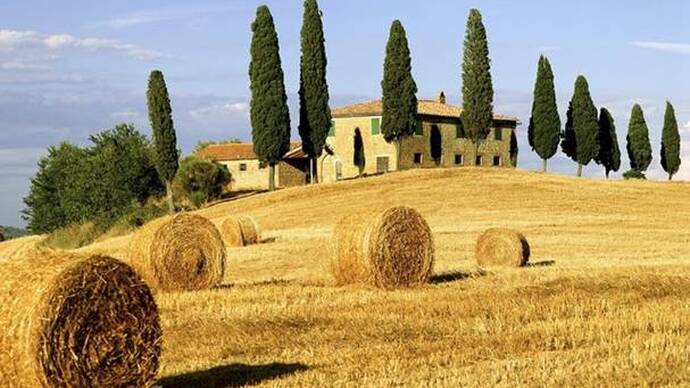
Savouring Italy
This month it so happened that, being right here in Latvia swept by autumn winds, we savoured Italy. Firstly, of course, the film "Eat Pray Love", where the character played by Julia Roberts travels to Italy to discover the Italian art of celebrating life. Secondly, photographs sent by Silvija from a trip through Italy. Thirdly, the Tuscany wine seminar organised by Larisa.
What do you associate with Italy? Wine, sunshine, spaghetti, pizza, the Tower of Pisa, Rome, Carmen, gondolas, the mafia, Pavarotti, tiramisu, Ferrari, football, Milan fashion, Romeo and Juliet, grappa… When a couple of years ago we were in northern Italy, our group leader told us that Italians have two perfect things - roads and coffee - and one can have serious doubts about the quality of everything else. I think that getting to know Italy more closely and travelling around it, one can find much more than two good things.
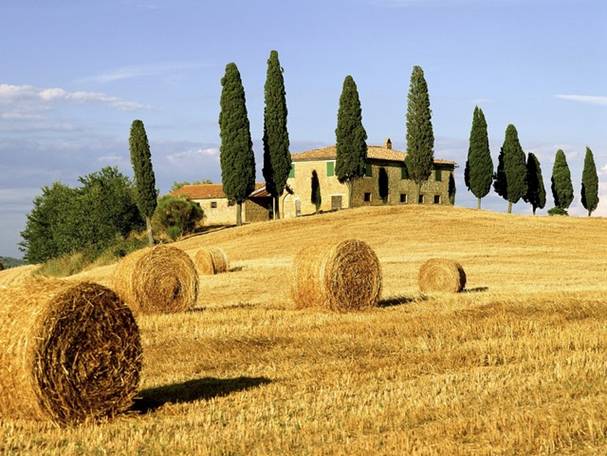
This month it so happened that, being right here in Latvia swept by autumn winds, we savoured Italy. Firstly, of course, the popular film "Eat Pray Love", where the character played by Julia Roberts travels to Italy to discover the Italian art of celebrating life, to learn the language, and to eat, eat, eat with delight. Secondly, photographs sent by Silvija from a trip through Italy. Thirdly, another wine seminar organised by Larisa, at which we discovered and savoured wines from the heart of Italy - the Tuscany region.
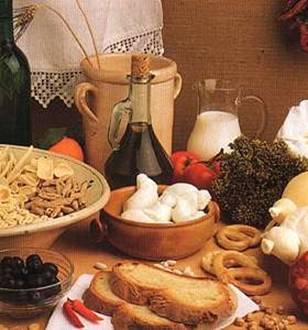
I am absolutely enchanted by Italian national cuisine, since all dishes are generously enriched with spices - garlic, bay leaves, marjoram, nutmeg, cinnamon, chilli peppers, and so on. These are usually prepared and served with generous additions of olive oil and various cheeses. Italians love pasta products - various types of pasta, lasagne, spaghetti, pizza, white bread or ciabatta. Then of course there are rich vegetable cream soups, cured ham or prosciutto, white mould cured sausages, sun-dried tomatoes. Mmm, one is absolutely yearning for a culinary tour through the regions of Italy!
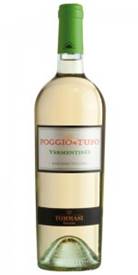
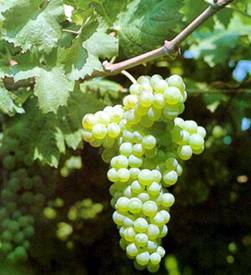
But returning to reality - an autumn dark evening outside the window, we are savouring Italian wines. As a starter, a vegetable cream soup with croutons and the only white wine planned for this evening - Tommasi Poggio al Tufo Vermentino (Maremma) IGT 2008 from Vermentino white grapes. Served well chilled. In the flavour - lemon acidity; in the aroma - flowers, rosemary, sage. I would never before have imagined that soup could pair so well with wine.
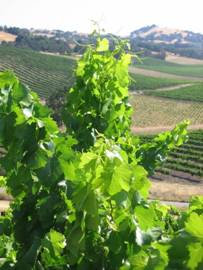
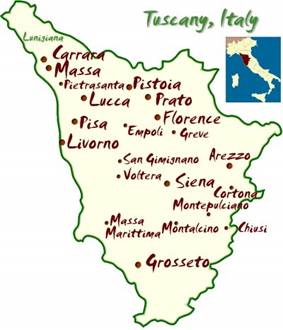
Tuscany is primarily known for its red wines - understandably so, as a full 85% of all wines are precisely reds. Thinking in stereotypes, if you say Italy and wines, the first thing that comes to mind is a deep, dark red wine. It seemed that in the film Eat Pray Love too, I didn't notice any white wines on the table. That was slightly disappointing, as I am specifically a white wine fan. Though in life everything must be experienced, so one can say clearly - I like it / I don't like it, it's for me / it's not for me.
What pleases me is that Italian wines (unlike French wines, which remain a whole headache for me in terms of selection, as I haven't properly understood them) have clear quality criteria, and these - including producer, grape variety, region, and year of bottling - are all visible on the label. At least one can study it with a knowledgeable expression. The one thing that French and Italian wines share - the more prestigious, the more austere the label.
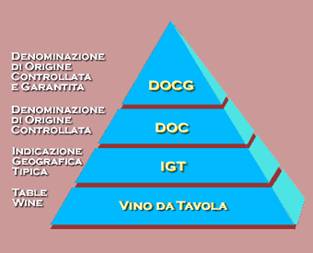
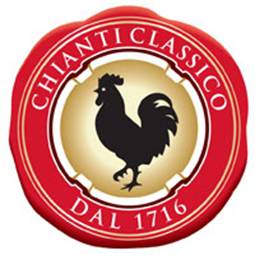
The letters indicating the quality level assigned to the wine, viewed from lowest to highest: VDT - Vino da Tavola, i.e. table wine (the kind of everyday drink in place of water at a meal in an Italian family); IGT - Indicazione Geografica Tipica (quality wines; under this designation one can also find special wines that were not awarded a higher rating solely because the winemaker chose to add grape varieties atypical of the region - in other words, non-Italian, non-Tuscan, etc. - to the wine); DOC - Denominazione di Origine Controllata (one step higher); DOCG - Denominazione di Origine Controllata e Garantita (exceptional wines, with a select, small grape harvest per hectare, wines aged for years).
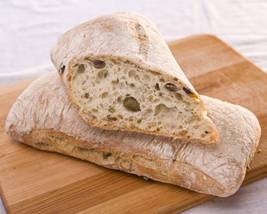
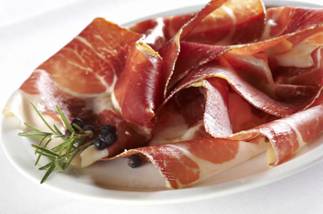
Brought to the table are cured meats, Italian bread with olives (that's actually good - worth fetching from Stockmann) and with sunflower seeds, sheep's cheeses (Pecorino), sun-dried tomatoes, pesto. Six red wines follow, opened at least 12 hours beforehand and kept at room temperature.
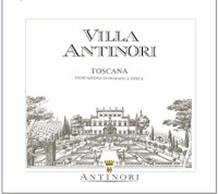
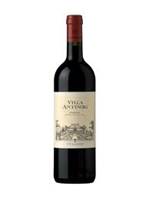
Villa Antinori Rosso, Toscana IGT 2006 - a wine with DOC-level quality. Antinori departed from the view that only Italian grape varieties may be grown in Tuscany. This wine combines 55% Sangiovese (the most popular dark Tuscan grape), 25% Cabernet Sauvignon, 15% Merlot, 5% Syrah. Intense ruby colour. In the aroma - red berries, blueberries, blackberries. Three deep inhales, swirling, observing the legs on the edge of the glass, then a large sip and… an extraordinarily astringent sensation - the tannins are at work. Instinctively I reached for a glass of water to wash it down. Association: deep autumn, leaves on the ground.
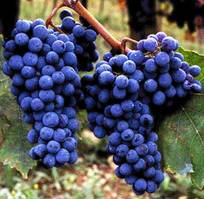
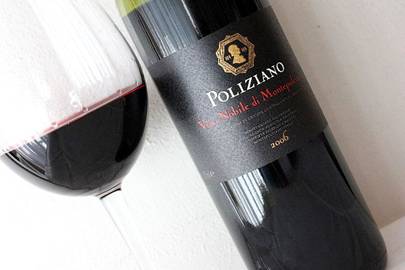
Poliziano Vino Nobile di Montepulciano DOCG 2006 - grape varieties: 85% Prugnolo Gentile, 10% Colorino, Canaiolo, Merlot. Aged 14–16 months in oak barrels. Potential: 10–12 years. A bouquet of cherry, dried plum, nuts, and spice. On its own - something to hold on to; with cured meat and pesto - excellent.
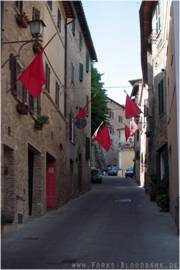
Wines from the Montepulciano region have been known since the 17th century. But there is another tradition characteristic of this little town, which the modern youth cult film The Twilight Saga: New Moon plays on - the Feast of St. Mark, when the town's streets fill with red colour from the banners and the inhabitants' cloaks.
Castello dei Rampola Chianti Classico DOCG 2006 (the black rooster quality mark on the bottle) - the grapes are cultivated and the wine produced using biodynamic methods (organic agriculture, soil cultivation, grape harvesting, and ageing in accordance with the lunar calendar and nature's biorhythms). The wine is aged in oak barrels. It has an extraordinarily deep, fertile-earth aroma. It even seemed too heavy to me - a heaviness that even the spiced meats could not offset.
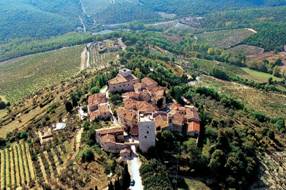
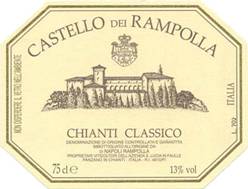
Marchese Antinori Chianti Classico Riserva DOCG 2005 - from 90% Sangiovese, 10% Cabernet Sauvignon grapes. The wine is aged 14 months in small oak barrels, then 12 months in bottles. Intense aroma with notes of vanilla and chocolate. Colour - almost black as night, a large white uneven rim on the edge of the glass. The flavour is deep yet round and soft.
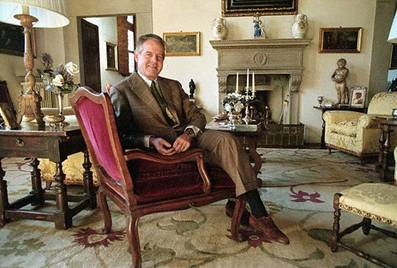
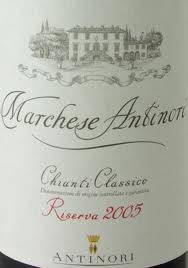
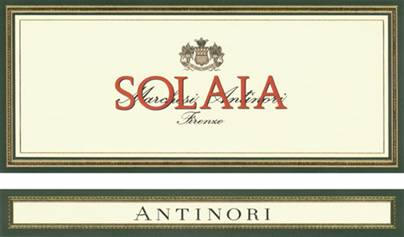
The image on the left shows Marchese Piero Antinori - head of the Antinori winemaking family, photographed at his 15th-century residence near Florence. If to purchase the previously tasted wine one would only part with 15 LVL upwards, then the same producer's wine Solaia is best ordered by ladies at a restaurant when a wealthy gentleman allows them to choose freely from the wine list (the bill may include a three-digit figure for the wine alone).
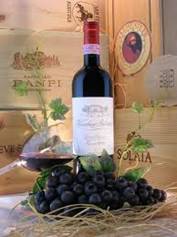
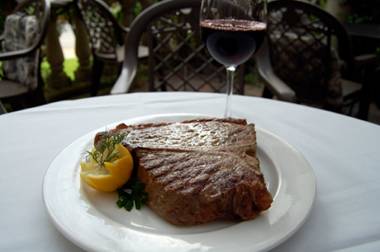
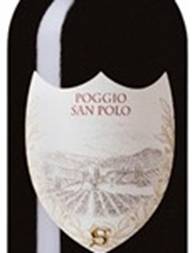
San Polo Brunello di Montalcino DOCG 2004 - classic, 100% Sangiovese (~33 LVL). Aged 24 months in oak barrels. Dark fruit, spice, minerals. Compared to the previous wine, this one has more character - not as rounded. Excellent with steak, duck liver, game, and hard cheeses. Storage potential: from 2009 to 2020, possibly even longer.
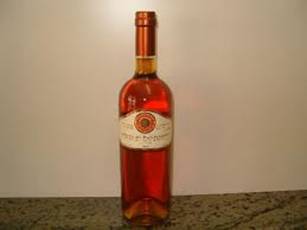
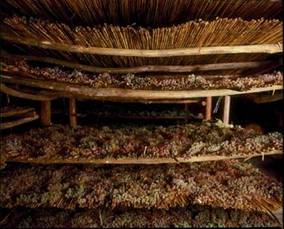
To close the evening, of course, dessert. This time its role was fully taken on by Pantelleria Passito DOC 2008. Producer: Pellegrino. Grape variety - Muscat of Alessandria (Zibibbo). Produced from grapes dried indoors. A regional departure - an amber-coloured sweet dessert wine from Sicily. By association it immediately recalled the Madeira wine and port tasting evening. In the aroma a hint of mandarin. Traditionally served with almond cake, nuts, and blue-mould cheeses.
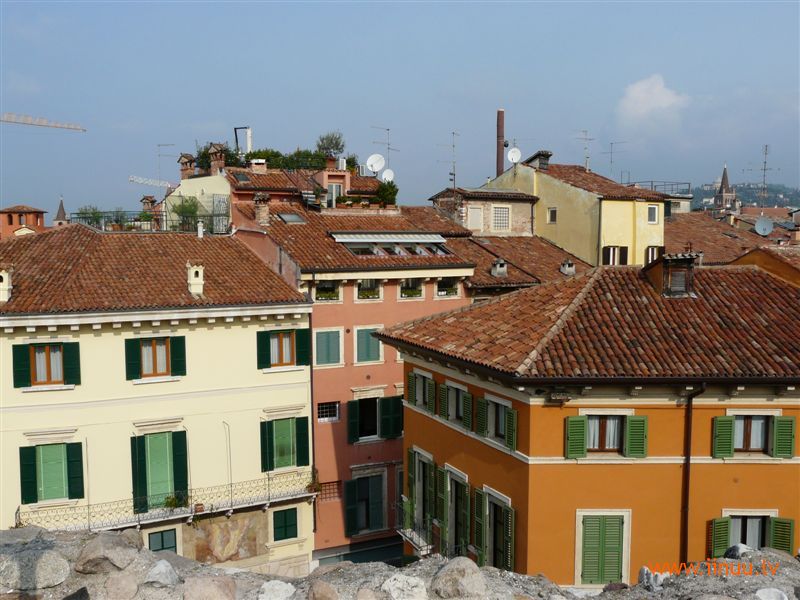
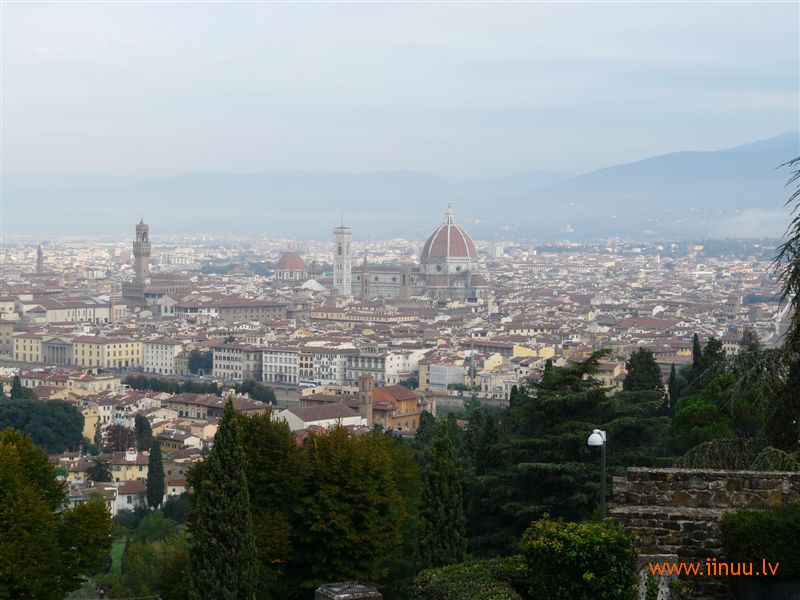
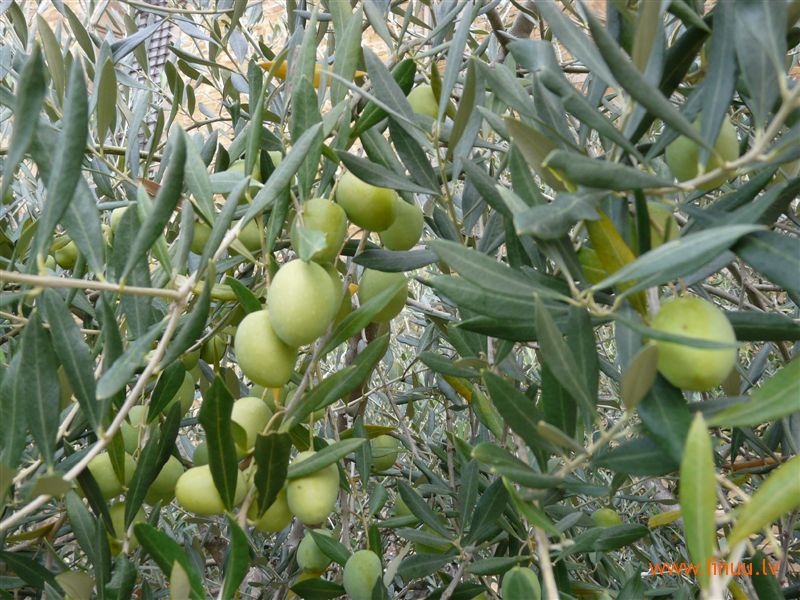
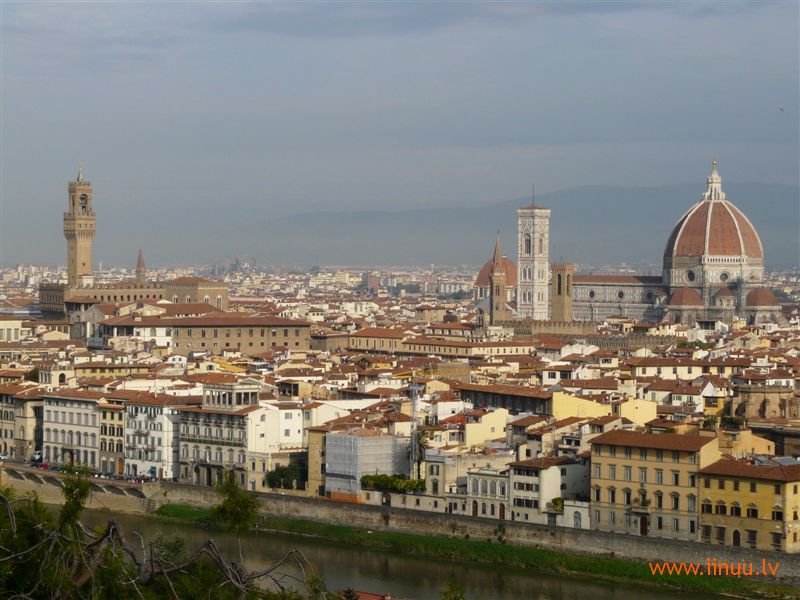
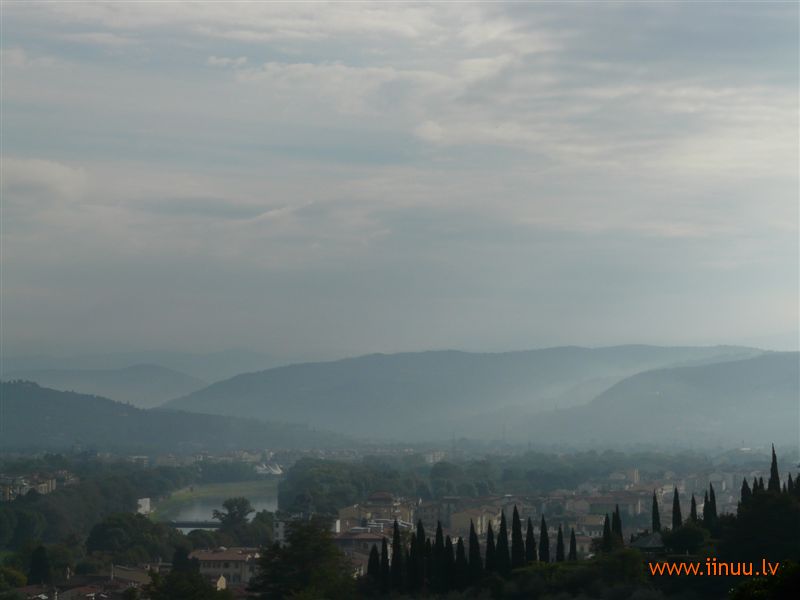
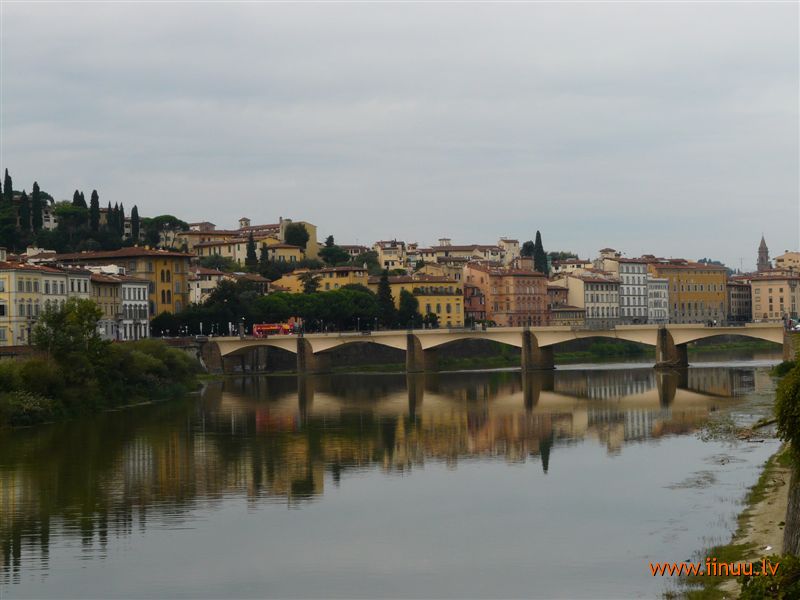
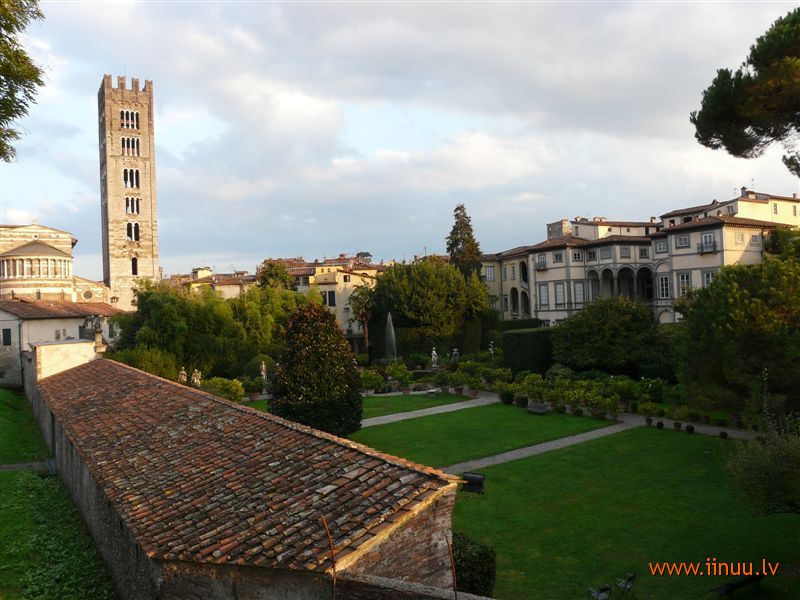
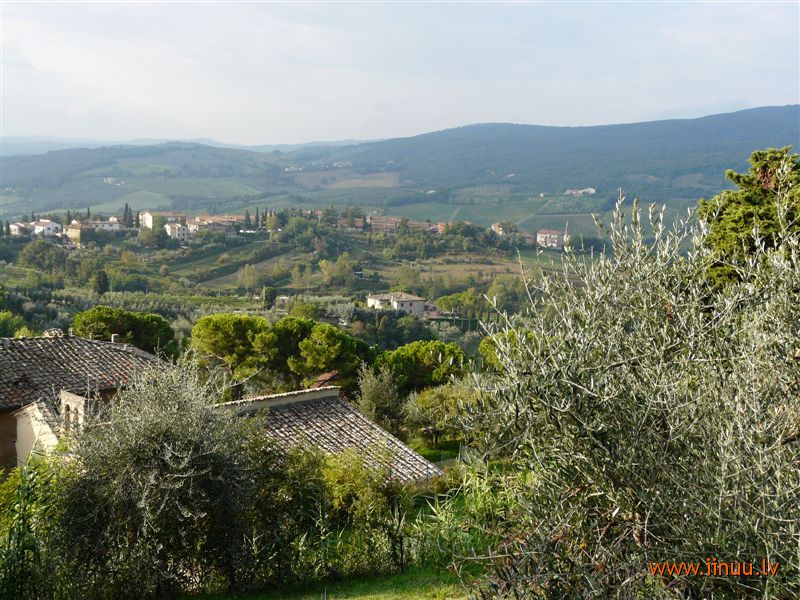
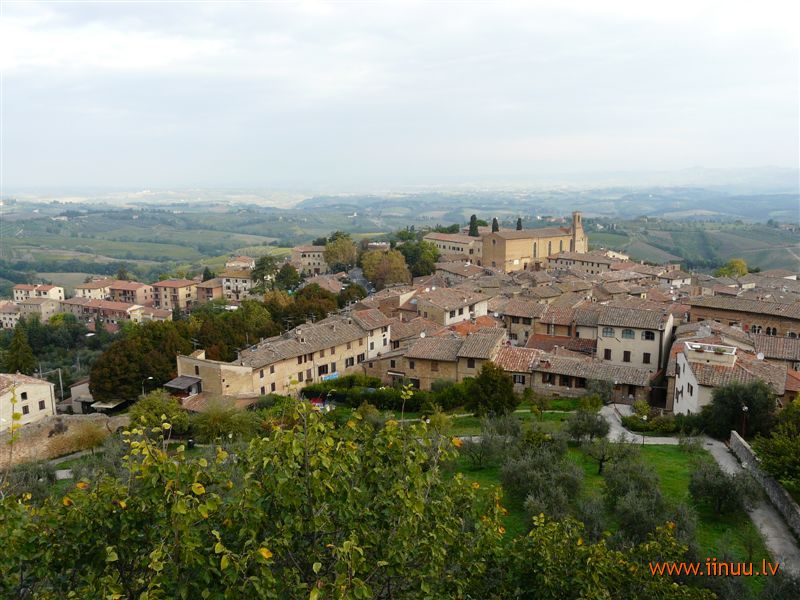
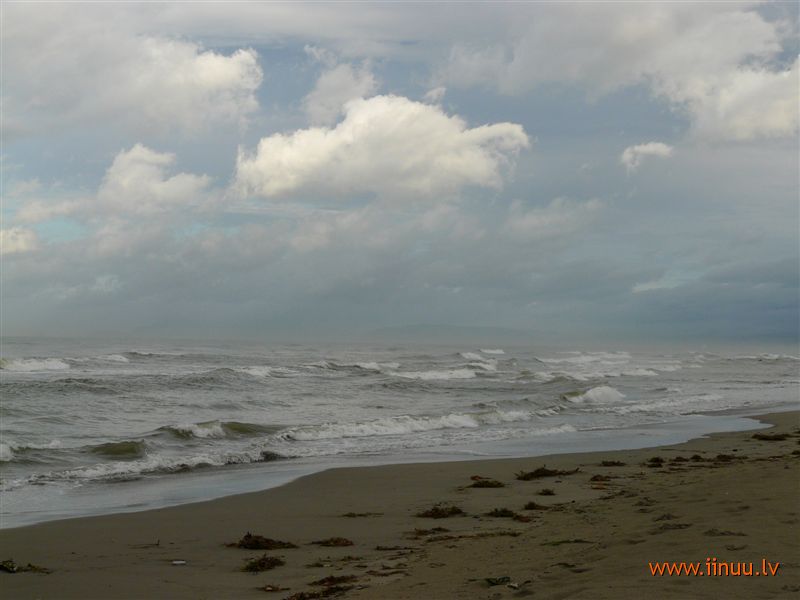
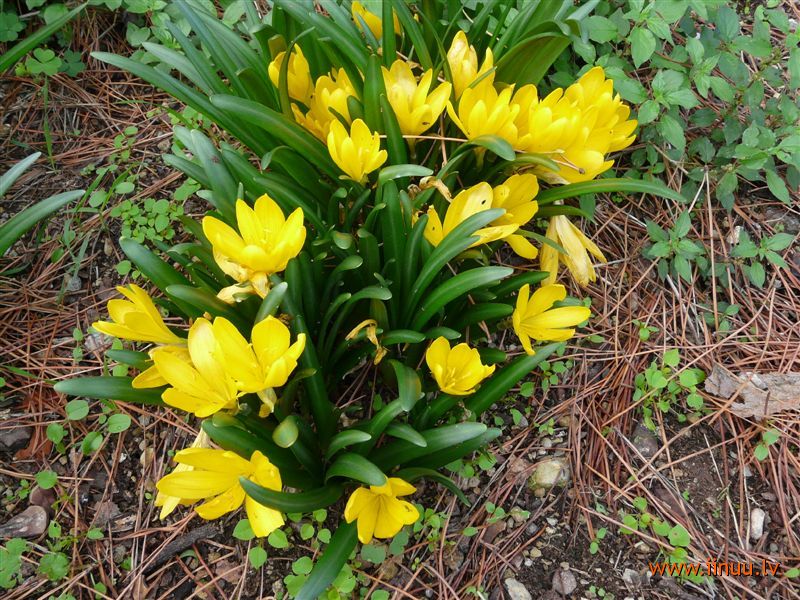
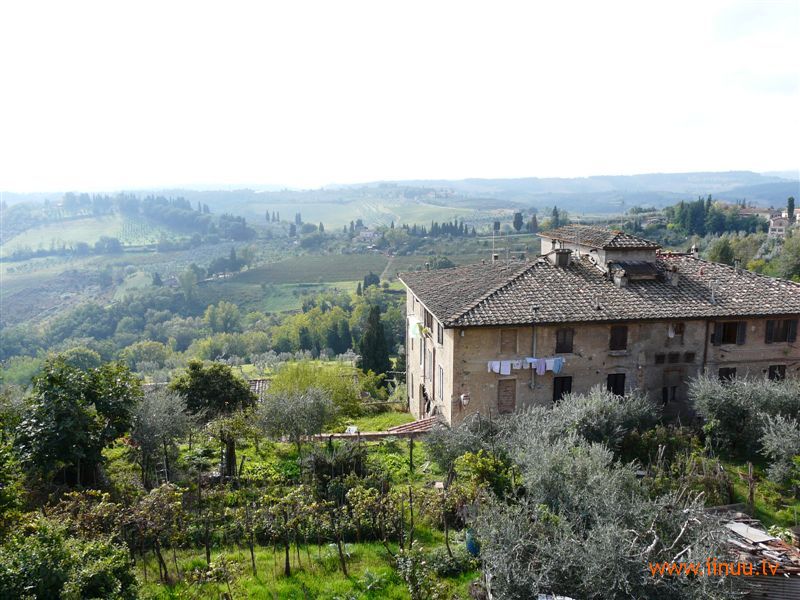
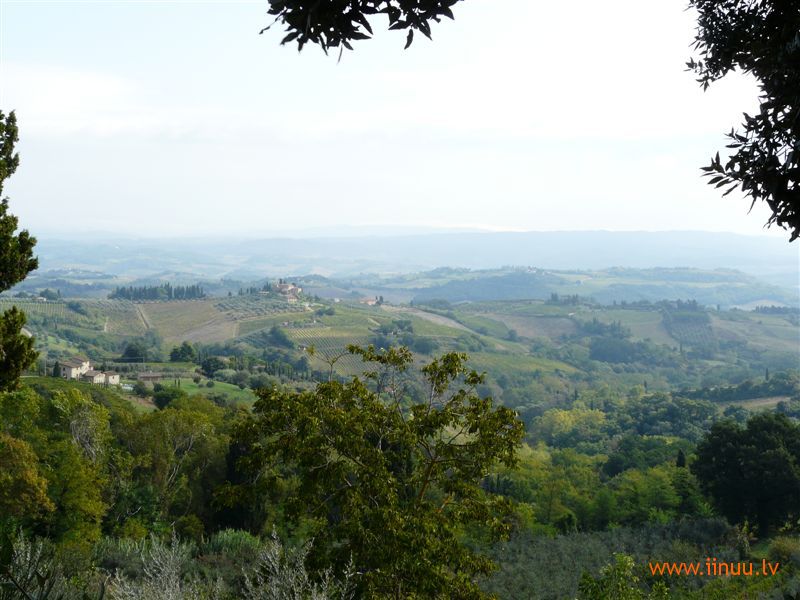
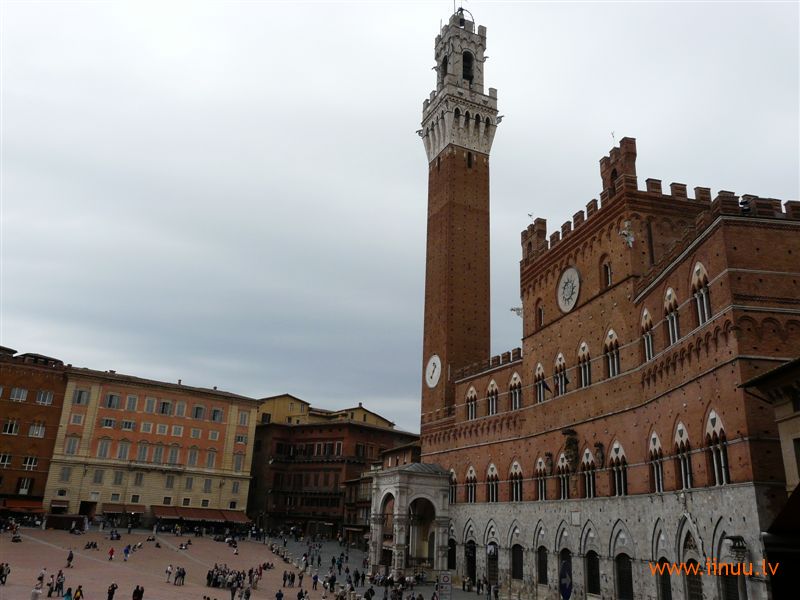
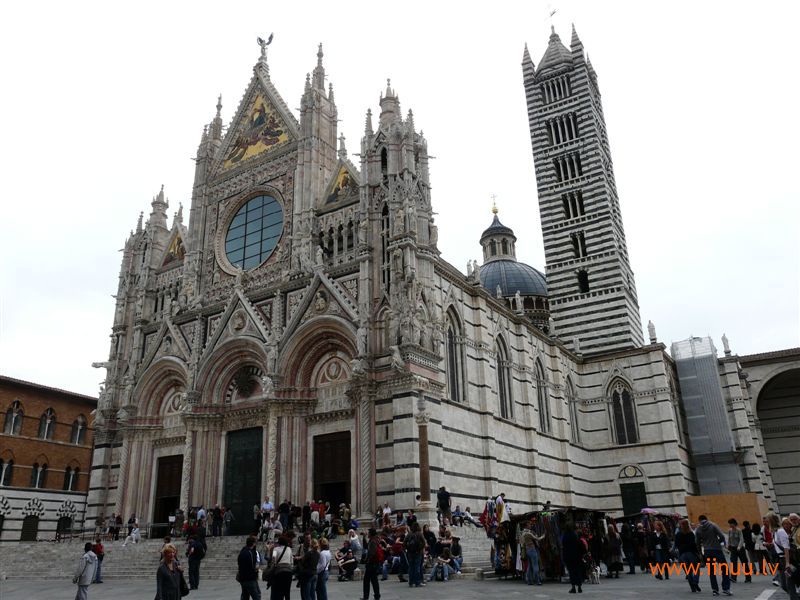
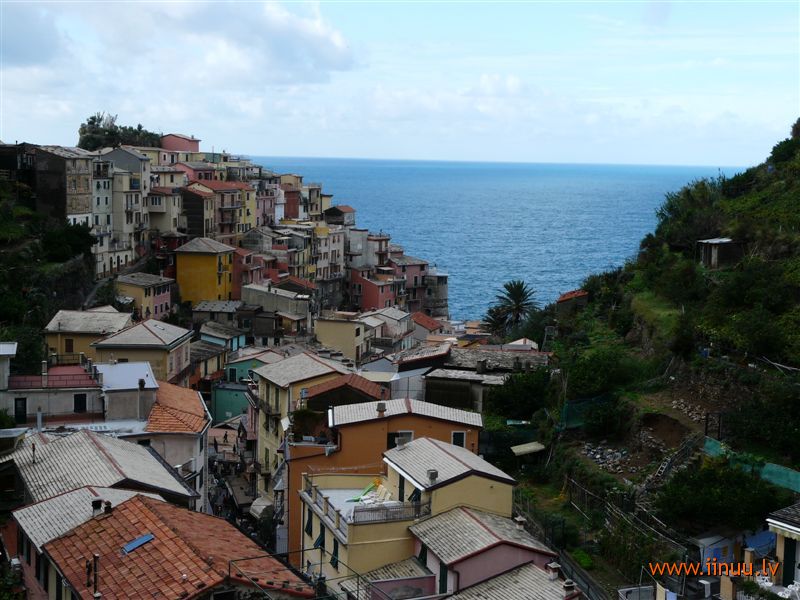
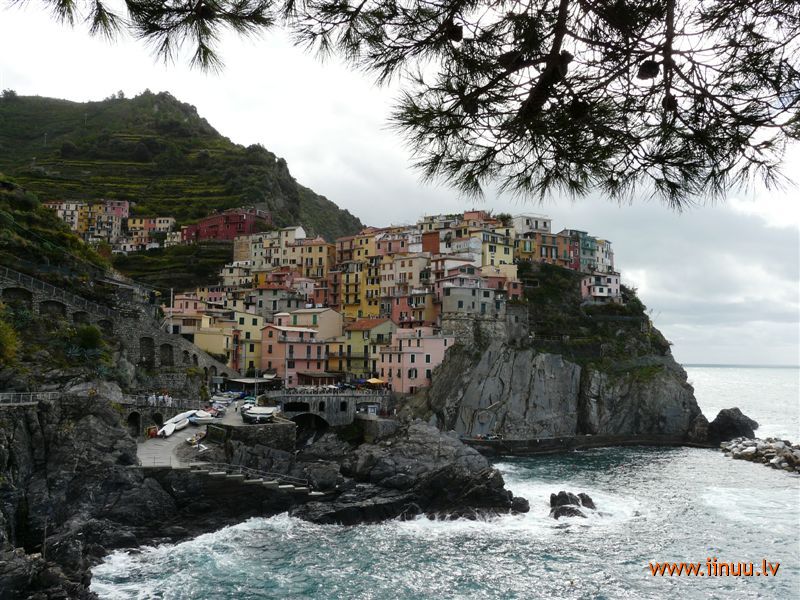
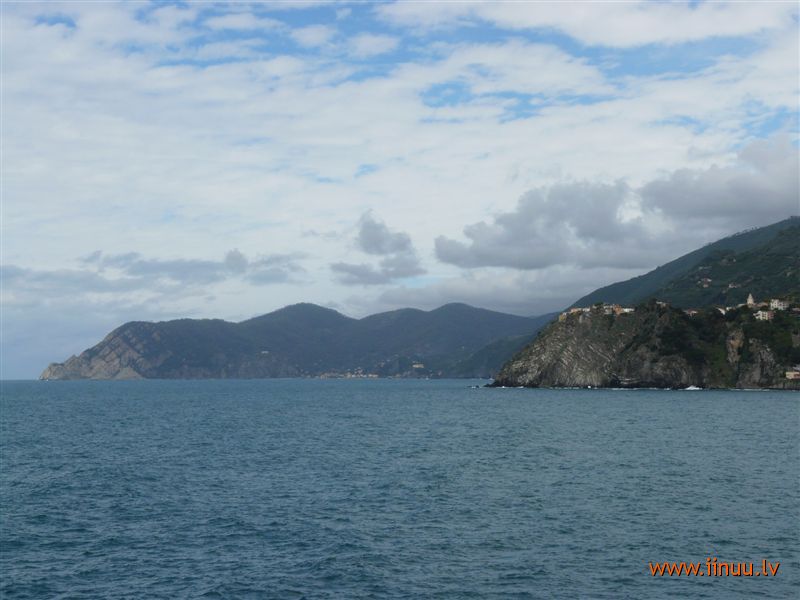
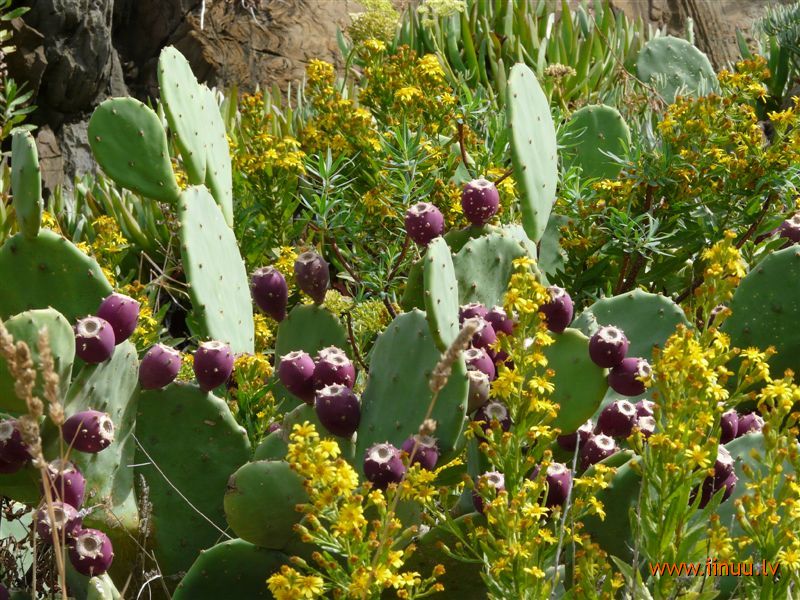
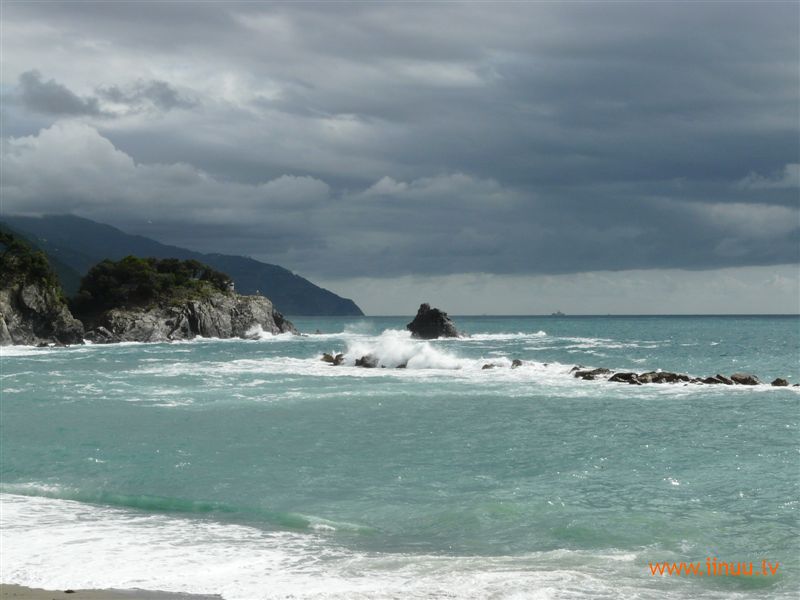
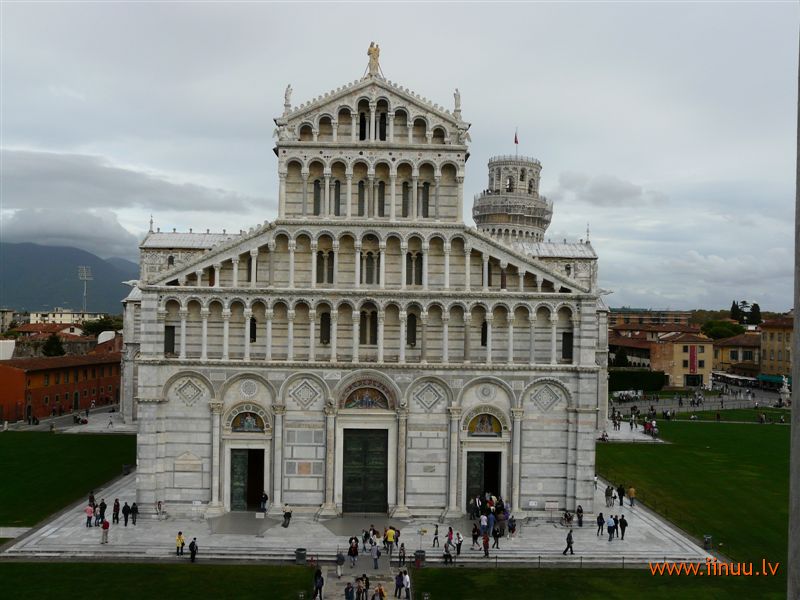
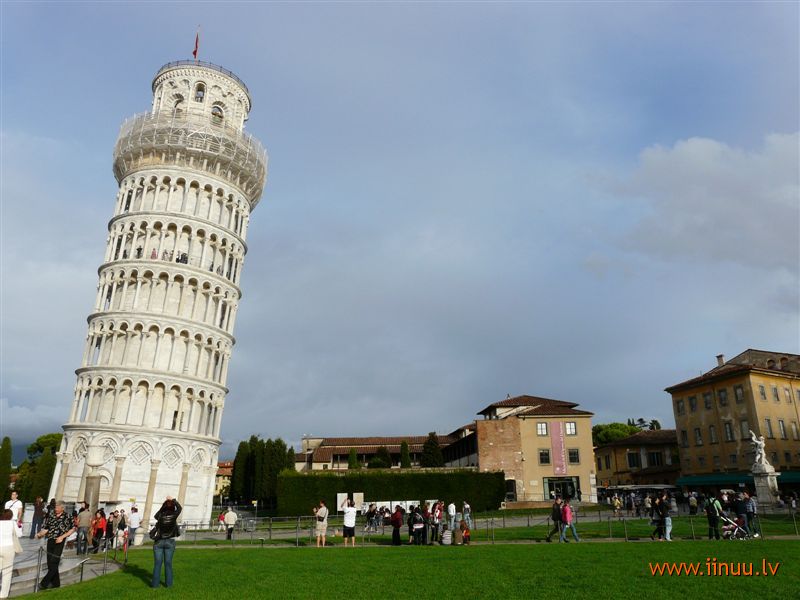
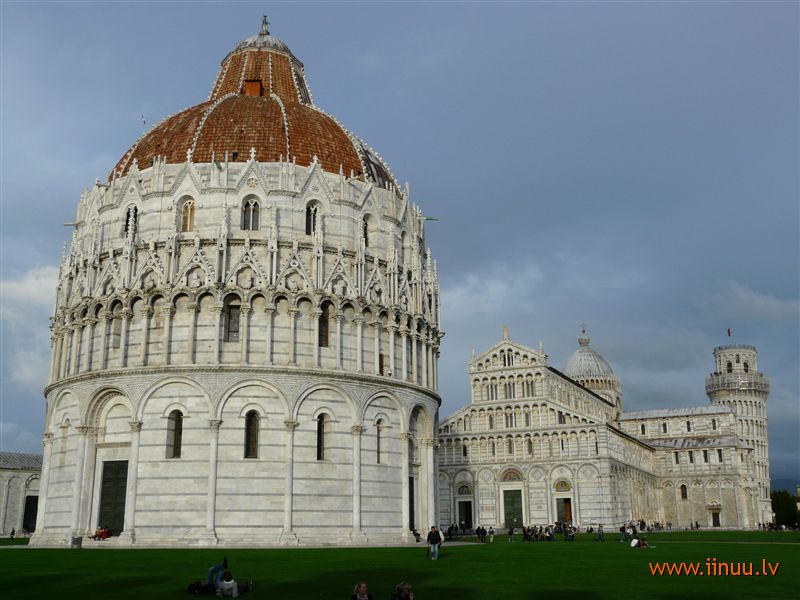
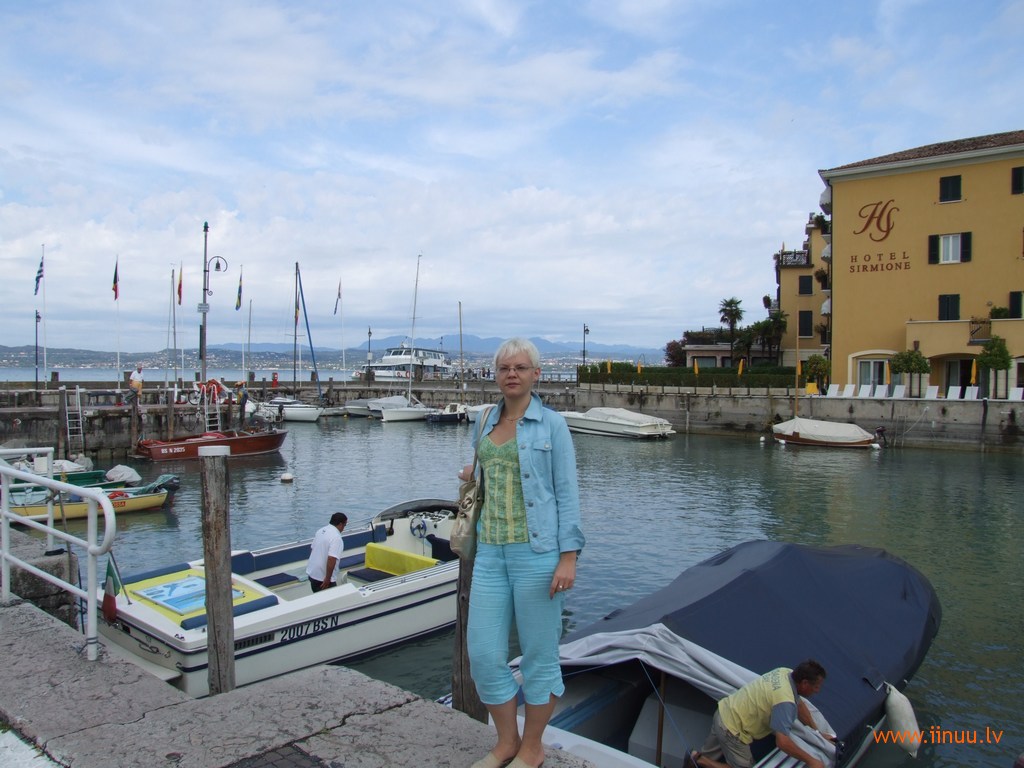
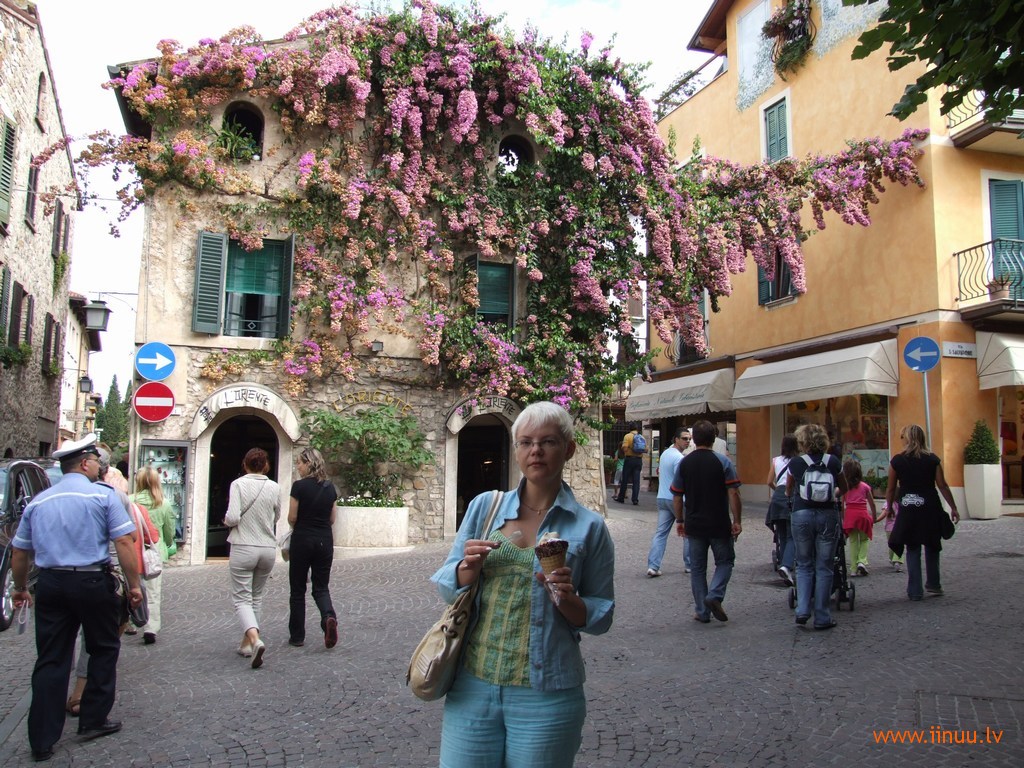
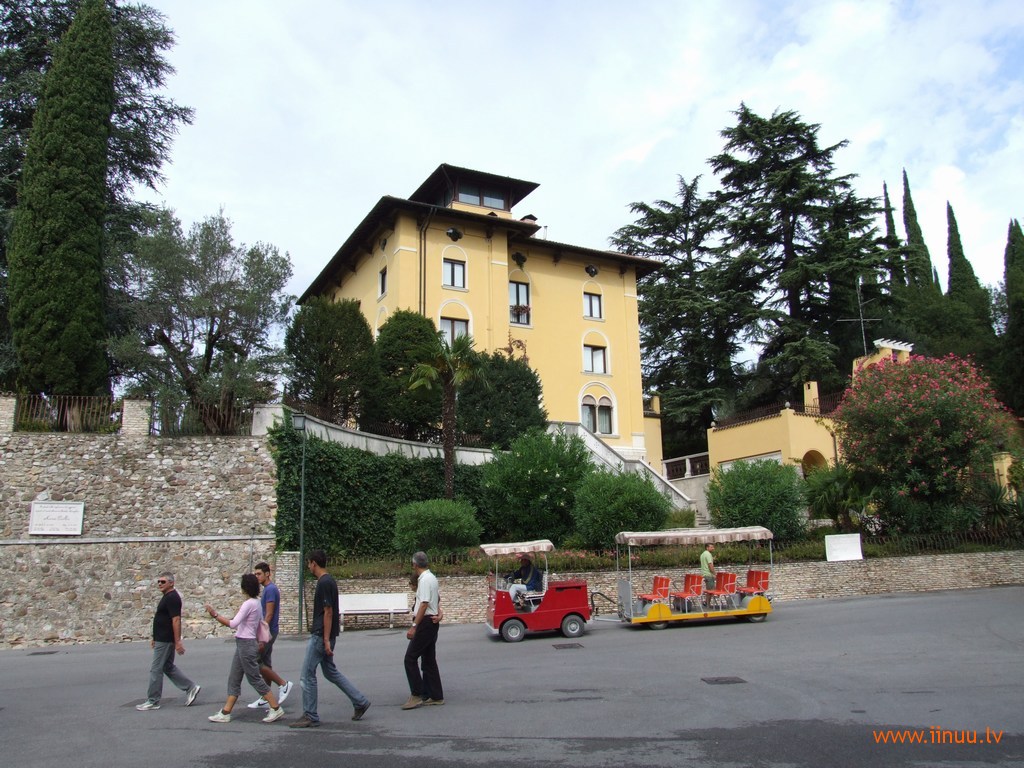
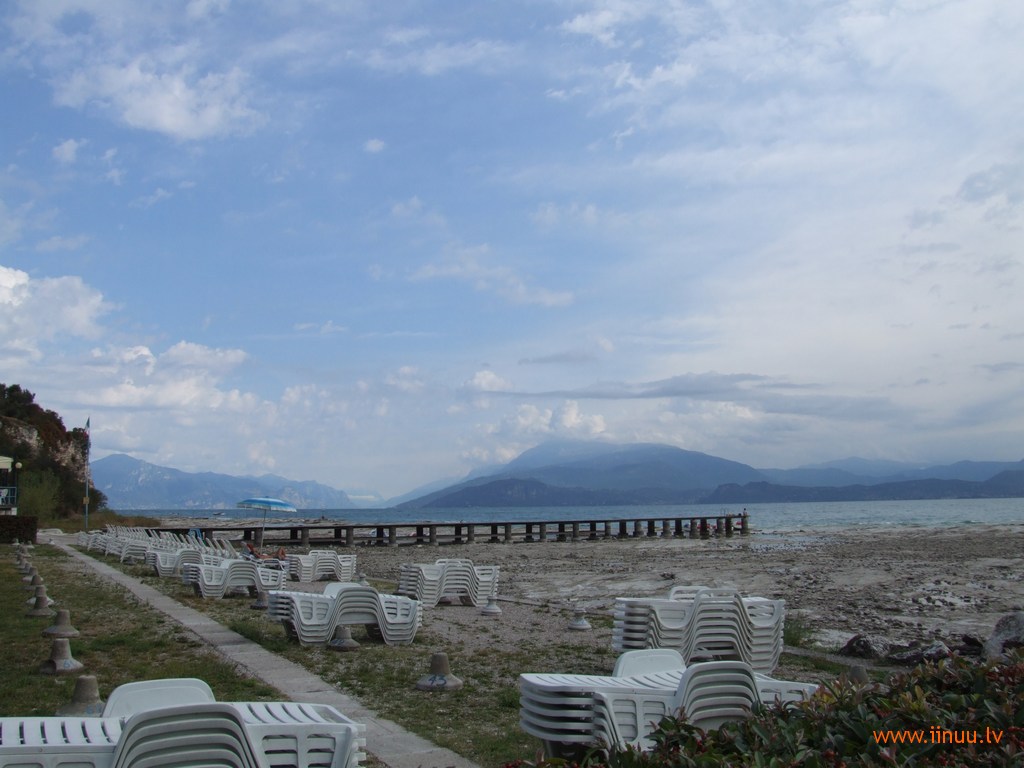
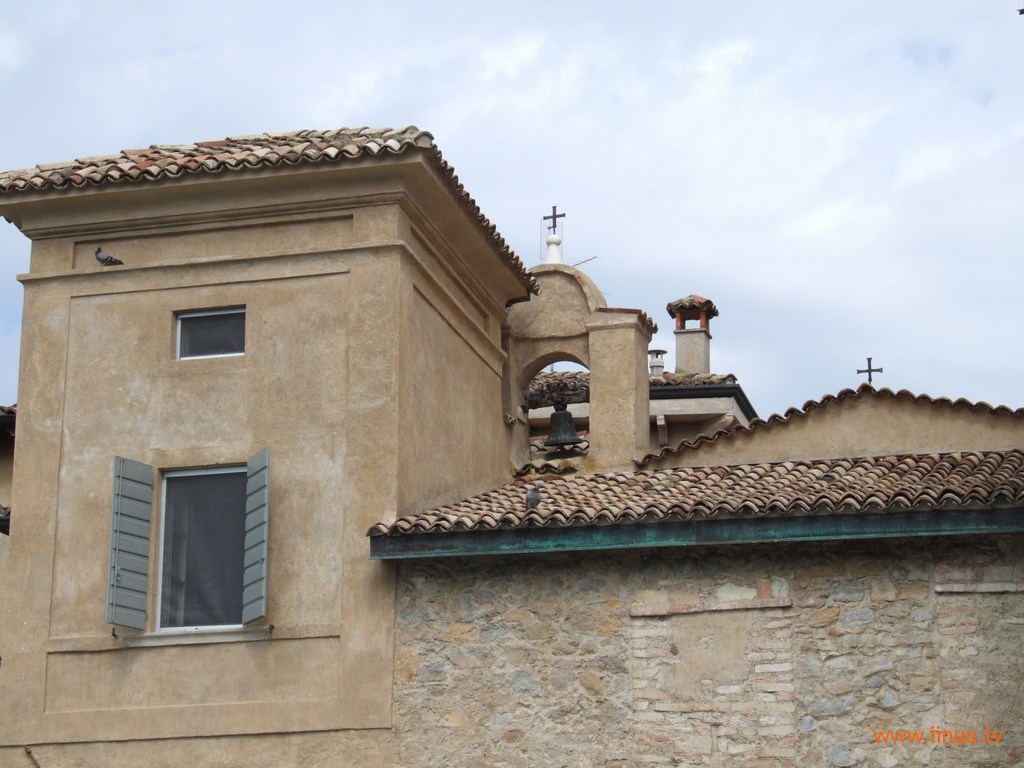
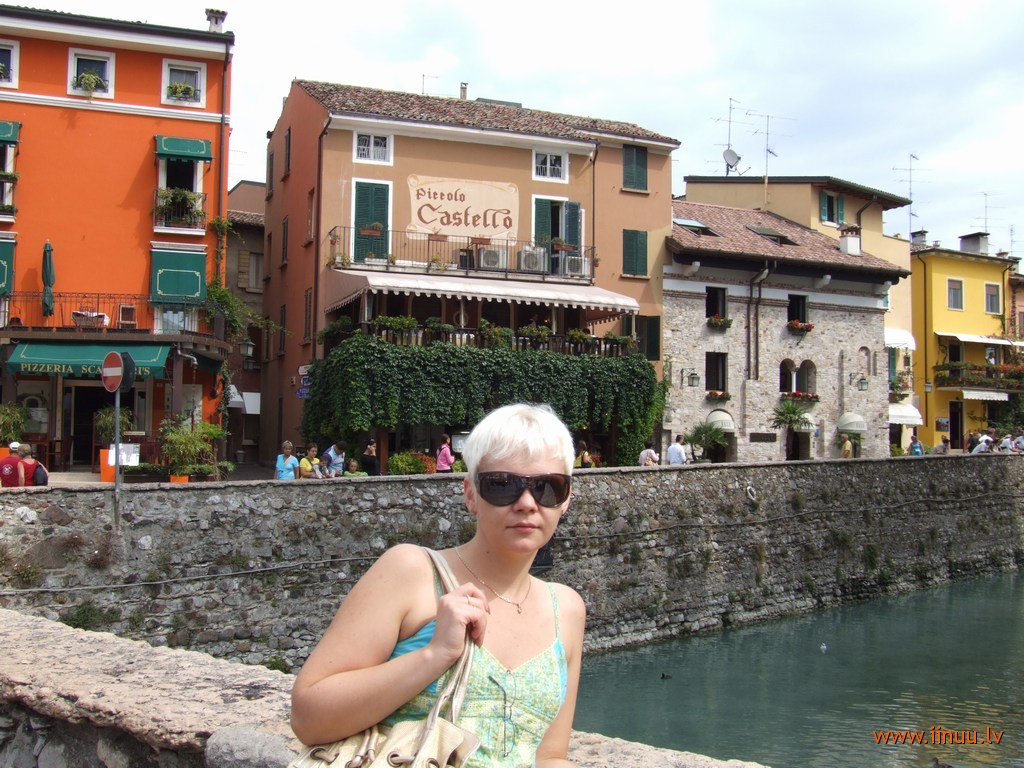
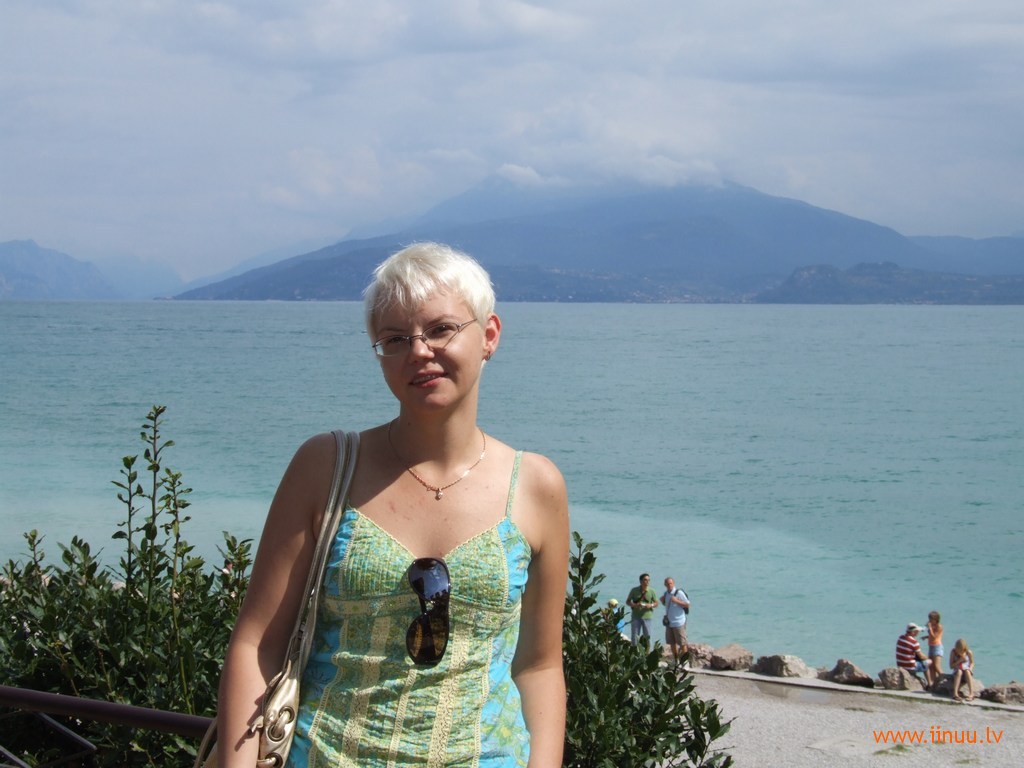
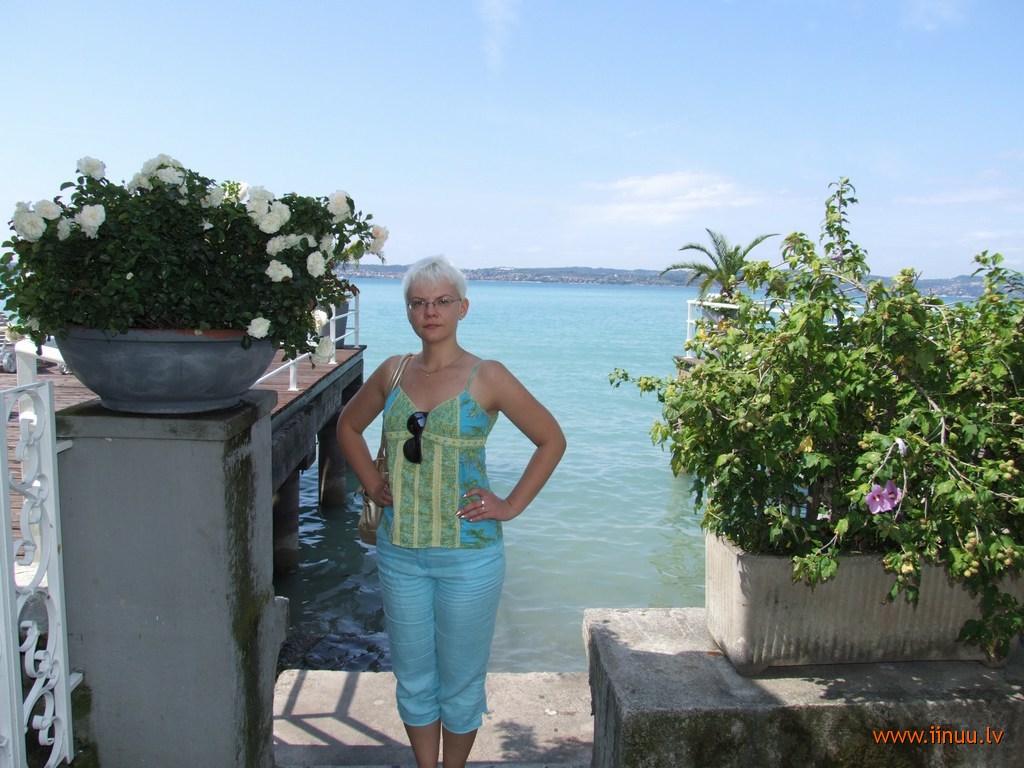
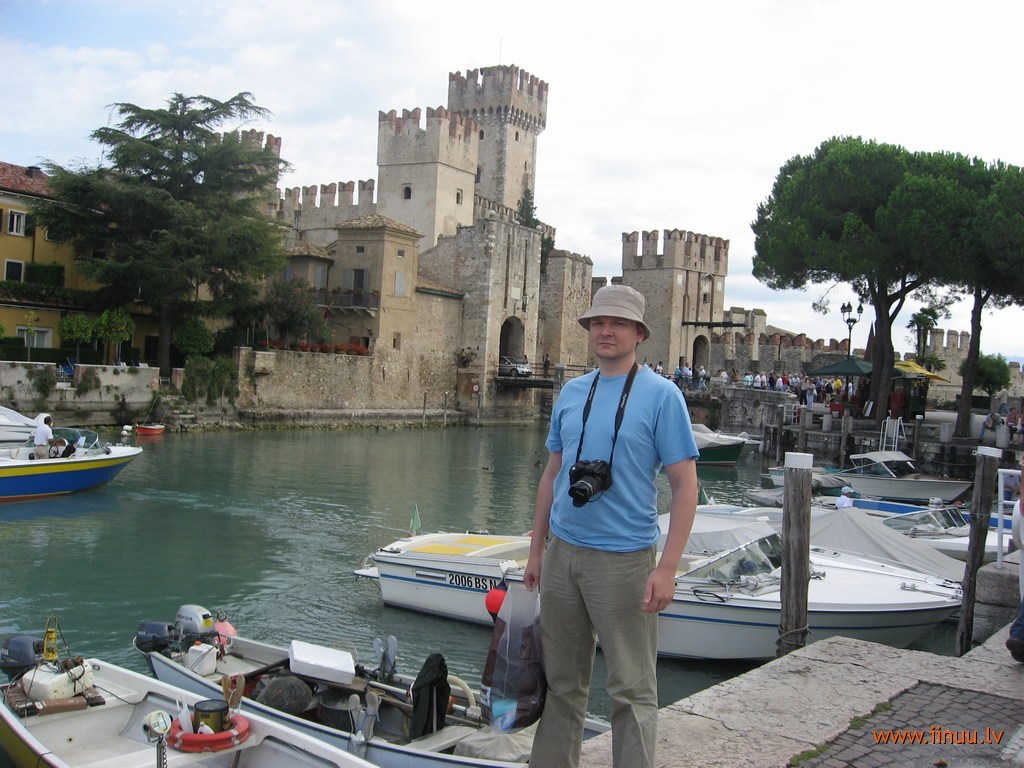
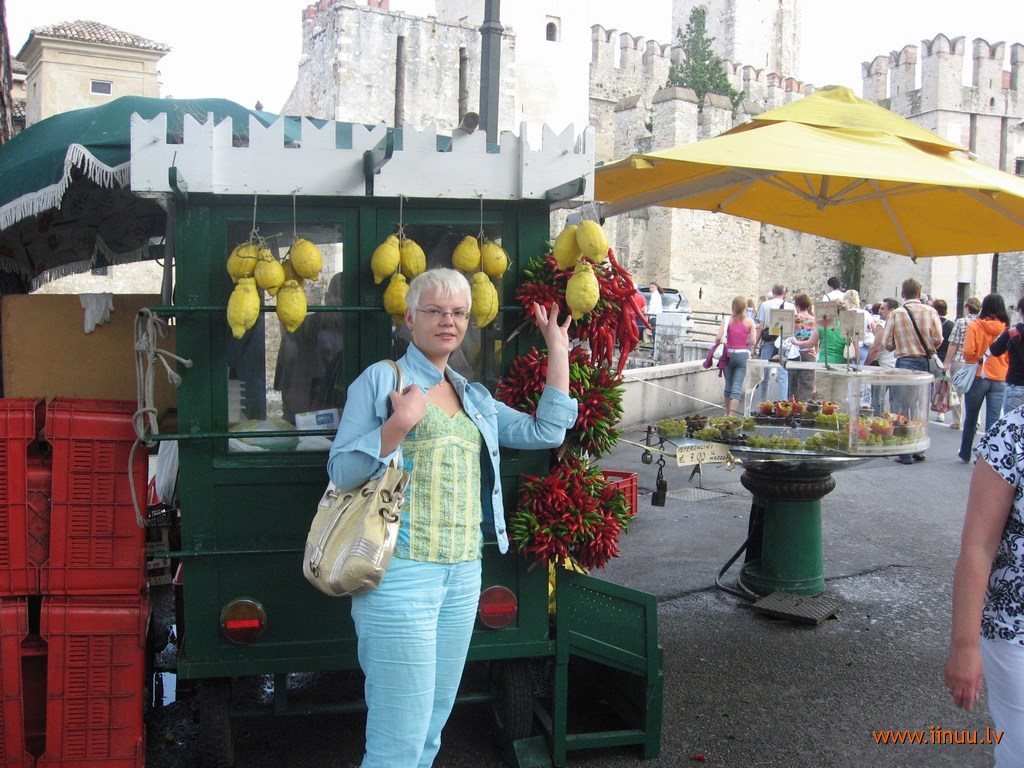
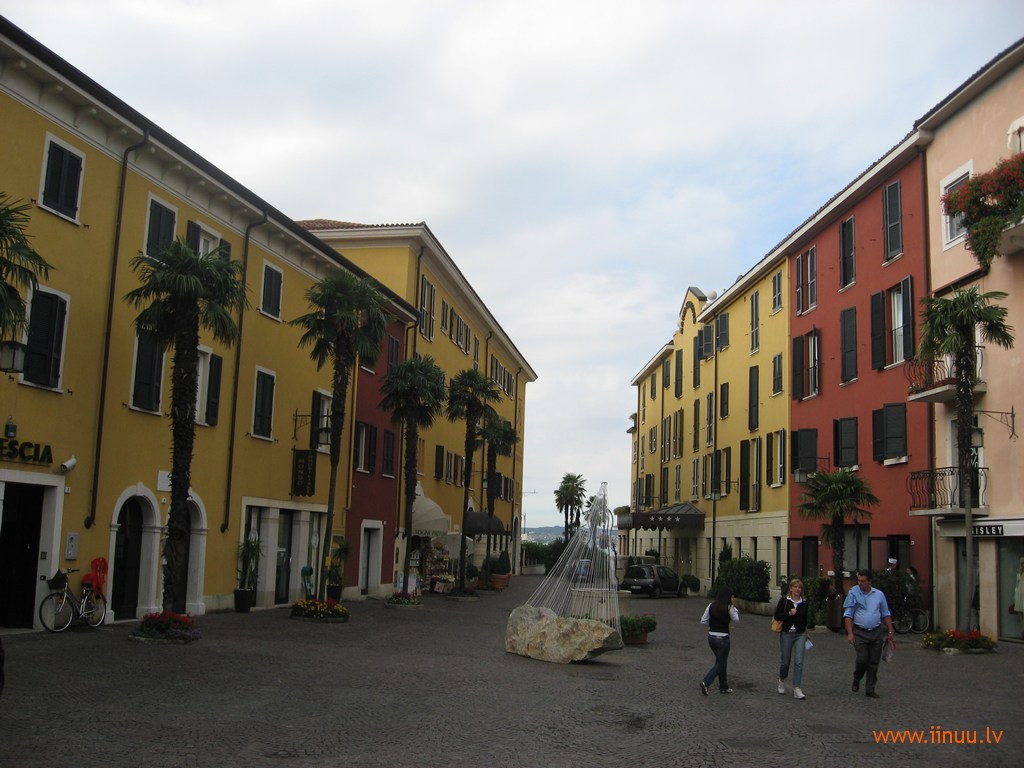
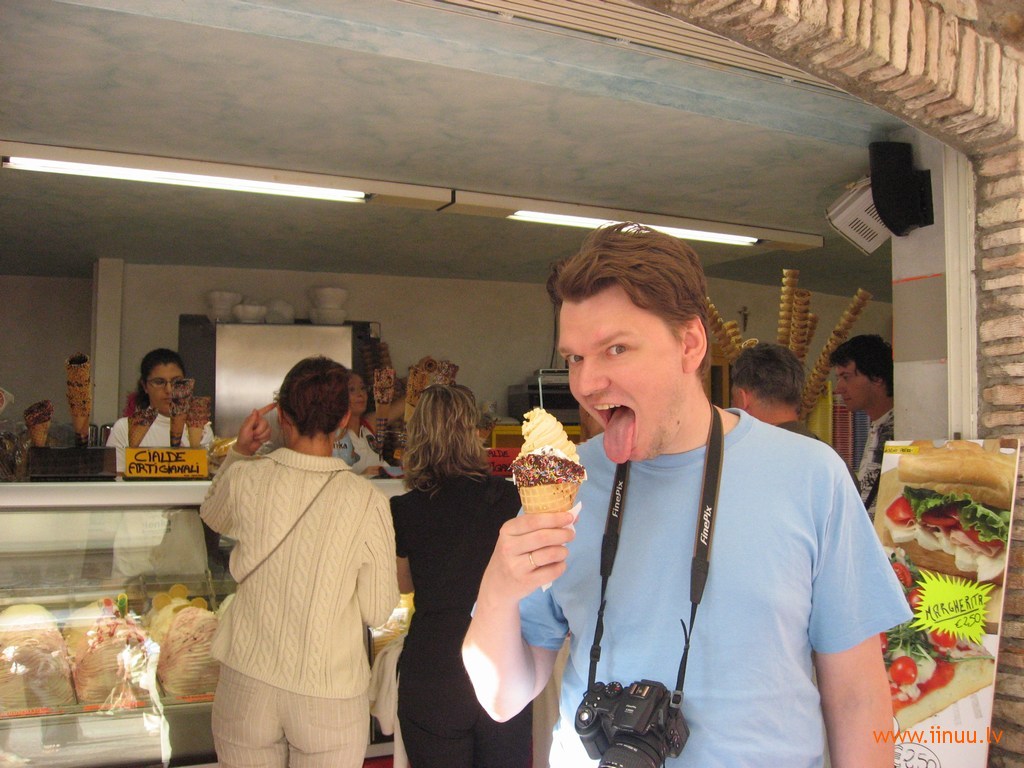
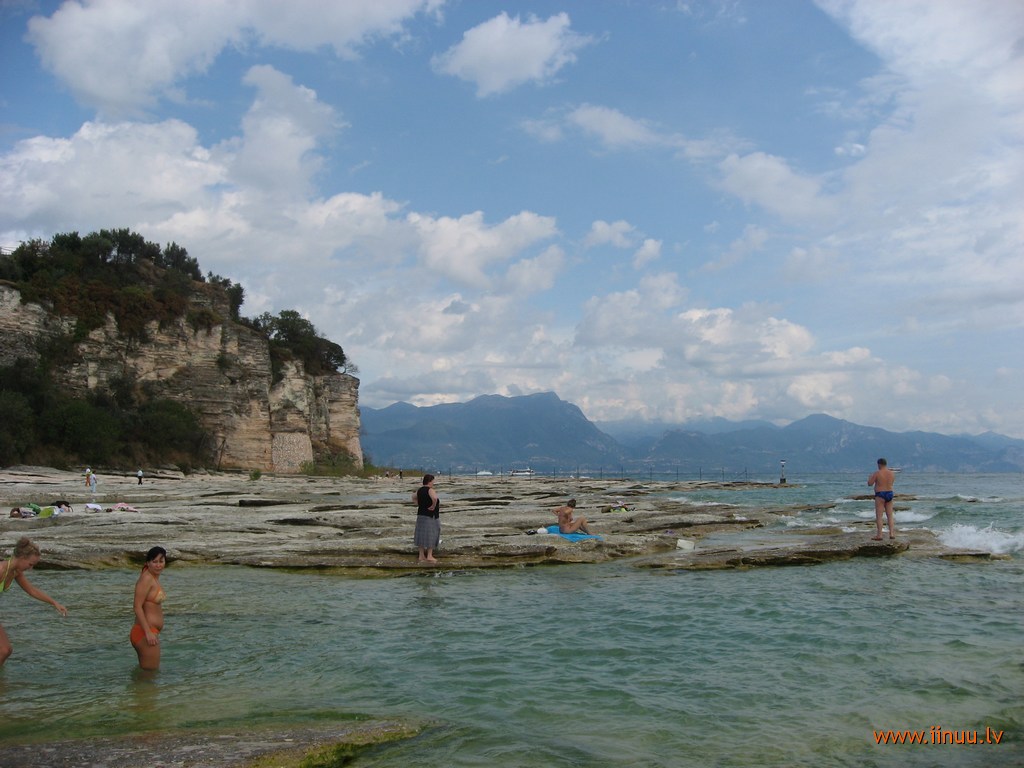
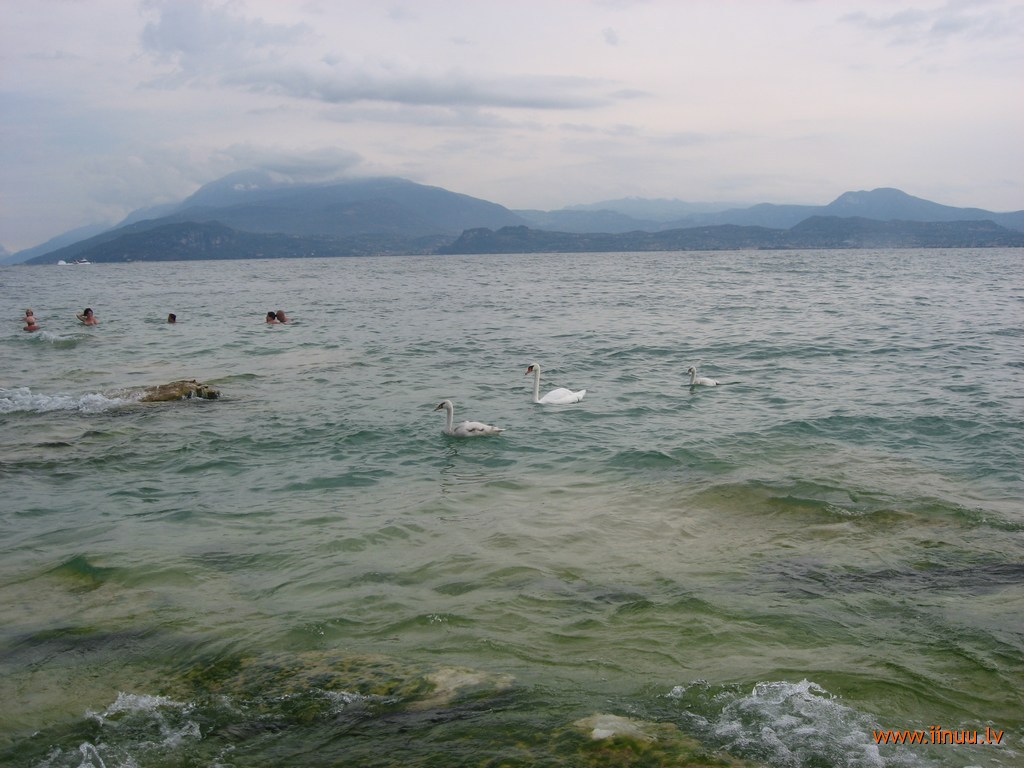
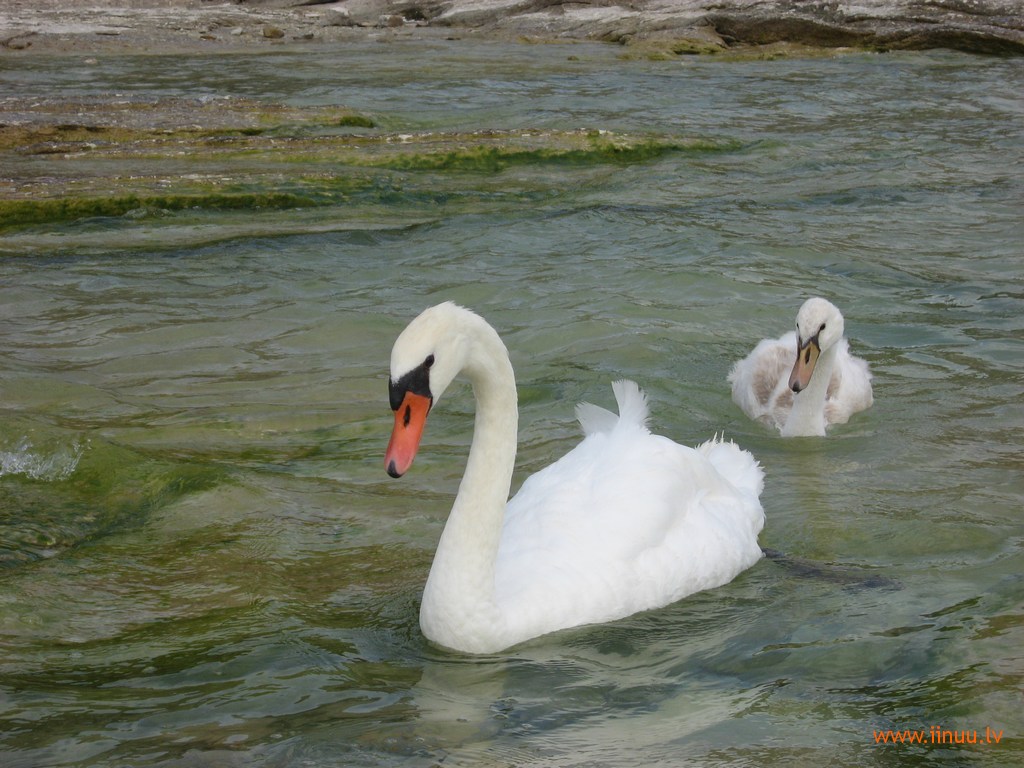
For a complete picture of our Italian taste month, I am adding photographs sent by Silvija (photos 1–25), including from Pisa, which is located right in Tuscany. As well as, lingering in nostalgic memories of sunny summer days, a few photographs from our trip and a day spent in the small, beautiful Italian town of Sirmione (Northern Italy) (photos 26–40).
comments