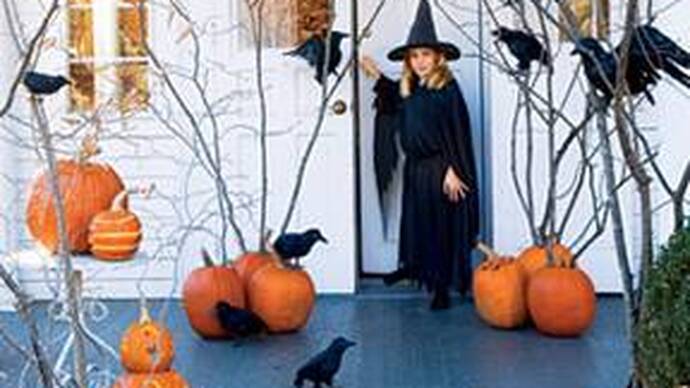
Halloween, or All Saints' Day
For many peoples, the arrival of the dark season has seemed and still seems significant - it is associated with the moment when the worlds of the living and the dead touch. The ancient Balts called it the time of ancestral spirits and laid a table for the spirits of the dead when they came to visit the homes of their kin and those who remained in this world. Other peoples believed that it was precisely at this time that witches held one of the four great sabbaths of the year. Nowadays hundreds of pumpkins are carved in the USA and other countries and candles lit inside them. It turns out the roots of Halloween lie in ancient Celtic culture.
For many peoples, the arrival of the dark season has seemed and still seems significant - it is associated with the moment when the worlds of the living and the dead touch. The ancient Balts called it the time of ancestral spirits and laid a table for the spirits of the dead when they came to visit the homes of their kin and those who remained in this world. Other peoples believed that it was precisely at this time that witches held one of the four great sabbaths of the year. Nowadays hundreds of pumpkins are carved in the USA and other countries and candles lit inside them.
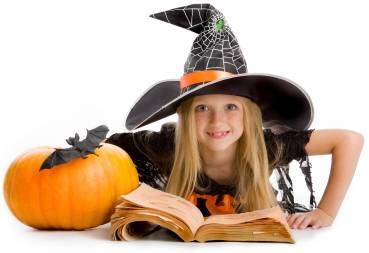
All Saints' Day, or Halloween, is celebrated on the night of 31 October to 1 November. This is a very ancient tradition that predates the birth of Christ and turns out to come from the ancient Celtic tribes. Their priests, the Druids, lit bonfires in which they made sacrifices and burned various offerings. The Celts believed that all things arise from death. From various signs found in the bonfire they would divine the future. From the bonfire everyone was said to have taken a coal to place in the hearth at home, as according to their beliefs the fire in the hearth would give greater warmth and burn longer. After the bonfire went out, each Druid was said to have left a small stone beside it; if any stone was missing from its place in the morning, the one who had placed it would not live beyond another year. At this time the gates to the afterworld were said to open, and the spirits of the dead could visit the earth - but along with them, all manner of unclean spirits, witches, and demons arrived from hell, and so the priests would dress in terrifying costumes of animal hides to frighten these creatures away. The Celts were also said to leave food outside and on the roads so that the dead and demons would not come inside the house to eat.
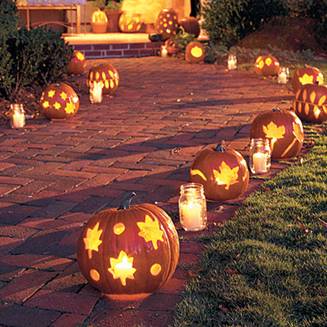
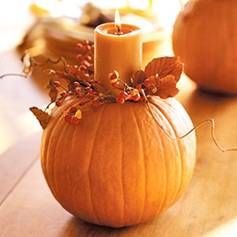
The widely known tradition of a pumpkin with a candle or candles inside is said to have originated from an Irish legend. A man named Jack, whose whole life had been one of revelry, was said to have tricked the devil himself, but was not admitted to heaven either because of the sins he had committed. He was therefore forced to wander eternally in shadowy corners of the earth and roam dark streets. The man had with him only one coal to light his way, which he placed in a hollowed-out turnip to give more light and burn longer. When the legend reached America, the turnip was replaced by a pumpkin, and such pumpkin lanterns are now called Jack-o'-Lanterns.
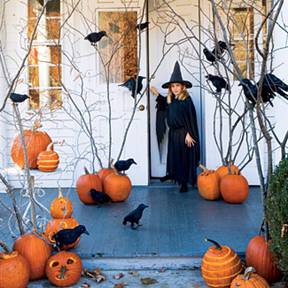
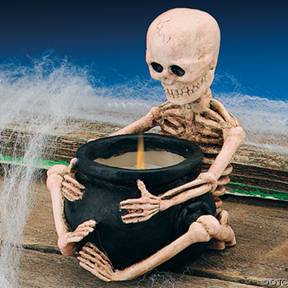
In the 1850s, when there was famine in Ireland, many were forced to emigrate to America; the Americans took a liking to this tradition of theirs, but in the beginning the celebrations were actually little more than hooliganism - they burned trees and vandalised the surroundings. This grew wider in scope with each year until the government decided to turn it to good use and transformed the celebration primarily into an entertainment event for children. Such it remains in the USA today, and few people give any thought to the true meaning of the holiday. Nowadays children dress up as all sorts of ghosts, witches, the undead and other creatures, go from house to house demanding sweets - trick or treat.
The name was originally All Saints' Day, later it became known as Allhallowmas (the mass of all hallows); the night before this day was called All Hallows' Eve - the Eve of All Saints' Day - from which the name Halloween derived.
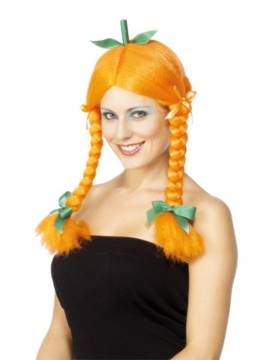
The Halloween tradition, however thoroughly Western it may be, has arrived in Latvia too, but has actually never really taken root here. Of course, in October the shop shelves are full of all manner of little witches, pumpkins, candles, masks and similar items. The orange colour is beautiful, contrasting effectively with black. There is nothing wrong with attractive decorations with a hint of mysticism. Moreover, if we no longer lay a table for our own ancestral spirits, why not light a candle in this dark season for the joy and comfort of ourselves and those who have departed?!
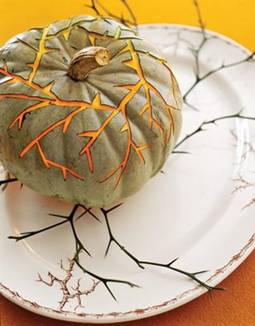
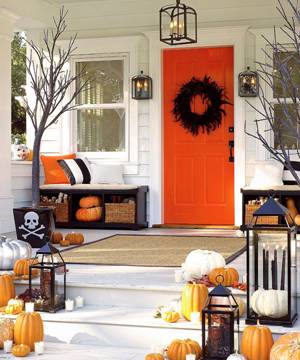
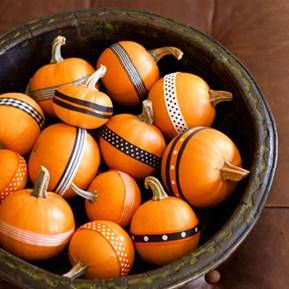
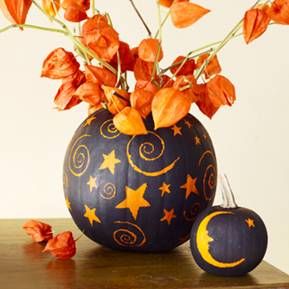
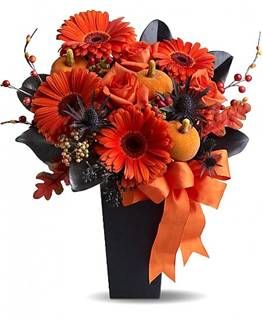
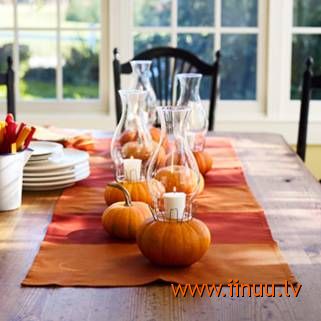
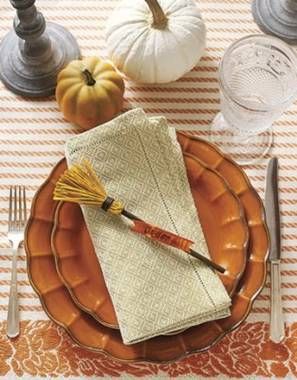
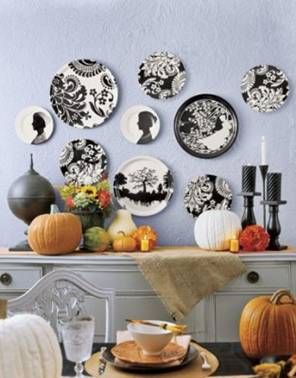
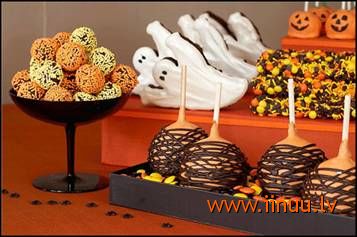
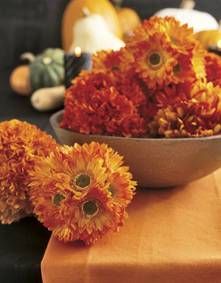
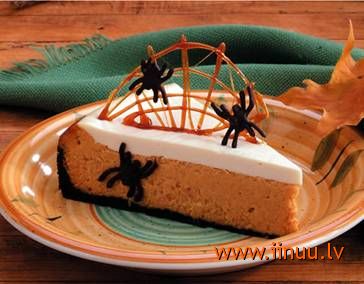
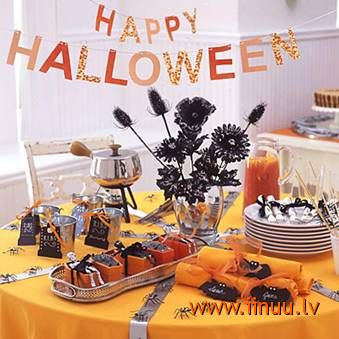
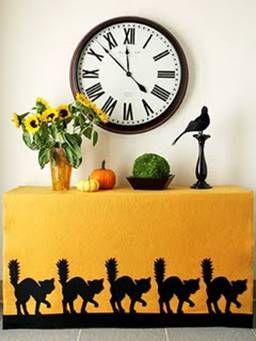
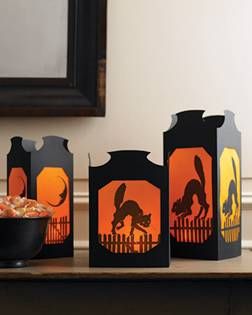
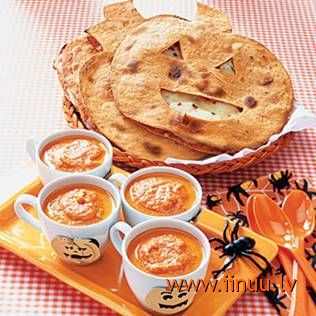
Here are some lovely ideas for a festive table and home décor, for those who do decide to celebrate something - and simply for the joy of it.
Source used - http://en.wikipedia.org/wiki/Halloween
comments