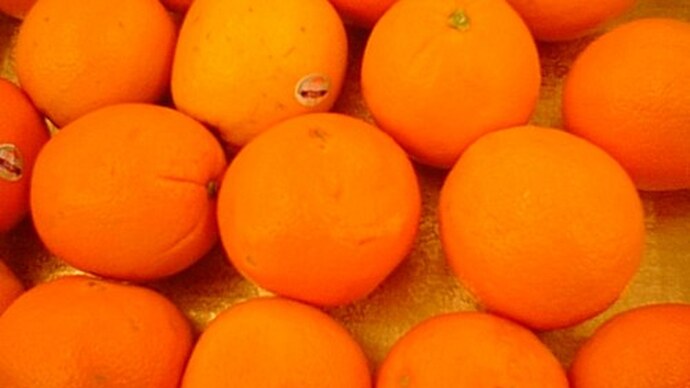
The Colour Orange
The psychological effect of the colour orange on people, its symbolic significance.
Psychological effect on people, symbolic significance.
Orange arises from the merging of two primary colours - yellow and red. The orange saffron colour from the most ancient times has symbolised open divine love and the union of God's love (red) with the word (yellow). This colour also symbolises all the muses of science. The scarf of the Greek goddess of dawn Eos (the Roman Aurora), as well as the clothing of the muses, was in a golden-orange colour, and this was a sacred tradition. In Christianity the saffron and orange colour were symbols of God, filling the heart and soul. The yellow-orange colour also symbolises the union of humanity with God.
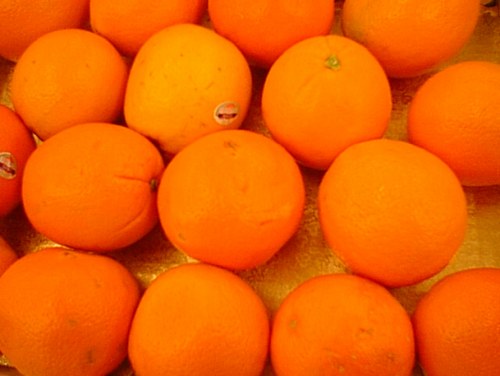
The positive aspect of the colour orange is strength, mercy, tolerance, inexhaustible energy, sociability and justice. When oversaturated with this colour, its negative aspect appears - pride, a tendency to take and not repay debts.
The colour orange is responsible for physiological needs and necessities, and creates self-belief. It is an impulsive, insistent, optimistic and friendly colour that symbolises an enquiring mind and the development of intellect. This colour gives the opportunity to expand the boundaries of cognition through active creative work. It is the colour of purposefulness, driving one forward, not allowing one to sit on the sidelines or hide from problems, but compelling one to act actively and to resolve tangled situations. The yellow helps to illuminate past events and conflicts. Antipathy towards this colour can indicate a constant suppression of emotions and feelings and an injured sense of self-worth. Yet it is precisely the colour orange that will give strength and balance in moments of heavy loss and sorrow, and will help to overcome unpleasant upheavals and personal grievances. It will also help to reveal hidden emotions and to release tension. Dislike of this colour can indicate fear and insecurity about moving forward, suppression of past pain and problems and an unwillingness to resolve them. These emotions can often be connected with the loss of a close person, a sense of grievance and injustice.
Research indicates that the colour orange helps to overcome fear and insecurity. It has a particularly beneficial effect on taciturn and withdrawn people, as it encourages them in the process of communication to become more confident, open and assured. It activates extraversion and communication.
According to the colour therapy recommendations of physician Dr E. Babbitt, the colour orange helps in cases of depression and withdrawal, as it promotes the release of emotions. The light rays of this colour produce a positive therapeutic effect in the treatment of bronchial asthma, bronchitis, epilepsy and rheumatism, and also have a beneficial effect on the functioning of the digestive organs and kidneys.
The amber colour helps to dispel doubt and suspicion, creates self-confidence, and stimulates mental and spiritual activity.
The peach colour, in turn, is the colour of harmony and balance. It creates a favourable environment for friendly contacts. This colour has quite a beneficial influence on adolescents who have not yet chosen their path in life. It also gives confidence in one's own abilities and prudence before making a decision. This also explains the fact that apricots and peaches serve excellently in cases of depleted nervous energy.
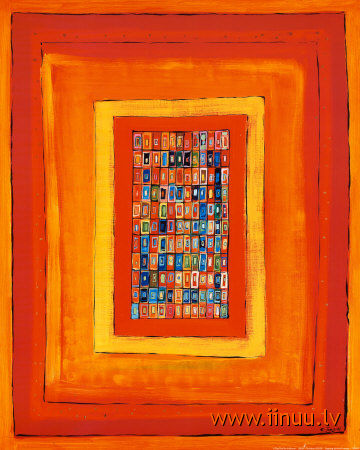
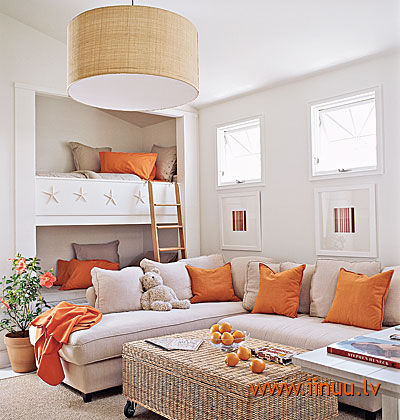
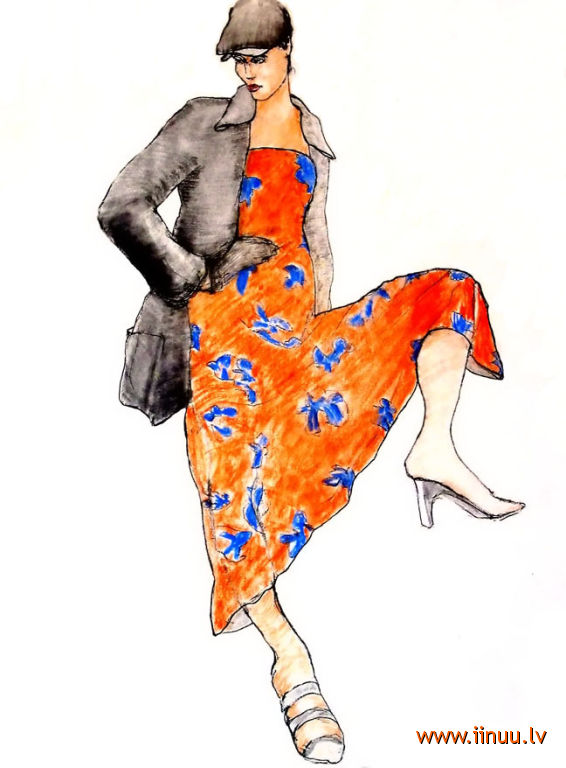
The particularly positive, vital energy of the colour orange can be felt by observing a sunset or sunrise, orange flowers, a bonfire. Drawing and painting with various shades of orange is also effective, as is visualisation with this colour. Of course, orange clothing can also be used, but it does not suit everyone, so various orange accessories, interior details, fruits or flowers can compensate for the lack of this colour in one's surroundings.
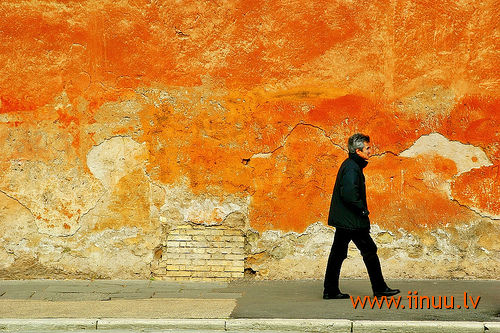
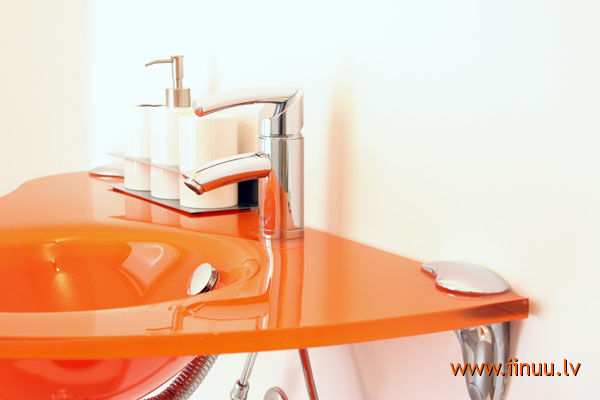
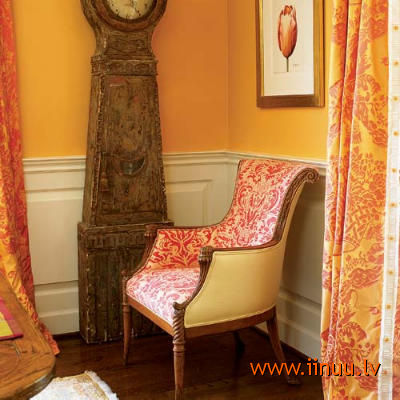
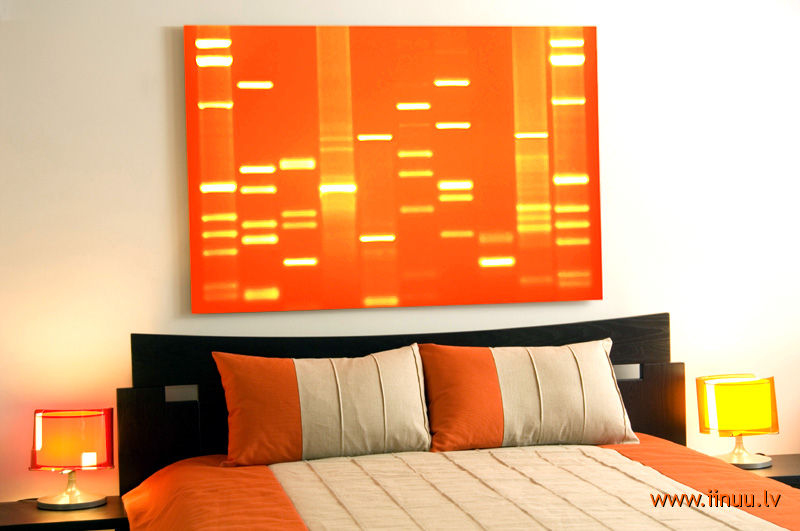
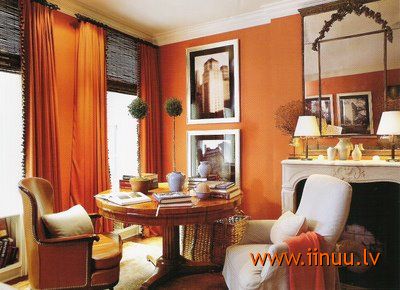
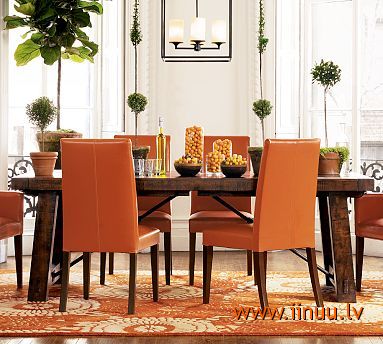
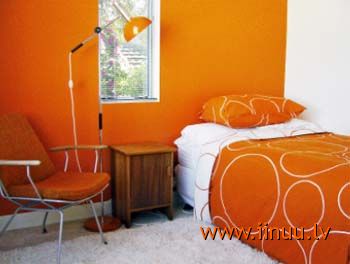
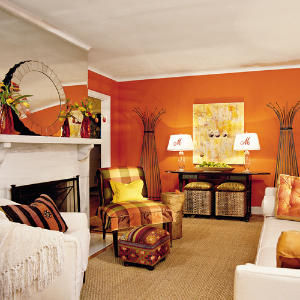
A bright orange wall colour will be more suited to a café or some other public space where people do not spend extended periods. One must bear in mind that a person who spends a long time under the influence of an intense, bright colour can quickly become oversaturated with it, resulting in nervousness, agitation and headaches. Therefore in an apartment it is better to choose lighter, calmer orange pastel tones. This colour in a space creates a warm, cosy and creative atmosphere, and promotes friendly and optimistic conversation.



comments