Where Did the Easter Bunny Come From?
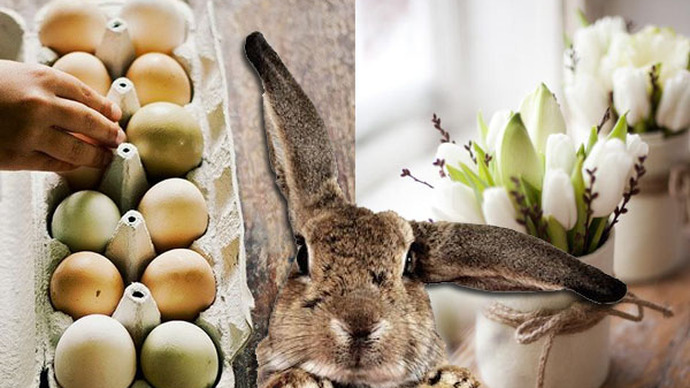
The origins of the Easter Bunny (formerly a rabbit) are thought to lie in ancient Germanic traditions and beliefs about the spring equinox. The legend of the Easter Bunny was first documented in Europe as early as the 16th century, though no specific source is known. The place where Easter Bunnies were found in greatest abundance is the German city of Munich, where a Museum of Easter Bunnies was founded in their honour in 1991.
The origins of the Easter Bunny (formerly a rabbit) are thought to lie in ancient Germanic traditions and beliefs about the spring equinox. The companion of Ostara, the Germanic goddess of spring, was a rabbit, which symbolically represented fertility.
The legend of the Easter Bunny was first documented in Europe as early as the 16th century, though no specific source is known. A story published in 1680, in which this charming little creature featured, clearly stated that the bunny lays eggs and hides them in the garden. Children awaited his arrival with as much impatience as they awaited Father Christmas.
In the 18th century, German immigrants to America brought this legend with them, which evolved into the tradition of making and gifting children with marzipan rabbit figurines at Easter. Later, rabbits began to be made from chocolate as well.
The place where Easter Bunnies were found in greatest abundance is the German city of Munich, where a Museum of Easter Bunnies was founded in their honour in 1991. Collector Manfred Klaude's collection, exceeding 1,000 exhibits, was entered in the Guinness Book of Records. On display were rabbit figurines made of wood, porcelain, ceramics, cloth, wax, sugar and other materials. Unfortunately, five years after the collector's death (in 2005), the museum was closed.
comments