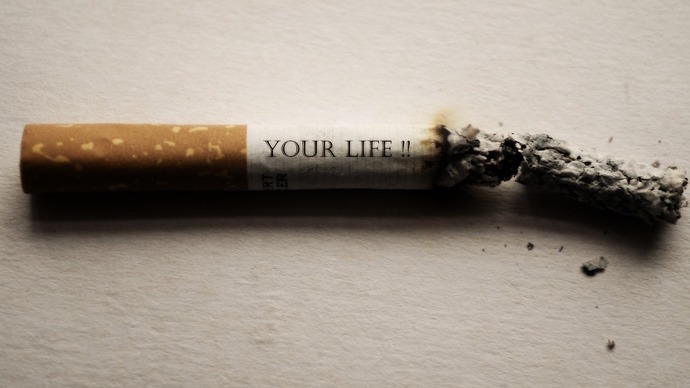
Habit
A truth known to all - habit has great power. Is it good or bad to be ruled by everyday habits, or should they be noticed and disrupted from time to time? Habit is in reality a liberation from the decisions that would otherwise have to be made constantly. It is only because a large part of life runs on its own without any deliberation that forces are freed to engage intensively with the unfamiliar.
A truth known to all - habit has great power. Is it good or bad to be ruled by everyday habits, or should they be noticed and disrupted from time to time?
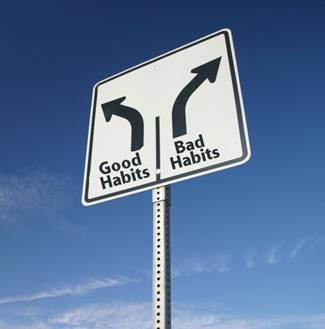 What prompted me to write about this topic was a man on the tram - or more precisely, his habit. Every morning for at least two months in a row now (at least as long as I have had the opportunity to observe) he boards the tram's second carriage at a specific time and always sits in the right-side aisle seat in the third row, placing his backpack beside him.
German philosopher Wilhelm Schmid shares his thoughts on this topic in his essay "Living in Habit": "Habit.. is in reality a liberation from the decisions that would otherwise have to be made constantly. It is only because a large part of life runs on its own without any deliberation that forces are freed to engage intensively with the unfamiliar. [..] True dwelling is living in habit. To settle into life, it is not possible to do without habits. Partly habitual ones should also be reflected upon and loosened to enable restructuring .."
That was from recent reading - but when it comes to habit, I have mixed feelings: one is, of course, the cosiness that habits create, as Schmid mentions; the other is a coming to a standstill, a lack of movement and stagnation in the current moment and situation, which frightens me and compels me to break long-familiar habits.
The question remains open - what is the good and evil nature of habit? How dependent on habit are you?
comments