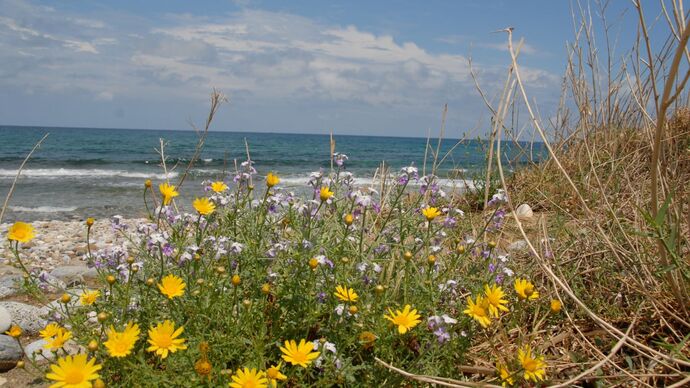
Crete - Greece's Blooming Island
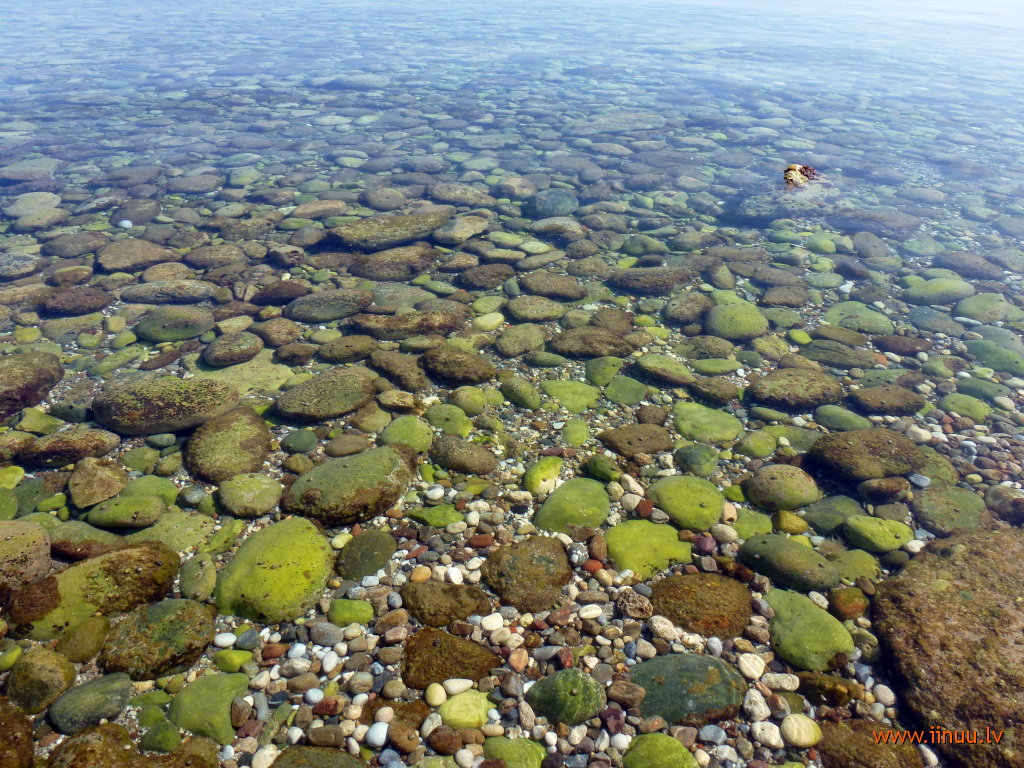
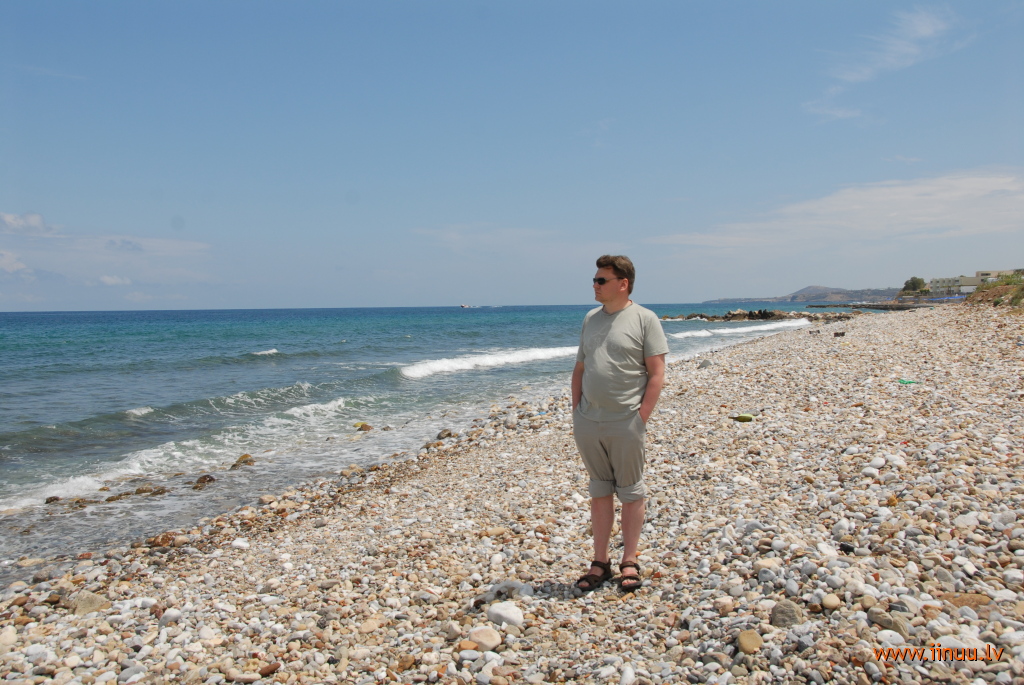
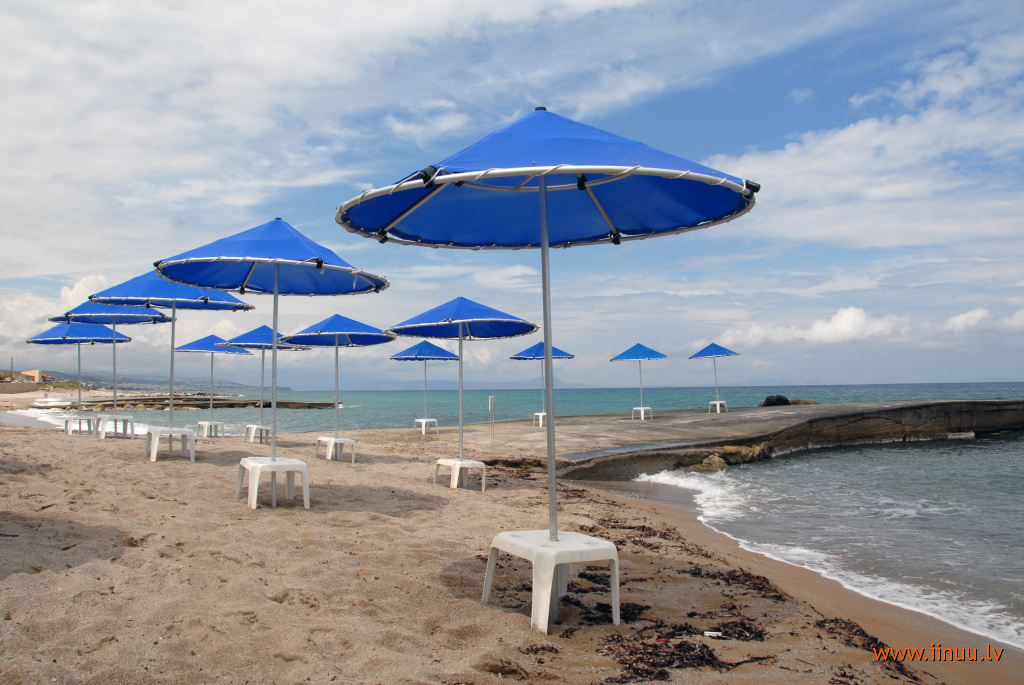
The celebration of life, the enjoyment of nature's bounty, and direct communication between people - that is what draws one to Crete. The beaches are mostly pebbly or covered with fine stones, so walking barefoot is rather difficult. In a few places there are also sandy beaches. The Greek way of life and the philosophy of the living church were equally captivating.
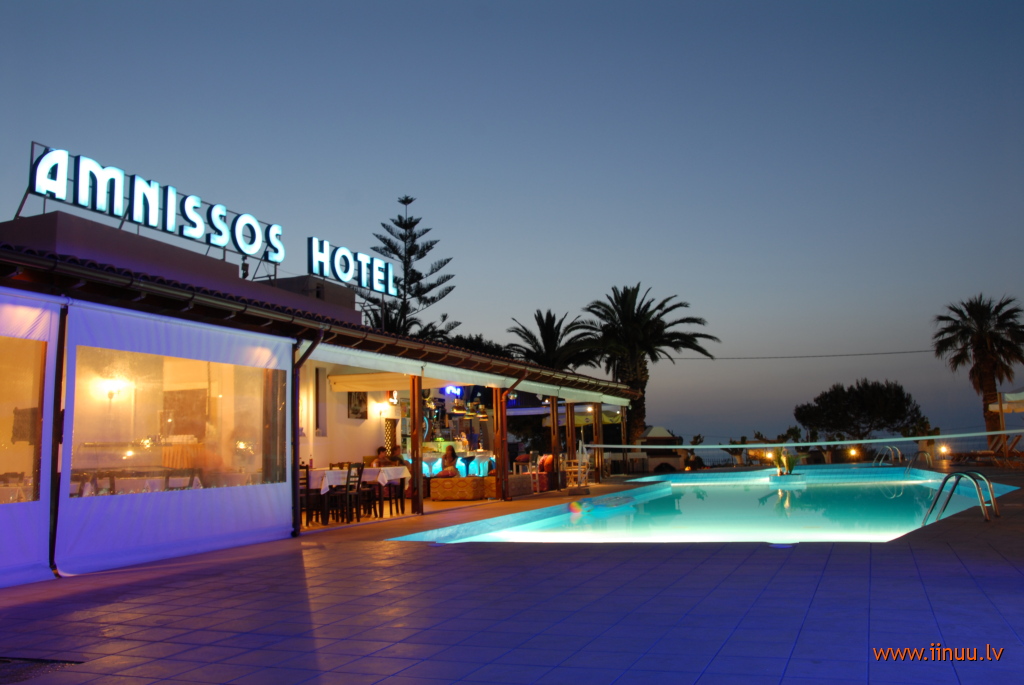
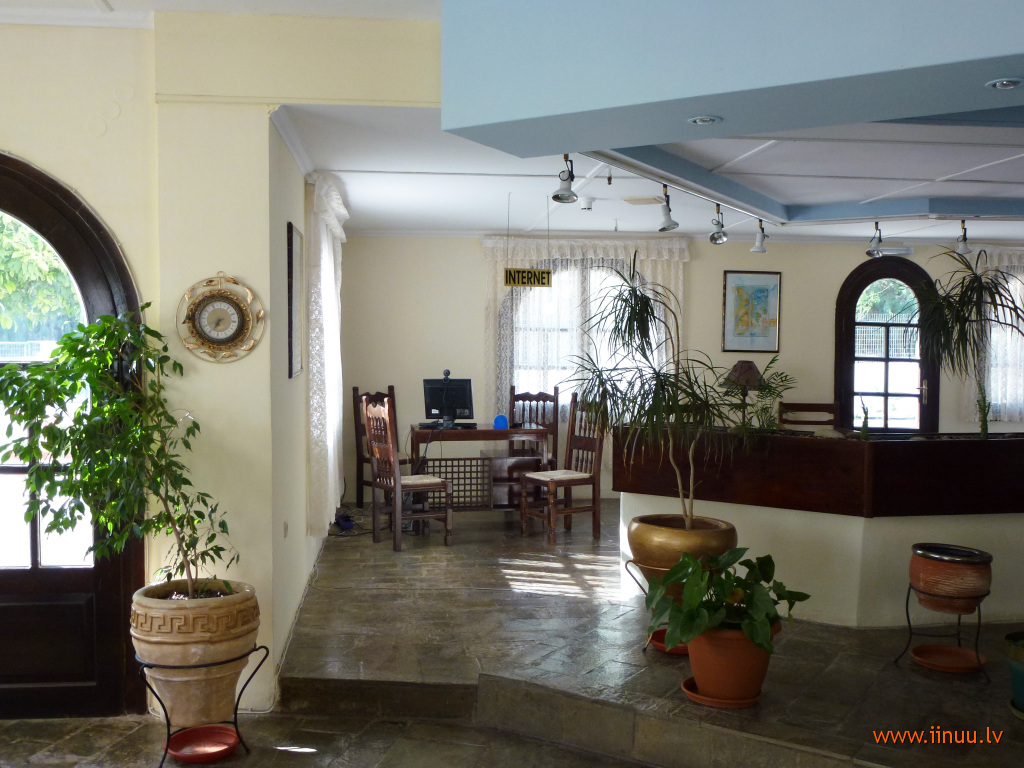
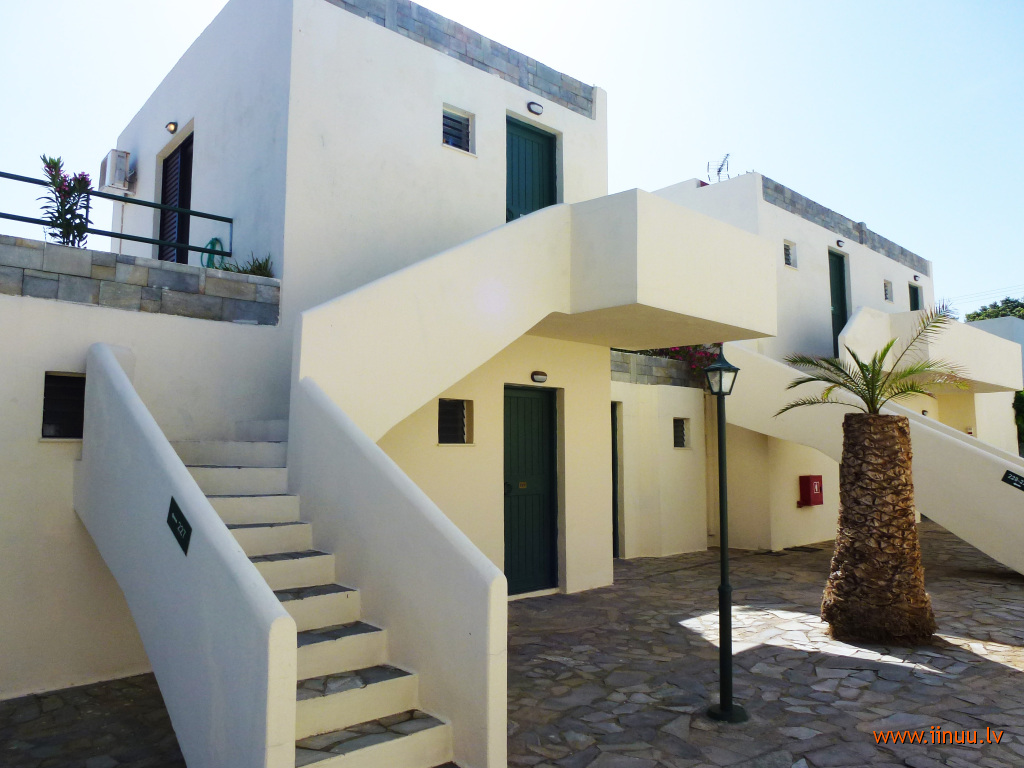
We arrived at Heraklion Airport in Crete on 4 May, an hour before midnight. It turned out that Greece was celebrating Easter during exactly these days. The transfer representative from the airport to the hotel therefore immediately warned us not to be startled by gunshots in the air and the burning of straw effigies in the central squares of the larger villages. A festive atmosphere, Greek openness and warmth greeted us at the family-run Hotel Amnissos (about 9 km from the town of Rethymno), where all the staff present and the hotel owners themselves had come out to the gate. Although it was almost midnight, a table was laid in honour of the guests and the first clients of the season - nine people from Latvia in total, as it turned out.
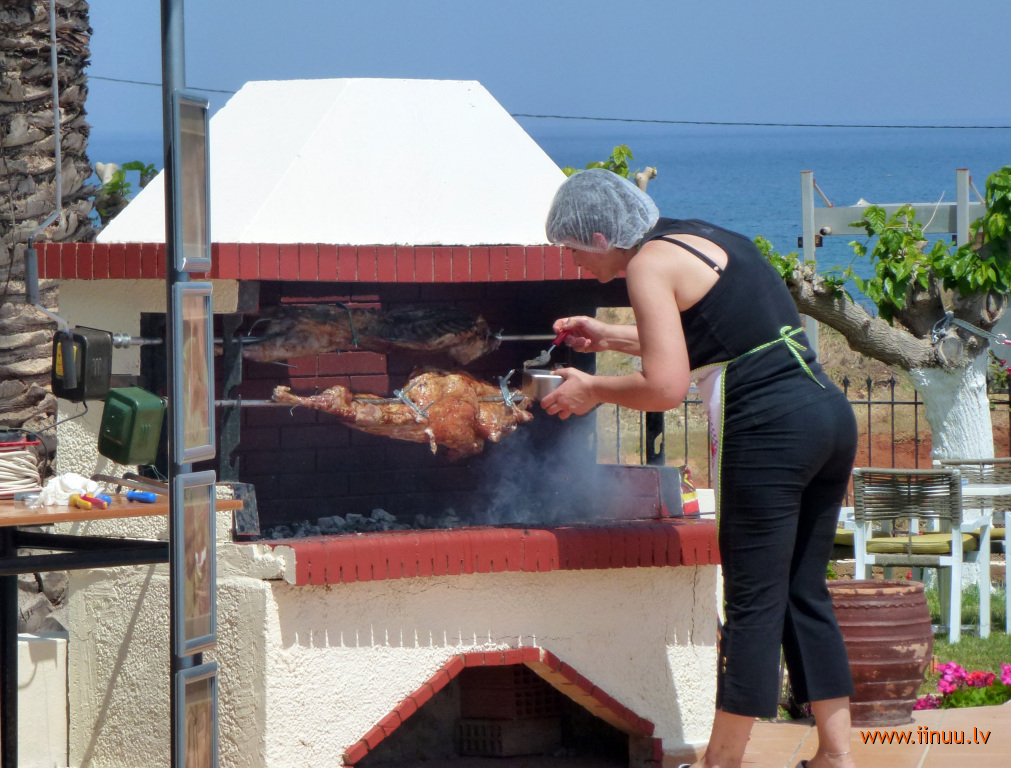
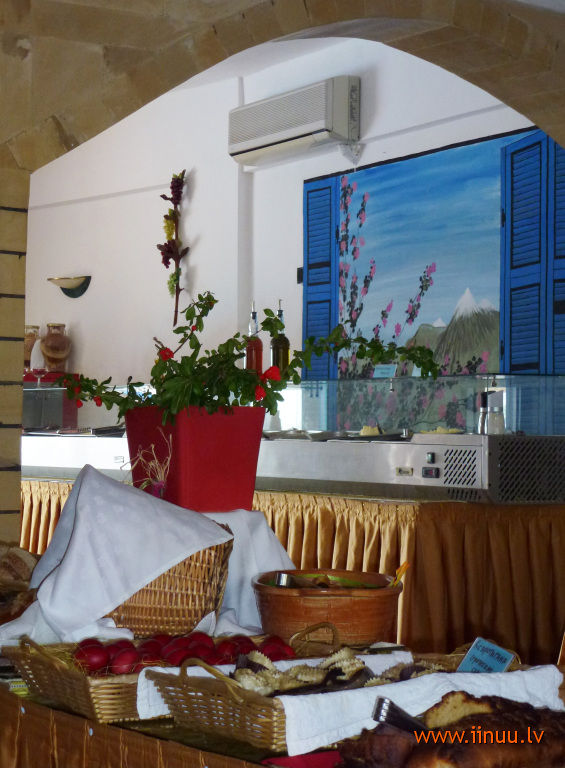
The landlady of the house met us at the hotel restaurant with a basket of brightly coloured eggs and presented each of us with long, colourful candles. From the English-speaking Greek woman (the hotel staff also knew Russian, as they seemed oriented towards block-A tourists) we learned that the tradition of knocking eggs together is also observed here. We were told that in honour of the holiday, a roast lamb would be prepared. And the following day it was indeed delivered upon. When we stepped outside, woken by the warm Cretan sun, two whole lambs were turning on spits outside by the hotel bar.
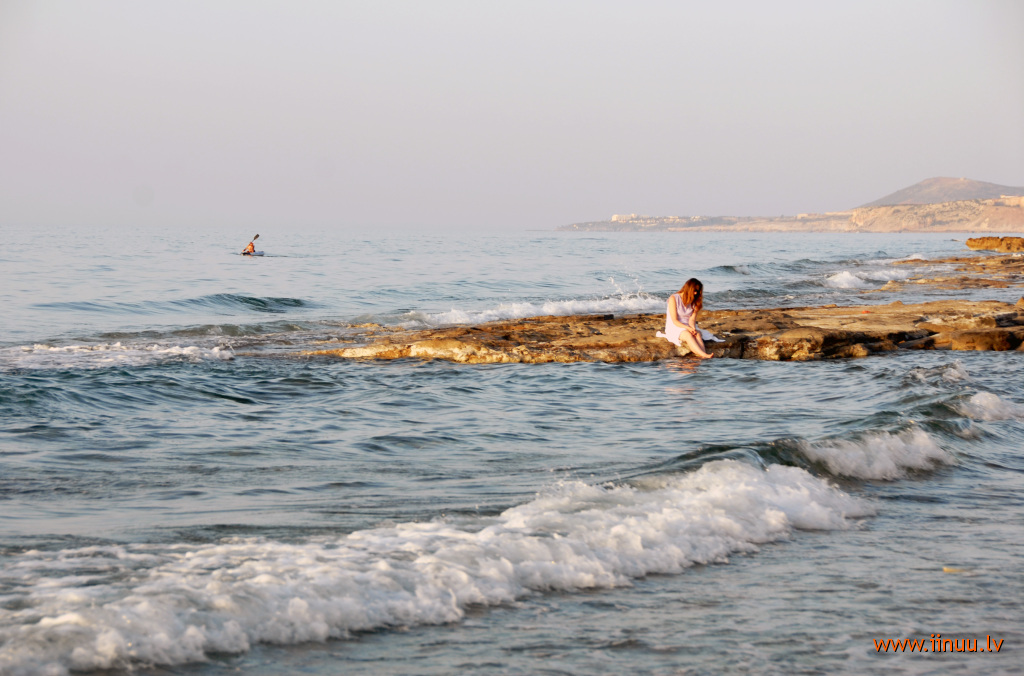
On the first day of our stay - a Sunday, and also thanks to the holidays, all shops and tourist attractions were closed - we were dazzled by the warm sun at +28°C, the bright blue sea, and clear skies, and lazed on the shores of the Cretan Sea and by the hotel pool. In the following days, a restlessness to see, taste, and discover much more set in, so we set off on excursions.
How to Get Around Crete?
Crete can be explored in various ways - by tour bus with a set programme of obligatory sights; by public transport, which runs regularly along the island's main roads; or by hired car, available from various companies at every turn (around 30 EUR per day, including insurance). Excursion trips can be purchased both from the operator from whom the holiday was booked and from local offices, whose offerings are found at every corner - in hotels, in towns, and at the roadside. Prices vary; you take your chances.
If choosing to travel by public transport, bear in mind that a one-way ticket in any direction costs EUR 1.20 per person and can be purchased at hotel receptions or supermarkets, but not on the bus itself. Transport runs once an hour. A delay of 10–15 minutes is perfectly normal. Bus stops are hard to spot, as they are marked only with a bus sign attached somewhere to the nearest post. There are no timetable displays. Nor are the buses marked. If one pulls up and opens its doors, simply ask the driver for the route or call out the name of your hotel, as drivers are well acquainted with each name and location.
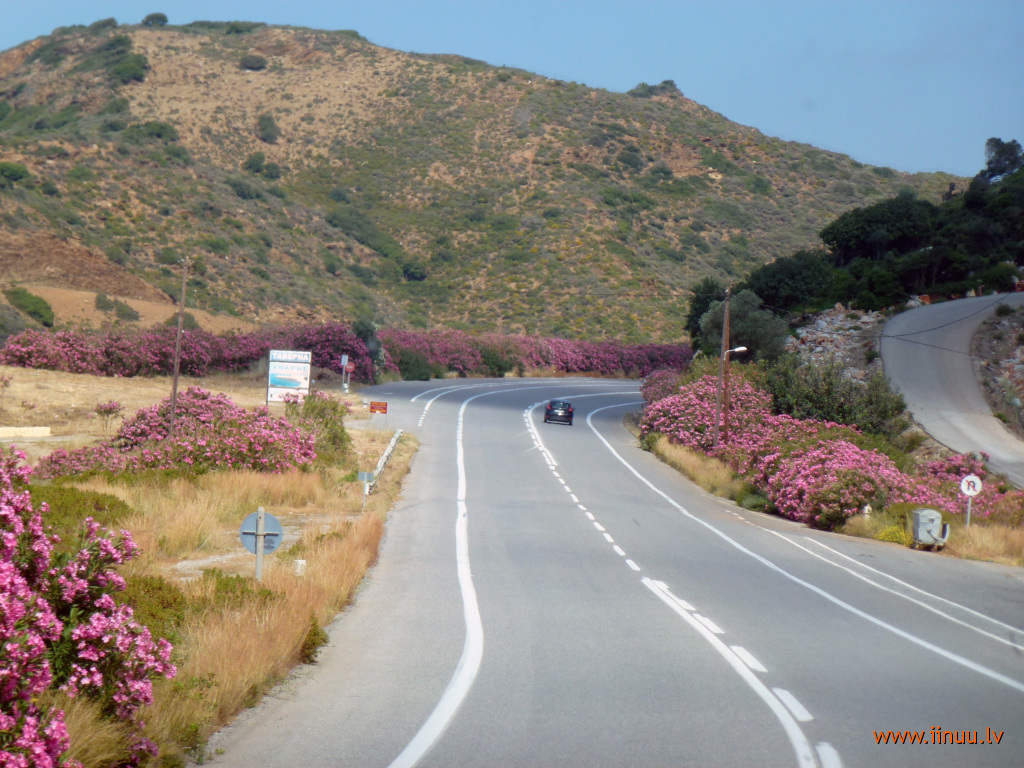
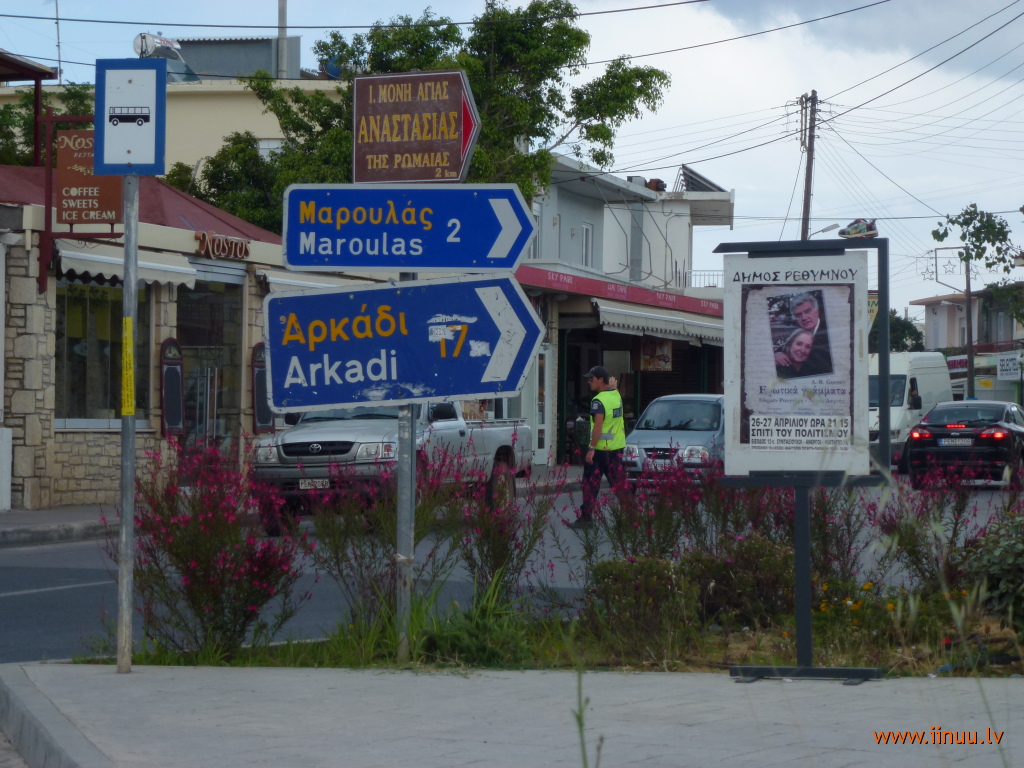
Crete, and especially its interior, is mountainous, so one must reckon with constant hairpin bends when driving. It is difficult for the person at the wheel to enjoy the beautiful views of ravines or the blue sea, as the turns demand constant attention. Wing mirrors being torn off is an everyday occurrence here. In towns, it seems one can park almost anywhere - even in bus stop bays. Priority goes to whoever honks first and loudest. If a traffic jam develops, a police officer appears at crossroads to direct the flow.
What to See in Crete?
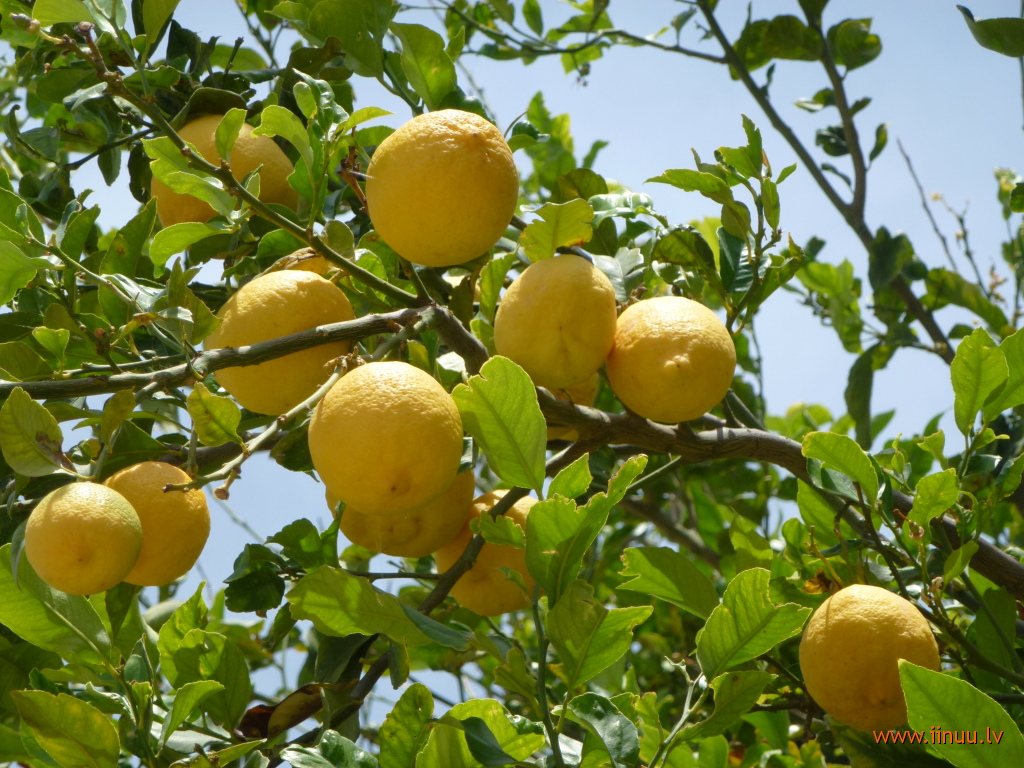
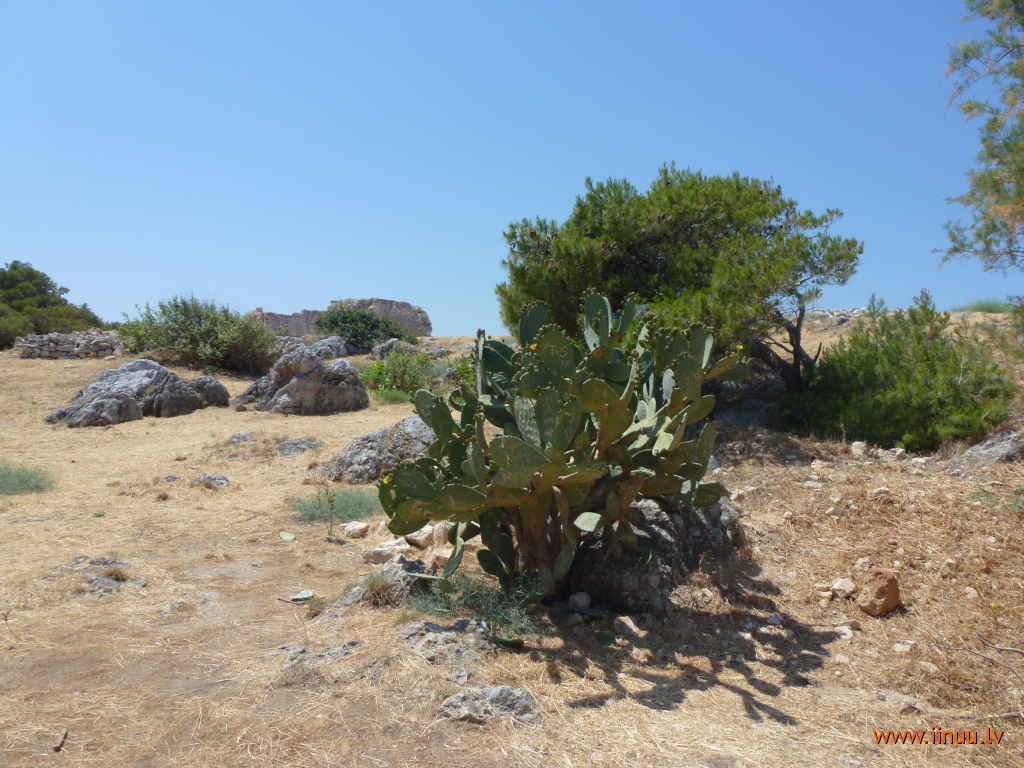
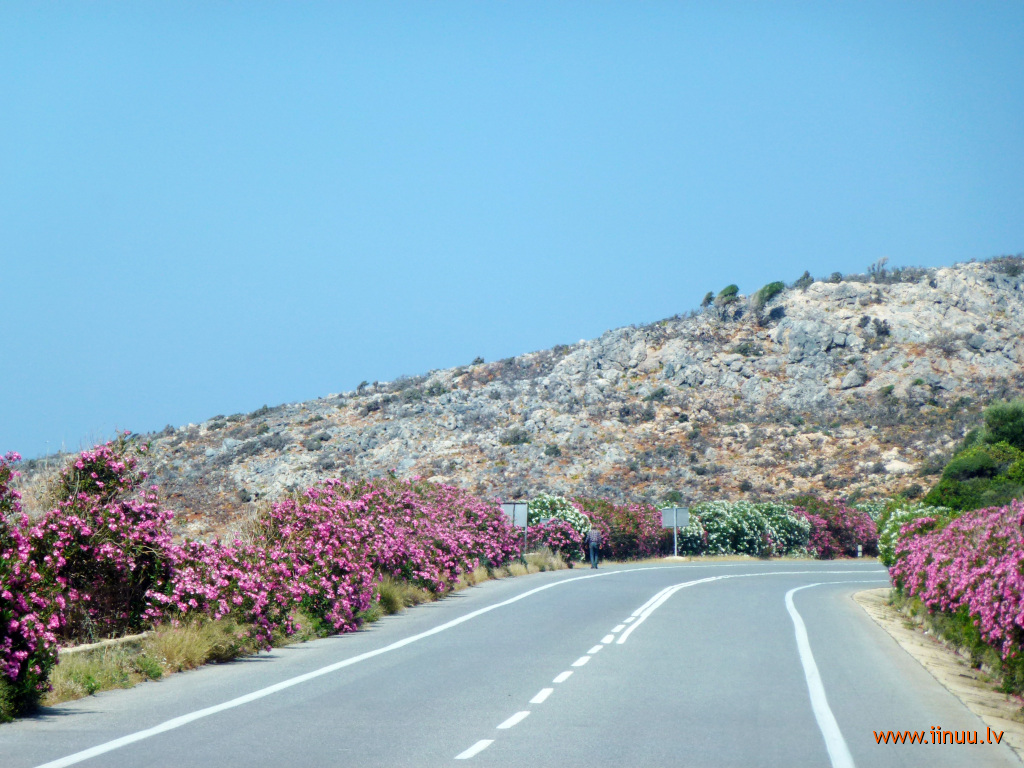
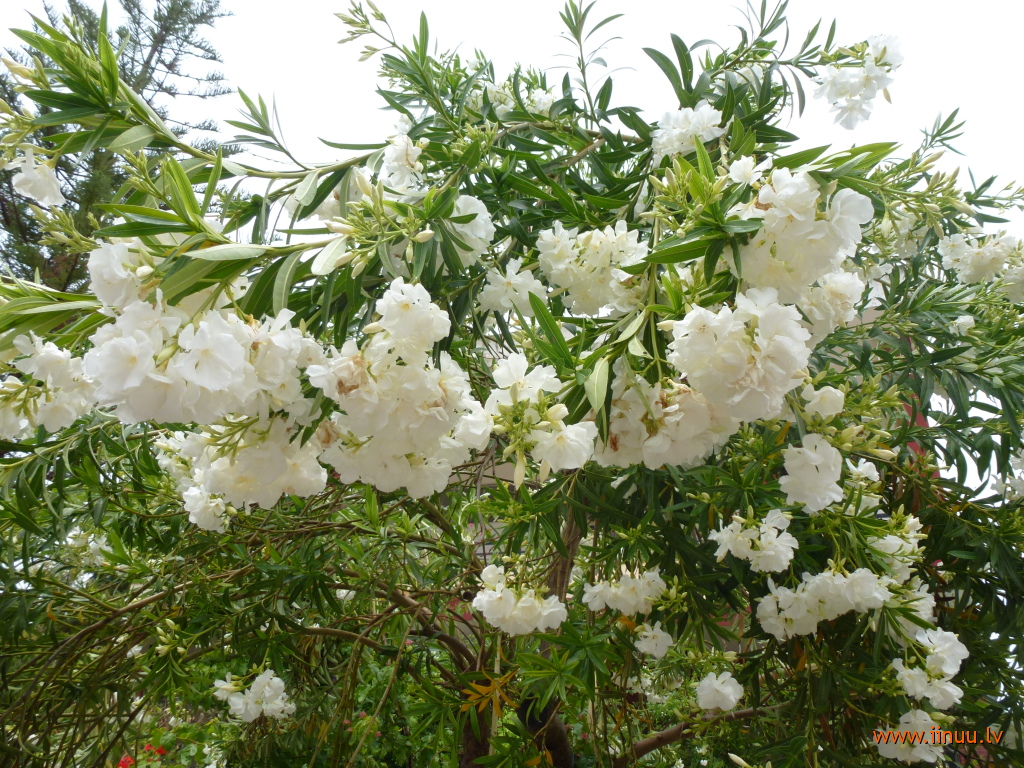
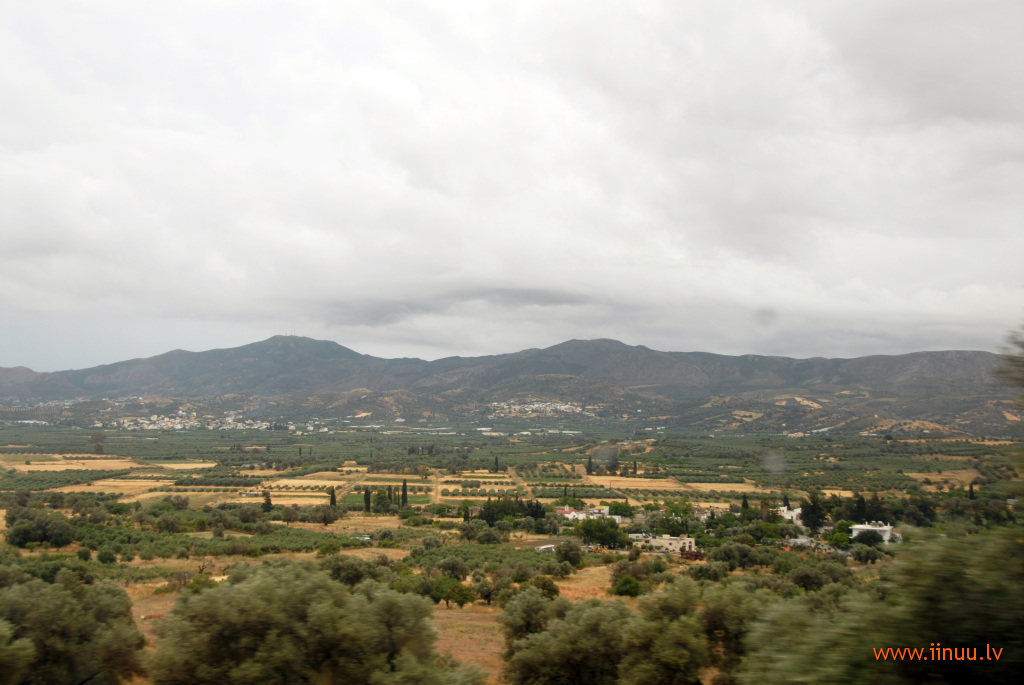
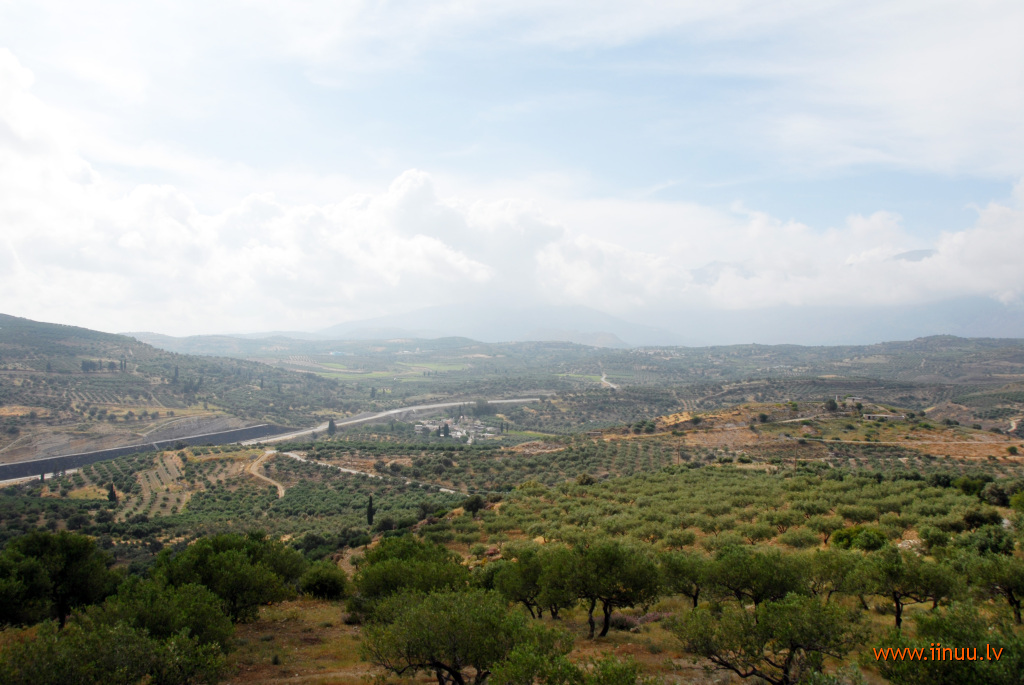
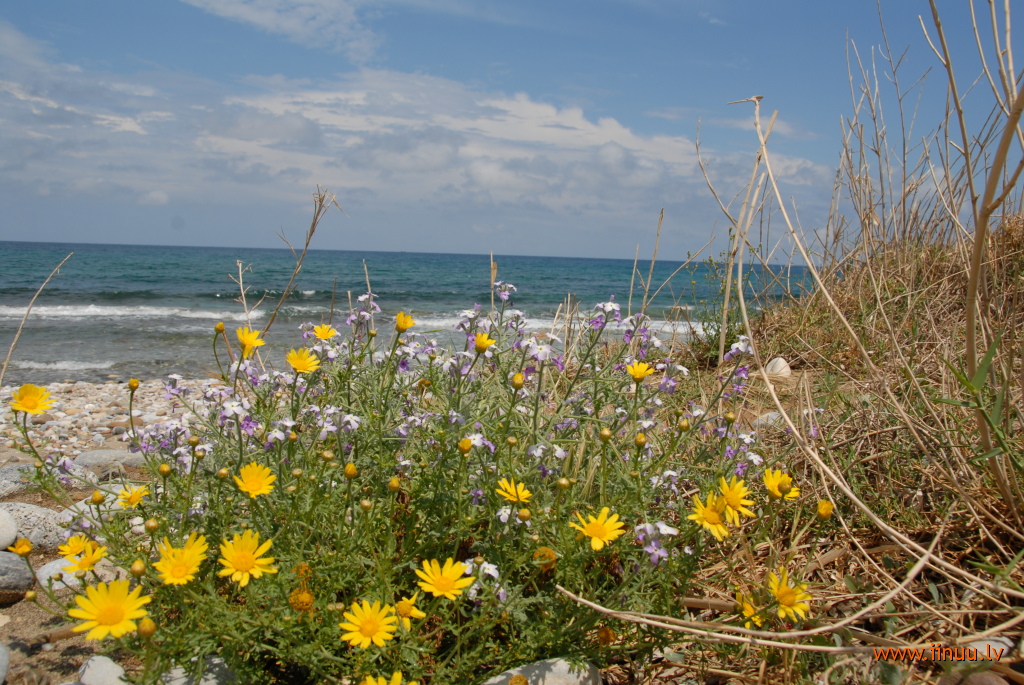
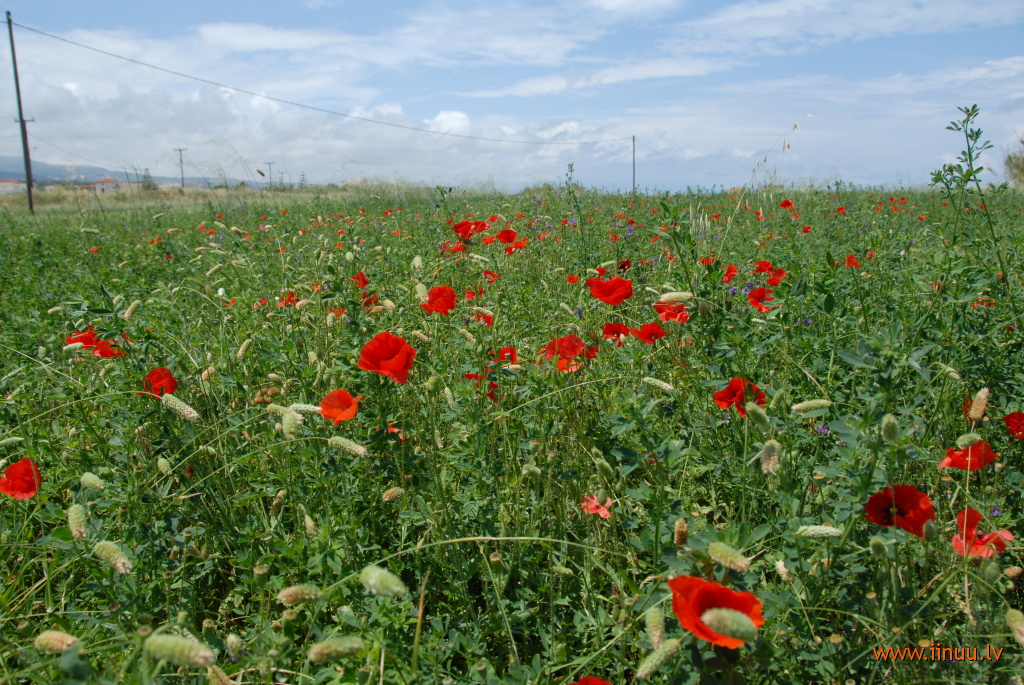
By the third day we realised it was not realistically possible to take in everything, to drive to all the most notable and beautiful places in Crete within a week. So our travels were confined to the central part of the island - the areas around the towns of Rethymno and Heraklion. I mentioned in the title that Crete is a blooming island - and rightly so, as all along the roads are flowering pink, white, and violet bushes. Despite being only early May, the orange, apricot, and lemon trees in the gardens are laden with ripe fruit. It turns out the potato harvest on the island is gathered three times a year. All cultivated plants, from potato fields to olive groves, are constantly irrigated, so long black rubber pipes snake across the fields, channelling water to plants, trees, and shrubs.
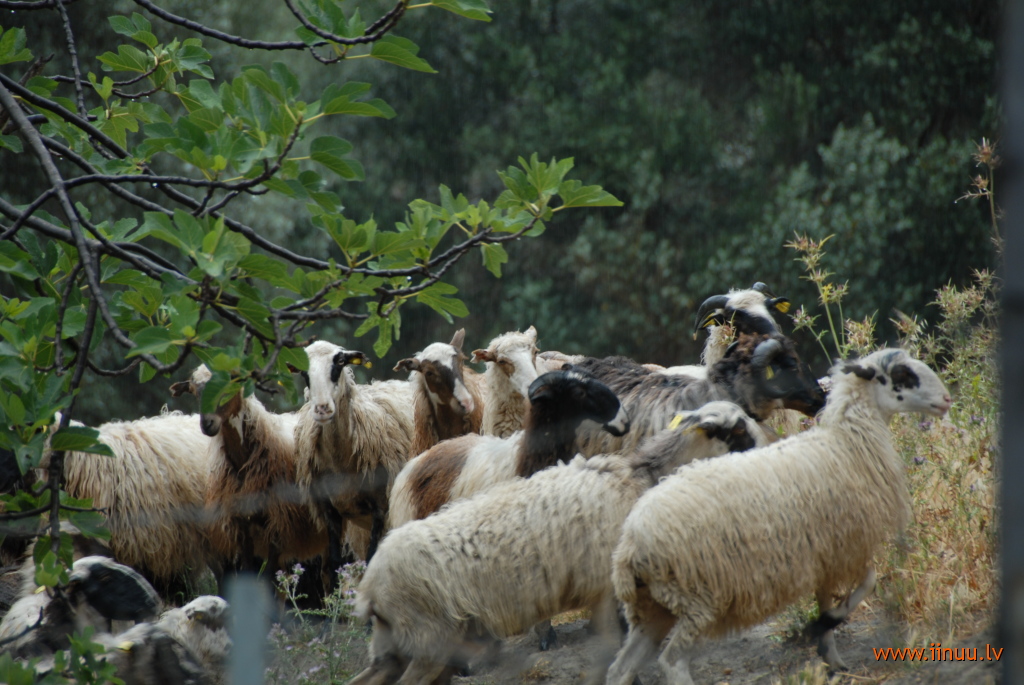
Flocks of goats and sheep roam the steep mountain slopes. Beehives are positioned in the sun-drenched valleys. Honey is held in high esteem here. In Crete you will practically never encounter chocolate products, but honey pastries are abundant.
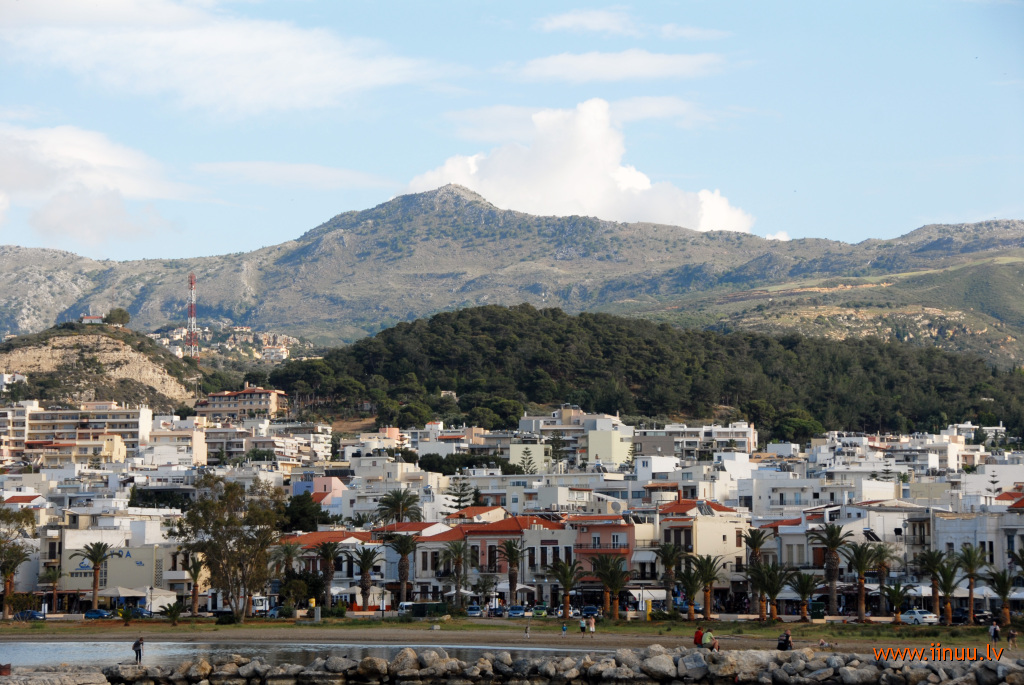
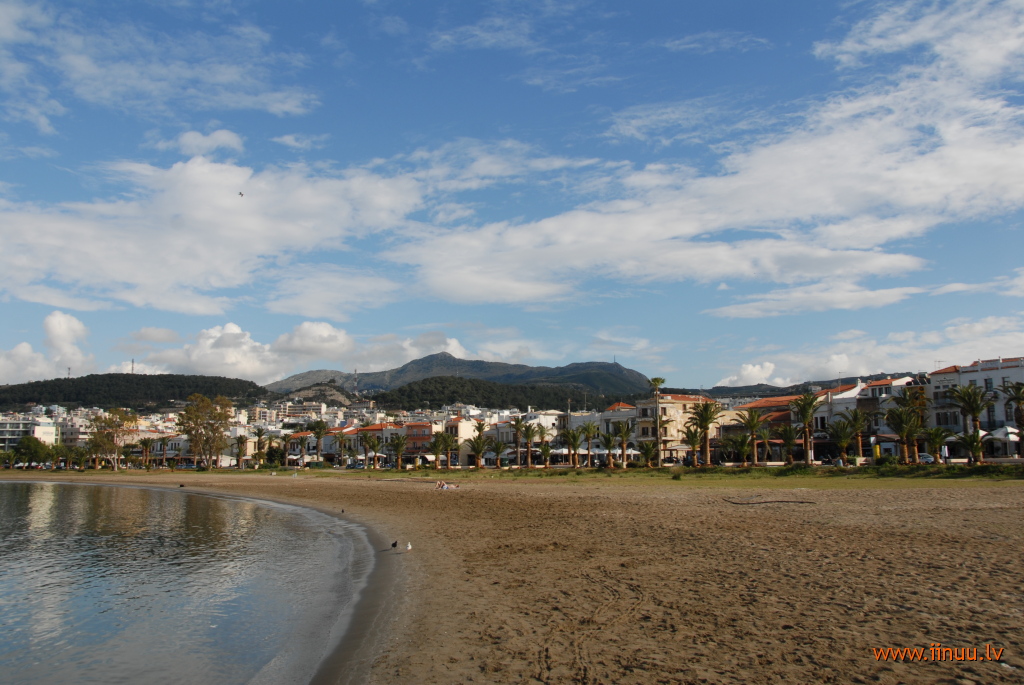
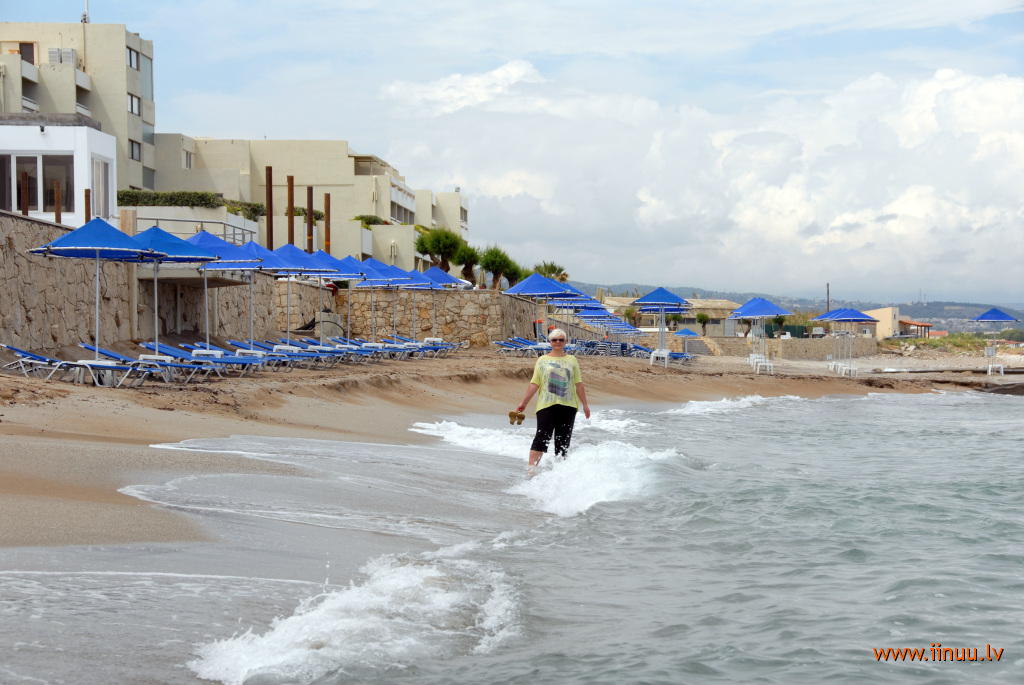
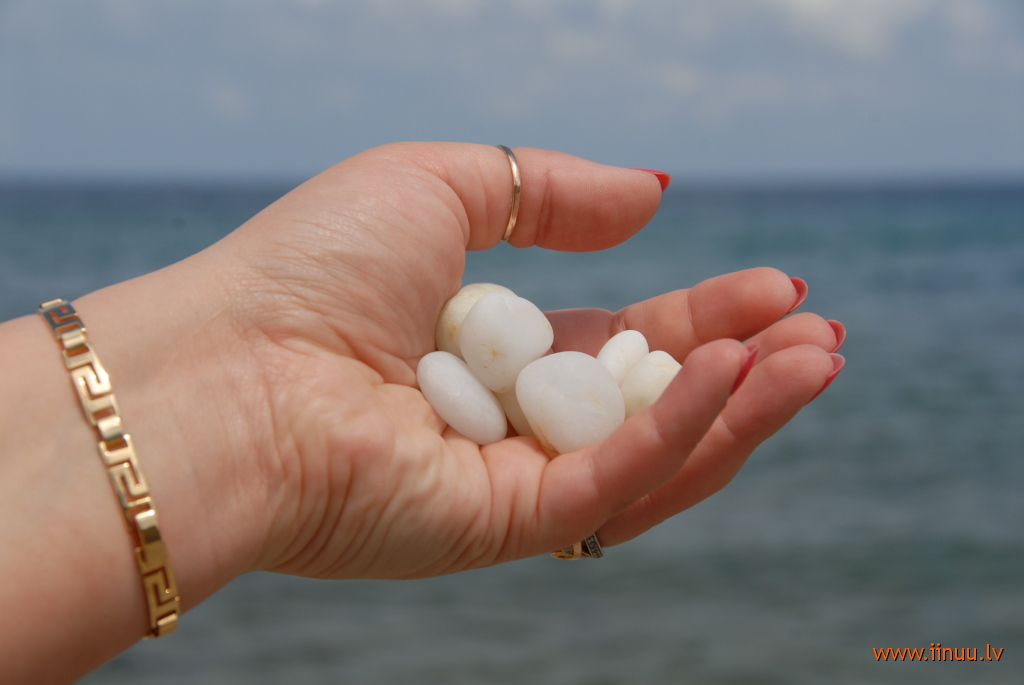
The beaches are mostly pebbly or covered with fine stones, so walking barefoot is rather difficult. In a few places there are also sandy beaches - such as in the town of Rethymno itself. The water in early May is pleasantly warm for a Latvian, though the locals regard such, in their view, early-spring swimmers with a hint of bemusement.
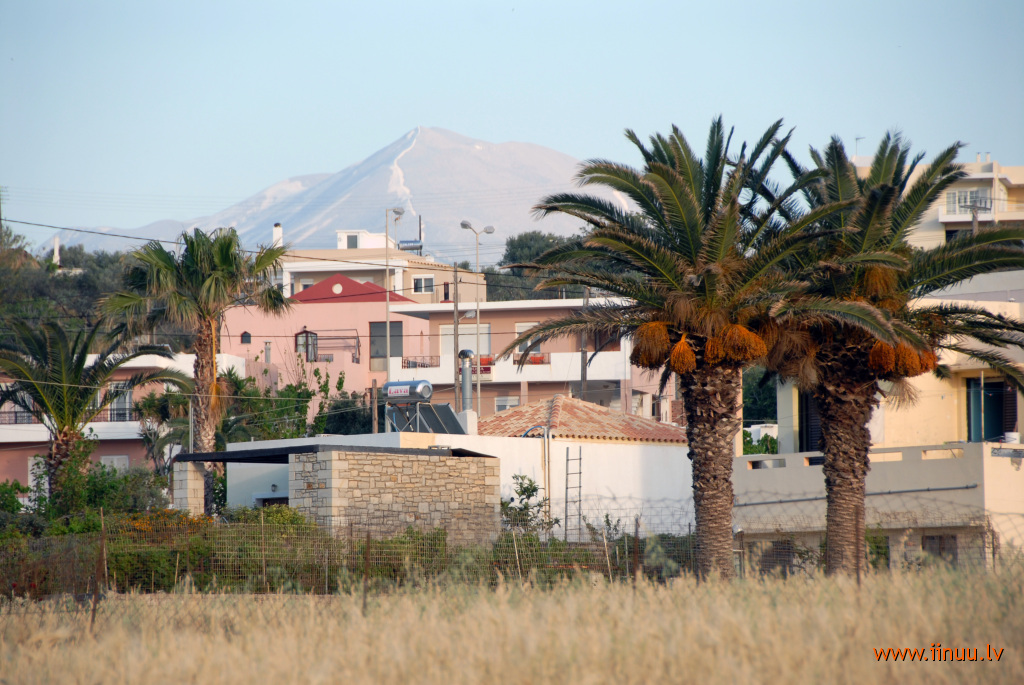
On the roofs of most houses and hotels are solar panels and water cisterns. Since there is no shortage of sun here throughout the year, the practical Greeks make use of it to heat the water in their buildings.
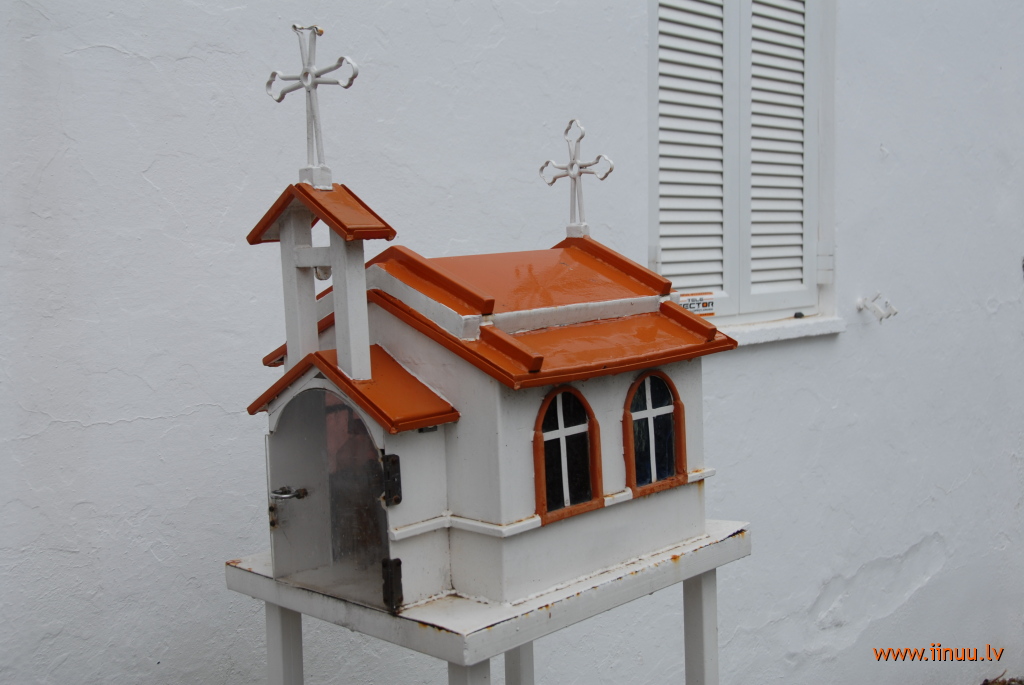
From time to time along the roadsides one comes across small ceramic houses with little windows and a cross on top. These, it turns out, are the dwellings of souls who have departed or perished at that spot. Lit candles, oil, and flowers are placed inside these little houses. Photographs are attached to the walls of some of them. And since we are on the subject of death and departure - in Crete the deceased are buried under a stone slab in a grave for three years, after which the bones are dug up, washed in water and wine, placed in an urn, and sealed into the wall of the cemetery chapel. Such is the tradition here.
Rethymno (Rethymno, Ρέθυμνο)
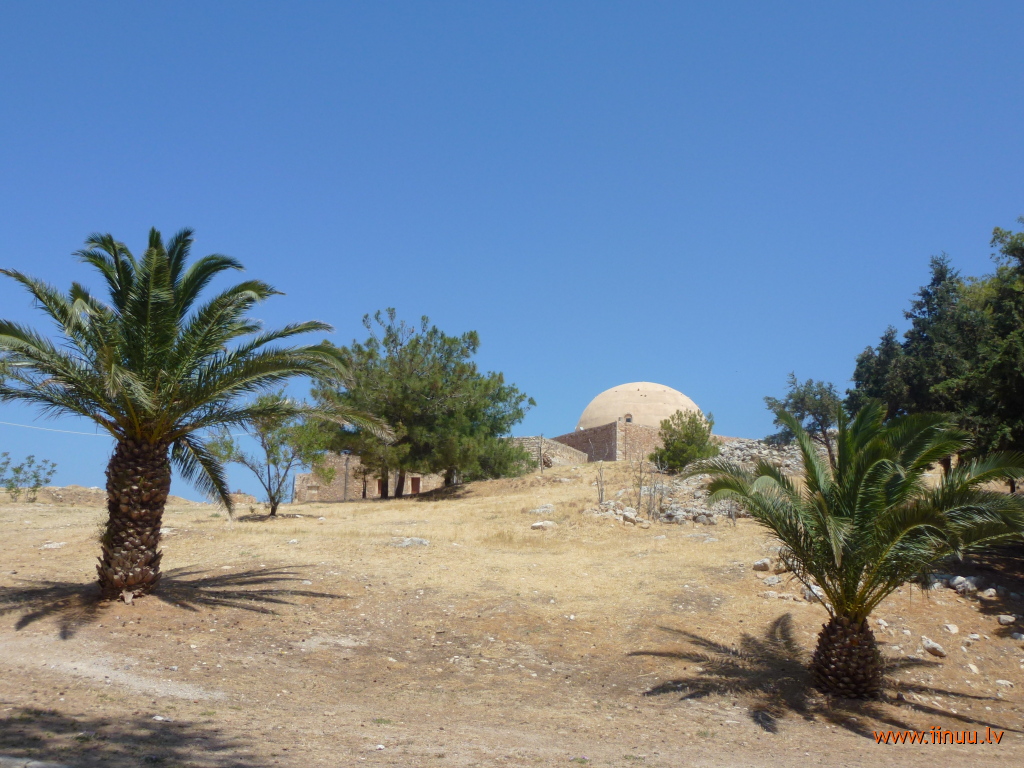
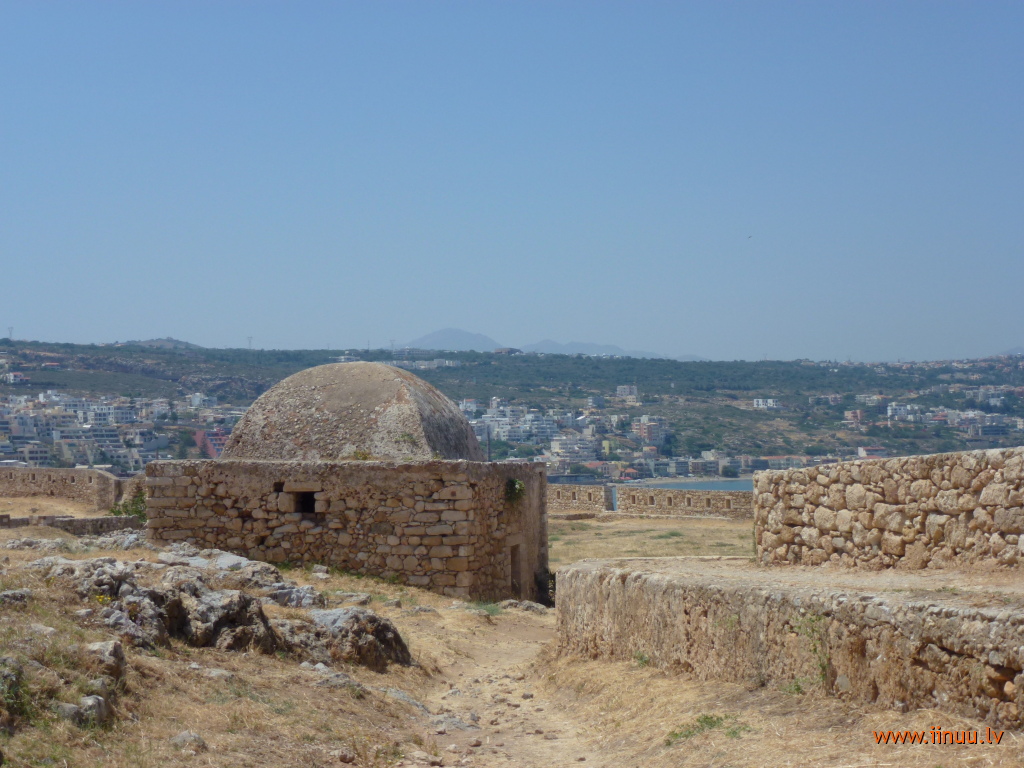
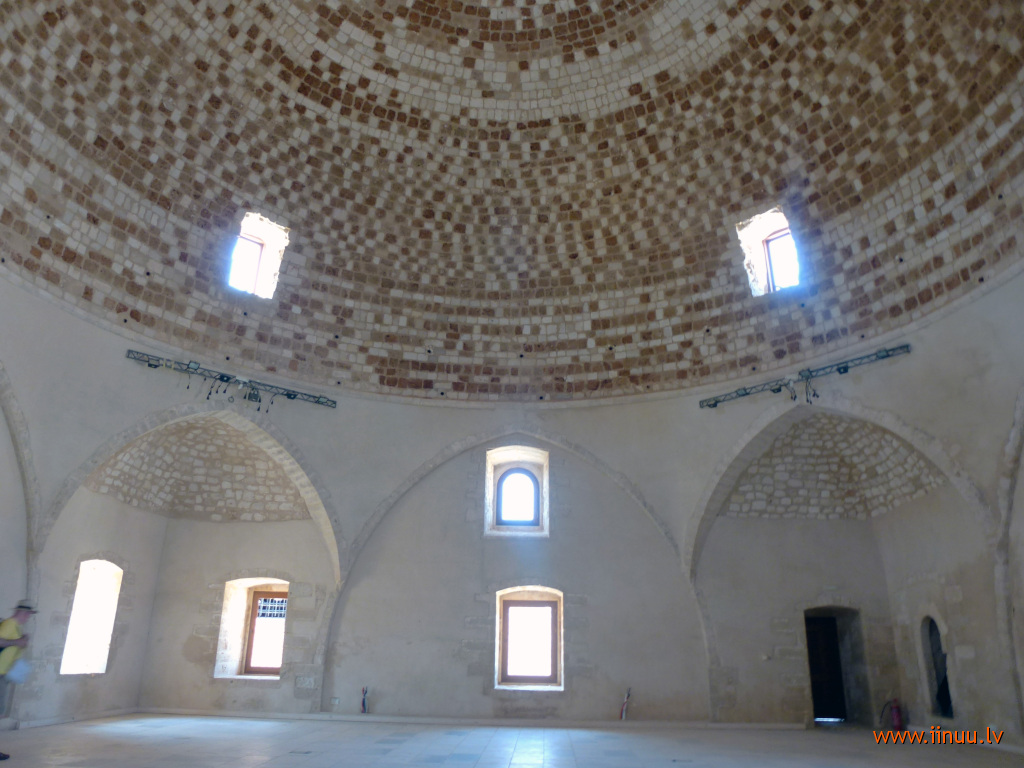
In tourist guides Rethymno is described as a city of culture and arts. At the top of a hill rises a sizeable fortress, the Fortezza, from which a beautiful view opens over the entire town, the nearby mountains, and the sea. At the centre of the fortress stands an interesting small mosque, whose dome is faced with pale stone.
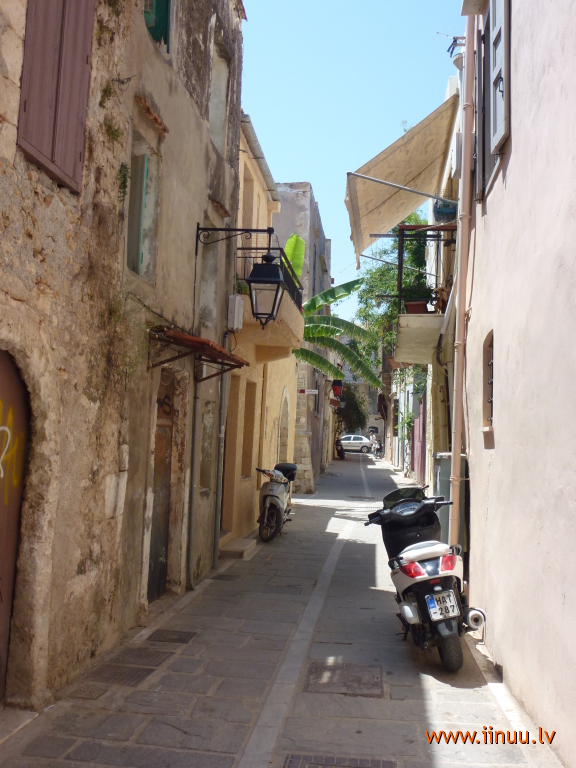
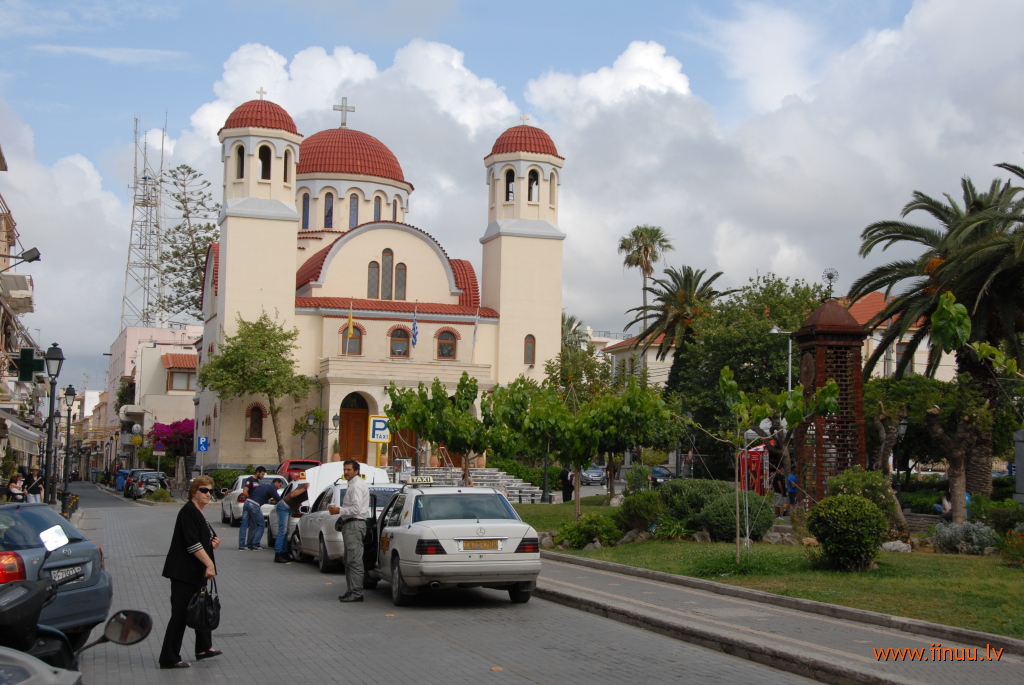
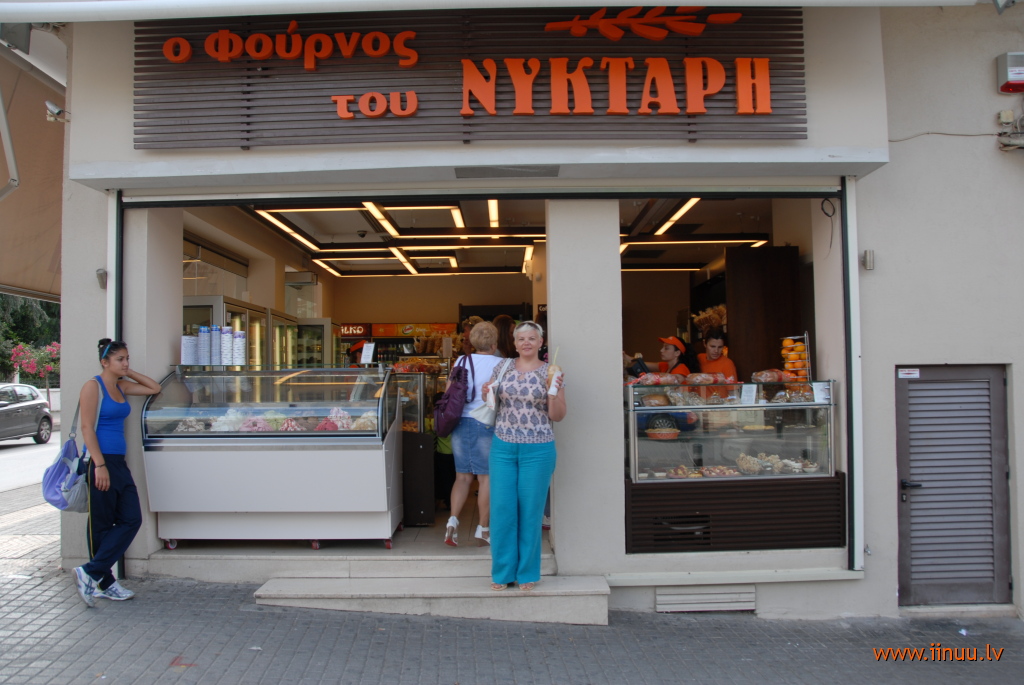
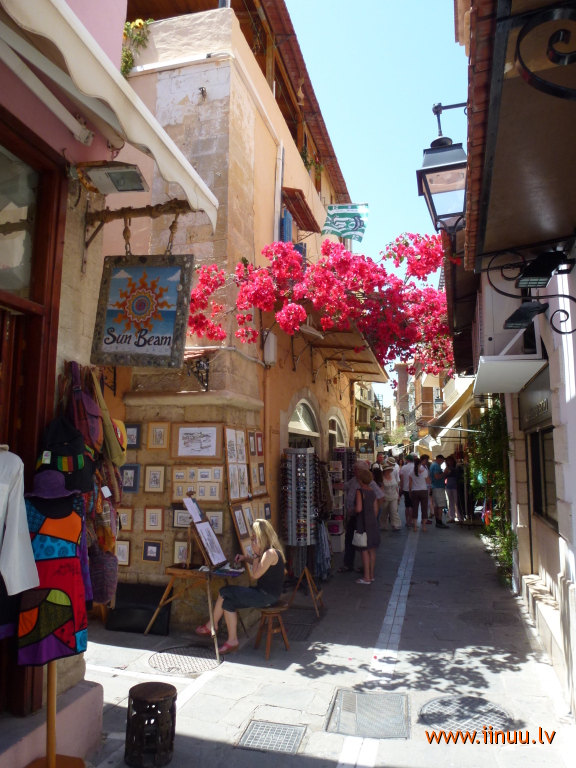
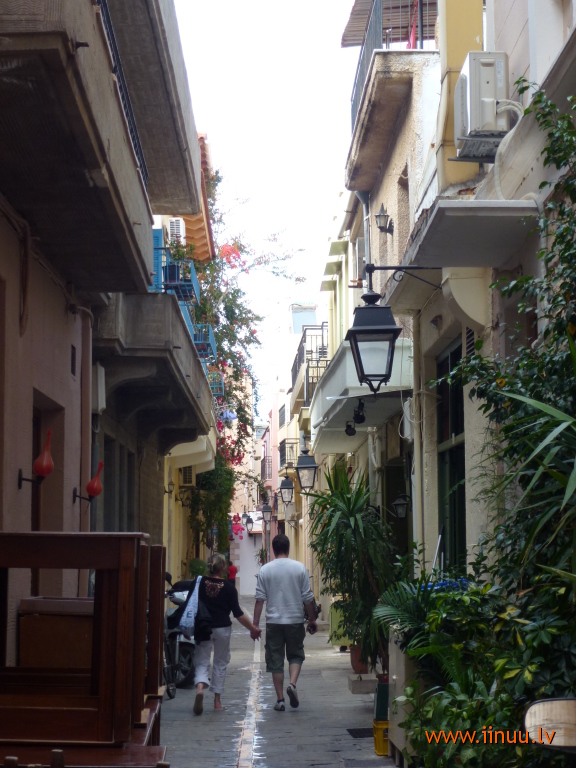
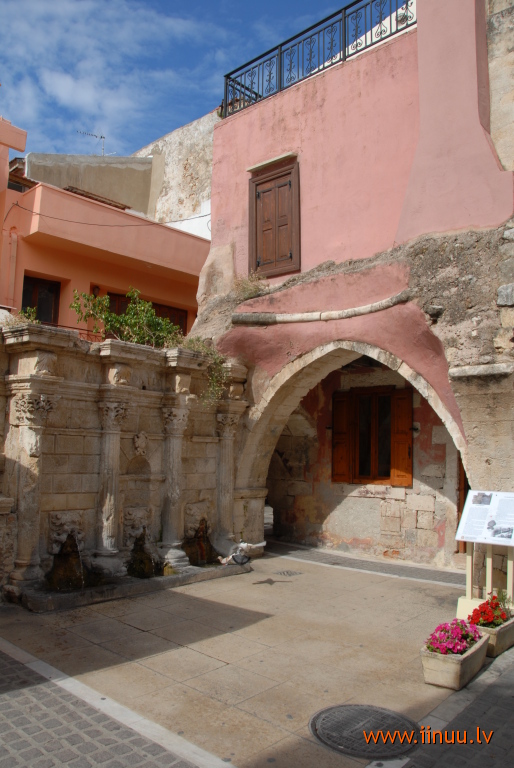
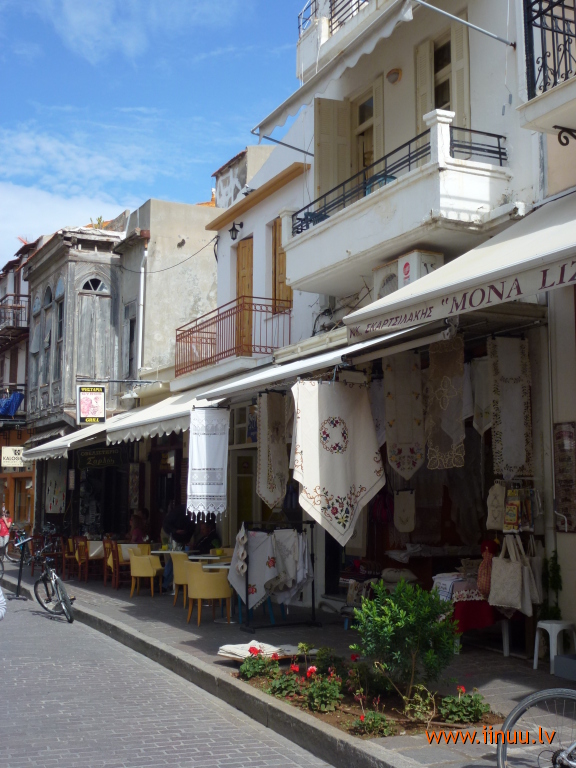
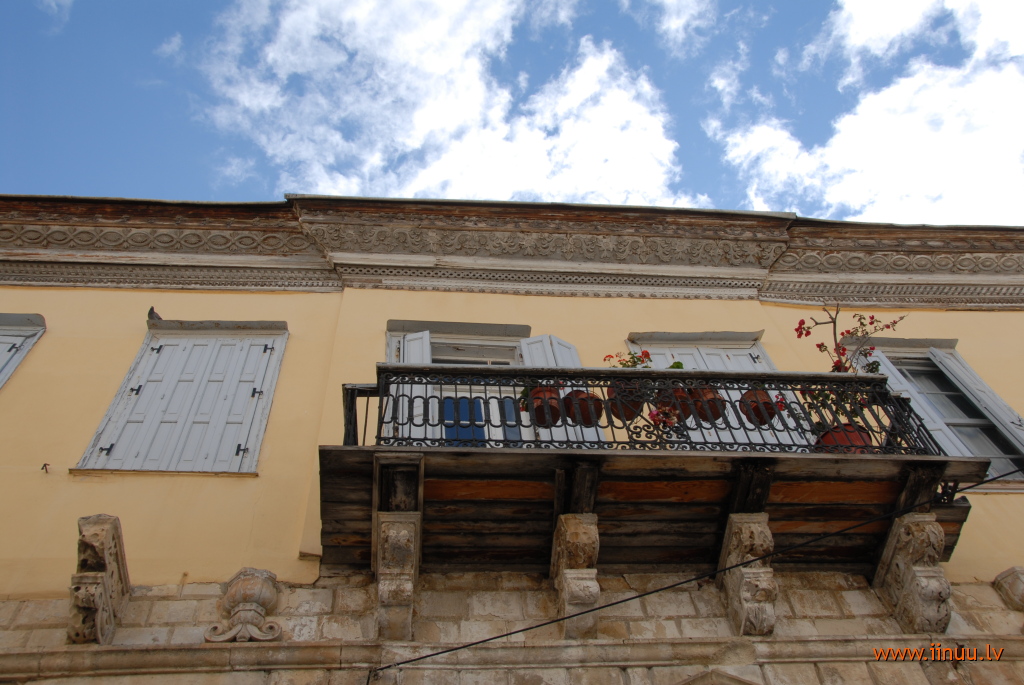
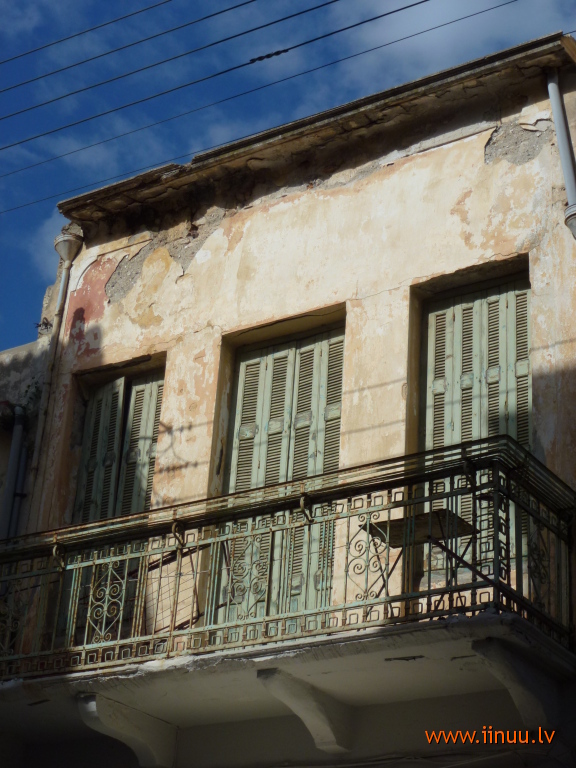
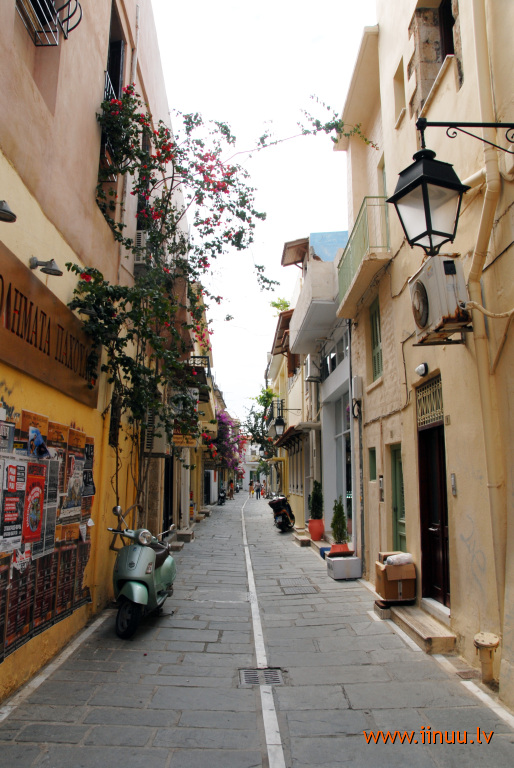
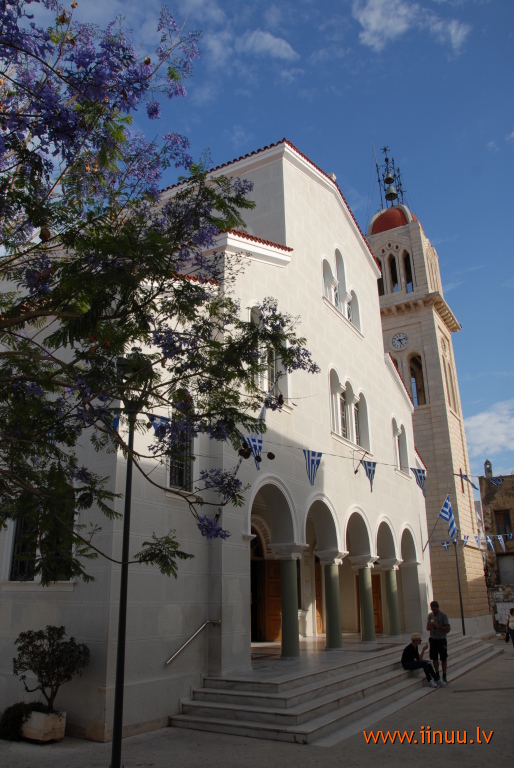
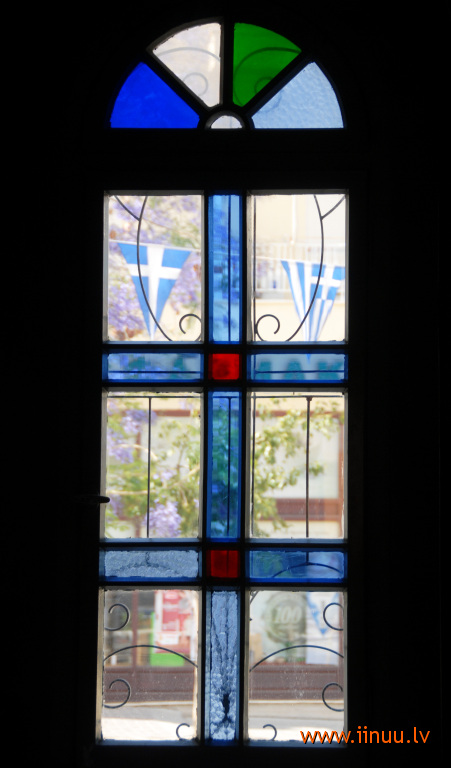
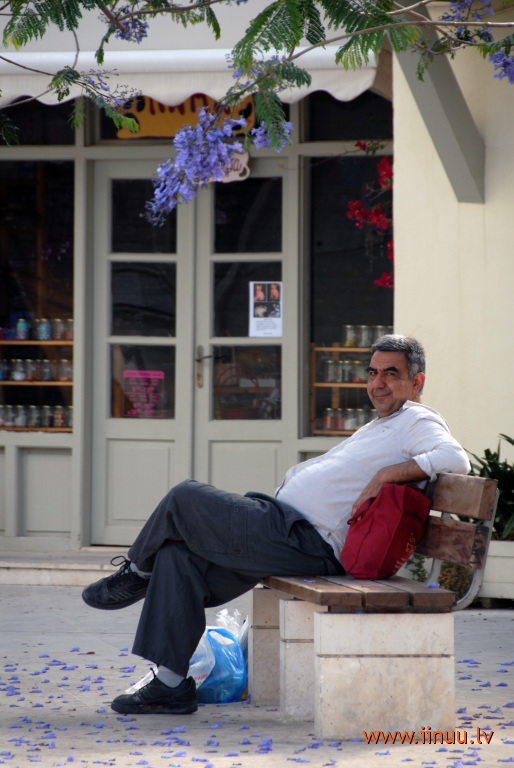
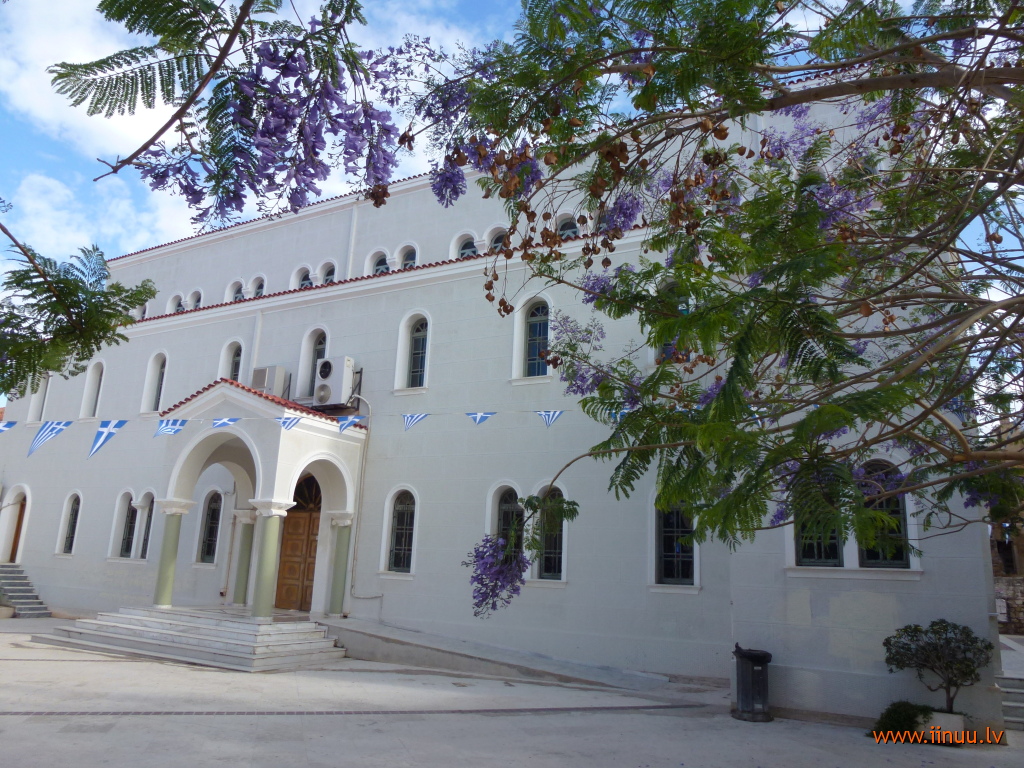
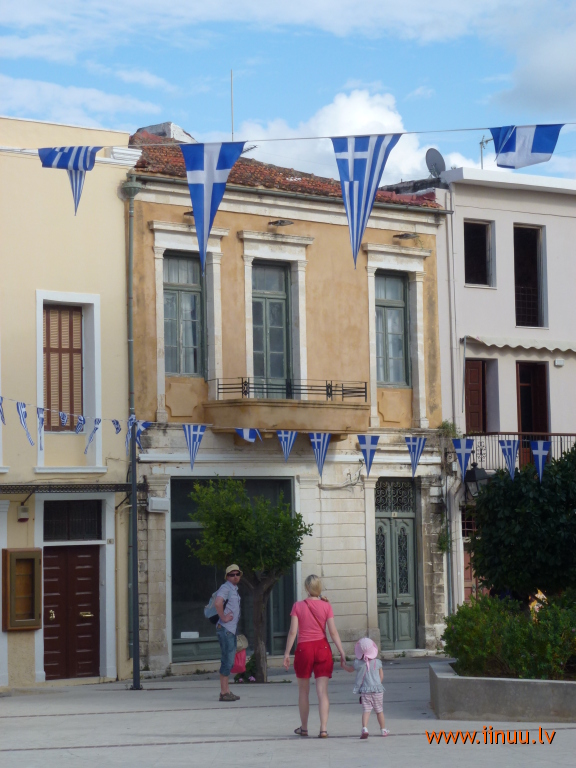
The old town of Rethymno is walkable on foot - narrow picturesque alleyways with old buildings, many small shops, cafés, and bars. In the centre of the old town stands a simple yet beautiful Orthodox Cathedral (in Greece 99% of the population is Orthodox) and a square above which Greek flags arranged on long stretched ropes flutter, while the benches below are shaded by trees blooming in vivid violet.
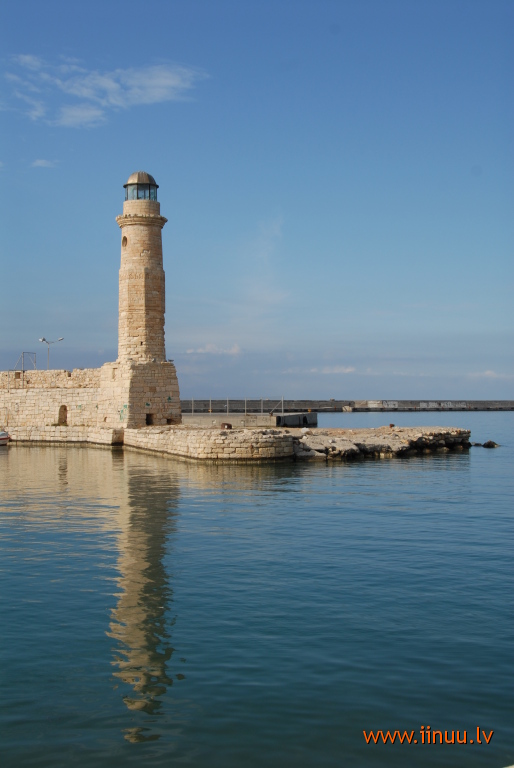
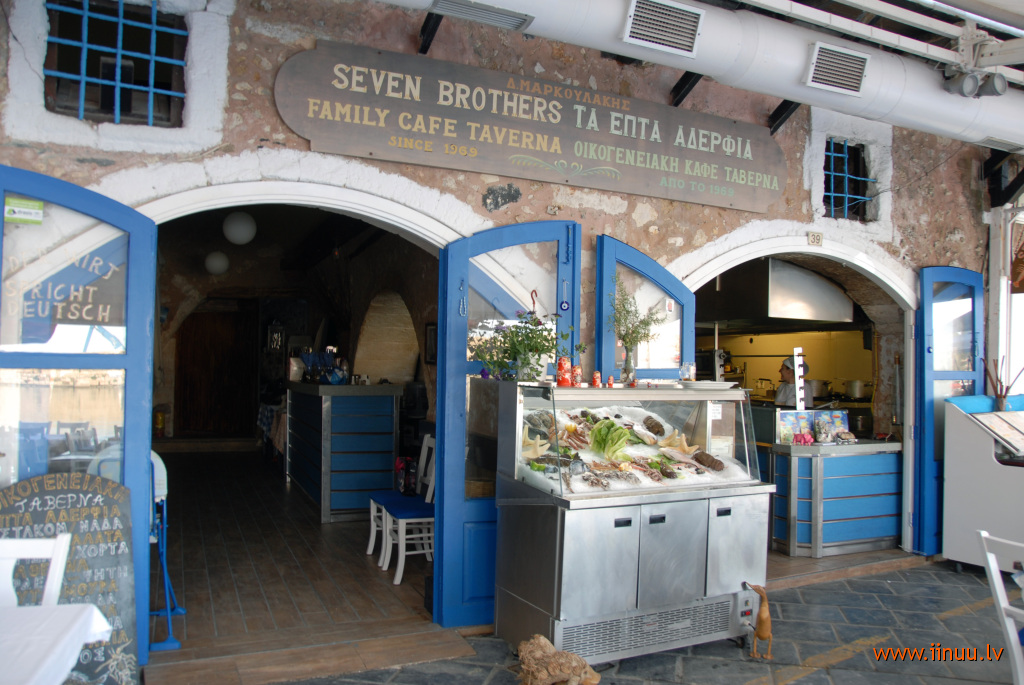
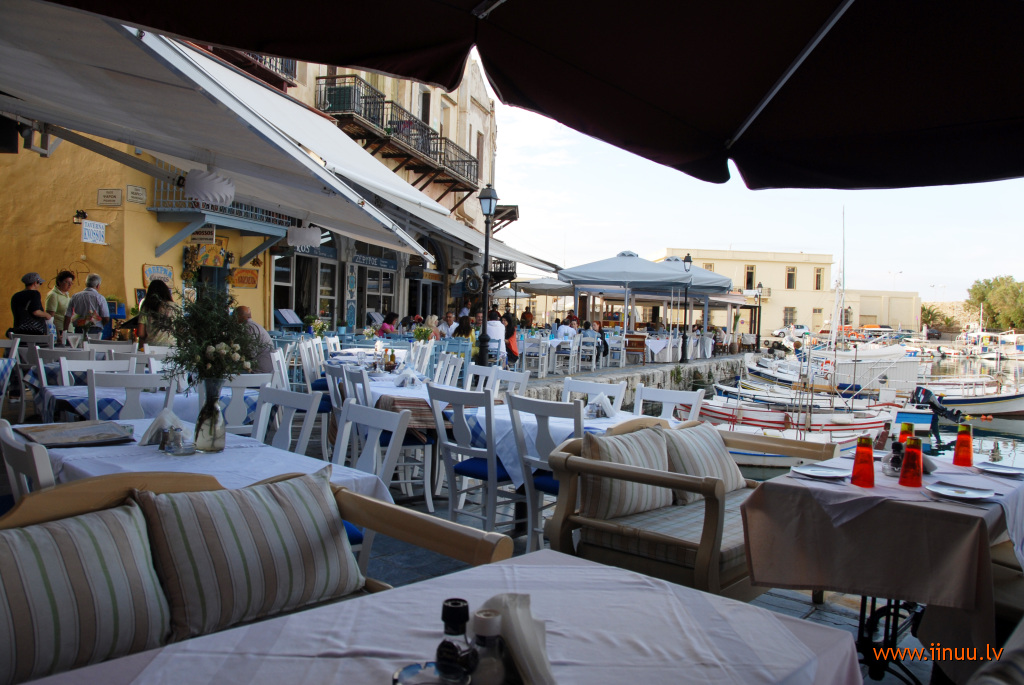
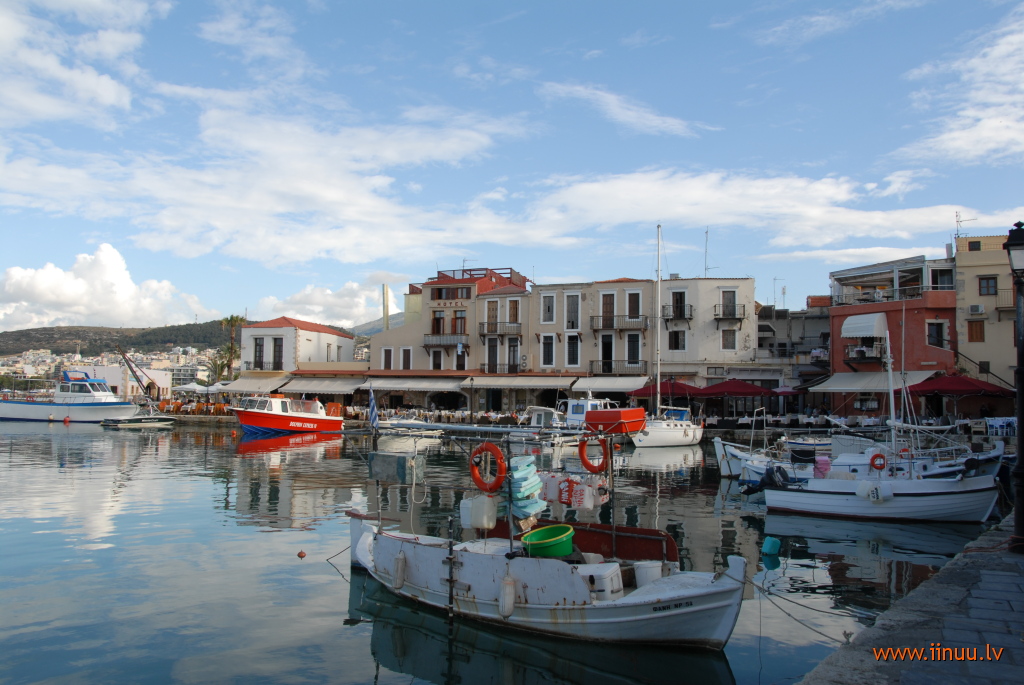
Most visitors to the town are drawn, of course, to the Venetian harbour with its many small boats and restaurants serving seafood and local wines, as well as the jetty with the old lighthouse.
Paliani Monastery and the Myrtle Tree
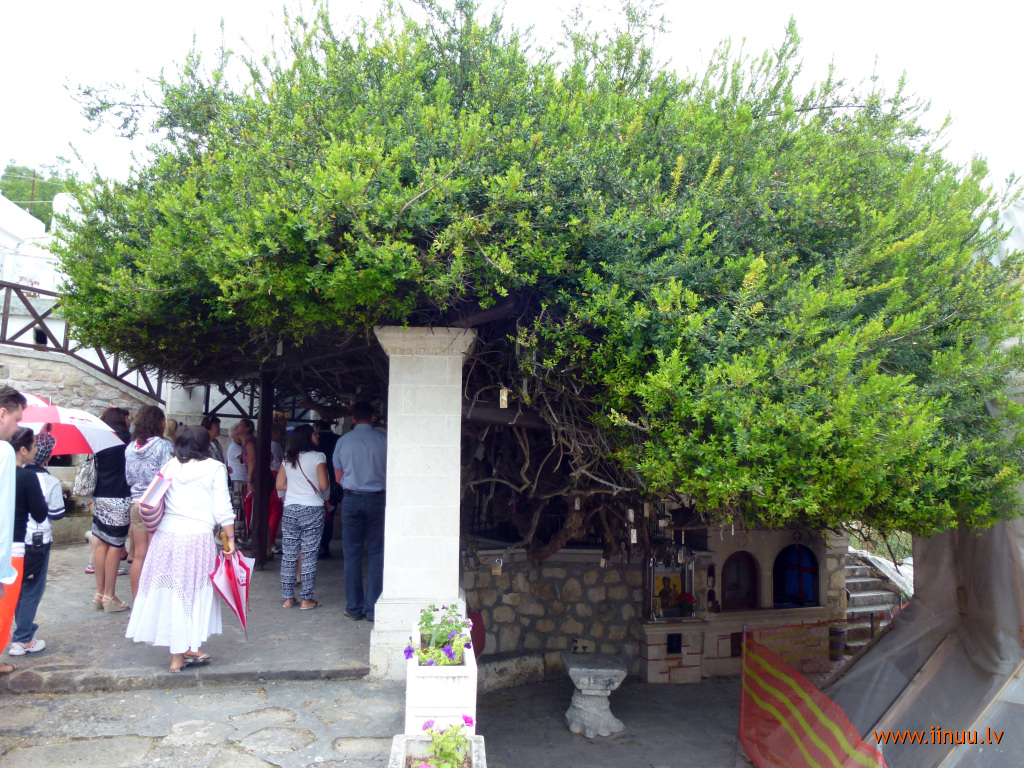
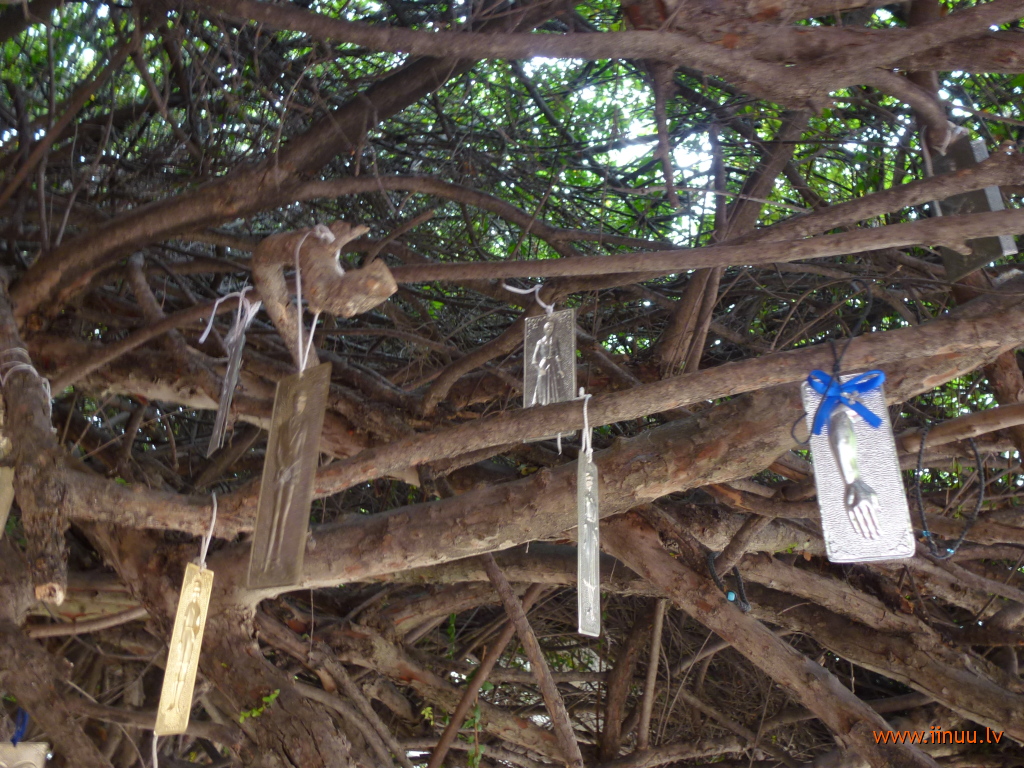
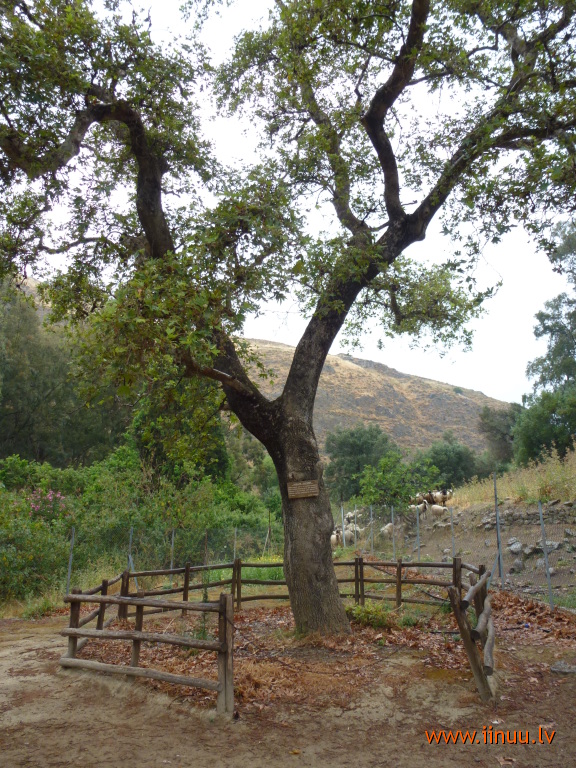
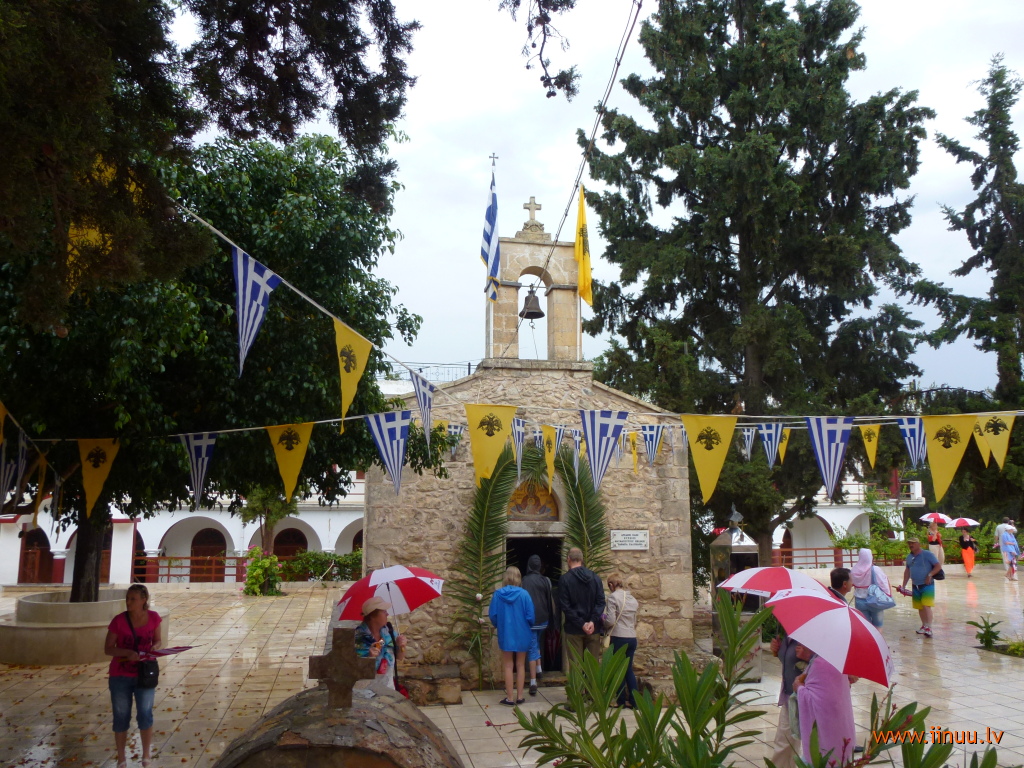
Paliani Monastery is located in the Heraklion area. It is the oldest women's monastery operating on the island since the 6th century. The place is notable for a huge myrtle tree that is 1,600 years old, beneath whose canopy an entire group of tourists could shelter on a rainy day. Legend has it that an icon of the Mother of God has grown into the interior of the tree's trunk. Today pilgrims come to the tree to pray and leave on the branches small votive plaques inscribed with their wishes and hopes for healing.
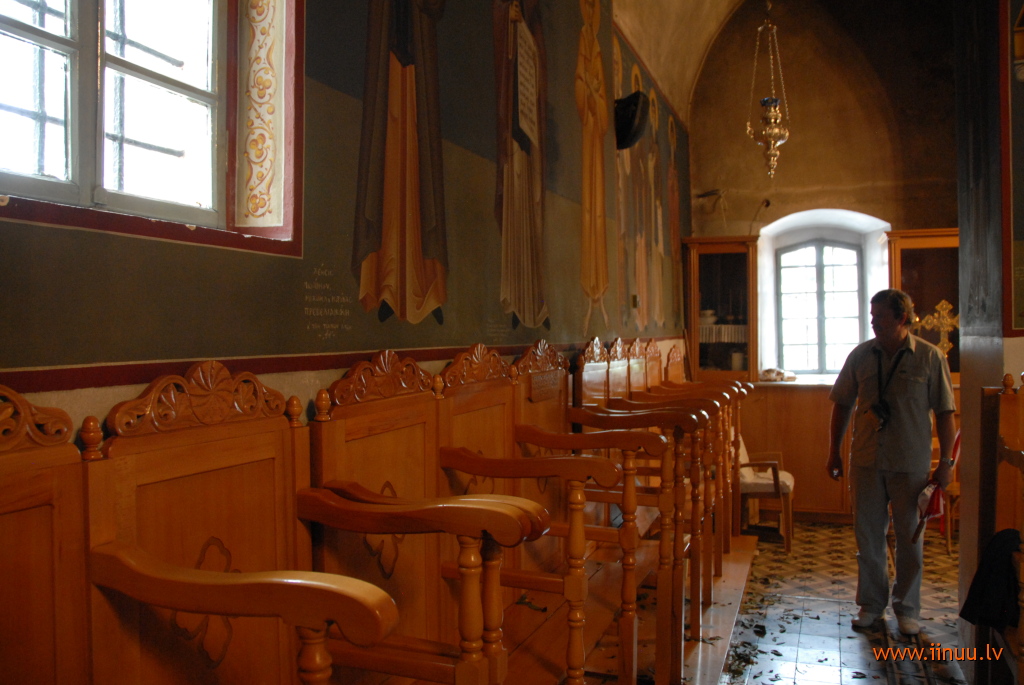
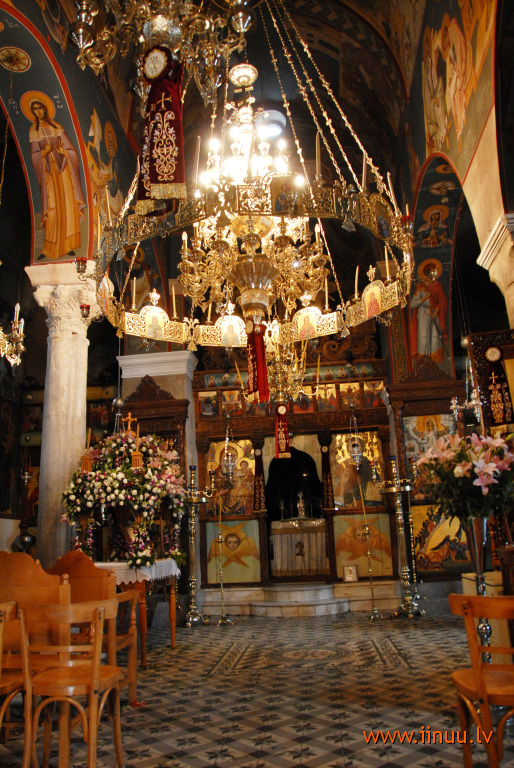
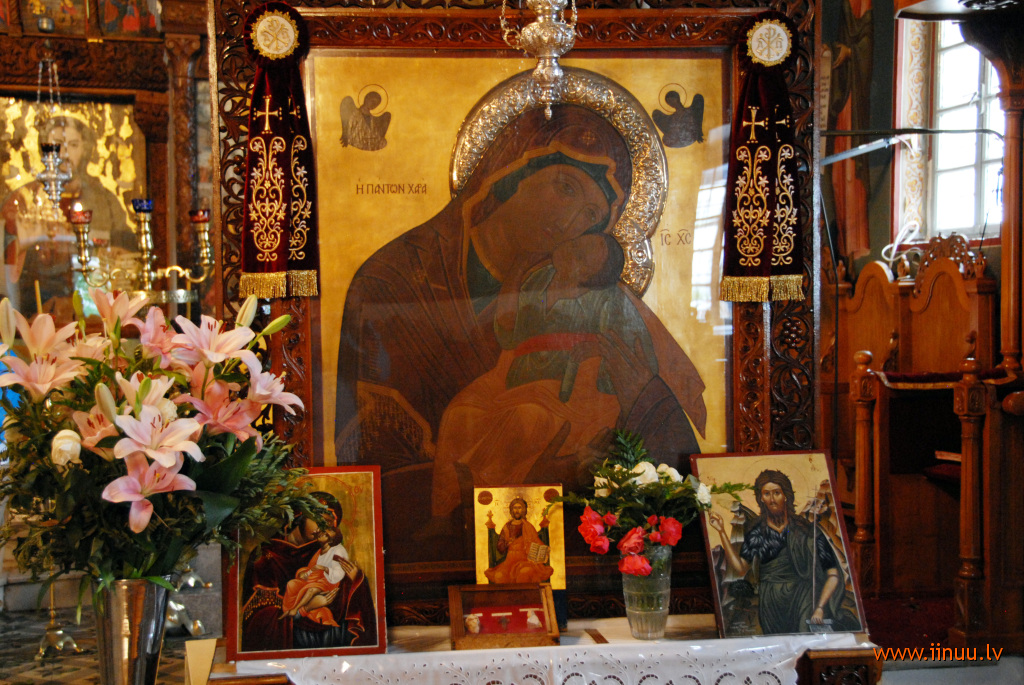
Within the monastery grounds is an Orthodox church. Inside, my attention was caught by the floor, on which laurel leaves had been scattered - by now dried, they filled the space with a pleasant fragrance. Votive plaques are hung at the icons here too, creating something of an overcrowded effect.
Kaliviani Monastery
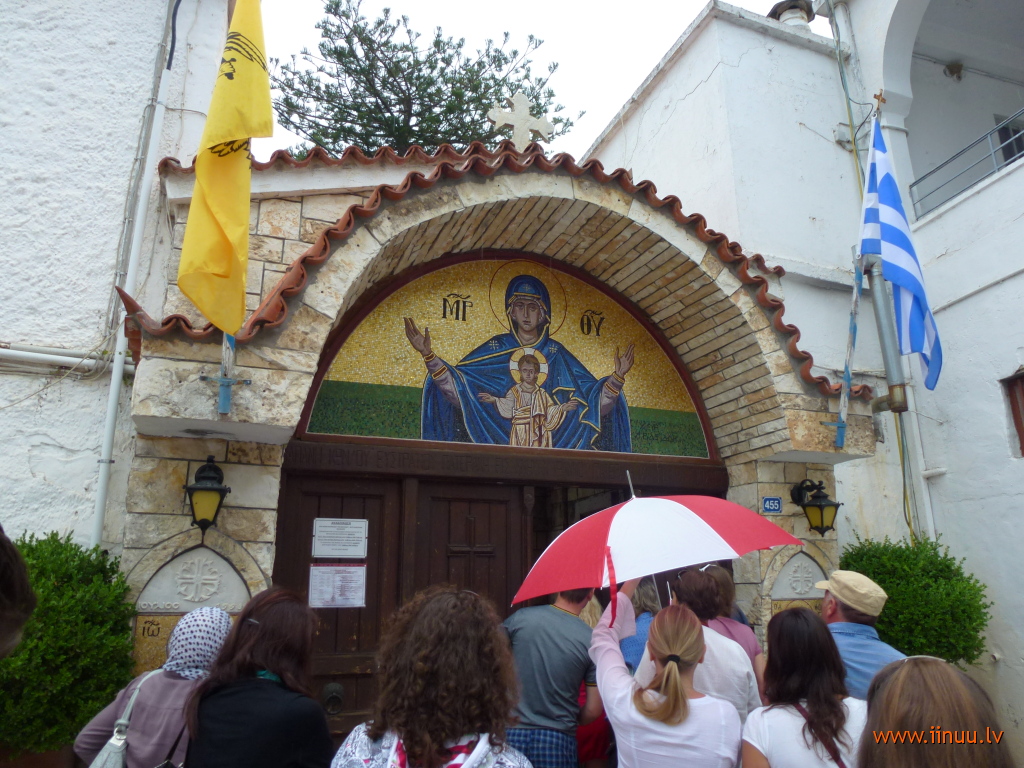
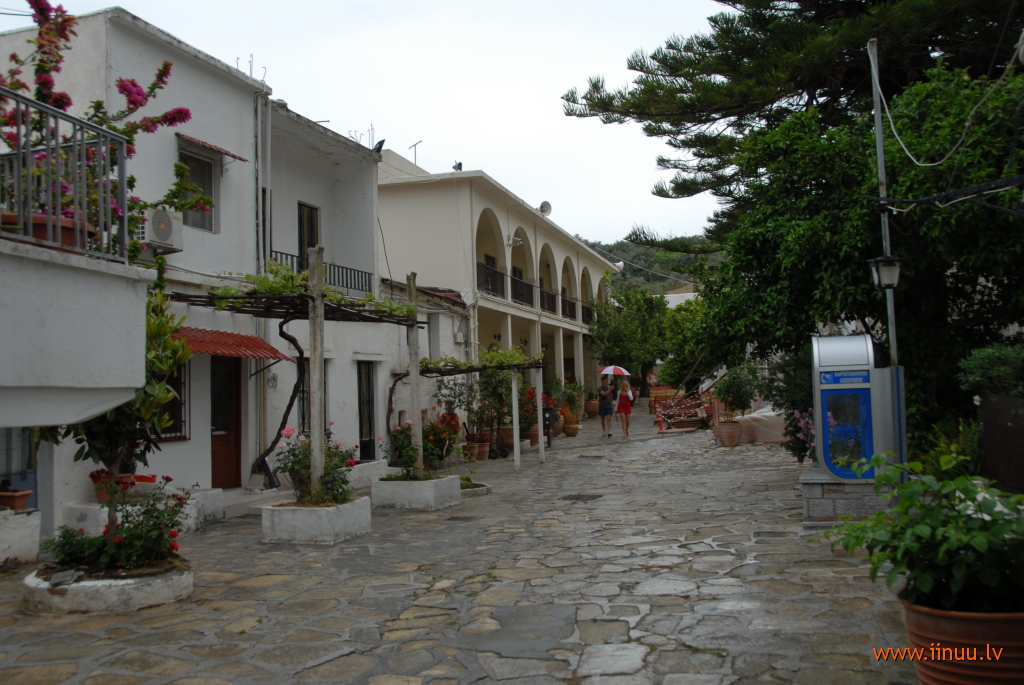
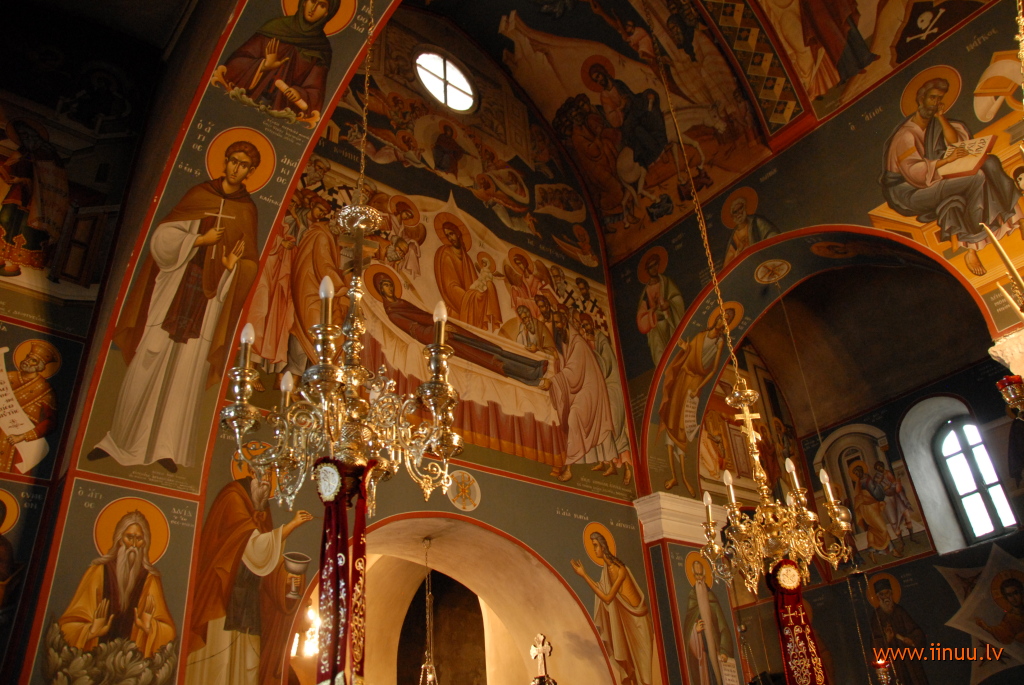
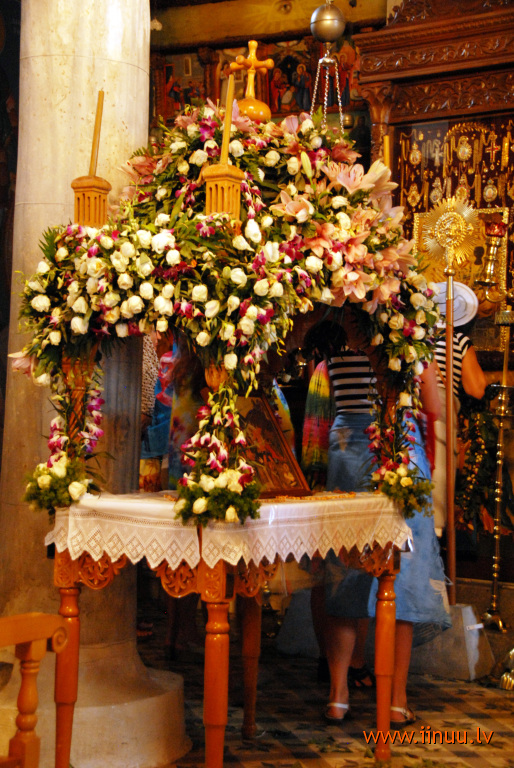
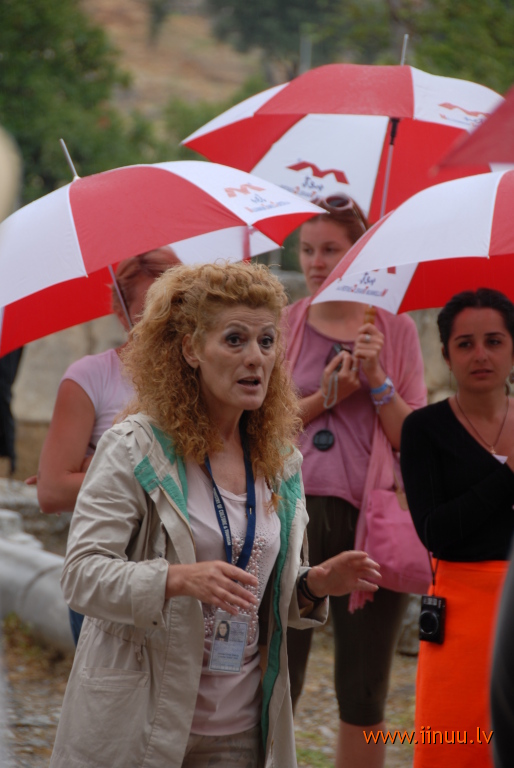
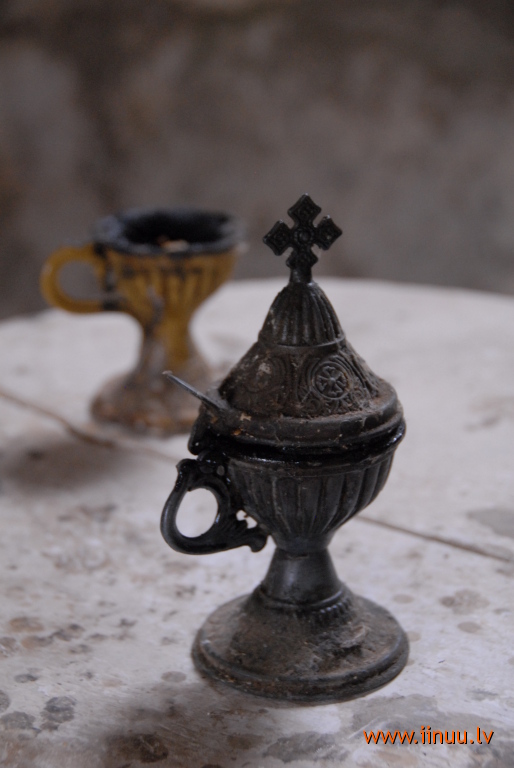
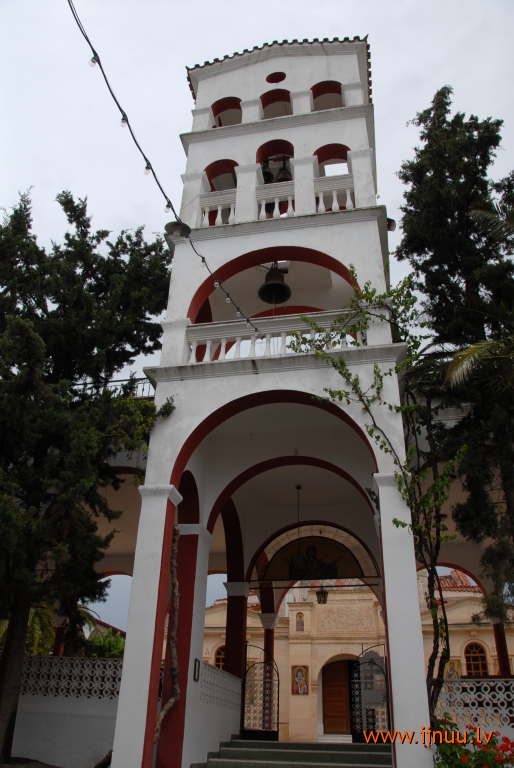
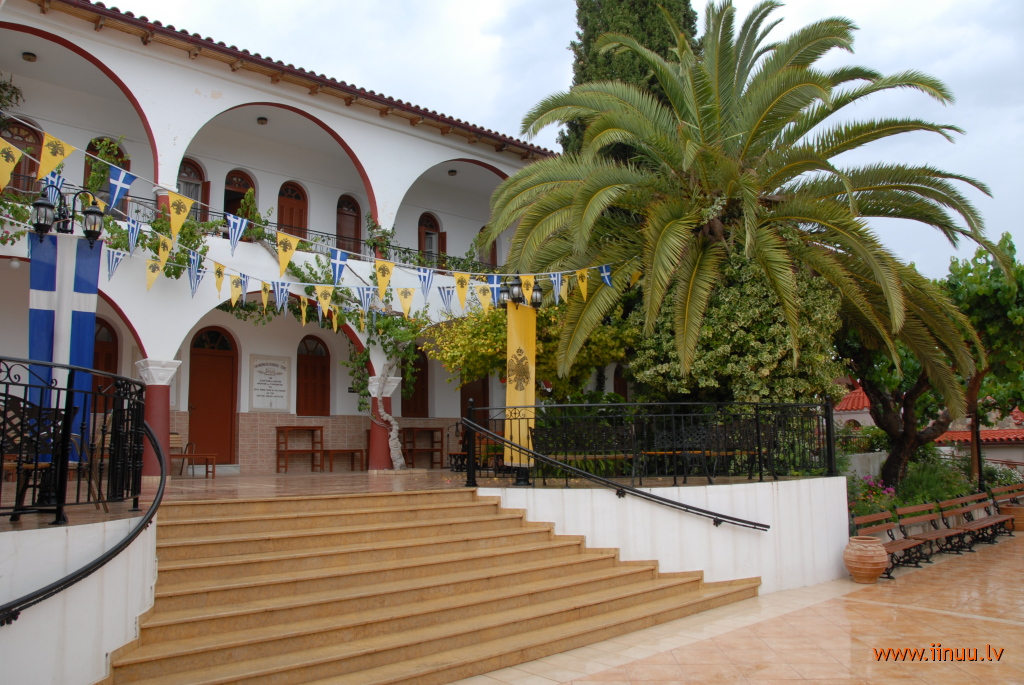
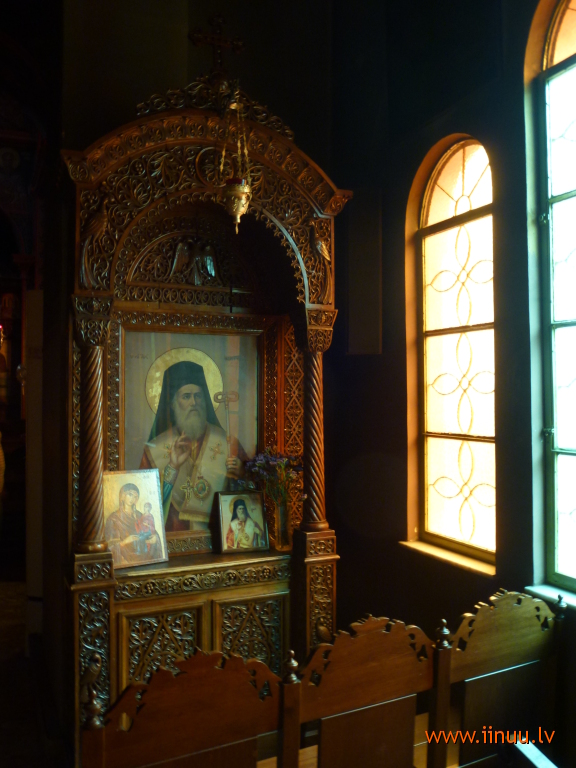
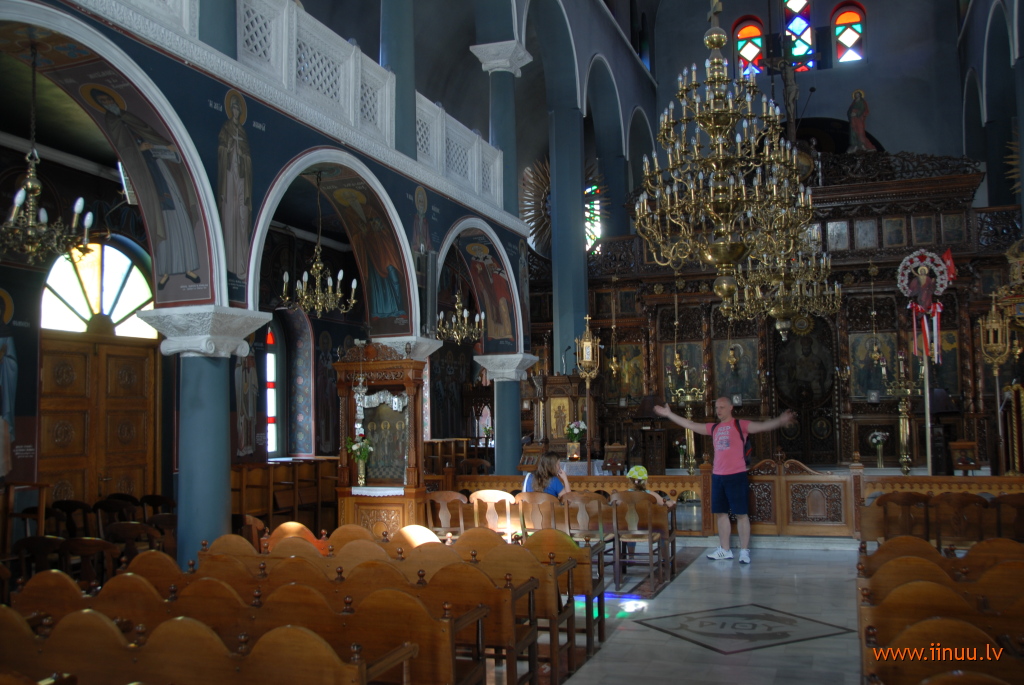
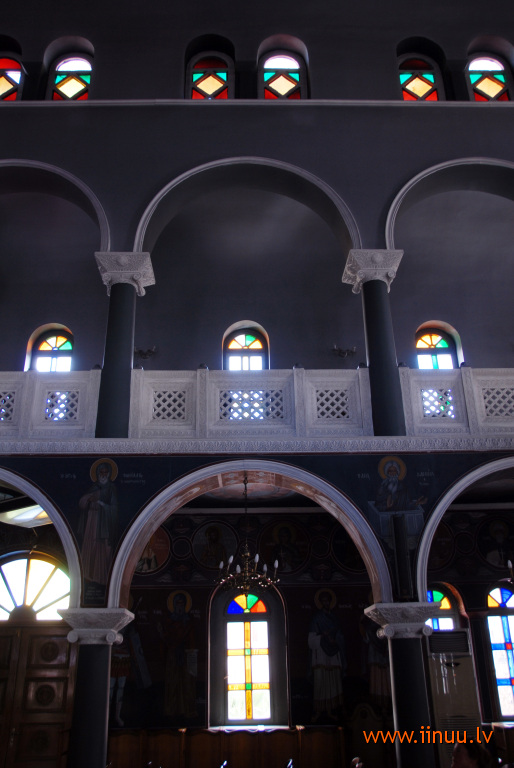
A sizeable grounds with an Orthodox church at its centre. Around it: palm trees, vines, and blooming gardens. Kaliviani is a rich and magnificent monastery. What drew me in was the Greek guide's account of the philosophy of the living church. One could truly feel this in the Greek Orthodox churches of Crete. A person enters them as into a living environment, where incense, lavender, and laurel leaves are fragrant; where the eye delights in the deep blue-green walls and images of saints with gilded halos, and in the stained-glass windows in saturated colours; there is touch, the kissing of icons; the tasting of wine during the liturgy. The house of God is alive and brings each person who enters a joy of living - rather than the doctrine prevalent at our latitudes of God's punishment for sins.
In the Orthodox churches of Crete photography is not forbidden, nor is reclining in chairs, touching icons, lighting candles, or laughing. Of course, respect for the place must be observed, one should not arrive in excessively revealing clothing, and photographing nuns is not permitted.
Matala - the Hippie Caves
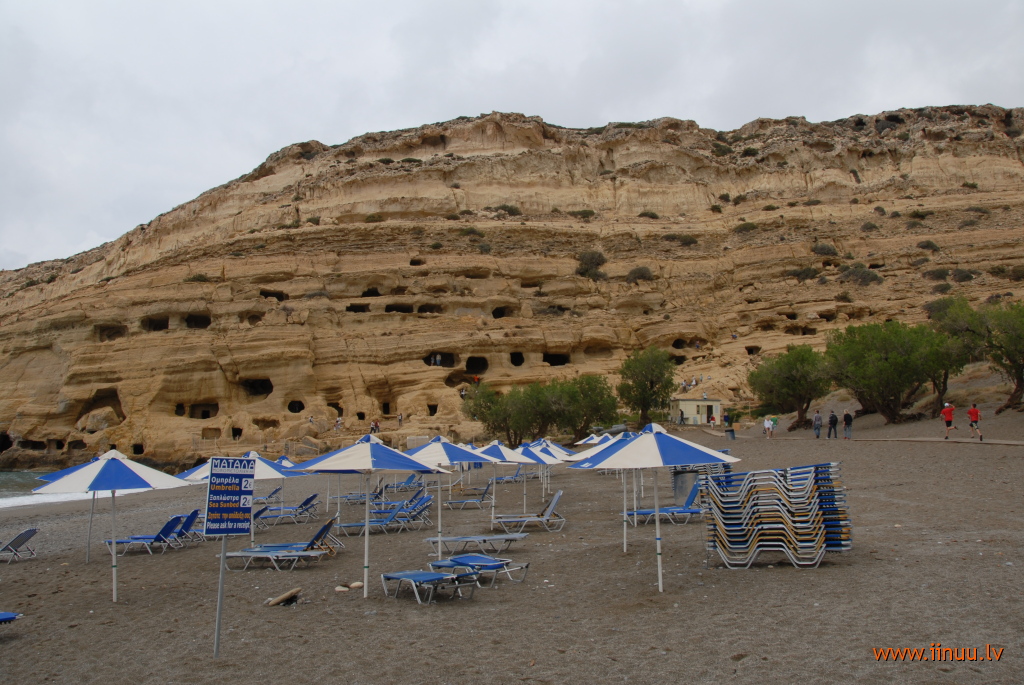
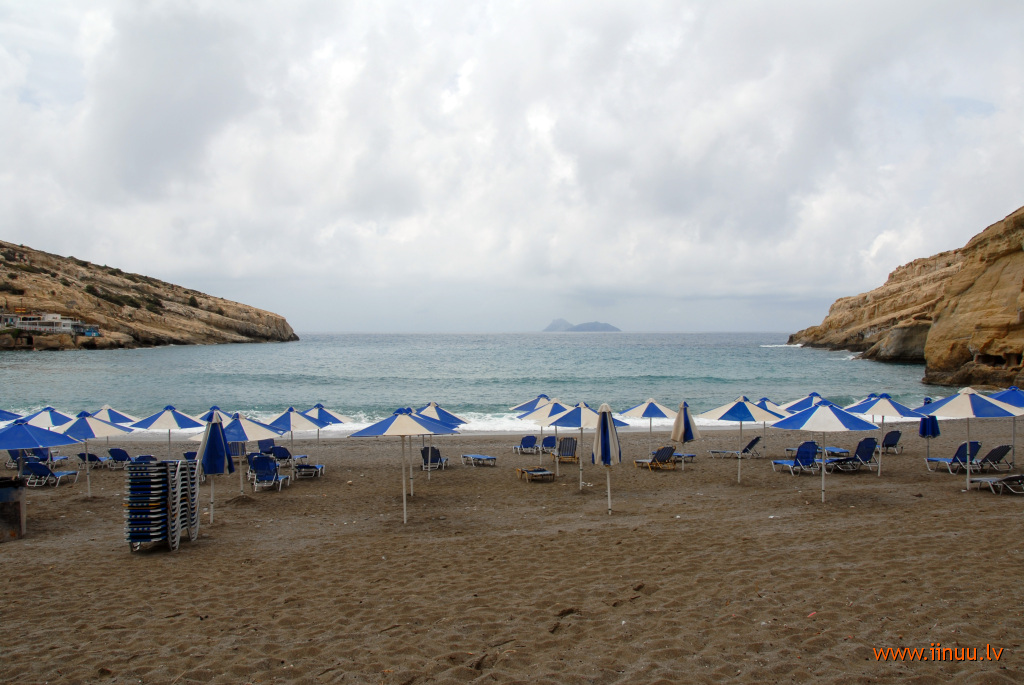
While around the town of Rethymno and in the northern part of the island we swam in the Cretan Sea, at the village of Matala in the southern part we waded in the Libyan Sea. Only waded, however, because the strong surf in the bay makes it practically impossible to enter or swim, constantly driving one back against the fine-pebble shore. Grazing one's knees or elbows is rather unpleasant.
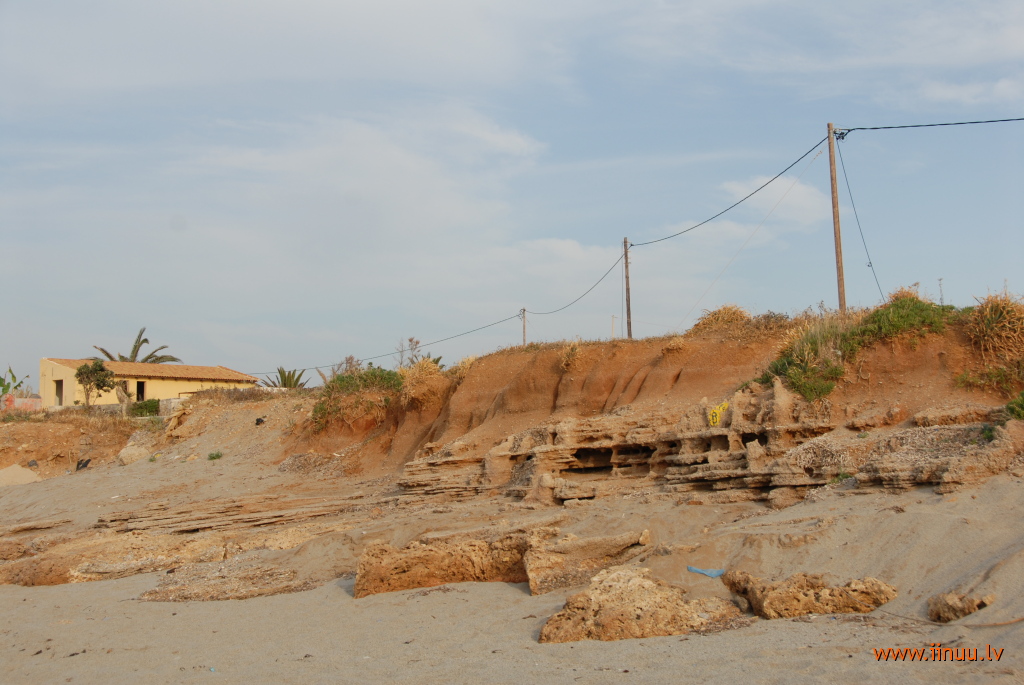
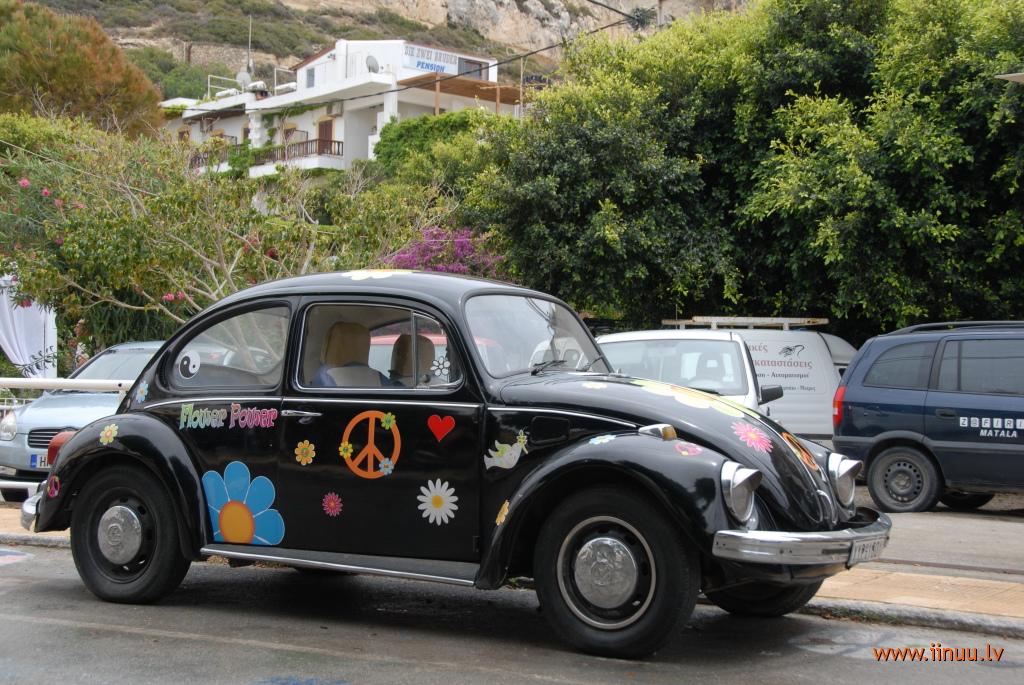
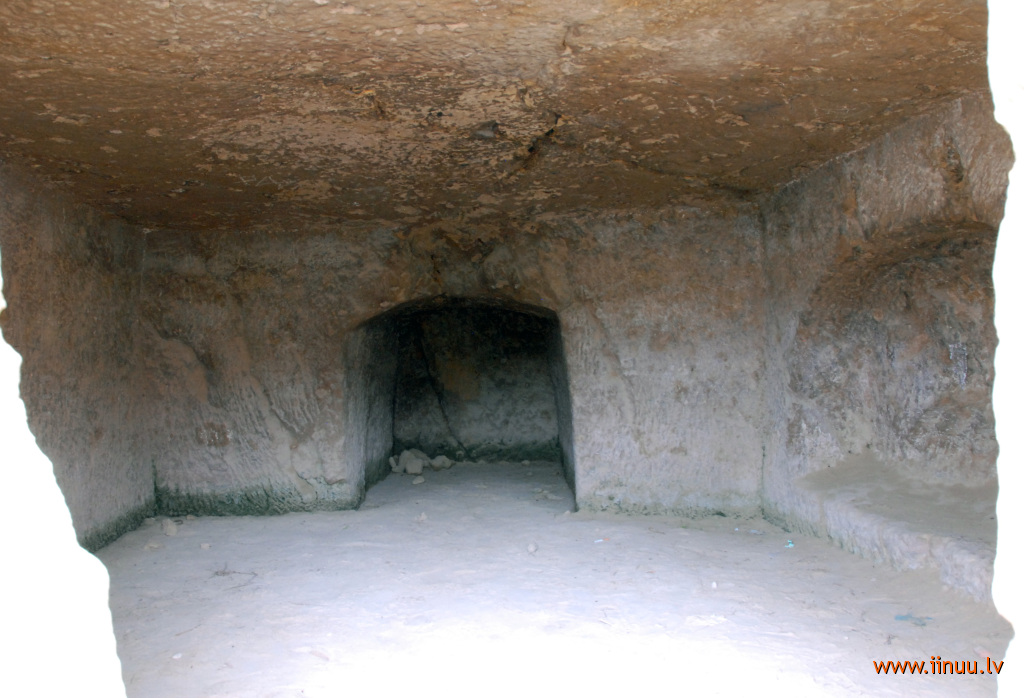
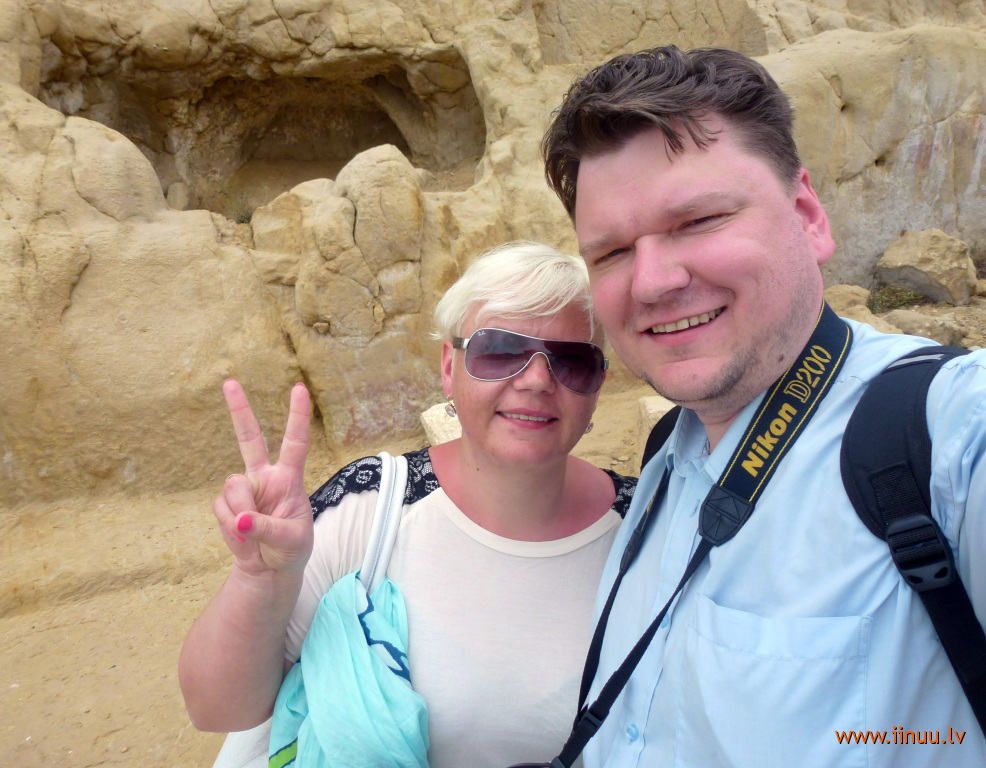
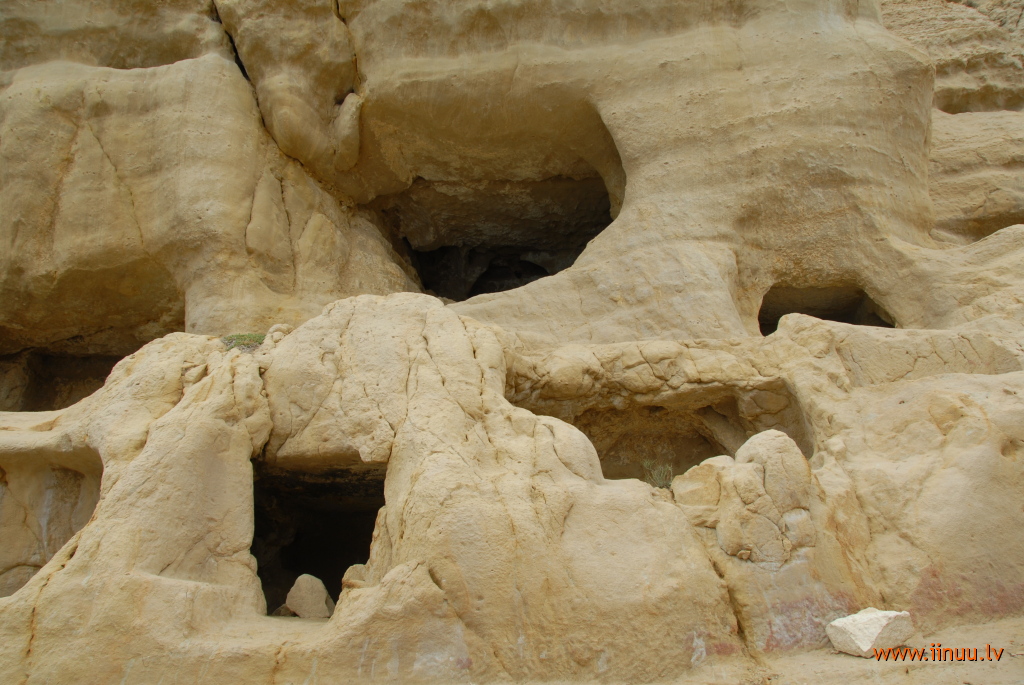
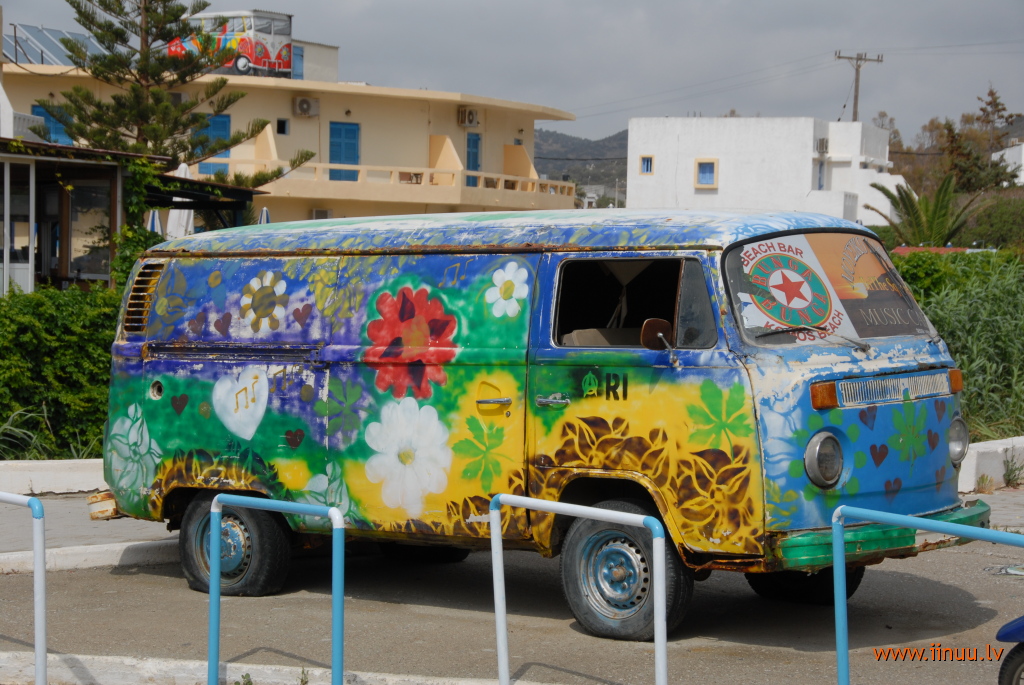
Matala became famous in the 1950s–60s, when flower children - hippies - settled in large numbers in caves hewn into the cliffs here. Today only faint echoes remain of all that - colourfully painted Volkswagen Beetles, the occasional vendor selling hippie jewellery, hotels with evocative names.
What to Buy in Crete?
Naturally, as with many other popular tourist destinations around the world, Crete too has shops full of fridge magnets, printed mugs, postcards, keyrings, and the like. But we will set those aside for now. As "penguin hunters," we found penguins here too, despite the abundance of dolphins, fish, and donkey figurines on offer. Other things worth buying here:
- Olives (fresh and dried, e.g. 500 g - EUR 3.50), olive oil
- Cosmetics based on olive oil (without parabens, prices from EUR 6 to 20)
- Local wines (red, rosé, white - table wines EUR 1.50, aged wines EUR 22–29)
- Ouzo and raki (~EUR 12)
- Natural sea sponges (EUR 3–6)
- Cotton and linen goods embroidered with traditional Greek patterns and olive branches (EUR 3–30)
- Baklava and honey sweets (EUR 4–5)
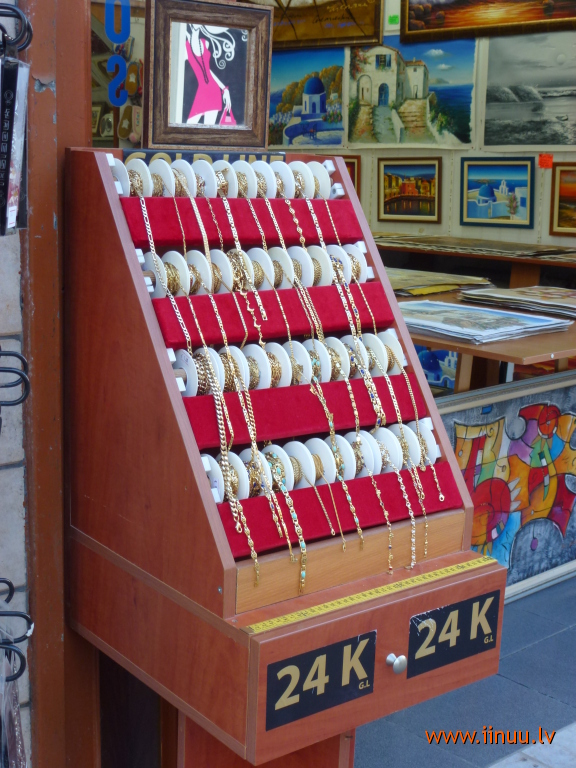
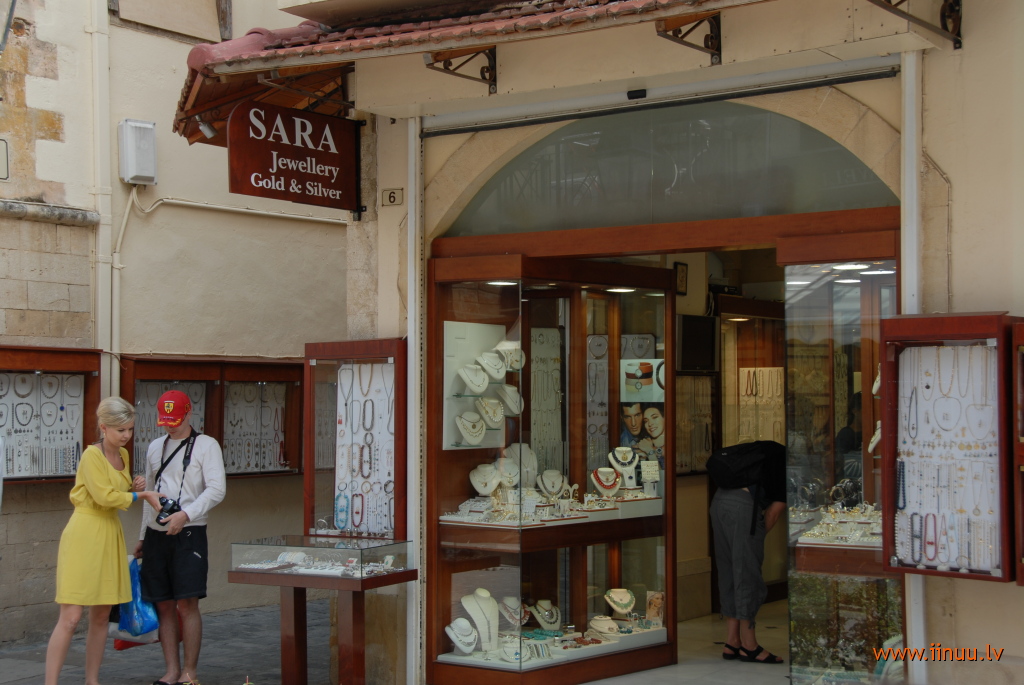
- Gold or gilded jewellery (EUR 22–200)
- Non-traditional jams: cactus, olive, and orange (EUR 4–6)
- Various spices (EUR 1.10–1.80 per 45–50 g)
What Draws One to Crete?
The celebration of life, the enjoyment of nature's bounty, and direct communication between people - that is what draws one to Crete. The unhurried pace of life, which contrasts slightly with the vivacious Greek temperament, helps one to switch off from the rush and anxiety of city life. There is much touching and embracing here.
The food is filling yet healthy. An abundance of greens, fruit, honey, olive oil - no mayonnaises or heavy creams. It is a pleasing thought that everything served here has been picked in nearby gardens. Here a lemon has not only flavour but an instantly room-filling fragrance.
And of course: the sun, the warm sea, and the mountains. The island is free from various crawling and biting pests, though one should be careful of poisonous plants and flowers. That is perhaps because Crete guards its own blossoming.
comments