Santorini - Island of Lovers
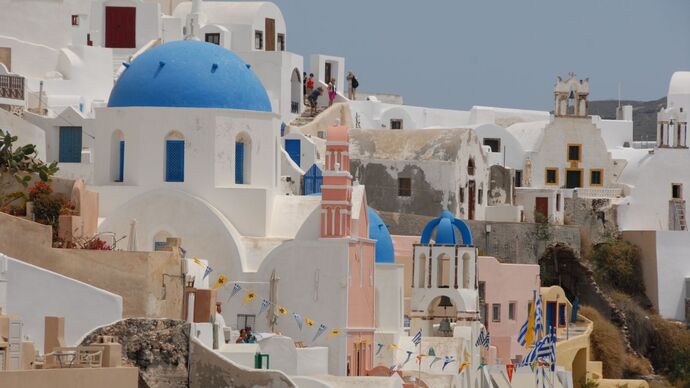
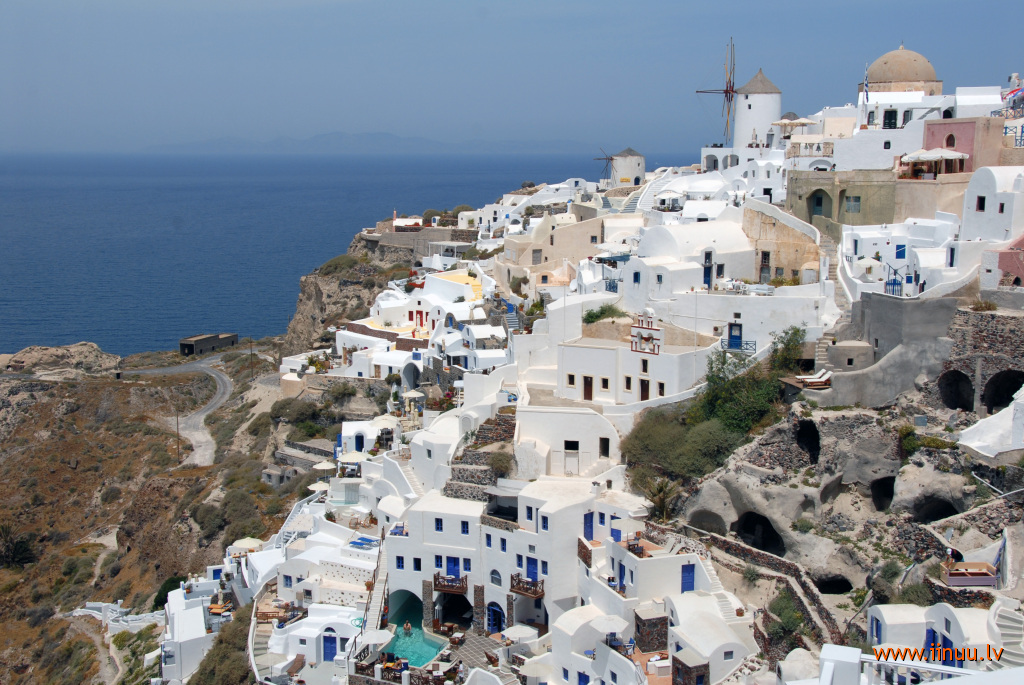
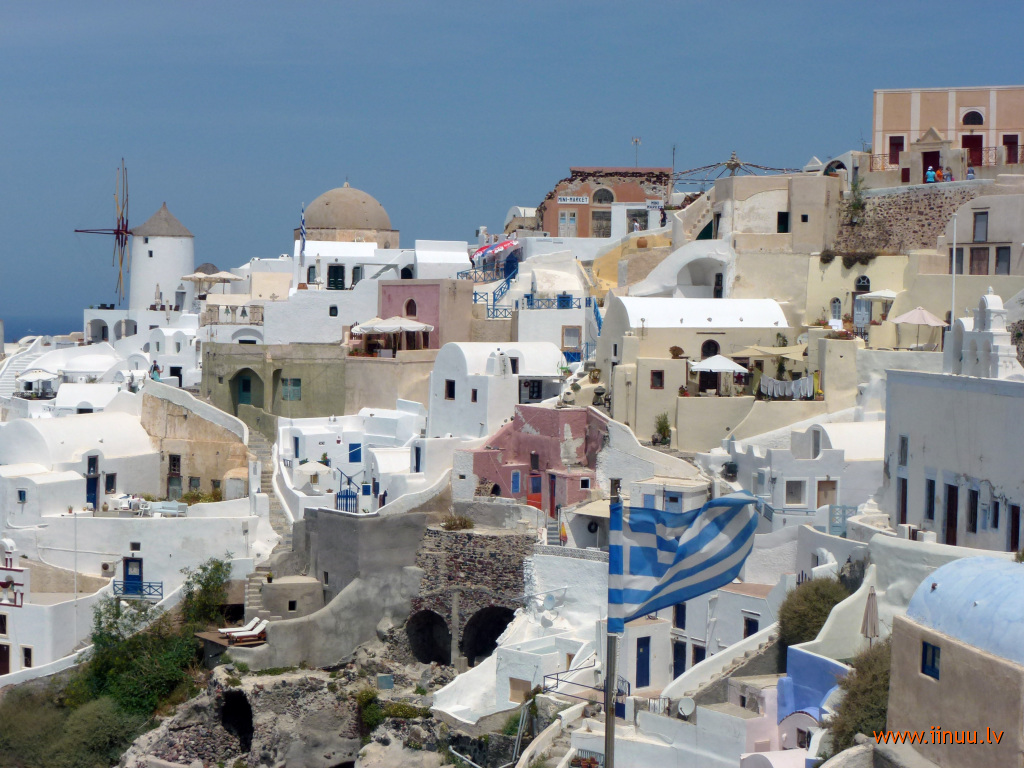
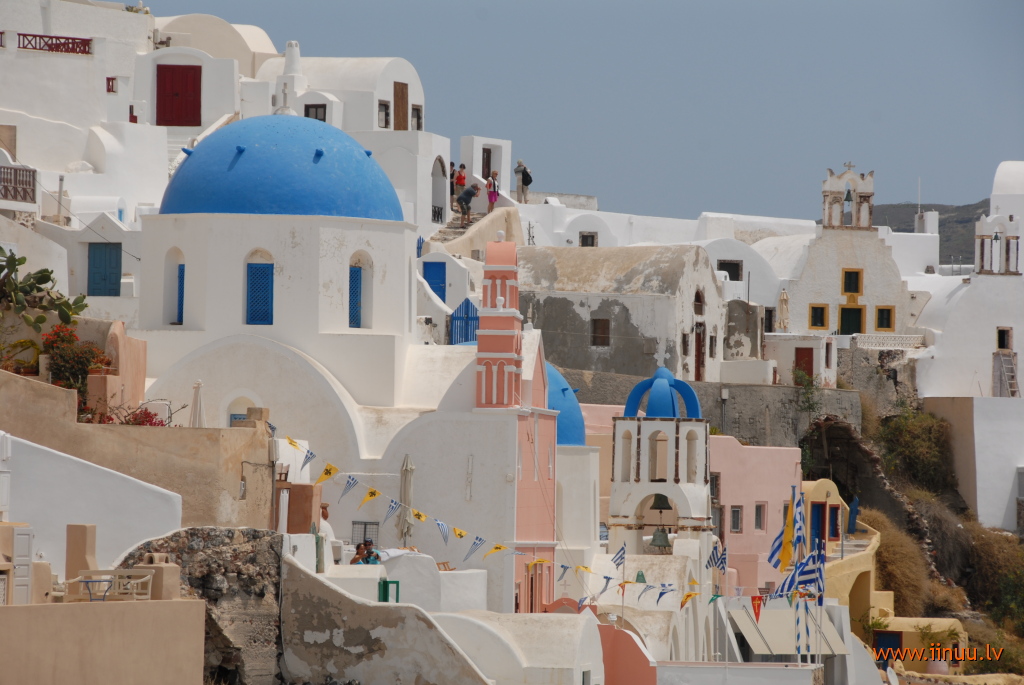
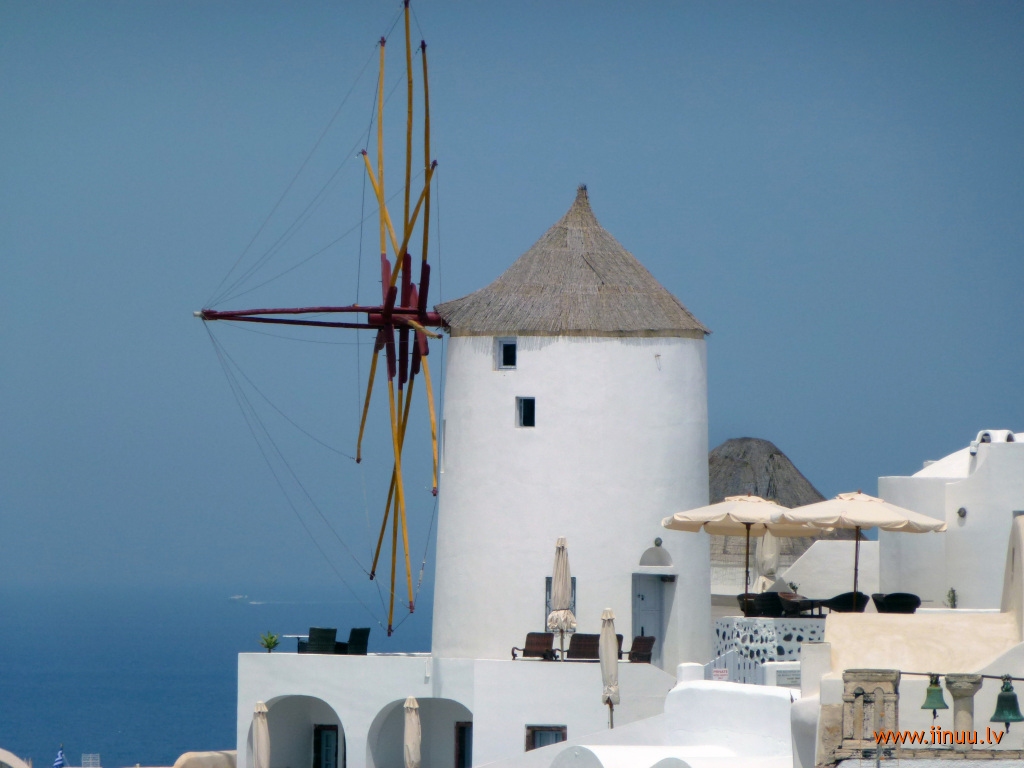
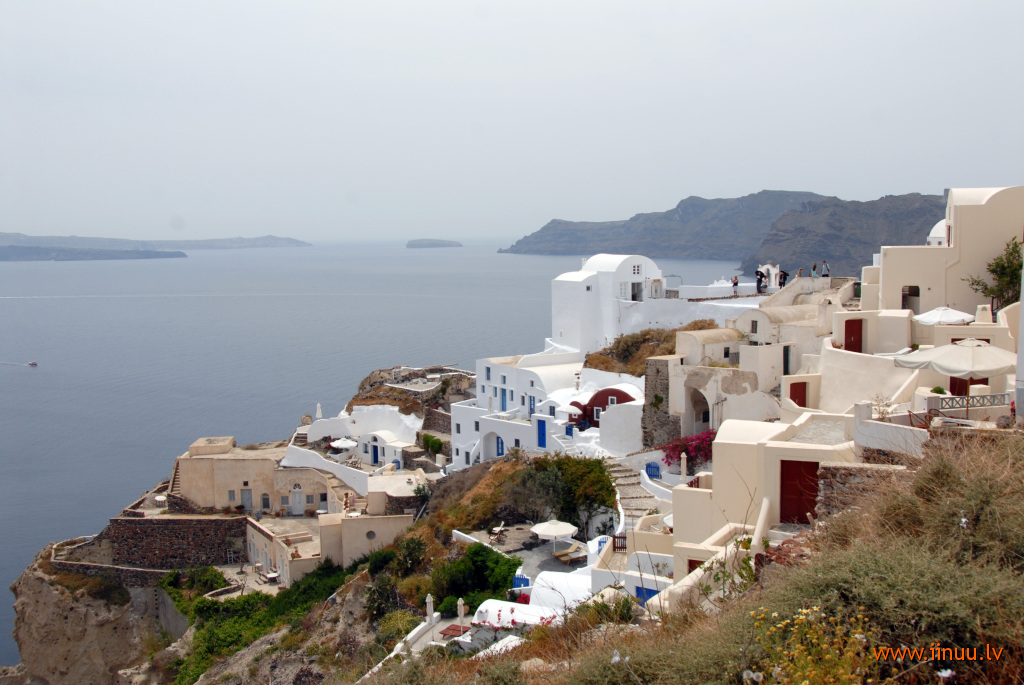
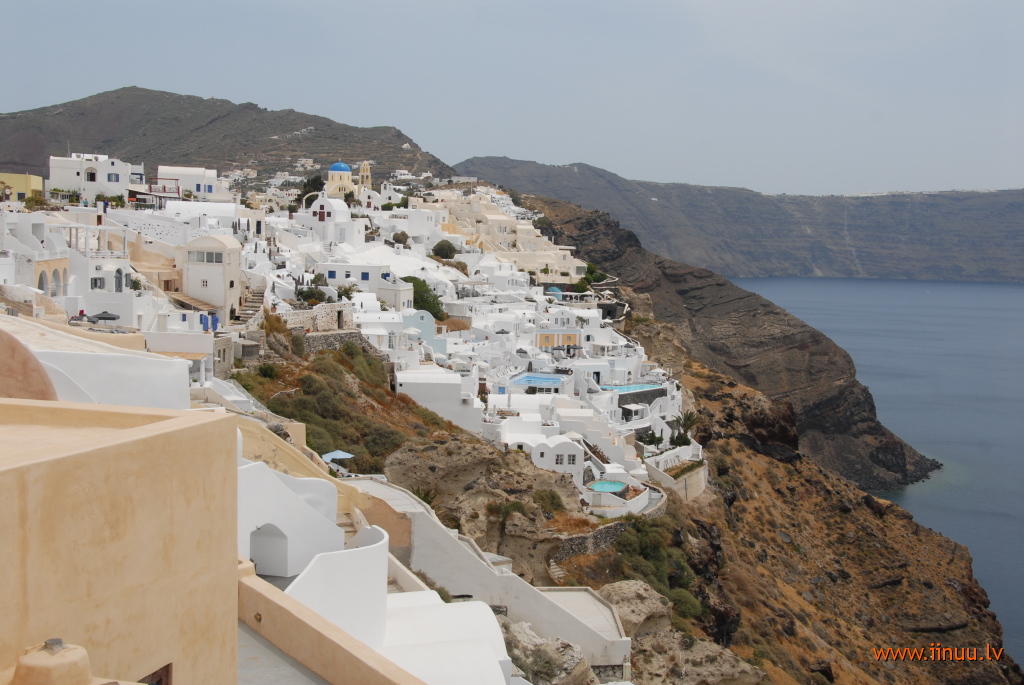
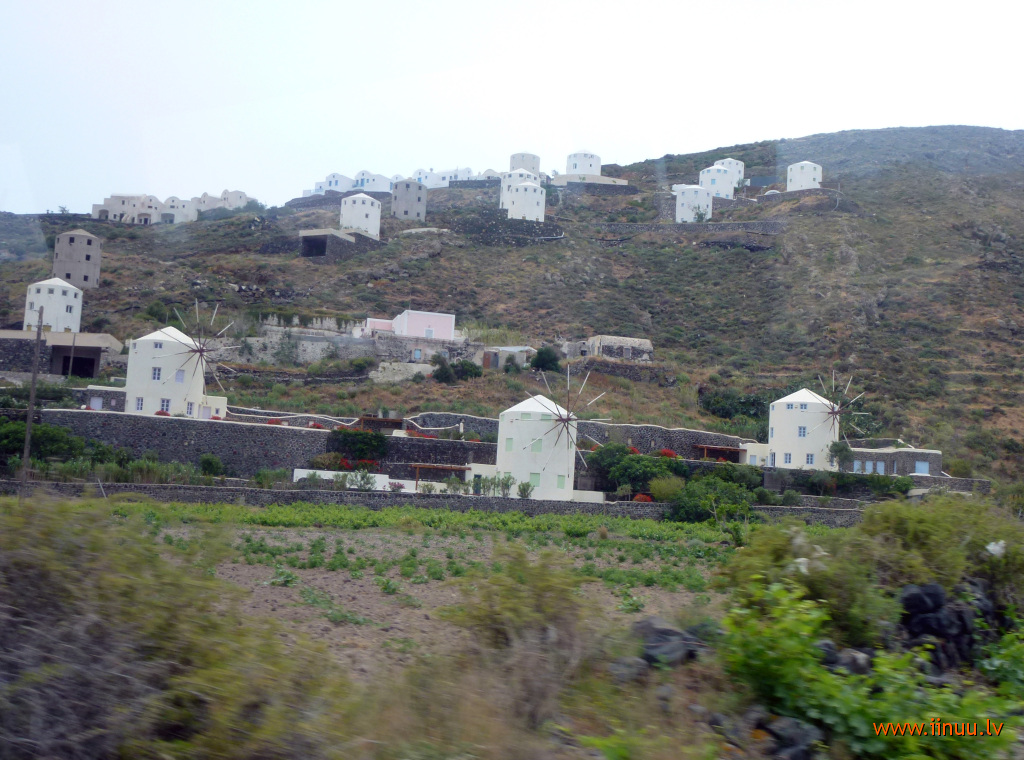
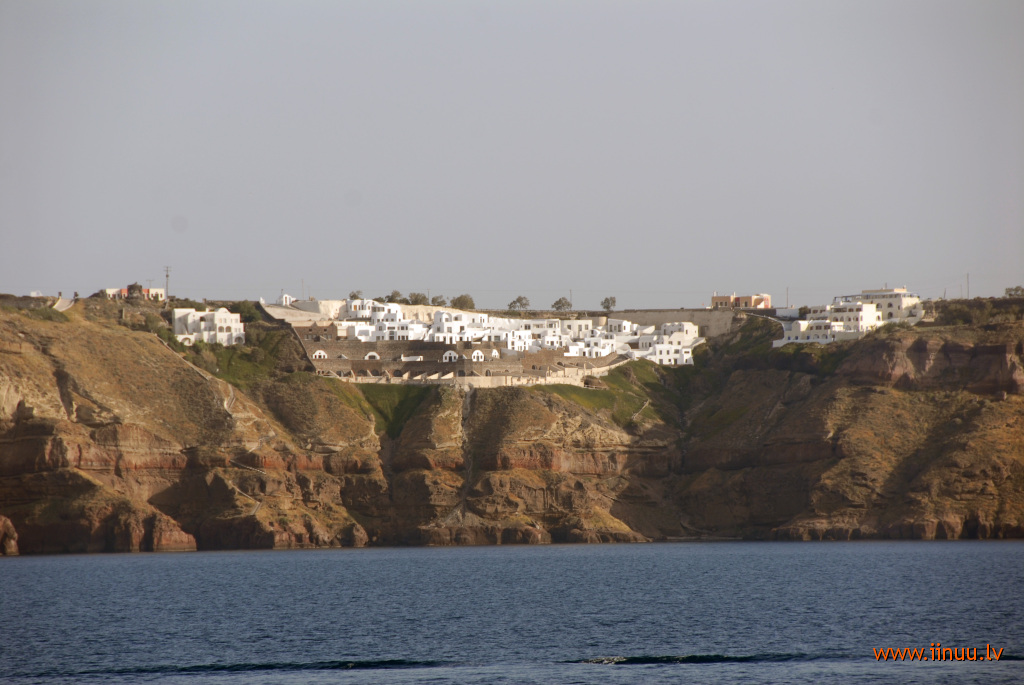
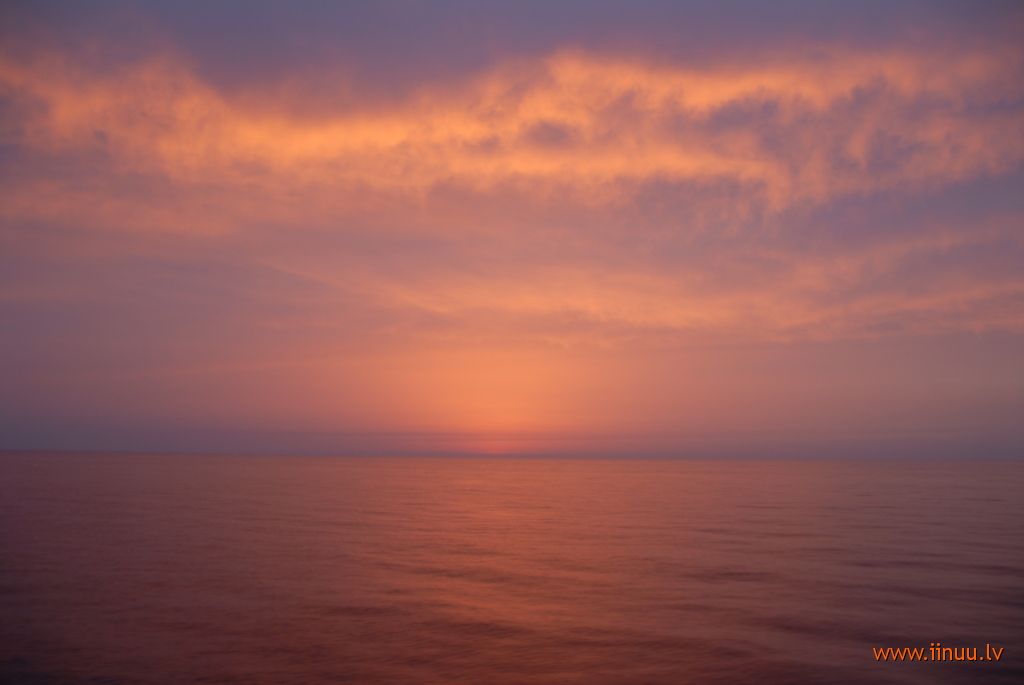
Like a scene emerging from a colourful postcard, a shore of white houses appears with vivid blue accents and ancient windmills. From the far corners of the world tourists come here to be photographed and to witness one of nature's most beautiful spectacles - a sunset that colours the sea and the white house façades in every shade of the rainbow.
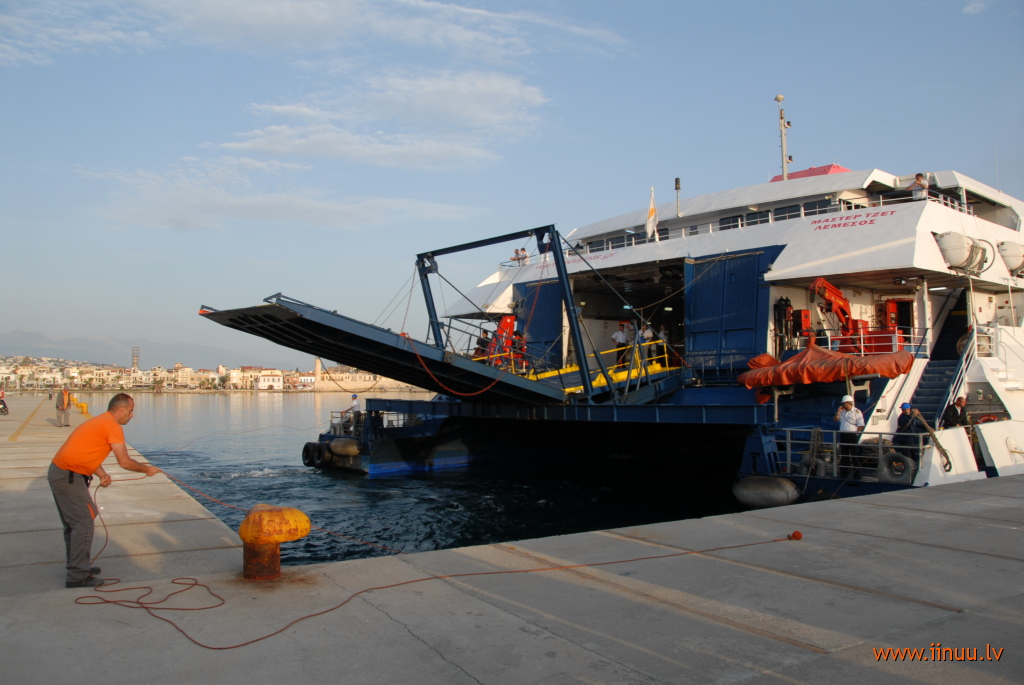
The journey by enormous catamaran from the Crete town of Rethymno to the island of Santorini took around three hours, including the considerable jostling at the jetty among Russian, English, German, French, and Polish tourists. A ticket to the island, including the transfer to and from the hotel, cost 160 EUR per person.
Santorini is yet another Greek island, yet another tourist mecca. The island's main source of income is, of course, the tourism industry. You will not find the name Santorini - which has survived from Venetian times - on a Greek map; the island is marked as Thira (Θήρα), which is its Greek name.
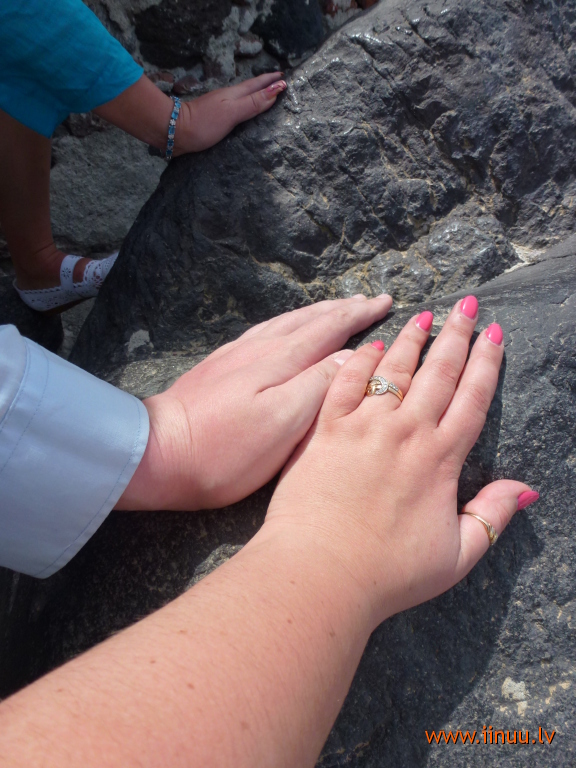
Santorini is called the island of lovers because many choose to celebrate their weddings here, particularly couples from the Asian region. Here too is the black stone at the foot of the ancient castle in the village of Oia. Legend has it that if lovers touch this stone, their love will be eternal. And those who have not yet found their other half should touch the black stone and picture their dream partner.
Oia Village - the Sunset Shore
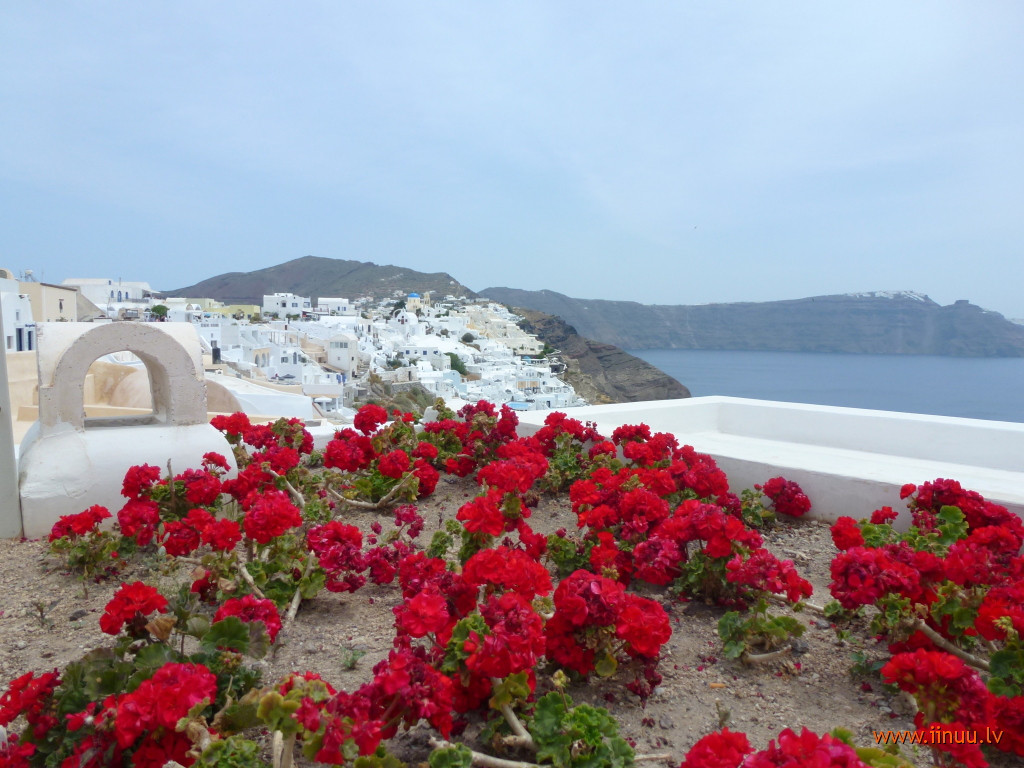
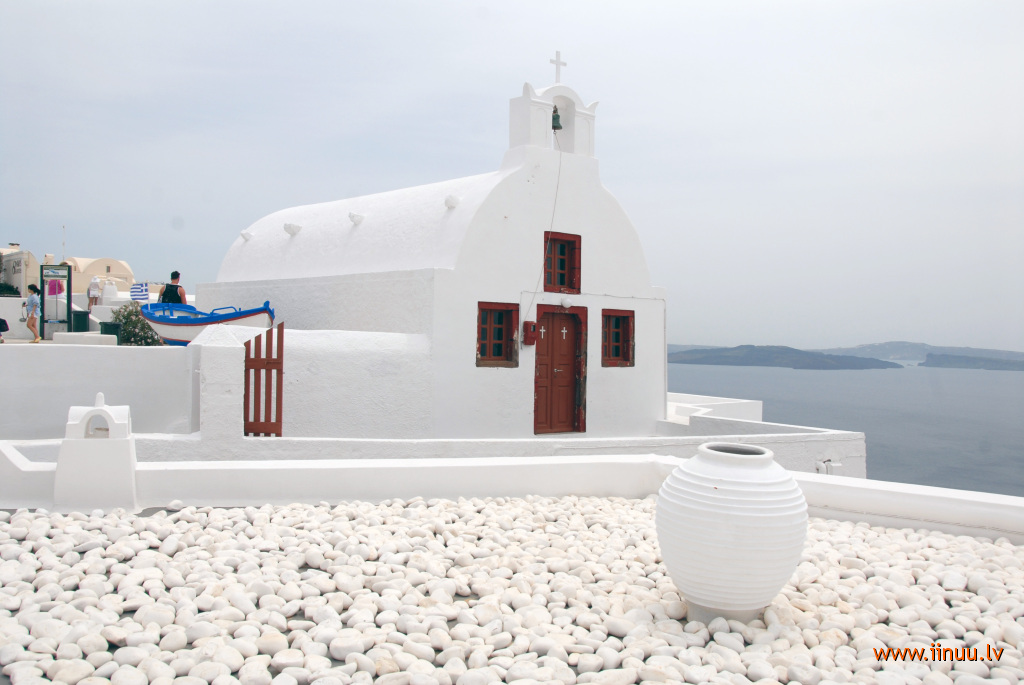
Like a scene emerging from a colourful postcard, a shore of white houses appears with vivid blue accents and ancient windmills. From the far corners of the world tourists come here to be photographed and to witness one of nature's most beautiful spectacles - a sunset that colours the sea and the white house façades in every shade of the rainbow.
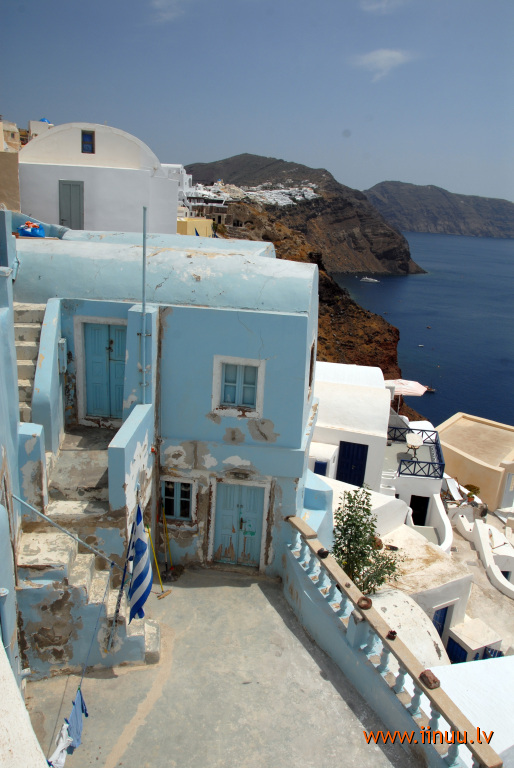
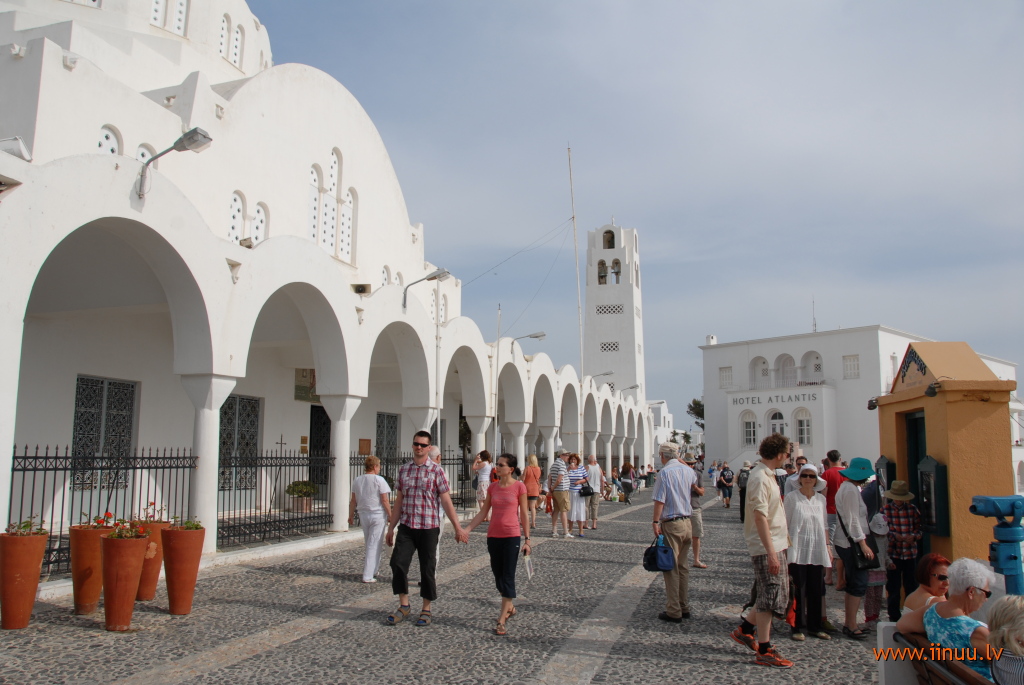
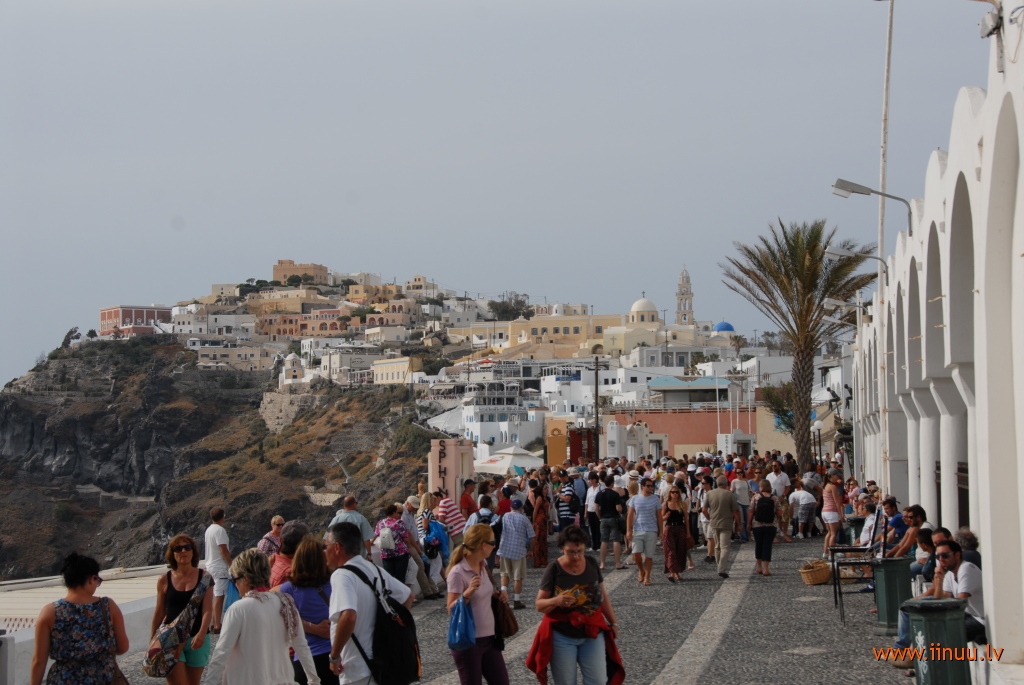
The pedestrian lanes, cobbled paths wind downward, then steeply upward again. Travellers shelter from the direct and at times relentless sun beneath wide-brimmed hats, scarves, sunglasses, and a solid layer of sunscreen. Footwear must be sufficiently comfortable and secure on the foot (mules with pointed heels will not serve the ladies well here).
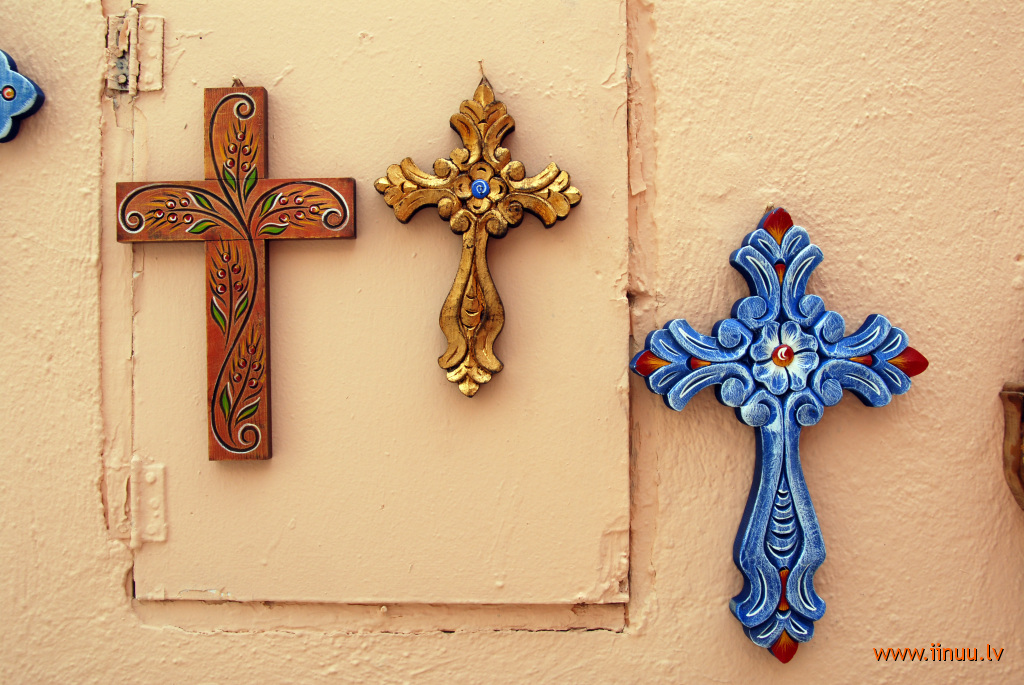
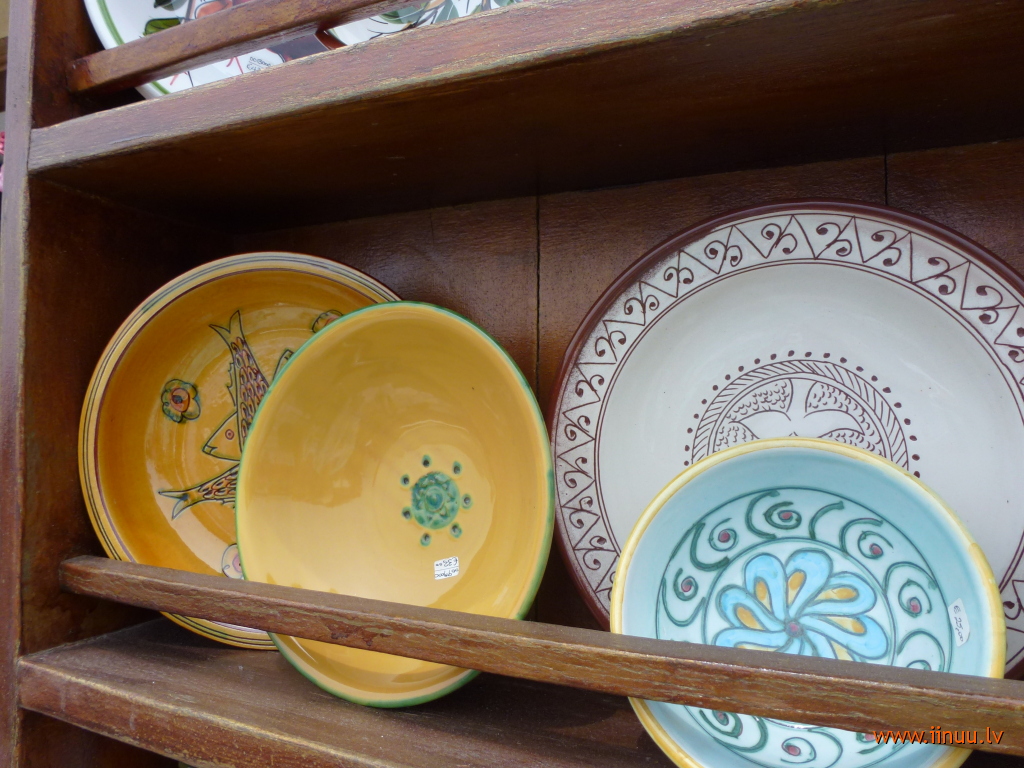
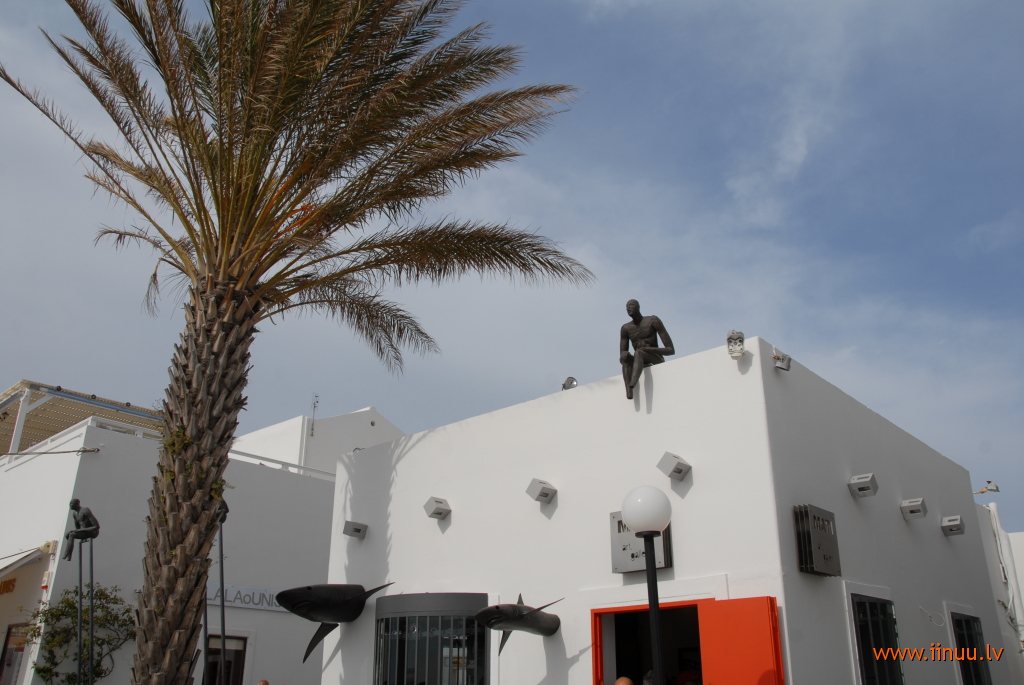
In Oia village there are many cafés, small shops, and art galleries. Prices are calibrated to the consumer - a step higher than in Cretan shops.
Some Interesting Facts About Santorini
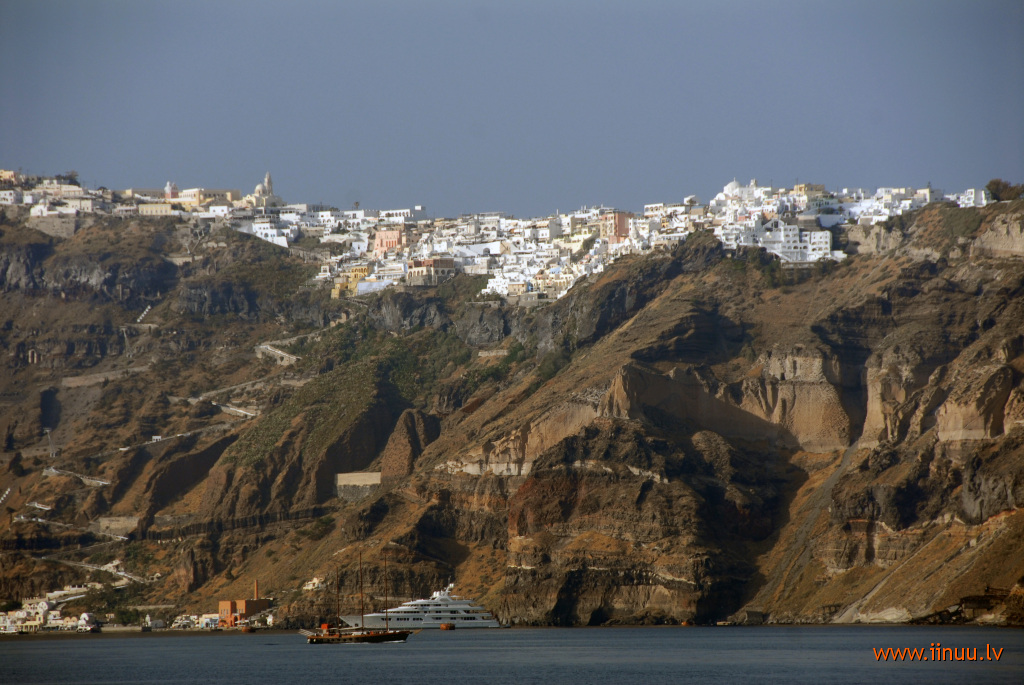
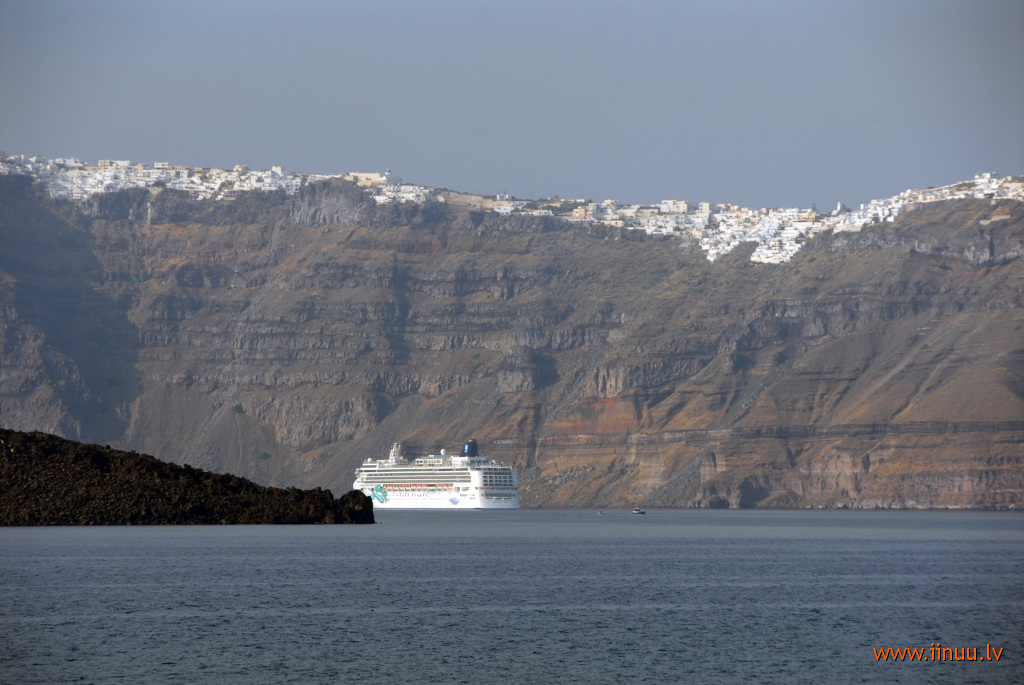
The island lived up to my expectations of beautiful views over the sea and the snow-white labyrinths of houses stretching along the steep shores of Santorini. But there were also some discoveries I had not known about beforehand.
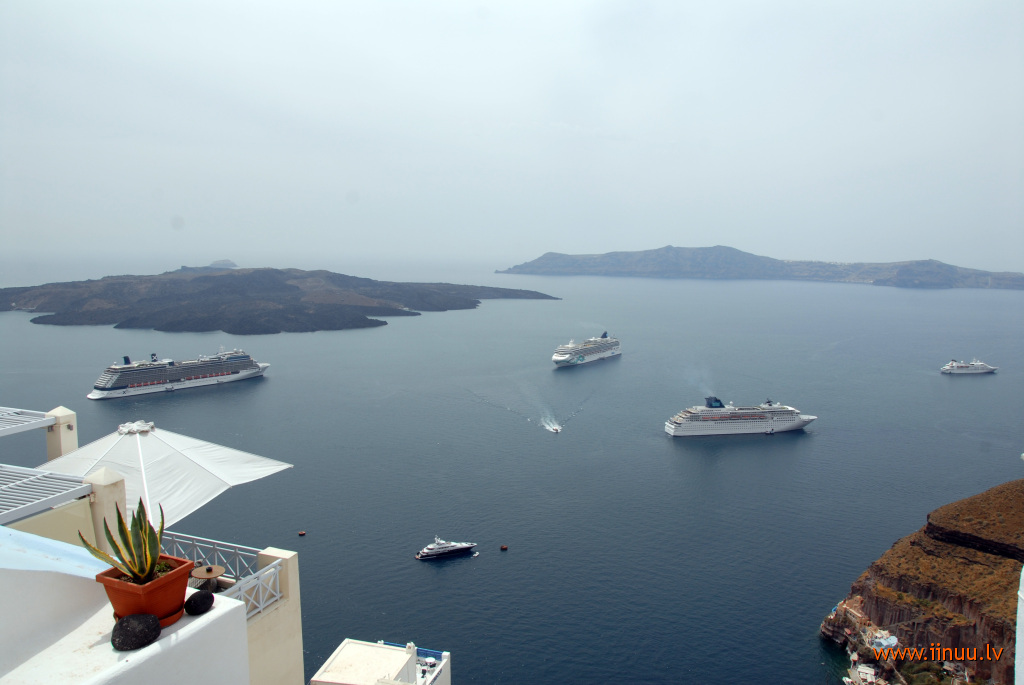
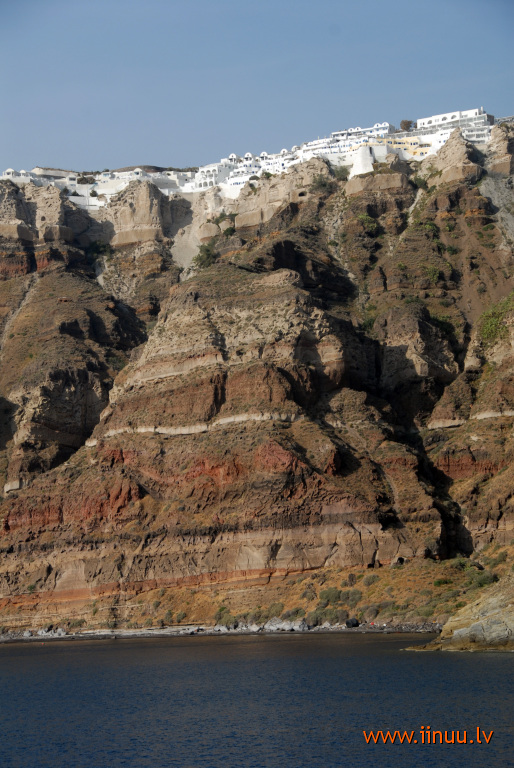
The island is of volcanic origin. In former times the island had a round shape, but as a result of a volcanic eruption it split into five parts. In the middle, beneath the sea waters, lies a crater up to 400 m deep, which was once explored by the wise French uncle, Jacques Cousteau.
There is no drinking water on Santorini. It is imported in bulk from the mainland. On the streets, lorries with large water cisterns are frequently seen, delivering fresh water to hotels, residential buildings, and public facilities.
There is a black sand beach here. The sand is mixed with graphite grains that colour the shore in such a curious tone. The layers of red earth, meanwhile, are formed by a high concentration of metal in the soil.
Grapes are grown on Santorini and wine is produced, but the vines are unusually small - barely reaching the height of a robust potato plant.
Santorini Town - Fira
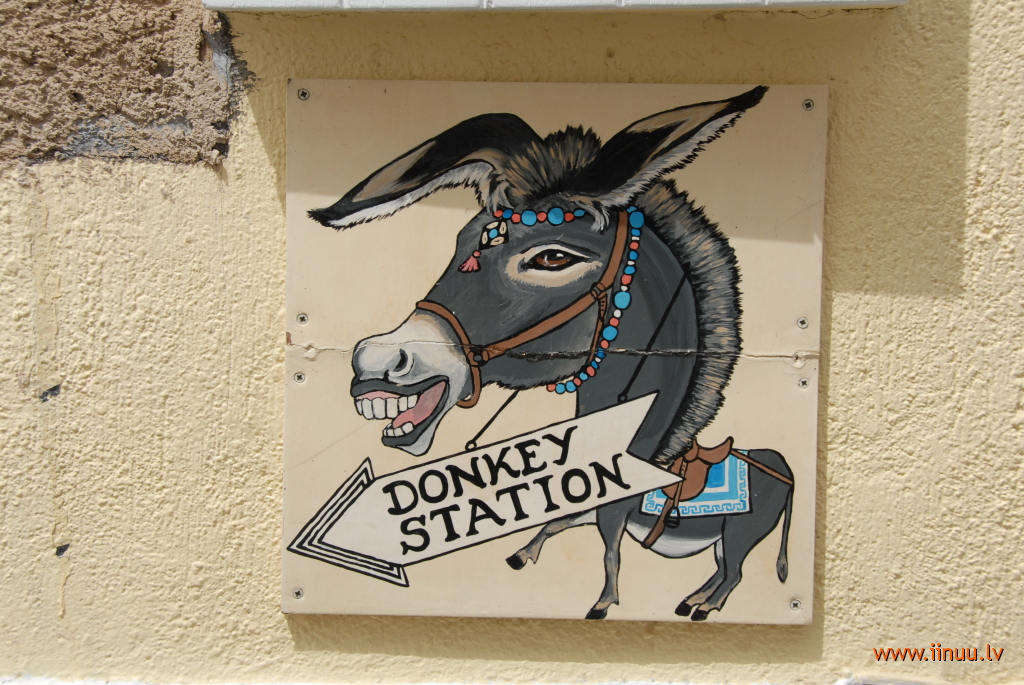
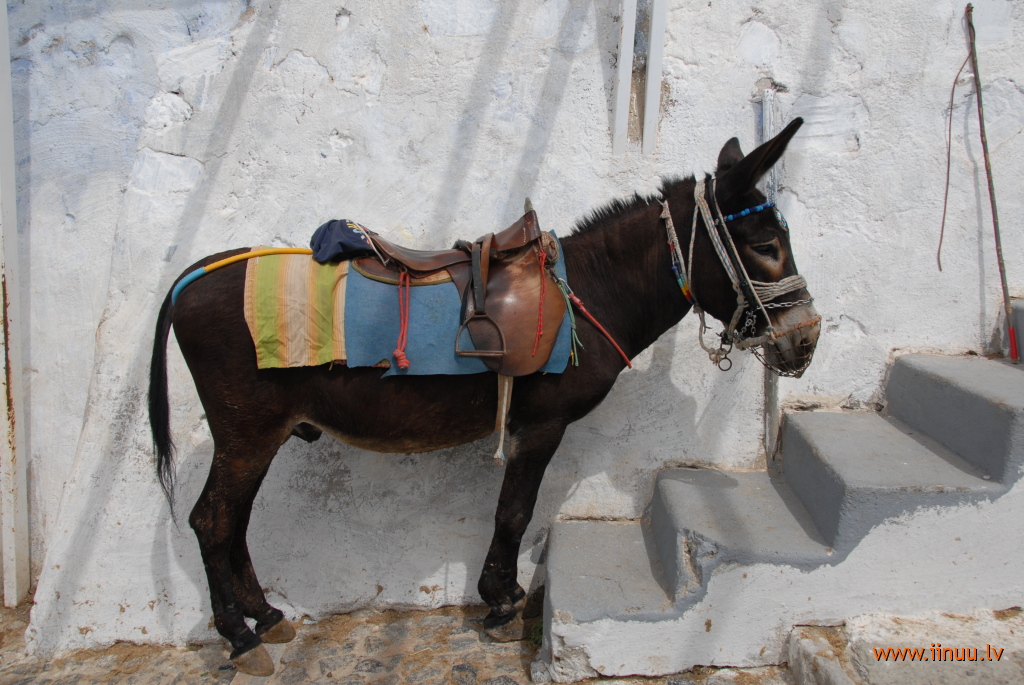
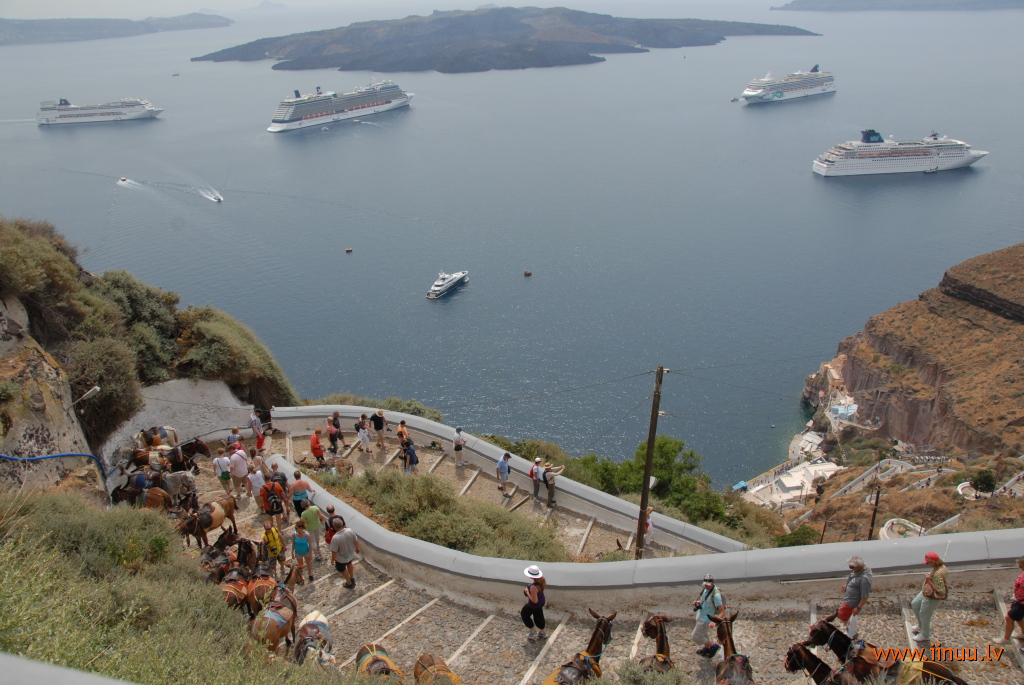
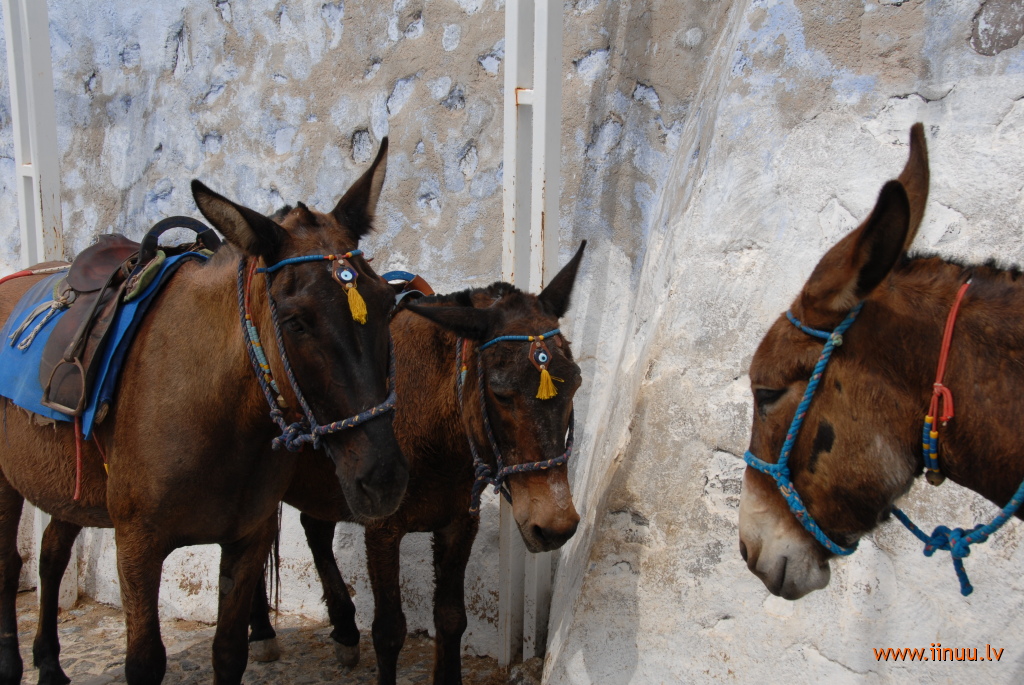
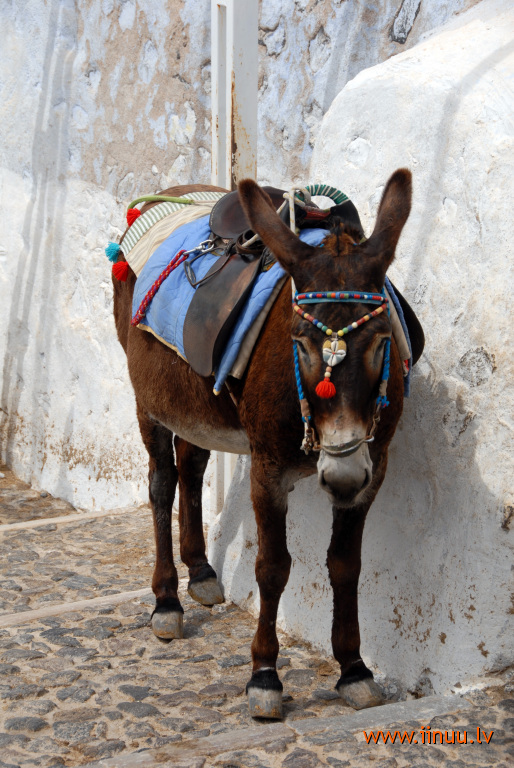
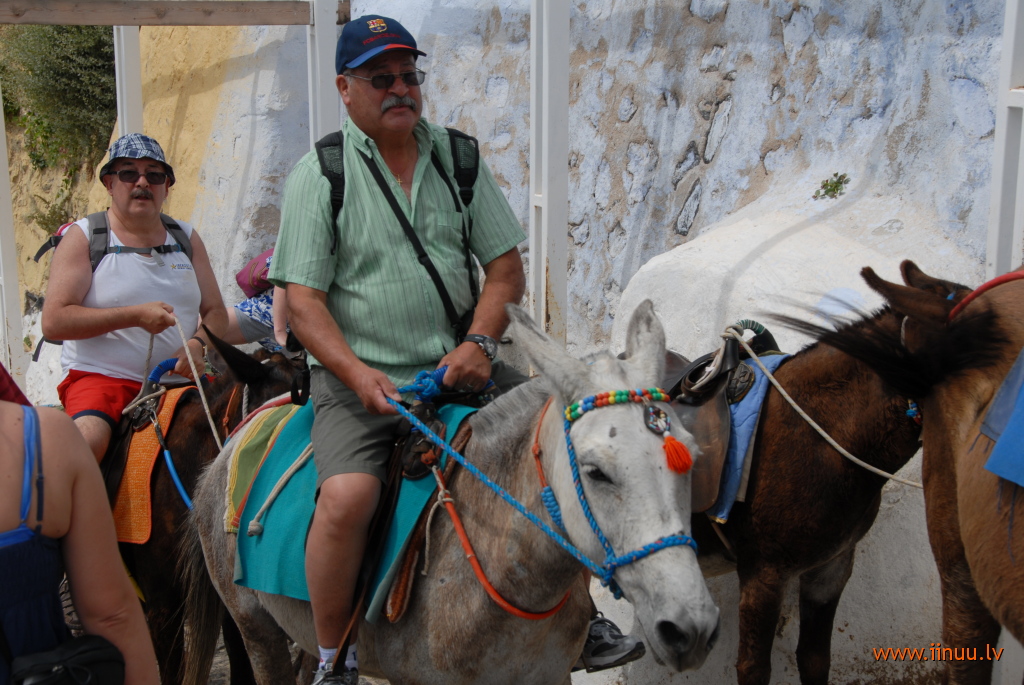
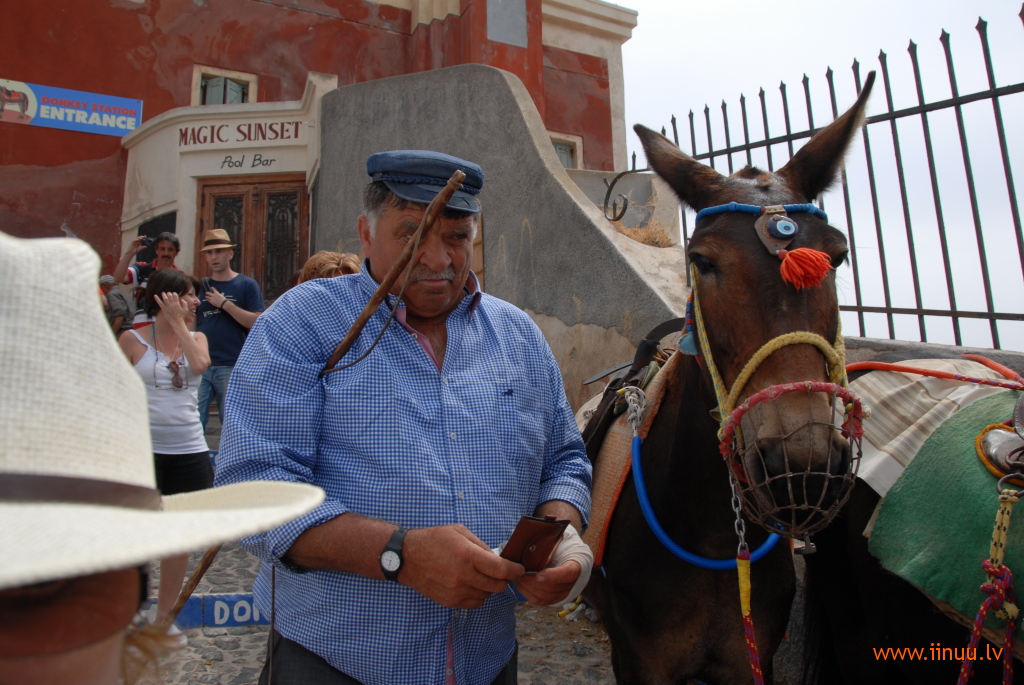
Various attractions are available for tourists here - a ride on the cable car and a donkey ride. On one of Fira's steep stepped promenades a long line of donkeys gathers, where for 5 EUR one can ride on a donkey's back. Accordingly, the majority of souvenirs, figurines, and pictures here feature the donkey.
One day is quite sufficient to see Santorini. I cannot imagine what one would do here for an extended stay. But it is worth seeing at least once in a lifetime.
comments