What to See, Taste, and Try in the Ogre Municipality
We were once again confirmed in the view that one need not travel far away to learn something new and interesting. Last weekend we devoted one afternoon to getting to know the neighbouring municipality and the town of Ogre itself a little better.
Ogre History and Art Museum
(Brīvības iela 15, Ogre)
As none of us knew the town, we started with proven values - the town centre and the attractions to be found there. To our pleasant surprise, entry and viewing of the permanent exhibition at the museum is free of charge. A free tourist map with noteworthy places marked on it can also be picked up there. A guide's services for four people cost four euros.
It turned out that the tour had to be booked in advance, but after a phone call (most likely to the adjacent building - the cultural centre) the guide arrived without delay. Another family joined us - now there was a gathering of eight listeners.
The guide was undeniably engaging and charismatic. Throughout the hour, all the historical vignettes surfaced as if alive and glided before one's eyes. She began with an ancient legend about why Ogre could be called the old Rīga. Sand dunes rose and sank; in the end - with sandbanks all around, Rīga itself ended up in the water. The ancient Ķencis Hill Fort, where many artefacts from the 8th century have been found. The settlements and the hill fort that in Soviet times were almost completely excavated, because the builders of communism needed gravel.
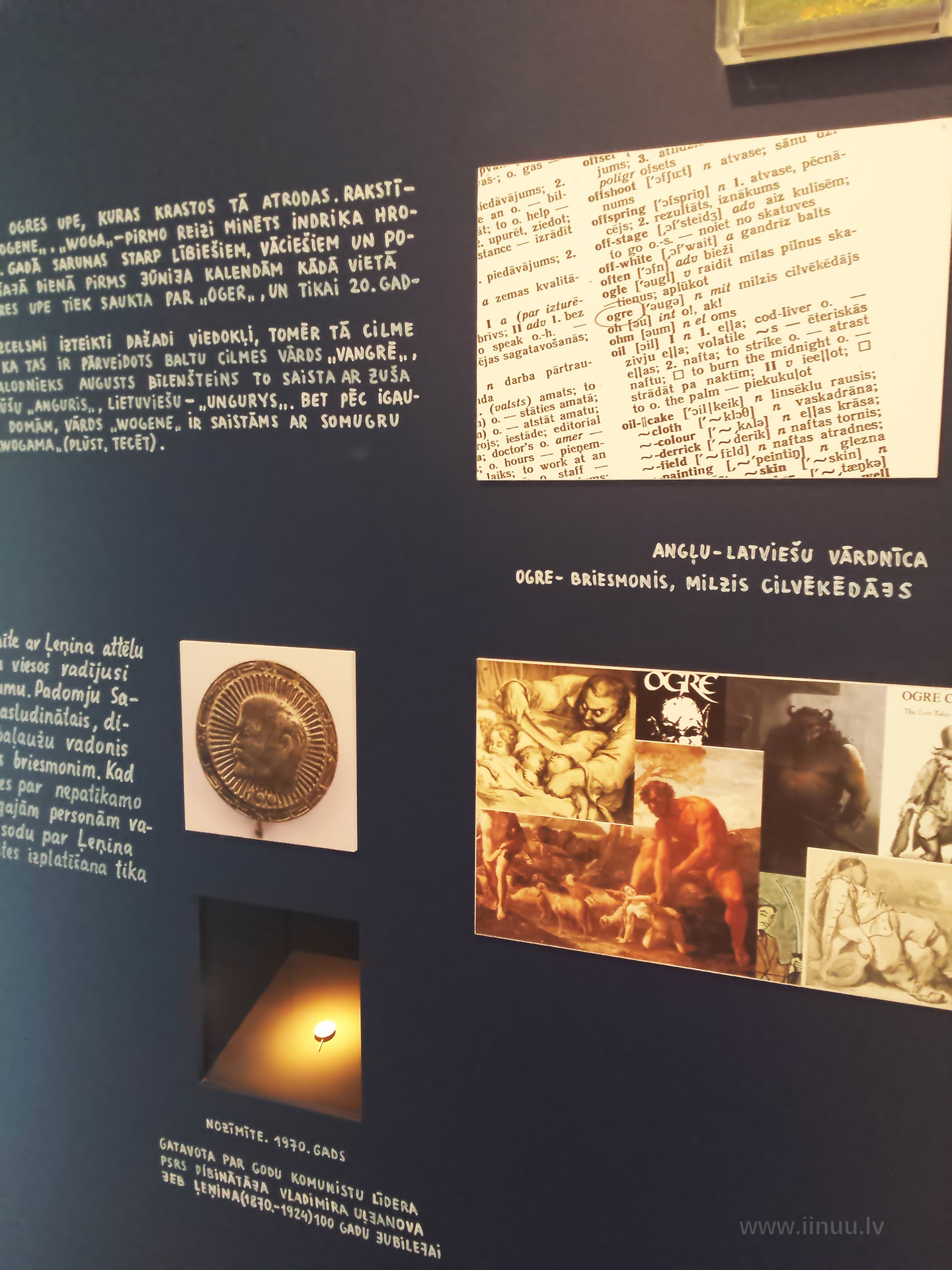
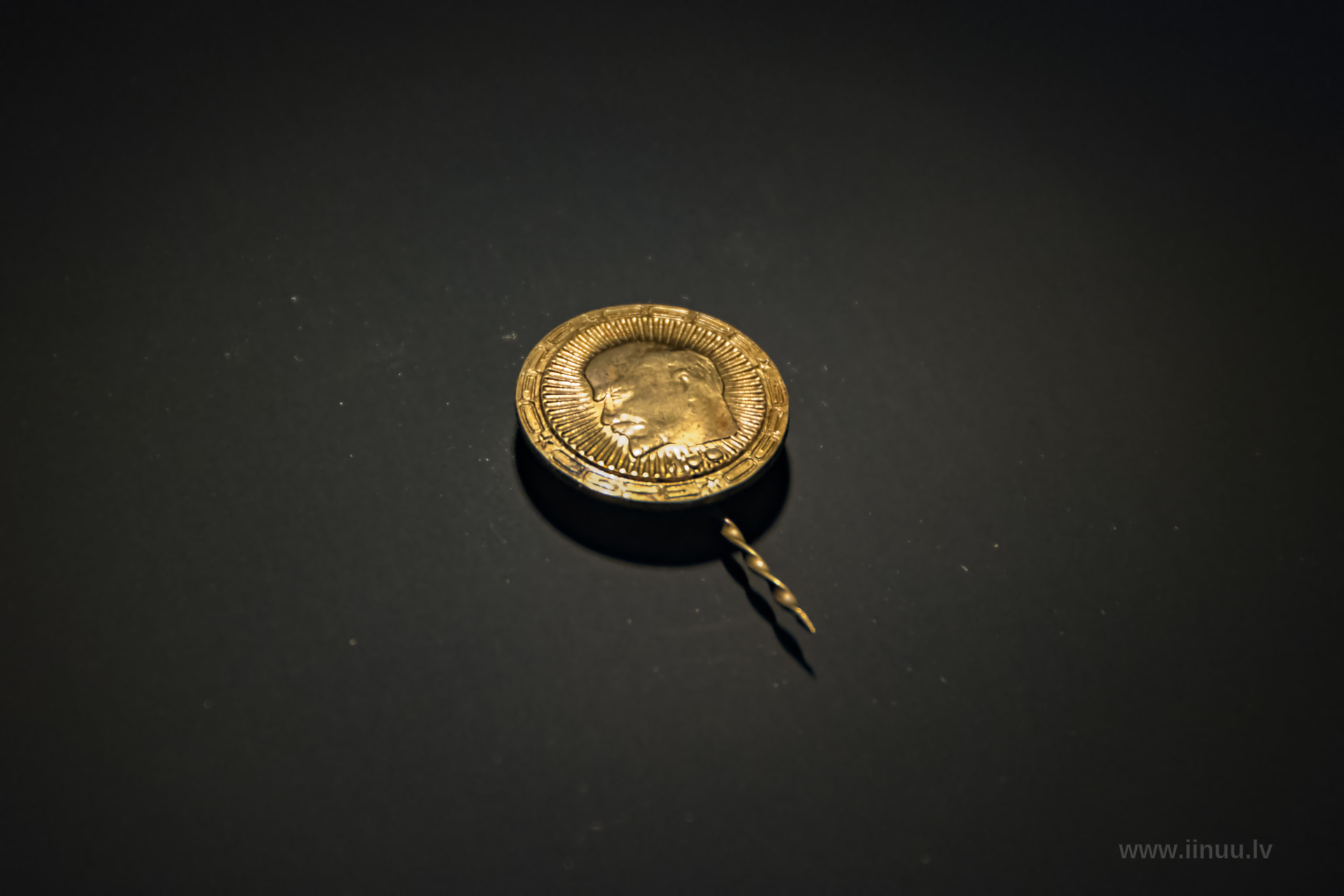
The origin of the name Ogre comes from a story about a beautiful Latvian girl, Marta, who eventually became Catherine I, ruler of Russia, and who had a fondness for eels - Russian: угри (ugri) - ugri - Ogre. A curiosity: a Lenin-head badge with the town's name on it, viewable in the exhibition - placed there because foreigners had associated the English word "Ogre" (meaning man-eater) with the image depicted on it.
The town's fate was unequivocally shaped by the quantitative growth that occurred during the Soviet years, when a large textile factory was built here. If in 1939 only 2,000 local inhabitants lived in Ogre, by the 1970s 27,000 people had settled here - primarily newcomers from the fraternal Soviet republics, and mainly women: factory workers, weavers, technologists.
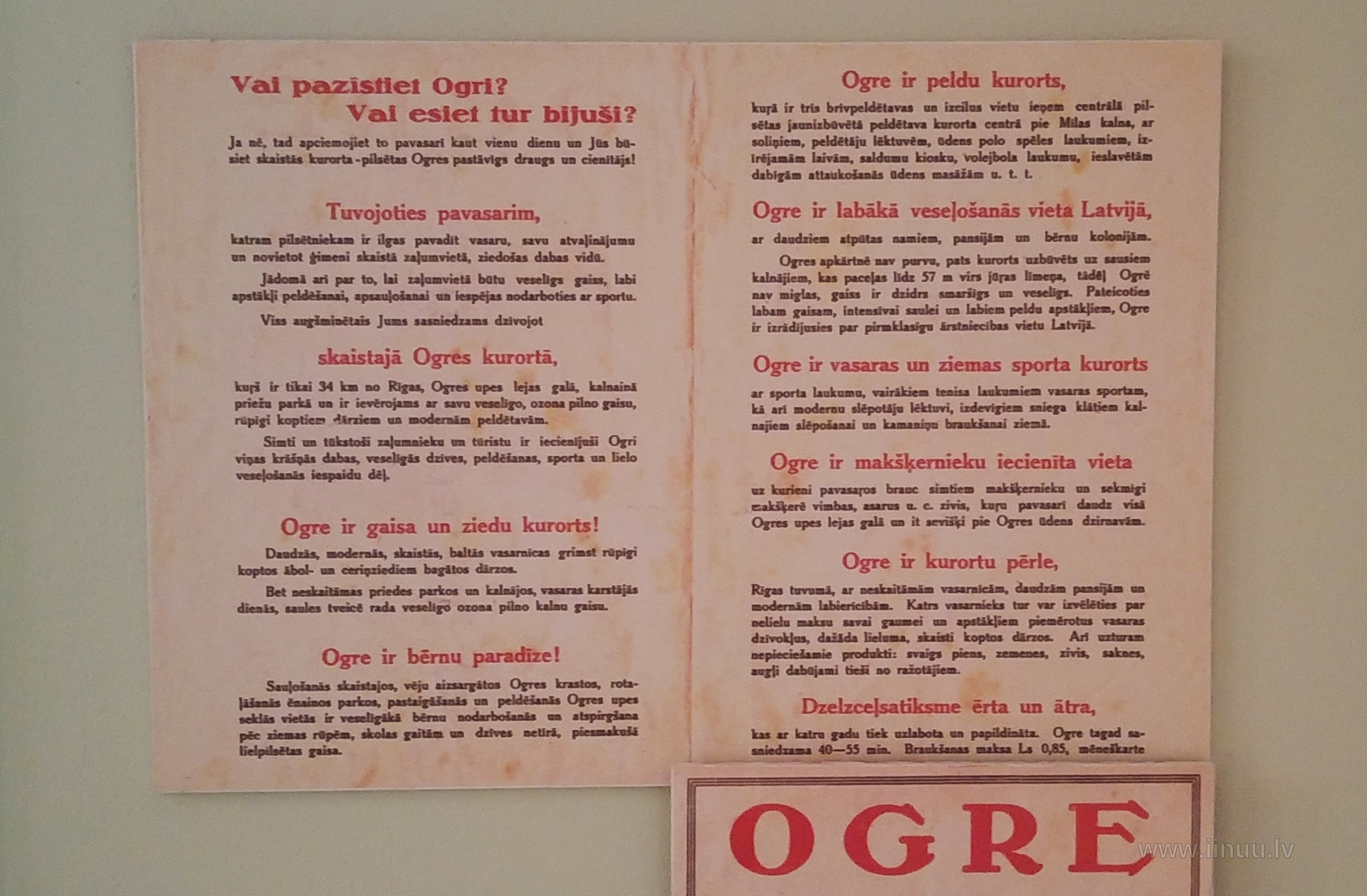
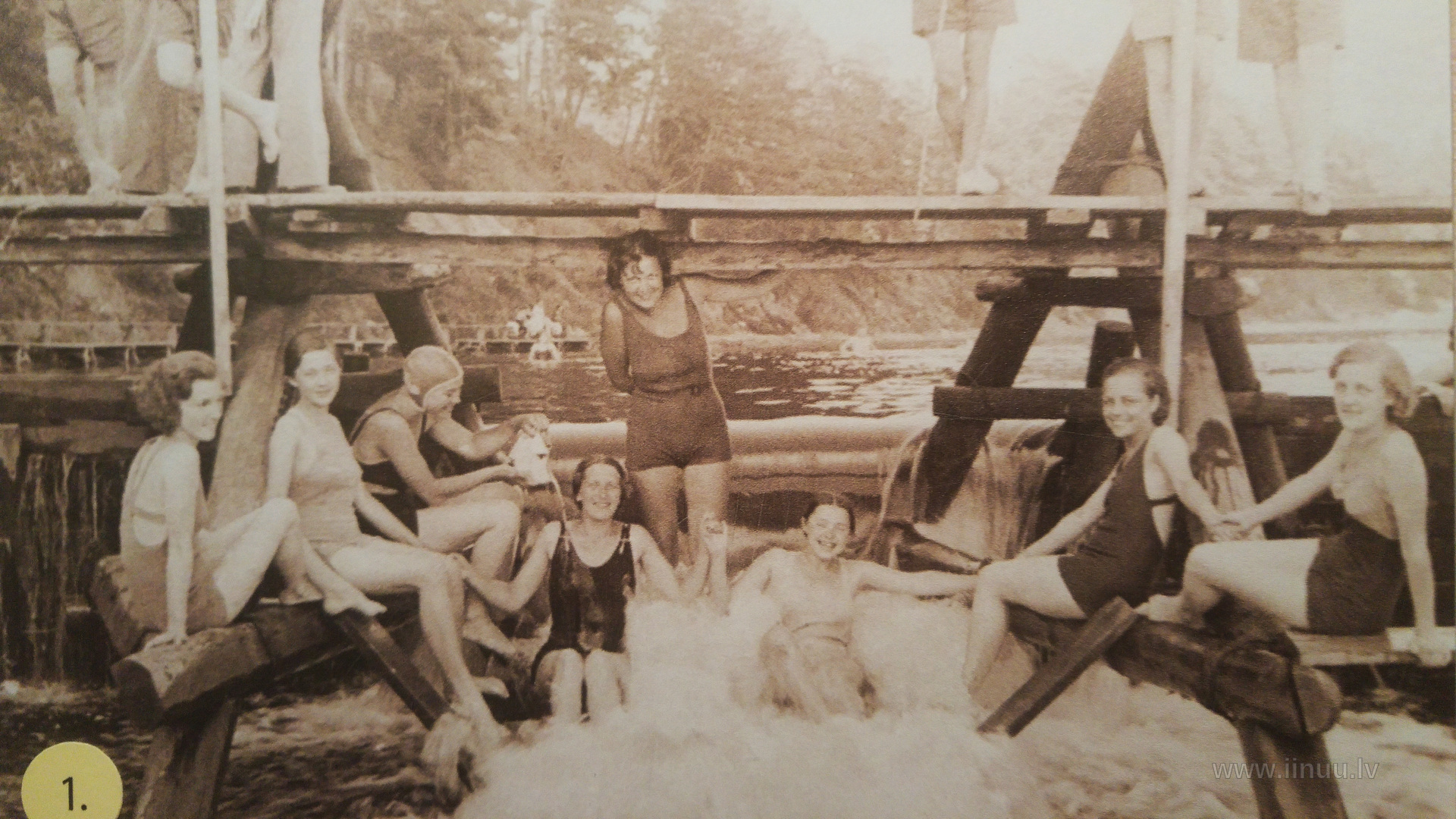
It sends shivers down one's spine to think how such masses can inundate and change everything - both everyday life and language and culture. But let us return to times more agreeable to Latvians - the 1930s, when Ogre was a resort town with bathing spots for air and water; with pine trees that still stand in the town's coat of arms and that bestowed health upon the throngs of vacationers who flowed in from Rīga.
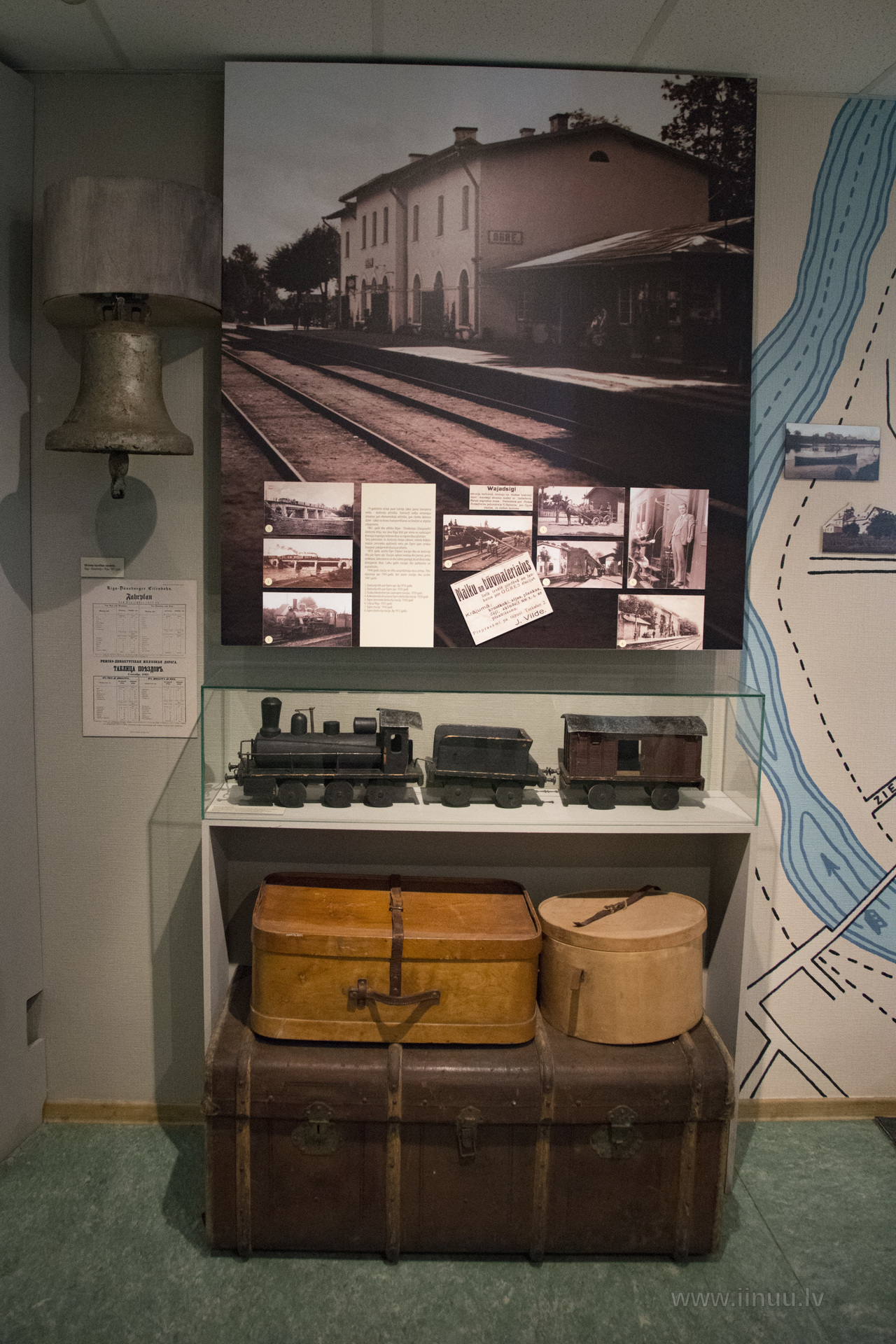
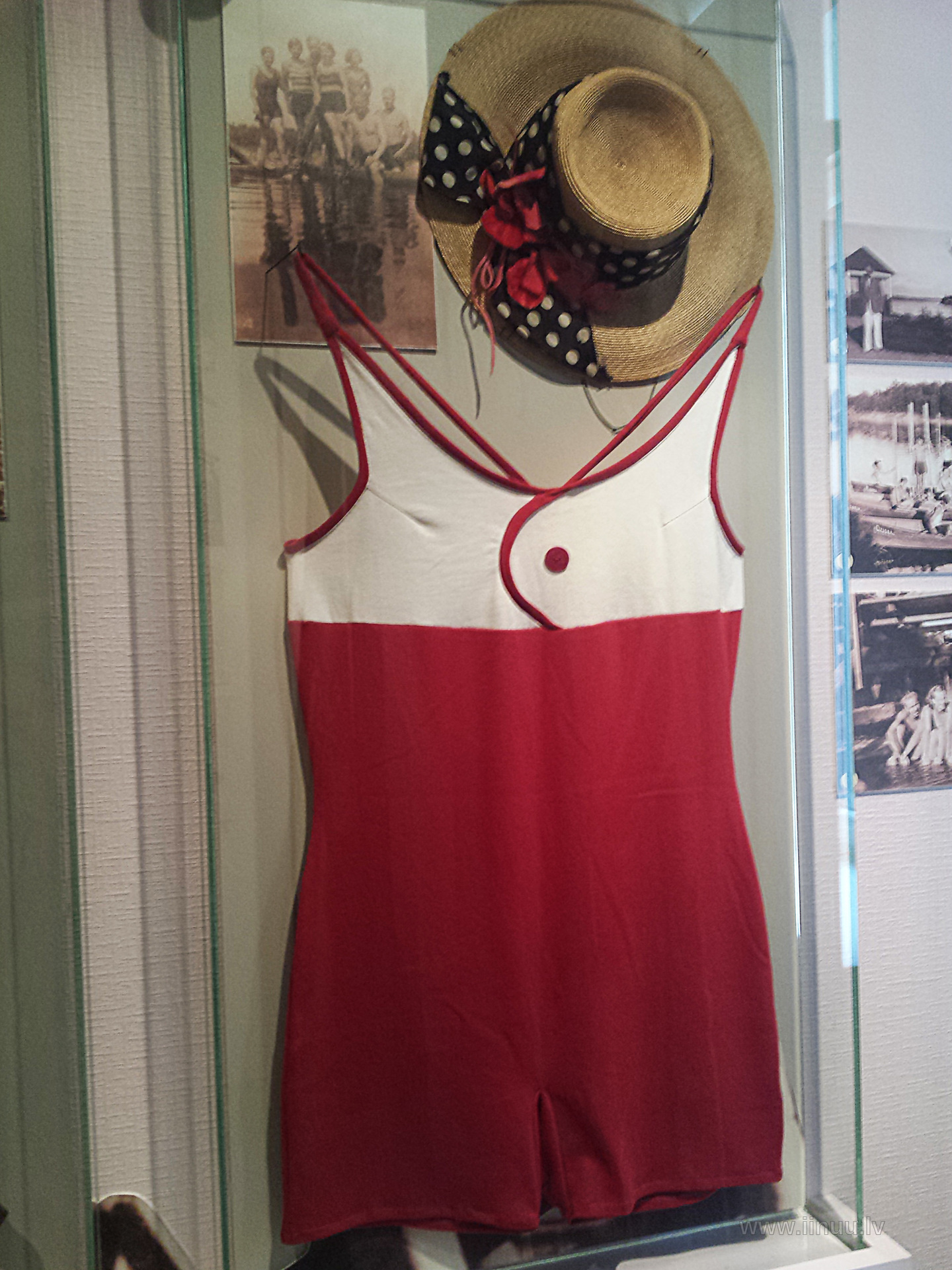
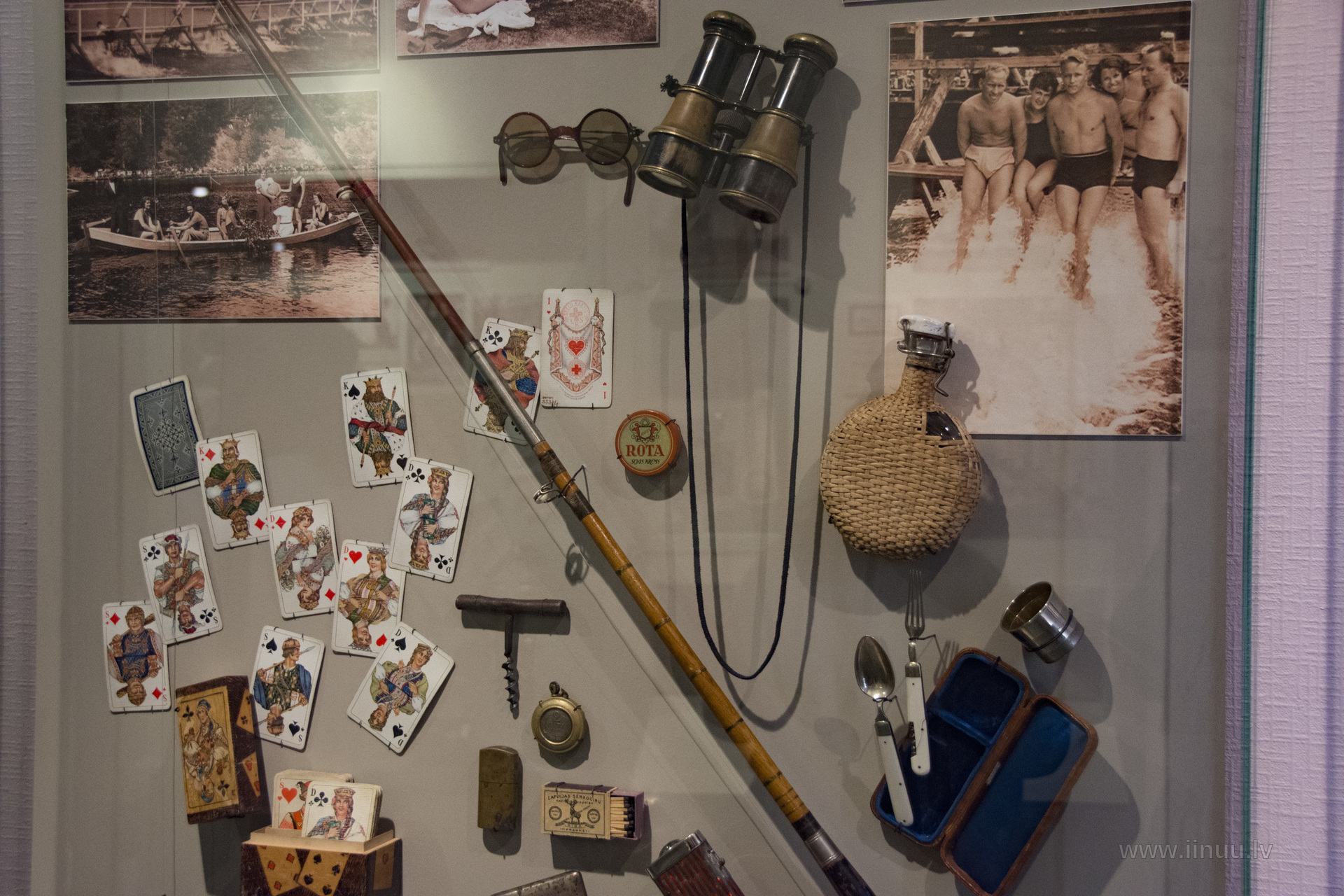
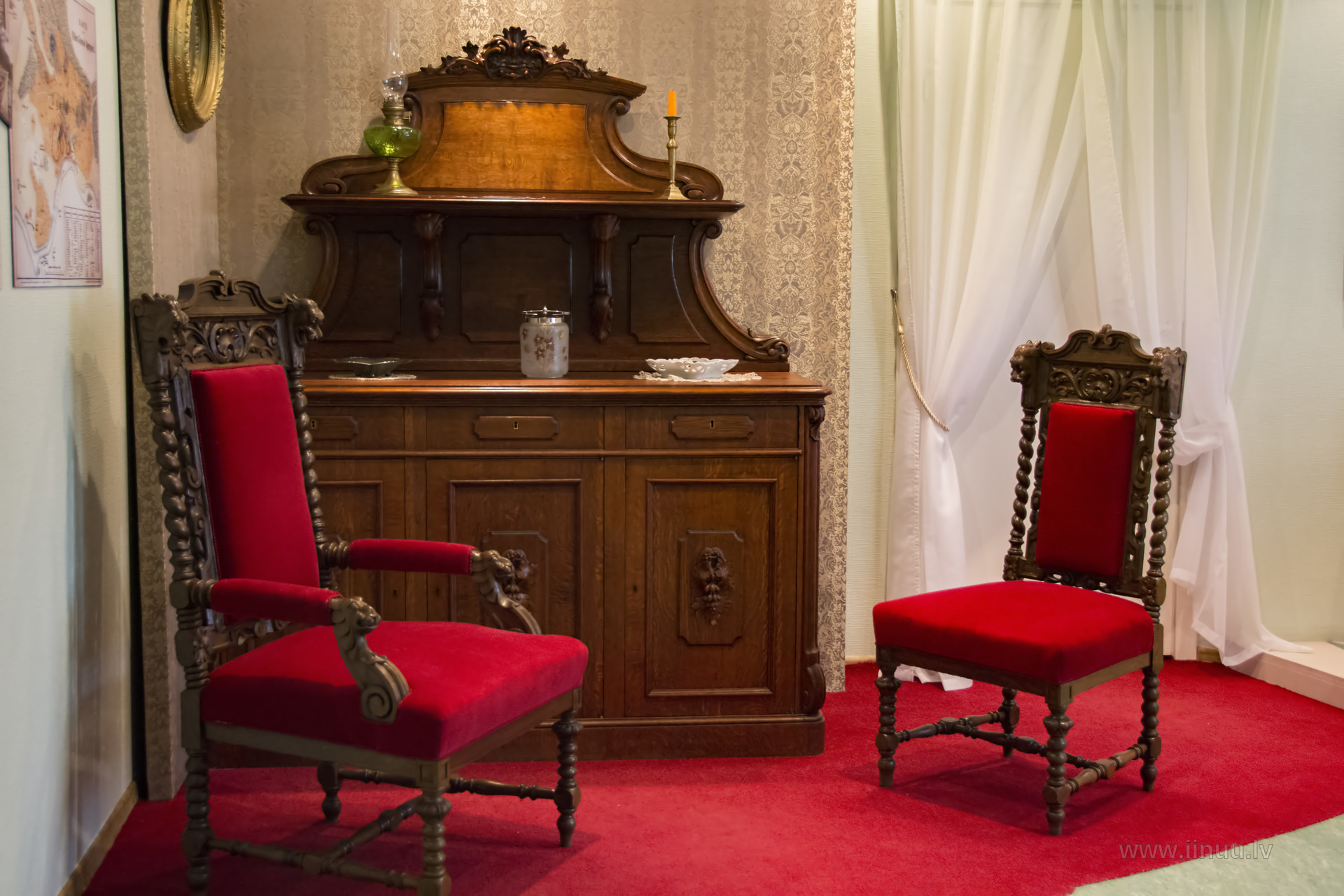
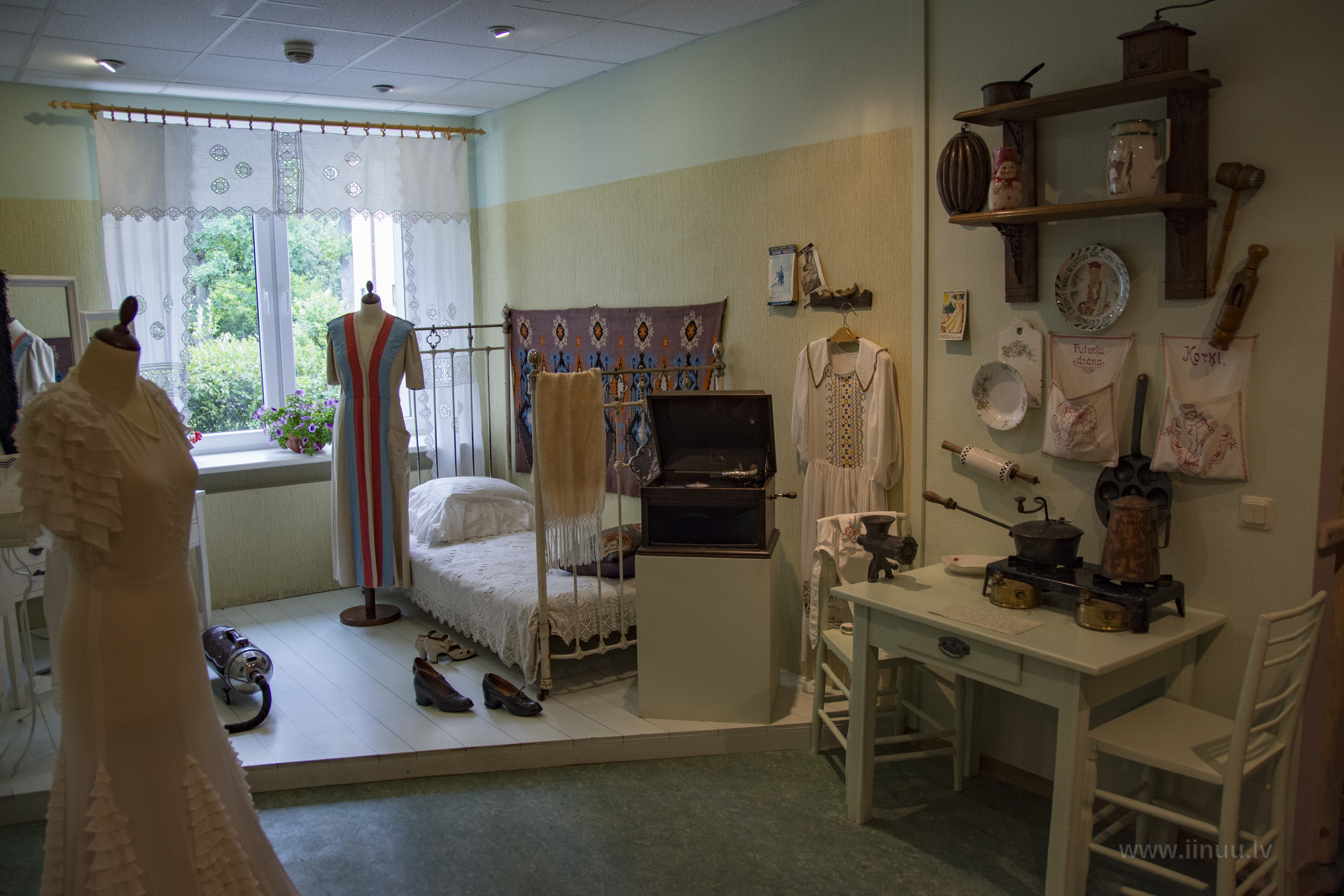
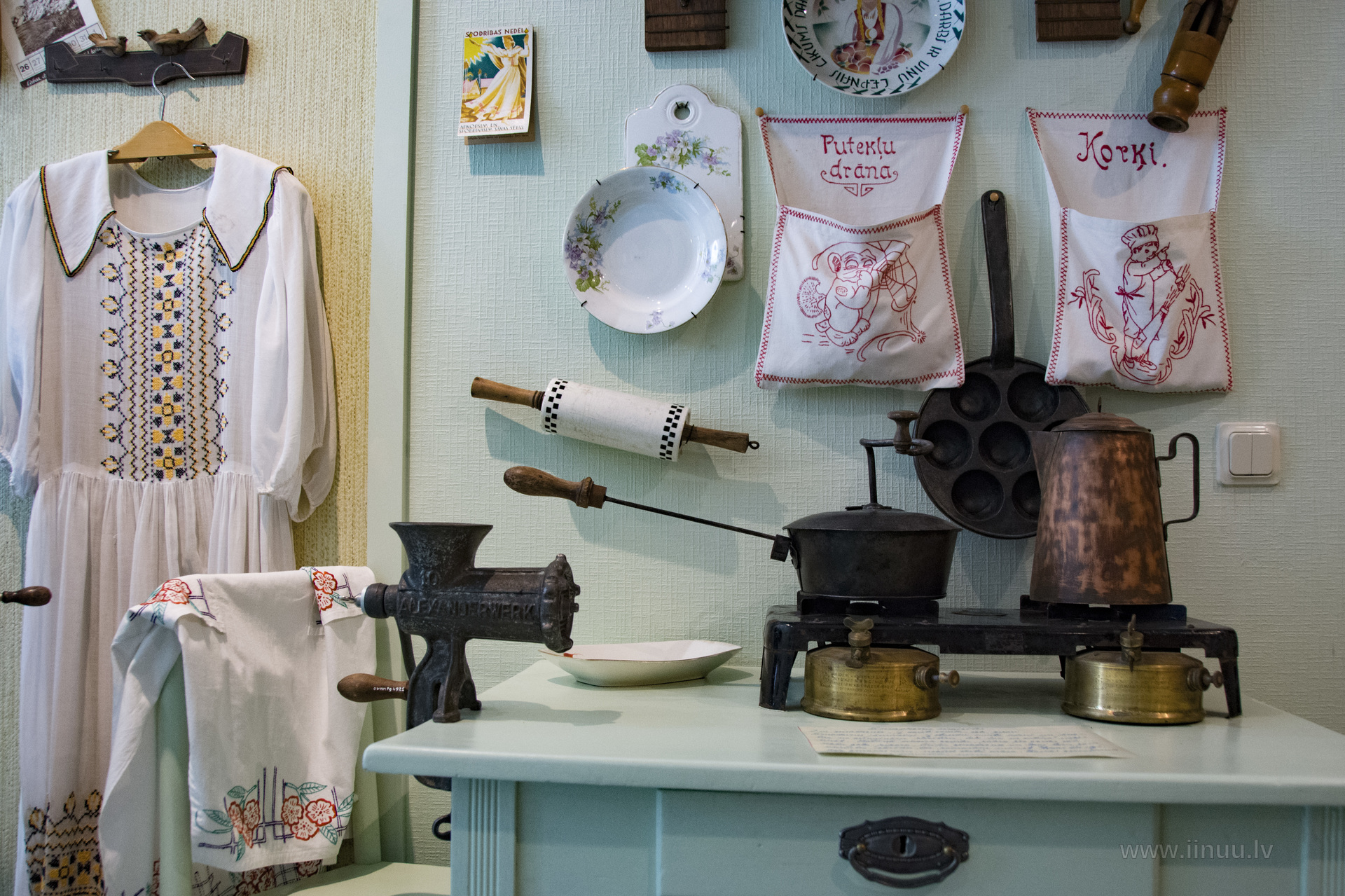
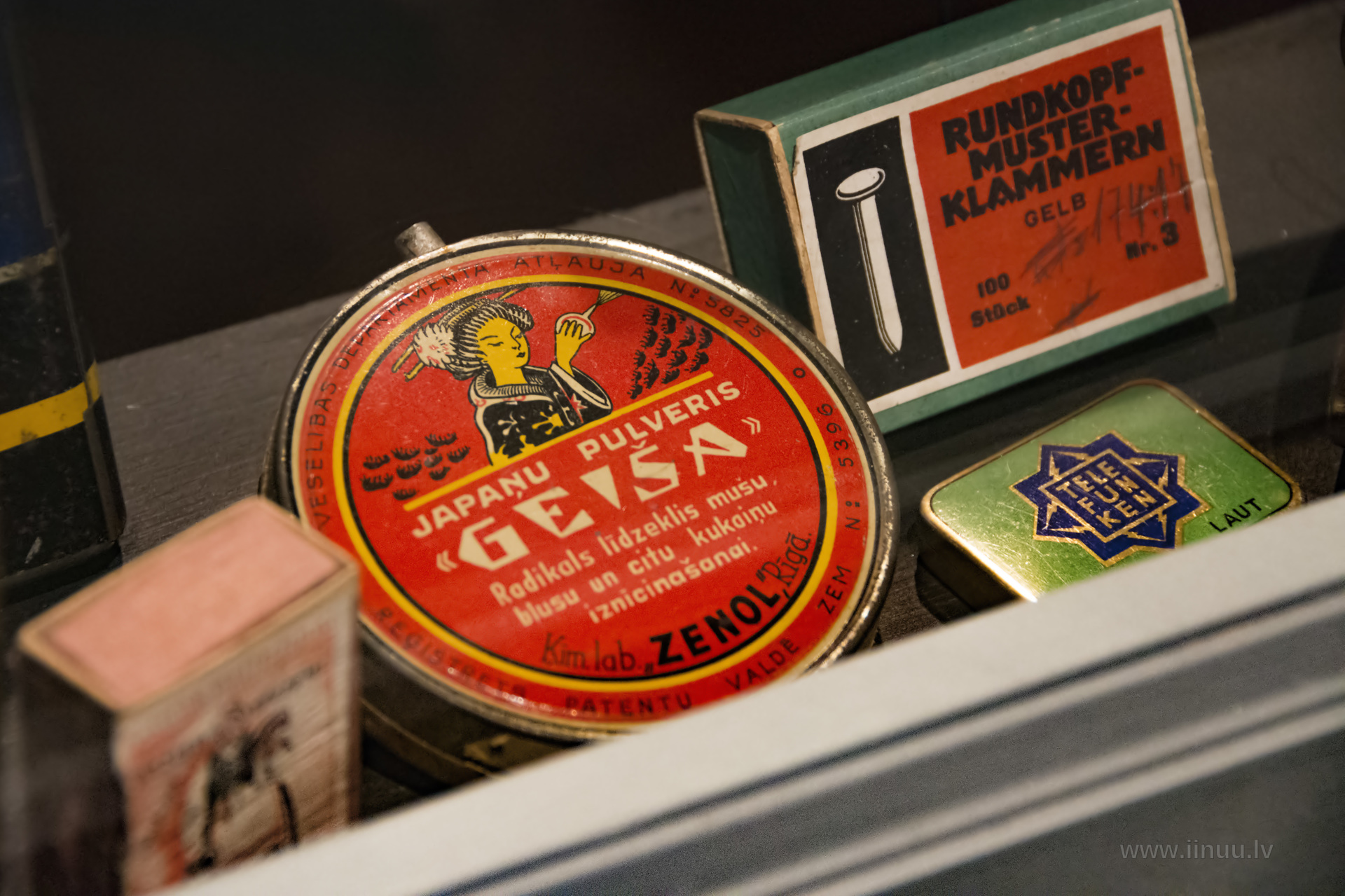
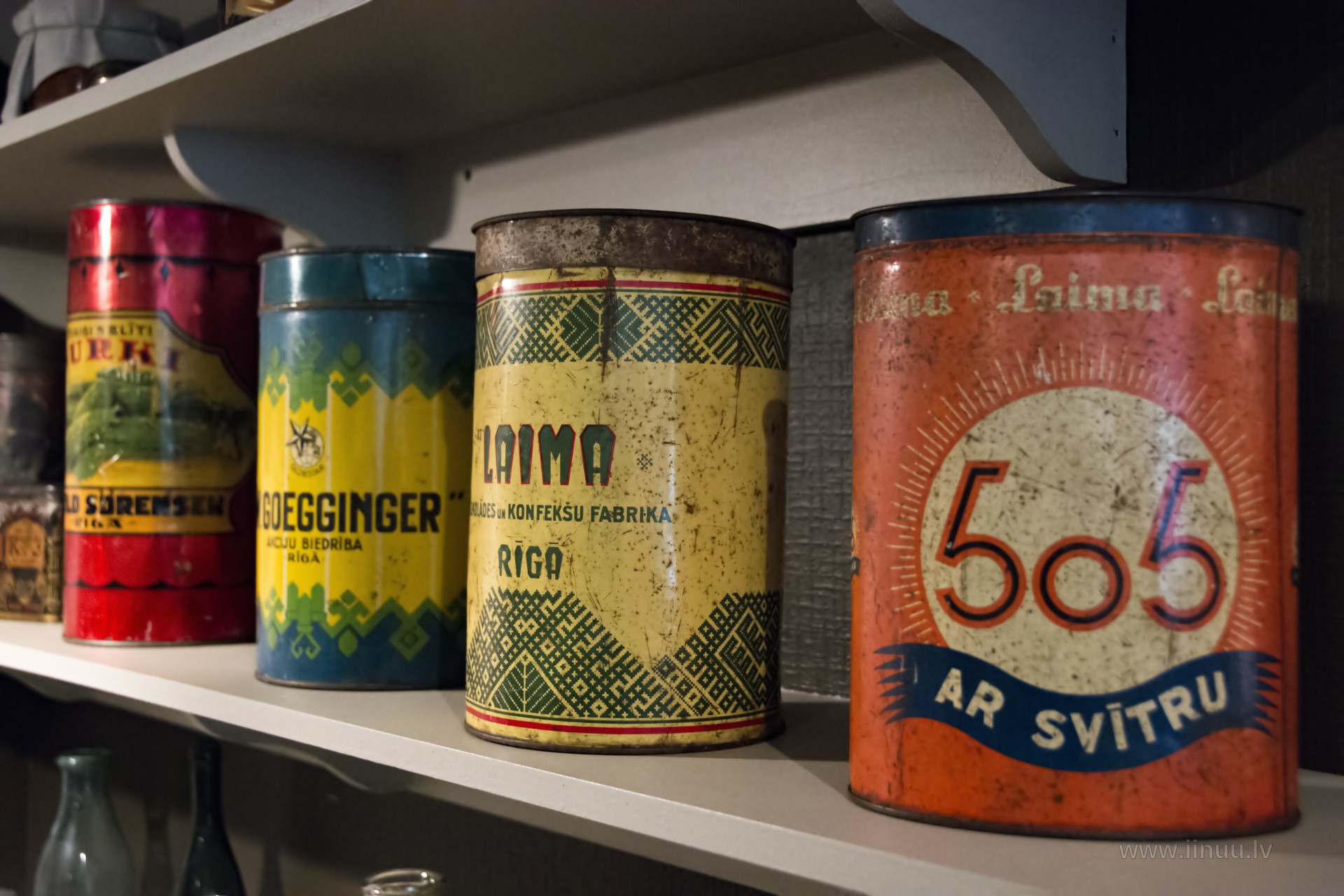
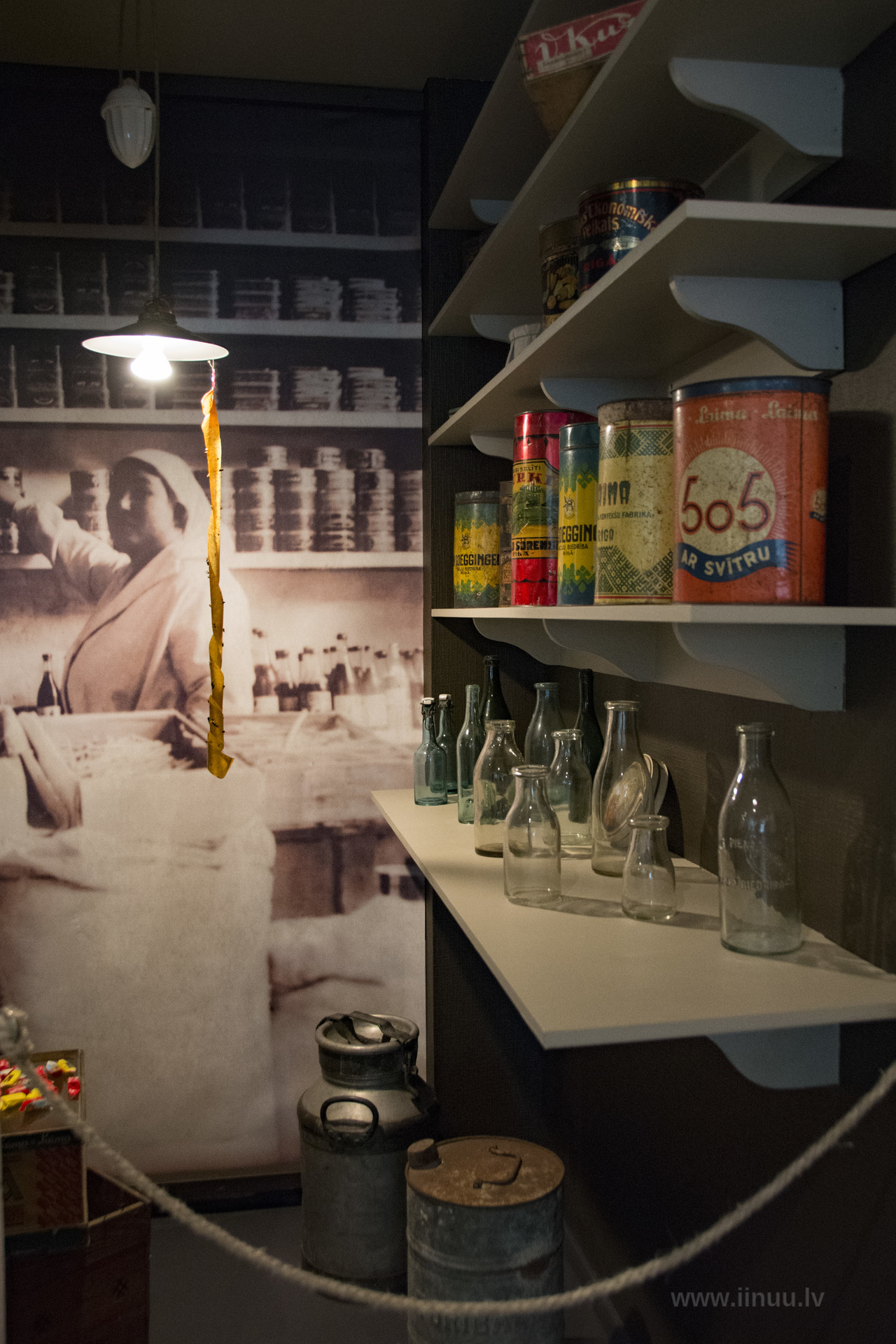
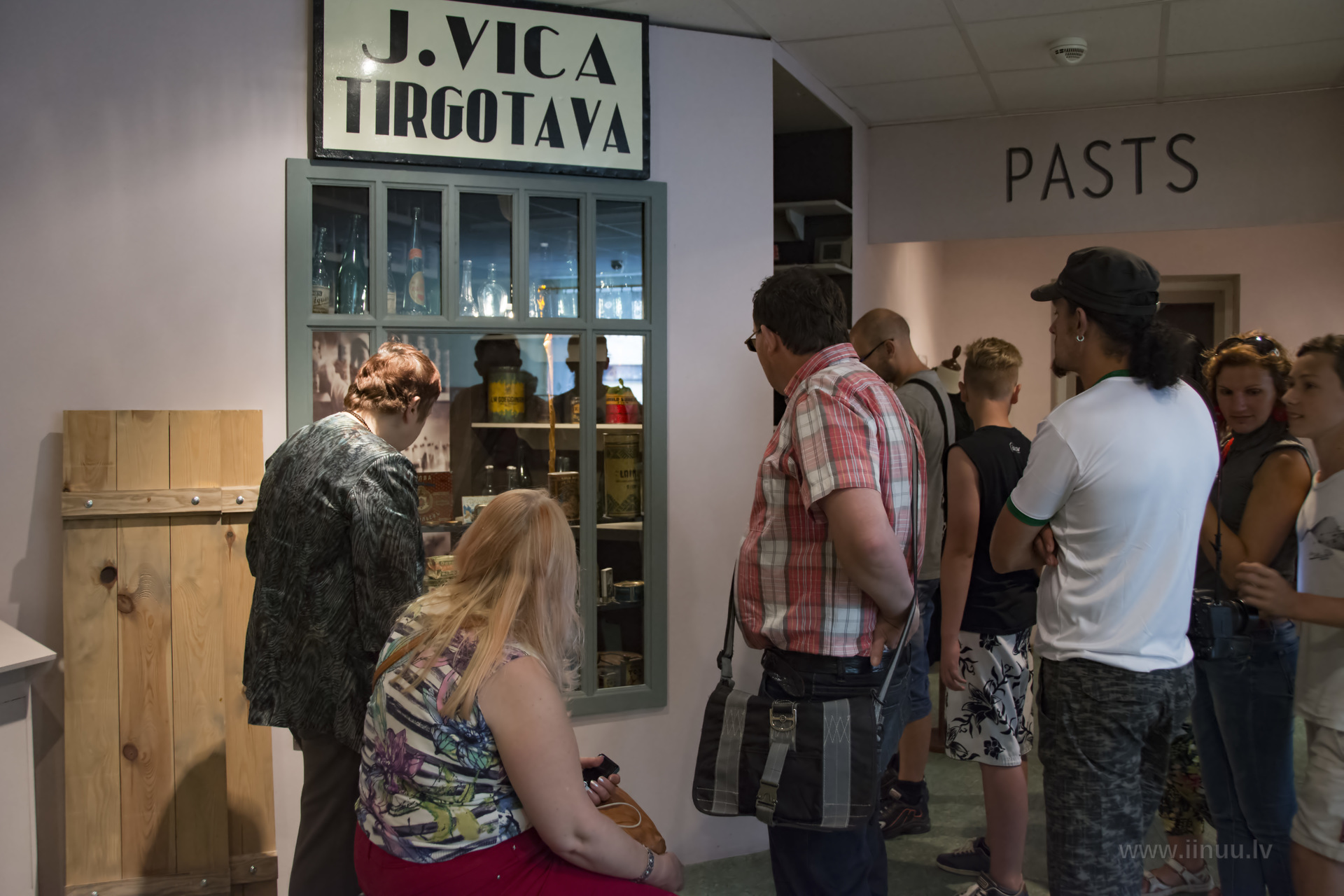
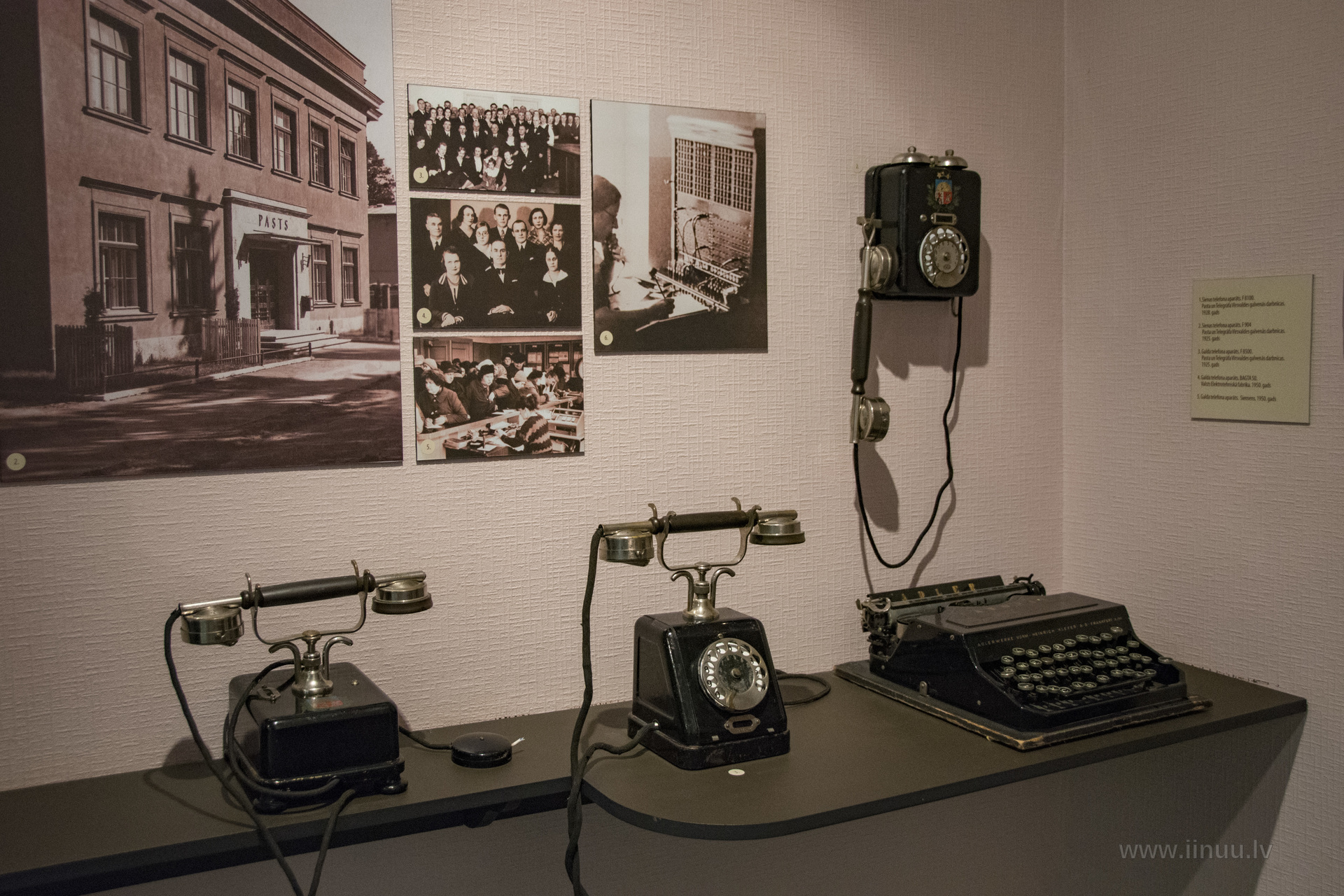
We view the one-piece bathing costumes of that era - no elastane, but with ruffles; old photographs of bathers in the Ogre River; furnished resort guest rooms; kitchen utensils and tailored trousers; listen to a gramophone; peer into the shop and post station of that era; try on hats and take photographs. A moment in another century.
Exhibition of Paintings by Cuban Artist Ligia Casabella
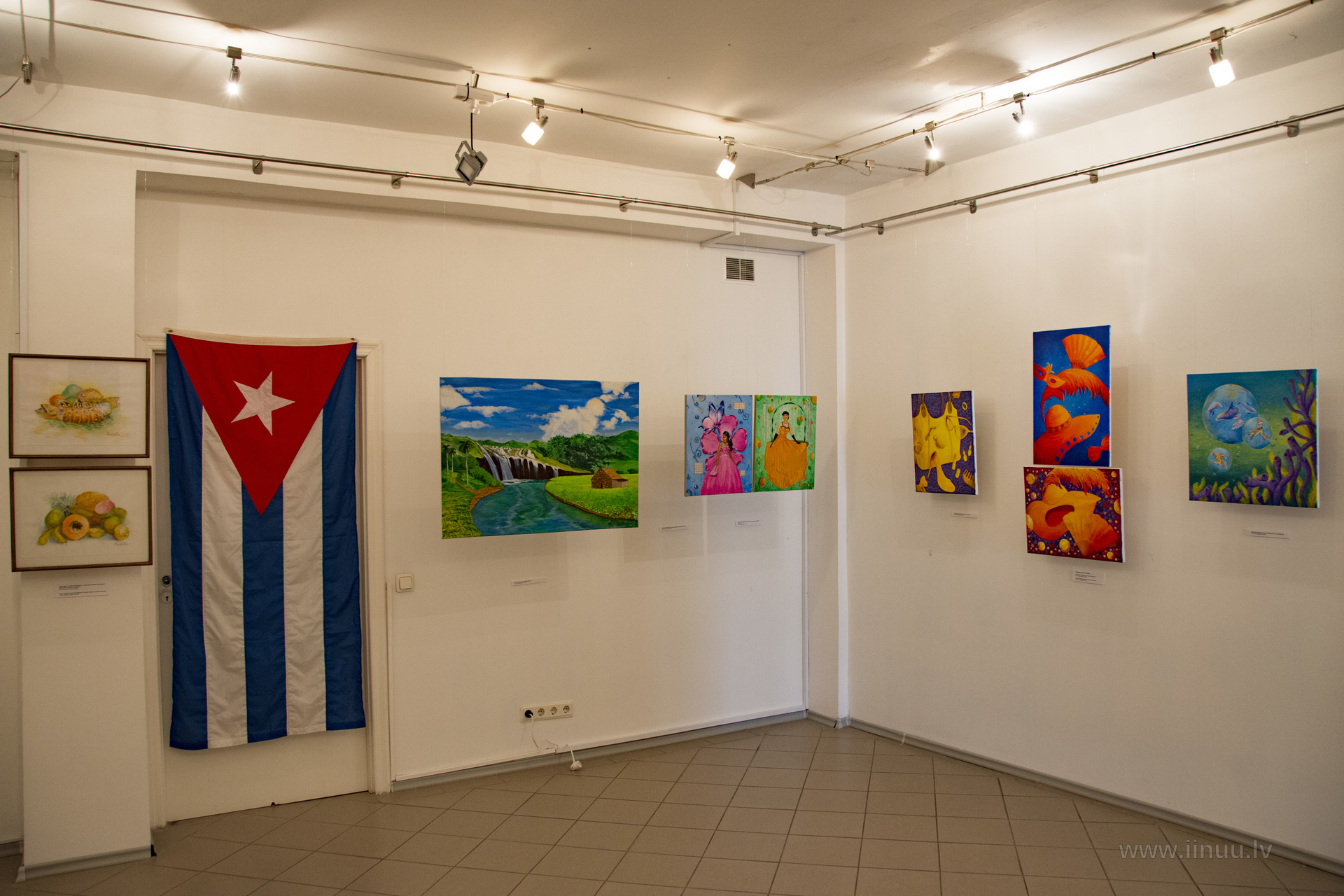
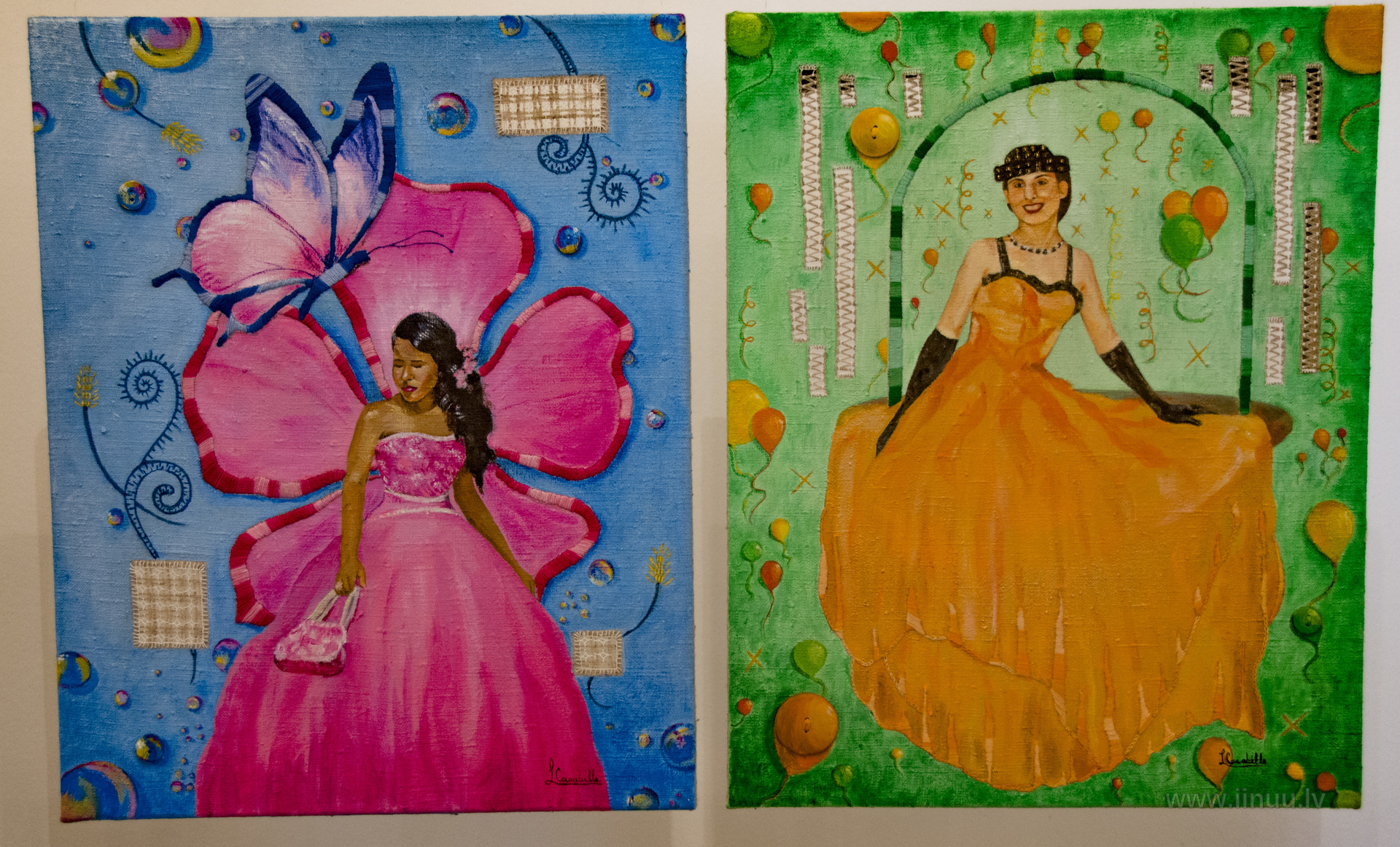
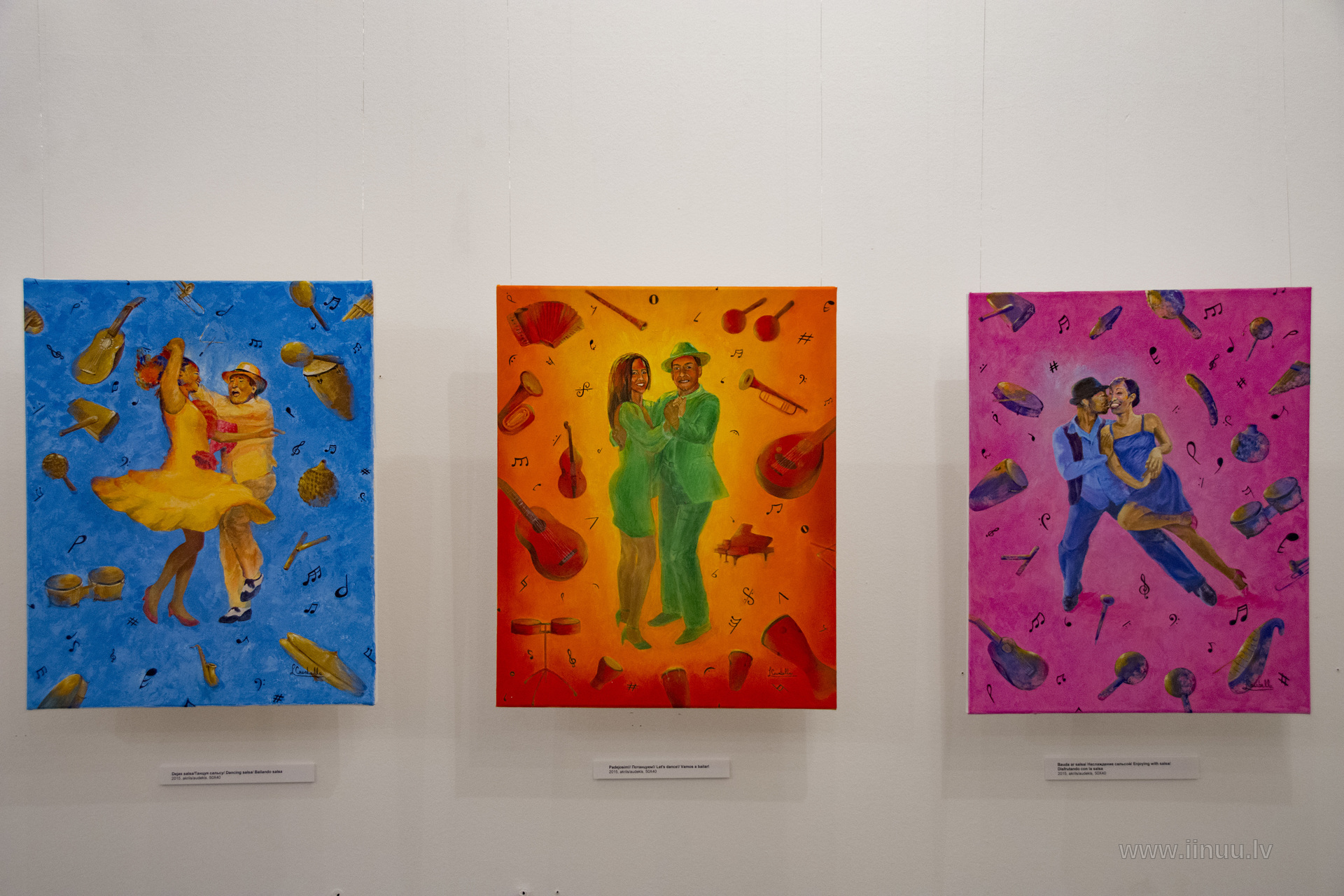
Right there in the museum premises, in one small room - in striking contrast to Latvian modesty, restraint, and understatement - reigns a cocktail of colours, vibrancy, and rhythm: the solo exhibition "The Magic of Tropical Colours." The artist comes from the Cuban city of Trinidad but has been living in Latvia since 2014.
M. Pūre's Bakery
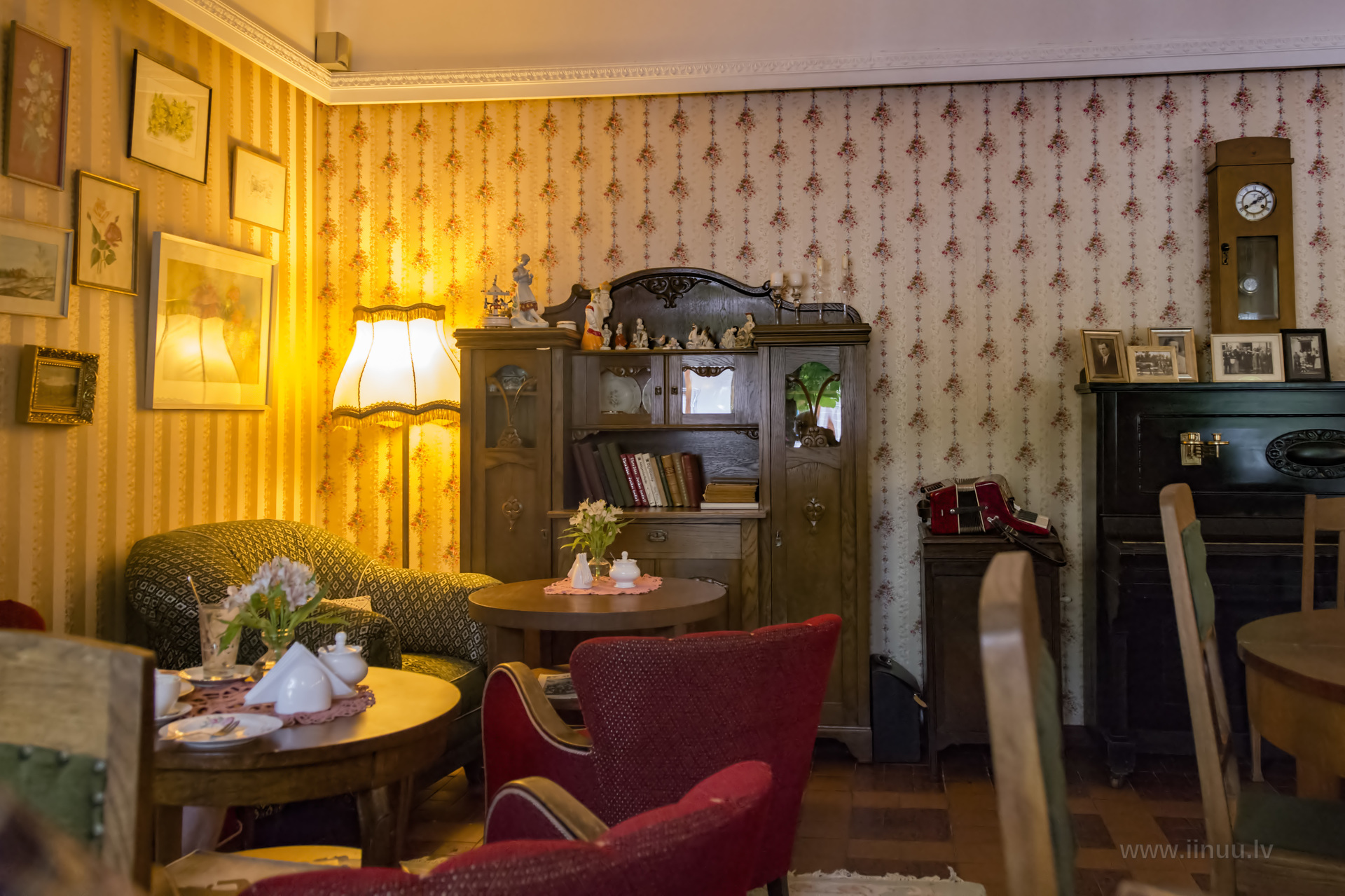
Continuing in the mood of the early 20th century, we stopped in at the nearby café M. Pūres beķereja, where both the interior and the music further confirmed the sense of a journey through time. Massive wooden tables, sofas, armchairs, an antique chandelier, porcelain figurines, a chest of drawers, a pendulum clock - everything as it should be. Not to mention the delicious homemade cakes, cinnamon rolls, and hot chocolate. Worth a visit!
Technology from the Past
(Druvas iela 8, Ogre)
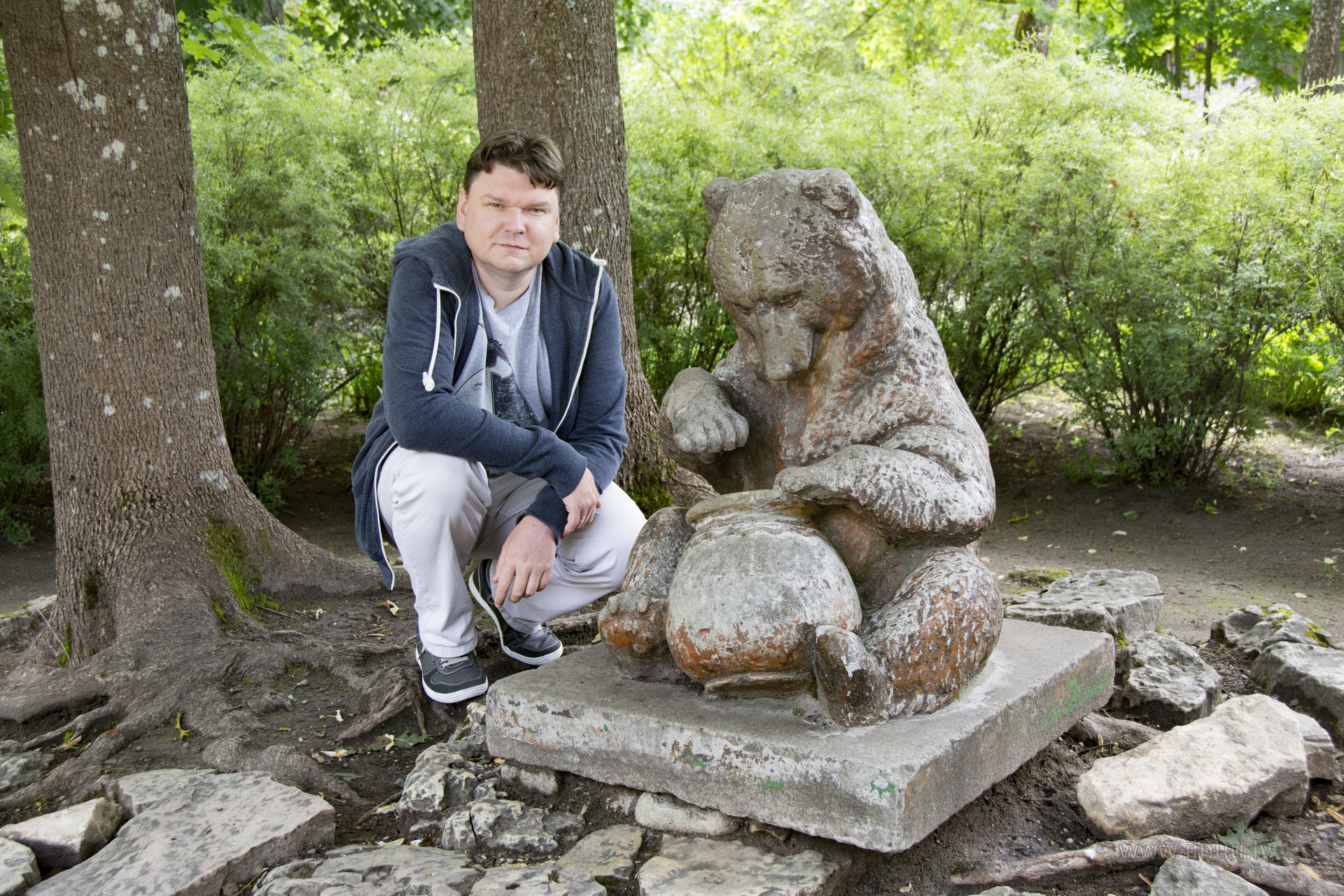
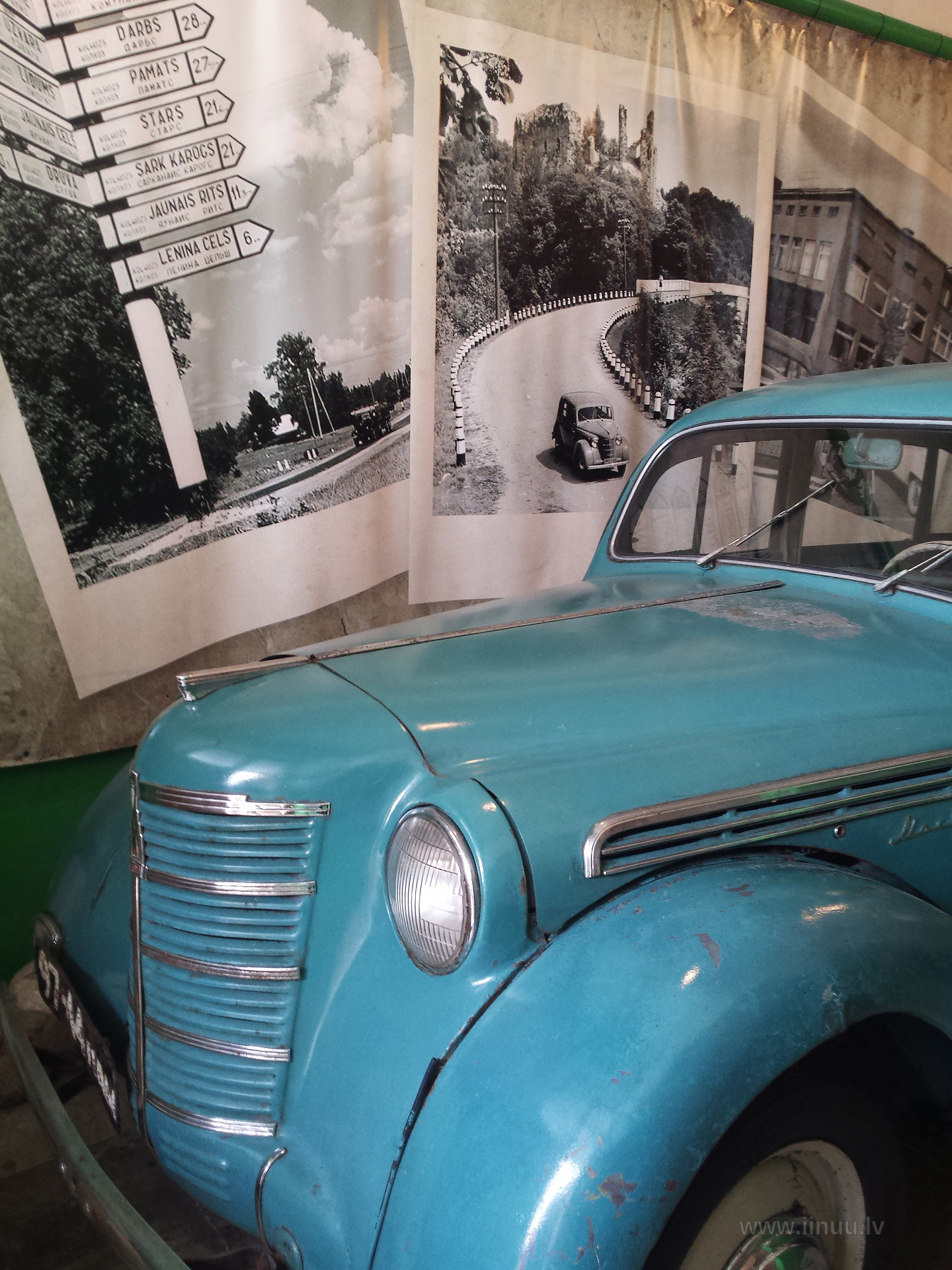
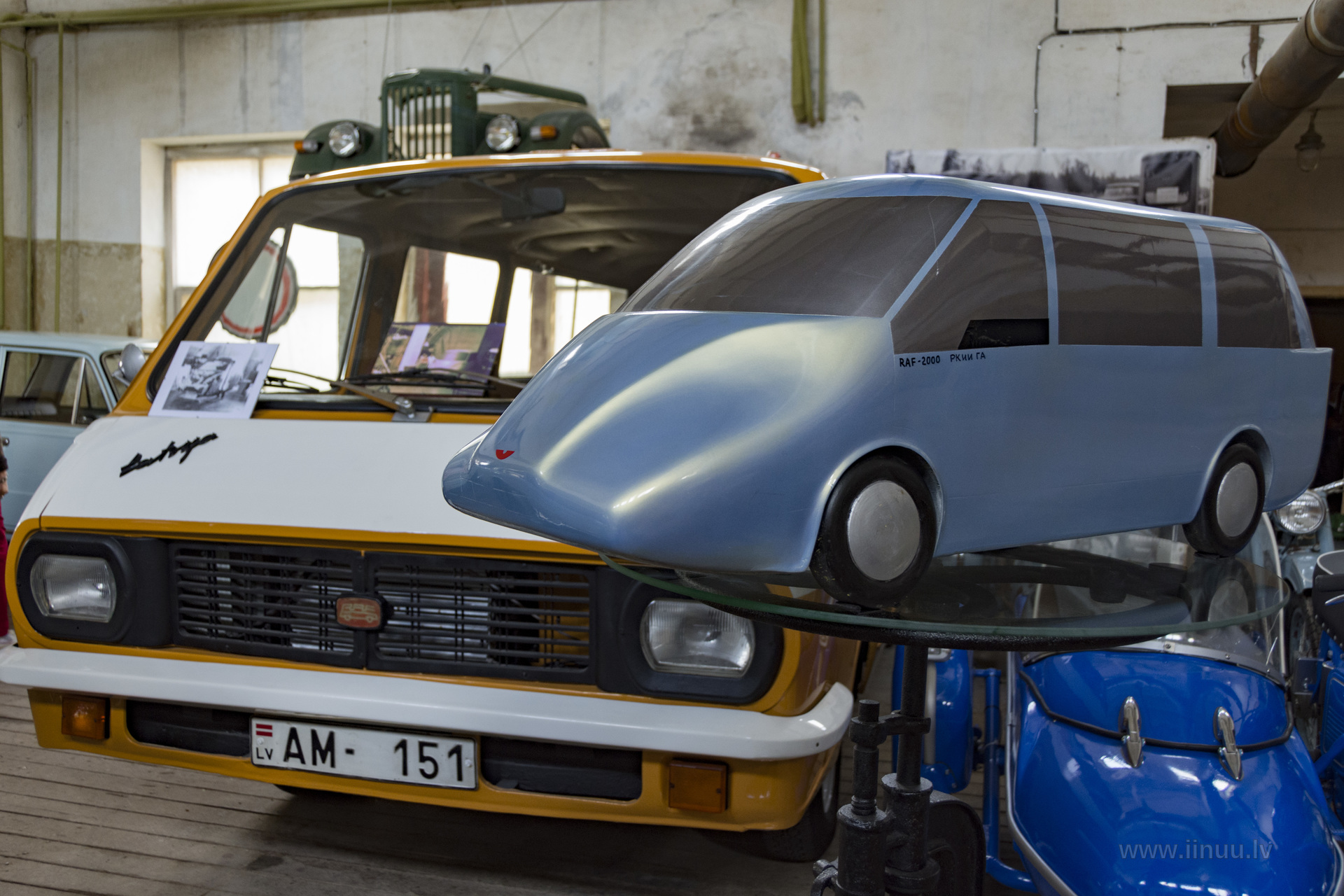
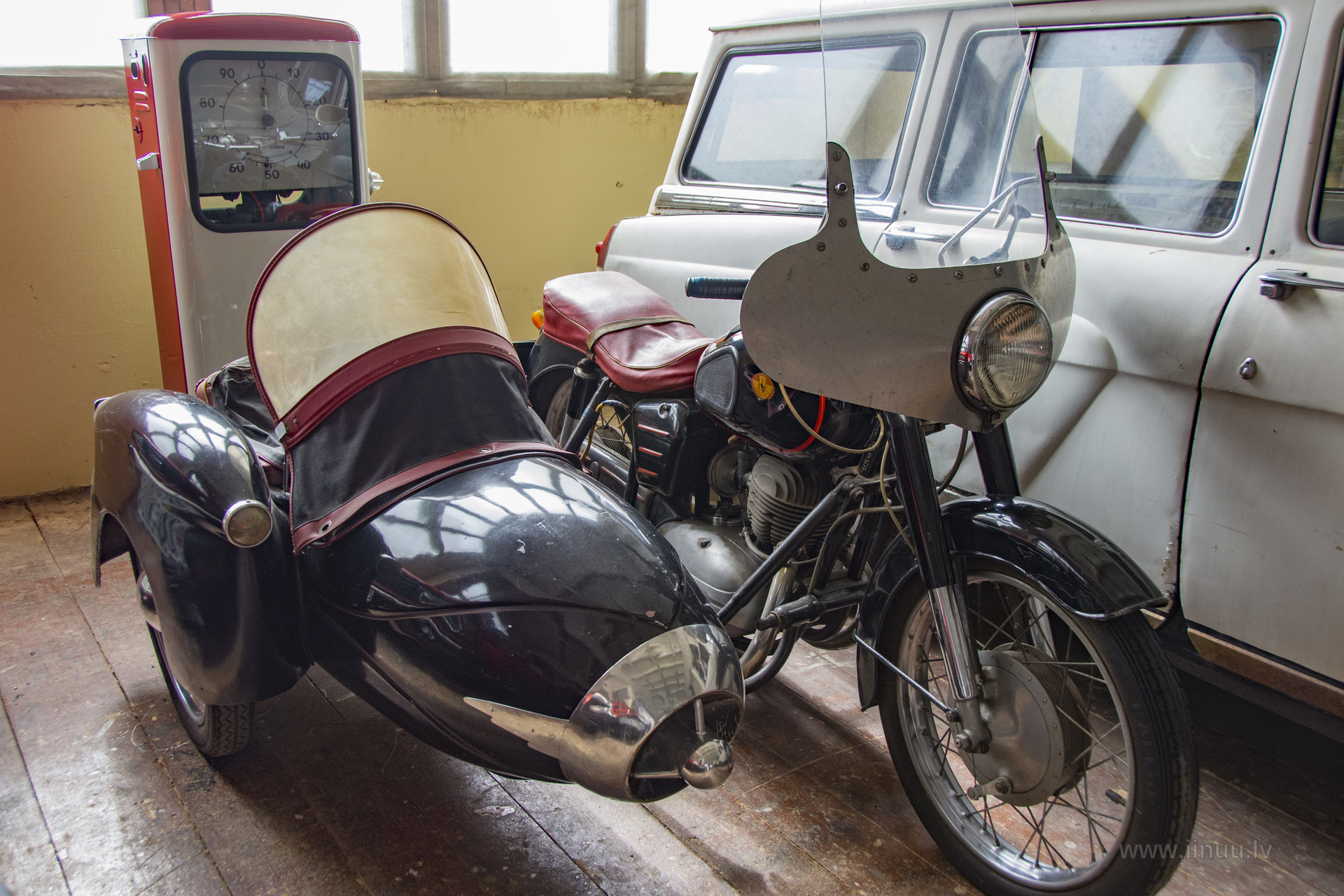
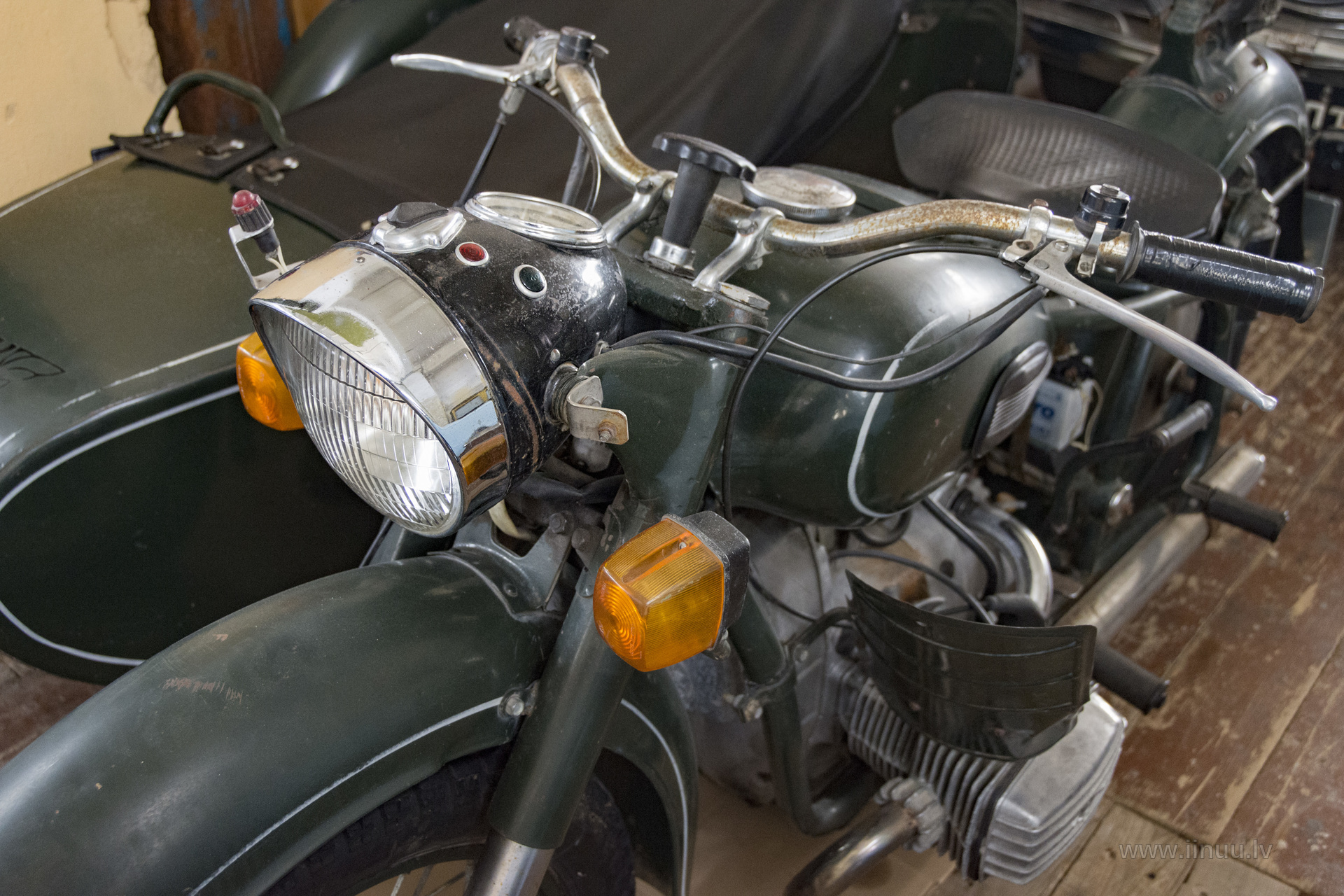
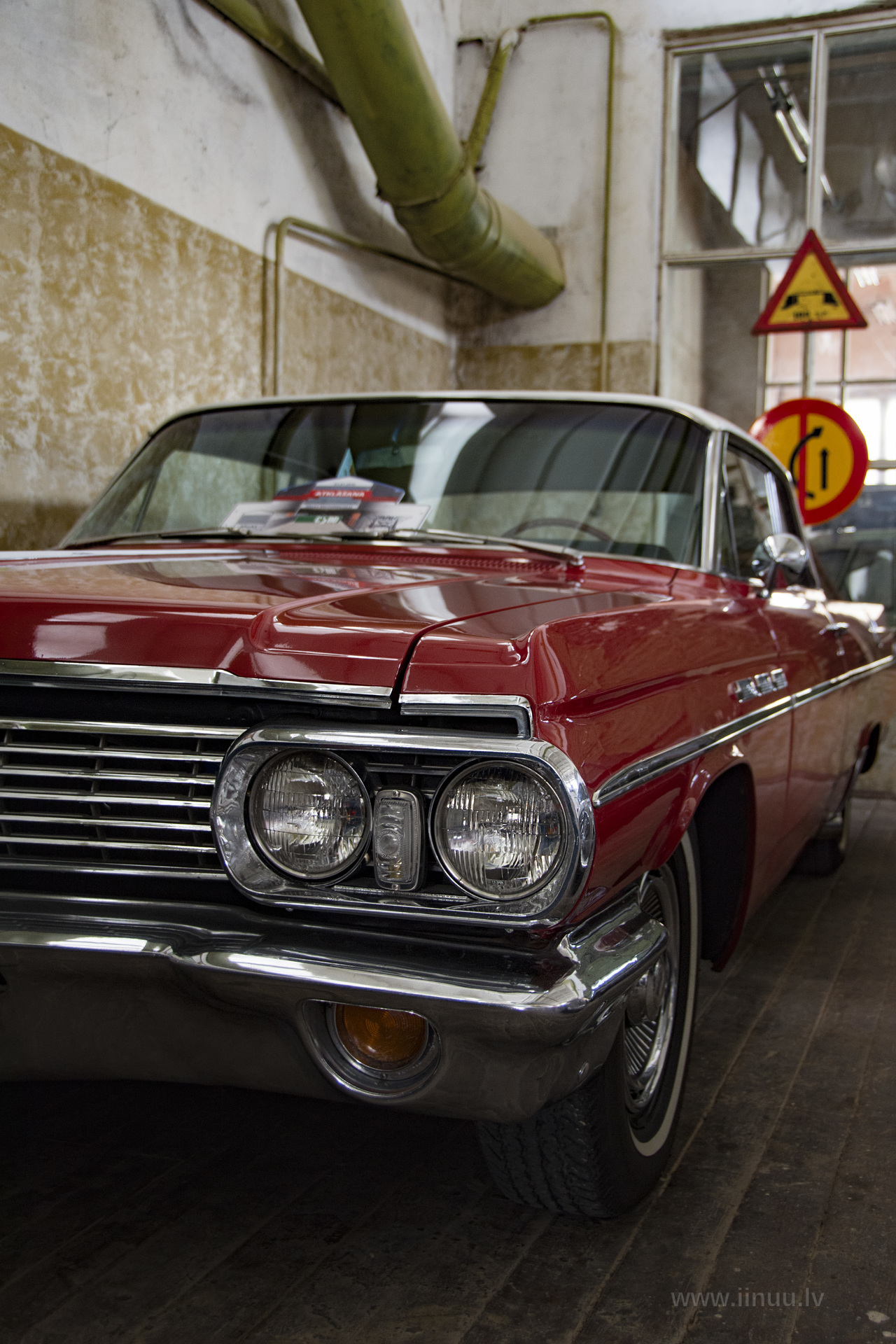
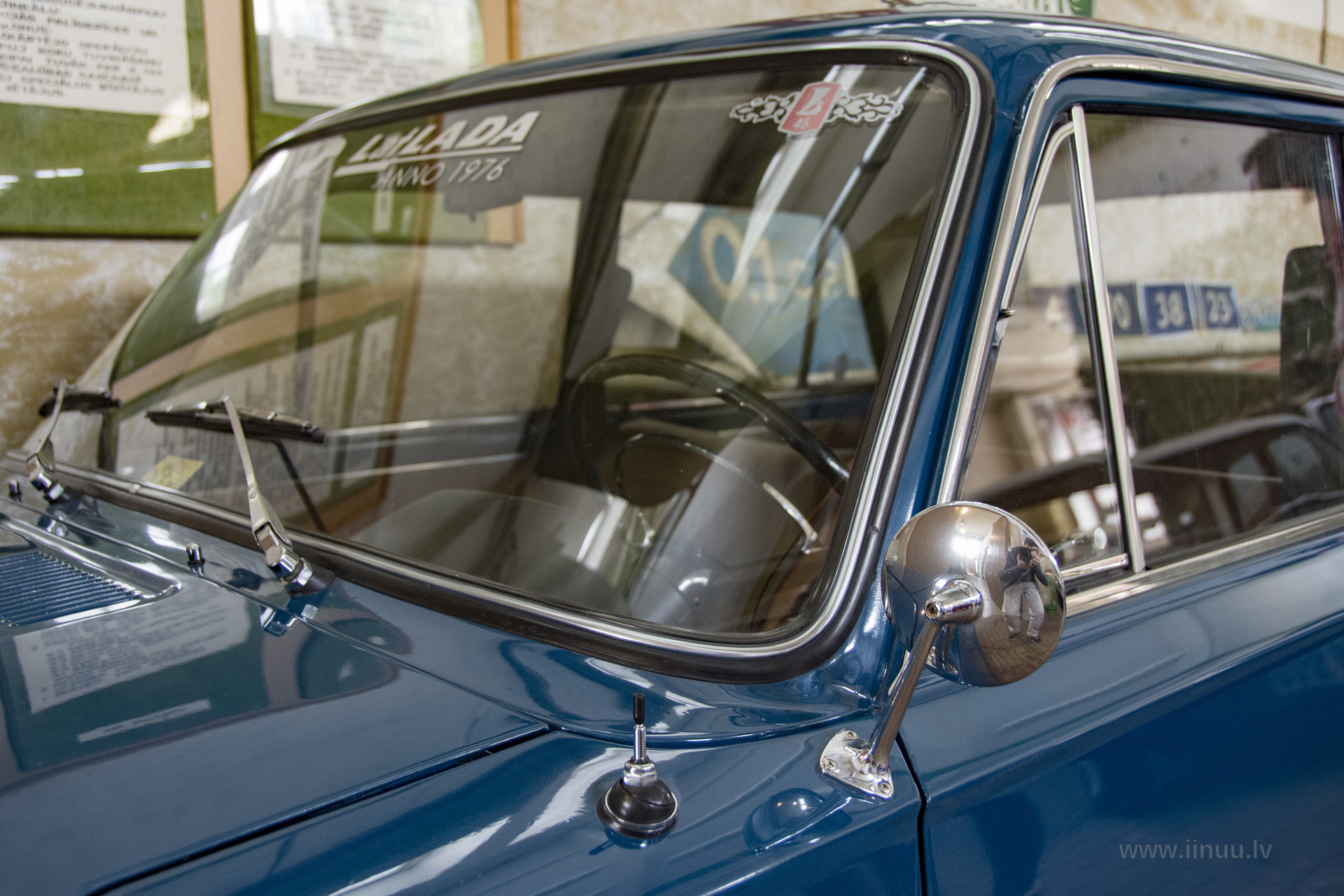
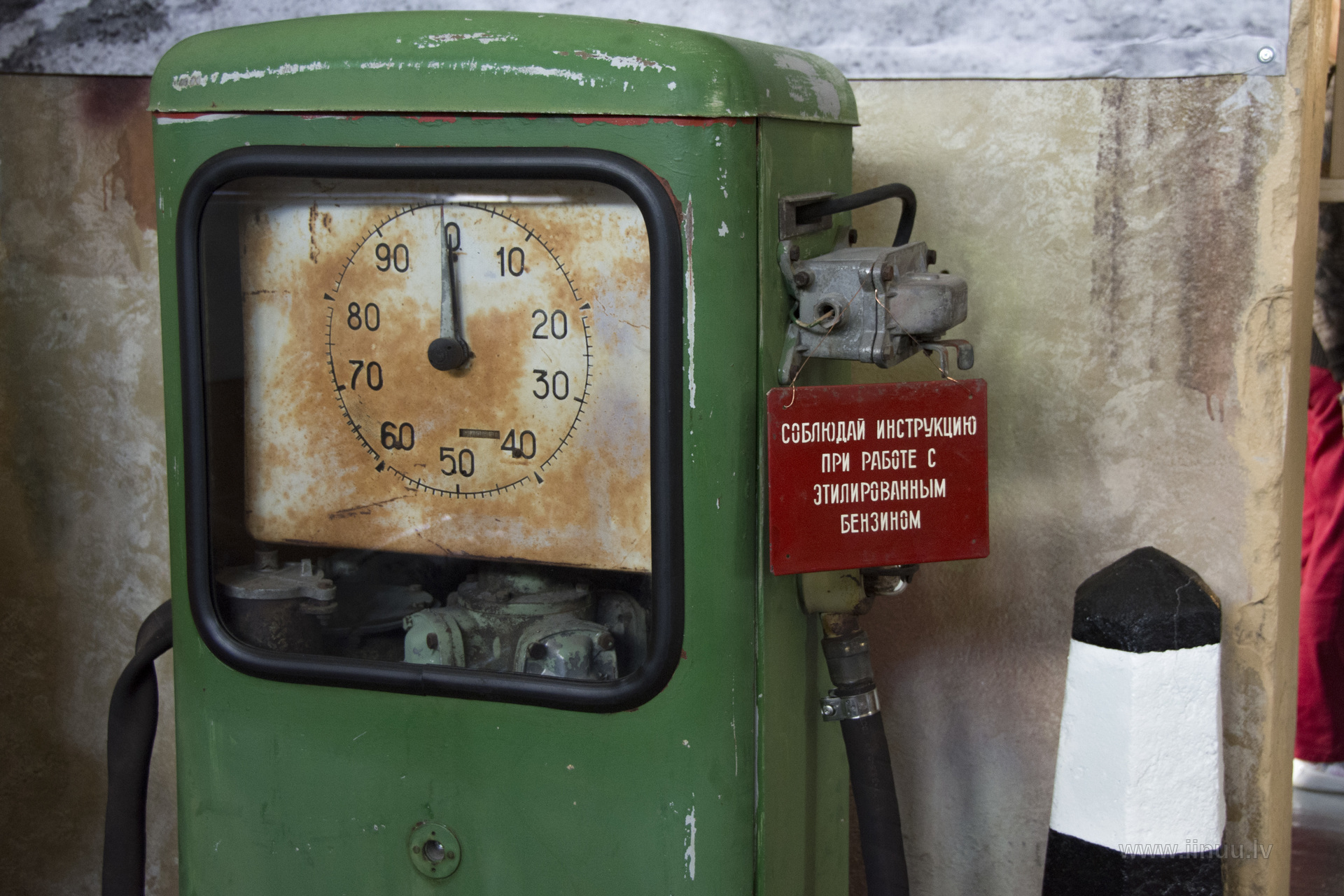
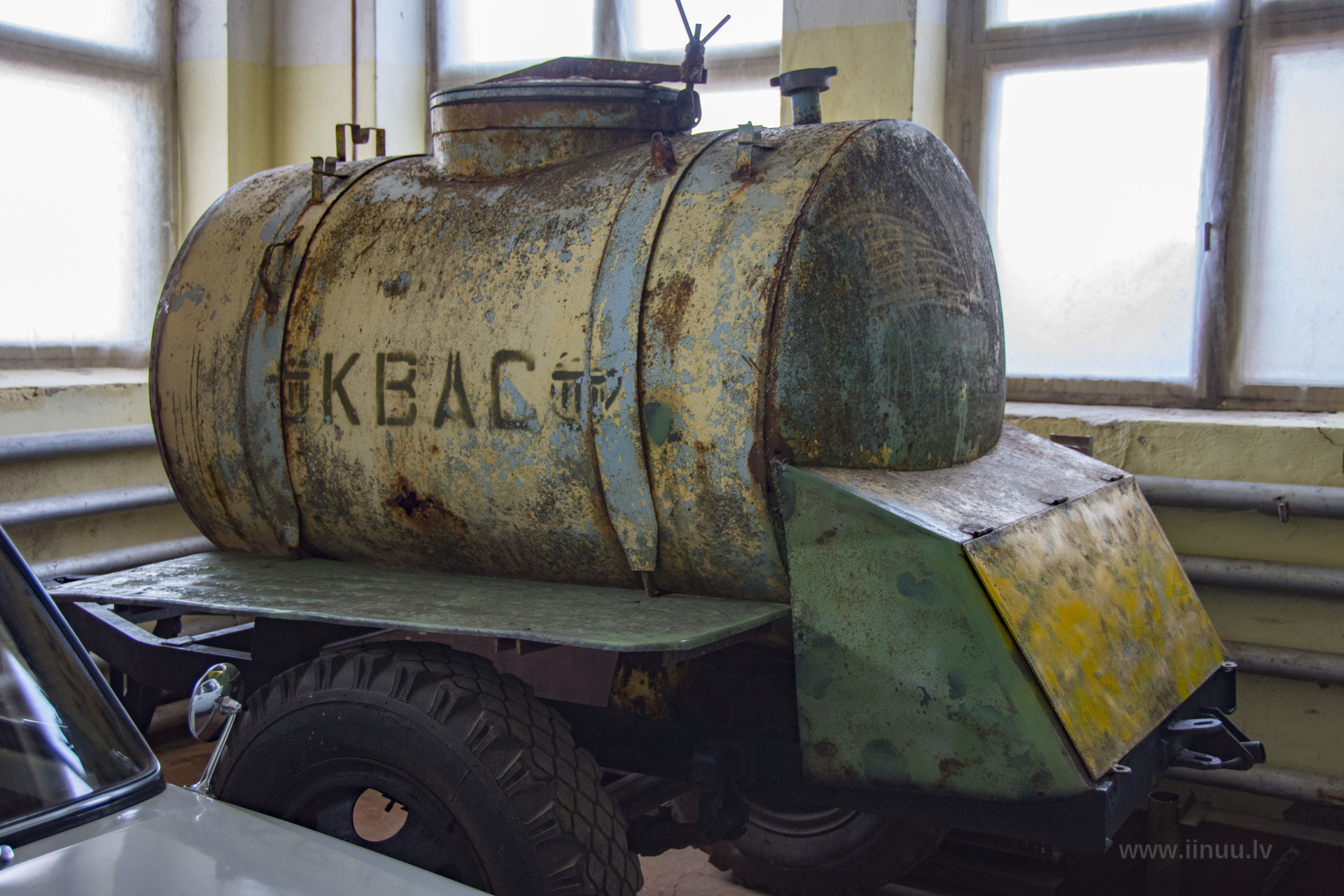
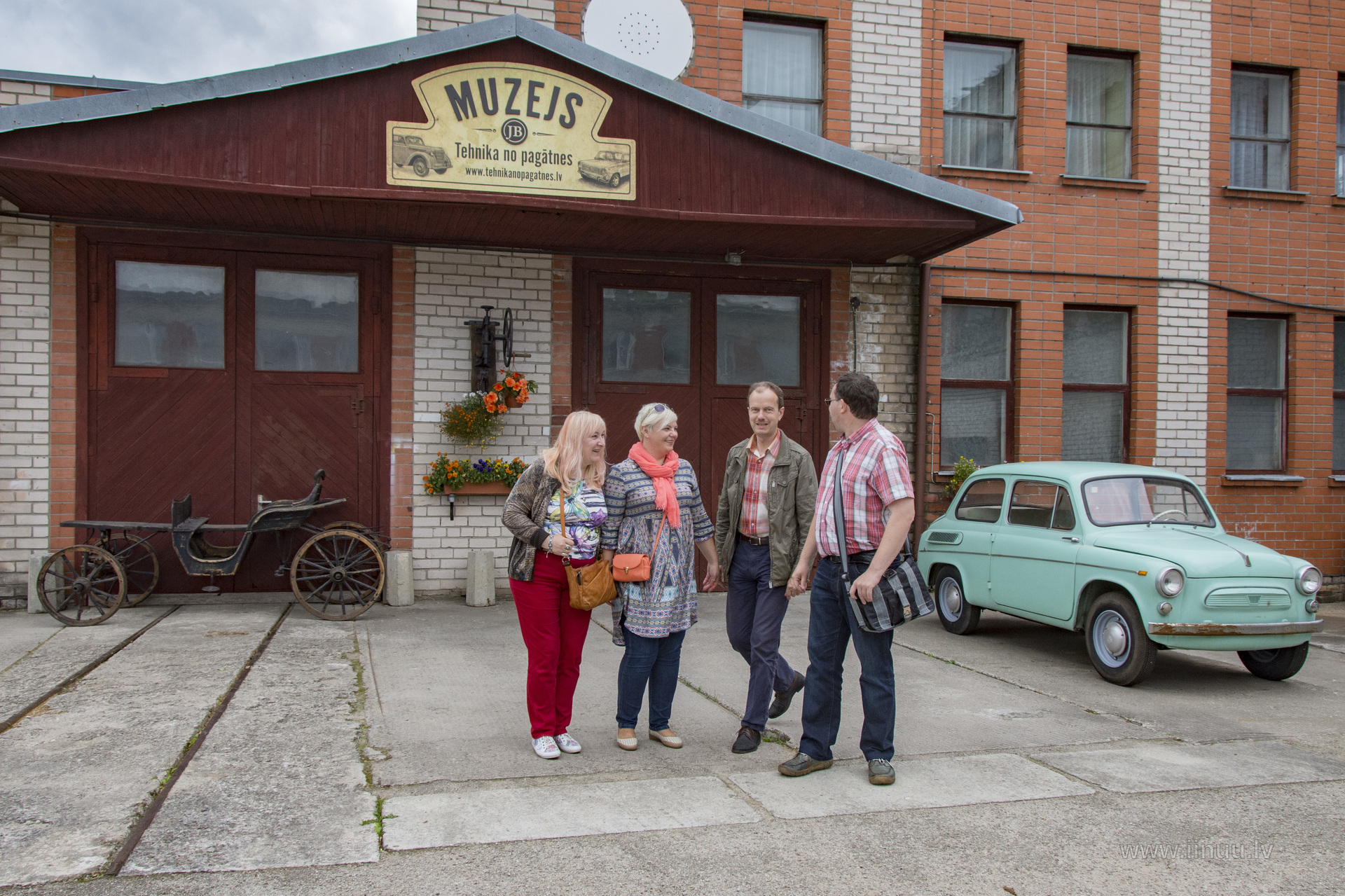
We then drove to Pārogre, where near a shopping centre of the same name there is an unassuming-looking car repair garage. Nothing hints at the existence of a private museum of vintage vehicles here. After questioning some people we encountered, we understood that the truth was out back - in the inner courtyard. We were greeted by the museum's founder and collection builder Jānis Buka (also in the photographs).
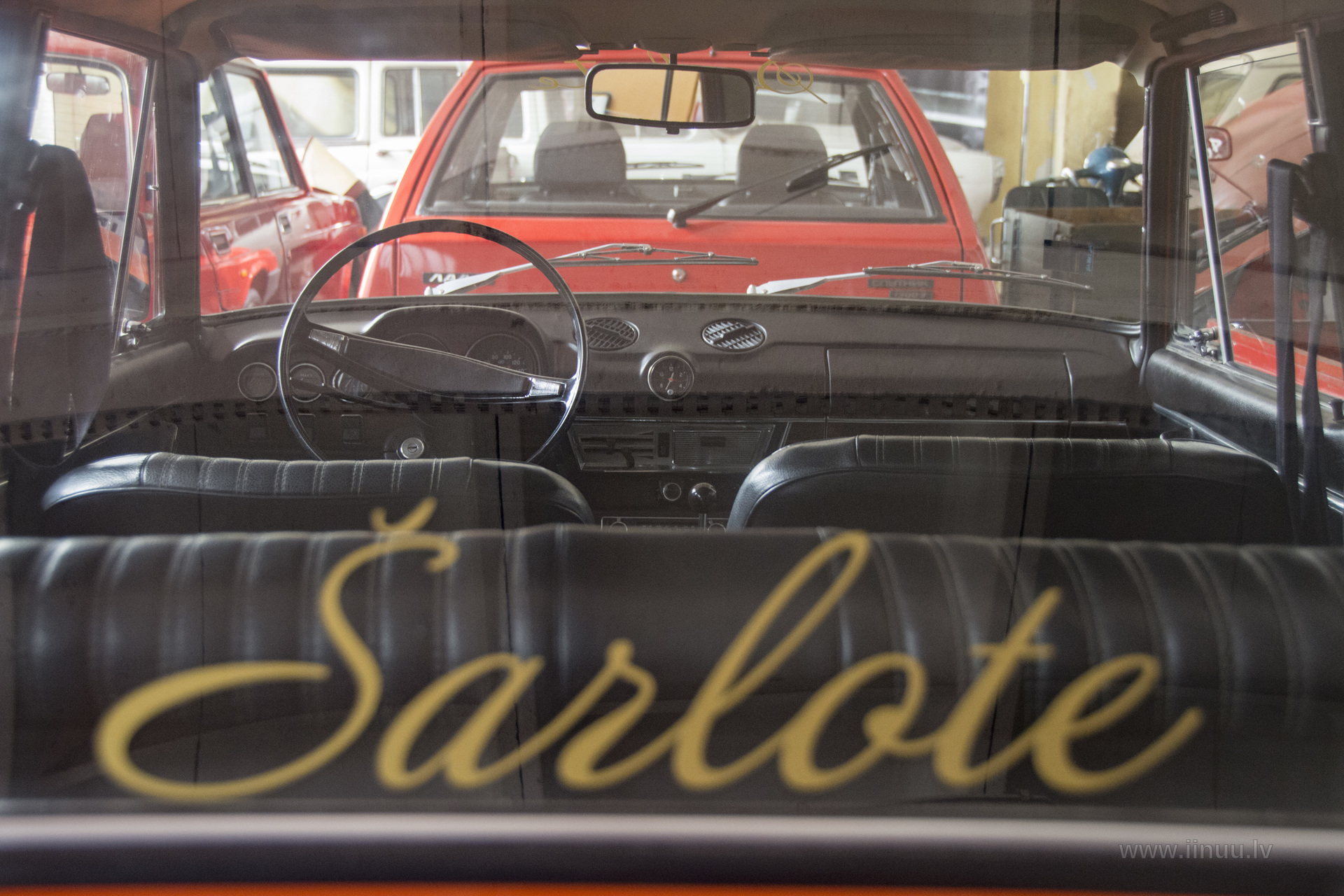
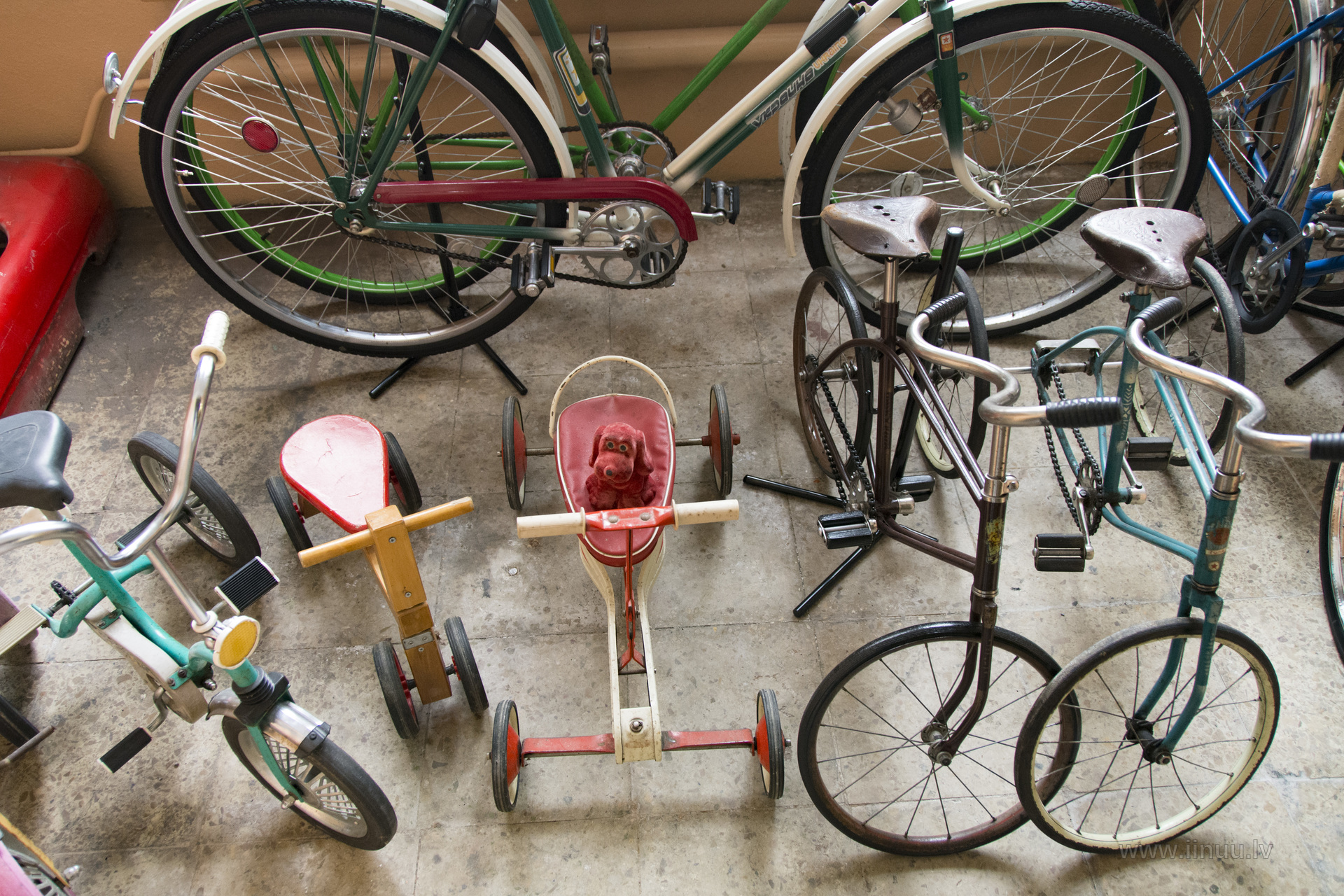
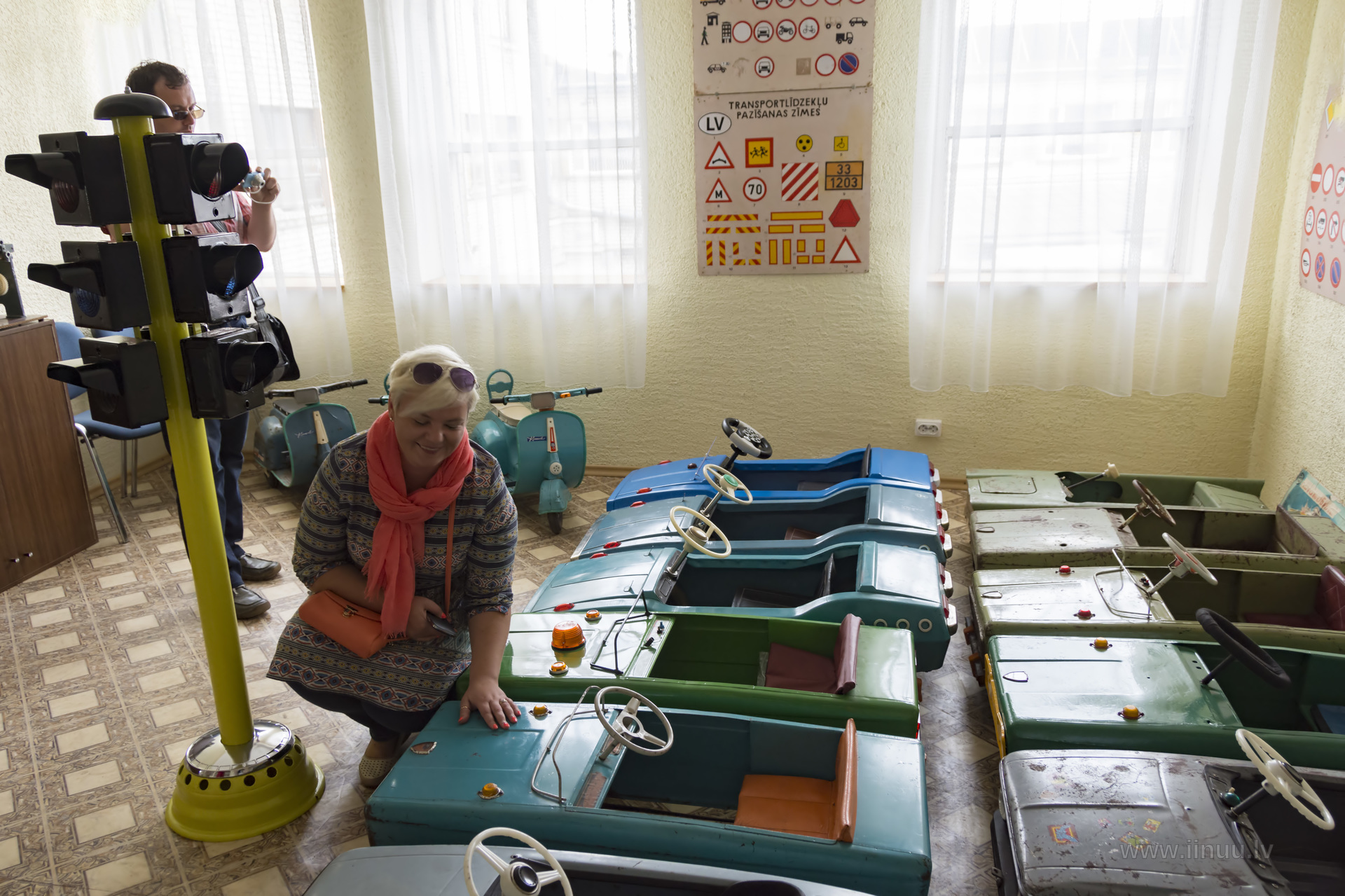
He took us around the hangars, where one after another stood - Zhigulis, Moskvichs, Volgas, foreign-made cars, mopeds, and much else besides. Various years, colours, specifications. The second floor was no less interesting - there, items from Soviet childhood were collected: children's bicycles, toy cars, soda water machines, pennants, badges, and the like. I even found my first car - a light blue metal one with an orange seat, pedals, and headlights. It turned out that in those days it was quite an expensive item for a child - from 25 to 40 roubles, depending on the model.
Entry to the museum by donation. It is advisable to book in advance: 29238787
Archery
(Laubere Parish, Ogre Municipality)
After almost an hour of wandering, thanks to the sat-nav into which we entered the coordinates found online - 56.788333, 25.077 - we finally made our way along gravel roads to the intended spot: a forest clearing where an archery session had been reserved in advance.
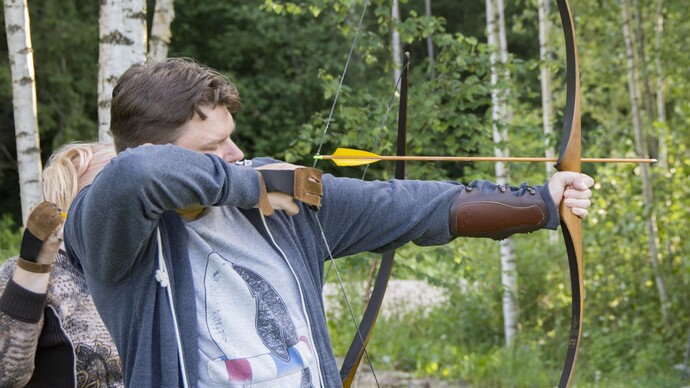
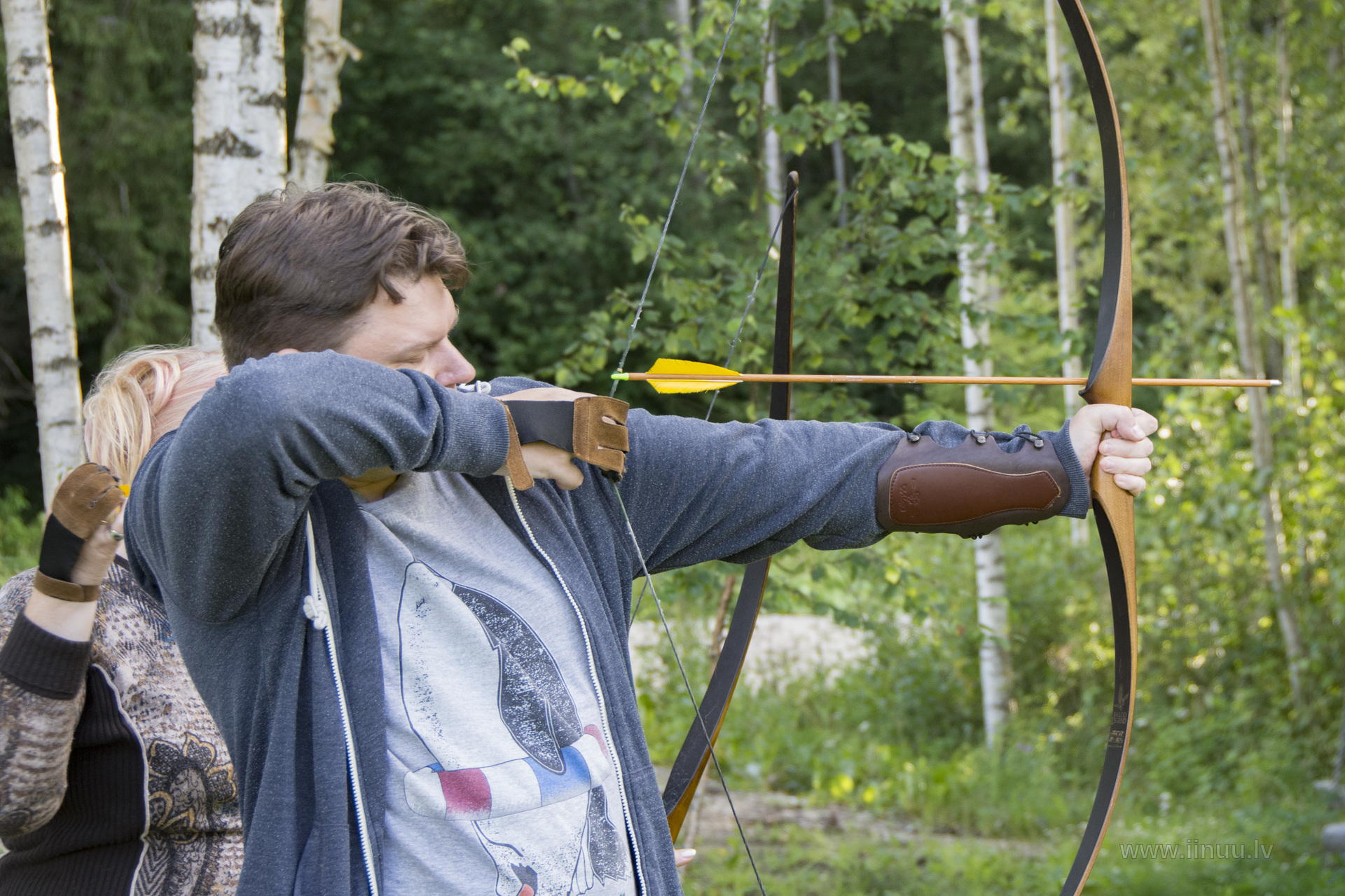
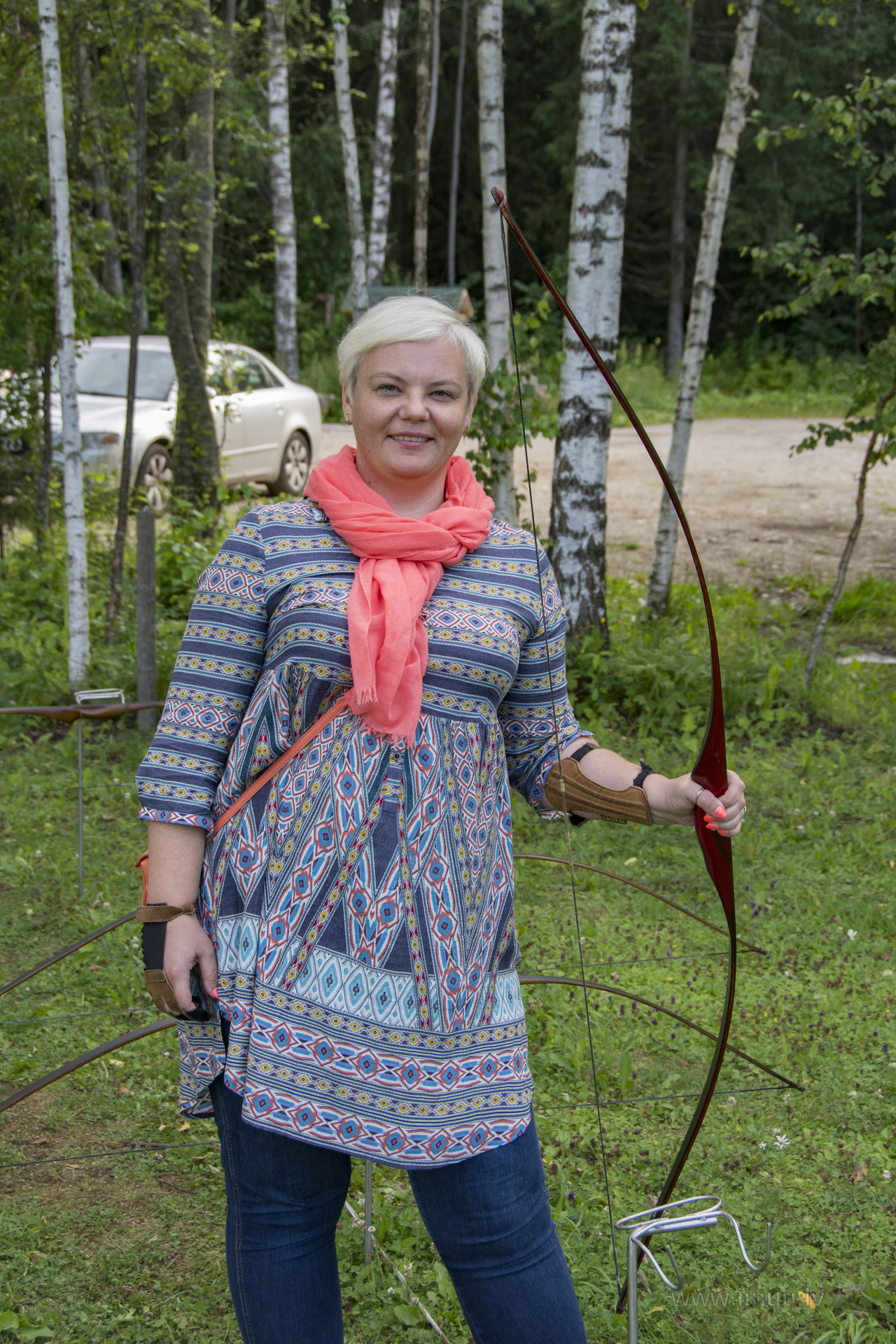
Expectations were not particularly high, but in the end it all turned out to be a thoroughly engaging event, thanks to the instructor Pēteris Gribulis (also in the photographs). He very patiently and step by step explained the three types of bows, the shooting techniques, and safety measures.
We began with the traditional bow. We strapped on arm guards, pulled finger tabs onto our right hands, and learned how to stand correctly - left shoulder toward the target - to draw the string to the cheek, and to aim using the metal bead mounted on it. The bow is quite comfortable, light to hold, and the string draw is reasonably easy.
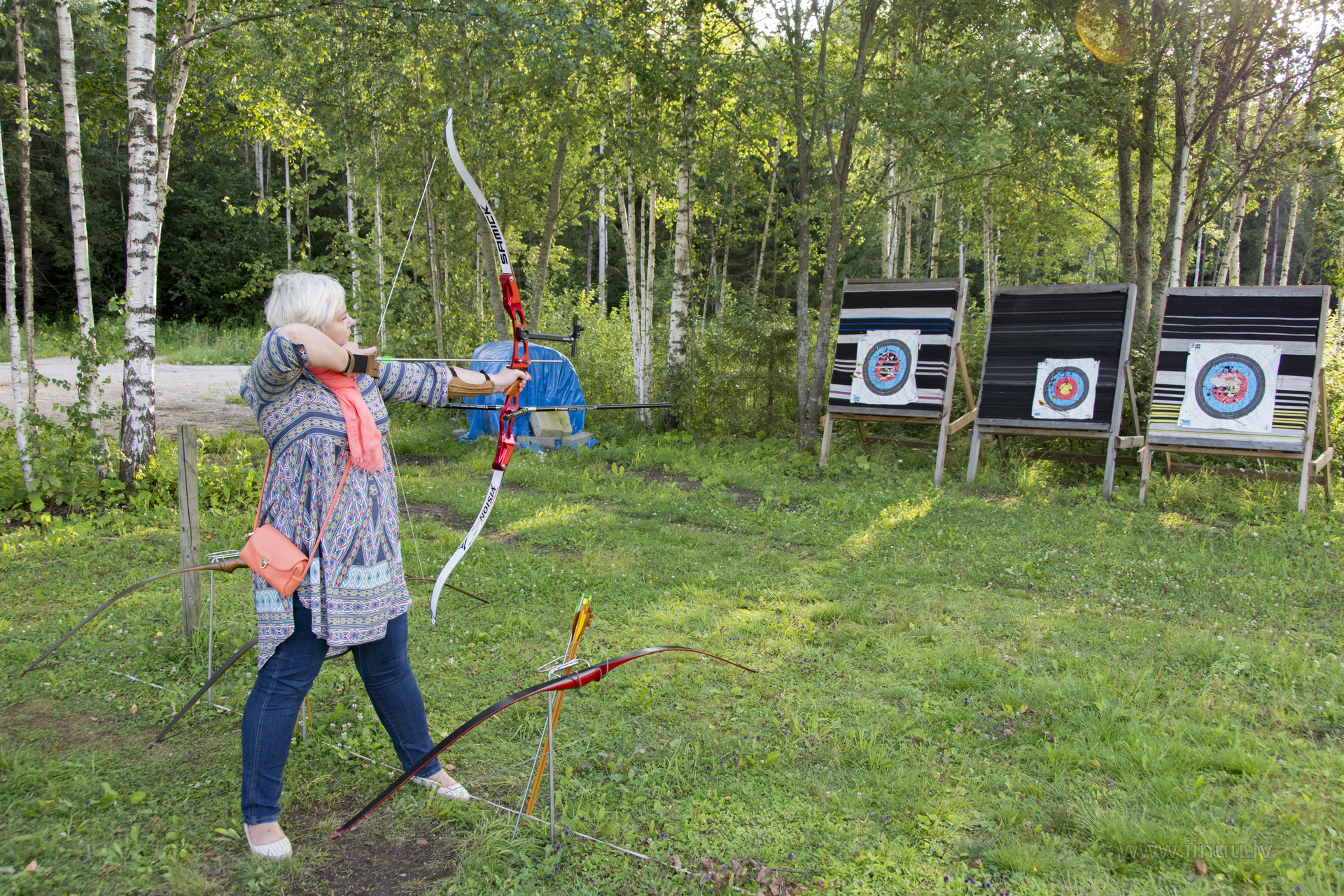
The second was the Olympic recurve bow, which is usually assembled from parts and individually adjusted for each archer. Quite heavy - keeping it extended in the left hand required effort, as a sizeable and heavy stabiliser was attached to the bow. Shooting was done with aluminium and carbon arrows, which are very light and even appeared rather delicate. Aiming was now through a sight, not by eye.
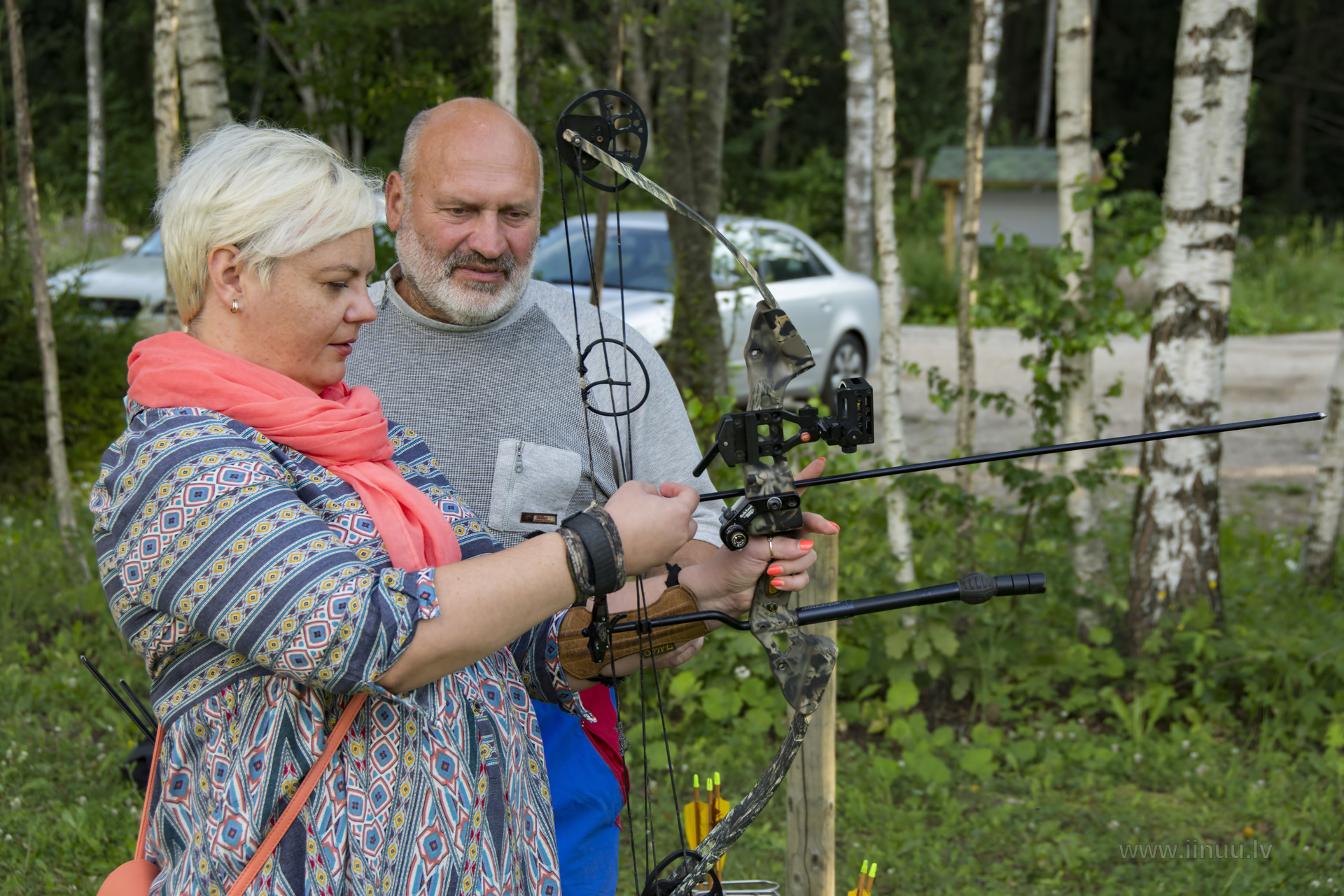
The third - the compound/hunter's bow, considerably more accurate in shooting and with a stronger arrow impact on the target (difficult to pull out). Its characteristic is that the string draw is very difficult at first for an untrained person but becomes much easier later on. The bow is intended for long waiting and long aiming; the arrow is released not by hand but by the attached mechanical release. If only that strength were still in my arms - this bow was subjectively the most interesting to me.
A truly interesting pursuit - more information or bookings at the sports club Amazones website: www.amazones.lv/klubs/filiale-laubere. This activity for two people costs around 30 euros.
comments