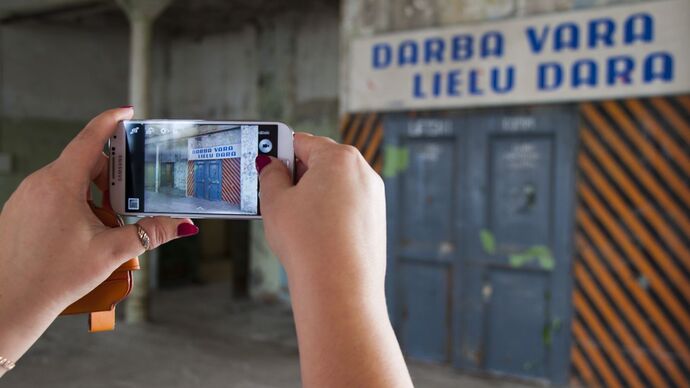
SURVIVAL KIT 2014 at the Former Boļševička Textile Factory Building in Sarkandaugava
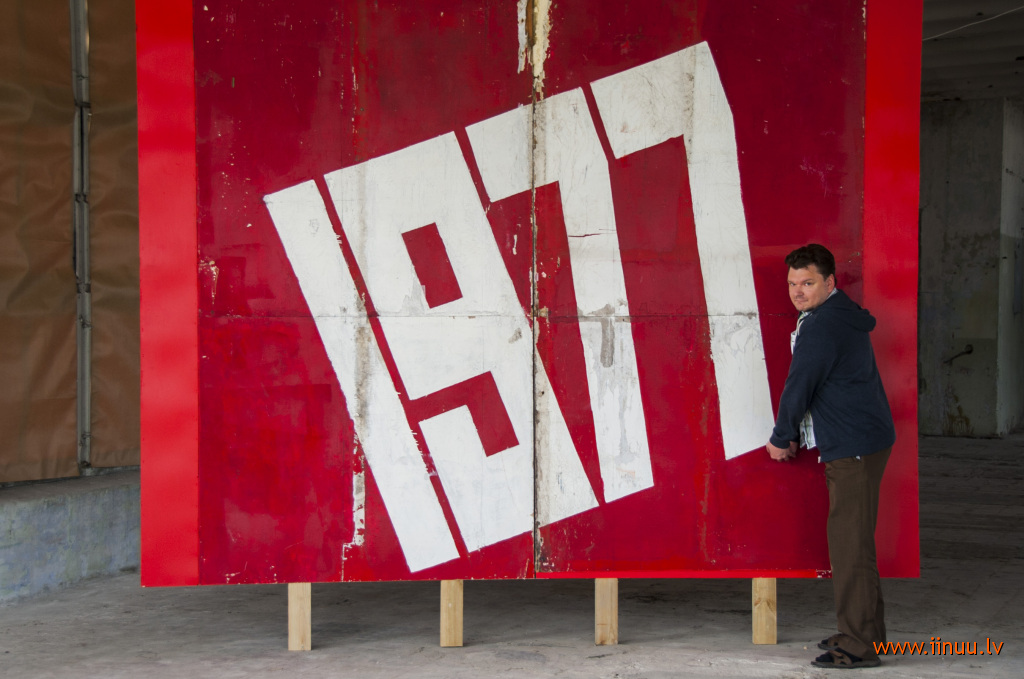
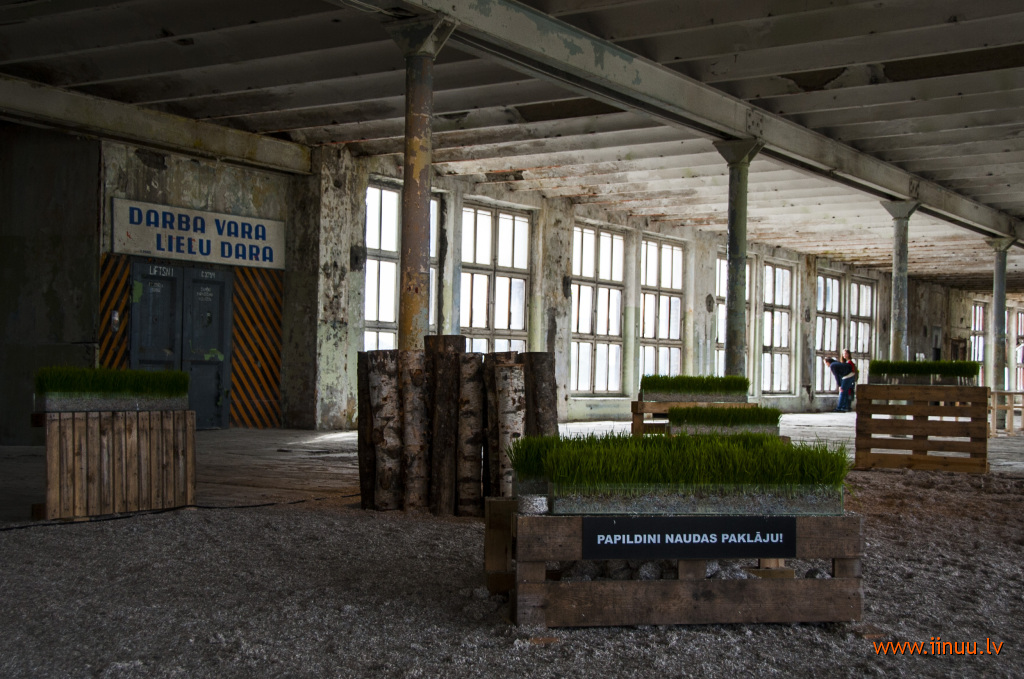
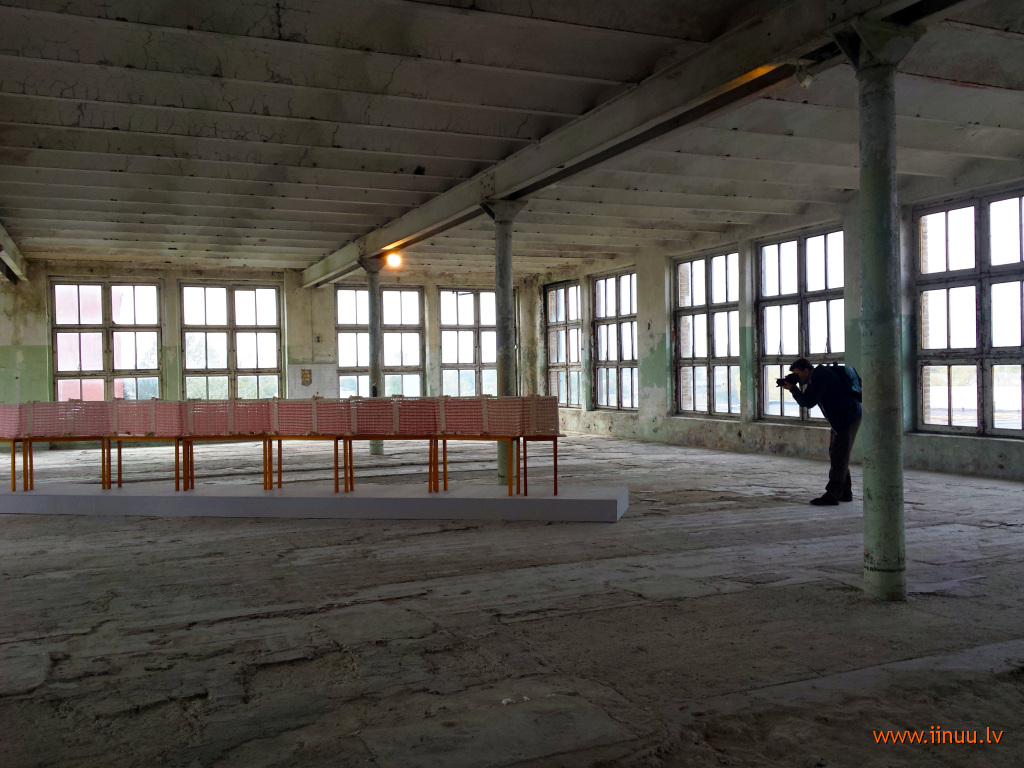
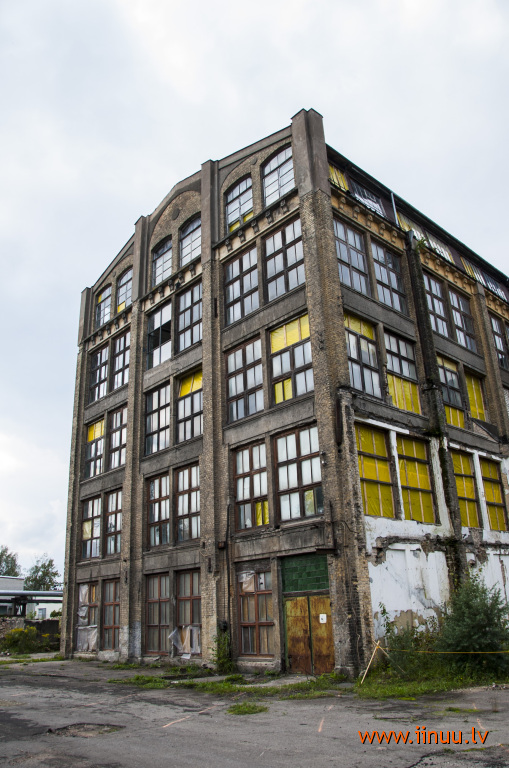
The venue hosting the international contemporary art festival SURVIVAL KIT this year is itself worthy of a separate story. The installations are arranged in the spacious grounds and building of the former textile factory "Boļševička", which was built at the start of the 20th century as the "Buffalo" leather footwear factory. The spaciousness, industrial spaces, and light of the building are ideal for displaying art works.
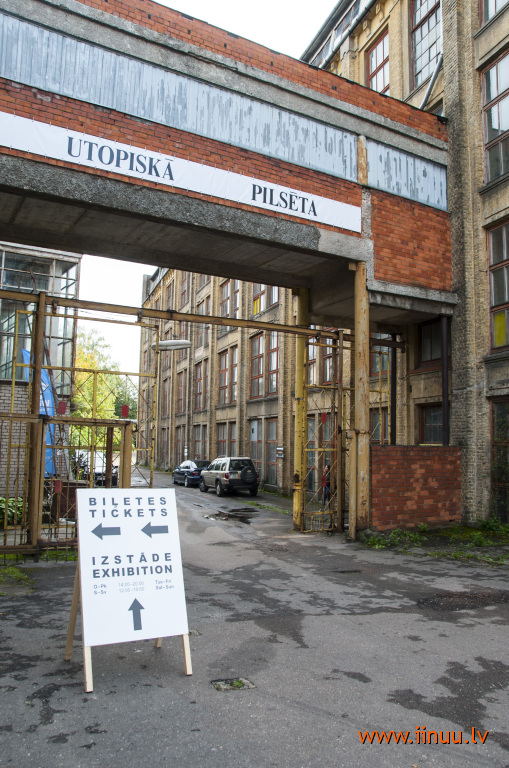
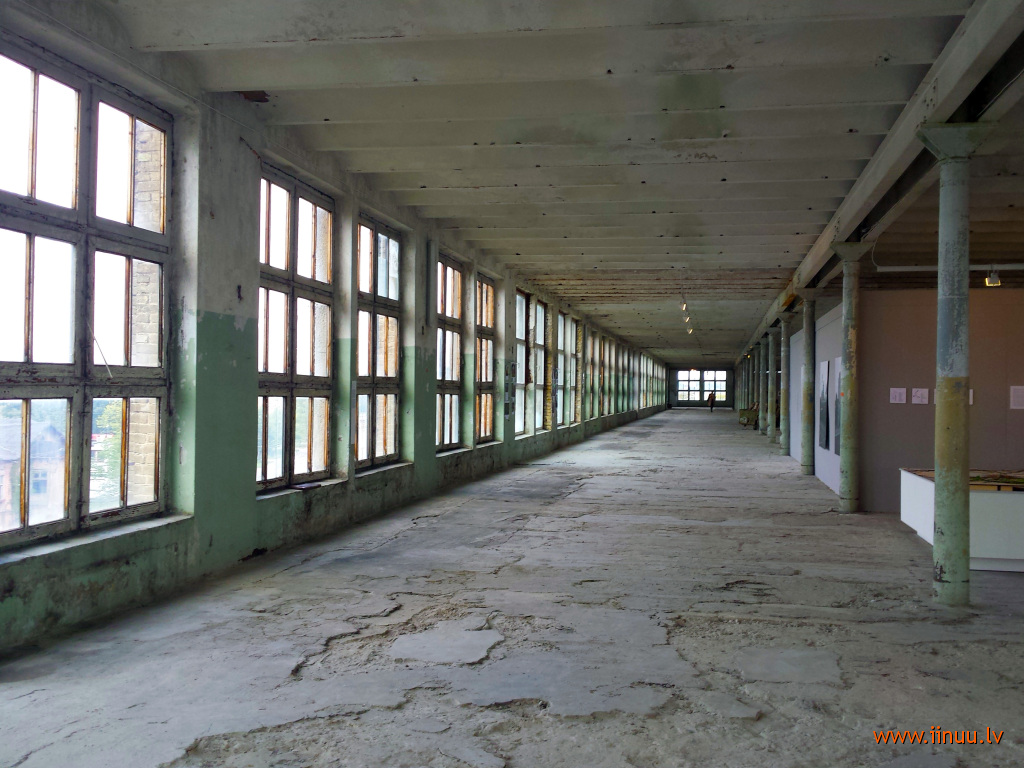
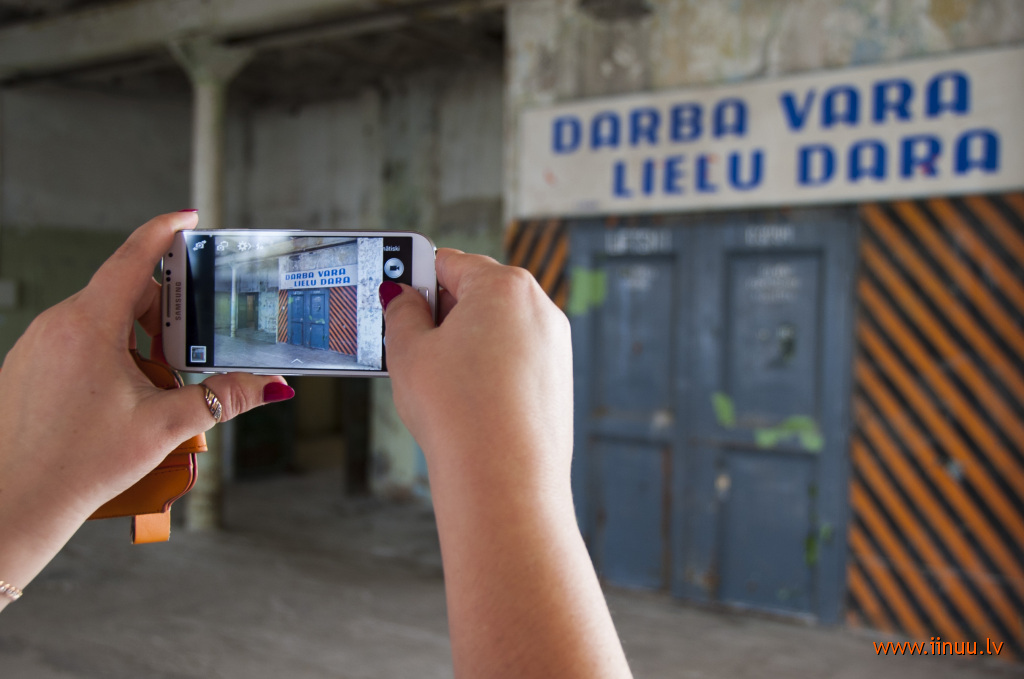
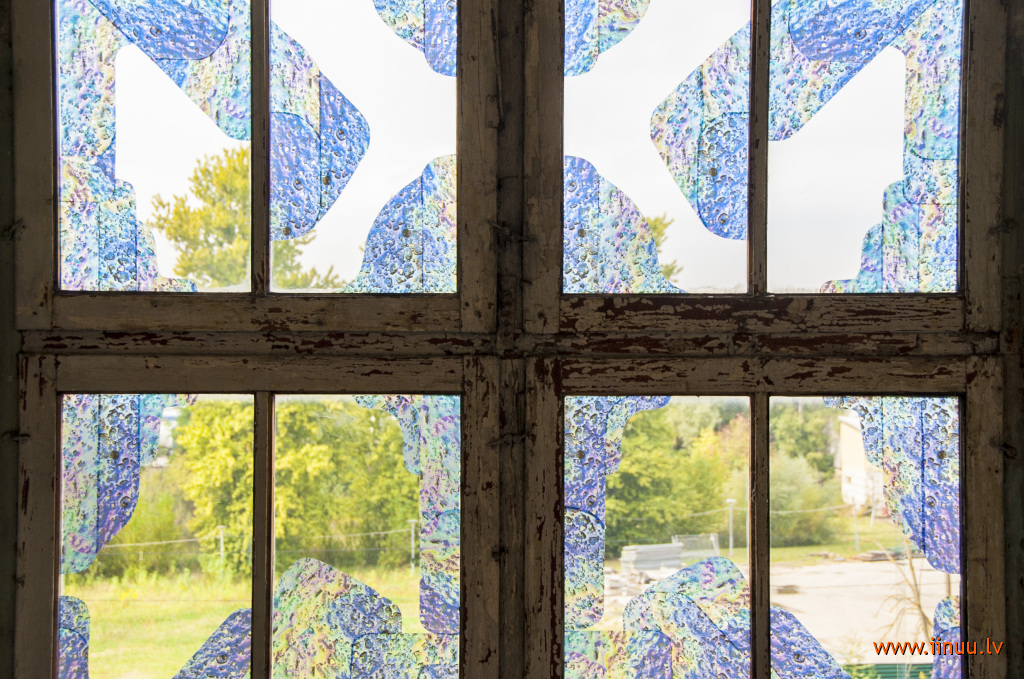
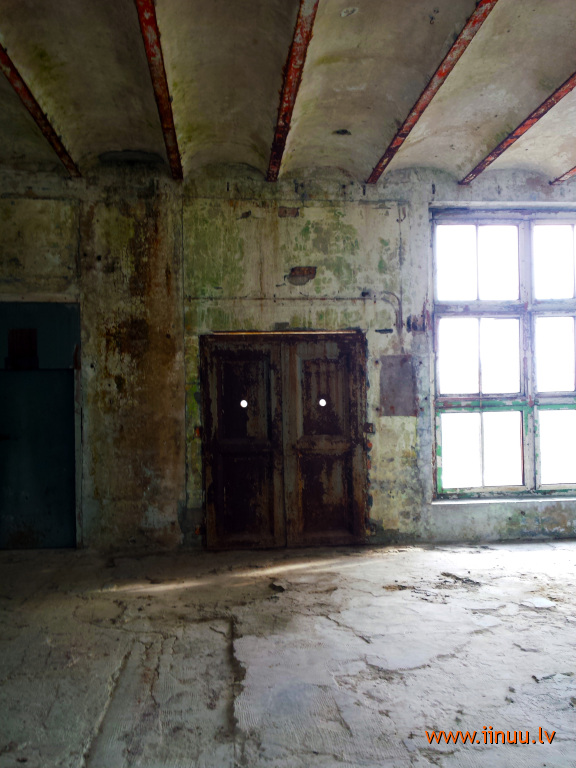
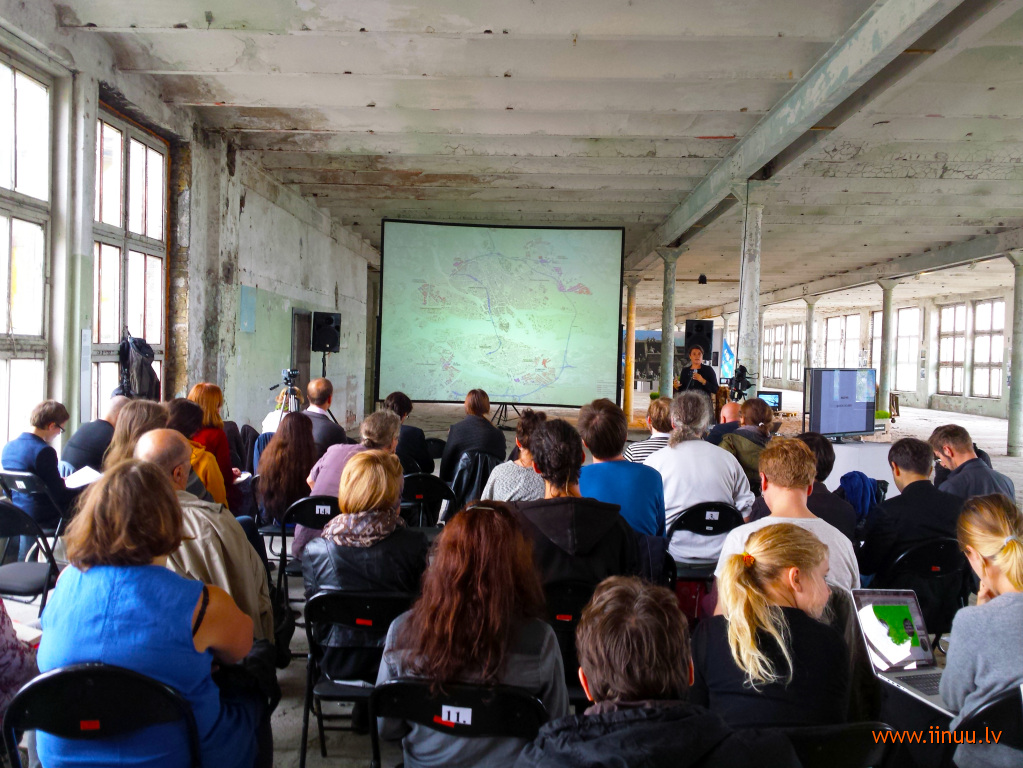
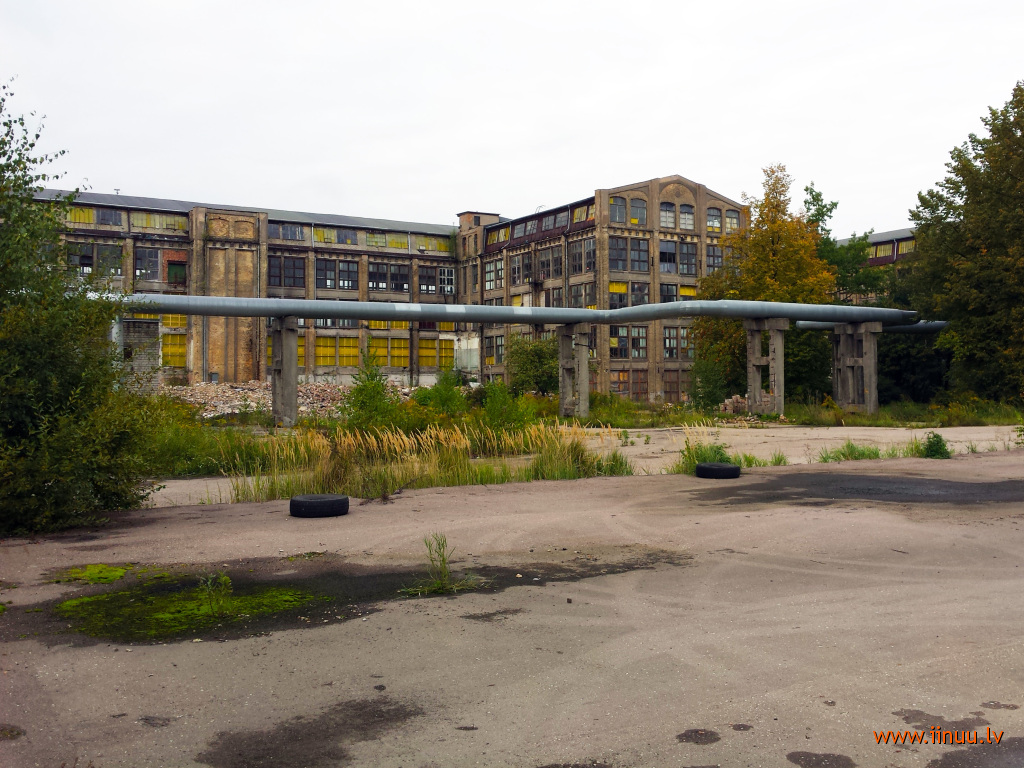
The venue hosting the international contemporary art festival SURVIVAL KIT this year is itself worthy of a separate story. Both the symposium "Urban Utopia", held on 13 September, and the works of many artists, the installations, are arranged in the spacious grounds and building (18, 19) of the former textile factory "Boļševička", which was built at the start of the 20th century as the "Buffalo" leather footwear factory. At the beginning of the last century, coal was delivered to this factory's furnace by large barges along a tributary of the Sarkandaugava river, which is now almost completely silted up, polluted, and overgrown - just like the river itself. Despite its abandonment, the building is spacious, flooded with light through its large glazed windows, and, thanks to the massive metal and concrete structures, stable.
The building's history is narrated by its custodian Aldis Sīpols; video by Linda Veinberga
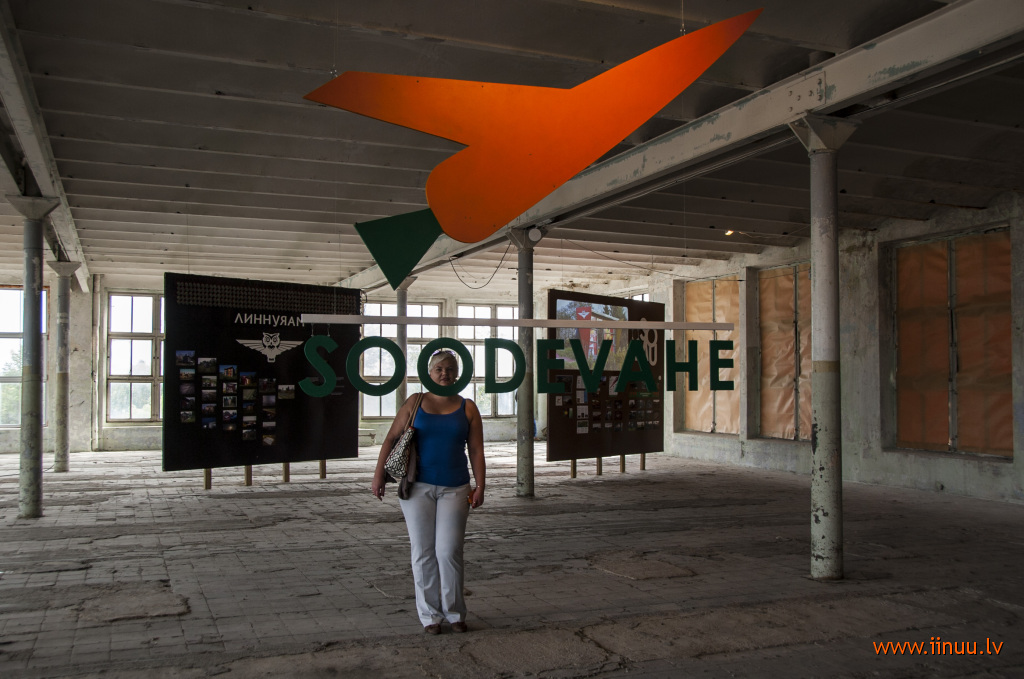
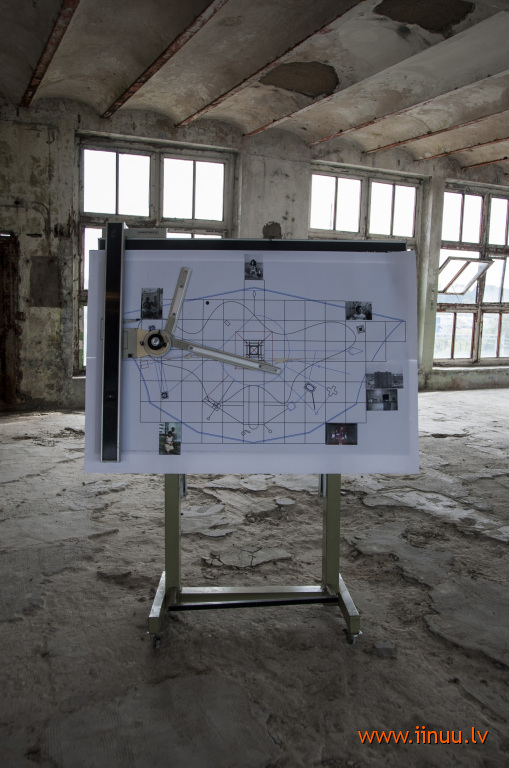
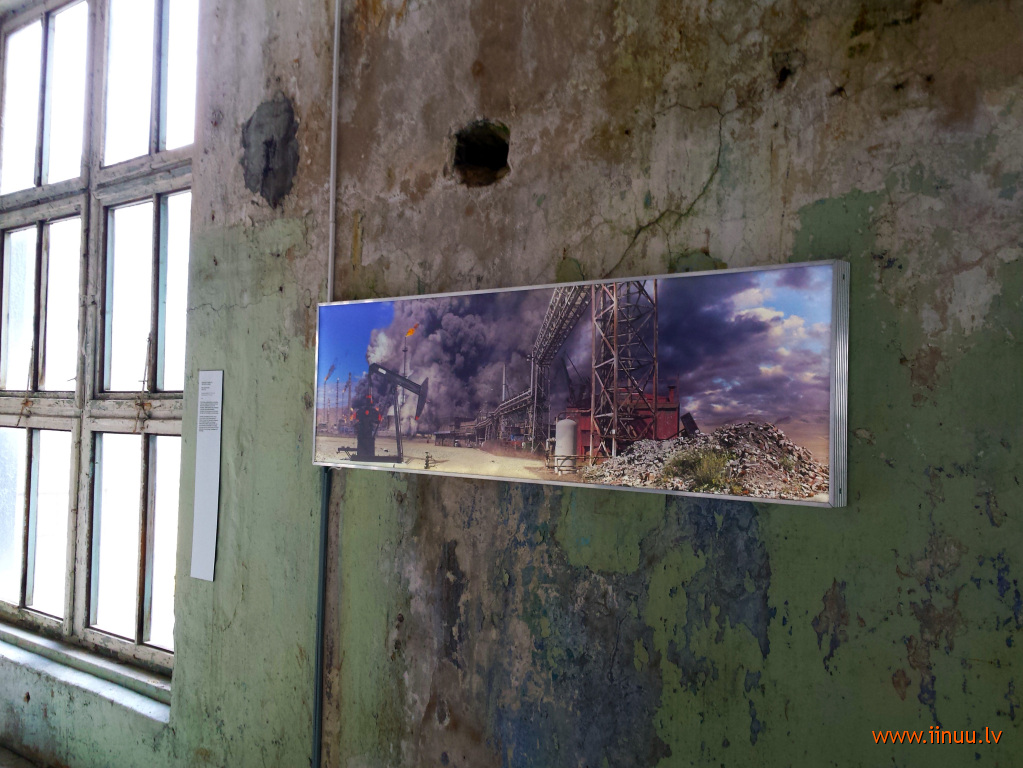
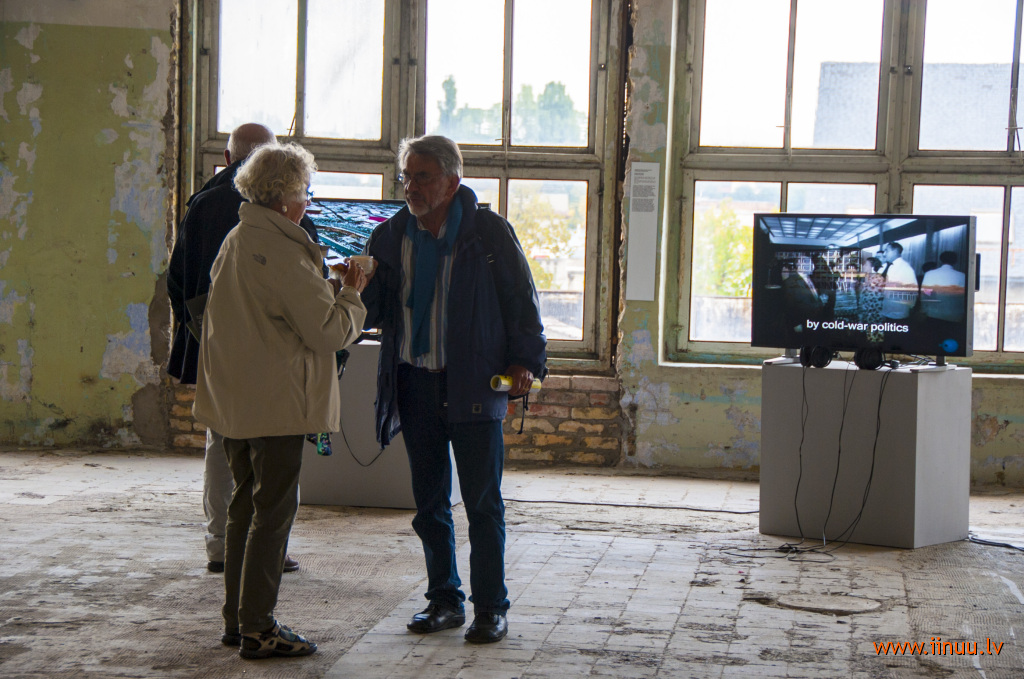
The spaciousness, industrial spaces, and light of the building are ideal for displaying art works. On view here is a work by Estonian independent artist Timo Tots (4), depicting one of Tallinn's most unique districts - the Sodevahes village, which developed illegally as a seasonal settlement of small houses and farmland near the airport. Also on display are urban and natural landscape photographs by Latvian photographer Reinis Hofmanis.
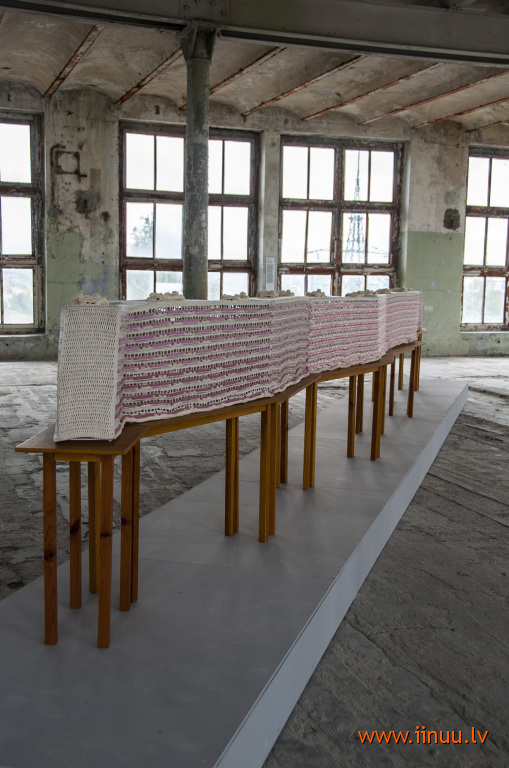
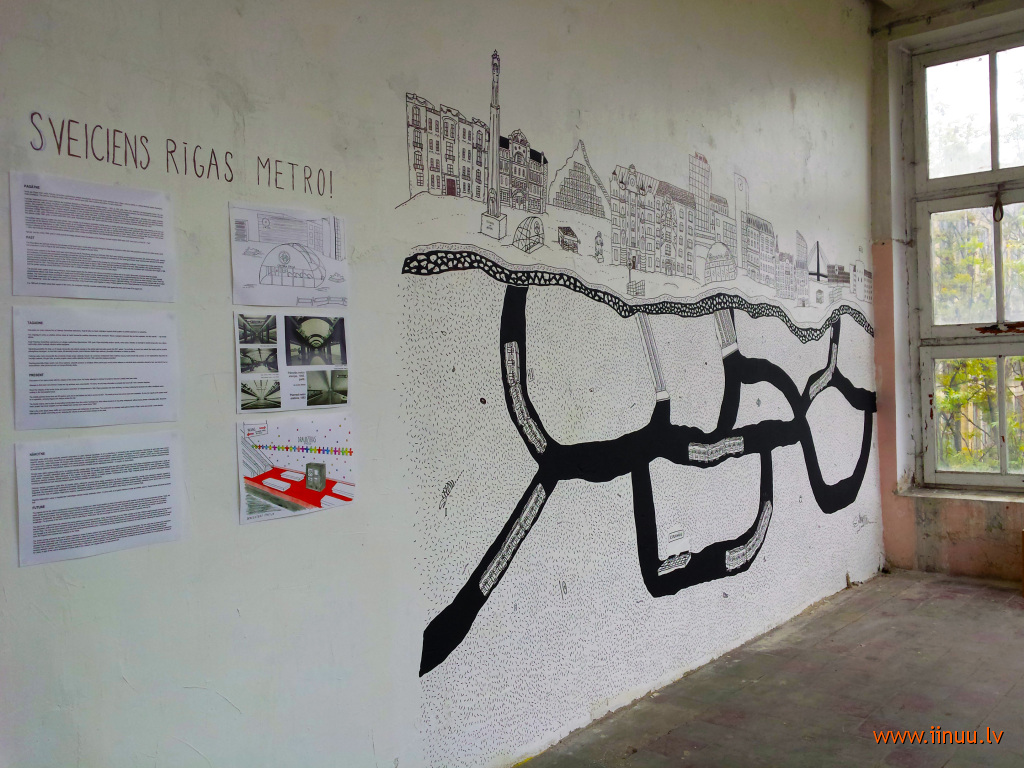
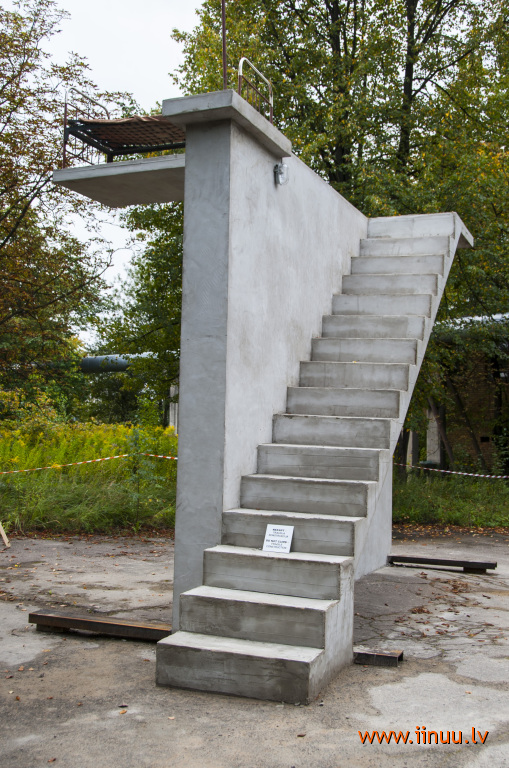
There is also a distinctive project by Polish artist Julita Wójcik (10, 11) - a crocheted building, a prototype of the longest apartment block of the 1970s in Gdańsk's Przymorze district. In the utopian city one could also discover Laurs Ķeniņš's Utopia Metro (17) - an idea that was conceived and even seriously planned in 1970s–1980s Riga for a metro to be built under the city. The first phase was intended to be completed in the 1990s, with all metro lines to open by 2021.
A Kurdish artist and musician from Iraq has created the installation "One-Room Flat" (20) - an example of the new forms of domestic life that entered Iraq in the wake of the Gulf War, the new political order, and the influence of the market economy. A new way of life emerged that differs dramatically from the earlier sense of community. This installation reconstructs a building recently built near mine fields in the Kurdistan region.
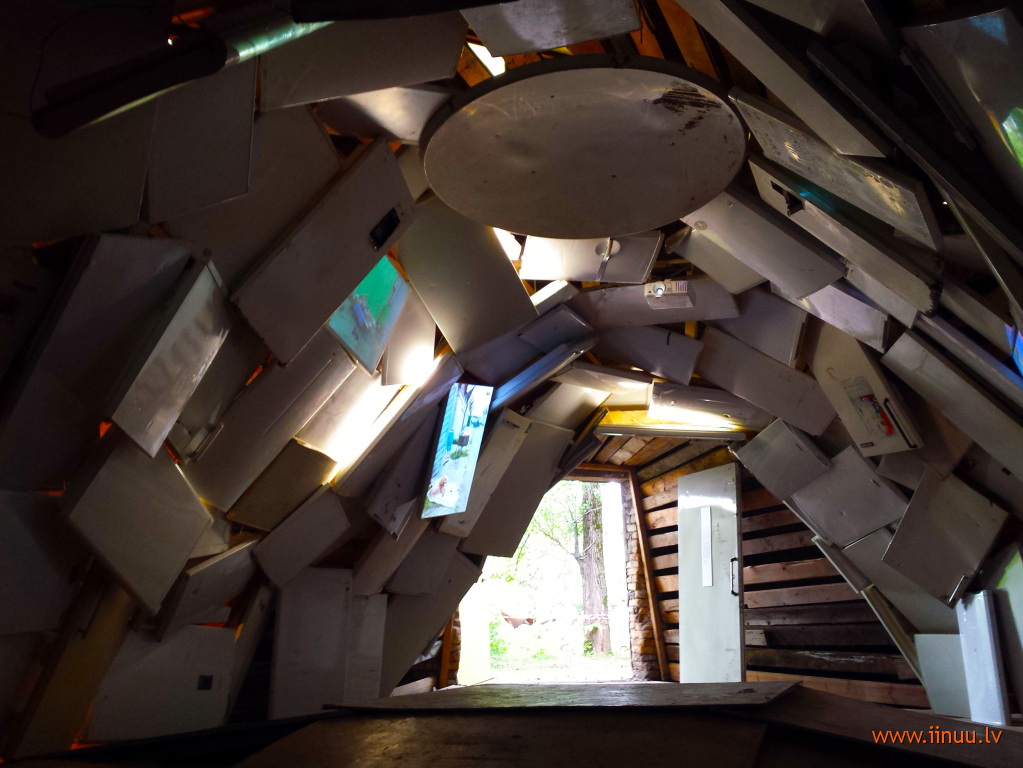
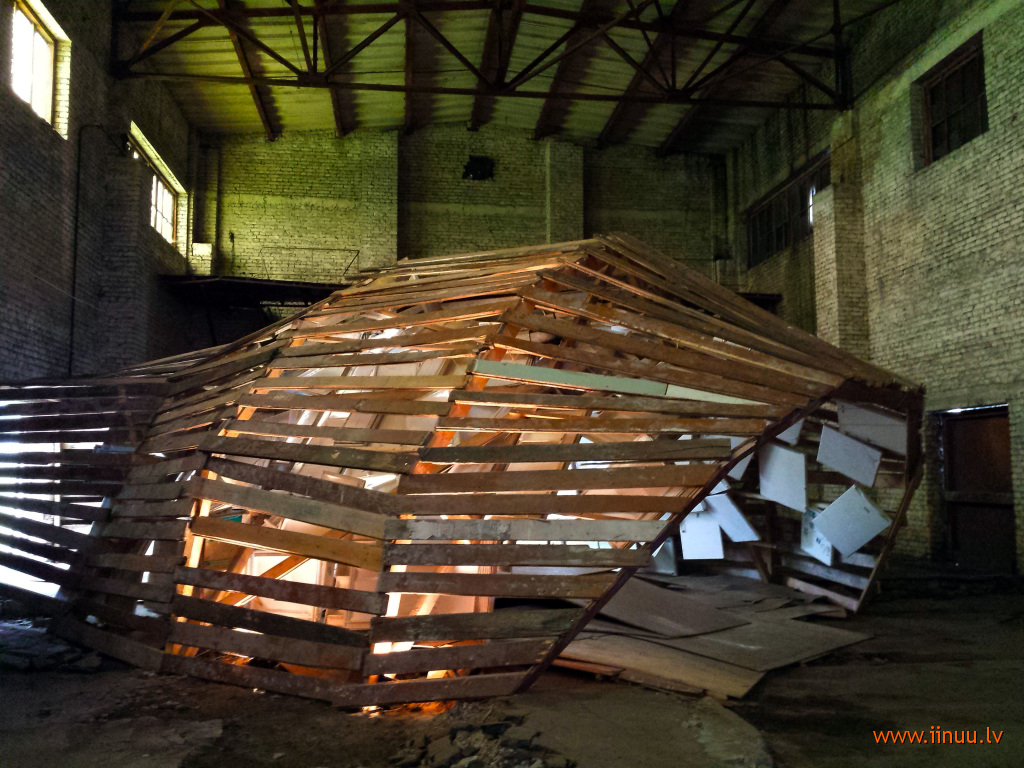
The project "Untitled" (21, 22) by Katrīna Neiburga and Andris Eglītis speaks audibly, visually, and in every other way - and it is all about and around refrigerators. Why not build a house out of refrigerators?! "Old refrigerators cost nothing, but they are ideal thermal insulators."
You can still view these and other works until 27 September in Sarkandaugava and at Wagner Hall in Old Riga. Adult admission: EUR 2 (one ticket is valid for both venues).
"With cities it is just as with dreams: one can dream everything one can imagine, but even the most unexpected dream is a puzzle concealing a desire or its opposite - fear. Cities, like dreams, are made of desires and fears, even if their narrative thread is mysterious, their rules are absurd, their perspectives deceptive, and everything conceals something else." (Italo Calvino. Invisible Cities. 1974)
comments