Discovering the Wines of the Greek Islands - Crete and Santorini
Being in Greece and not drinking wine is simply impossible - from light table wines of the local region to rounded, full-bodied, sun-drenched, fruit-forward wines aged in oak barrels. Despite the modest size of the islands, wine here is plentiful.
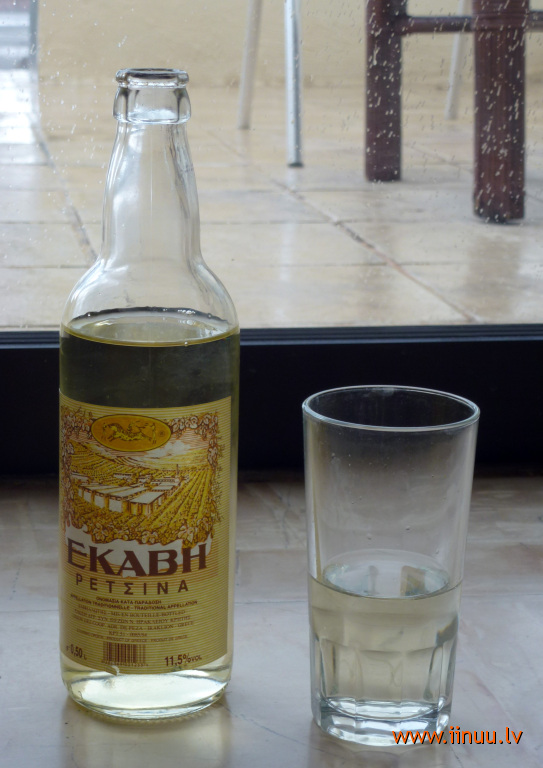
Being in Greece and not drinking wine is simply impossible. Chilled white wine with a muted flavour accompanied every meal at the Amnissos hotel in Crete, where we stayed for a week. At first it seemed the wine was diluted with water, intended as a refreshment for hot summer days, but later in the local shop we noticed that such wine is sold in ordinary 0.5L glass bottles with a metal cap for €1.50 each - and it's not quite as feeble as it seemed: 11.5% VOL.
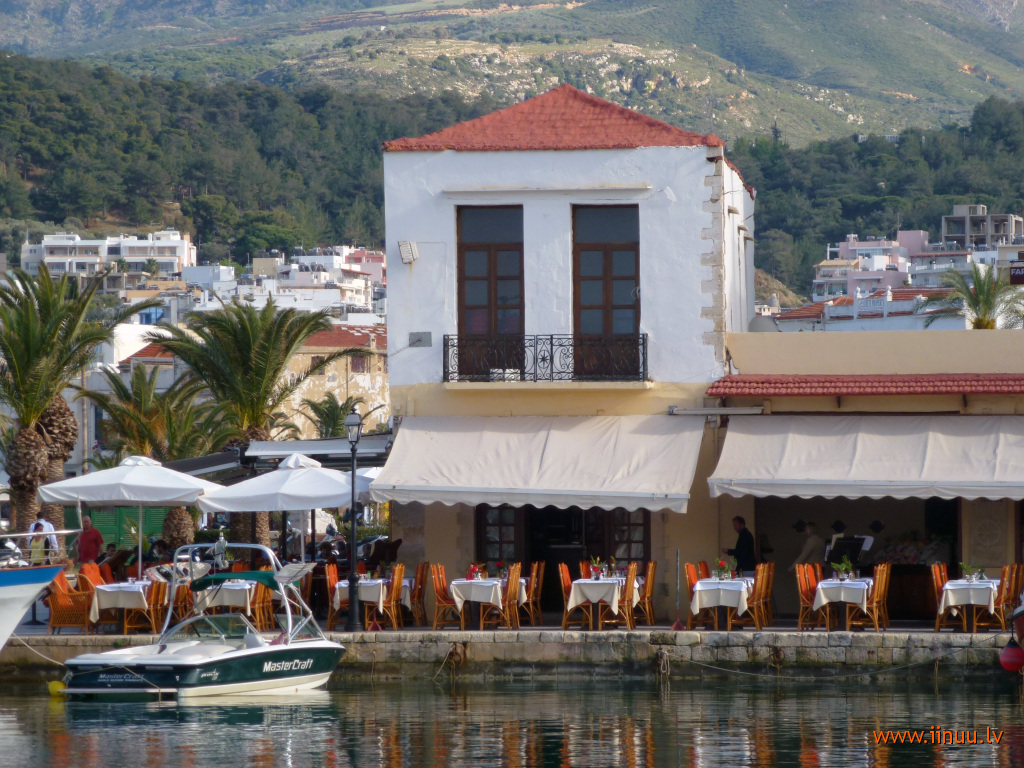
Remezzo Seafood Restaurant in Rethymno
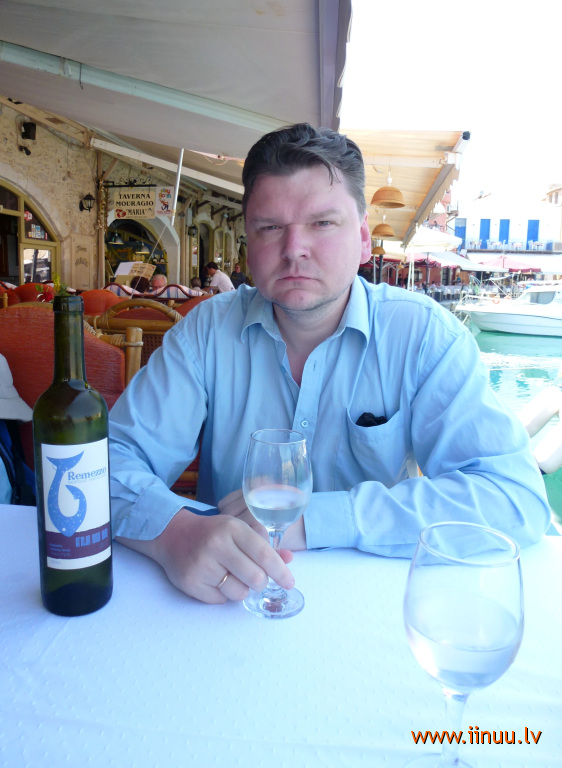
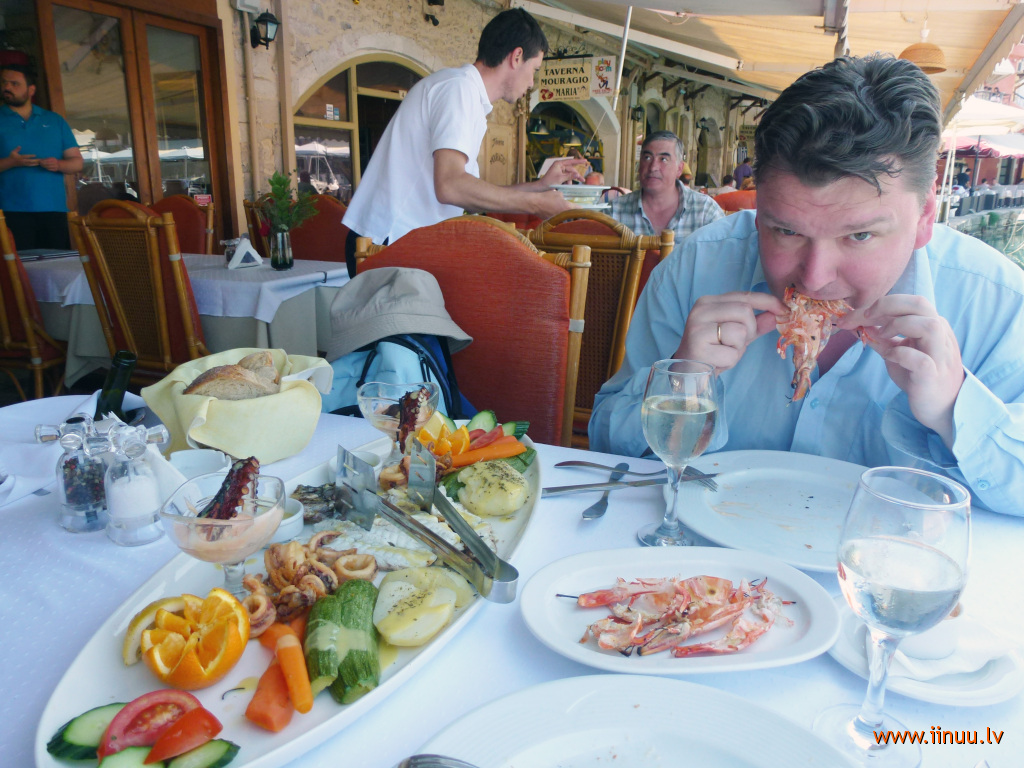
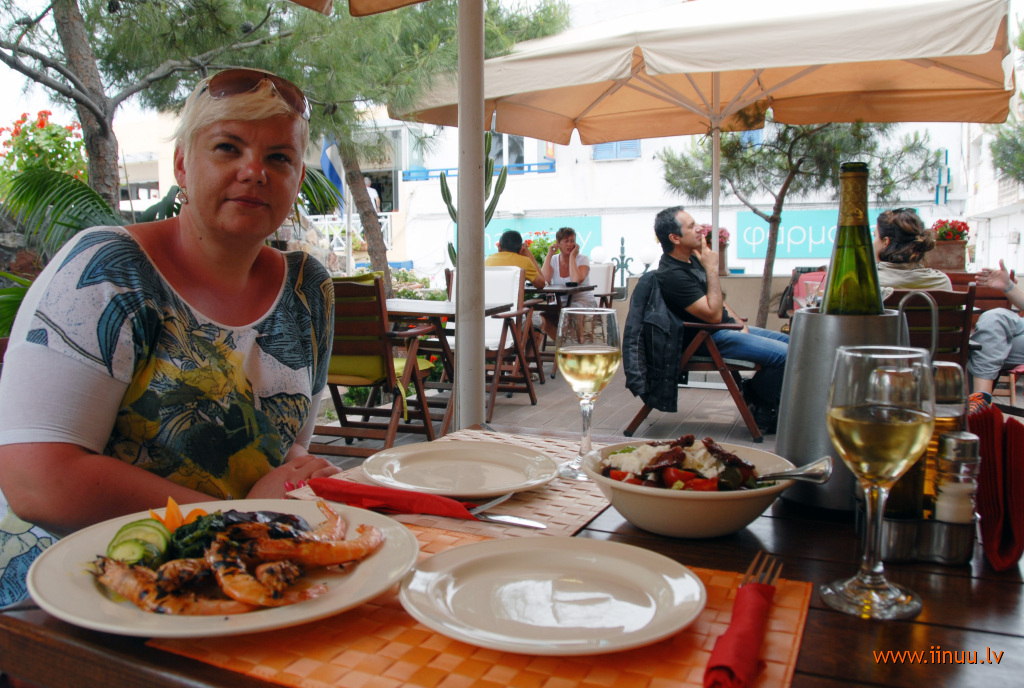
Our first encounter with a reasonably serious wine was at a fish restaurant on the Venetian waterfront in the Cretan town of Rethymno. The bottle bore the Remezzo restaurant label, and beyond the fact that it was a local Cretan dry white wine, nothing more could be gleaned from the waiter. The wine had a pale yellowish colour and a rounded, mineral-rich bouquet. The light-headedness felt after just the second glass indicated that the alcohol content was no trifle either. Remezzo restaurant's wine paired beautifully with the seafood served there - grilled giant prawns, octopus, calamari rings, white fish, and sautéed vegetables.

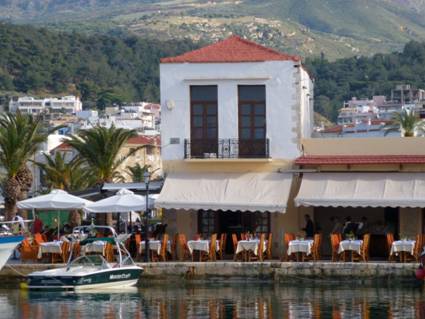
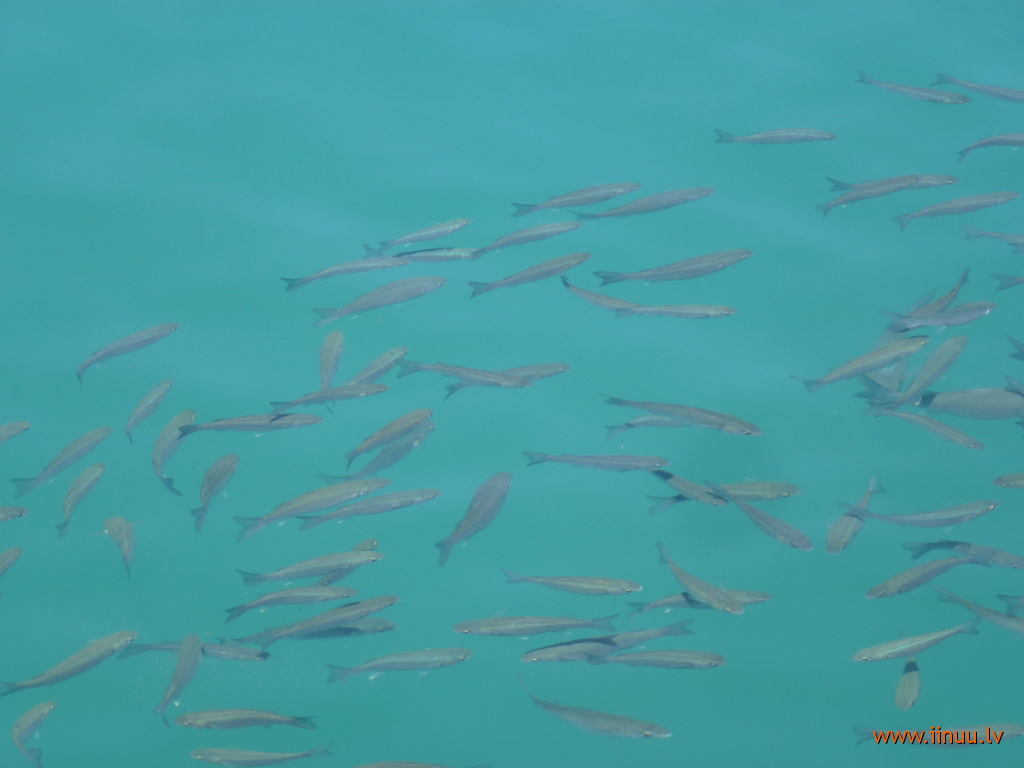
The place is not among the inexpensive ones - we ended up parting with €67 for lunch - but the time spent there is worth it. Fresh air, the sea, and clearly visible shoals of fish swimming at your feet; attentive service; and at the end, a complimentary dessert from the chef. Moreover, you could sit there until midnight without a single displeased glance from the waiters. That kind of leisurely lingering at the table for hours - conversation and wine - is the norm in Crete during the hottest part of the day. Something akin to the Spanish siesta, only the restaurants don't close; the locals simply allow themselves to rest alongside their guests.
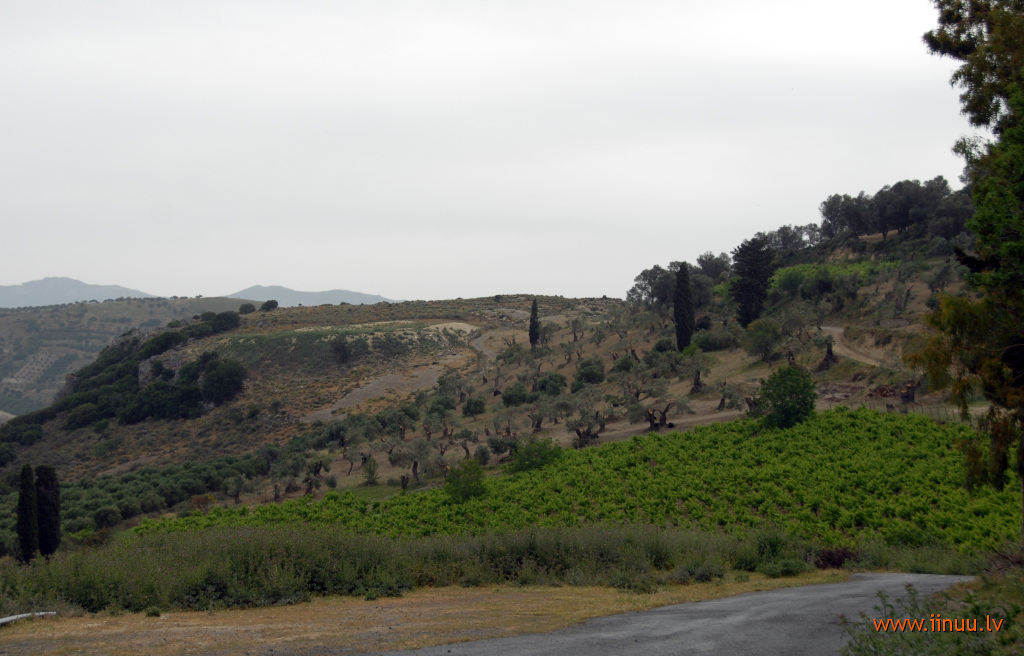
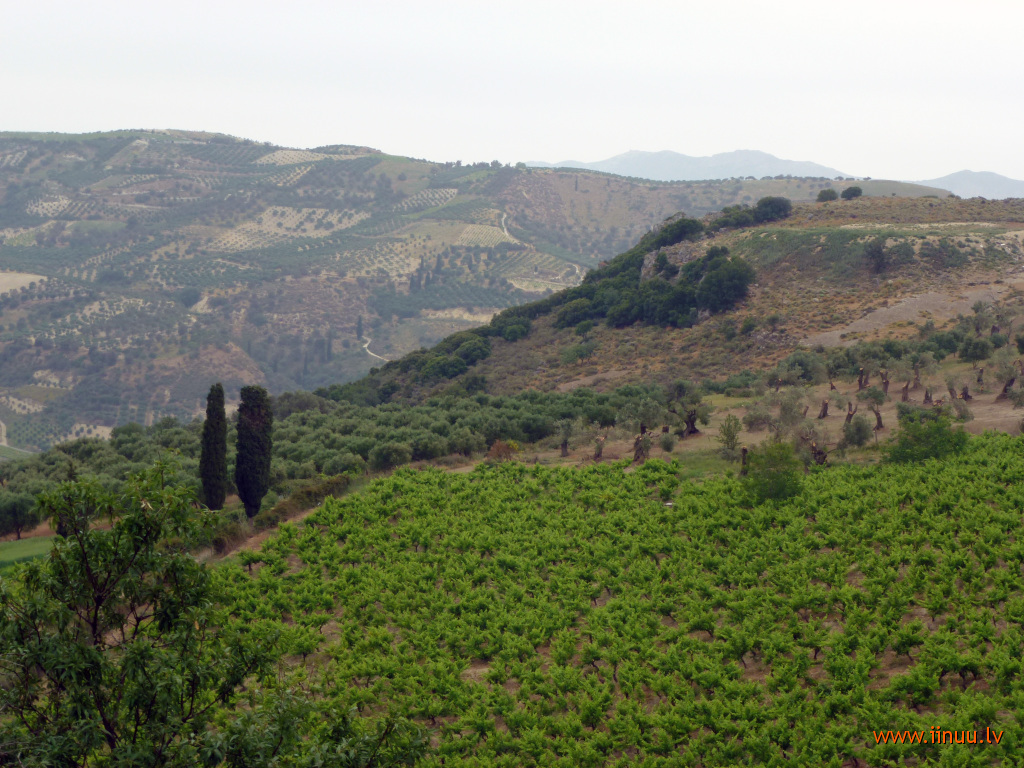
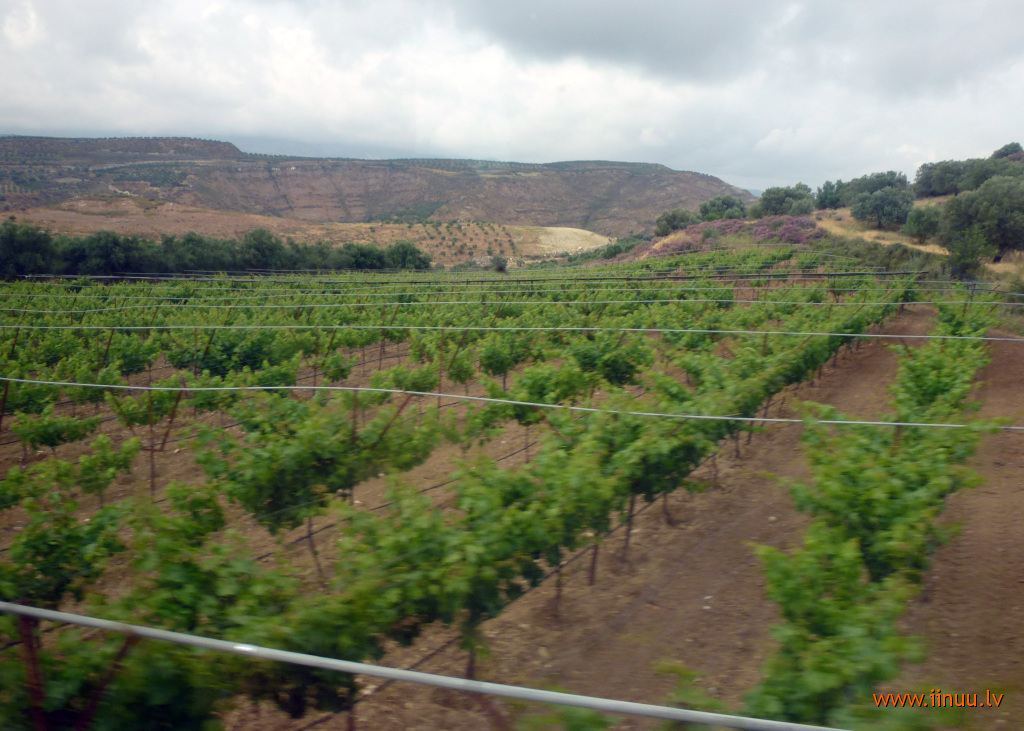
Crete has no shortage of sun, and the vines grow in abundance. The soil, however, must be watered constantly, as in the hottest summer months it dries out irreversibly. Long water hoses stretch through gardens everywhere, channelling water to the vines. In Crete the vines are of medium size, growing both on gentler slopes and on steeper hillsides of the island's mountains.
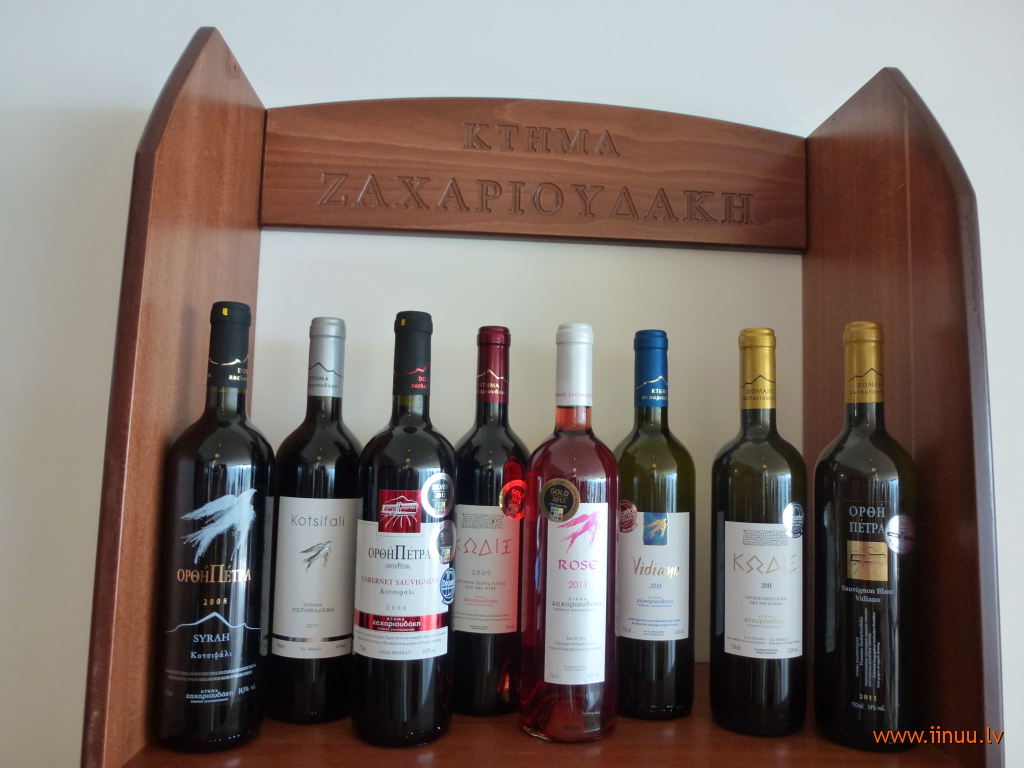
Domaine Zacharioudakis Winery in Crete
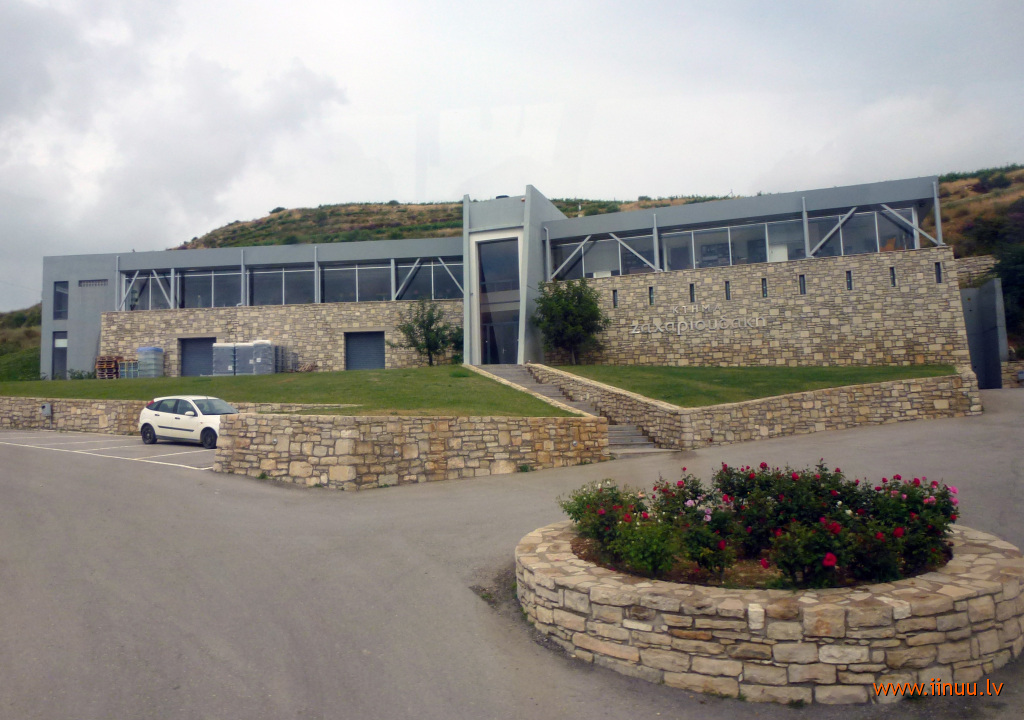
On a drive through the Heraklion area we stopped in at Domaine Zacharioudakis winery, which is perched at the top of a rather steep hill. Initially the bus refused to drive up, as it had just rained and the winding road was quite slippery. But the sun dries everything quickly here - and so we made it up.
The vineyards, covering 2,000 m², are spread across the slopes of Orthi Petra mountain at 500 metres above sea level. Our guide told us that this is one of Crete's largest wine producers and exporters. Domaine Zacharioudakis practises organic farming and, as they themselves like to emphasise, does not focus on mass production.
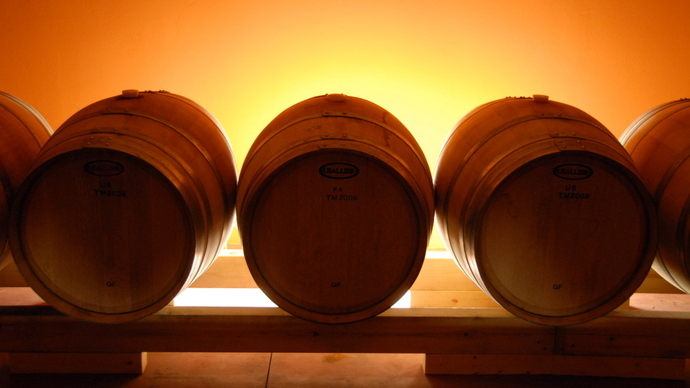
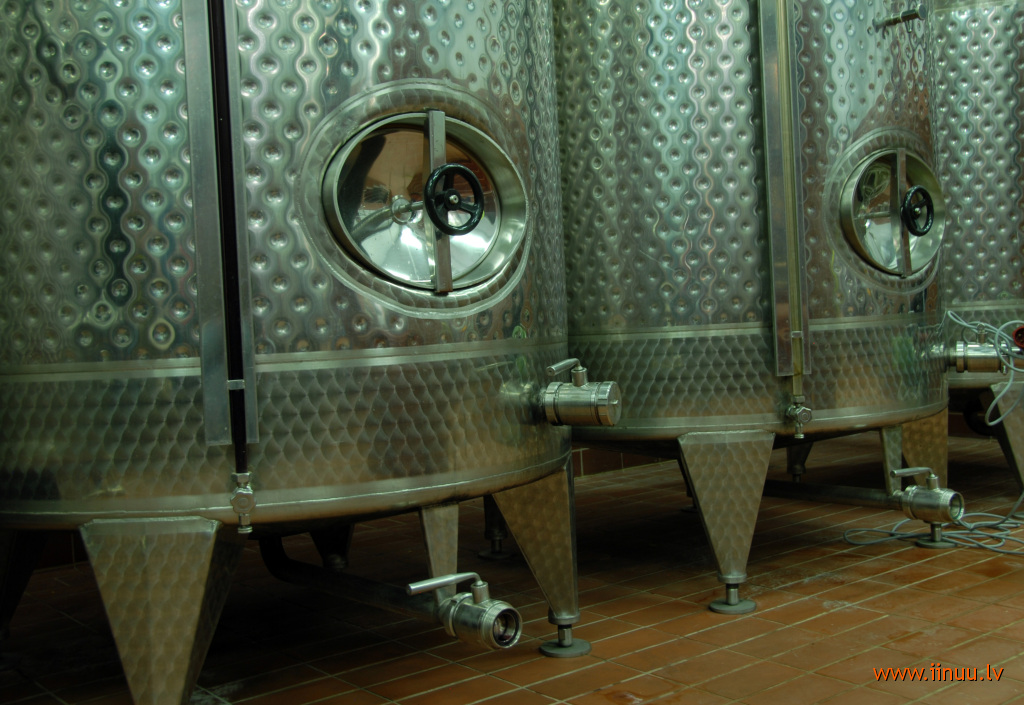
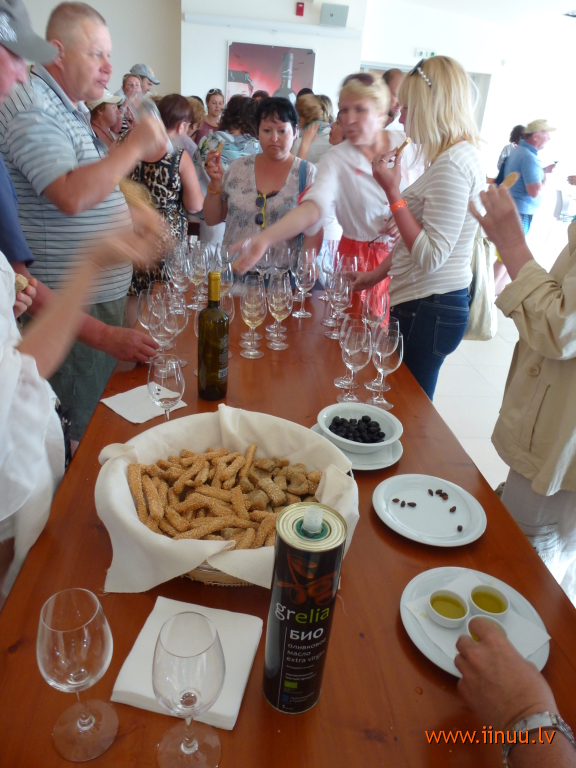
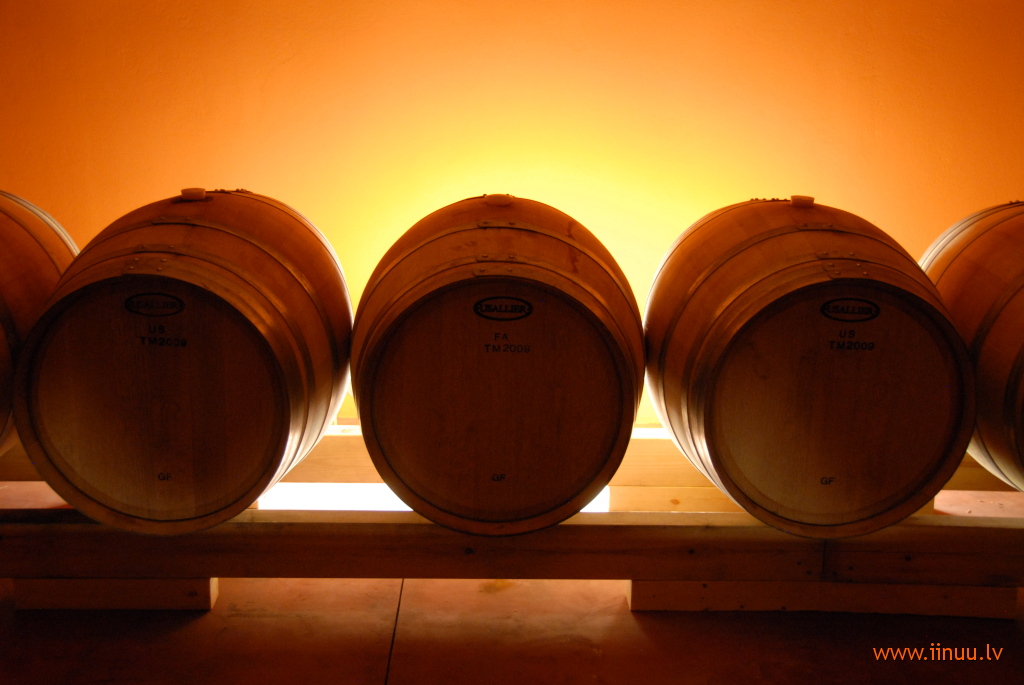
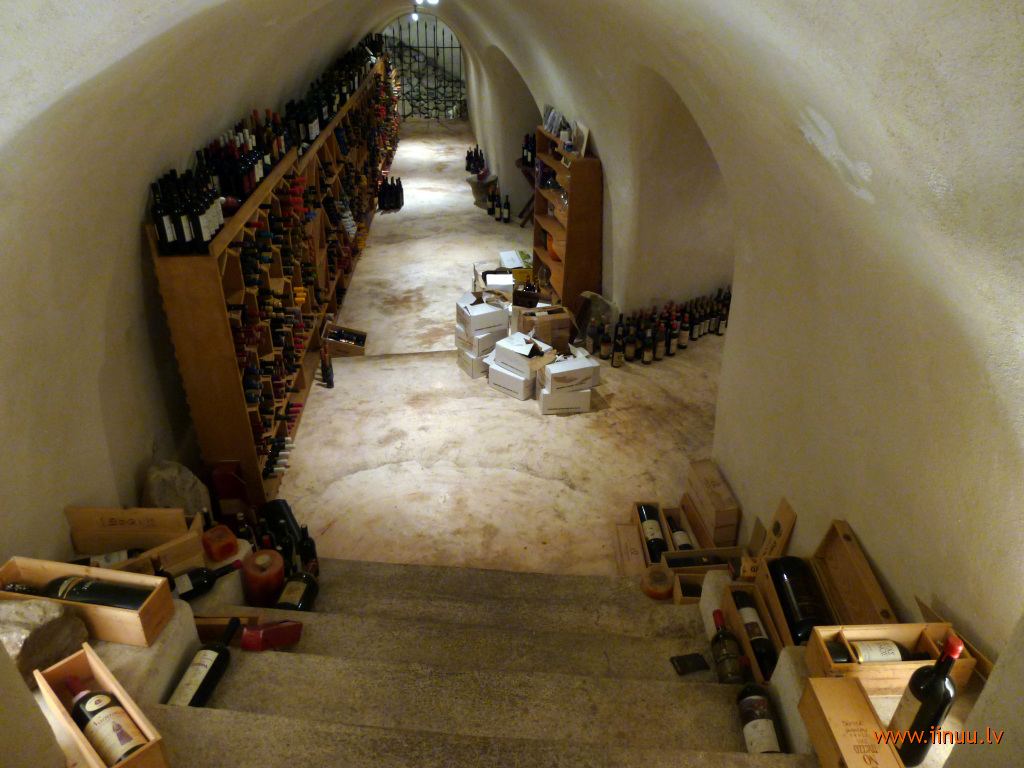
The winery tour was rather cursory, as the guide was not a winery representative but a Greek tour guide whose strong suit was definitely not wine culture. And the crowd of visitors directed their attention more towards the tasting room than towards the oak barrels lined up in the cellar and the grape variety names written on little black boards.
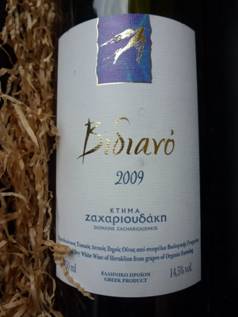
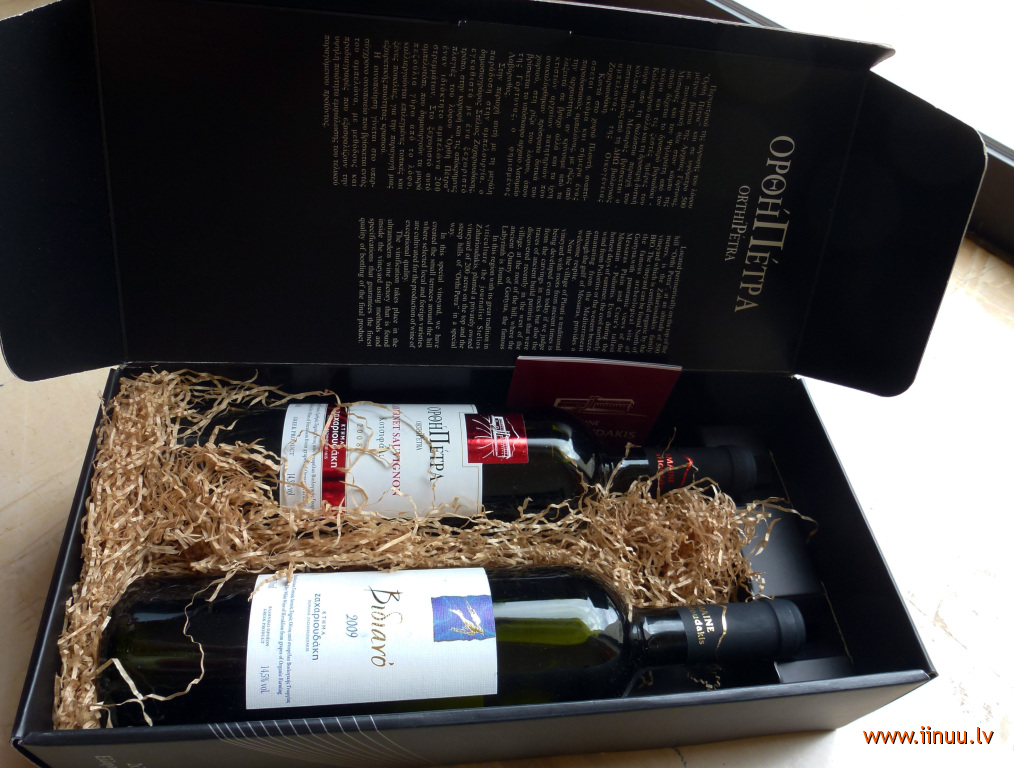
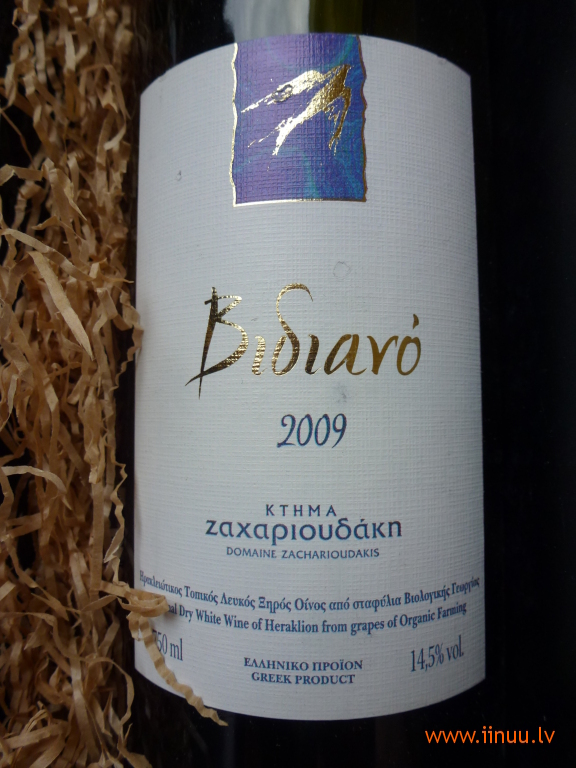
The winery shop stocked eight types of wine. We chose two, each at €14 per bottle. The dry white wine Domain Zacharioudaki Vidiano 2009 (14.5%), aged 5 months in new French oak barrels. A richly yellow colour. In the aroma: orange, exotic fruits, a vanilla note. The flavour is rounded with a pleasant tartness. Ideal pairing: fatty fish and white meat. Serve at 12°C.
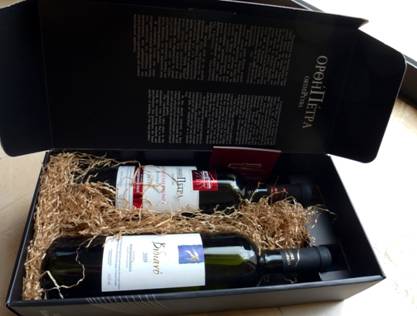
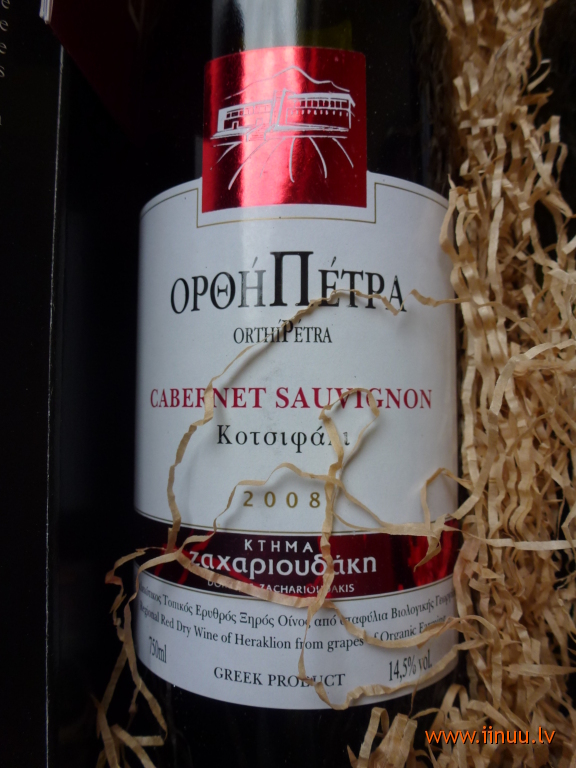
The second, a dry red wine - Cabernet Sauvignon, Kotsifali 2008 (14.5%), a blend of two grapes: Cabernet Sauvignon 60%, Kotsifali 40%. Five months in oak barrels. Deep red colour. Bouquet of ripe fruit and vanilla. Aromatic, fruity, with rounded tannins. Serve at 17°C–18°C with meat dishes or aged cheeses.
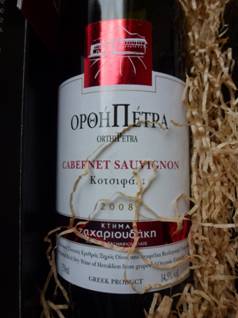
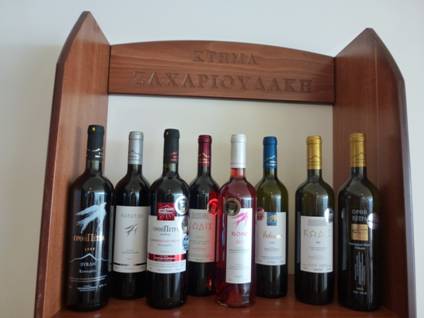
Wineries that are visitor-oriented have the advantage of providing comprehensive printed and digital information about their products in all the major European languages, and the wines purchased are packaged appropriately so they can be safely transported home - even when travelling by plane, with suitcases containing wine bottles that get unceremoniously tossed around at airports.
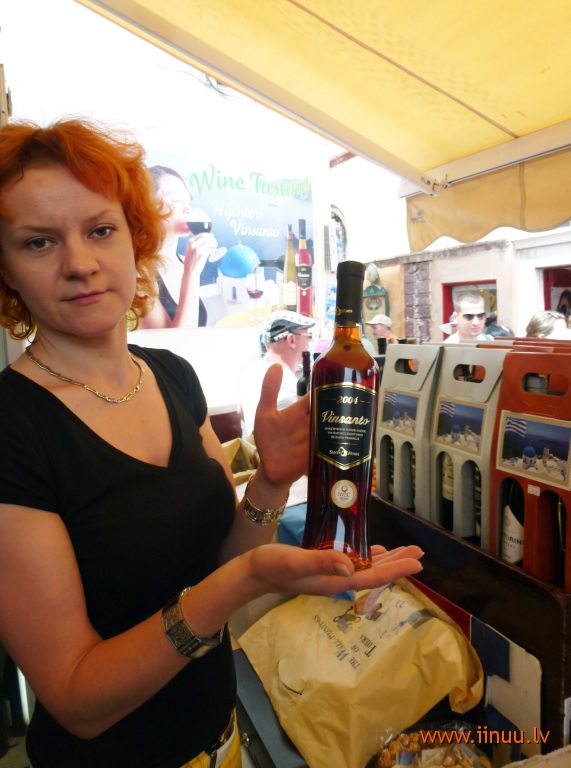
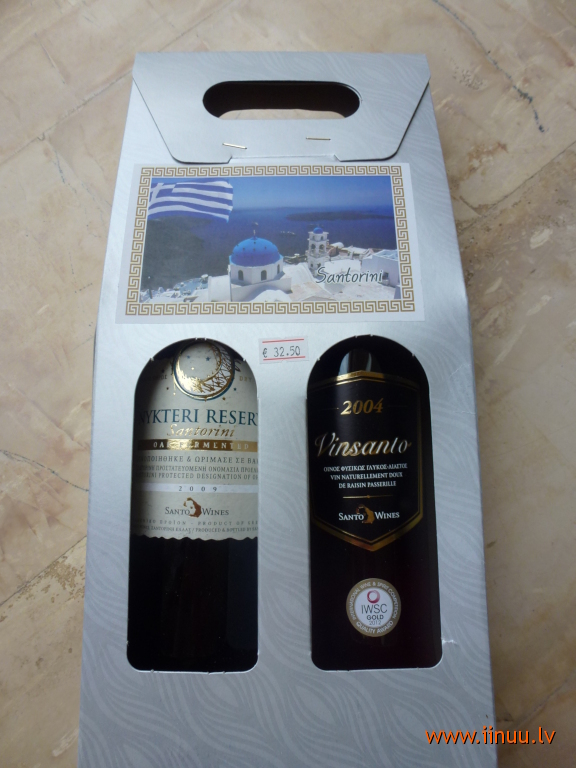
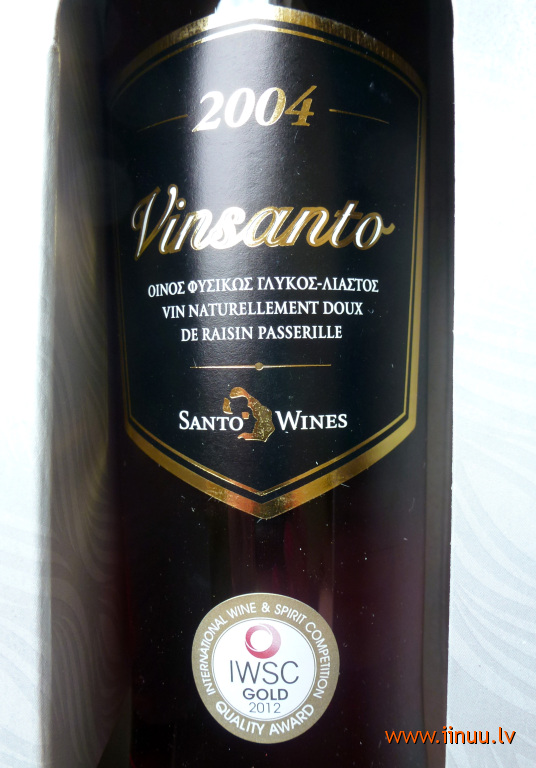
But now for another Greek island and a loss - one of Santorini's most famous wines, Vinsanto (2004), did not, in the end, make it back to Riga with us.
Santo Wines - The Wines of Santorini
Wandering through the Santorini town of Fira, we fortunately stumbled upon restaurant-wine bar Kipos, where dozens of Santorini wines could be explored. Unfortunately, both due to capacity and lack of time, we could not taste them all. We were astonished that such a small island had such a vast range of wines.
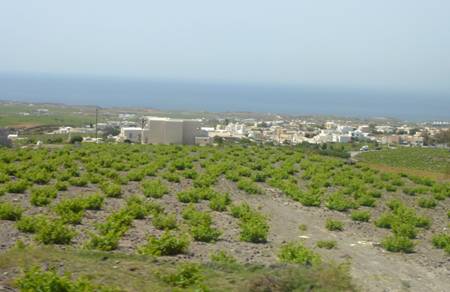
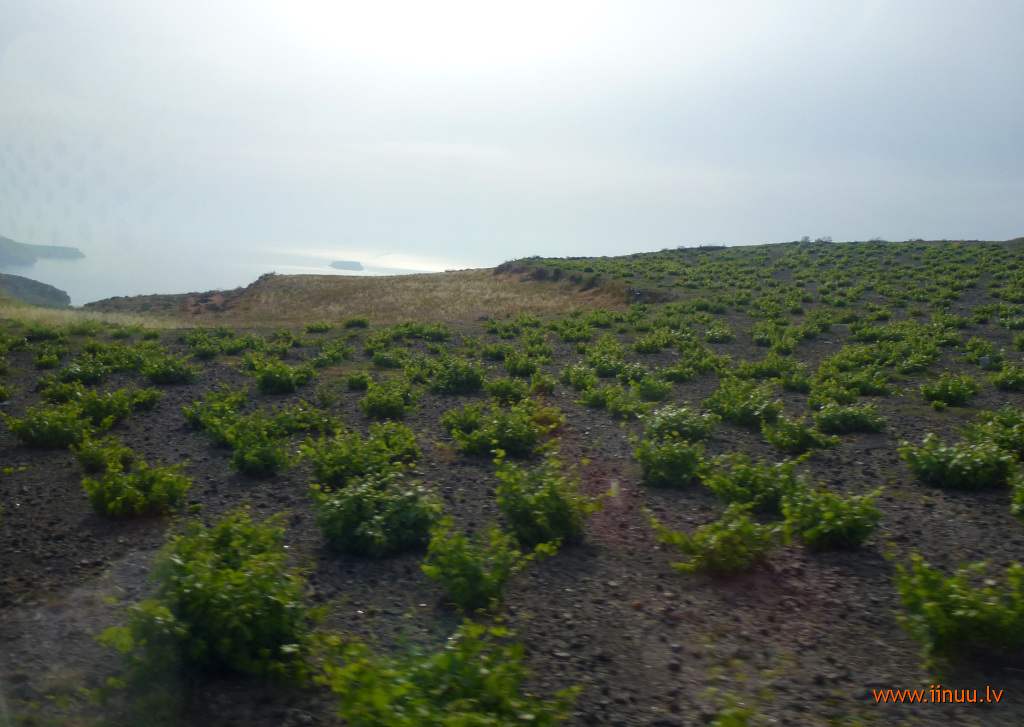
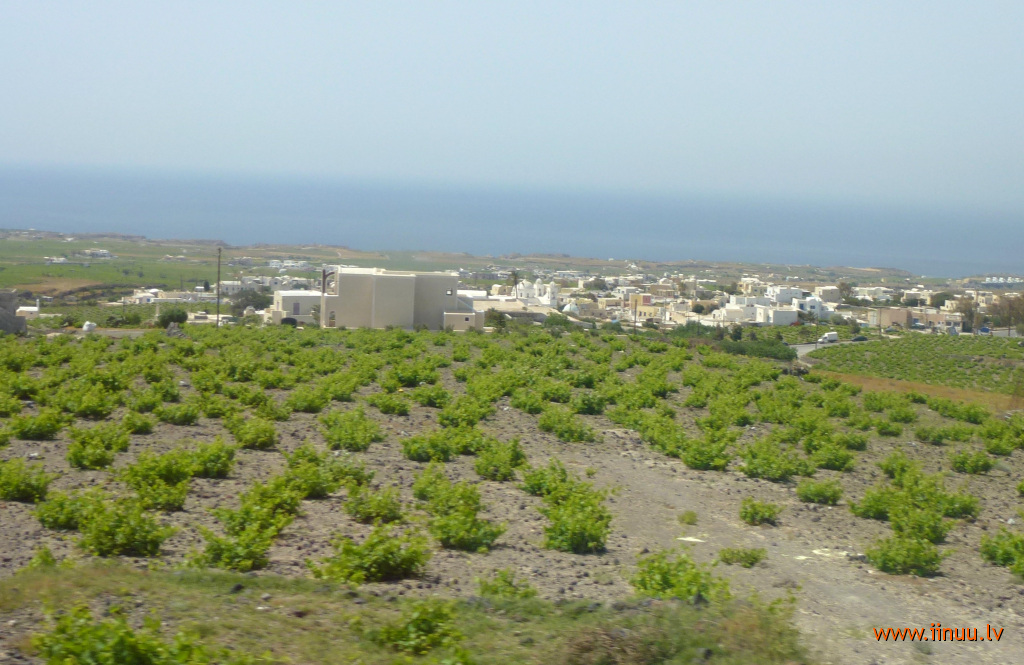
Moreover, the vines here grow under very harsh conditions. A vine bush is barely knee-high, as from an early age a basket is woven around it so it does not grow upward and can survive the scorching sun. The vines are not irrigated - they subsist on the fog and dew that settles on them in the cool morning hours. The roots are nourished by volcanic soil.
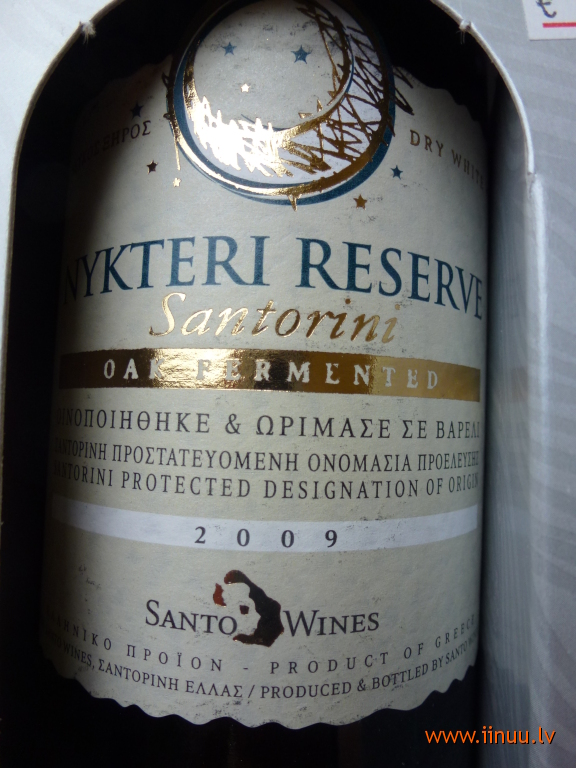
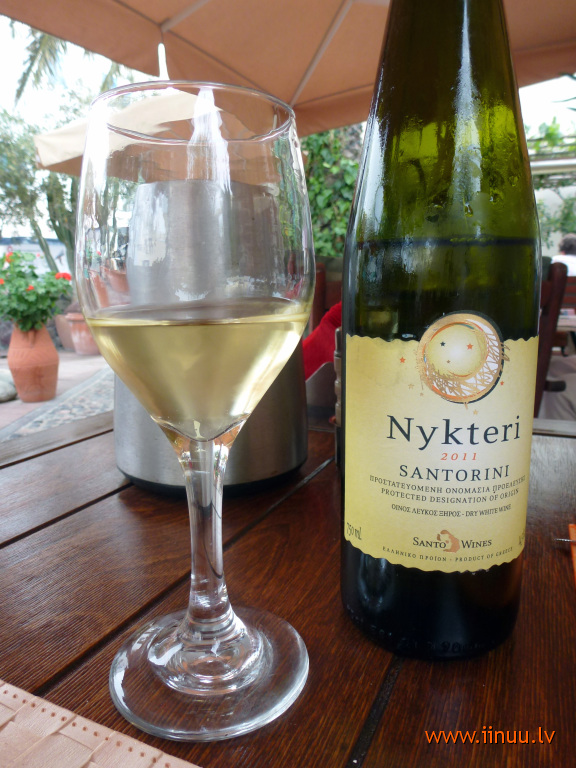
Santorini island has two most popular types of wine - the amber-coloured Vinsanto P.D.O. (Protected Designation of Origin Santorini), which we only managed to taste a drop of at a little wine shop - and the dry white Nykteri, which we sampled properly, in two versions from two different vintages.
At the wine bar, together with Santorini salad - which differs from the Greek salad in that it features small sweet tomatoes (not quite cherry tomatoes) and the goat's cheese is served in a slice rather than in cubes - we tasted SANTORINI NYKTERI 2011 P.D.O. (€21), a blend of three local grapes: Assyrtiko, Athiri, Aidani. "Nykteri" in the local dialect means "the one left overnight". The grapes are harvested and left out overnight so that the dew and the hot sun's rays pass over them once more. Excellent with seafood and fish dishes.
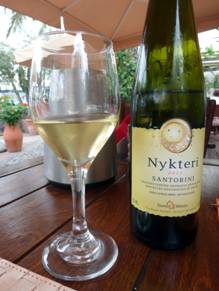
The second, Santorini Nykteri Reserve 2009 P.D.O., we tasted at home in Riga. This wine is more aged - 9 months in oak barrels and 3 months in bottles. Golden yellow in colour, with rich legs and medium consistency. In the aroma: citrus, vanilla notes. Rounded and very buttery, with a pleasant acidity, a long finish, and a lingering aroma. I am thoroughly smitten with this wine.
At the Fira wine bar, they poured us a curiosity as a dessert wine - Nama Νάμα (I asked the waitress to write it down on a piece of paper). Delicious, very sweet, extraordinarily thick and absolutely bursting with cherries. As though cherry compote with alcohol had been poured into a glass. And yet at the same time light, and not at all cloying. A true dessert.
Sitia Wines - More Cretan Wines
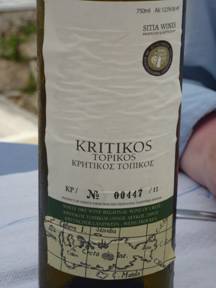
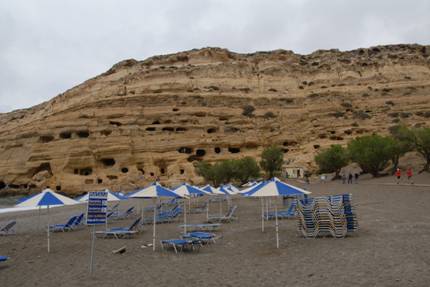
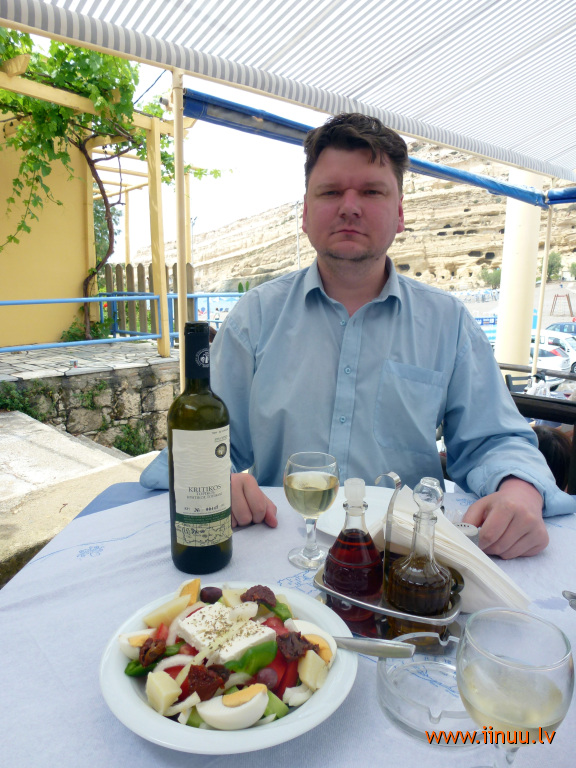
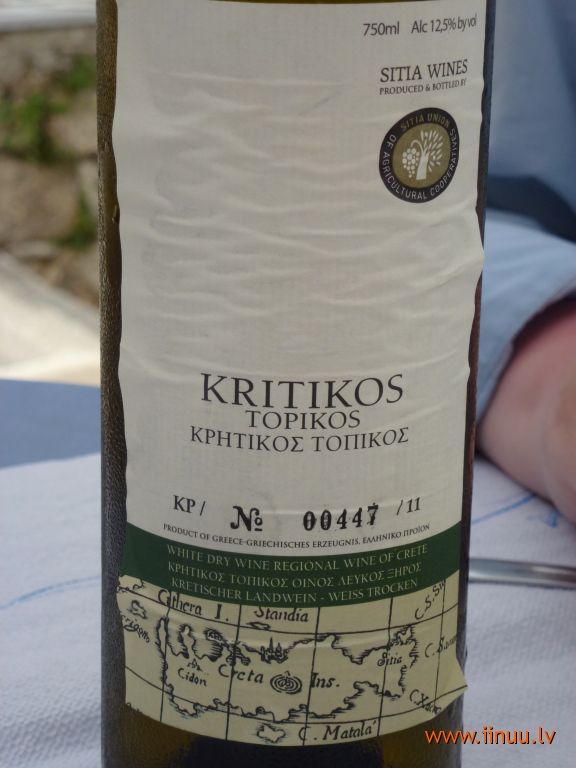
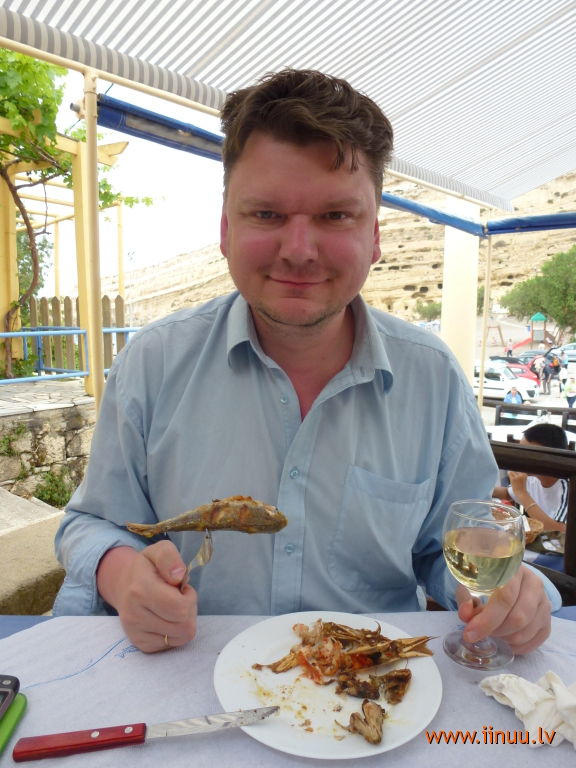
At a small restaurant on Matala beach - where neither the food nor the wine truly won us over - we tasted the local Cretan table wine Kρητικος τοπικος Kritikos Topikos Sitia Wines (€12). A blend of Vilana and Thrapsathiri grapes. Pale yellowish colour, melon and citrus notes. Fresh.
In any case, the lesson is always the same - wines should be drunk in the atmosphere suited to them and in the region where you are and from which those wines come. That is when you get the true pleasure, the true flavour, and the real Stimmung.
comments