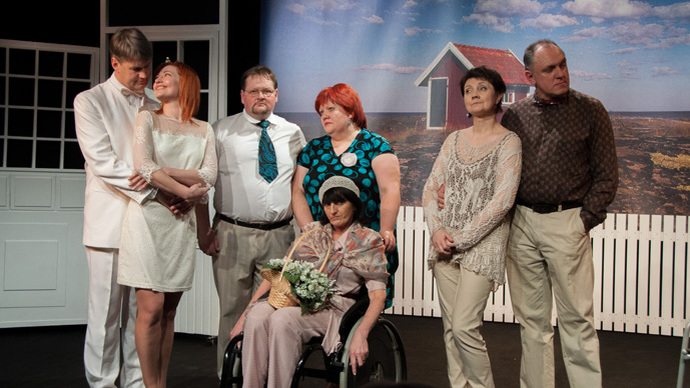
Premiere of the Play "A Few Summer Evenings Under the Sun" at the Smiltene People's Theatre
It was a premiere for which the Smiltene People's Theatre actors had been preparing for approximately half a year and now felt a certain excitement, offering their work to its first audience. Commendable is the theatre participants' desire to come and work on a voluntary basis, to stage demanding plays, to seek answers to life's questions, to make both themselves and the audience think and feel along. For as long as a person continues to ask themselves questions, so long do they live.
On Saturday afternoon, 12 March, we went to the Smiltene Cultural Centre, having received an invitation to a staging of the Swedish writer Agneta Pleijel's play "A Few Summer Evenings Under the Sun." It was a premiere for which the Smiltene People's Theatre actors had been preparing for approximately half a year and now felt a certain excitement, offering their work to its first audience.
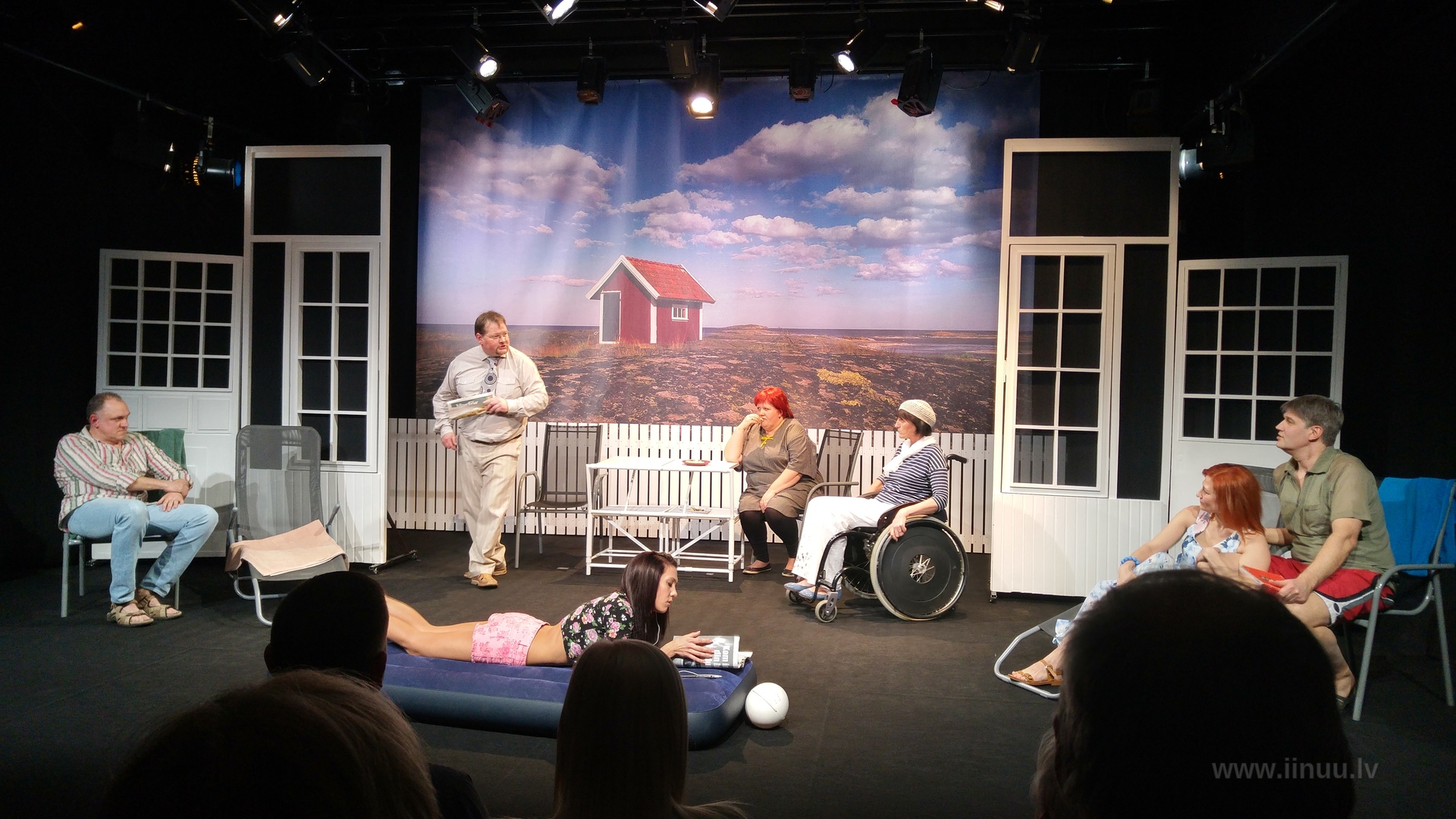
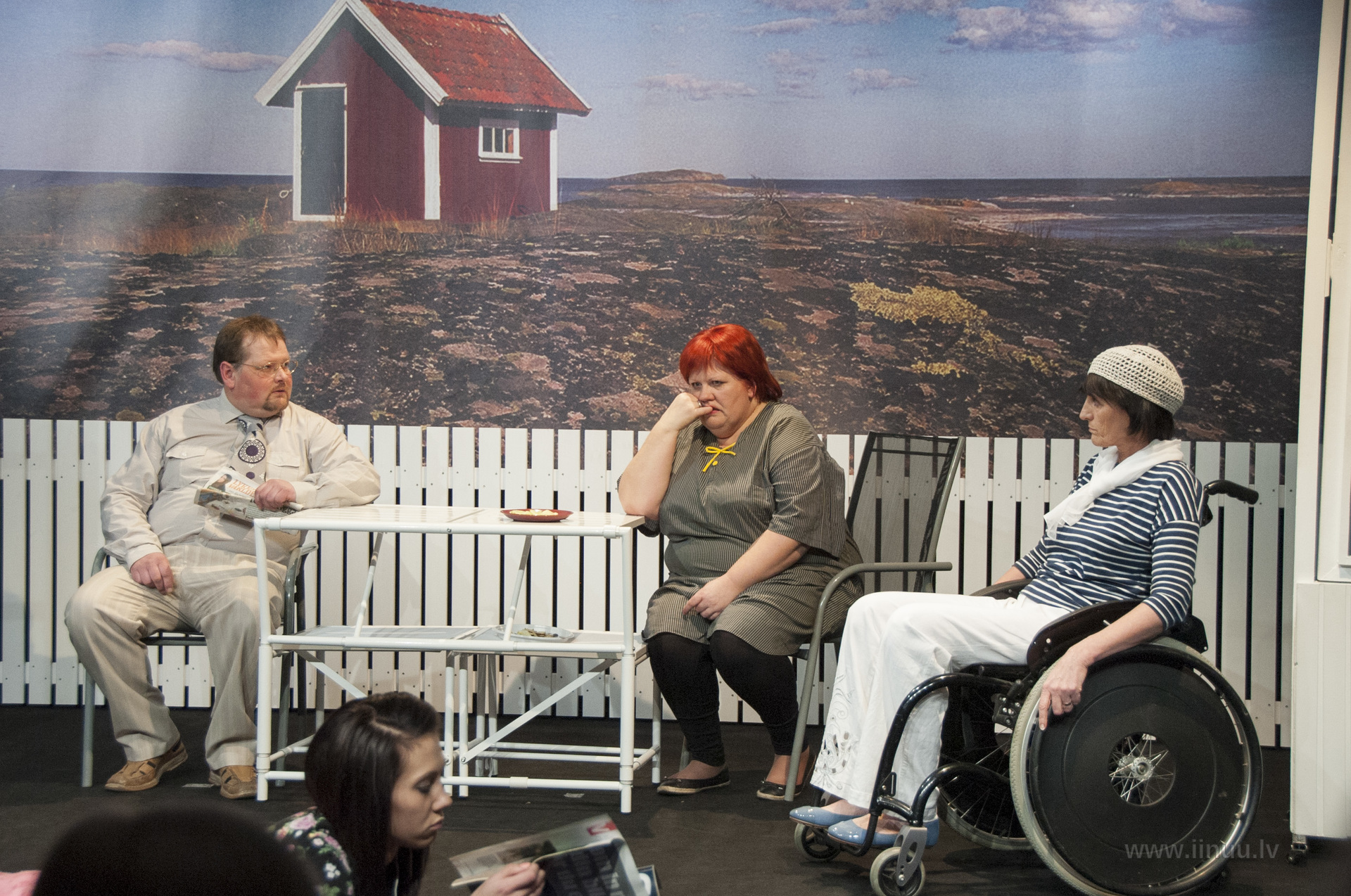
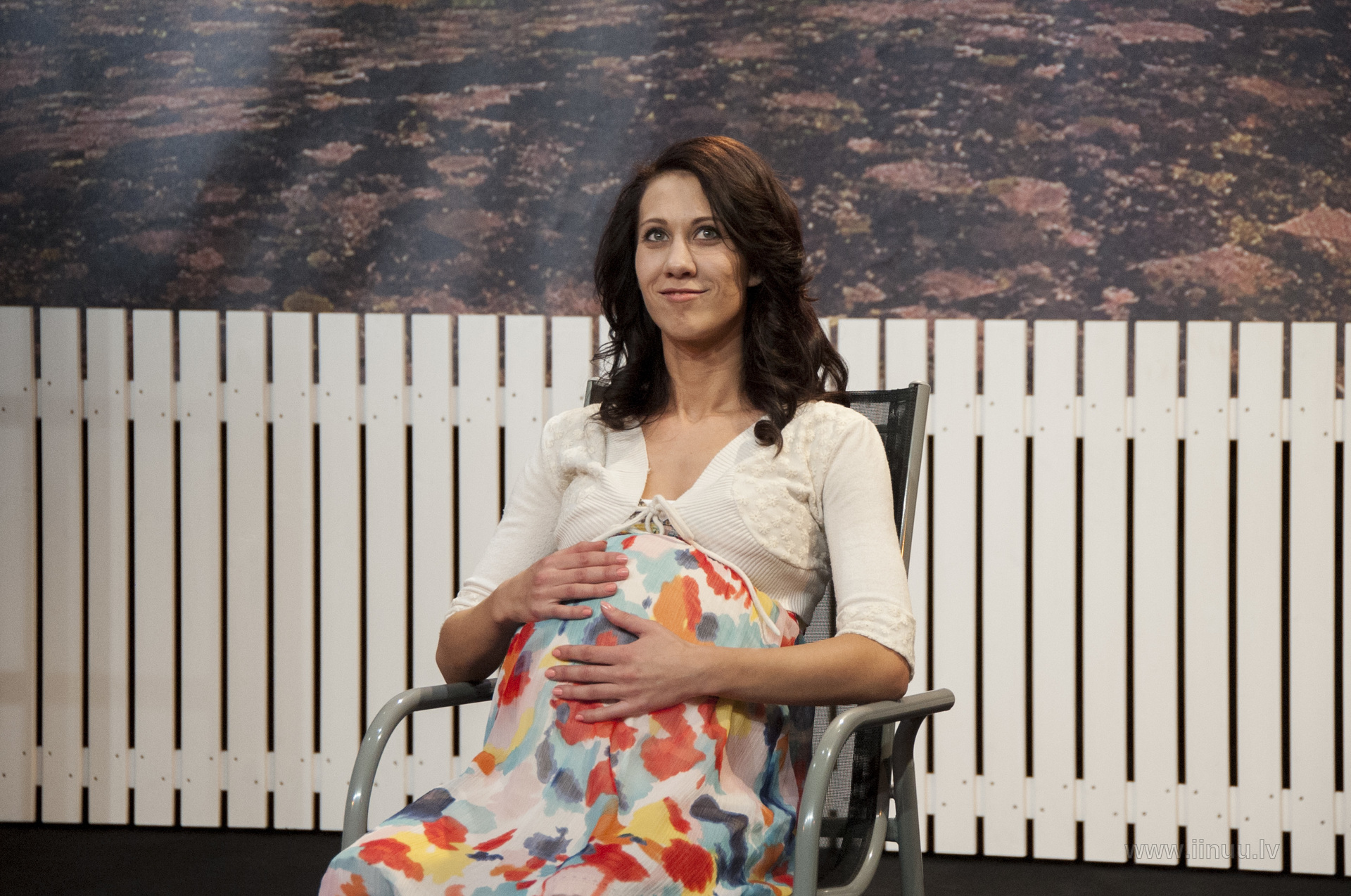
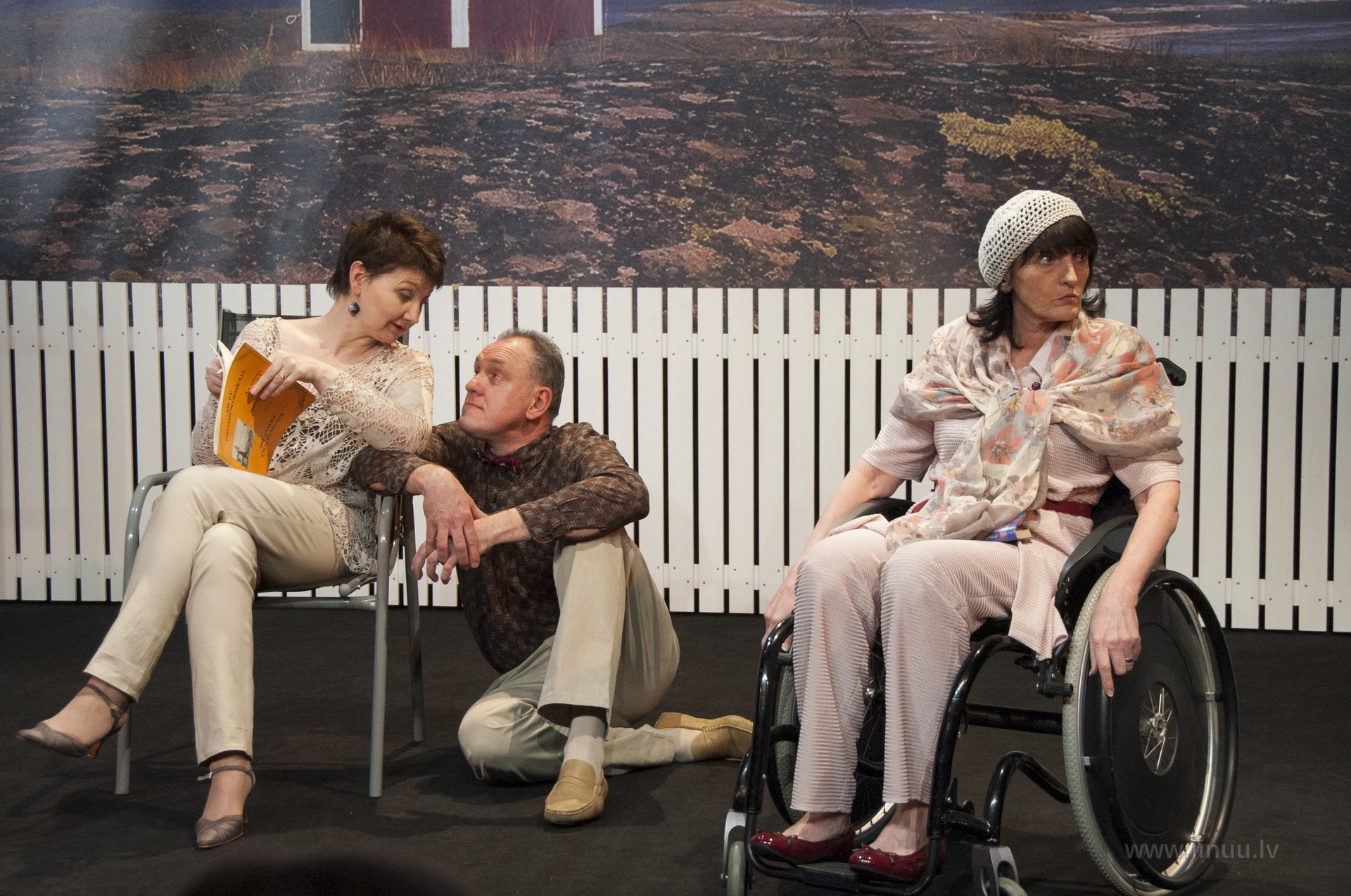
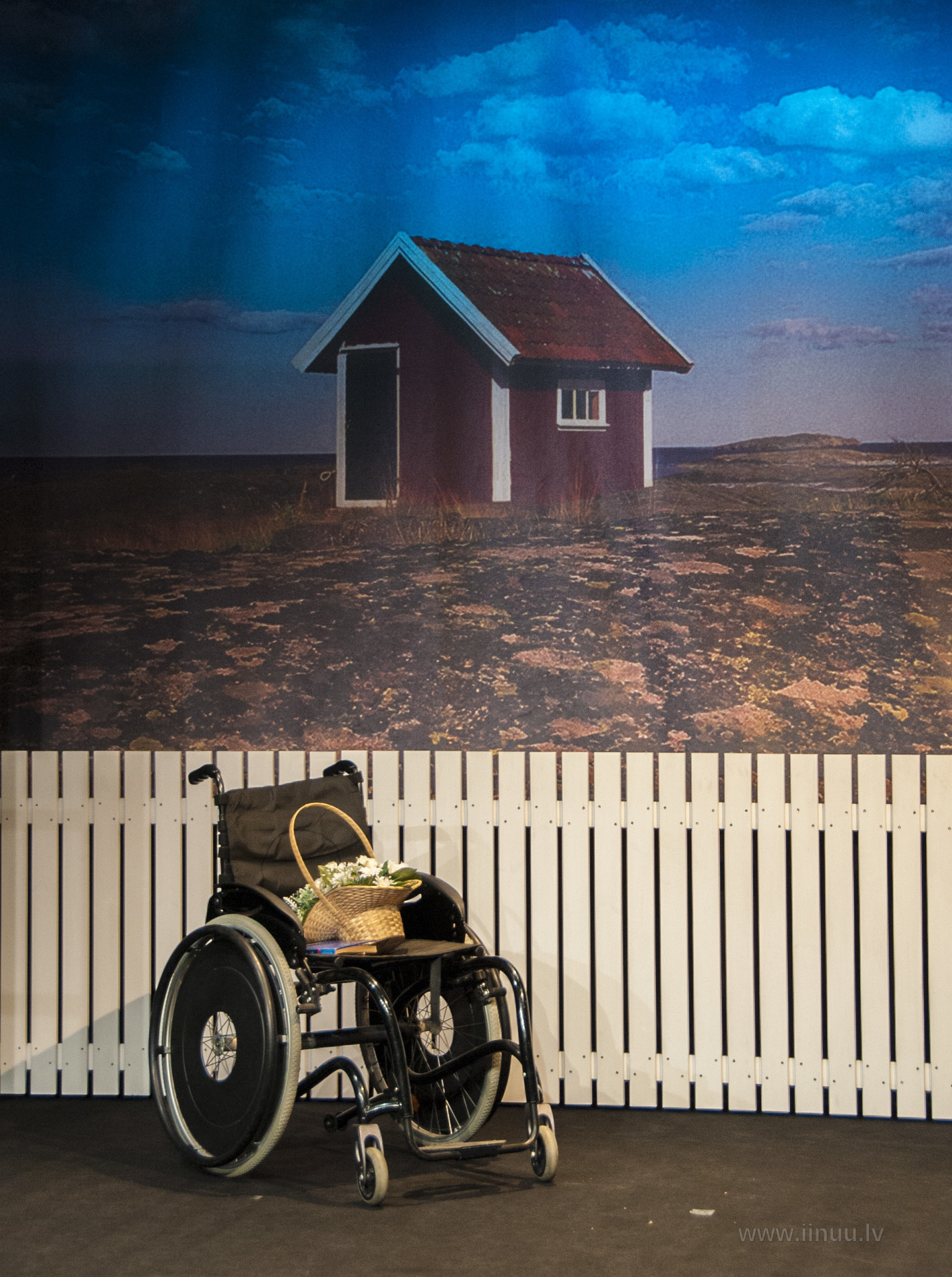
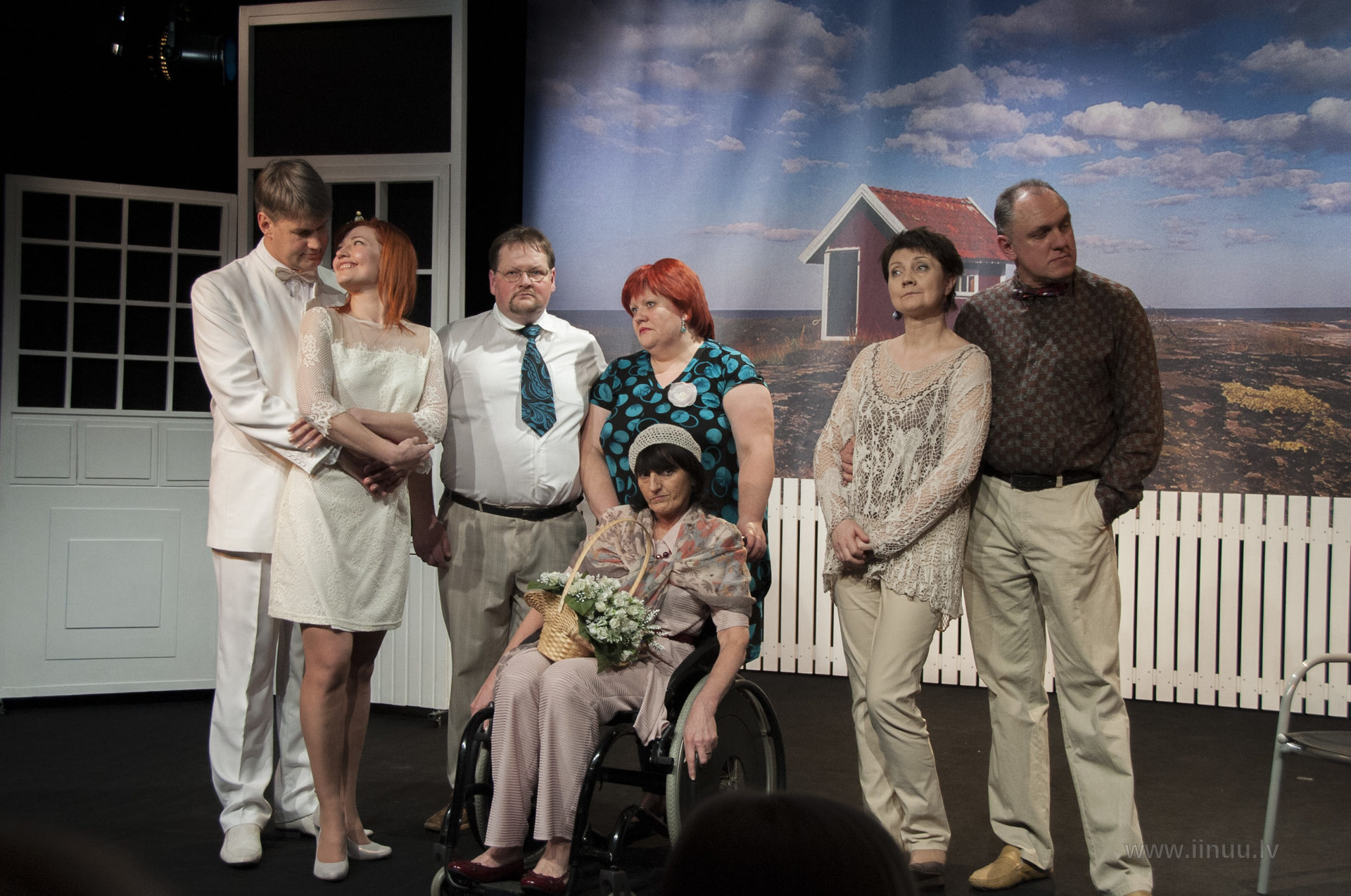
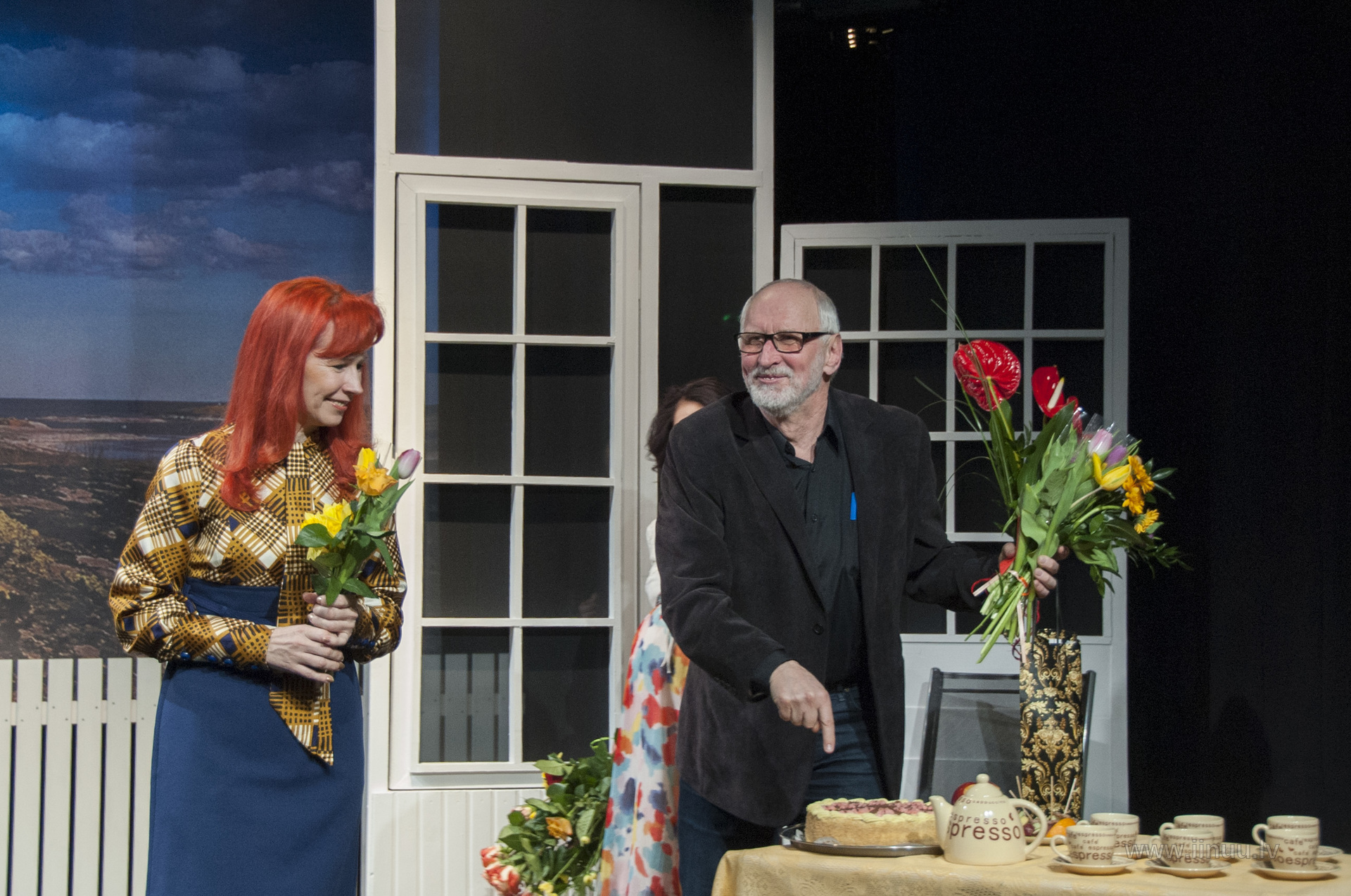
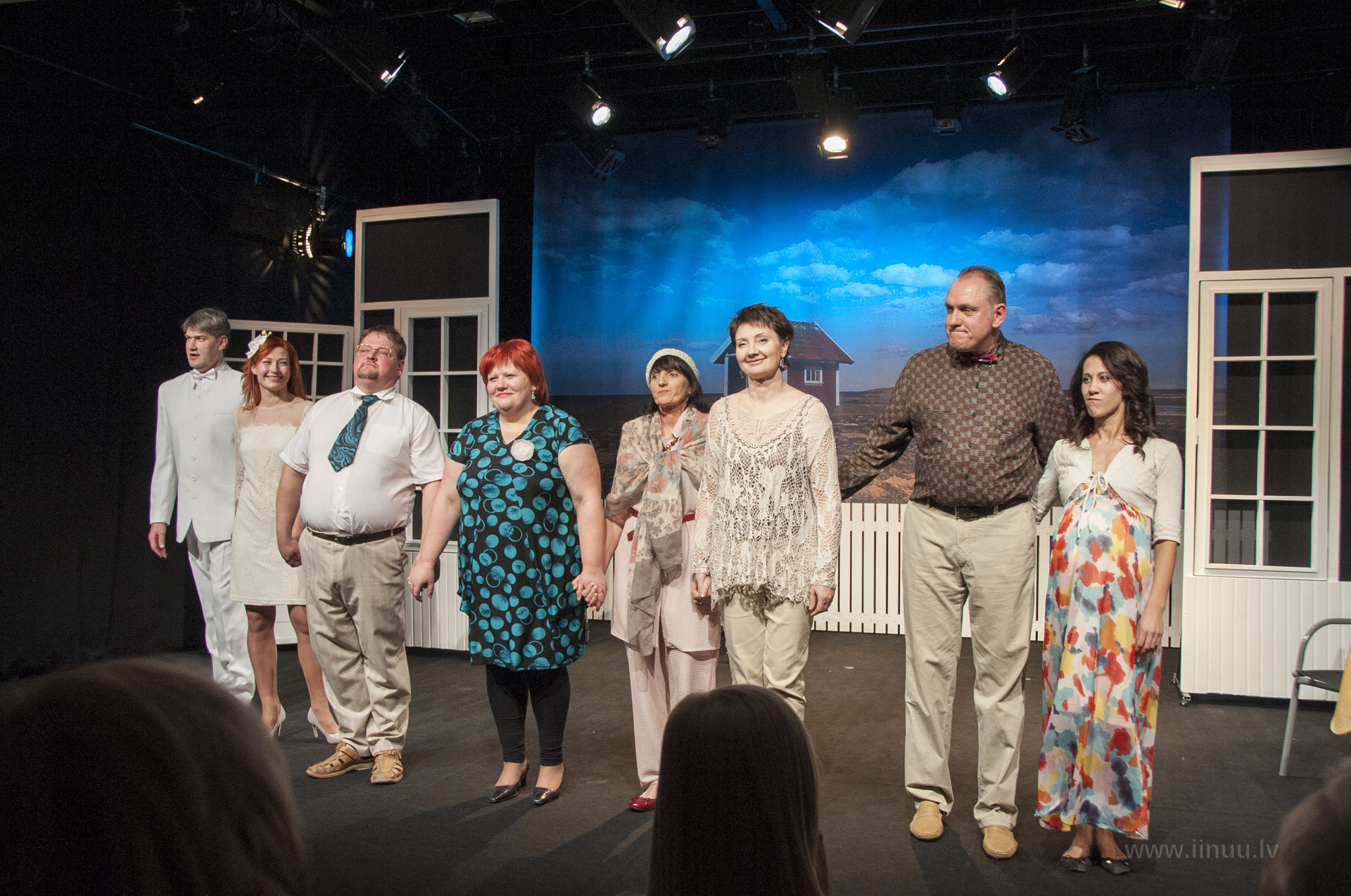
The chamber-type hall on the upper floor of the Cultural Centre (up to 100 seats) ensured a closer connection between actors and audience. The stage is set simply, but the background image of a solitary, typically Swedish dark-red-with-white-painted cottage on the seashore provided the necessary atmosphere.
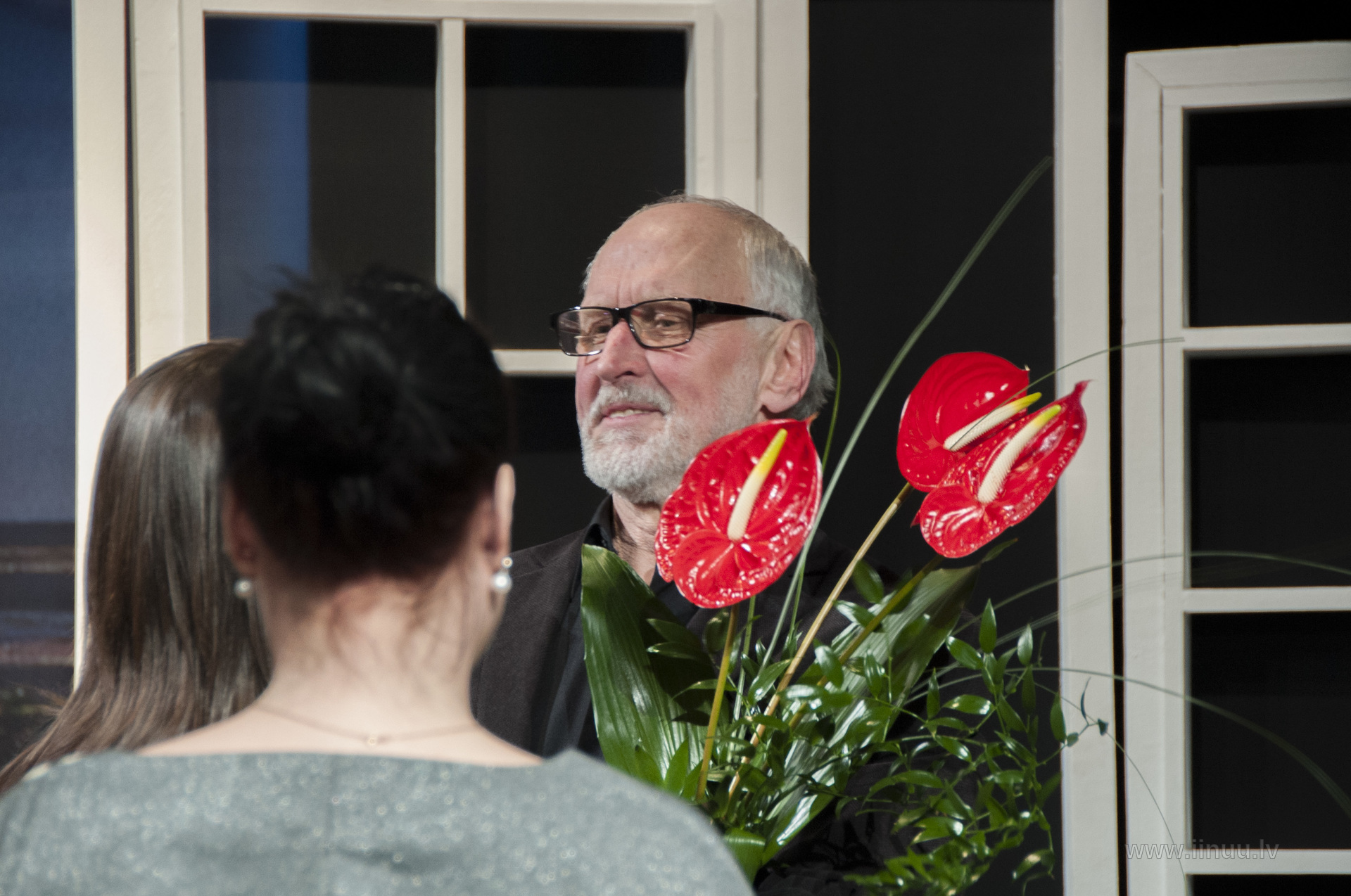
One would immediately like to say appreciative words to director and scenographer Agris Māsēns, because, to be honest, such a choice of material for an amateur theatre - such a deep play - was not what we had expected. It was genuinely a positive surprise.
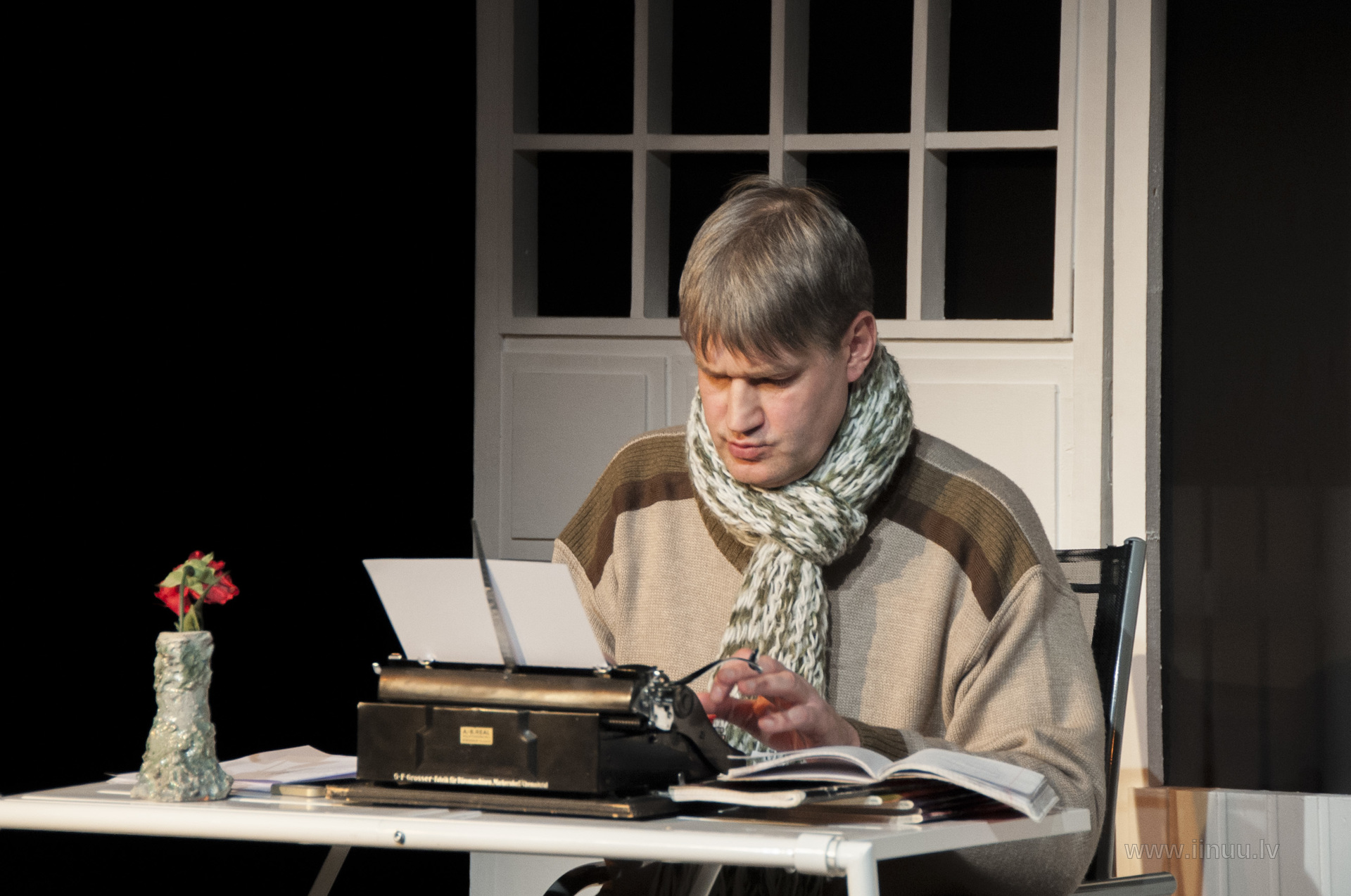
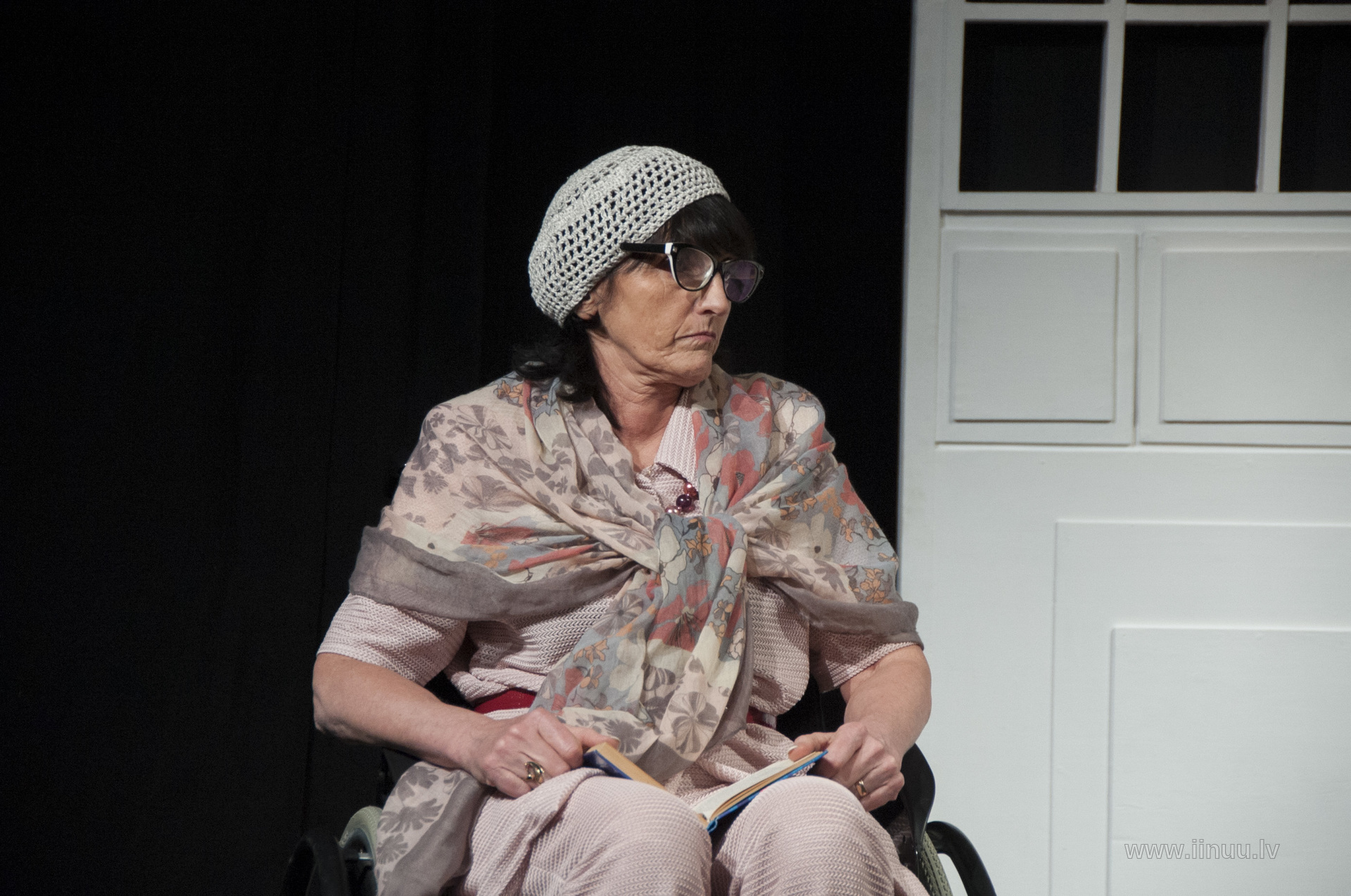
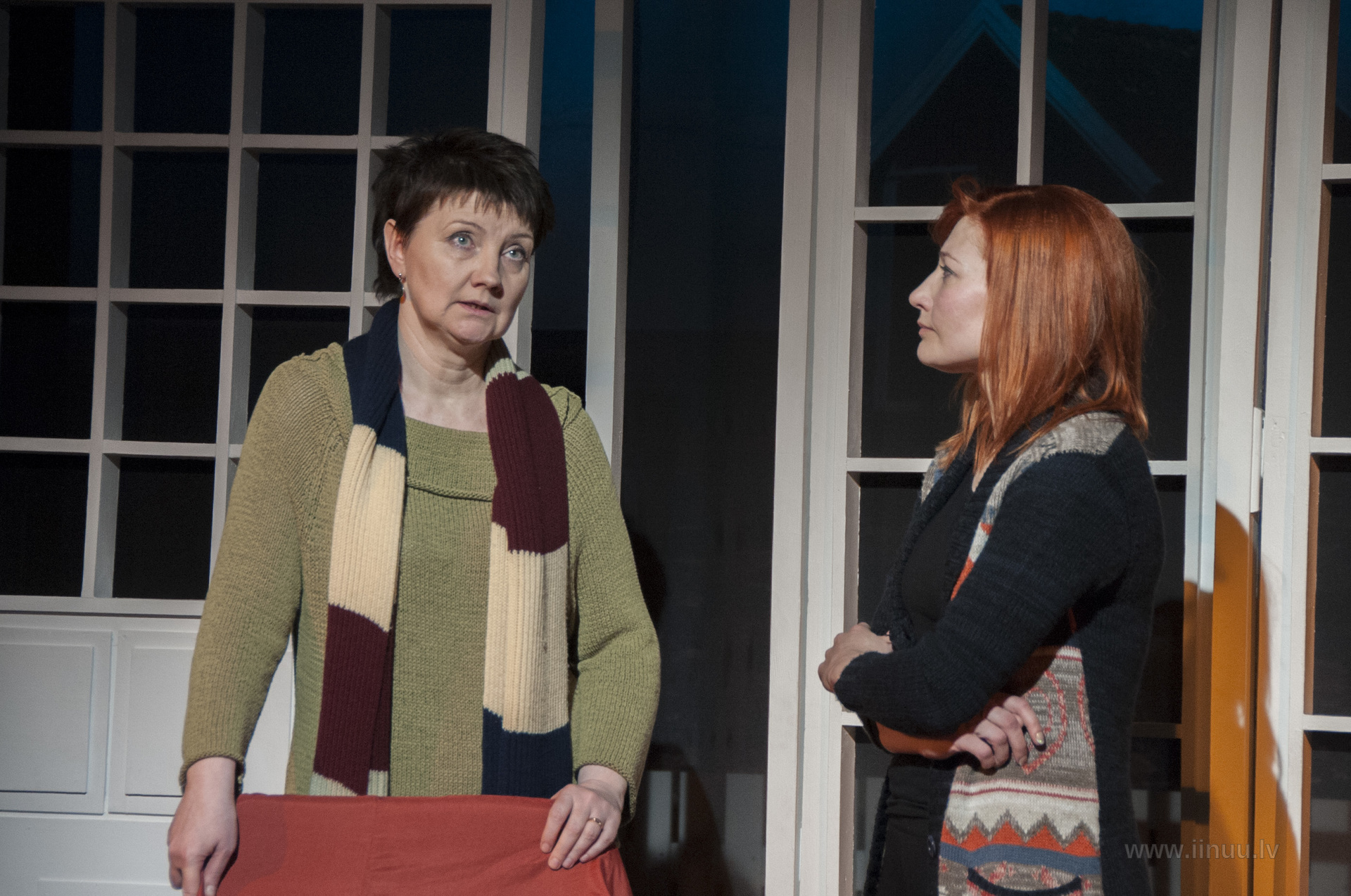
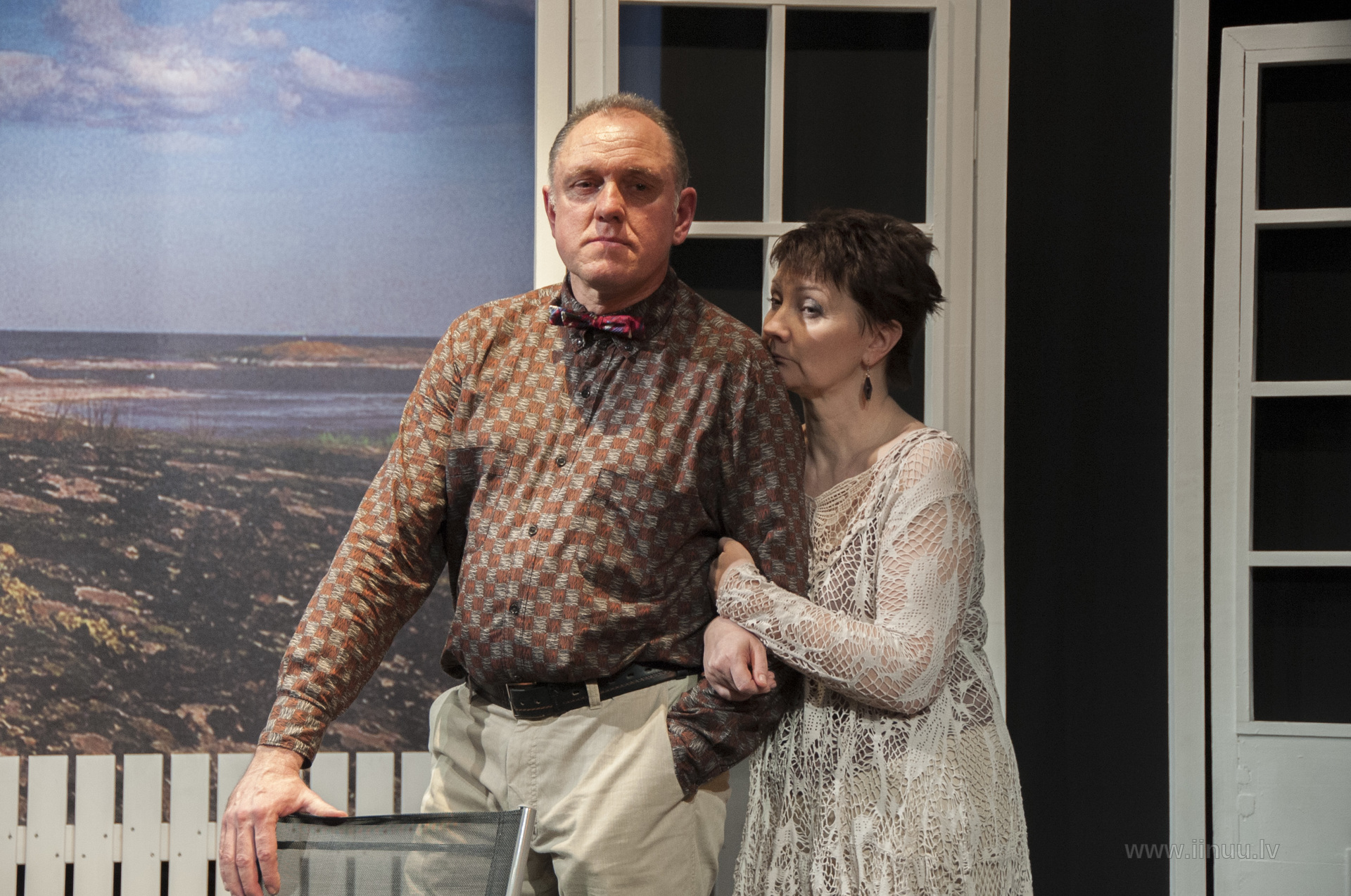
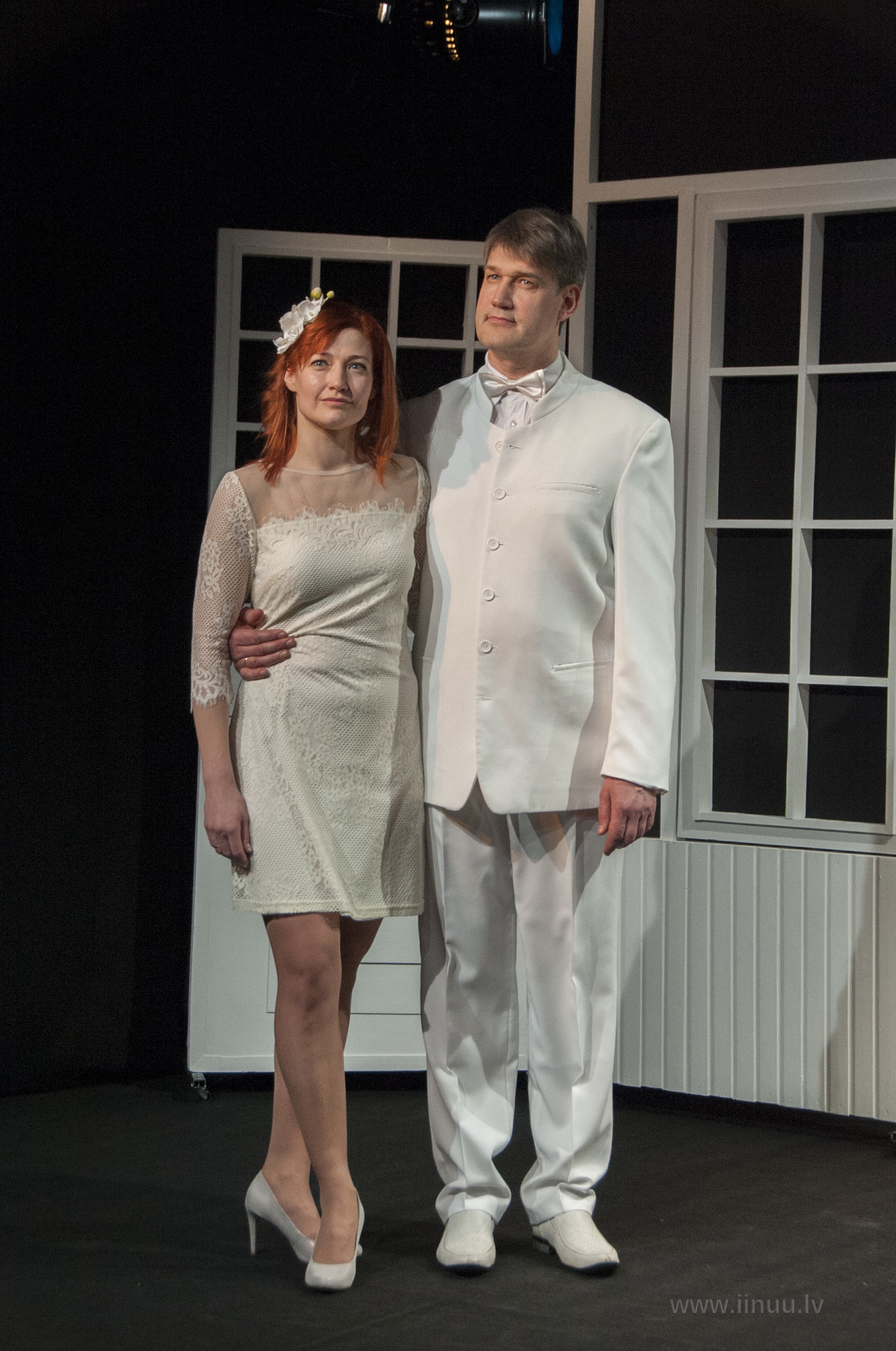
A story about a Swedish family, generations, fulfilled and unfulfilled dreams, private lives, choices, pain, and disappointment, and of course also about love. The production begins with us being introduced to all the characters at their summer house by the sea: mother Karna (Zigeta Vīķele), her three daughters with their partners - Gertrude, a teacher, (Dace Purvlīce) and her husband the civil servant Fredrik (Laimonis Matulis) and daughter Tanya (Ieva Stauvere); the second daughter Magda, a television worker, (Inga Sīmane) and her husband the journalist Bror (Gaidis Bogdanovs); the third daughter the actress Ulrika (Dana Langenfelda) and her friend the writer Tomas (Aigars Veldre).
None of the above-mentioned couples' relationships go as smoothly as one might imagine, observing this idyll of a leisure moment. We learn that Karna has raised her daughters alone, as her husband left. Gertrude and Fredrik hold their family together, citing their child - a daughter who is already quite a grown young woman and in her youthful maximalism wants to take from life everything she desires, without regard for others' feelings or material difficulties.
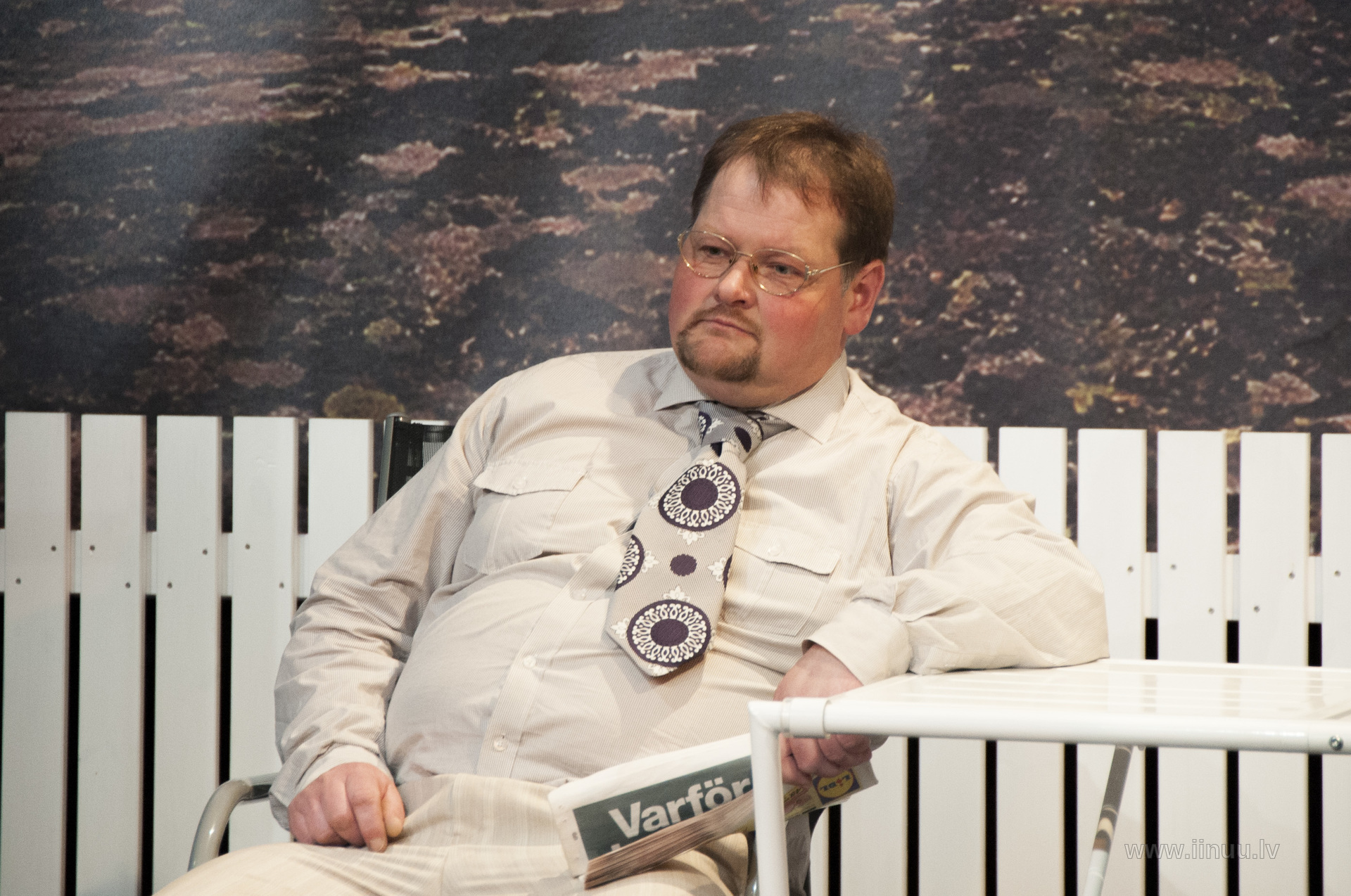
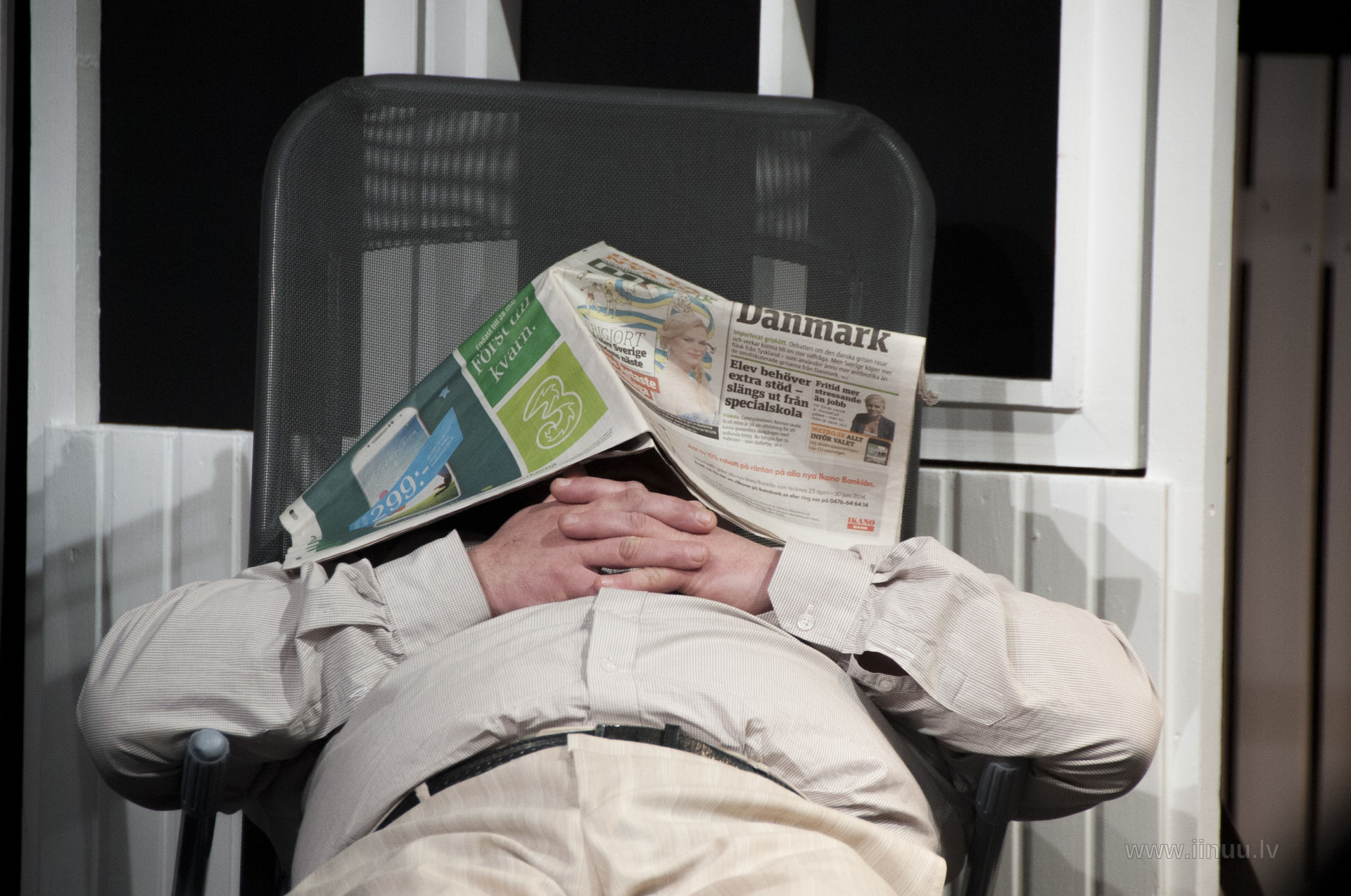
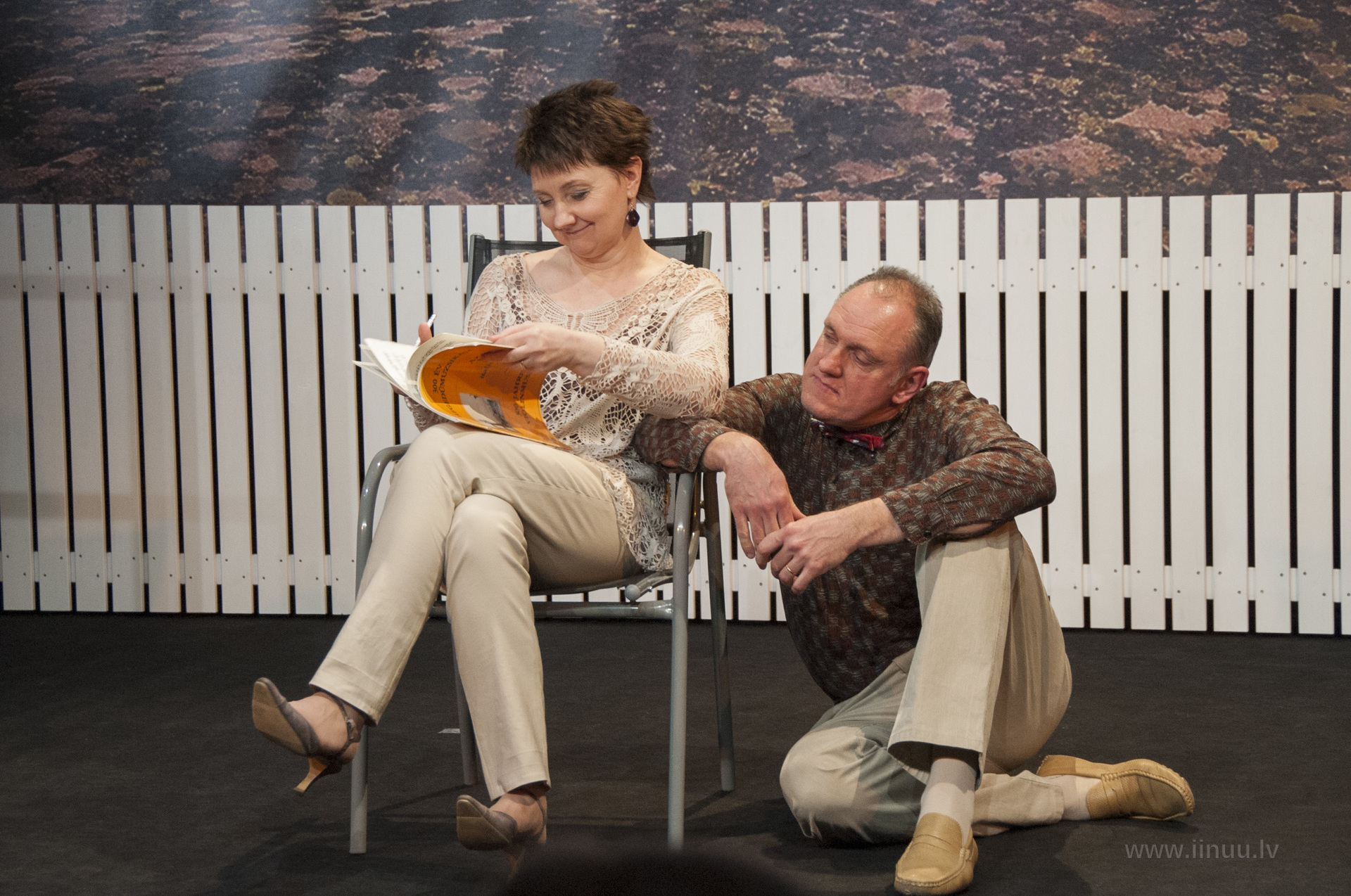
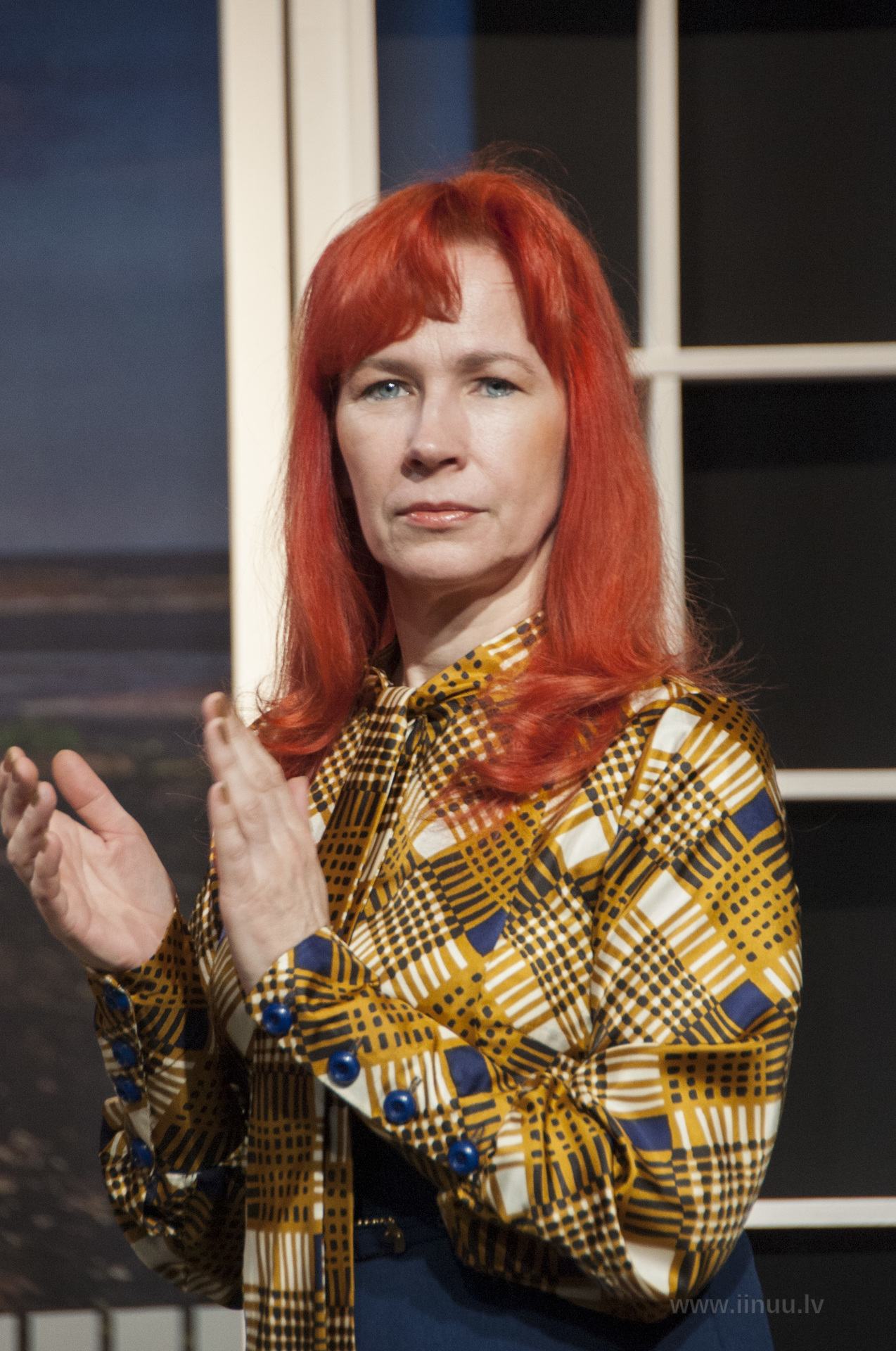
Gertrude is certainly the dominant figure here, knowing better what to do and when, how to bring the family together again after several years, how to act more correctly. The portrayer of the role, Dace, has such lively facial expressions and expressive gestures that for a photographer to capture her performance is a true pleasure. If Gertrude says something, it is indisputable, and Fredrik willingly submits, as the civil servant's nature is accustomed to submitting rather than taking on any kind of responsibility (a short, wide floral tie and round little spectacles wonderfully complemented this character).
But however strong a personality Gertrude may be, in life you cannot influence everything - or indeed much. She is powerless in the situation where daughter Tanya sleeps with Tomas and wishes to live separately from her parents and care for her child herself. She is powerless against time and the years that pass, leaving behind them a woman's youth, beauty, and sexual attractiveness.
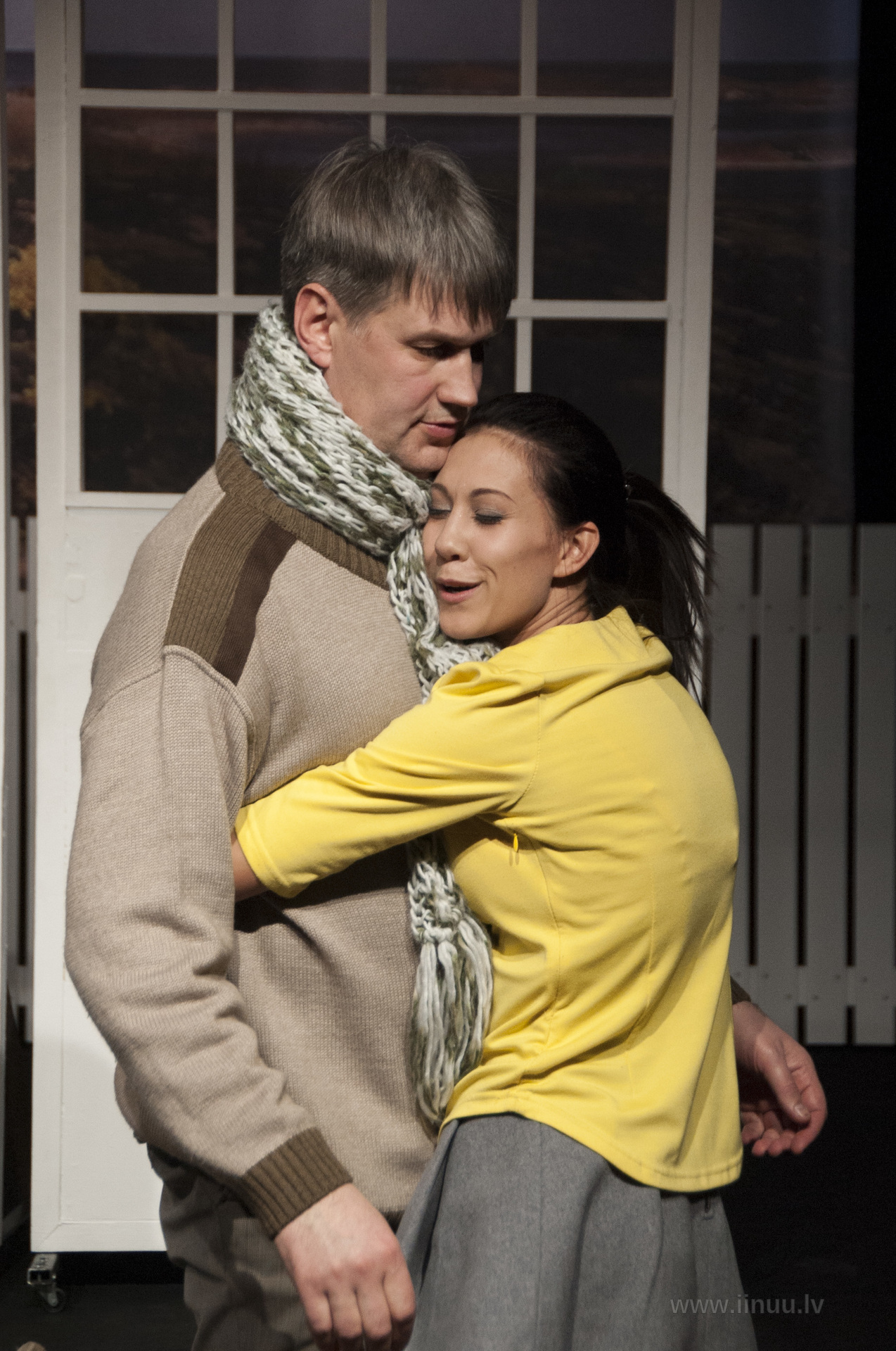
Tanya, Gertrude's daughter, is young and still very combatively minded to achieve all her dreams. Her love seems so great and encompassing that it will suffice for herself, for the expected child, and for the man who does not belong to her. Ieva Stauvere's portrayal is very convincing, confident, and expressive.
In love people are close to one another. And that is what I want. I want to be close to someone I like enormously. Day and night, without a break. Of course one has to work too, but I don't think about that so much. That will sort itself out - but we will live so close, as if in one skin. Close, close. That is love. That is what I want.
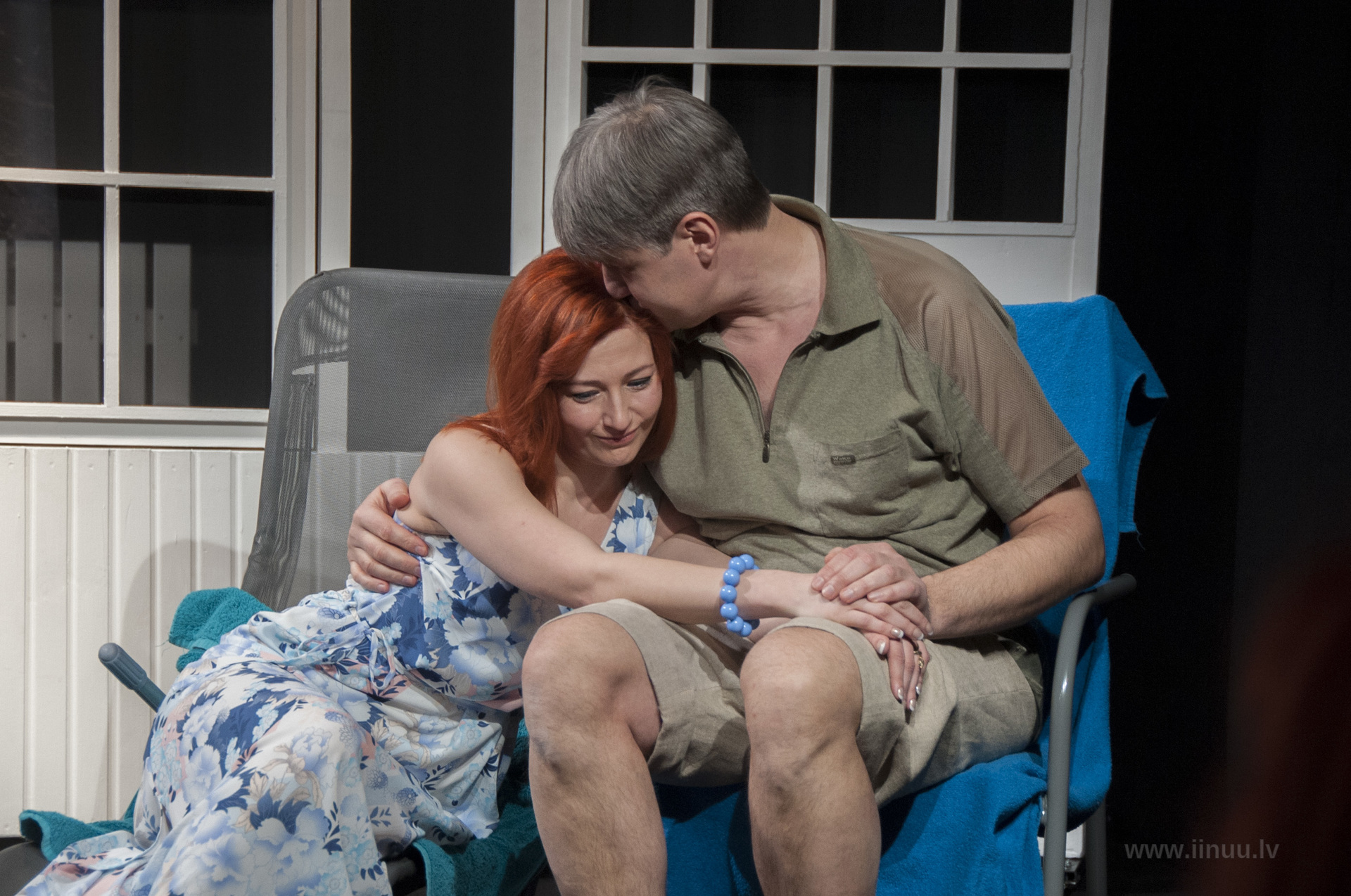
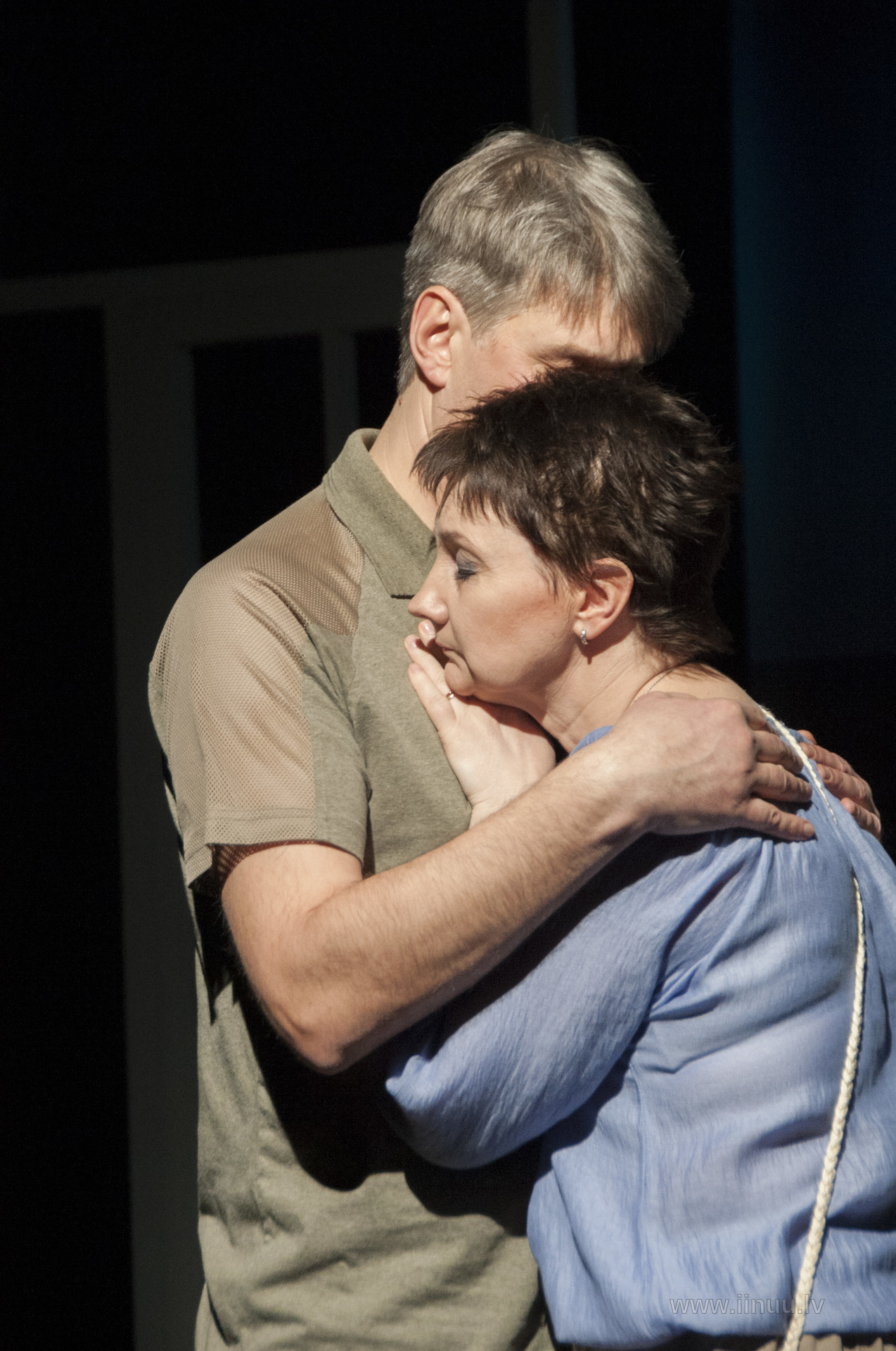
Magda, who could once have become a professional violinist but was forced by life circumstances to give up her dream, now feels unappreciated by life and by her husband. She longs for a simple embrace, a caress, some tenderness. Magda has been strong for too long - she wants for a moment to be weak.
This is especially shown in the monologue in Part 1 of the production at the sea, where Magda announces a possible separation from Bror and tries to draw close to Tomas. In my opinion, Inga Sīmane played this feeling of inner discomfort very professionally - quietly, but with a poignant genuineness.
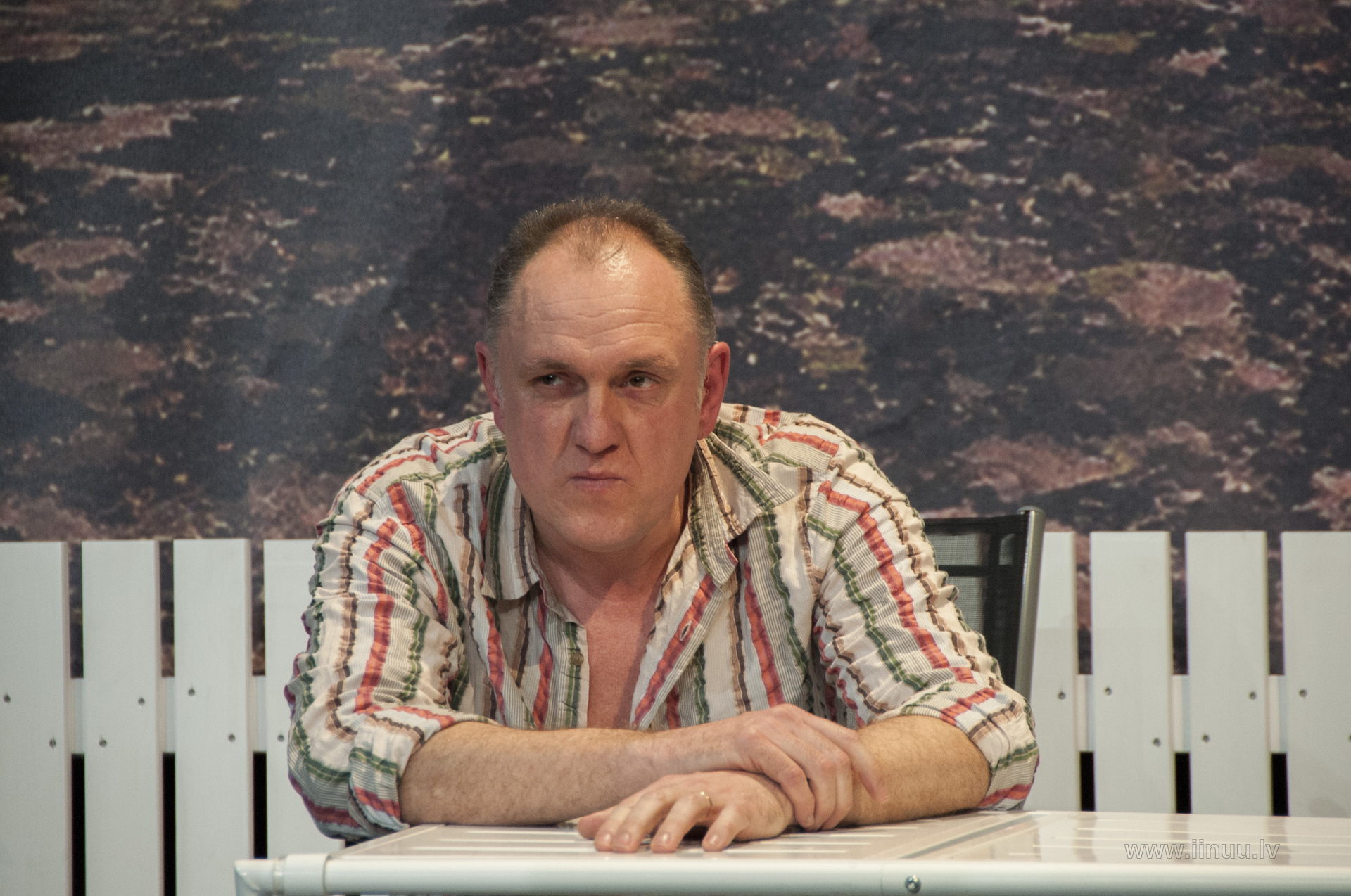
Bror in turn, who conceals his inner experiences behind bravado, sarcasm, and a considerable dose of humour, thanks to Gaidis Bogdanovs's successful portrayal, brought gaiety to the production and provoked outbursts of laughter from the audience. The scene in particular worth highlighting is where Tomas comes to Bror's editorial office and laments about his love triangle with Ulrika and Tanya, as well as the expected unplanned child.
But if one listens to the lines that the character of Bror addresses to the audience, in them can be found extraordinarily deep reflections on the meaning of life.
A person presses a switch or turns a tap, and a light comes on or water starts flowing out of the wall. People fly through the air to the Moon. On a computer screen people can obtain intimate information about their neighbour. And people aren't even surprised by this. But if someone with whom one is supposed to be enjoying lunch goes and dies, or if a child arrives in the world who was not intended - then people are surprised to beat the band. You know what I think? Since it is now in people's power to decide whether this planet will continue to exist or not, people imagine they are also the deciders over life and death. But I've realised damn long ago that this is not the case at all. Nature is still ahead of us. [...] And I think that is damn good. Because I don't rely on human inventions. It might not seem so to you right now, but think for yourself. There are things that it is not possible to change.
One must not live as we live. Every person who has eyes in their head and a heart in their chest knows this. We die alive. Without noticing it ourselves, we have already died during the course of our lives.
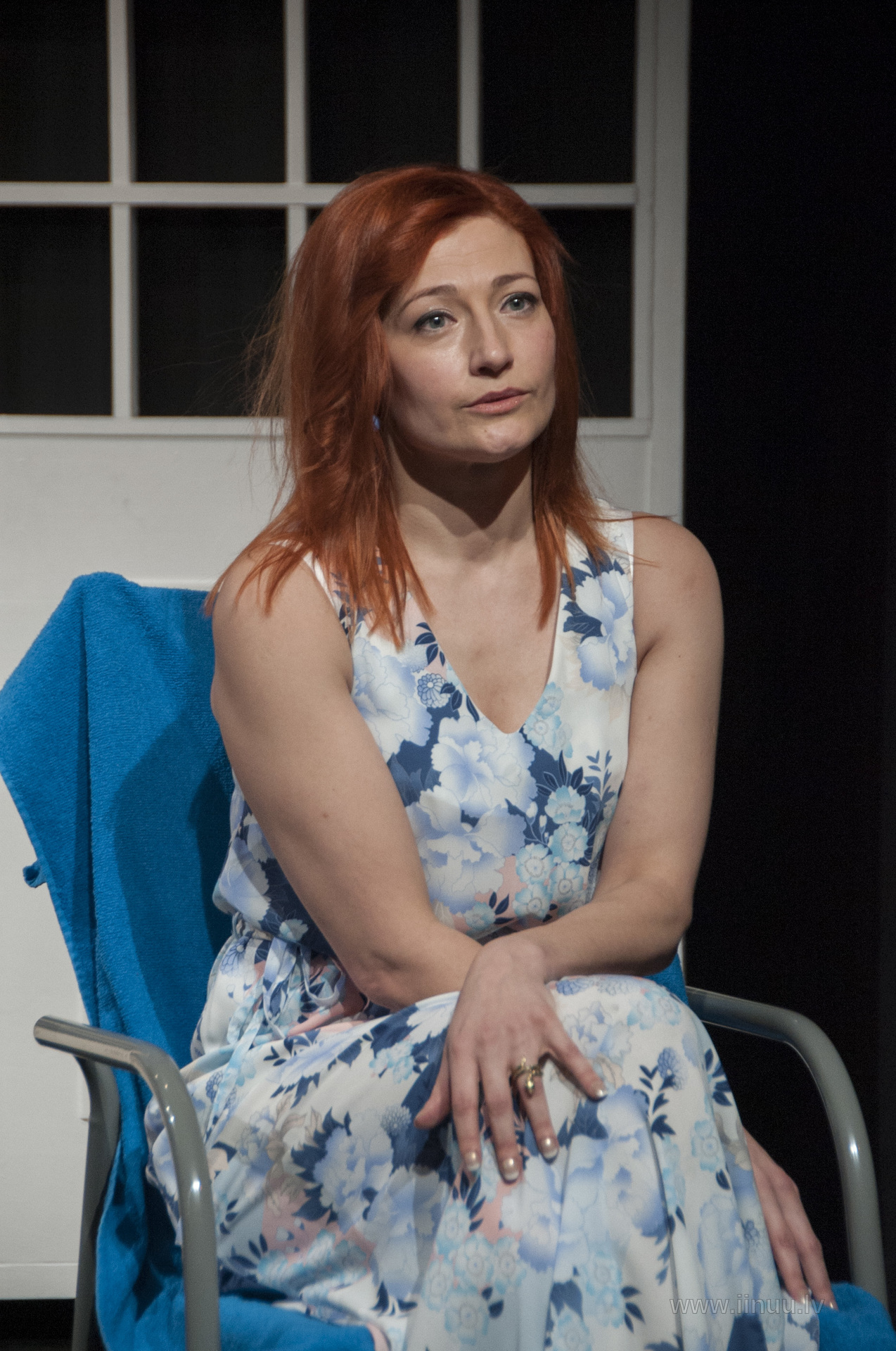
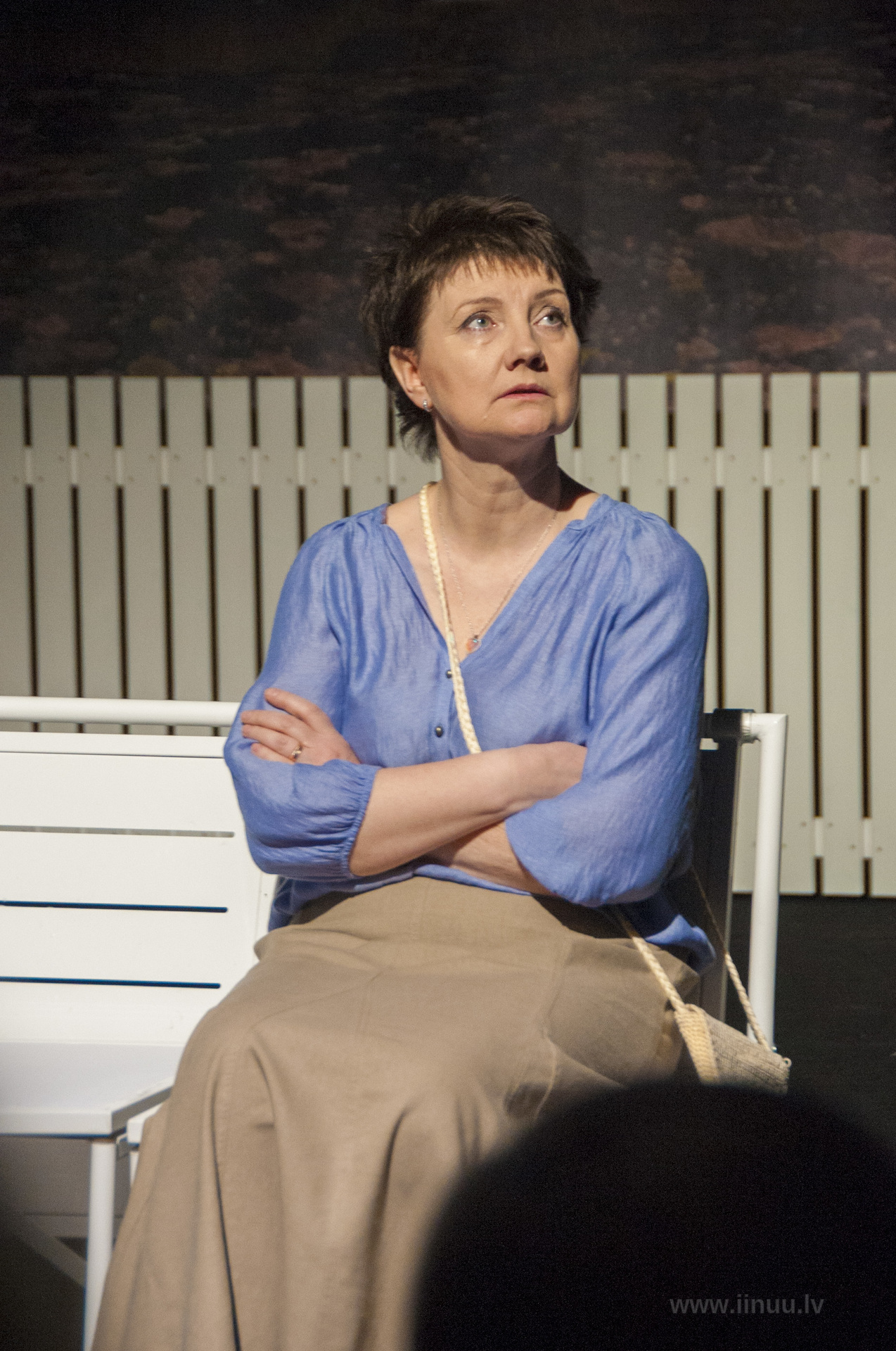
Karna's third daughter is Ulrika - a woman now in her best years, who has devoted her whole life to an acting career, not avoiding affairs, but also not binding herself to any specific man. Now, having met the writer Tomas and felt a kindred spirit, she wants to give birth to a child and devote all her time to her family. But Tomas has other plans. In a dialogue (in the play's text, not included in the production) with Magda he reveals his unfulfilled dreams:
And I wanted to write a book again. But I got married. Two children. A terraced house. Mortgage payments and... I got together with Ulrika, your sister. An actress. What is art? Why couldn't a person stand up for their own truth, their very own? Why couldn't they be, in the eyes of others, exactly as they are? One day a person realises that they can't put it off any longer...
Ulrika seeks a supportive shoulder, a hand that will reach out toward her as she walks across the abyss along a plank that leads to love-filled relations. But she too must experience disappointment. The child is Tanya's and not hers. The pain seems almost unbearable. But pain too is part of a person's life.
In my opinion, a successful scene is played by Dana Langenfelda, the portrayer of Ulrika - the pain experienced by a woman overtaken by disappointment in love, in a partner, in the ability to control her own life. The pain grows by turns into anger, then self-pity, then a deep sense of injustice.
If one compares the first and second parts of the production, in the latter the actors seemed much more at ease. Possibly the anxiety was no longer such an obstacle. Emotions were conveyed to the auditorium much more vividly, and it resonated - laughter, tears, sighs. I surmise that the role portrayers put something of their own lives into each of their characters - their own unfulfilled dreams or losses, the pain of separation and the love they feel for the people close to them.
In any case, the People's Theatre participants' desire to come and work on a voluntary basis, to stage demanding plays, to seek answers to life's questions, to make both themselves and the audience think and feel along, is very commendable. For as long as a person continues to ask themselves questions, so long do they live.
comments