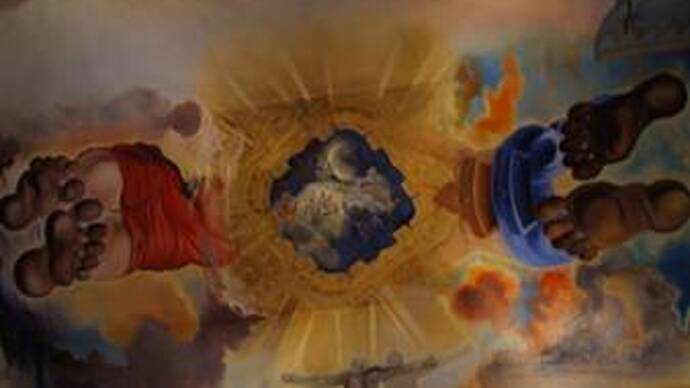
Surrealism - That Is Me!
Dalí's life resembled theatre, performance, an endless citation of the flow of the subconscious. He - or rather they, Dalí and his muse Gala - needed scandal.
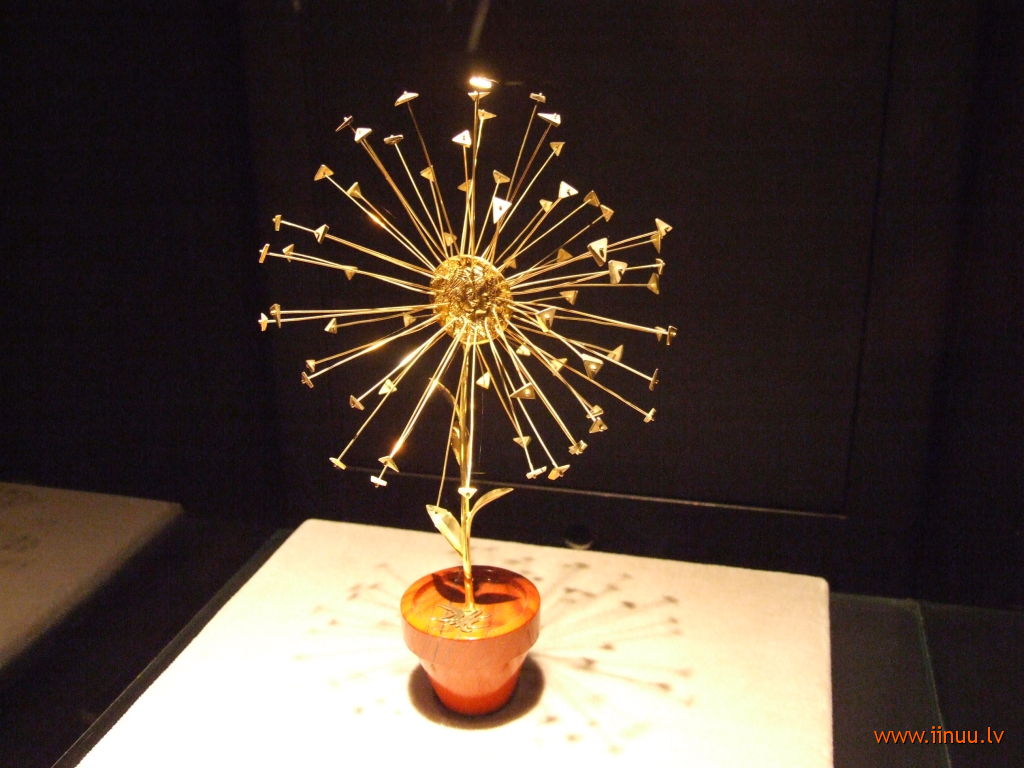
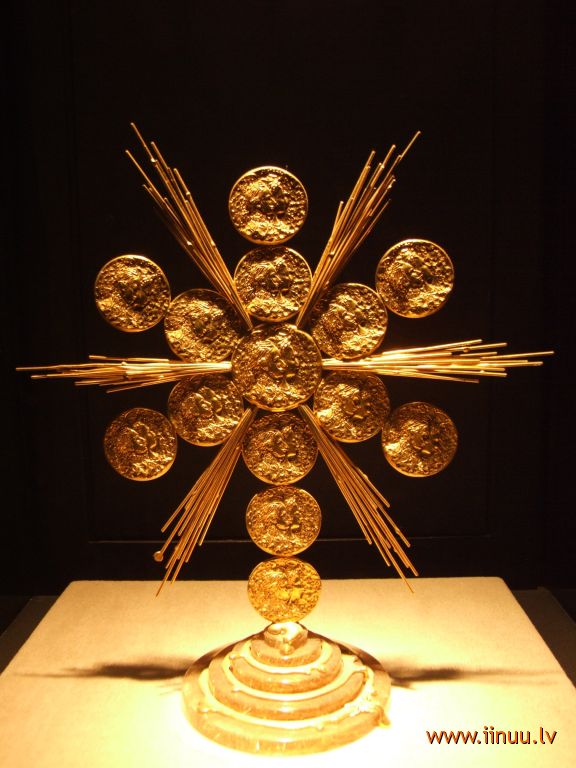
That was Salvador Dalí's answer to journalists when asked how he would explain this art movement. And he was entirely right. Dalí was the most consistent exponent of surrealism - both in his works (paintings, graphics, jewellery, cinema, performances) and in his way of life.
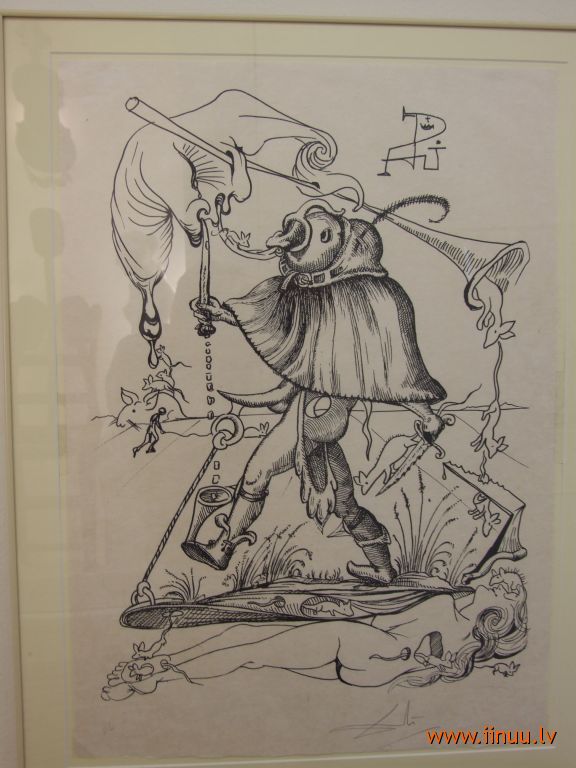
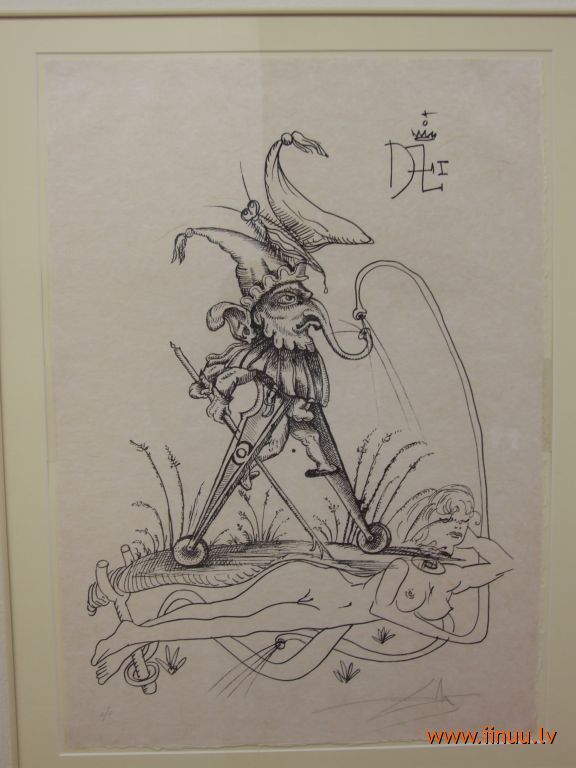
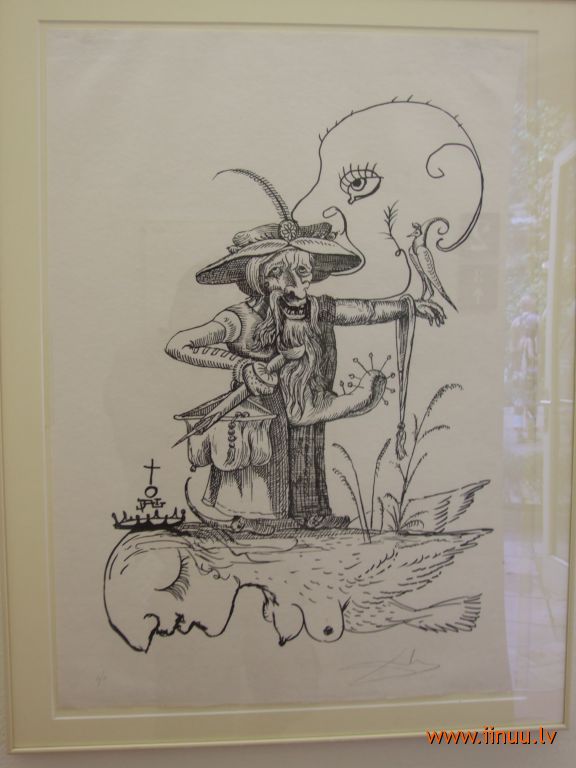
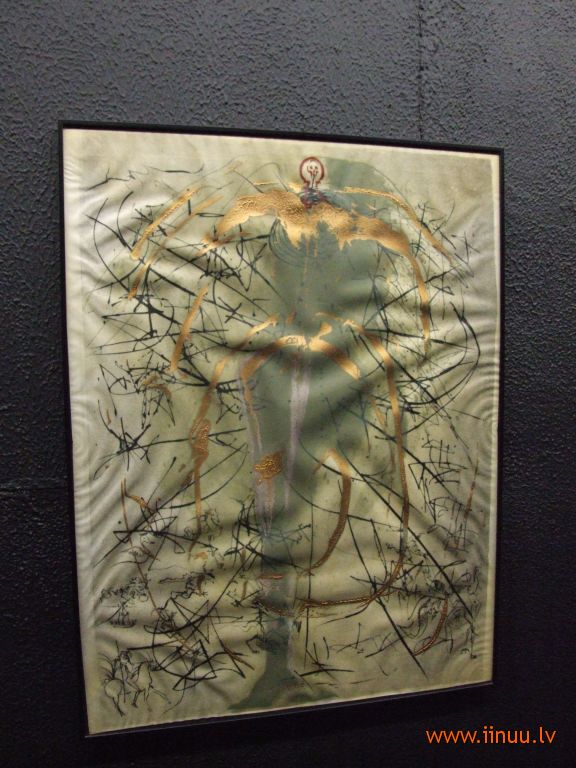
Dalí can be worshipped, his works admired; he can be misunderstood, he can horrify, and one can turn away in disgust from the scenes he created.
He was the most expensive artist of the 20th century, the most indulged bohemian, the mad and the genius.
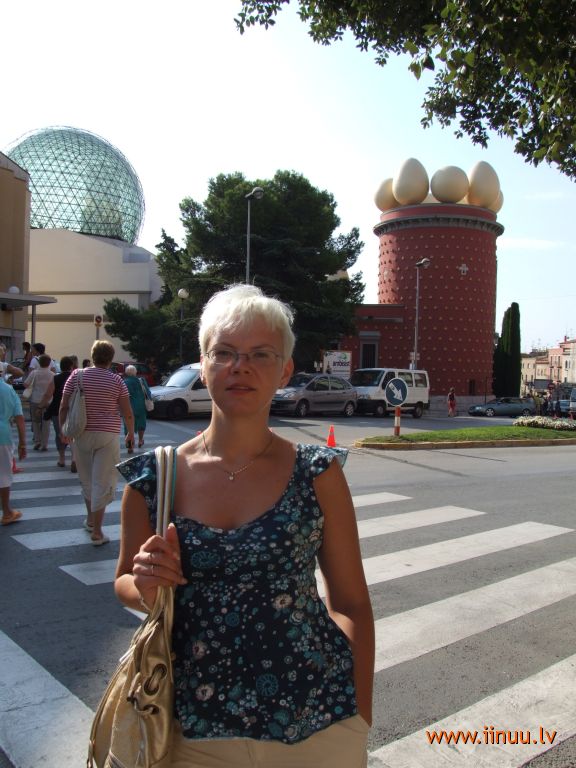
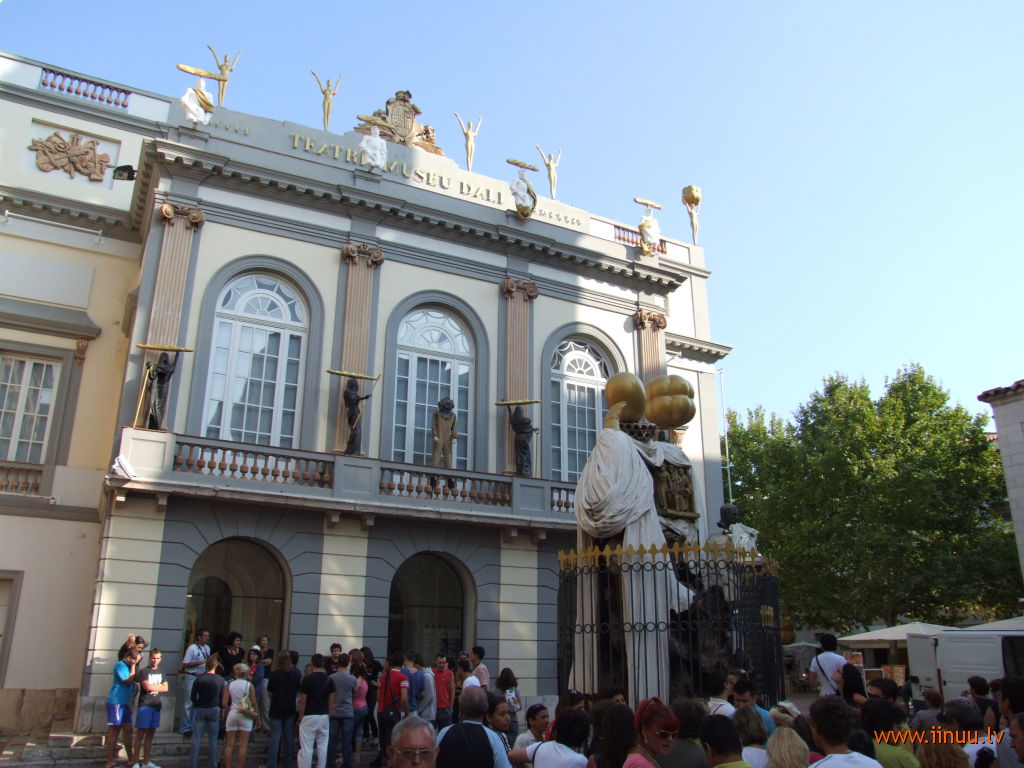
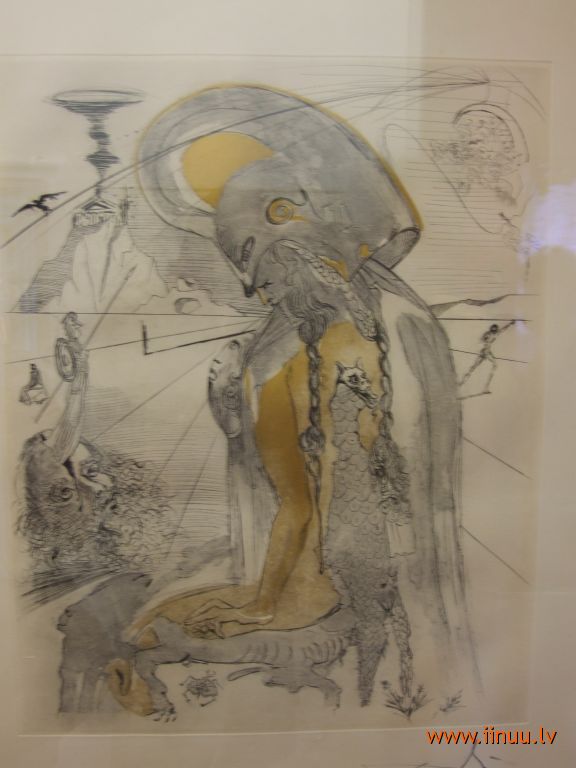
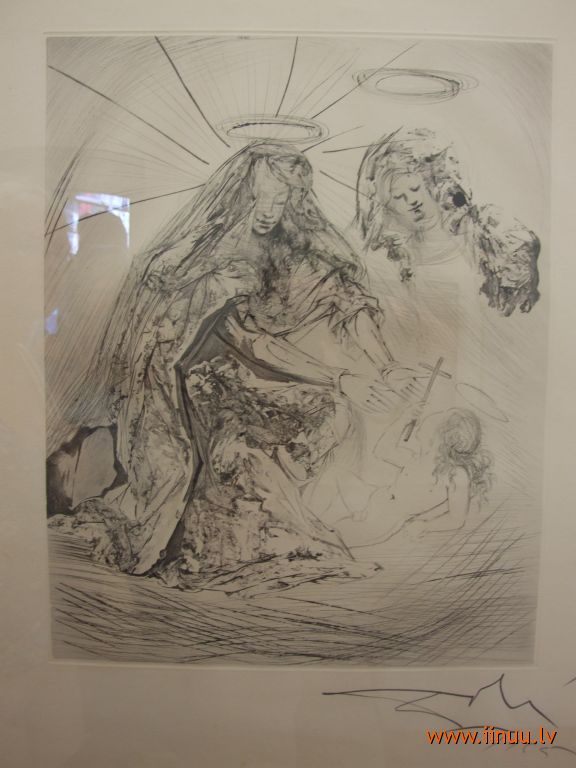
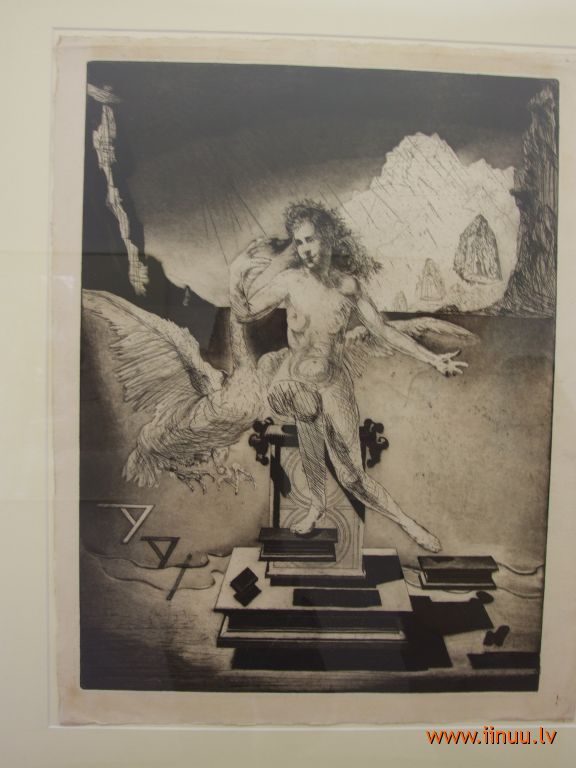
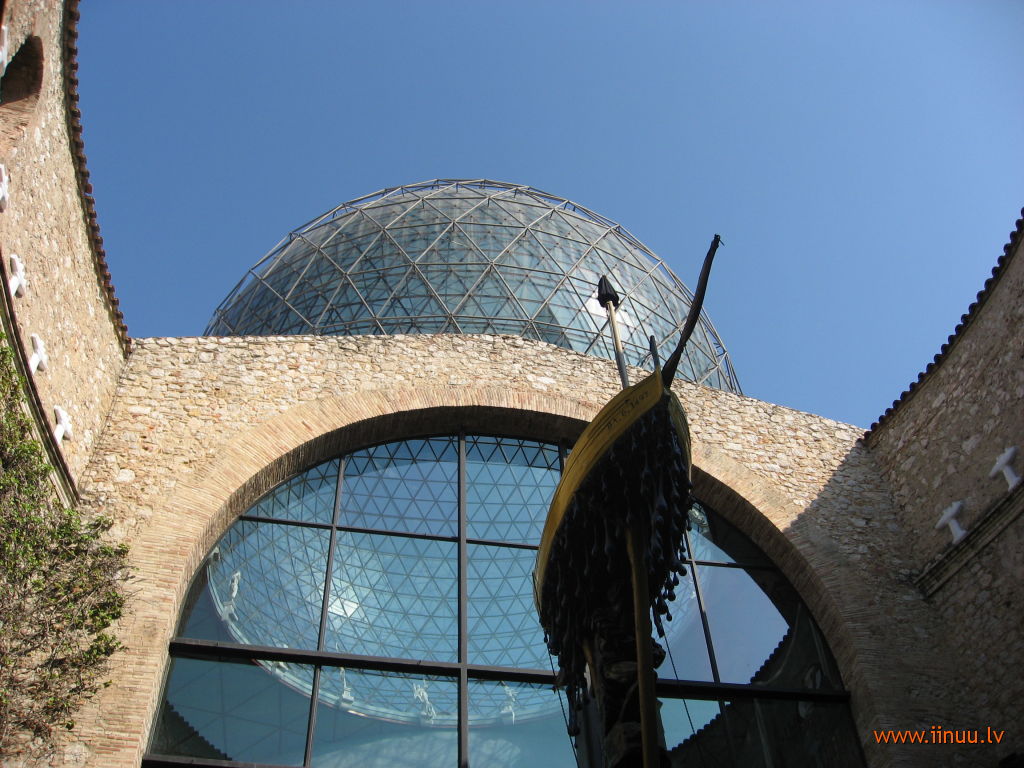
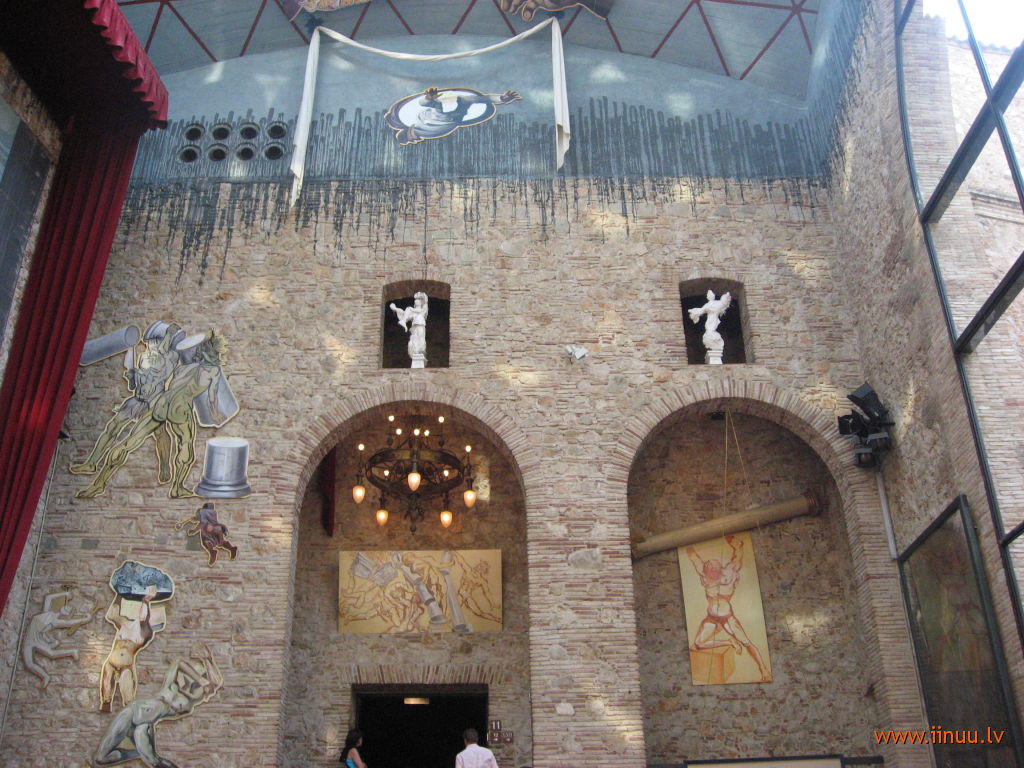
In any case, when in Spain, in Catalonia, one should visit the Dalí Theatre-Museum in his birthplace, Figueres. Entrance ticket: 10 euros.
More about the museum: http://www.salvador-dali.org/museus/figueres/en_index.html
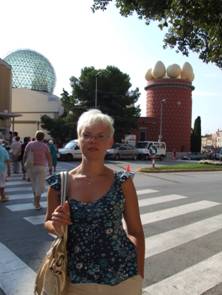
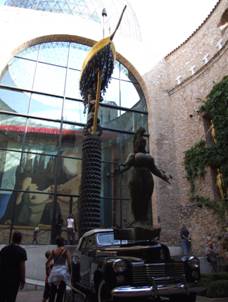
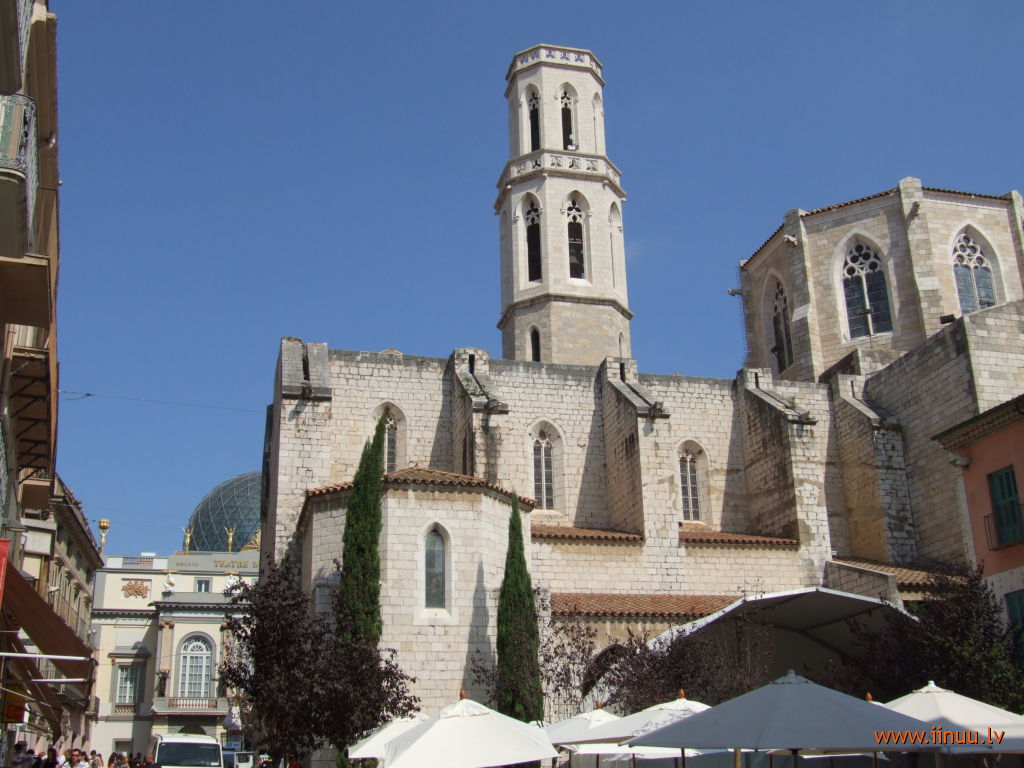
In this small town, which gained world attention solely because of the artist, Salvador Felipe Jacinto Dalí was born on 11 May 1904. Next to the museum stands the church where Dalí was baptised in an atmosphere of strict Catholic tradition.
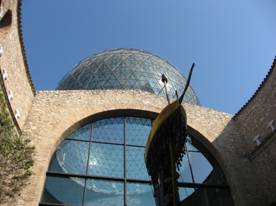
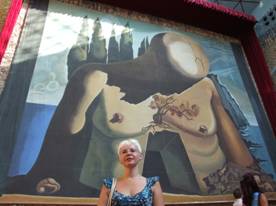
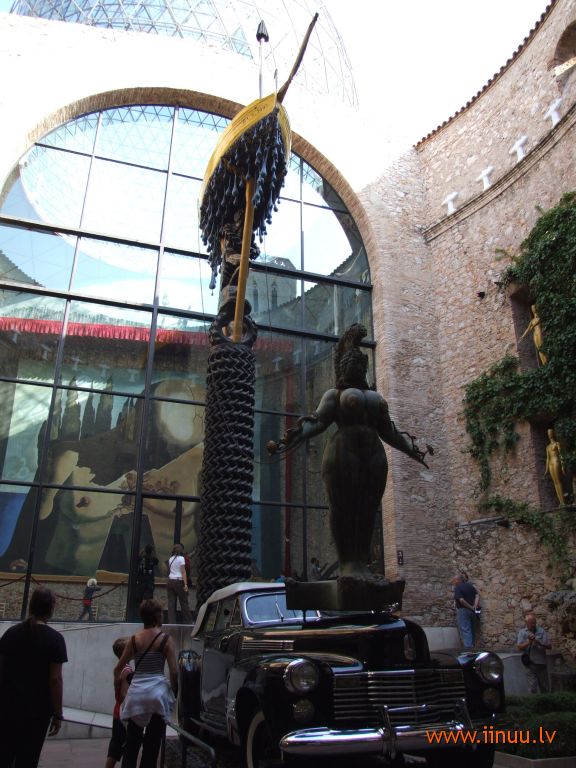
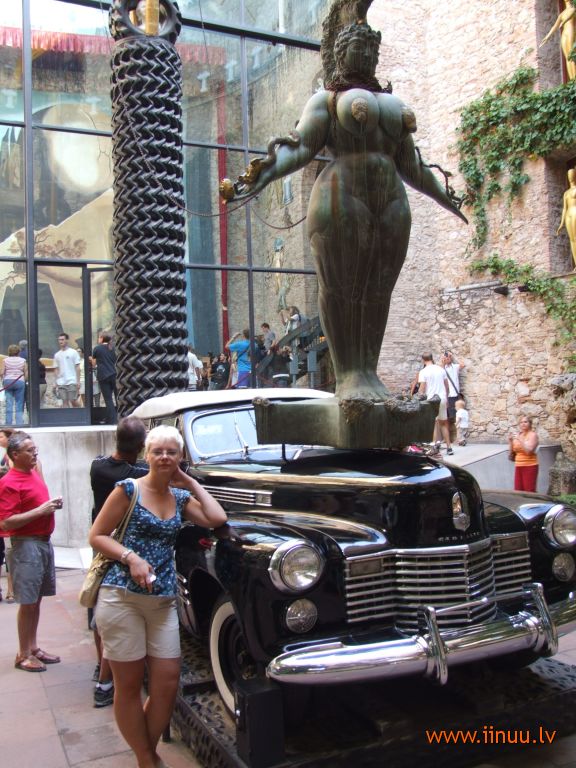
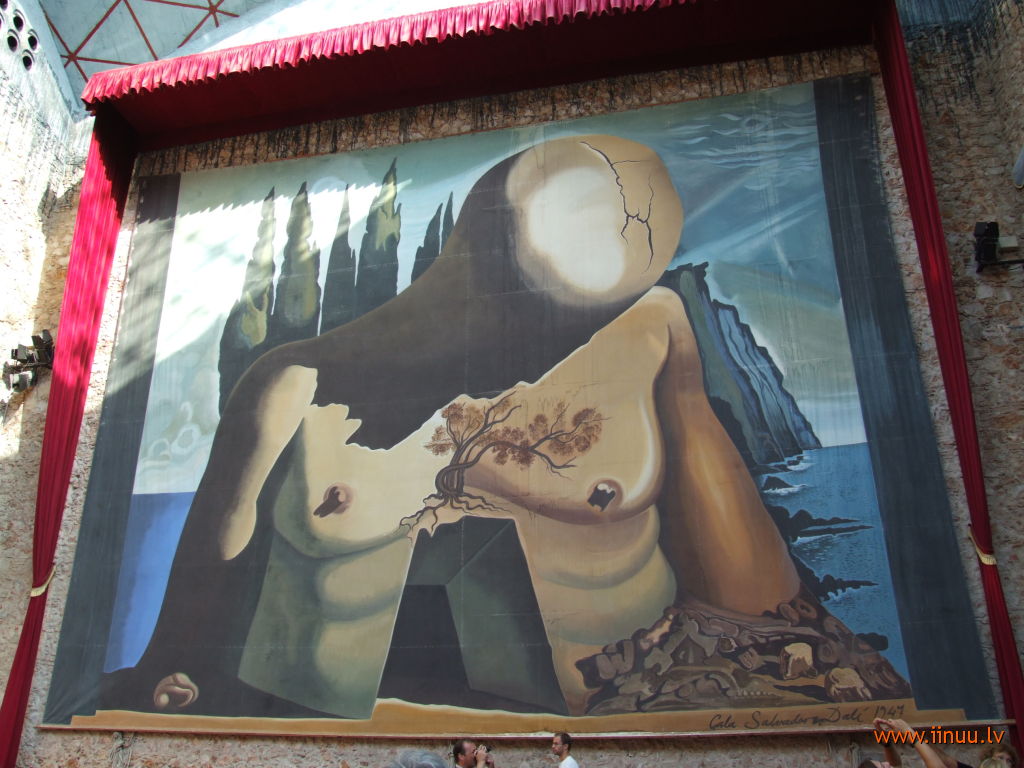
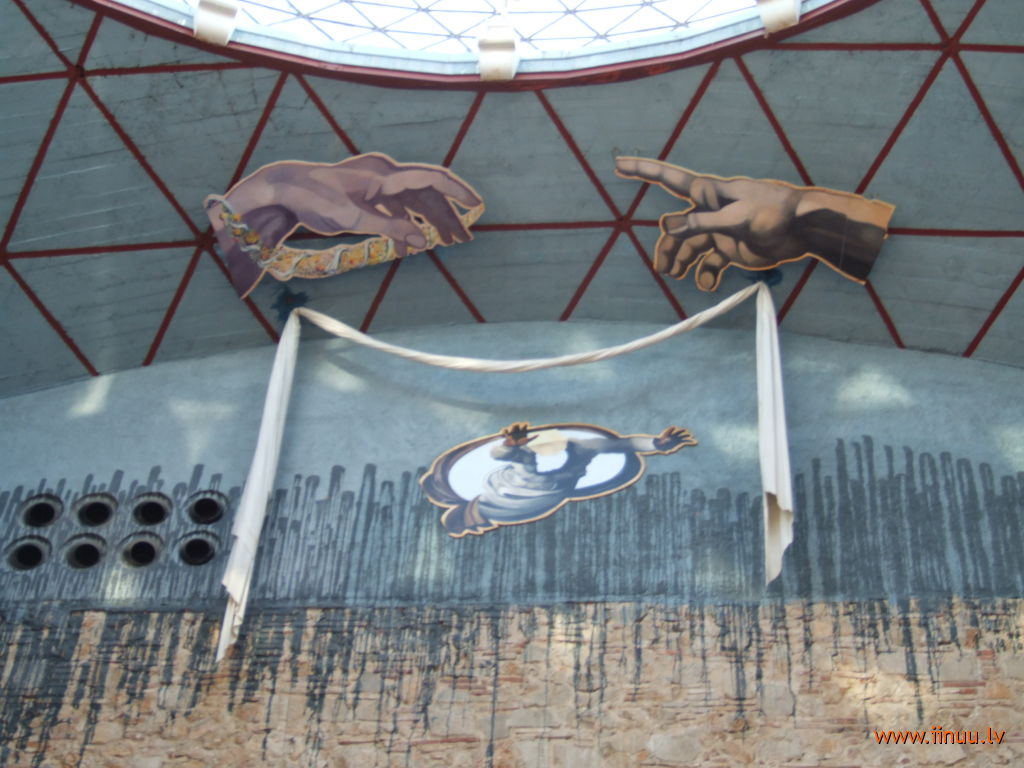
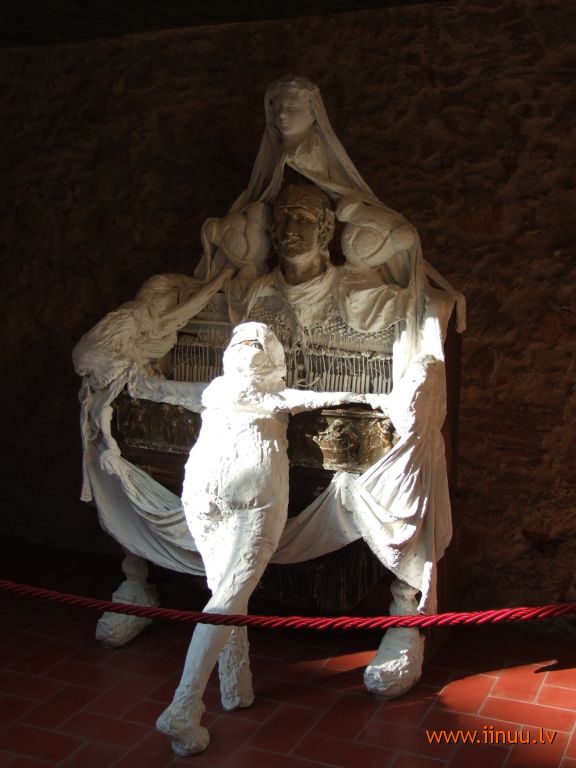
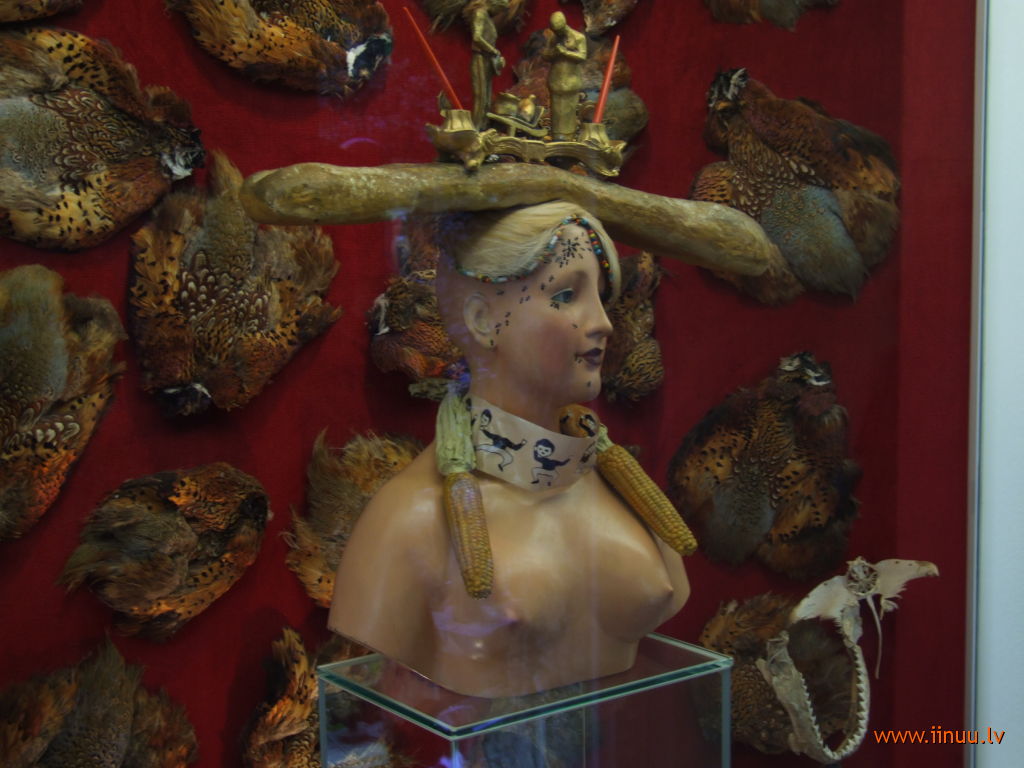
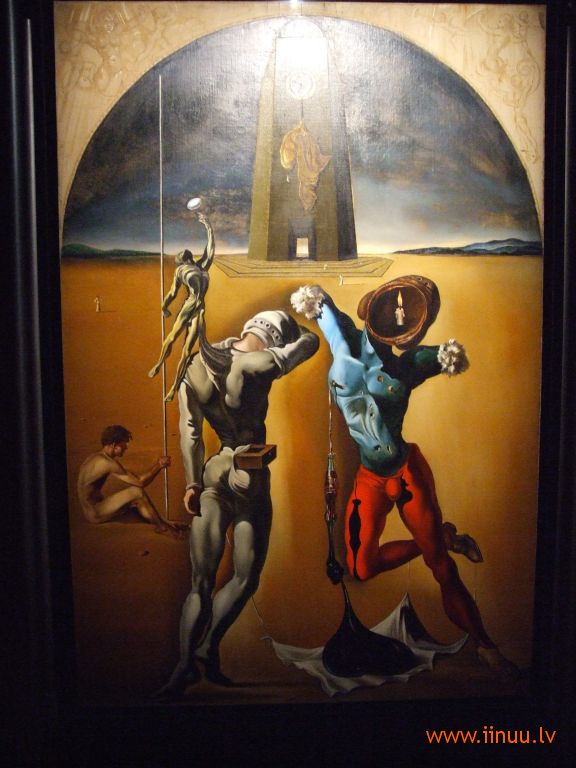
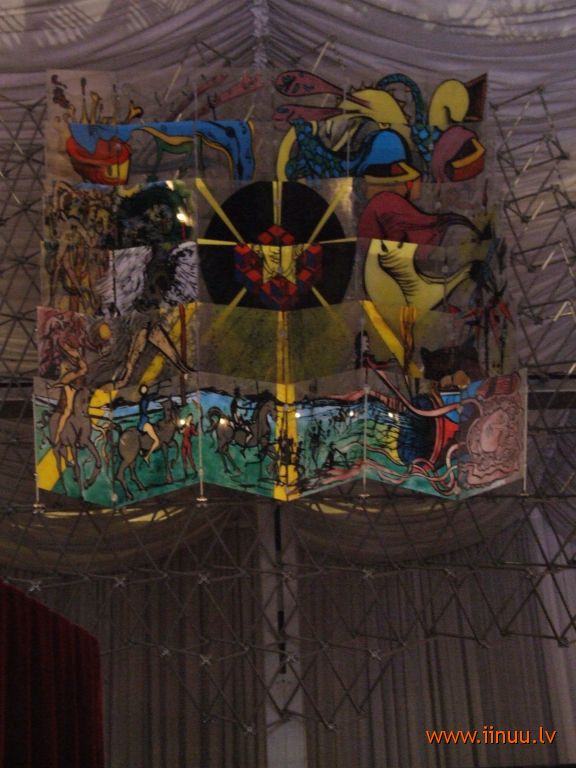
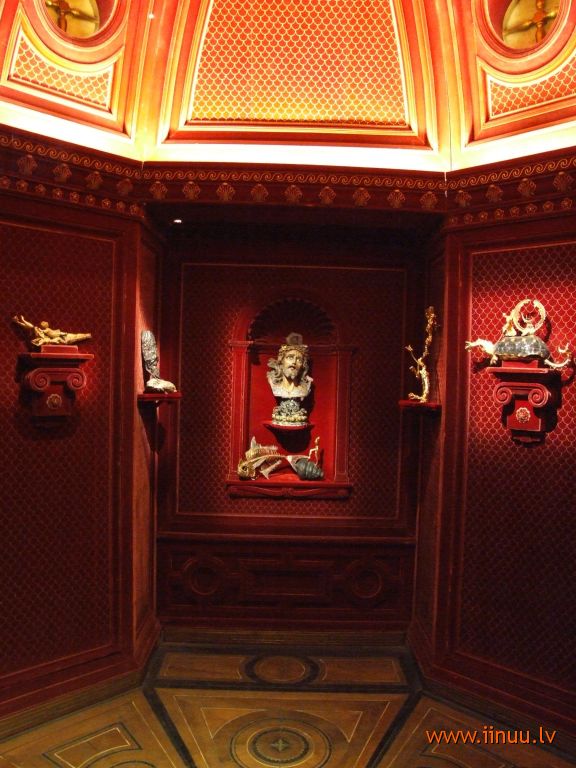
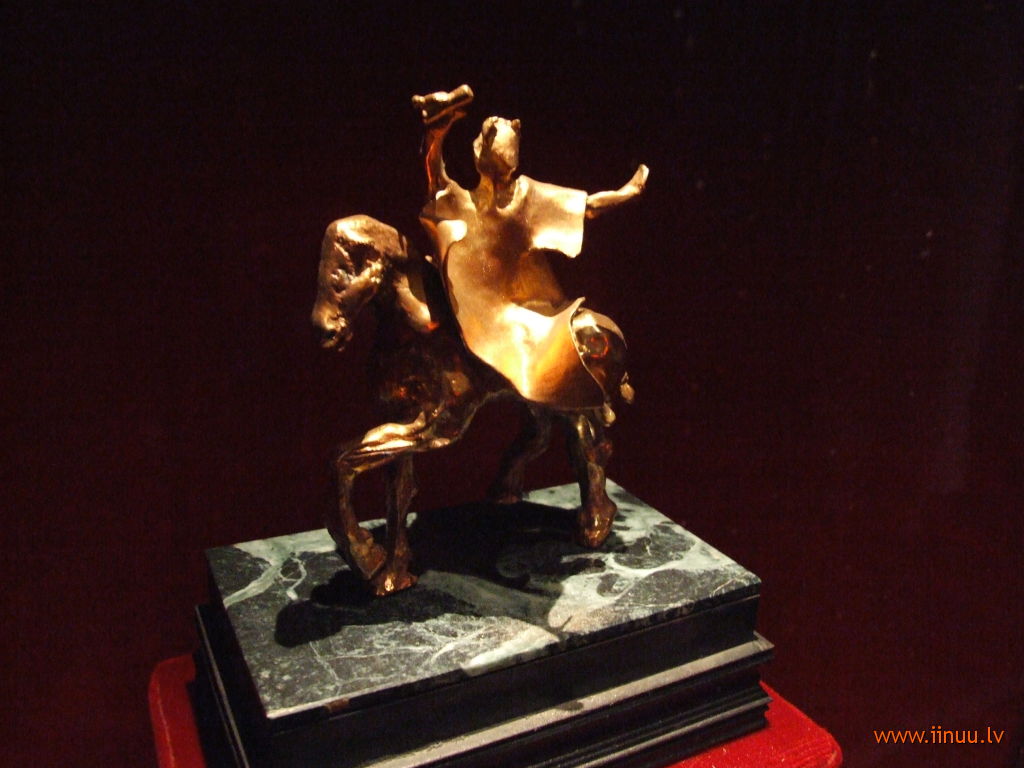
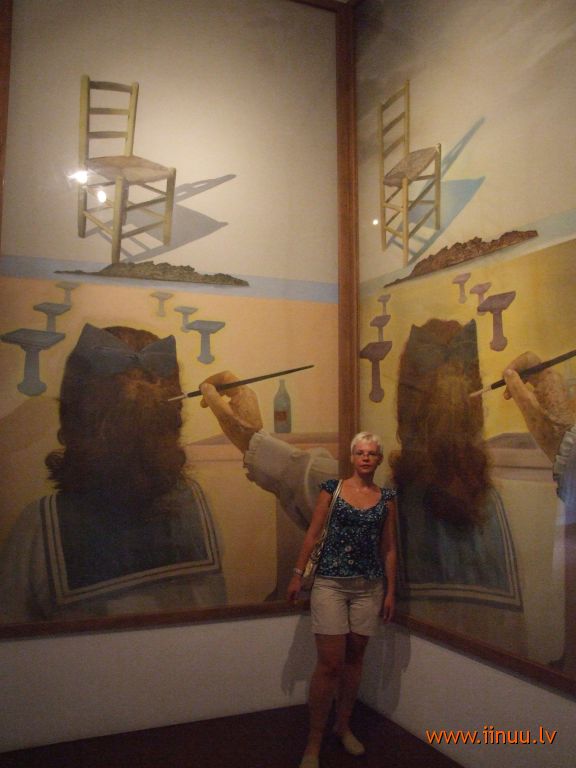
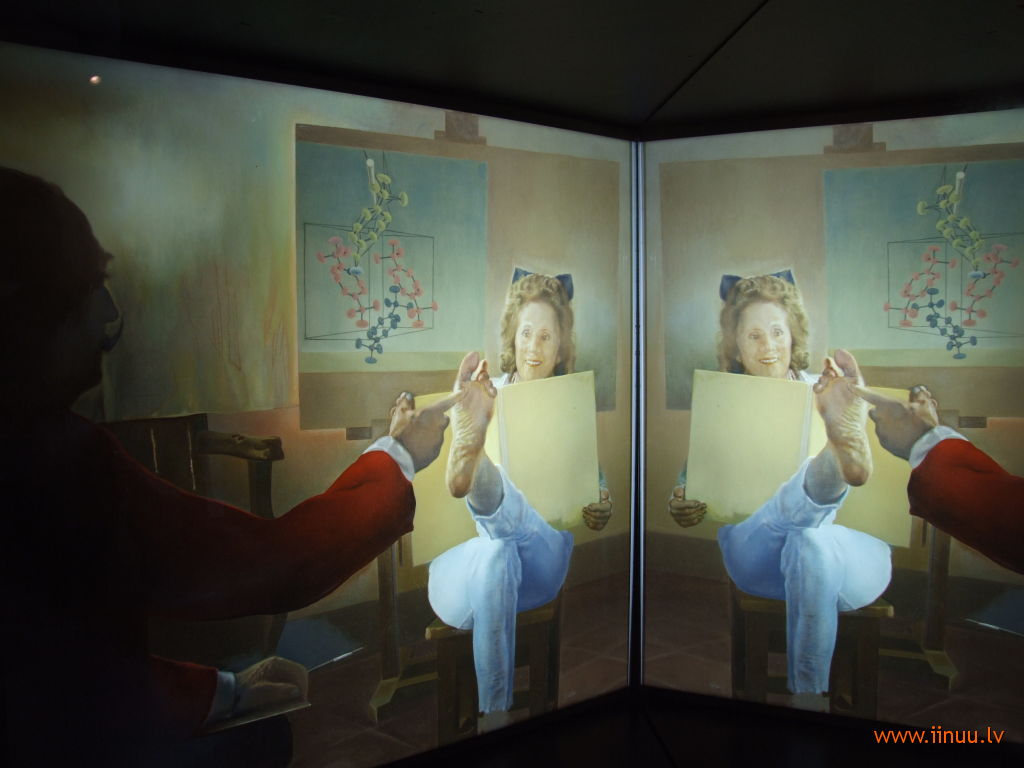
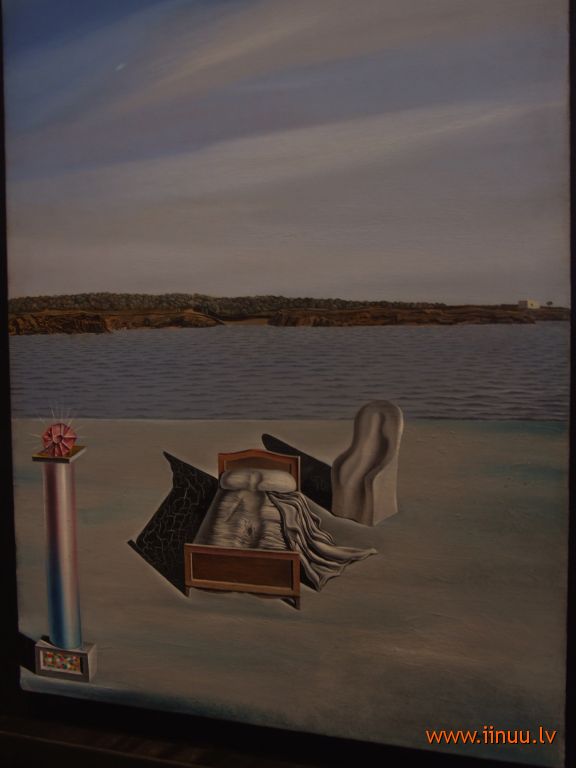
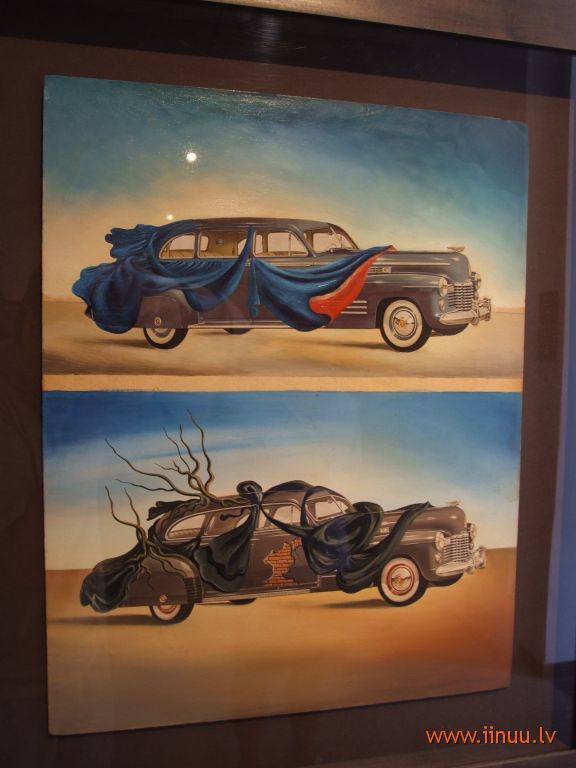
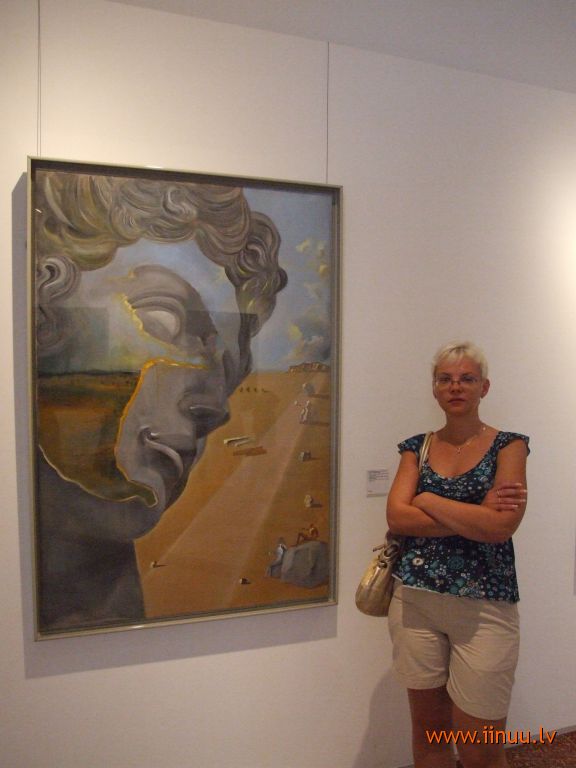
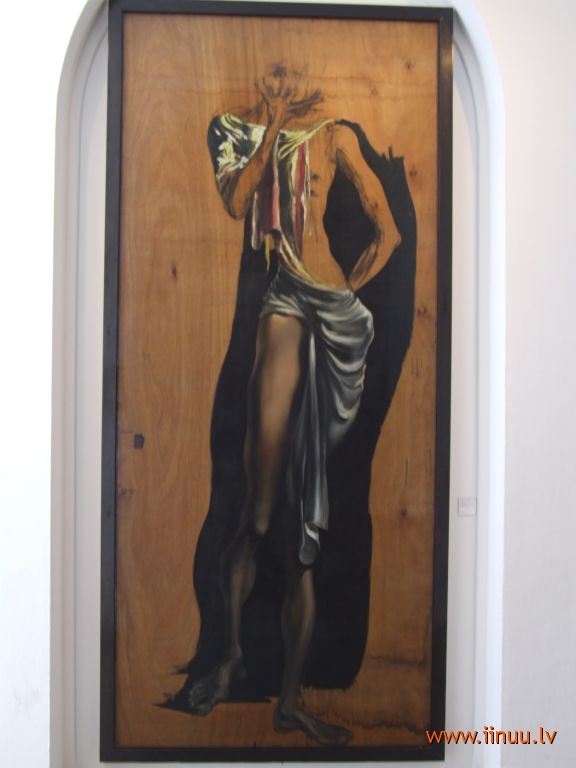
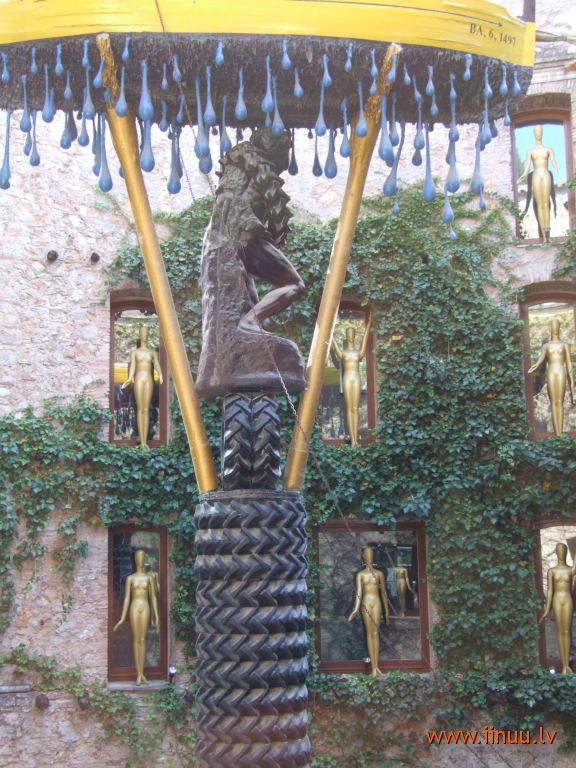
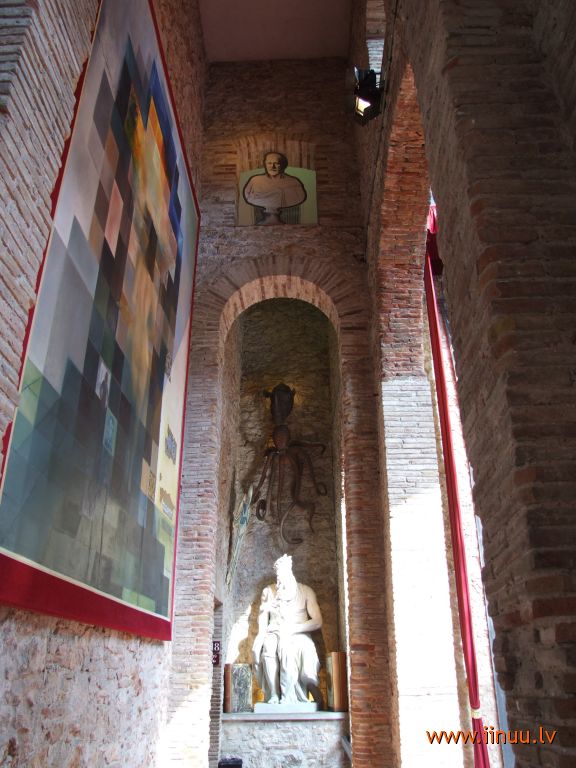
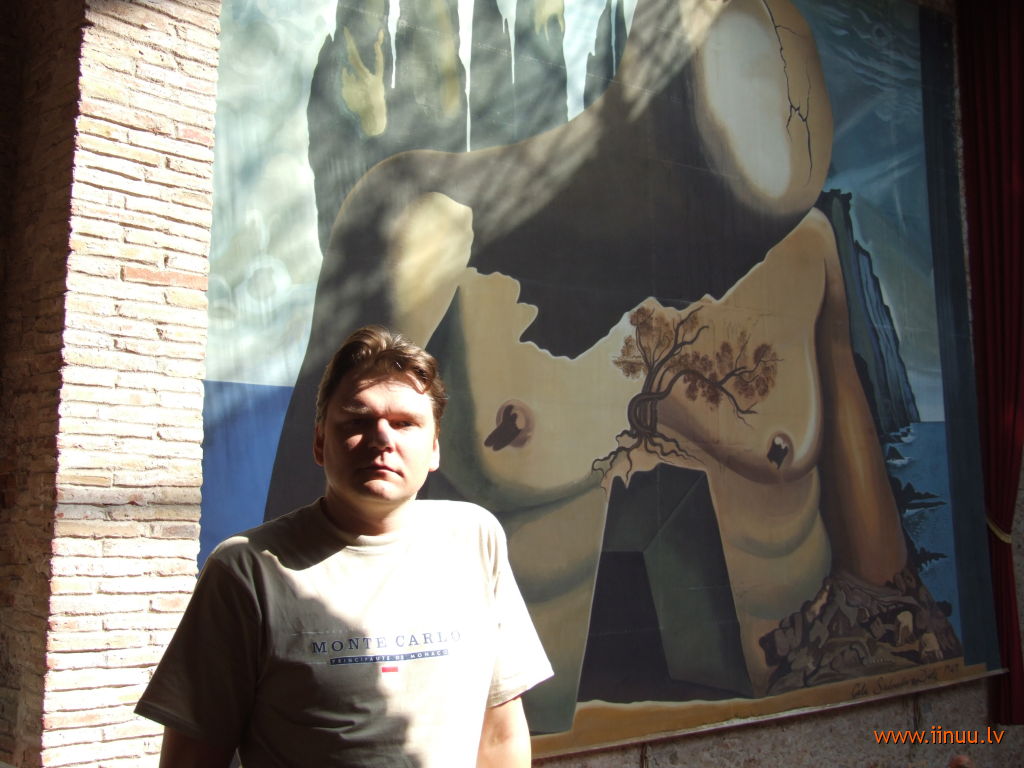
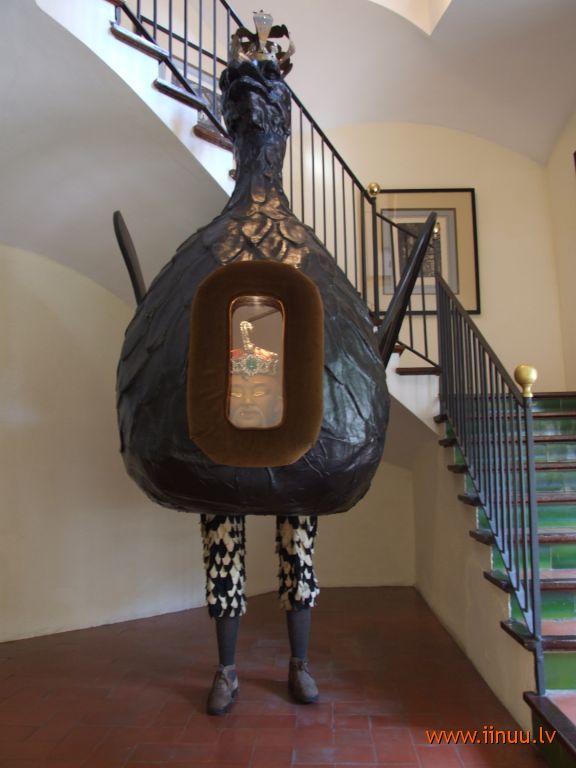
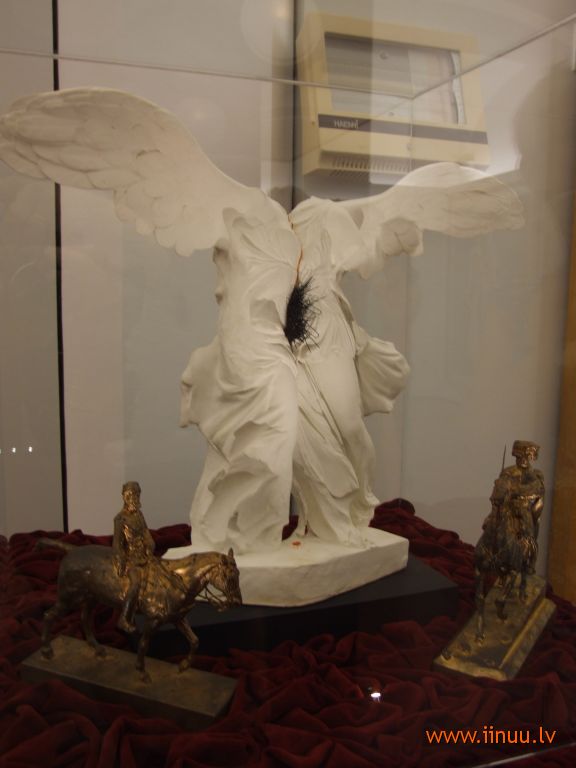
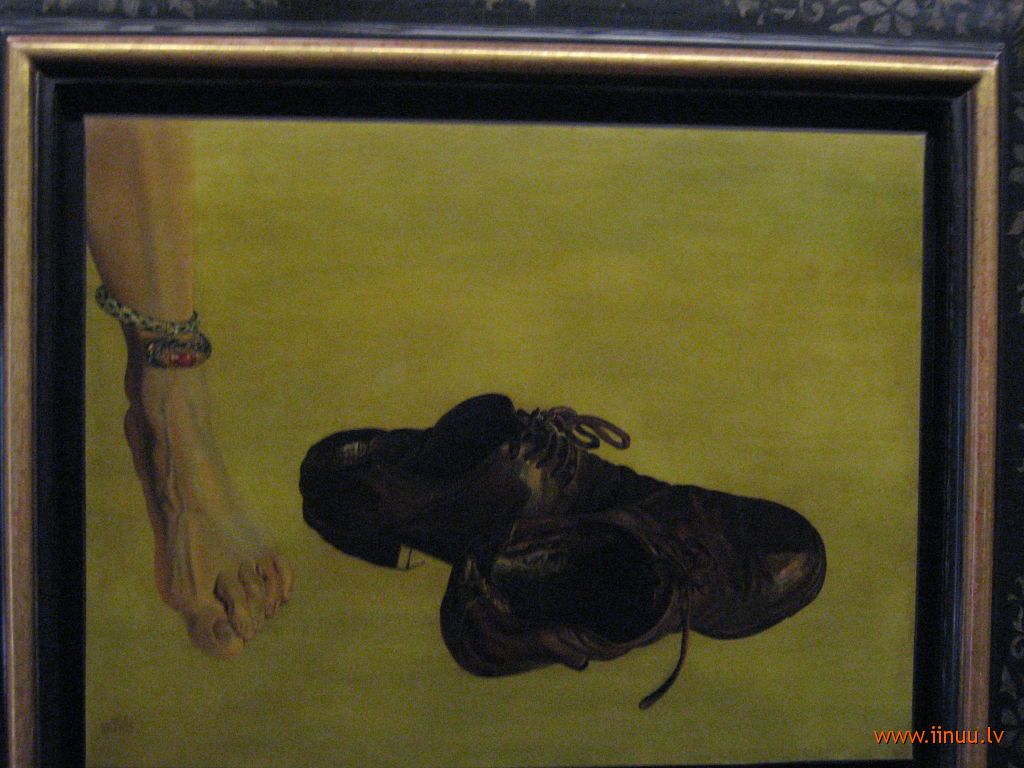
The Theatre-Museum is aptly named. Upon crossing the threshold, every visitor is drawn into an absurd game where things incompatible in reality are combined, nightmares emerge into daylight, and complexes of sexual inferiority are placed on a pedestal.
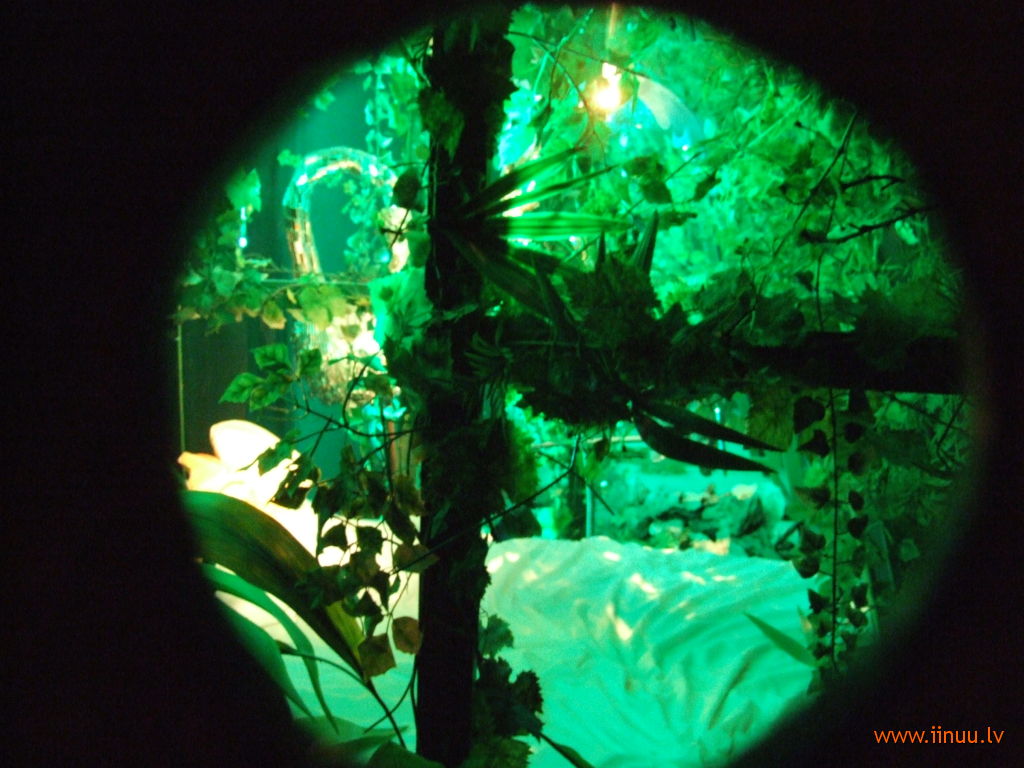
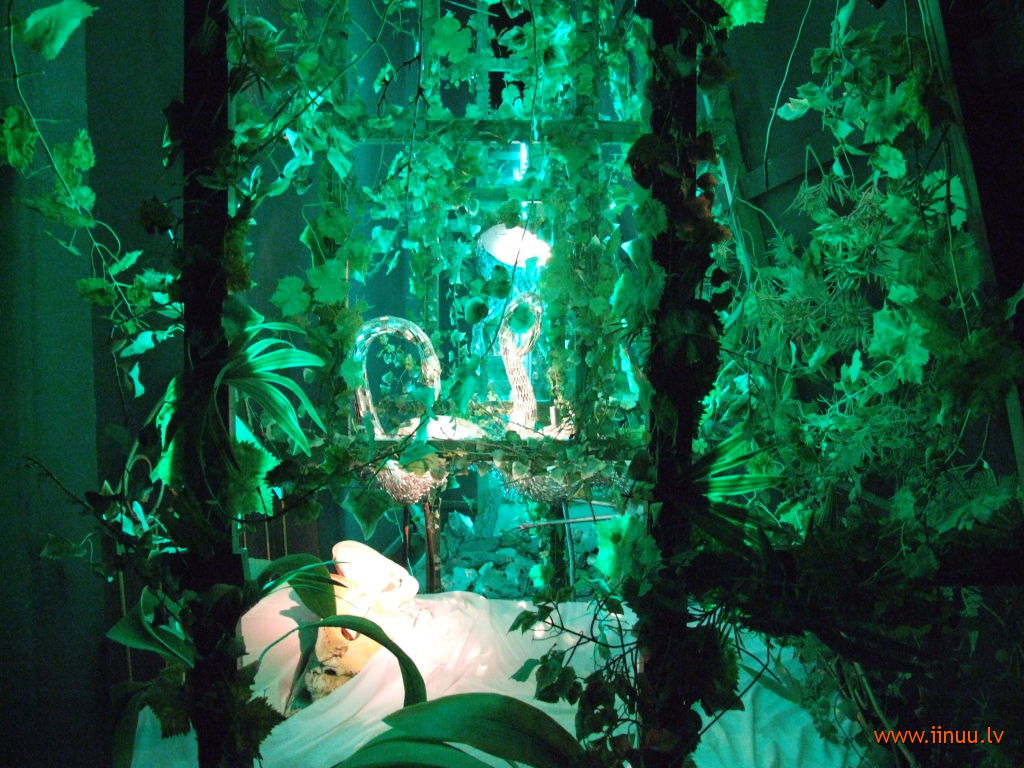
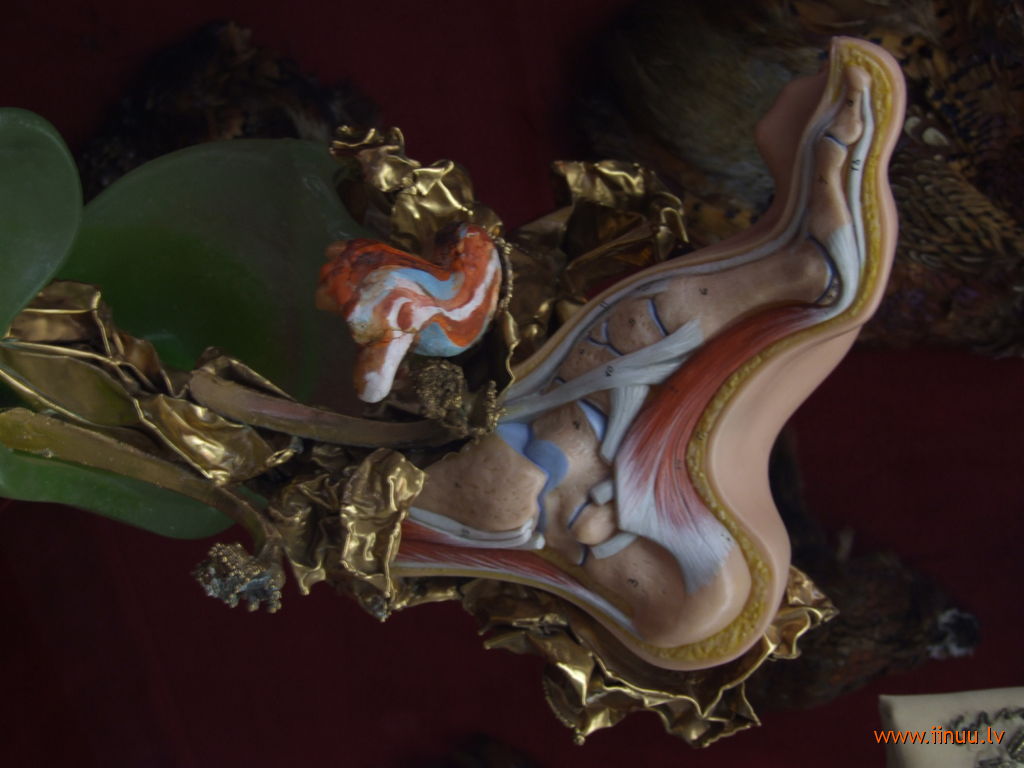
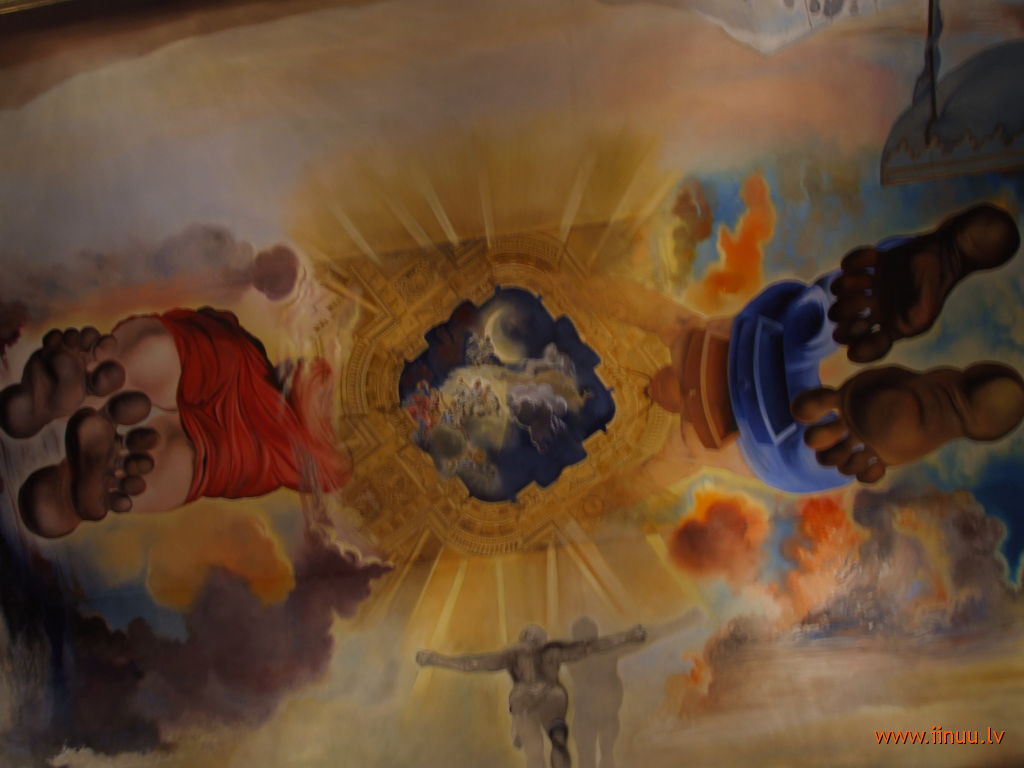
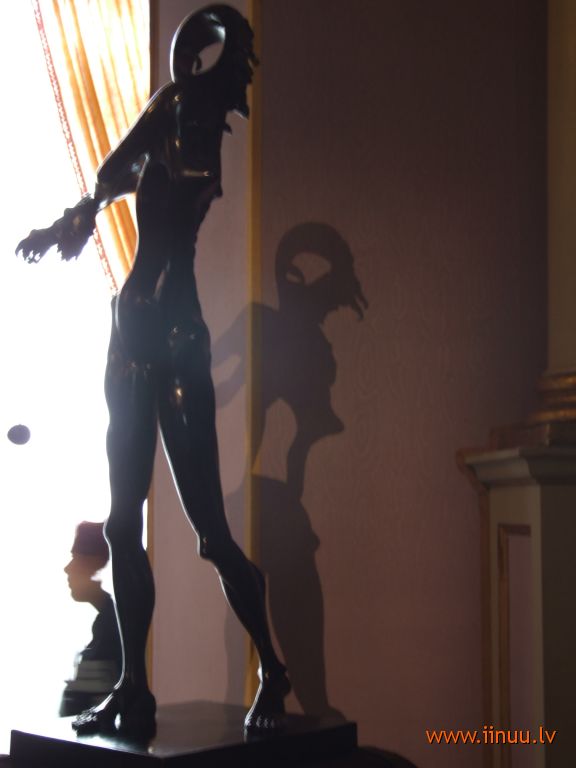
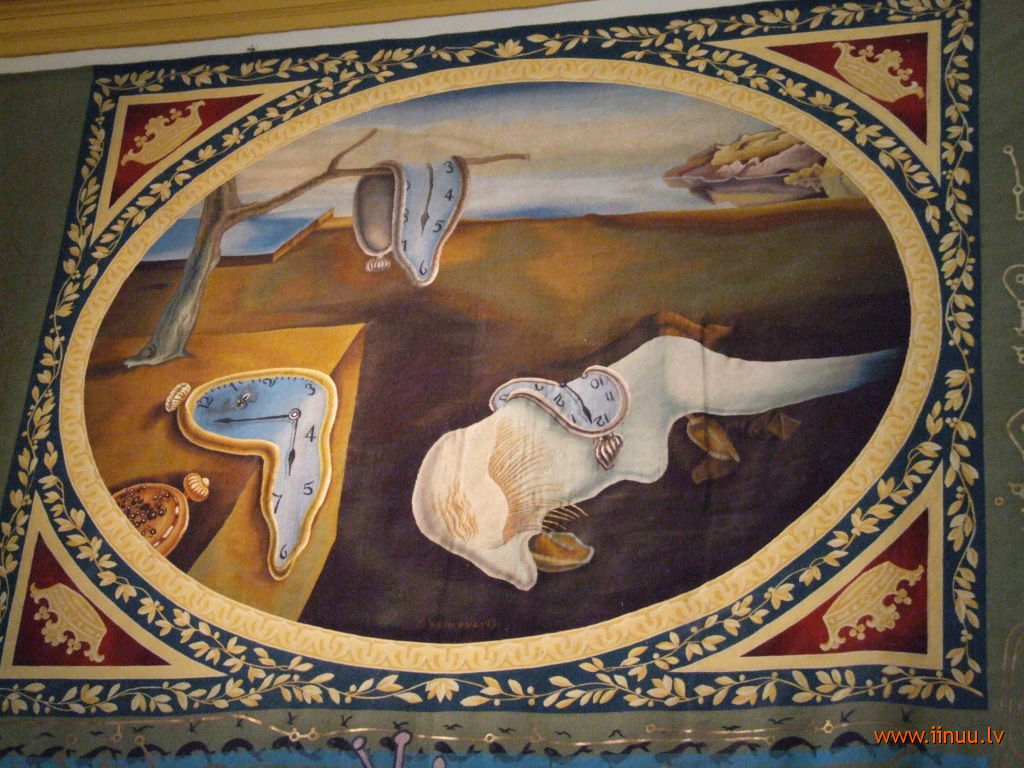
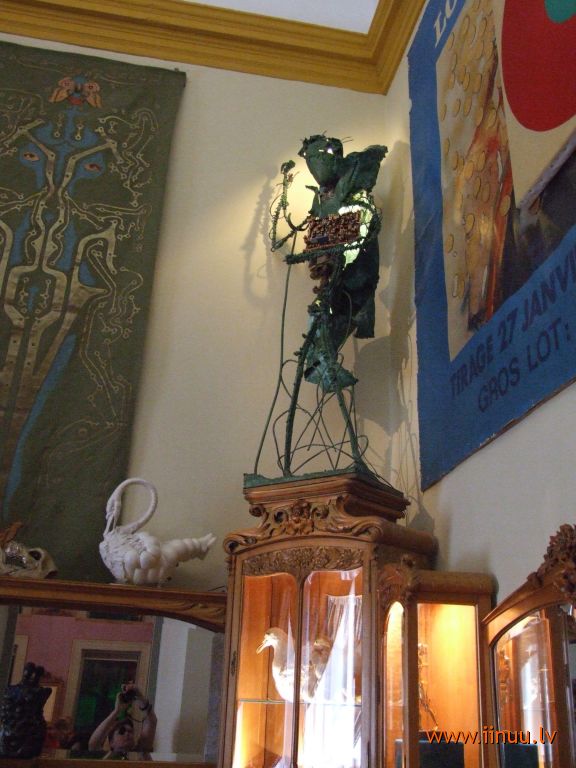
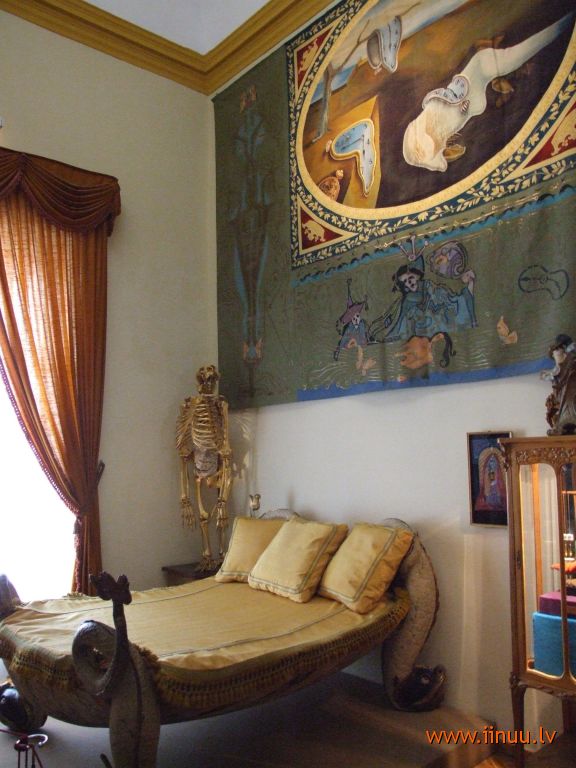
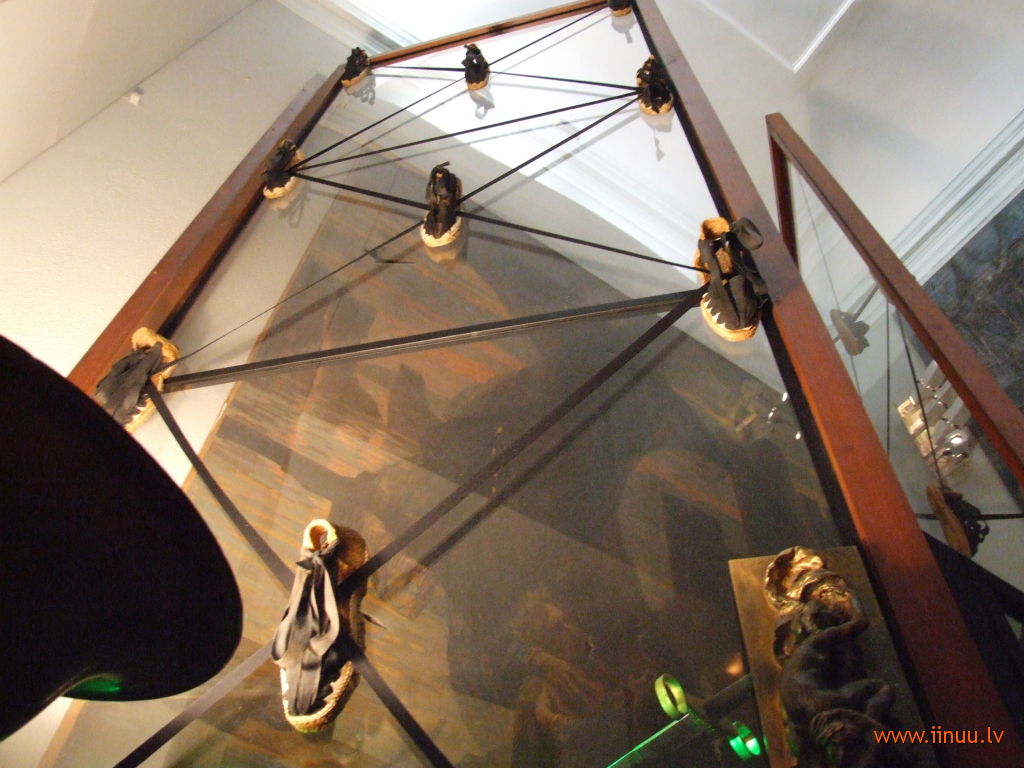
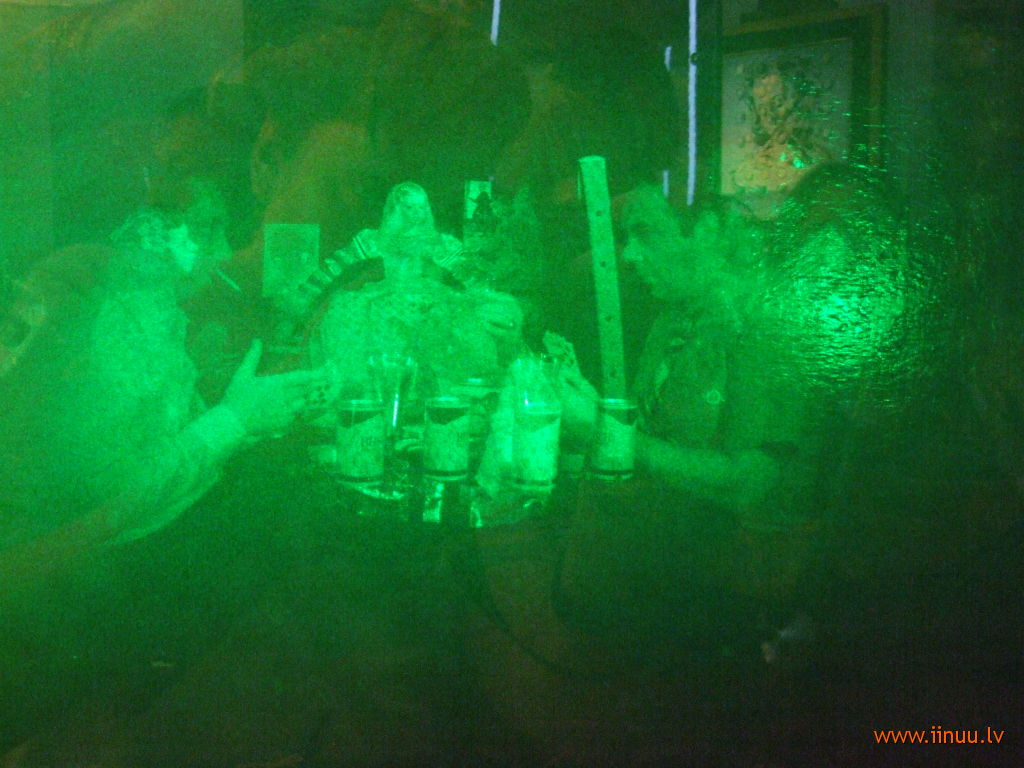
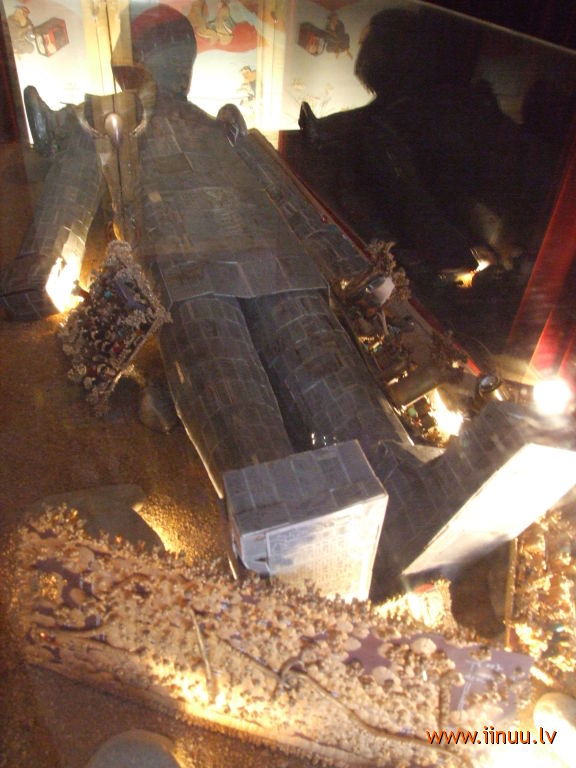
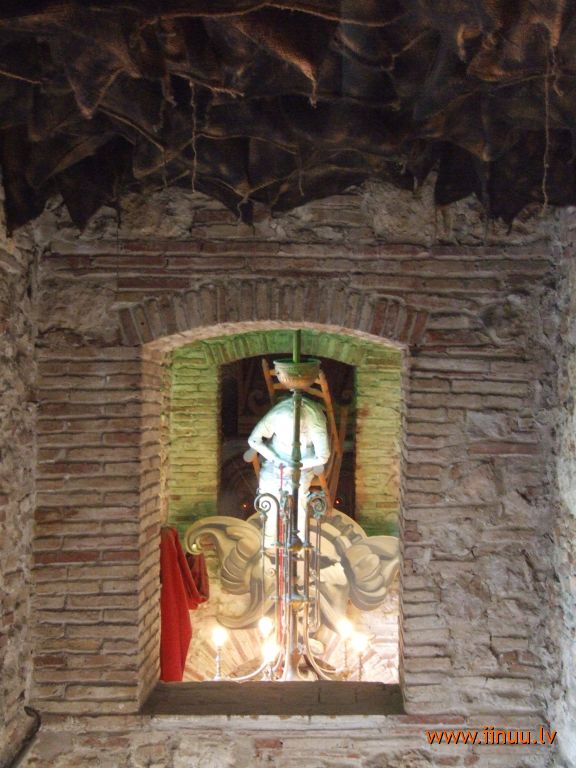
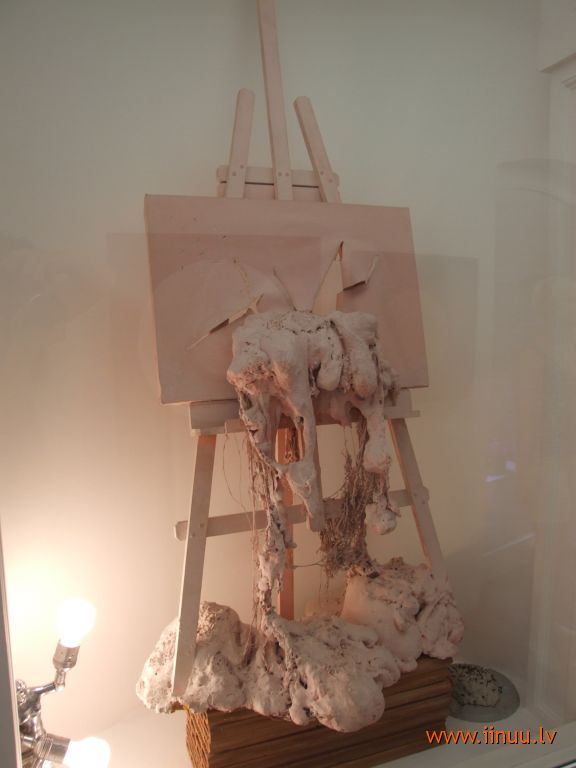
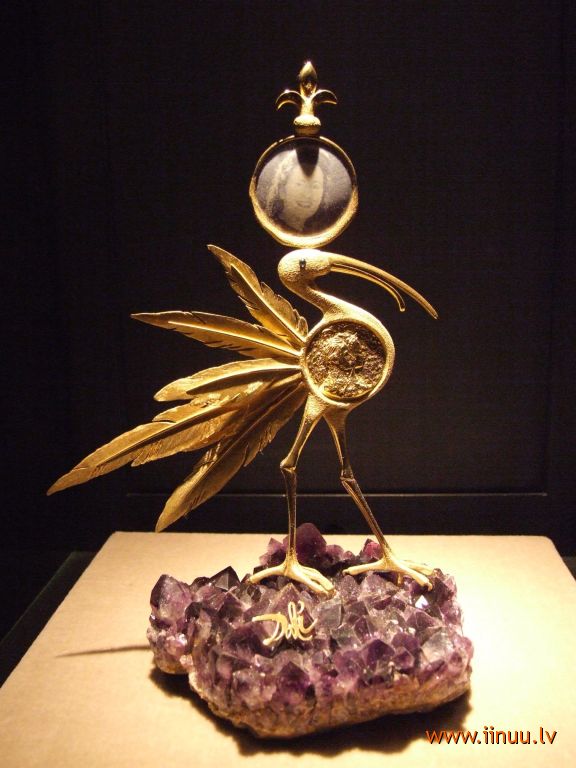
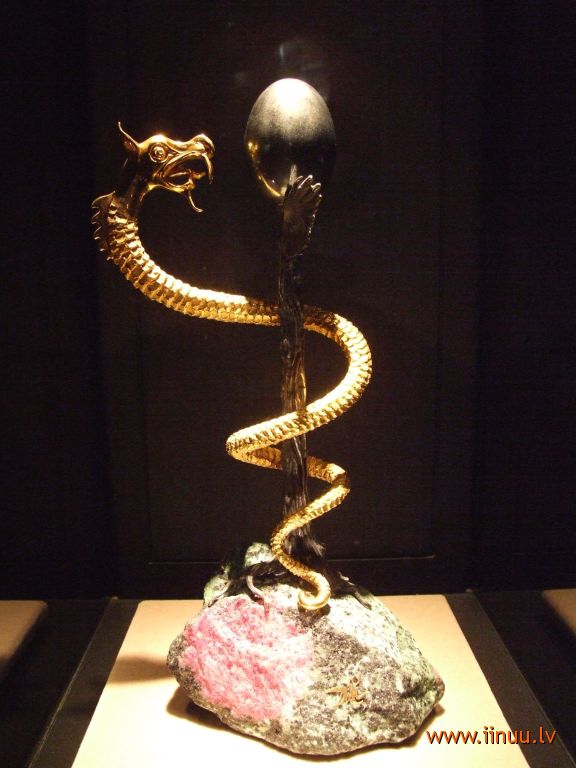
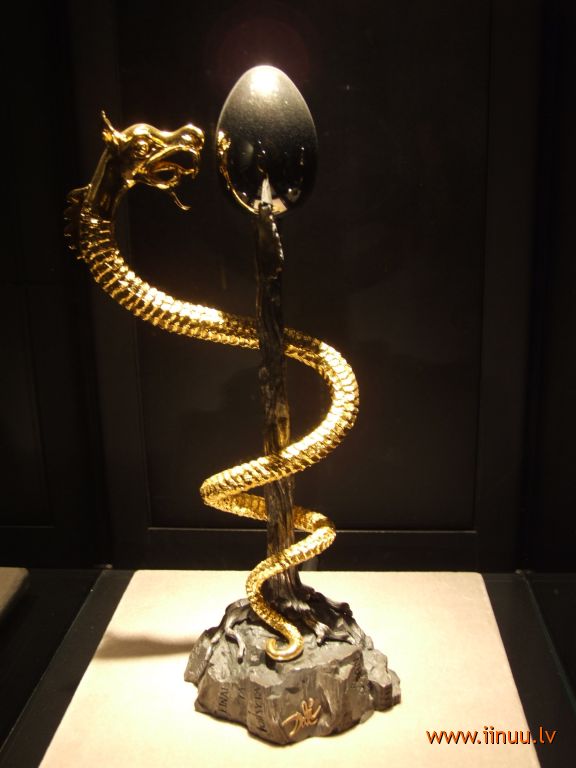
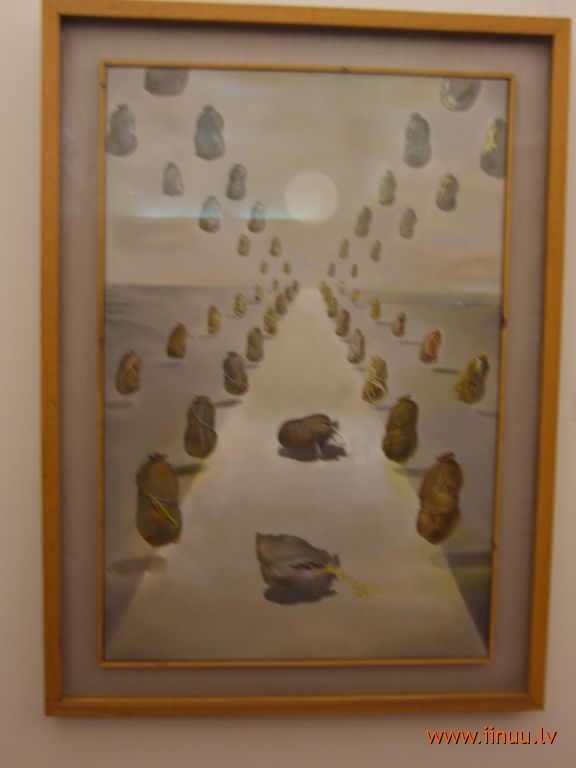
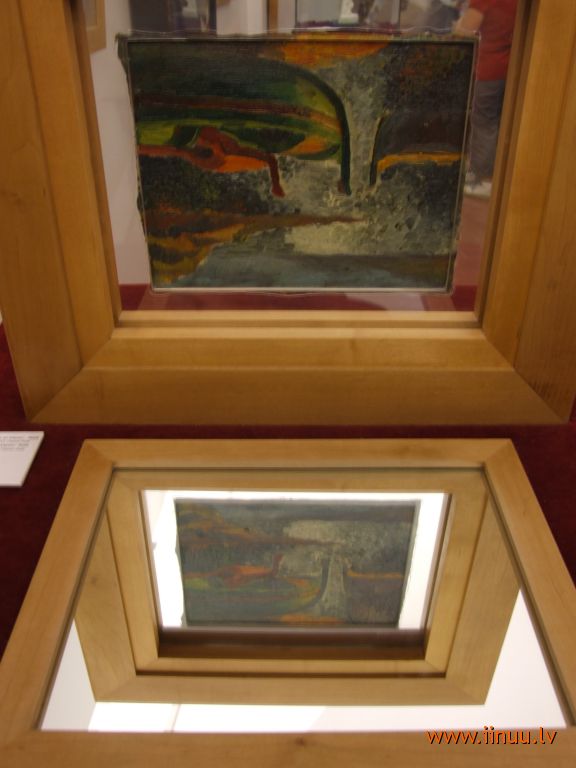
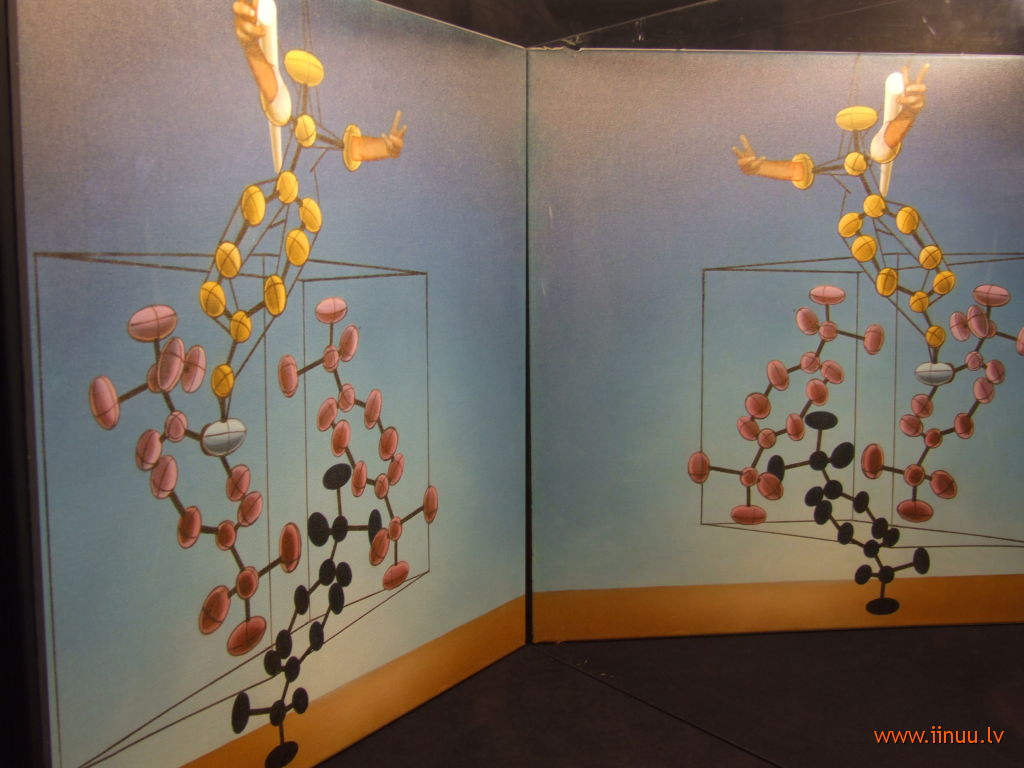
A bedroom with a skeleton in the corner, a lobster in place of a telephone receiver, grandiose ceiling paintings, three-dimensional images, holograms.
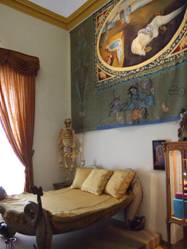
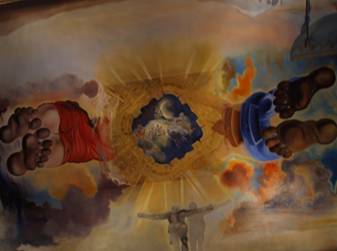
Dalí's life resembled theatre, performance, an endless citation of the flow of the subconscious. He - or rather they, Dalí and his muse Gala - needed scandal.
He - an asthenic young man from a family with conservative Catholic traditions, the beloved of the Spanish poet Federico García Lorca, a wealthy painter who could afford to paint with liquid gold, and could afford a 20,000-dollar night for his muse with a new lover in the historic Romeo and Juliet bed in Verona.
She - the Russian émigré Helena Diakonova-Devulina, wife of the French poet Paul Éluard, ten years older than Dalí, unable to bear children, a reveller and financial supporter of many lovers. She who was laid in her coffin in a red Christian Dior gown. She - a muse, an inspirer, Dalí's ruin and salvation.
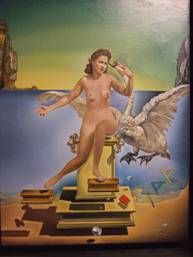
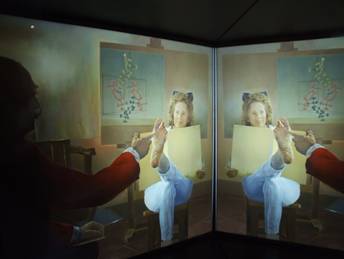
Where does Dalí's genius lie?
In his "Diary of a Genius" (Jumava, 1999) he explains it with a peculiar method: "Everyone in the whole world, especially in America, wants to know the secret method by which such great success has been achieved. Such a method does indeed exist. It is called the "paranoiac-critical method". It will soon be more than thirty years since I invented it and have used it successfully, although I still do not know what it is based on. Generally speaking, it concerns the most rigorous logical systematisation of the most delirious phenomena and matter, so as to make my bewitchingly dangerous ideas significantly more creative. This method works only on one condition - that you have a gentle motor of divine origin, a living bullet, a Gala - but she is the only one of her kind in the whole world."
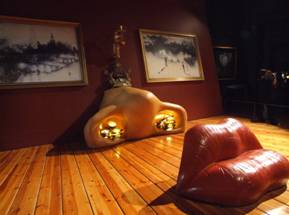
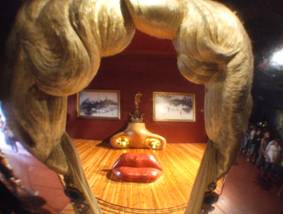
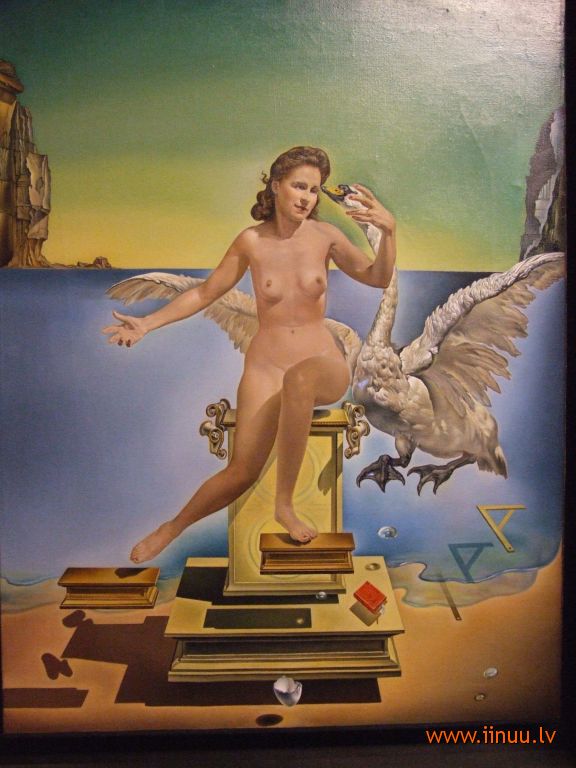
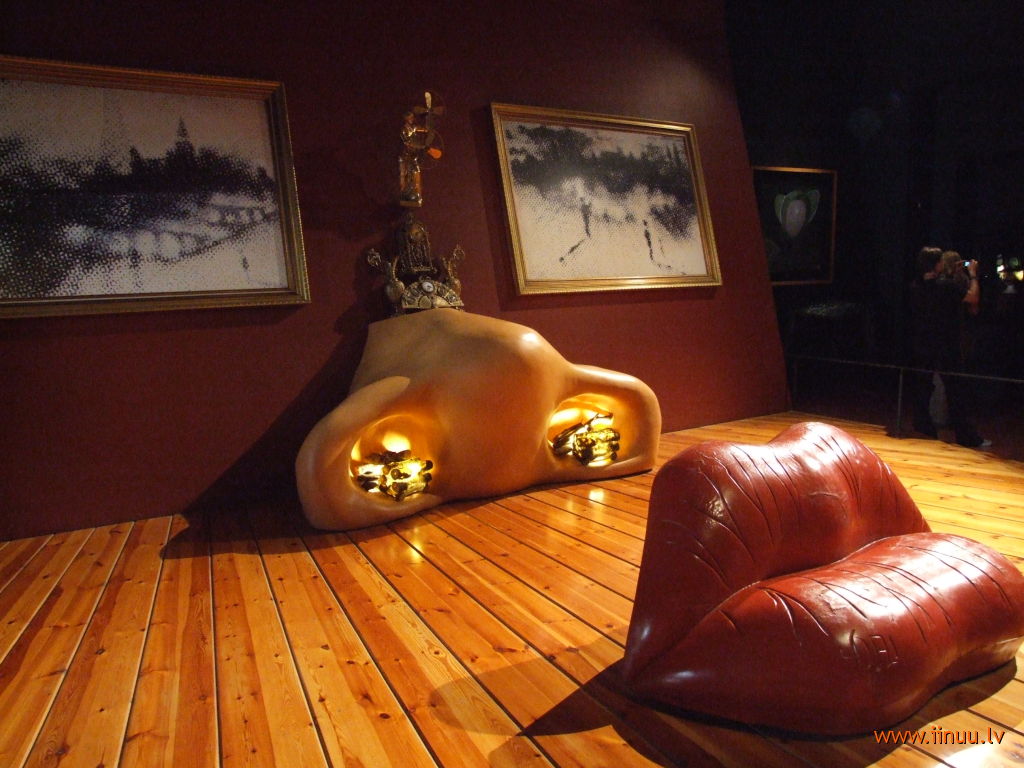
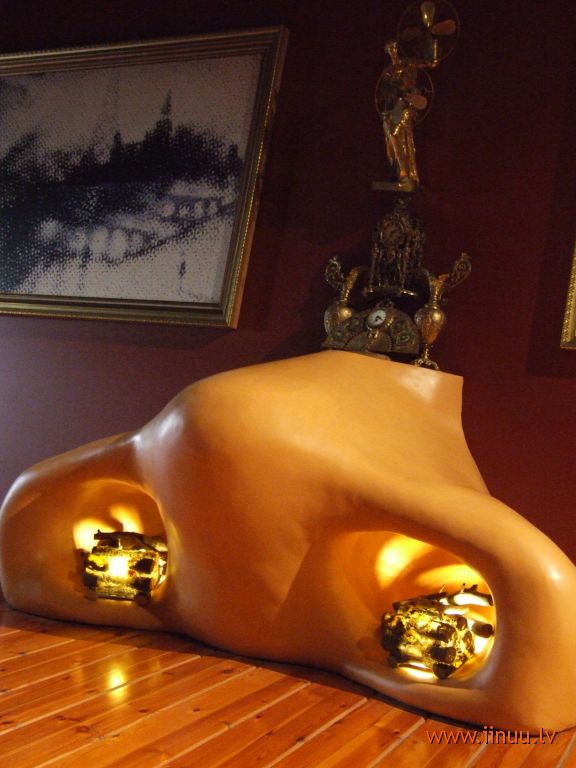
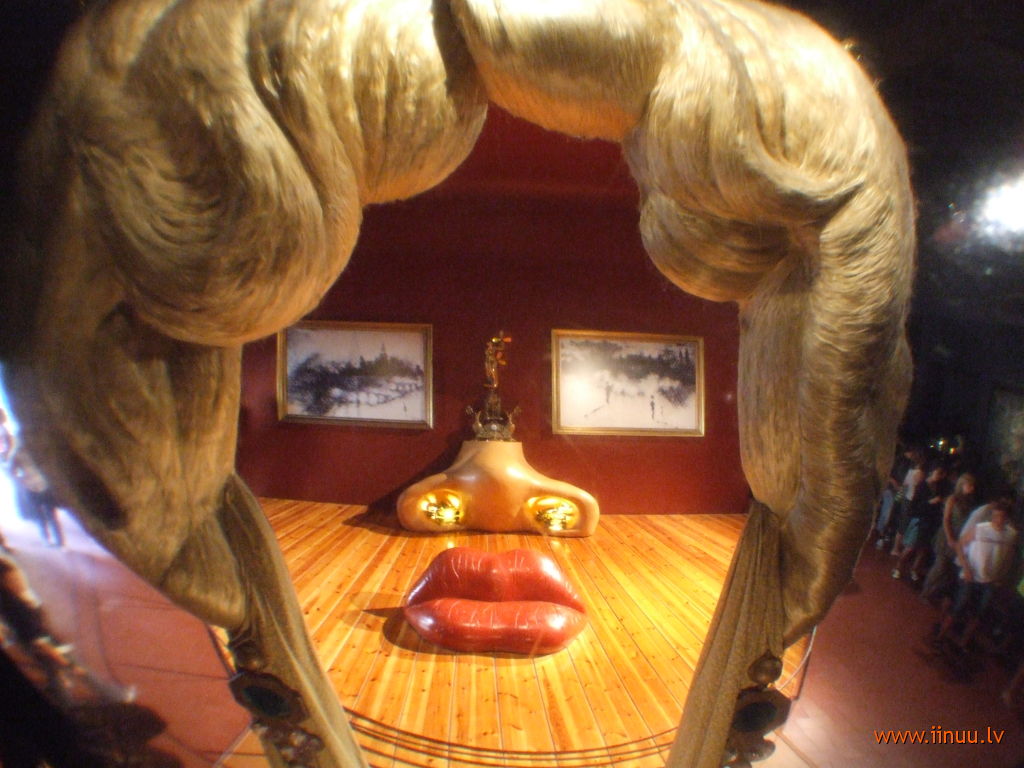
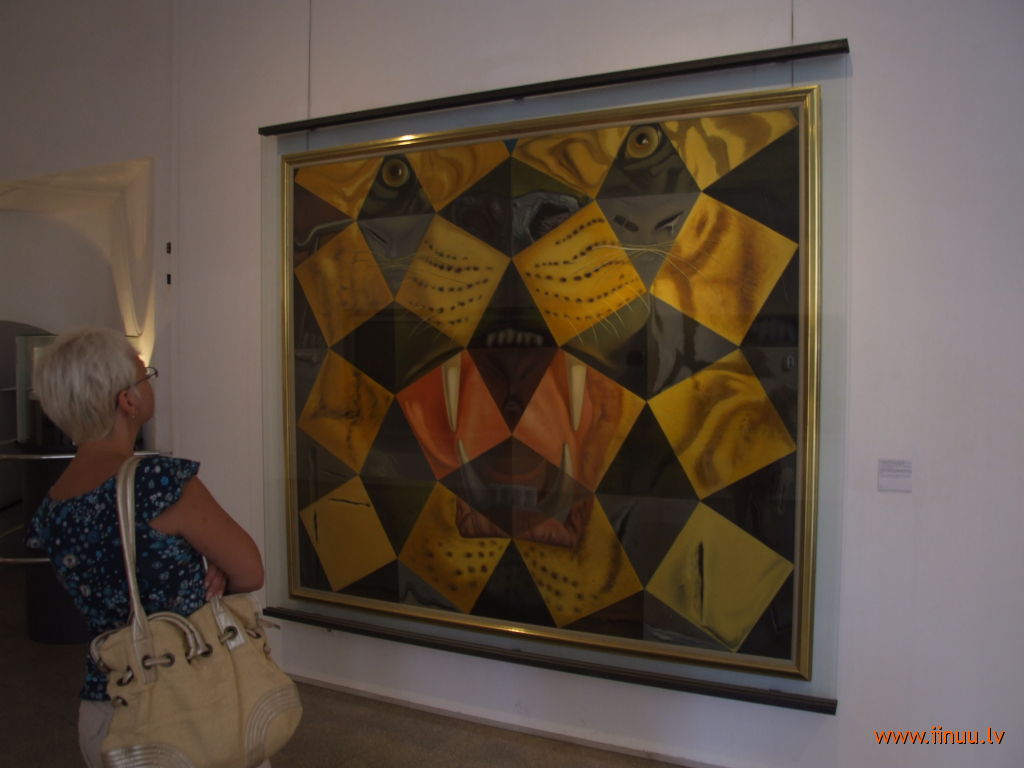
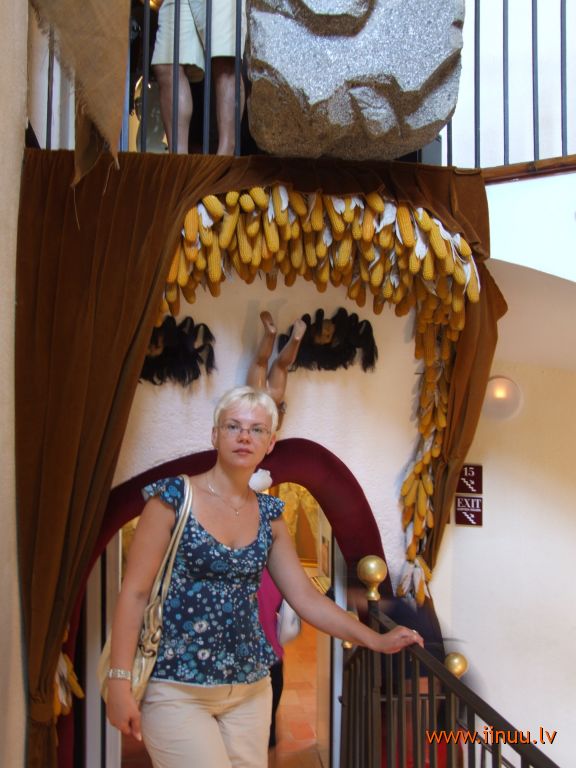
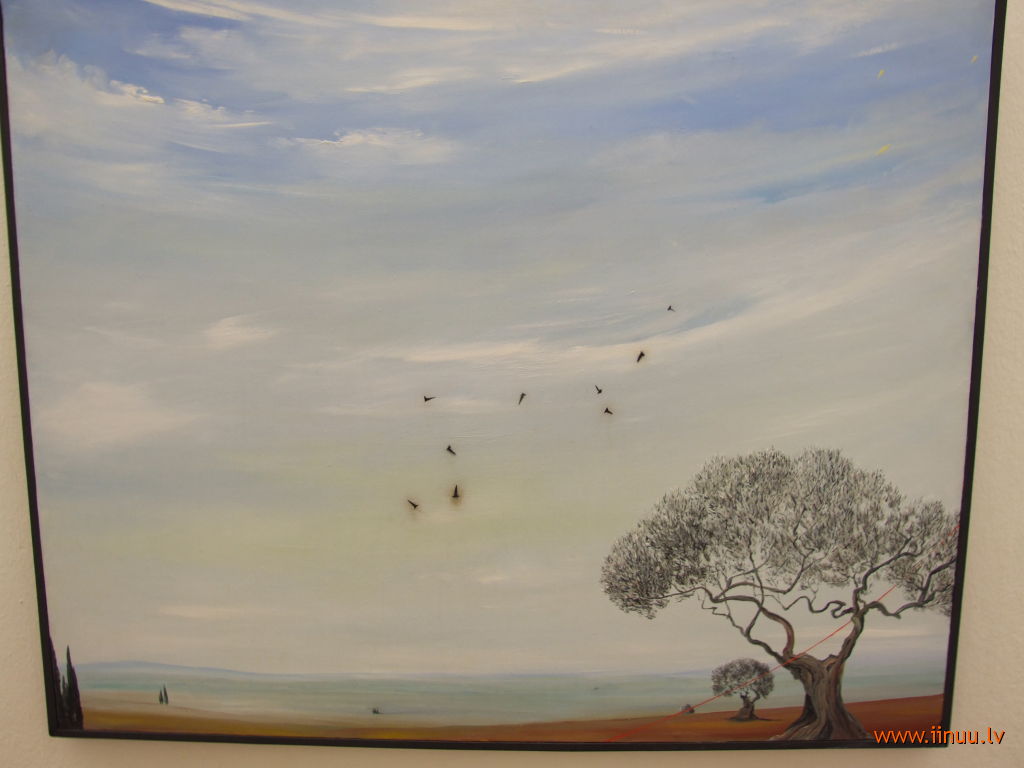
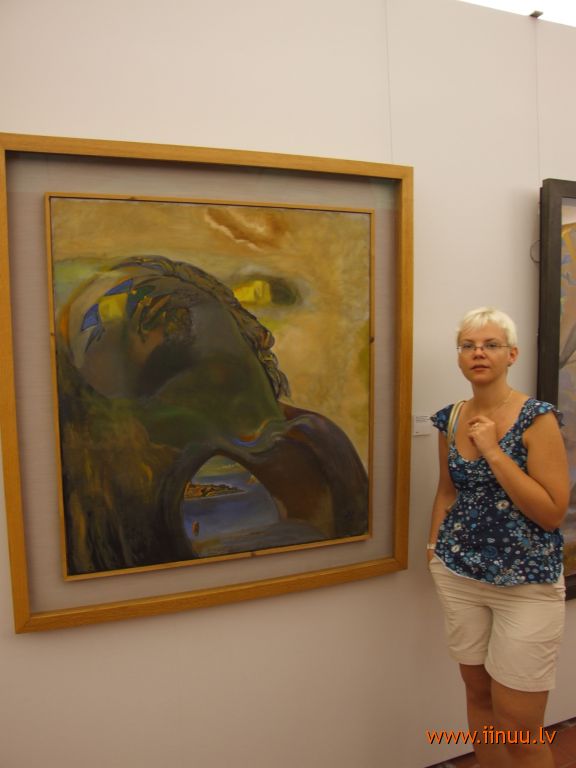
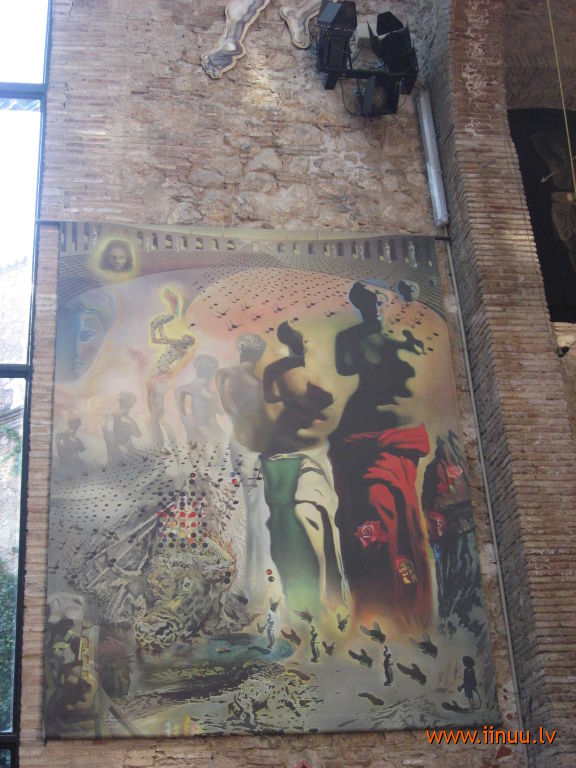
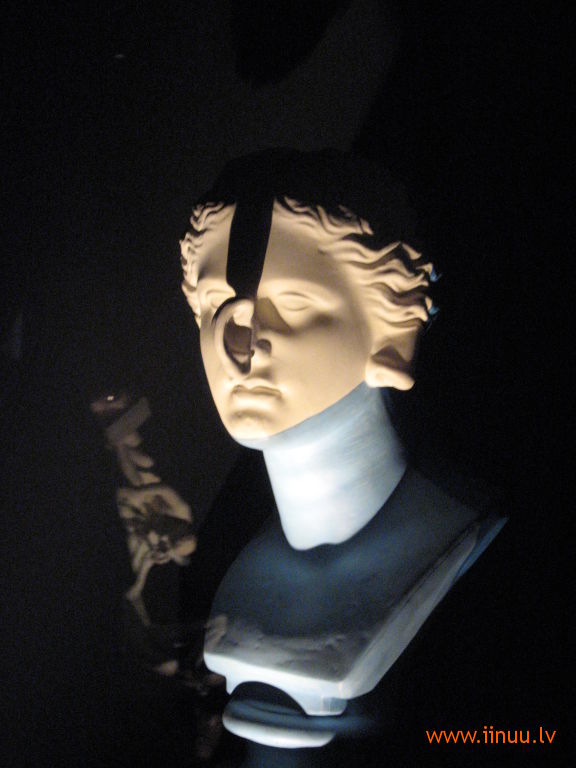
What fascinates me specifically is Dalí's play with the viewer, the perceiver of art. What do you actually see? Those are lips - or perhaps a plump red sofa? Those are nostrils - or perhaps a fireplace with glowing coals? You clearly know those are steps - or are you climbing up the double-chin wrinkles of a famous actress? Do you want to look inside what is happening in this actress's head? - Be my guest!
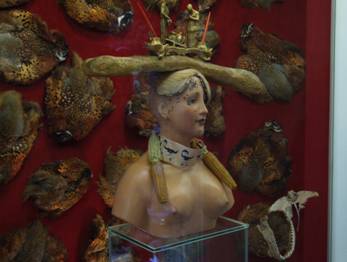
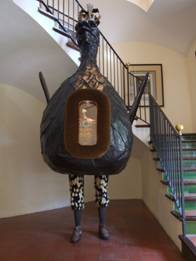
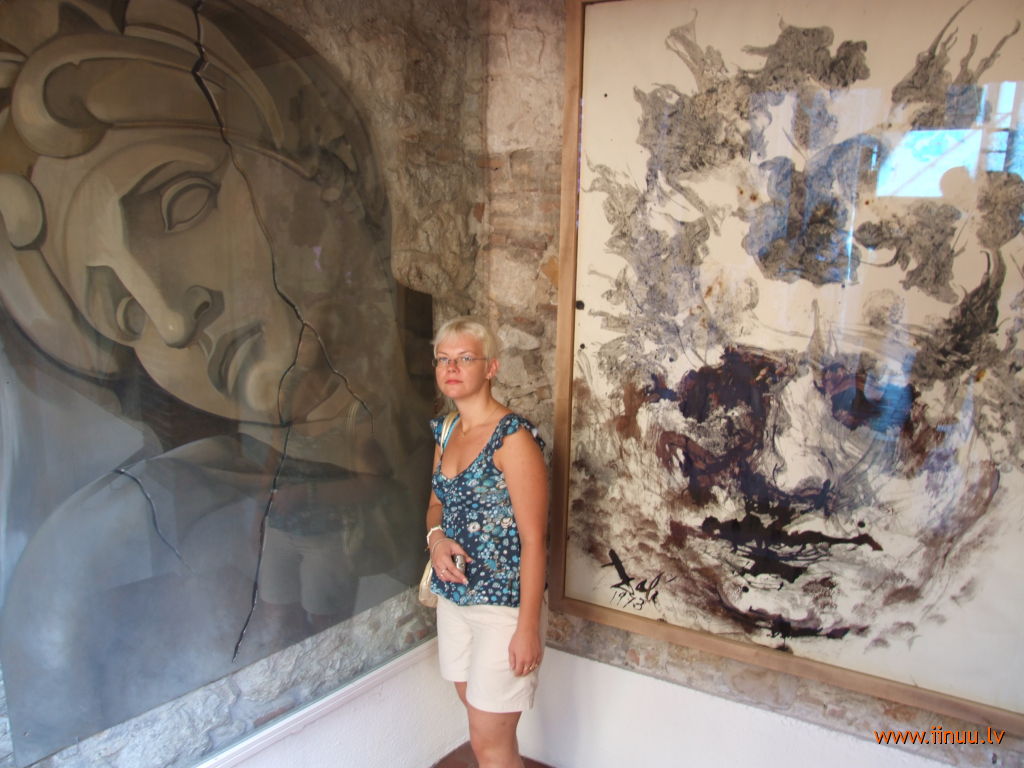
Walking through the museum, one involuntarily recalls something Freudian - dreams, nightmares, sublimation of drives, collages of images created by the subconscious. A certain impression on the artist's work was evidently left by Dalí's acquaintance with S. Freud.
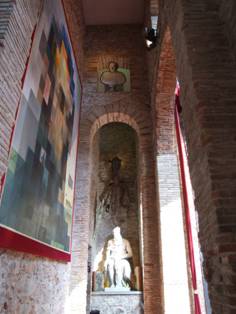
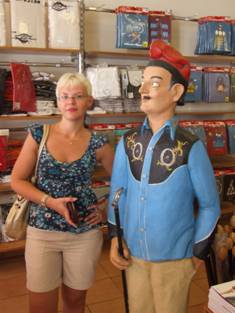
Incidentally, mentally travelling to Freud's birthplace, original Dalí works can also be viewed in Vienna - Palais Surreal - Josefsplatz 5. The location is findable heading from the Staatsoper, past the Nationalbibliothek, not far from the Hofburg.
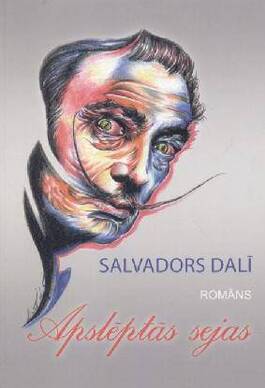
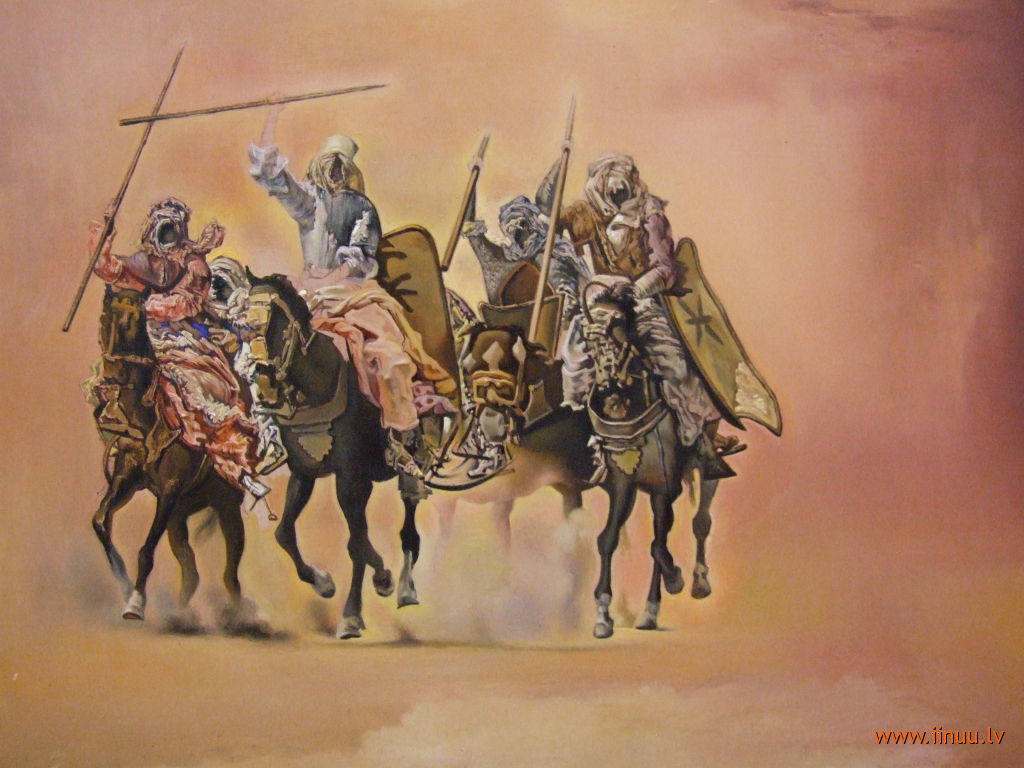
In Vienna I also purchased a couple of good books about Dalí with many reproductions of the artist's works. For interested readers I can recommend Frank Weyers, "Salvador Dalí. Leben und Werk." (Cologne) - the artist's life story, biographical details set against the sociopolitical situation in Europe, with reproductions. And a complete collection of Dalí's works in a 2-volume edition: Robert Descharnes, Gilles Néret, "Salvador Dalí. Gemälde." (Taschen, Cologne, 2004).
Throughout the theatre-museum in Figueres, Dalí's presence is felt. At times it even seems as if the artist himself is watching visitors from somewhere in the attic with a certain smile on his lips. Yet the transience of life is confirmed by Dalí's tomb and memorial plaque in the museum's basement.
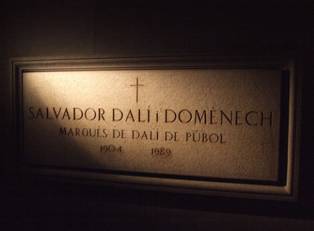
"Mistakes are almost always of a sacred nature. Never try to correct them. On the contrary: rationalise them, understand them thoroughly. After that, it will be possible for you to sublimate them." (Salvador Dalí. Diary of a Genius.)
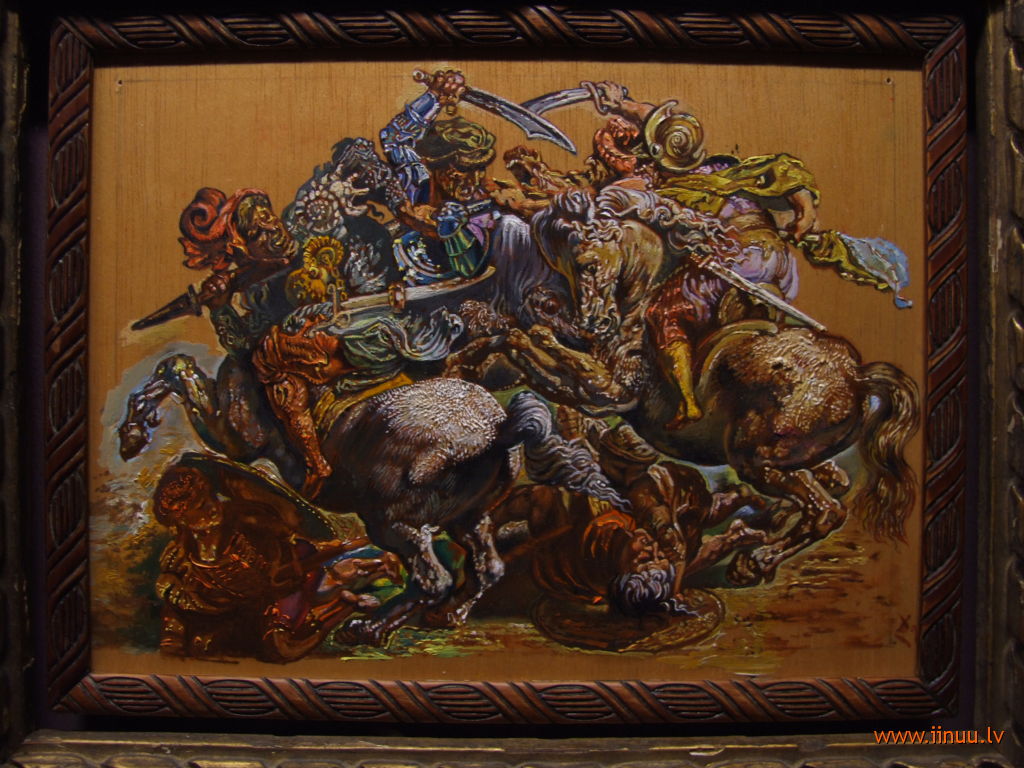
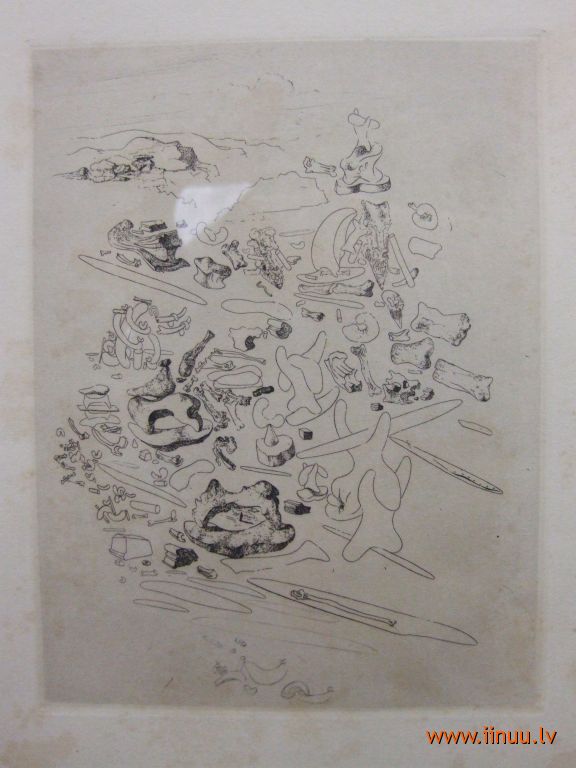
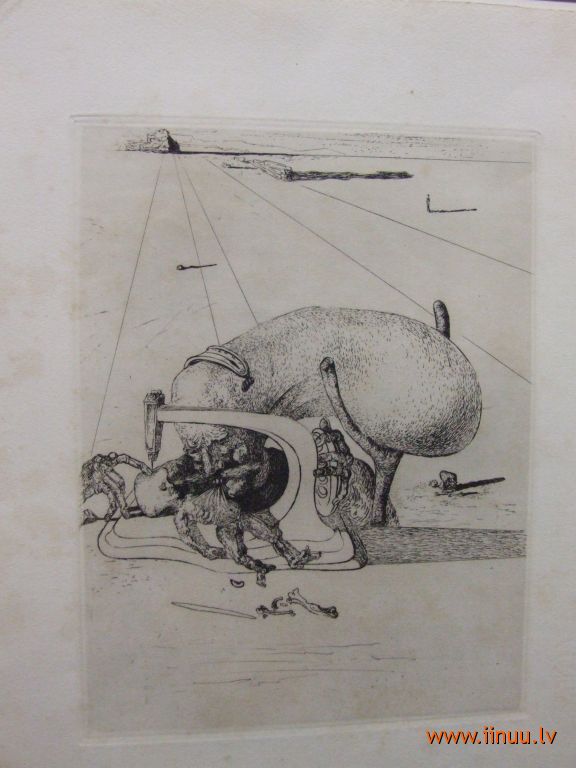
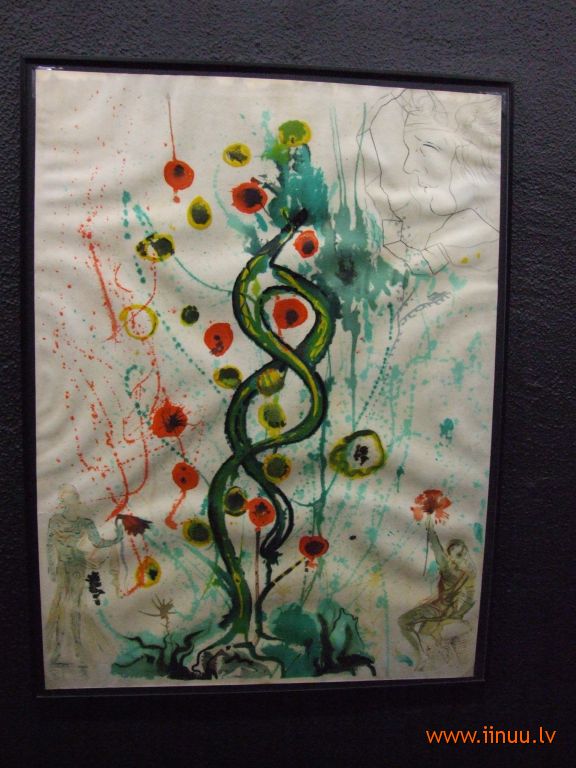
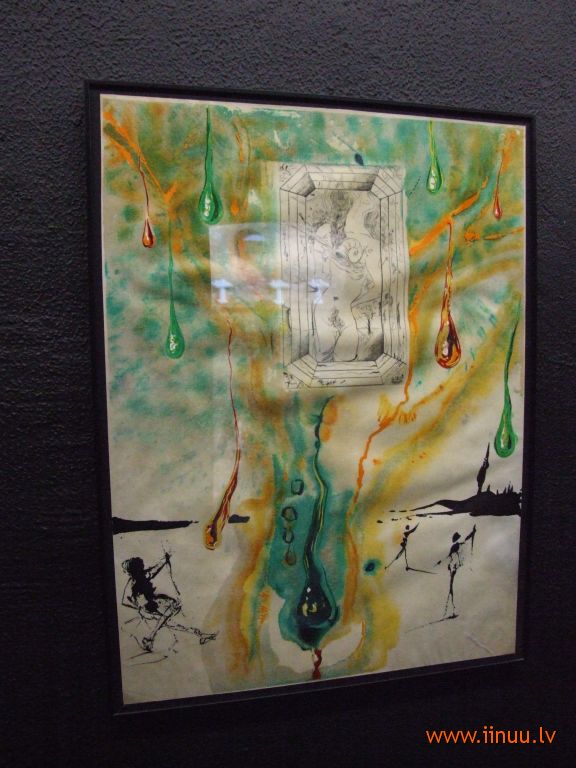
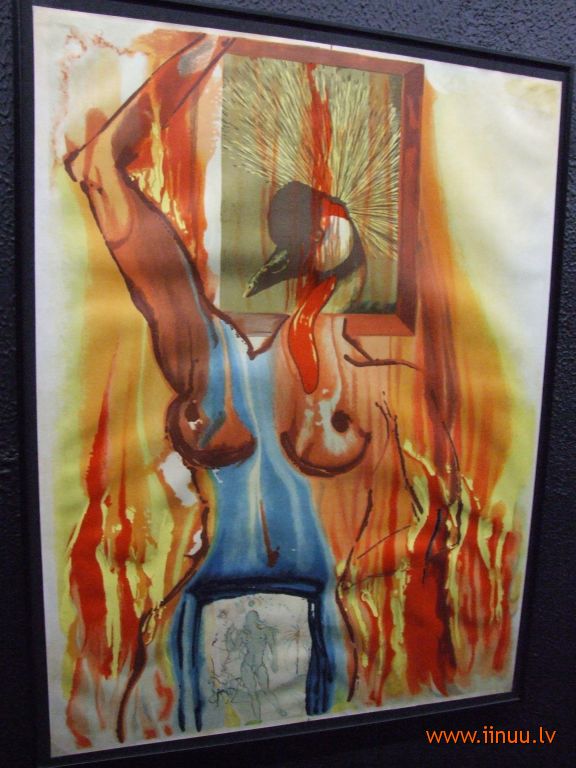
A tour of the Dalí Museum:

comments