Almost Wintry Turaida
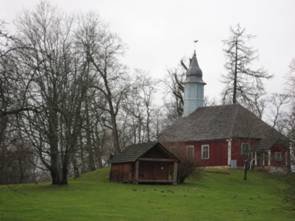
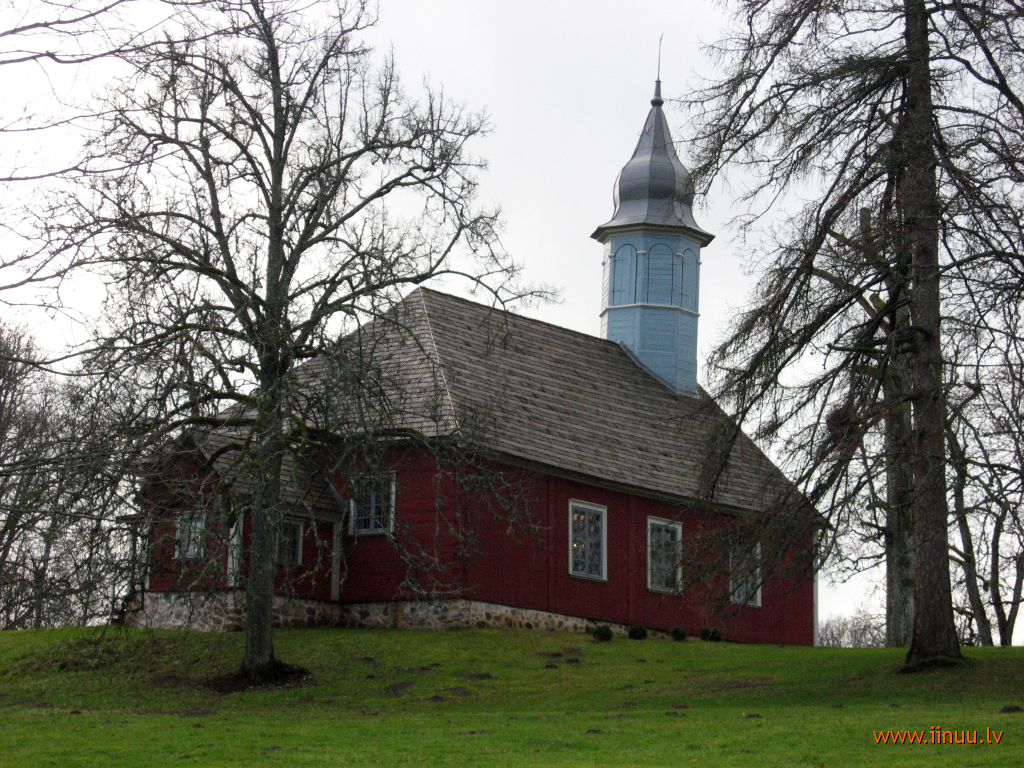
We had not been to Turaida since our student days (last time about ten years ago), yet it seems nothing has changed. The same Gūtmanis Cave, Dainu Hill, Turaida Castle, Rose of Turaida's grave, church with the rooster on the tower, paths leading up and down, springs, and so on. This time in an atypical season - winter (4 December), though the hills are almost lushly green and the wind howls in the bare tree branches.
We had not been to Turaida since our student days (last time about ten years ago), yet it seems nothing has changed. The same Gūtmanis Cave, Dainu Hill, Turaida Castle, Rose of Turaida's grave, church with the rooster on the tower, paths leading up and down, springs, and so on. This time in an atypical season - winter (4 December), though the hills are almost lushly green and the wind howls in the bare tree branches.
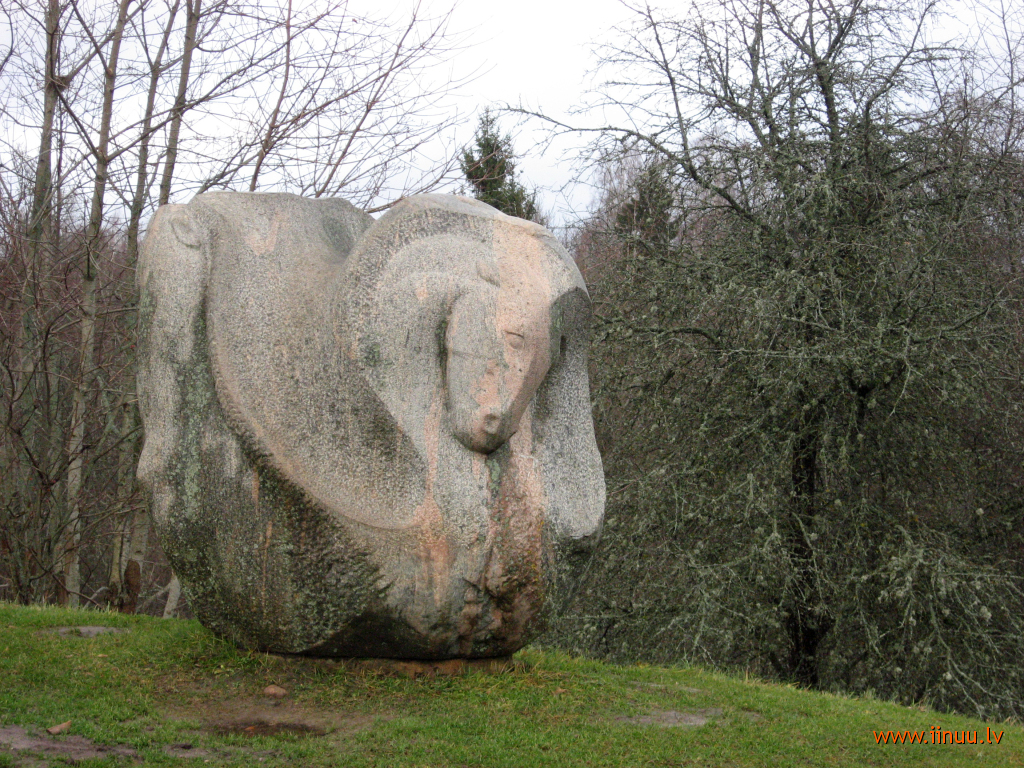
Dainu Hill
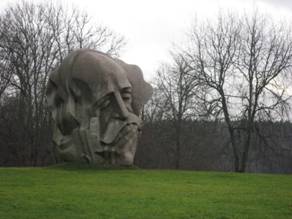
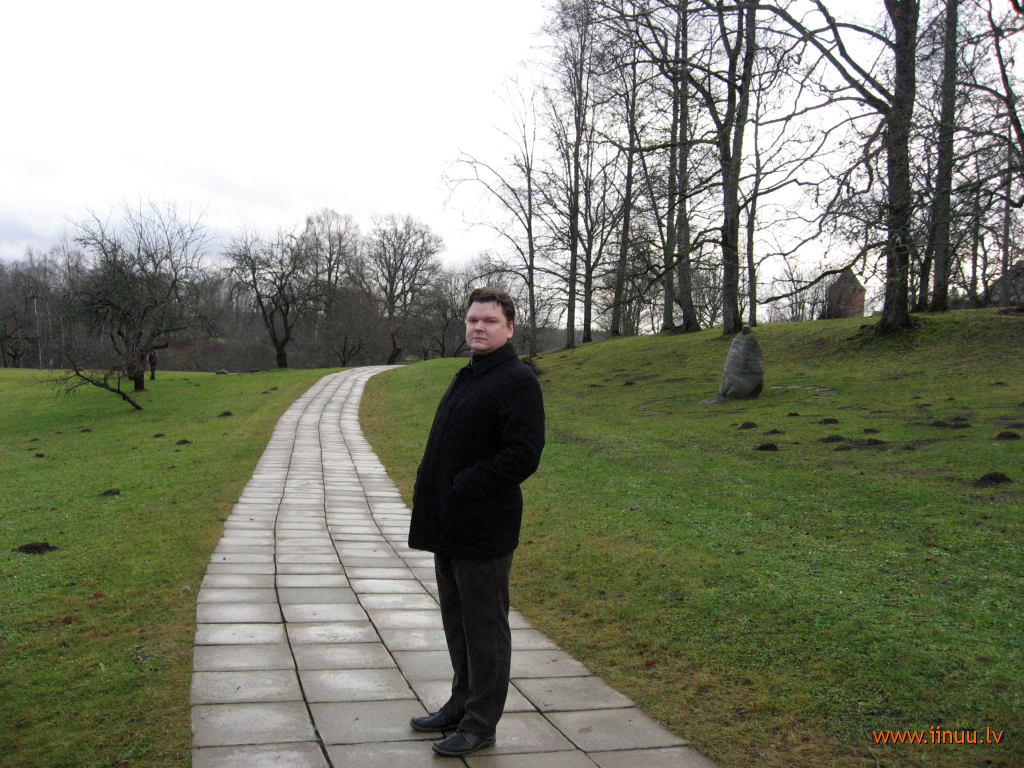
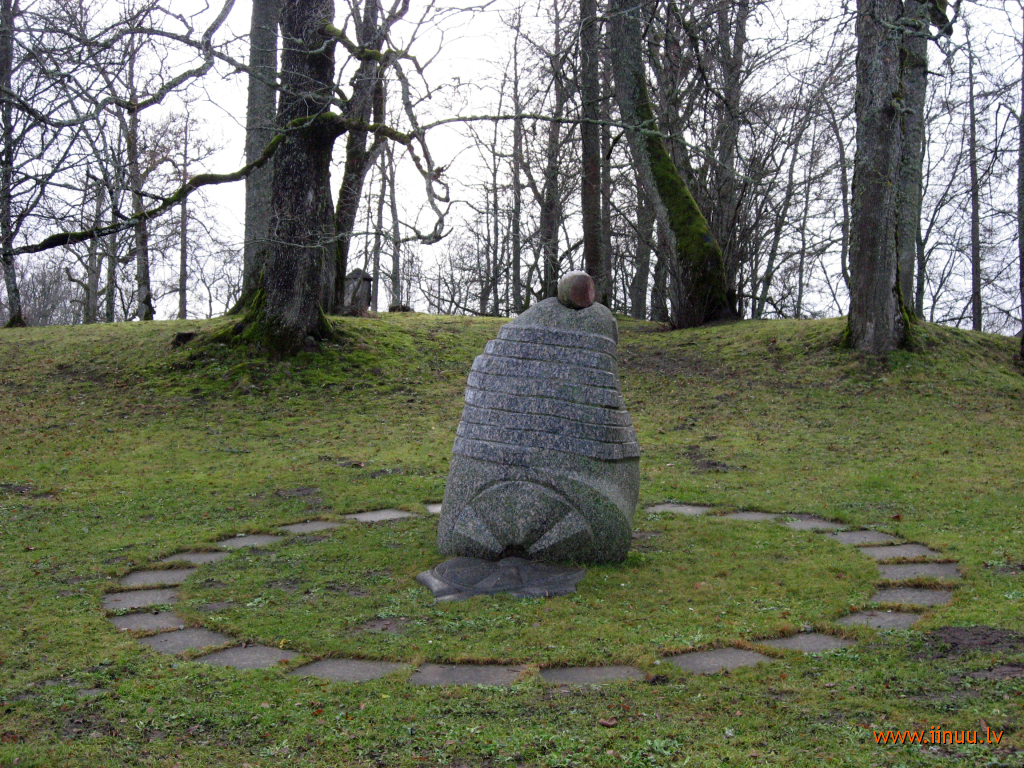
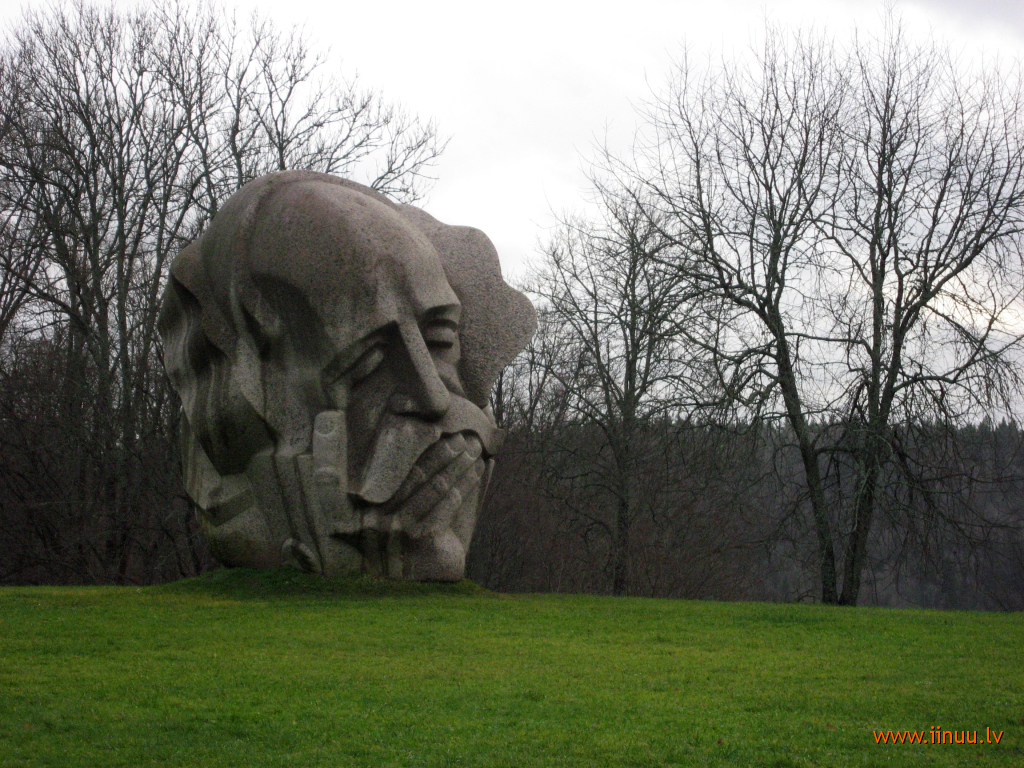
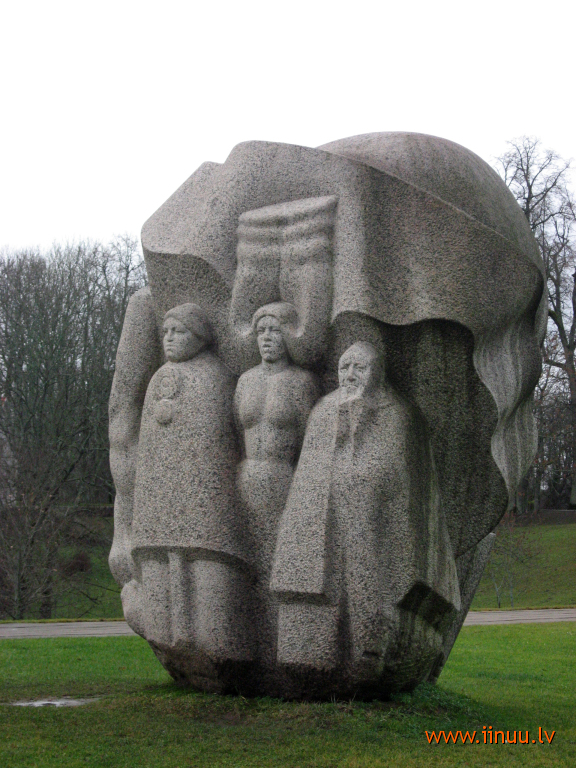
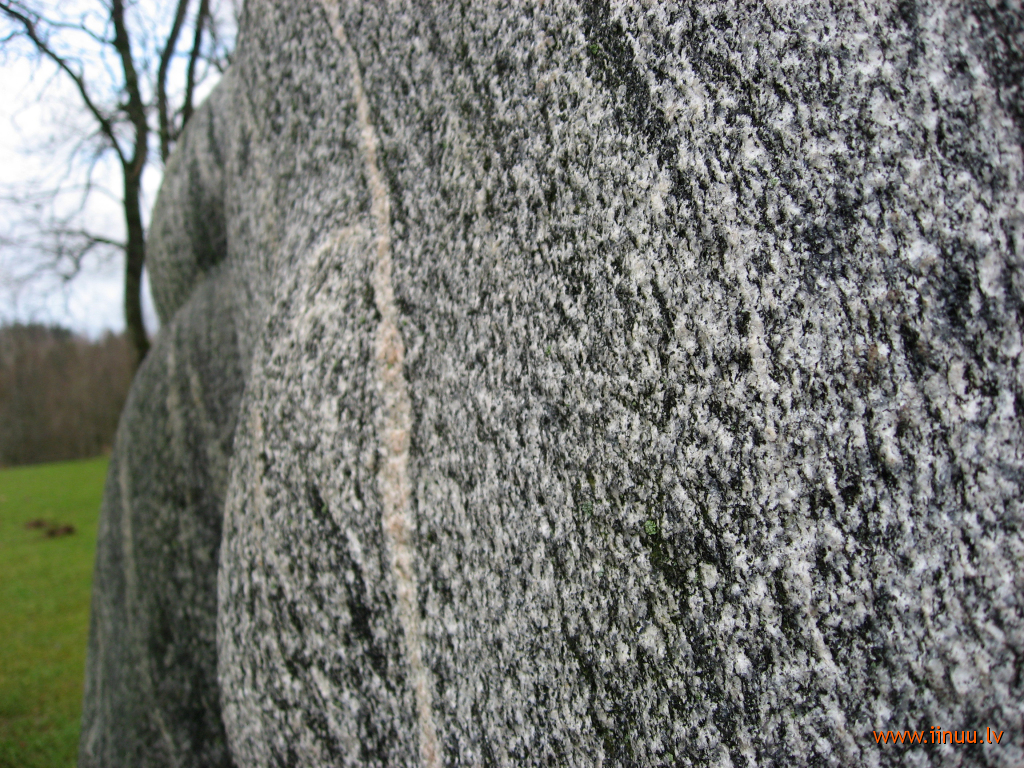
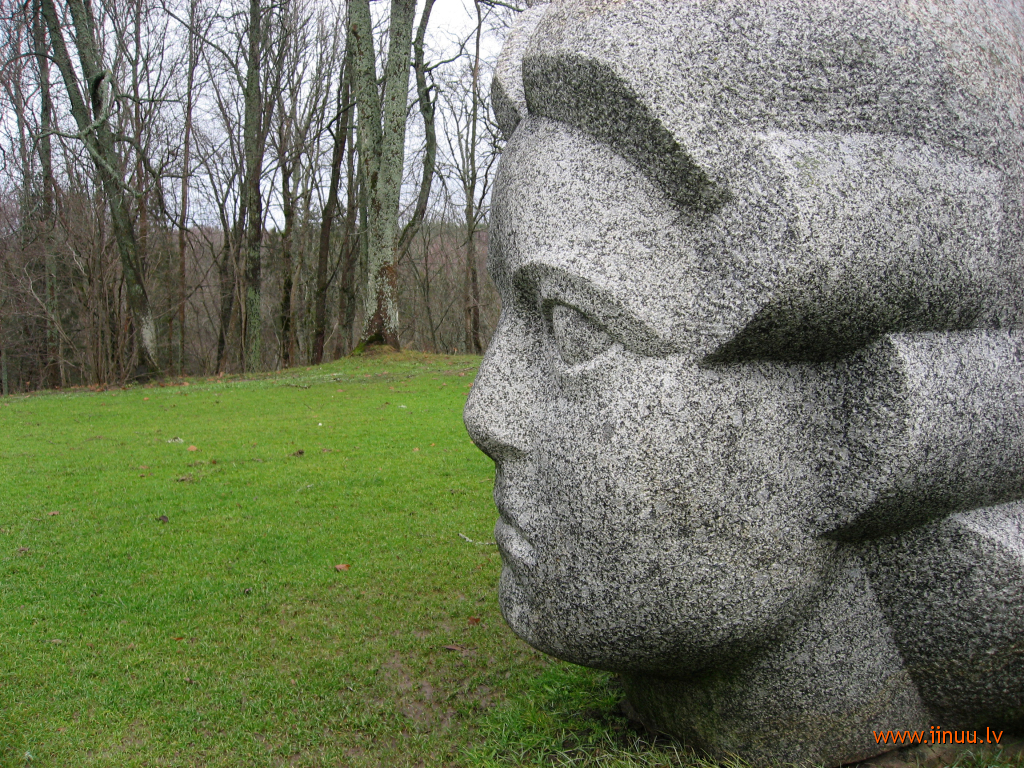
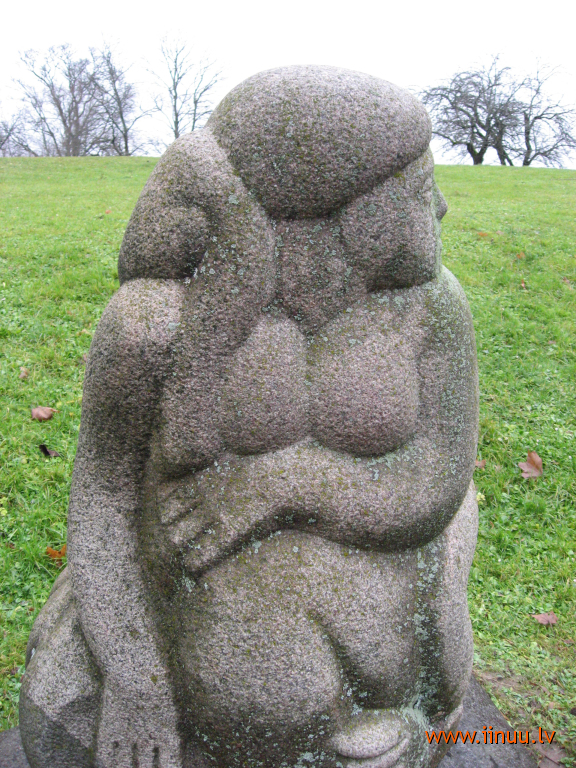
Dainu Hill is a sculpture garden within the Turaida Museum Reserve, dedicated to Latvian folklore. It was created in 1985 in honour of the folk song collector and compiler Krišjānis Barons. Walking along the wet and at this time of year slippery hillside - from which Turaida Castle can also be seen in the distance - one can view 26 boulder sculptures created by sculptor Indulis Ranka. Each has its own name: Father of Songs, Ancestral Stone, This Sun and the Afterlife, Spīdola's Stone, and others.
Turaida Castle
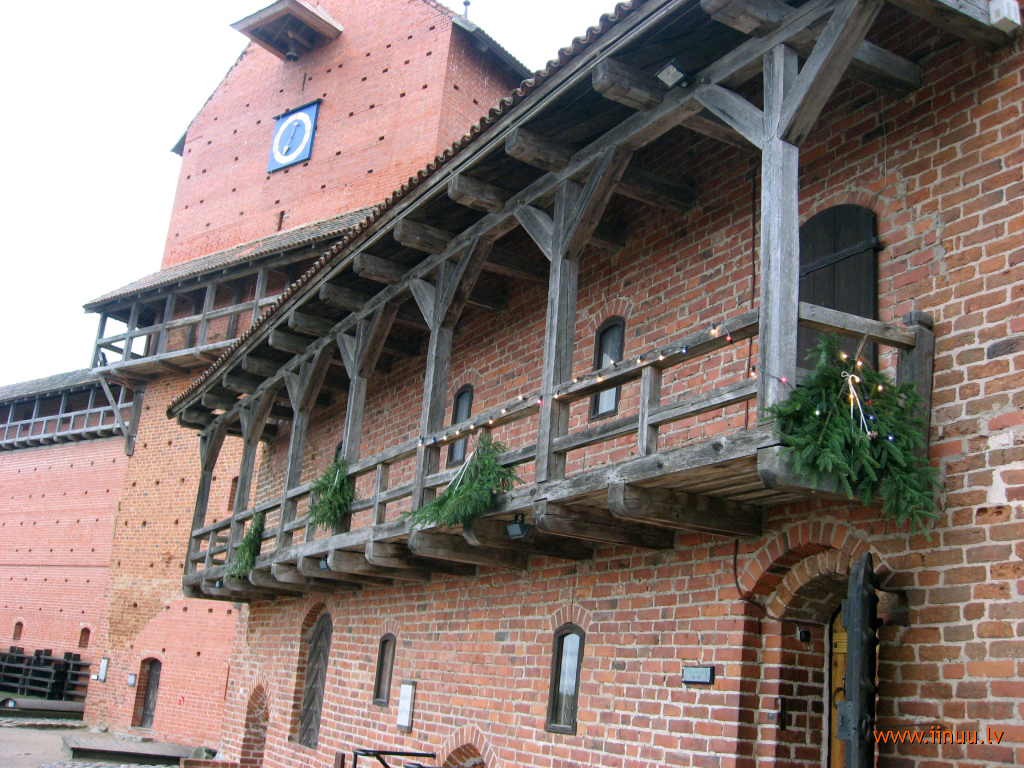
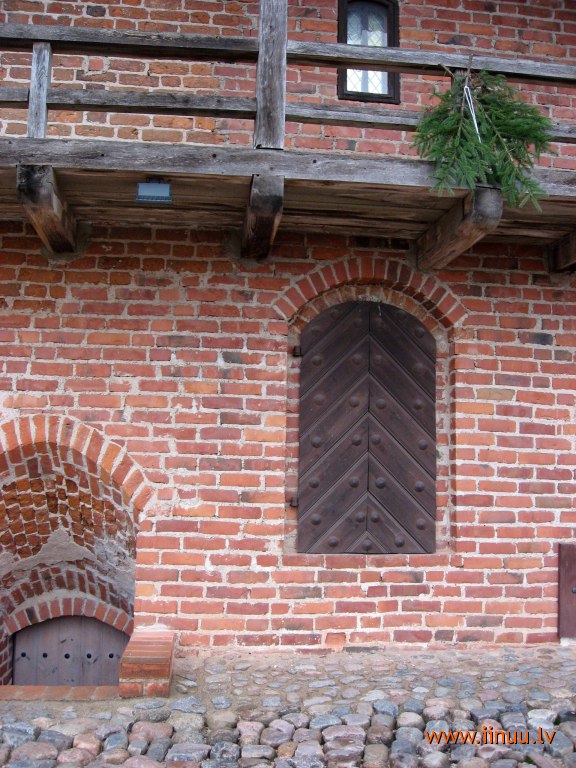
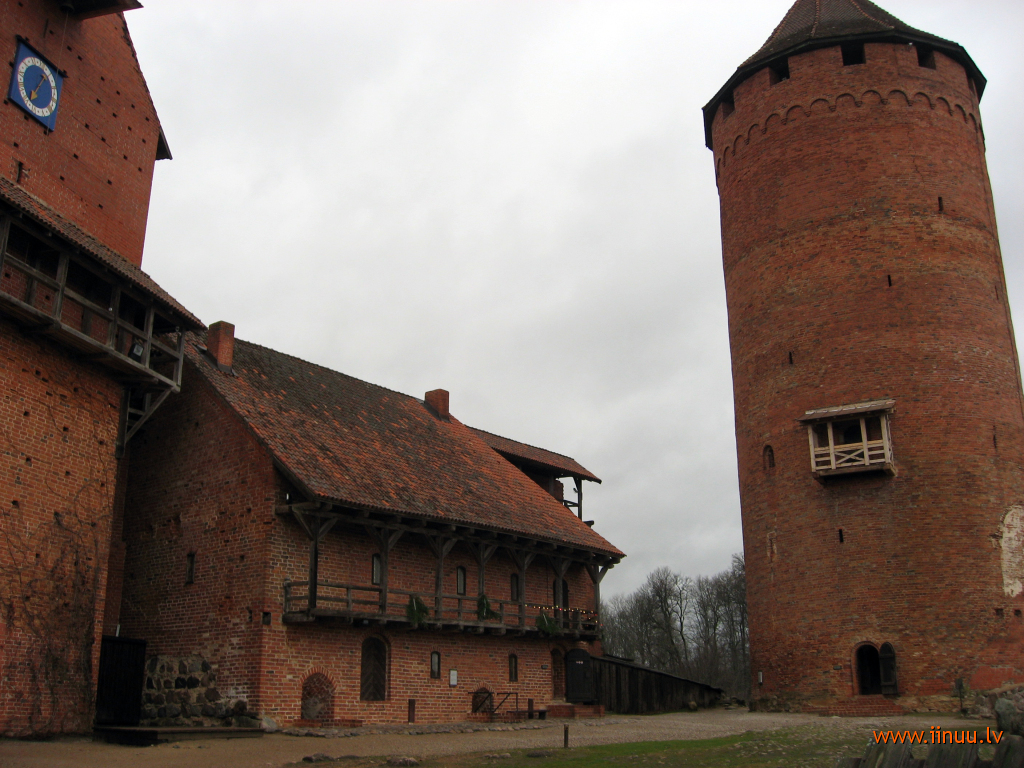
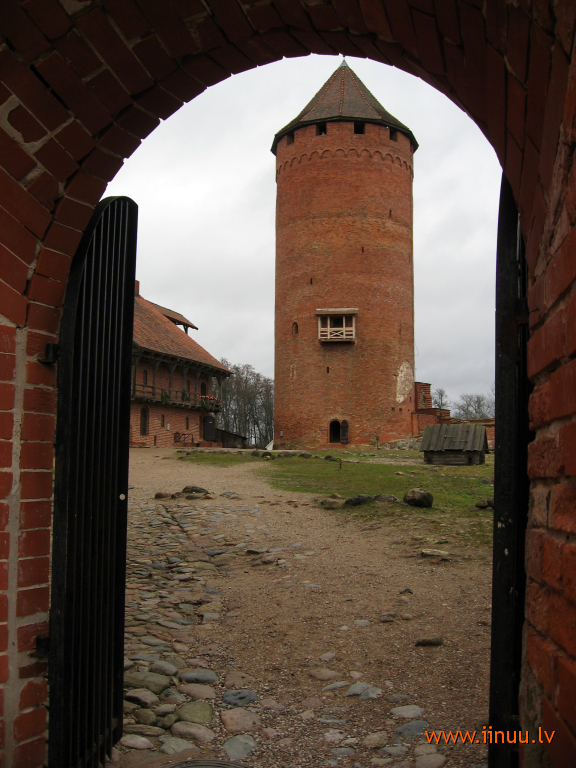
Construction of this stone castle began in 1214, for the needs of the Bishop of Rīga, Albert. Previously on this hill had stood the wooden castle of the Livonian leader Kaupo, which was burned during battle. From the 17th century the castle was held by both Swedes and German nobles. After a fire in 1776 it was no longer restored and over time fell into ruin.
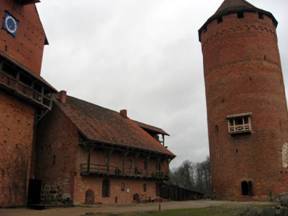
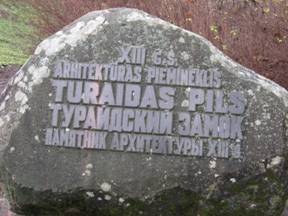
It is no coincidence that the top of the castle complex's Great Round Tower is adorned with the year 1976, for it was from that year that, under the direction of archaeologist Jānis Graudonis, 25 years of regular and comprehensive archaeological research of the castle was carried out, the information from which was used in the restoration and reconstruction of the buildings.
The Rose of Turaida's Grave
The name "Rose of Turaida" is given to a 19-year-old girl named Maija, who in 1620 willingly chose death rather than lose her honour. Her grave is located beside a great linden tree growing by Turaida Church. The linden has been struck by lightning several times over the years, so today its base trunk is preserved and consolidated.
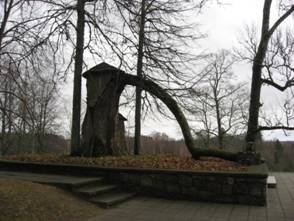
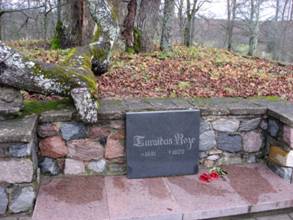
The Legend of the Rose of Turaida
The legend of the fate of the Rose of Turaida tells that these events took place in the 17th century, during Swedish times. Maija, adopted and raised by the family of the scribe Greif, had grown into a beautiful young woman. On the opposite bank of the Gauja - at Sigulda Castle - lived her betrothed, the gardener Viktors Heils. In the evenings they would meet at Gūtmanis Cave. At that time, two deserters from the Polish army were stationed at the castle - Jakubovskis and Skudrics. Jakubovskis desired Maija and wished to marry her, but the girl rejected his proposal. This so enraged Jakubovskis that he resolved to take the girl by force. He sent Skudrics to Maija, supposedly on Viktors's behalf, so she would come to their usual meeting place but at an unusual time. When Maija arrived and realised she was trapped, she decided she would rather die than be dishonoured.
Around the girl's neck was a red silk scarf given to her by her betrothed; she therefore told Jakubovskis that the scarf possessed magical properties - that its wearer was protected from sword blows - and invited him to put this to the test. Jakubovskis hesitated at first, but then struck with full force, and the girl's head fell. Jakubovskis, overcome with horror at what he had done, ran into the forest and hanged himself. Towards evening Heils found Maija dead in the cave and hastened to Turaida for help. Viktors's small hatchet was found near the cave, covered in blood. The trial was held at Turaida Castle and ruled that the murderer was Viktors - he was sentenced to death. The course of events was changed by Skudrics, who had followed Jakubovskis and seen everything. He told the court what had truly happened and Viktors was acquitted, while the girl was buried in the churchyard at Turaida Church.
comments