Exploring Caves Right Here in Latvia
Before telling you about the underground world of other countries, I think I should write about the underground world right here in Vidzeme. I imagine some of you may have already visited a few of these sandstone caves, while others mentioned in the article will be a pleasant discovery. In any case, I am happy to share impressions from a one-day excursion and nostalgia for the flexibility of youth, when crawling into any hole in the ground - and crawling back out, or turning around ten times on one's own axis - was not at all difficult.
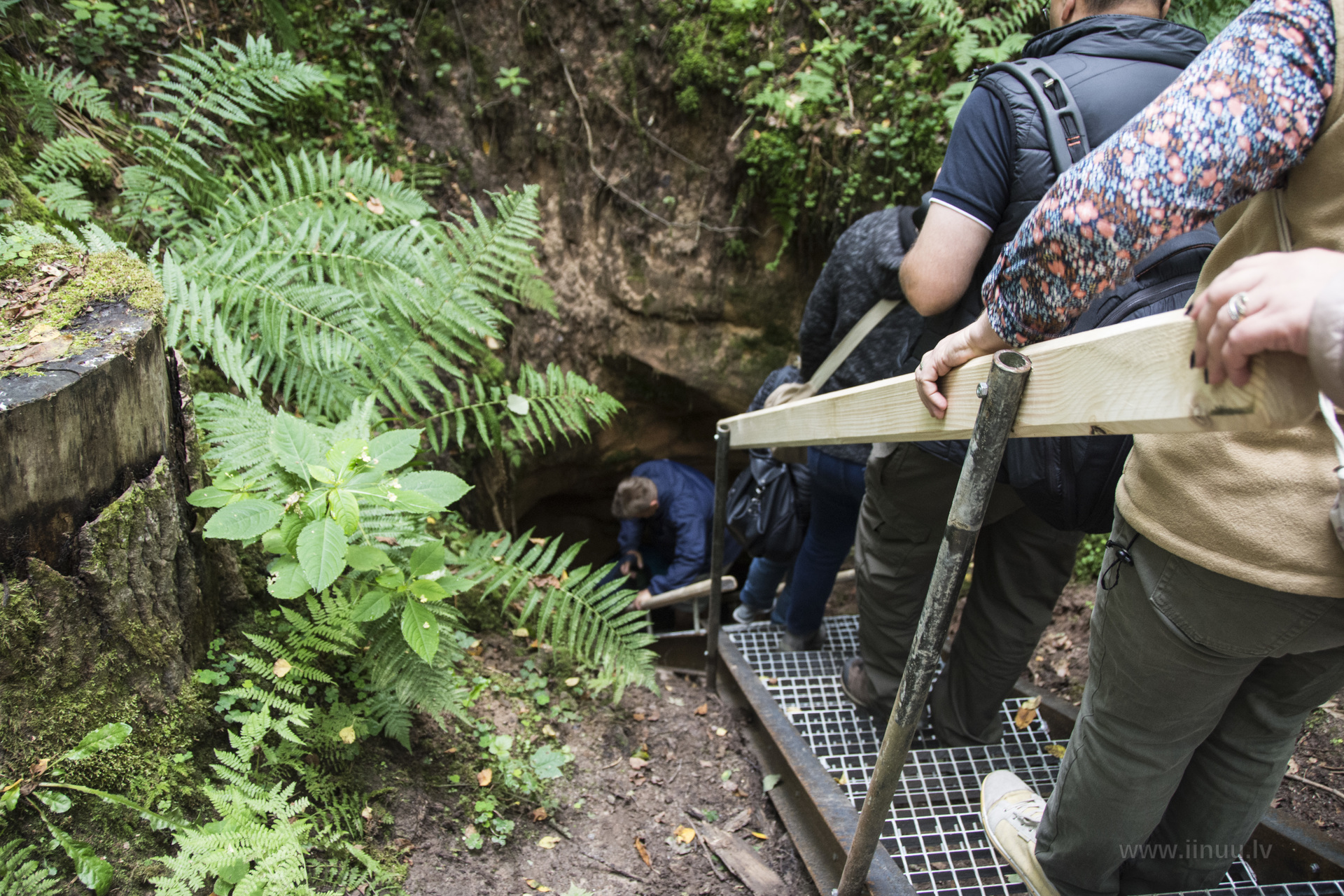
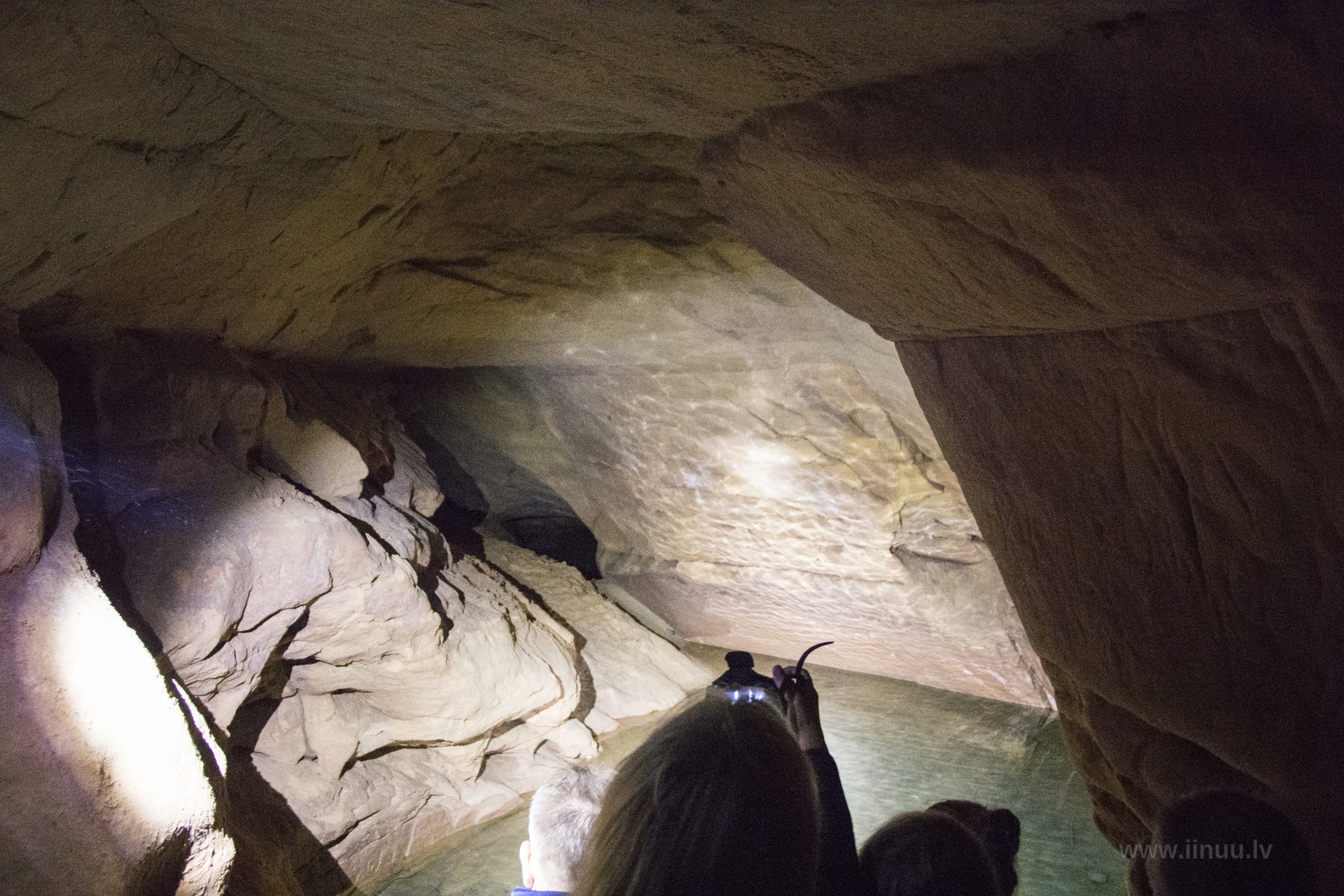
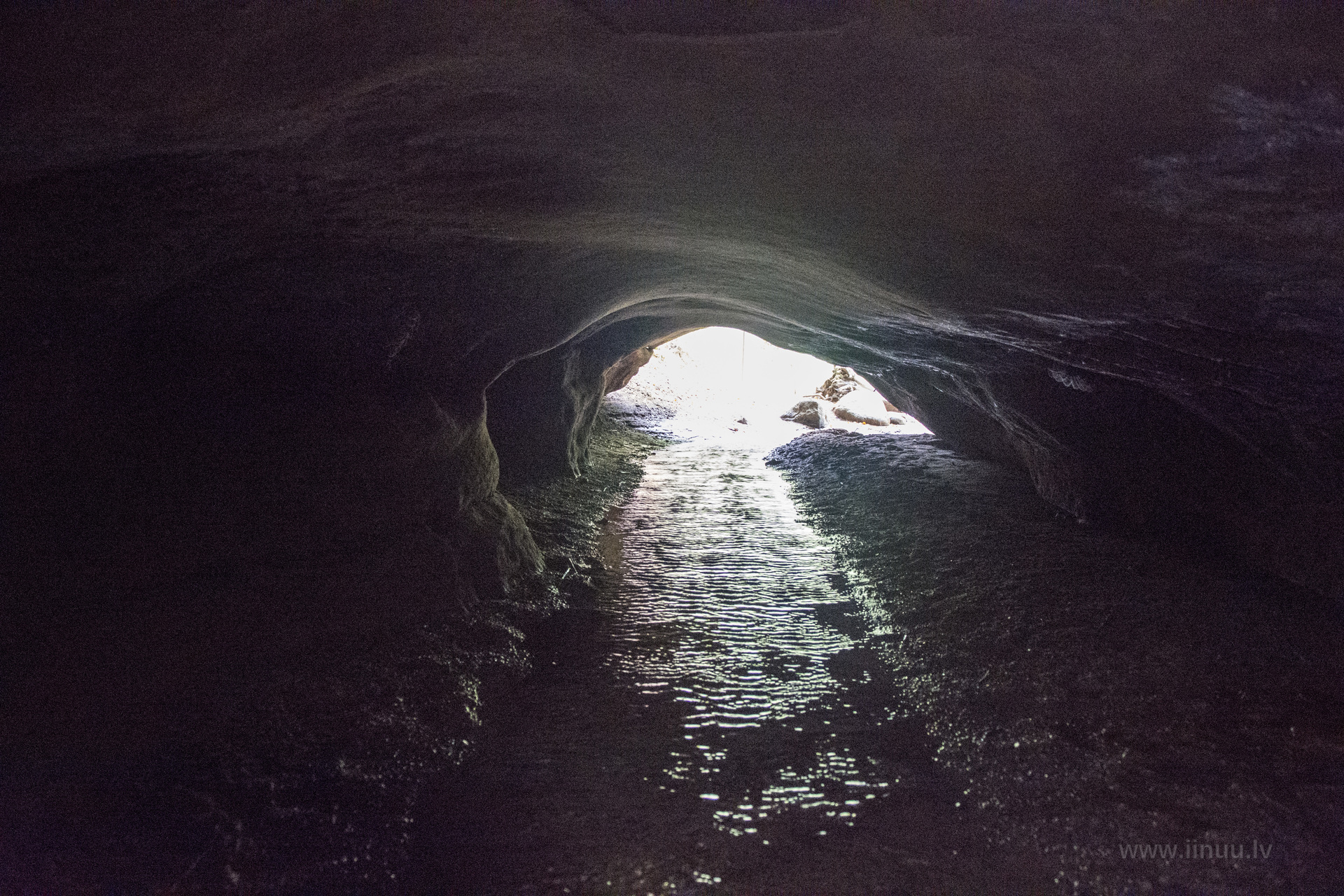
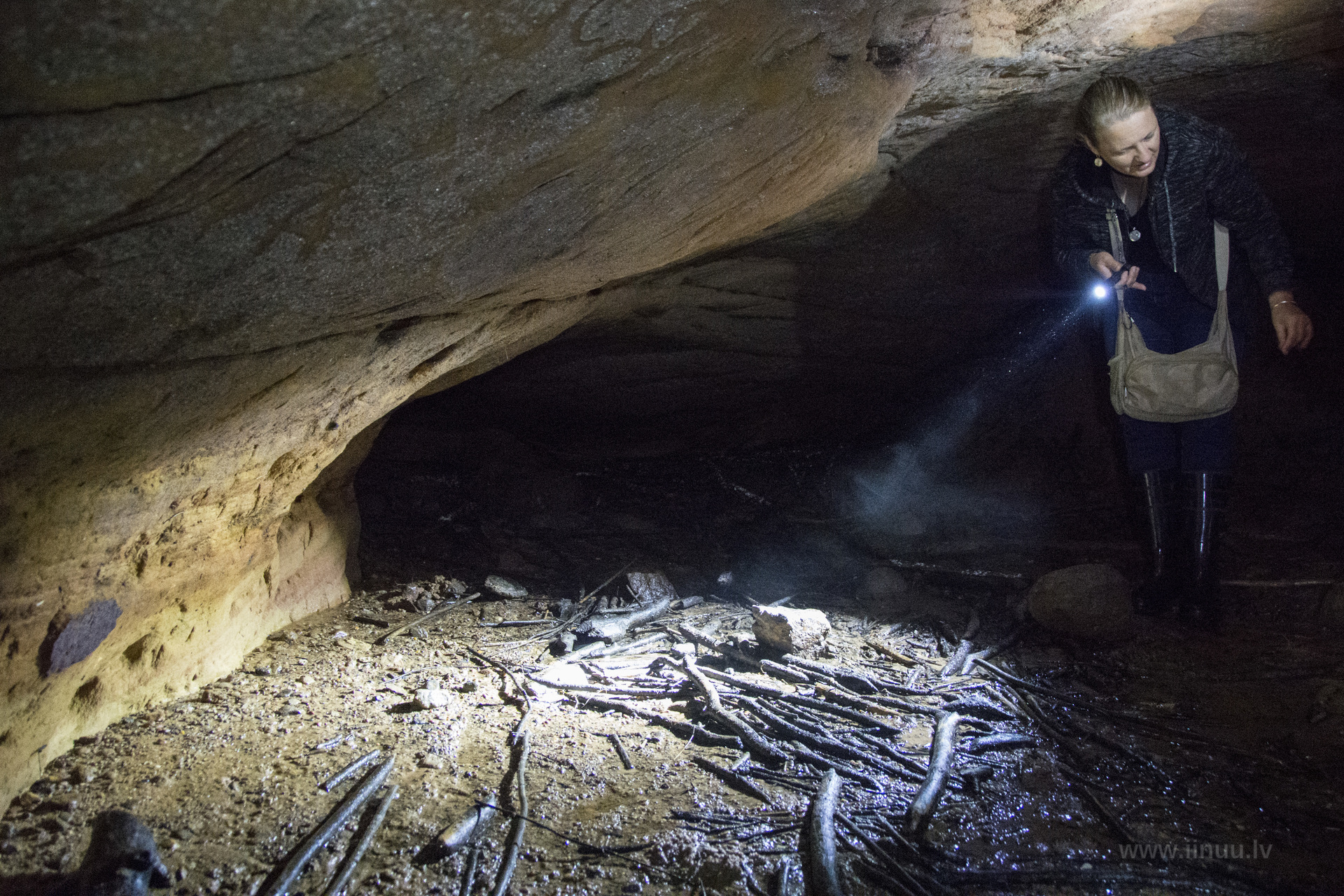
The first two caves are located on the Vējiņi farmstead in Straupe Parish. In one of them there is an underground lake, which one is not allowed to enter, so as not to disturb its crystal-clear and piercingly cold water. We descended into the cave on fairly steep steps, then sat down on wooden supports to enjoy complete peace, silence, and impenetrable darkness. Our guide (without a guide one is also not permitted to come here - the caves are on private territory and there is an admission fee of 3 euros per person) invited us to switch off our torches for a moment and not flash with phone or camera flashes. Well, you know - dark as... excuse me... as a cave. For a moment I imagined that the feeling might be like being in a grave when buried: cold, moisture seeping in from all sides, and darkness - sole and eternal darkness.
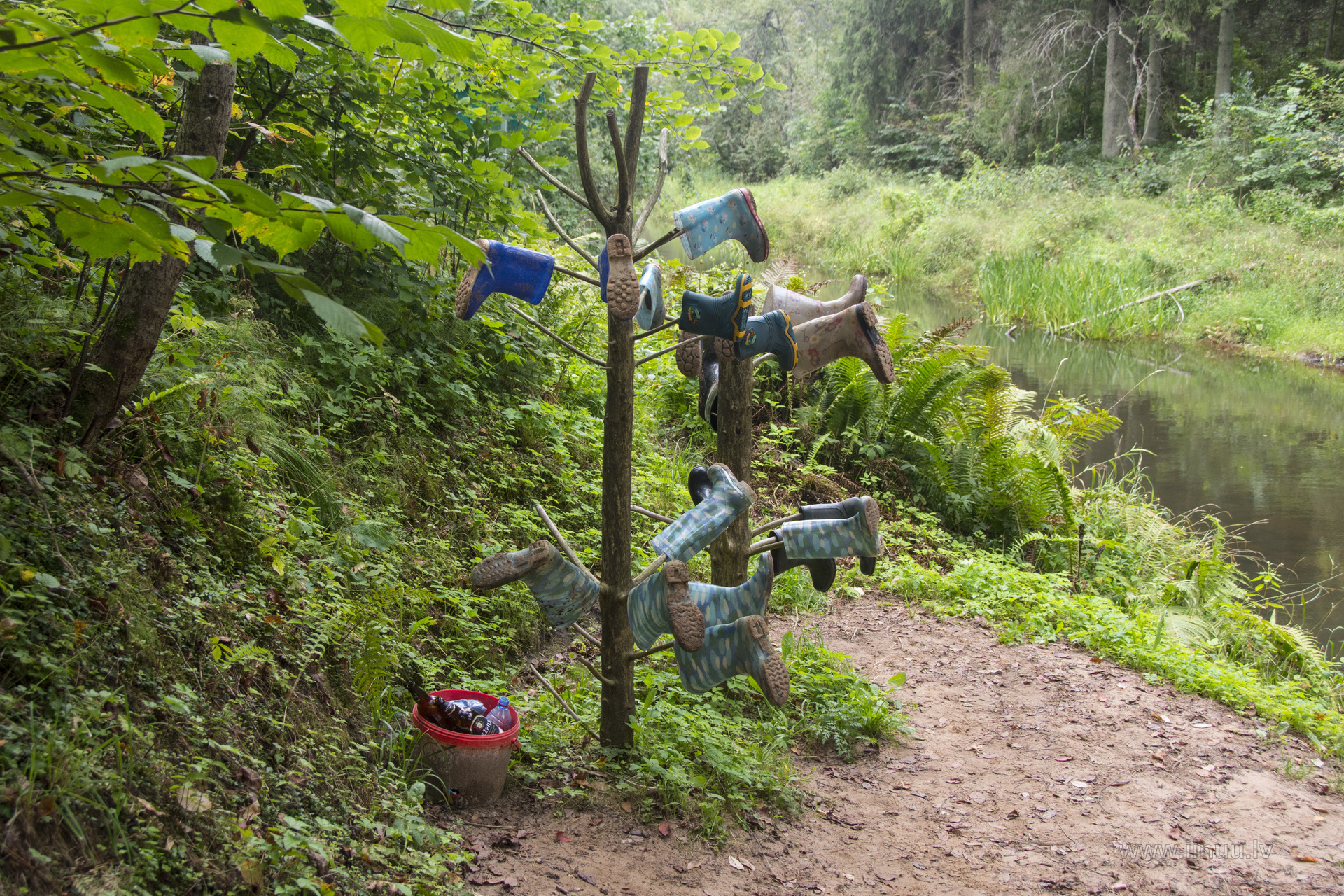
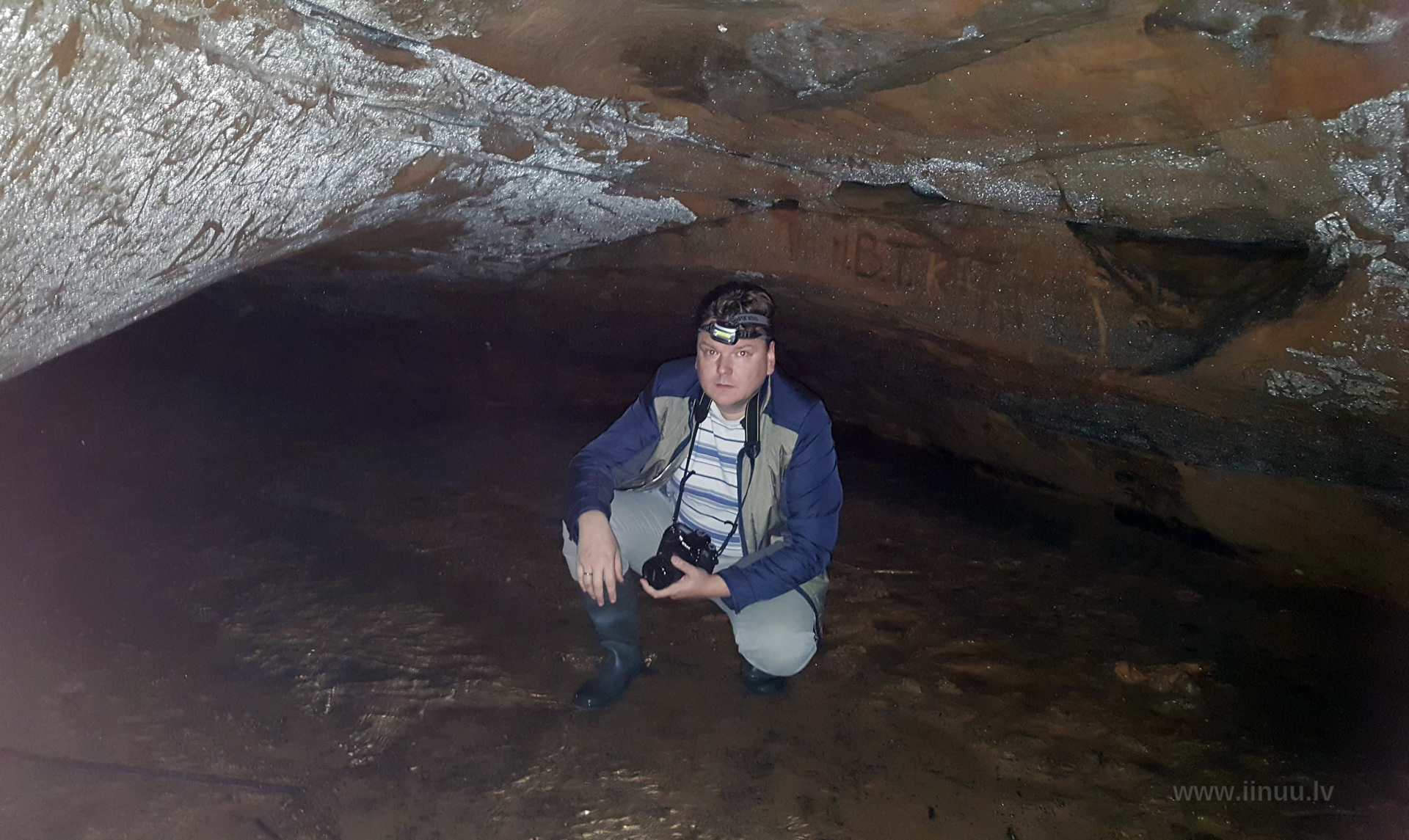
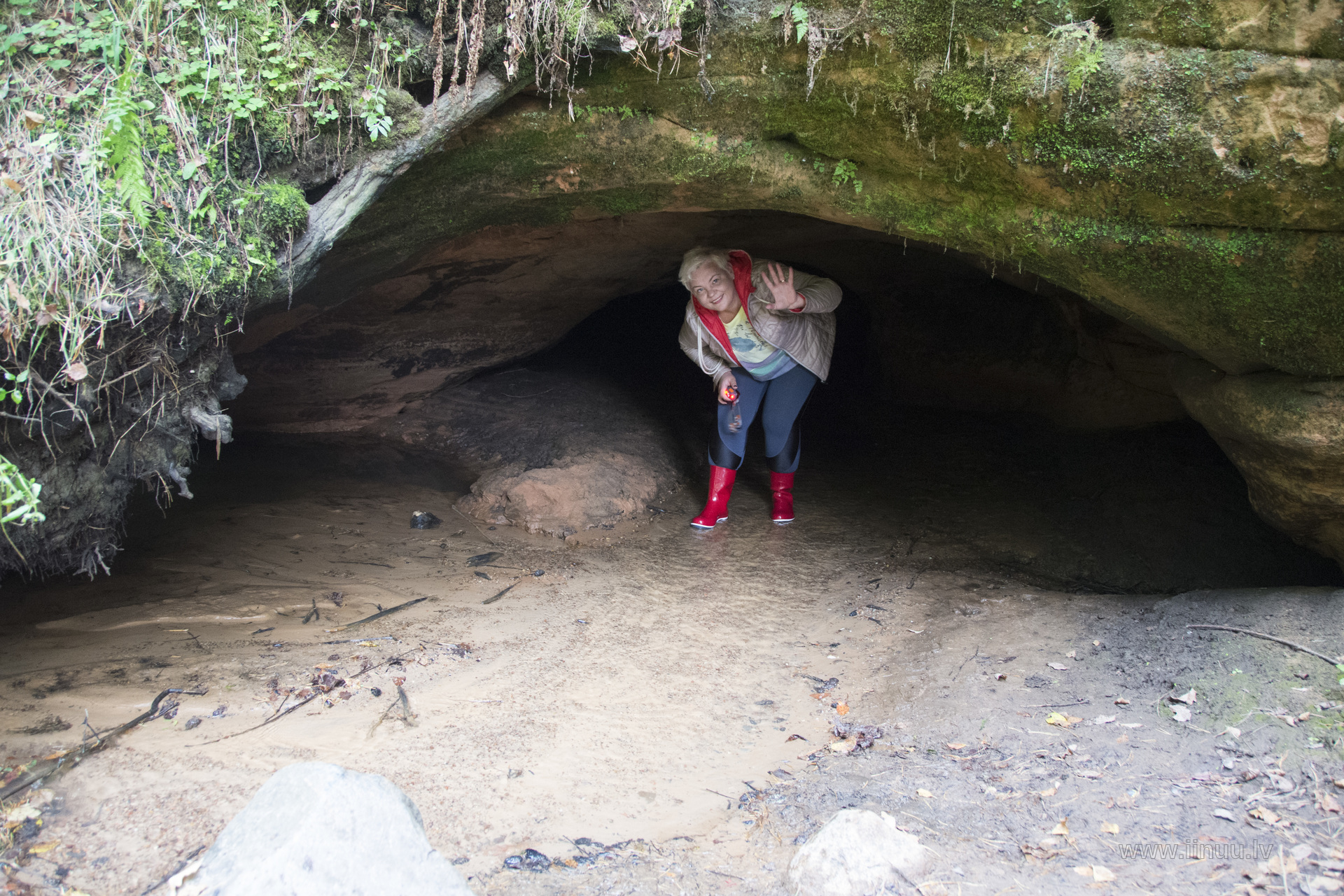
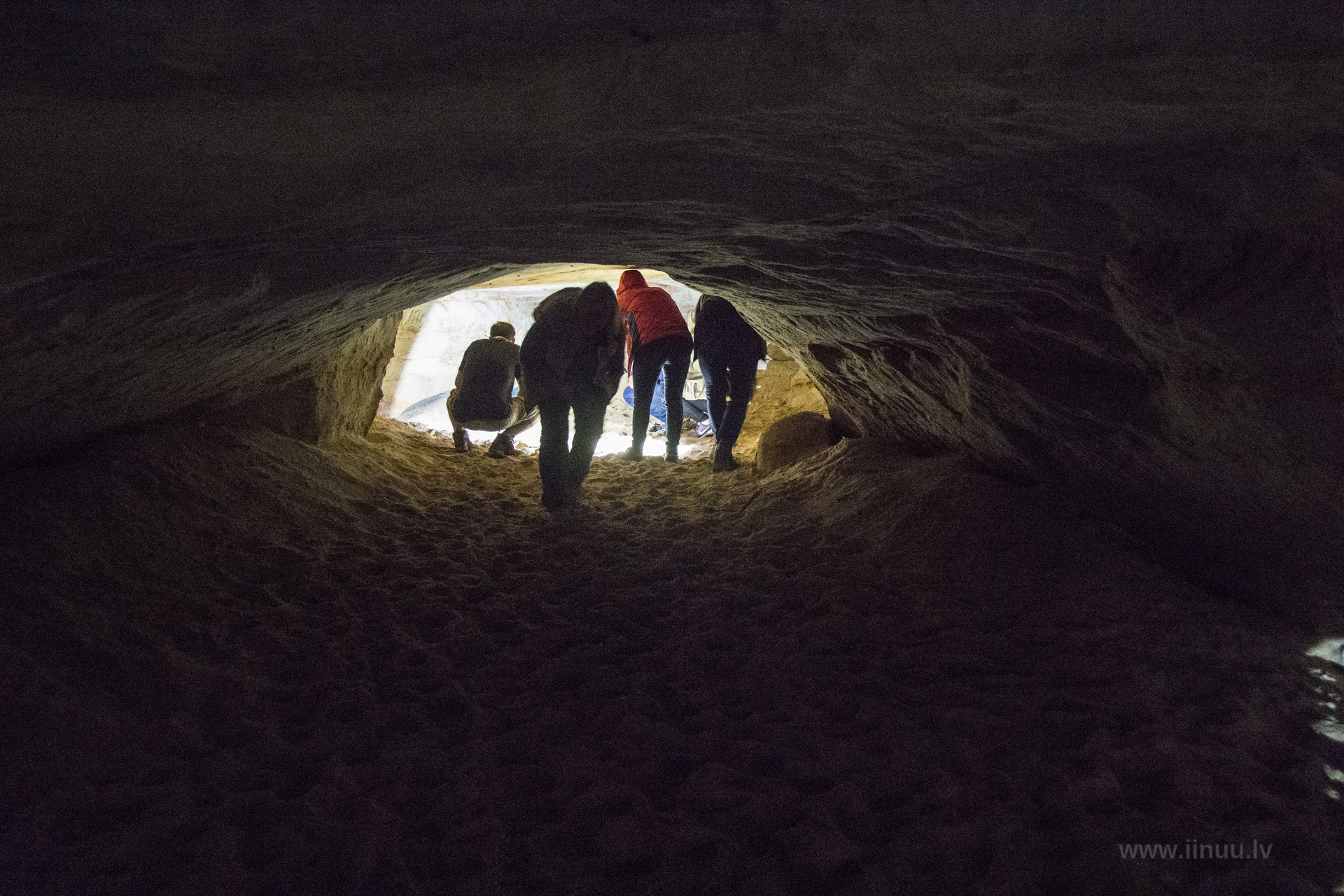
Well, if that cave led to such existential reflections, then the second cave just nearby confirmed that one is still alive. To walk inside half-bent required muscular effort, and the momentarily acute back pain that came unexpectedly allowed one to breathe a sigh of relief - yes, truly, alive. To move through this cave in a crouching walk, rubber boots are needed, as there is water and it is quite cold. If boots have not been brought along, the reserve option for the forgetful or carefree is the boot tree right there by the cave entrance.
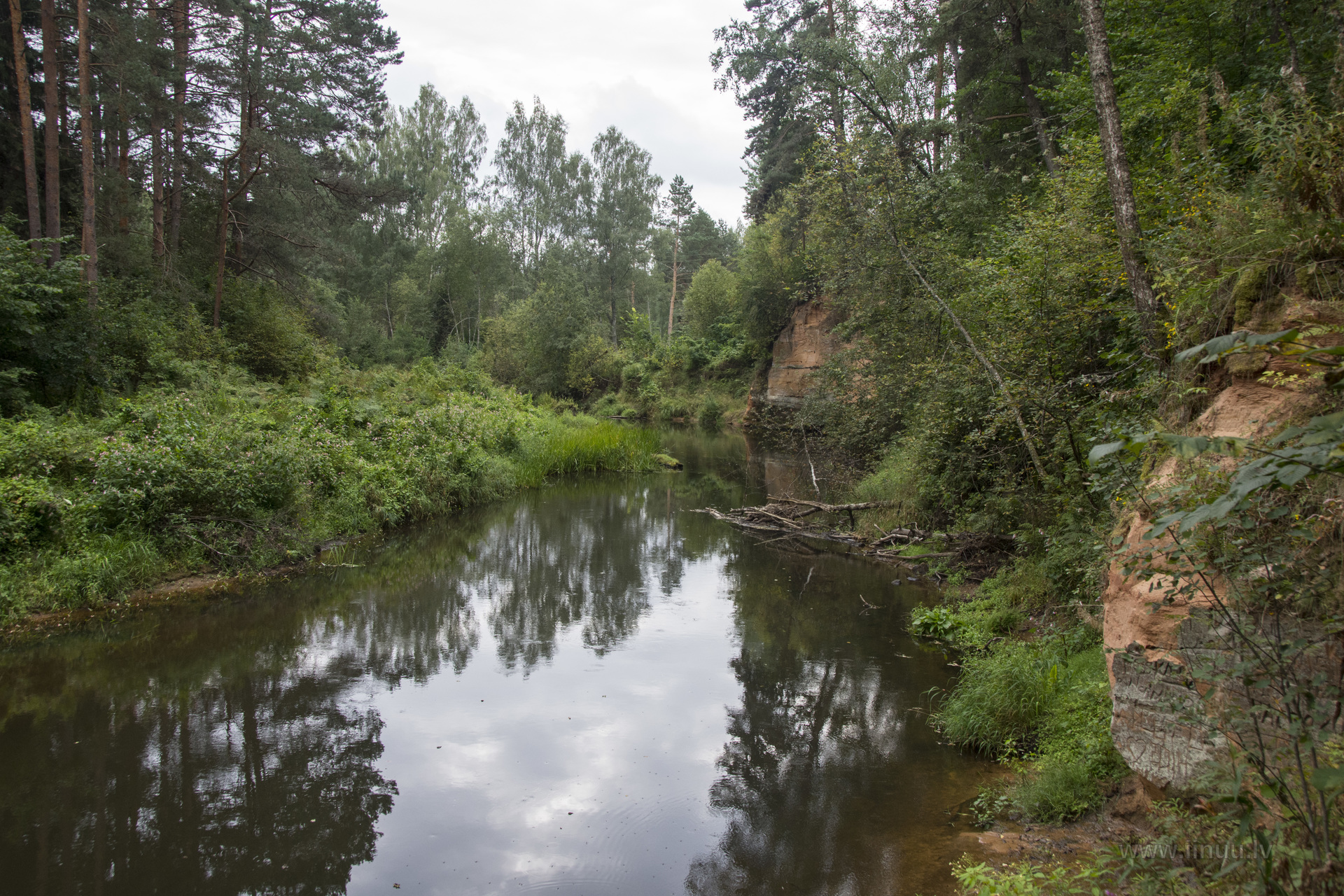
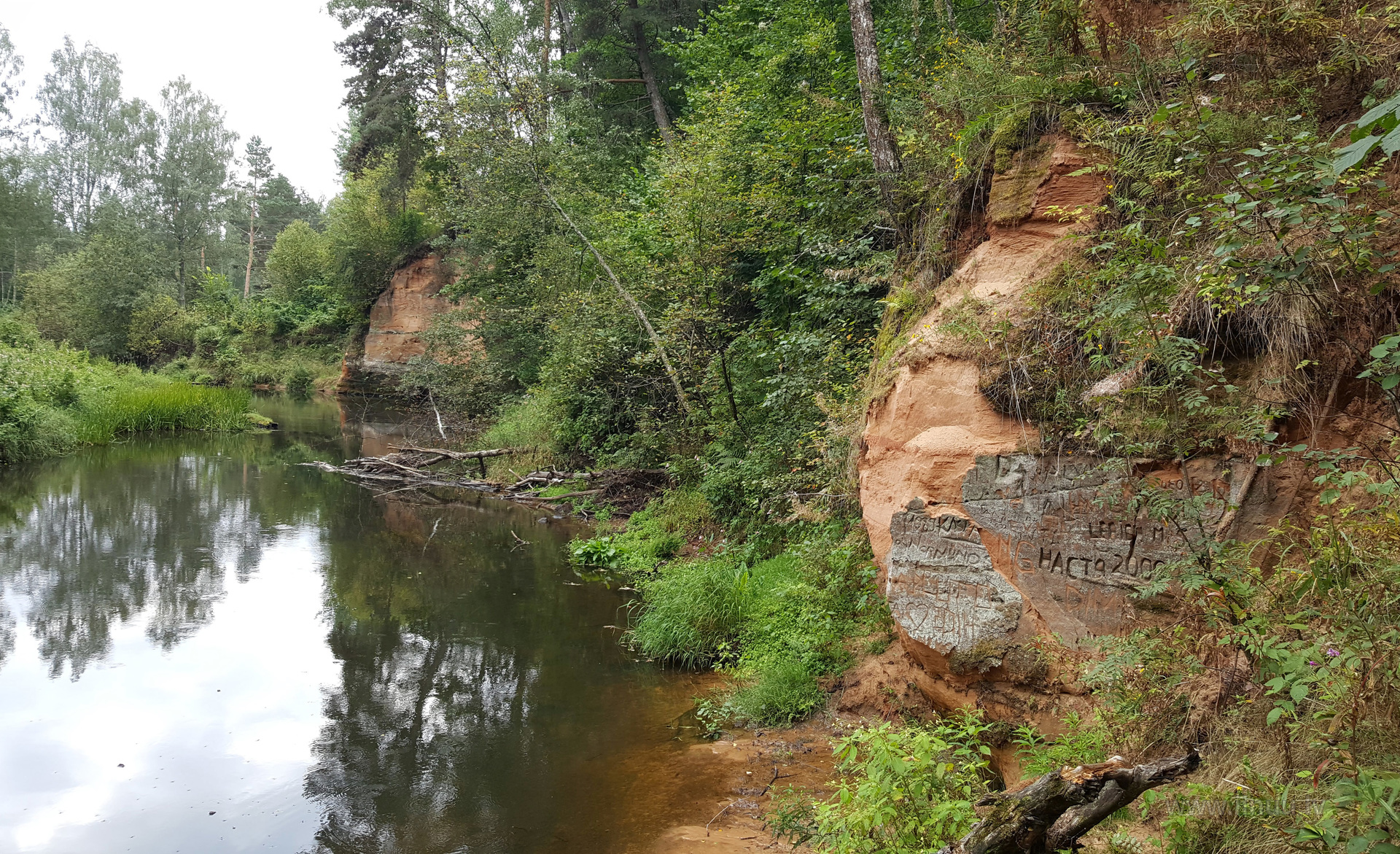
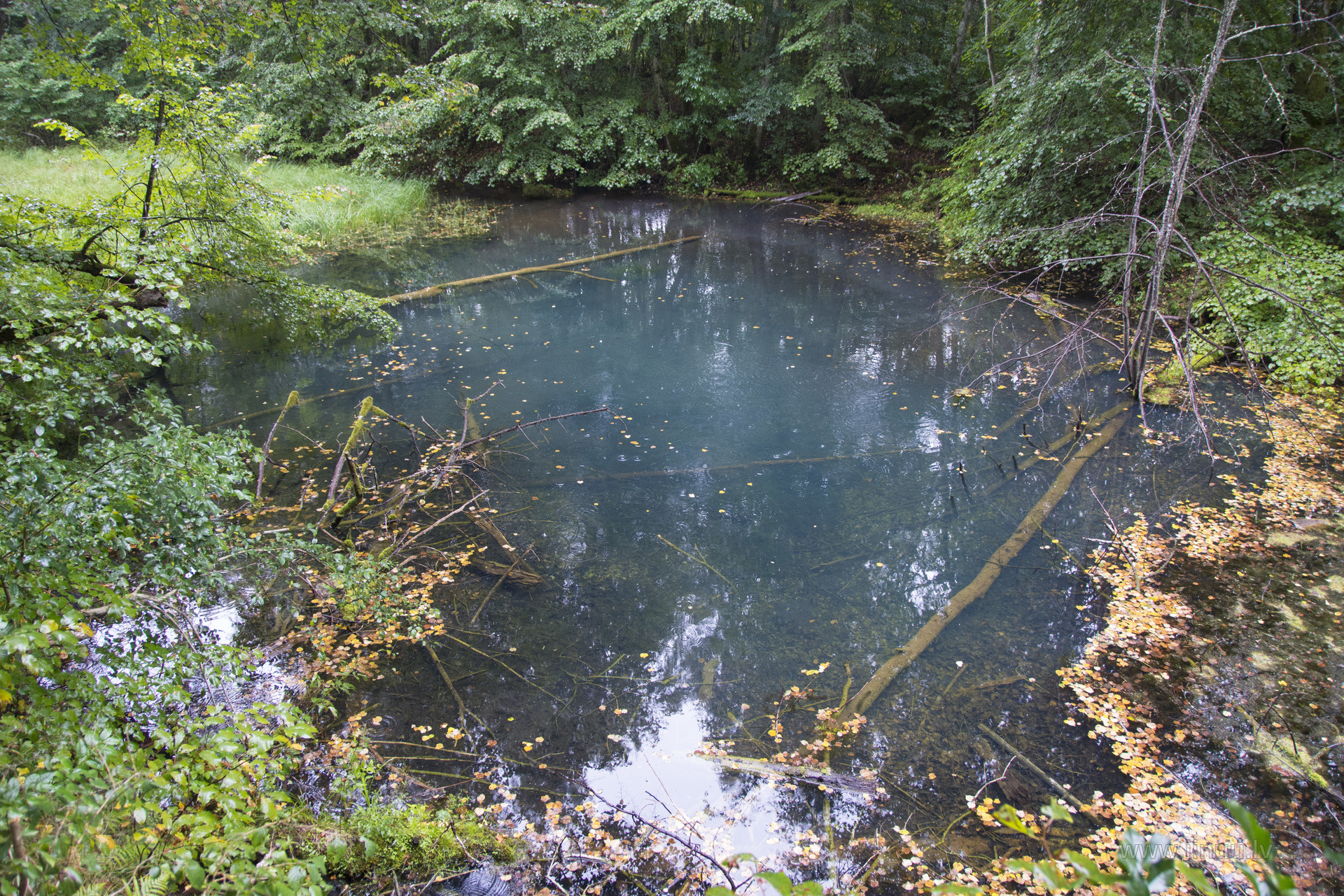
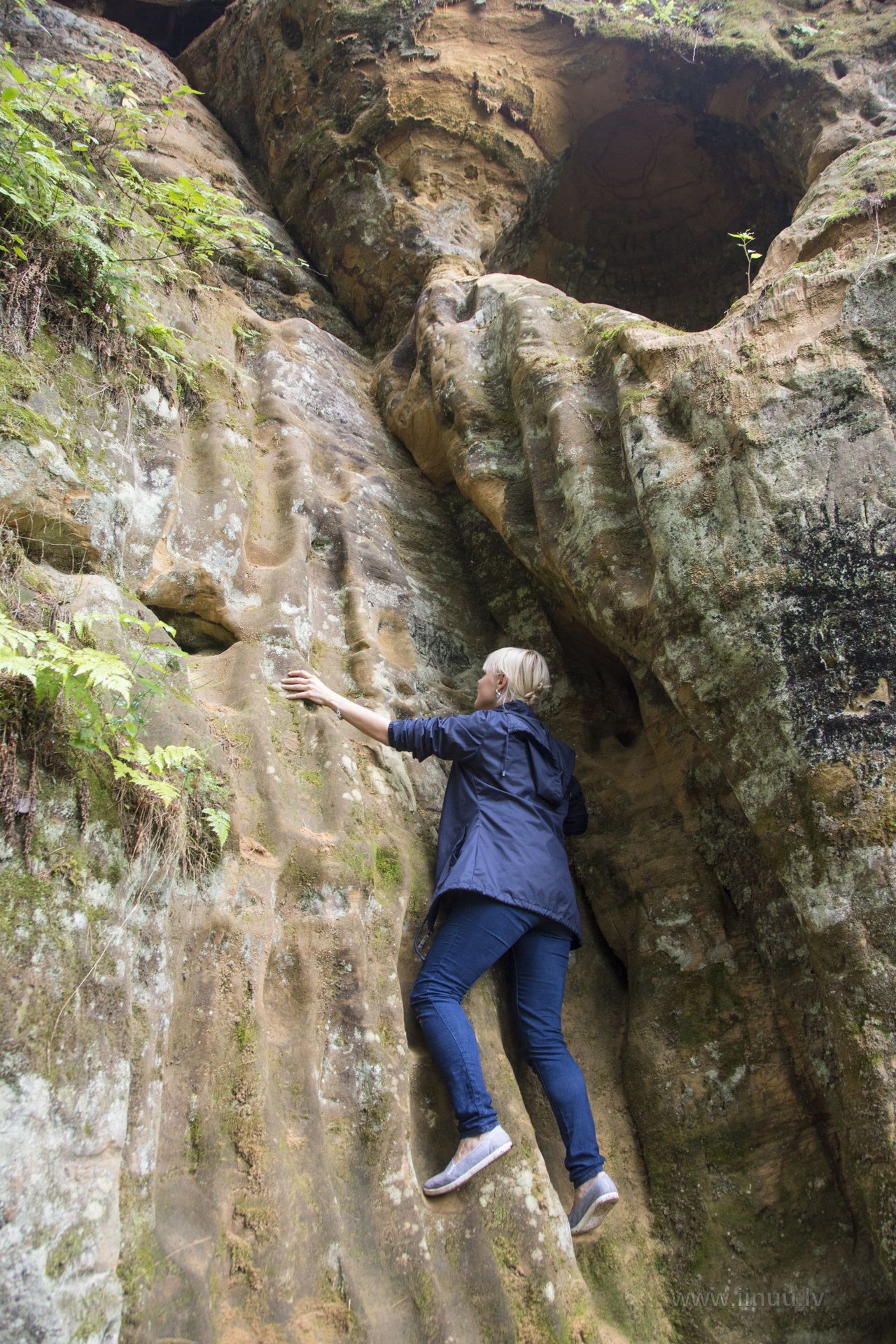
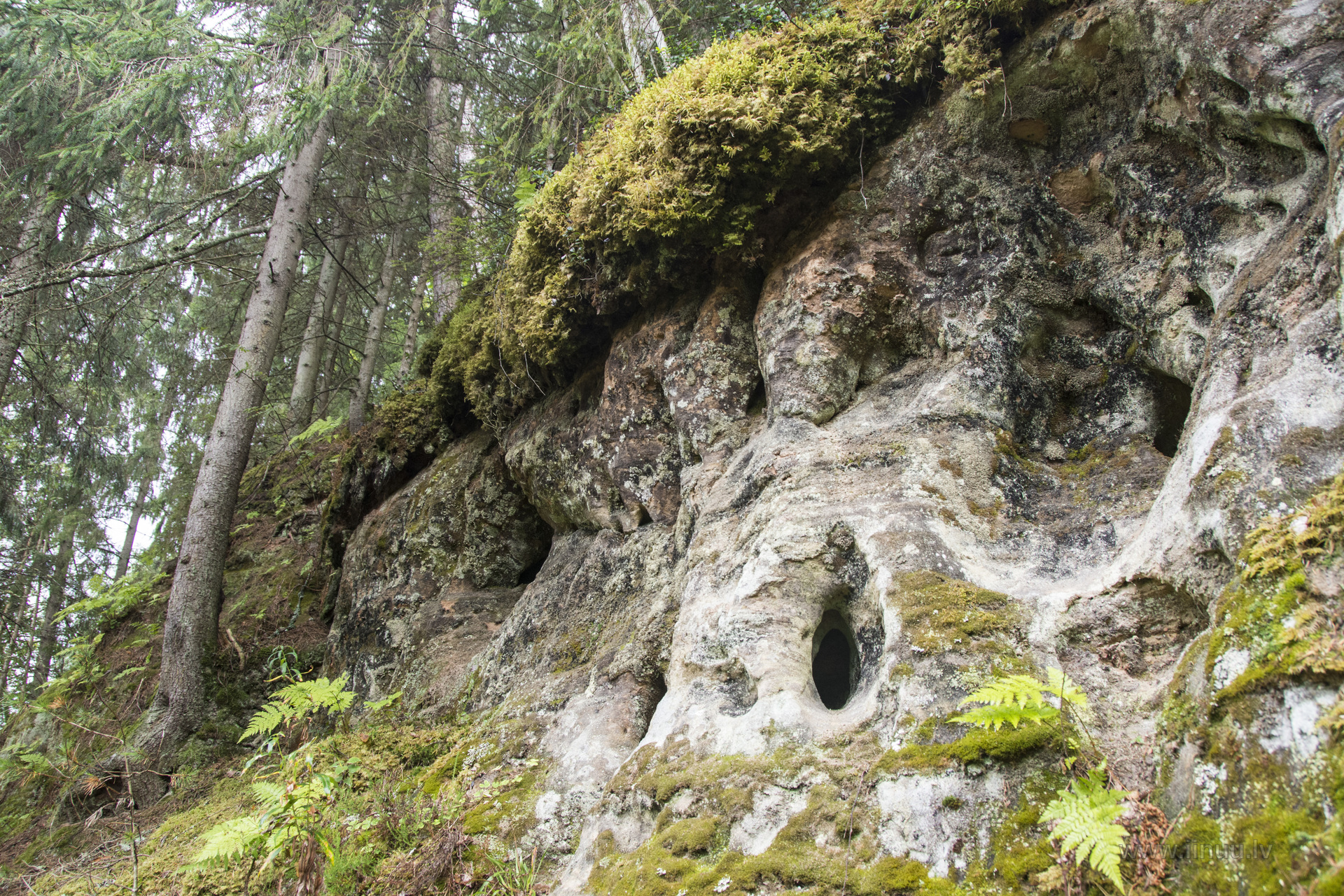
Both caves are on the banks of the Brasla river, so after crawling out of the caves one can take a short walk through picturesque surroundings. The leaves were not yet yellow, but the breath of autumn was already hovering in the air. We tried to capture the mood in a few photographs - one on a Samsung touchscreen device, the other on a Nikon camera.
In Raiskums, around Raiskums, of Raiskums
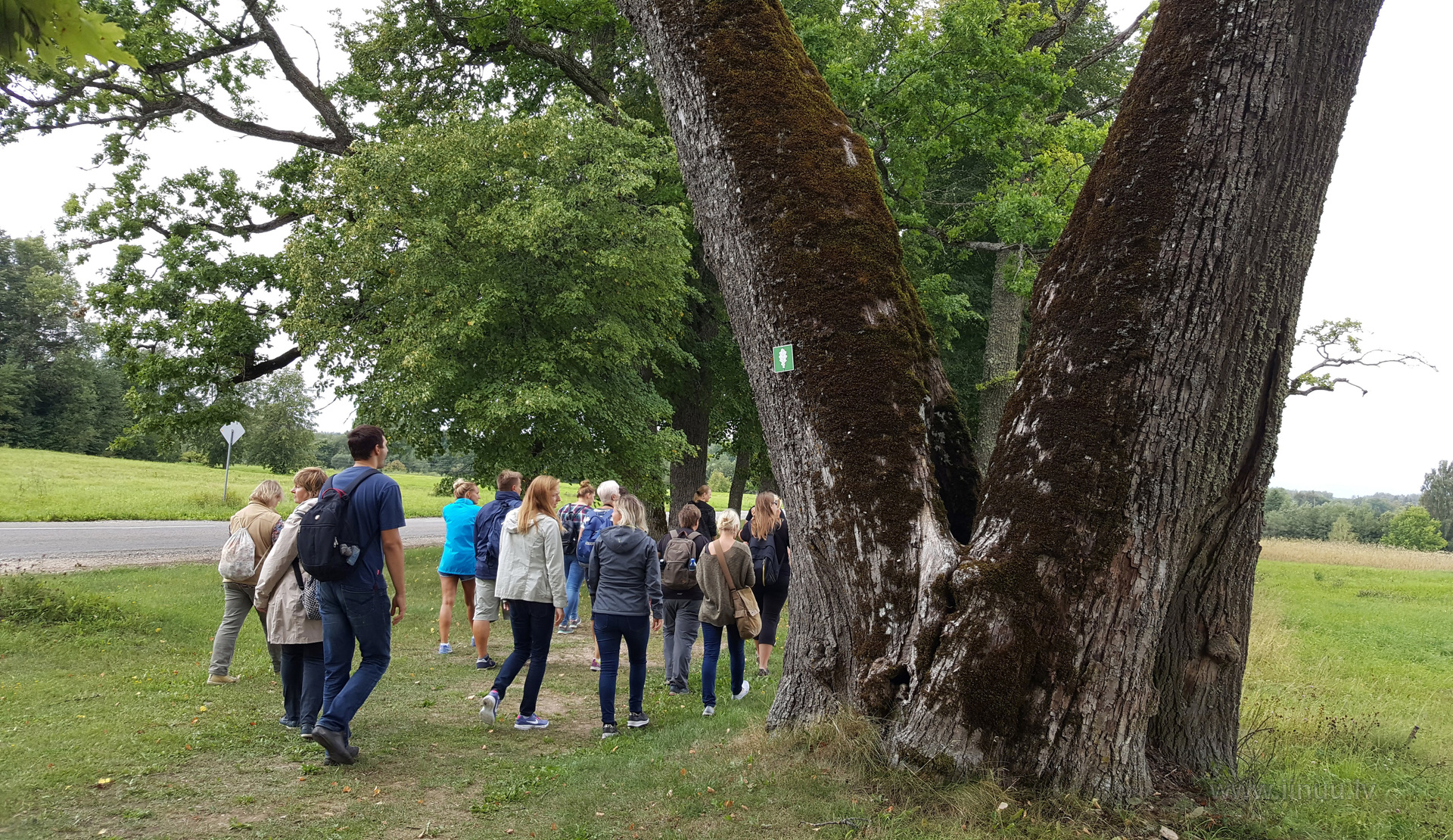
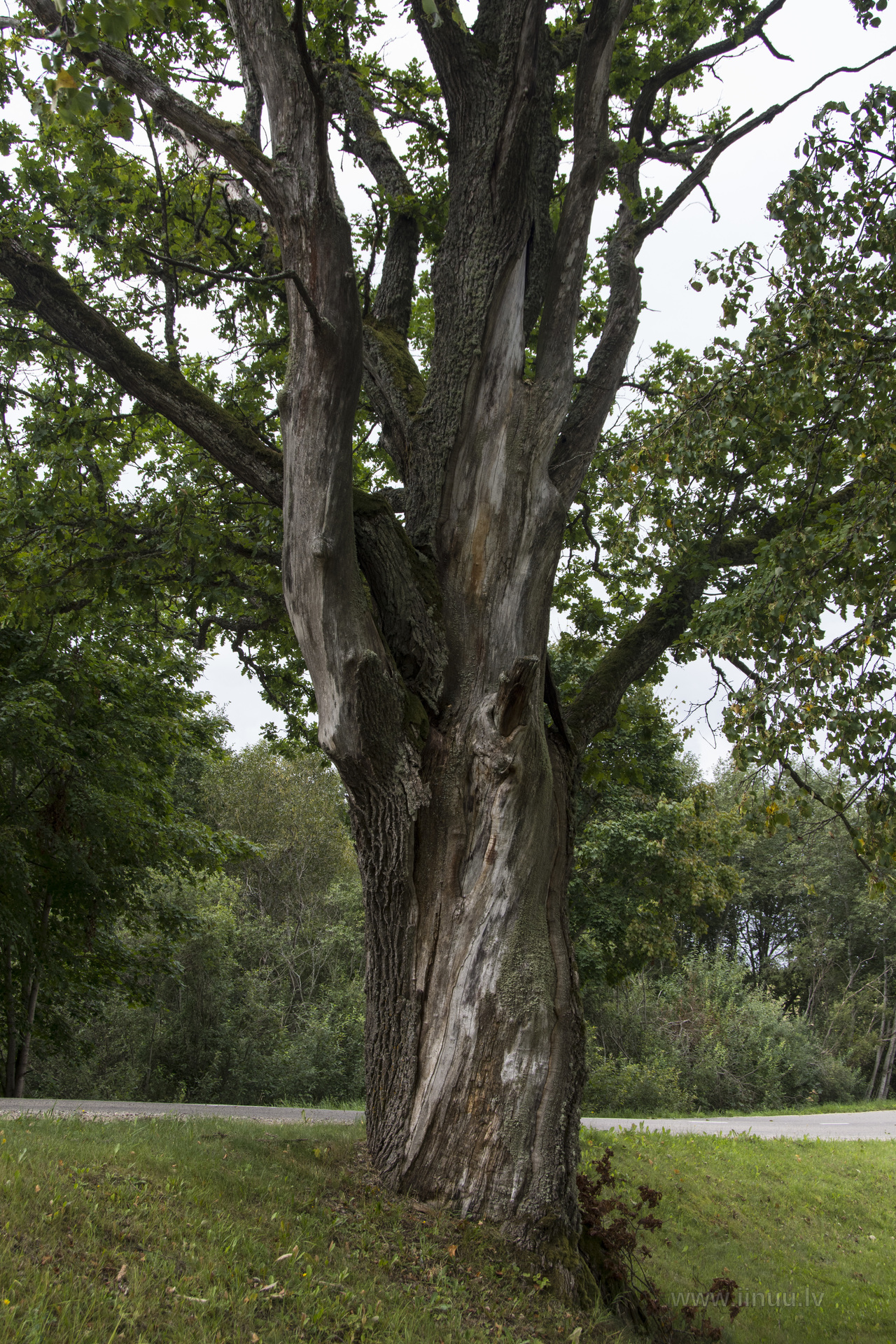
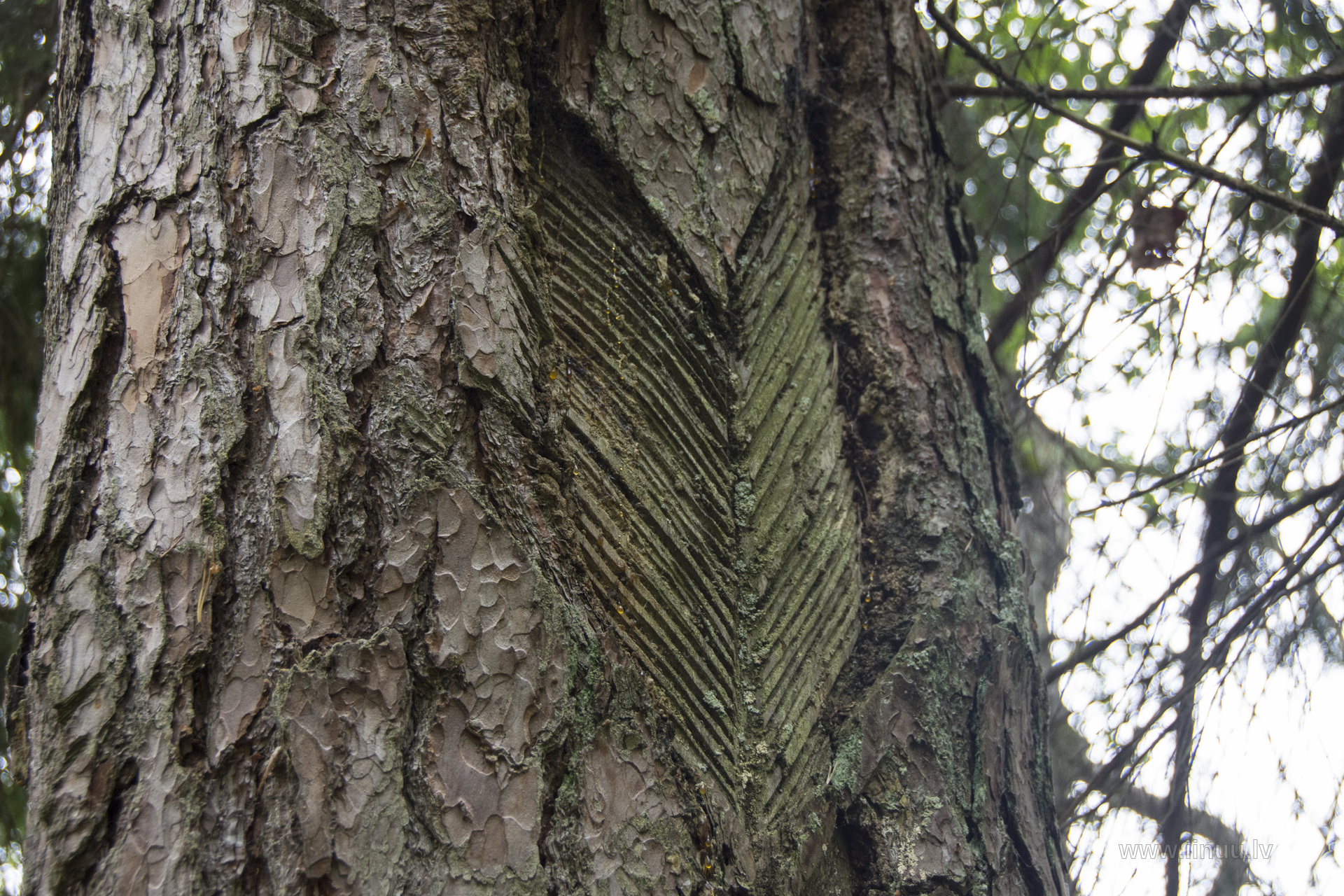
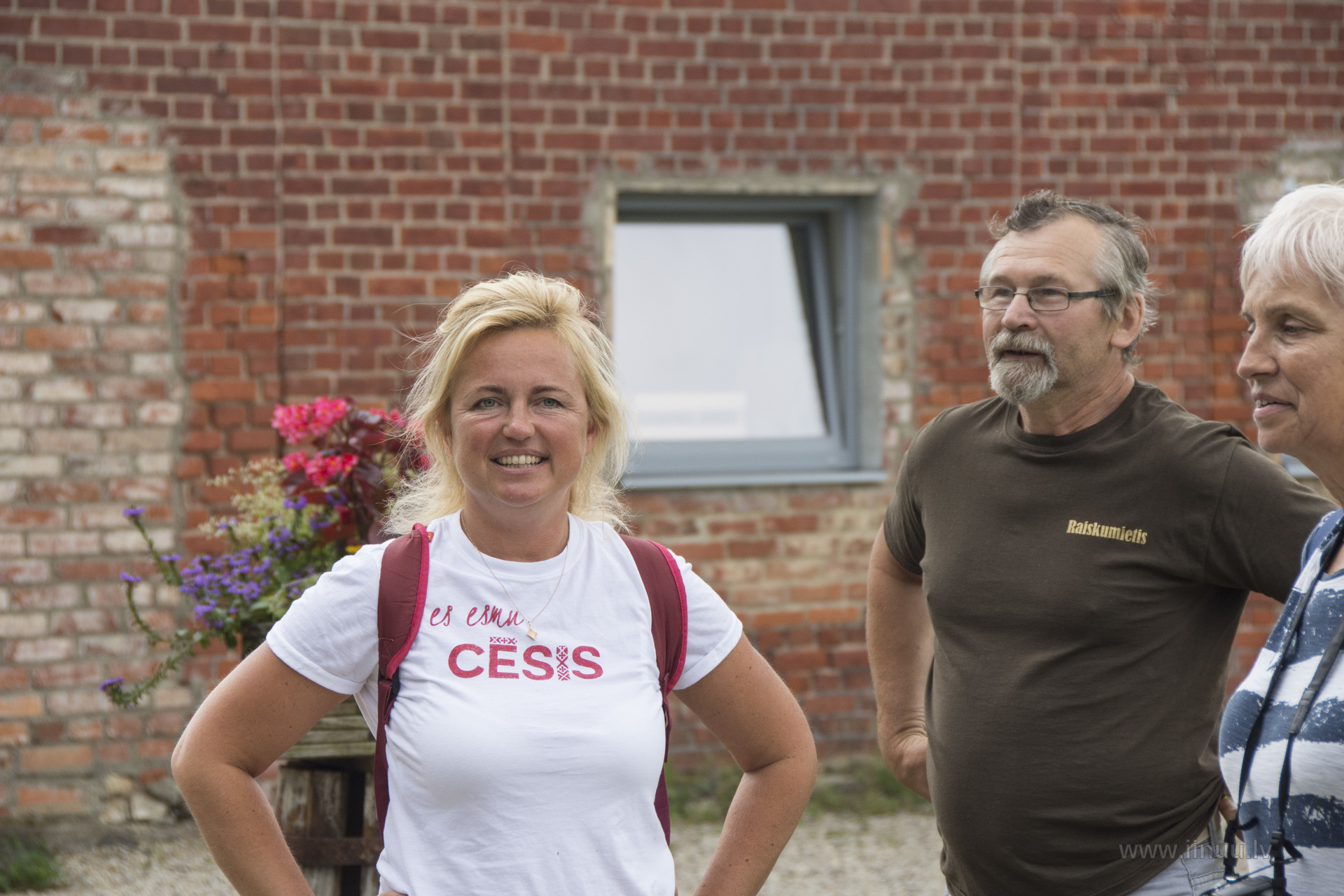
This was followed by a walk of approximately 9 km around Lake Raiskums with a lovely guide Sigita from "Cesis Inside," who knew many official and unofficial stories about the immediate surroundings. Here we walked through a hundred-year-old oak avenue, climbed the hill where Ērikonkuls carried Lāsmiņa in the late-1970s Latvian art film "Limuzīns Jāņu nakts krāsā" (Limousine in the Colours of Midsummer Night), gazed from afar at Aunt Mirta's house, breathed in the resin that had collected in grooves carved into pine trunks for resin extraction, and a few of the braver ones - including Ēriks - took a swim in the lake.
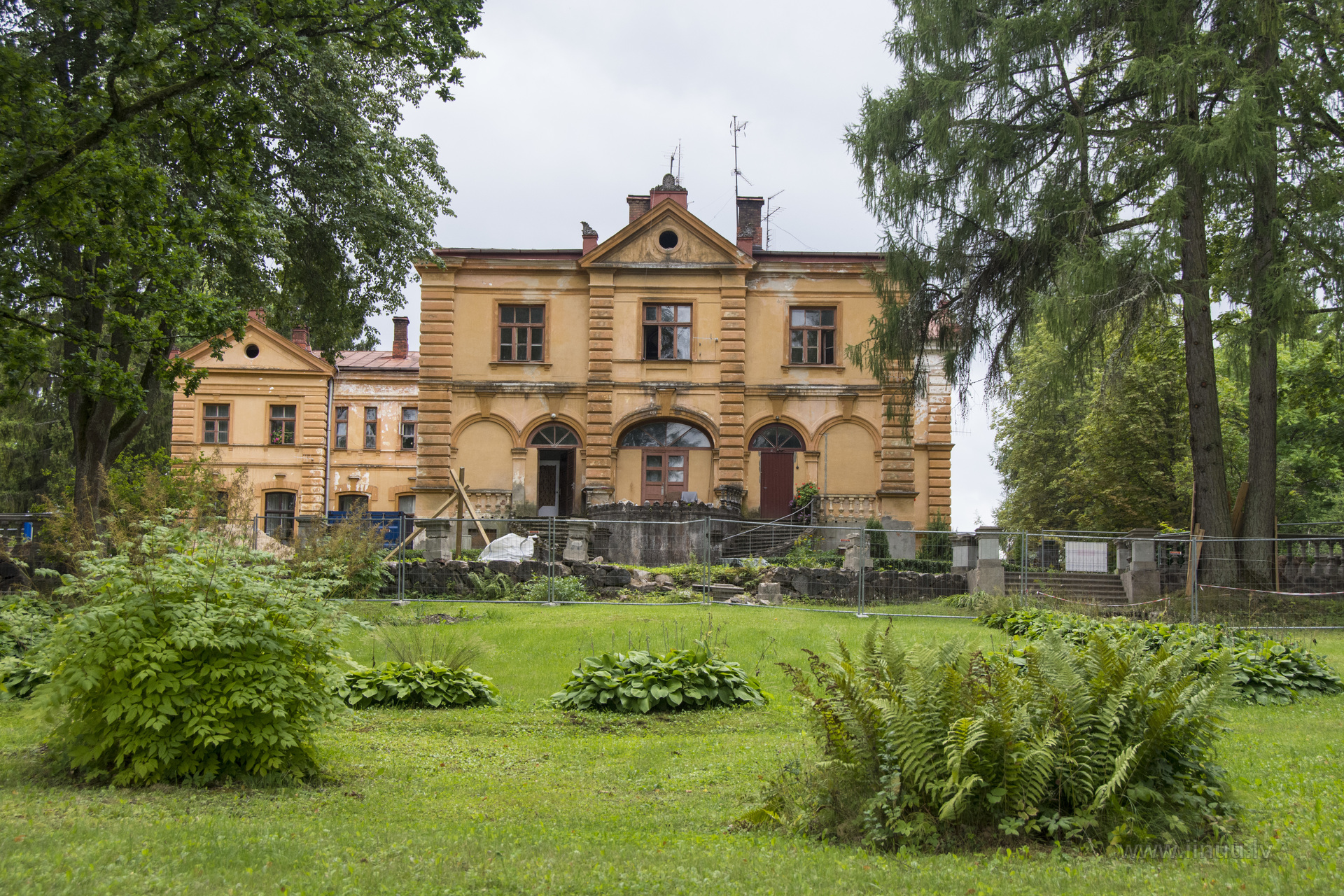
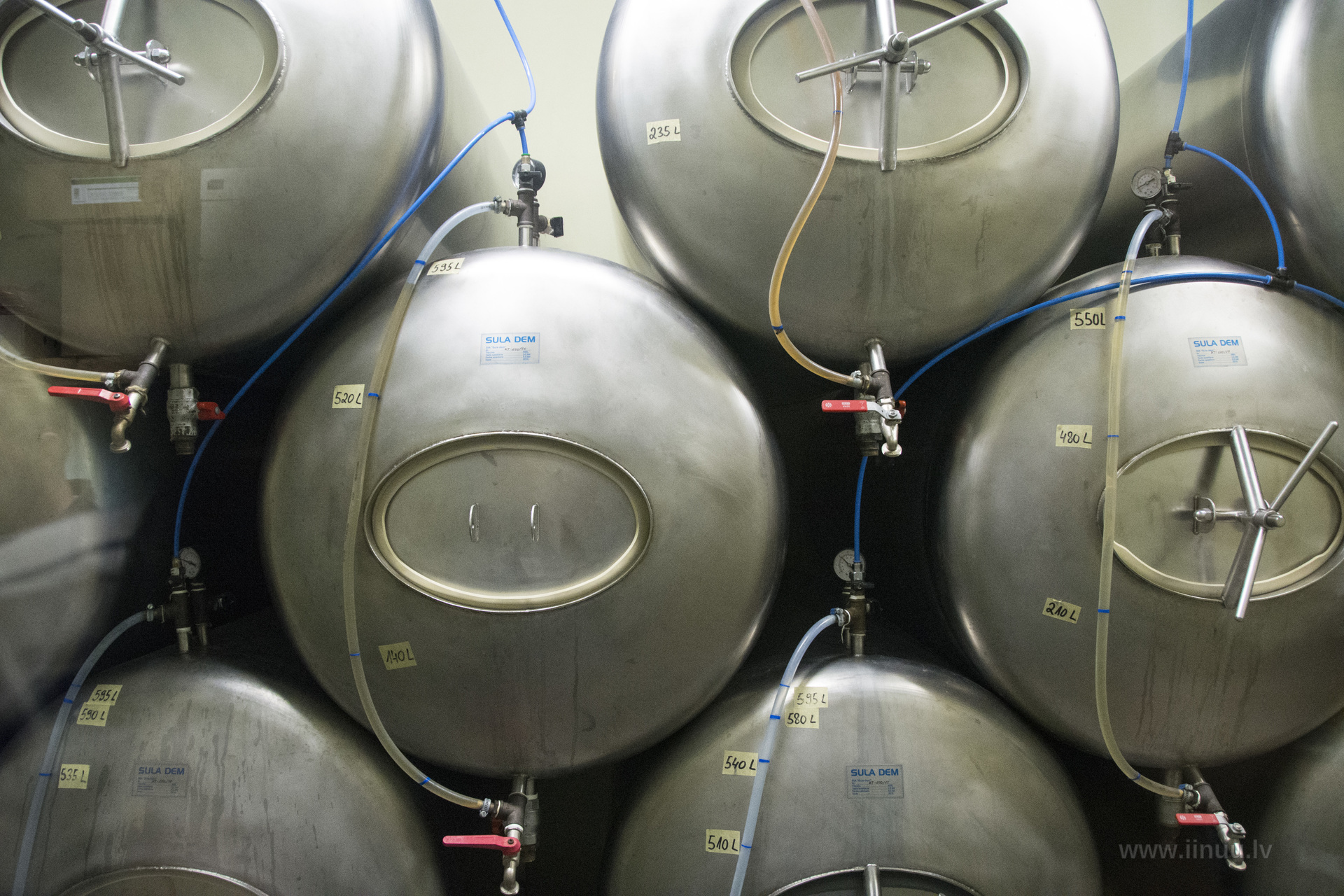
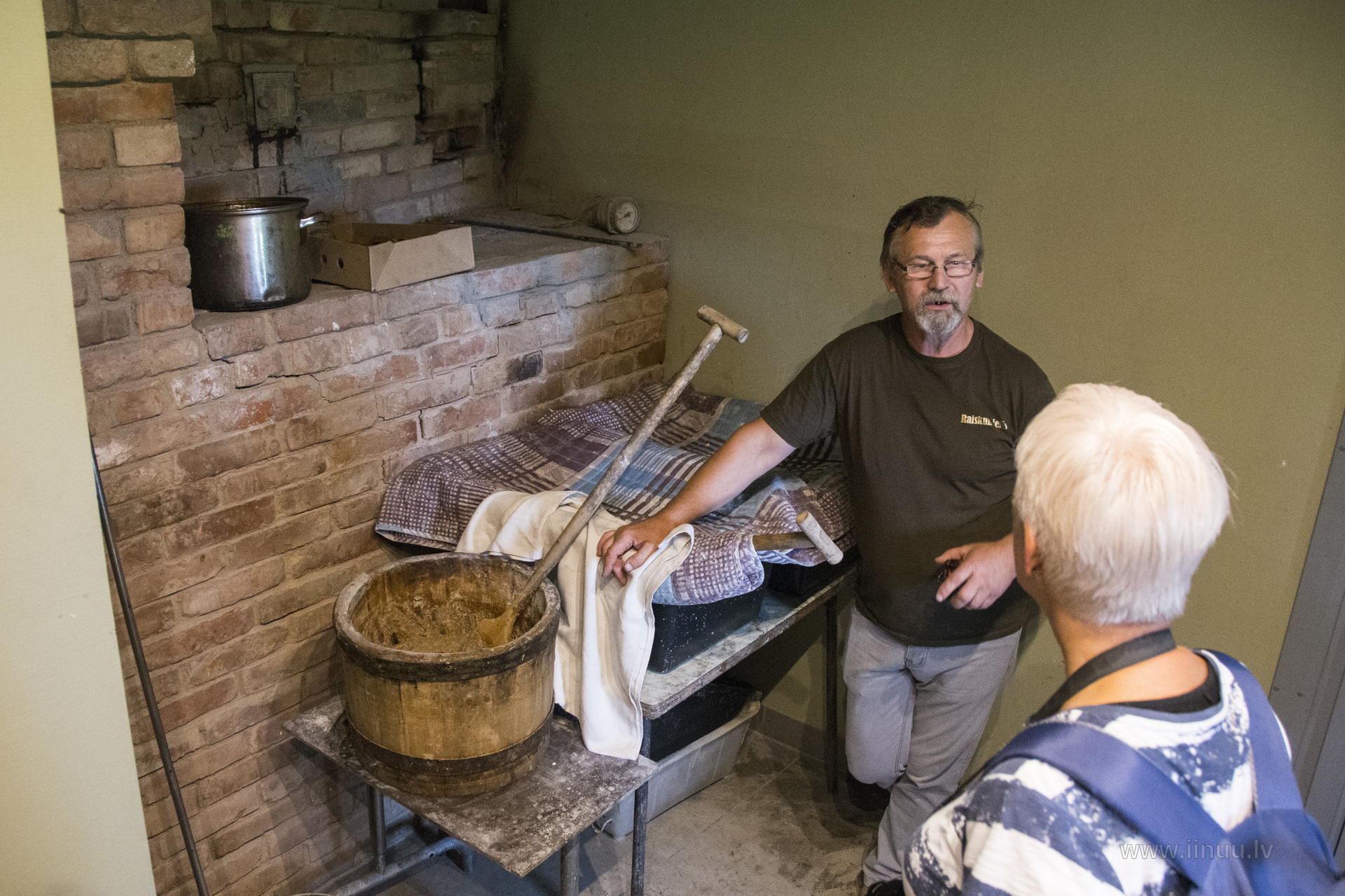
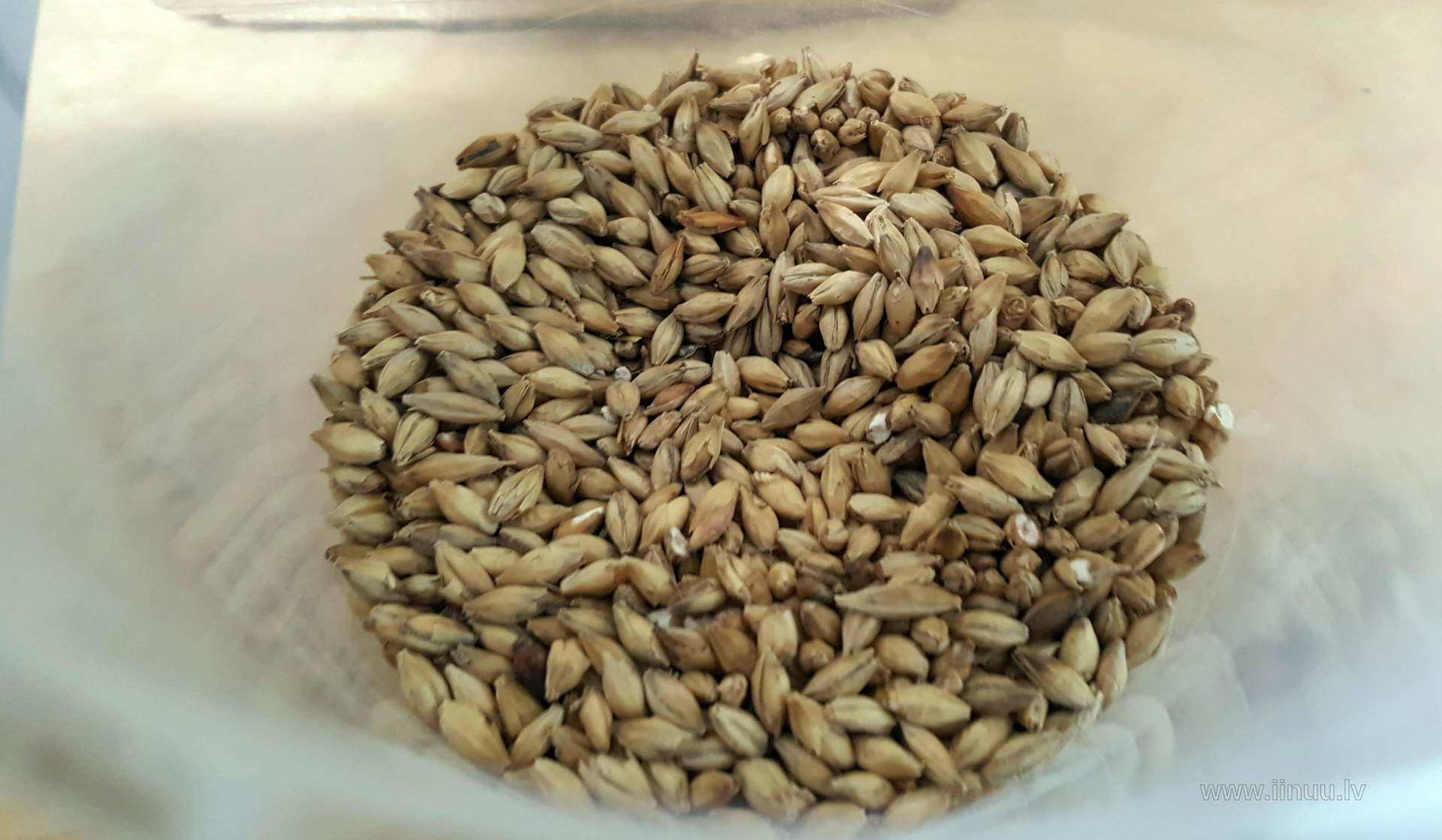
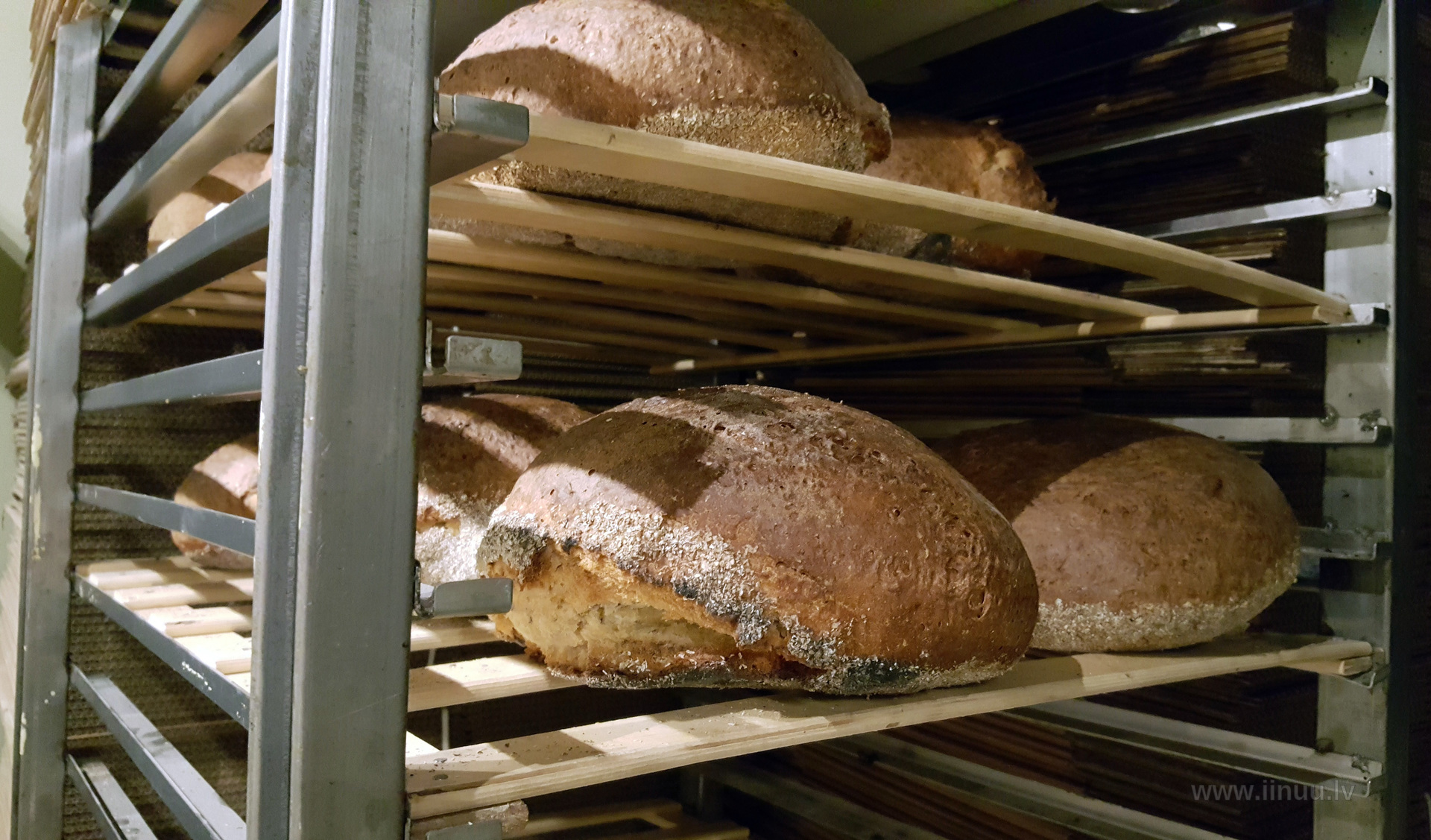
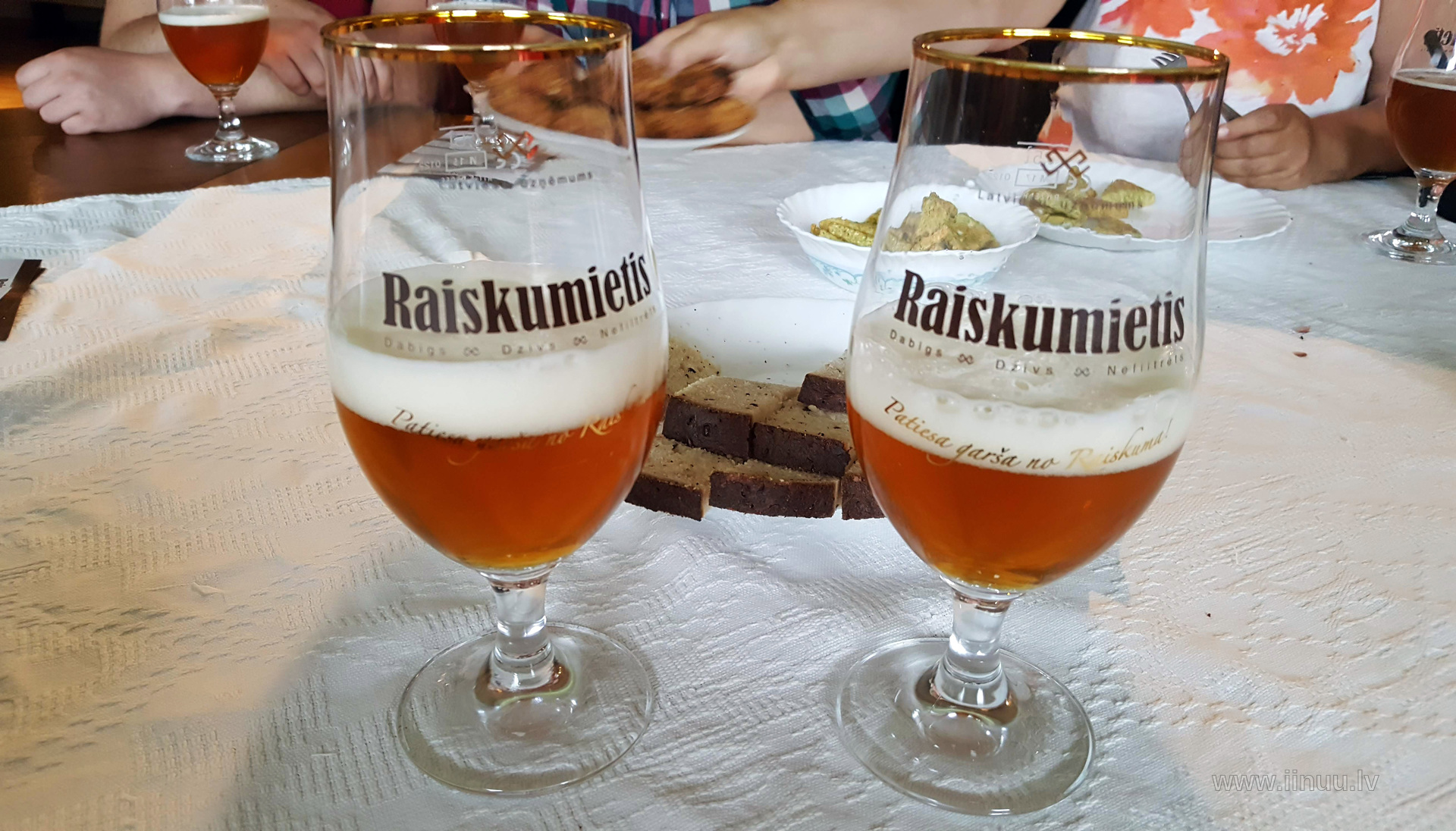
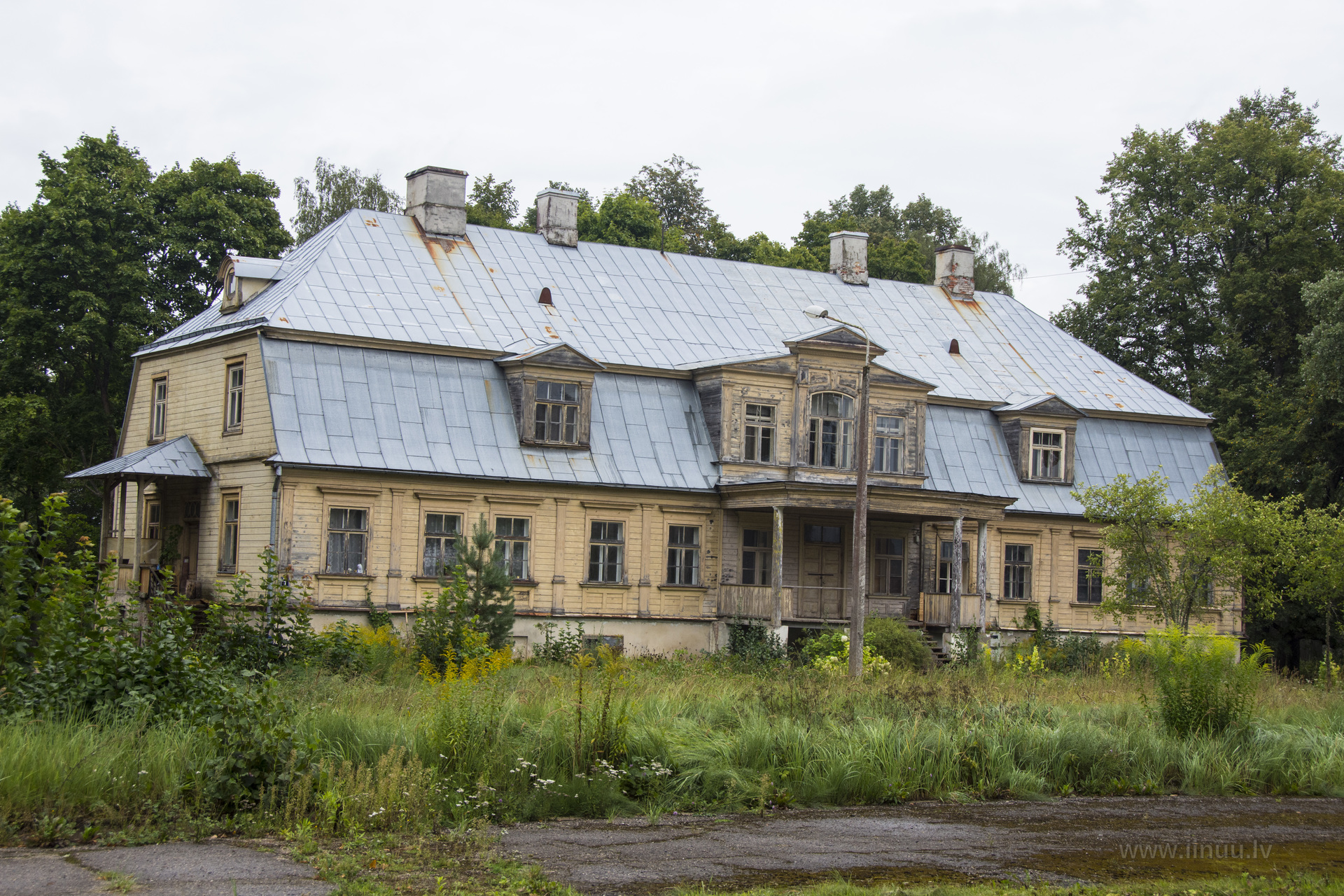
On the far bank stood the old Raiskums Manor building, currently undergoing reconstruction. There was also a short tour of the fairly small Raiskumietis brewery, and of course a tasting, where one could snack on butter-fried oat flake and cheese biscuits, bread, home-dried meat, and sample three "Raiskumietis" beer varieties - light, dark, and cherry.
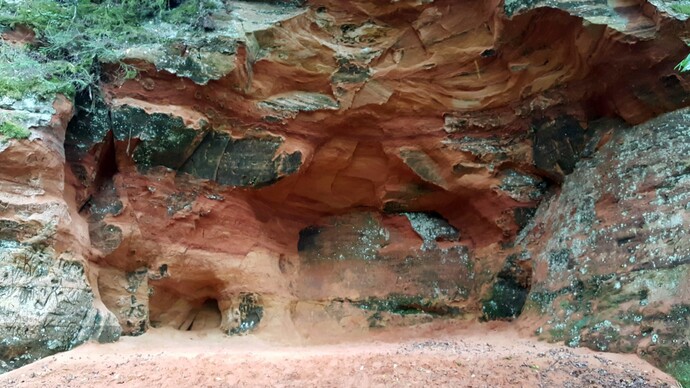
Raiskums Red Cliffs
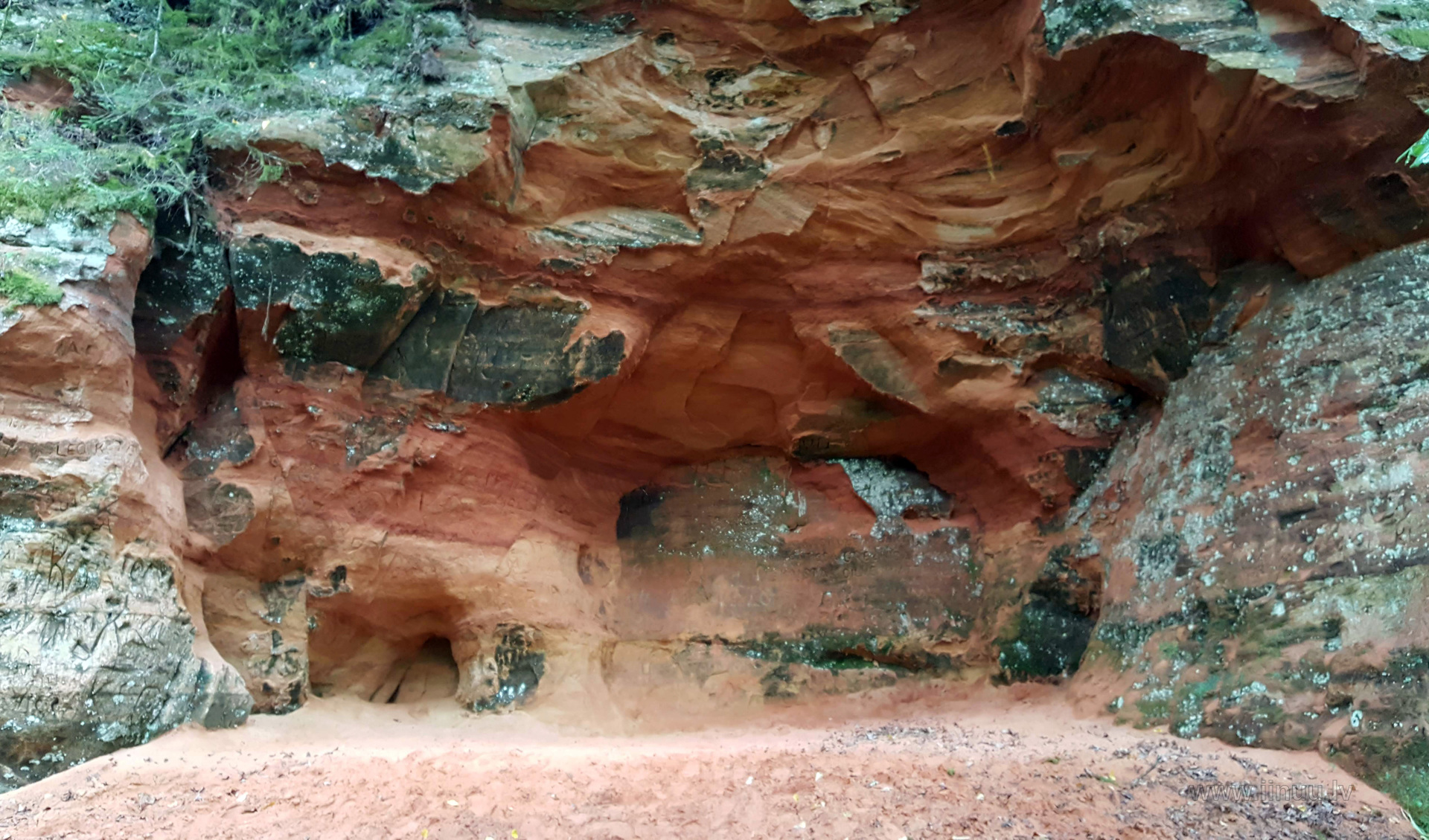
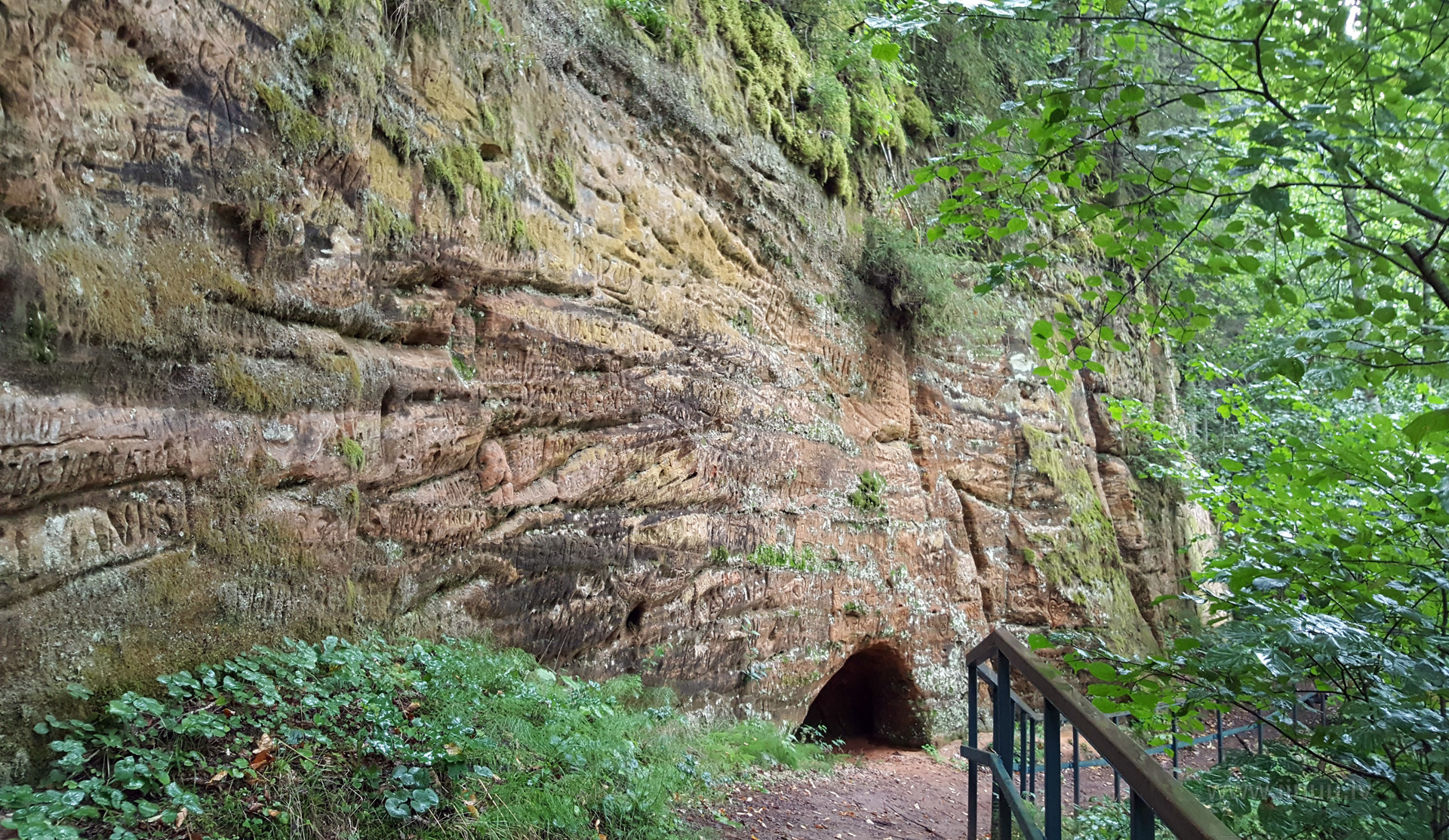
If you want to check in, you can safely search on Swarm near Cēsis. Vivid red, eye-pleasing sandstone outcrops. Locals - and no doubt non-locals too - were travelling back and forth along the wooden boardwalk placed along the cliff edge, carrying sizeable plastic and aluminium bottles. It turns out this is also a favourite spot for connoisseurs to collect drinking water. This Rūcamavots water is said to be particularly healthy and even capable of curing various ailments. Ah well - nearly nine centuries of Christianity for a Latvian might as well have not happened; they still stick to their own traditions.
To Berlin
"And now we will go to Berlin," announced Zaiga from "Uzzini, iepazīsti" with a mischievous smile. Berlin, it turns out, is also the name of a sandstone cliff next to Jāņmuiža. The cliff was given this name because military action took place there in those turbulent years; trenches - still clearly visible today - were dug, and bullet casings are found from time to time.
Kalējalas
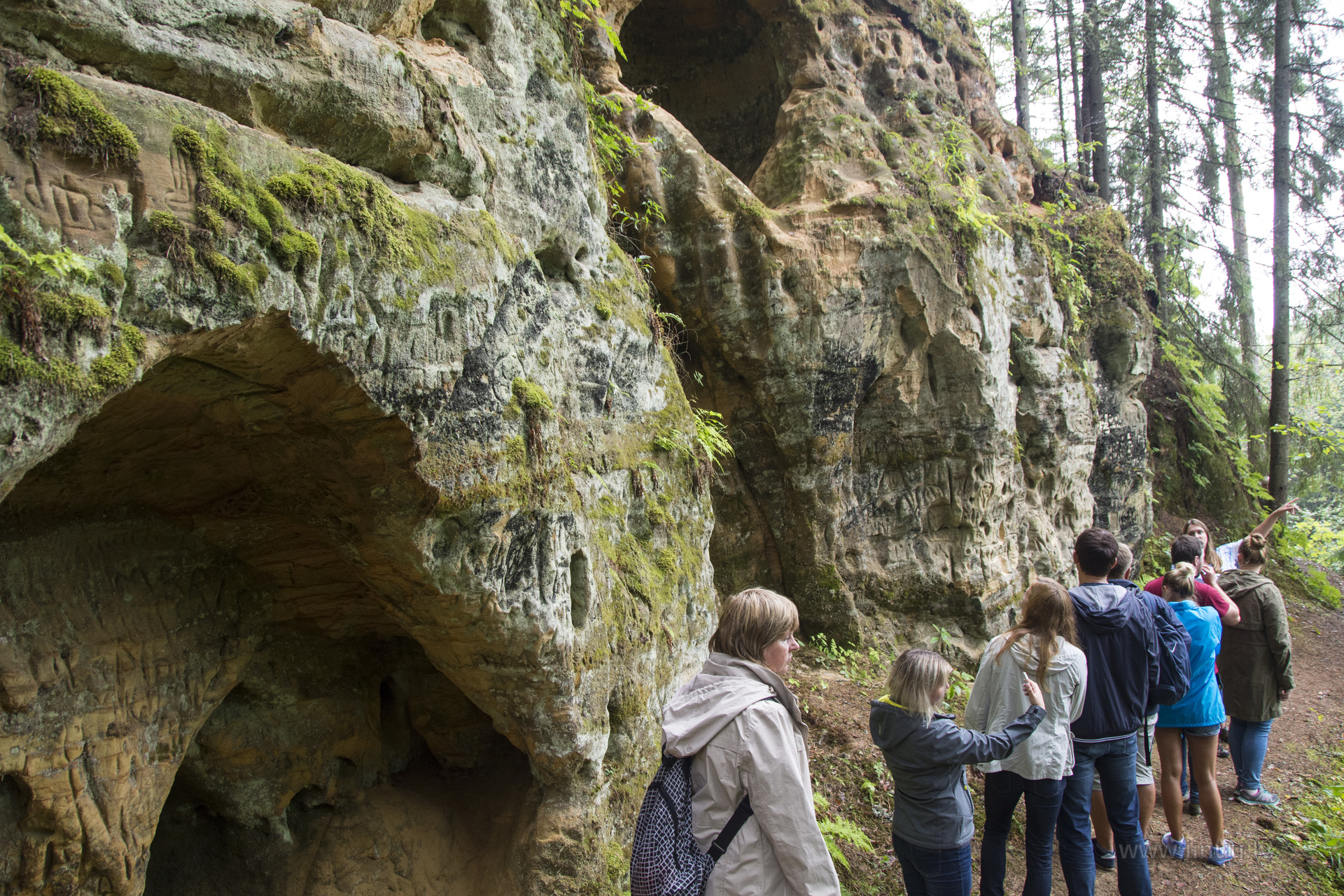
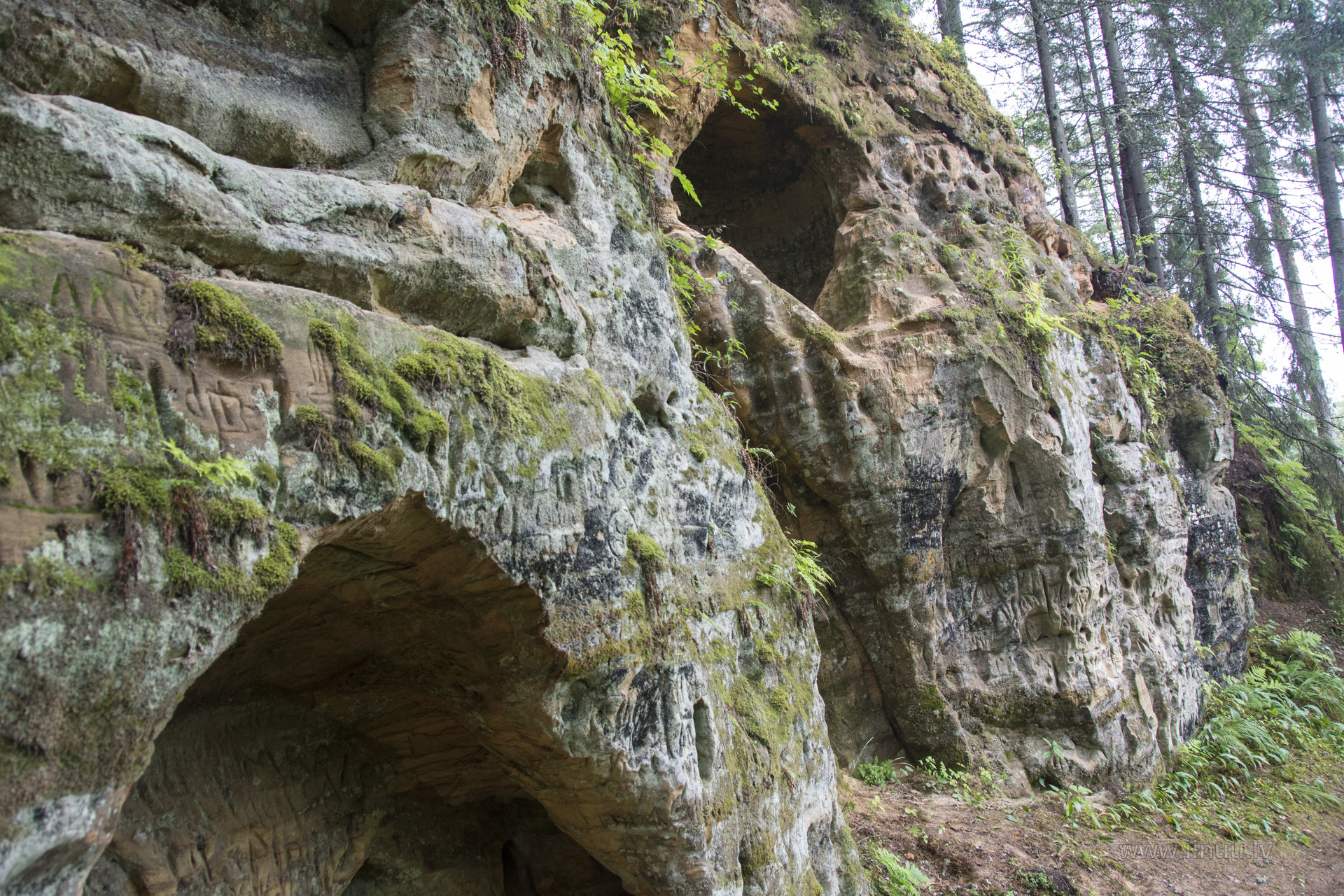
A fairly long cave in Raiskums Parish. At first you can walk in upright, then you must crouch down, then crawl on all fours, then only on your belly. A dry sandstone cave, also on a riverbank. It is notable for the fact that in winter it is home to colonies of bats. On that particular day they were to be found only in photographs on the information board by the cave. Well - you'll just have to take it on faith!
comments