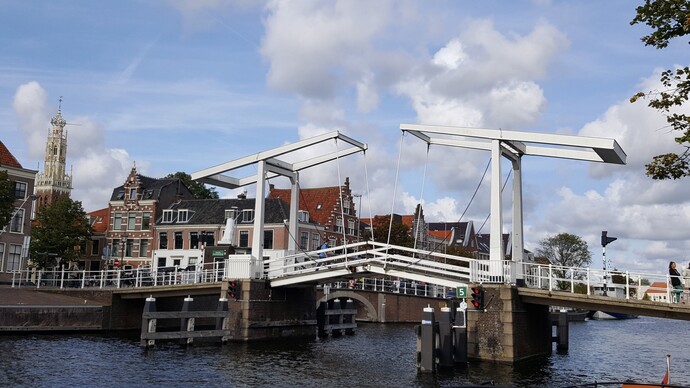
Haarlem - Capital of North Holland
A distinctly Dutch city of snobs and wealthy people, one of the most expensive in the country. But very well-kept and refined - a city for enjoying life, with countless shops, cafés, and art salons.
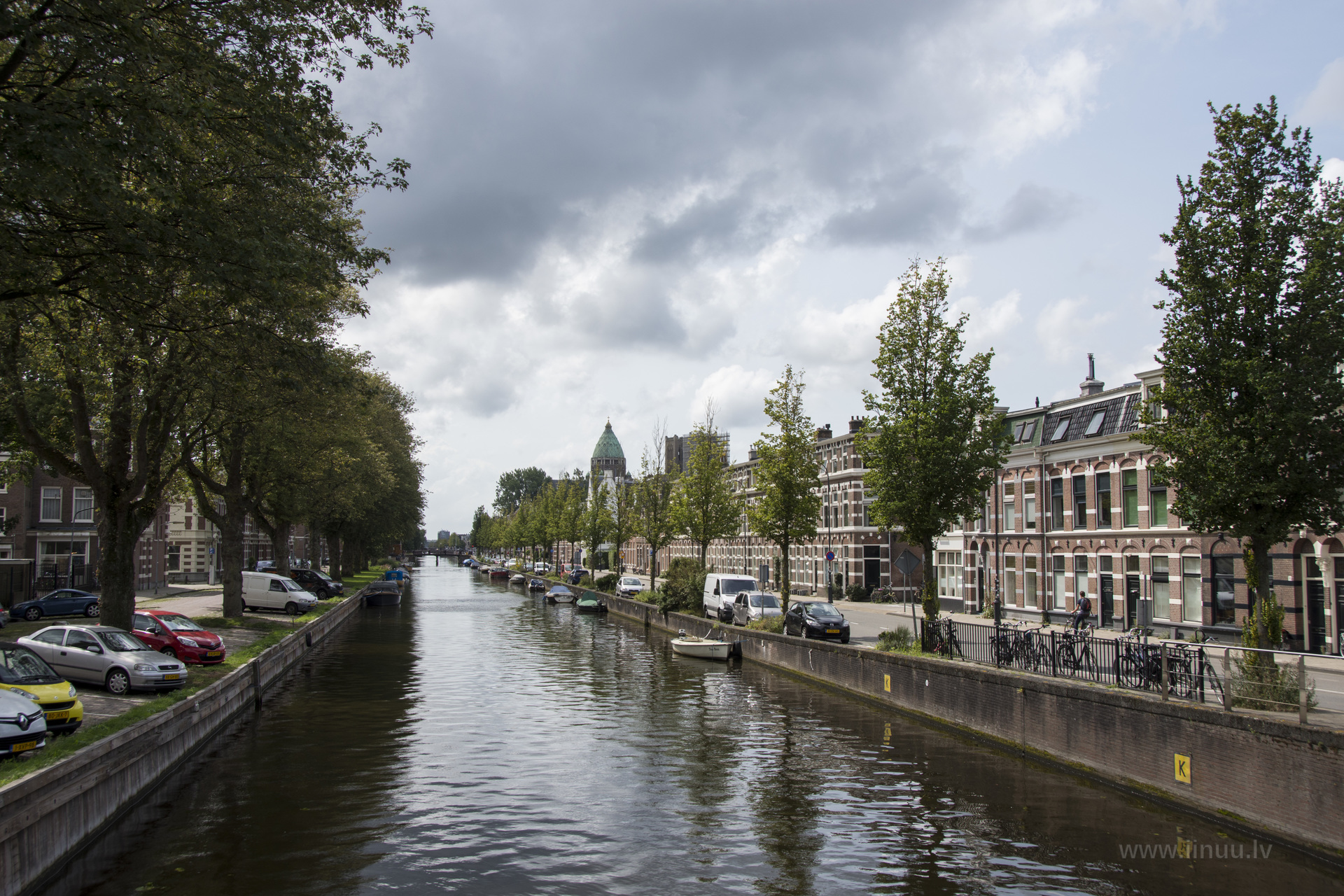
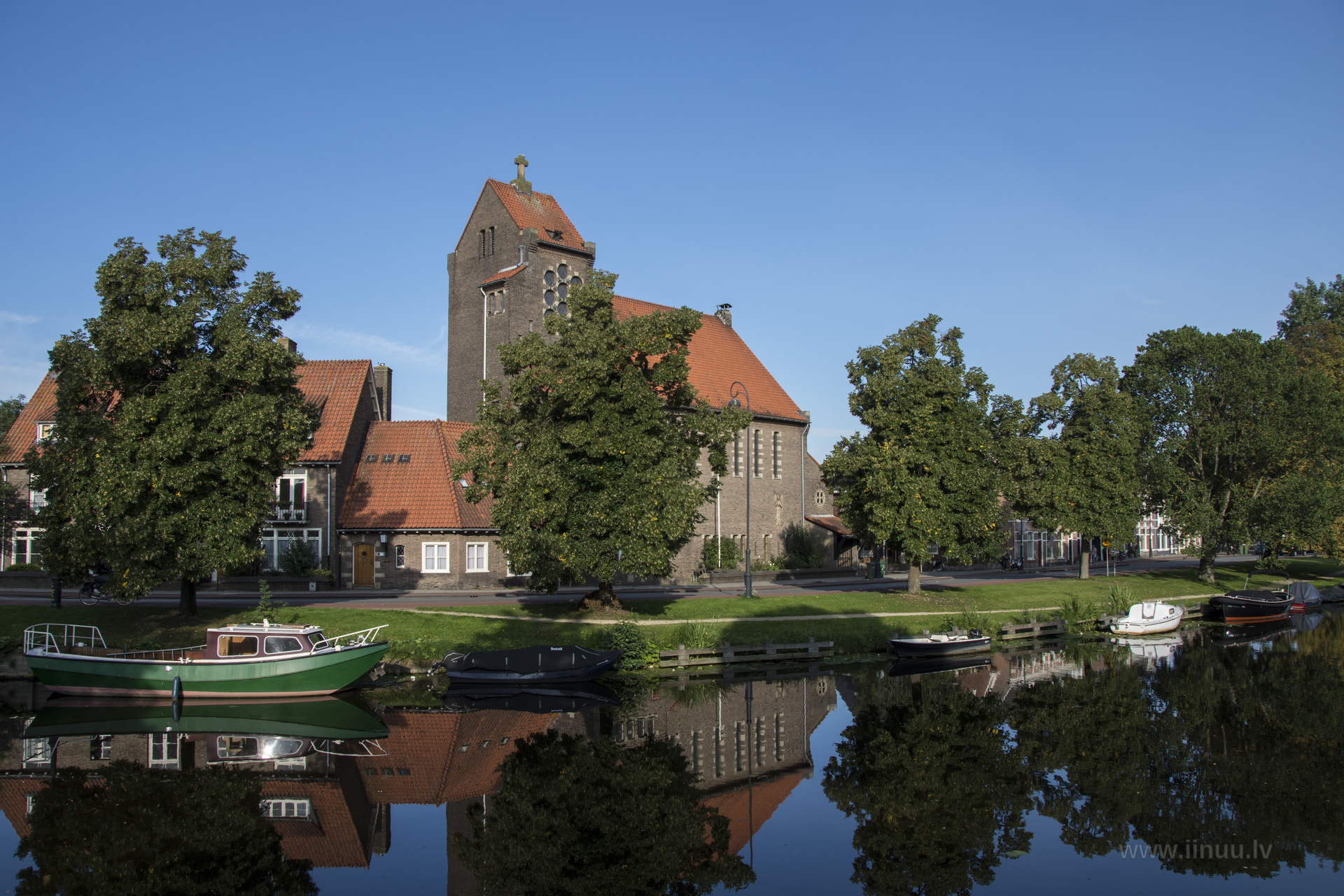
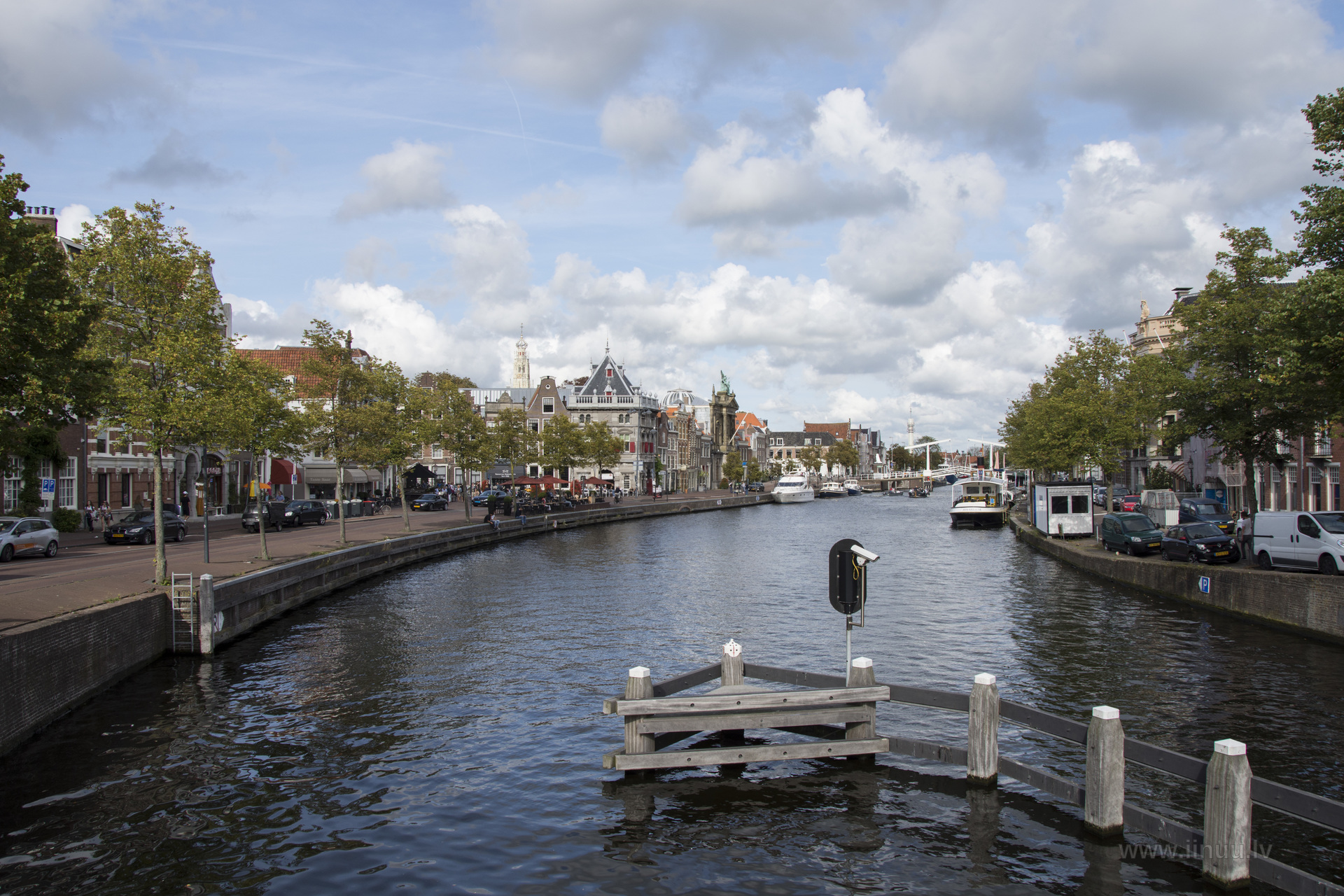
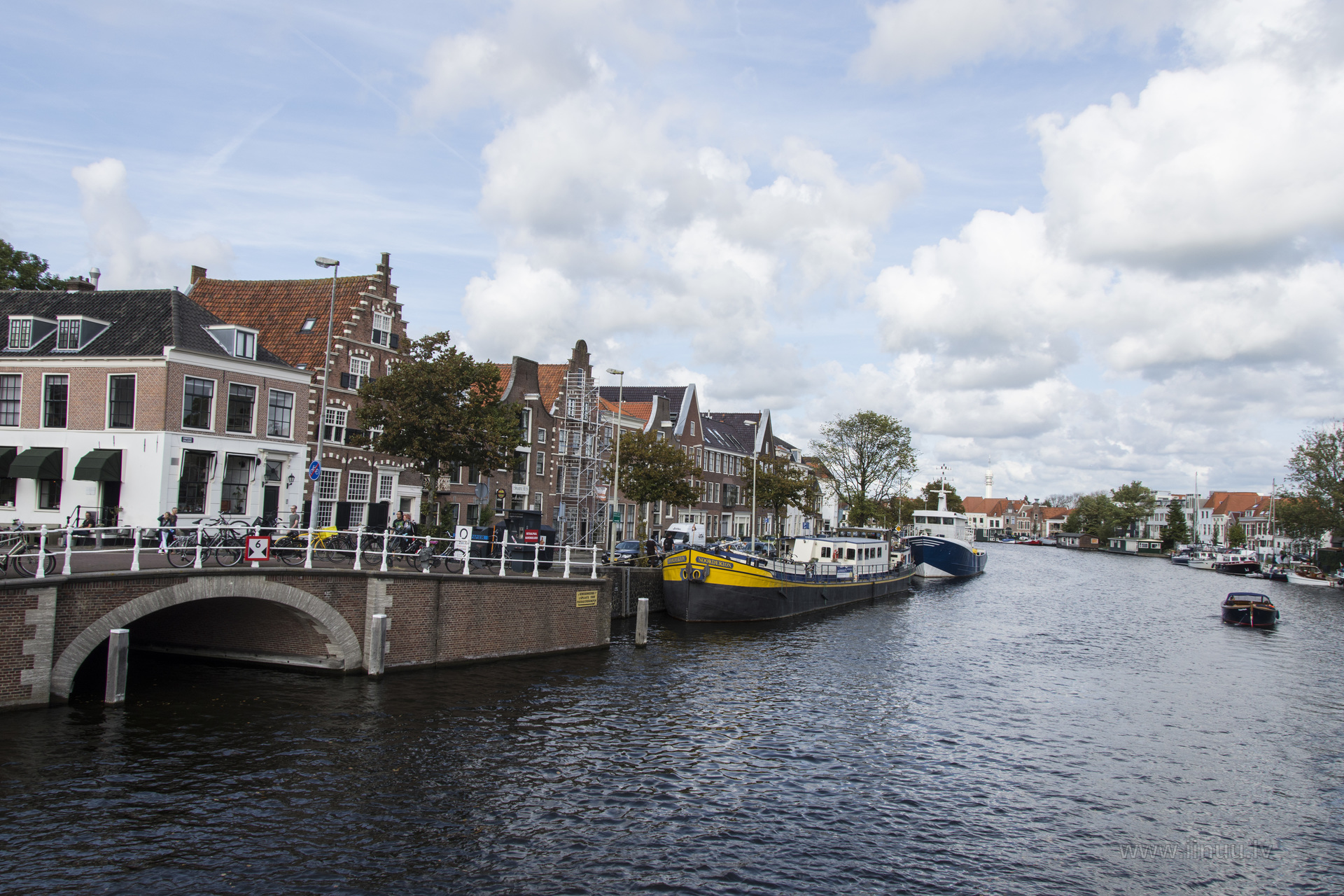
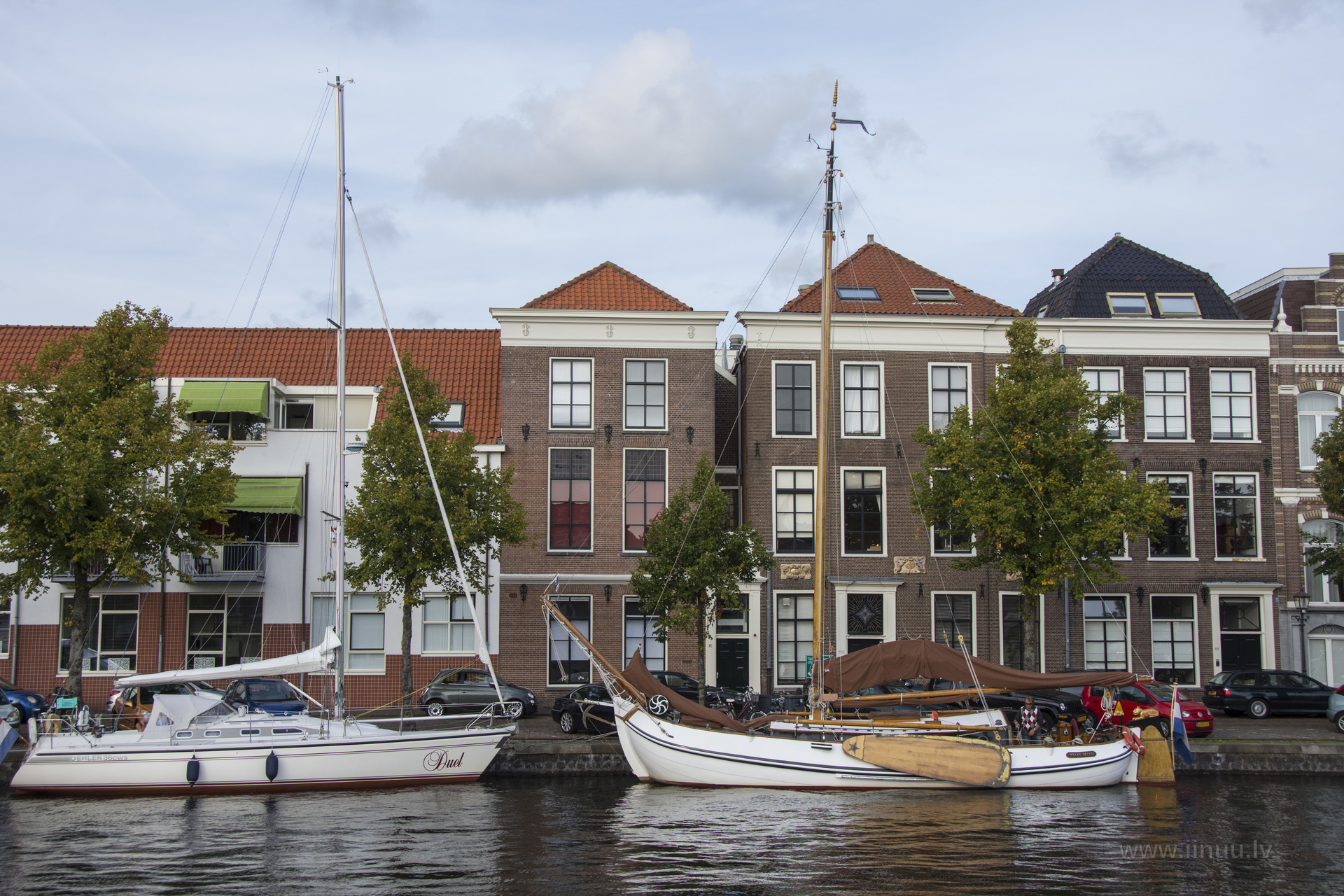
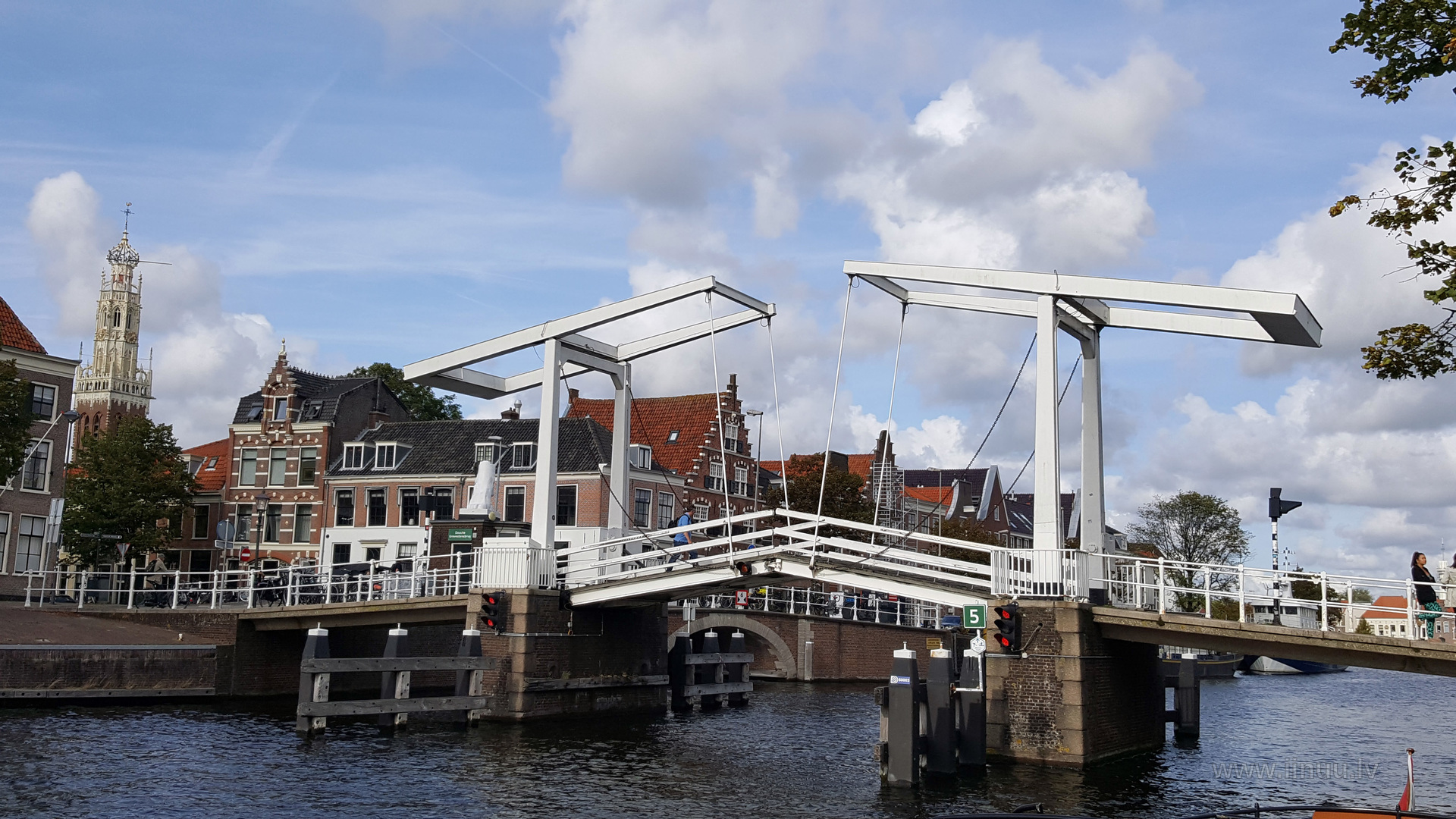
The second place we stayed in the Netherlands for four nights was Haarlem. It is an ancient city approximately 20 km west of Amsterdam. We got there by bus 80 (3.69 euros per passenger with the OV-Chipkaart). Once again we used airbnb.com (340.94 euros for accommodation + extra for breakfast, city tax, and bicycle rental) and settled into a lovely attic room in a three-storey house. It was a traditional dark red brick building right on the canal bank, with a small, leafy inner courtyard.
The host was a jeweller and an experienced airbnb.com landlady. Very talkative and open. She told us that she had at various times lived in South America, Morocco, and France, but now she was here - and the whole world comes to visit her. In the room next door during our stay there was a couple from Germany who had come to Haarlem on holiday in their own car. In the city and on the beach, to which we went on one of the following days, there were indeed very many tourists from Germany. It is hard to imagine, but essentially for Germans going to the Netherlands is the same as for us going to Lithuania. Neighbouring countries.
We had breakfast together and in the evenings enjoyed a glass of wine on the terrace, discussing the stereotypes all three nationalities hold about each other. Latvia, as one might have expected, was associated with Russia, and the Latvian language with Russian - but not at all with Germans and Germany. So we had the opportunity to express ourselves, explaining at length that Slavs and Balts are not one and the same thing. As we later gathered, Latvian tourists as such are a rare occurrence. We encountered surprised looks both at Haarlem's and at other information centres, when to the question of where we had come from, we proudly declared: "From Latvia."
Well - Riga they had heard of. But then followed the question of why our country has only one city, even though in terms of area Latvia (64,589 km²) is larger than the Netherlands (41,543 km²). We were momentarily at a loss, because that was precisely the kind of inner feeling with which we travel to Western Europe - "we're from a small country by the Baltic Sea, you know."
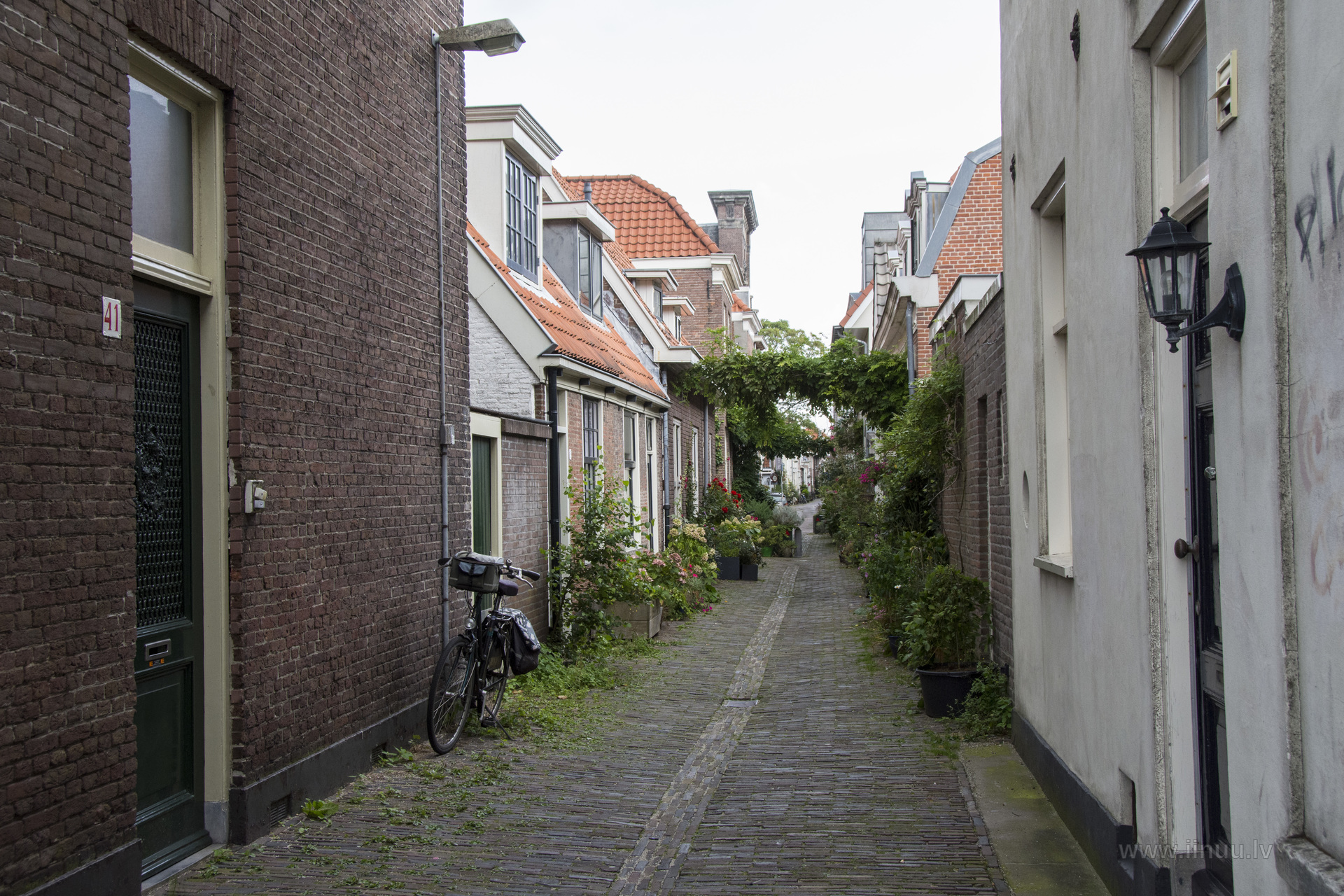
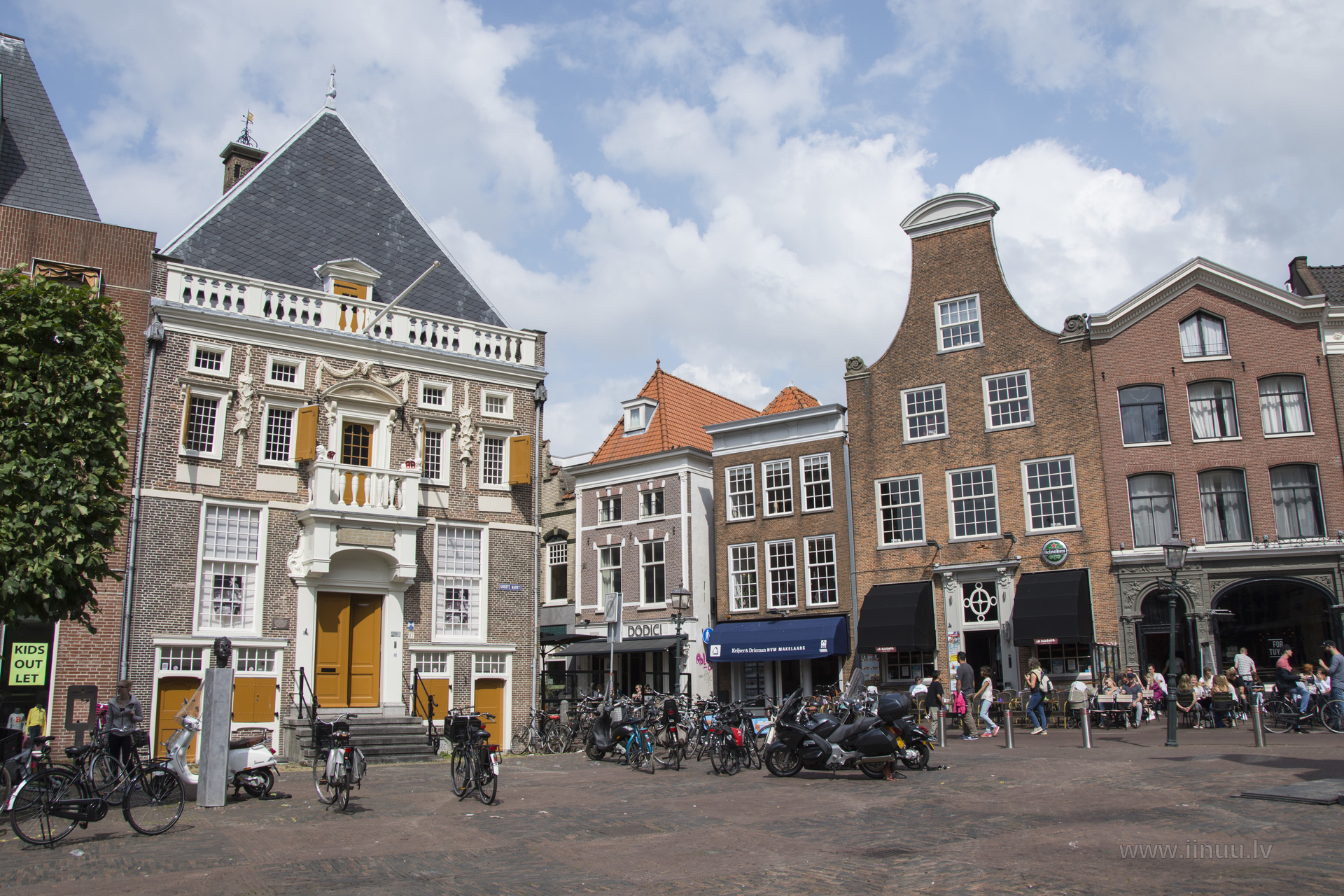
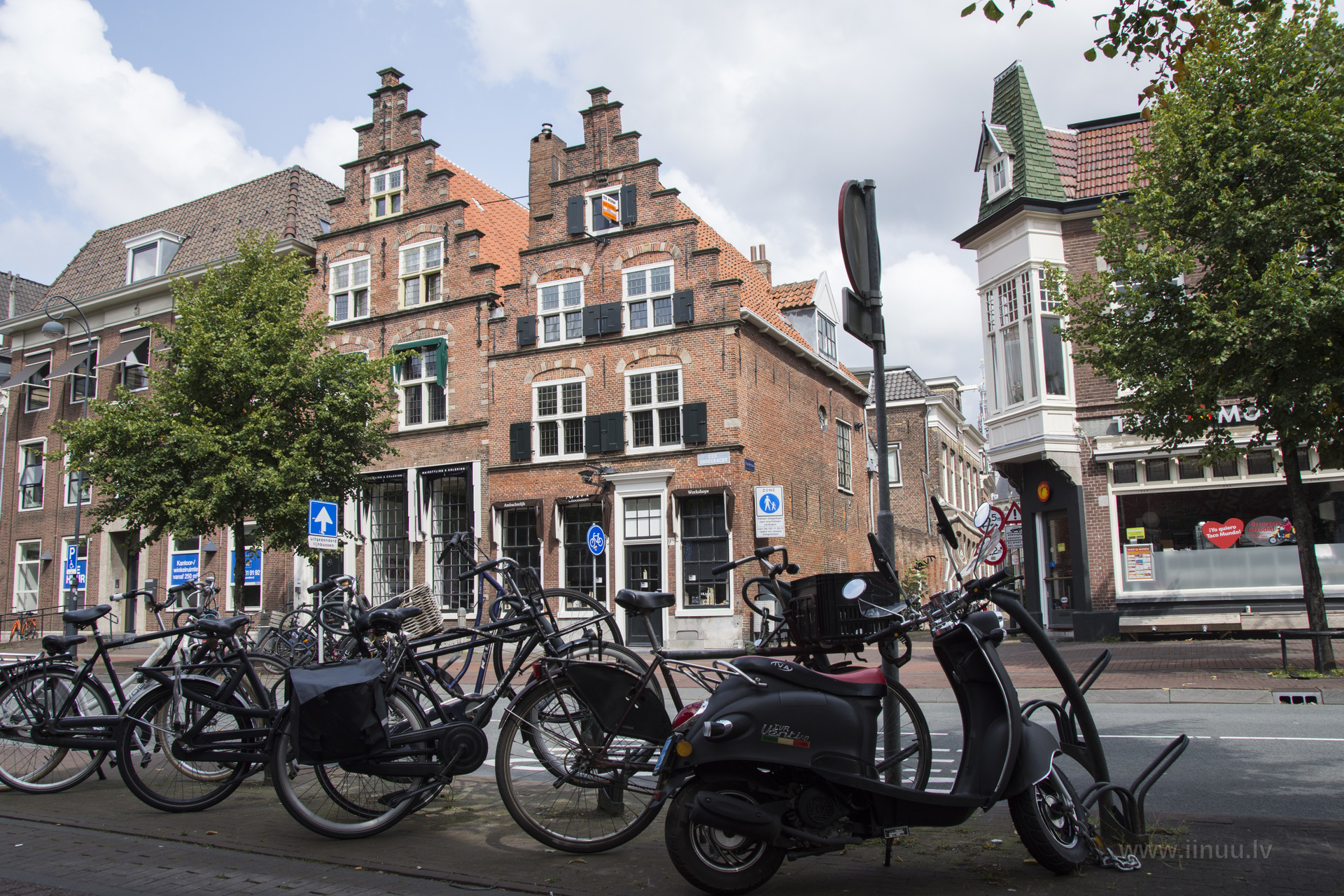
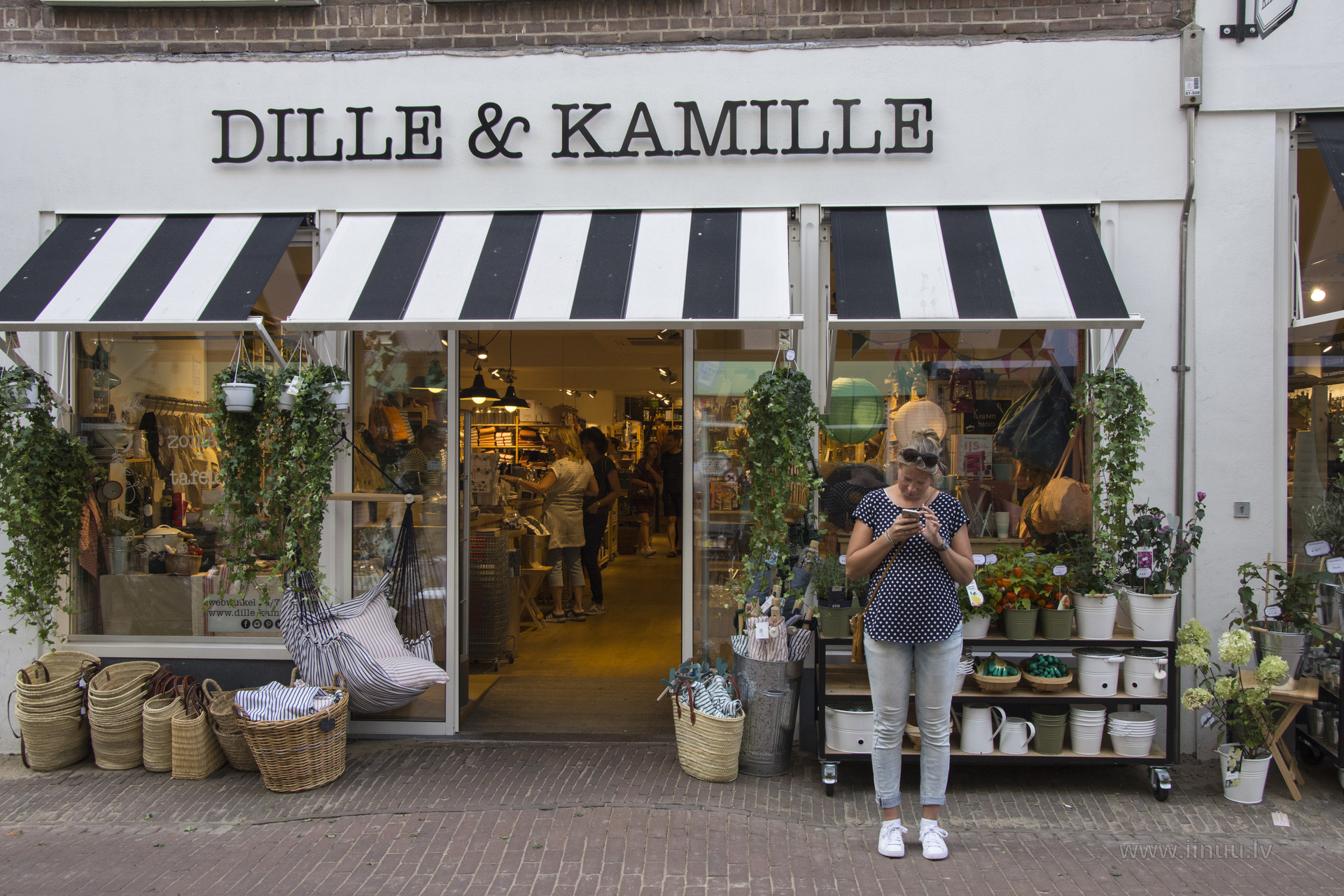
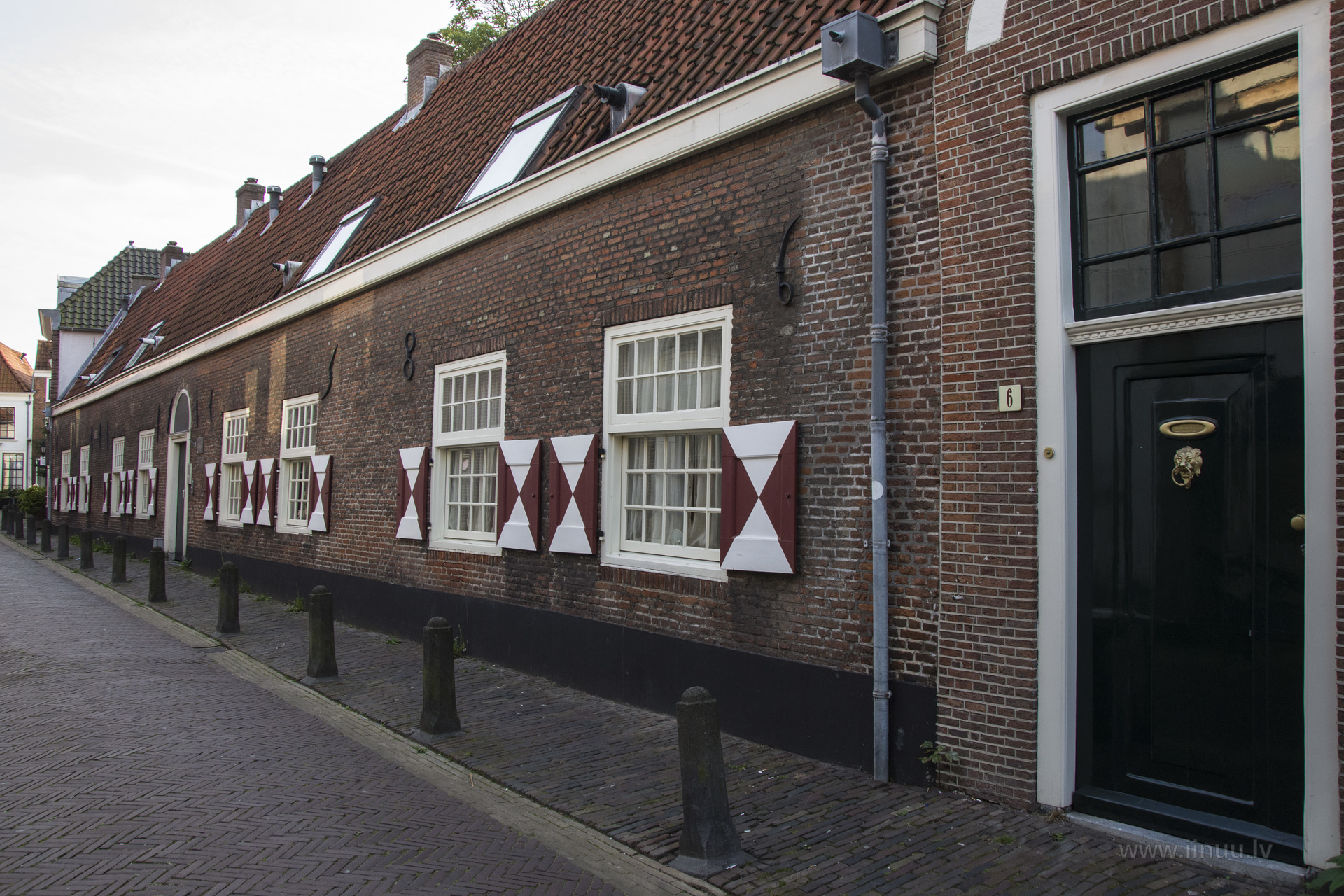
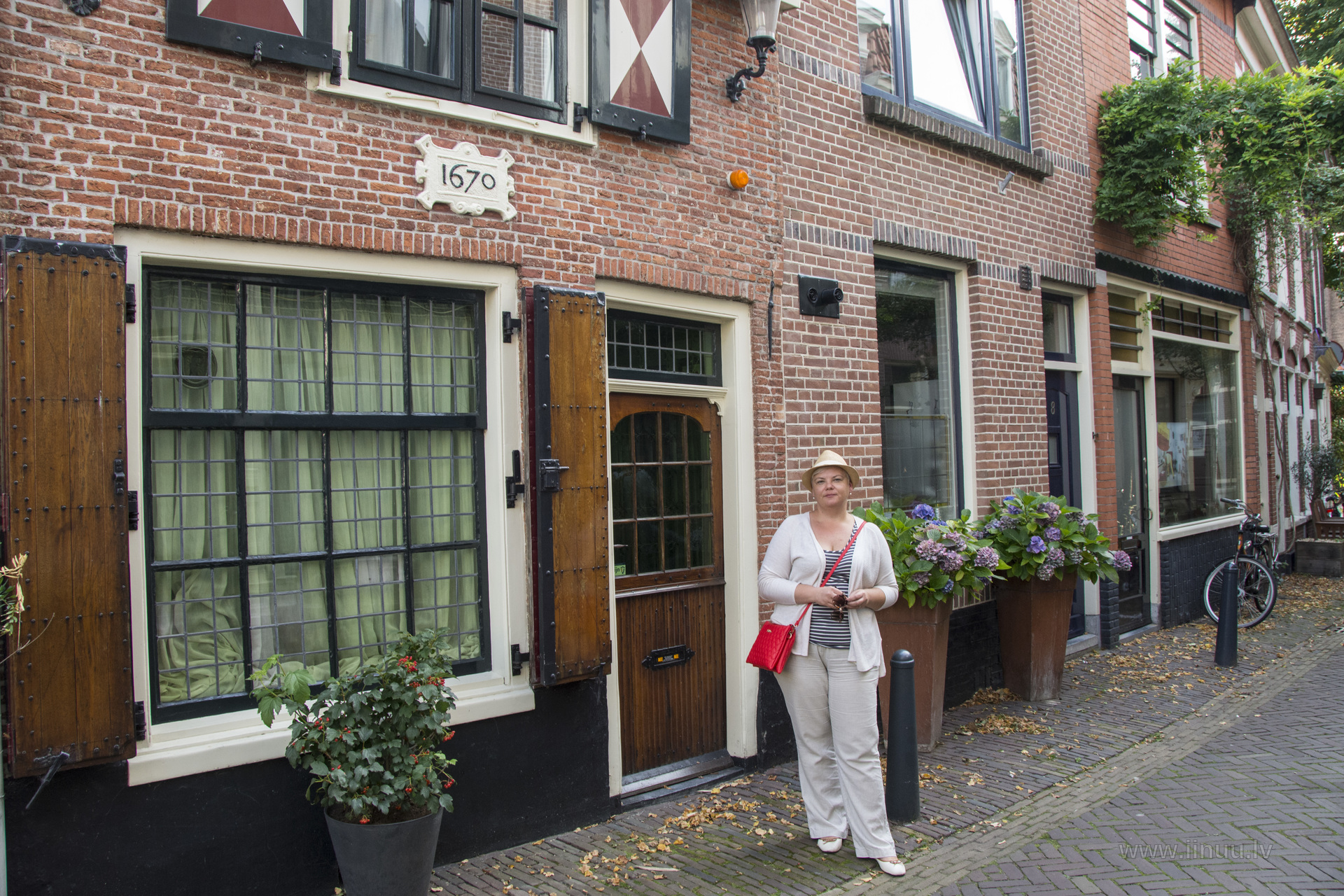
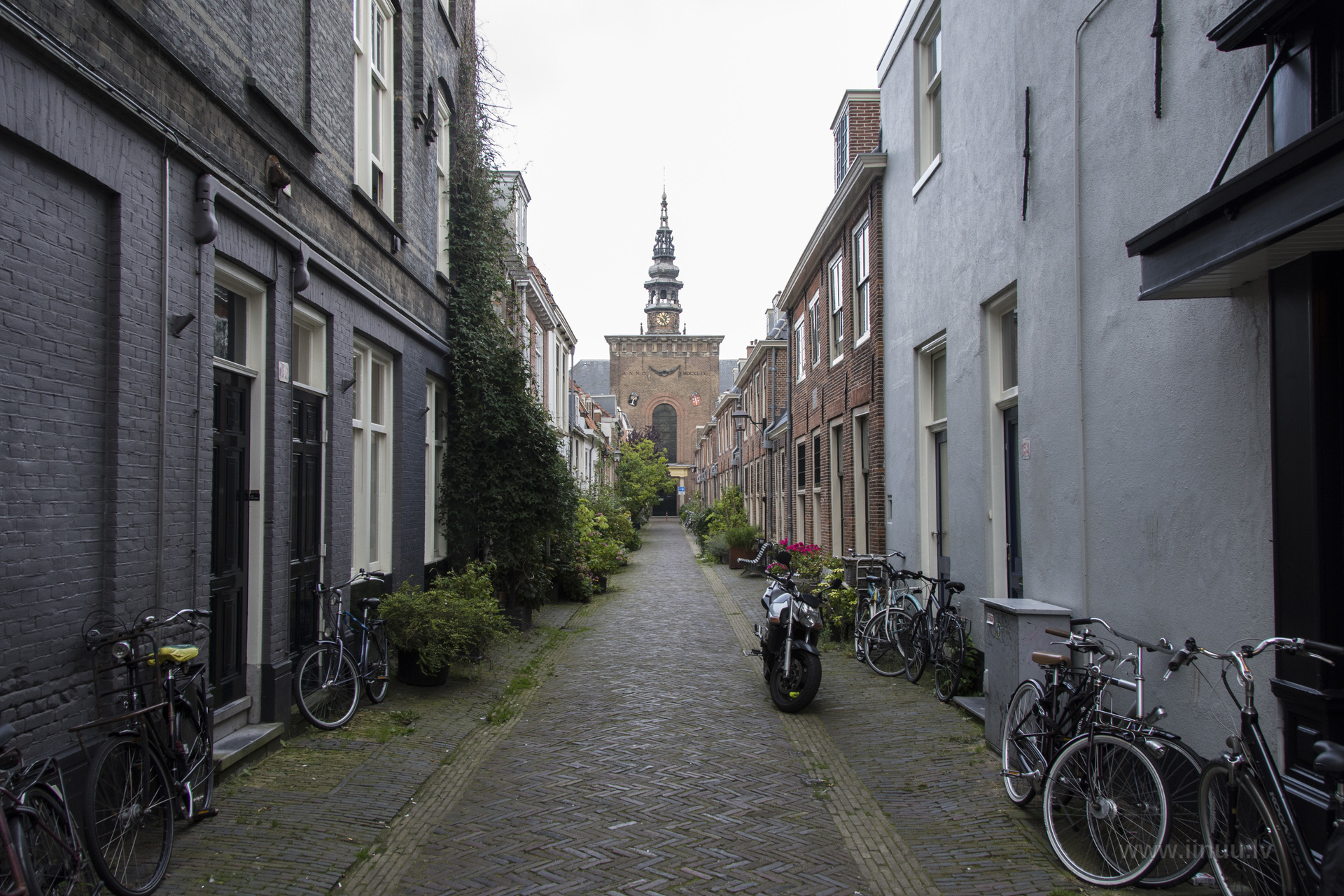
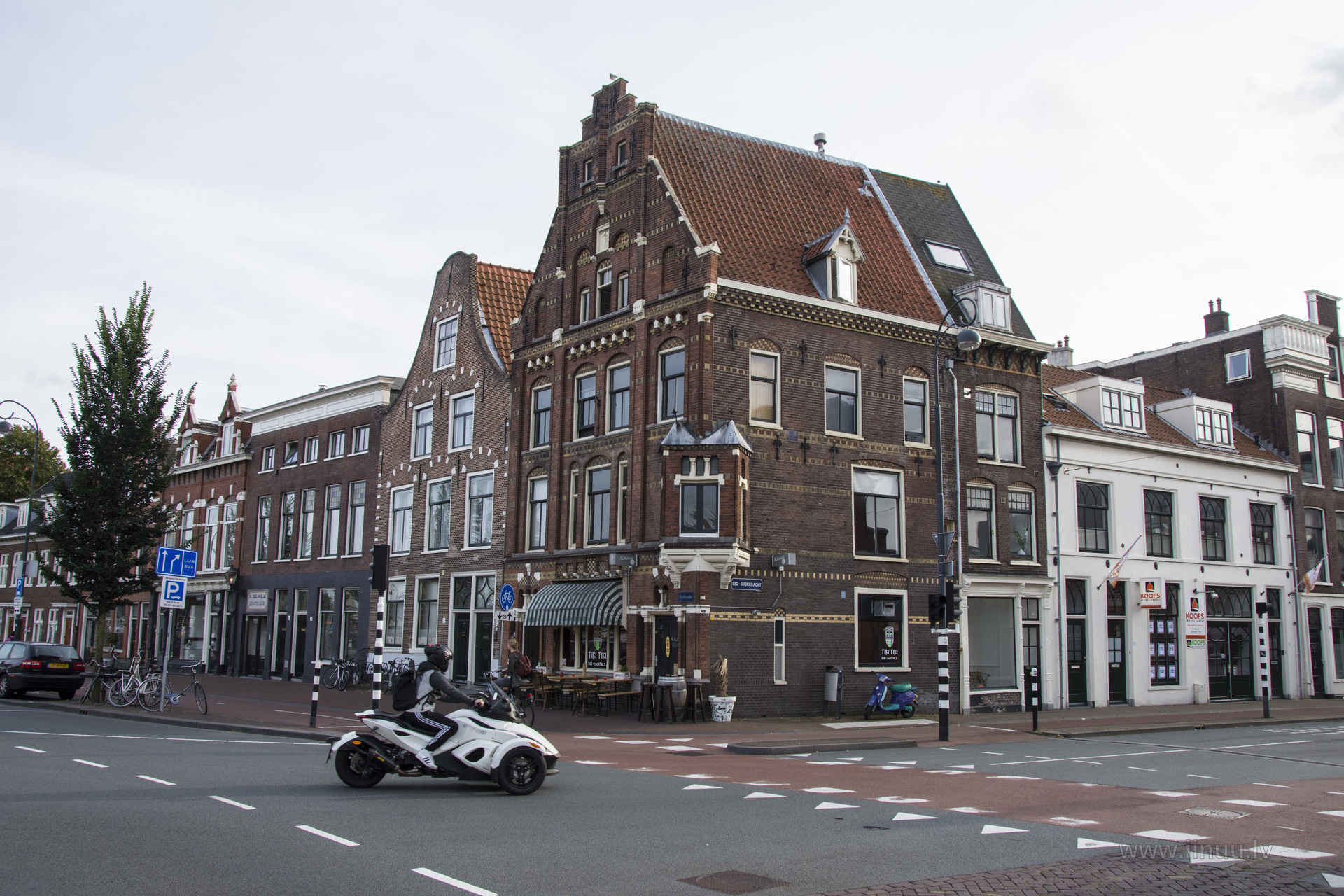
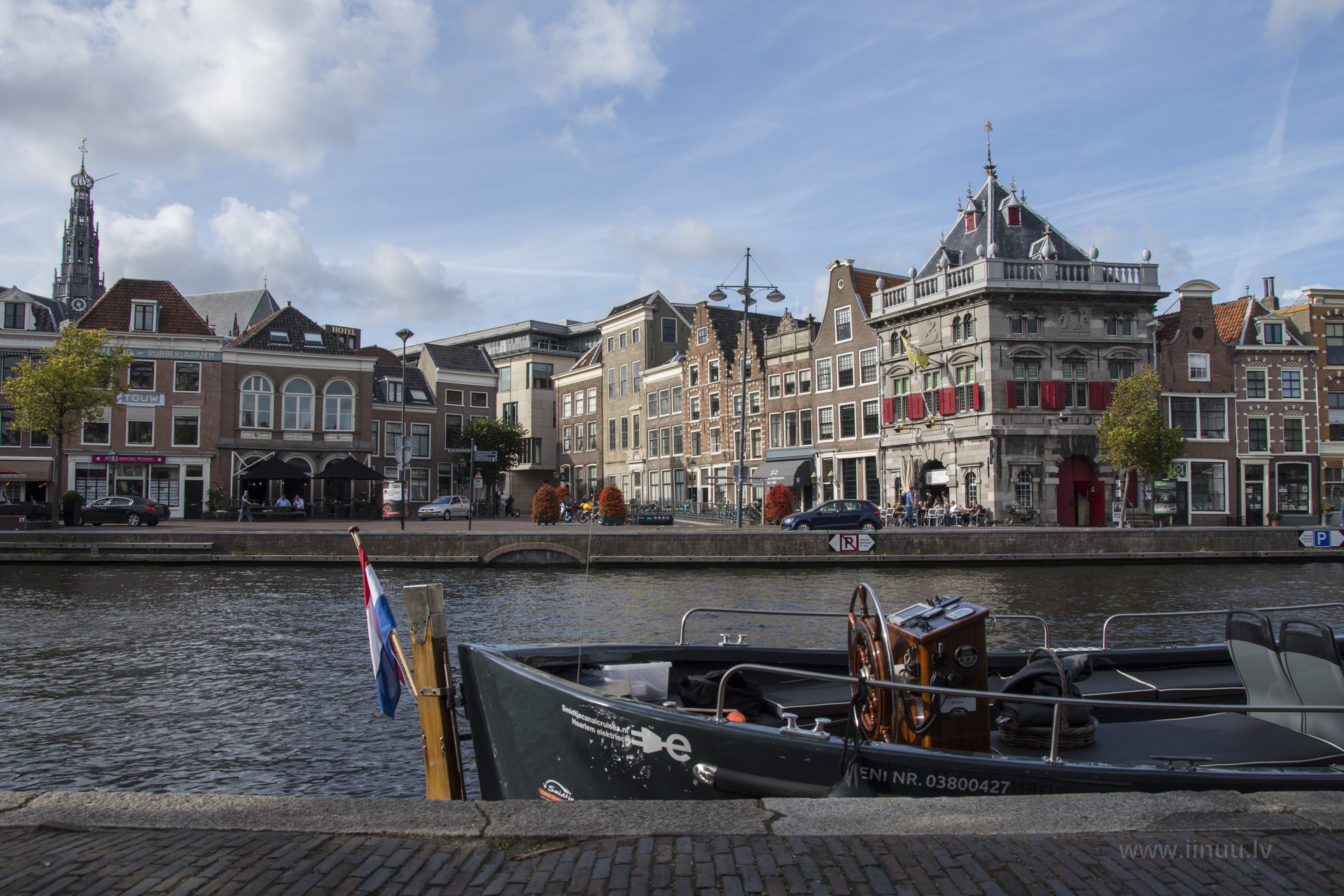
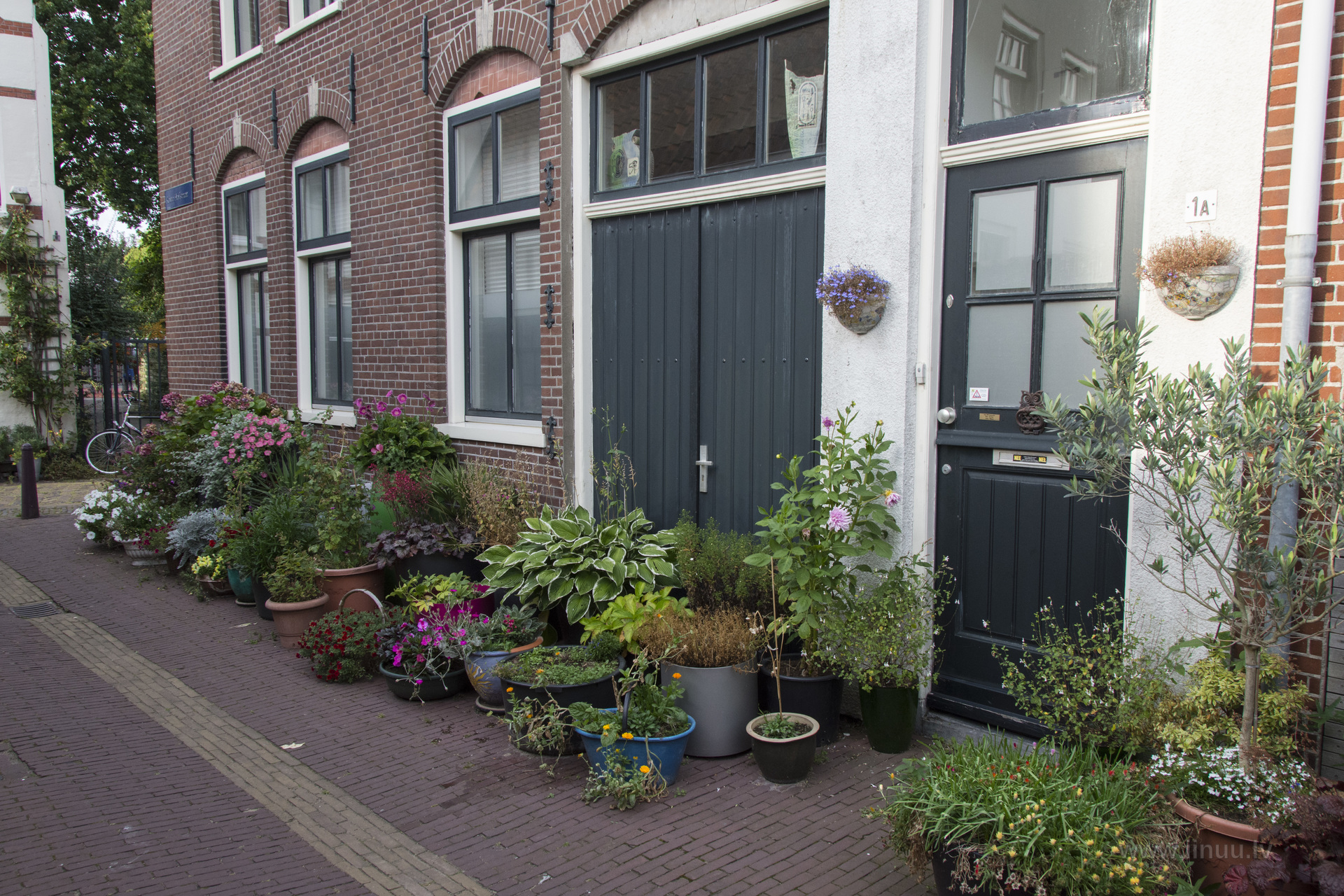
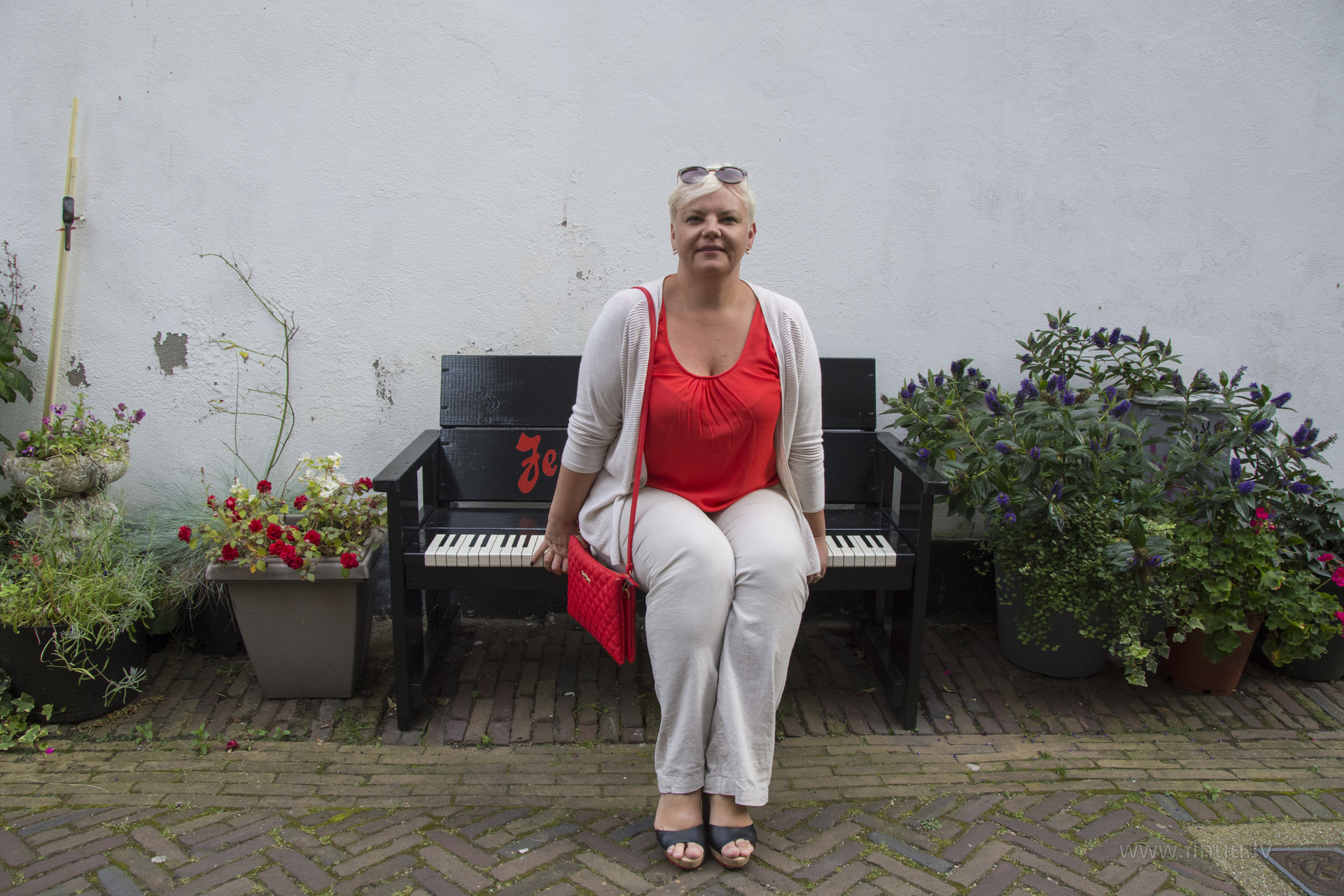
One could wander for hours through Haarlem's old town, which is quite compact and easily walkable in a day. Very picturesque old houses, narrow pedestrian alleyways piled from one end to the other with larger and smaller flowerpots. According to the stories of our host, Haarlem is a distinctly Dutch city of snobs and wealthy people, one of the most expensive in the country. But very well-kept and refined - a city for enjoying life, with countless shops, cafés, and art salons.
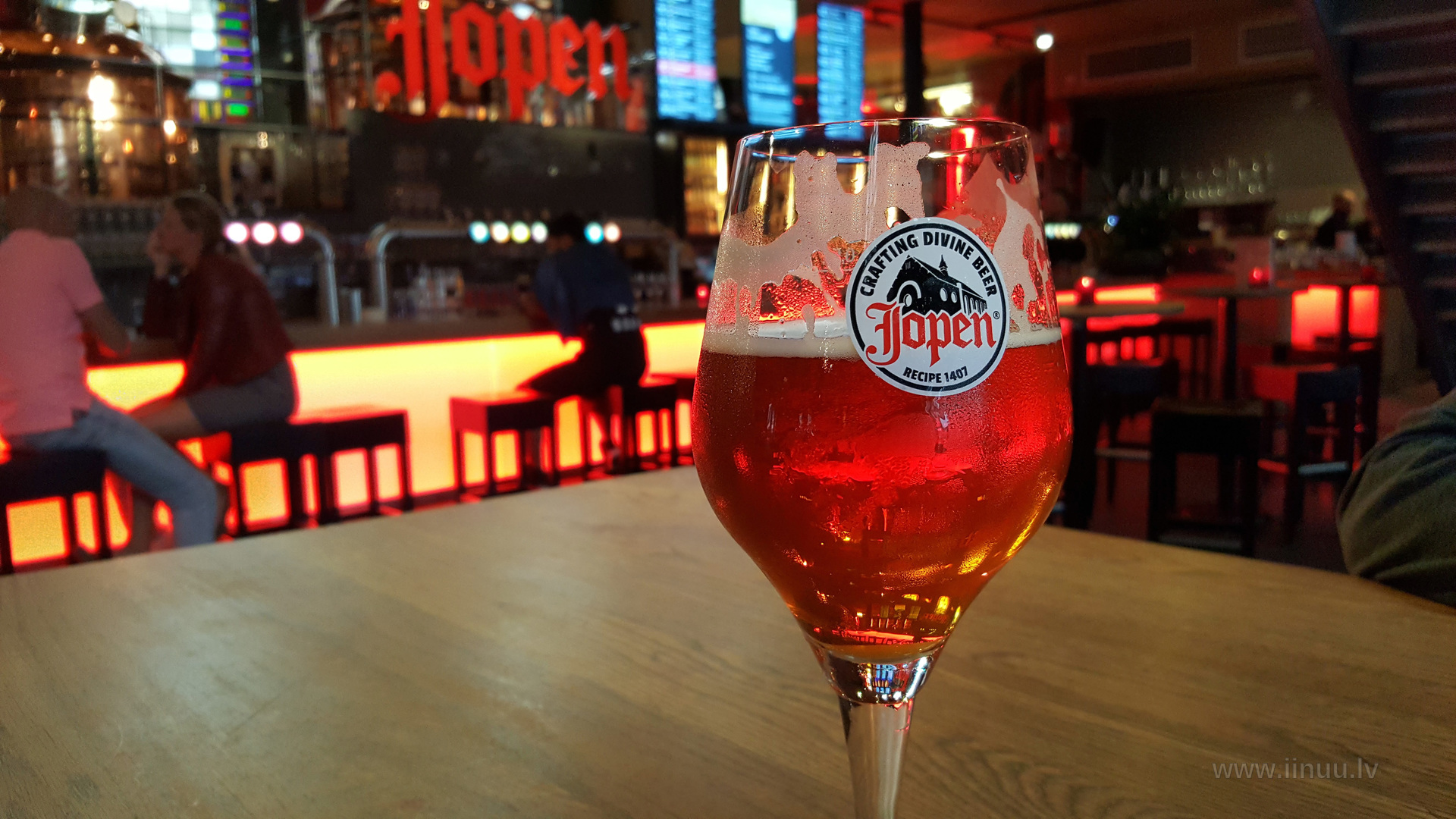
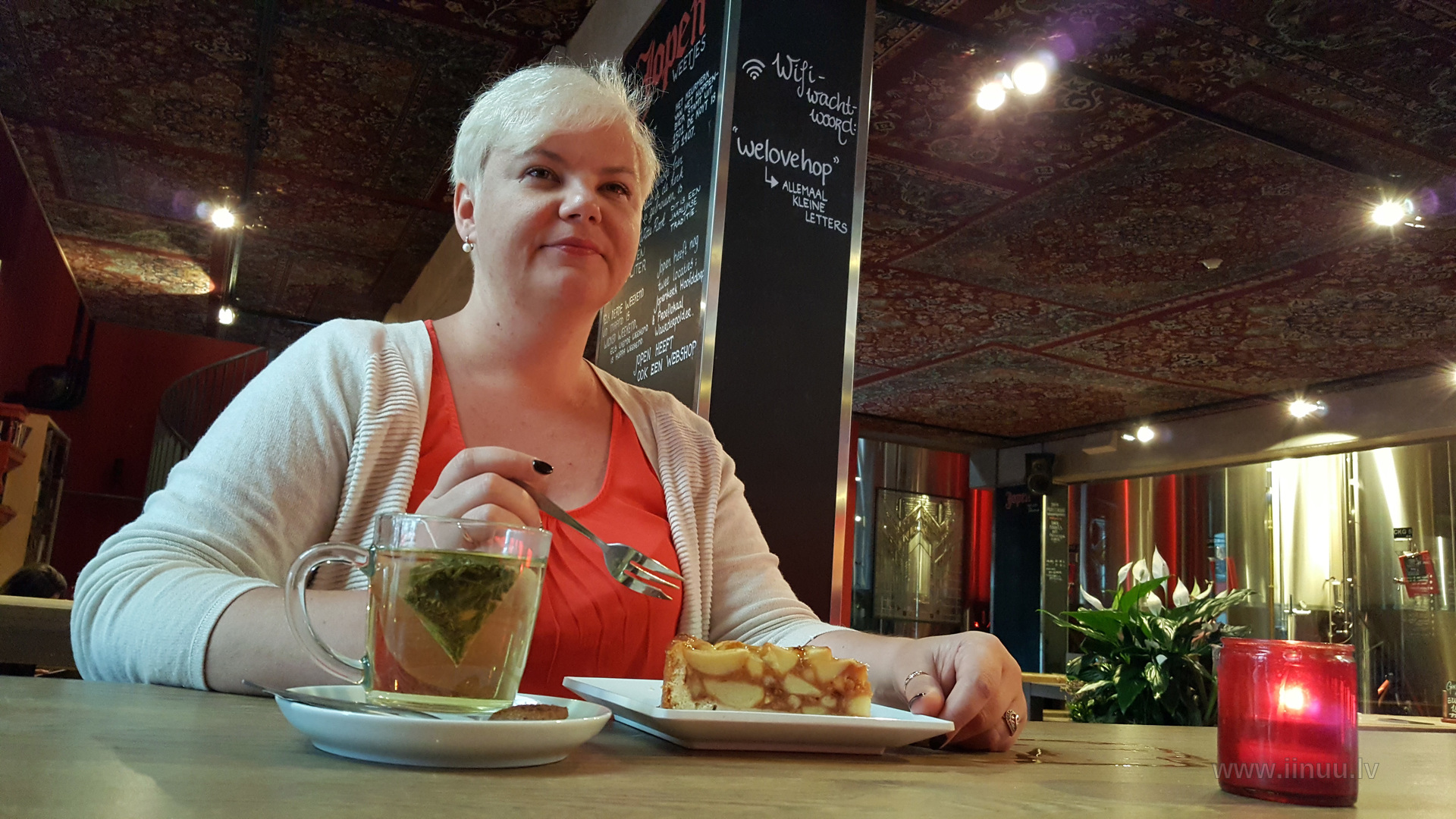
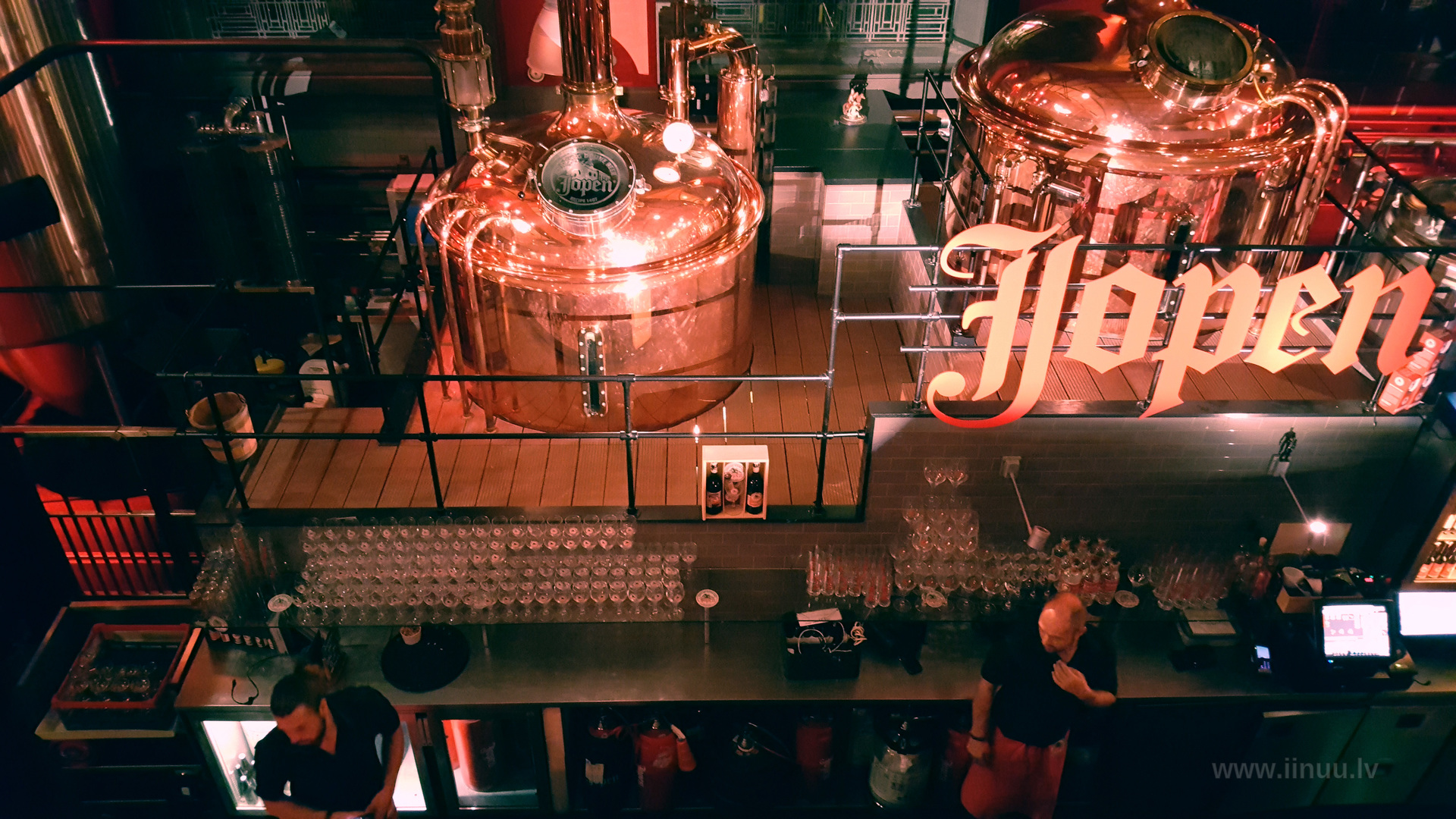
An interesting place for beer lovers is Jopen Kerk - a pub set over two floors in the walls of an old church with a tower and stained glass windows. There one can sample many and various craft beer varieties. For example, Jopen Malle Babbe (0.5 l - 8.60 euros) and Jopen Mooie Nel IPA (0.5 l - 9.20 euros) were declared to be very delicious - with a thicker consistency than a typical unfiltered IPA, a rich amber-brown colour, and a pronounced herby flavour on the palate. One might even say - Jägermeister's lighter, beer cousin. The atmosphere in the pub is very pleasant, non-aggressive, relaxed - enjoyable for an evening even for a non-beer drinker, i.e. me, with an Appeltaart (4.30 euros) and a good cup of tea.
Interestingly, right next door is yet another restaurant-pub with a loft-style interior - De Beren (the bears' pub). There one can have a good meal, for example by ordering a mountain of ribs, or that same traditional Appelgebak met slagroom (apple pie with whipped cream - 4.25 euros). The staff are young, most likely secondary school pupils or first-year students - they got quite muddled up with orders and bills. We had to ask for corrections twice.
An interesting concept restaurant right on the canal bank is OmePietje, where the main idea is to share food. Several dishes are ordered and then shared between two or more diners. There we indulged in culinary excess, celebrating the last evening in Haarlem and tasting pieces of Peking duck in thin pancakes, noodles with seafood, and fried fish (dinner for two - 44 euros). A few houses further along, it turned out, is the famous - and previously unnoticed by us - restaurant Ratatouille.
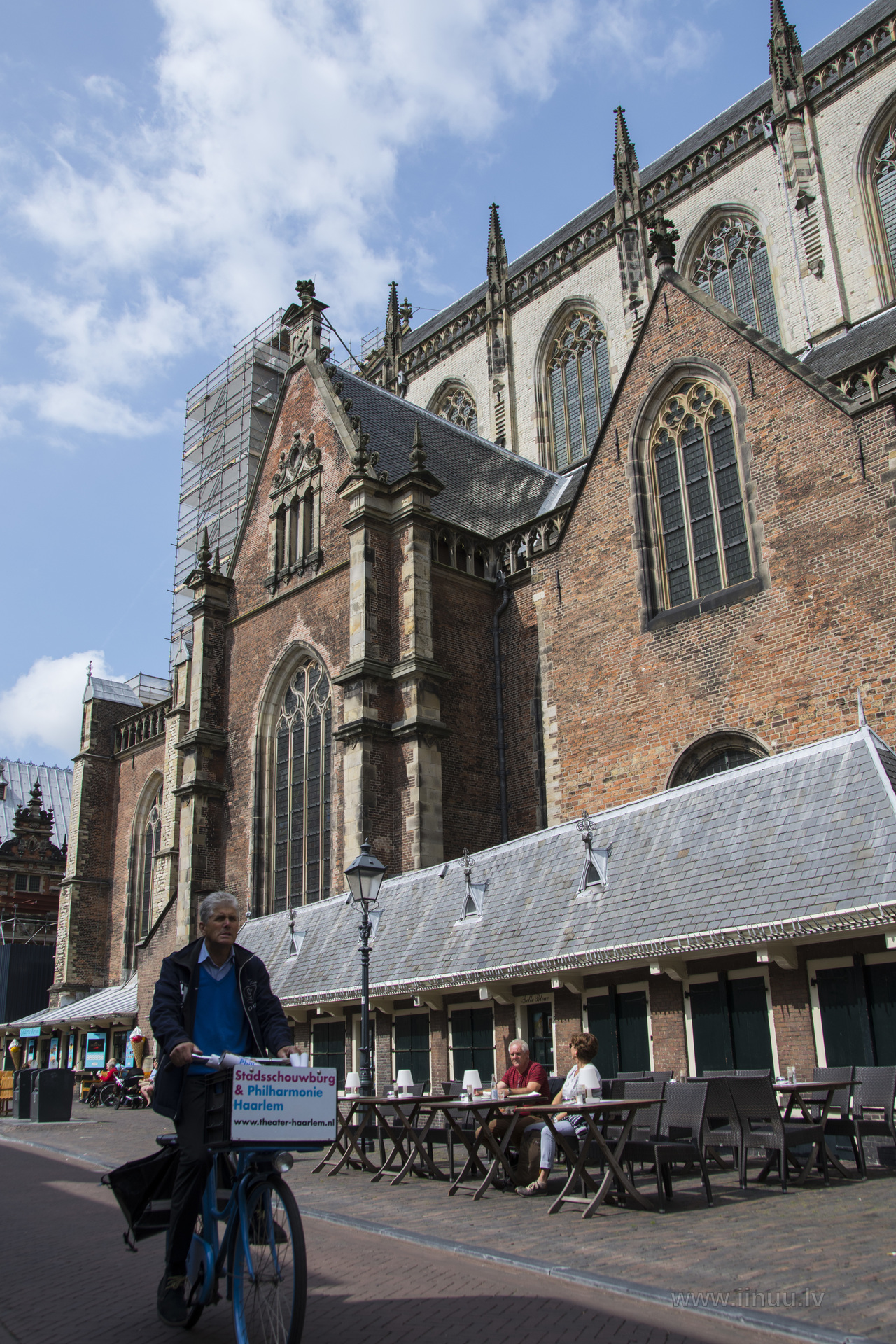
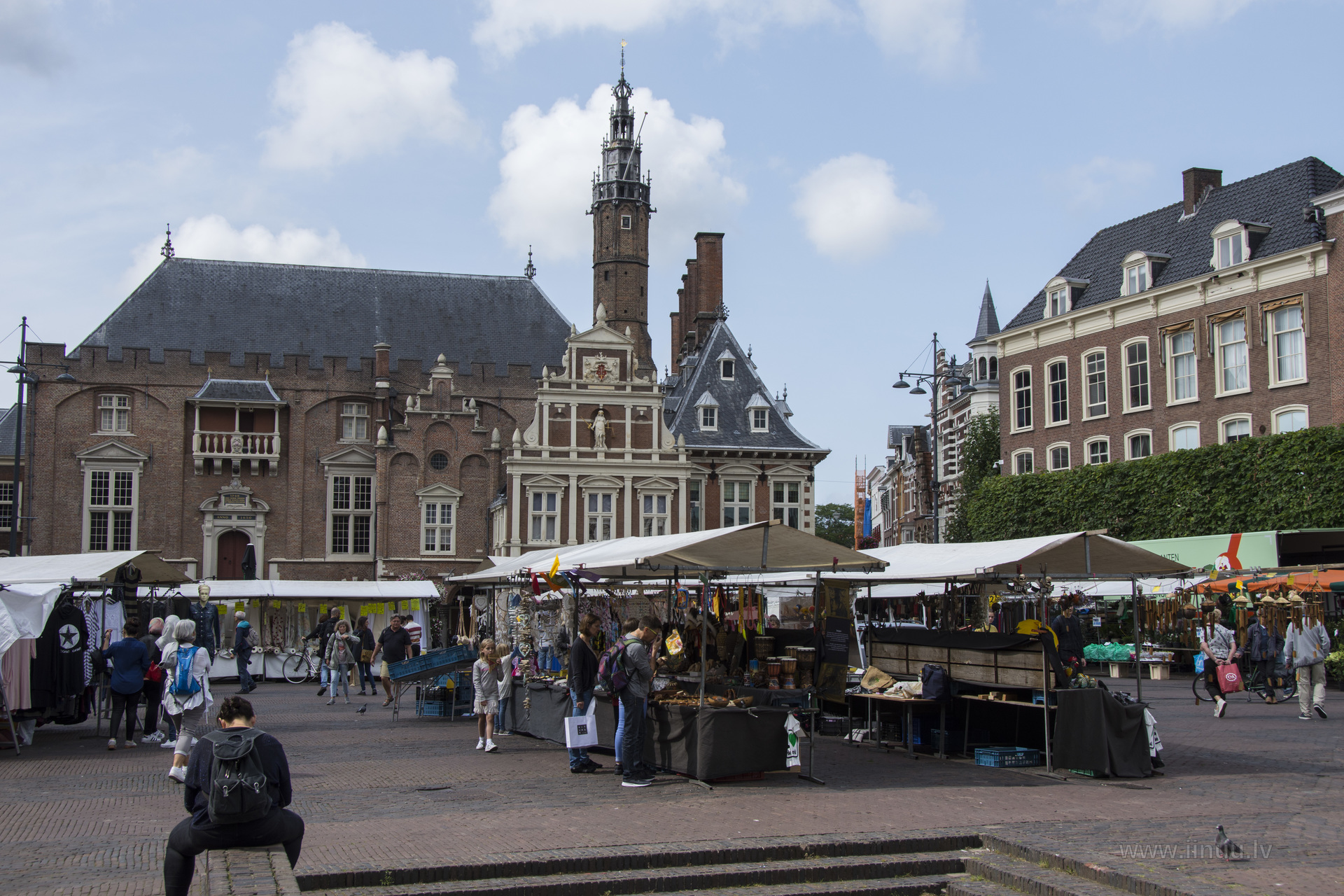
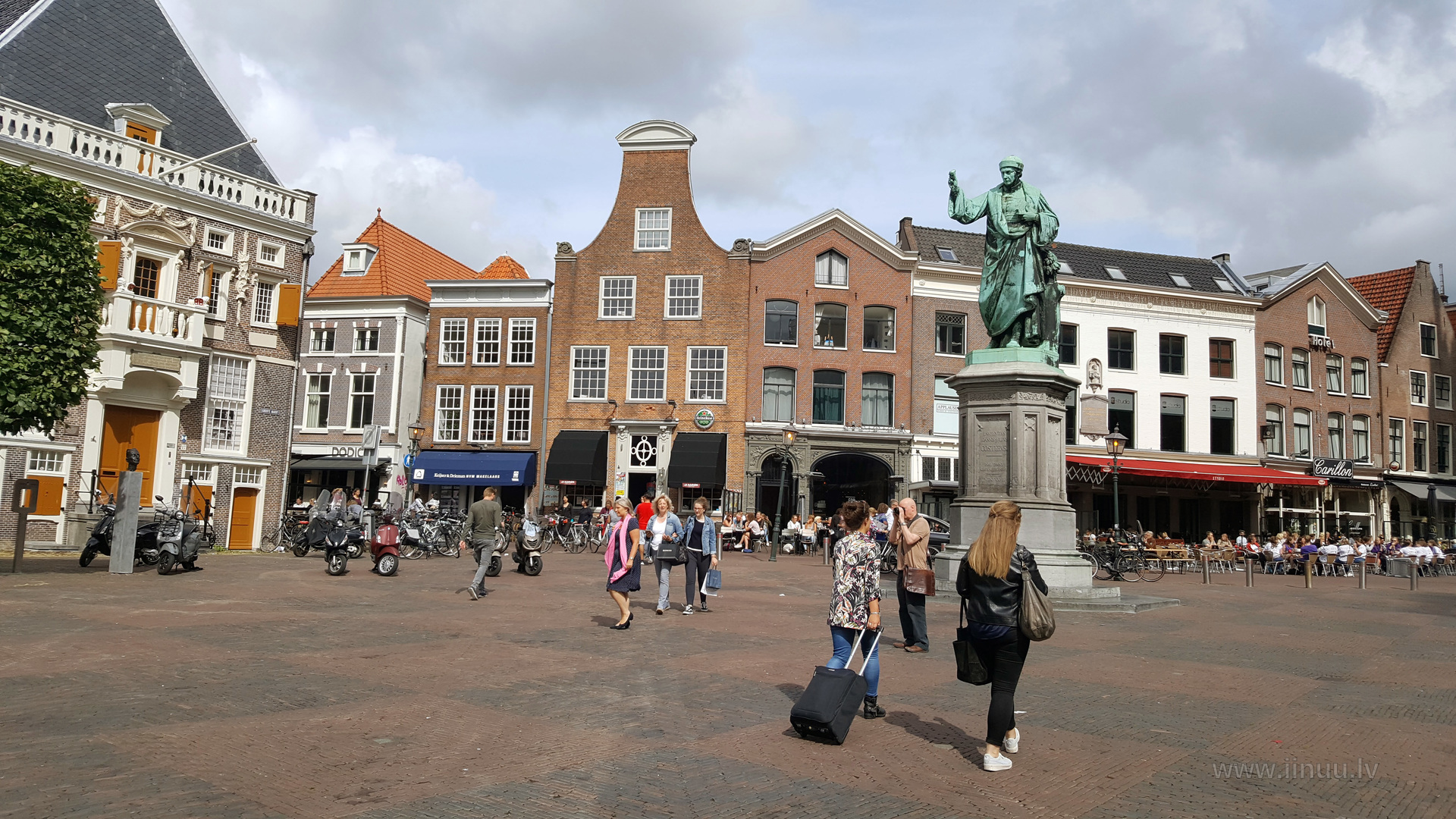
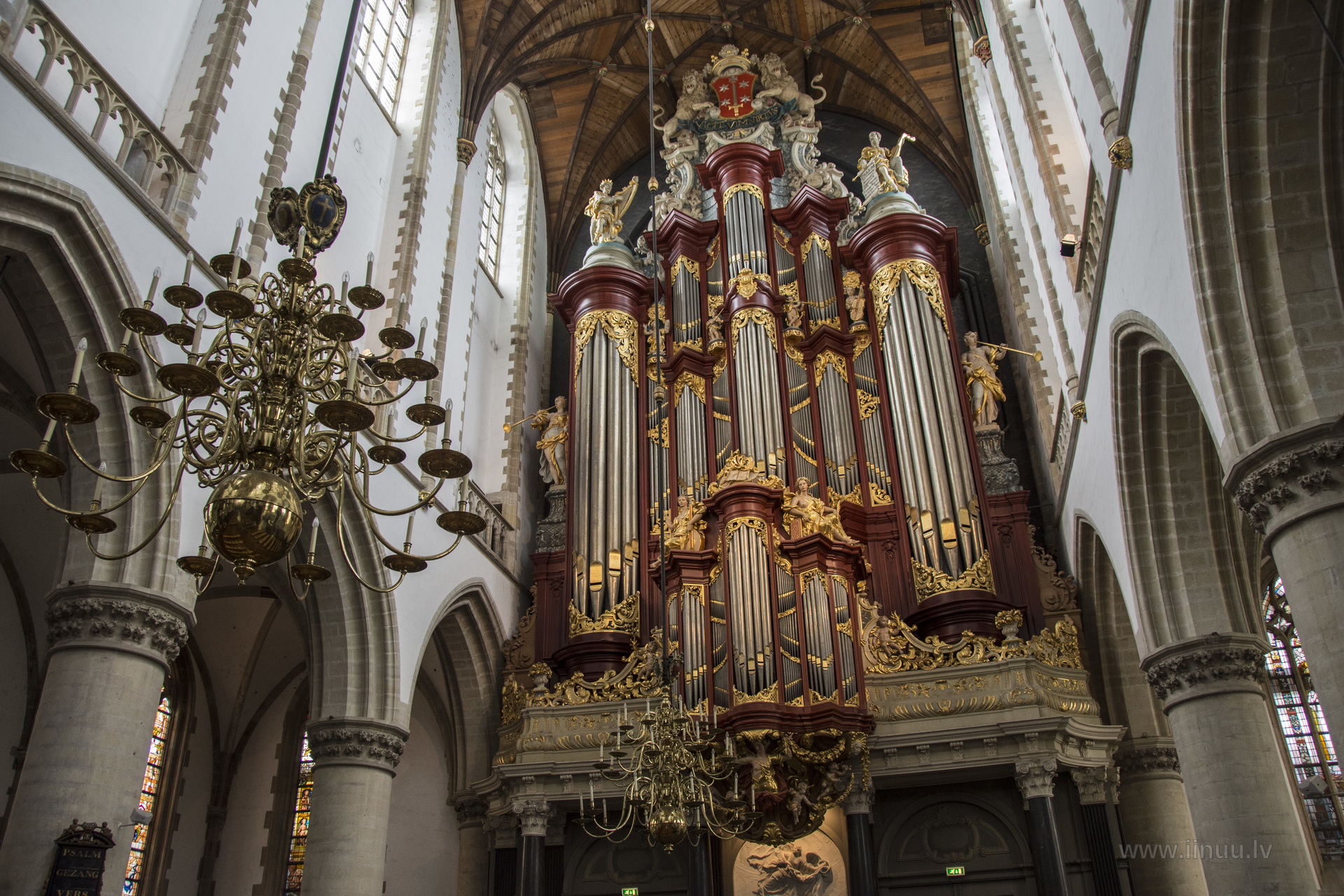
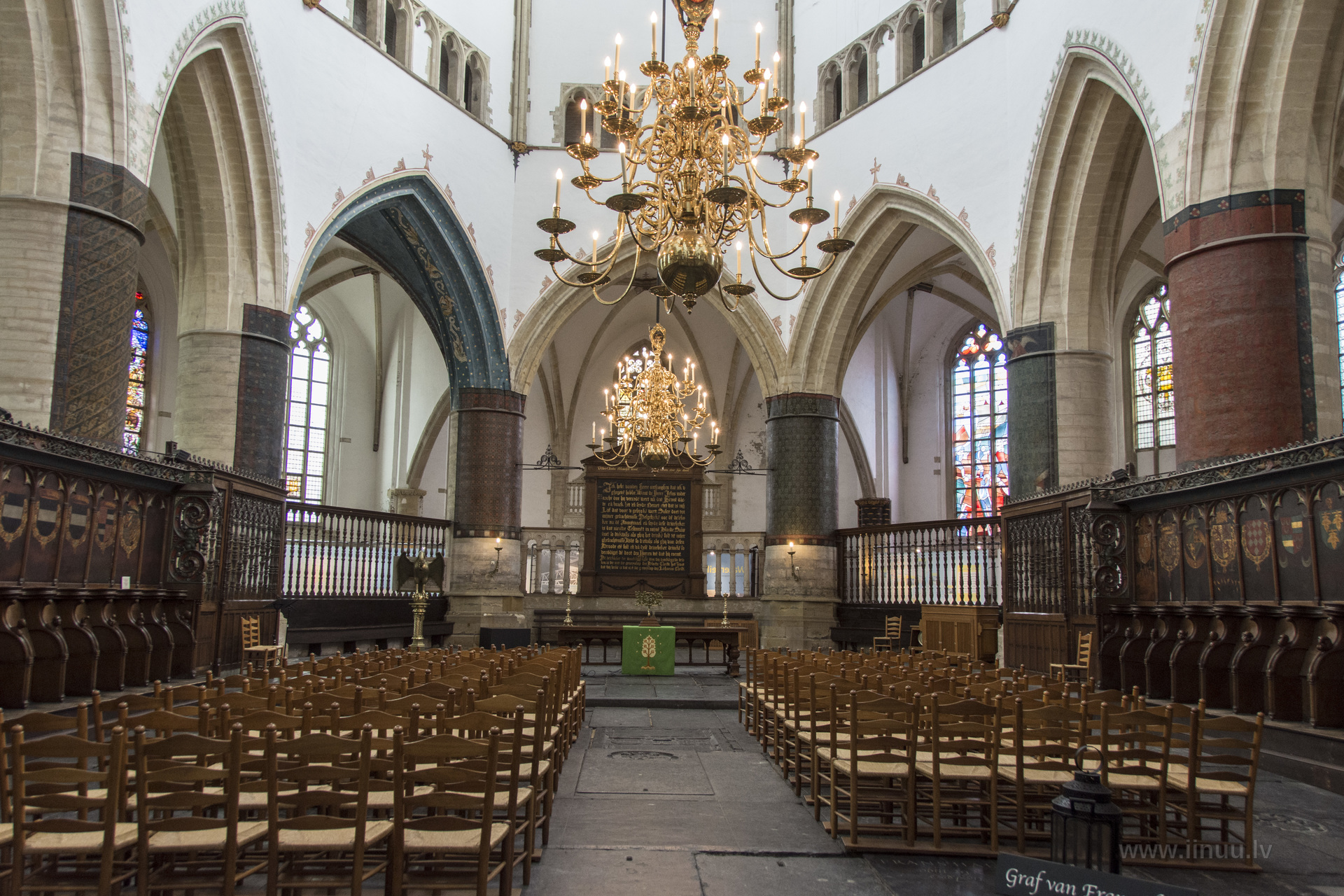
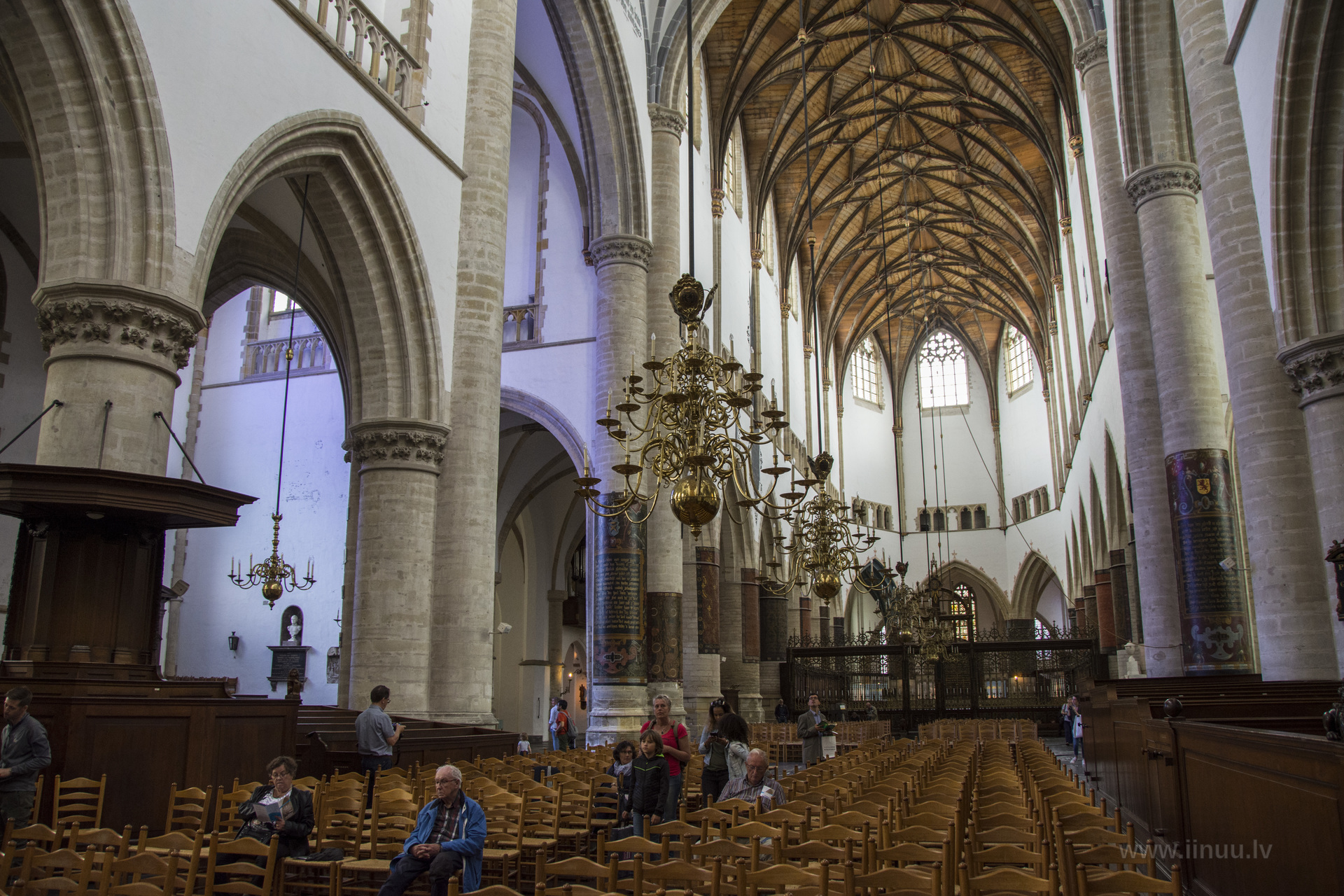
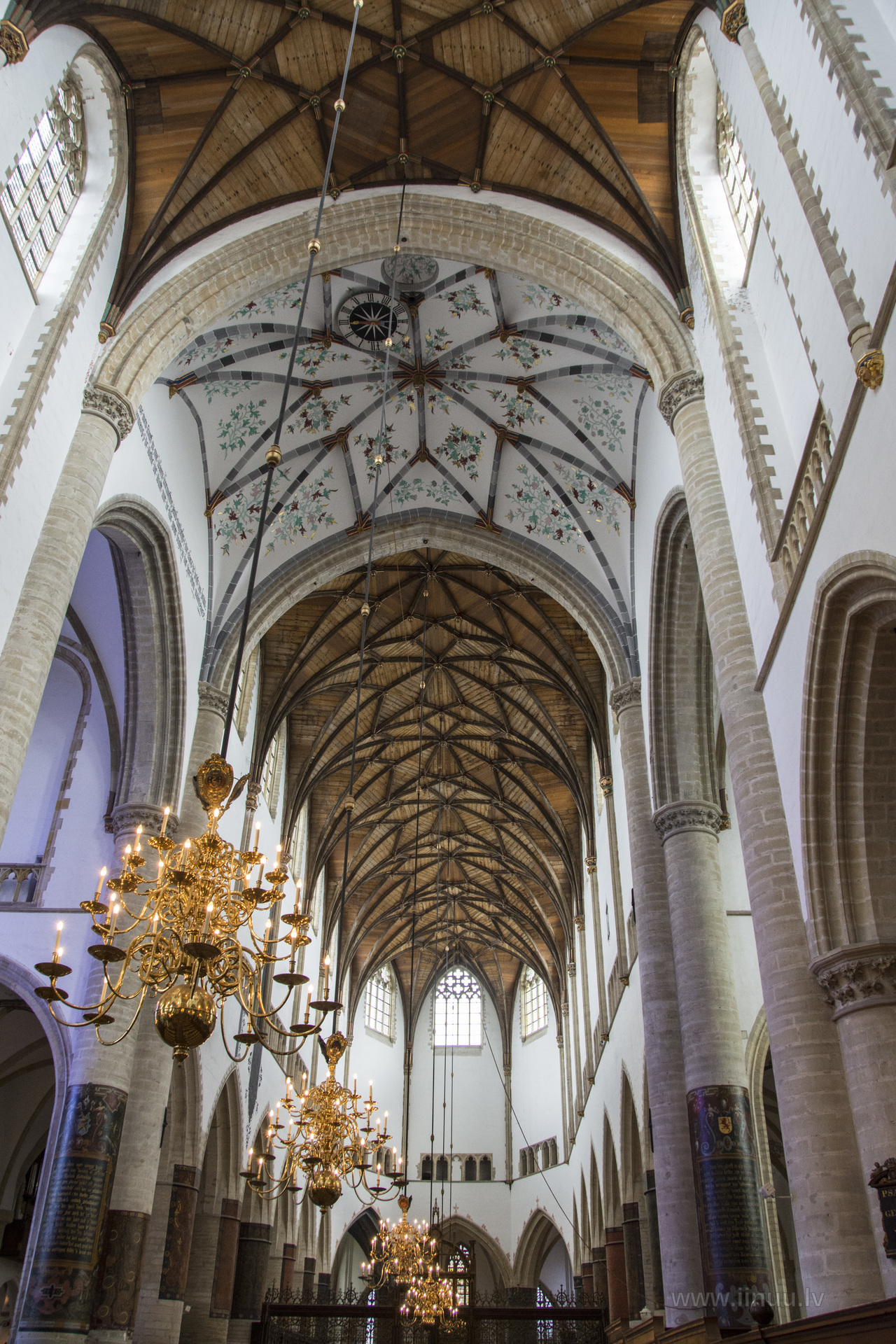
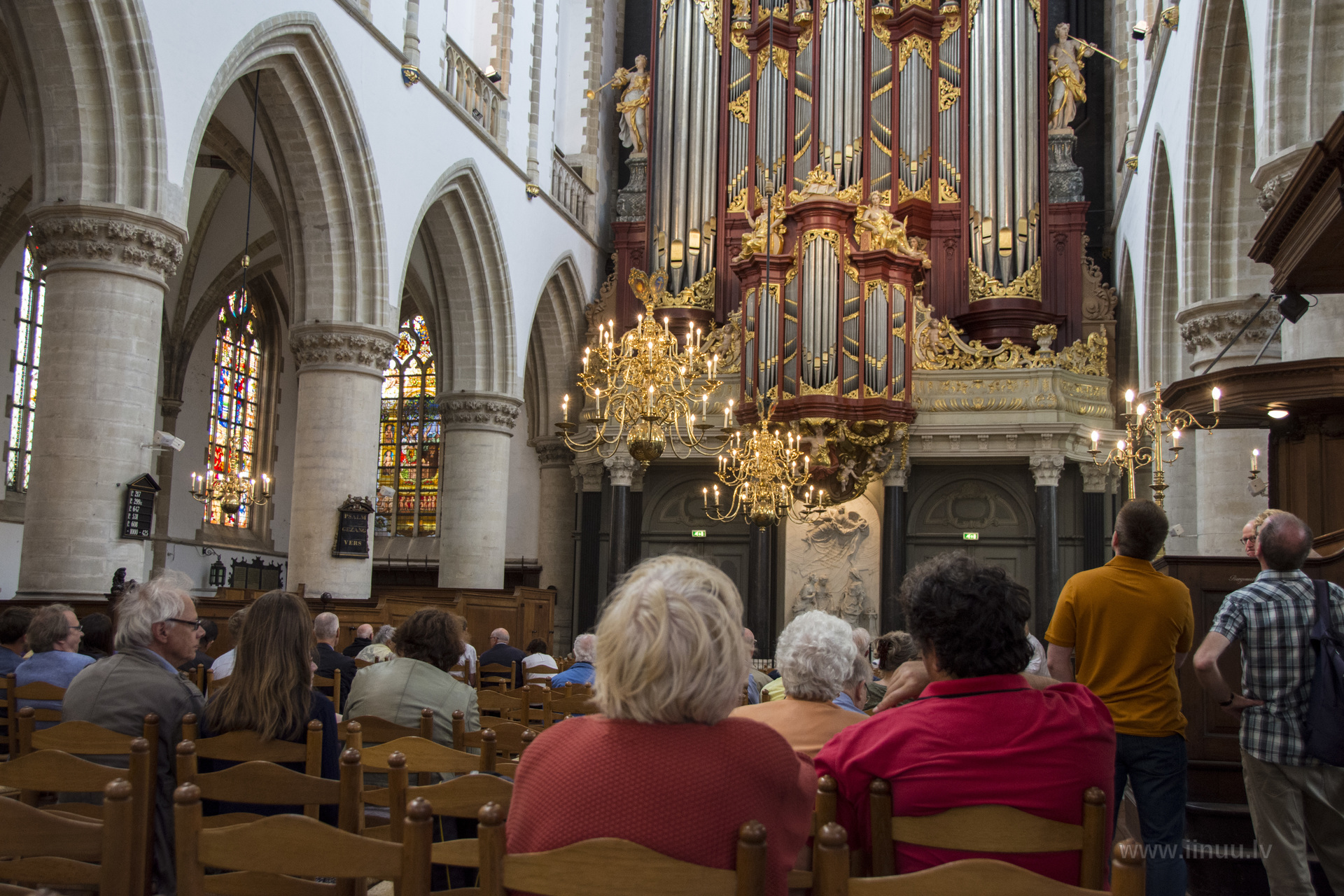
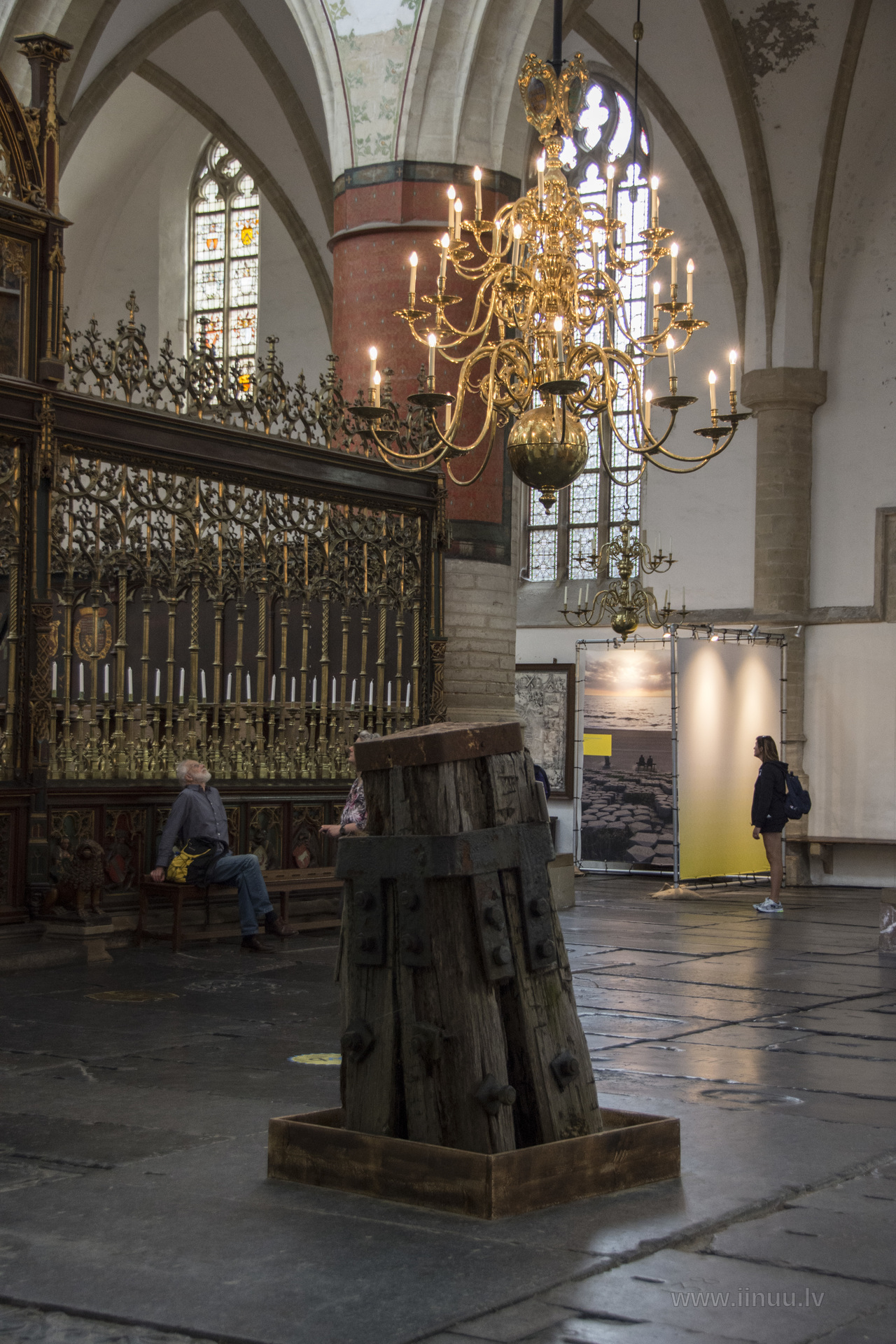
At the heart of Haarlem's old town there is a square with a church to which many various stalls and waffle cafés have been attached (rather atypical for a house of worship). Grote Kerk St. Bavo is a 14th-century building, currently a Protestant church with impressive architecture and a remarkable organ standing 30 metres high, with 5,068 pipes. On it in 1766, at the age of 10, Mozart played; later also Handel and Mendelssohn. We were lucky enough both to see the church (entry 4 euros) and to listen to an organ concert.
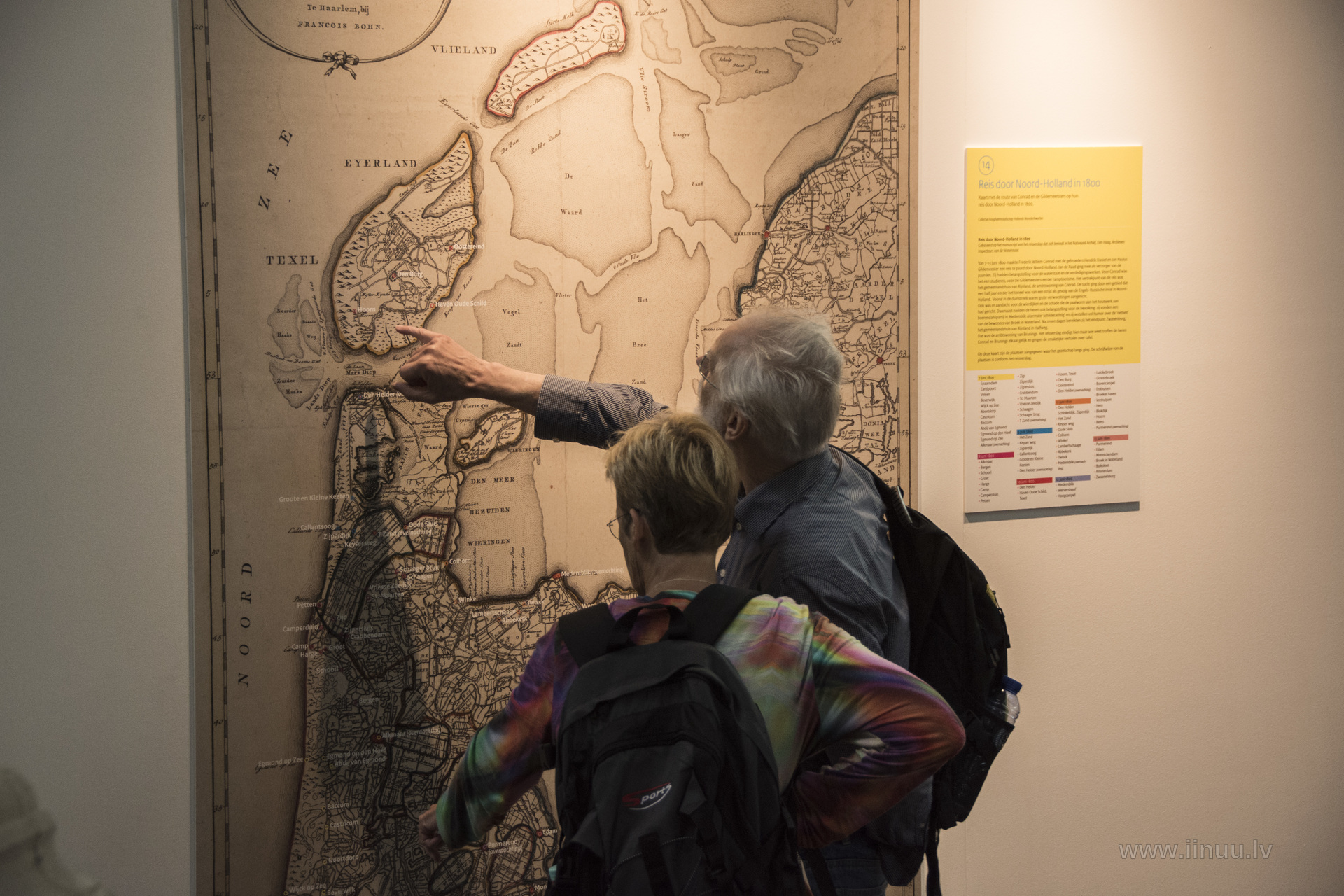
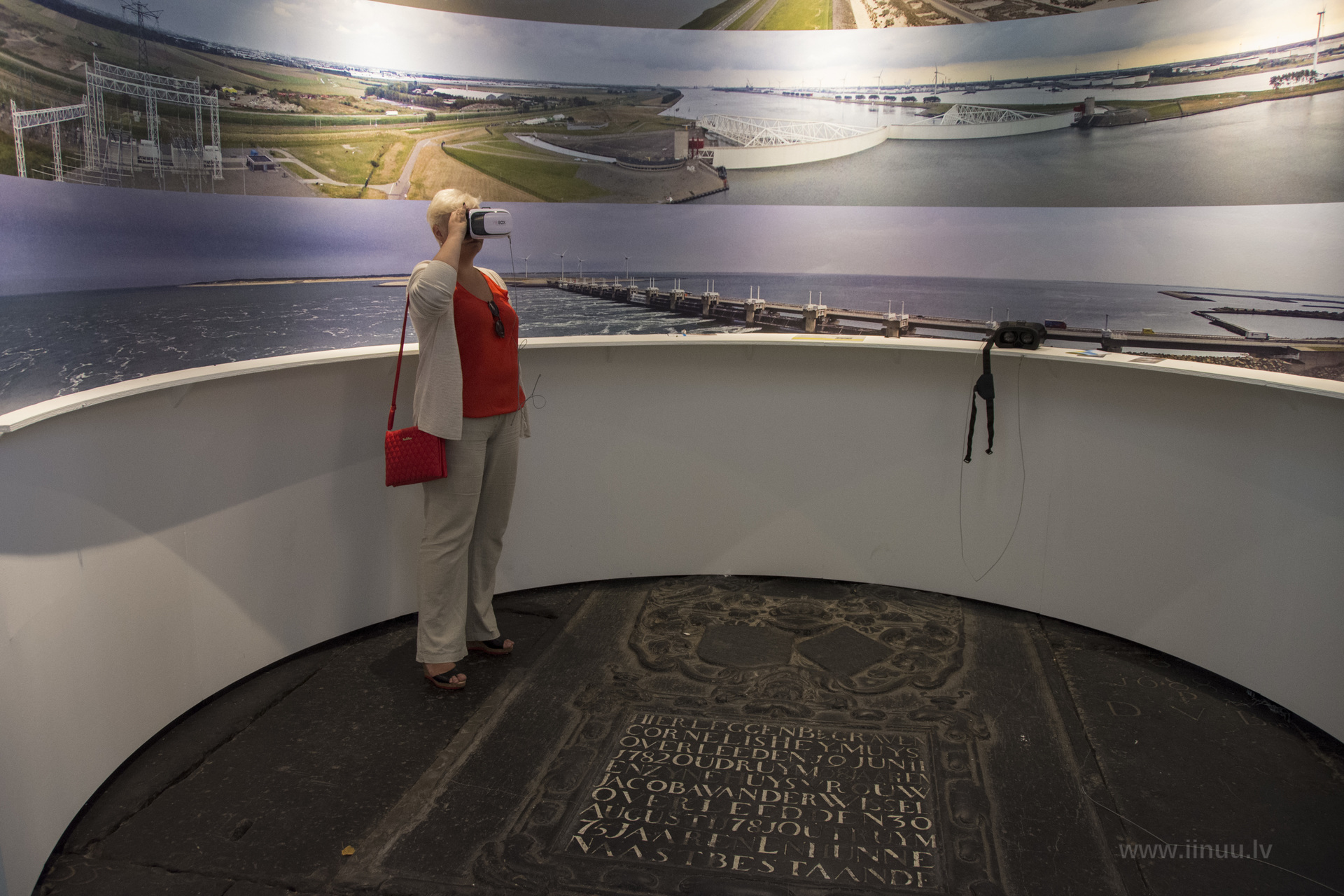
The church houses an exhibition about the history of the Netherlands, closely connected with the reclamation of land from the sea and the draining of fields in order to engage in agriculture and farming. The entire country is criss-crossed by canals and drainage ditches. Whereas in the past water was pumped by windmills, today it is done by pumping stations and engineering solutions in the North Sea that prevent the coastline from flooding. Moreover, it is a land without stones - all building materials needed are imported from abroad.
comments