
Flamenco Dance Camp in Zvejniekciems
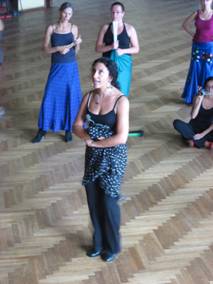
From 26 to 29 August, the annual summer camp organised by the flamenco dance studio DUENDE took place in Zvejniekciems, with an opportunity for all studio dancers to gather together and learn from guest teachers - flamenco instructors from Spain. I took the opportunity to attend two days of compas classes with percussionist Andrej Vujicic, as well as tangos and alegrias dance technique with flamenco dancer Francesca Grimm.
From 26 to 29 August, the annual summer camp organised by the flamenco dance studio DUENDE took place in Zvejniekciems, with an opportunity for all studio dancers to gather together and learn from guest teachers - flamenco instructors from Spain. I took the opportunity to attend two days of compas classes with percussionist Andrej Vujicic, as well as tangos and alegrias dance technique with flamenco dancer Francesca Grimm. Together with the Latvian dancers, girls from Lithuania also joined the training sessions.
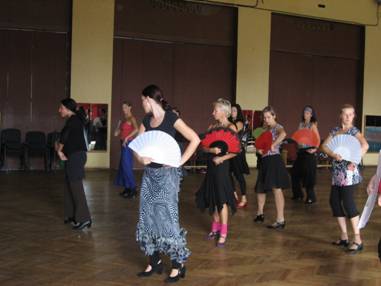
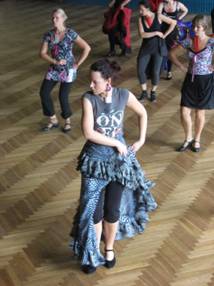
The camp participants were staying at the guesthouse "Aizvēji", where the main activity also took place - a spot with log cabins quite close to the sea. In the breaks between training sessions and classes for the younger and older dance groups (meaning not age, but years of dancing - from 1 to 7 years), one could take a walk along the Saulkrasti seaside. All the more so since the weather forecast was favourable - sunny but not hot.
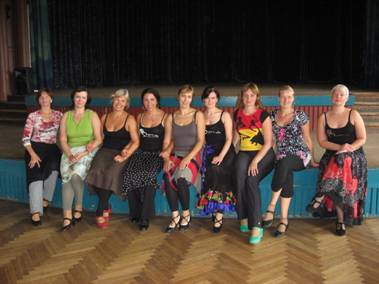
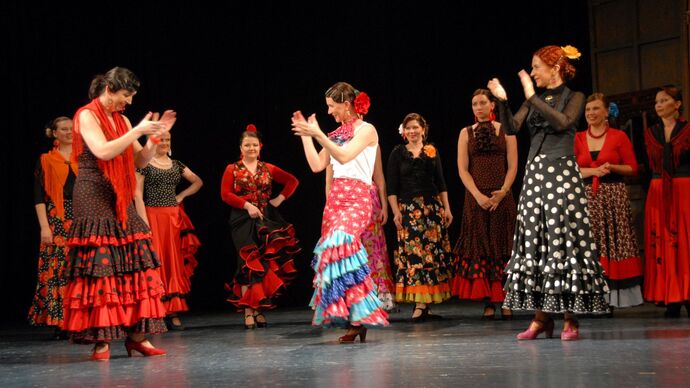
On Sunday evening, a flamenco dance camp concert took place in the hall of the Zvejniekciems culture house, to which all interested parties were invited. In total, eleven performances, one of which was a performance by our Spanish teachers. I offer a few video recordings from the concert as a glimpse.
A performance by the girls of the flamenco dance studio Duende.
A performance by our dance teachers from Spain - flamenco dancer Francesca Grimm and percussionist Andrej Vujicic.
Although I initially had doubts about whether it would be worth going to learn from professionals at such a beginner level after just one year of practice, the time and effort were not in vain. My doubts about being able to learn a new choreography in a couple of classes proved founded, but otherwise it was extraordinarily interesting and useful to observe the polished and unusually swift movements of the Spanish dance teacher.
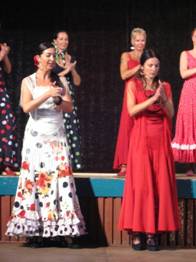
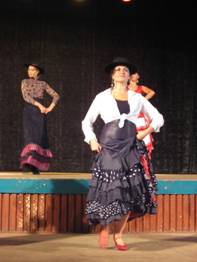
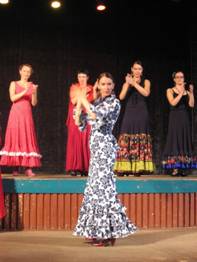
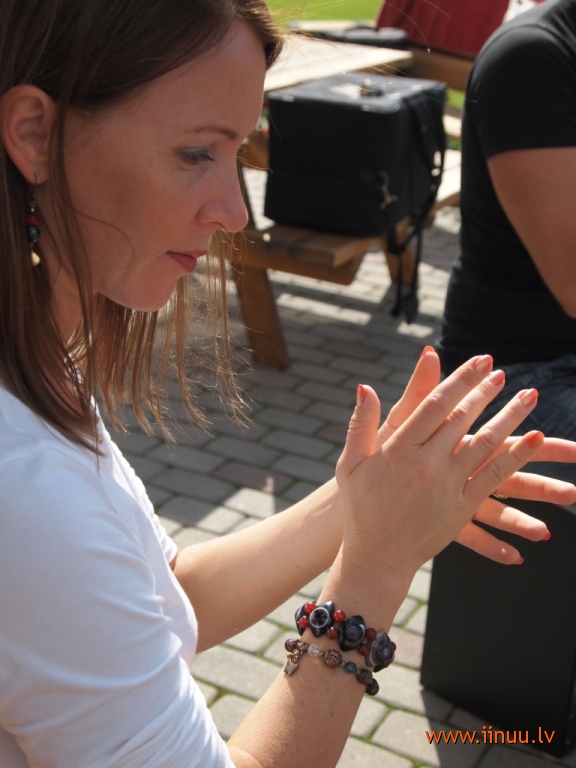
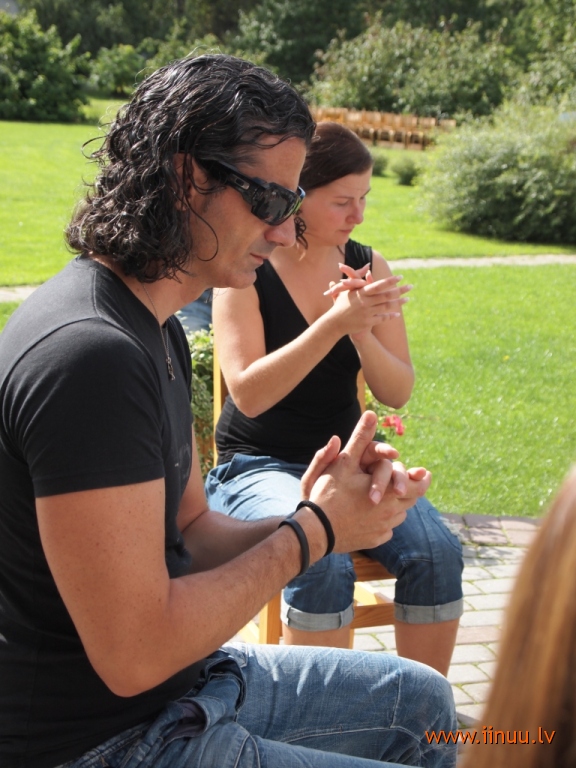
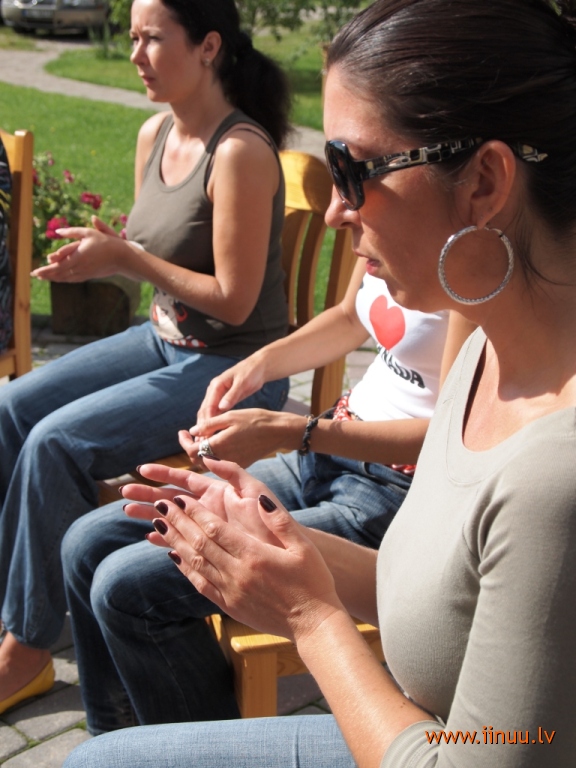
A revelation and a pleasure was participation in the compas classes (clapping rhythms and stamping with the feet). I looked at flamenco from a different perspective and understood how essential the precision and filigree quality of rhythm and stamps are in this dance. In this connection I started searching the internet about flamenco rhythm and came across the very same clock that our compas teacher Andrej Vujicic had us imagine: Flamenco Metronome Graf-Martinez.
A rhythm that prevails over melody. Later, talking with some of the girls, a few expressed doubts about whether they would want to continue learning flamenco, as it lacks the gentle, slowly flowing, pleasant to the ear, calm, and quietly aching melodies so close to the Latvian soul. I, again, took this as yet another challenge to go further and learn to know the flamenco duende, although I cannot swear that I understand the cry of the soul of a flamenco dancer, which manifests in swiftness, loudness, and the outward expression of feeling.
Sometimes we simply have to walk the chosen path to find out whether it is the right one, or after all foreign and not yours.
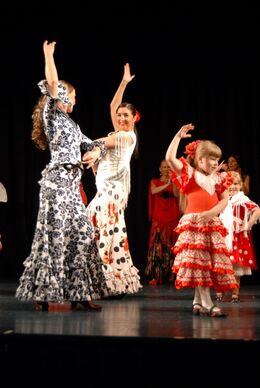
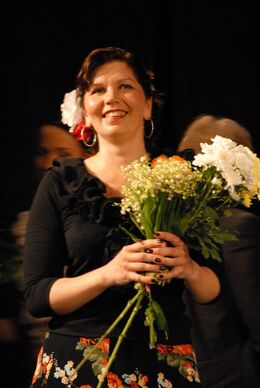
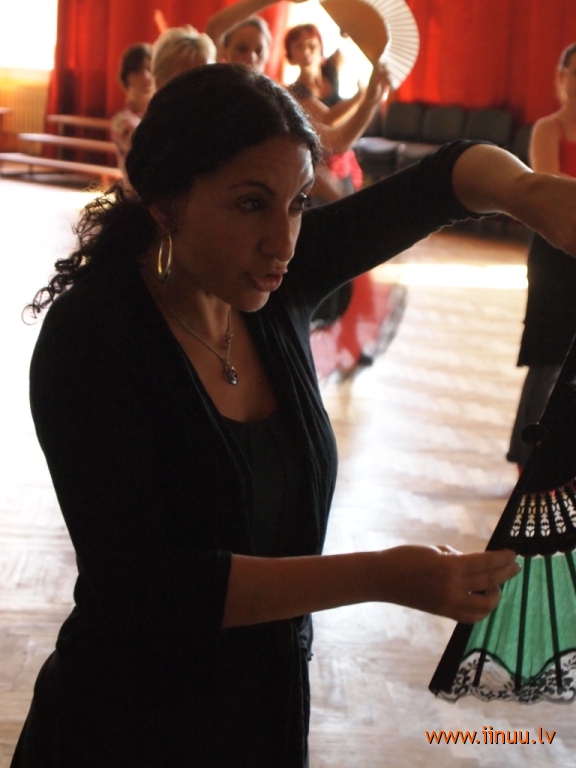
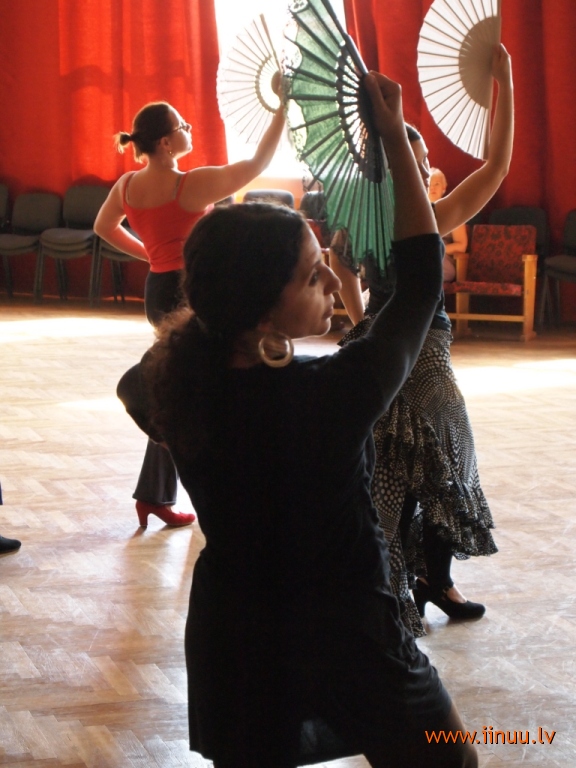
Some portrait photographs of me from the camp's flamenco classes were sent to me by one of the Duende club dancers, Anžela -

comments