Museum Night 2008 - Through Riga's Peripheries
This year we used a slightly different tactic for visiting Museum Night events than in previous years. On the evening of the 17th of May we headed to the peripheries - Pārdaugava, Sarkandaugava, Hanzas Street, Lāčplēša Street, Mežciems. The result: we saw a great deal, heard a great deal, tried out many things, and were relatively tired.
This year we used a slightly different tactic for visiting Museum Night events than in previous years.
In the past, like many other Rigans or Riga visitors, we would walk around the museums in or near Old Riga - the Riga History and Navigation Museum by the Dome Cathedral, the Museum of Foreign Art and the Latvian National History Museum on Castle Square, the Occupation Museum, the War Museum, the Pharmacy Museum, the Museum of Decorative Arts and Design, and so on. The result: large crowds, a sweaty back, stuffy rooms, a lot of information, and queues that wear you out. This year too there was a booklet-map available for anyone interested, but it once again focused all attention on Old Riga and the centre.
On the evening of the 17th of May we headed to the peripheries - Pārdaugava, Sarkandaugava, Hanzas Street, Lāčplēša Street, Mežciems. The result: we saw a great deal, heard a great deal, tried out many things, and were relatively tired.
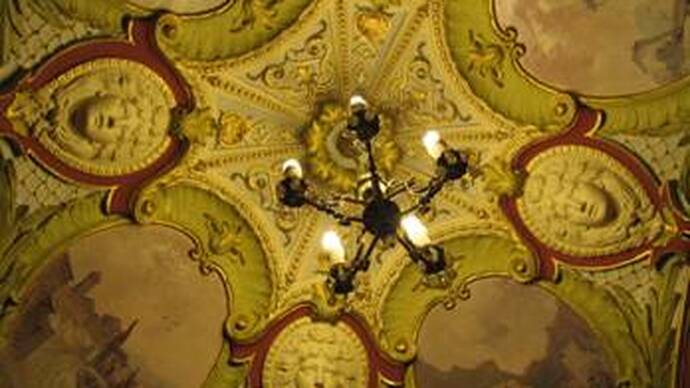
First, to the Dauderi Cultural Museum in Sarkandaugava, next to Aldaris. The former residence of K. Ulmanis, which has preserved the spirit of Latvian identity and a wide range of exhibits thanks to a Latvian compatriot living abroad. Folk costumes, traditional brooches, Latvian-era decorations, paintings, an authentic antique fireplace, ornate ceiling paintings.
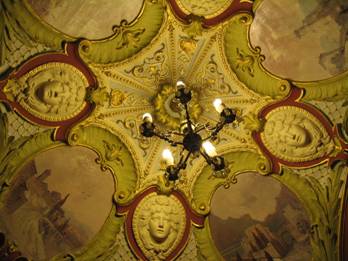
This evening, German waltzes ring out here. Slightly creaking parquet floors, a view through the window to a garden bower and the spreading branches of an oak.
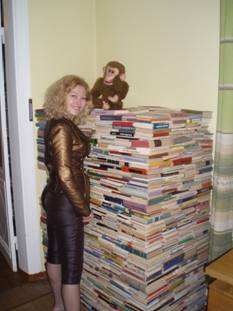
Then on to Pārdaugava, where three famous poets' and cultural figures' homes await. The Ojārs Vācietis Memorial Museum is located in a house more than 200 years old. It was the first larger house in Pārdaugava and at one time housed "Jerusalem" - the tavern most beloved by Rigans. During the Soviet era this house was saved from demolition thanks to Ojārs Vācietis himself. Today you can see the poet's study, and a fine audio-visual presentation has been prepared - you can listen to and see the poet himself reading his poetry, and confirm one of the author's character traits: pedantry. The latter is expressed in the careful cutting of snowflakes from thin copy paper, filigree graphic drawings, and a neatly stacked pile of books in the corner of the room.
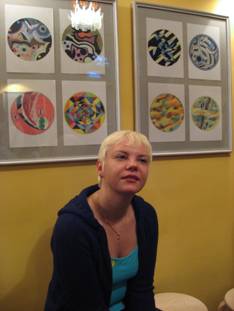
Just nearby, literally across the street - the Jānis Akurāters Museum. A house that fits organically into the landscape of Arkādija Park and Pārdaugava's narrow, peaceful streets. On the ground floor this evening: exhibition/event "Jānis Ziemeļnieks - Es eju bojā, iekārodams tevi..." ("I am perishing, yearning for you..."), music by Juris Kulakoms. On the upper floor - Akurāters's living environment: antique furniture, books, embroidered linen coverlets, and so on.
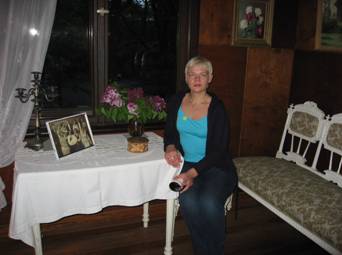
Next to Āgenskalns Market - the E. Smiļģis Theatre Museum. Here: photographs from past productions, the finely crafted blood-red costume with crown of Spīdola, stage sketches, and the chance to step into an actor's role by trying on various stage props.

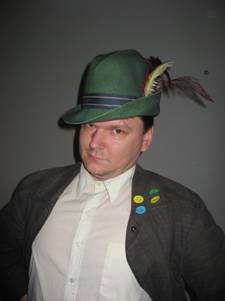
Video "What we are famous for..."
Next, the road leads to a visit to Aleksandrs Čadariņš - that is, to the A. Čaks Memorial Apartment on Lāčplēša Street. Here we join a game of finding various objects and symbols in the poet's living rooms. As a prize for correct answers, we are treated to sweets.
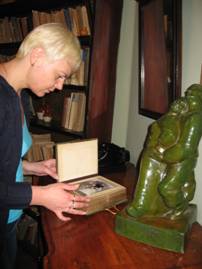
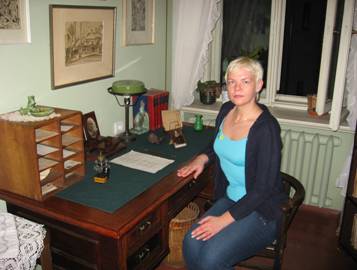
Having admired the famous Strunke painting - reproduced in practically every textbook and biographical work - with the "yellow" Čaks mug in hand, I moved on.
The Latvian Fire Fighting Museum offered an opportunity not only to get acquainted with firefighters' working tools over the years, but also to try them out. Museum staff were patient with the noise of many alarm bells and equipment trials, and even offered visitors the chance to put on protective gear and try out the extinguishing process itself.
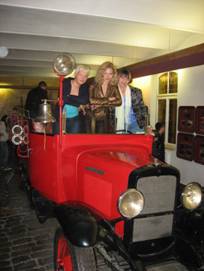
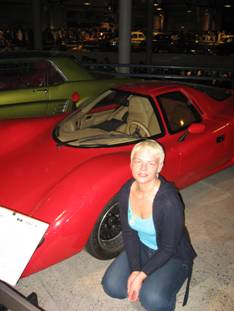
Around midnight we arrived at the Riga Motor Museum in Mežciems, where the largest crowd of spectators was gathered precisely for the burnout and drift demonstrations in the forecourt. The museum itself was open for viewing its permanent exhibition.
Video "DRIFT demonstration"
 It is gratifying that an ever-growing number of museums, both in Riga and across Latvia, are participating in this event. Not only museums are involved, but also theatres (the Latvian National Theatre), libraries (the National Library of Latvia), and bookshops (Zvaigzne ABC). Two free bus routes were created - to Pārdaugava, Sarkandaugava, and Mežciems - which made it easier for event participants to get around. It is lovely that this event has found such a wide resonance in society.
 It is a pity that the Museum Night events did not, however, reflect the announced theme and connection with the cultural month O!Vācija - no poetry, music, or performances in German were to be heard, and no attributes of German culture were used (at least not in the museums we visited - no).
comments