Home Bar Audit - Limoncello, Grappa, Absinthe, Sangria
Continuing to review the collection and sweet memories - four more drinks from three distant lands. Those already tasted and those still waiting their turn.
Continuing to review the collection and sweet memories - four more drinks from three distant lands. Those already tasted and those still waiting their turn.
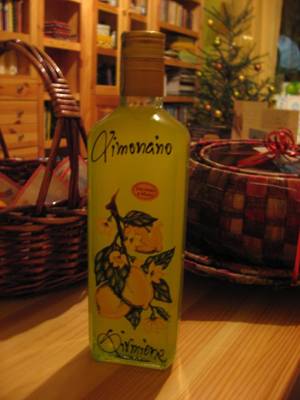
Limoncello (Italian: Limoncello) was brought back in 2007 from a trip to northern Italy, to the small island-town of Sirmione. We happened to step into a little shop-gallery where we purchased the drink in a hand-painted bottle.
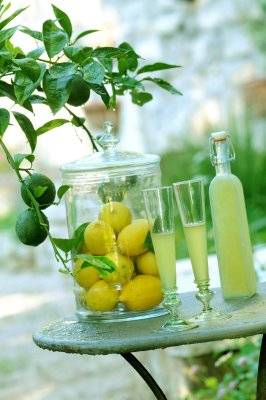
Limoncello is a lemon liqueur, popular throughout Italy. Alcohol content: 25%. It is made from a lemon peel infusion on a spirit base, with water and sugar added. Served as a dessert or used as a cocktail ingredient.
My rating - 
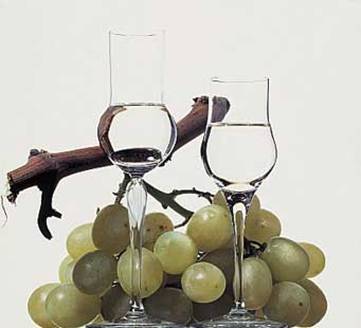
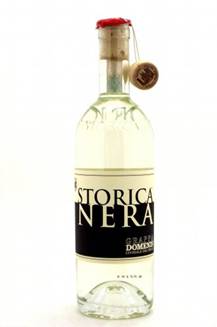
Grappa - also from Italy. A popular grape brandy. Once made from "written-off" grapes not suitable for wine production, it has since gained a much wider market and is now produced with considerably greater care. In a small shop we purchased a couple of 50 ml souvenir bottles for friends, labelled as classic grappa, 38%. It has been said, however, that grappa usually measures 40–50%. Grappa is typically consumed chilled and rarely mixed with anything, though one has heard that Italians add a splash to their coffee. No rating - we haven't tasted it ourselves.
Absinthe (French: Absinthe) made its way to us from the Czech Republic in 2003. No need to worry about the year - the bottle reads: Spotrebujte do: bez obmedzenia ("best before: unlimited"). A very potent drink at a full 70%. The most important ingredient in absinthe is wormwood extract, though it contains a whole list of other herbs - lemon balm, anise, fennel, calamus, liquorice, angelica, and others.
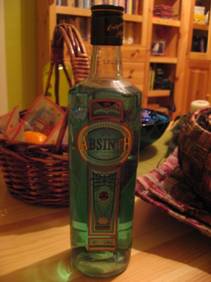
Absinthe is typically emerald green in colour and it is advisable to keep it in dark vessels or a cabinet so it does not lose its colour over time. Consuming absinthe can cause hallucinations, which is why this drink has long been shrouded in mystique and popular in artistic circles.
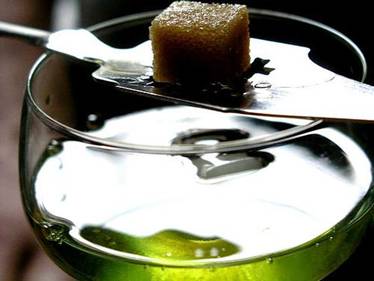
Johnny Depp performing the absinthe ritual in the film "From Hell"
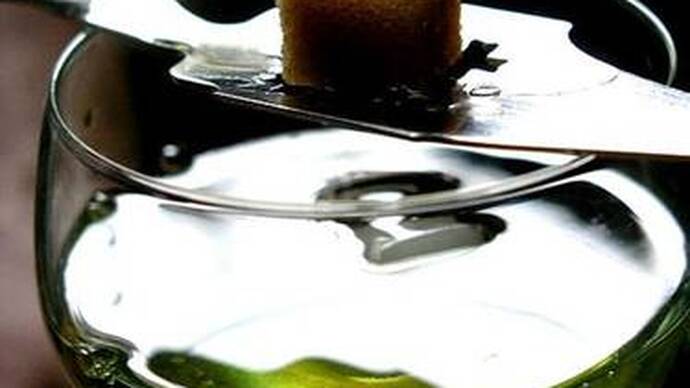
Drinking absinthe is a whole ritual, and it differs from country to country - whether Czech, French, or Russian. The most popular method: pour a third of a small glass, then place a spoon (there are also special absinthe spoons) on top, on which you place a sugar cube, then pour an equal amount of absinthe over it. The sugar cube is then set alight. The caramelised sugar is poured into the glass and stirred. Before drinking, the mixture is further diluted with 2/3 water.
No rating yet - all the best things are still ahead of us.
From the heavy artillery to something lighter - sangria (Spanish: sangría). The name comes from the word "sangre" - blood. A light drink with a relatively low alcohol content. Made from red wine with pieces of fruit, sugar, and a touch of brandy added. An excellent drink on a warm Spanish evening somewhere outdoors at a café or on a terrace.
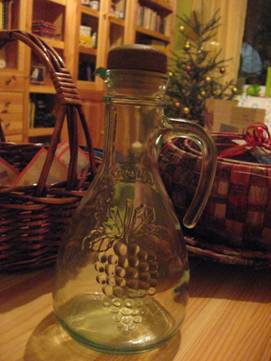
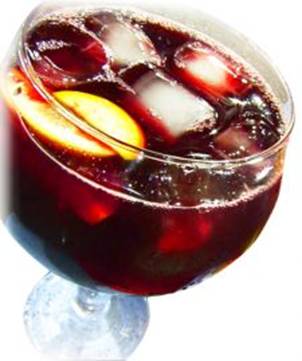
Advice: best drunk on the spot, as the version available on the local market comes nowhere close - however boldly "original Spanish" might be written on the tetrapak or bottle. Still, we brought one carafe home - really quite beautiful and later useful for our own freshly pressed blackcurrant or apple juice.
If I lived in Spain or Portugal, I would surely give it a higher rating, but here in Latvia, sangria with ice cubes is rarely truly enjoyable - the climate isn't right, nor is the atmosphere or the pace of life - the eternal rush (whereas there, siesta every day). My rating -
comments