Salute!
In Italy on the table alongside bread and salt, wine is ever-present. But when guests gather, the resounding Salute! rings out above all. The celebration of life. On a Friday evening that same small celebration of life took place right here in Riga at Larisa's independent wine courses. This time - about Piedmont and its wines.
In Italy on the table alongside bread and salt, wine is ever-present. But when guests gather, the resounding Salute! rings out above all. The celebration of life. On a Friday evening that same small celebration of life took place right here in Riga at Larisa's independent wine courses. This time - about Piedmont and its wines.
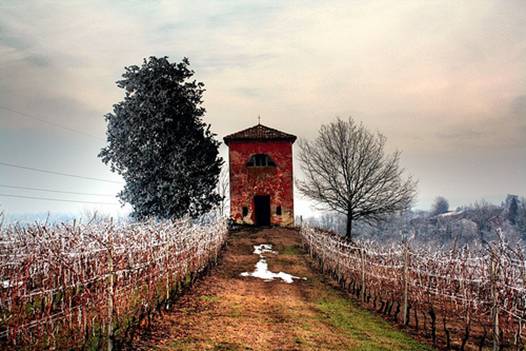
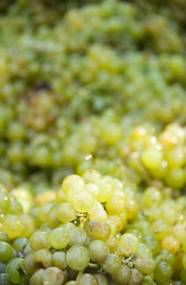
Photo by www.flickr.com/photos/kurtolo/
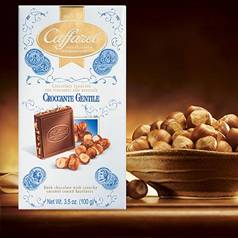
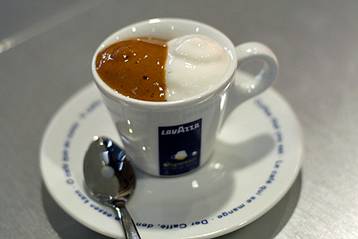
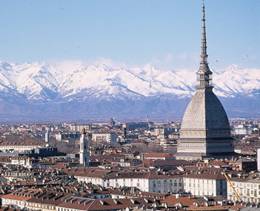
Piemonte (it.) is located in the north-western part of Italy, bordering France and Switzerland. The region's principal city is the widely known Turin (it. Torino), situated in the upper reaches of the Po, the region's largest river. The region is renowned for several brands - Lavazza (coffee), Caffarel (chocolate), FIAT (automobiles), and others.
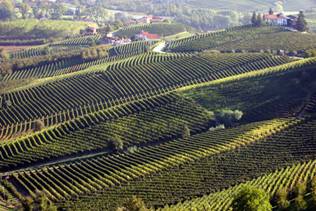
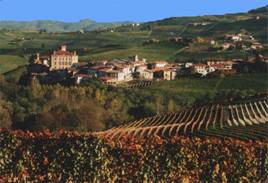
The climate is determined by the region's setting - Piedmont is enclosed by the Alps with no access to the sea. Summers are hot and sultry, winters fairly harsh. Autumns are characterised by persistent waves of fog and fine drizzle. All of this, of course, is reflected in the grapes, which grow mainly on the gentler lower slopes of the mountains, and subsequently in the wine itself. The vineyards are small in area and fragmented. That is why Piedmont is often called the little Burgundy.
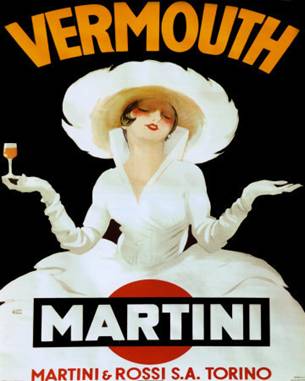
Unlike the Tuscany wine range, the breakdown here is different: 65% red wines, 18% sparkling/spumante, 17% white wines. Understandably so, as Piedmont is considered the homeland of aperitifs and vermouth (the best-known brands being Martini and Cinzano).
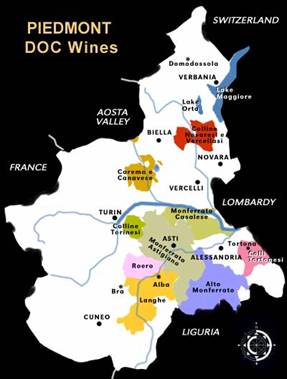
Looking at the map of the Piedmont region, we see that all the wine-growing areas are concentrated in its south-eastern part. The DOC and DOCG-level wines to be enjoyed this evening come from the region's most popular grape varieties - Cortese, Dolcetto, Barbera, Nebbiolo, Moscato. Moreover, Piedmontese wines of the IGT category apparently do not exist at all. All 6 wines to be tasted are distinctly food wines, with the exception of the final dessert wine, which can be enjoyed on its own.
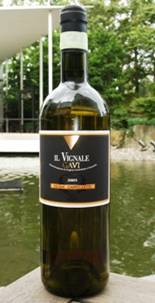
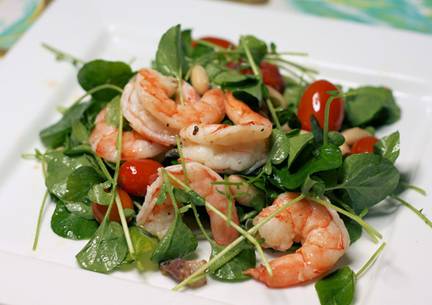
We begin with the white wine Gavi IL Vignale Cappelletti 2009 DOCG from Cortese grapes. A pale, light yellow, straw colour. A rich citrus fruit, nut, and floral aroma. Served cold, chilled (8–10°C) and young. Excellent with seafood (e.g. prawns), piquant cheeses (e.g. feta), basil. We enjoyed it with a prawn, avocado, cherry tomato, and leaf salad in a basil dressing. Mmm, delicious!
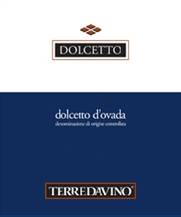
Next came the dry red Dolcetto d'Ovada Terredavino DOC 2008 from Dolcetto grapes, which are resilient against various weather fluctuations. The colour is deep, evocative of blackcurrant juice. The flavour is fruity and velvety, the aroma unassertive. An inexpensive, light wine and very good with food every day. It suits pizza with meat and cheese, pasta, risotto with a rich sauce. Serving temperature: 16–18°C.
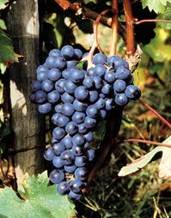
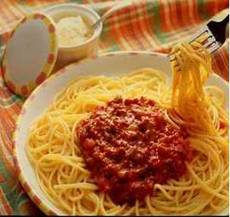
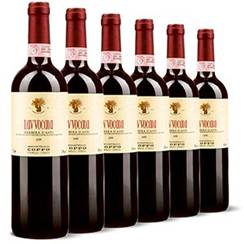
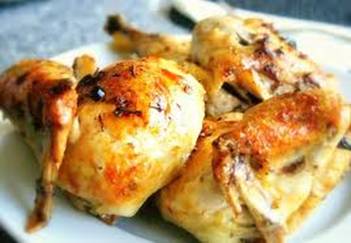
Coppo Canelli L'Avvocata Barbera d'Asti DOCG 2008 - dark red in colour, spiced in flavour. With tannins that create a certain roughness and character. The Barbera grape is very popular in the region, with 50% of all red wine produced from it. The Barbera grape bouquet: blackberries, liquorice, herbs. Served with poultry, pork, veal, and medium-hard cheeses. We found it simply excellent with cold rabbit meat.
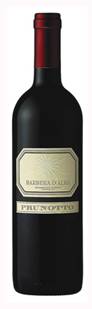
Prunotto Barbera d'Alba DOC 2008 - pronounced acidity, the colour red with a violet hue. The wine has a rich fruity aroma. An innovator in the sphere of the Barbera grape was Giacomo Bologna, who began ageing wines from these grapes in small oak barrels, thereby reducing the grape's acidity and giving the wine lightness and roundness of flavour.
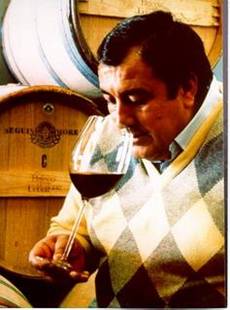
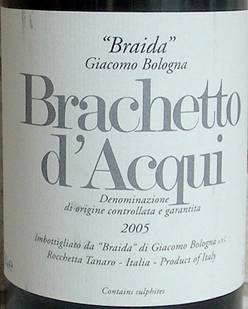
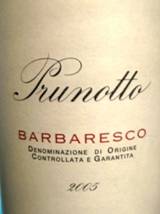
Prunotto Barbaresco DOCG 2005 - a red wine from the Nebbiolo (Nebbio - mist, haze) grape, which is delicate and very sensitive to changes in weather and nature. Colour: garnet red. A rich bouquet with a liquorice aroma. Deep, refined, and elegant in the nose. The Nebbiolo grape bouquet: truffles, violets, tobacco, dried plums, tar. An association with Piedmontese autumn, shrouded in haze. This wine needs time to reveal itself. Enjoyed from large balloon glasses. Good with meat dishes and cheeses.
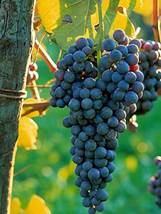
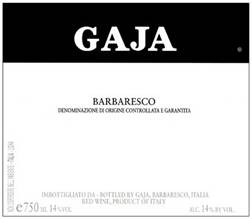
In connection with the Nebbiolo grape, worth mentioning is the winemaker Angelo Gaja, who pioneered the innovation of indicating on the wine label not only the region or the grape variety the wine was produced from, but also the specific name of the vineyard row from which the harvest was collected.
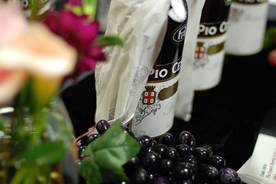
Pio Cesare Barolo DOCG 2001 - a red wine also from the Nebbiolo grape. A rich and aristocratic aroma. I even had to say - it is enough to smell this wine; there is no need to drink it at all. The flavour: a certain level of acidity, as well as redcurrant and bitter chocolate. Serving temperature 16–18°C. A long, long finish that constantly evolves and literally engages every taste bud. The wine's potential: 15–20 years. The Barolo producer is the flagship of Piedmontese wines. Of it they say: "The king of wine and the wine of kings."
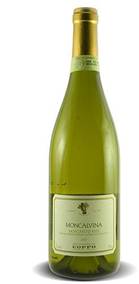
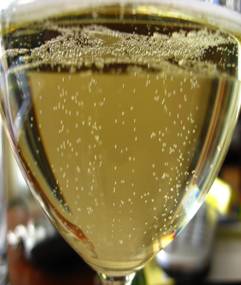
Coppo Canelli Moncalvina Moscato d'Asti DOCG 2008 from the Moscato grape, from which dessert wines and sparkling wines are usually produced. A pronounced aroma in which apricots, pears, and flowers are perceptible. It even seemed to me - melon. The wine is lightly sparkling, 5.5% alcohol. Served well chilled - 5–7°C. Both the aroma and the flavour were a great surprise - so exotic and light. Association: late spring in bloom.
comments