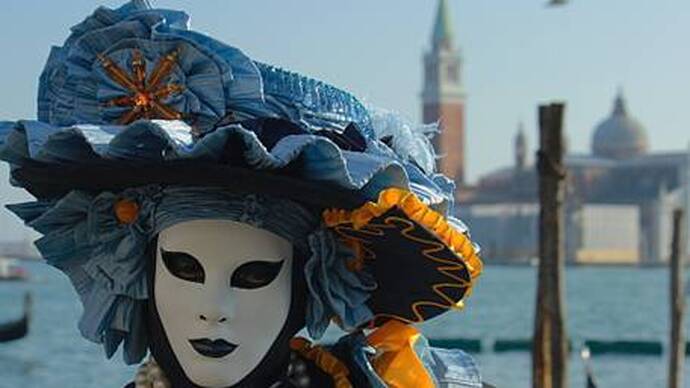
Carnival in Venice
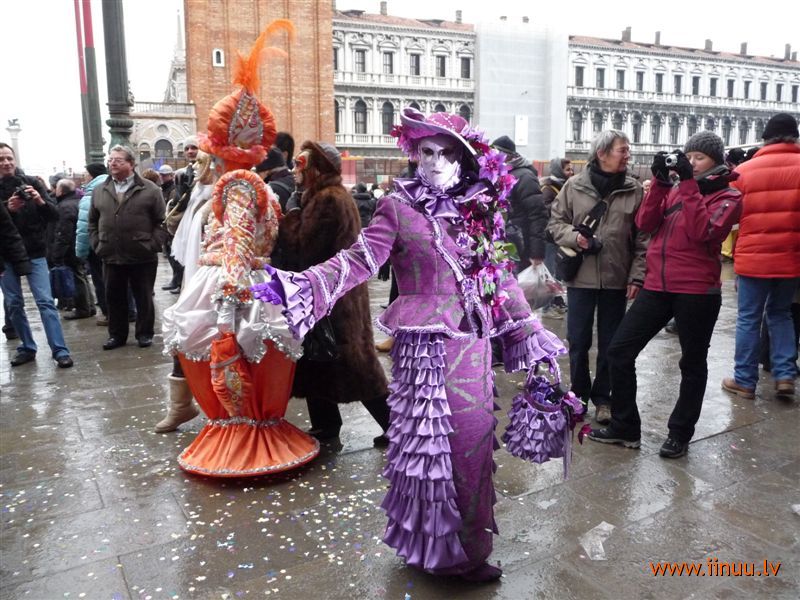
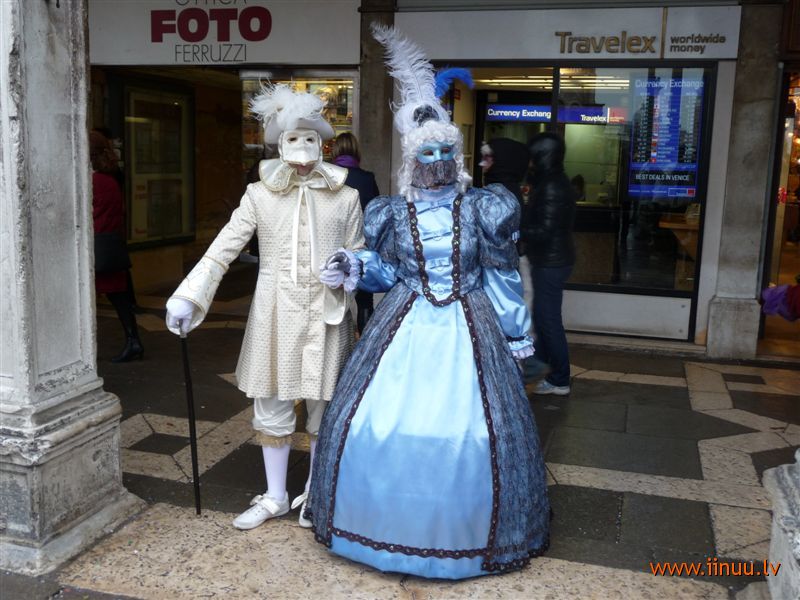
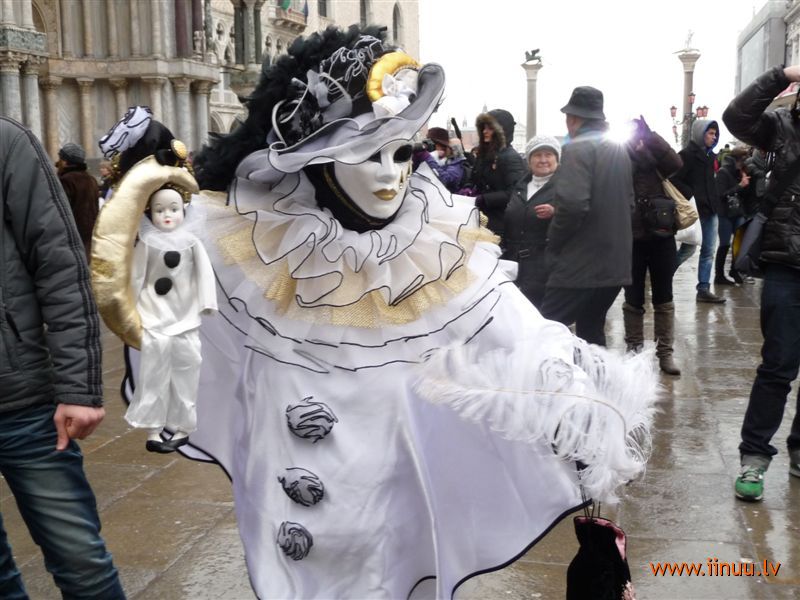
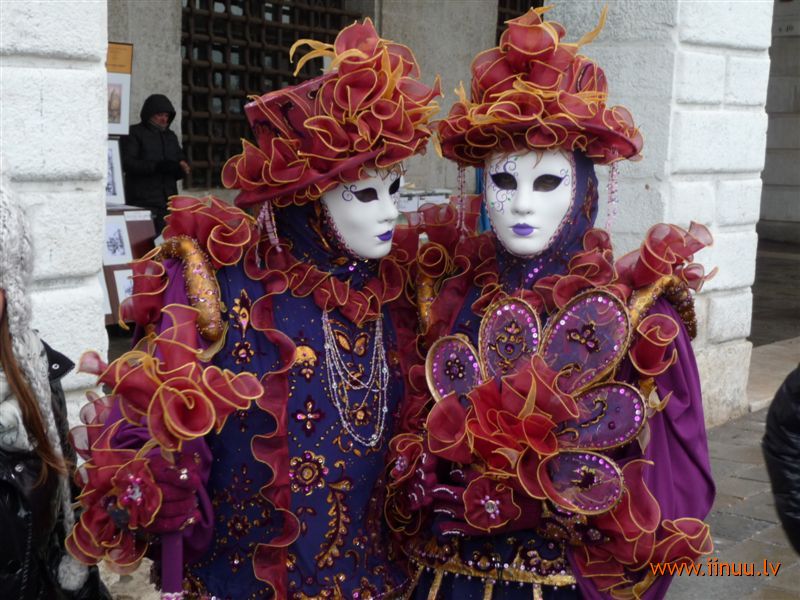
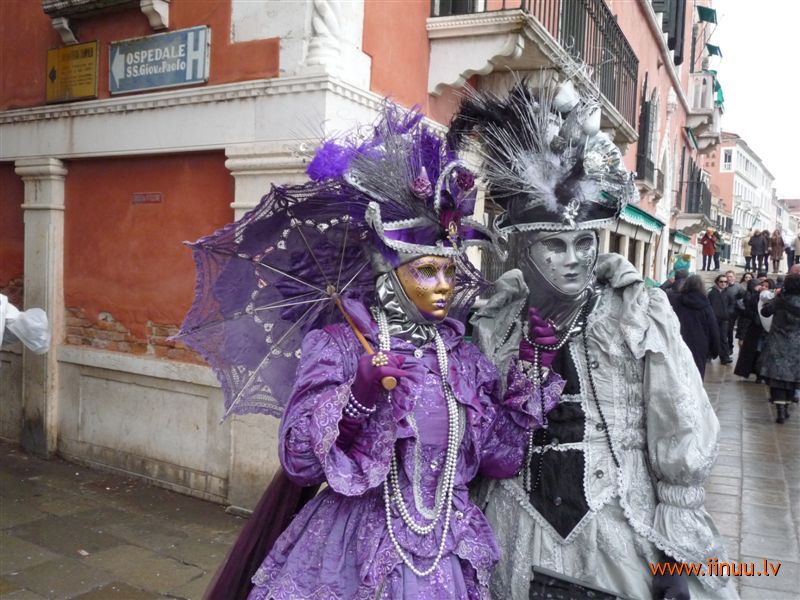
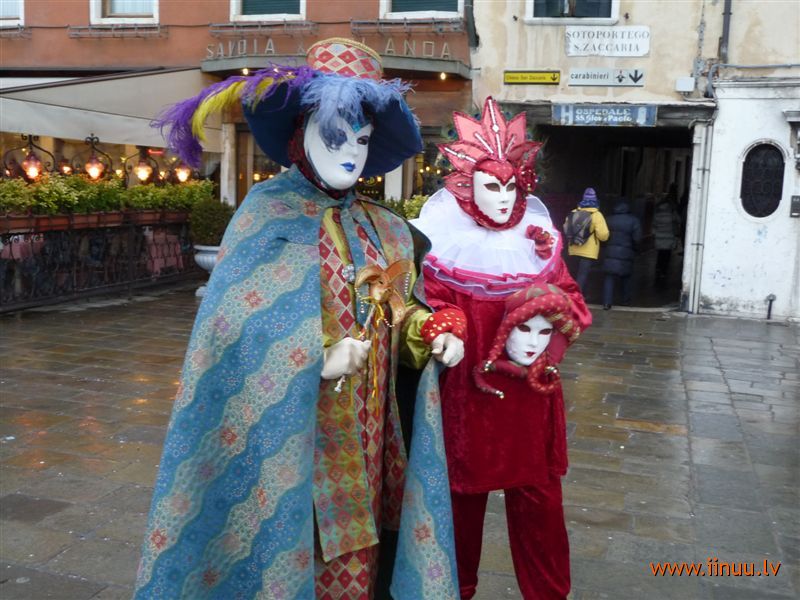
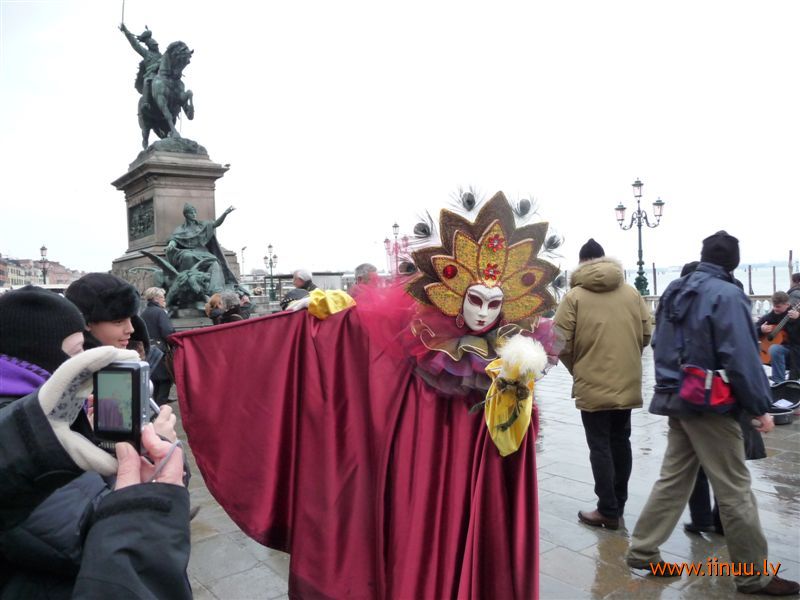
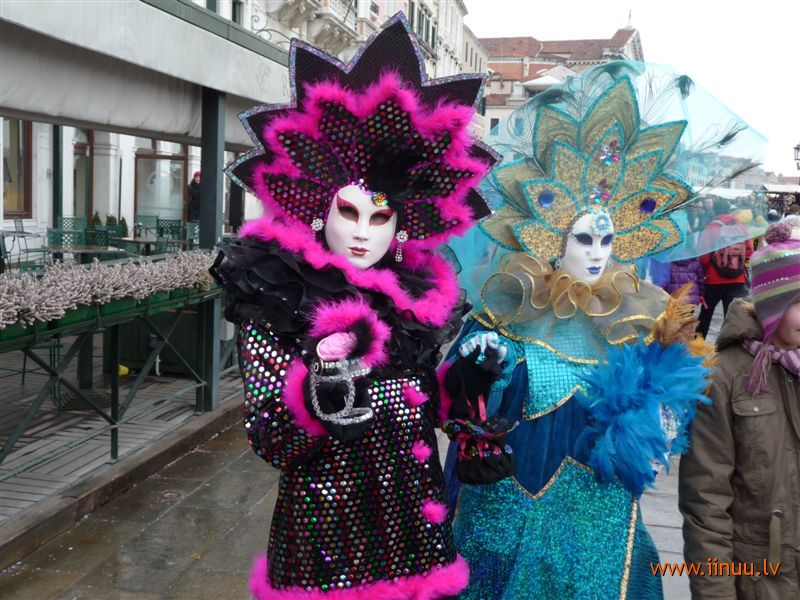
These world-famous, centuries-old festivities were held this year from 26 February to 8 March. Eyewitnesses say everything unfolded just as splendidly and pompously - only the weather conditions were less than ideal: damp and rainy. Photos from this year's carnival.
These world-famous, centuries-old festivities were held this year from 26 February to 8 March. Eyewitnesses say that everything took place just as splendidly and pompously - only the weather conditions were less than ideal: damp and rainy.
The Venice Carnival is mentioned in chronicles as far back as 1162, as general celebrations in honour of a victory, and from the 14th century it was held annually on the last day before the great Lenten fast. The wearing of masks during carnival has at all times encouraged the mingling of social classes and the indulgence in revelry "without inhibitions", setting aside the restrictions of age, gender, or social status.
Out of concern for citizens' morality, or as punishment for some transgression before the law, the wearing of masks was prohibited at various times. In 1268, masks could not be worn at night, and men dressed in women's clothing were banned from entering convents. In 1588, wearing masks was forbidden for those caught making false oaths, cheating, or vagrancy. In 1797, masks on the streets of Venice were banned entirely when Napoleon conquered the city. The tradition was revived only in 1979, alongside the Venetian national awakening.
Now masks are everywhere in Venice - both during carnival, when in early spring before the Lenten fast Venetians take to the streets in splendid costumes and masks, and throughout the year in souvenir stalls and art galleries. You have certainly noticed that masks differ from one another not only in their splendour and shades, but also in their specific form.
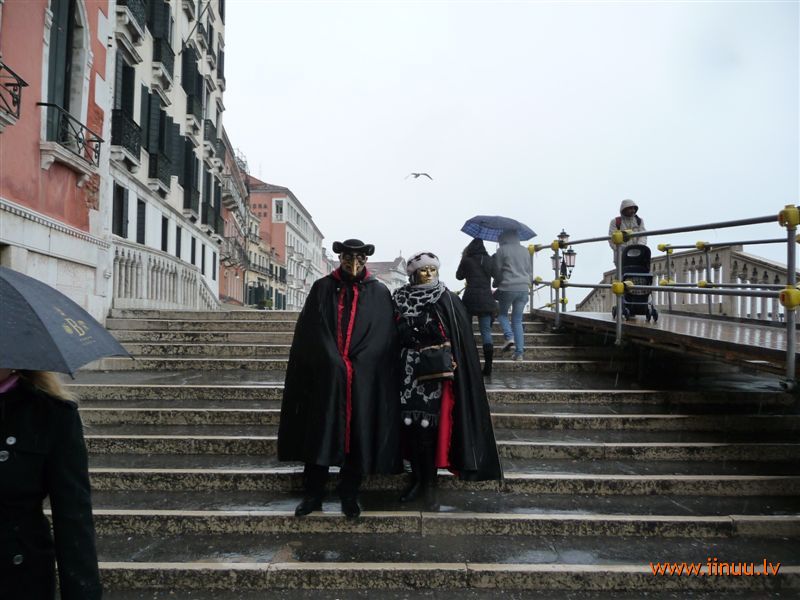
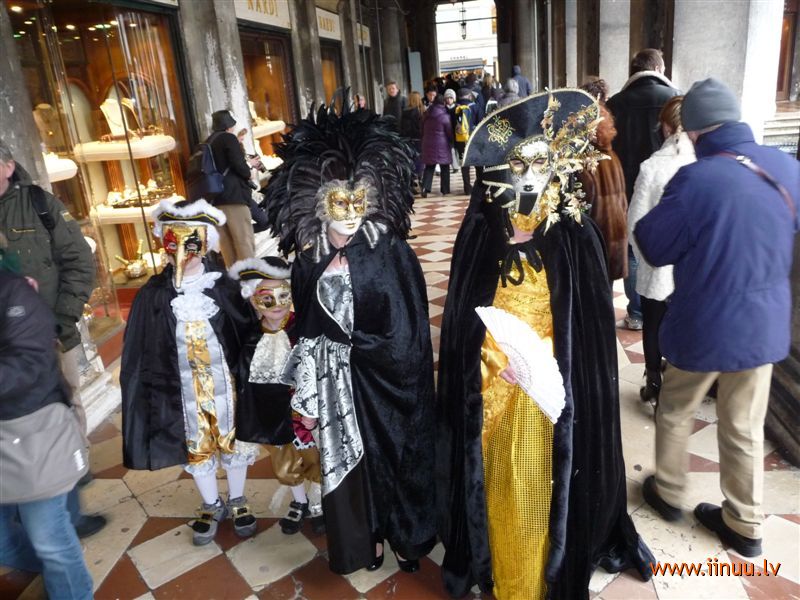
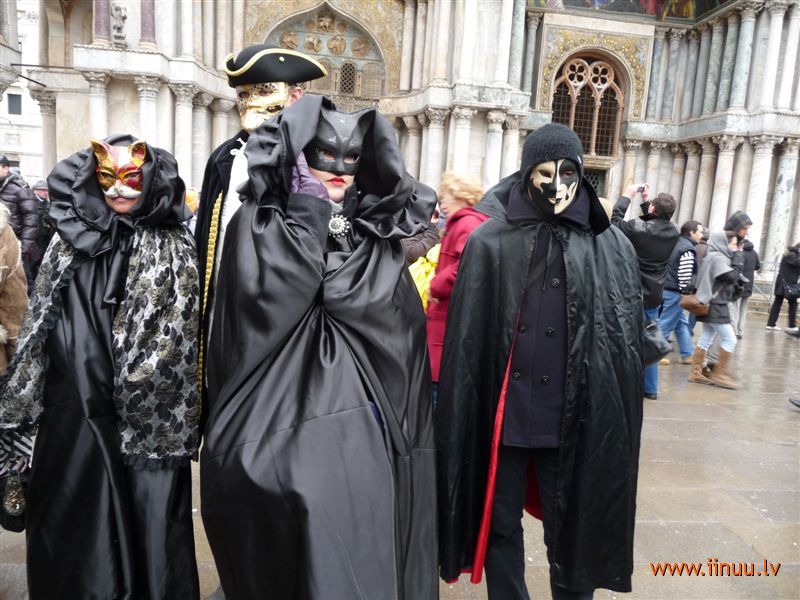
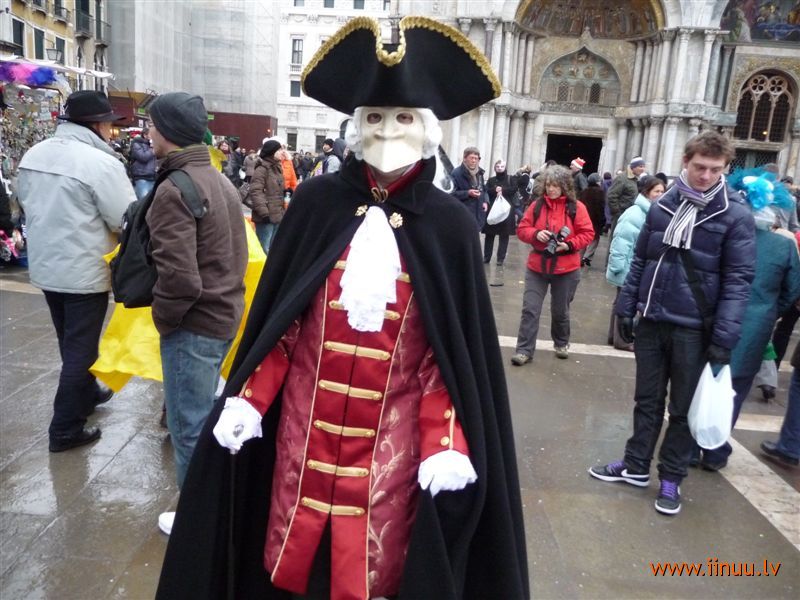
Several classic mask types exist: bauta (photo 10) - covers the face completely, usually white with a pointed chin; moretta - a black rounded velvet mask; volto - the most common and ornate, richly coloured, fully or partially covering the face (the lower part of the face remains exposed); plague doctor (photo 1) - a mask with a long beak in which aromatic herbs were placed to filter the air; gnaga - used by men to disguise themselves as women.
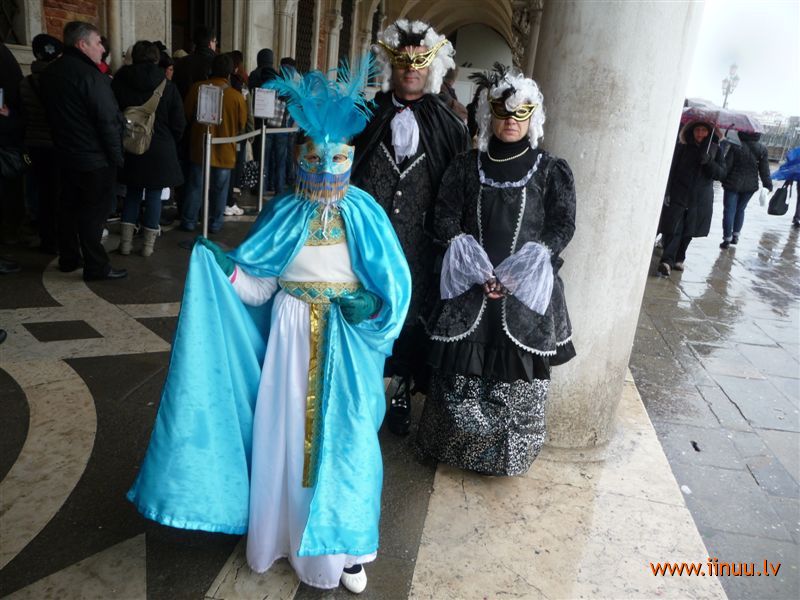
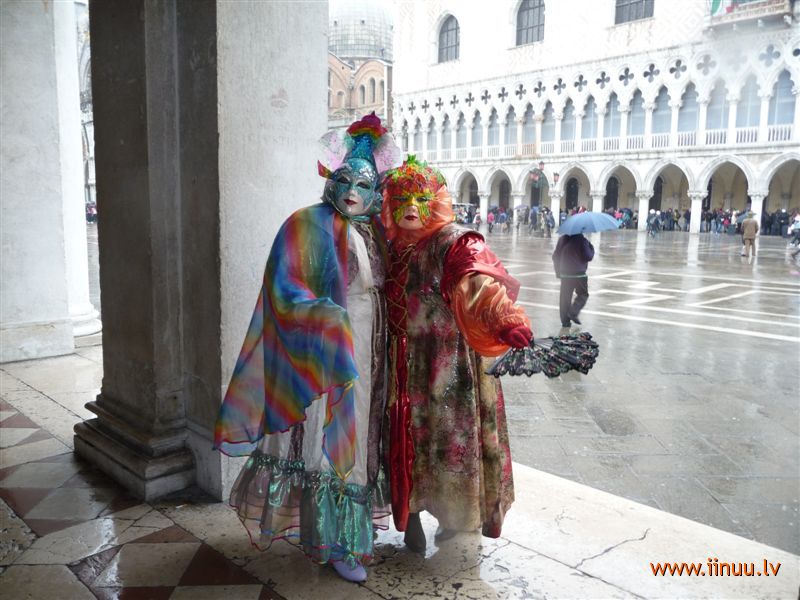
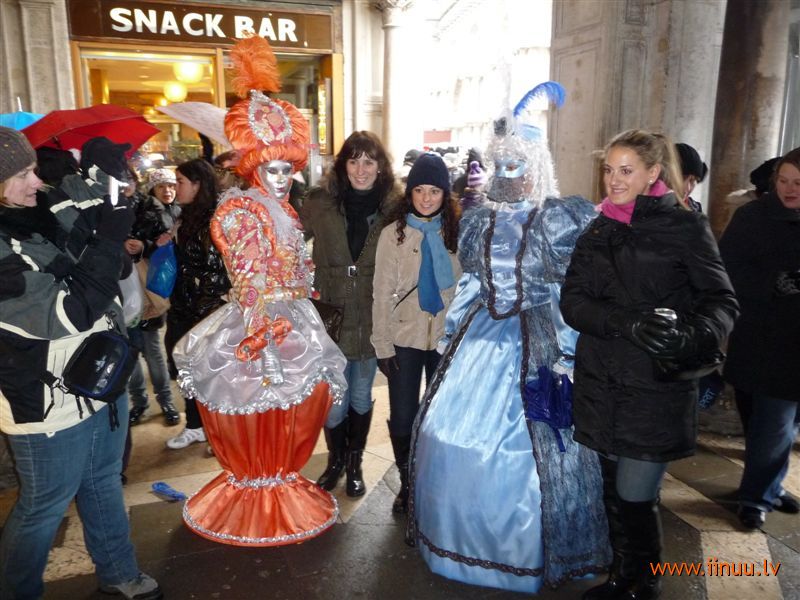
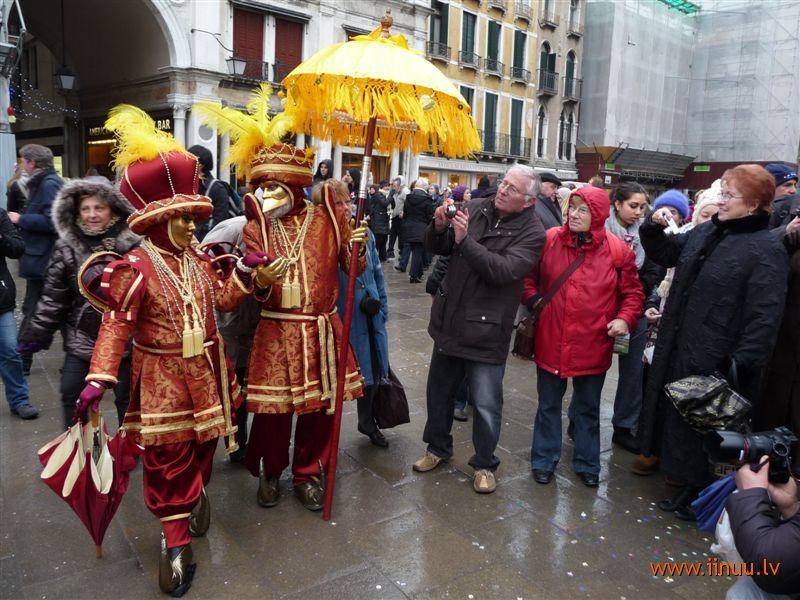
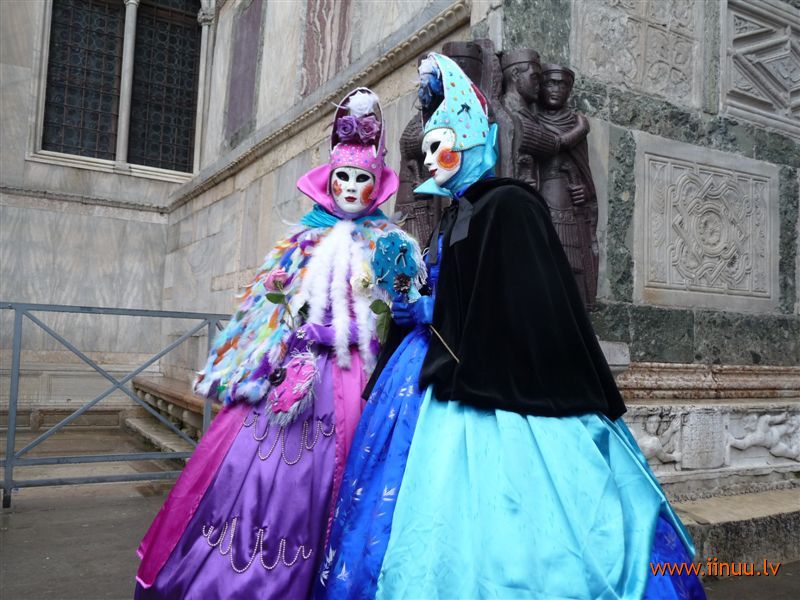
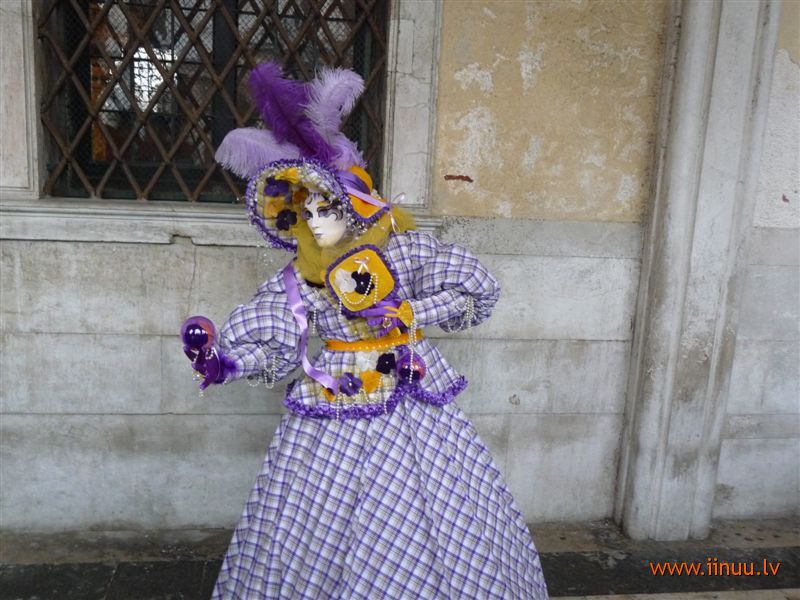
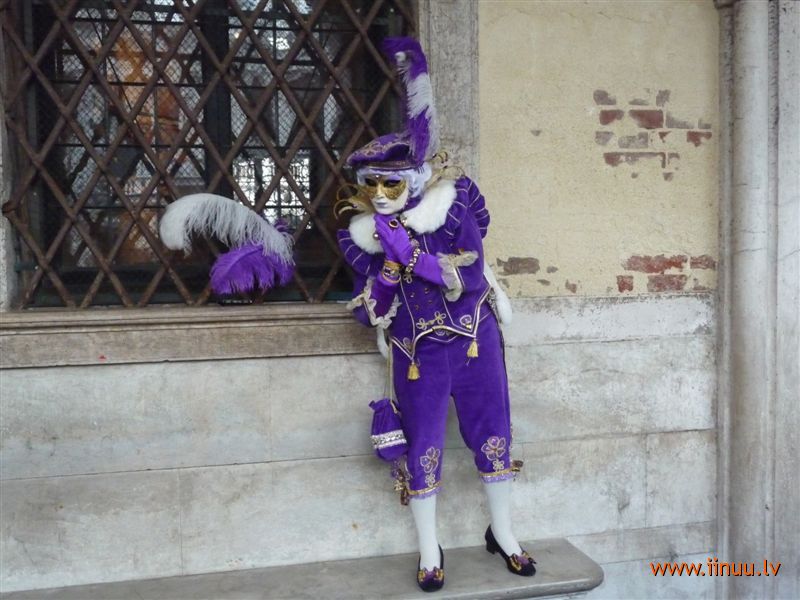
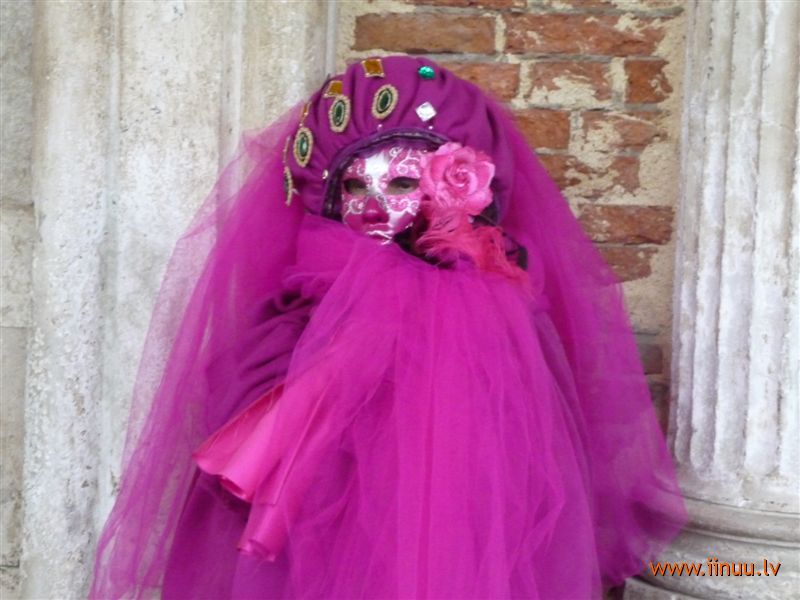
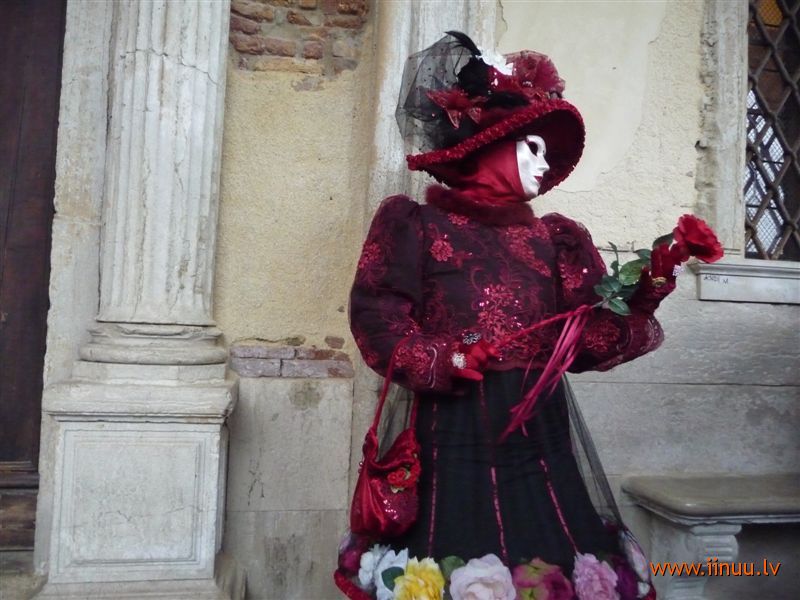
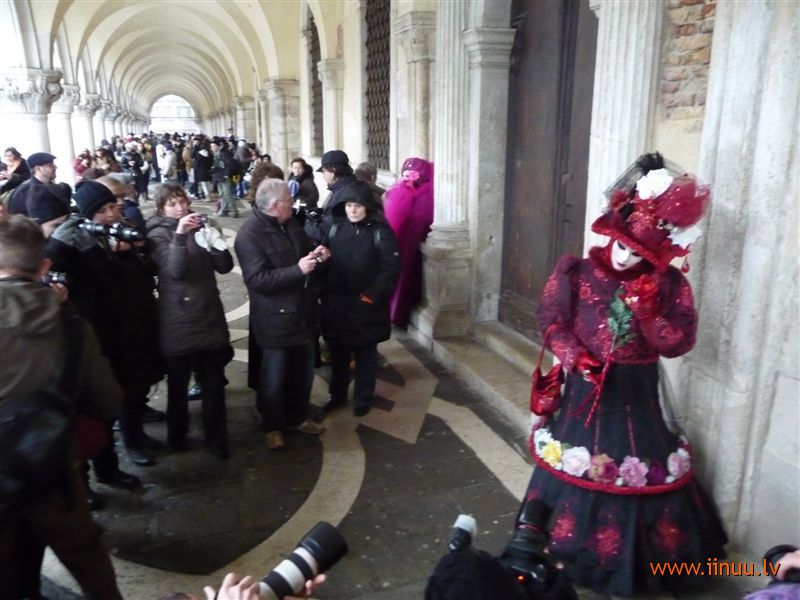
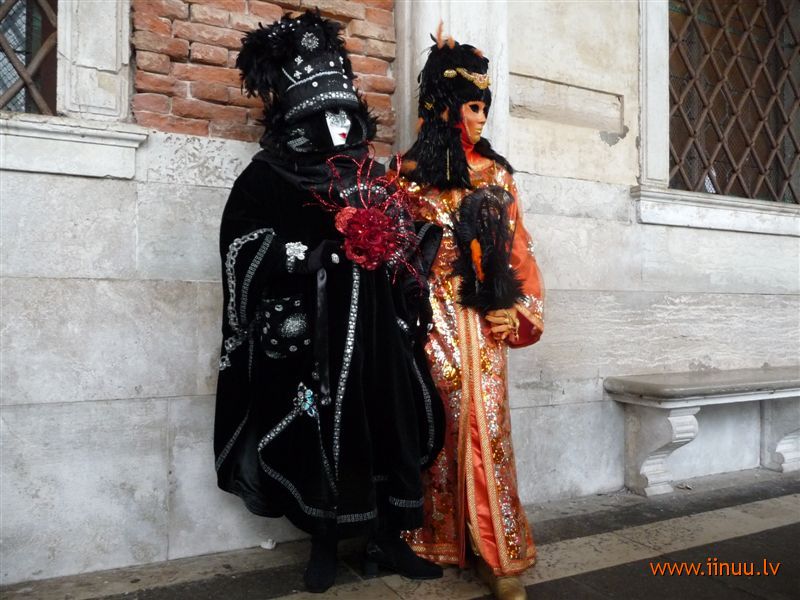
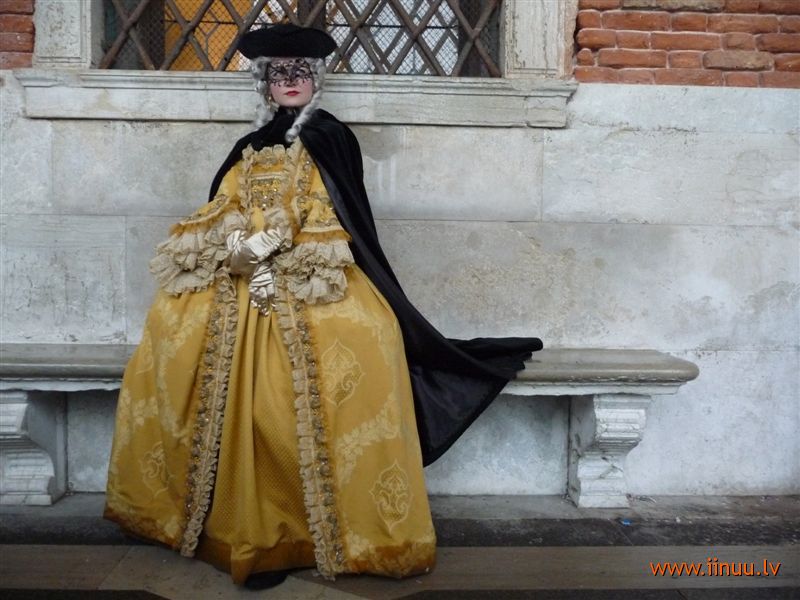
Below you can view the photographs from this year's carnival events and masks on the streets of Venice, sent to me by Silvija.
comments