Ideas from the Responsible Ideas Market 2017
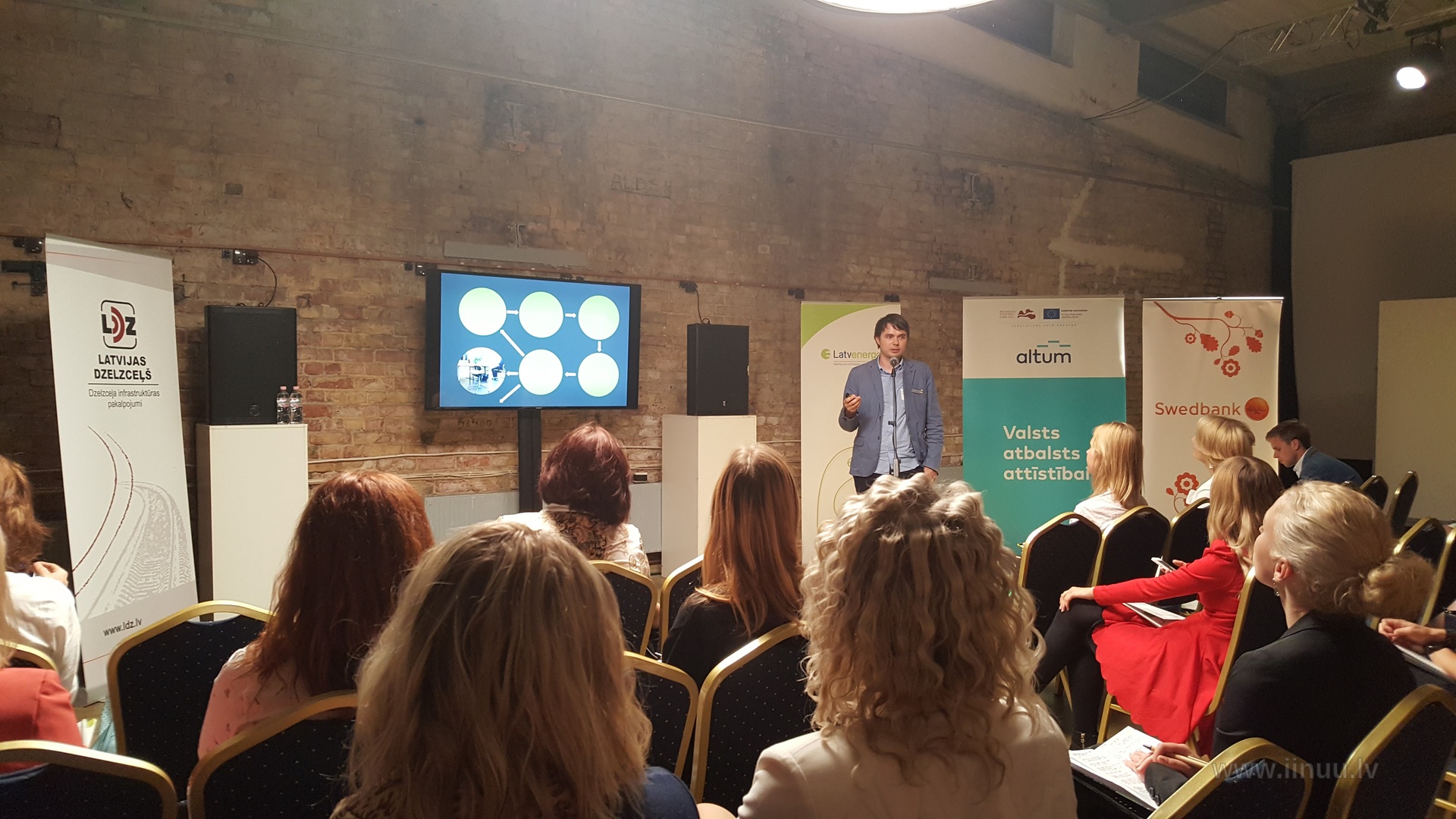
Today, at the H2O6 architecture and media centre, the fourth Responsible Ideas Market took place - and the first one I attended. An event conditionally divided into two parts: the first - official addresses, welcomes, and presentations; the second - practical, real-world-tested ideas from companies that have introduced something new and useful not only for their own company but for society as a whole.
As strange as it may sound, the presentations of the first part and the insights they conveyed seemed more applicable than the ideas market itself. Partly also because the organisers had taken care to prepare a very attractive and content-rich booklet for every event participant, in which each company's innovations, challenges, and results were set out. Reading through it with a pencil or pen in hand (as I enjoy doing), the ideas could be absorbed quite well even without being at the event in person.
The event began with an address by Economics Minister Arvils Ašeradens, in which he highlighted the question of society members' activity and involvement. The government's responsibility, I quote: "When you are ready to change things, we are with you." This was followed by a welcome for a fairly sizeable group of family-friendly businesses.
Altum board chairman Reinis Bērziņš introduced the portrait of the new entrepreneur and called for more active uptake of state co-financing. Last year, 12,000 new companies were registered in Latvia, but the number of those dissolved was higher. The main motivations for founding companies: the desire to work independently (65%), the desire to improve one's financial situation (61%), the desire to realise one's own idea (51%), the desire to prove oneself (30%), the desire to try being an entrepreneur (29%), no other way to earn money (7%).
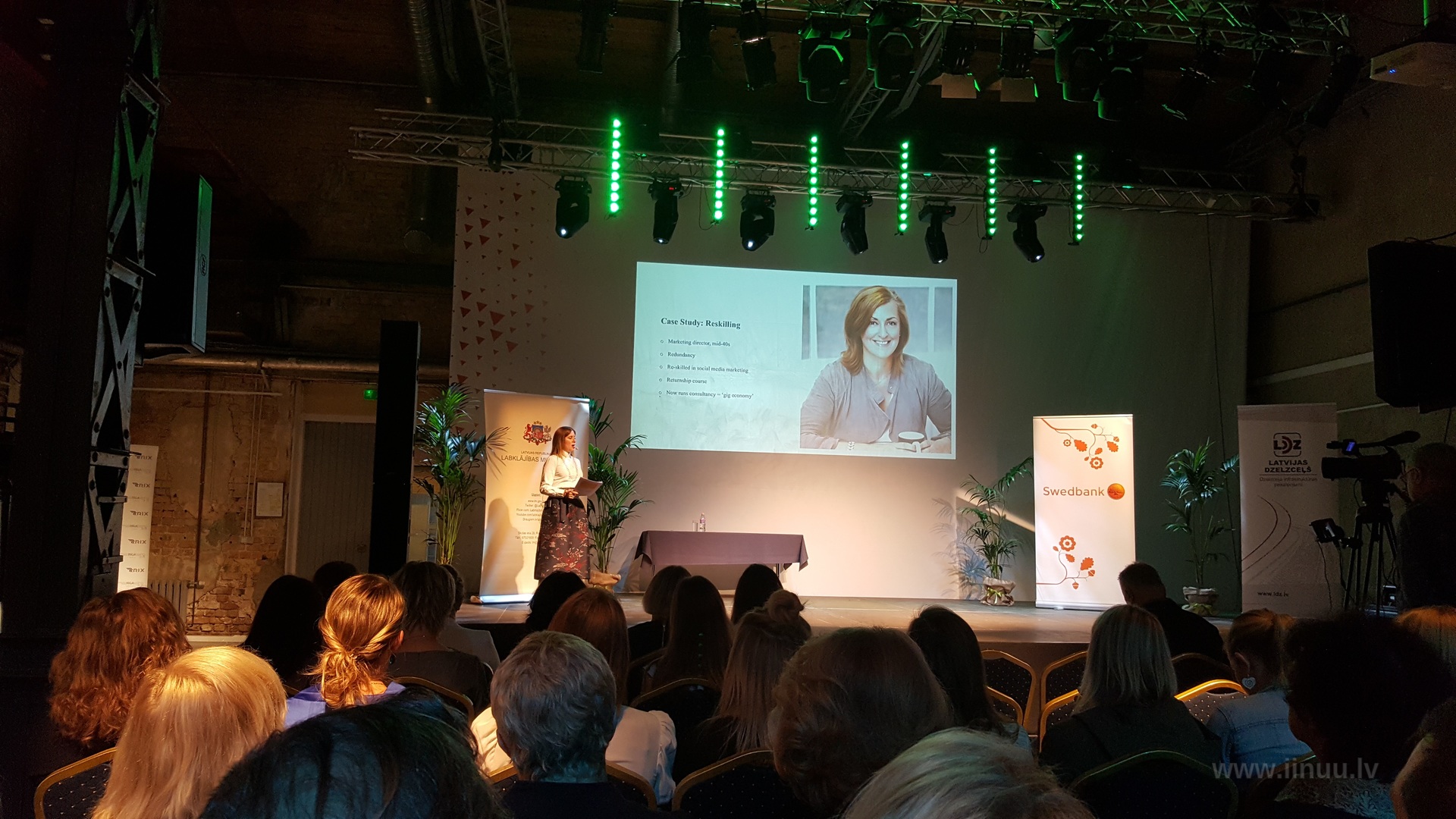
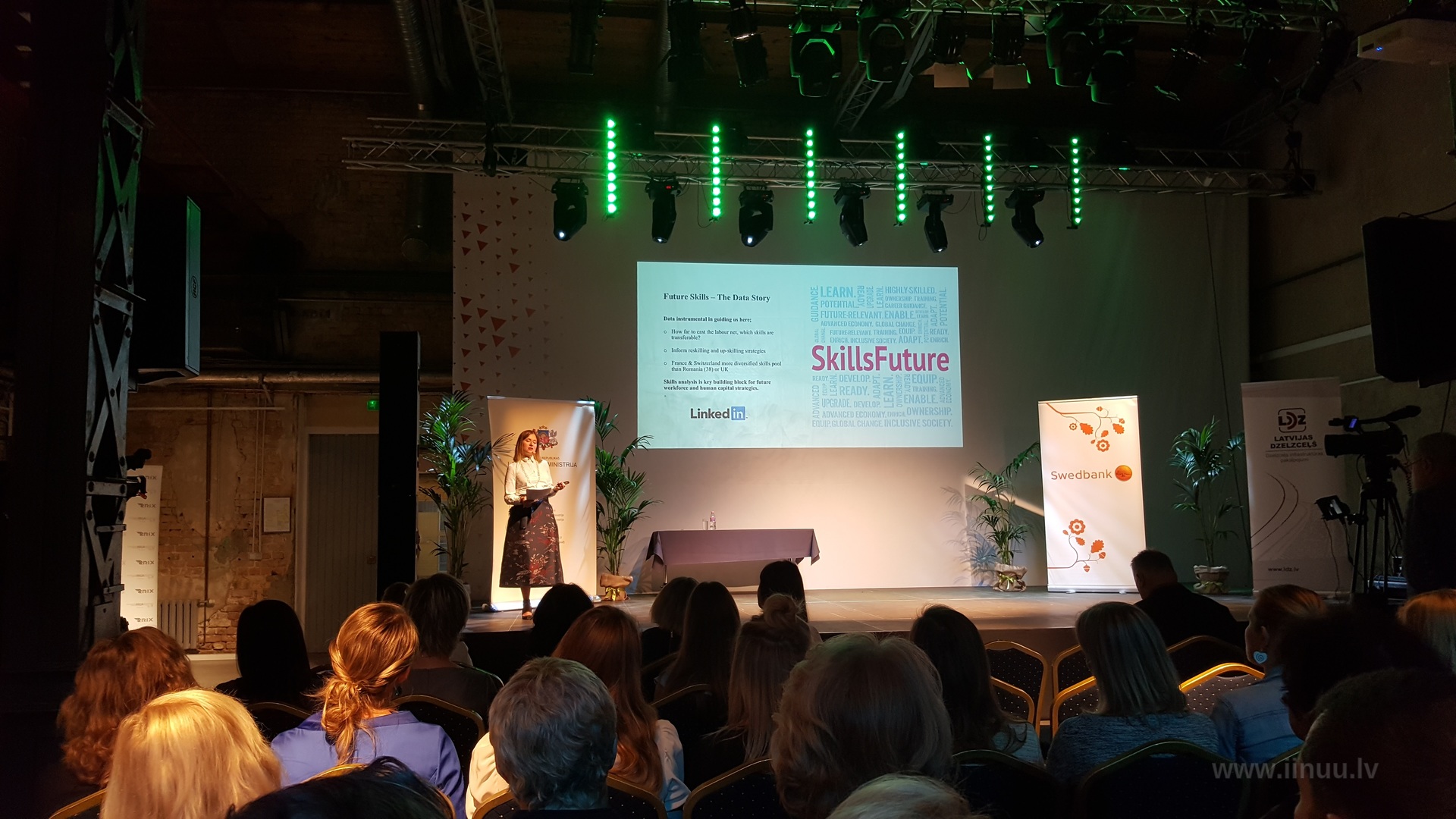
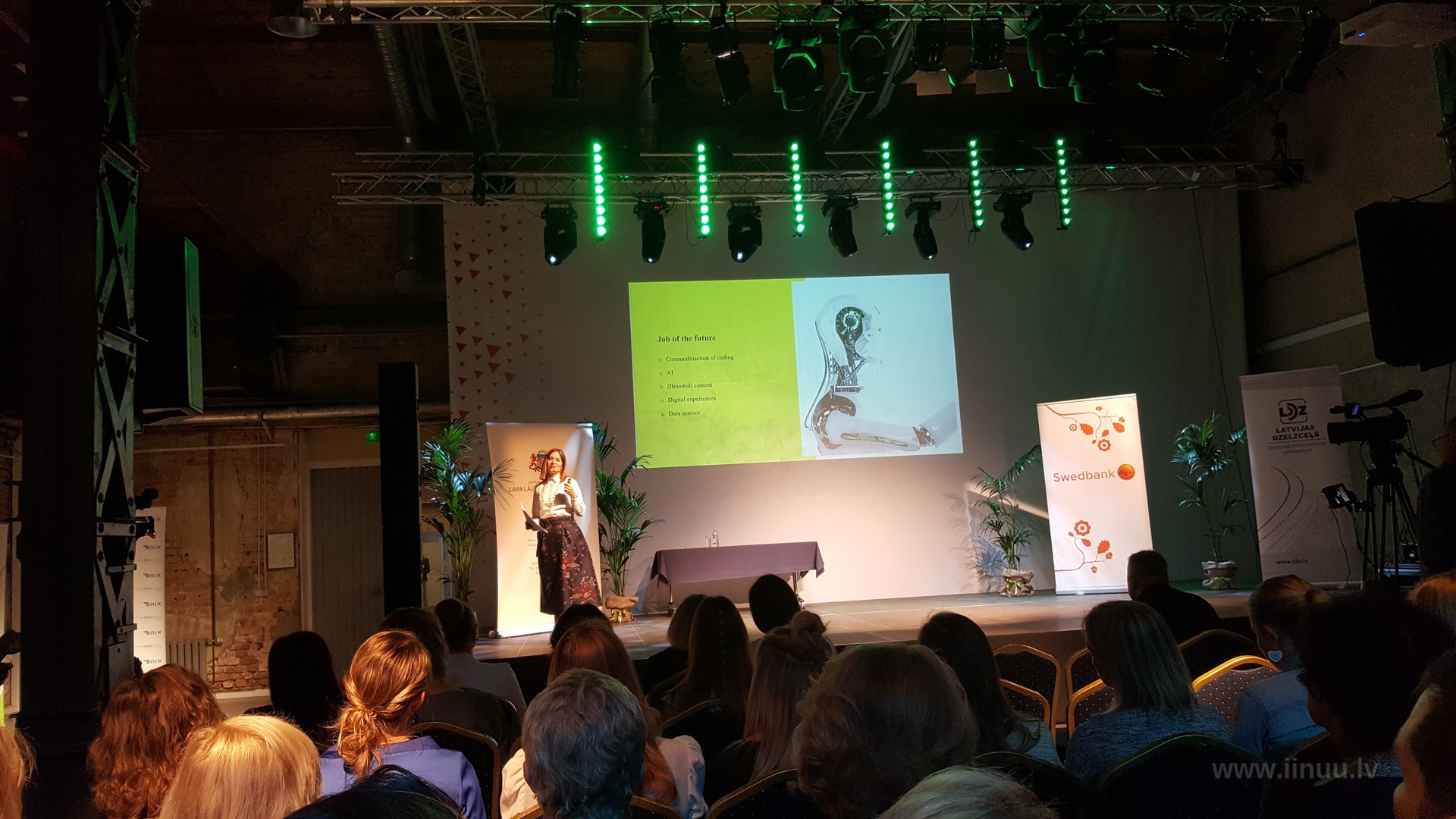
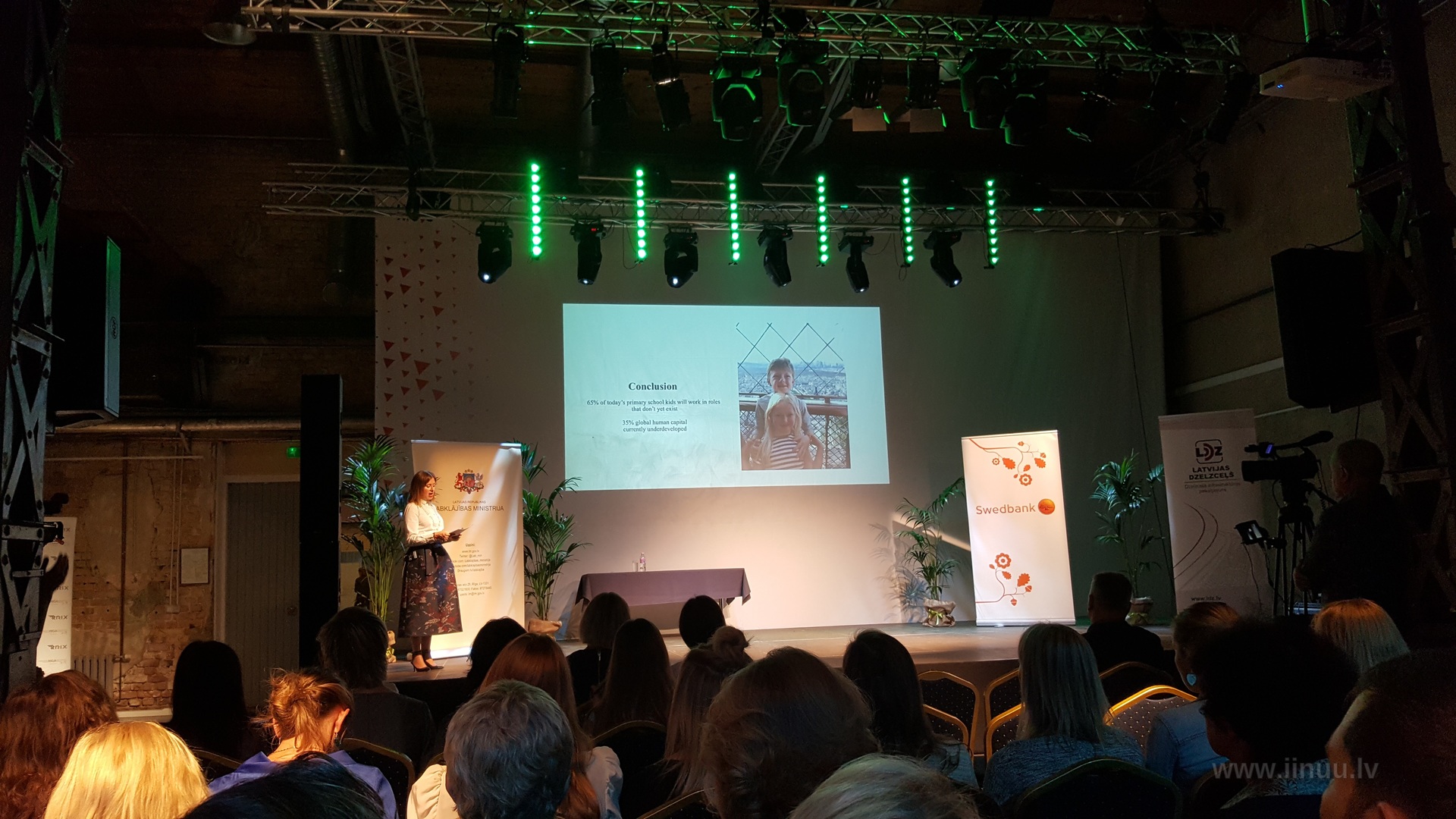
Interesting and thought-provoking was the address of Golin director Jane Fordham from the United Kingdom. She outlined future labour market trends and the skills that will be in demand. 65% of current primary school pupils will work in professions that do not exist today at all. So what must education and upbringing look like right now, if everything is changing so rapidly? The leading competencies will certainly be flexibility and adaptability, cognitive skills, and lifelong learning. She reminded the audience that the 21st-century economy is a "gig economy" - temporary work, remote work, and freelancers as an everyday phenomenon.
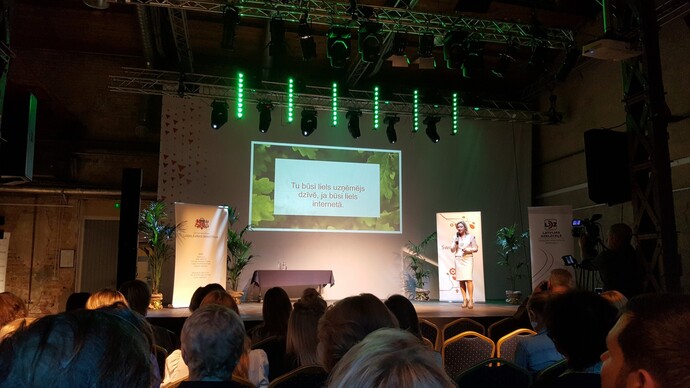
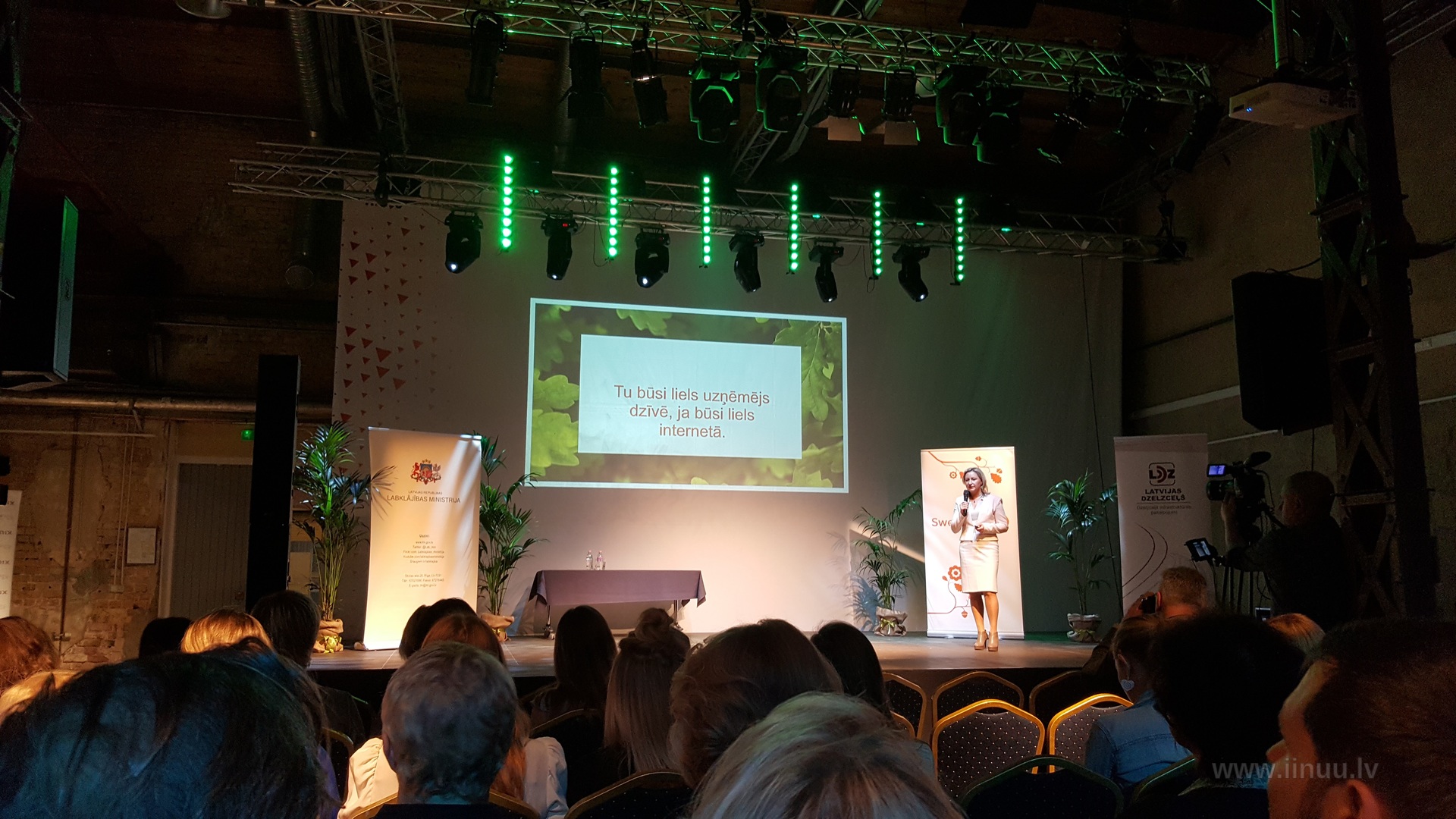
In Swedbank's view, no company in Latvia is small if it has big goals and big ideas to realise. Under Swedbank corporate management director Ieva Vīgante's statement I would gladly put my own signature: "You will be a big entrepreneur in life if you are big on the internet."
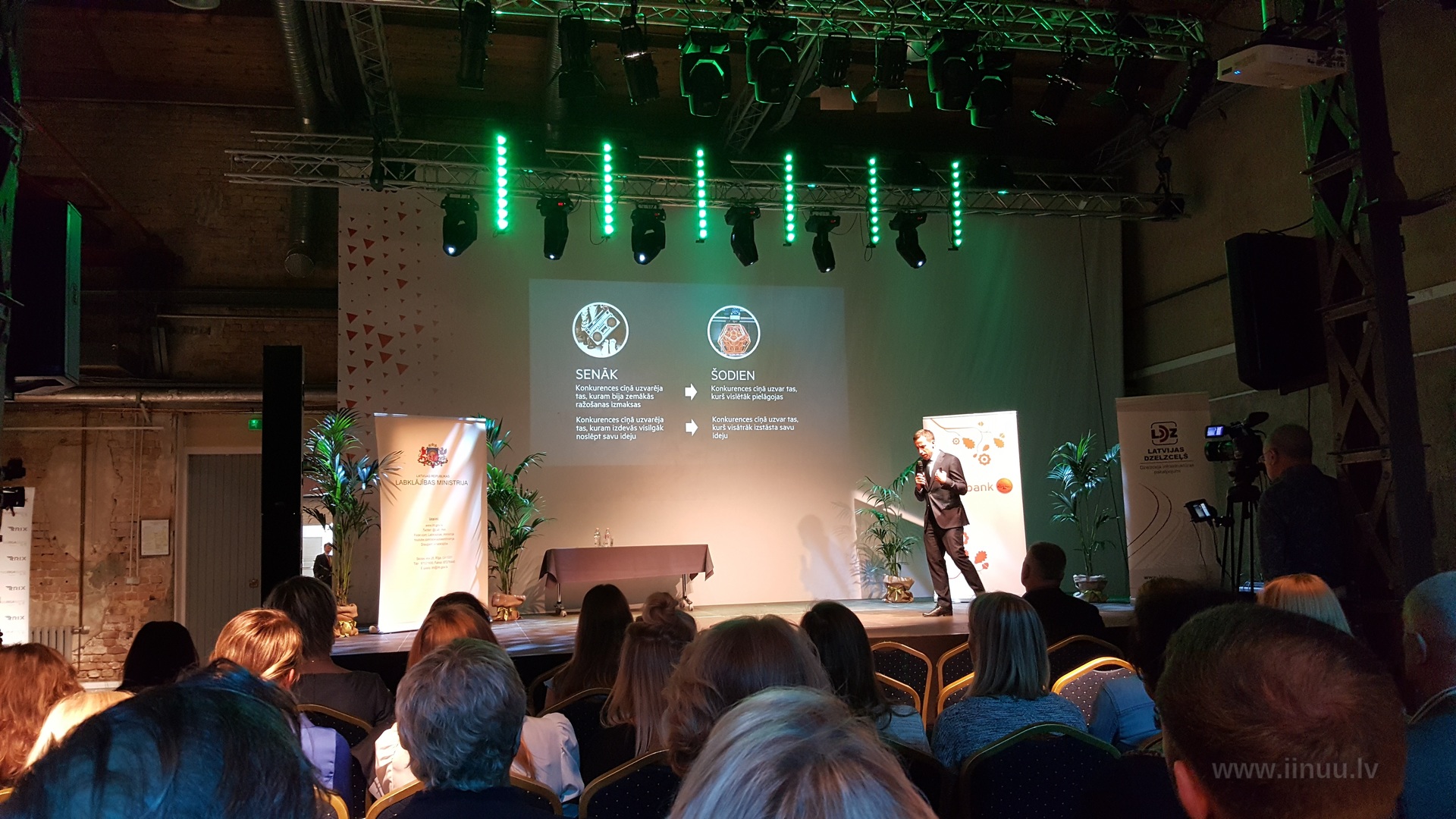
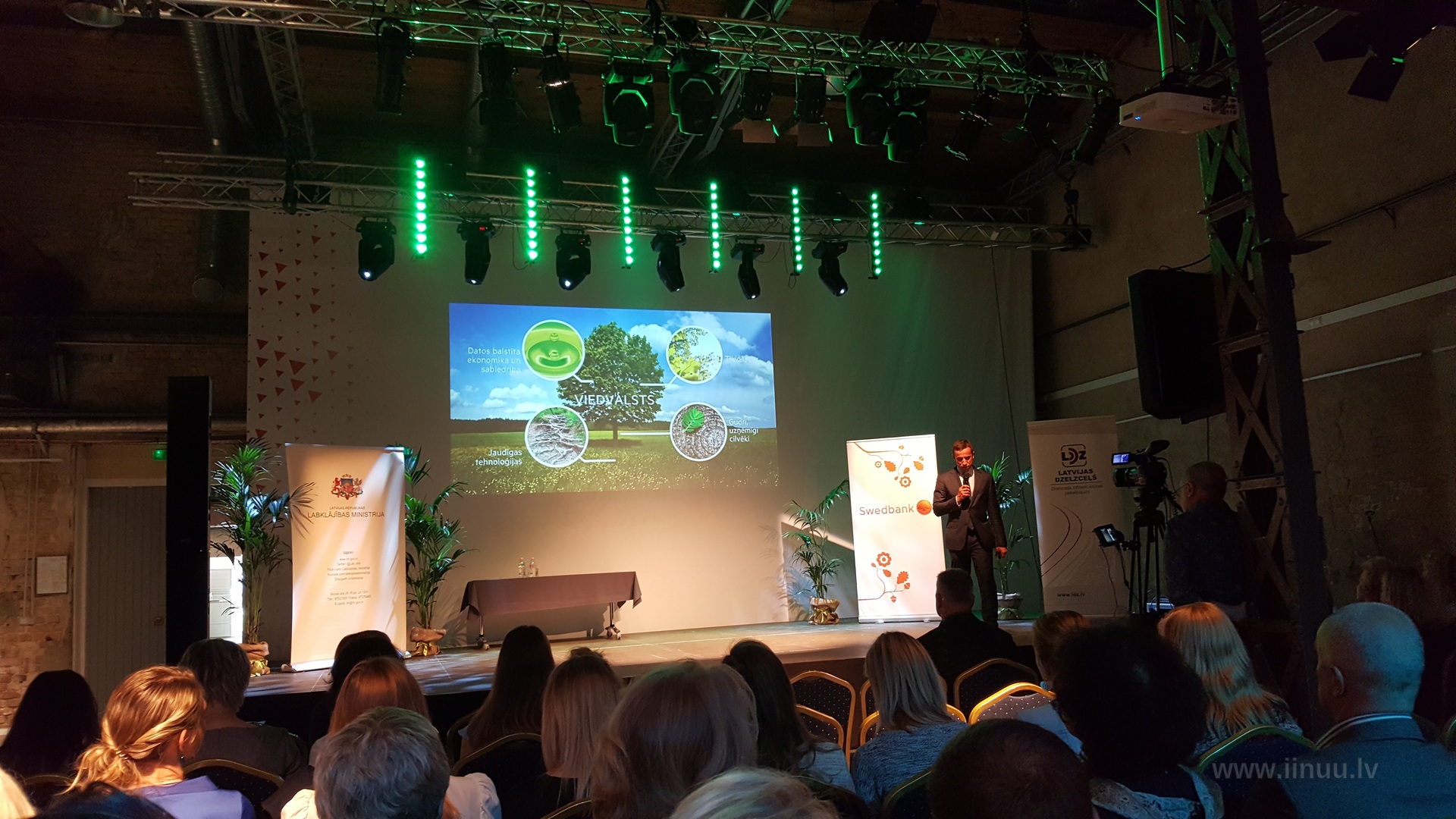
Engaging was the definition of Latvia as a smart state provided by LMT vice president Ingmārs Pūķis, encompassing four main foundational elements: a data-driven economy and society, powerful technologies, smart and enterprising people, and networking. Also compelling was the comparison of what competitive advantage meant in the past versus what it means today. For example, in the past, the one with the lowest production costs won the competitive battle. Today, the one who adapts most cheaply wins. I look forward with anticipation to LMT's new solution in partnership with Waze for determining parking occupancy in the city.


comments