To the Museum - Not Only on Museum Night
The thermometer had almost climbed to +30 degrees, and visiting a museum in such weather is more of an exception than a usual occurrence. Yet it turned out to be a thoroughly engaging and pleasantly surprise-filled outing. Let us start with the fact that last Sunday the permanent exhibition at the renovated Latvian National Museum of Art and at the Riga Bourse could be viewed for free.
We only found out about this at the ticket desk. It turns out that for all visitors, the permanent exhibition is free on the last Sunday of every month.
Latvian National Museum of Art
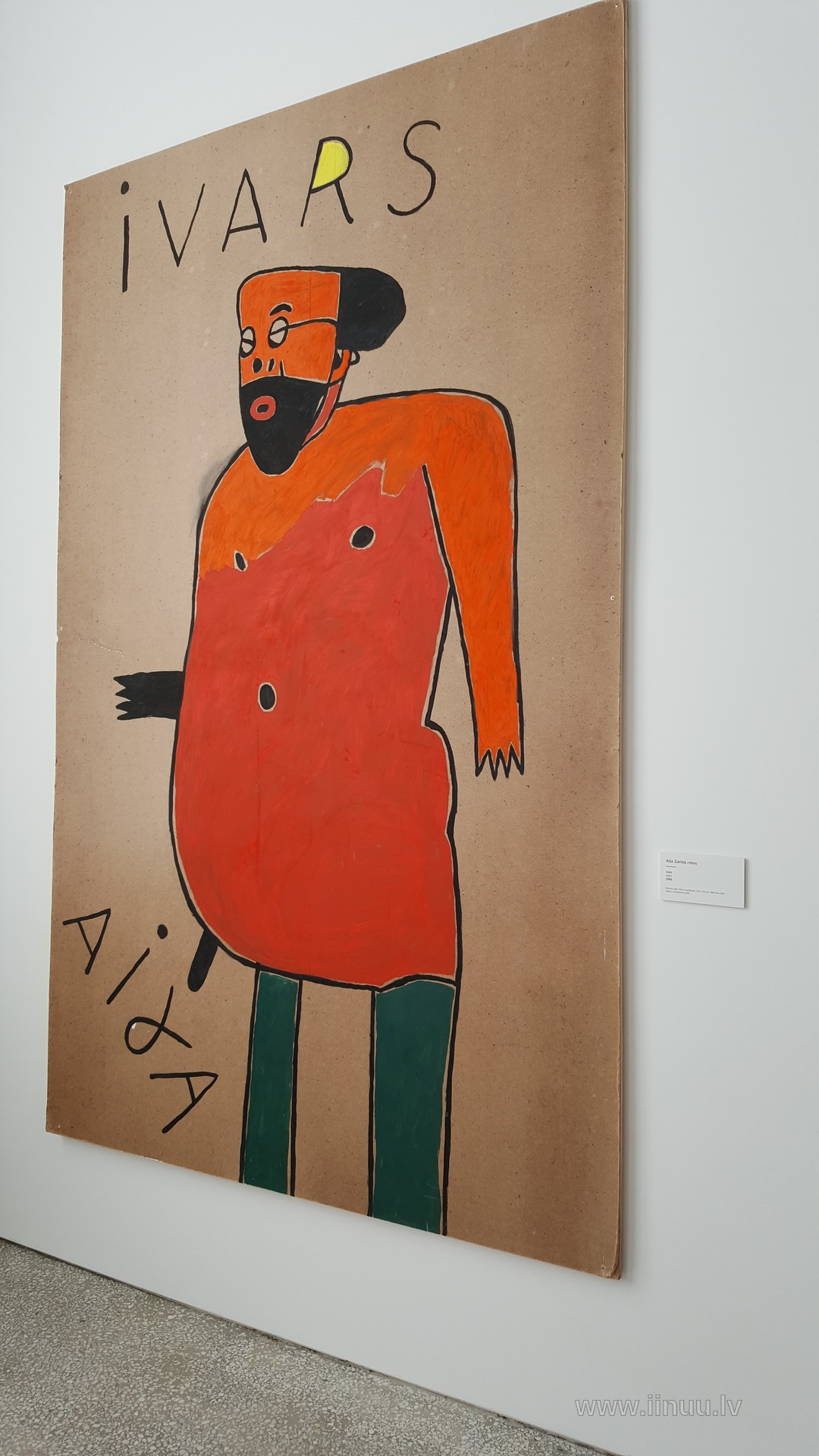
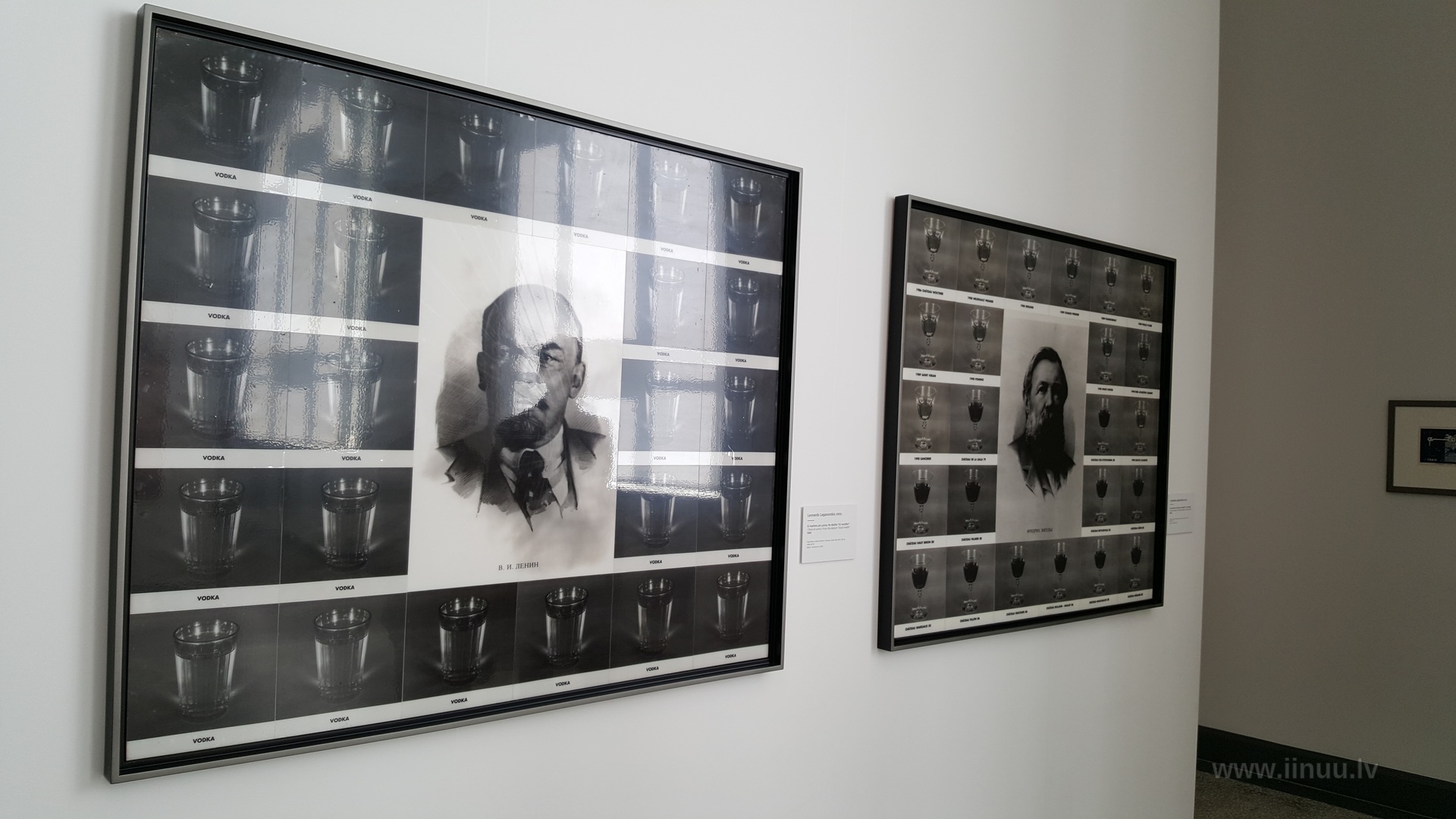
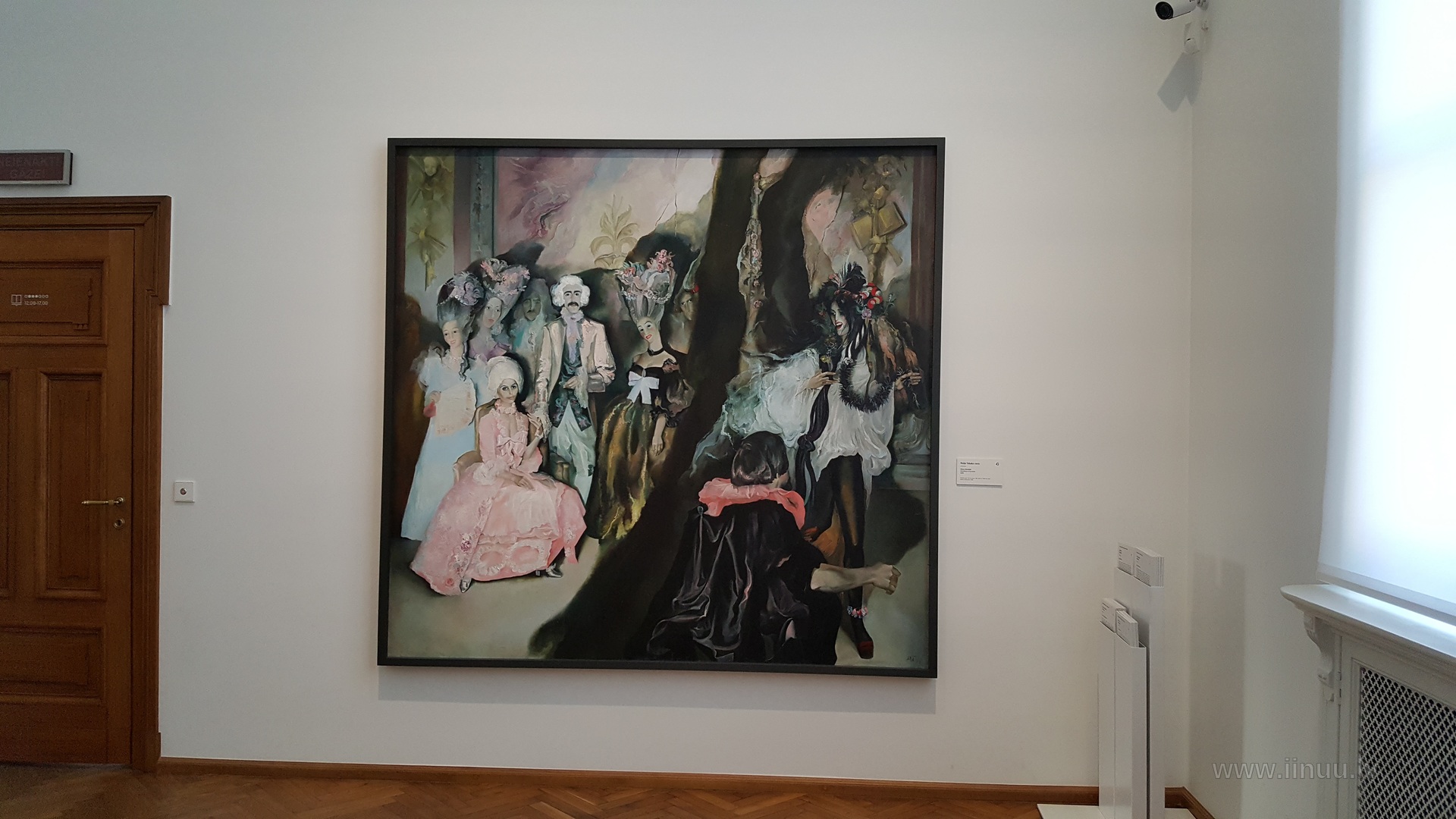
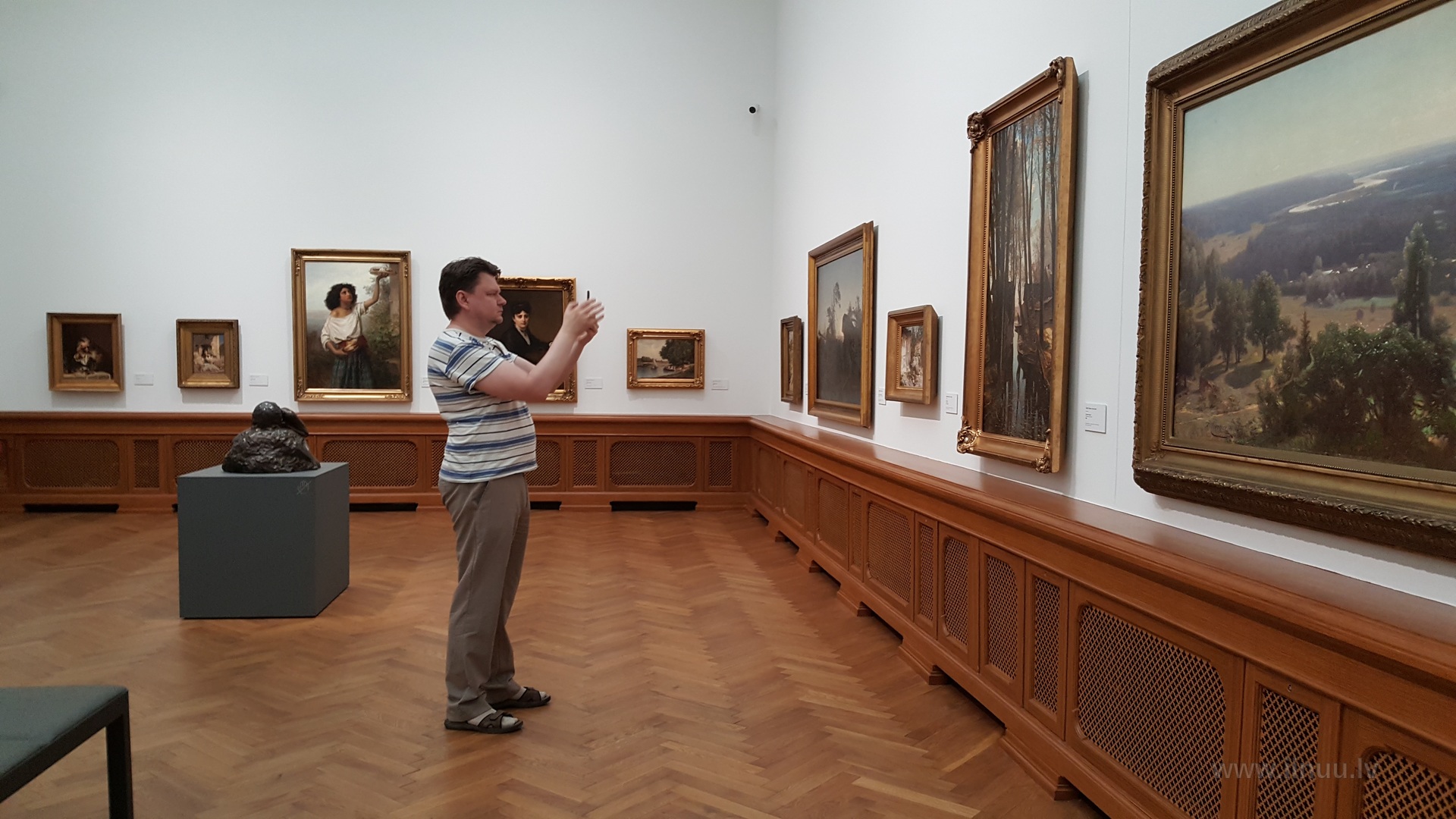
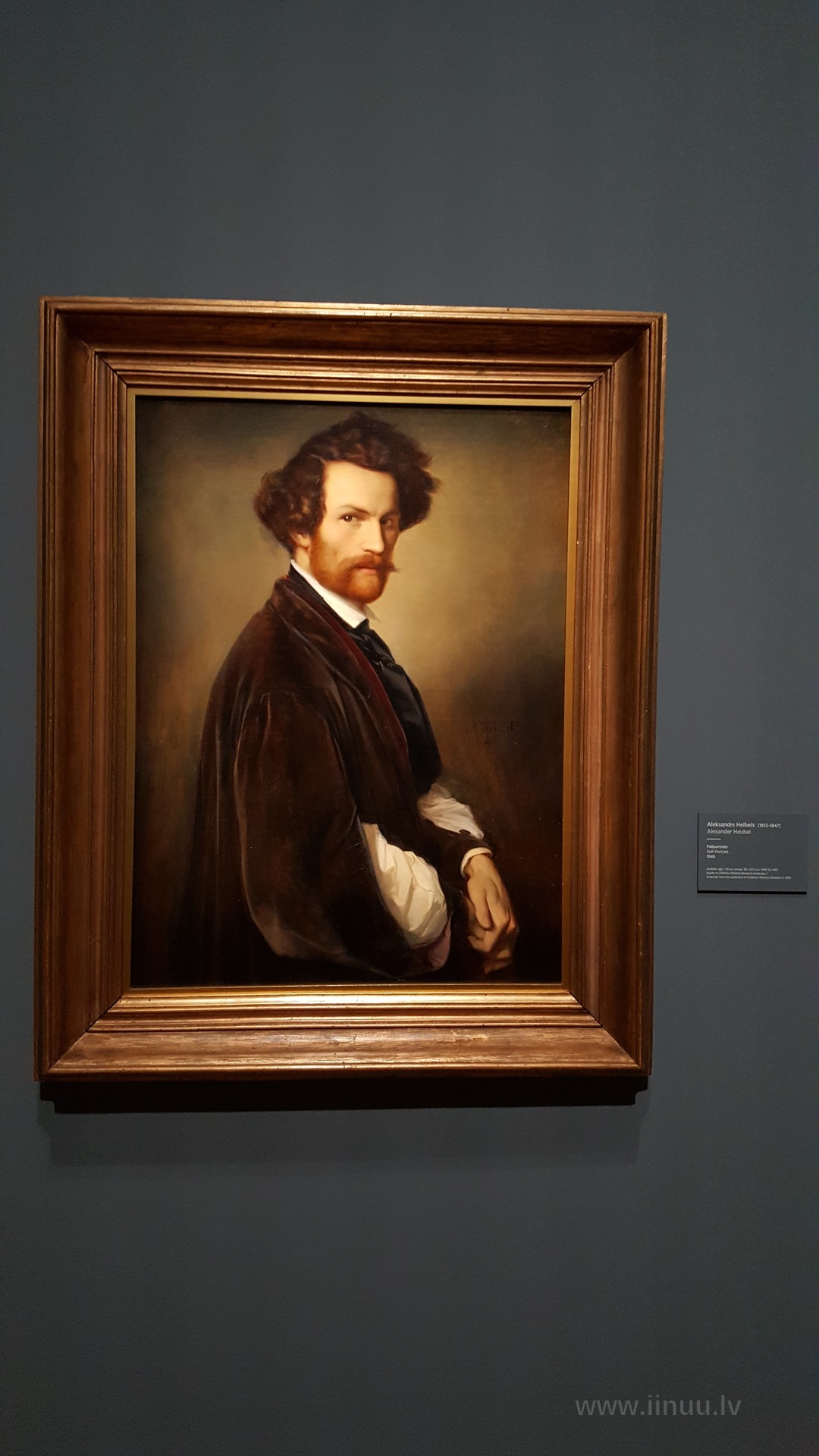
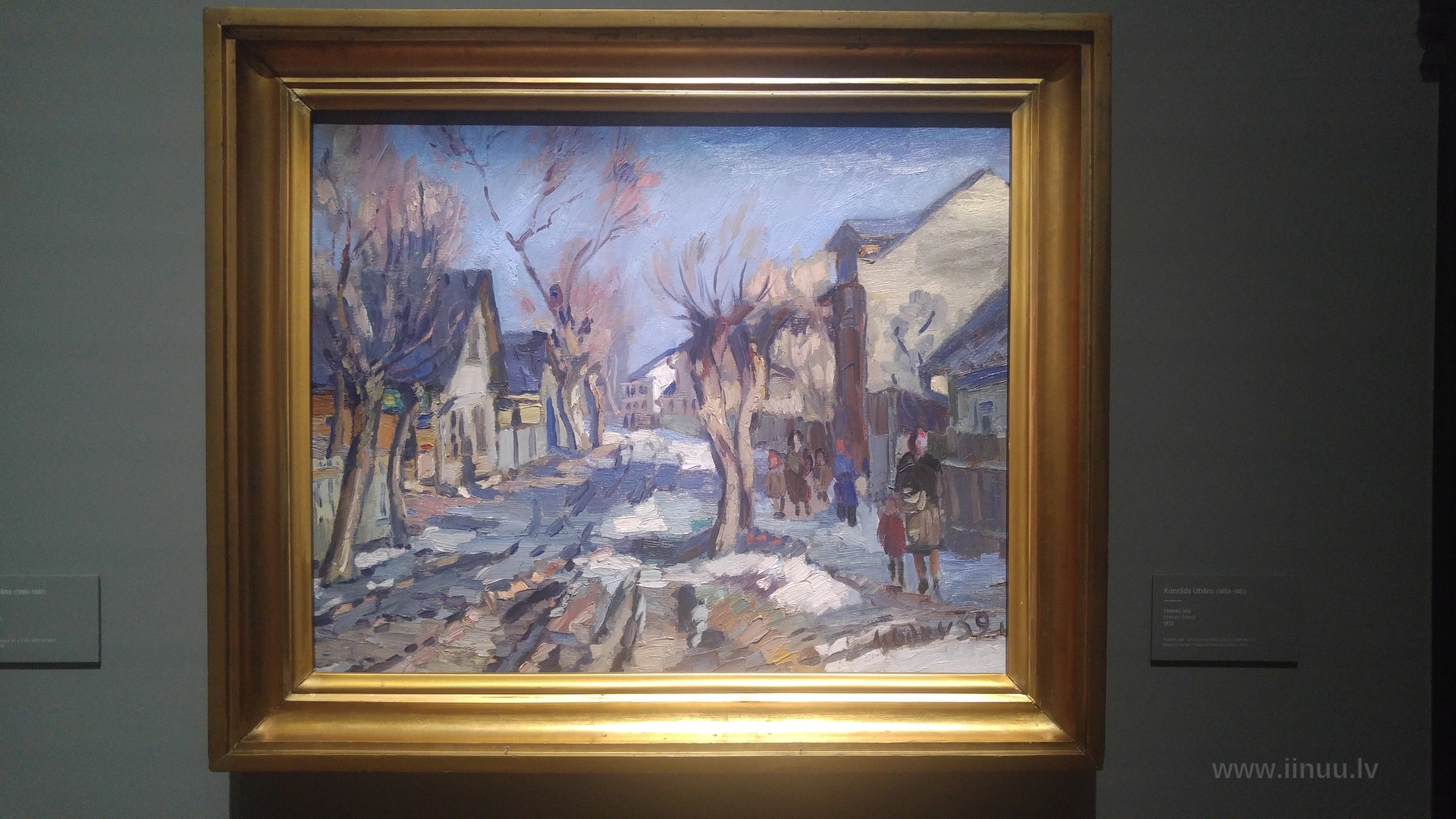
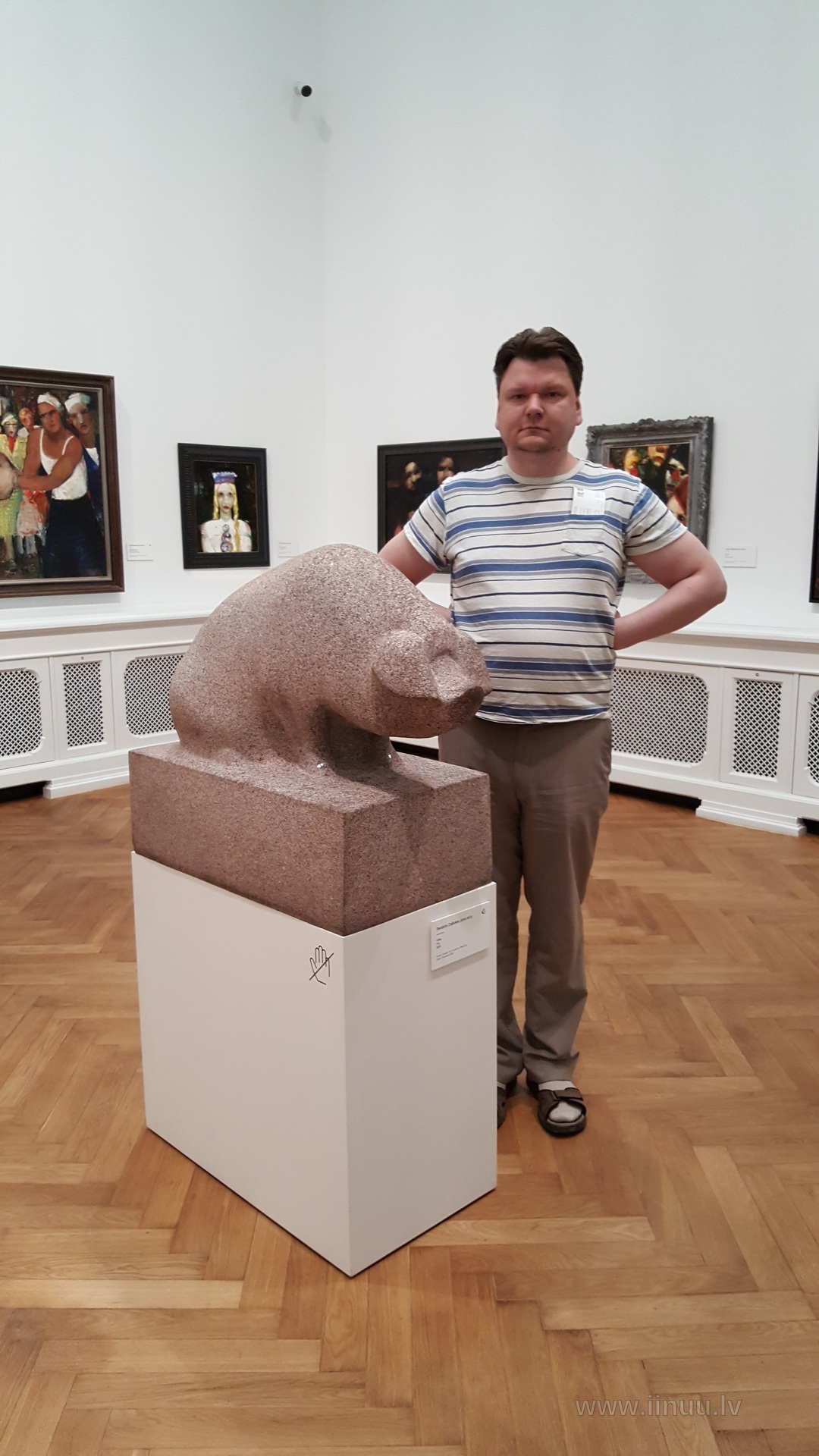
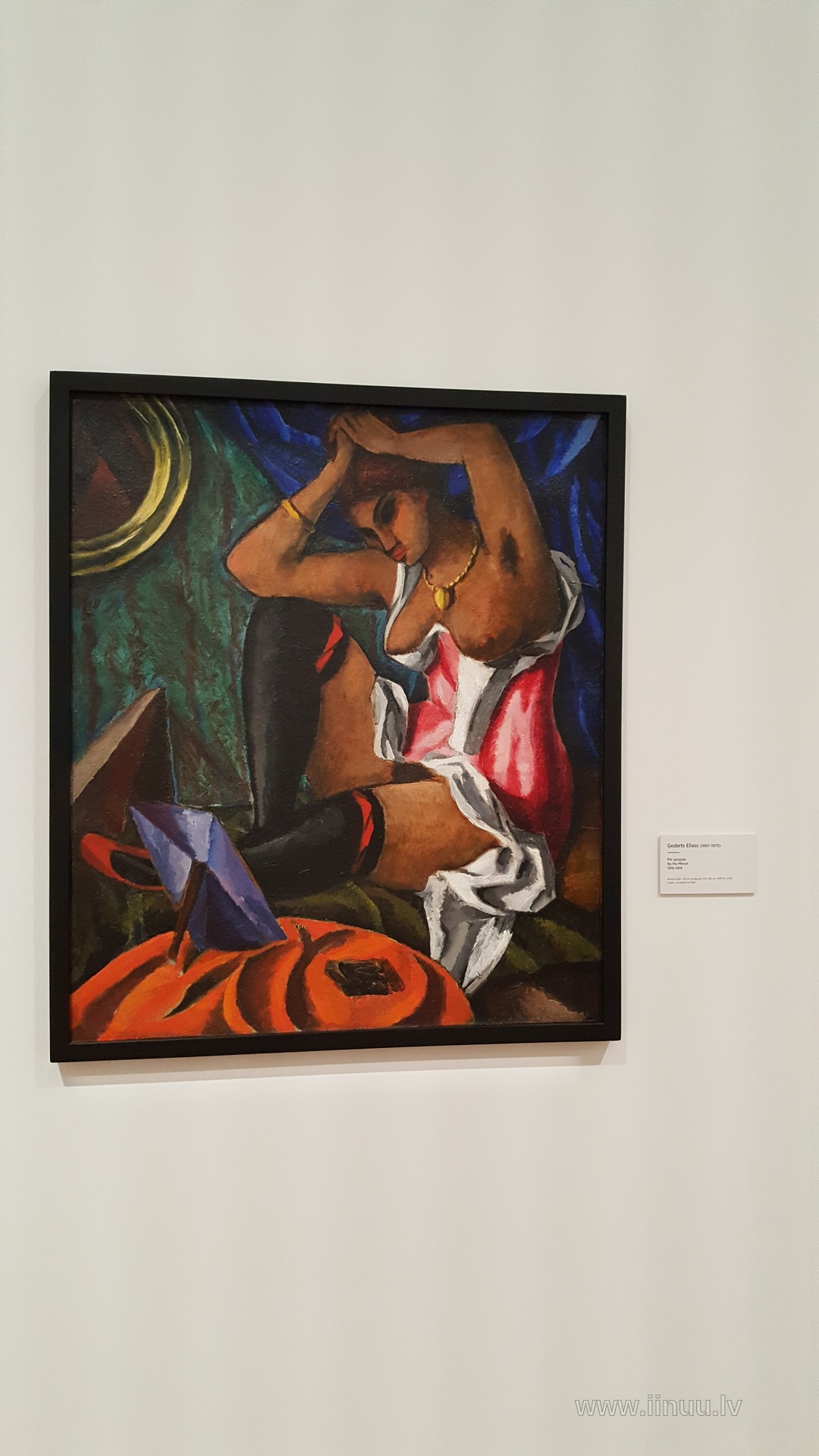
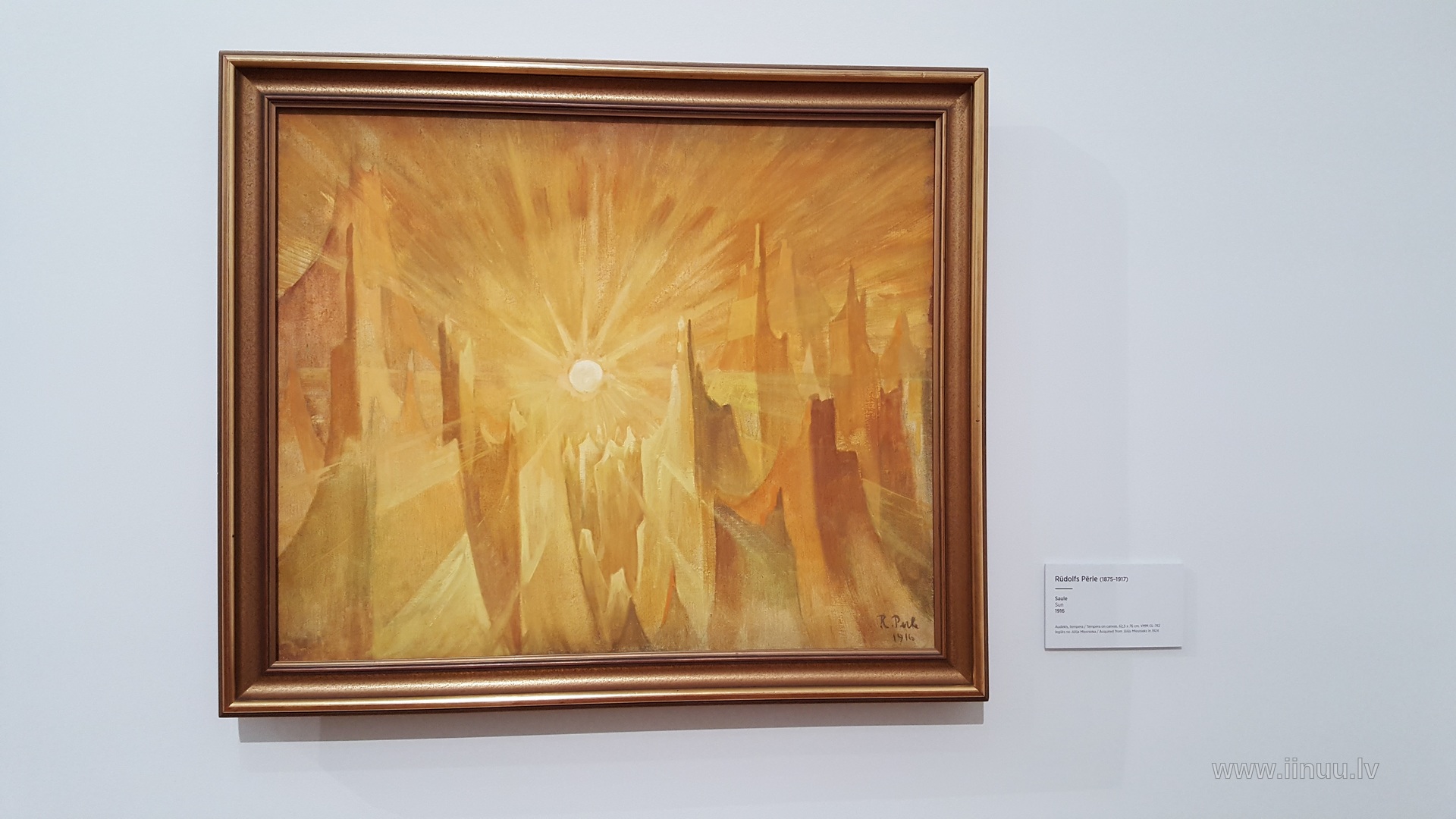
Having waited for the excitement to die down and the queue of interested visitors at the museum's entrance to dwindle to nothing, we set off on Sunday to enjoy art. And at the same time to appreciate the spaces. We feasted our eyes on the works of Latvia's old masters. With interest we viewed the works of young Latvian artists - paintings and installations presented in the exhibition under the heading "neo-expressionism."
Harsh, direct, cynical works by the artist Andris Breže. Once in my student days I copied his daring verses into a modest notepad. It seemed to me: now there is the guts to write like that. I did not know at the time that Žebers was the pseudonym of Andris Breže. For younger blog readers I should explain - in those days students still copied lecture notes by hand, rewriting whole blocks of text. The better-off reproduced them on the processed remains of felled trees. Back then - in the bittersweet 1990s.
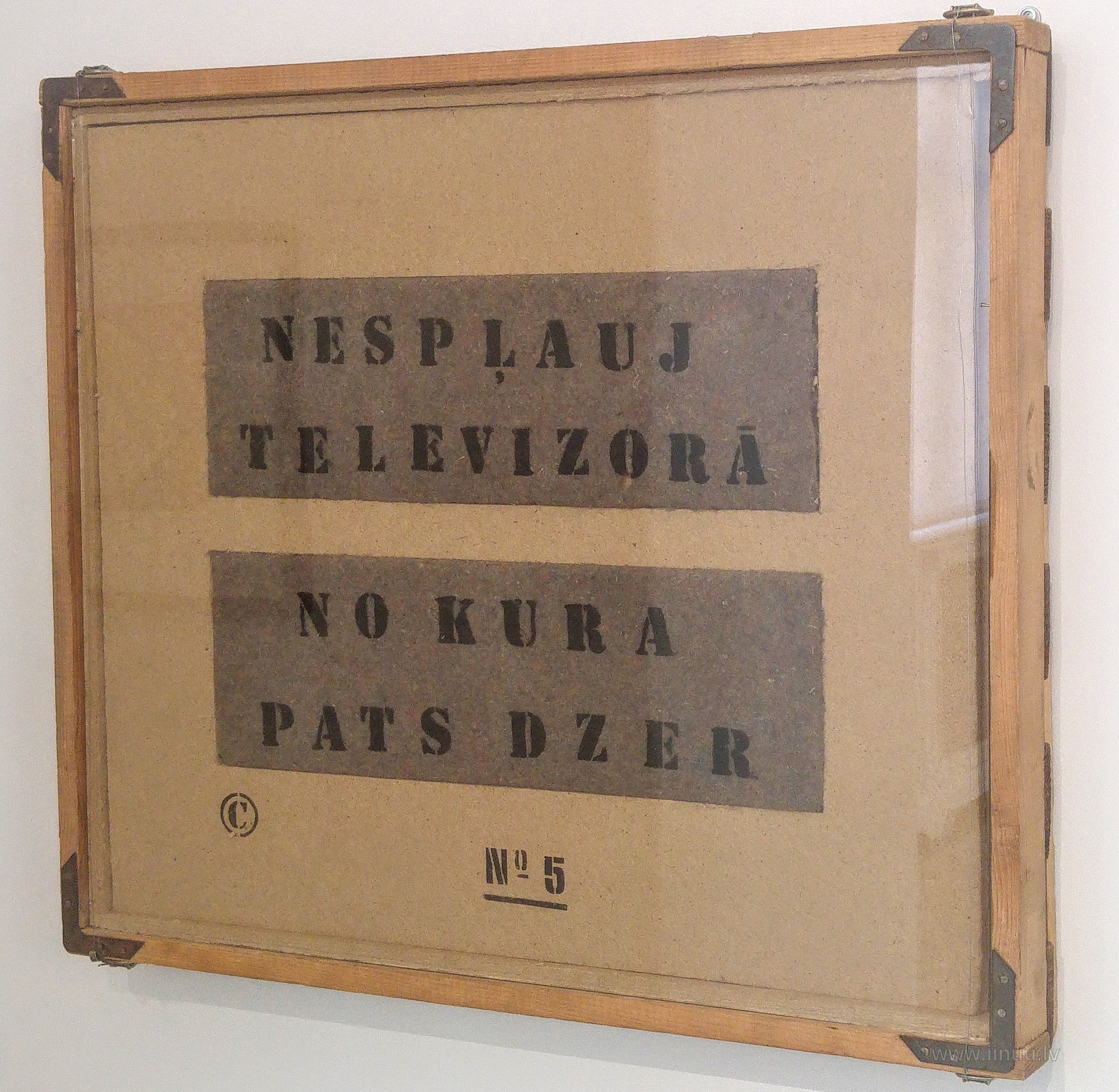
At the far end of the exhibition hall corridor, right at the centre, stands the artist's work "Masters of the Earth" - two massive sculptures holding a spade and a scythe. The handles of both tools are made from neon tubes, as if burning the masters' palms. Nearby, a quote box with a wise reminder: "Don't spit at the TV you drink from."
What we liked about the museum:
- At long last, in a Latvian museum one is allowed to take photographs, share impressions on social media, and no grumpy attendant will tell you off for "stealing art;"
- Interactive touchscreens in every exhibition hall with clear, easily navigable information about the works and artists (one actually wants to read it);
- Courteous and smiling staff who give the impression that they are genuinely glad to welcome you into the house, who explain, assist, point out, and recommend (everyone - from the ticket seller at the entrance to the security guard);
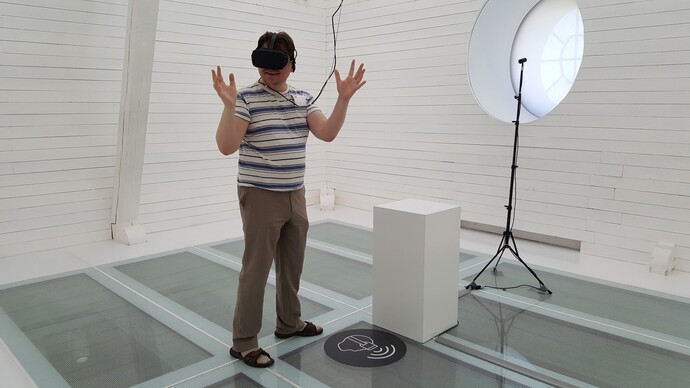
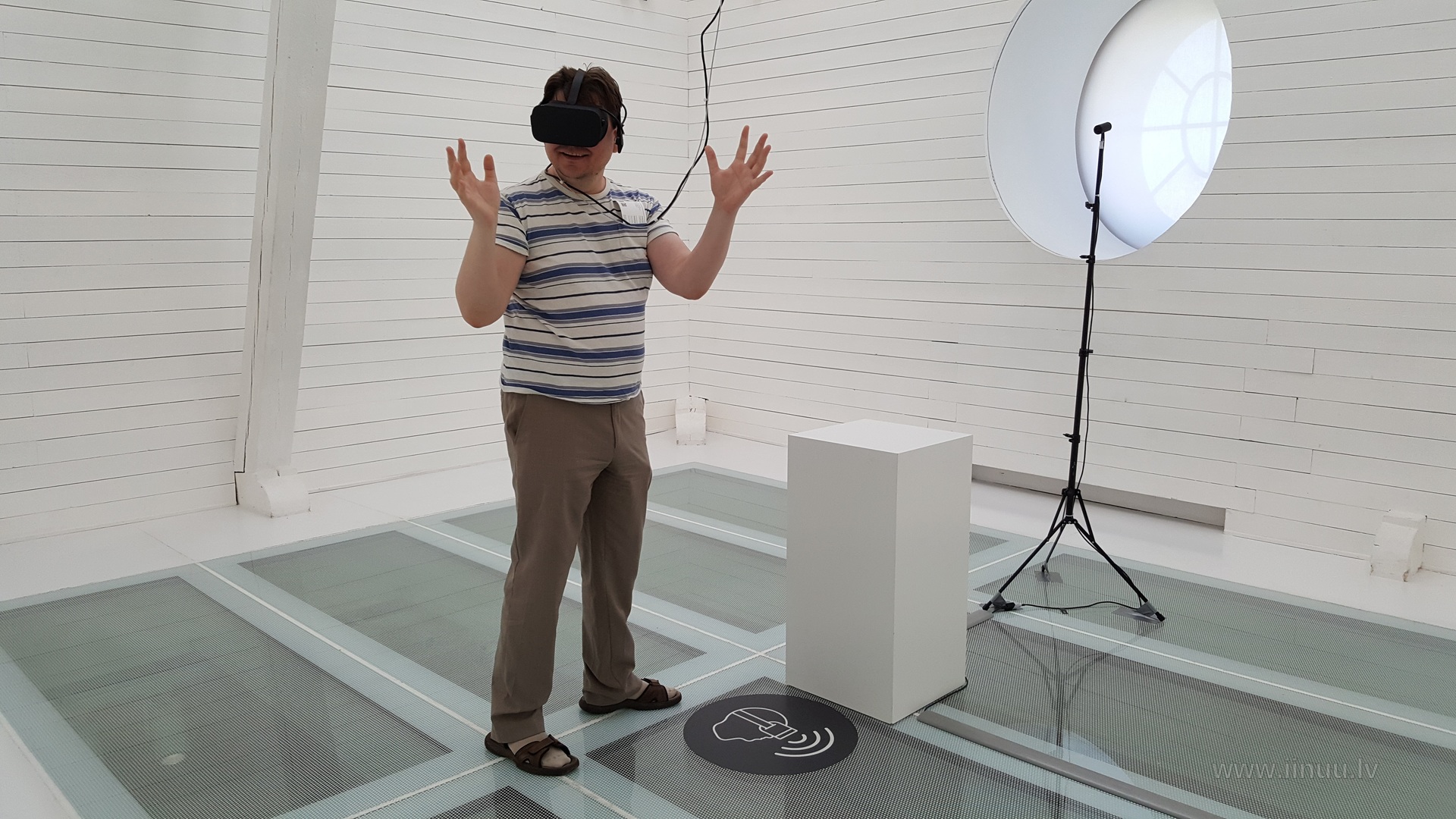
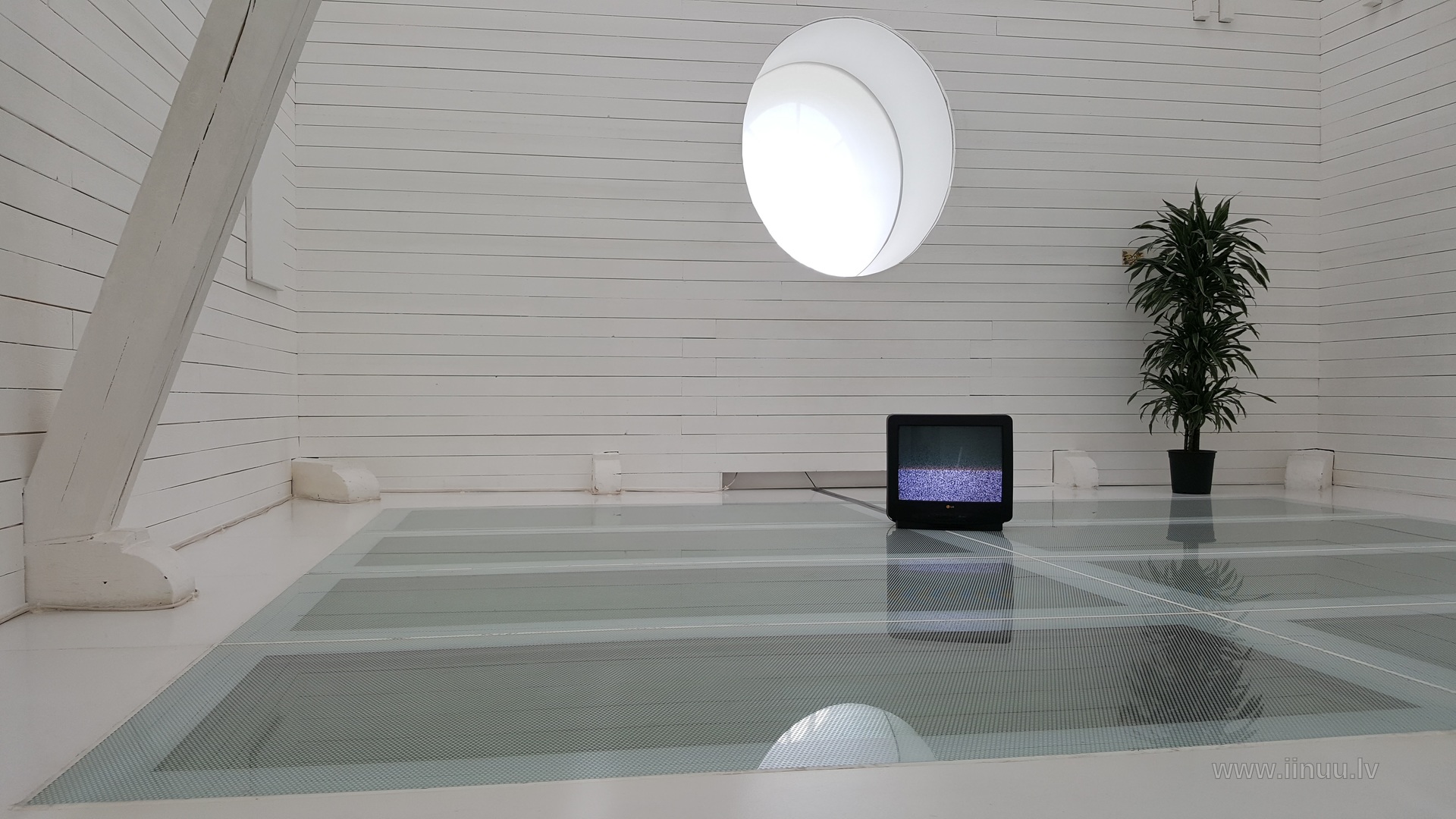
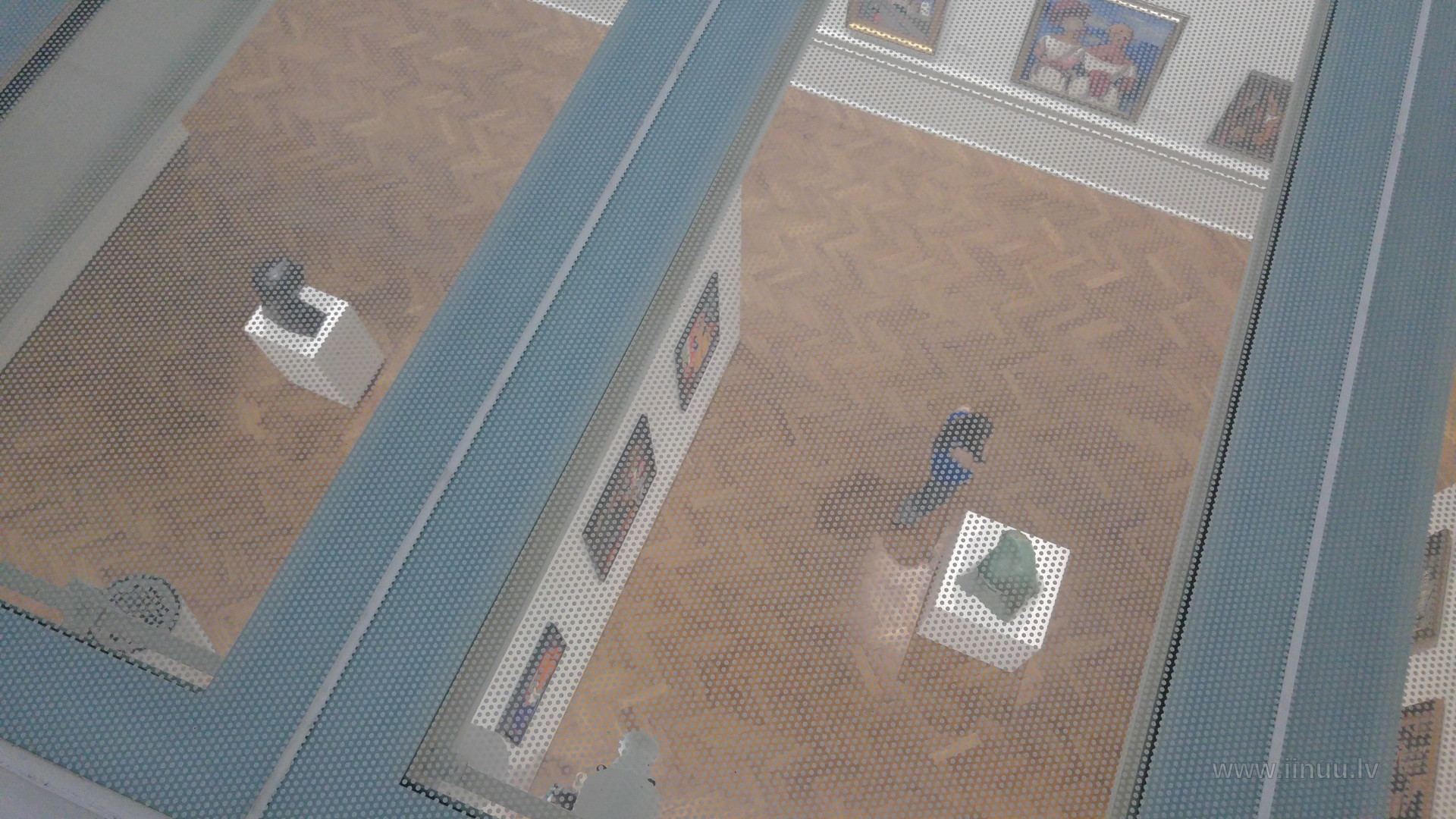
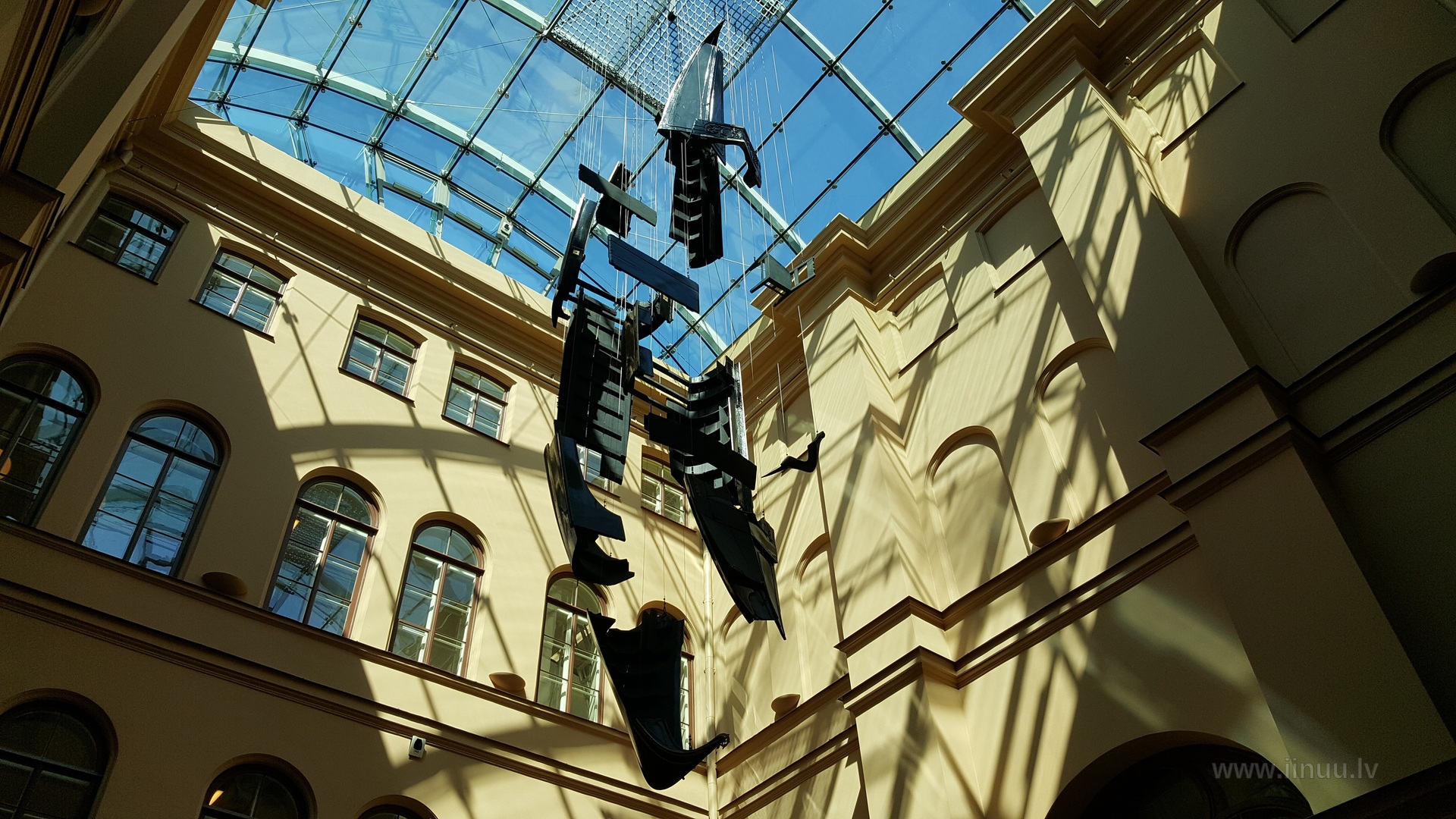
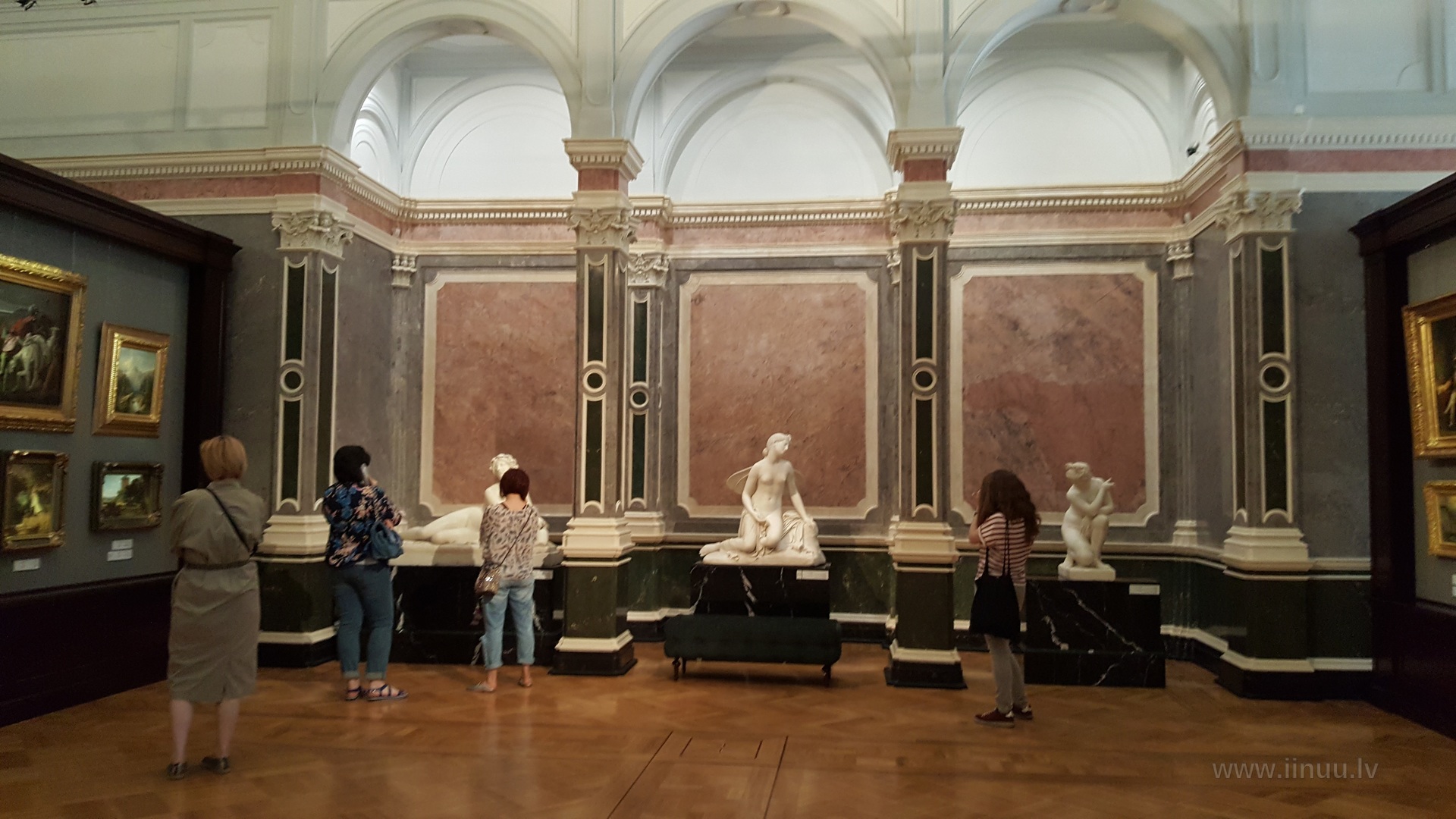
- The white fourth-floor exhibition hall with a glass floor and an adrenaline rush when one takes tentative steps on the transparent surface and looks down at the classical works placed some five or six metres below in the classical hall with its wooden parquet;
- Virtual reality glasses - a glimpse into the future (perhaps this is exactly how, in a few decades, we will walk around and view art objects in a virtual environment);
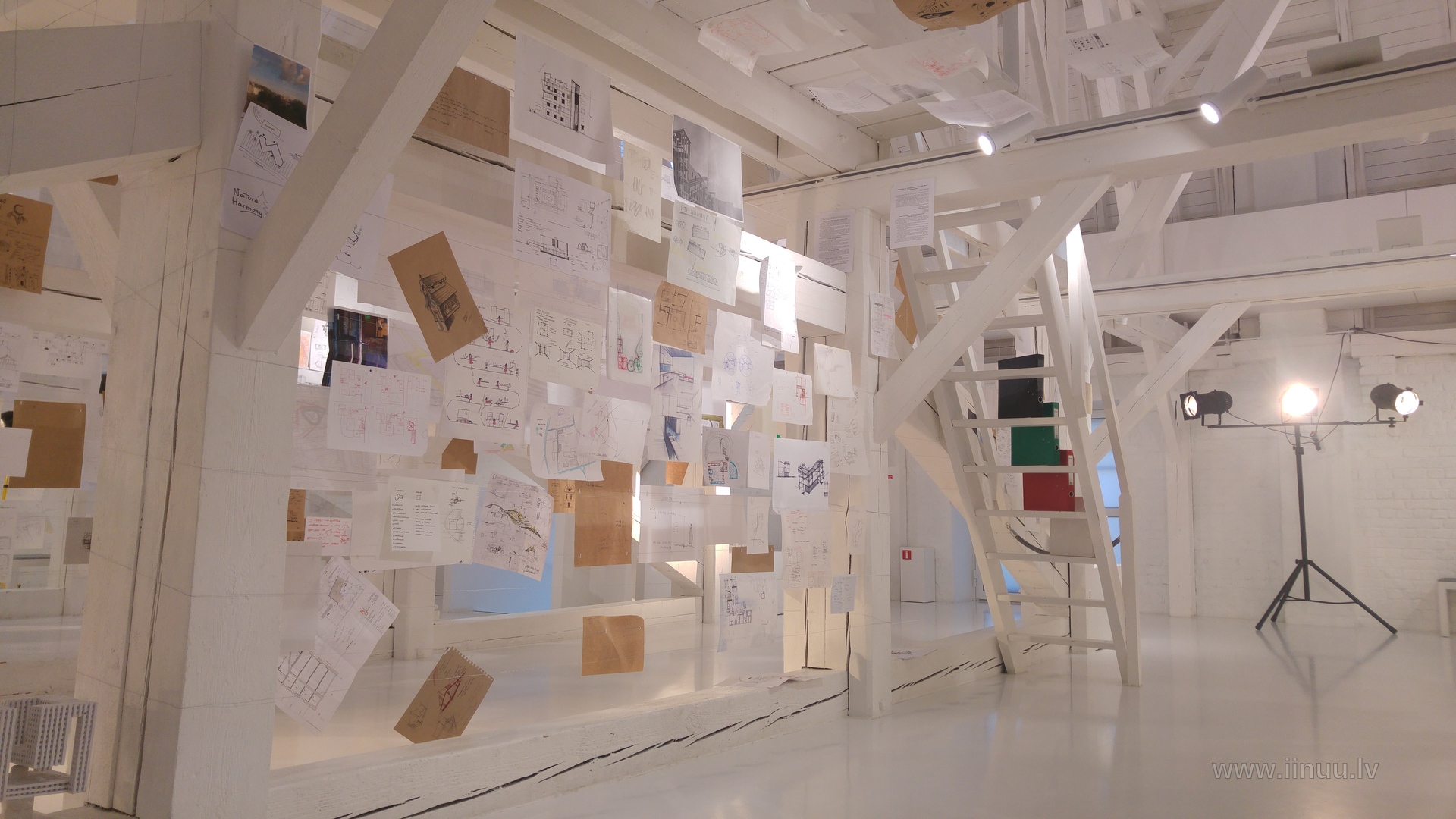
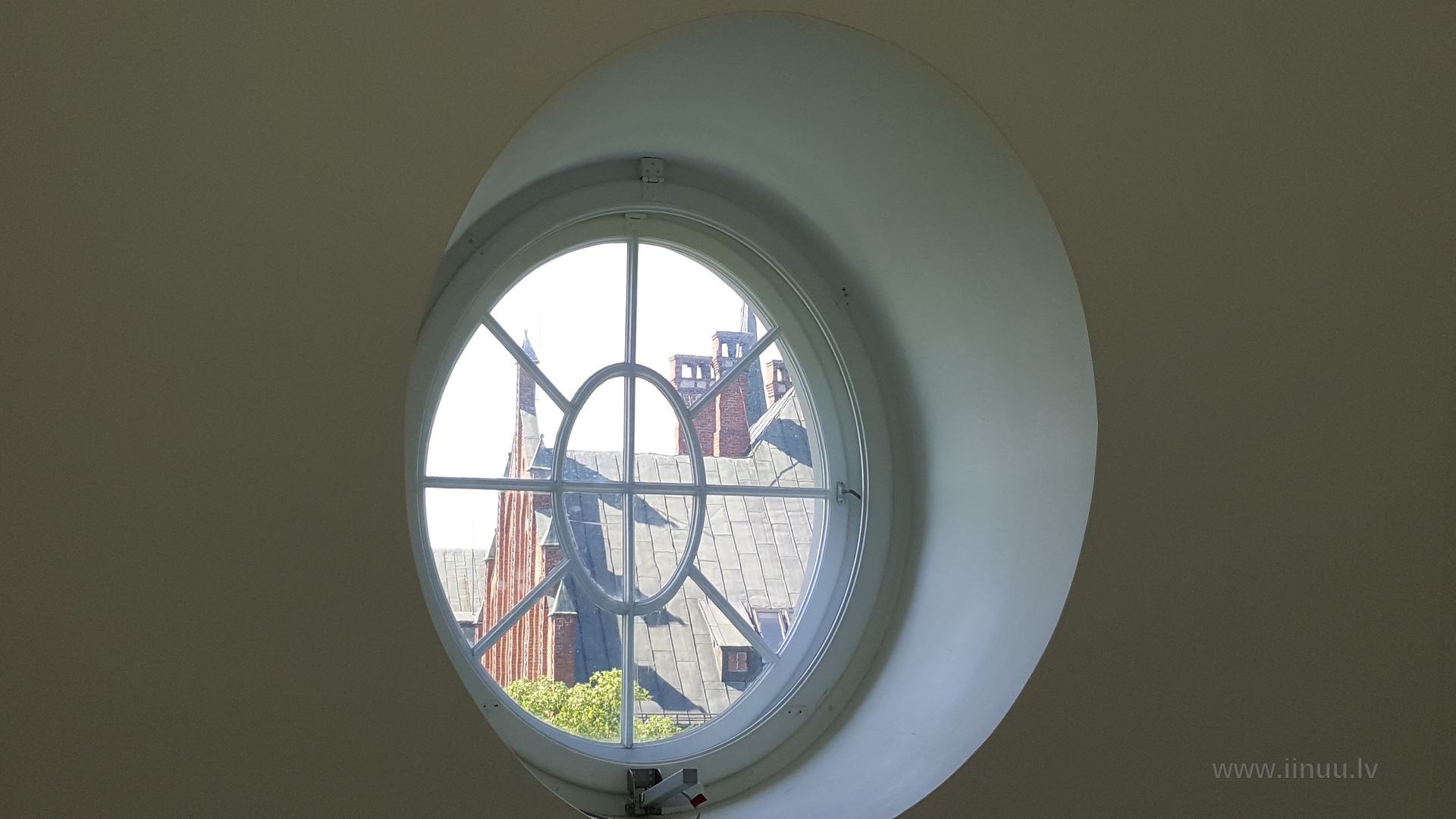
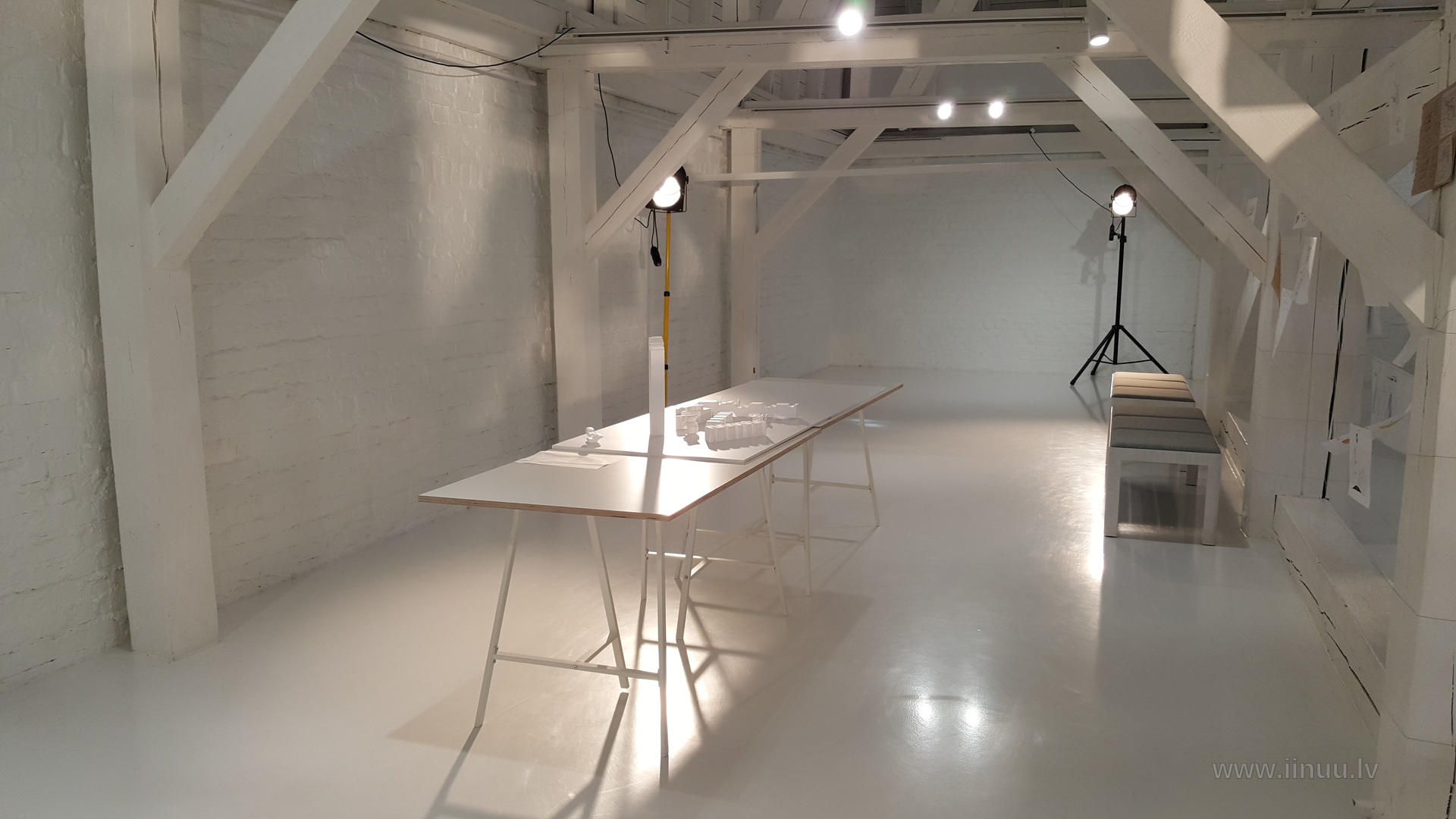
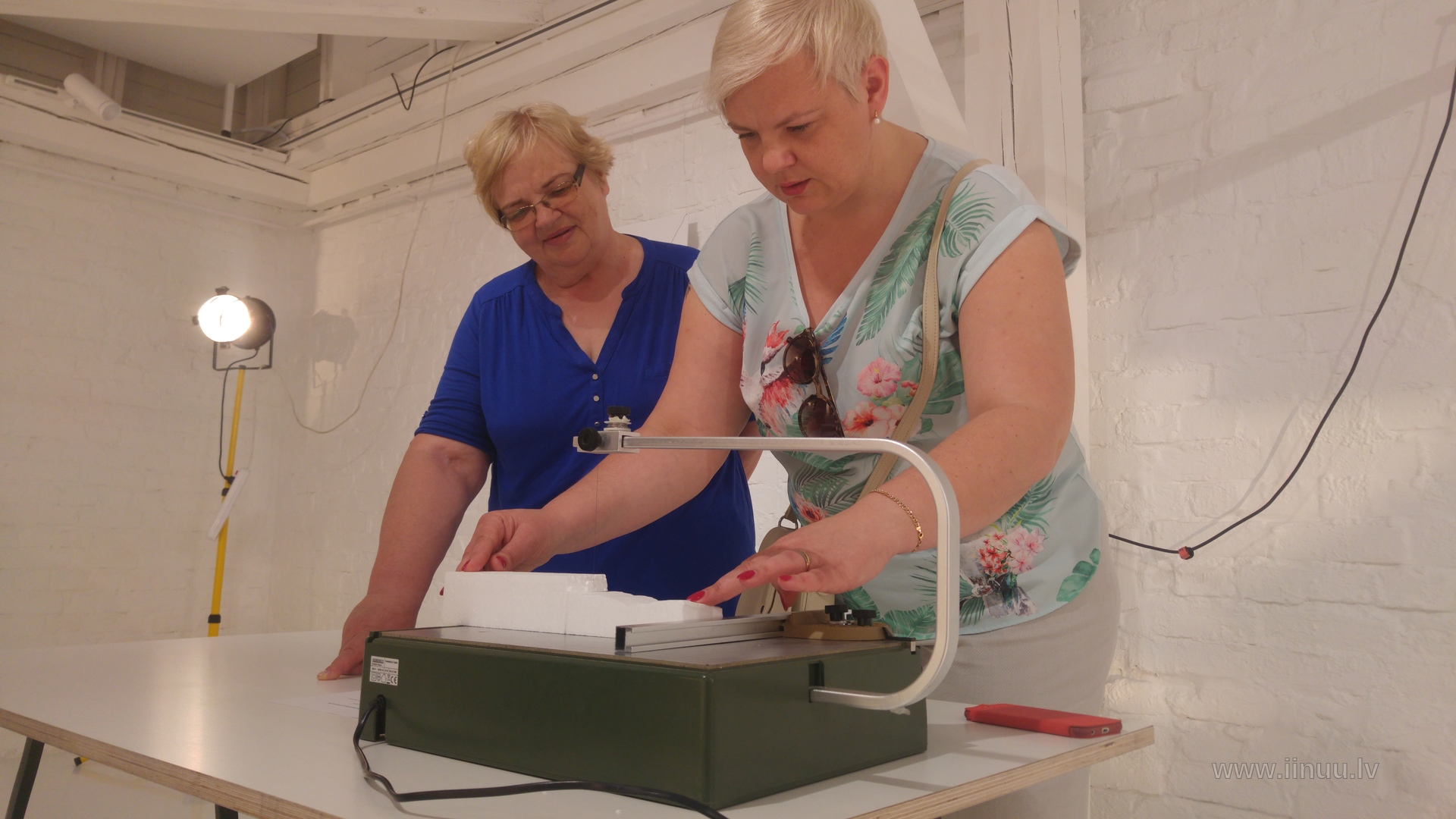
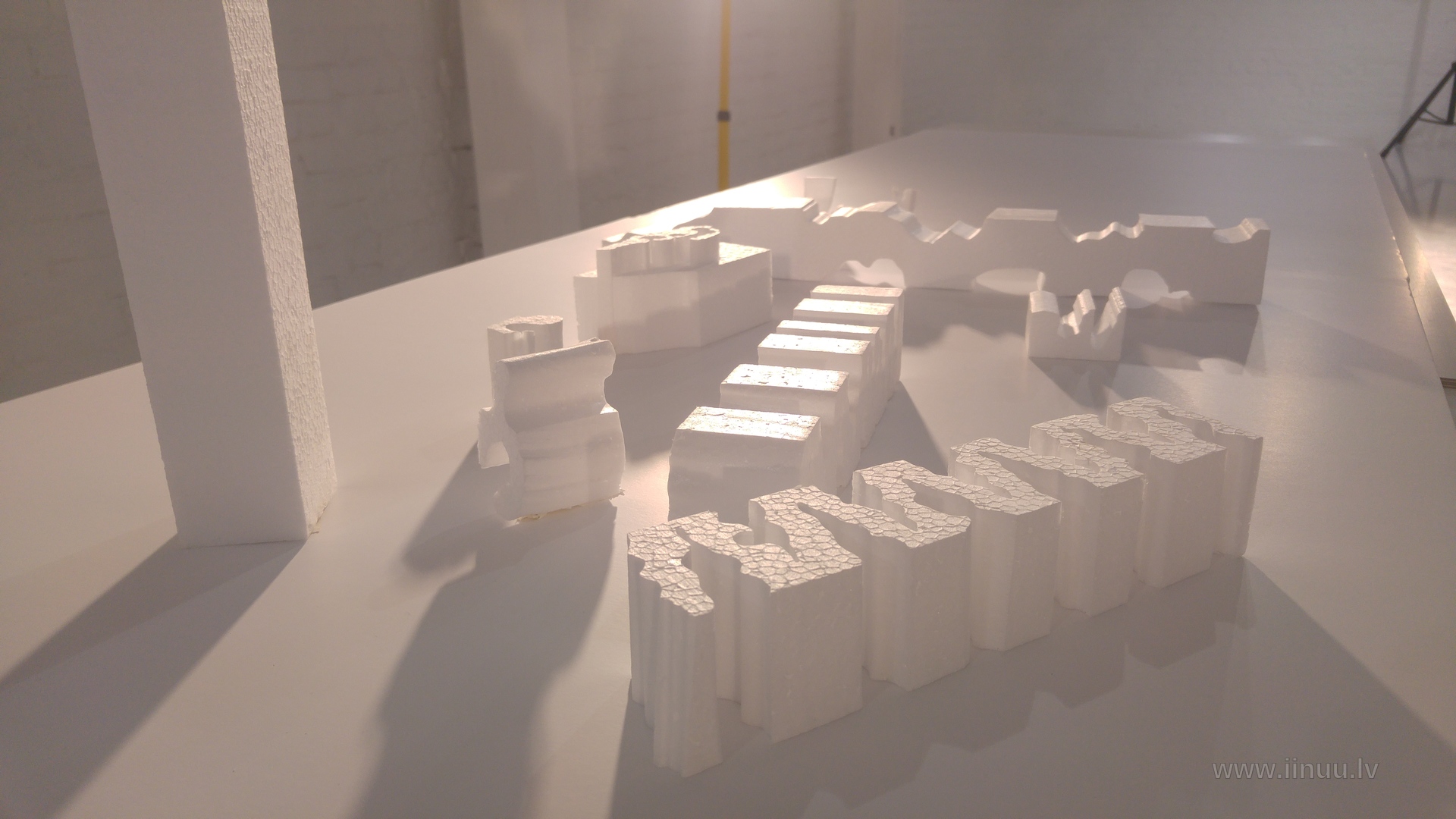
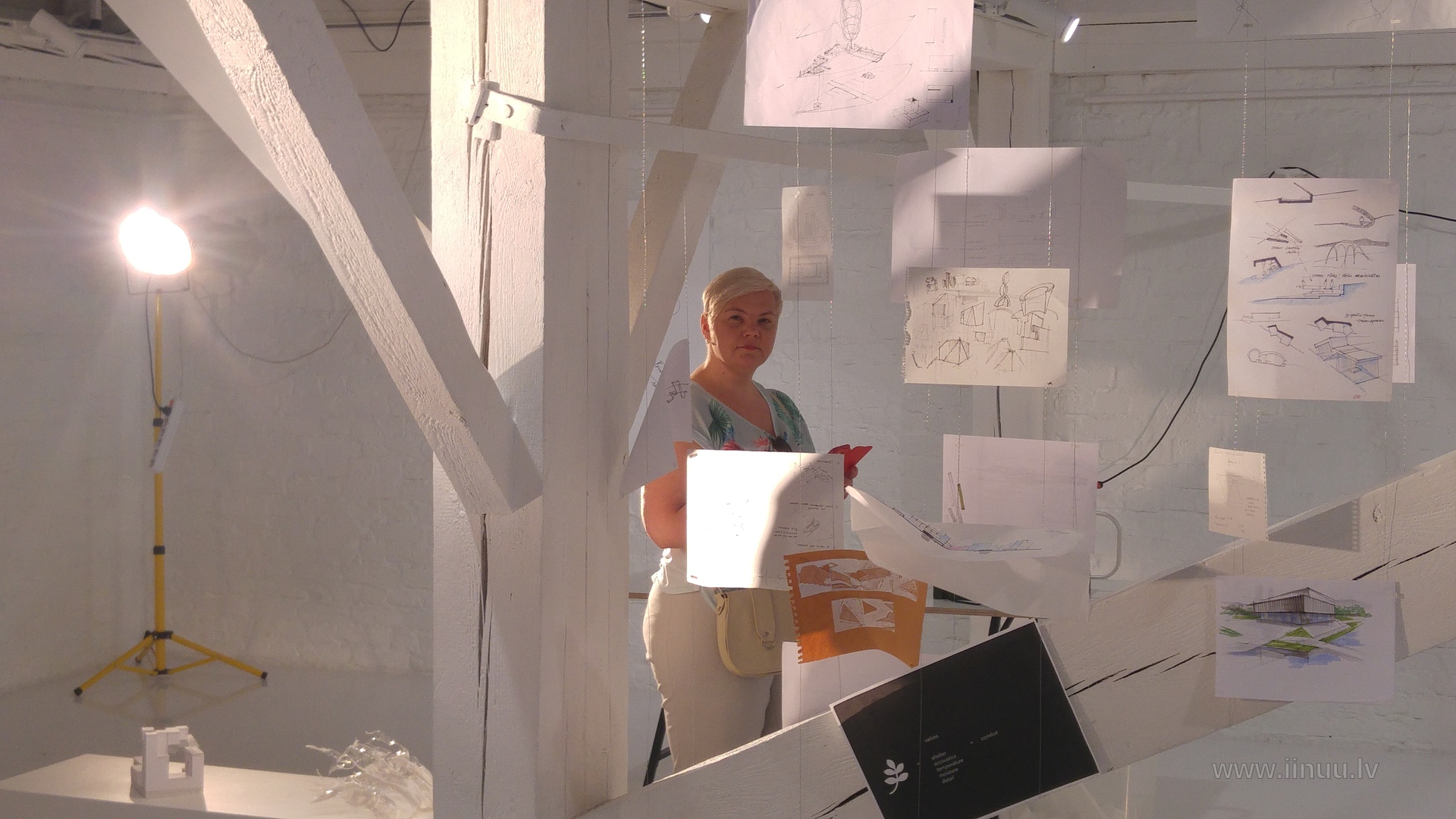
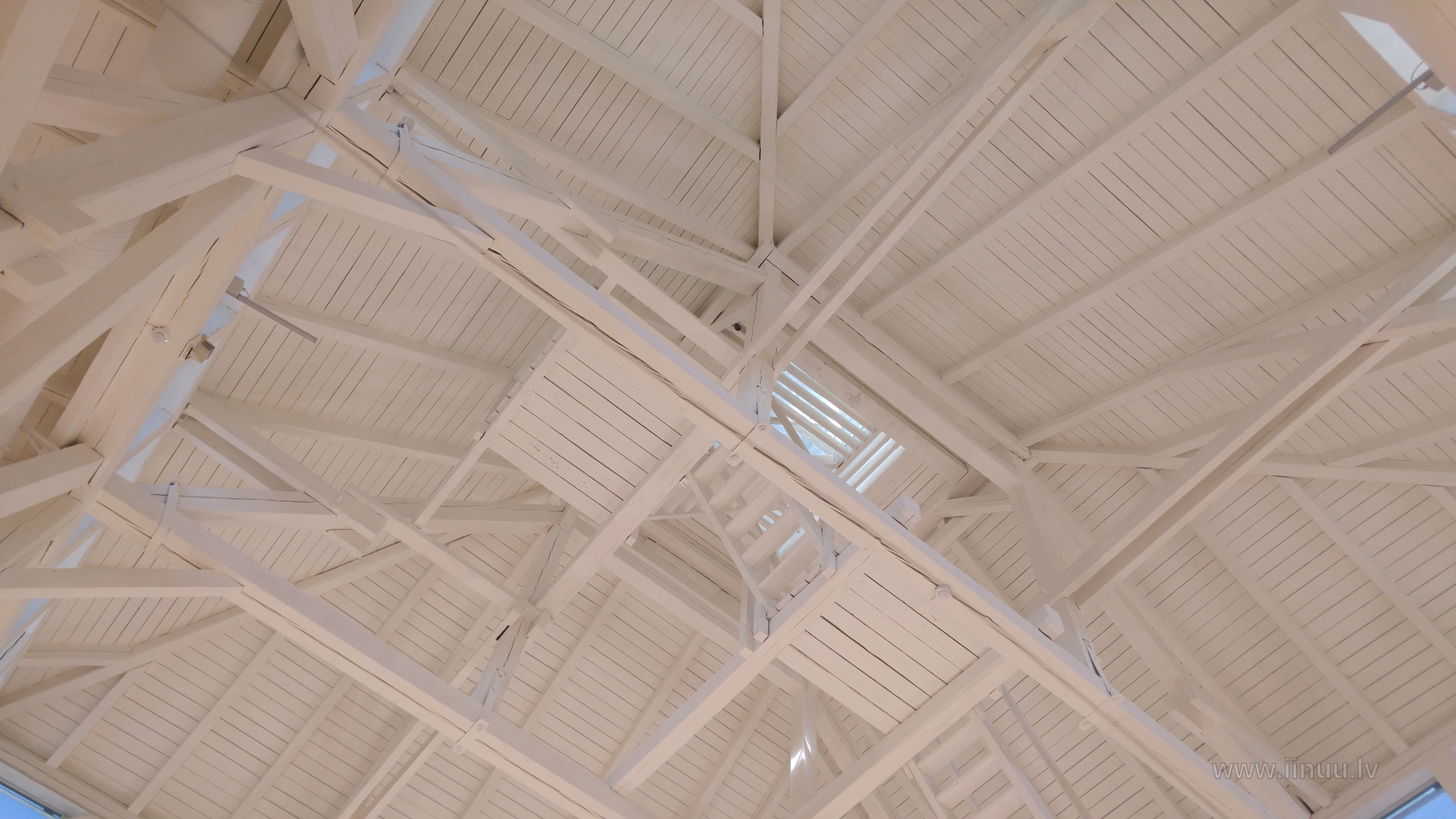
- The dome floor, attic, mansard - or yet another space for artistic expression: incredibly clean, bright, even sterile, with white-painted beams and white-painted brick walls (we tried an equally white pursuit there - polystyrene cutting);
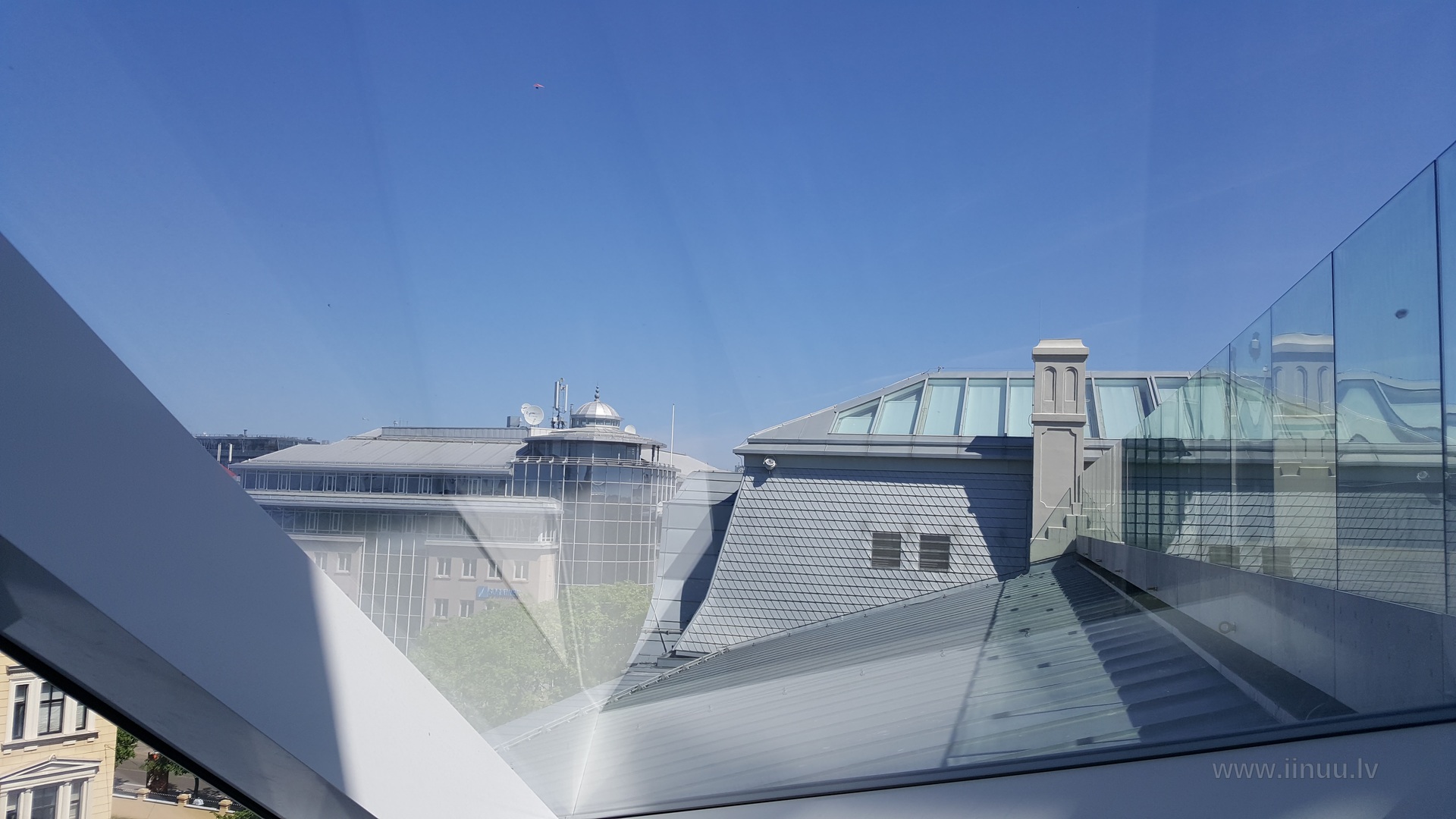
- The rooftop terrace with a view over the architecturally eclectic and green city;
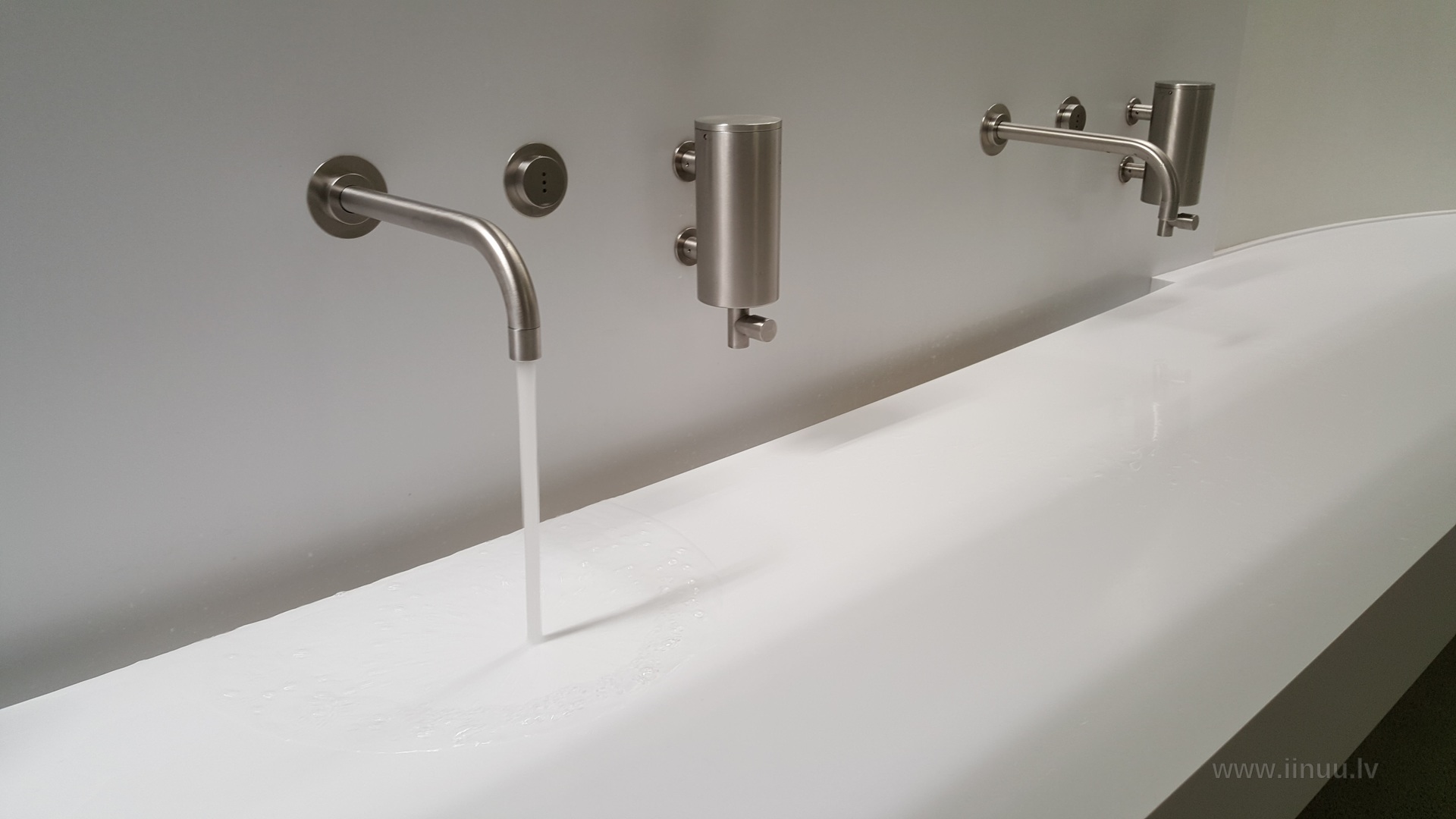
- Well-considered details - a triple-door gold lift, a tap seemingly without a sink, ascetic benches that allow one to rest one's legs but in no way draw the eye away from the paintings or the interior.
Art Museum Riga Bourse
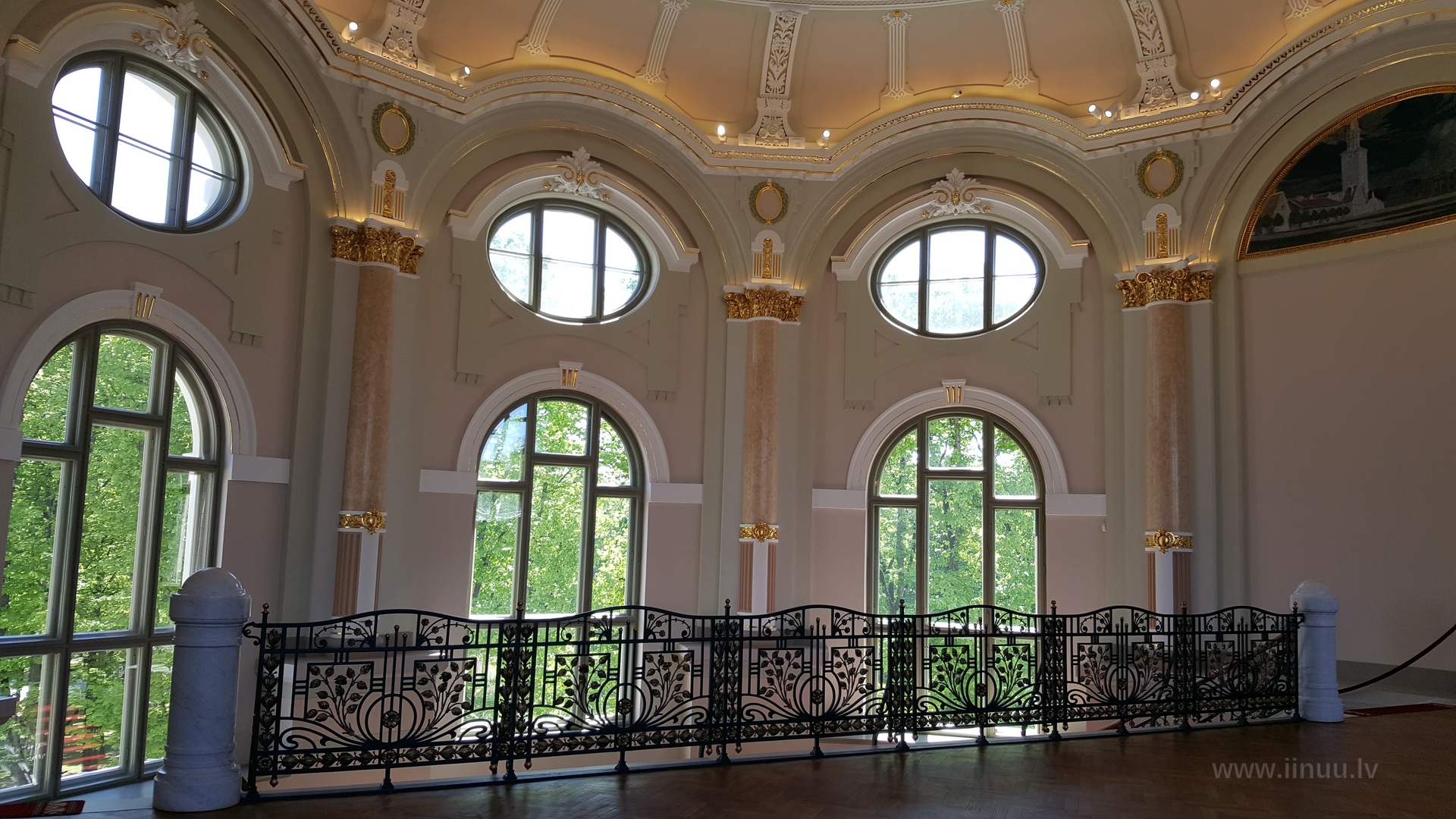
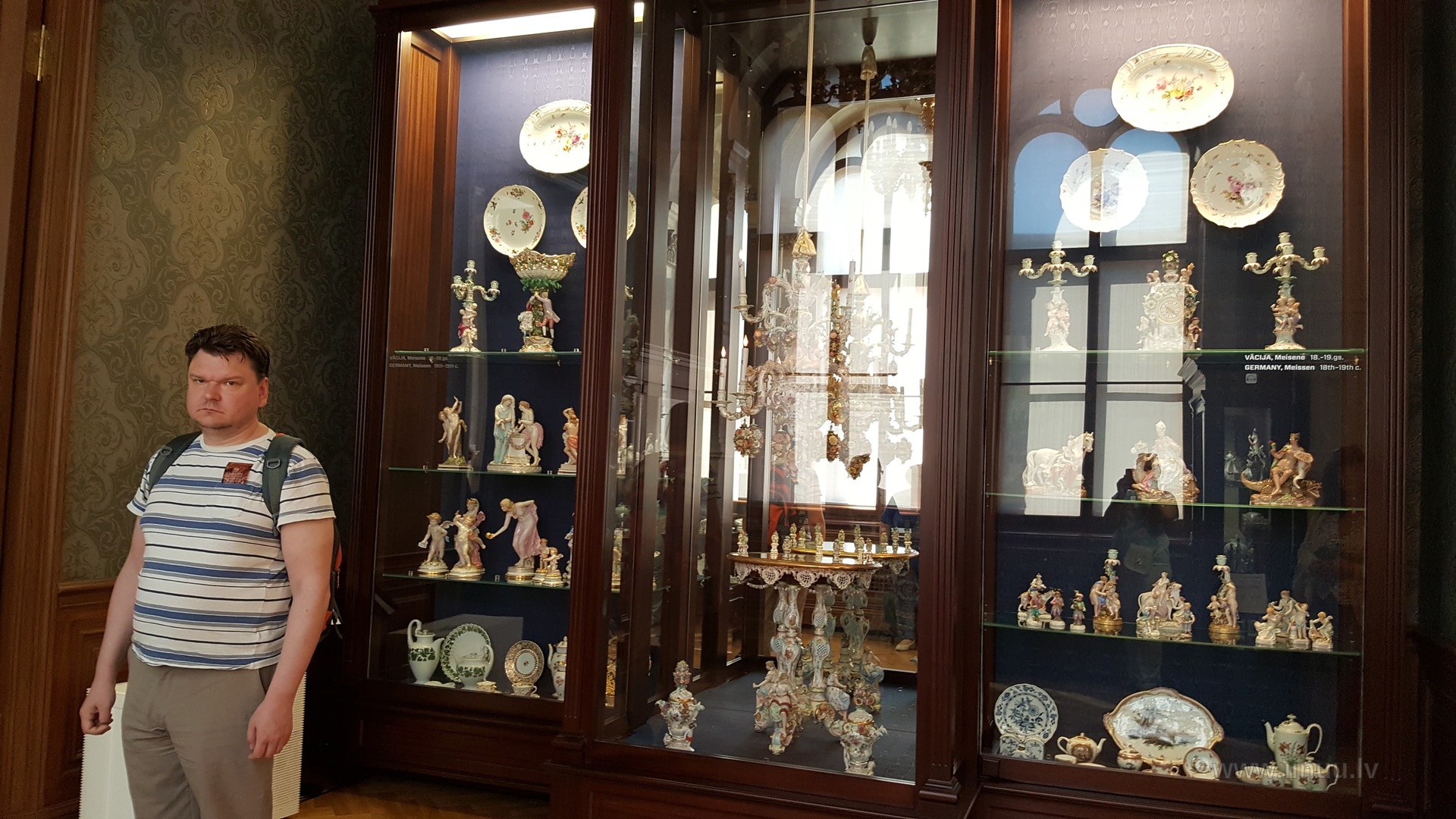
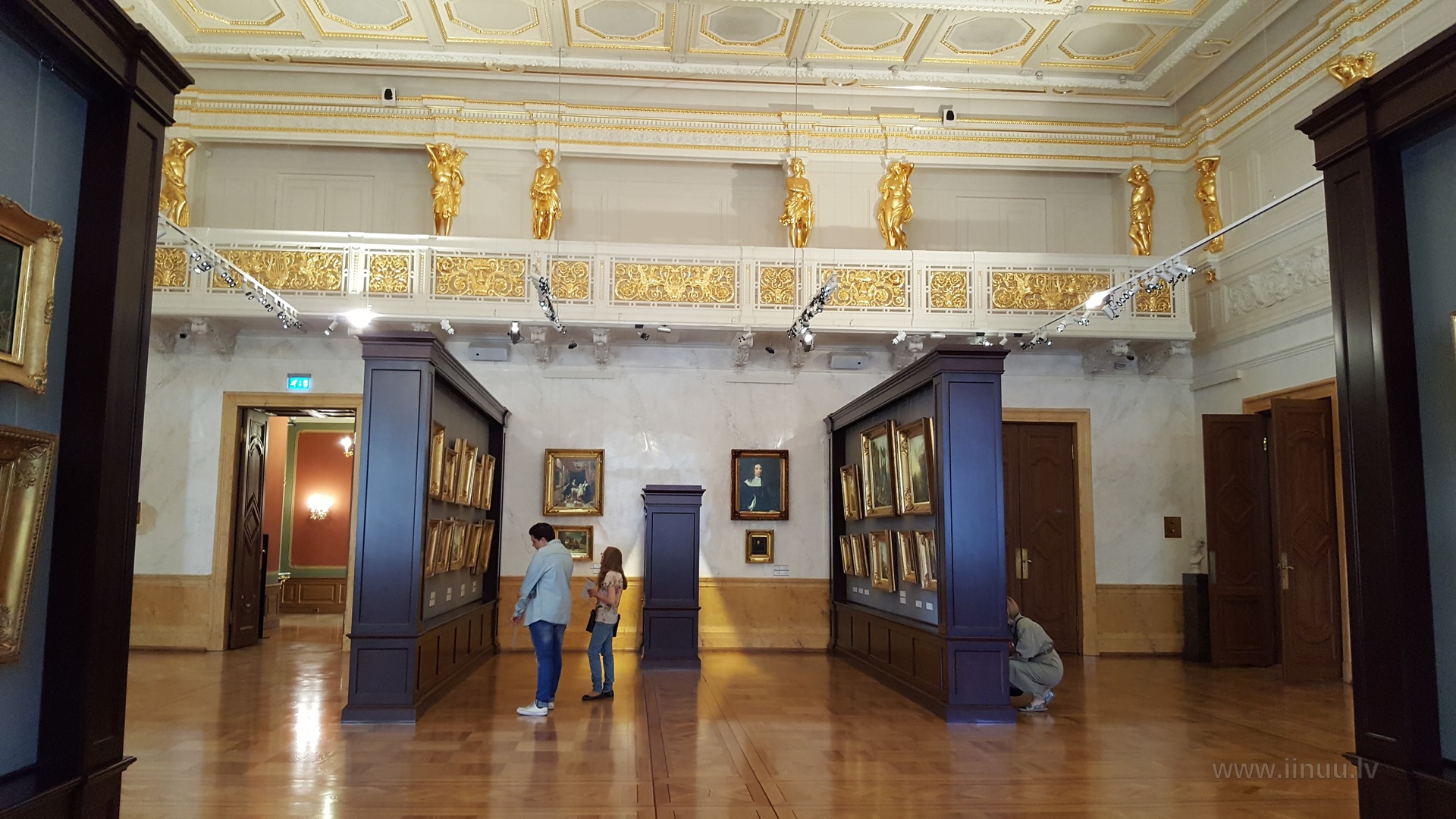
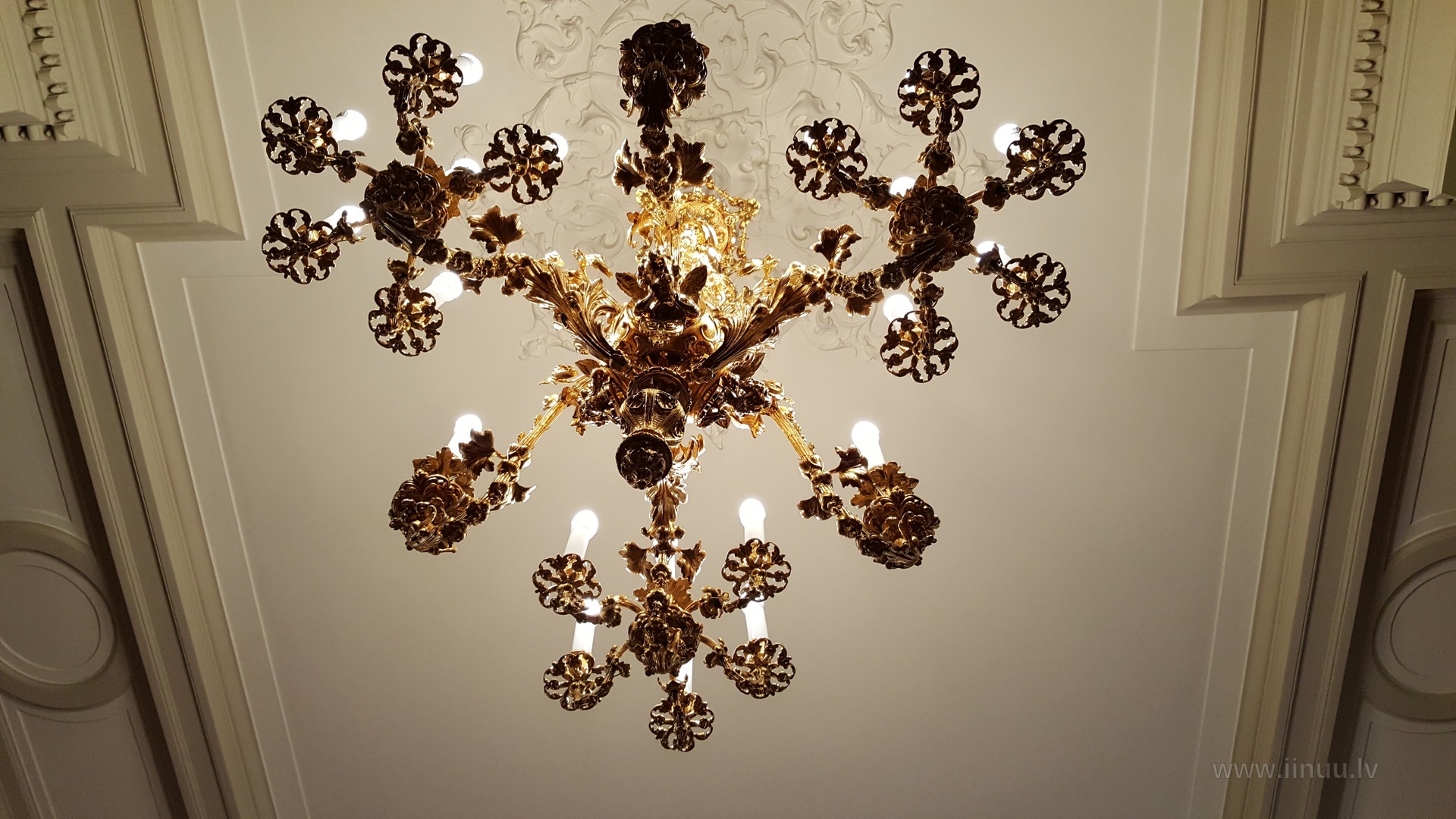
After a lengthy lunch break in the quiet city centre, we headed to the Old Town to explore the so-called Bourse building. If the first museum had surprised us with the lightness achieved by the old building, here we were met by the traditional, heavy furnishing style. An association with European palaces, characterised by opulence, snobbery, much gold, and massive marble slabs of various colours.
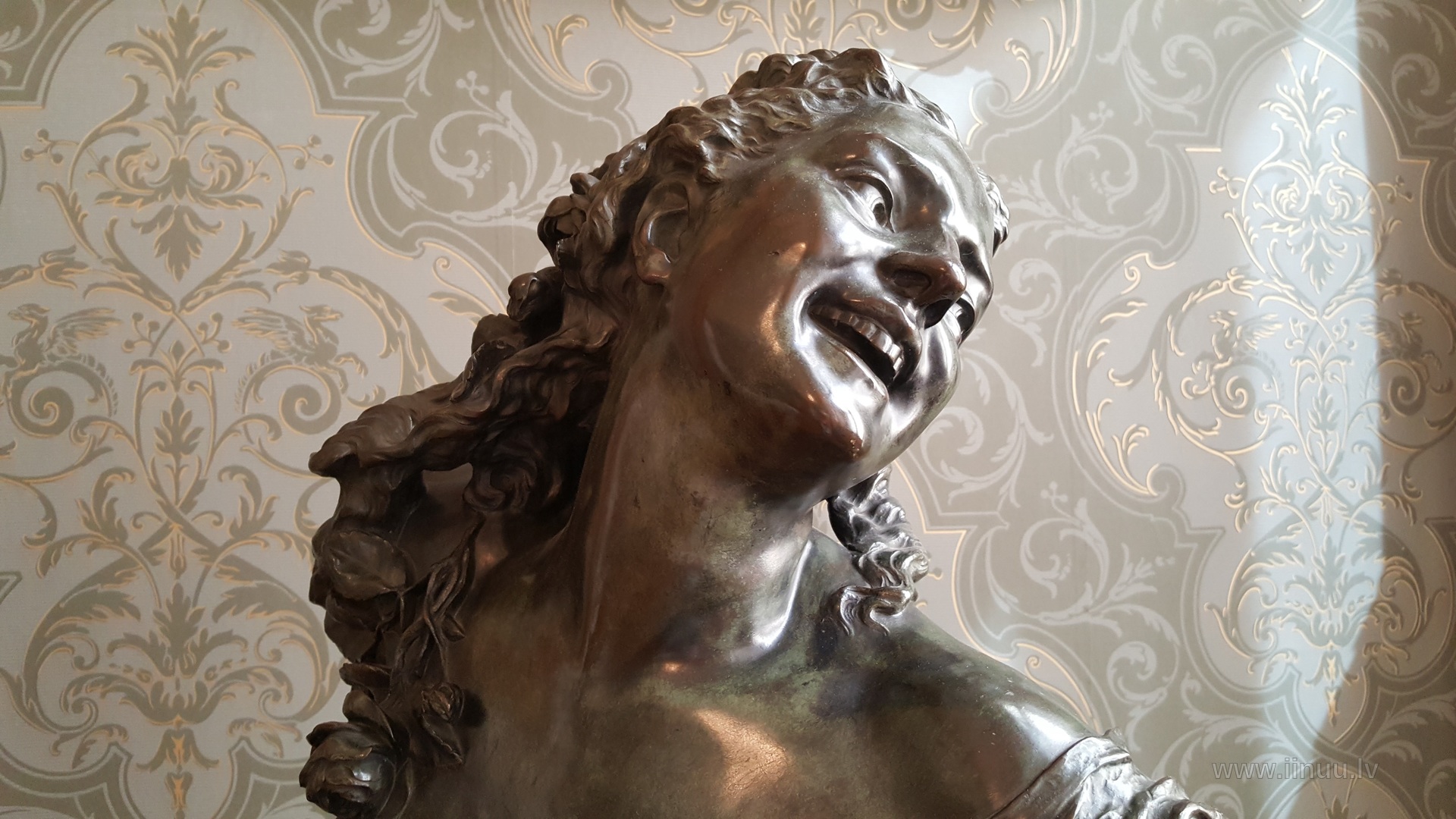
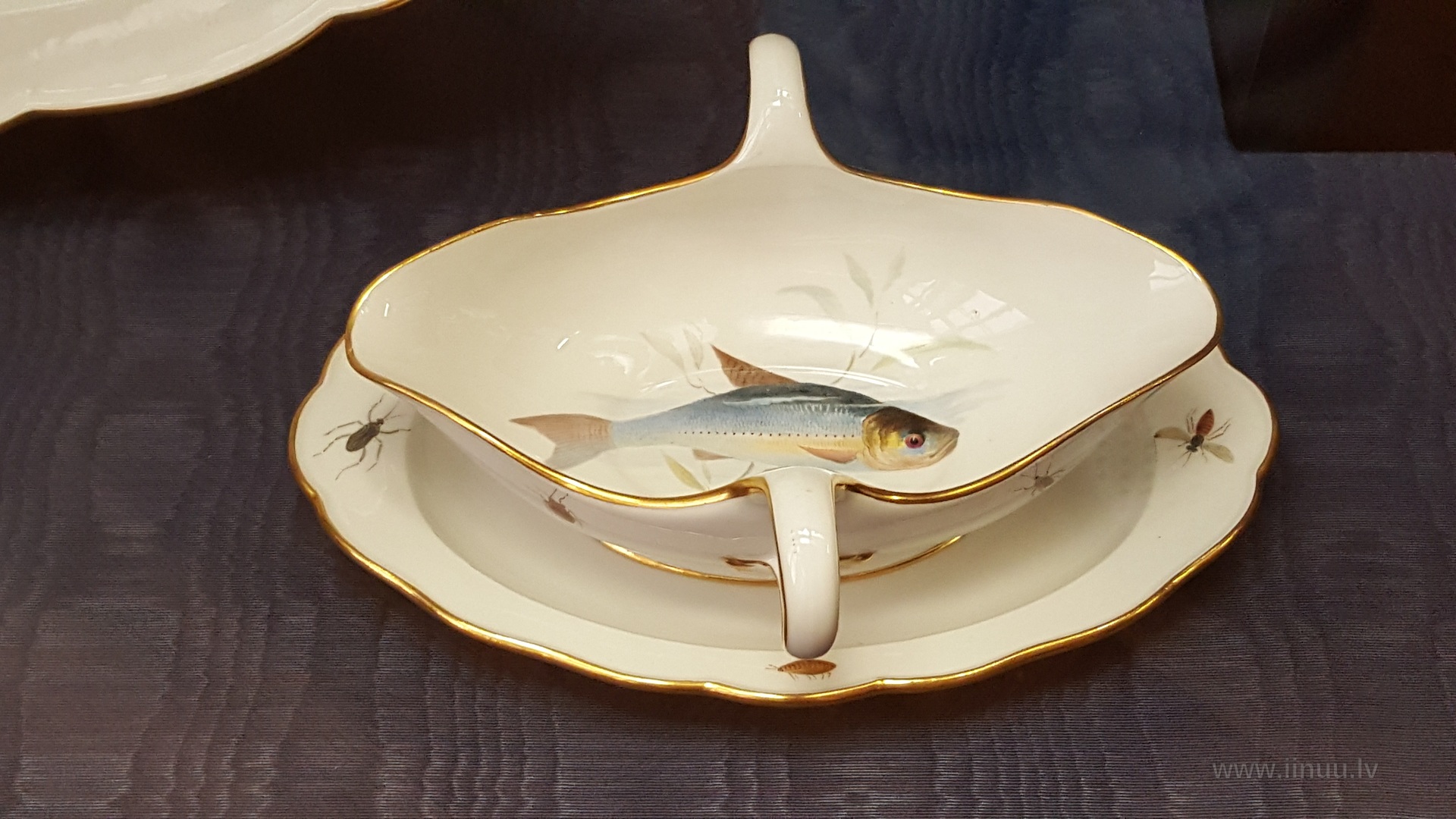
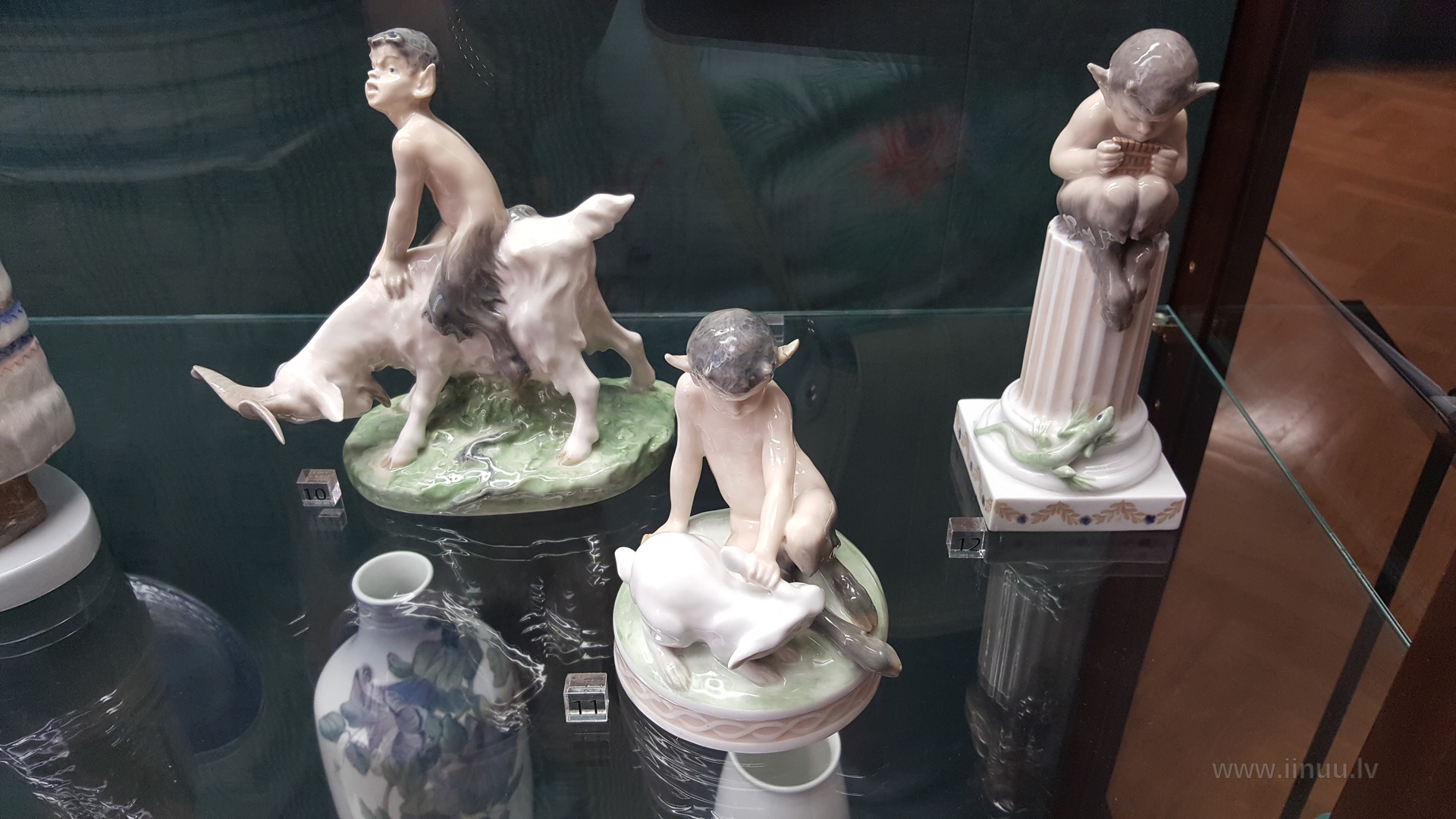
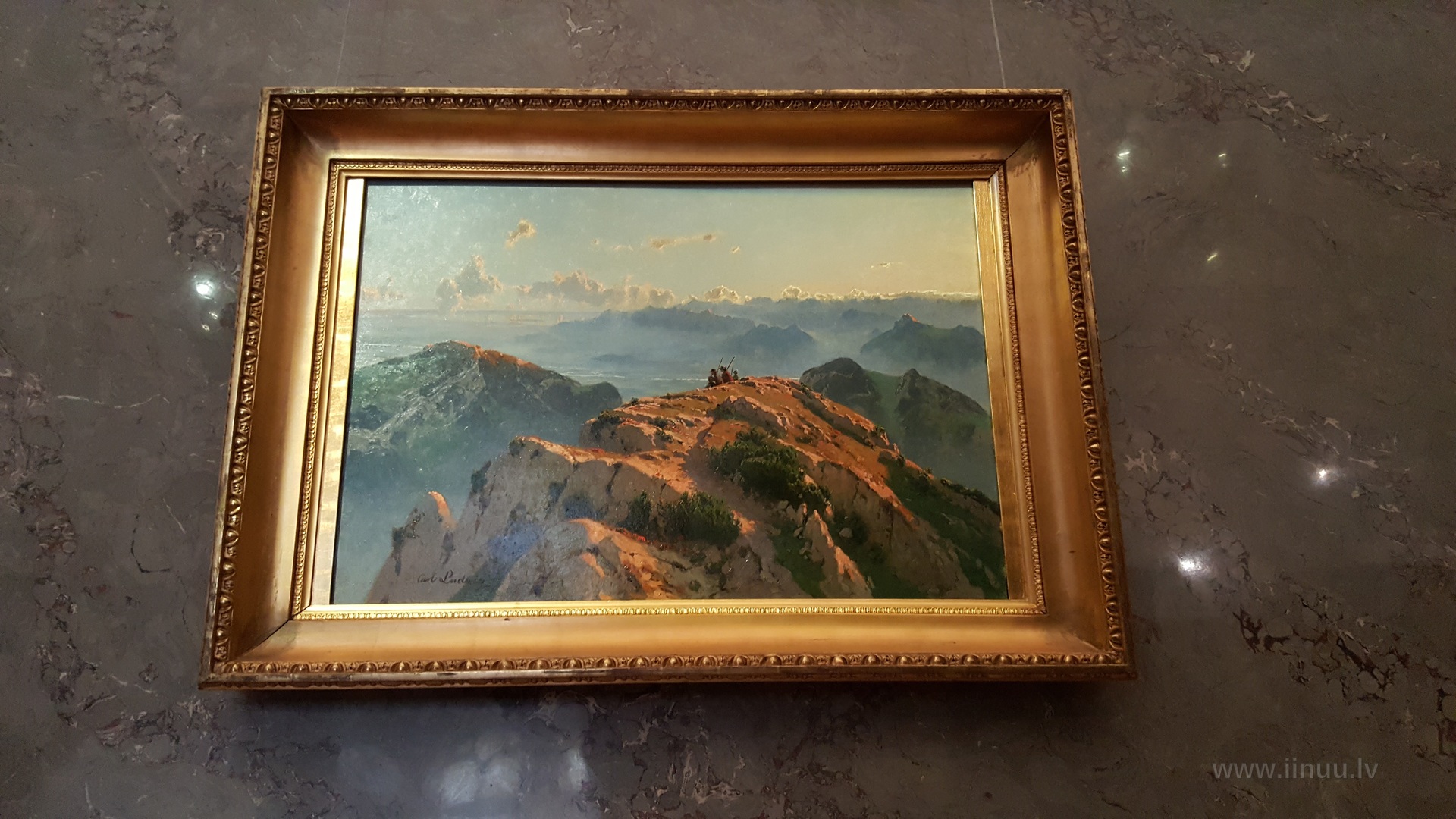
German, Danish, and Dutch porcelain; Russian silver tableware; works by European artists (mainly 19th century); sculptures. One 19th-century bronze sculpture caught the eye - by Jean-Baptiste Carpeaux: Baccante with Roses - where the girl is depicted with such vivid emotions that one feels she might begin to move at any moment and her laughter might actually ring out in the room. The sculpture was acquired from the Latvian SSR State Security Committee (KGB), having been dug up in a garden in Mežaparks. One can easily imagine a scenario: the owners, fleeing abroad and unable to take the artwork with them, buried it in their garden so that it would not fall into the "liberators'" hands and be melted down.
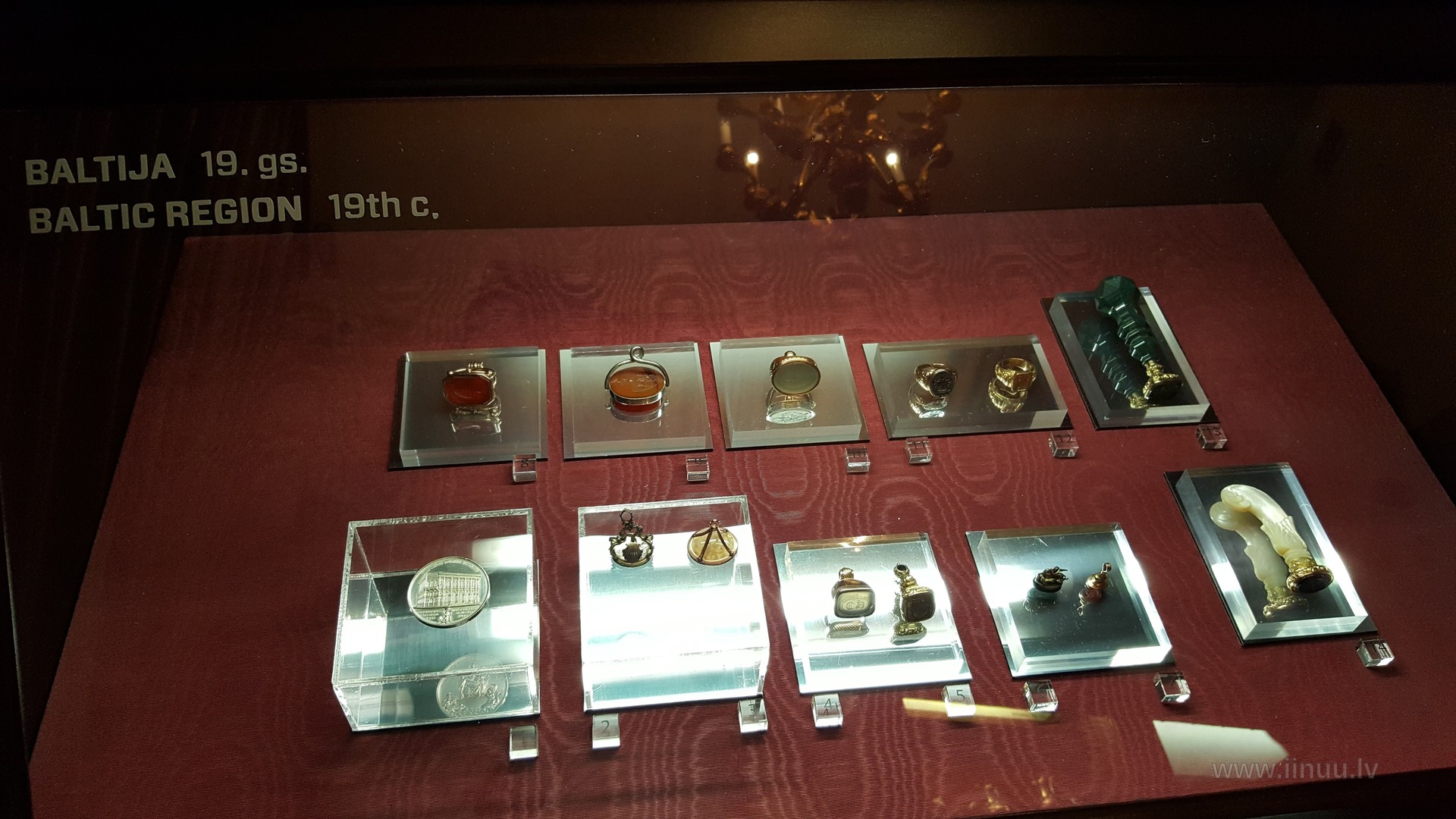
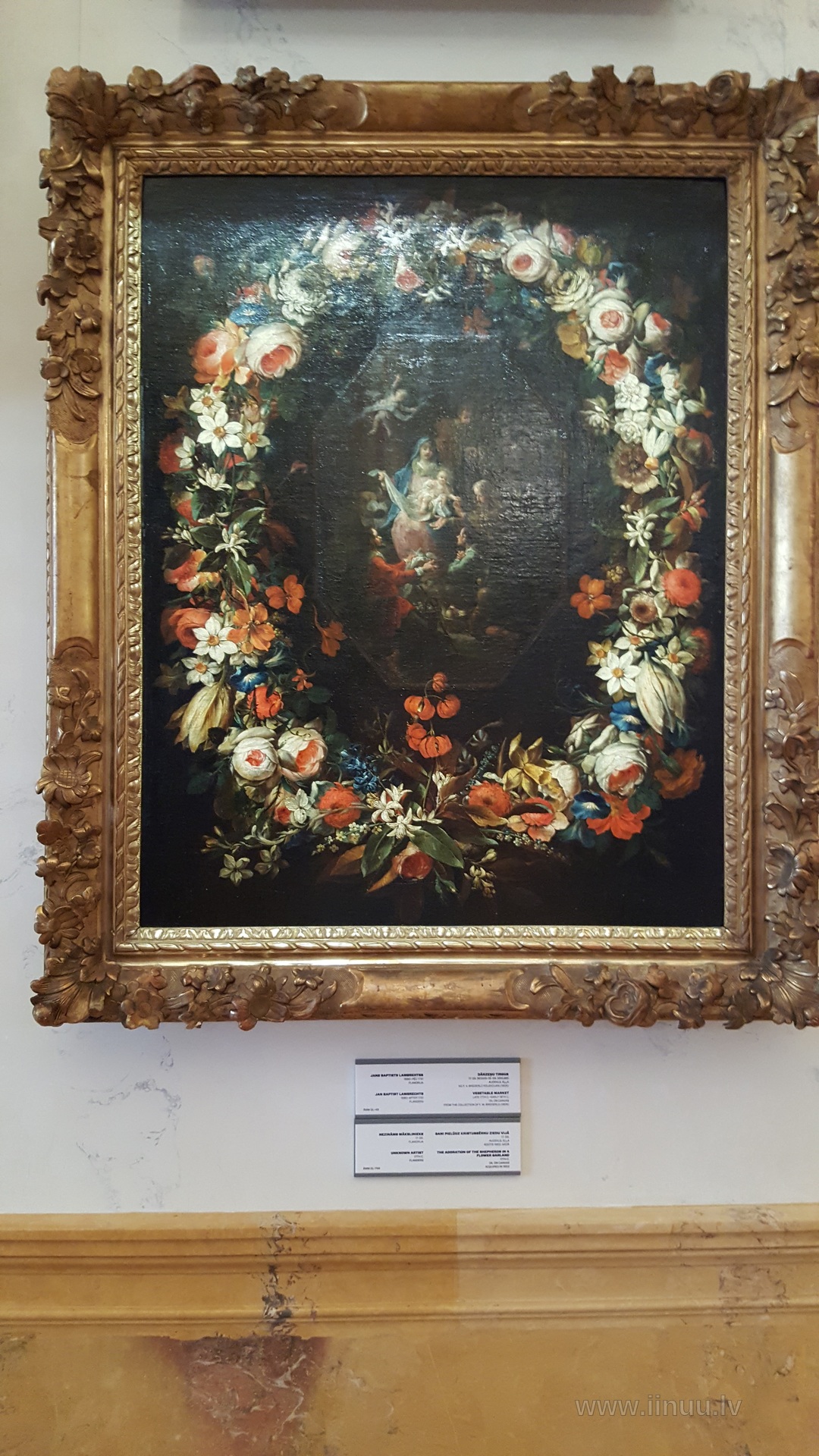
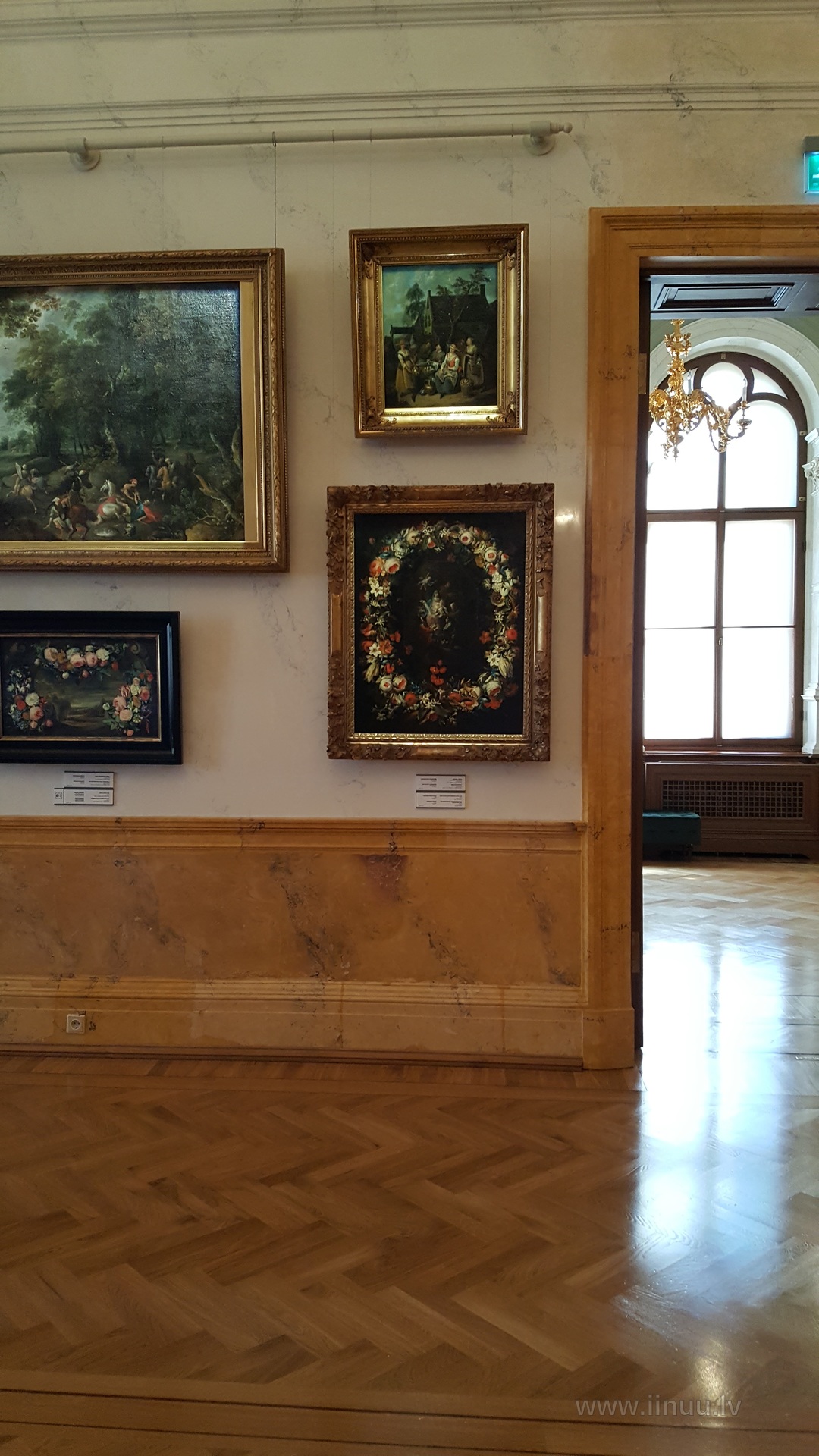
It was equally interesting to view a collection of 19th-century Baltic family signet rings. As befits a true landowner, one had to have a proper seal. Among the paintings, meanwhile, were some that could be described as the 3D pictures of the century before last. Floral garlands on a dark background seemed to protrude, appearing voluminous, almost tangible - and notably so, even when standing some distance from the painting itself.
After such an unhurried museum visit, we concluded that Museum Night is a wonderful promotional format for museums but quite unproductive for actually getting to know the exhibitions. As are typical group tours with a limited time to rush through a museum. Perhaps the years have their effect, but one increasingly wants fewer things - yet more meaningful ones.
comments