Rabbit Exhibition at the Nature Museum
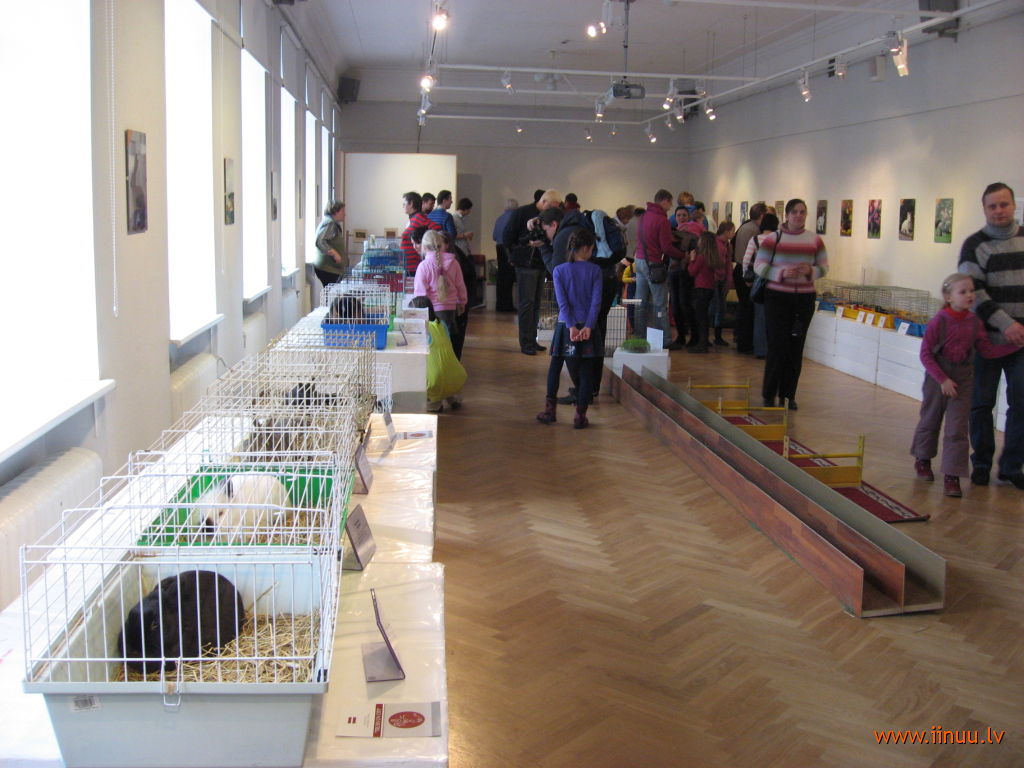
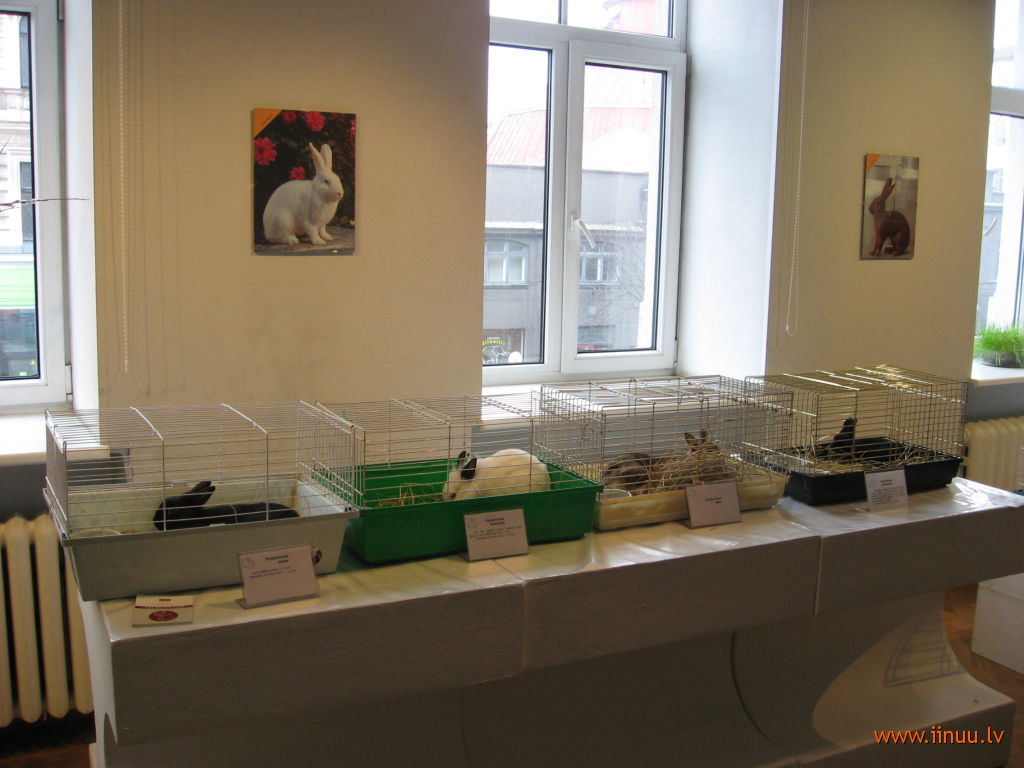
Today on the second floor of the Nature Museum we visited the annual rabbit and other pet exhibition, open from 24 to 28 February and organised by the Latvian Small Animal Breeders' Association "Rabbit and Others". We looked at, photographed, and filmed all the exhibits - here is a glimpse of the event.
Today on the second floor of the Nature Museum we visited the annual rabbit and other pet exhibition, open from 24 to 28 February and organised by the Latvian Small Animal Breeders' Association "Rabbit and Others". The hall where the exhibition was held could be found with certainty not only by the signs, but also by the smell drifting through the air. We looked at, photographed, and filmed all the exhibits - here is a glimpse of the event.
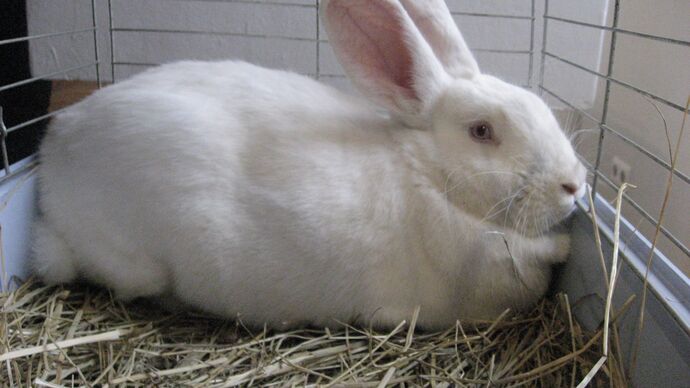
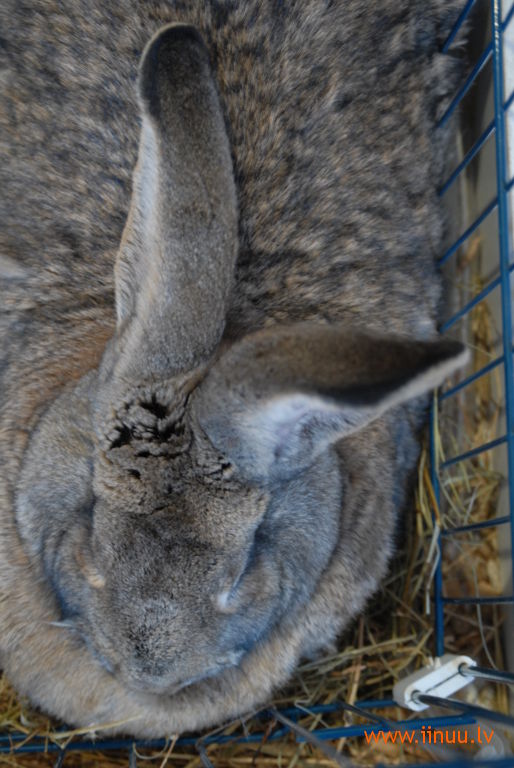
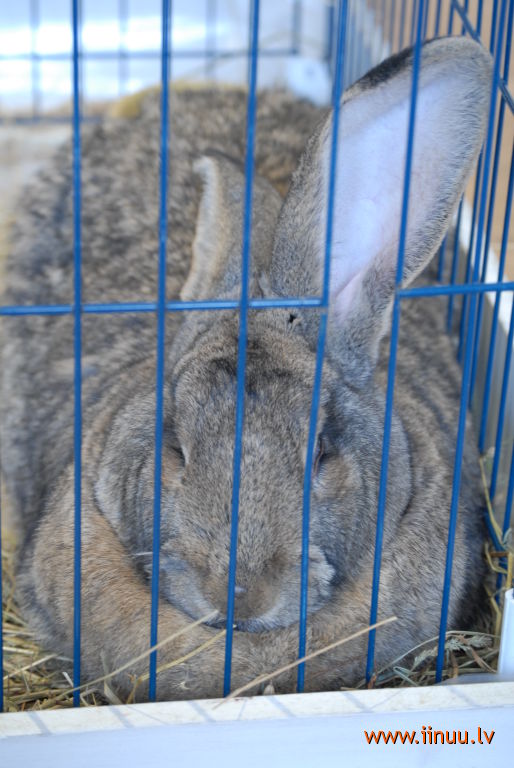
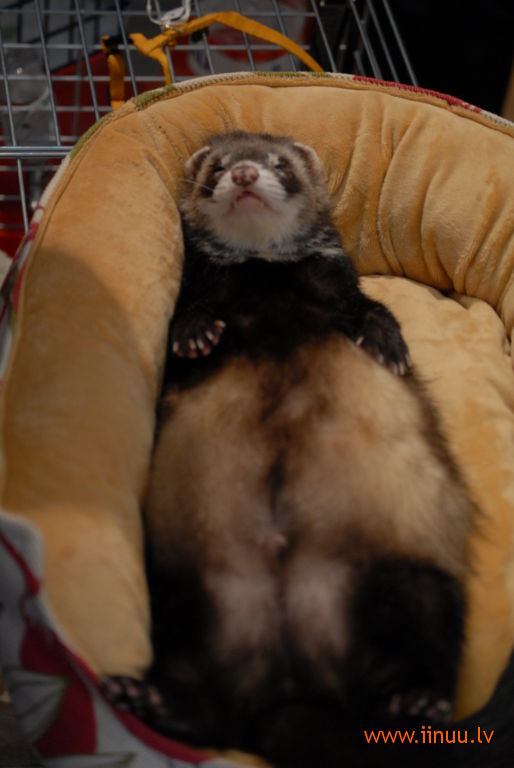
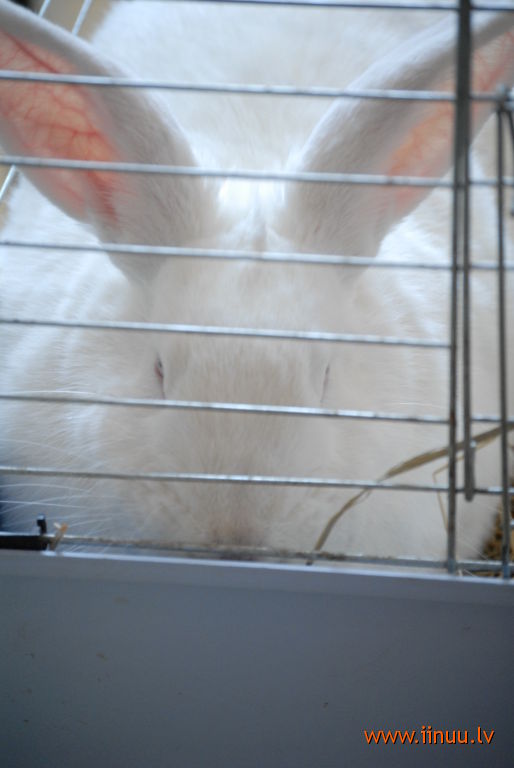
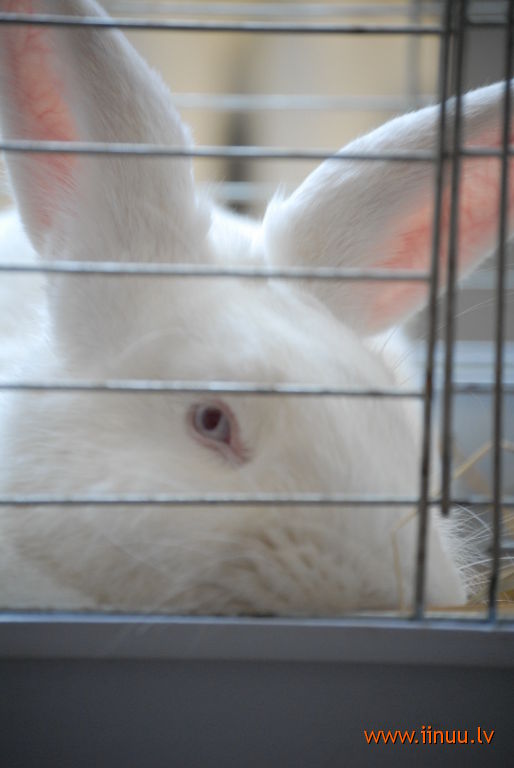
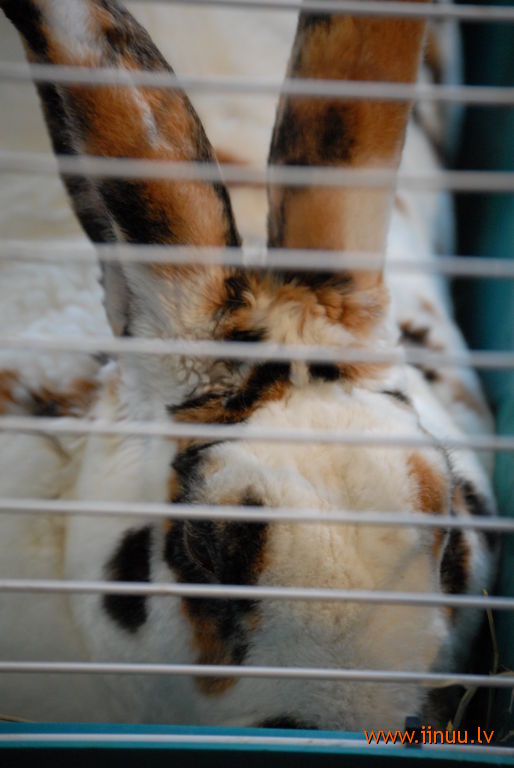
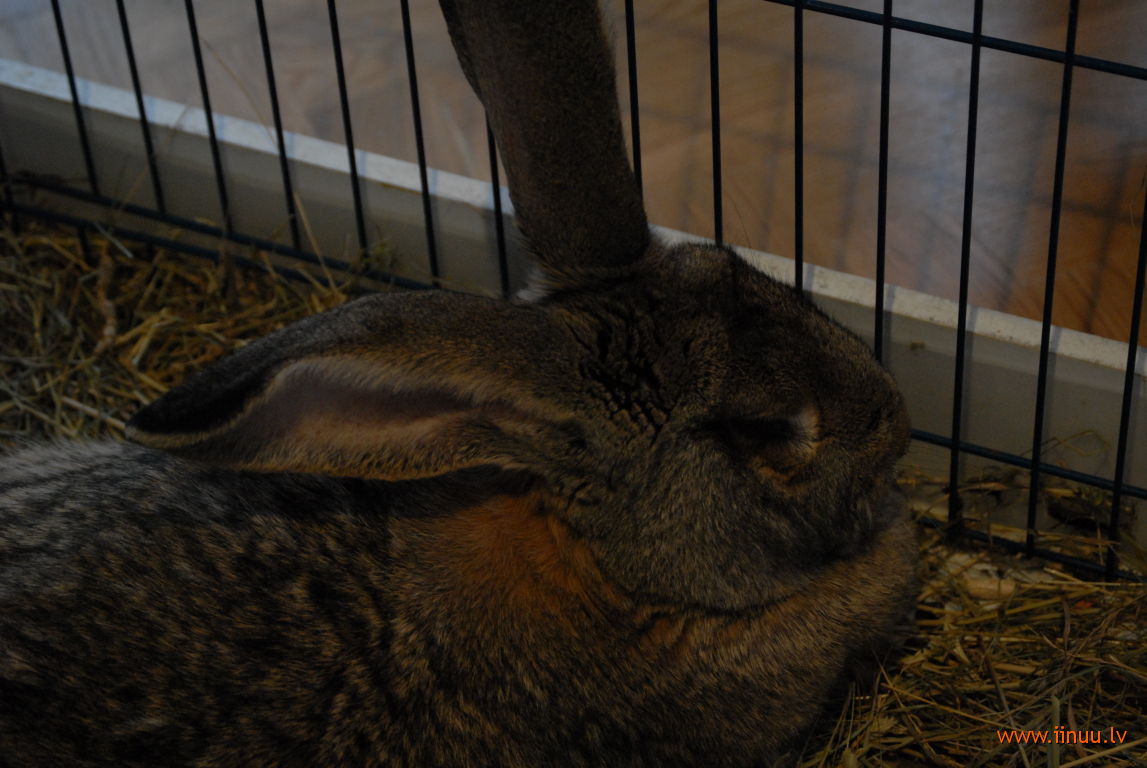
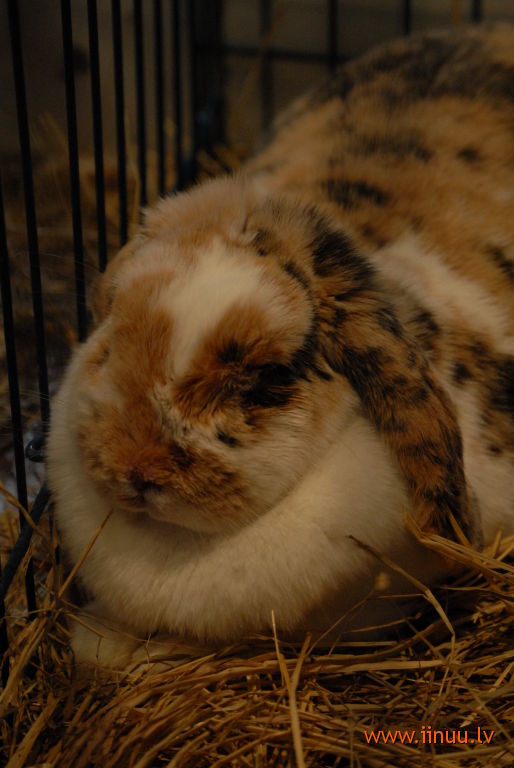
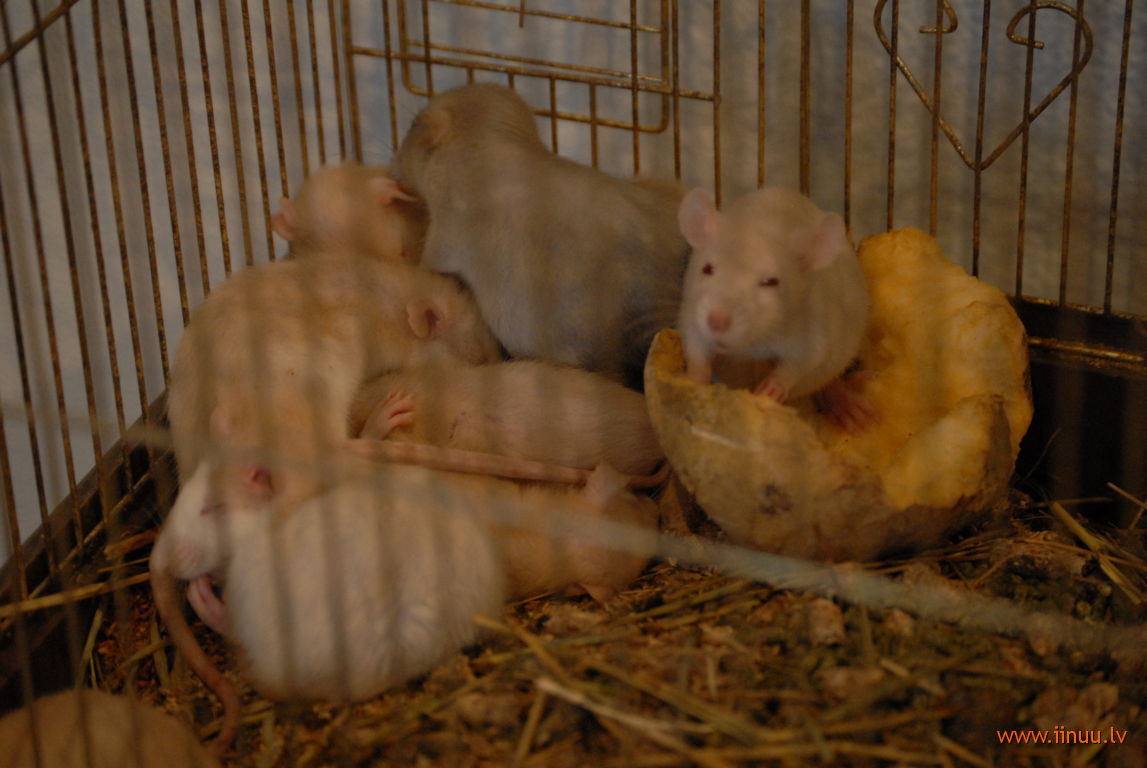
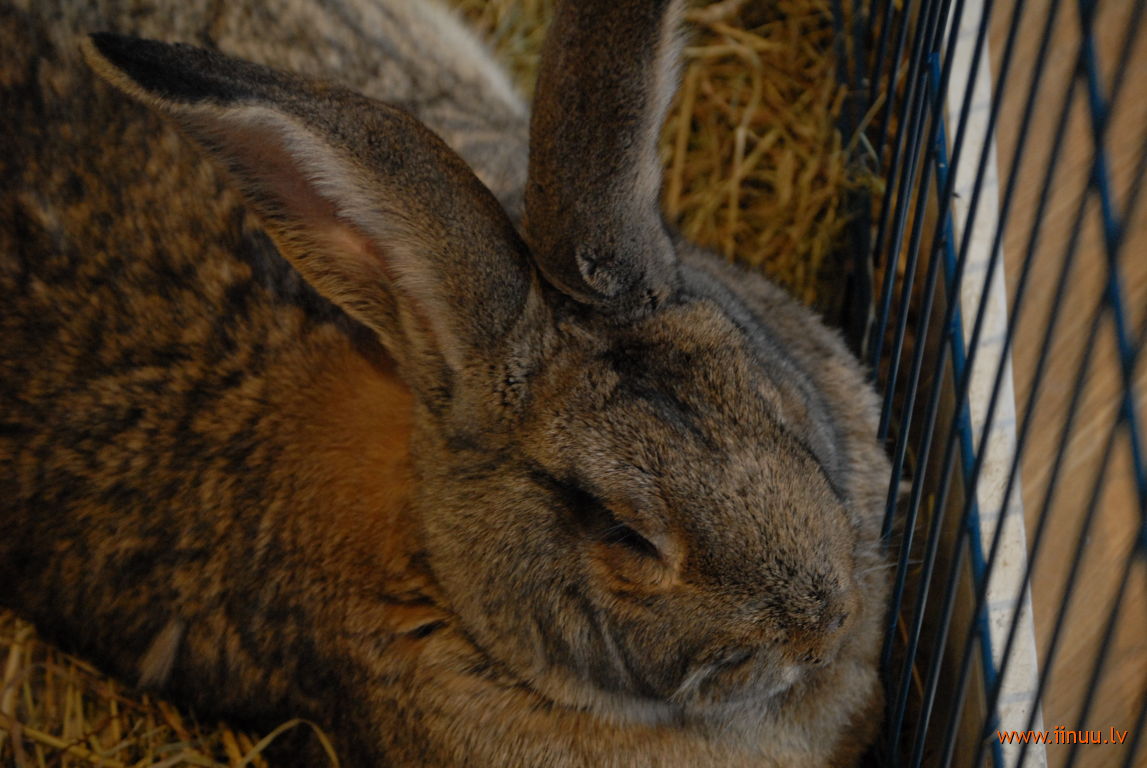
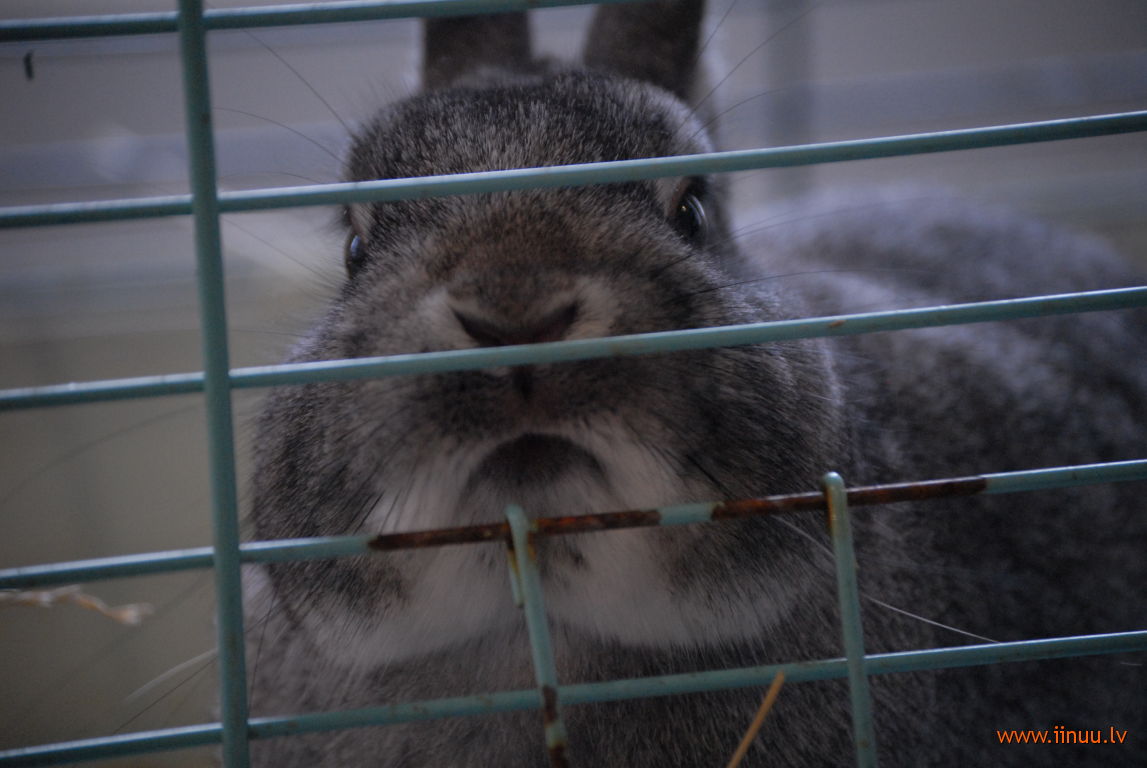
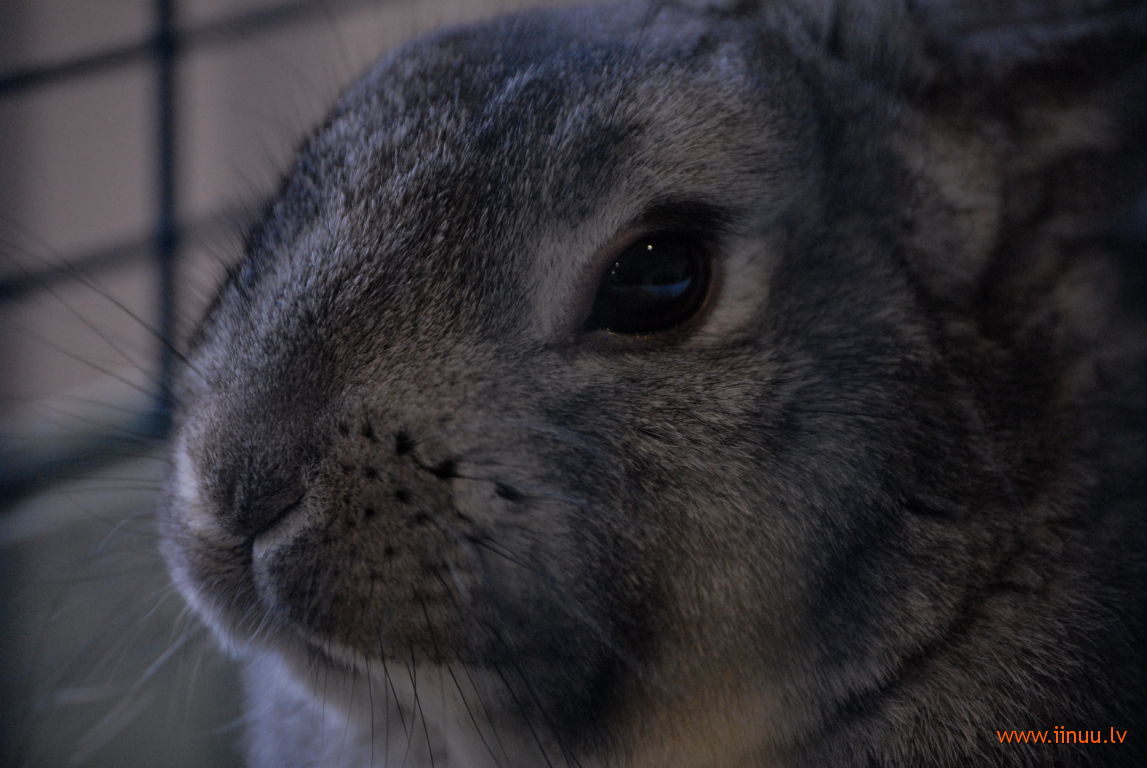
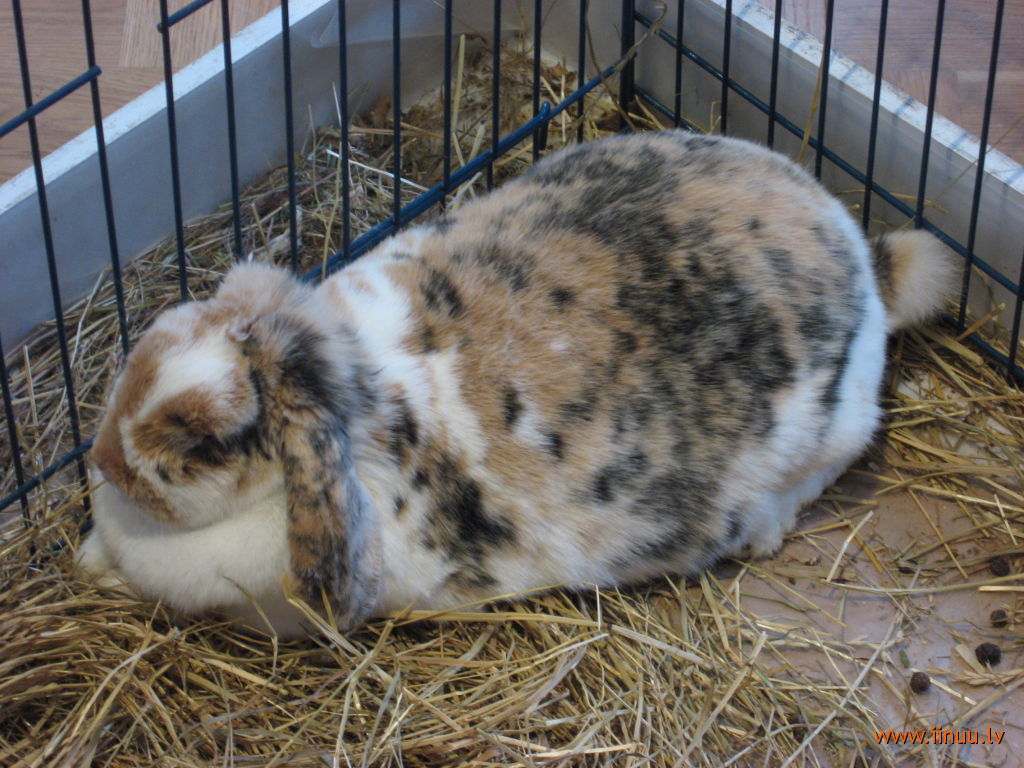
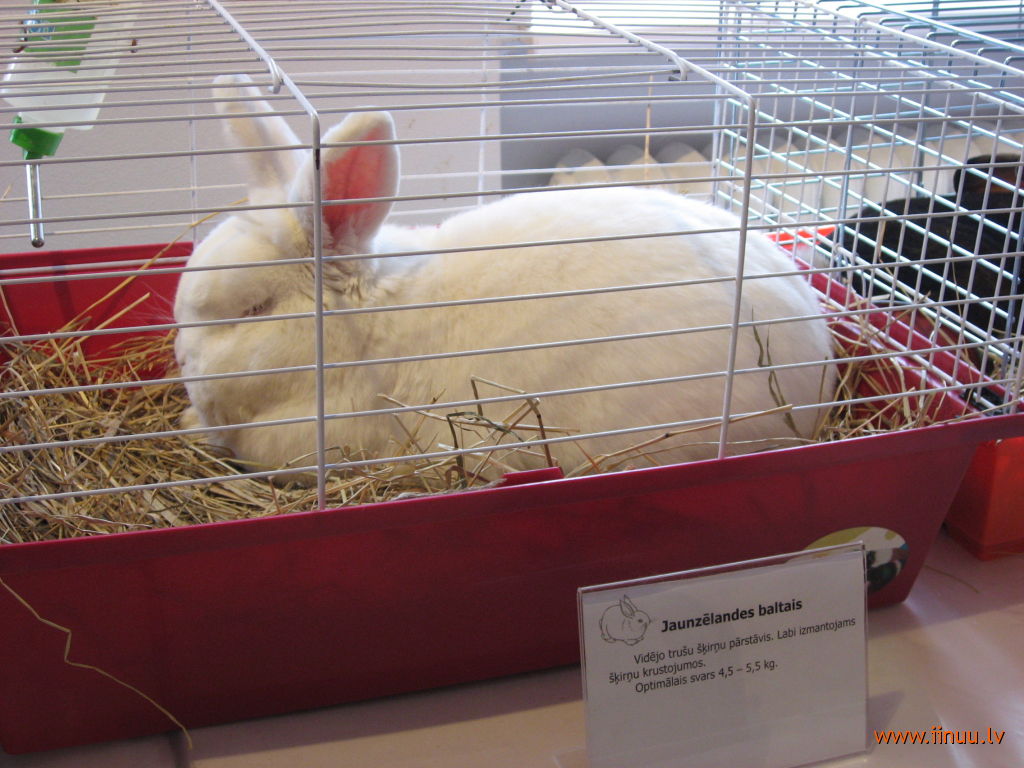
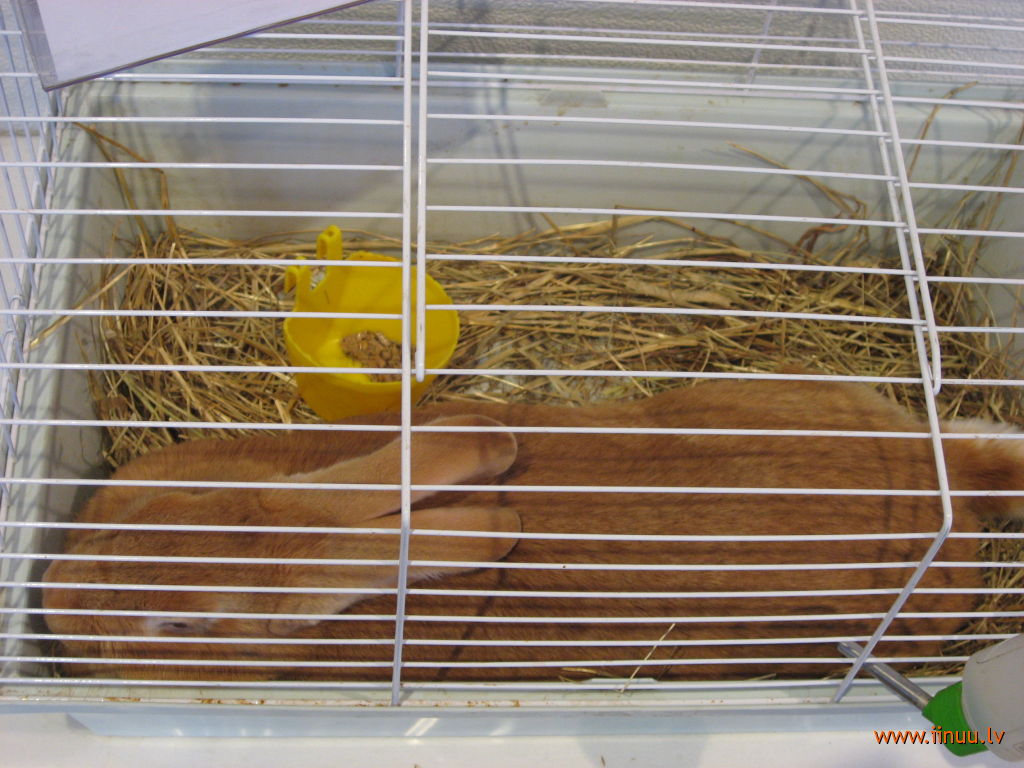
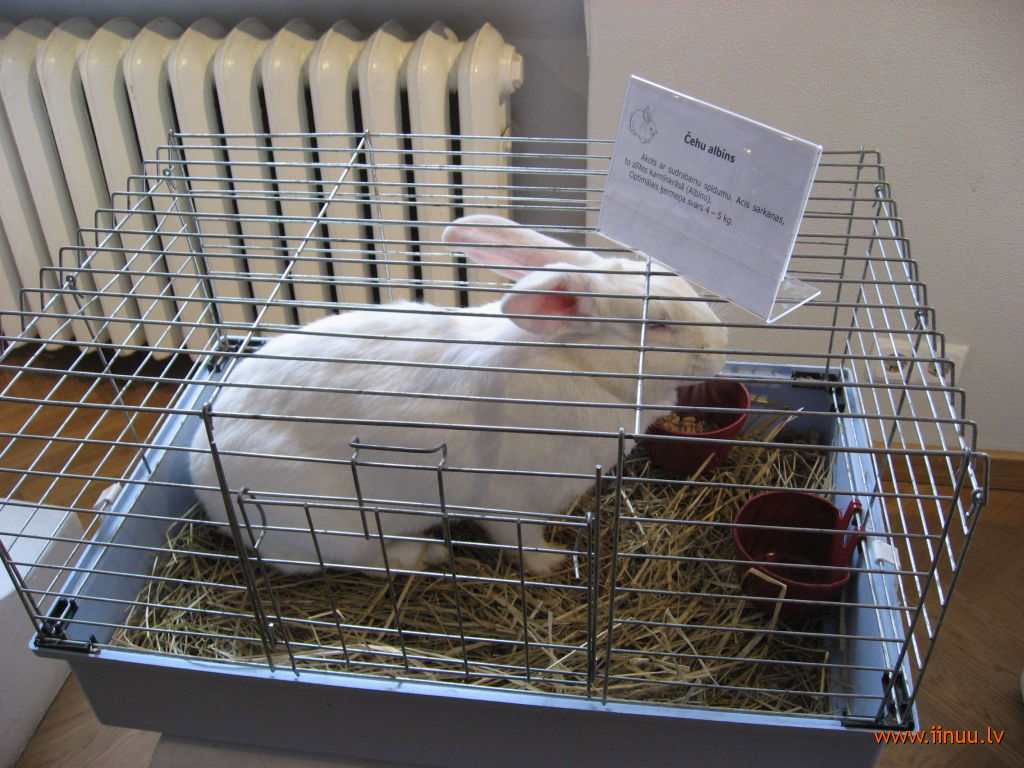
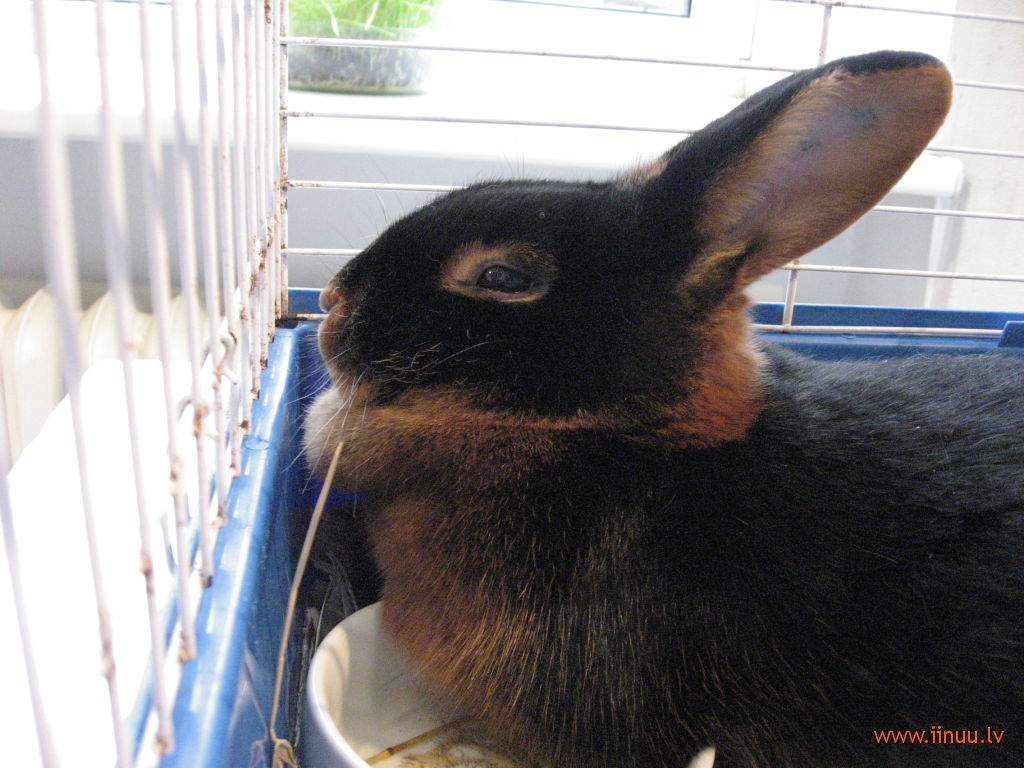
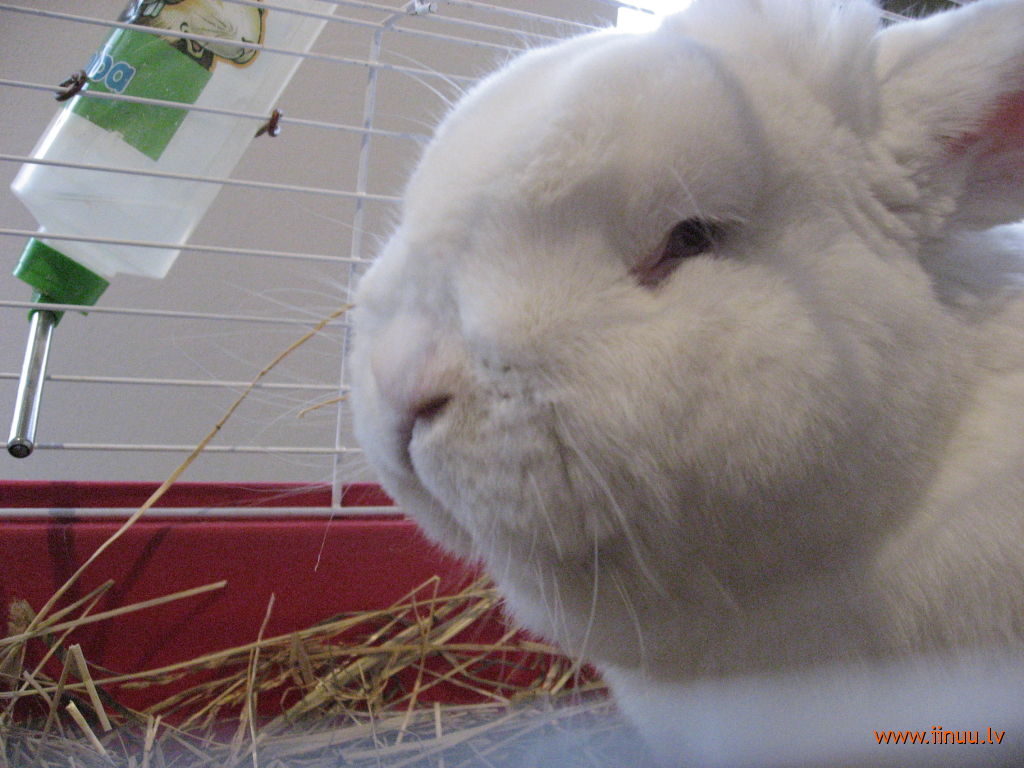
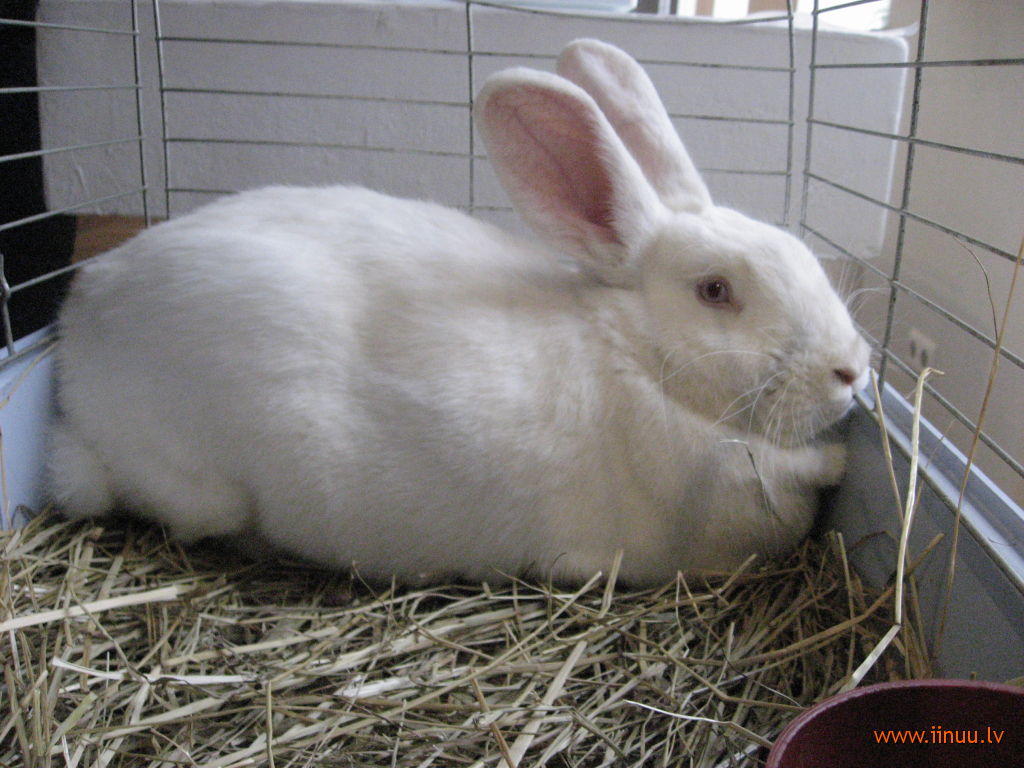
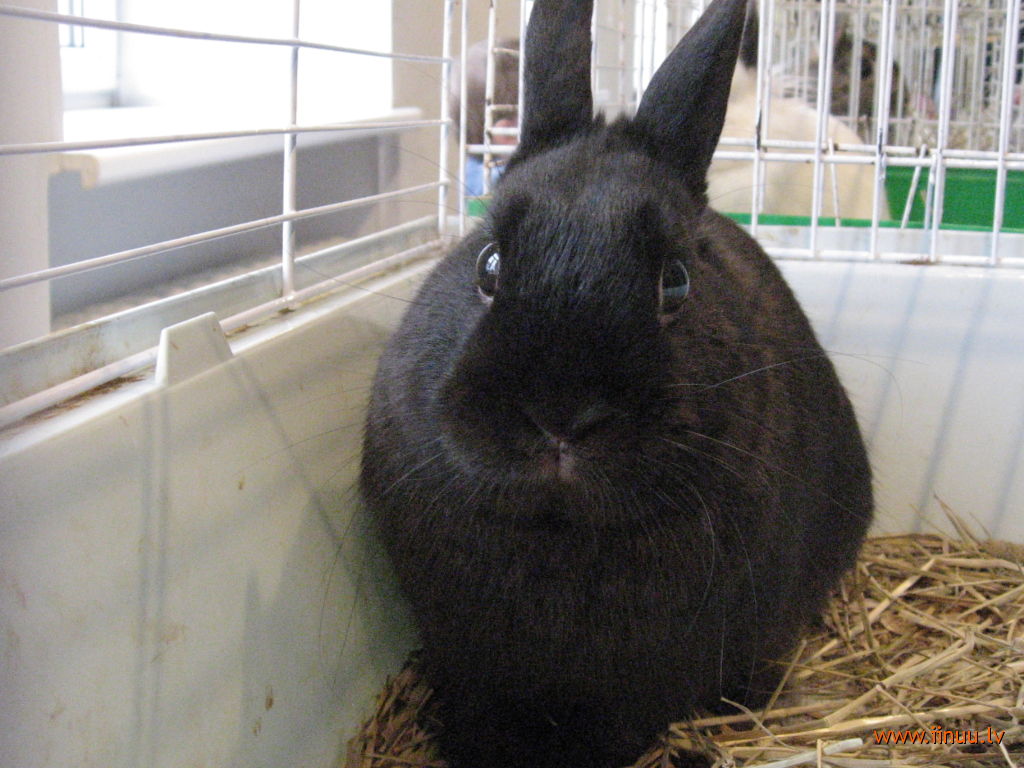
The exhibition featured 30 different rabbit breeds - both dwarf rabbits and larger representatives of the species with fur coats of various colours. White rabbits: New Zealand White, Czech Albino, White Angora; small chinchilla, Rex Castor, Havana rabbit, several dwarf Rex rabbits. There were also guinea pigs, fancy rats, and ferrets, lazing in special sleeping hammocks (see the photo gallery).
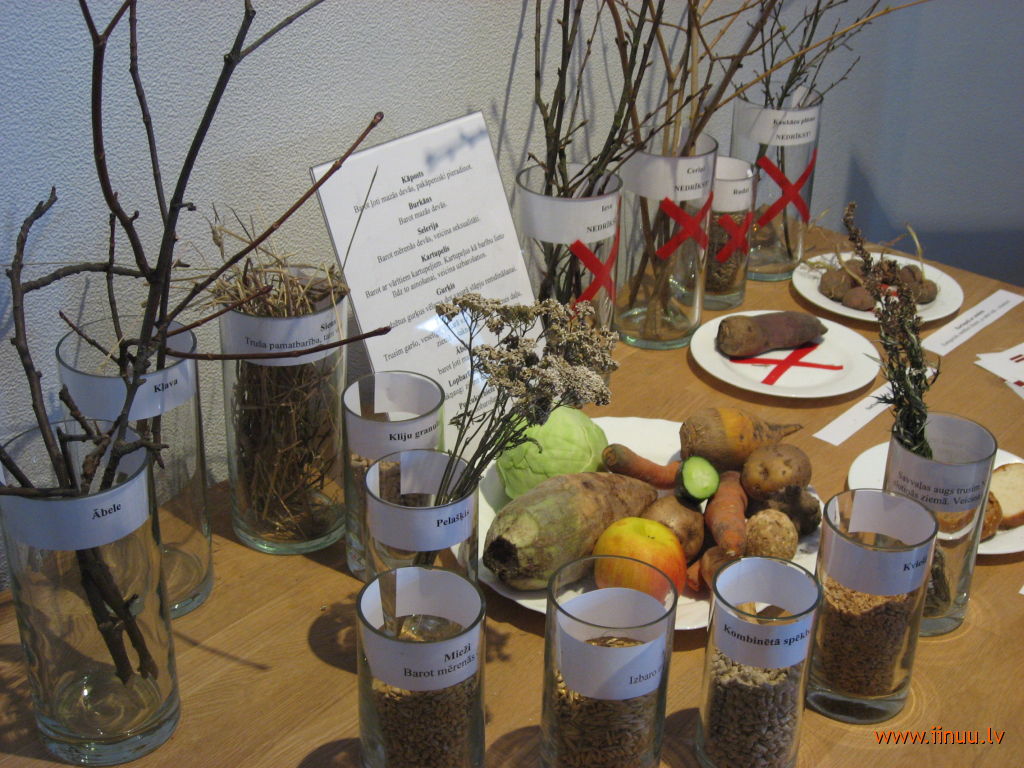
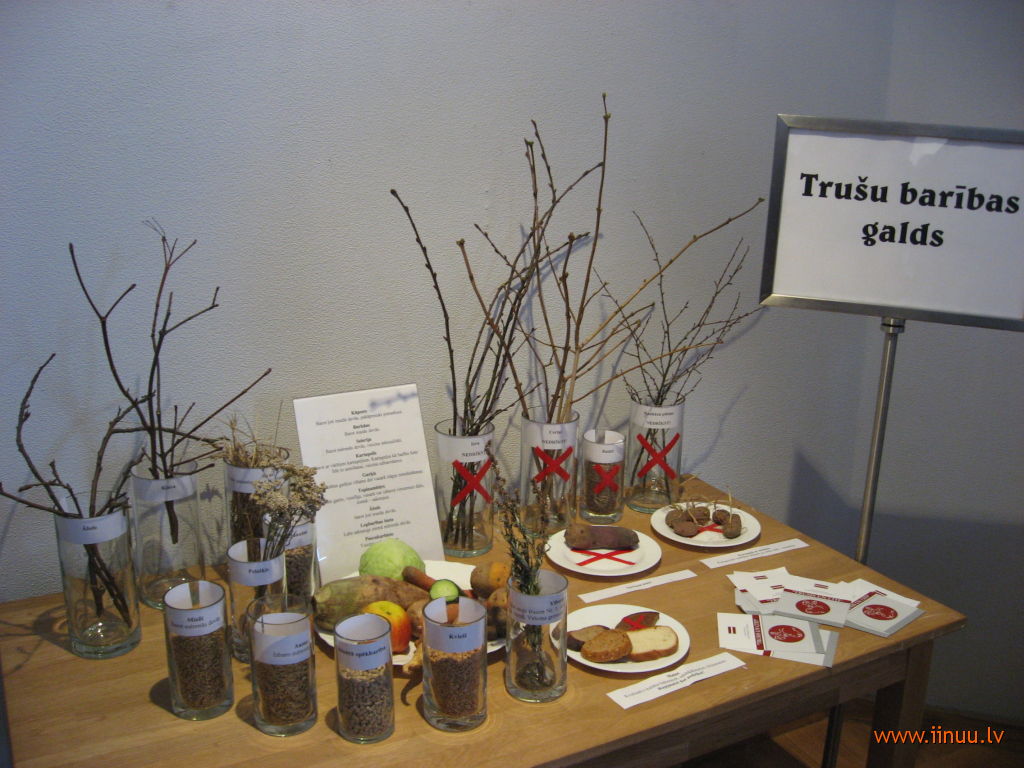
At the exhibition one could not only delight in the fluffy creatures but also learn about their diet, including what is advisable and what is not. For example, a rabbit can safely be given cabbage, carrots, potatoes, apples, cucumbers, barley, wheat, compound feed, yarrow, bran, and also fresh hay, apple and maple branches to gnaw. At the same time, rabbits must not be given beetroot, sprouted potatoes, rye, or branches of bird cherry, lilac, or Caucasian plum. It turns out rabbits can also be fed bread - white bread, sweet-and-sour bread, seed bread - but not rye bread.
The 10 Commandments of Rabbit Welfare:
1. There must always be fresh hay in the rabbit's feeder.
2. The rabbit's cage must have a water dispenser with clean water.
3. A rabbit feels well at lower temperatures, but is sensitive to overheating, draughts, and uncleanness.
4. A rabbit must be accustomed to new food gradually.
5. Spoiled, mouldy food, dewy or overheated grass must not be given.
6. A rabbit is sensitive to ammonia in the air.
7. The cage dimensions must correspond to the rabbit's breed; the cage floor must have openings for moisture drainage.
8. The cage must have dry bedding.
9. A rabbit must be vaccinated 1–2 times a year; its claws must be trimmed regularly.
10. Rodents must not be allowed access to the feed.
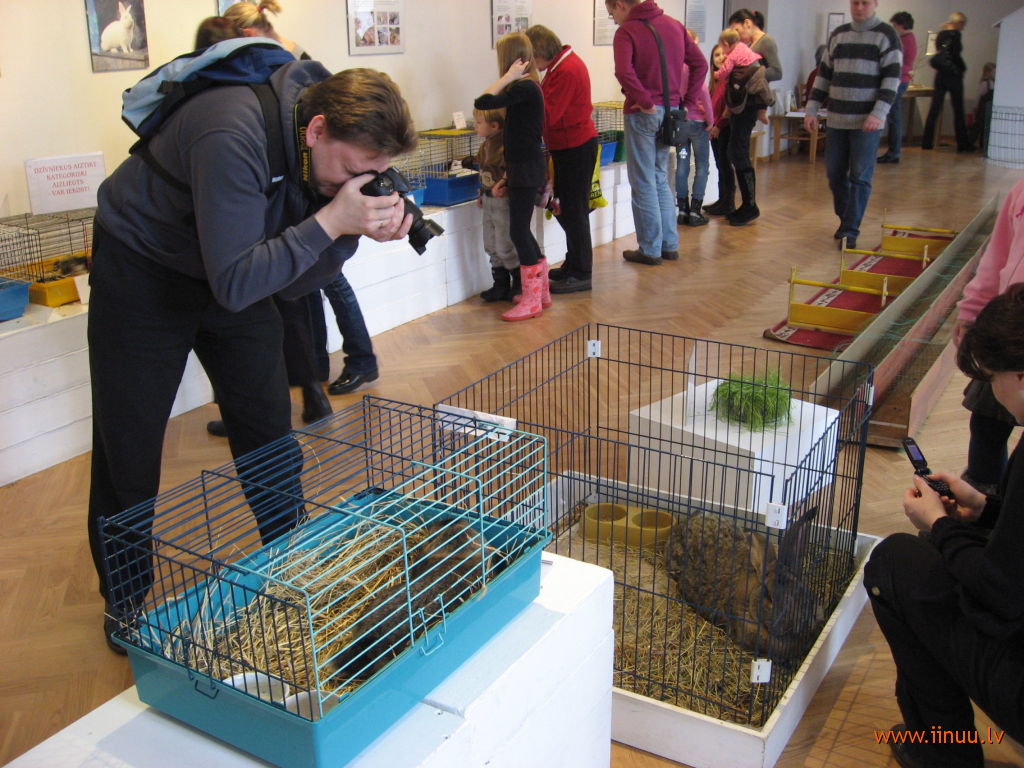
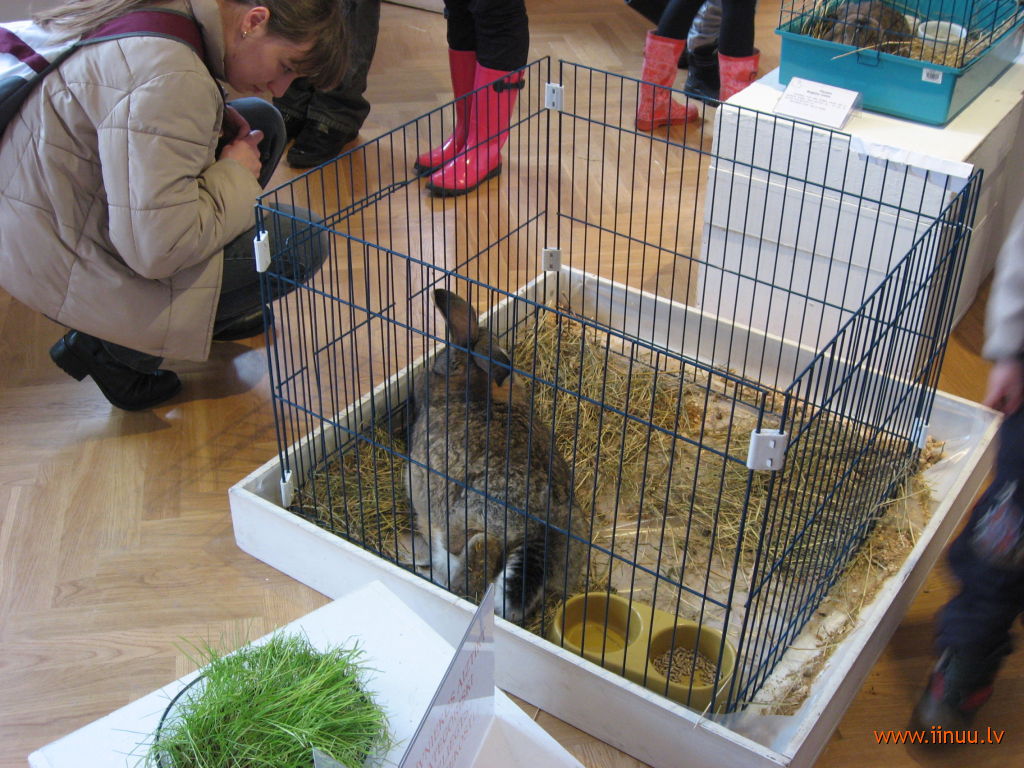
Speaking of the third commandment - the room really was too warm, and more than one "exhibit" was breathing quite heavily. This was due to the large crowds that had gathered around the cages. There were especially many small visitors who, despite the warning signs, could not resist poking a finger through or stroking the fluffy rabbit fur.
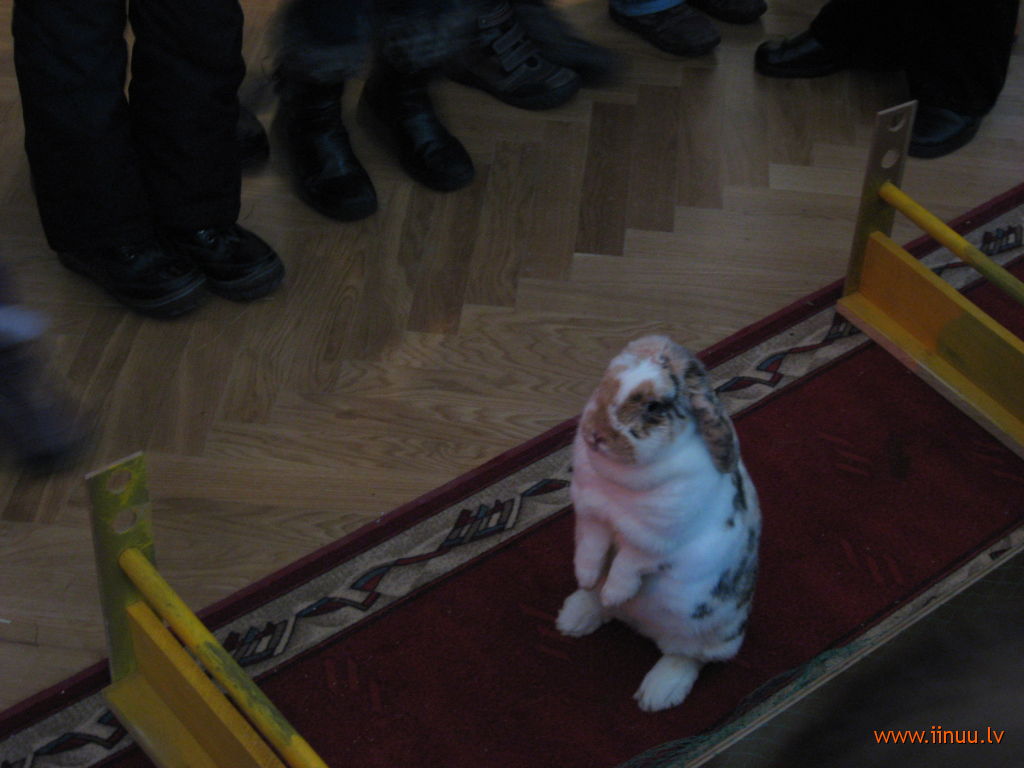
In the middle of the hall a "track" had been set up, where rabbit racing competitions were held three times a day. There was also a second discipline - a hurdle race. Encouraged by the shouts of the audience and a gentle pat on the bottom from an exhibition attendant, the rabbit would loop over three hurdles set up in a row. An amusing spectacle - watching the lazy little balls reluctantly rolling over the obstacles. One thing is clear: a rabbit is not made for training; it ambles wherever its eyes lead it, without any previously determined goal, as far away from the hustle and bustle of the crowd as possible.


comments