BBQ Masterclass with Chef Māris Astičs and Kikkoman Products
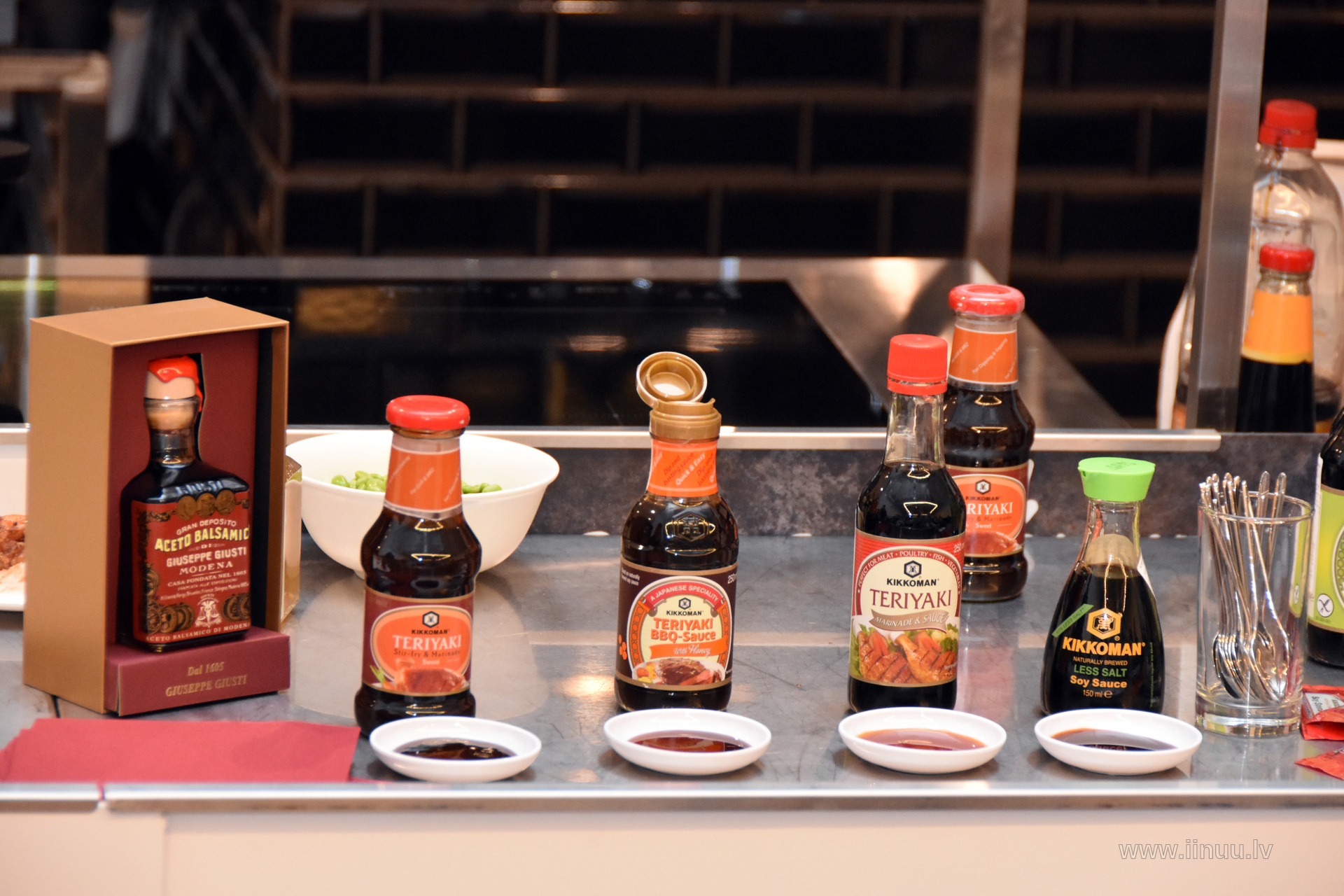
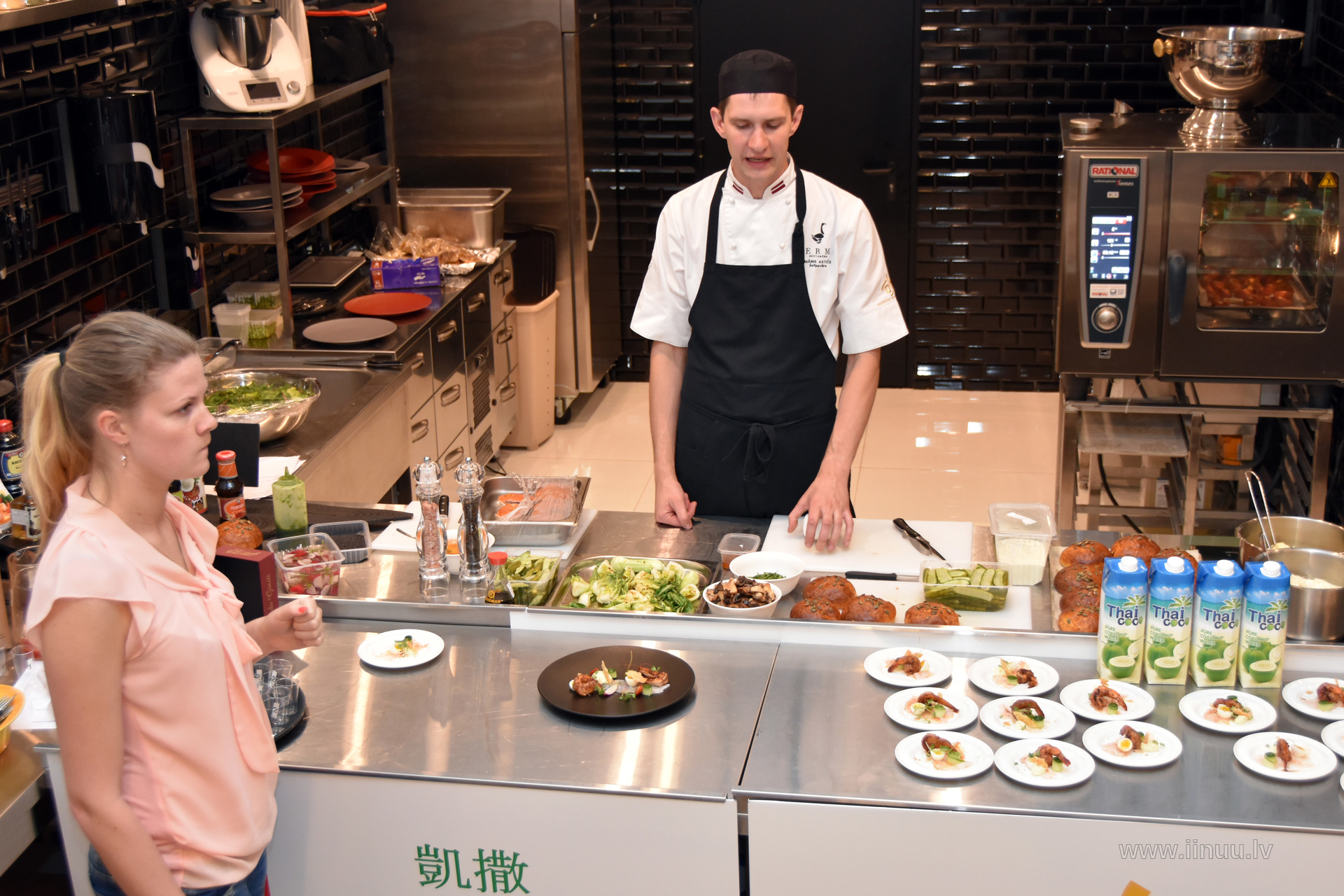
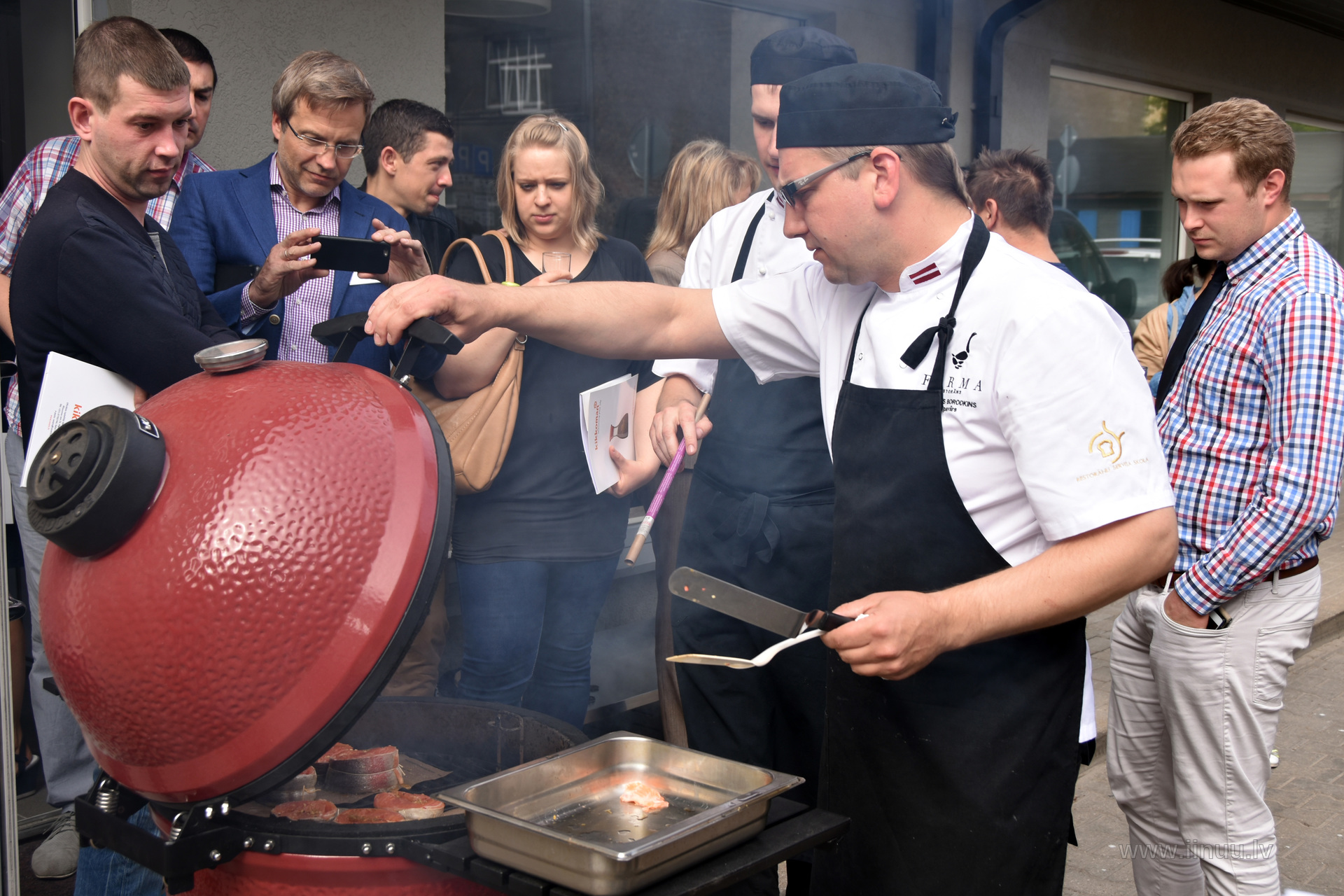
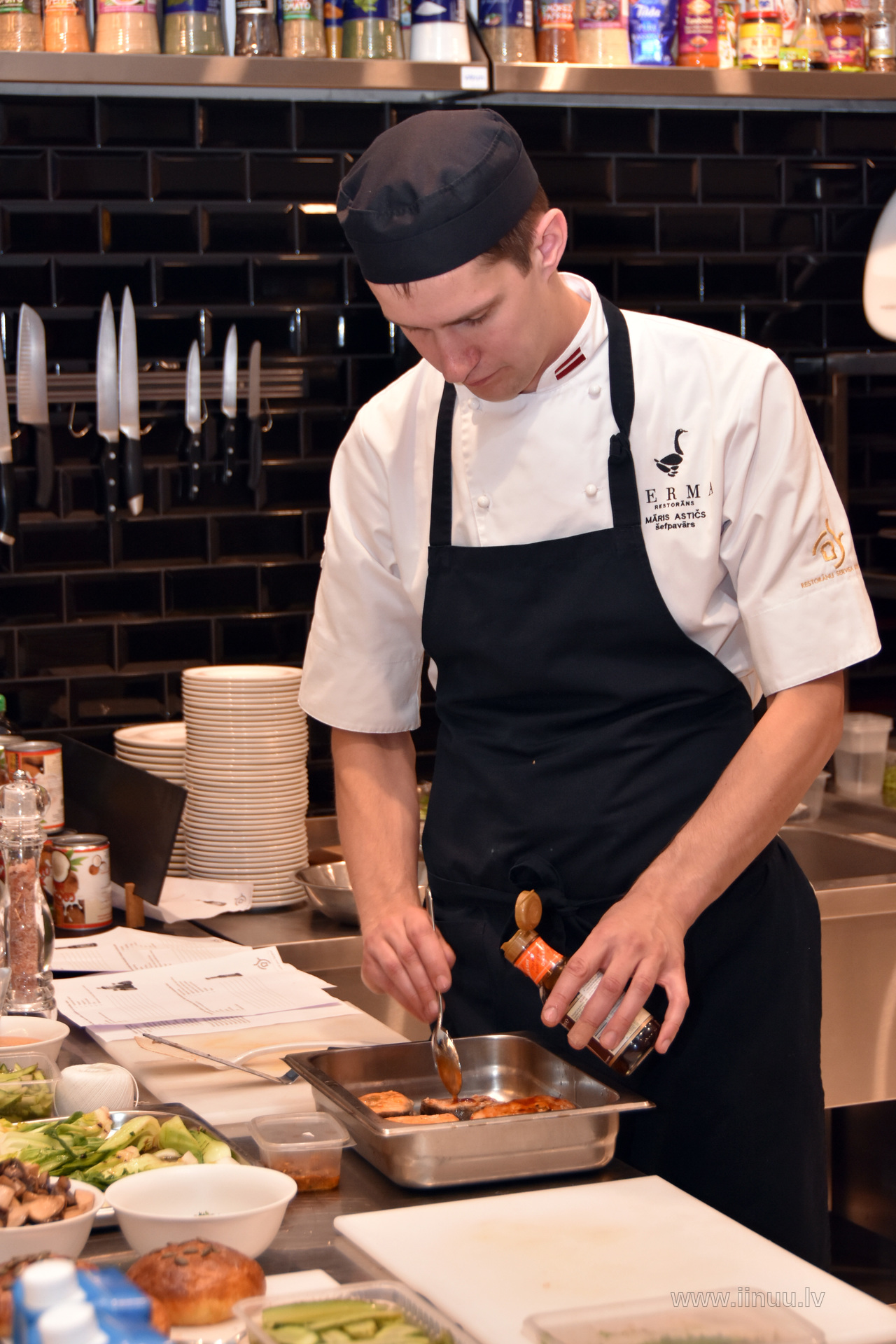
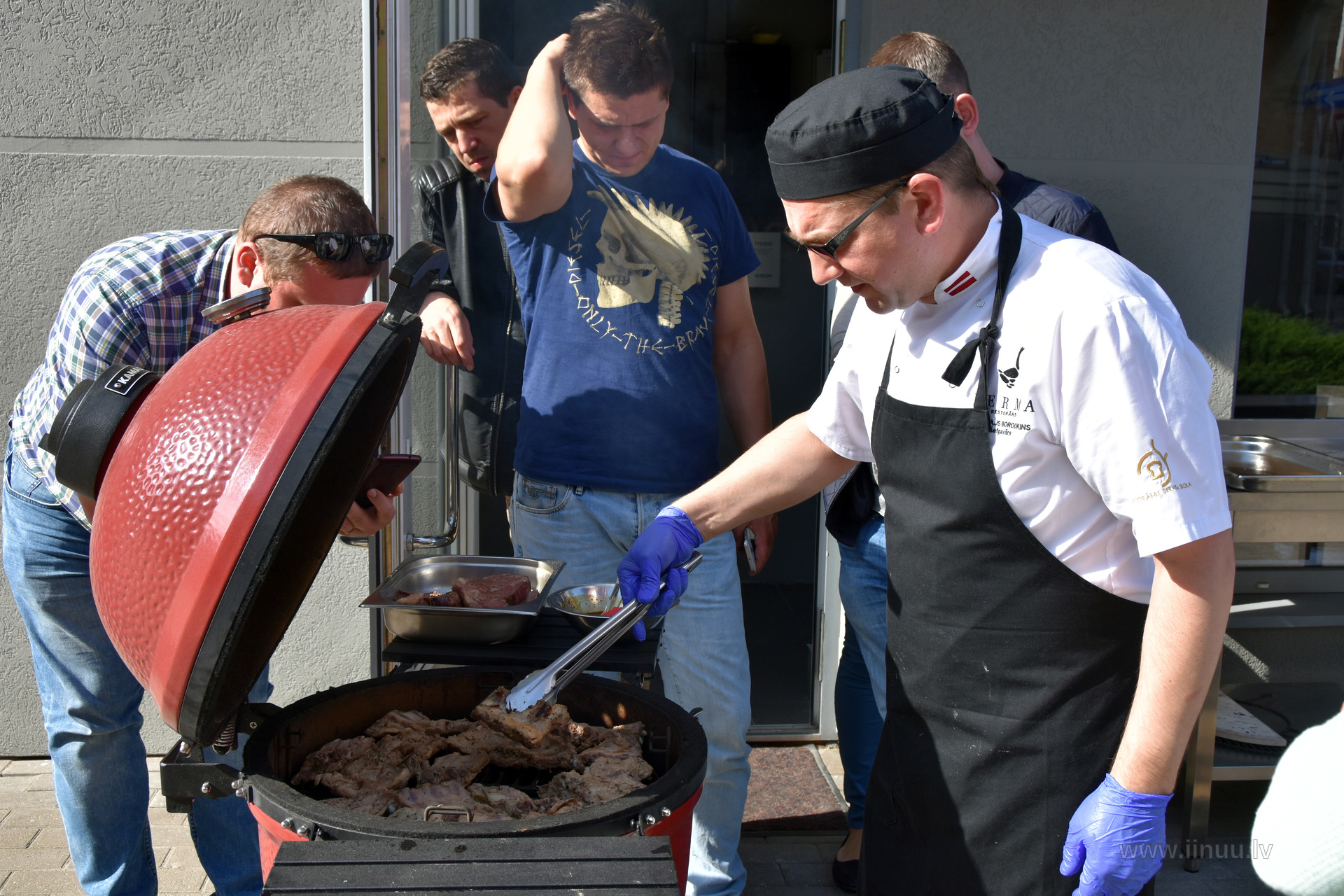
We must say, we are not passionate fans of Asian cuisine, but always ready to learn something new and taste something enjoyable. So this Tuesday we headed to the Restaurant Service School for a BBQ masterclass with chef Māris Astičs and a tasting of Cesars products. In total, six fantastic recipes were prepared and sampled - ones I will not even attempt to replicate at home.
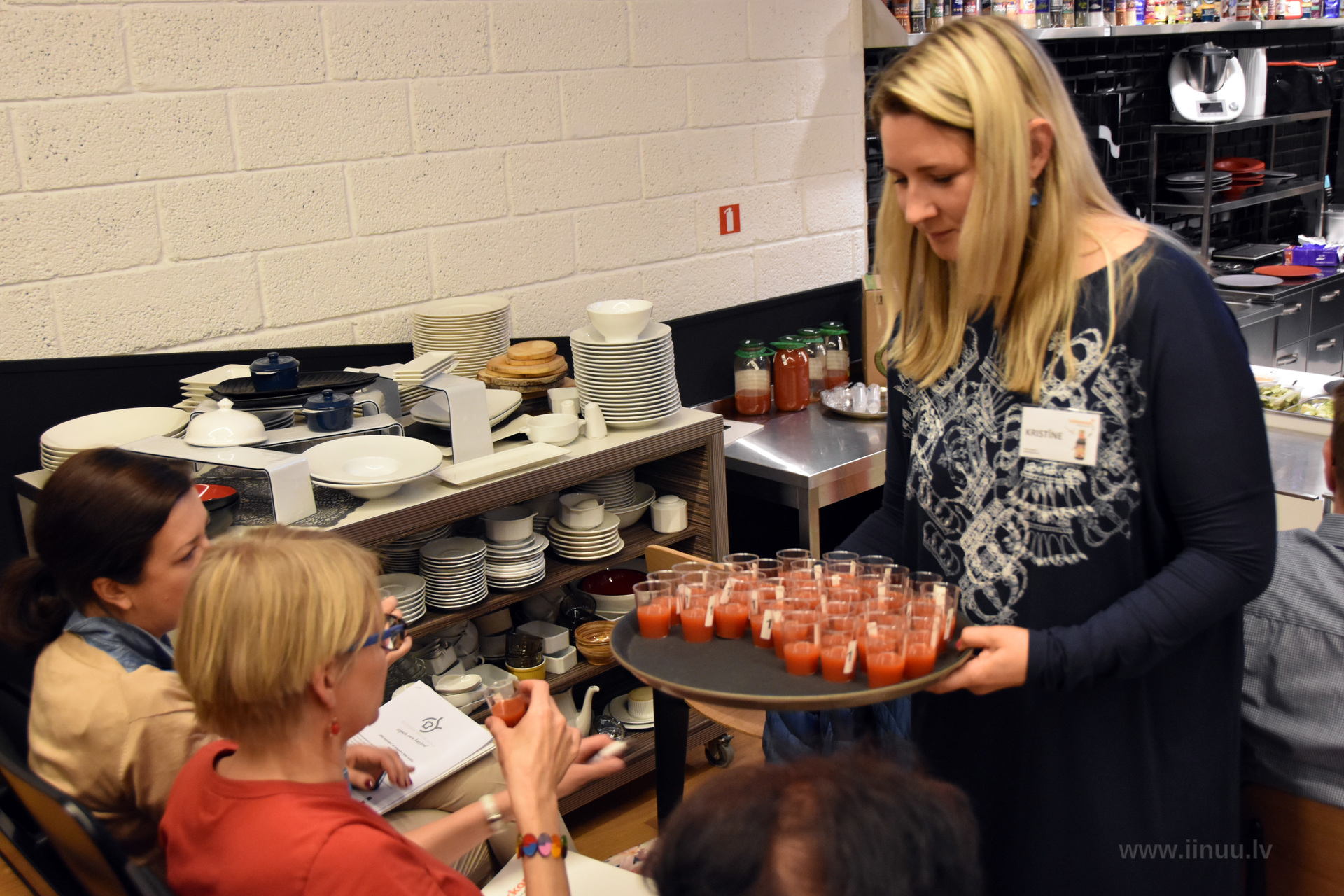
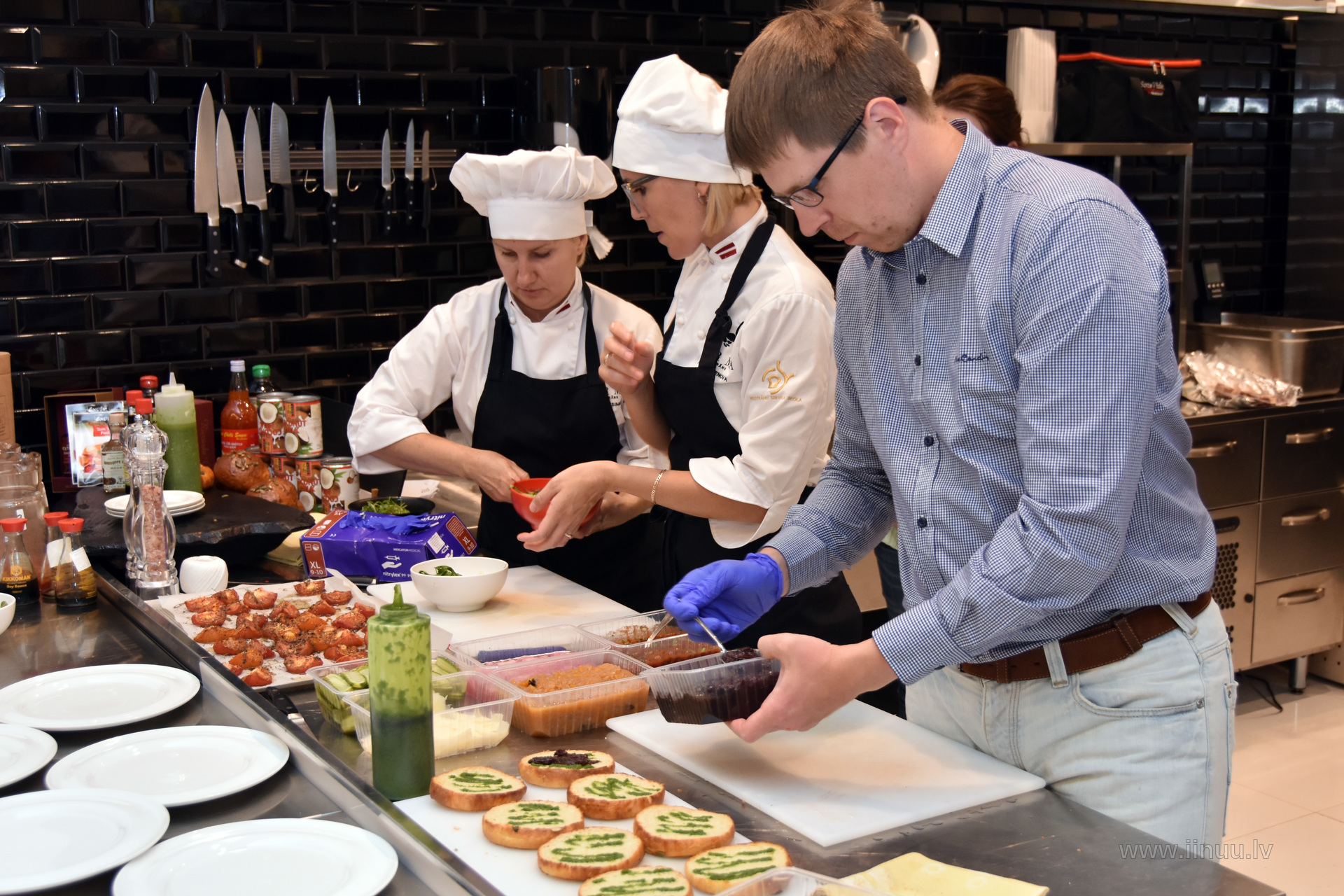
We were pleasantly surprised both by the room layout - where everything was so easily visible (screens displaying what was happening on the kitchen counter) and audible - and by the event's organisation, which allowed anyone present to participate in the preparation of the dishes.
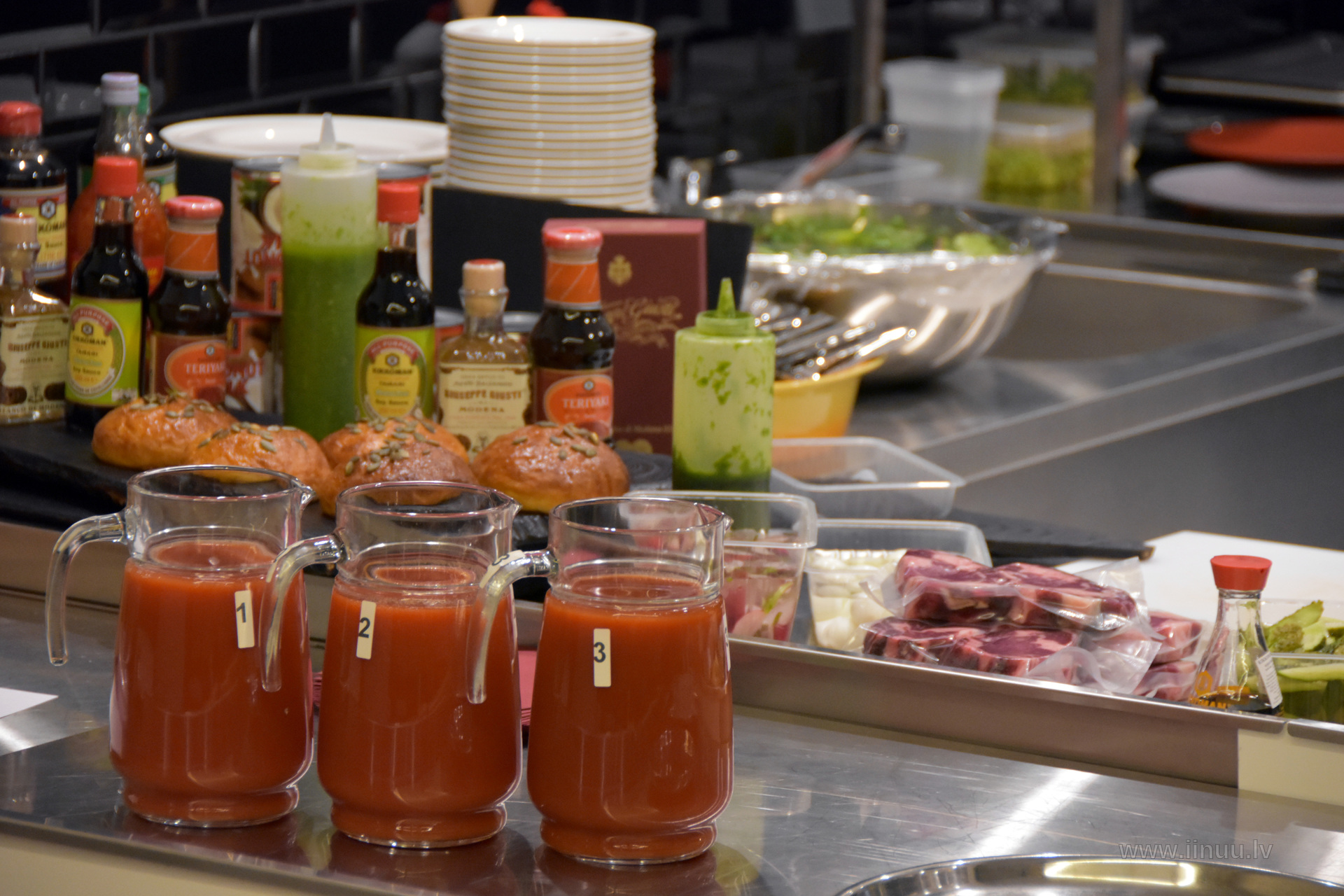
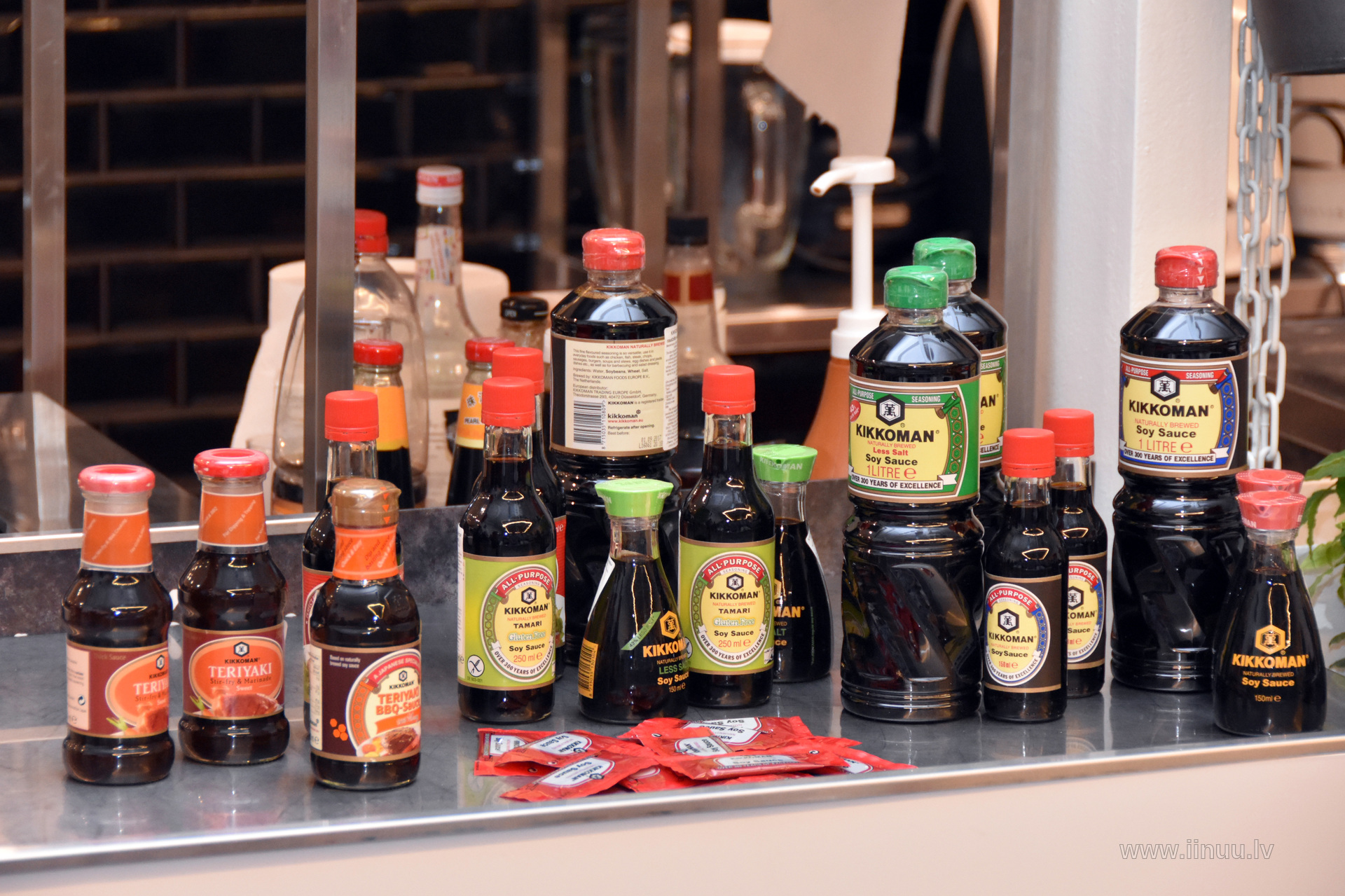
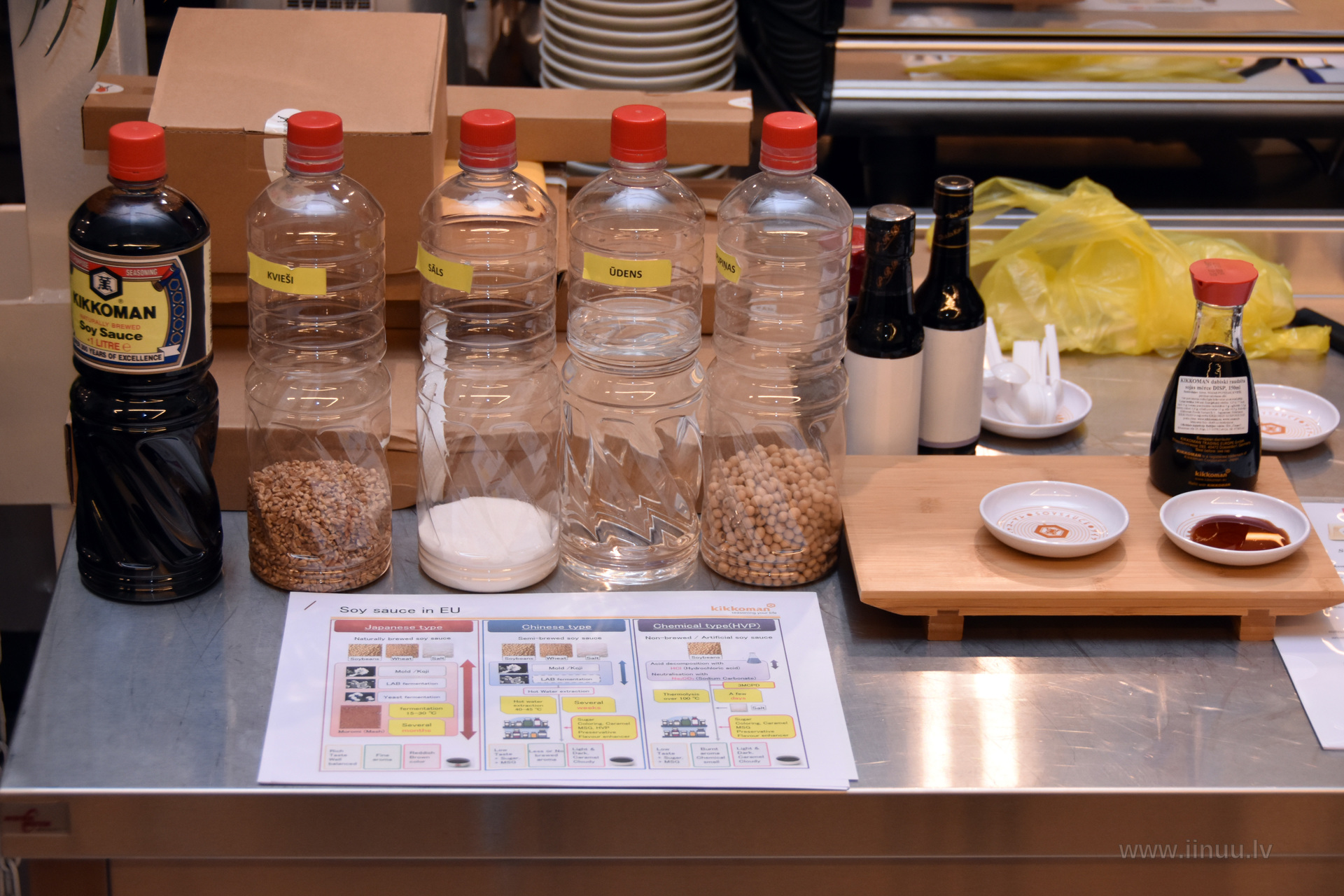
We also learned some useful information about soy sauces, which are a well-fermented condiment that possesses not only the four flavours we know well - salty, sweet, sour, and bitter - but also a fifth: umami. This was demonstrated with tomato juice: the first sample was pure tomato juice (not at all easy to find in Latvia, as it happens - this one was purchased from Ukraine); the second sample was tomato juice with salt (the familiar flavour of carton juice); the third sample was tomato juice with soy sauce.
The last sample was not as ordinarily salty, but neither was it bland. So soy sauce as a salt substitute could prove quite useful in food, reducing salt intake - which, as we know, slows the metabolism and promotes excess weight.
How to Choose a Good Soy Sauce?
If there is an opportunity to examine and taste, then first of all the appearance should be assessed. A good soy sauce has a rich amber colour, not a dark murky one. Secondly, on smelling it you should detect the aroma of freshly baked bread crust, not a strong, pungent smell. Thirdly, all five flavours should be detectable - not just salt.
In a shop where opening the packaging is not possible, the assessment must be visual - a closed bottle should have no sediment. The label should also be checked to ensure it says "naturally brewed" - dabīgi raudzēts.
Furthermore, Japanese soy sauces are of higher quality than Chinese ones, as the former are fermented for approximately 6 months, while others accelerate the fermentation process to 2–4 weeks by adding something. Everything whose natural fermentation or growth cycle is artificially accelerated is less healthy than that which has arisen through a natural fermentation or growth process.
Recipes with Soy Sauces
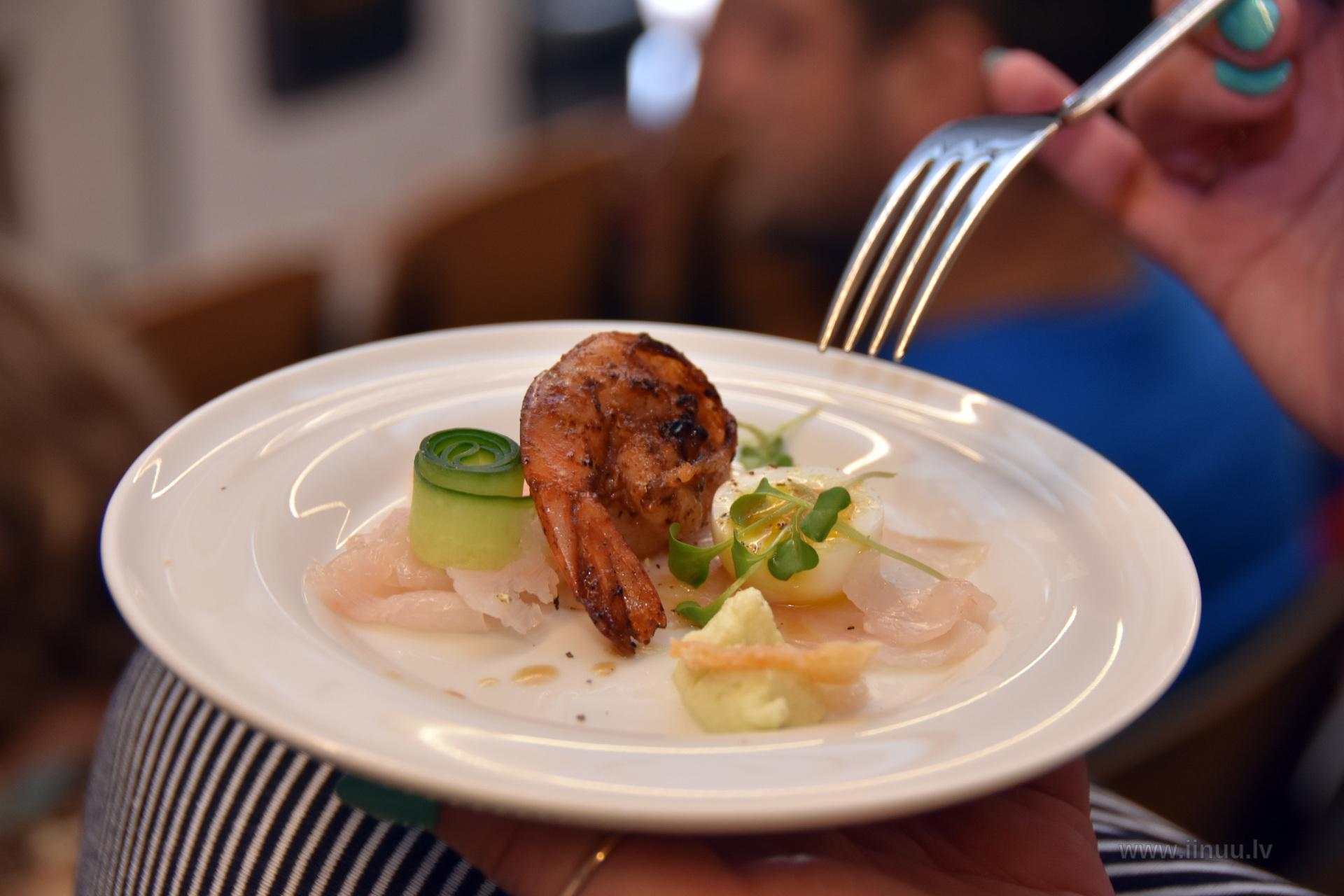
In total, six fantastic recipes were prepared and sampled - ones I will not even attempt to replicate at home, as the little tricks that chef Māris Astičs and his assistants demonstrated and explained are within the reach of cooking professionals only. Honestly, I must admit I am too lazy and too frugal for such things, as each dish contained at least fifteen ingredients and at least two hours of preparation time. One thing is clear: if Māris is cooking at a restaurant, I will gladly stop in there for a meal.
The tasting menu featured:
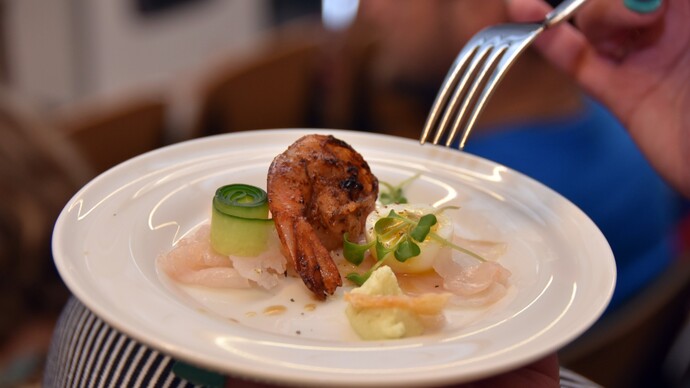
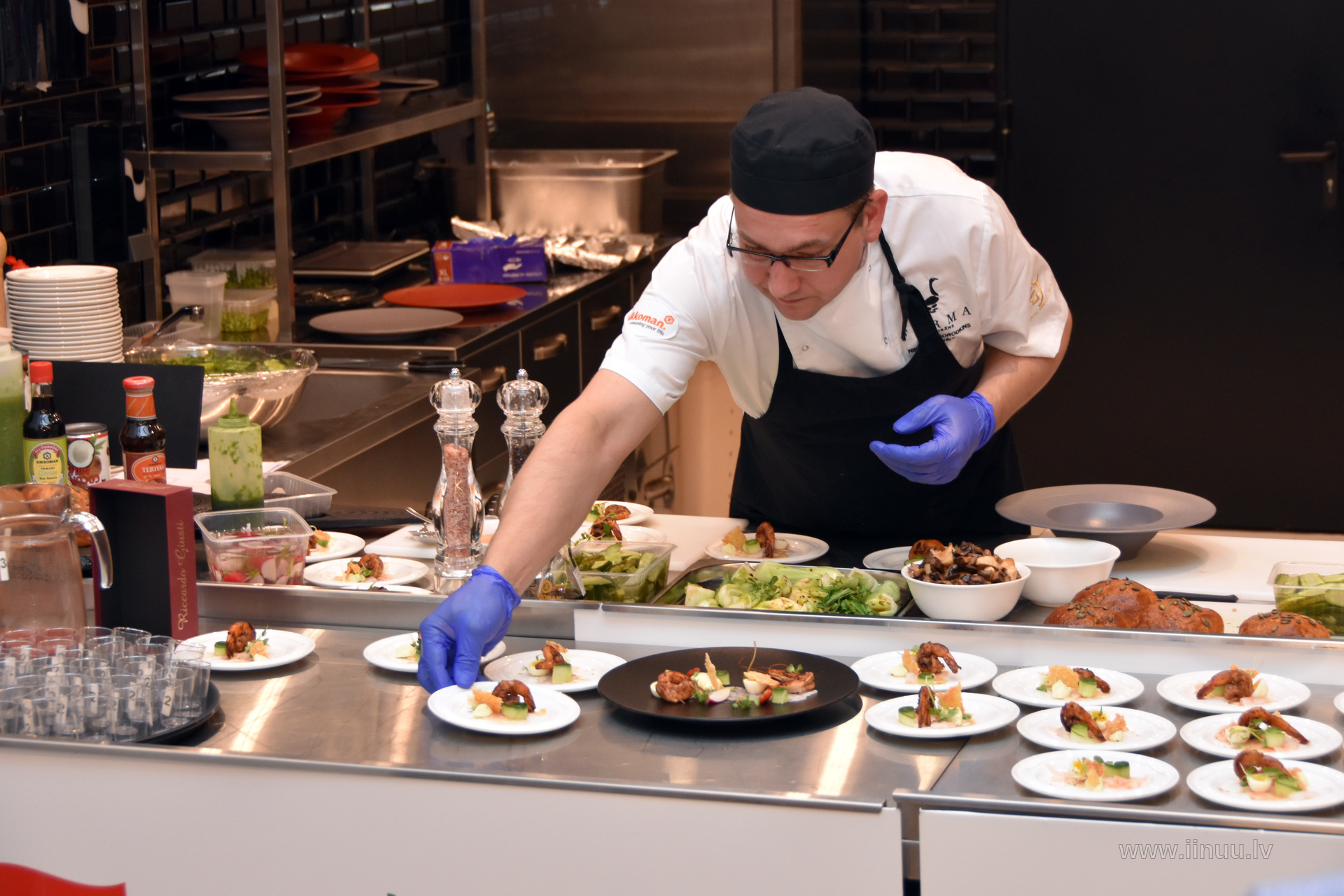
- Thinly sliced prawns with a soy sauce glaze, wasabi cream, and quail eggs
- Flame-seared trout fillet with sesame seeds, asparagus, and tomato salsa
- Spring greens salad with sprouted shoots, soya beans, and balsamic dressing
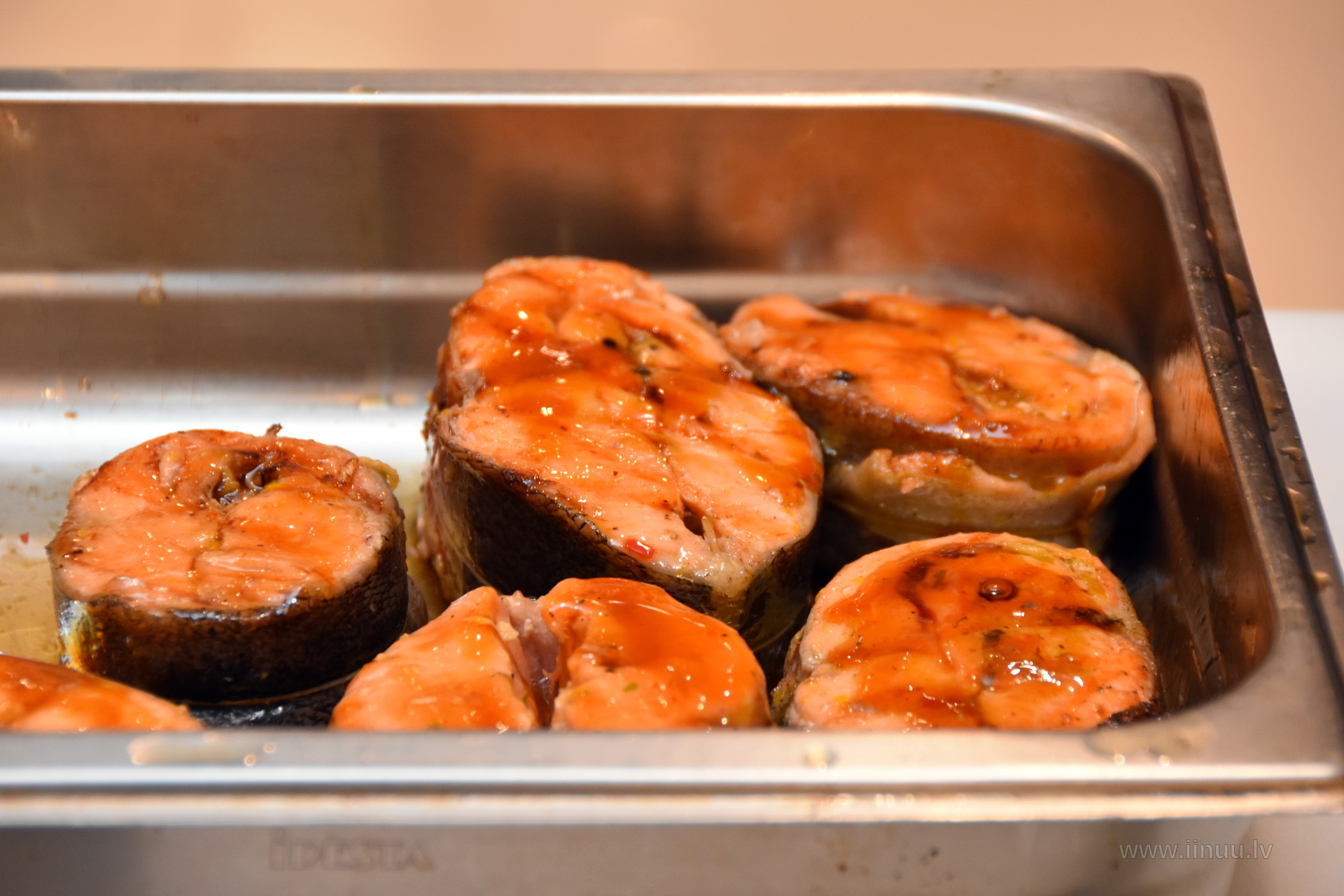
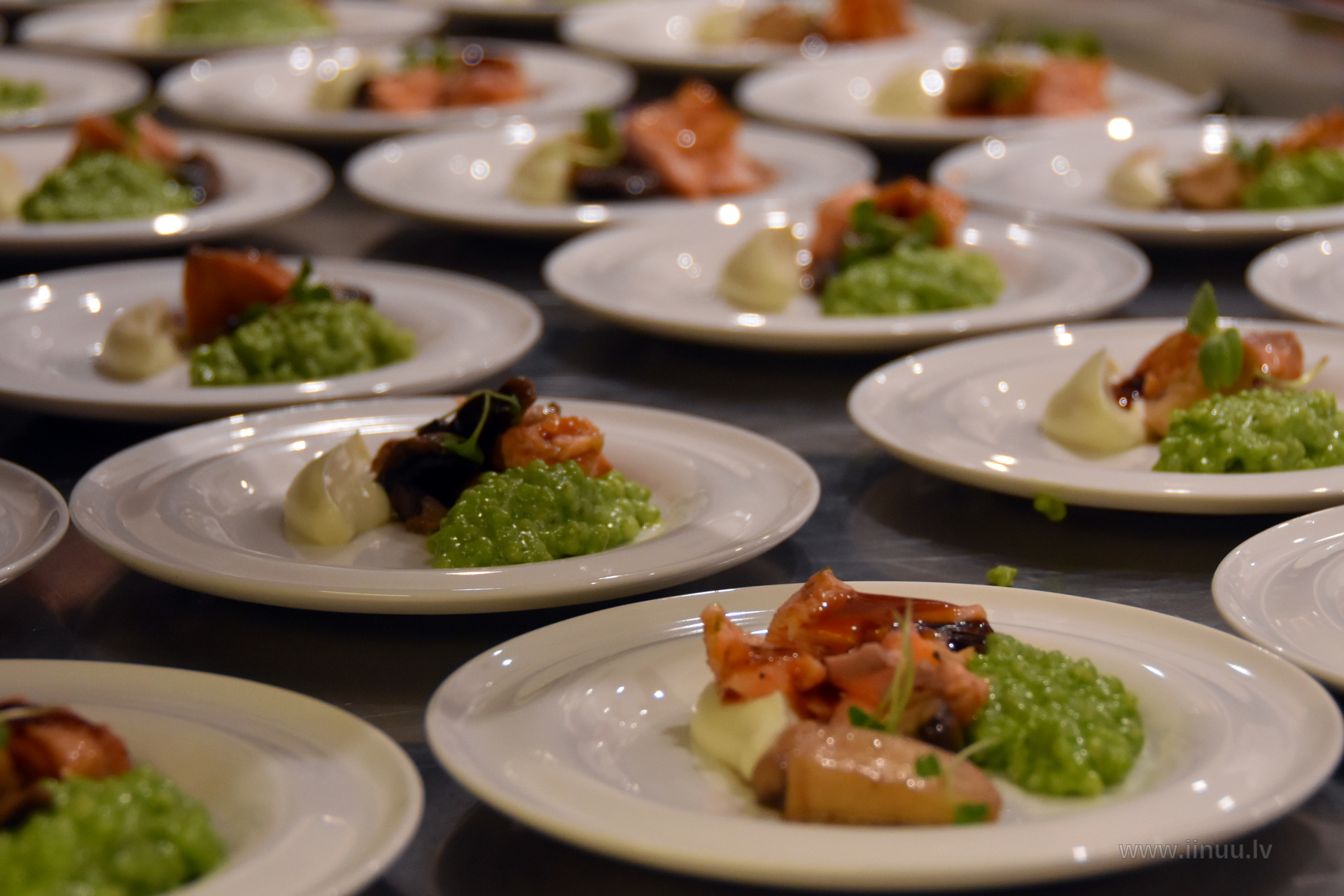
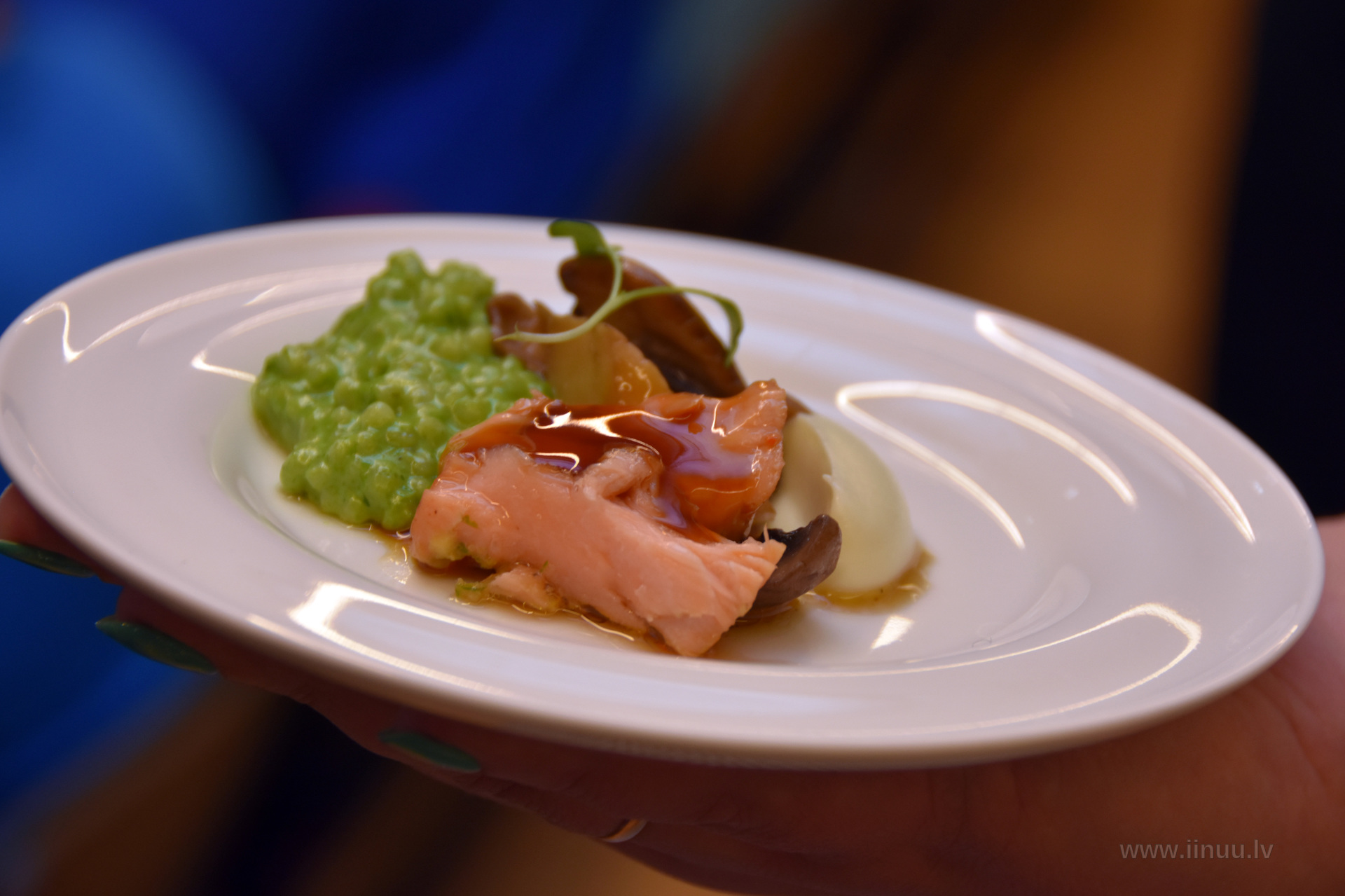
- Trout steak in a soy sauce and lime marinade with basil groats and cauliflower
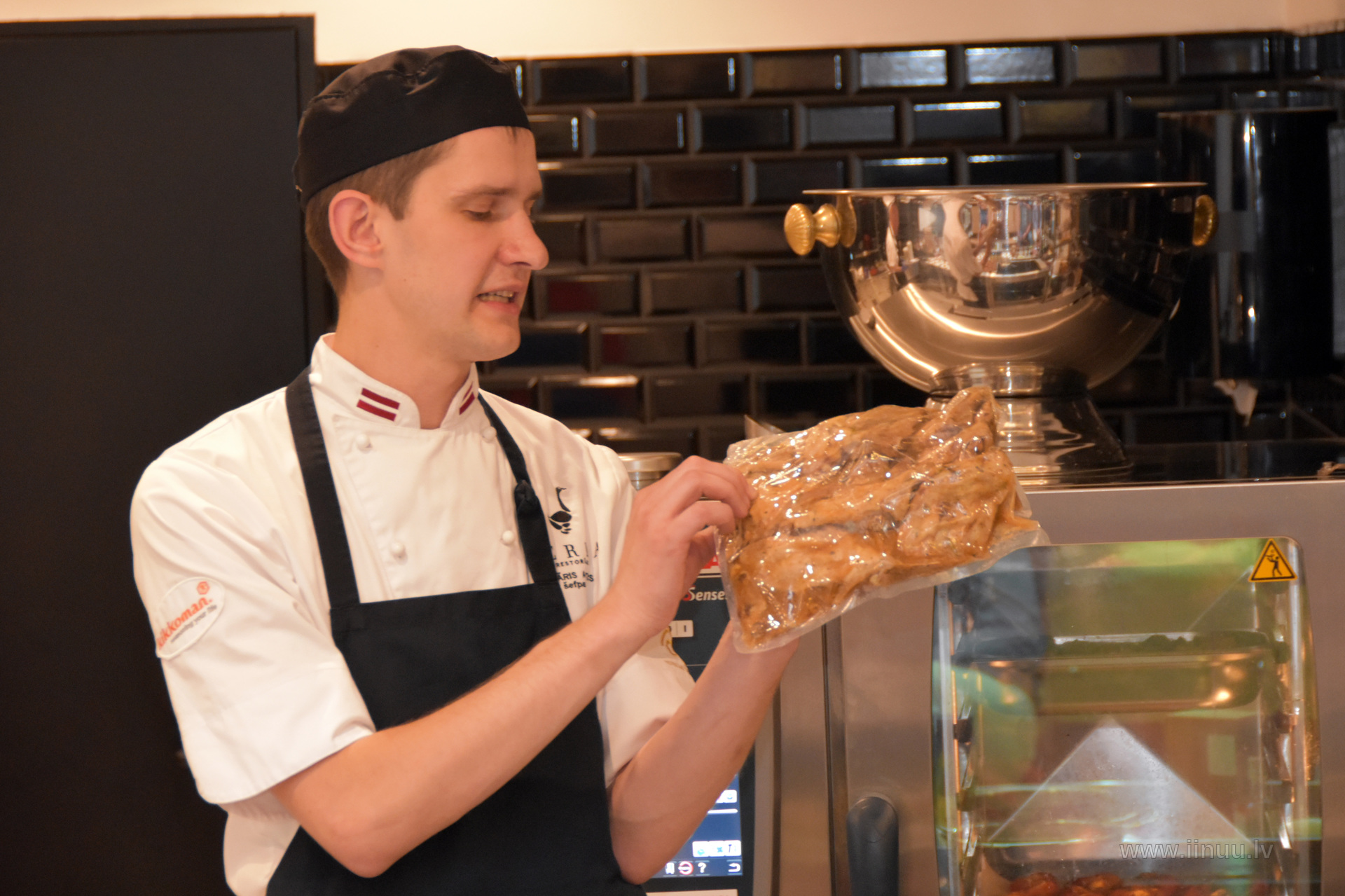
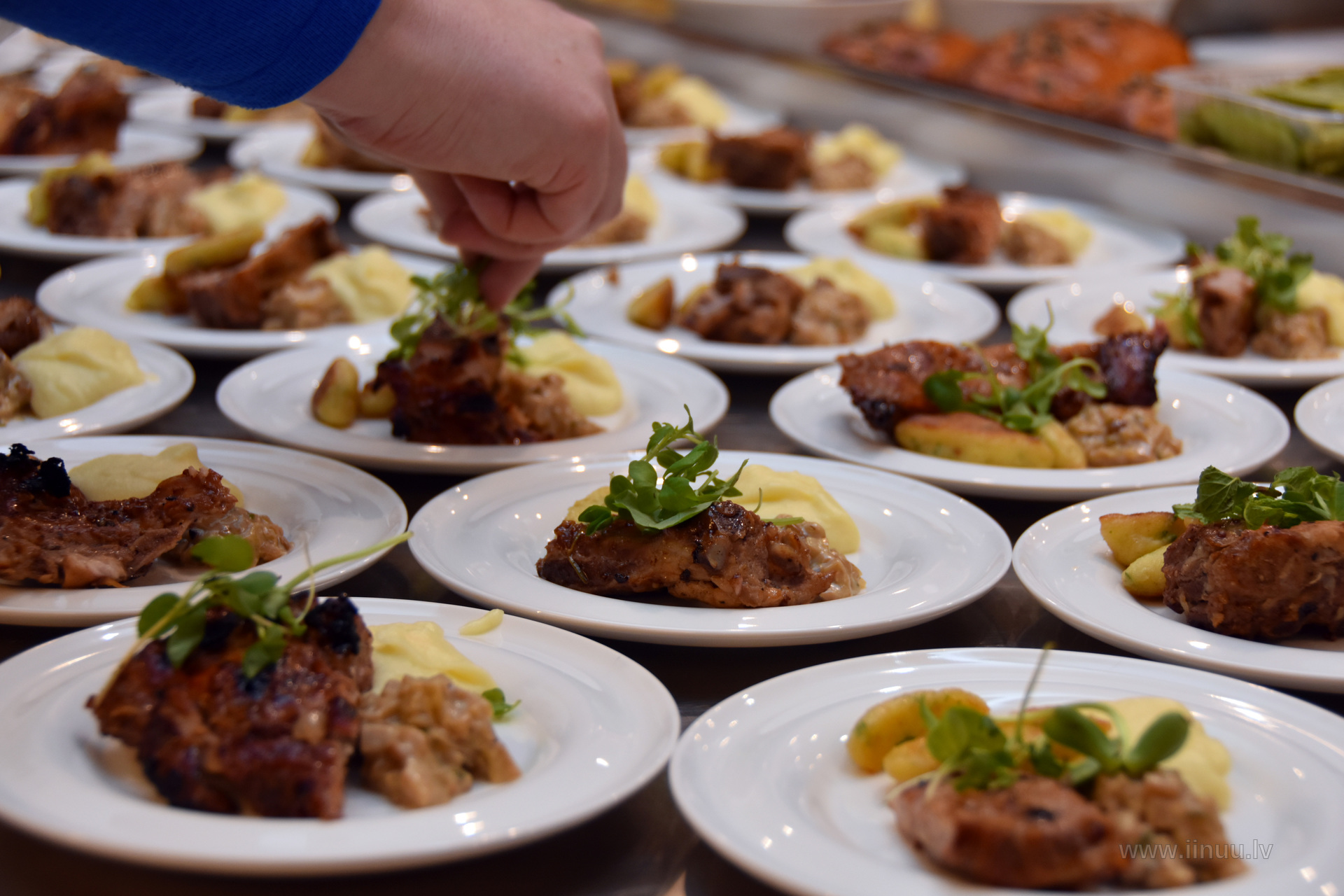
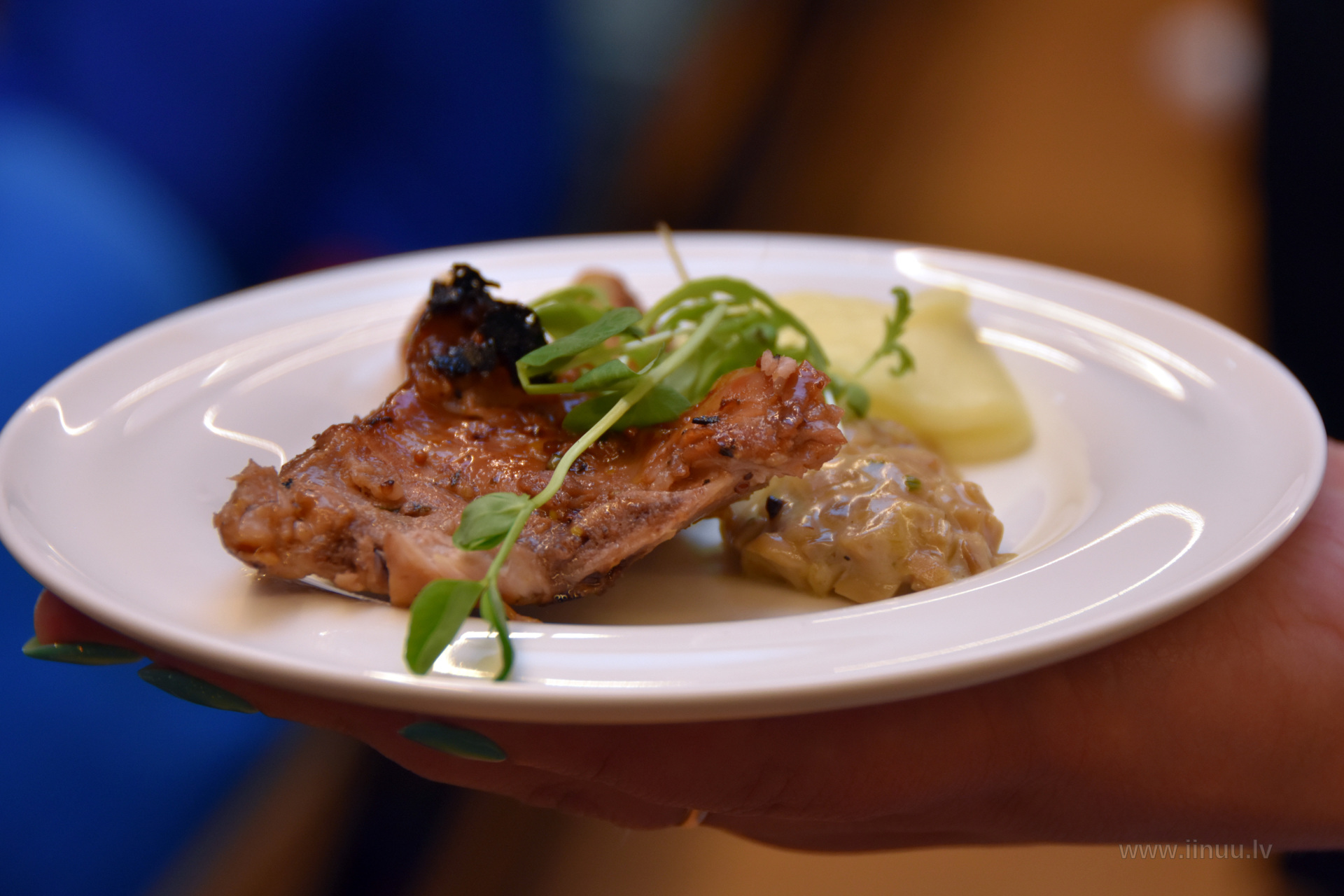
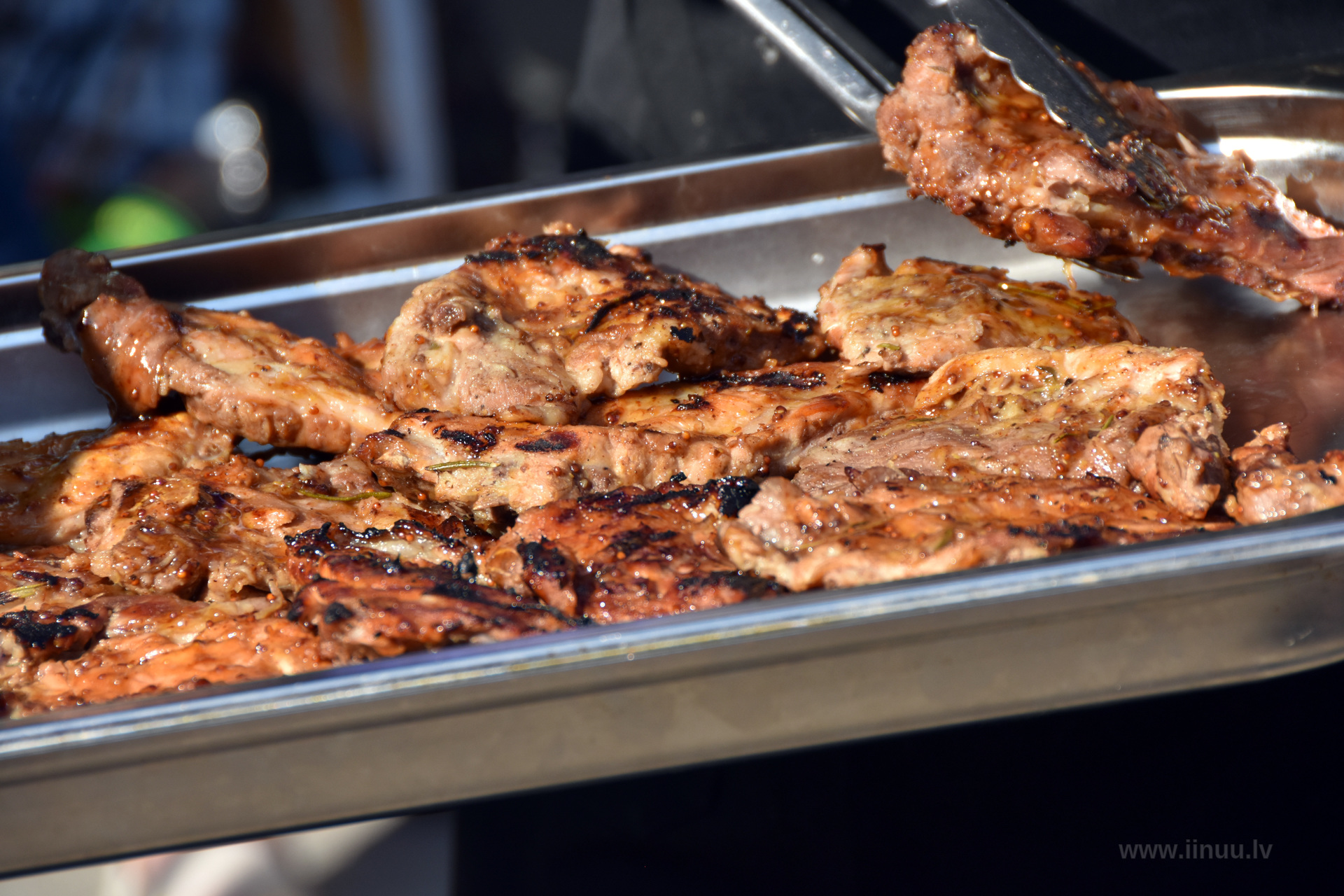
- Slow-cooked pork ribs with a honey glaze and potato and porcini gnocchi
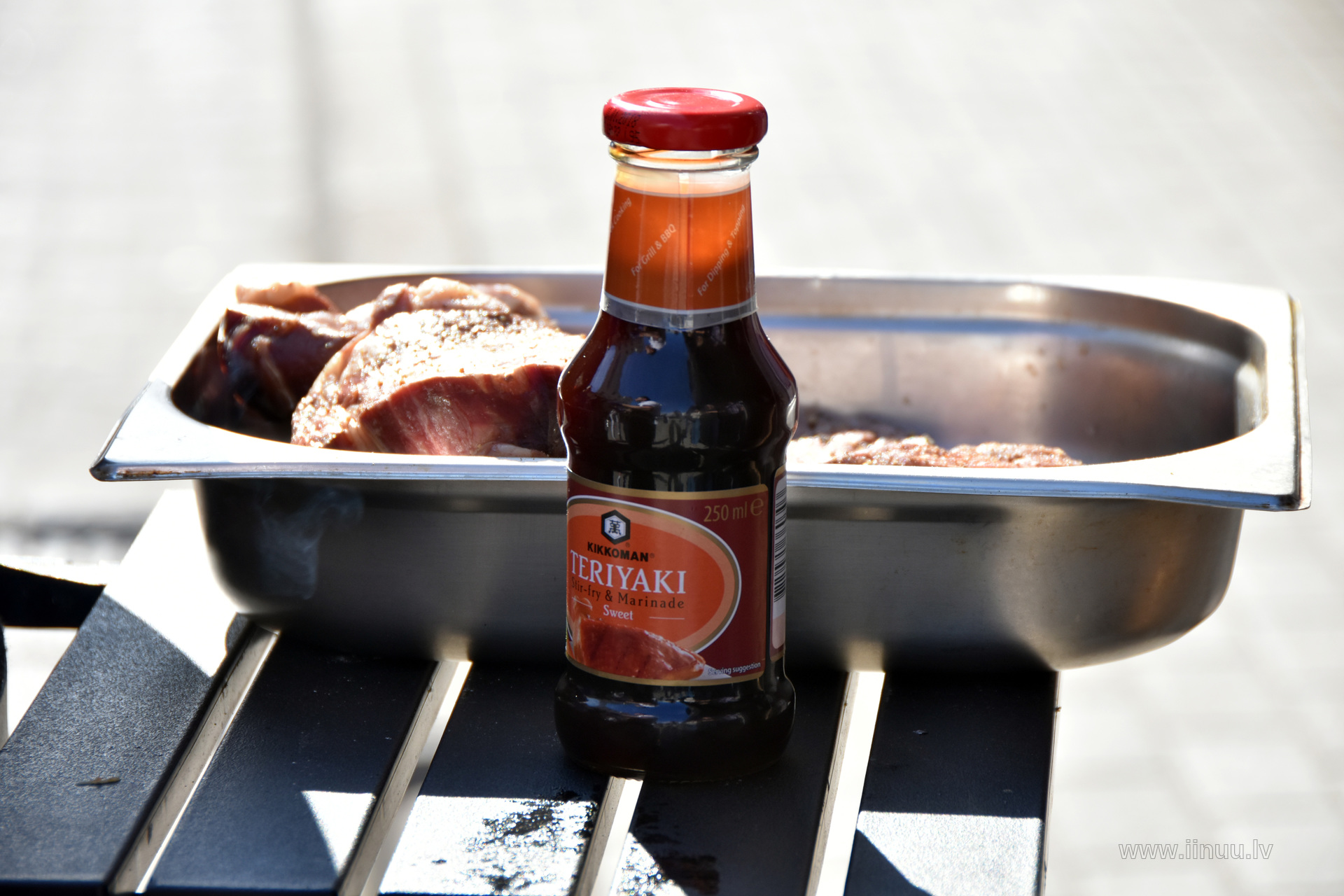
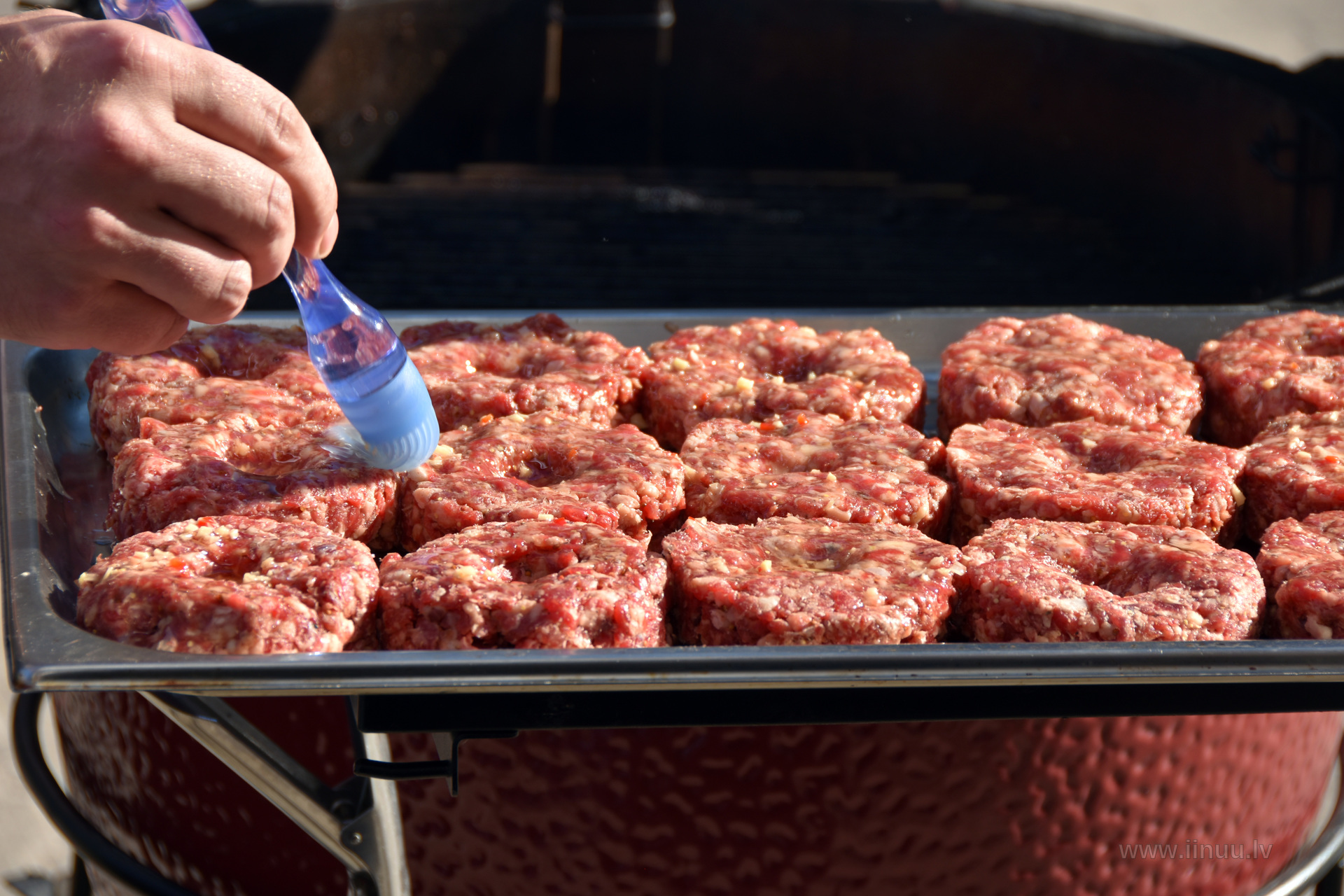
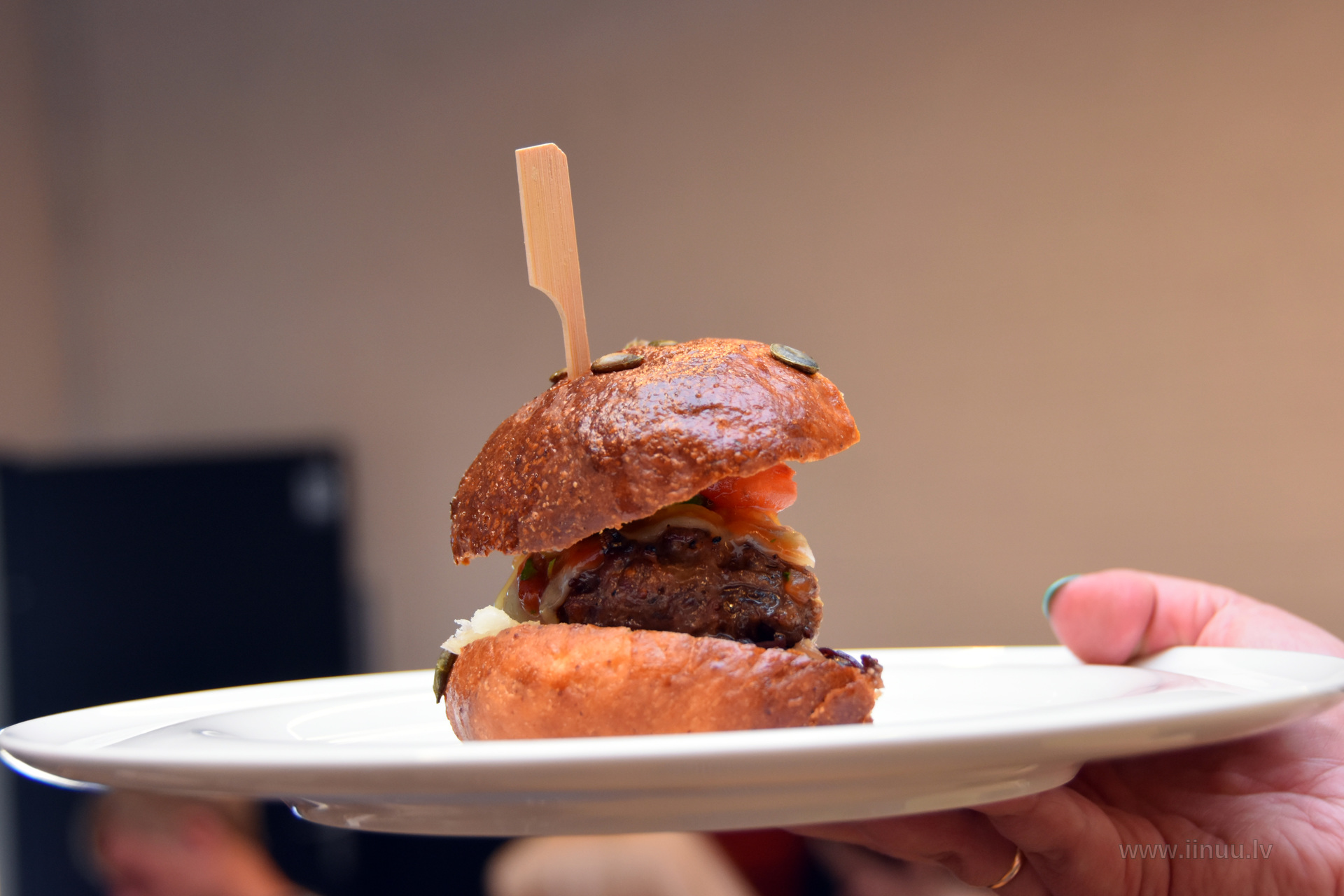
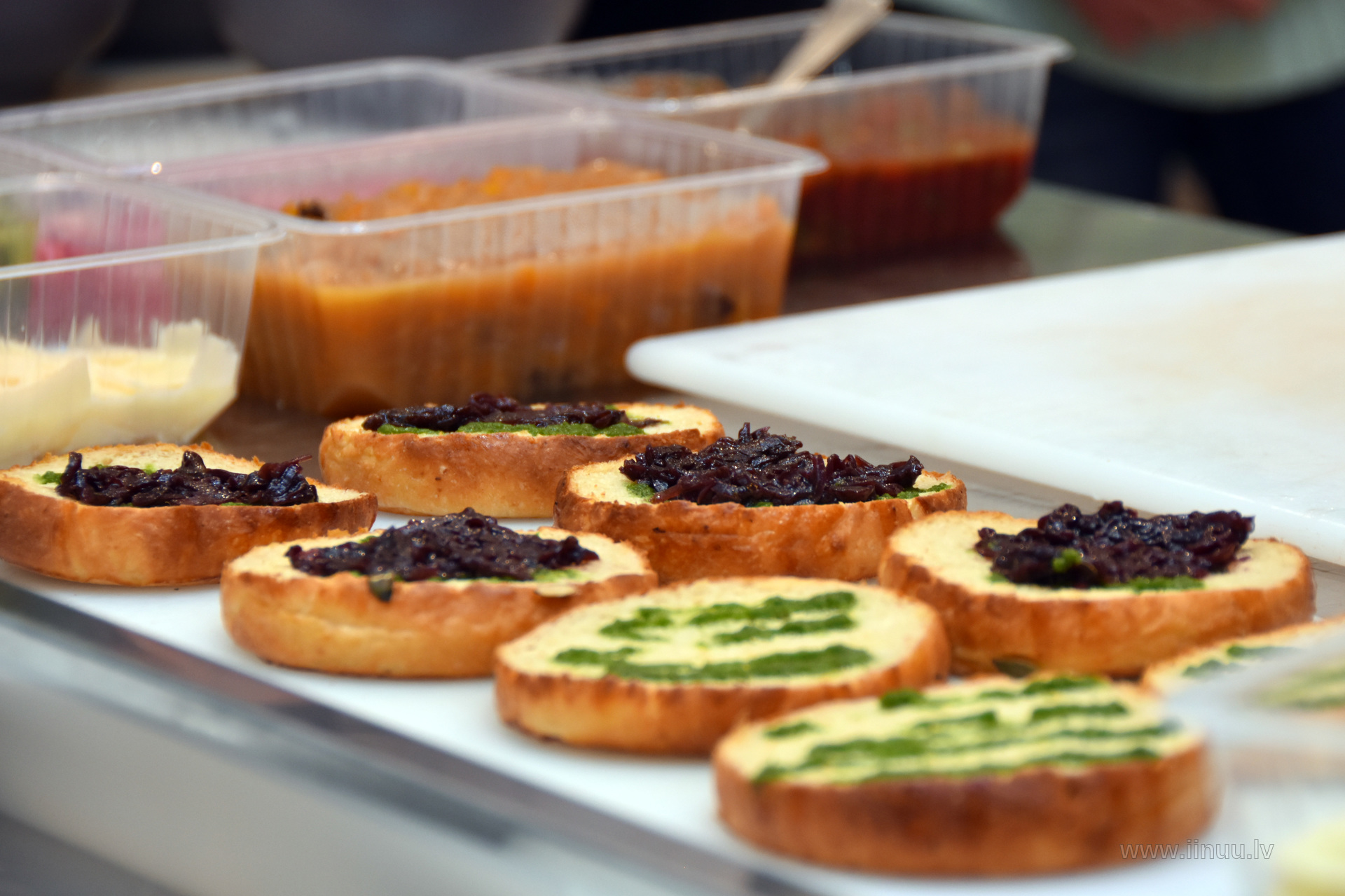
- Umami beef burger with quark brioche
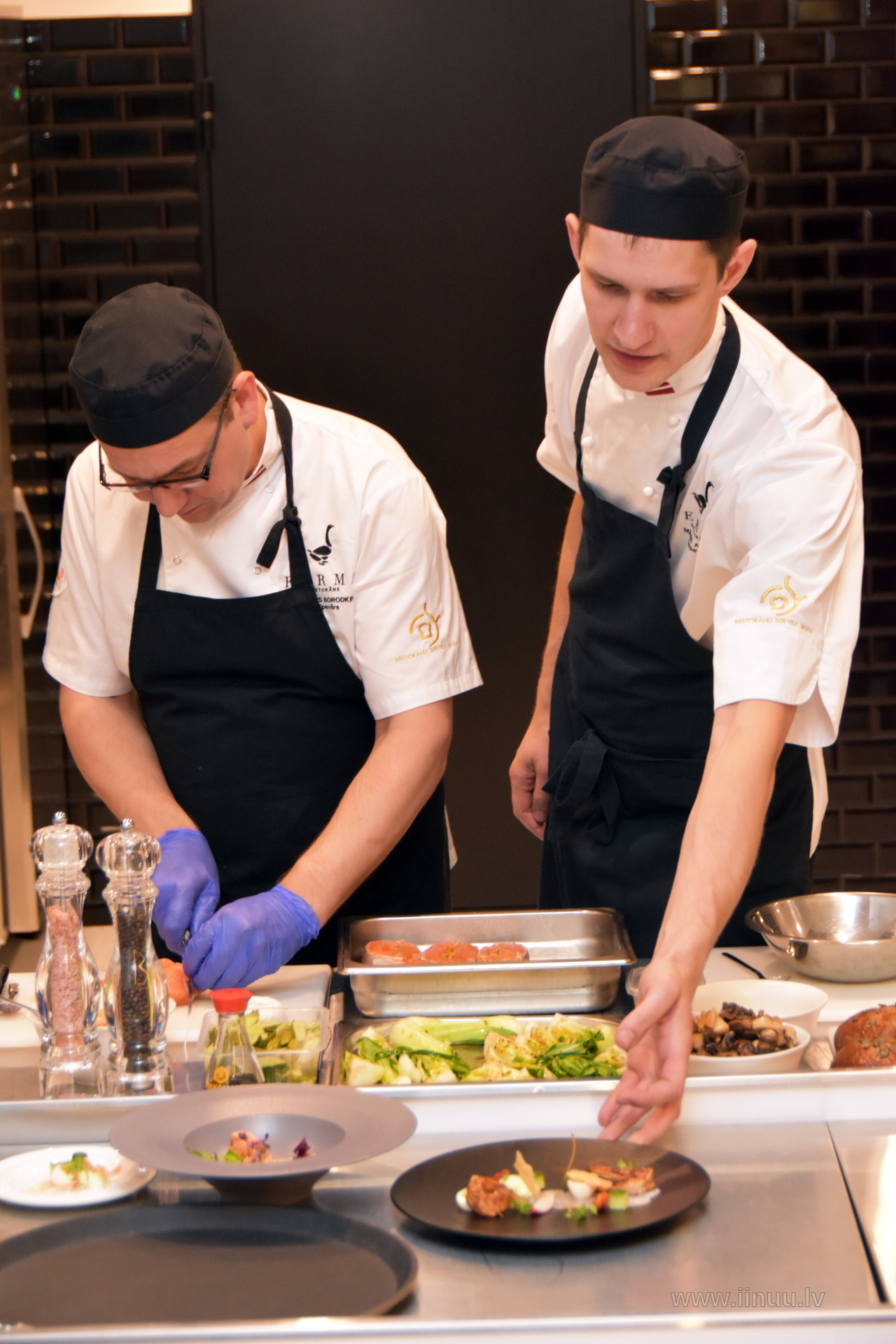
Well now - is your mouth not already watering? If not yet, check out the photo gallery below the article. There is also a short video glimpse of the masterclass.
Umami Burger Masterclass
More about soy sauces and various recipes using them can be found at www.cesars.lv







comments