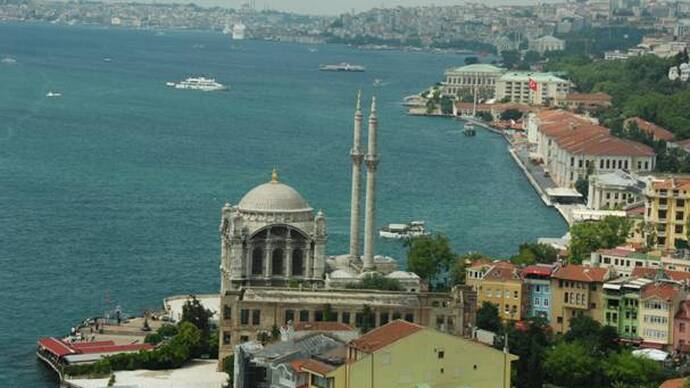
On the fourth day of the excursion we set off on a two-hour cruise on the Bosphorus Strait aboard a small two-storey boat. The strait connects two seas - the Black Sea and the Sea of Marmara. Although the wind was blowing fairly strongly, it was pleasantly warm, and our shoulders and faces got quite thoroughly sunburned. At one point the backs of dolphins flashed in the water.
How many wives could a sultan have at most? It turns out only 18. The word "harem" comes from Arabic and means "forbidden." Nowhere will you find accounts of this place originating from Muslim lands. The harem was the dwelling of the sultans' wives, concubines, and children, served and guarded by Black enslaved men - eunuchs.
This summer, by a happy coincidence, the Midsummer holidays fell to give us a full five free days, so the opportunity arose to travel to Turkey, this time with the "Impro" travel agency. After our last trip by coach across Europe, we realised that bus travel was no longer for us and that we needed to start moving by air. Already on the evening of 23 June we were sitting alone together on the hotel terrace in Istanbul, drinking beer and wine and gazing out over the Sea of Marmara lit up by the lights of the many boats.
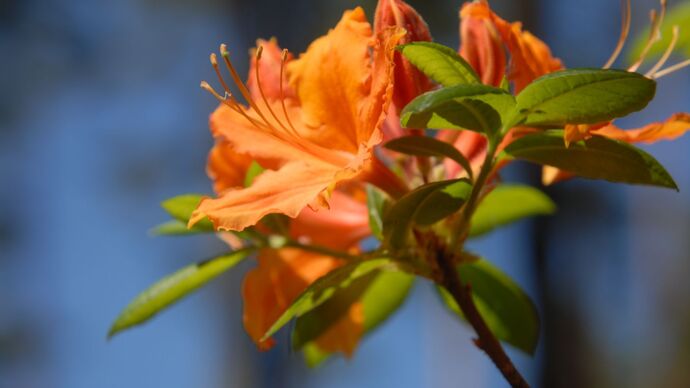
A sunny but slightly cool Saturday - perfect for a walk through a pine forest, marvelling at the multicoloured clusters of rhododendrons. In the central part of the rhododendron nursery is a pond where duck couples spend their leisurely days. One pair already has four lively little ducklings. Walking and admiring the splendour of the rhododendron blooms, you can easily spend more than one hour at the nursery.
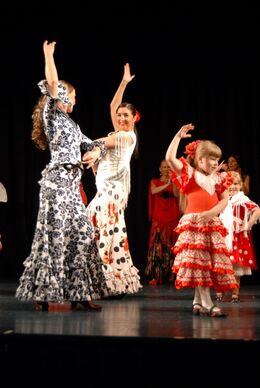
Yesterday in the hall of the independent Riga theatre "Skatuve", the annual end-of-year concert of the flamenco dance club Duende took place. Various flamenco styles were danced on stage - tangos, farrukas, sevillanas, alegrias, tanguillo, bulerias. The performances were made more splendid not only by the variety of brightly coloured costumes, good dance technique, and the dancers' emotional engagement, but also by various dance accessories - castanets, fans, hats.
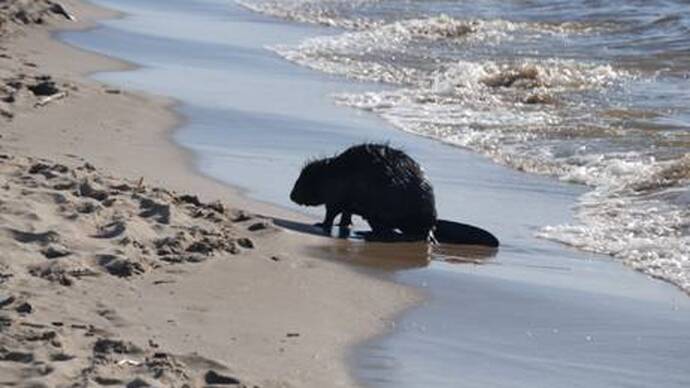
No, no, there's no mistake in the title. It turns out that such a border zone (if you believe the several bright signs on the seashore) exists right here in Riga, at Daugavgrīva beach. A walk to the Northern Breakwater yesterday brought yet another surprise. It turns out that on Saturday afternoon the beach was visited by a beaver that had wandered in from goodness knows where.
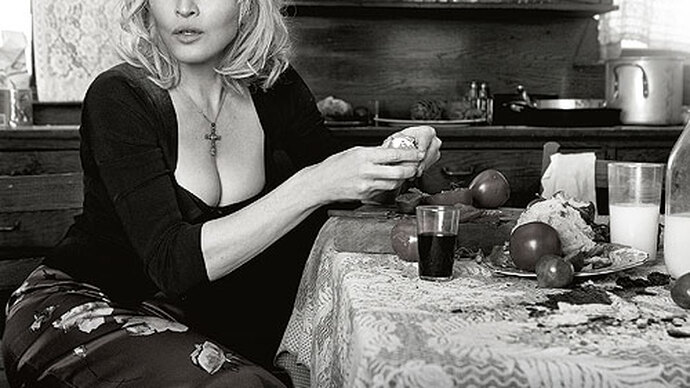
Nothing new, but I like it. The Dolce & Gabbana fashion house's spring 2010 collection, whose concept is rooted in stereotypical notions of the Italian homemaker. Traditional black satin and lace, various crochet work, a vintage rose print... Reminiscent of Italian films with Monica Bellucci's heroines.
Inspired by Mārtiņš Rītiņš's TV show "What Could Be Better Than This?", where one could learn about a rather unusual little fish, today we cooked haddock. It is a white-flesh fish from the cold, deep waters of Iceland. Not fatty, not cheap, but tremendously tasty.
I am a child of spring, and so April and May seem to me the most beautiful months of the year, when the earth awakens and blooms. If we're talking about blooming, where else is the flower so celebrated and honoured as in Holland. The enthusiastic accounts of the vast blooming tulip fields truly prove justified when you see the photographs sent over.
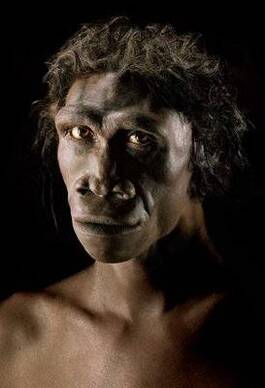
Yesterday, on 17 April, we watched at the National Theatre's New Hall a version of the play "Homo Erectus" (original title "Herniated Disc") by German playwright Ingrid Lausund (1964), in director Regnārs Vaivars's staging. "Homo erectus" or "upright man" - a theatrical dissection of how this concept applies to the modern office worker who spends most of their life hunched over a computer.
.jpg?w=690&mode=16x9|crop)
.jpg?w=690&mode=16x9|crop)