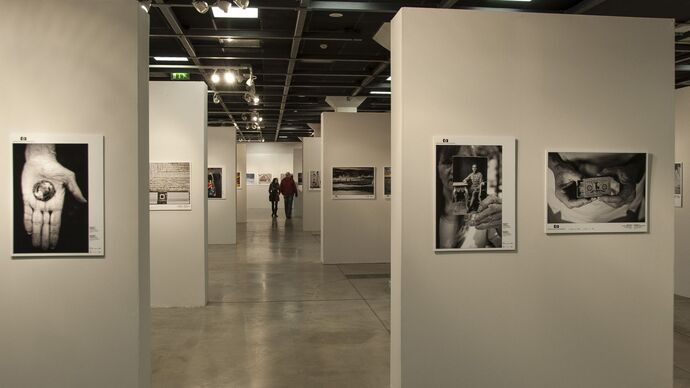
Dienas Award Photography 2012 Exhibition at Riga Art Space
Life does not consist of tragedies alone, just as history is not made up only of wars and significant dates. Small animals and children - what could be called the "spam" of any photography competition - people not only being born, marrying, and dying, but also simply living: sleeping, eating, working. But even these seemingly simple actions can be given a moment, a flavour of the era, which was also visible in the exhibited works.
About the Exhibition
I had not paid particular attention to the Dienas annual award competition, because under the shadow of World Press Photo I had imagined it was a contest for press photography. But no. Although it is organised by AS Diena, anyone interested could submit works in the categories: People, Documentary Photography, and Nature. A total of 3,100 works were entered and, as might have been expected, around half were in the Nature category.
In a sense, it was a great advantage that the introduction to the works began at Riga Art Space, where they had been carefully selected by the jury, printed, and framed. Only afterwards did I look into the gallery on diena.lv, where all the works are published, and I must admit a certain respect arose for the jury and the enormous work it had done in selecting the best 100 photographs.
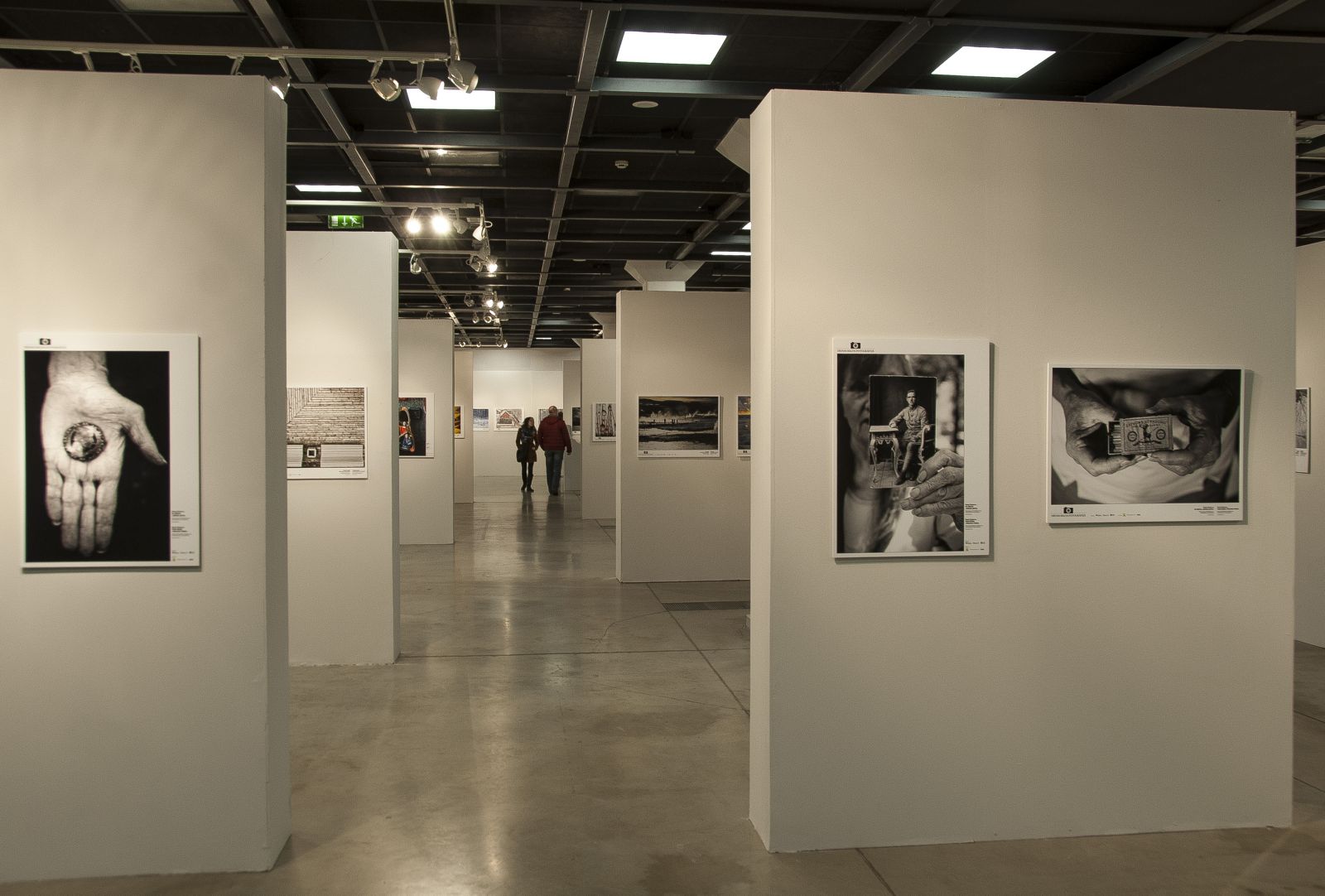
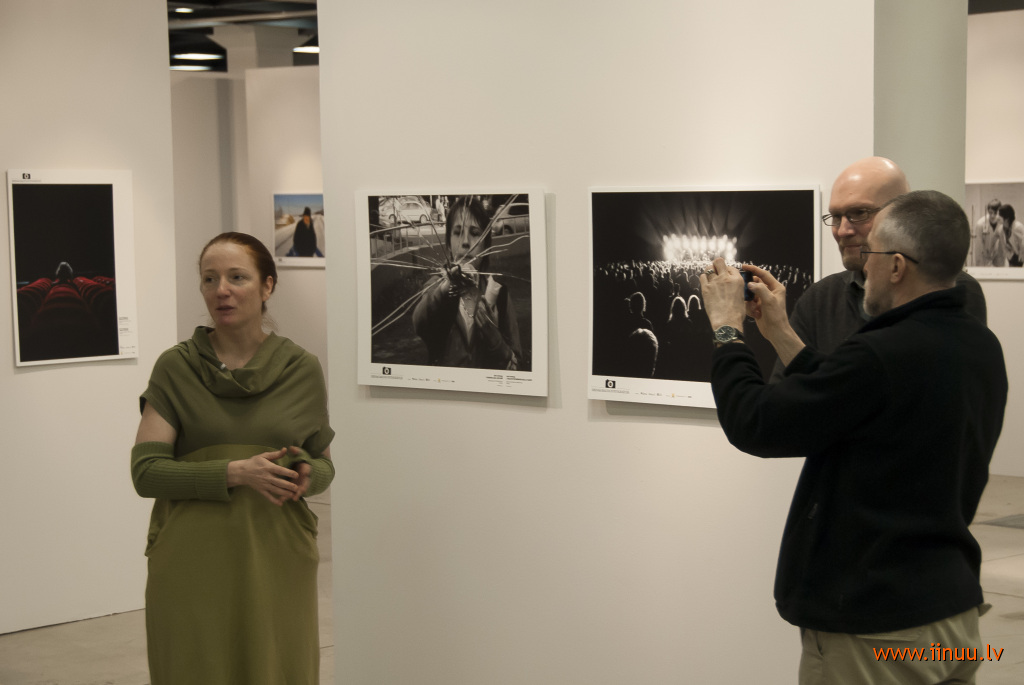
Photo: Ēriks, iinuu.lv
"The human soul craves beauty. Simplicity. Nothing complicated or heavy is needed" - that, in brief, could be said about what was seen at the exhibition. Since the works have already been selected and exhibited, there is no point dwelling on the technical nuances of photography or the prerequisites of a good photograph, but there is on what photography reveals about its authors.
In the photographs I found almost nothing that would speak about the authors' own lives, everyday existence, place, and time. The mission of photography is to immortalise a moment, yet people chose to photograph static nature, which was beautiful before and will remain beautiful after the moment captured. In critiques and discussions, the missing drama and documentary realism are frequently mentioned. [1] The blurred silhouettes of people, rough and calloused hands, clichés. But in the photographs a banal truth is also sensed - people, including the photographers themselves, as if stuck to the walls of a giant centrifuge of liberalism and market economics. And the only truth is that the present has not yet arrived and never will, because people are not ready for it. People have become mired in infantilism, which has a large appetite and no responsibility whatsoever. There is a constant waiting for something, or living in the past, seeking refuge in monumental natural objects, in clichéd beauty or in universally understood visual impact and values, bringing a consumer aesthetics into photography.
Drama. It is unambiguously an emotionally charged moment, a border between two realities, where the other reality has not yet arrived. But it must be admitted that life does not consist of tragedies alone, just as history is not made up only of wars and significant dates. Small animals and children - what could be called the "spam" of any photography competition - people not only being born, marrying, and dying, but also simply living: sleeping, eating, working, watching television, sipping a beer. But even these seemingly simple actions can be given a moment and a flavour of the era, which was also visible in the exhibited works.
[1] http://fotokvartals.lv/2013/02/04/preses-fotografijas-nelaimju-izstade/
Discussion
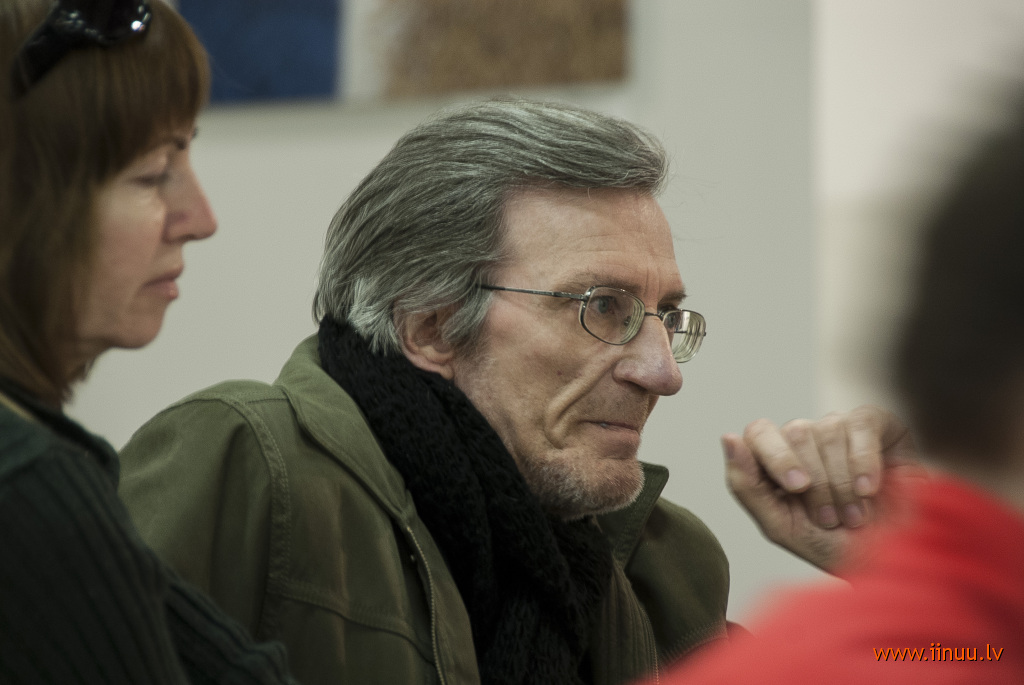
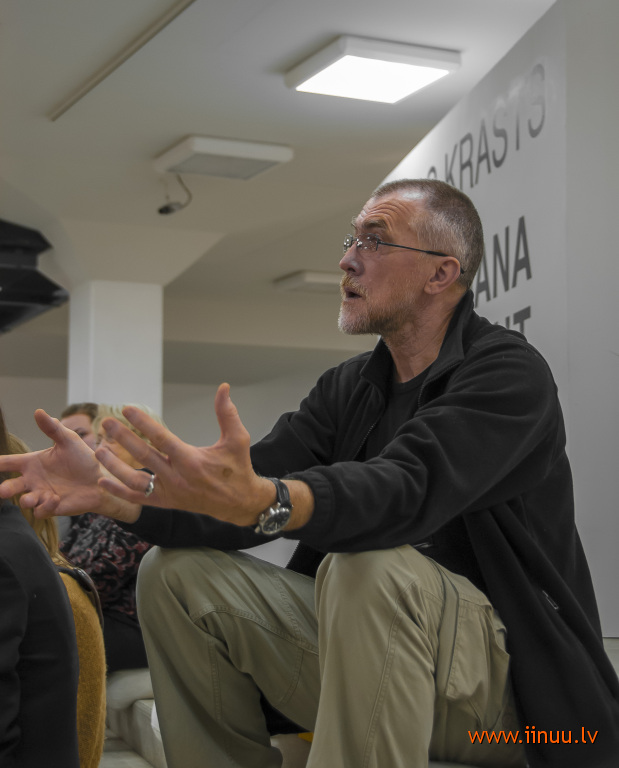
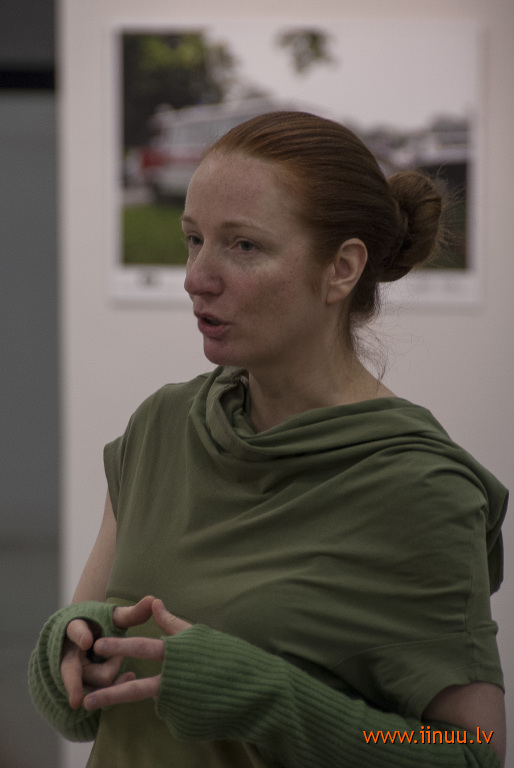
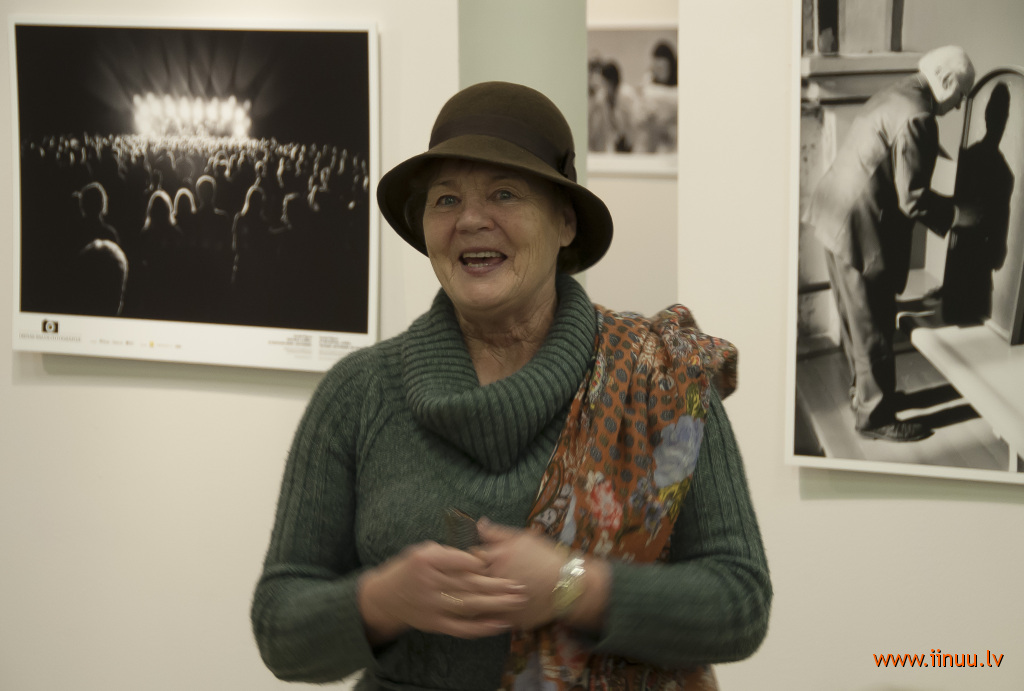
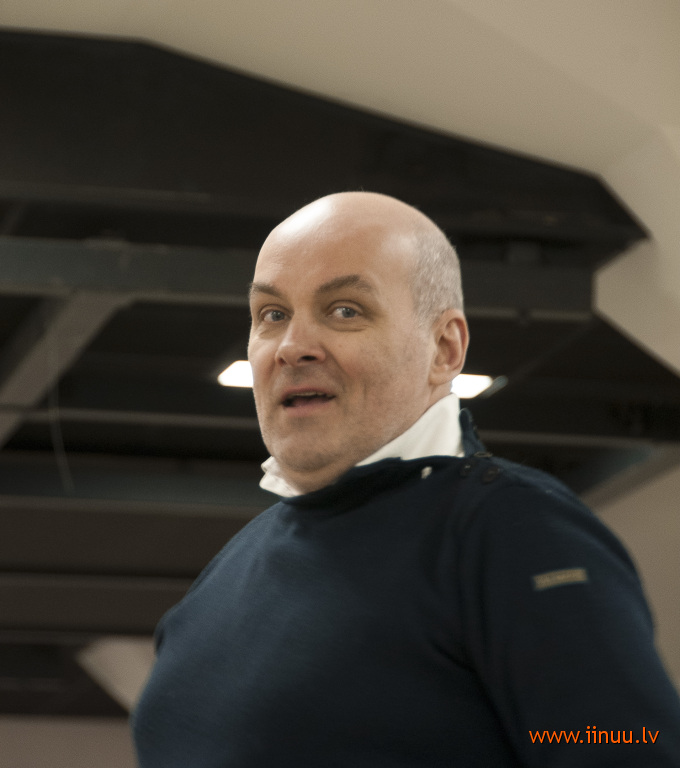
When everyone had settled onto the bright buckwheat cushions arranged alternately on the steps of Riga Art Space's central hall, the exhibition curator and Dienas photographer Ilmārs Znotiņš invited a discussion about contemporary press photography and the works on display at the exhibition.
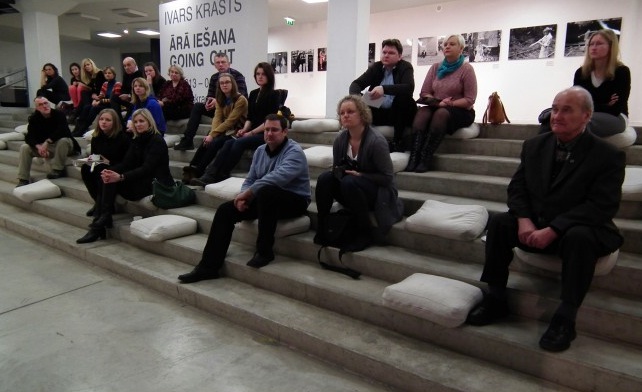
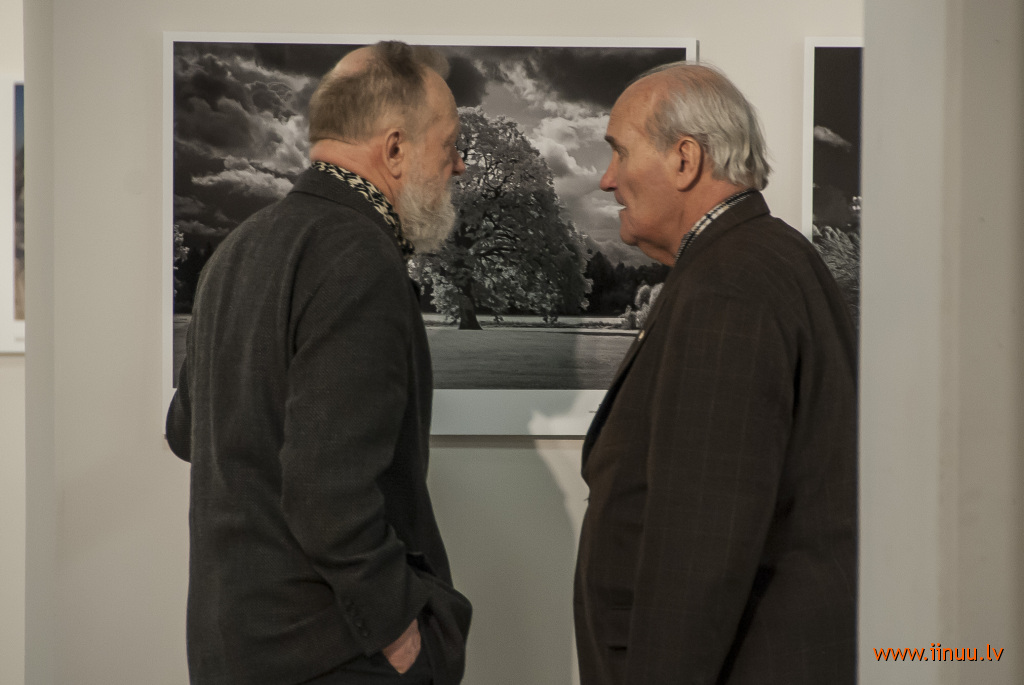
Photo: Jānis Janbergs, diena.lv
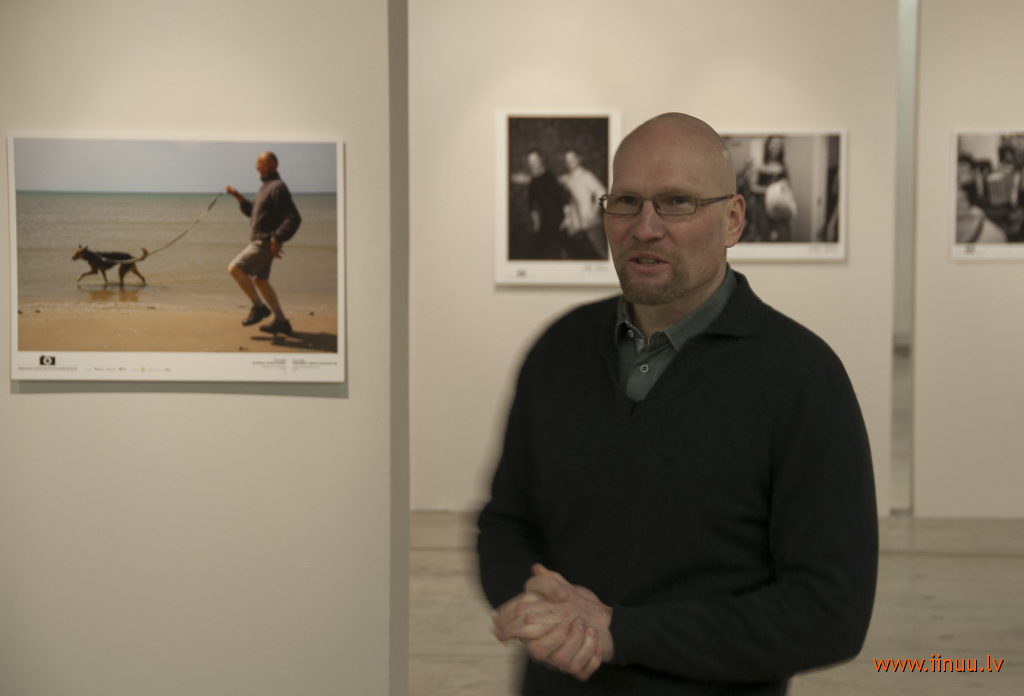
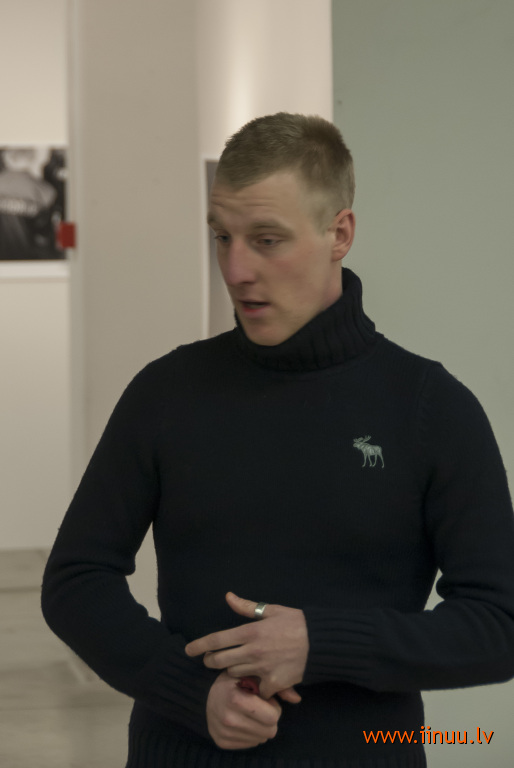
First, photographer Reinis Fjodorovs, whose photographs have been highly rated by the jury of the Dienas Award Photography 2012, introduced himself and his approach to photography. Reinis comes from Daugavpils but now lives and works in Riga. Documenting the lives of Latvians living abroad, he has travelled through England and spent some time working in the USA as well. Future plans involve a trip to Russia and creating a photo story about the problem of alcoholism in Russian villages.
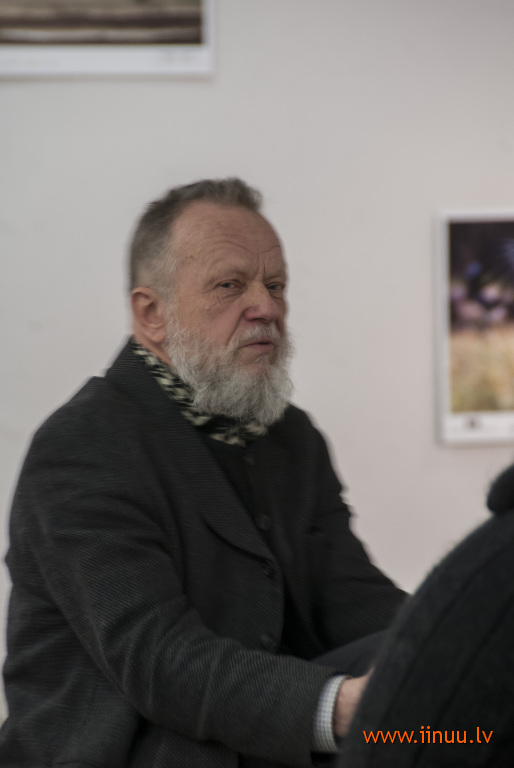
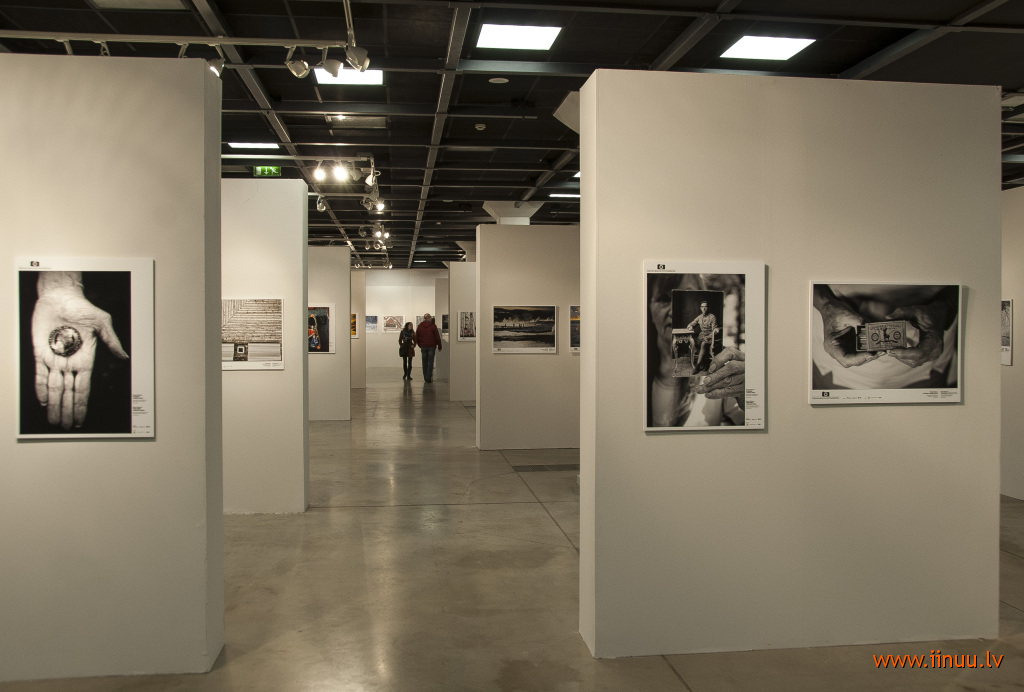
Reinis created his works for the exhibition by selecting objects - old photographs, a matchbox, a pin - and placing and photographing them in studio lighting rather than in their usual environment. This lent a certain gloss to these old things and the photographs themselves. It was for precisely this that he earned criticism from the elder masters of photography during the meeting. Photographer Leonīds Tugaļevs stressed that these photographs could certainly not be attributed to the documentary photography genre. There is no story in them.
Others also joined the discussion. Views were expressed that the contemporary press accepts only clichéd works, photographs that are "pretty", rather than hard-hitting stories from life. Consumer society no longer wants to see problems in photography - about the dying-out Latgalian countryside, abandoned homes, and the like. Photographer Reinis Fjodorovs, for his part, sees no problem in this. In his view, society should be given what it wants to see, rather than rigidly clinging to standards at all costs. Not so long ago, nobody even wanted to recognise digital photography as fine art; now attitudes have changed. Because technique changes, human perception changes, and so does demand.
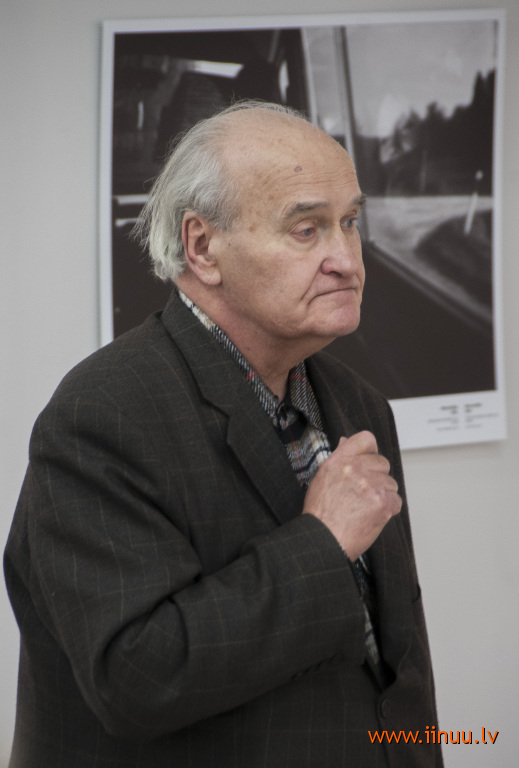
Photographer Aivars Liepiņš holds that "you shouldn't make a rosol out of photography. You shouldn't force everyone to eat rosol. Salon photography, documentary, press photography - each retains its own niche. They change internally but retain their niche." This led to a discussion about Latvian documentary photography. Has it disappeared?! Everyday events and social problems are not being documented. What kind of Latvia will people who look at old photographs in 50 or 100 years see?
Ilmārs Znotiņš outlined a trend now observable - many amateurs today produce fairly presentable works with good equipment and are ready to offer photographs to the press or internet news portals for publication free of charge. Where does that leave professional photographers for whom photography is their livelihood and who want payment for high-quality and artistically valuable photographs? Even in major world publications such as National Geographic, there are now almost no staff photographers (said to be only 2, instead of the former 37), because good material is offered by freelance photographers.
Undeniably photography and the specific industry are developing, changing, introducing corrections - but it is essential to be aware of what Latvia's place in photography will be in this global village now forming. Will it be splashing about in the local duck pond, ignoring new trends, or again the other extreme - ignoring Latvian identity, Latvia's nature, everyday life, Latvian people and their fates in photography?
Photographer Ojārs Jansons stressed that young photographers should nonetheless address Latvian stories, rather than travelling abroad to photograph. Nobody will come and photograph Latvia if local photographers themselves do not do so. Ilmārs Znotiņš countered that the priority is nonetheless photographers who live and work in Latvia. And it does not matter whether they photograph Latvia or distant lands - the main thing is that the photograph tells a story.
In closing, everyone agreed that the main criterion is the image, not the photographer's name. Photographer Juris Kalniņš had objections to raise about the competition rules (I should say, I have not read them) and the copyright provisions stipulated therein. But organiser Ilmārs Znotiņš explained that attracting photographers and ensuring that sufficiently many and varied works are submitted for evaluation is not straightforward at all. The question of holding such a competition and exhibition again next year was left open.
To me, as a listener from the sidelines, it seems that the work done in connection with the competition, the organised exhibition and discussions are worthy of recognition. I very much hope that Ilmārs Znotiņš will have the inspiration and energy to organise something like this again next year as well. I fully agree with his assertion that photographers and viewers alike must be accustomed to the format, and the competition must be developed from within. It is useful to observe and compile press photographs throughout the year, in order to see trends, discuss them, and draw ideas. It is also a way of noticing and attracting new photographers. It is a pity that the other two recognition winners this year - Zelma Brezinska in the "Nature" category and Lauris Vīksne in the "People" category - had not come to the meeting. It would have been interesting to hear their experience and thoughts about photography in Latvia.
comments