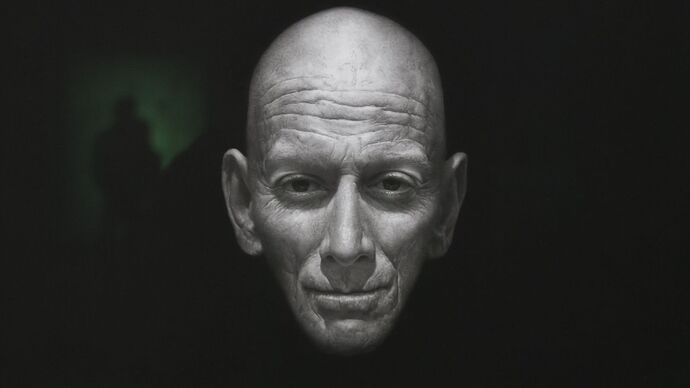
Purvītis Prize 2013 Candidates' Exhibition at Arsenal
It is good that the artists' works and the artists themselves speak. To some extent I, as a viewer, a listener, an observer, engage in the complete exploitation of the artist. You see, they create and then they explain as well. But one thing was clear today: I left the exhibition far richer than I would have left as a simple observer of the works.
This morning I woke up with the feeling that I didn't want to go anywhere or do anything. Vācietis had something similar - "And again morning is here, damn it, I'd rather not wake up at all. An open field. Not a single Don Quixote, and as far as the eye can see - windmills." But thanks to Ēriks, who first dragged me to the Dienas Award Photography at Riga Art Space. A wonderful event (I say this as a photography non-professional), because here there was Discussion about Photography with a capital P. Afterwards, going with the flow, we ended up in the Arsenal exhibition hall, where from 16 February to 14 April this year the works of the Purvītis Prize 2013 nominees are on display. Eight in total, as stipulated by the competition rules.
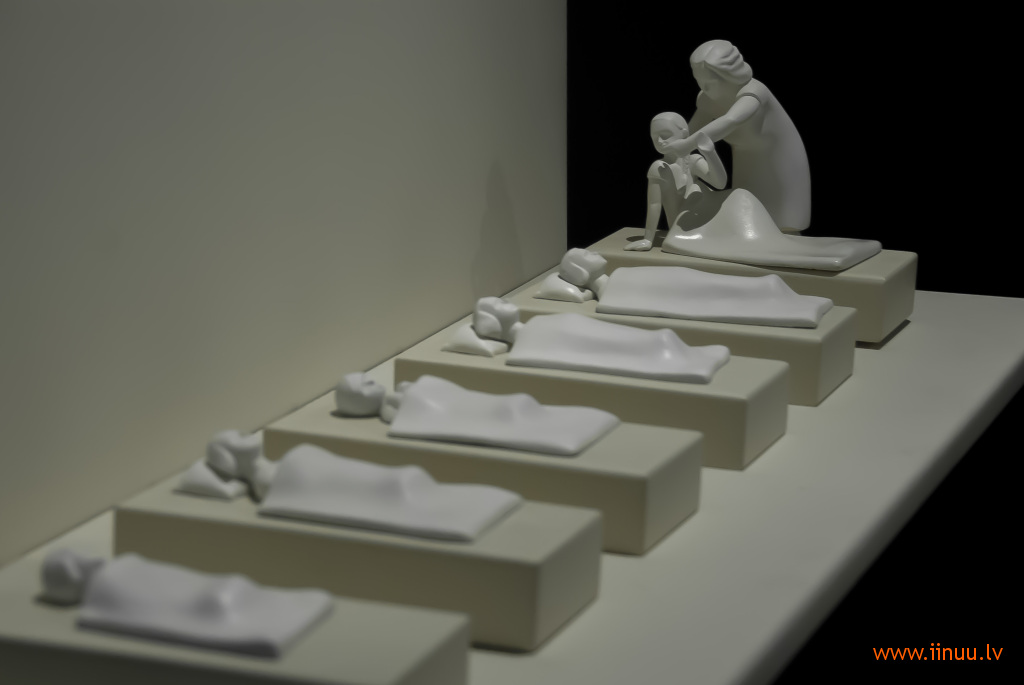
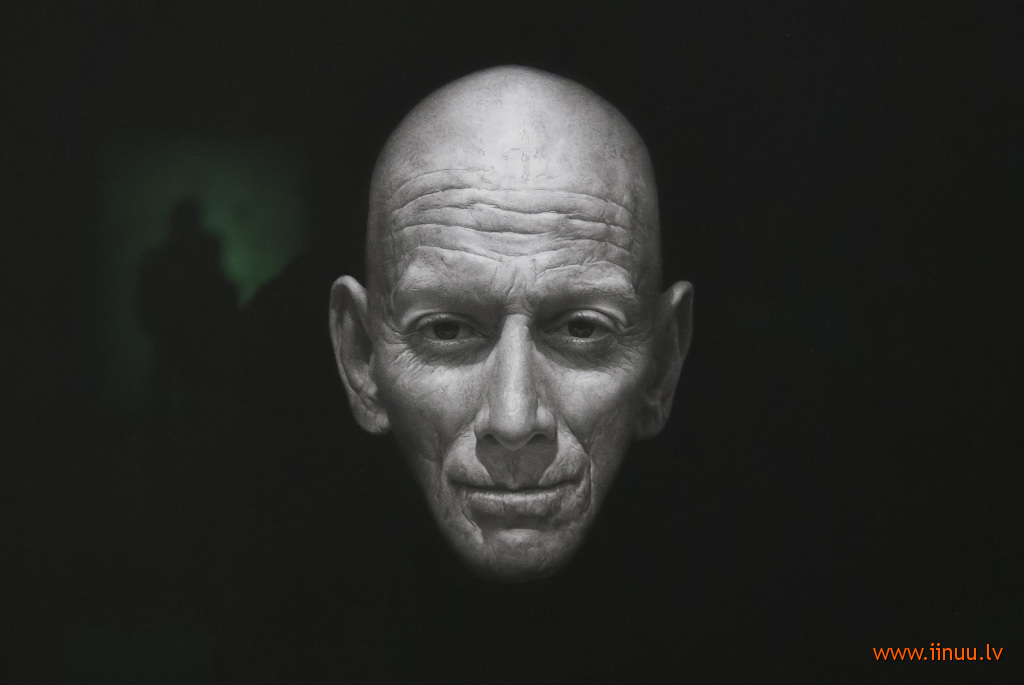
At first we walked through the exhibition hall and looked fairly cursorily at the displayed works. Immediately striking was Harijs Brants's charcoal drawing "Basement Man", then in the work by Ivars Drulle - made from dental plaster coated with car paint - I recognised the familiar wartime subject of Hitler's bunker: "Magda Goebbels and Her Six Children. The Last Evening"; and from Miķelis Fišers's paintings, a semantically familiar image: "Konstantin Raudive's Strange Connections".
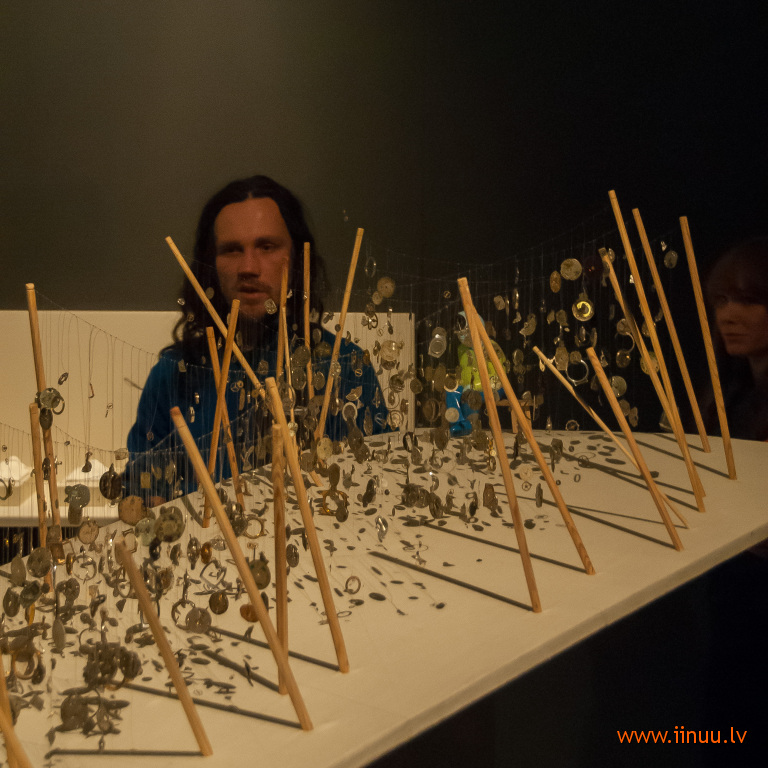
Also here were Andrejs Grants's black-and-white photographs, Gļebs Panteļejevs's metalwork creations and the curious "hedgehog" made from bamboo sticks and expanded polystyrene - "Made in China 60 000", Krišs Salmanis's video installations, Andris Eglītis's "Land Works", and Andris Breže's initially incomprehensible contribution.
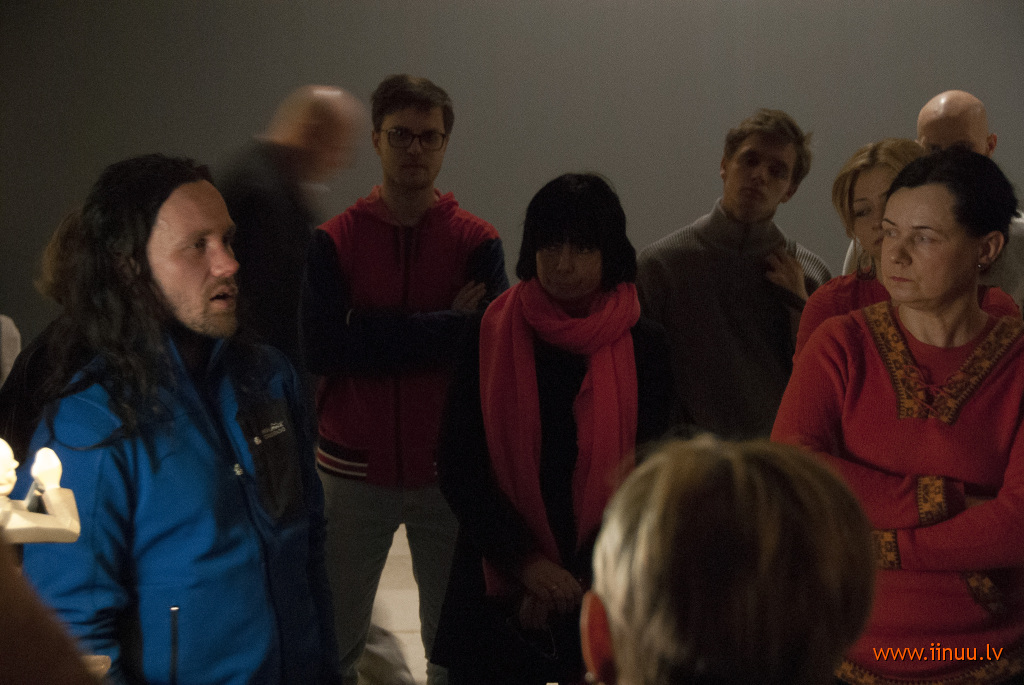
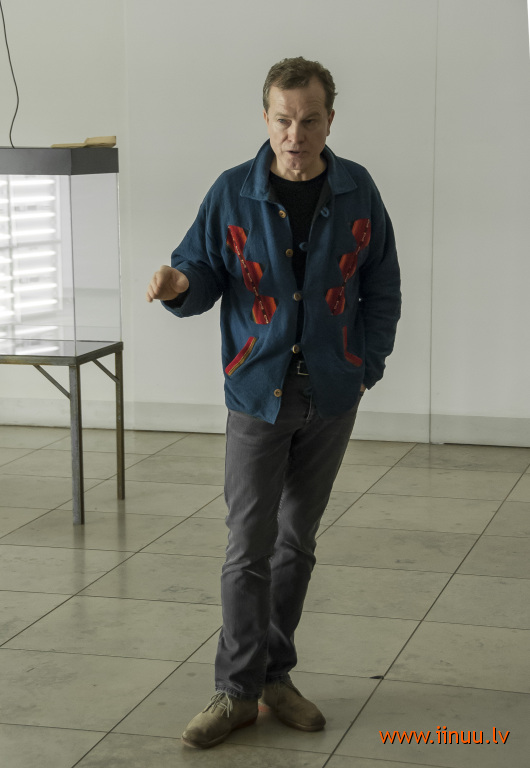
What enriched the exhibition and made it more vivid, fuller, and more engaging was the meeting with the artists and their narration, which today seemed very essential to me. Behind each work a deeper world was revealed - both very close at hand, and distant and unsettling.
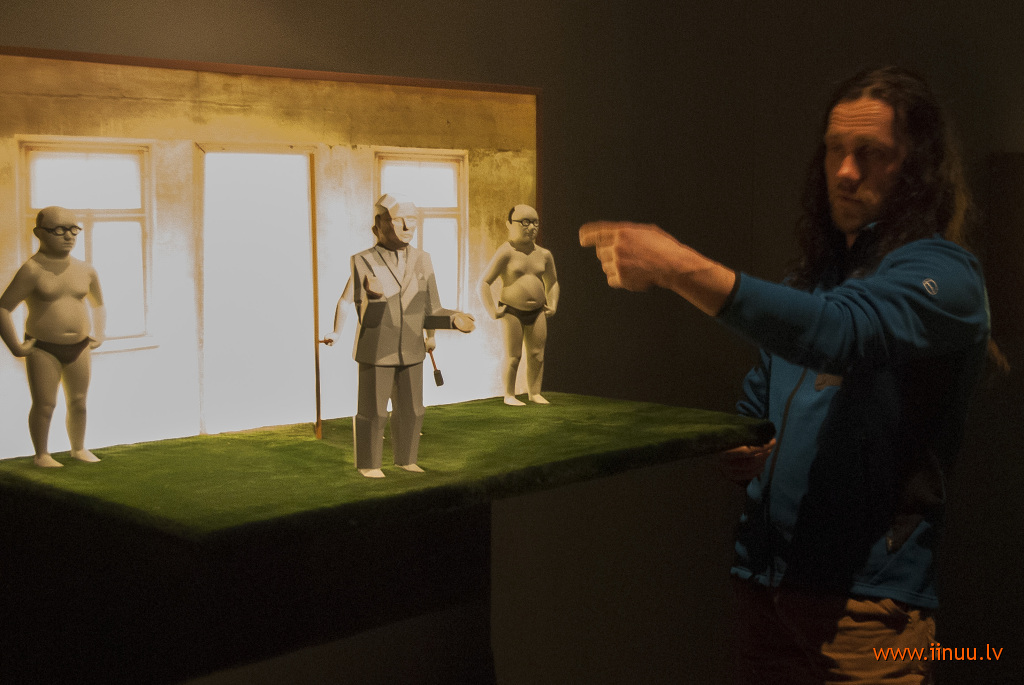
First, Ivars Drulle introduced himself and his works. The idea occupying the artist: we are born alike, but what do we become under the influence of circumstances? Where is our true "self" hidden? In those existential situations where one must decide between life and death, to kill or to save, to speak publicly or to stand in silence?
The starting point for the artworks had been a few lines read in newspaper articles, but what follows is the artist's research work, his immersion in the situation. As with Magda Goebbels herself and her decision on the evening of 1 May 1945 - putting the children to bed and poisoning them with lethal capsules placed in their mouths. A situation that cannot be judged in simple terms.
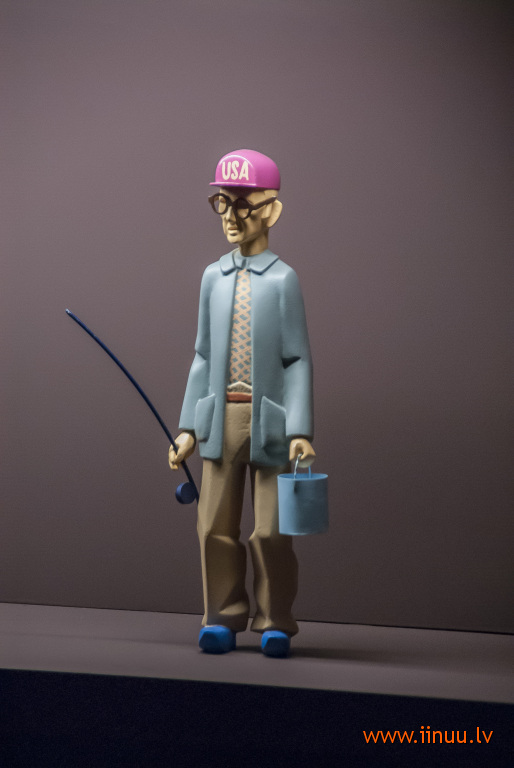
Or in the work "Longing is More Important than Fulfilment...", where there is a platform-format photograph of Sigulda station and figurines - a bench with people waiting. Stations as border-spaces where someone waits and is not met, where someone departs and does not return, but perhaps waits and does return? Stations from which trains departed carrying deportees, refugees, soldiers - the majority of whom never returned. This waiting and longing is what matters most in this artwork, not the moment of meeting, which is simple, comprehensible, and unambiguous. Stations are complex places, and waiting is also complex.
Each of Ivars Drulle's works is an independent story. About a person and the situation in which he finds himself or lives. A story, for instance, about a neighbour uncle who had three fingers torn off his hand yet has spent his whole life repairing the most delicate watch mechanisms. A story about a fisherman from Kundziņsala who is not prepared to evacuate, to leave his home and habitual occupation, even when dangerous chemicals leak out and threaten his health, even his life. The artist asks - would you be willing to leave your childhood home to save your life?
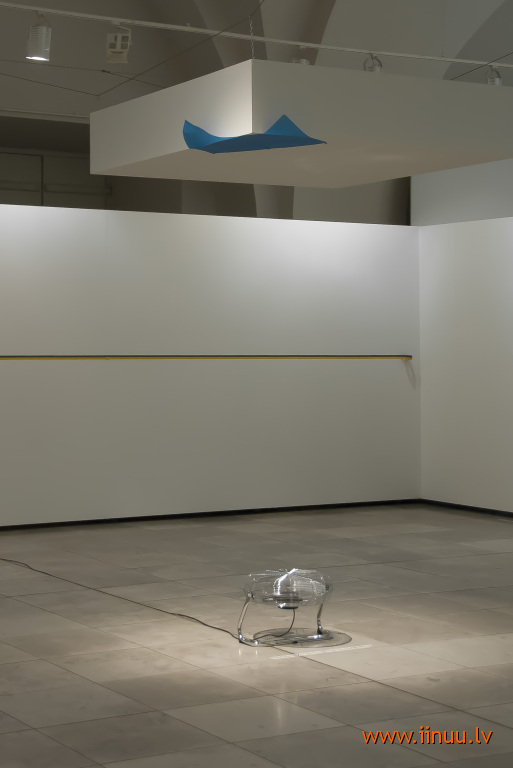
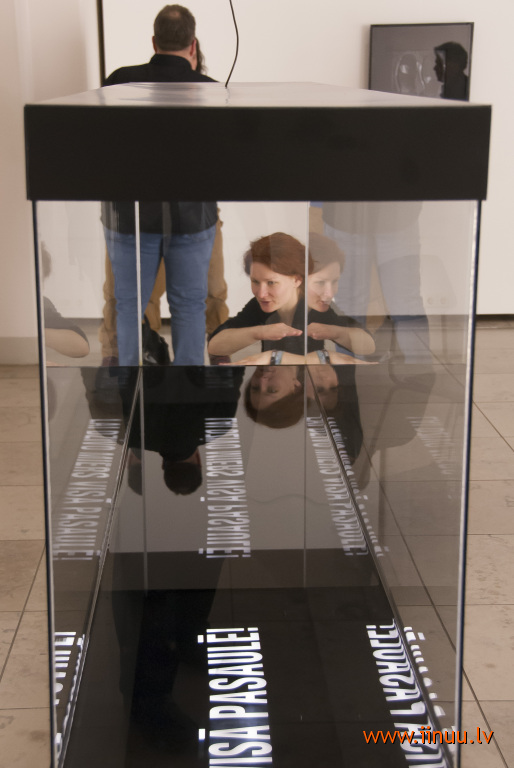
The second speaker today was the creator of several light and sound installations, Andris Breže. Although his position is that "the artist need not explain - each must see for themselves", Andris Breže's narration helped to look at his works with different eyes. The point of departure for the works - the sound from the fluorescent tubes familiar to us all, their hum, the light trapped in long tubes. All of the objects - the ceiling light fittings from the Krājbanka building, the rubber boots of the Staicele manufacturers, the illogical Soviet-era slogan about world peace - have been discarded and are now living their second life. Two lives, two stories, about one and the same thing?
At first the forms and sounds in his works seemed harsh to me, because they genuinely recalled Soviet-era corridors, impersonality, and the restriction of human freedom of expression. When the installations were surrounded by people and listeners, and the artist explained the core ideas of his works, they became more comprehensible. Of particular interest were the two works "Rehearsal of Sunrise". I'm not sure whether I missed the old-style flickering of the tubes.
It is good that the artists' works and the artists themselves speak. To some extent I, as a viewer, a listener, an observer, engage in the complete exploitation of the artist. You see, they create and then they explain as well. But one thing was clear today: I left the exhibition far richer than I would have left as a simple observer of the works. Admit it - reading descriptions and listening to texts through headphones is not the same thing.
Thank you for such a rich day!
comments