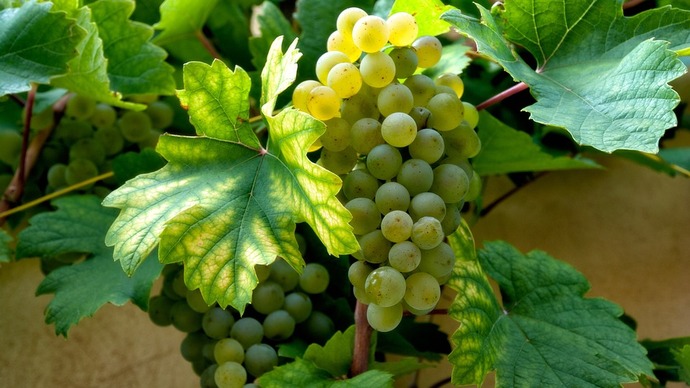
Chardonnay Wines
Chardonnay is the world's most popular white grape variety. It adapts easily to different climatic conditions and soils, and readily lends itself to various transformations and the wine maturation process, which is why it has gained popularity among grape growers, winemakers, and consumers alike.
Chardonnay is the world's most popular white grape variety. It adapts easily to different climatic conditions and soils, and readily lends itself to various transformations and the wine maturation process, which is why it has gained popularity among grape growers, winemakers, and consumers alike.
The Chardonnay variety tends to produce full-bodied wines, rich in extractable compounds and also with a sufficient level of acidity. It gets on very well with oak, and also changes its flavour character depending on the climate and the amount of sunshine the grape receives.
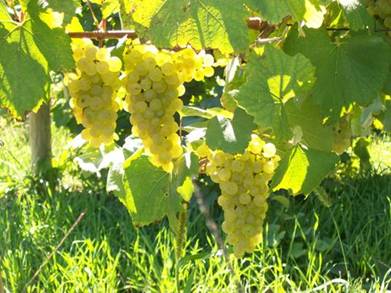
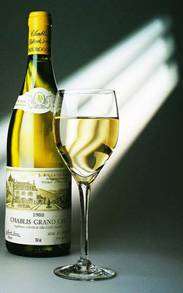
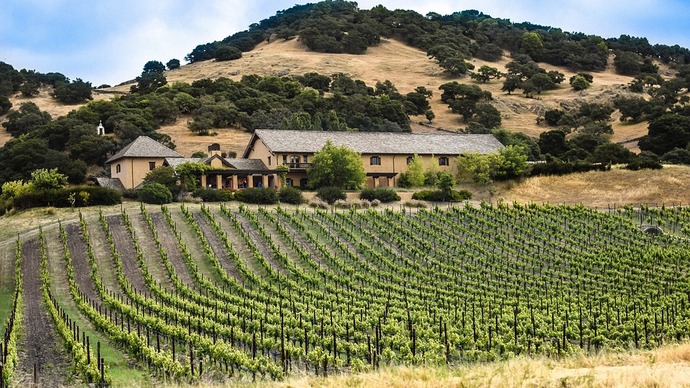
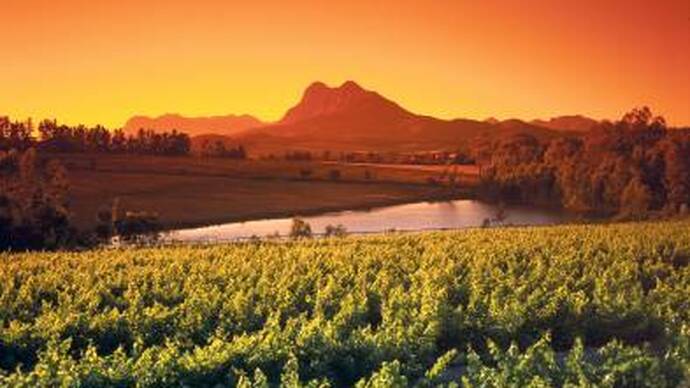
Photo: Chardonnay vineyard from Fulkerson Winery & Chablis Grand Cru wine
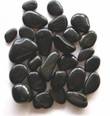
Chardonnay's homeland is Burgundy (France), but it is cultivated almost all over the world - in Australia, New Zealand, the USA, Italy, Spain, South Africa, Chile, Argentina, Austria, and elsewhere. The wine's nuances range from the viscous and fruity wines grown in warm climates, coming mainly from the New World, to the classic dry and discreet Chablis wine from northern France, in which one can detect an aroma of wet stones and salty sea water.
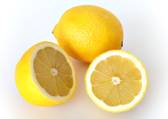
When assessing the aroma and flavour bouquet of Chardonnay, one will certainly notice the butteriness inherent in the wine, and sometimes also toasty nuances. In the aroma: notes of apple, citrus, melon, pineapple. Colour ranges from pale yellow to a rich golden tone, depending on the degree of maturation. Below, I have tried to represent purely visually the bouquet nuances characteristic of Chardonnay wines.
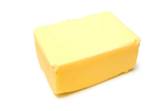
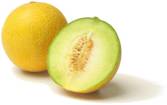
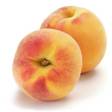
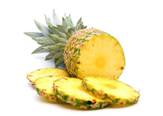

Simple-origin Chardonnay white wines are meant for immediate consumption and do not aspire to a place in a wine collector's cellar. The finest cool-climate Burgundians, including Chablis, can however withstand a 5–15-year ageing test and develop a refined flavour bouquet. It should be noted that the Chardonnay grape is the foundation of true French Champagne - Champagne Blanc de Blancs - which is made in the Champagne province.
Chardonnay wine, like all white wines, should be served chilled at 6–12°C. Open shortly before serving, when pouring into the glass. Chardonnay pairs excellently with seafood, fish, green salads, white poultry, semi-hard cheeses, as well as with fruit and dessert.
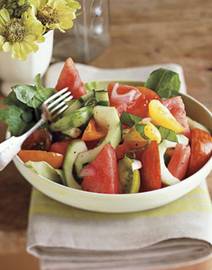
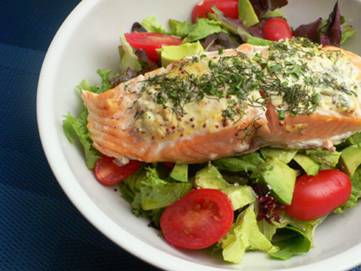
Images from SeductionMeals.com
Aged Burgundy Chardonnay from old vines, and the well-matured, full-bodied New World wines, should be served in rounded balloon-shaped glasses (image 1). This is necessary so that the wine reaches the palate engaging the side taste buds, allowing one to fully appreciate the rich flavour bouquet. For young, refreshing Chardonnay, however, a classic white wine glass is fine (image 2).
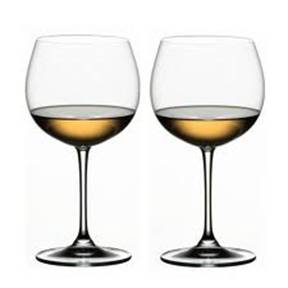
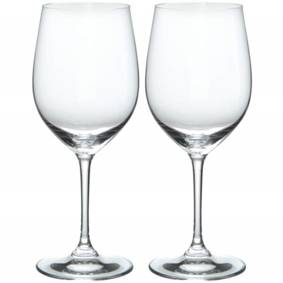
Riedel Chardonnay glasses
Below are a few Chardonnay wines tasted. At the last session, when the subject was French wines and the Burgundy region, we tasted Bouchard Père & Fils La Vignée Chardonnay 2008 (shop Vintage price: 9.74 LVL). The wine is aged in French oak barrels. Serving temperature 10–12°C. Pale yellow in colour. Aromatic, round, silky. A slight acidity and fruit notes. On its own one might not choose it, but simply an ideal pairing with the cream of mascarpone cheese, capers, and smoked salmon that Larisa prepared and served alongside.
At the previous session, dedicated to South African wines, we tasted Glen Carlou Quartz Stone Chardonnay Single Vineyard 2008 (shop Vīna Studija price: 16.50 LVL). A bright yellow colour. A pronounced aroma of toasted white bread in the nose; also a nutty note in the flavour. Both on its own and with a quiche of chanterelles and chicken, it is very good.
The next Chardonnay was discovered one fine evening at the wine bar TINTO next to a cinema in Riga - Plaisir de Merle Chardonnay 2008 (TINTO restaurant price: 18 LVL; shop price: 12 LVL). Aged in oak. A pleasant vanilla note in the aroma, a fruity flavour. Enjoyable on its own and with food. I chose tiger prawns and green salad.
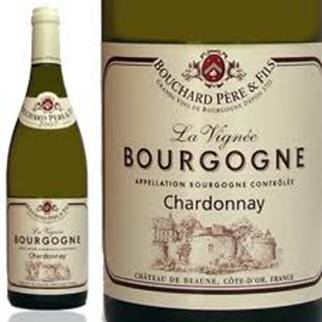
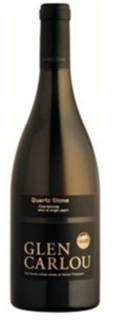
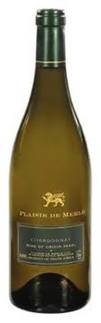
French Chardonnay and two South African Chardonnays
At the session in which we assessed food and wine pairing, we also enjoyed a wine from Australia - Roxburgh Chardonnay Hunter Valley 2005 (shop price: 12.48 LVL). A deep, bright yellow-greenish colour, as if the sun itself had filled the glass. The wine is aged 9 months in new French oak barrels. A full-bodied, rich wine. With smoked salmon the wine takes the upper hand; the other combination, with salmon baked en papillote with herbs, was nothing surprising. The rich colour of the wine promised more than the flavour delivered - but that is again very subjective.
I mentioned this wine once already in the search for ideal wine and cheese pairings, but I would like to recommend it again with an image - La Chablisienne Chablis Cru Beauroy 2005 (shop price: 14.98 LVL). Citrus fruit, mango, pear aroma. A low acidity level. Excellent on its own and with Emmental cheese.
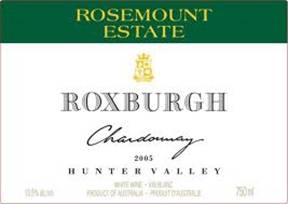
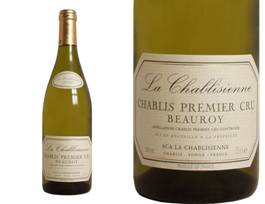
Australian Chardonnay and French Chardonnay
Sources used:
V. Grandāne, A. Ritenis. Vīns (Wine). - Riga: Jumava, 2010.
Chardonnay - Wikipedia, the free encyclopedia.
Larisa Krūmiņa's independent wine course notes.
comments