Films with an Ambition to Understand the Meaning of Modern Life
Some cinematic works that have spoken to us with a slightly caricatured but sufficiently harsh view from the outside of the modern person and their place in society, in a specific structure, a network.
Firstly, the boundary between good and evil has disappeared. If once God was good and the Devil was evil, today that is no longer unambiguous. Likewise the belief that the actions of bad people will sooner or later be punished, while the good will sooner or later be vindicated. And are there even good and evil people? For what is initially evil may be noble and understanding, while what is good may be exploitative, manipulative and hypocritical.
Secondly, modern cinema endlessly raises the question - where are we all headed, what will become of the world after us, and does such a question even make sense? People are sinking into addictions - not ones as primitive as those of the last century (alcohol, drugs, gambling, etc.) but even more destructive ones; the addiction targets human critical reasoning, decision-making capacity, common sense. Primitive instincts are elevated to the level of worship (it is trendy), while the classical values of society, formulated over centuries, are derided. Again - is that good or bad? Who will ask this question?
Thirdly, the concept of power is acquiring a new nuance. Power belongs not to those who are wealthier, smarter, more cunning, or whatever else. Power belongs to those who are able to control - themselves, their thinking or will, other people, processes - and to be sufficiently uninfluenceable and inaccessible while being seen and known by everyone in the world. Is that a person, is it a mass illusion, is it God? And does it even matter or make sense? The loss of meaning seems to be the modern person's greatest curse.
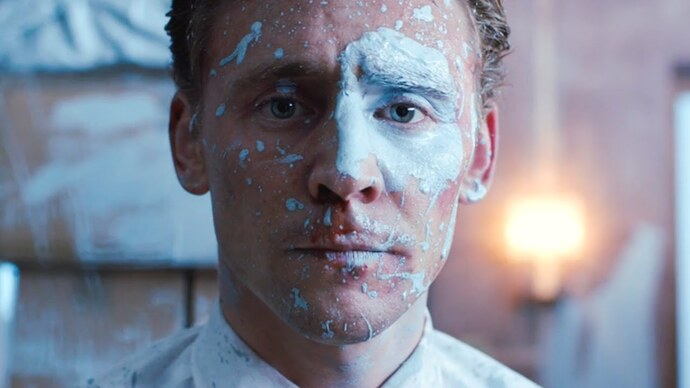
High-Rise (2015)
The film's plot is based on the 1975 novel by British writer J. G. Ballard about a young doctor who moves into an apartment in a recently commissioned high-rise. It was designed by an architect in the likeness of the human palm, where each finger is a tower block. The upper floors contain luxury apartments, while the lower floors have the cheap end.
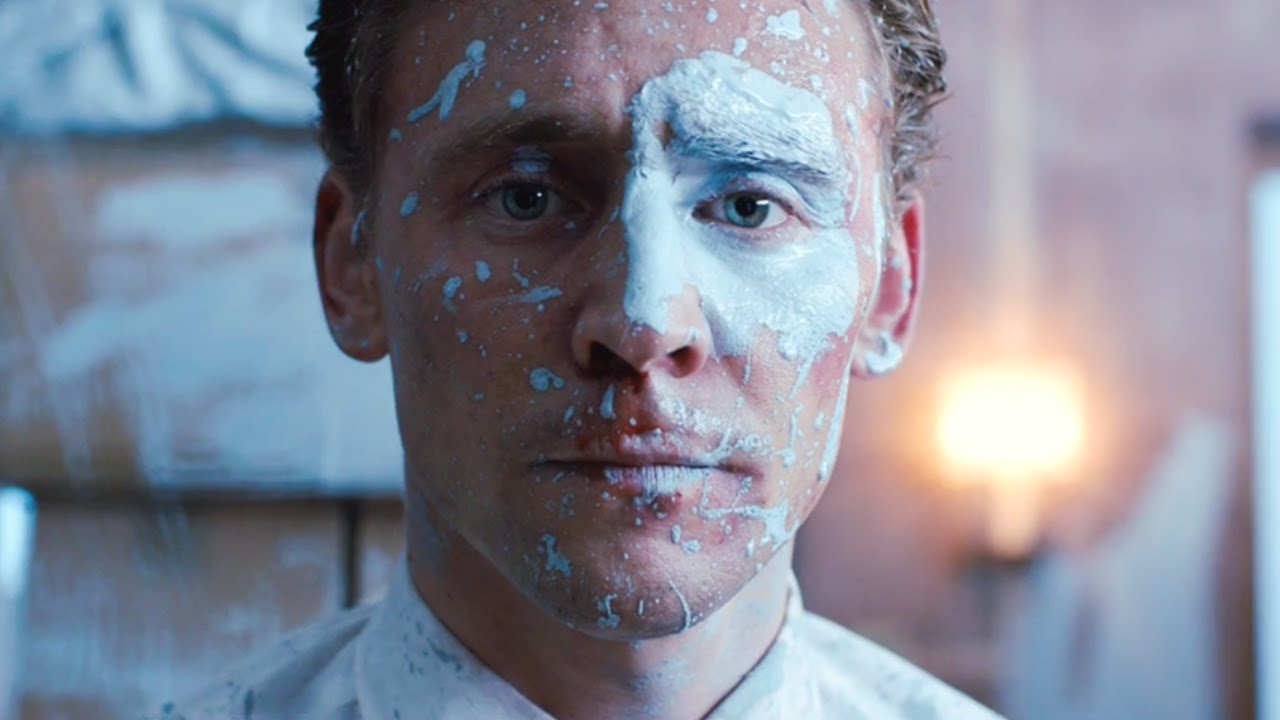
The high-rise is self-sufficient - it has all amenities: swimming pool, shop, laundry, and so on. Equally self-sufficient and self-contained are all the tower's residents, who take, consume, use, discard, satisfy their natural and more hidden desires - yet there is no one to control, clean or care for any of it. Soon the building transforms into a demolished, filth-ridden ruin sinking in rubbish, pervaded by the smell of rotten food and decaying corpses.
Those who still struggle against the current face a serious dilemma. On one hand they cannot rebel against their human (animal) nature; on the other, their minds constantly cause discomfort, reminding them that this is not right, this is not correct. Some commit suicide.
A voice from a crackling screen endlessly asks - what are you doing?! what are you doing?! Does such a high-rise (a miniature model of the world and society) have a future? Is there still a way back, or perhaps a new meaning?
The Brand New Testament (2015)
The film is classified as a comedy, but alongside the laughter and irony there is quite a lot of harshness and material for reflection. The filmmakers sarcastically and unabashedly review the "correctness" of biblical postulates in the context of modern society.
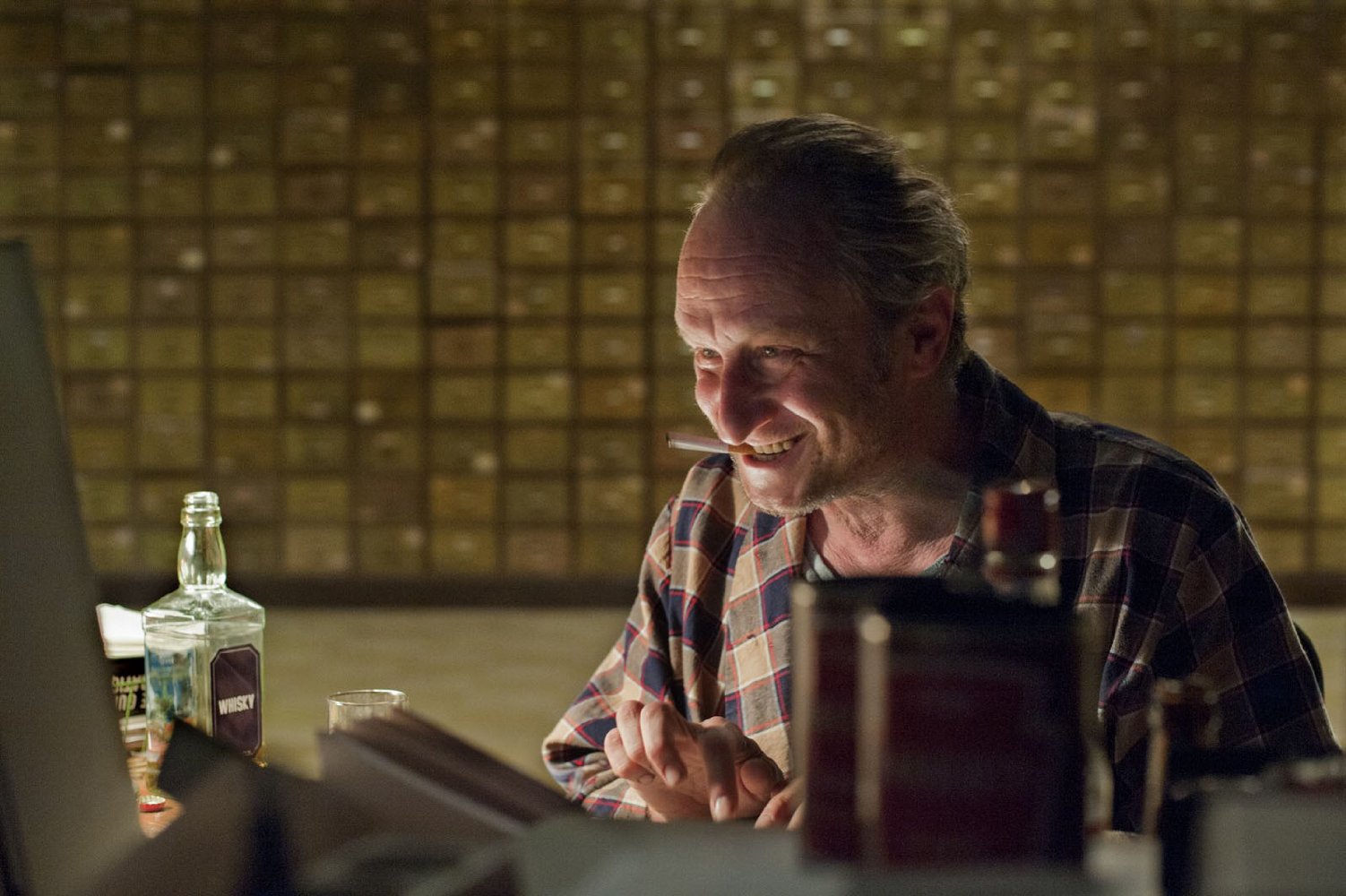
God exists - he lives in Brussels, and he is quite unpleasant both toward his wife and his daughter and toward all the people on earth, for he introduces laws that cause suffering. For example, Law 2129: just as you have settled into a bath of pleasantly warm water to relax, the phone in the next room will definitely ring; Law 2218: at the supermarket checkout you will always have to stop in whichever queue is moving most slowly compared to the others.
Oh yes, he also has a ten-year-old daughter, Ea - not only the son known to the whole world who once ran away from home to be with the people. One day the daughter also rebels against her father, hacks into his computer and sends an SMS to every person in the world, letting each one know their date of death - down to the second.
People begin to live entirely different lives from those they had lived not knowing the hour of their death. It seems absurd, but only by knowing the moment of their death does a person begin to value what they have been given - the chance to leave the habitual office job and migrate with the birds across borders to the edge of the world, to confess love or passion to a person they had been shy or afraid of, to stop considering themselves lost or evil, and so on.
Black Mirror (2011 – ongoing)
A British television series that has been filmed and broadcast for now five years. Each episode is a separate story characterising the lives of members of modern society and growing trends, one of which is people's dependence on information technology, including social networks, which increasingly substitute for human relationships in real life.
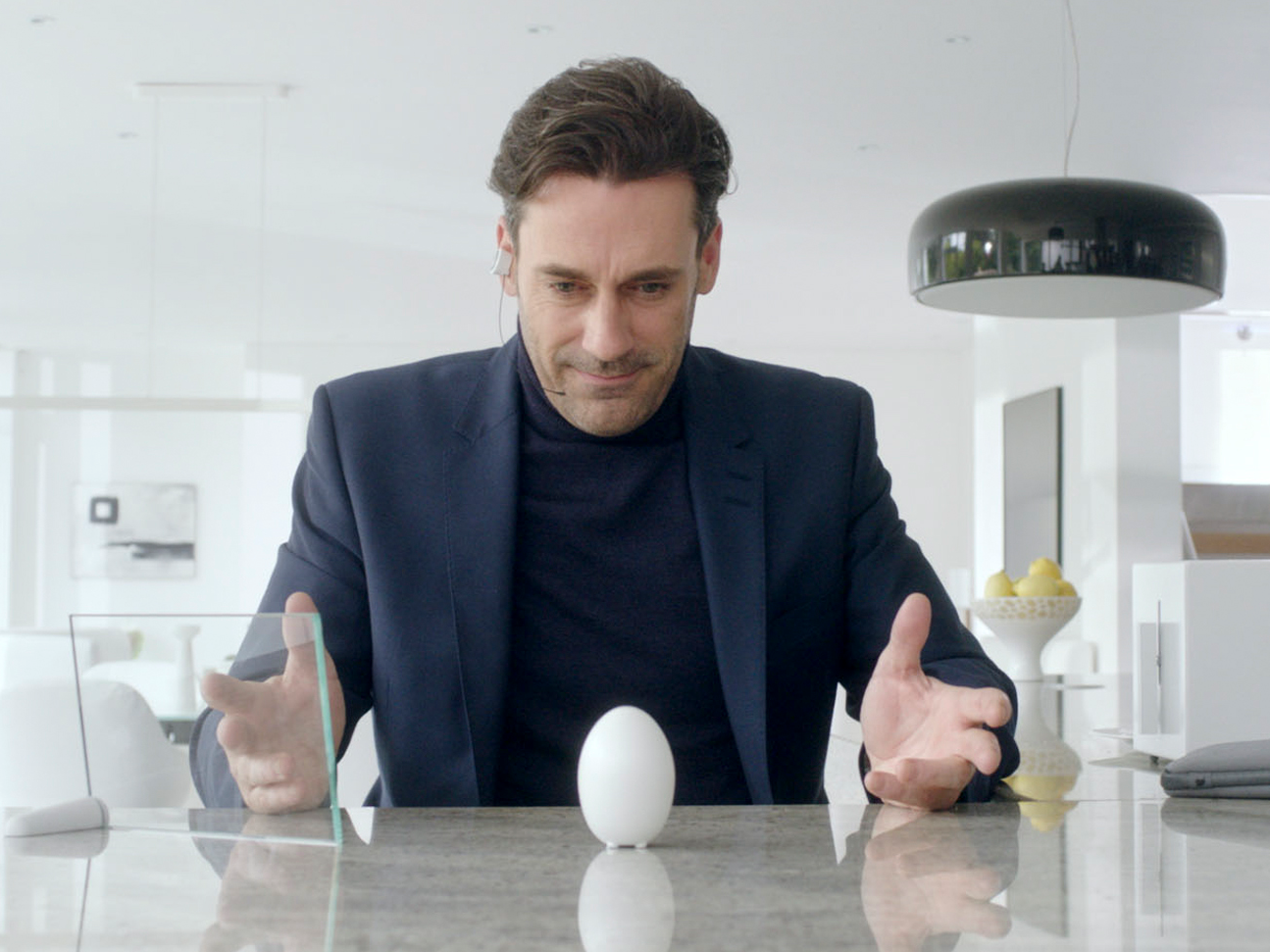
In the internet environment a person can be tracked, punished, mocked, subjected to manipulation - made to pay not for accessing some kind of information, but for being freed from an avalanche of low-quality information that rolls over people's heads and stereotypes their thinking.
Human consciousness can be cloned for eternal life and eternal servitude. Events can be extracted from or erased from consciousness. The pertinent question: what is the human being of the future? How large a share of the human remains in us at all, and how much can be replaced with various external or body-embedded gadgets? Can we replace a person close to us who has died with their clone?
comments