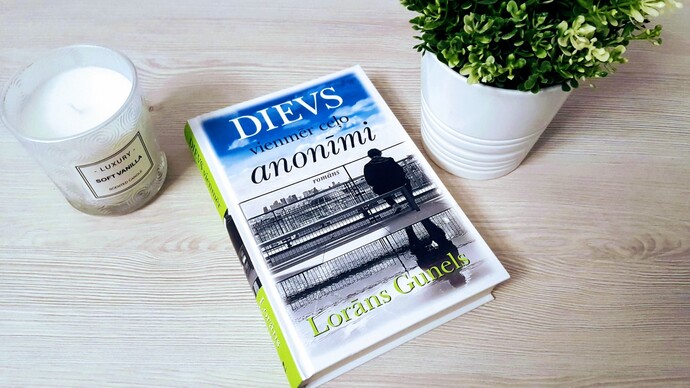
Have you ever wondered why some people enter your life quite by chance, yet leave fairly lasting impressions? Why a certain book lands in your hands unexpectedly, and its message touches the deepest strings? You will say nothing is accidental - it is the power of God, the Universe, or whatever one calls it. Or conversely, it is an ordinary coincidence of circumstances, because in the end we ourselves decide whether to let someone or something into our lives or not.
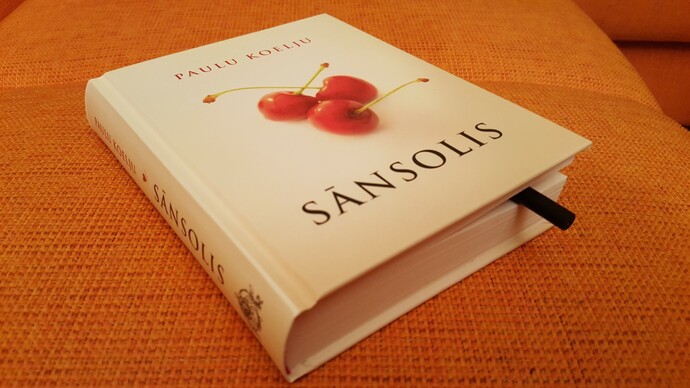
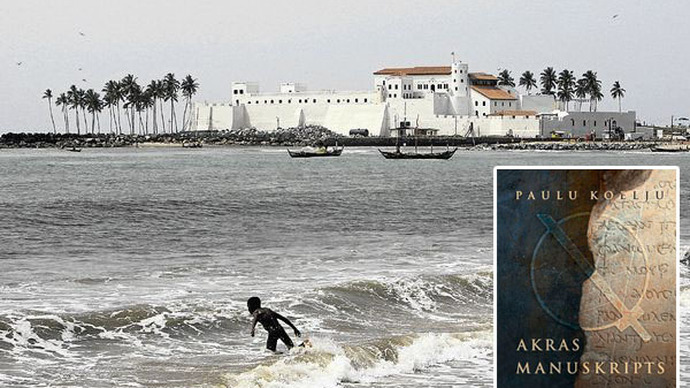
Paulo Coelho wrote this book as a female narrator - from a woman's point of view. The story of a successful thirty-year-old journalist who lives in Geneva and has an ideal family - a husband, two children, a beautiful house in a good neighbourhood, a calm, ordered and predictable life. A happy life. But a moment arrives when she begins to be tormented by the question: "Is this all?" She is overcome by an inexplicable fear.
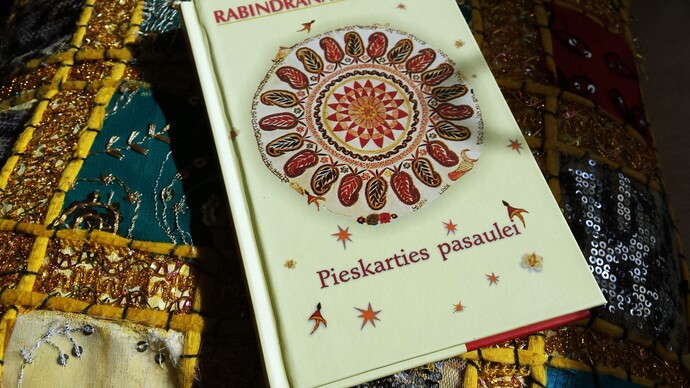
This morning was flooded with sunshine. The weather is clearly inclining towards summer. The perfect mood for switching from professional literature to lyric poetry. And why should it not be the verses of the Bengali poet Rabindranath Tagore.
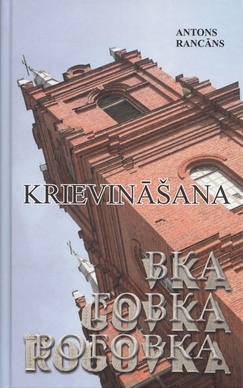
The impulse to write about Čaks' "Those Touched by Eternity" came from the exhibition at the Riga Art Space, where unfortunately only one small room is devoted to this theme. Though in my opinion one could fill an entire exhibition hall with talk of Čaks' work. From my school days (I am a child of the Awakening) the poem that stands out most vividly in my memory is the one Čaks wrote - The Sermon at Piņķi Church.
They had neither a home nor possessions, and all their wealth was what they could put on their backs: one quilted jacket, one pair of trousers, one pair of imitation leather boots. Sometimes various shiny aluminium rattles were pinned to the dirty quilted jacket to command respect - they called them orders or medals.
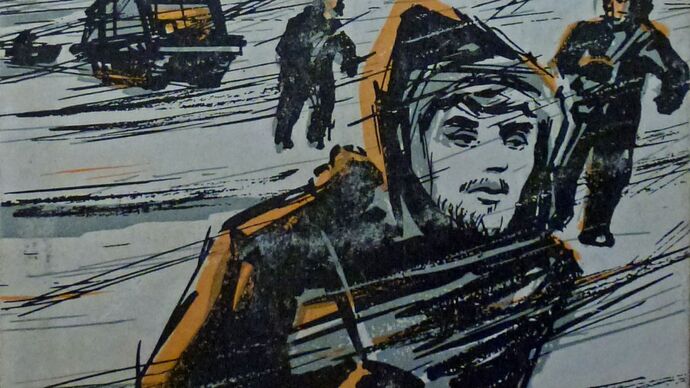
When in the autumn of 1951 Mario Marret and three of his companions left France and set out for Antarctica, they lived in Adélie Land through three summers and two winters. This was France's third expedition to Antarctica. The story is about the polar explorers' everyday life and the living conditions that prevailed in Antarctica. About setting out on excursions in blizzards, conducting observations and research. And, of course - penguins.
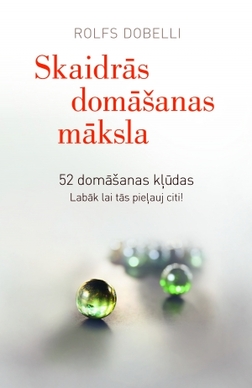
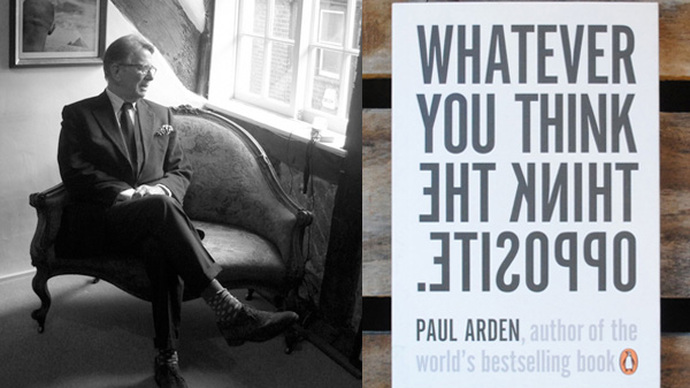
I likely chose this book in the bookshop precisely because of the provocative chapter subtitles that promised to explain - why you should never let anyone buy you a drink; why you need not respect authority; why you should leave your model girlfriend at home; why it is better to use a wrong map than no map at all; why rational people do not appeal to reason. Intriguing, isn't it?
I like that the author speaks of universal human values, universal human fears and doubts, sorrows and joys, and also that his view of faith extends beyond the framework and canons of any particular religion. Love is not only towards a representative of the opposite sex, a fellow human being, a loved one - love is in everything you do, everything you decide, and also everything you give up.
I liked it unequivocally - both for its sharp visual design (a stated insight + a well-chosen illustration like a carefully designed and contextually worked advertising poster) and for its simultaneously contradictory, stereotype-toppling and truthful observations on life. The author asserts in the book that wrong decisions lead to grandiose discoveries.
In honour of the celebration of all lovers, I decided to compile poetry in the Latgalian language. It turns out this task is not so easily accomplished. Latgalian poets have gladly written and continue to write about the fatherland, the language, nature, the mother, God - but when it comes to feelings between two people, there is silence or a barely perceptible touch. As if it were not quite comfortable to speak of such things. And yet...