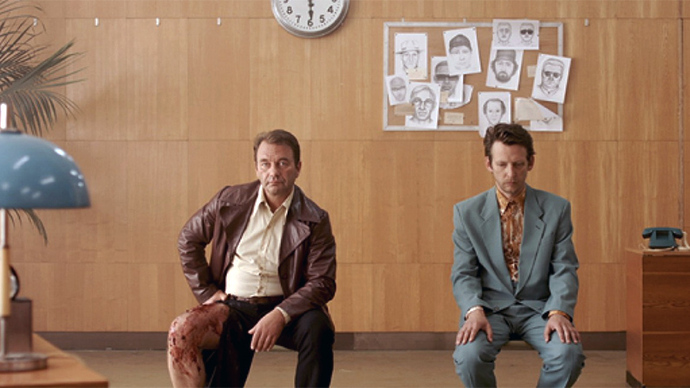
This holiday we visited Forum Cinemas for the first time in a long while, to sample the recently released detective comedy "Criminal Excellence Foundation." The film's funds were raised through a crowdfunding campaign and it features no professional actors. Despite all of this, the film turned out professional and enjoyable. The role performers are colourful characters, so I wanted to learn more about them. It turns out information in official sources is rather sparse - I had to gather evidence like a detective across the whole wide web.
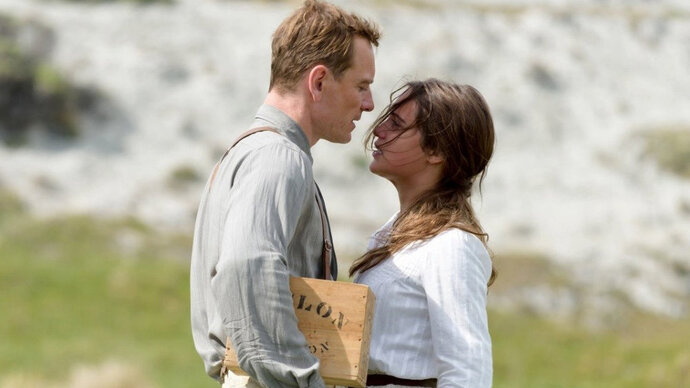
An age-old question - does each person, each relationship have a fate? Is a person free in their choice to change fate, or do they choose what they cannot help but choose, because it is deeply rooted in their nature?
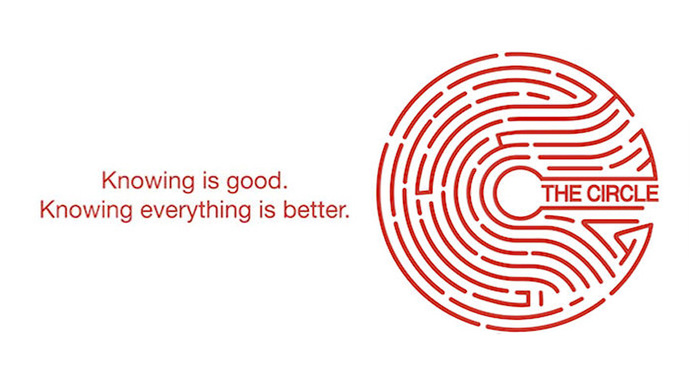
Openness and transparency are good - don't be afraid of them. Give up your unnecessary privacy. Technology will protect you if you don't protect or care for yourself. It will prevent you from dying in accidents, it will monitor your heart rate, treat diseases and balance your diet and physical activity, protect you from evil and differently-thinking people. You will live in a circle and be part of it.
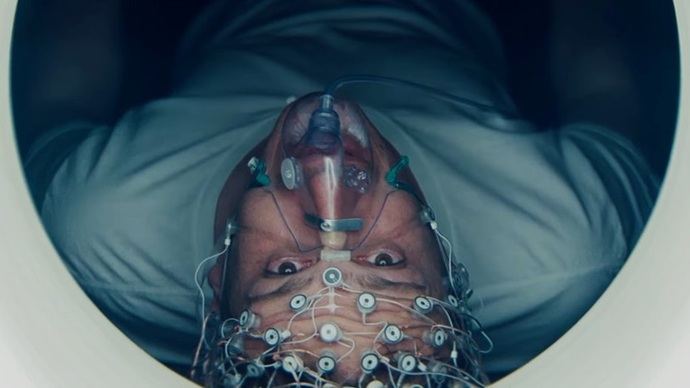
The film is rated nearly "good" on IMDb - that is, it has received a relatively low rating. That may well be, if judged from an artistic or plot-based perspective. But what drew me in was the film's very idea - yet another, I must say quite plausible, attempt to explain what happens to human consciousness after death.
Some cinematic works that have spoken to us with a slightly caricatured but sufficiently harsh view from the outside of the modern person and their place in society, in a specific structure, a network.
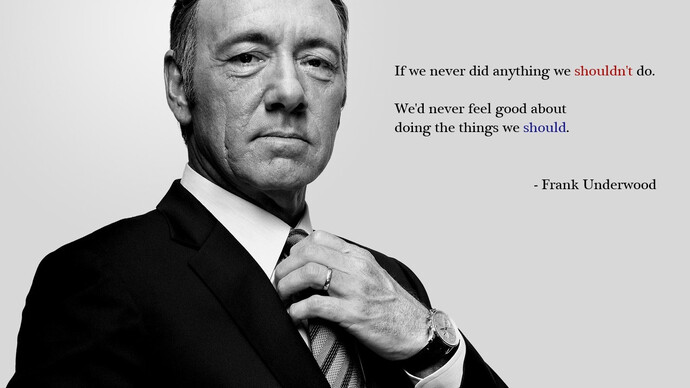
The American political drama series House of Cards is full of ruthless pragmatism, manipulation, the ignoring of any universal or religious values, but also global strategic thinking and juicy quotes. Here are the quotes of the main character, US Democratic Party politician Frank Underwood.
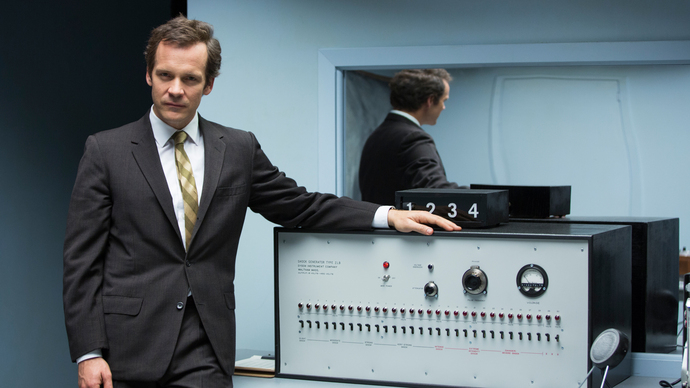
Yet another film as a sweet course for the little worm of thought that gnaws at the mind. Not very engaging emotionally or visually, but another timely, essential invitation to think - how evil or how spineless or uncritically thinking can a person actually be in the face of authority and the crushing opinion of society.
A film about the tangles of relationships, love triangles and choices that are not so easily made, because one's current place or position is much more comfortable, secure and familiar than something new and unknown, even if longed for and desired. The film's subtitle "...как же быстро ты живешь" perhaps most aptly characterises the contrast between the characters' pace of life and the tavern where time seems to have stood still.
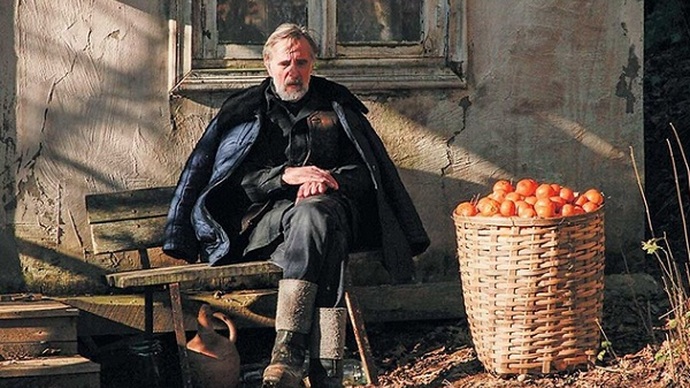
The main character at the end of the film poses a fundamental question - does it matter? In war it is not an Estonian, a Chechen, a Georgian or a Russian who is killed - in war ordinary people are killed, each of whom has their own life, loved ones, parents or children. War takes everything; death has no nationality. A grave has no nationality.
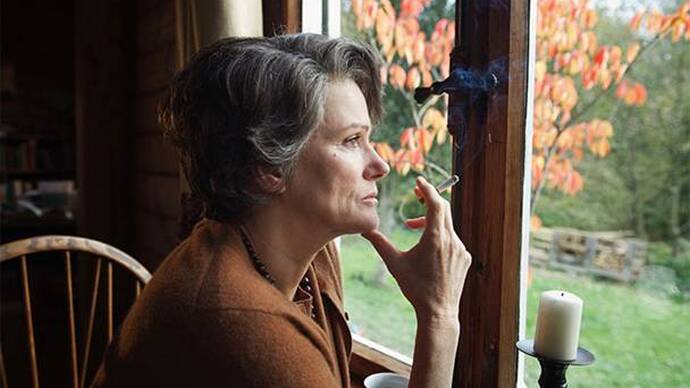
This is a biographical film about the German political theorist, publicist and philosopher of Jewish origin Hannah Arendt (1906–1975) and her period of life in the USA, when she was preparing a series of reports for The New Yorker on the trial of war criminal Eichmann in Jerusalem. The articles caused a great stir in society. She allowed herself to distance herself from national identity and philosophised about evil.