A Glimpse of Museum Night 2011
Who knows how it is in France - the cradle of Museum Night - but in Latvia this event always falls during the blossoming of bird cherry and chestnut trees. The breath of spring drifts through the air and crowds move through Riga's streets, especially through Old Riga, seeking new impressions, new acquaintances, new information.
The weather was kind to us - cool, but no rain as there was last year. Who knows how it is in France, the cradle of Museum Night, but in Latvia this event always falls during the blossoming of bird cherry and chestnut trees. The breath of spring drifts through the air and crowds move through Riga's streets, especially through Old Riga, seeking new impressions, new acquaintances, new information.
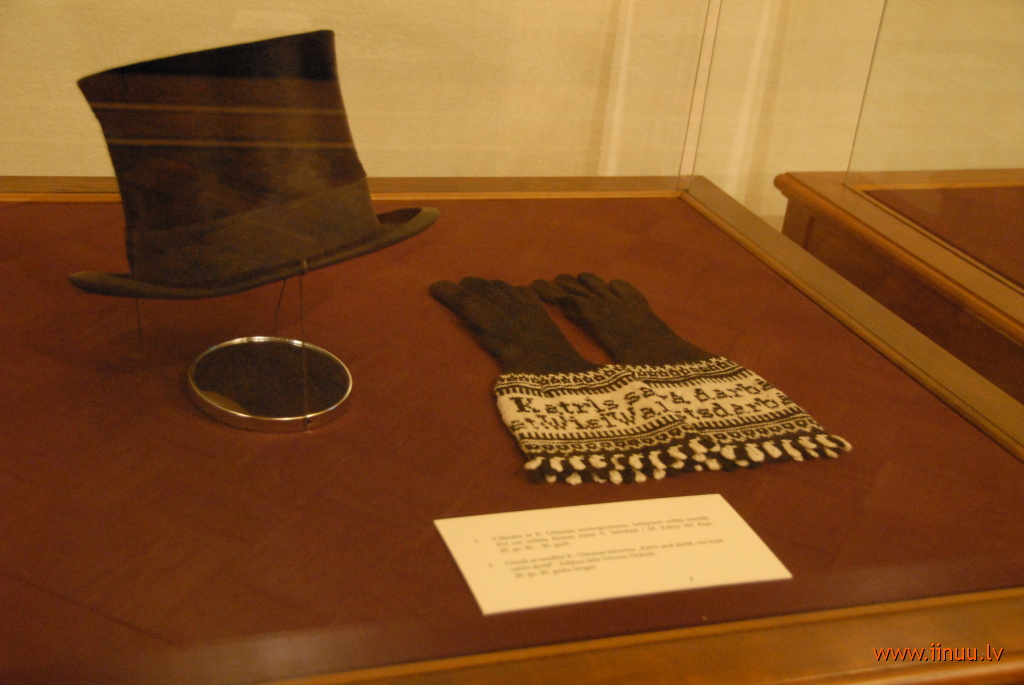
This year, having parked our vehicle and abandoned any hope in the three planned free transport routes, we made our way by public transport to the Museum Night 2011 participants we had picked out from the programme. First stop - the Dauderi Museum, right here in Sarkandaugava, where we were warmly welcomed and received our first Museum Night sticker on the lapel. We viewed the permanent exhibition with its many Latvian folk-costume brooches and head-wreaths, and of course the artefacts of the era of Kārlis Ulmanis and the First Republic of Latvia - military and state service insignia of that time.
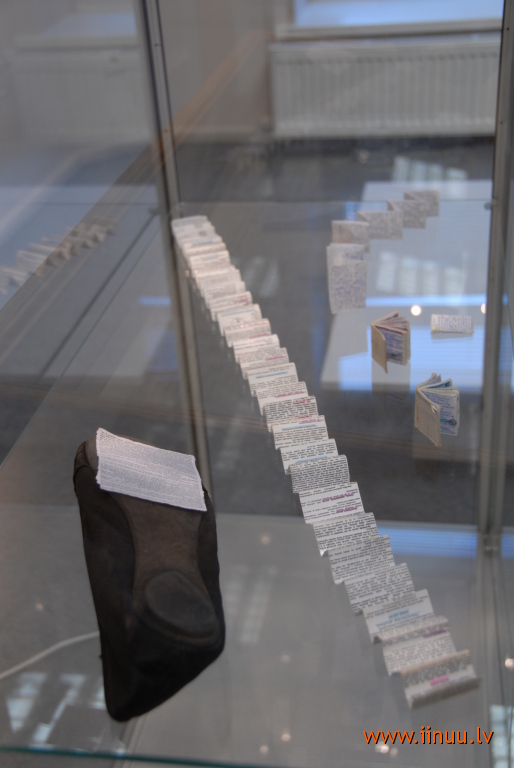
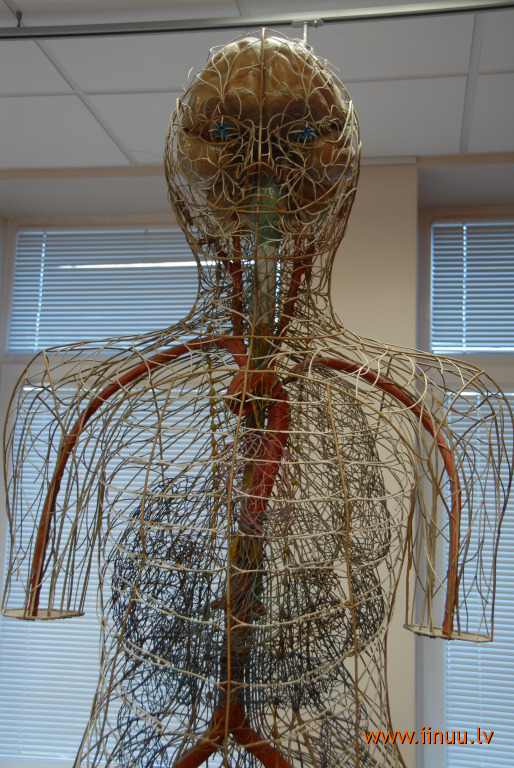
The next stop, at almost the other end of the city on Dzirciema Street - the Rīga Stradiņš University Museum, where nostalgic memories of student days surfaced while examining possible cheat-sheet formats and how they had progressed from the ultra-finely handwritten accordion-fold "garmoškas" to exam aids printed in tiny font.
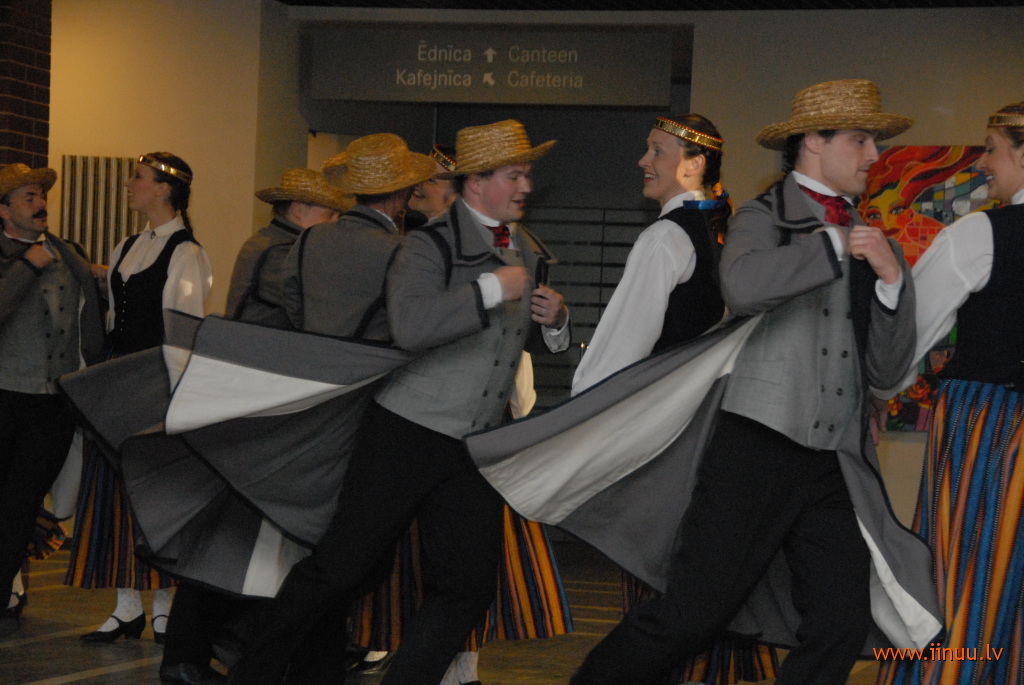
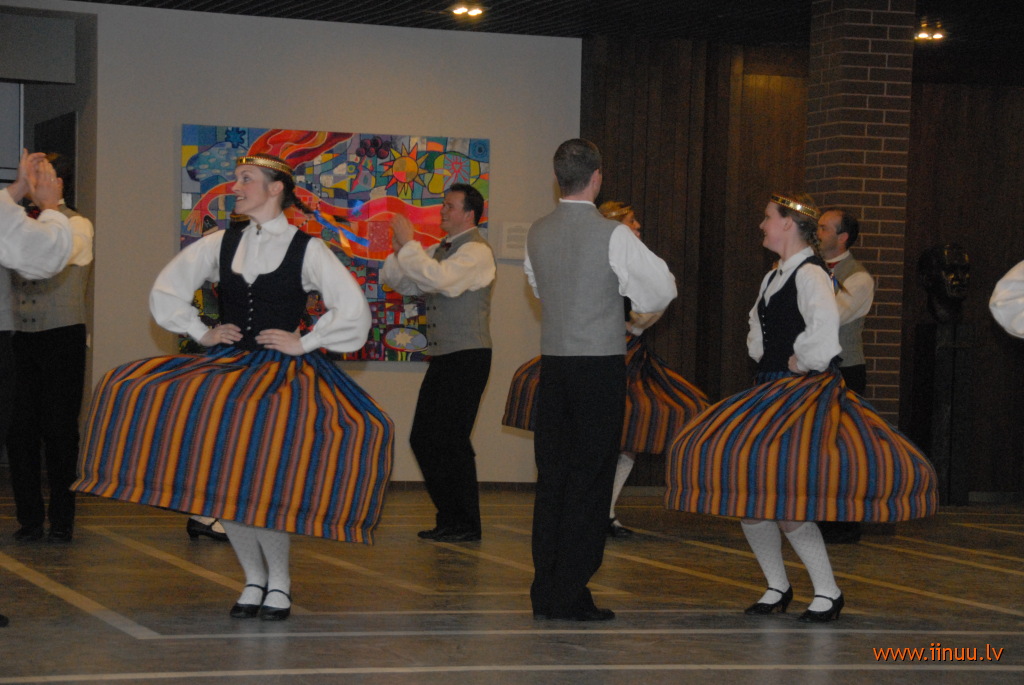
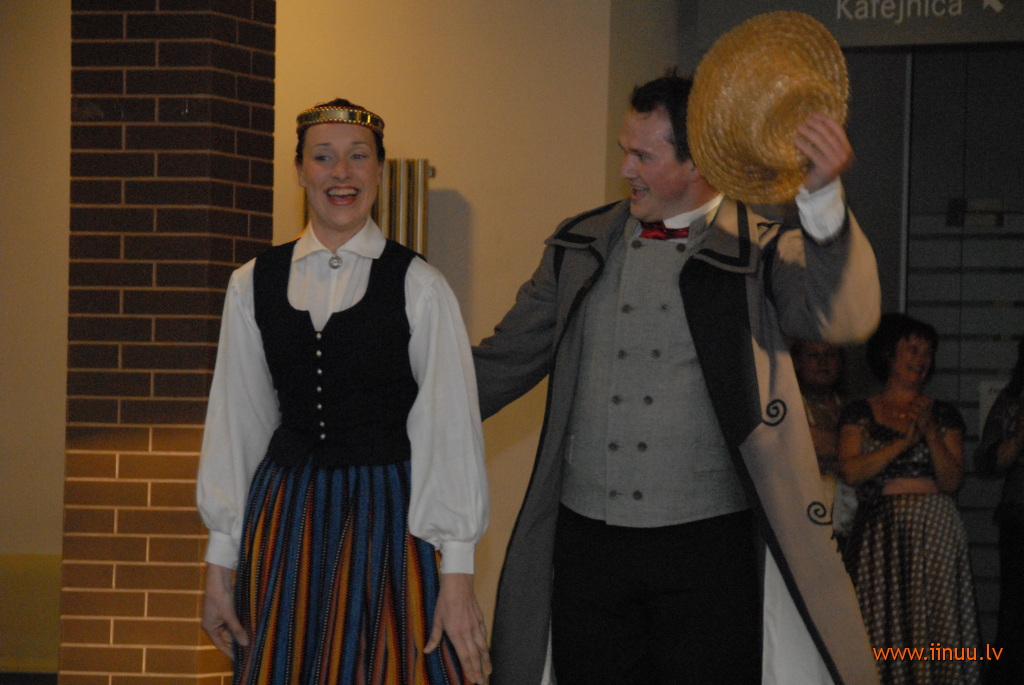
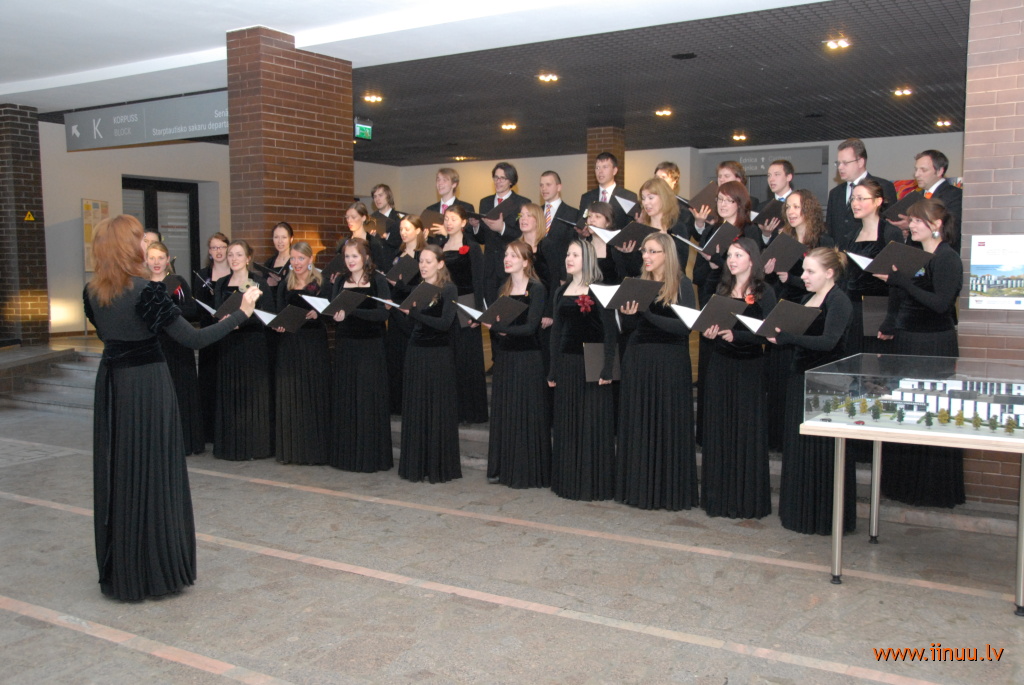
In the university foyer, the mixed choir "Rīga" and the RSU dance ensemble "Ačkups" performed. Both groups are earnestly preparing for the Baltic student song and dance festival "Gaudeamus – XVI". At this concert too, there was no shortage of audience and supporters.
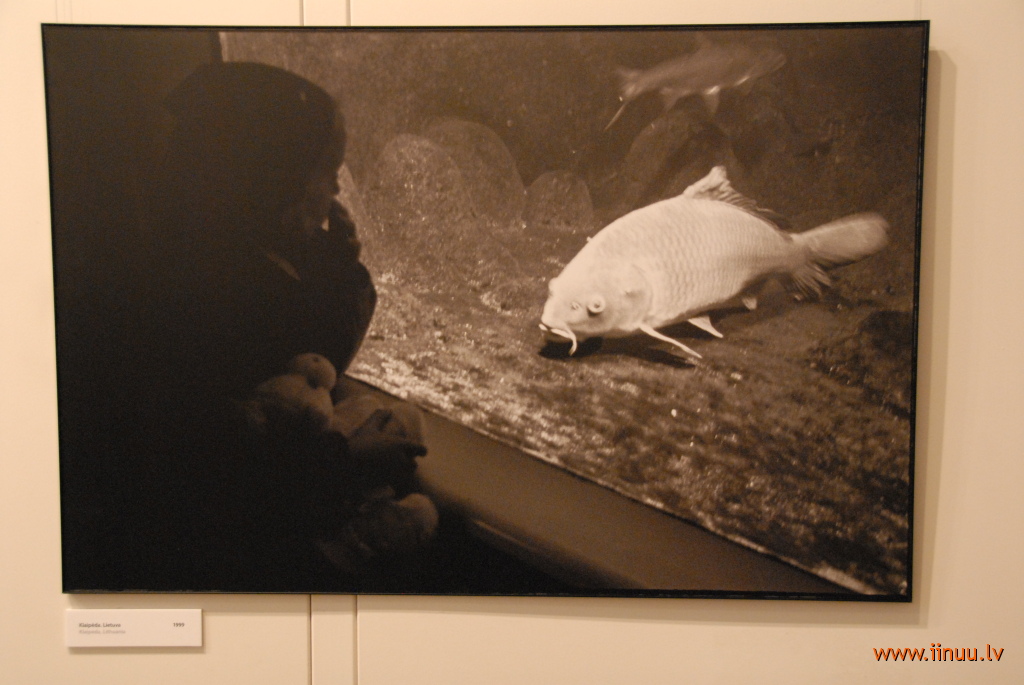
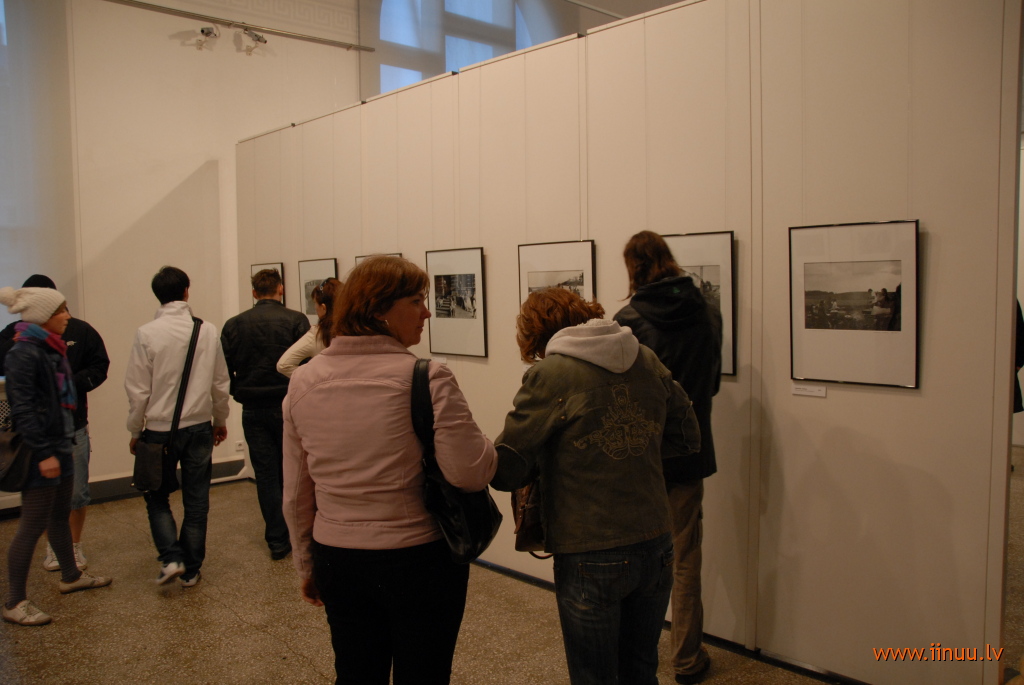
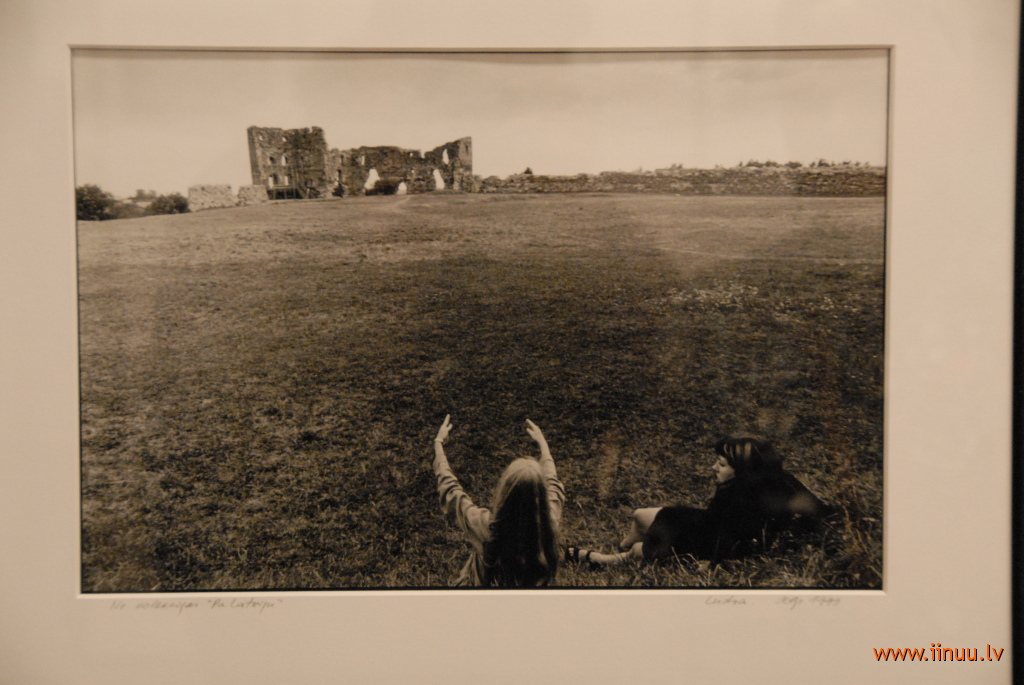
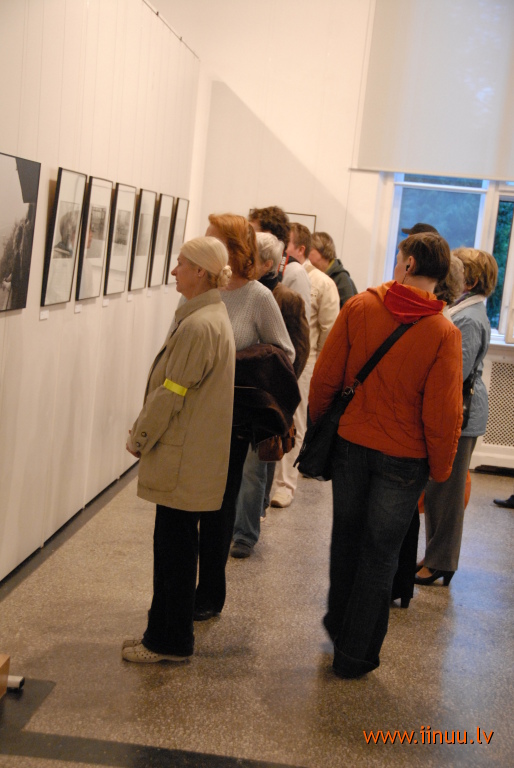
The Latvian National Museum of Art was rather spare in its offering specifically for Museum Night. Even the traditional welcome and sticker were absent. Notices everywhere stated that the museum would open for viewing on 18 May for International Museum Day. On the first floor, however, there was a genuinely interesting black-and-white photography exhibition by Andrejs Grants (works created between 1980 and 2010), in which we spotted a few photographs from our own hometown.
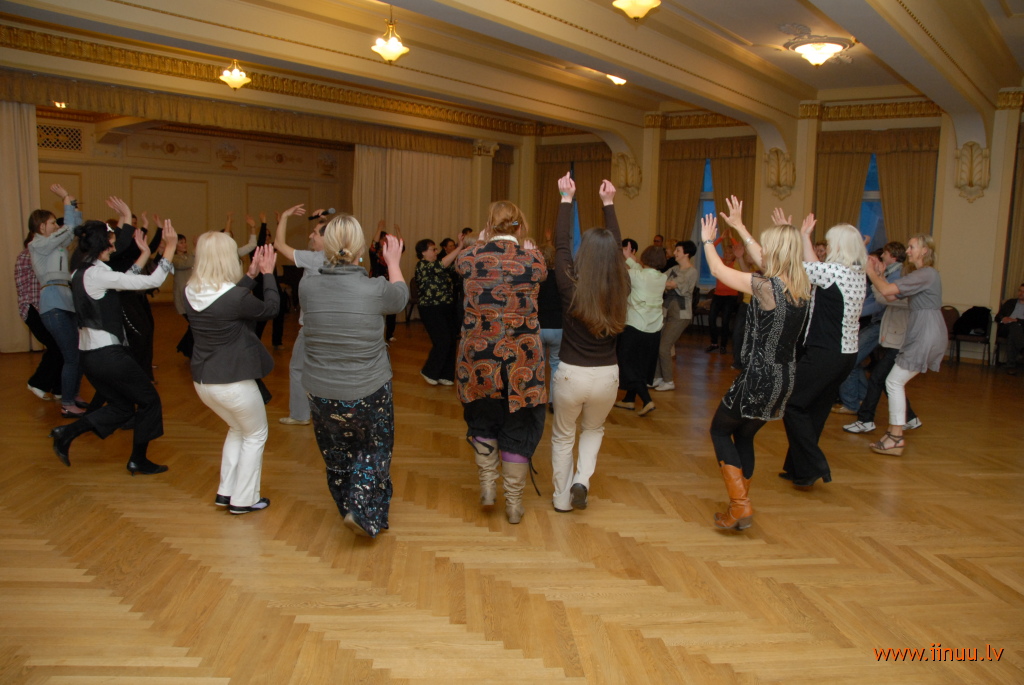
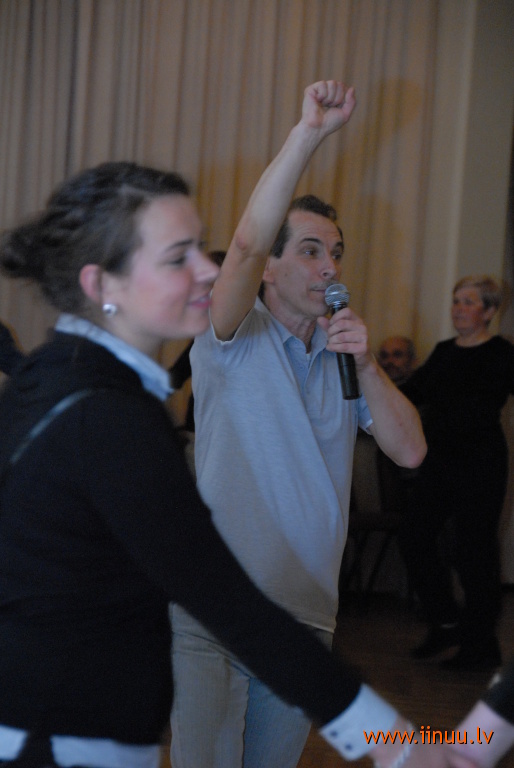
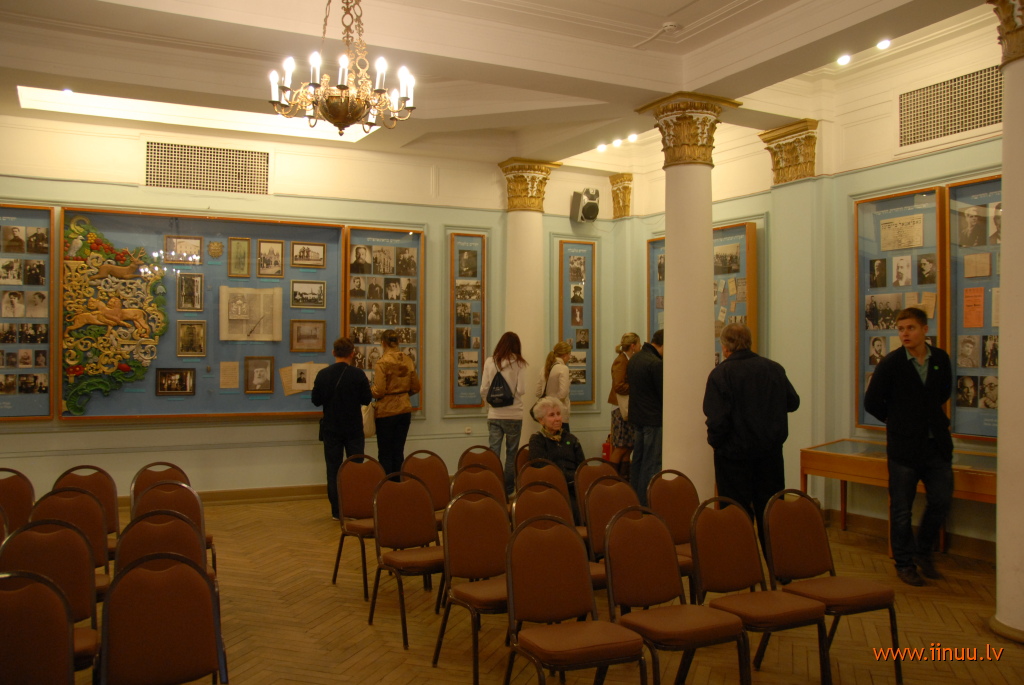
Then we went to the nearby museum "Jews in Latvia" (Skolās Street 6), where the main attraction was the opportunity to watch, learn, and dance along to Jewish and Israeli dances under the direction of choreographer Sergejs Rozencveigs. It turned out the steps were quite simple - mainly walking, bowing, and, similarly to Greek dancing, dancing in a circle that either draws inward or spreads outward or moves in one direction or another. All of this on the second floor, while the third floor housed the museum proper, which has gathered a considerable amount of material on Jews in Latvia, from their arrival in Latvian territory in the 16th–18th century in Piltene through to the present day. And of course a fairly stark depiction of the period of Jewish persecution and annihilation during the Second World War, and beyond.
The quantity of printed materials prepared by association members and offered to museum visitors was impressive. Russian, Latvian, and Hebrew could be heard alternating all around. An attraction not announced in the Museum Night programme but available to every visitor: determining one's date of birth according to the Hebrew calendar, and writing one's first and last name in Hebrew.
We didn't make it to the lecture on synagogues, and didn't hear the registered Eurovision entrants, the group "Pieneņu vīns" (Dandelion Wine), but even so the impression remained that this museum had genuinely thought about receiving its visitors.
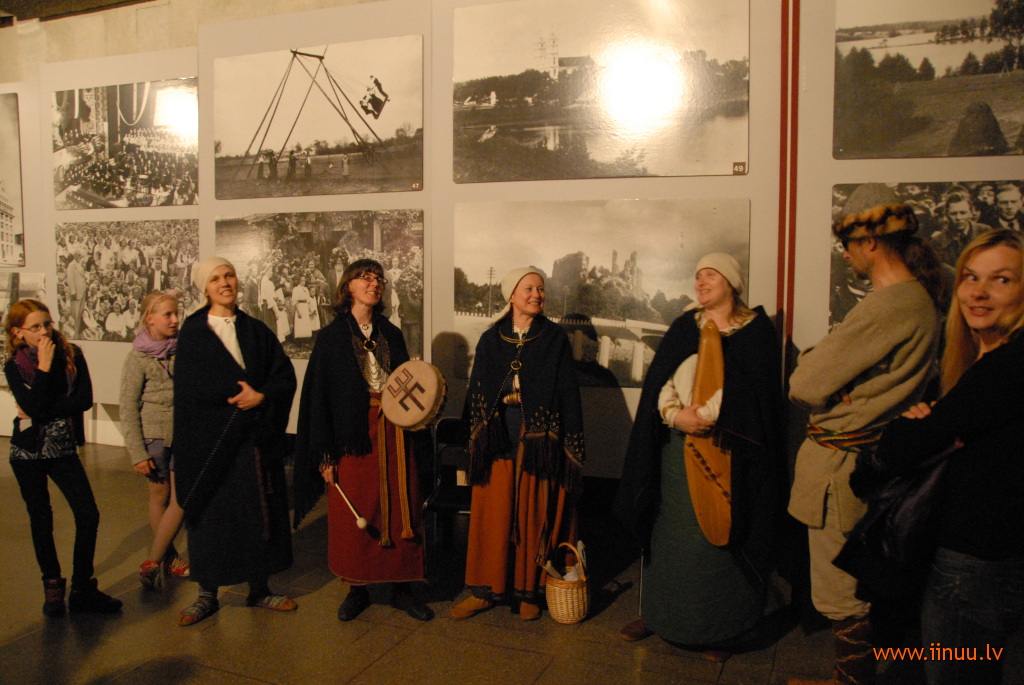
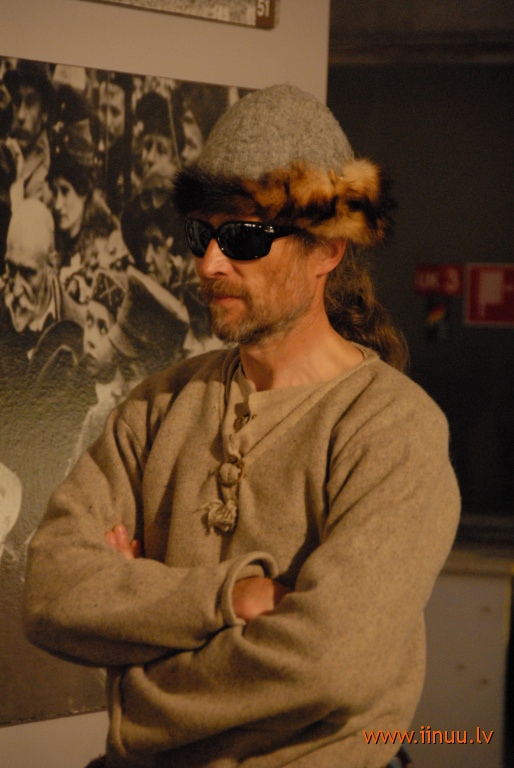
We headed in the direction of Old Riga, which could only be crossed by pushing through a considerable crowd of local and foreign tourists. No wonder - Old Riga's nightlife was in full swing: outdoor cafés (of which, it seems to me, there are more and more each year), live music on every corner, beggars (of whom there are also more and more each year, unfortunately), flower vendors, neon disco lights. By the time we reached the Museum of the Occupation of Latvia, we once again skimmed through the pages of Latvian history with our eyes. An ethnic song ensemble sang (not listed by name in the programme, unfortunately) - the singing rang out beautifully a cappella, and what attracted many people's attention was not so much the lovely ancient folk costumes on the women, but one man in folk costume with distinctly large black sunglasses (whatever was the reason for those - who knows?!).
The last destination on our programme, the RTU Leonardo da Vinci Museum, we never reached - a student who had poked his head out through the door announced that there had been an error in the programme and the museum was closing at 23:00, not at 1:00.
Overall, the subjective impression of this year's Museum Night: the picture is there, but it lacks "flavour". I don't deny that others may have come away with different impressions. For some reason one always wants to catch the feeling that you are truly expected, welcomed, and that thought has been put into it - offering something more than the permanent exhibition (and a genuine pleasure it was, in some of the museums mentioned above, where that was indeed the case).
comments