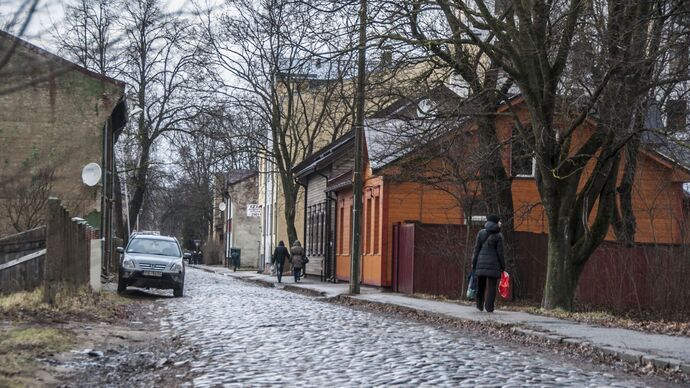
A Walk Through Čiekurkalns with a Guide
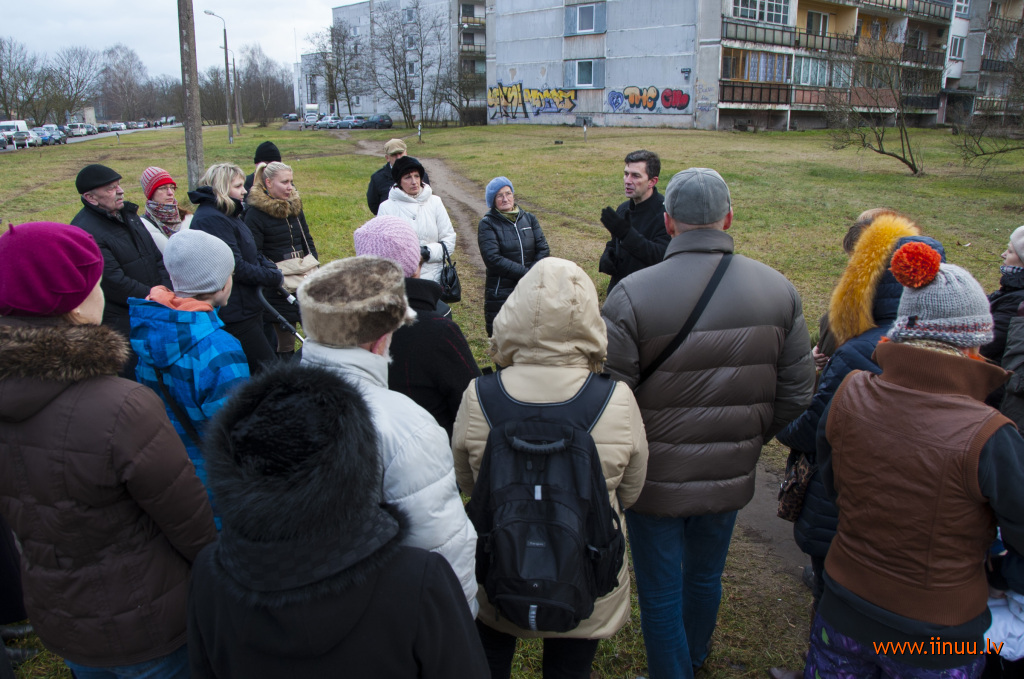
The almost two-hour tour for approximately thirty interested visitors was led by historian Juris Berže, who mainly outlined the history of the neighbourhood's development and focused on examples of wooden architecture that have given Čiekurkalns its individual character over the years - an undeniable value worth recognising, restoring and preserving for future generations.
The impulse to visit the neighbouring district came from a post and poster I read on the Twitter account @Shreienbusha (incidentally, Šreienbuša is the old name of Čiekurkalns) about an upcoming Christmas market on 20 December and the events planned as part of it. We managed to join one of them - a guided walk through the neighbourhood.
The almost two-hour tour for approximately thirty interested visitors was led by historian Juris Berže, who mainly outlined the history of the neighbourhood's development and focused on examples of wooden architecture that have given Čiekurkalns its individual character over the years - an undeniable value worth recognising, restoring and preserving for future generations.
If the former Petersburg suburb (now the Central District) was once inhabited by wealthy Germans, Moscow suburb was primarily home to Russians and Jews, and Āgenskalns to middle-class Latvians and Estonians, then it was Latvian working-class families from the Vidzeme countryside who moved into Čiekurkalns. It is noteworthy that Čiekurkalns was only officially incorporated into Riga's territory in 1924.
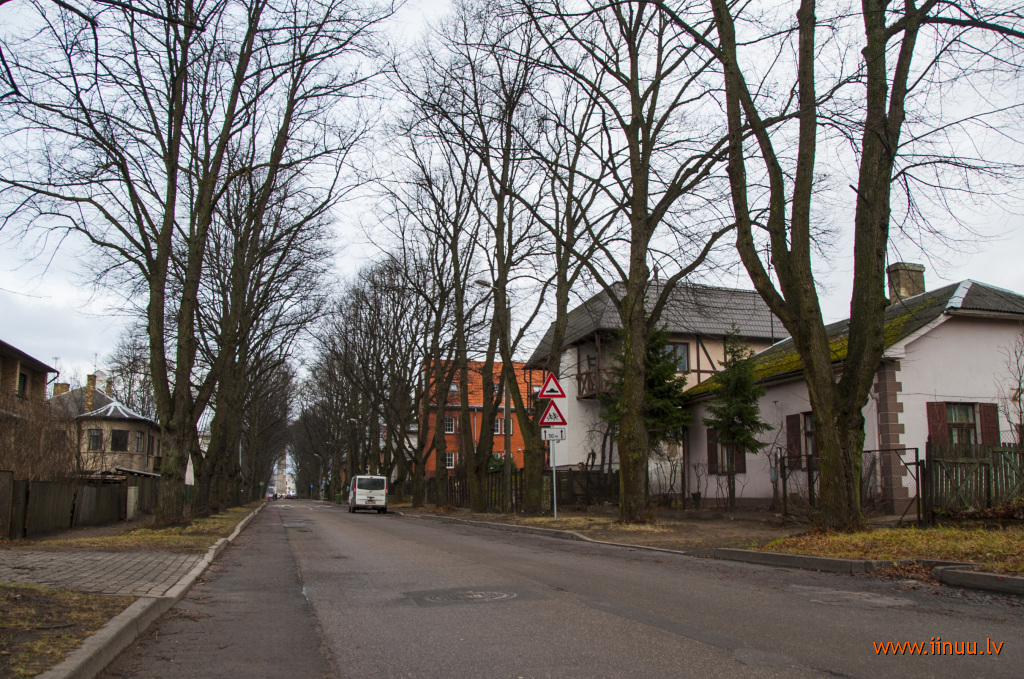
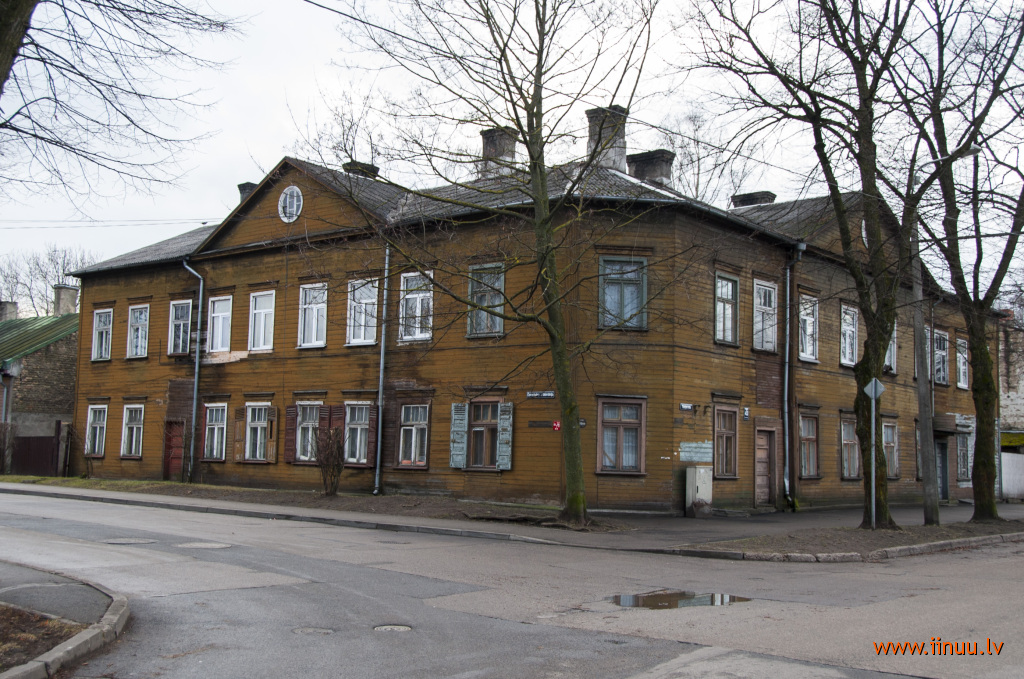
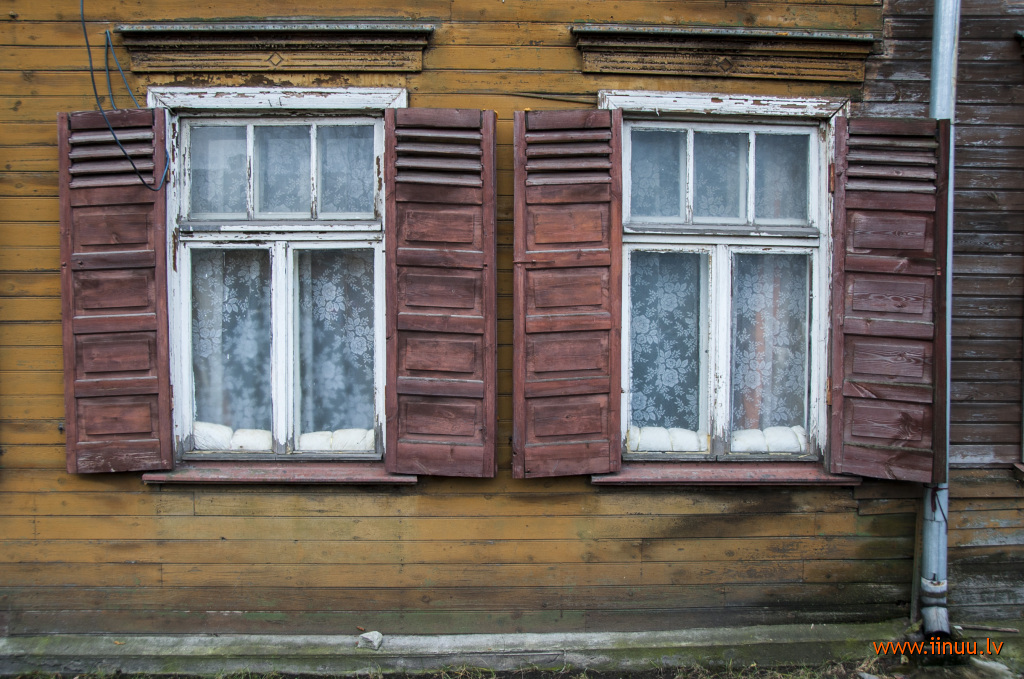
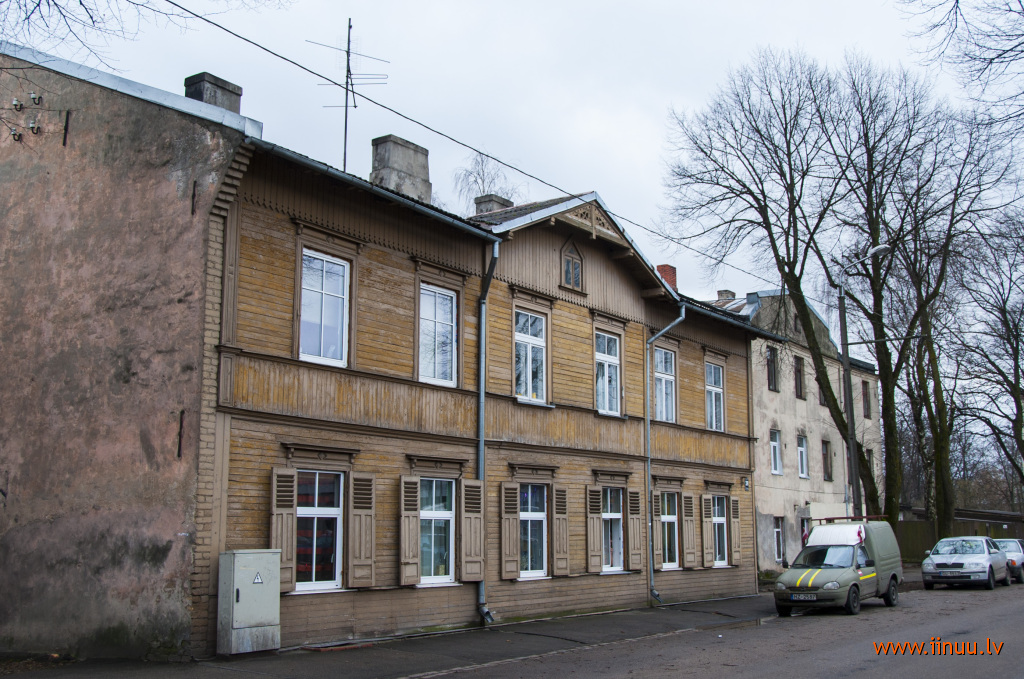
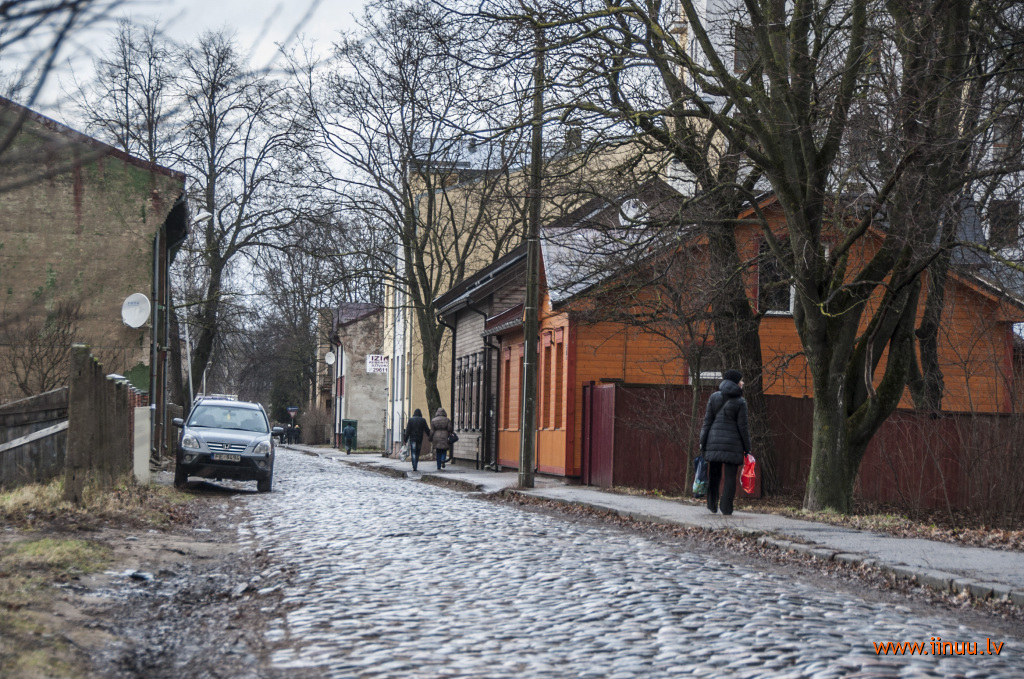
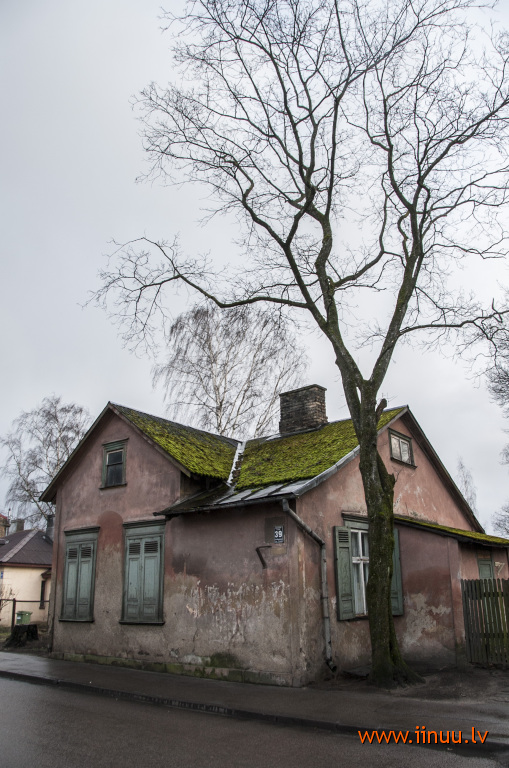
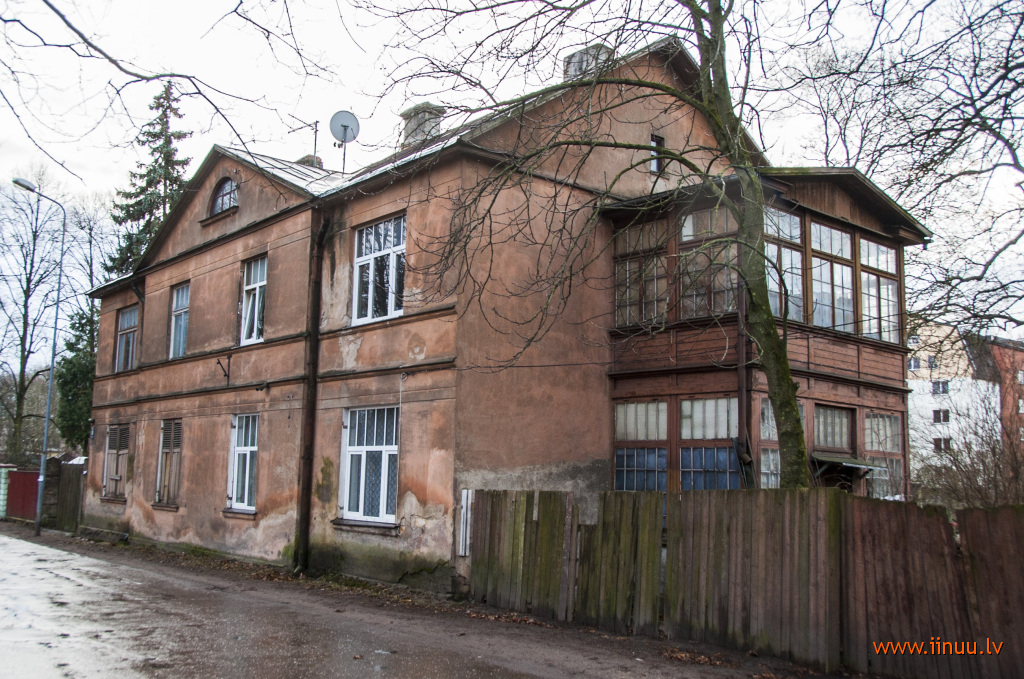
Thoughtful development of Čiekurkalns and road construction took place around 1900. Evidence from that era can be seen on Gaujas Street, where we head first. Along its entire length the street is flanked by a tree-lined avenue in the German manner (image 2). A focal point here is the wooden house on the corner of Gaujas Street and Čiekurkalna 2nd Cross Street (images 4 and 5). Yellowish-brown and faded, but still retaining its distinctive L-shape with facades of equal length on both sides and a diagonal corner cut, which also features a window and living space. The old window frames are still preserved, along with the divided pane pattern typical of the era, wooden window shutters, and above the windows a small wooden board with a rhombus ornament that served to deflect raindrops from the windows.
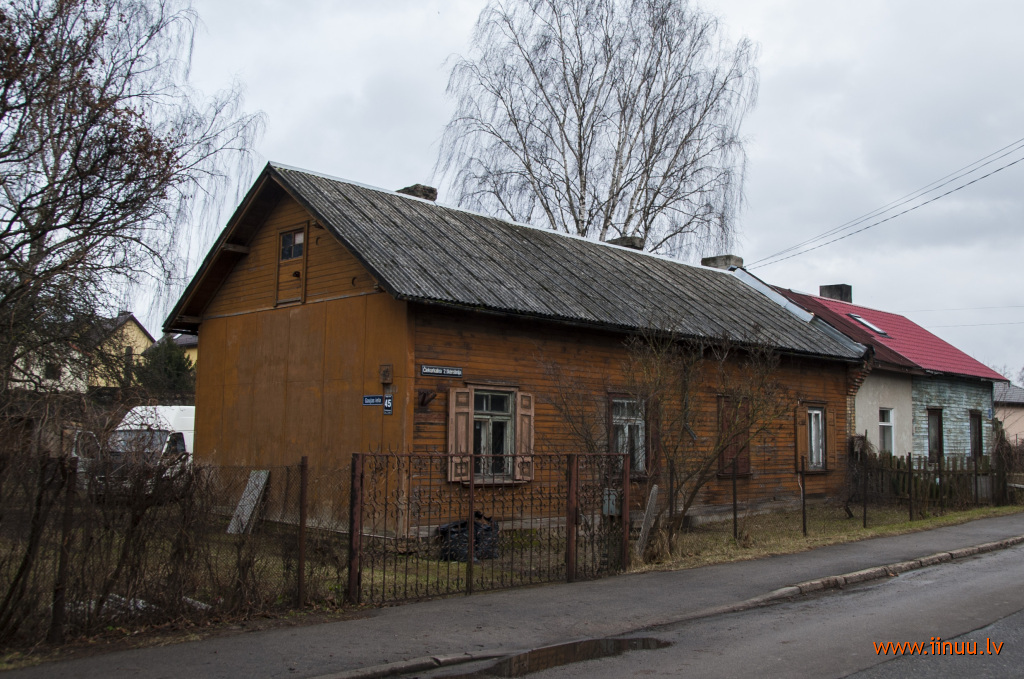
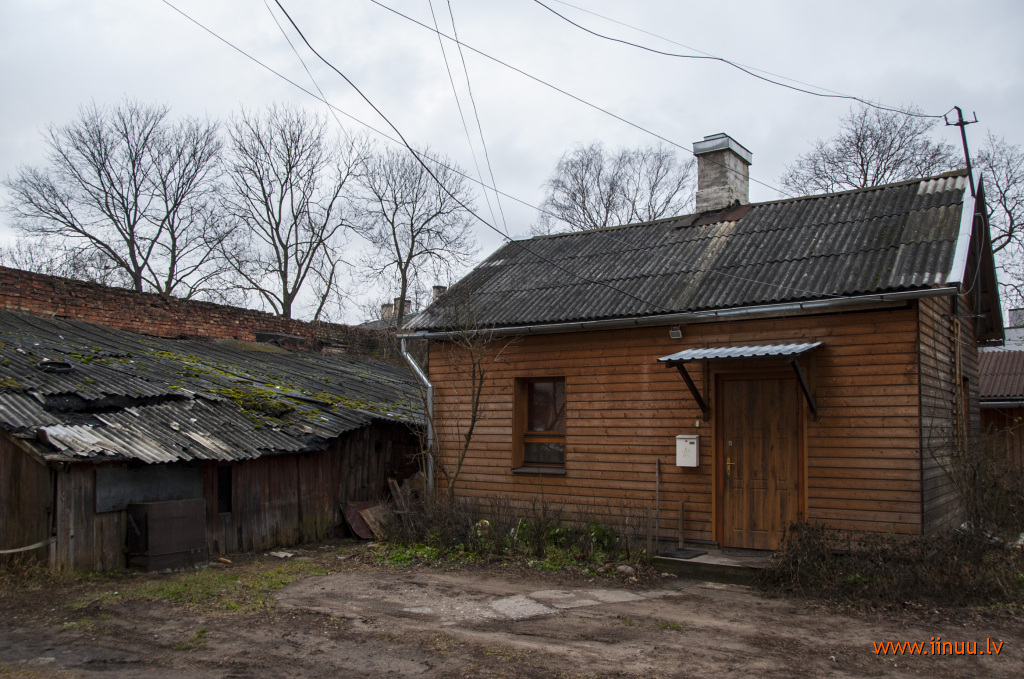
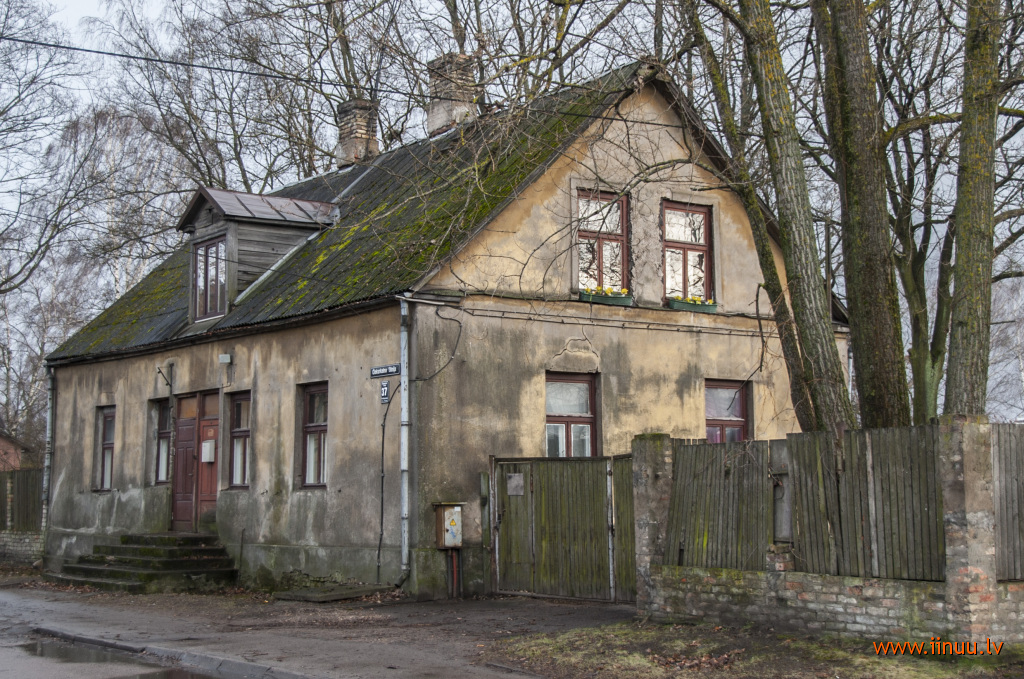
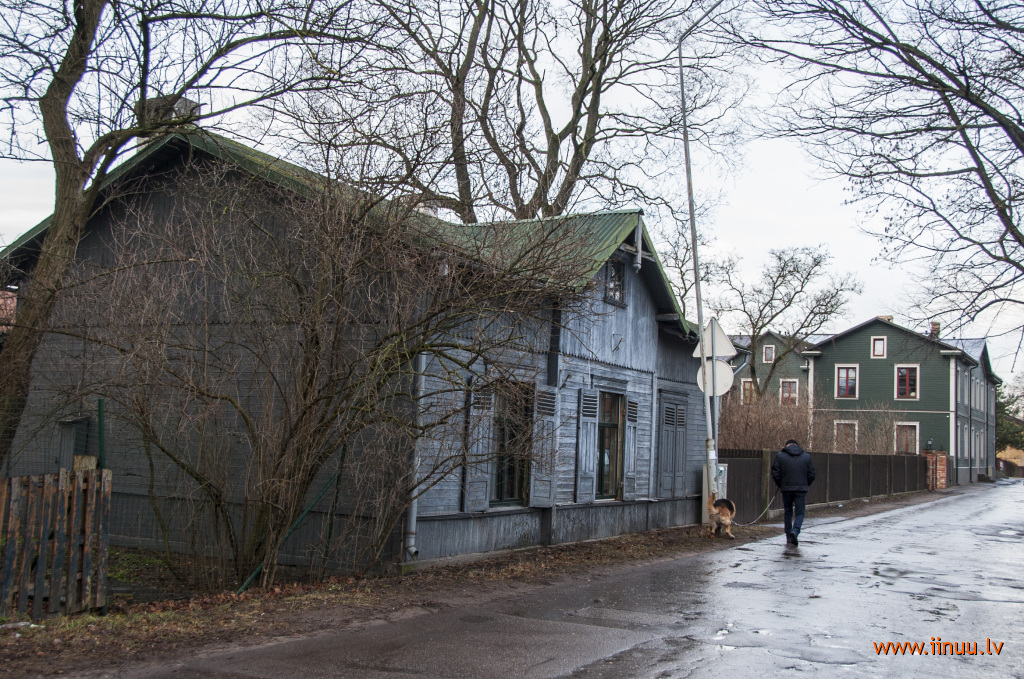
Just across the street is a typical Latvian wooden house (image 6) which, unlike wooden houses in Latgale that were placed end-on rather than side-on to the street, faces the street with four windows. Judging by the two chimneys, it is divided inside into two sections - one for the owners and one for renting out.
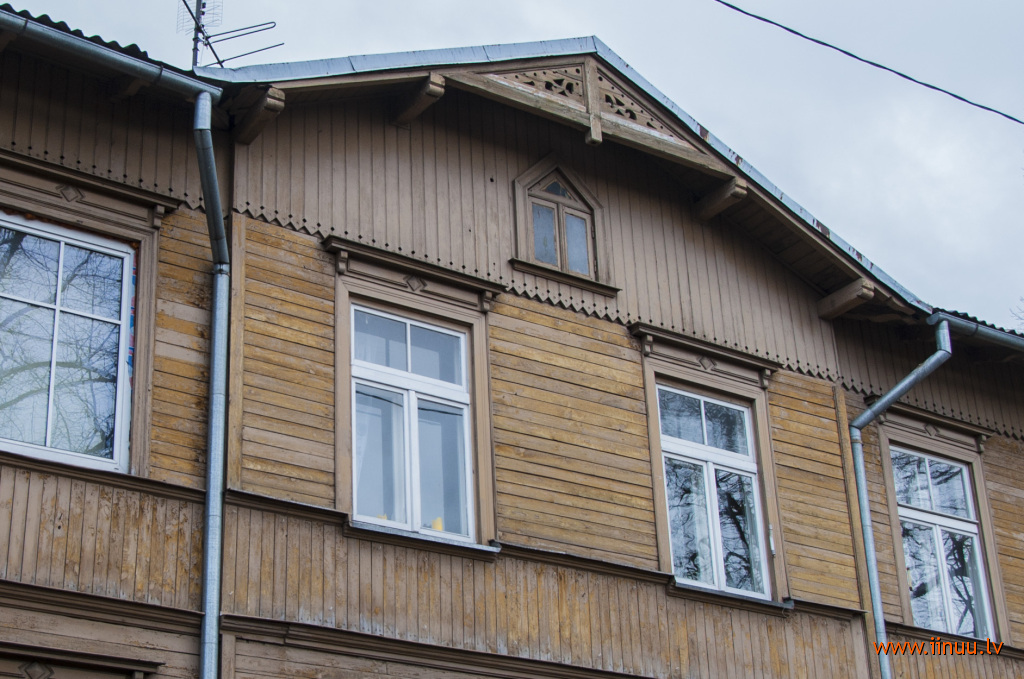
Continuing along Gaujas Street, we stop at another two-storey wooden house decorated with ornamental wooden boards at the top and wood carvings in the triangular gable (images 8 and 9). If I recall the guide's account correctly, those boards along the edges of the triangle reflect Swiss architectural influence. Along the side of the wooden house runs a fire wall, as required by the city's fire safety regulations when additional houses were planned to be built adjacent along the street edge. Unlike the other buildings along Gaujas Street, this house protrudes slightly forward and hugs the pavement closely.
It turned out that among the listeners was also the house owner, Līga, who told us that this had been the first wooden house her ancestors built along the edge of this street - hence why it protrudes. Four generations of her family have now lived here. The house is well-preserved, with all its wooden shutters and ornaments intact, though the harmonious view is somewhat disrupted by white plastic windows that have replaced the original wooden ones.
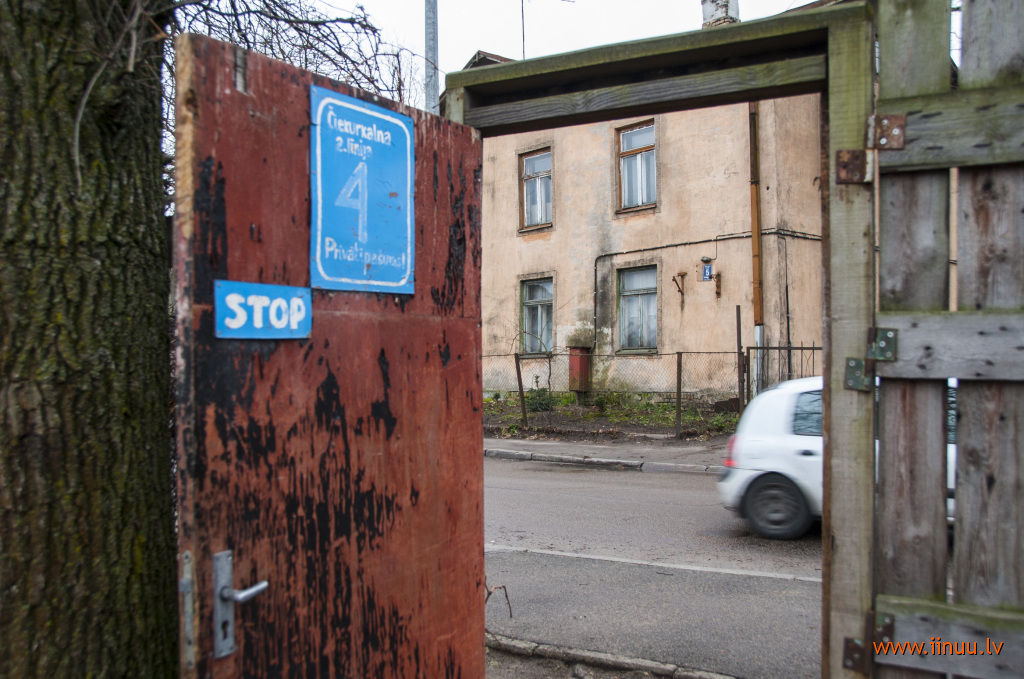
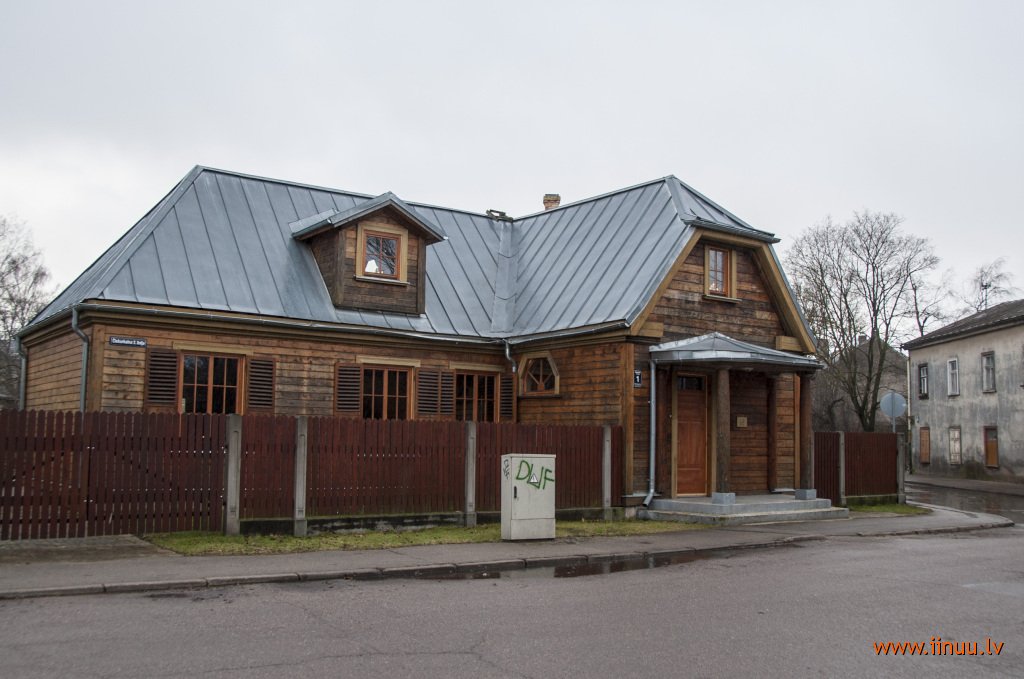
The walk continued through a small courtyard - where a bluish-white STOP painted on the wooden gate was successfully ignored - to the corner of Čiekurkalna 1st Cross Street and 2nd Line Street, with two notable wooden houses. One of them (image 13) - fully restored - has in modern times been relocated here from the inner courtyard of Skolas Street in the city centre, and has been successfully preserved and adapted for everyday use. Judging by the sign, it is now home to the non-governmental organisation "Lutherans' Hour."
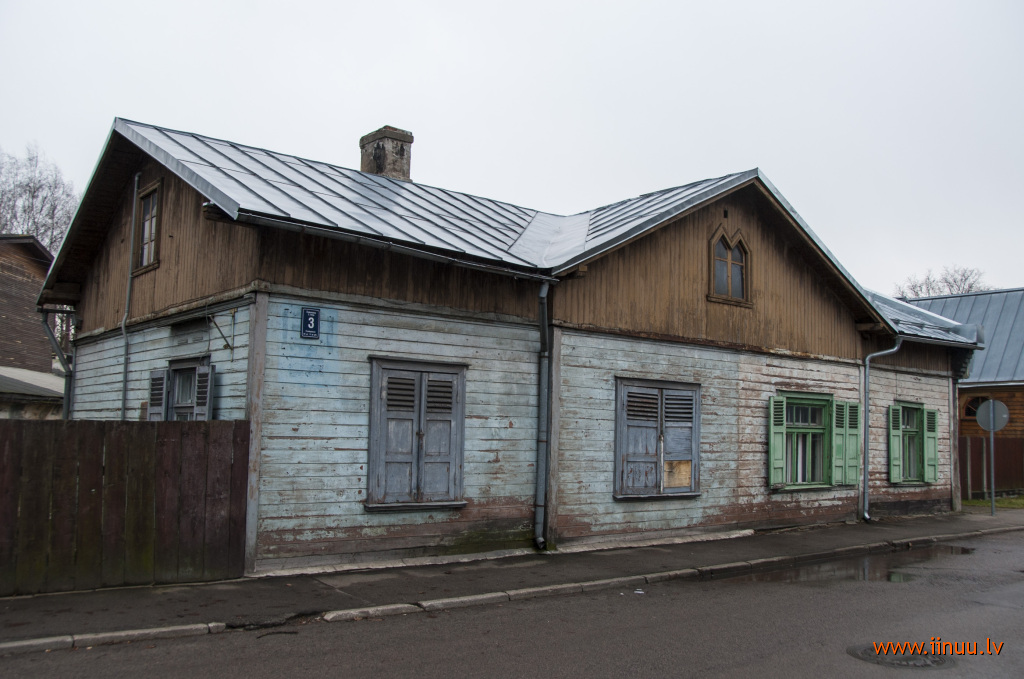
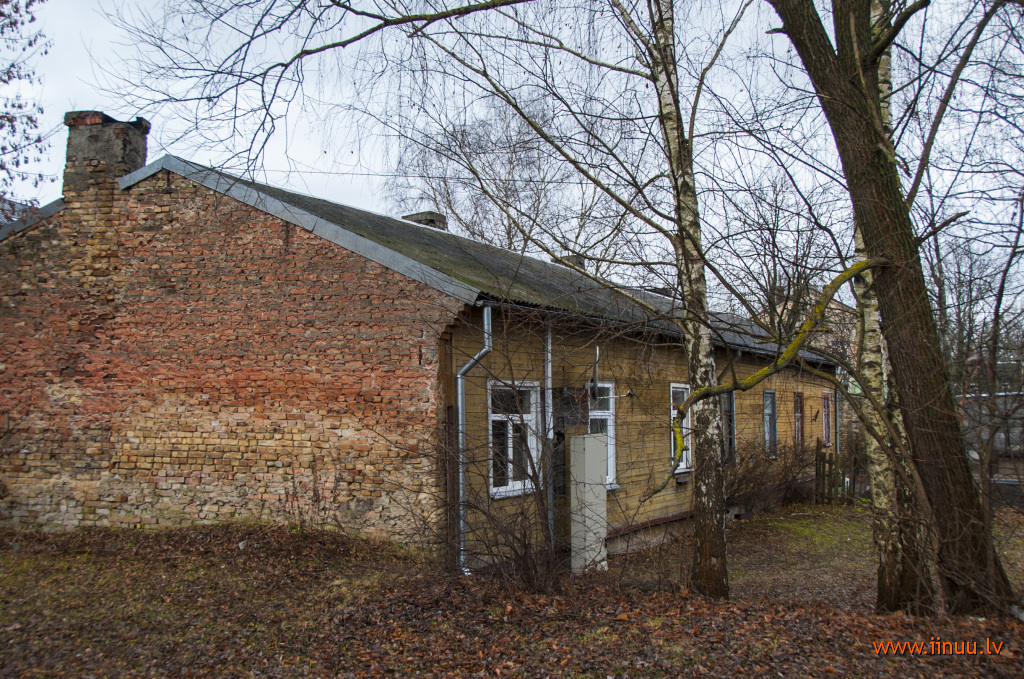
Rain started, which was somewhat disruptive, but no one had any intention of dispersing, as the narrative was engaging enough. Along Čiekurkalna 1st Cross Street we viewed a wooden house doomed to disappear - moisture has seriously damaged the foundations, and on one side the street has risen almost to window-sill level (image 14).
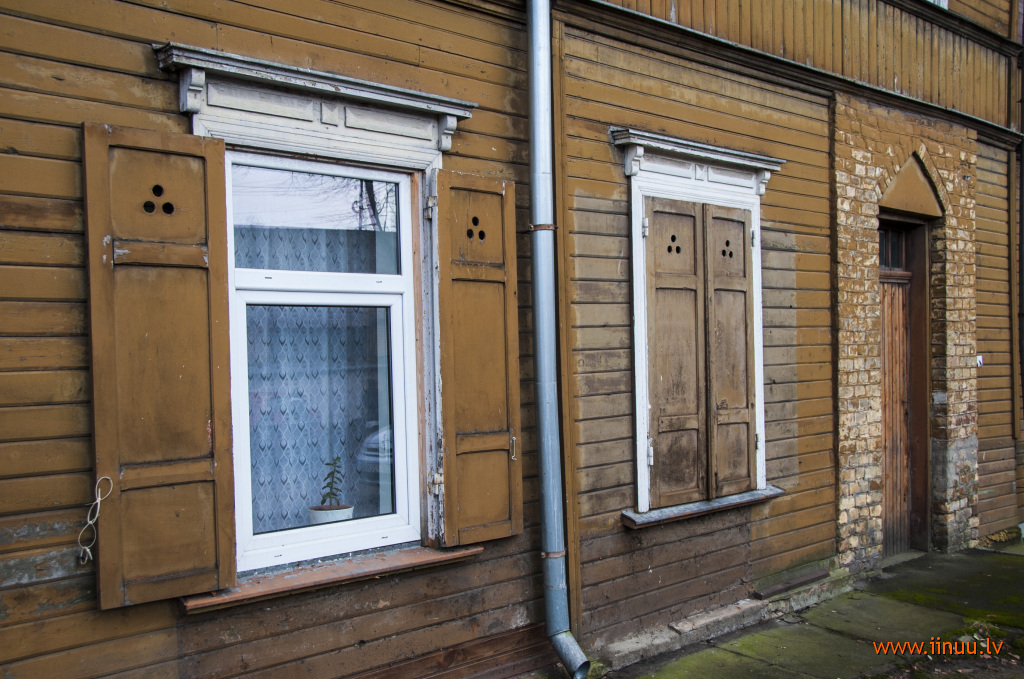
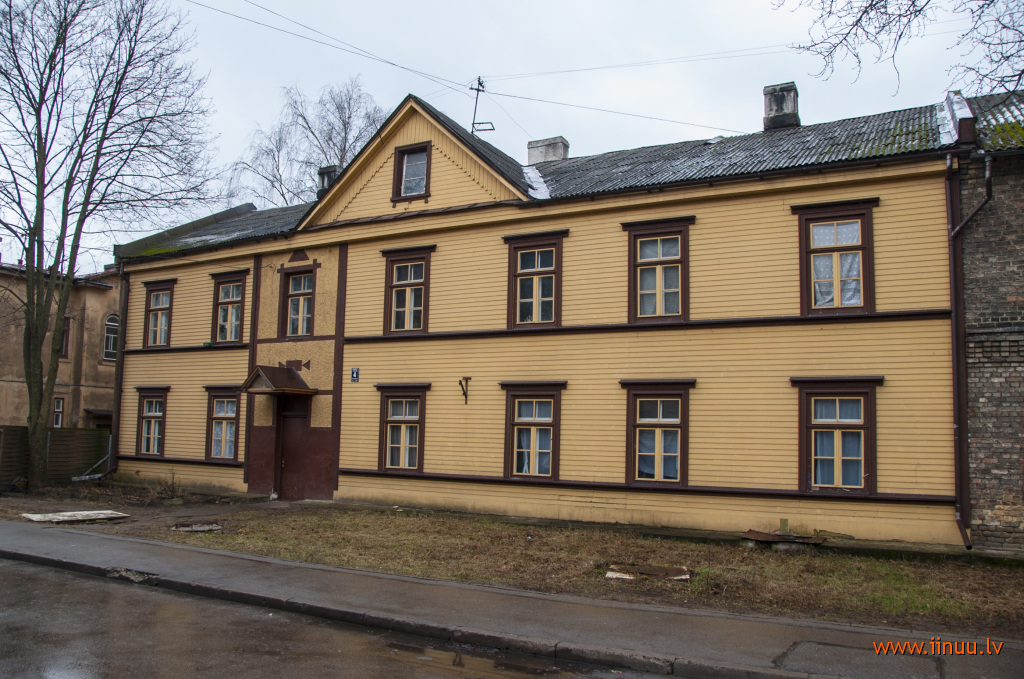
Further along, a restored, well-tended yellowish-brown two-storey wooden house with a masonry entrance (image 15). Above the entrance, the naive national Romantic details - rectangles, triangles - suggest the house may have been built in the early teen years of the last century.
Turning onto Čiekurkalna 1st Line Street, the view opens back up to the impressive water tower, built at the beginning of the 20th century - the largest water tower in Riga, with a 2,000-cubic-metre reservoir. No longer in use today, it is nonetheless unquestionably one of Čiekurkalns's landmarks.
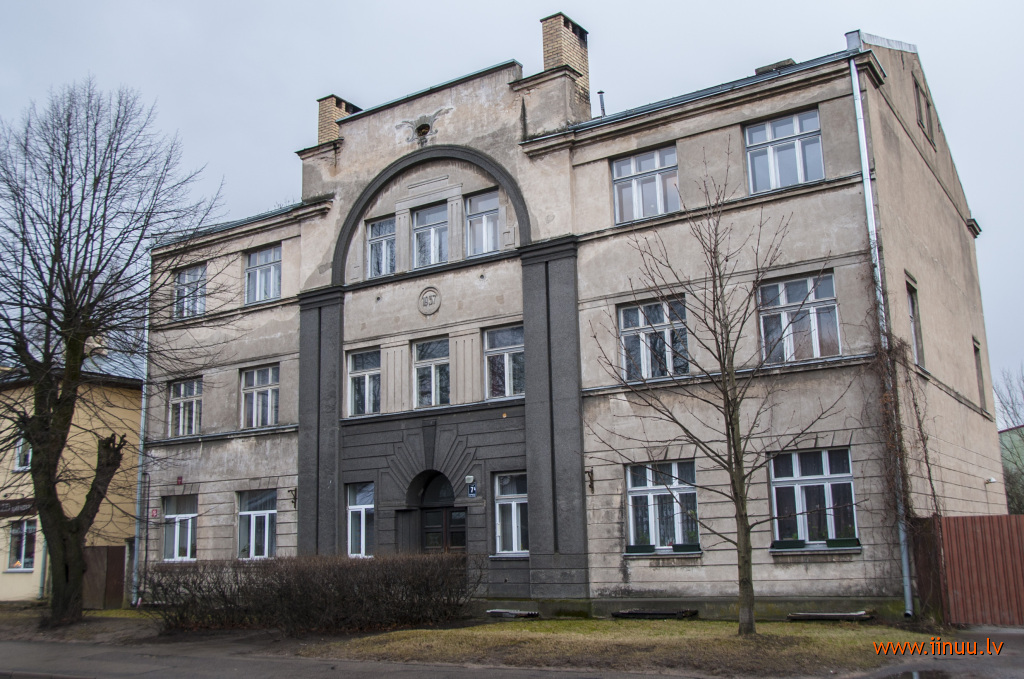
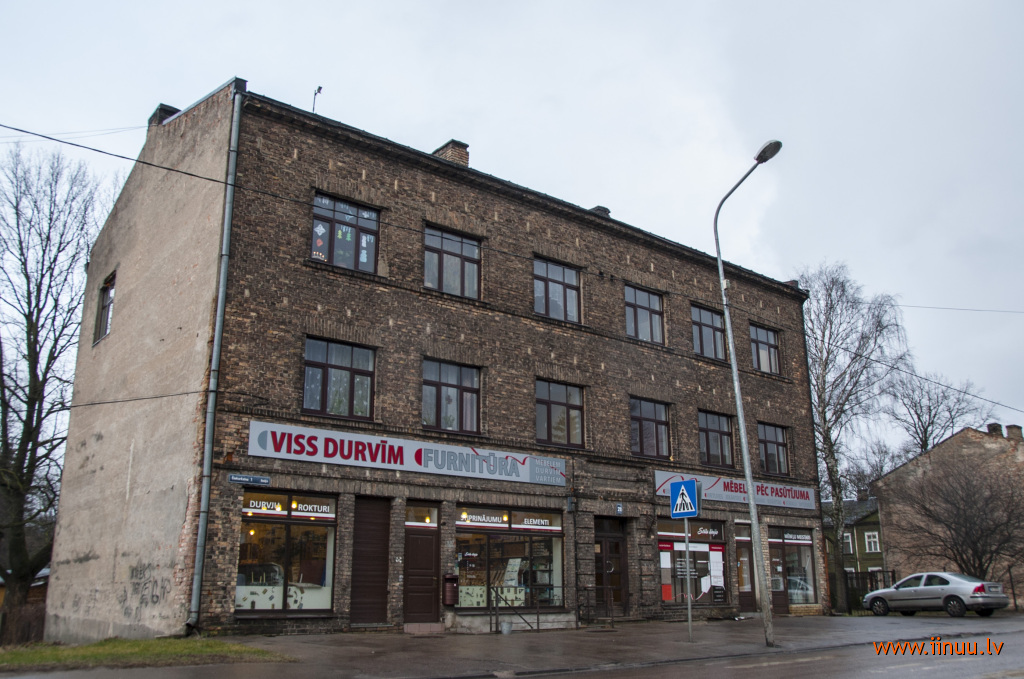
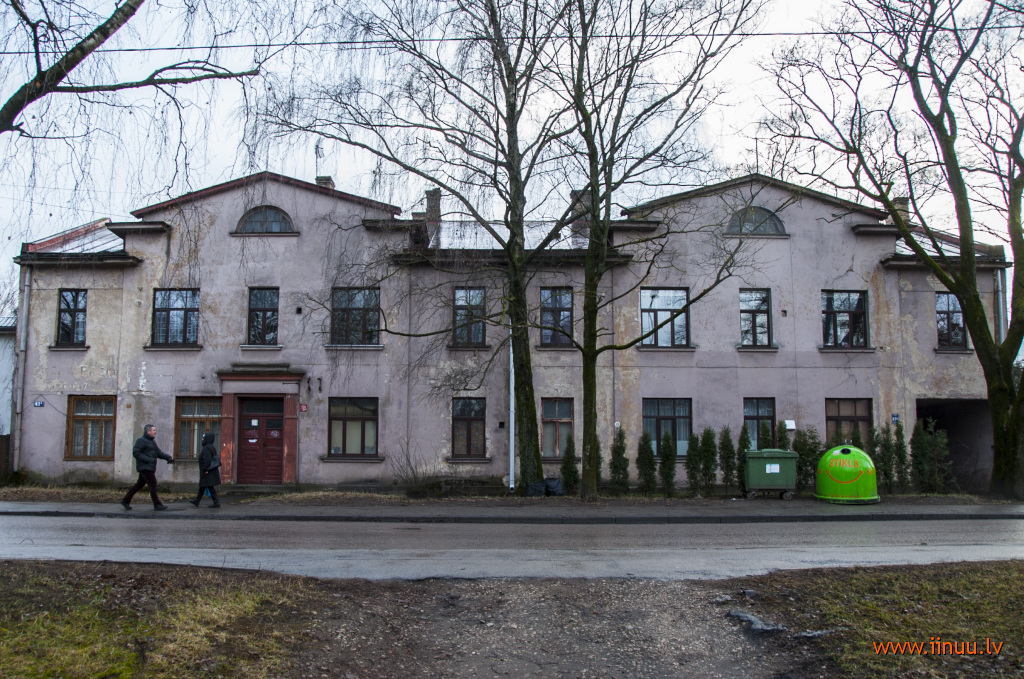
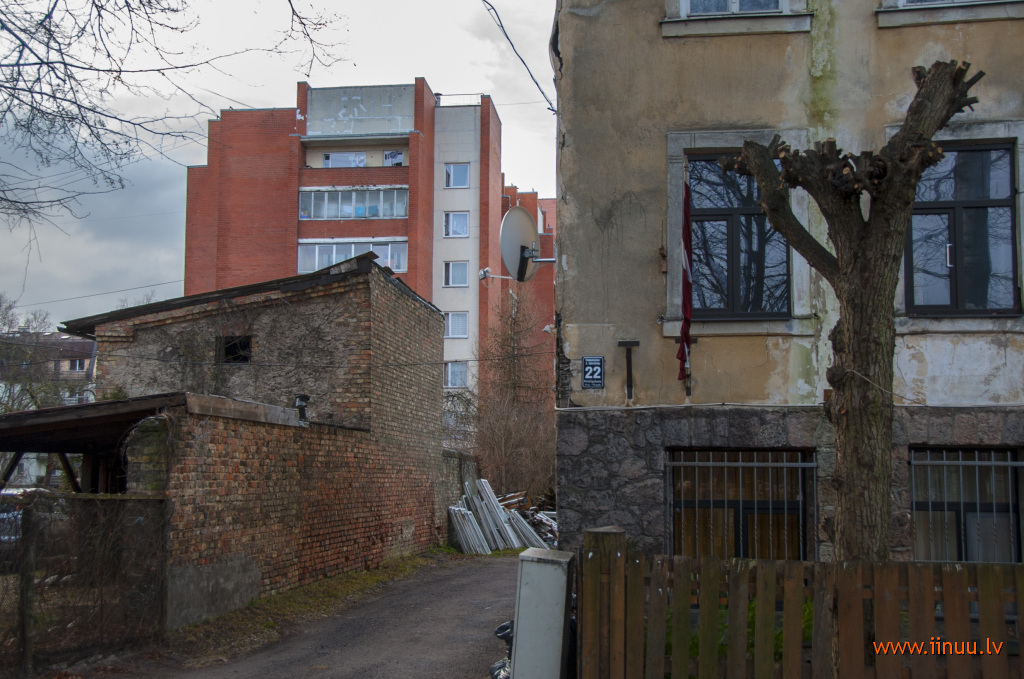
Along the way, a brick building stands as evidence that the Second World War halted the construction of several Riga buildings (image 18). The facade was never rendered, and construction stopped at the third floor, where an evidently unplanned roof was added. Scaffolding holes were simply bricked over a few years later. This building has lived through all the Soviet years and continues to function to this day.
The guide also drew attention to a masonry semi-detached house built during the period of Latvia's independence (image 23). The model was borrowed from England.
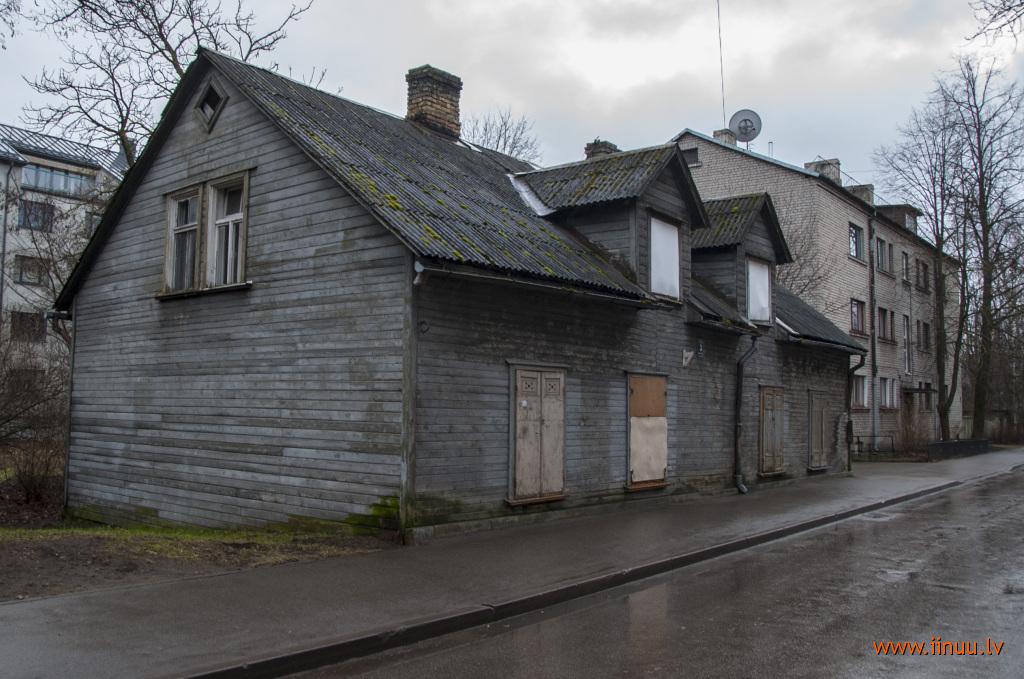
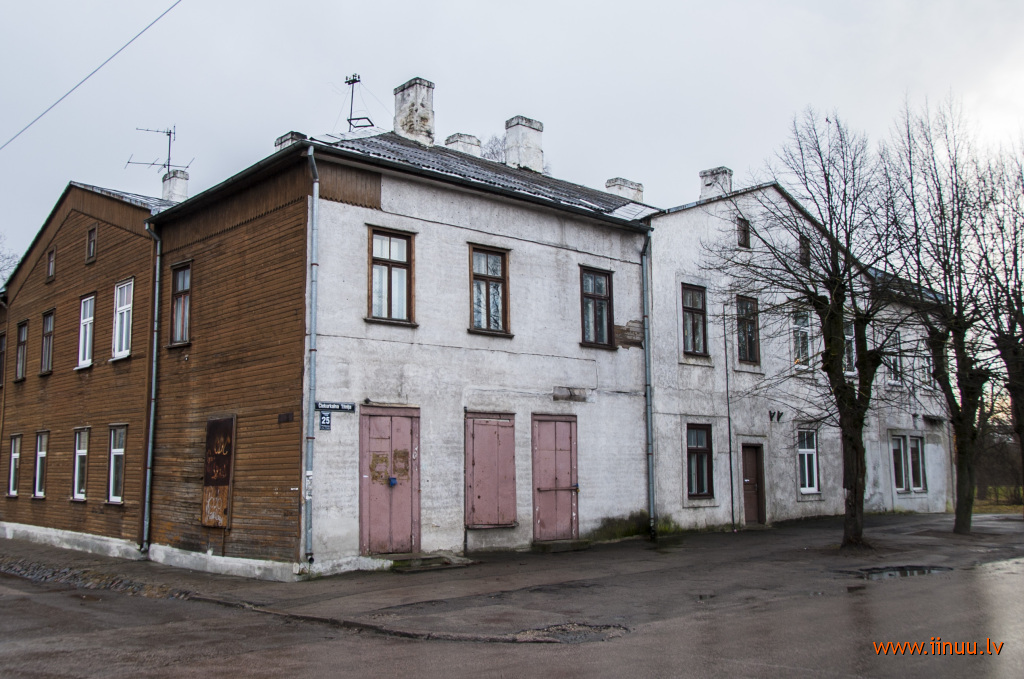
As the informative walk neared its conclusion, we turned into Čiekurkalna 5th Cross Street, where a whole row of wooden houses preserved over a century stand with their histories and the varied fates of Latvian families (images 24 to 28). Some wooden houses have been successfully restored while retaining their individual character; others are still waiting their turn. Several glazed verandas can be seen here, giving the houses a special cosiness.
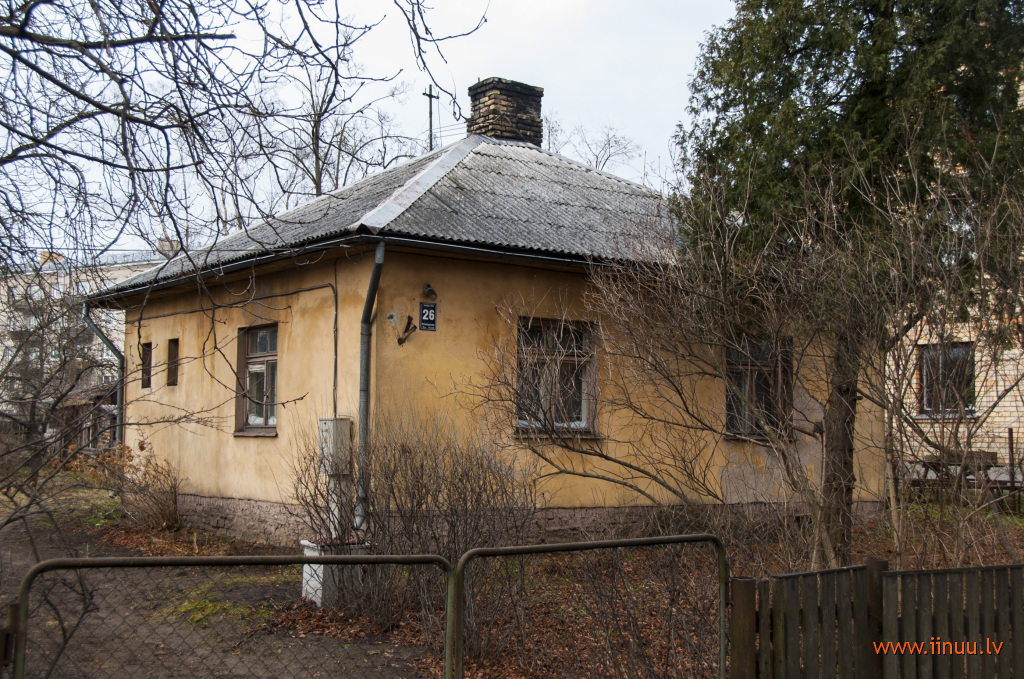
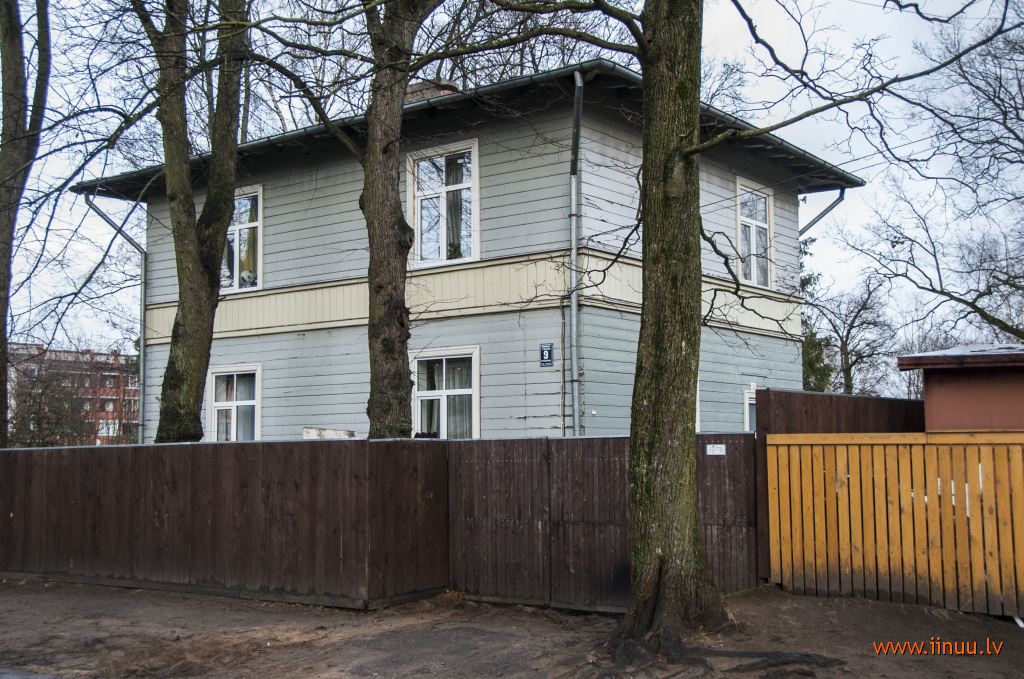
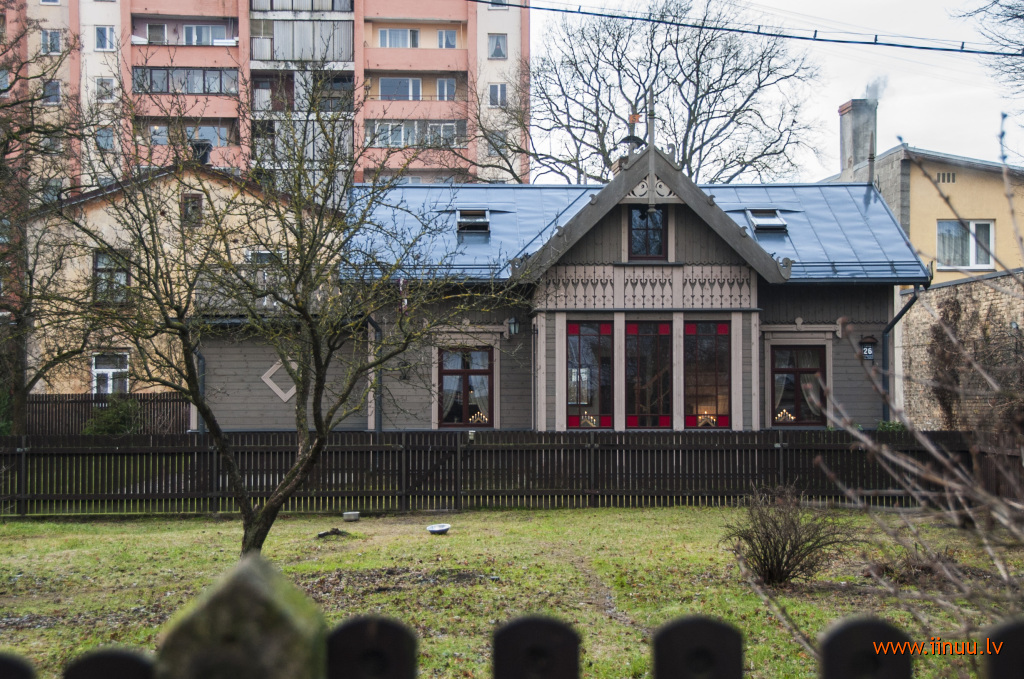
Particularly beautiful was the restored greyish residential house (Čiekurkalna 5th Cross Street 26), set back from the road, with a glazed veranda and wood carvings (image 28). It turns out that following early-20th-century sketches found in the building authority's archive, it was restored at the owners' request by the architecture firm "Vecumnieks & Bērziņi." As they themselves write on their website, the brief was that "The new owners wanted to live in an authentic setting, not imitations." The greyish-red block building visible behind this family home in the background seems like a general lack of imagination - a Soviet-era spectre.
It seems that one such Riga neighbourhood of wooden architecture is a whole historical find and a still-dormant potential that can be developed, restored and preserved as values that do not fade with time. It is good to be aware that we live in an era where diversity and individuality are valued…
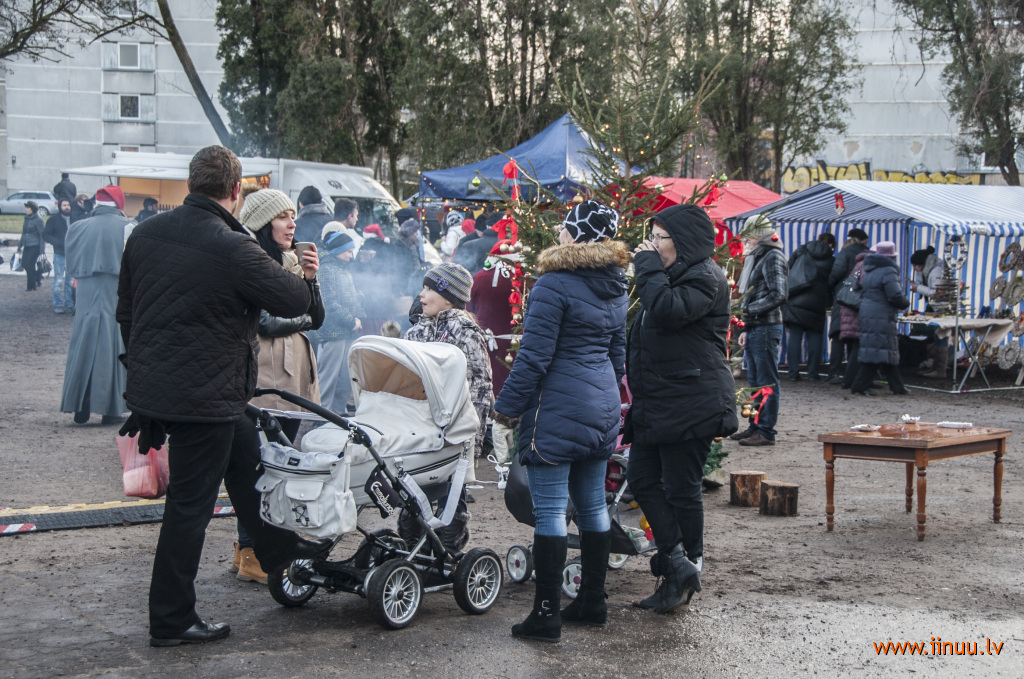
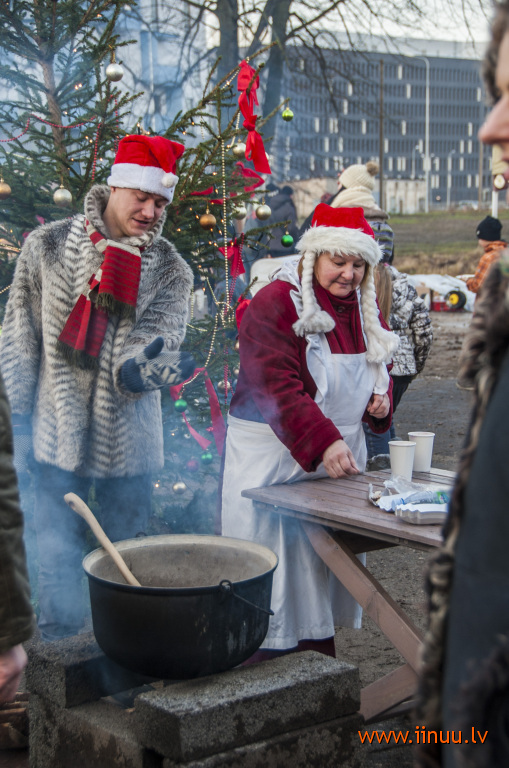
Then the whole group returned cheerfully to the crossroads, where since 10:00 in the morning and still going strong at 15:00, a market of various home producers' goods was buzzing away, with a decorated festive Christmas tree and a simmering pot of peas at the centre (image 30). Here one could purchase various gingerbread dough (even with lavender), home-made pasta in various flavours - curry, carrot, onion, wholegrain - and of course beer - Līgatne and Valmiermuiža. The former had drawn particular attention from visitors. Various pickled preserves, gherkins, bread and other treats.
The Endomondo app shows we walked almost 5 km through Čiekurkalns. Tiredness and the sense of time had vanished. Ah, anticipation and experience do their work - drawing you towards the cosy, the small, the quiet, the Latvian, the quality and the worthwhile.
That was not all for the day - we headed to the city centre to visit the annual Jarmark (fair), an art exhibition and sale at the Art Academy. But that is another story…
Čikāgas Piecīši - Šreienbušas Pažarnieki
comments