The Penguin
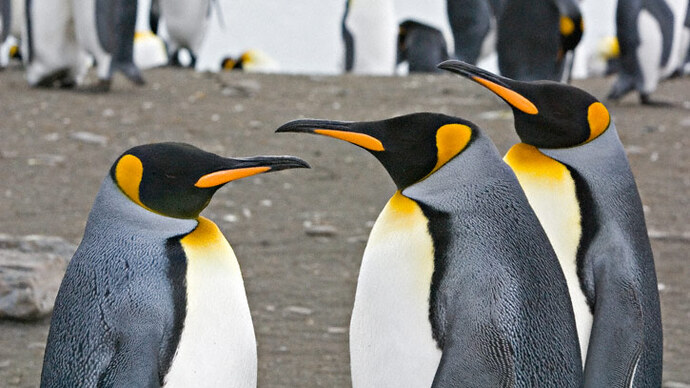
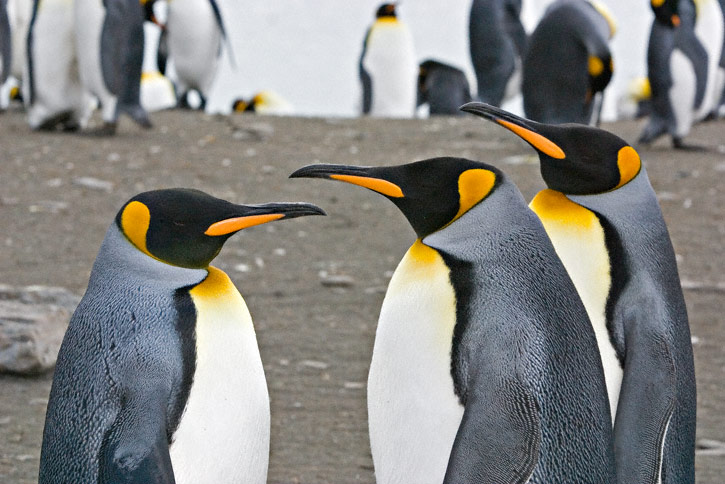
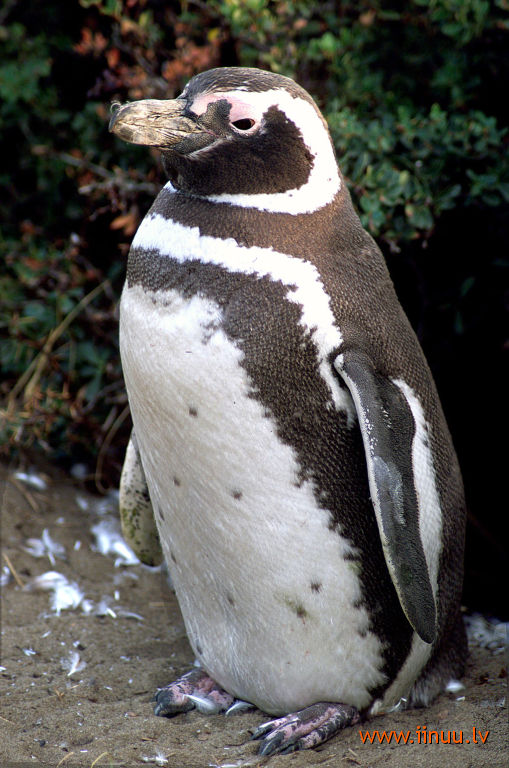
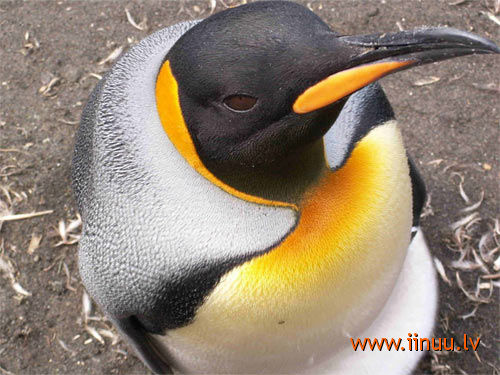
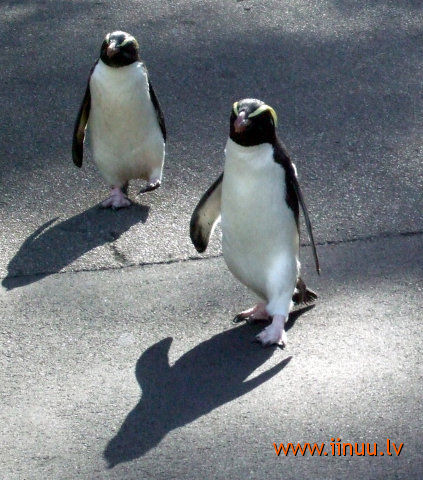
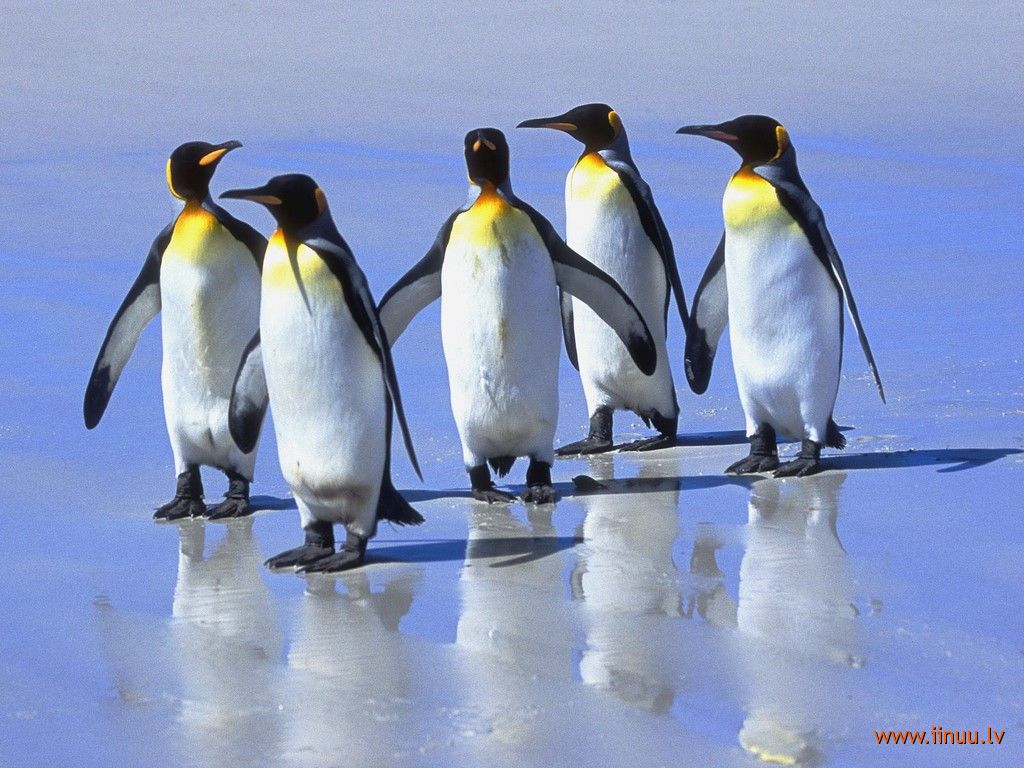
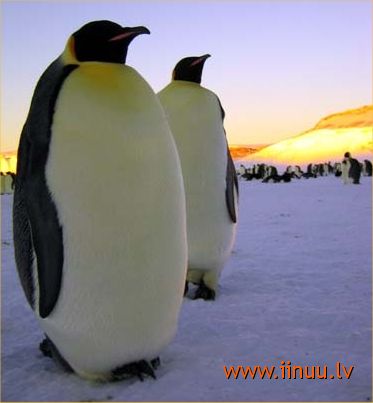
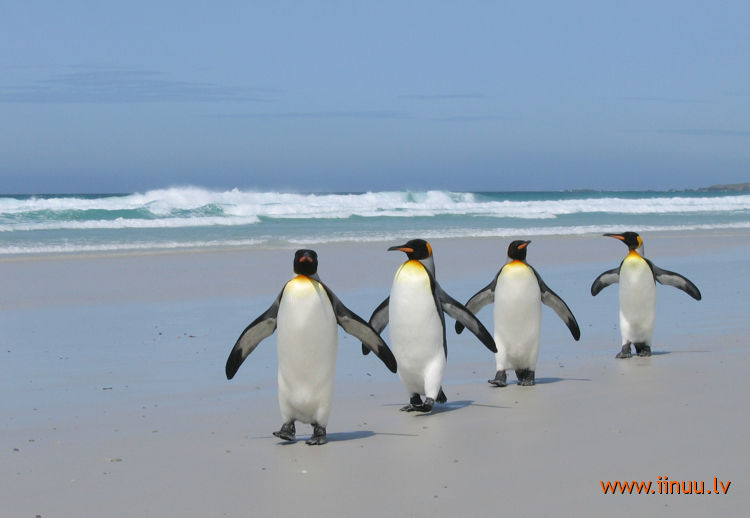
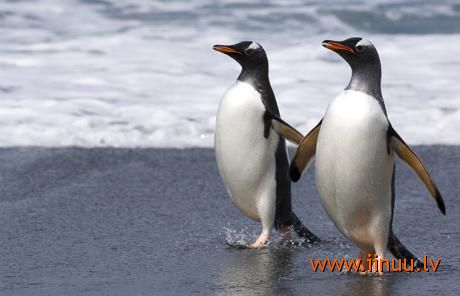
All penguins have a white front and a dark (predominantly black) back. Penguins cannot fly, but they are excellent swimmers. They have outstanding hearing and vision underwater.
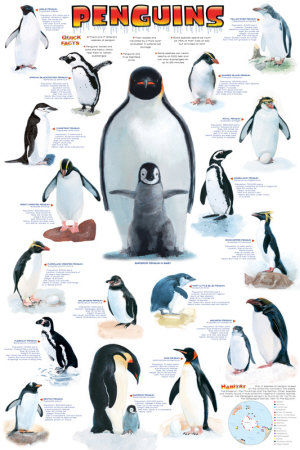
The penguin family (Latin: Spheniscidae) are representatives of the flightless seabird family belonging to the penguin order. The modern penguin family comprises 18 species divided into 6 genera. All its representatives swim and dive well. Penguins are found only in the Southern Hemisphere, primarily in Antarctica.
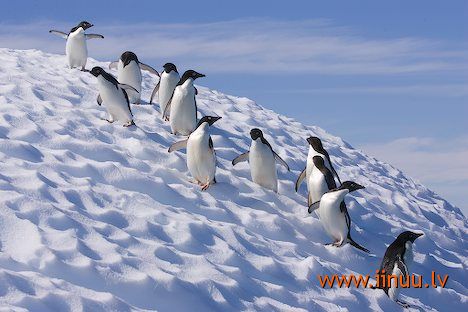
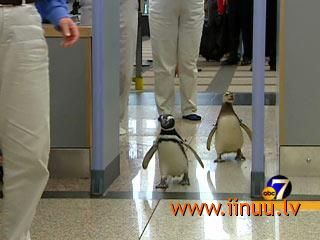
The size of a penguin ranges from 40 cm to 115 cm, with a mass of 1 to 46 kg. They differ from other birds in their special body form. Penguins cannot fly, but they swim and dive excellently. On land they move about awkwardly waddling, resembling a tightly stuffed bag on short legs.
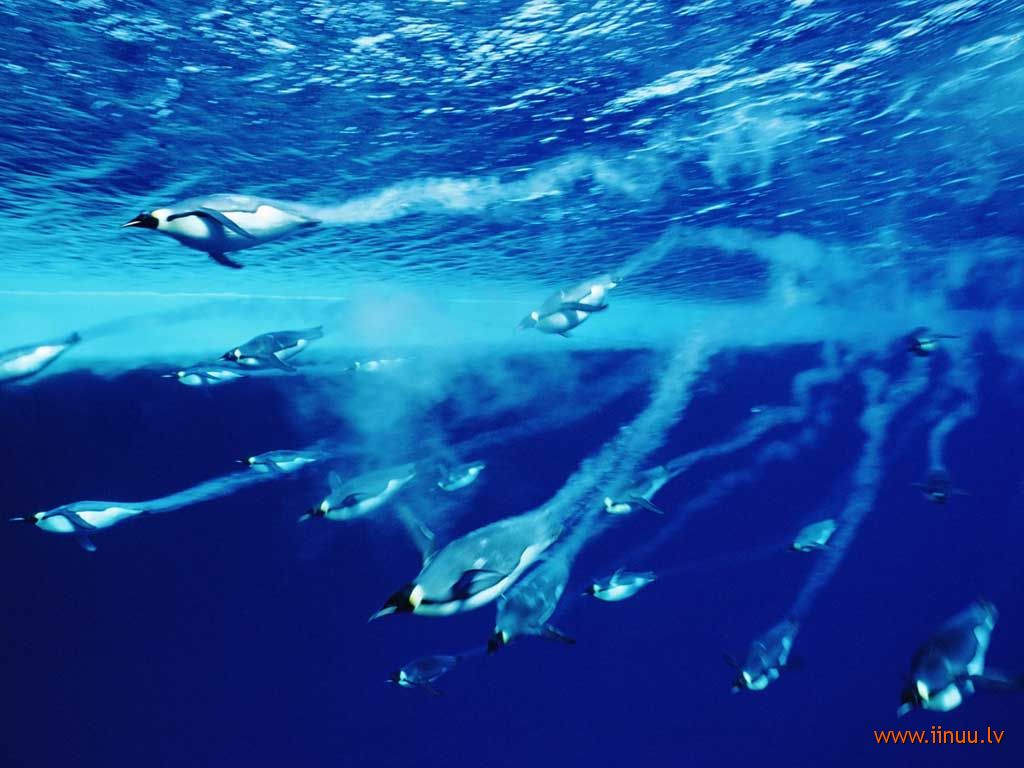
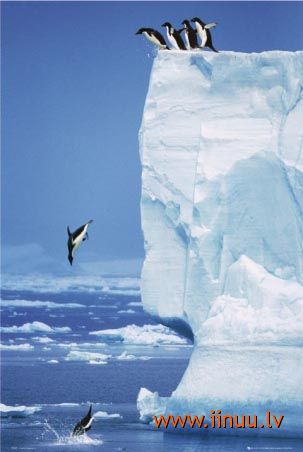
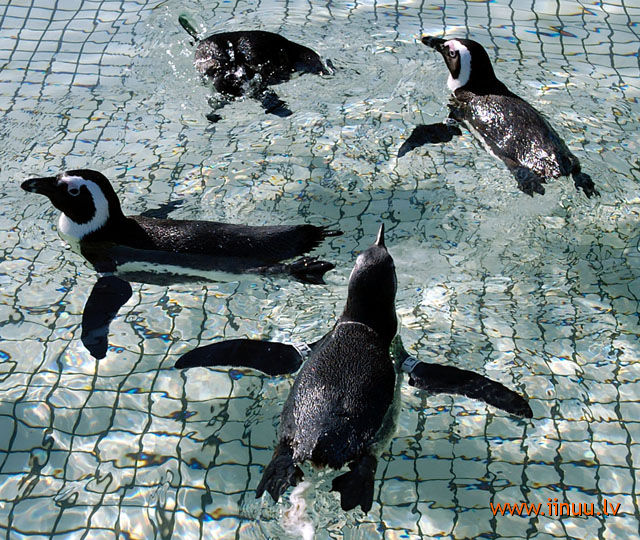
The body form is streamlined, which is ideally suited for moving through water. The front limbs are flippers. The musculature and bone structure allow them to use their wings underwater similarly to a propeller. With their wings underwater a penguin builds up speed, while using their flippers to correct trajectory. In water they are capable of moving at speeds of up to 5–10 km/h, sometimes faster - up to 36 km/h. Penguins are capable of diving to depths of 200 m and remaining underwater for up to 20 minutes.
The second difference from other birds is bone density. In ordinary birds the bones are tubular, which makes the skeleton lighter and allows easier movement. In penguins the bone is similar to a mammal's bone (that of a dolphin or seal), as it contains no internal cavities.
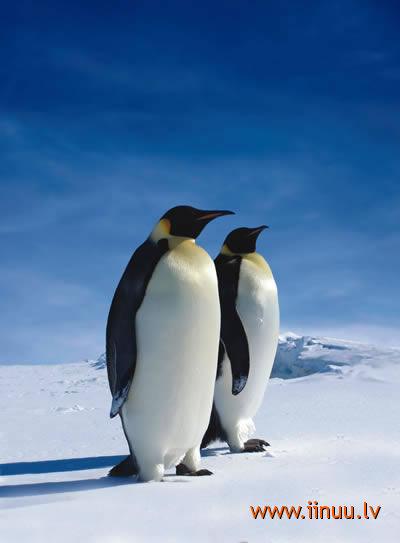
All penguins have a white front and a dark (predominantly black) back. Penguins cannot fly, but they are excellent swimmers. They have outstanding hearing and vision underwater. The black and white colouring helps them to camouflage themselves from potential attackers. Swimming in water, from below they appear white, blending with the ice and the light visible at the water surface. The black back, when viewed from above, blends with the dark water.
For the most part penguins live in cold climate zones, swimming in water whose temperature is close to zero. A thick subcutaneous fat layer, thick waterproof feathers containing a fatty secretion, protect them from freezing in water. Penguins nest in enormous colonies that can contain even millions of birds. Bird pairs live together for their entire lives. They nest on rocks, pebbles, directly on ice, under tree roots or in caves. Colonies usually contain many young individuals for whom the mating season has not yet arrived. When the young have grown up and become independent, the colonies disperse and the penguins set off into the expanses of the oceans. From their nesting site they often swim thousands of kilometres away. Once a year penguins moult. New feathers grow under the old ones and push them out. While moulting, a penguin loses the ability to swim in water, and consequently to obtain food, until the feathers grow back. During this period a penguin loses a third of its mass.
For the most part penguins feed on small fish, squid, crustaceans and plankton.
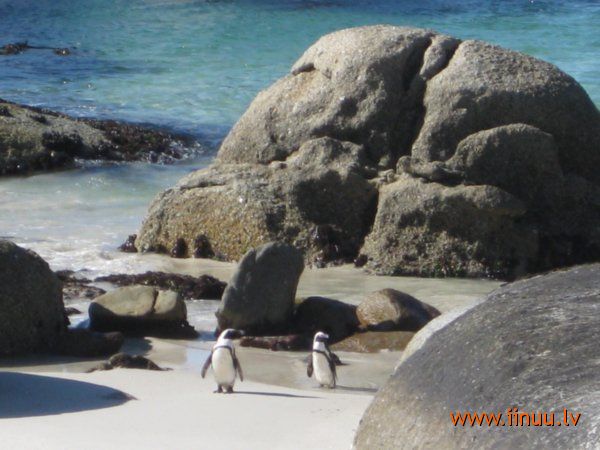
Penguins live predominantly in the Southern Hemisphere: in Antarctica, New Zealand, southern Australia, South Africa and South America.
And of course, my favourite cartoon - The Penguins of Madagascar :)
comments