
Old Greeting Cards and Their Symbolism
The Winter Solstice and New Year celebrations are now behind us. The tables, windowsills and shelves of many homes and apartments are filled with greeting cards bearing warm words and wishes of happiness and good fortune. But what are the origins of postcards, and what did they look like 10, 50, 100 years ago?
The Winter Solstice and New Year celebrations are now behind us. The tables, windowsills and shelves of many homes and apartments are filled with greeting cards bearing warm words and wishes of happiness and good fortune. But what are the origins of postcards, and what did they look like 10, 50, 100 years ago?
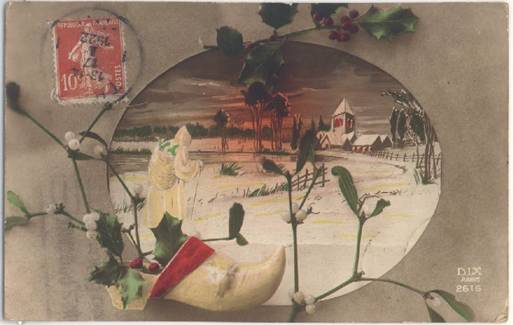
It turns out that the first people to introduce greetings analogous to modern greeting cards were the Chinese. Initially these cards obligatorily noted the names of the guest who had just called and the host, and later notes about the gifts included were added. However, one thing has remained unchanged since antiquity - then as now, wishes of health, long life and good fortune are written.
However, postcards with greeting texts originated in old England. The first sender of such a postcard is considered to be Henry Cole, who asked his friend John Horsley to draw a New Year greeting card. Based on the drawn card sketch, a print run of 1,000 postcards was released in London.
Postcards from Britain and America
The subject matter of these postcards is dominated by images of social gatherings, children in festive dress, a calendar, a clock face, champagne. Many feature a lucky horseshoe.
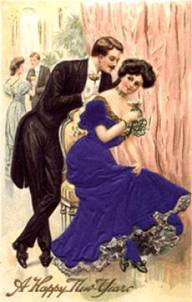
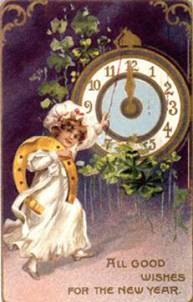
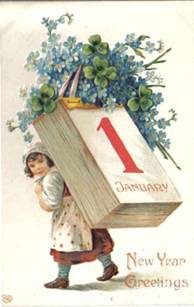
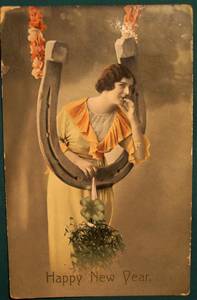
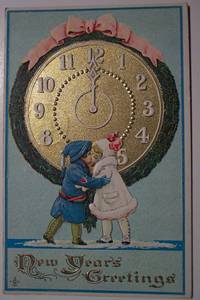
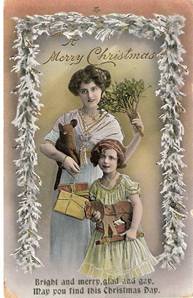
Interestingly, many feature flowers, butterflies, wreaths - that is, not Christmas motifs.
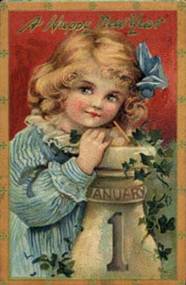
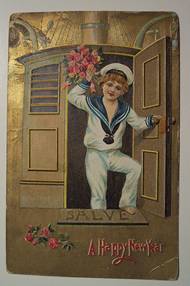
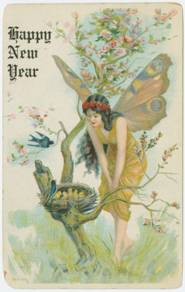
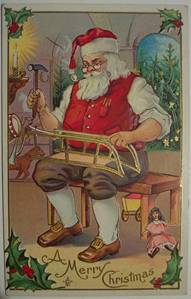
In later years a whole range of greeting cards featuring Santa Claus, reindeer and gift bags came to light.
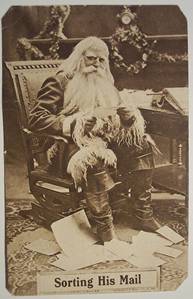
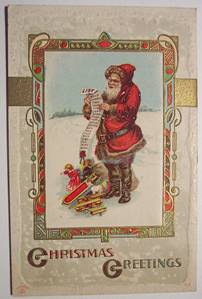
Postcards from Russia
Russia, like many countries, also adopted this tradition. There are two versions as to the author of the first card in Russia: the first - that it was drawn in 1901 by the artist Nikolai Karazin; the second - that the postcard was drawn only in 1912, by Fyodor Berenshtan, librarian of the St Petersburg Academy of Arts.
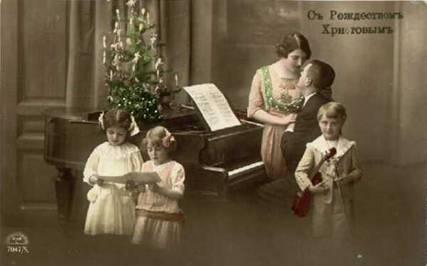
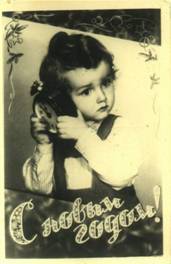
Drawn and photo-processed. Widely used symbols - a lavishly decorated, colourful Christmas tree, snow-covered fields, pine cones, a sled, a smiling child's face, Ded Moroz and Snegurochka, small animals (especially hares and bears), also a clock face and chimney sweeps.
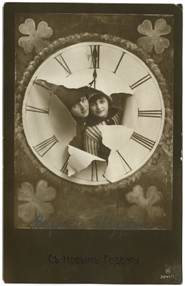
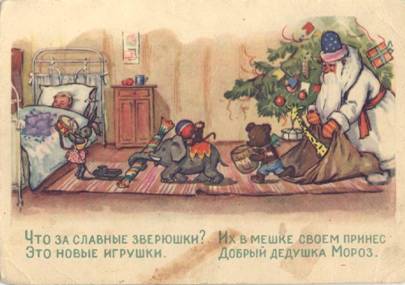
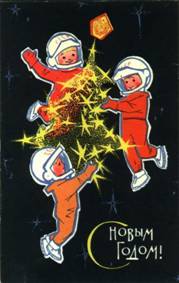
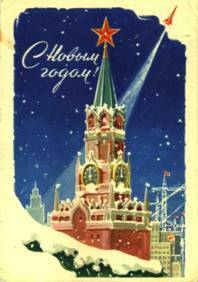
In the Soviet years, greeting cards were full of symbolism corresponding to the state system and current political processes - a red star, cosmonauts, the Kremlin wall, glass baubles with silver rain, and so on.

Postcards from France
Old postcards were adorned by fashionable ladies, displaying the latest trends in both hairstyles and clothing. In their hands - flowers, fir branches, gift wrappings, and the like.
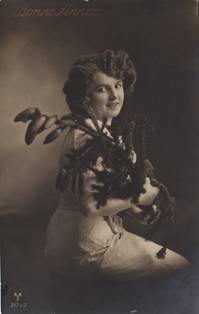
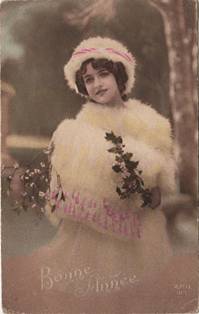
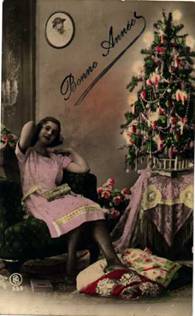
Several postcards also feature views of snow-covered old towns, carriages, smartly dressed coachmen and the gentlemen seated inside.
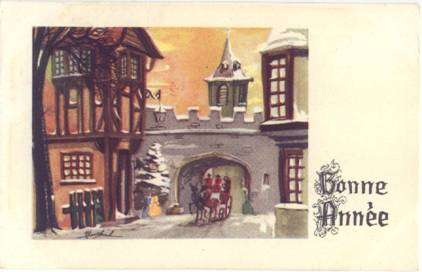
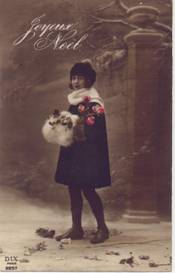
Postcards from Germany
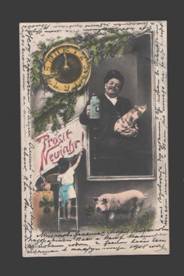
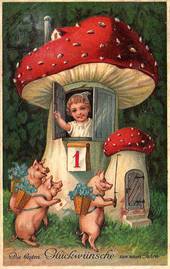
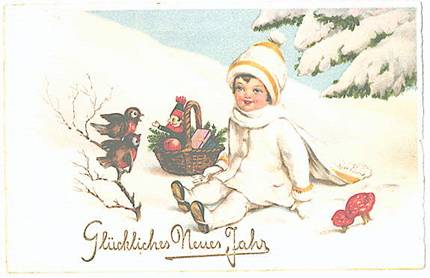
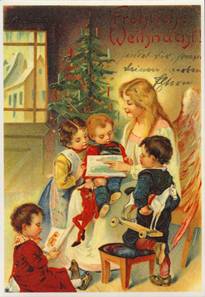
Central squares of old towns, decorated Christmas trees, children with gifts, family idylls.
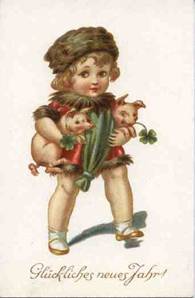
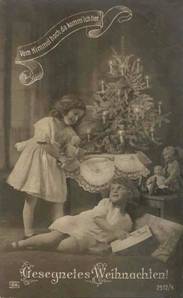
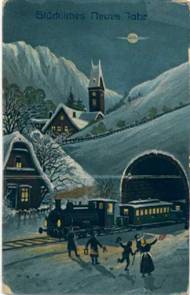
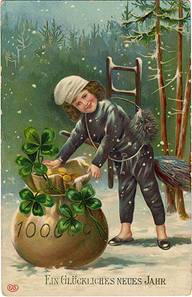
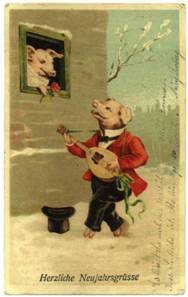
Interestingly, many greeting cards feature piglets as bearers of prosperity and happiness, as well as fly agaric mushrooms and clover leaves.
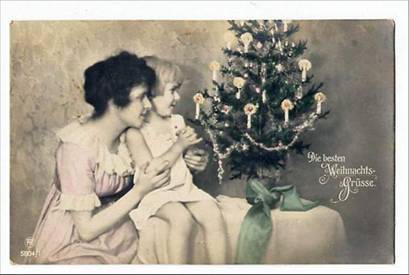
Postcards from Denmark
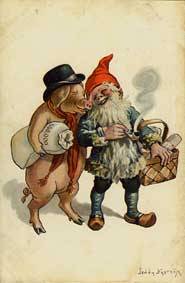
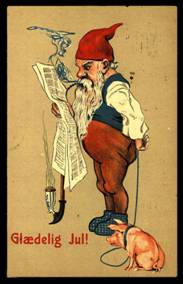
Piglets in New Year postcards have also been popular among the Danes, but the most commonly appearing image in them is the elf.
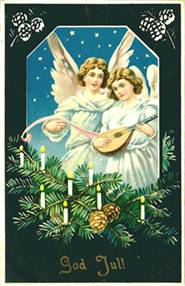
Postcards from Latvia
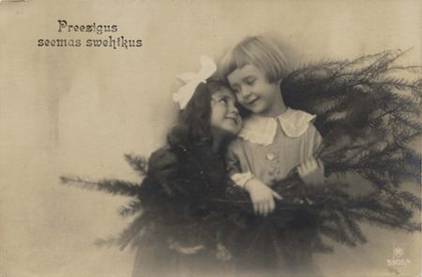
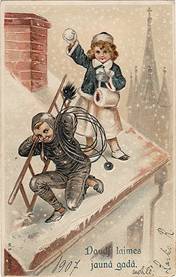
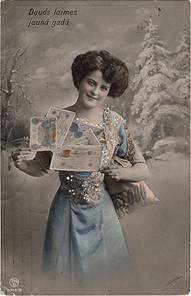
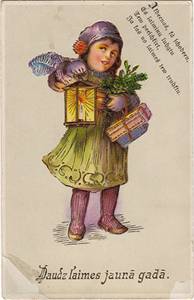
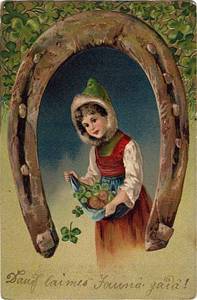
Old Latvian greeting cards show the influence of almost all of Europe, but most of all from Germany - smiling children's faces, four-leaf clovers, chimney sweeps, lucky horseshoes, and the like.
Materials used:
Vintage Christmas card collection - http://www.mazaika.com/postcard/european0.htm
История новогодней открытки - http://www.domashnie-posidelki.ru/publ/2-1-0-525
comments